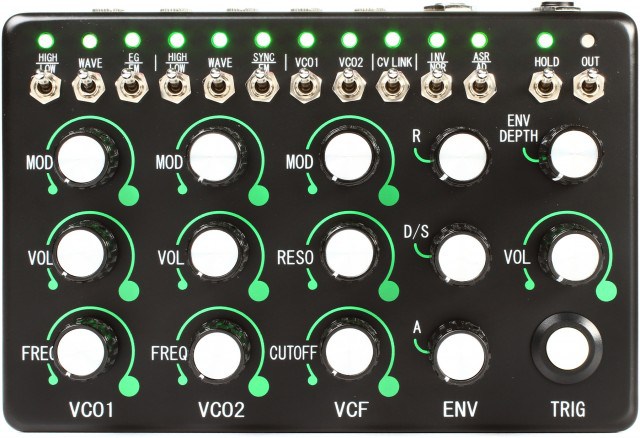
Roland has just dropped another synth: the short-run Driftbox-R Limited.
Looking very much in line with the companies AIRA line, the Driftbox-R Limited first surfaced as a small-format synth from Japanese manufacturer Reon (according to Resident Advisor). The Driftbox-R Limited is an updated, limited-edition version of the original Reon Driftbox, with AIRA styling. Features include two VCOs, VCF, Envelope Generator, and CV/Gate I/O, and is available now over at Sweetwater for $499.
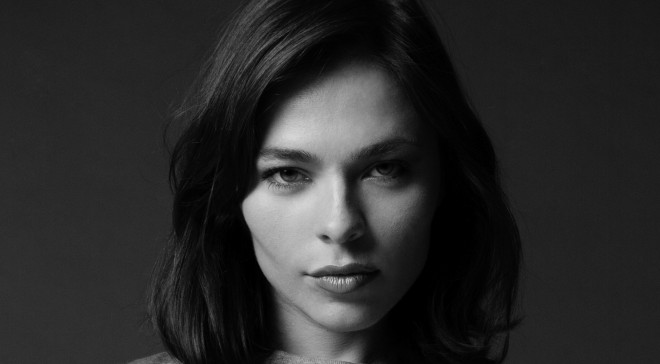
Nina Kraviz has issued a repress of her 2009 tech-house EP, Pain In The Ass, on Radio Slave‘s UK record label, Rekids. The tracks have the instantly recognizable flavor of Kraviz sexy vocals, with the title track employing a deep and minimal beat with chirping high-hats. The B side is equally rooted in silky vocab, with a driving minimal drum set that taps and pushes towards psychedelic chants and deep house euphoria. With poetry like this, it is easy to see why everyone was paying attention to this record when it first came out.
The cheapest price on Discogs for a “near-mint” condition copy of this record goes for $50.12, but the repress is available today for only $8.78 plus shipping. There was a repress of this record back in 2012, but the stock was instantly off the shelves and actually drove up the resale price on-line, much to the dismay of listeners who waited 3 years for the last repress. With a recent set at Awakenings 2015, and a new Boiler Room set live from Scotland last week, it’s probably best to grab this record while it is still available.
To purchase a copy of the EP, you can visit the Juno Records website by clicking here.
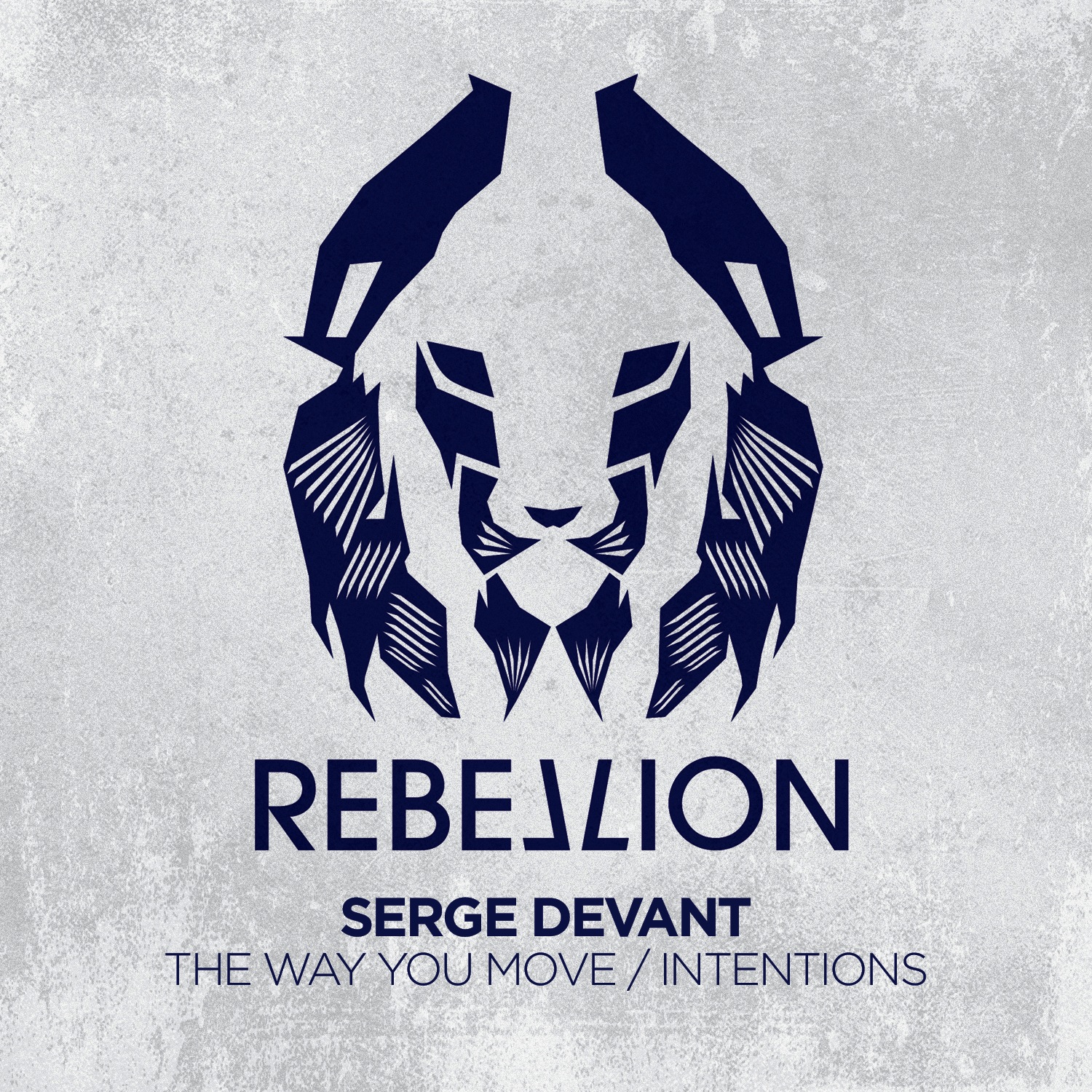
Following up his and Damiano’s “Fearing Love” on Jamie Jones and Lee Foss’s new Emerald City label, Serge Devant comes back strong with the hypnotic three-track The Way You Move EP on Crosstown Rebels‘ Rebellion imprint. The inspiration for this set of songs came from a recent trip the Brooklyn-based Devant made to Thailand, where he captured field recordings ranging from the sounds of a gong meditation ceremony to rainfall in the jungle—those sounds are incorporated throughout much of the release, and find Devant summoning an enchanting vibe. The title track sets a sexy after-hours mood with a dark and slinky rhythm built around a loose 808 work-out and mesmerizing vocal sample; Audiofly offer a tougher take on the track with their remix, while “Intentions” closes out the release with a delicate and sublime groove.
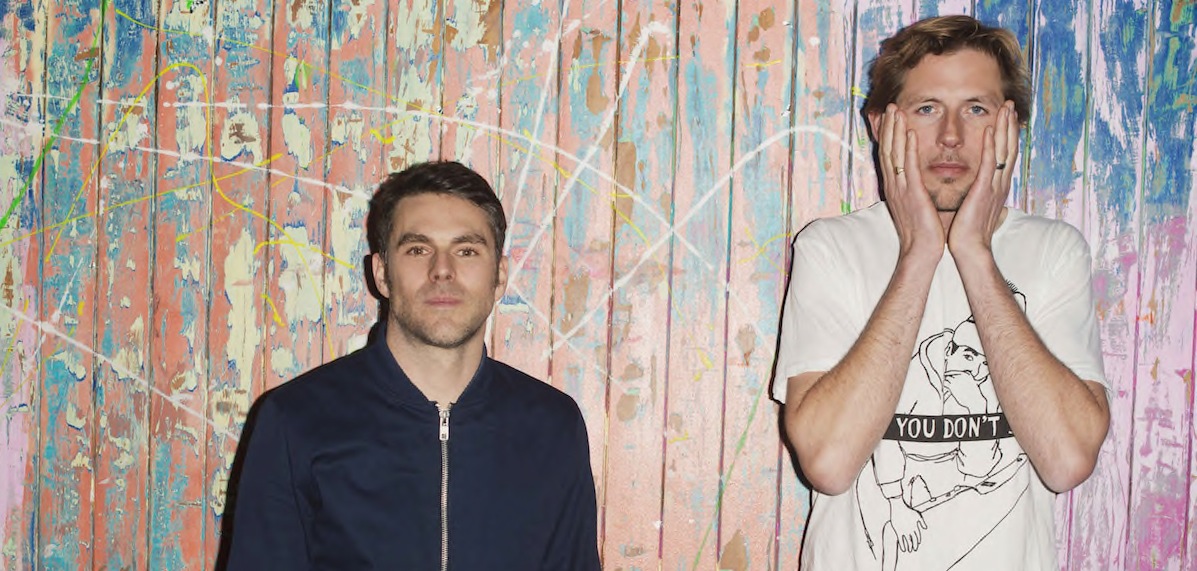
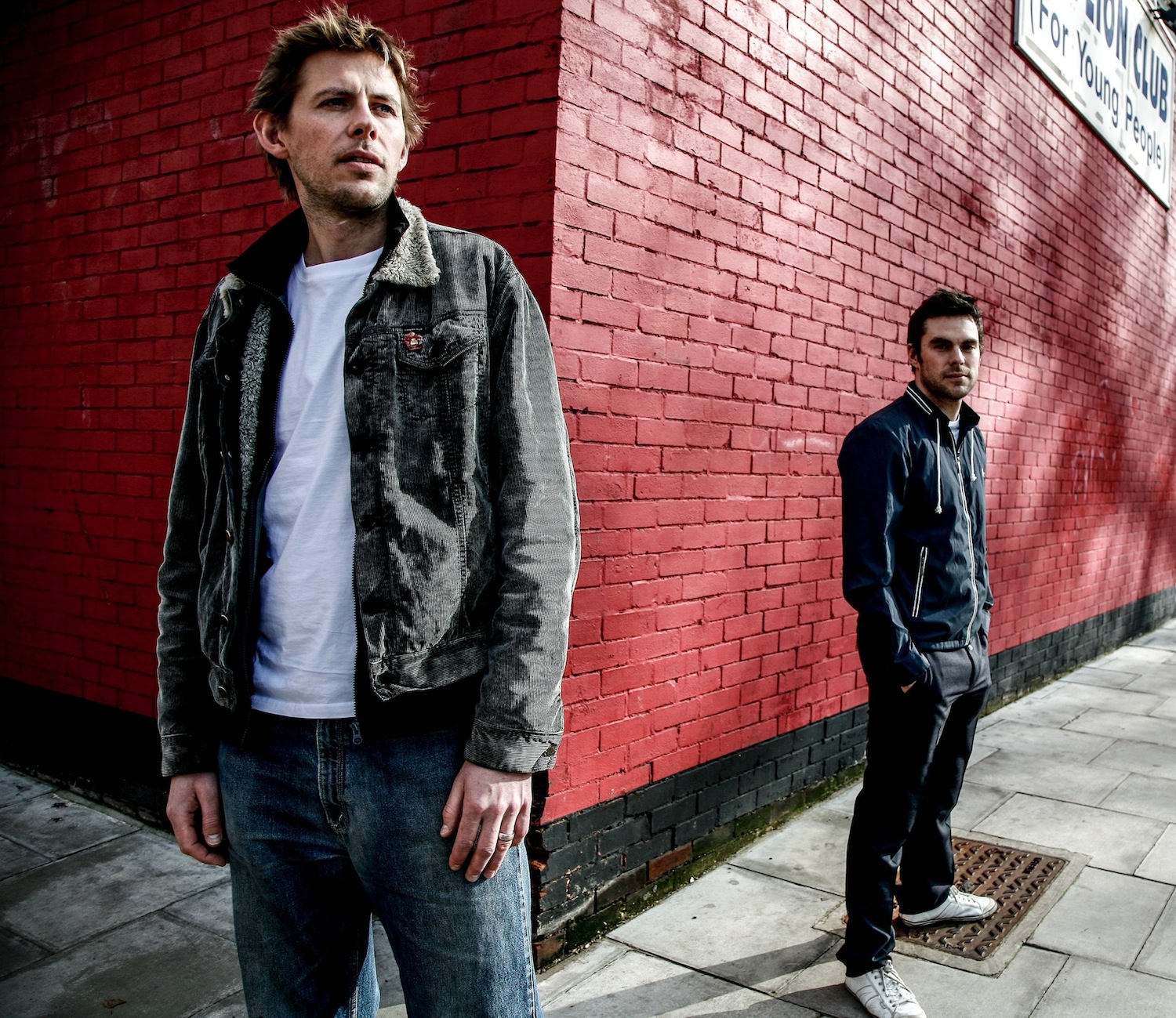
Eight studio albums, scores of acclaimed EPs, and multiple sold-out world tours: Tom Findlay and Andy Cato have come a long way since they first started producing music together in the mid-’90s. Originally a series of club nights across London, Groove Armada has grown from a project based in Cato’s London studio to one of planet’s leading electronic music acts, a dramatic rise showcased by their 2010 tour which saw them sell out arenas across the globe.
Since then, Findlay and Cato have taken a dramatic change of course. Gone are the live bands and full-length albums, replaced instead with DJ sets, Ibiza residences and smaller EPs, a conscious move founded upon a desire to return to their musical roots of free parties and quality house music.
Up next for the pair is Little Black Book, a two-disc mix-CD/compilation coming out on Jaymo and Andy George’s Moda Black label. While disc one consists only of original music and remixes, including seven exclusive tunes, disc two features remixes of their music by others, including Huxley, PillowTalk and Joris Voorn. In advance of its July 10 release, XLR8R sat down with Cato and Findlay to hear the motivations and processes behind the new release, and reflect on Groove Armada’s remarkable journey to date.
Let’s talk about the new album, Little Black Book. How did it come about, and what were the inspirations behind it?
Andy Cato: The story can be traced back to 2010, which was the last show we played with the live band. We finished off with two nights in Brixton, our spiritual home—and that brought this long 15-year chapter to an end. From that moment, we decided that we wanted to return to our roots, go back to house music and the very basics—because this free-party, house-music ethos is where we came from. It took a while to sort that out because the booking requests we were receiving were quite big-stagey things, which was the wrong context for what we were looking to do. We started to put EPs out in the right places and then, through these more house-orientated releases, we found ourselves with a lot of music and the right kind of gigs. Following this, the guys at Moda Black approached us with the idea of a mix, and it was initially going to be a kind of retrospective look at all our house stuff, but we just got in a roll in the studio and produced enough material for a new album. The obvious option was to sign with a major, to get the band back and all that stuff, but we were determined to stay true to our roots and stick with house music—and that’s how this release on Moda came about. It’s that simple—there is no bigger agenda than that.
Little Black Book contains seven new Groove Armada tracks. Can you tell us about the production process behind this new material?
Tom Findlay: We went into the studio, thinking it would be easy, but then when we realized something was going to come out of it, we started giving it a much creative focus as we could. We thought we’d go in the studio, just grab some nice tunes we’d done before and mix them together, but you always want to make it the best you can. So when we started focusing on it, we were inspired to write new material and, all of a sudden, we had new song after new song.
Cato: It’s the same with most of our productions. There has been a constant theme in all of our work where we think it’s going to be easy—and then once we unleash the machine, we both have this mad perfectionism which means we won’t let anything lie until the music is perfect, and we’ve been through every bloody photograph to create the booklet. There has always been a complete commitment to our version of quality. The classic example of this is with the live show. The live show basically took over everything, but a lot of it went unrecorded because the gigs changed all the time—you were there or you weren’t. But before the very last gig, after 15 years of touring, we still called an early sound check in the afternoon and we were tweaking hi-hat levels and everything.
How long did Little Black Book take to produce?
Findlay: It’s been about 18 months from our first conversations together. In the studio, it was all done around November, December, and January— we’ve absolutely churned it out.
You’ve got a nicely eclectic array of remixers involved on the second disc of the album. How did you choose them?
Findlay: We both had a whole bunch of ideas, but for this we’ve got to give credit to Moda— and that’s one of the reasons we’re glad we went ahead and did the project with them. They had strong feelings about how they wanted that side of the album to be, and it sounds great.
Since the releases of Black Light and White Light in 2010, you’ve released a number of EPs—but this is your first full length release since then. Why the radio silence…and why now, five years on?
Cato: Having finished the live stuff, getting back down to the DJ thing was actually trickier than we thought. We were trapped in the big-stage world and it was difficult to escape. Groove Armada means different things to different people, and it’s taken a while to get back to this point. We’ve always DJed; we’ve been residents at Space Ibiza for 15 years and we’ve always done the house thing, but we’d lost that side of us, and it was a long road to returning to play house music in places where you can play house music.
Can you just explain the reasons why you wanted to return to your house roots?
Findlay: Around the Black Light touring bit, there was a sense that we were always playing on the main stage of a dance tent; we were always doing the same slots, coming on after Laidback Luke or Calvin Harris, and it wasn’t really the scene that we wanted to be part of. At the end, we did the two nights in Brixton and it just felt like that was the right time to close that chapter—it was a great way to end, right at the top. The music was all sounding great, but that big electronic scene was not where our heads were at. Instead, we felt the need to go back to what we had always done—and we decided to go that way, playing nice house sets, having a good time, rather than pushing this large EDM–size stone.
You don’t think you’ll ever return to that scene?
Findlay: The live stuff was amazing and there is definitely a temptation to revisit that—but there is also the sense that, having left it at the peak, we don’t want to go back there. It’s never going to be better than those last two shows at Brixton.
Cato: I think the context has changed. There is a recording of the last night at Brixton and it sounds amazing—we spent 15 years getting it right so it should. But that combination of live music and electronics was pretty unique, and for 12 of the 15 years that we were doing it, there was a tolerance for it on the biggest stages at Coachella and Glastonbury, and on the other big dance stages across the world. However, towards the end of that period, there was a quite rapid shift to where there was no tolerance for a drum kit and bass, etc., with electronic music.
“We were playing great live dance music, and it just wasn’t working. Andy I stood there thinking that if we had three records right now, we could get everyone going mental with their arms in their air.”
Findlay: We remember doing a gig at the Winter Music Conference in Miami and that felt like the end of this scene. We were playing great live dance music, and it just wasn’t working. Andy I stood there thinking that if we had three records right now, we could get everyone going mental with their arms in their air—because that’s what they wanted.
Cato: That was the time we realized we had to draw it to a close. Arguably, we could have revved it up and had bigger drops, but we had no interest in that at all.
Considering the length of your discography, it must have been hard to limit the material on the release. How did you approach the album, and how did you determine the final track-listing?
Findlay: We did have a lot—but we knew that all the material we were going to use was going to be post–Black Light. We wanted it to be all new compositions by us from over the past five years, so, there wasn’t a whole load of material.
Cato: We didn’t want it to be a retrospective look of the whole Groove Armada catalog. We wanted it to be all about the now, and the house—already, that was a starting point. However, it did change, because originally we put a playlist together and there was about an hour and a half of post-2010 house music, and we thought about doing a mix of that. But that felt a bit yesterday for us, and in the process of putting it together, we ended up with some new tunes and it just slowly took the form it did. It was very spontaneous.
Where were the original tracks recorded?
Findlay: We actually work separately now. I am based in Stoke Newington, and Andy is in Toulouse, so most of the stuff is mixed in his “cowshed” in the French Pyrenees. We send stuff back and forth, and it just comes together.
Why did you decide to go for a mix format instead of a new LP?
Findlay: Looking at what we are doing gig-wise, with the shows we are doing in Ibiza and the residency at Fabric, this is the world we are in now. We want to make music that fits with that, so making little EPs for dance labels and mix albums feels like the right thing to do. I think that if we did ever bring the live band back, then we would have to reimagine it all—but for now this mix format is what works.
Cato: This is house music, and so to have a ten-track house album that goes from beginning to end on Sony would be pointless. But the fact that you can mix it means all kinds of things happen as the tracks blend together—so I don’t think there was really an option to do it any other way. We are not trying to get on Radio 1 or become pop stars; we are trying to put out music that we’re playing that is going off and sounds great.
And that’s why you chose Moda Black, instead of some major label?
Cato: Exactly. When you make music, you want people to listen to it and be into it. By putting it out on Moda Black, the people who are going to hear it are people who are going to like it, so it was a pretty simple decision.
Do you have plans to re-enter the studio to complete a regular full-length LP any time soon?
Findlay: Certainly if we took the live band out again, we would then write music that would be more fitting for a full length LP. We could probably squeeze an EP out, but I think an LP would probably be a bit beyond us.
Cato: I could imagine doing a non-dancefloor album, but right now it seems a long way off. You look at the gigs we have in the diary, and we know that we can go there and play the house music that we’ve always loved. It’s like a huge circle has gone round, from the free parties of the ’90s to where we are now.
Findlay: That’s been the really nice thing of the last five years —the EDM thing is doing its thing, but it is a very specific audience. But the house thing is more widely accepted nowadays: The kids today are getting into it more, and when we’re onstage we don’t feel the need to play any filth. We can just play nice house music—we have to work it a little bit, manufacturing a few more drops to add some energy, but we don’t have to play crap.
Over the years, the sound Groove Armada has evolved a lot—do you feel most comfortable in the house scene?
“Closing the main stage at Glastonbury is an incredible thing to do, and I am happy we did it, but that wasn’t what we envisaged.”
Cato: I’m not too sure. On all the vast variety of music that has been made over all the different albums over the years, I think it sounds great—I think we’ve acquitted ourselves well in all of the fields that we’ve gone into. But the way that the cycle has gone, we are now back in a world where this type of house groove is so engrained in us, and we have always spent a lot of time on dance floors and after-parties, so it just feels natural.
Throughout your career, you’ve blurred the line between the underground and the mainstream, with four studio albums in the Top 50. Was this by intent, or did it just happen?
Findlay: It’s funny, because there is definitely a full circle-ness about it. We really did start off in the music we’re making now, putting records out with labels like Tummy Touch. This feels natural now, what we’re doing today and the rest of it—but what happened in between seems like a big mad dream now. It’s a really great dream, but it was never the plan; the plan was always just two mates getting in the studio making music that we like. That’s still the plan today, but we’re just in different studios. Closing the main stage at Glastonbury is an incredible thing to do, and I am happy we did it, but that wasn’t what we envisaged.
Looking back now, are you surprised by the band’s success?
Findlay: We could never have anticipated that, and I still find it very surprising—just because there are so many people who want to make music for a career, and we did it. Sometimes it feels like someone else’s life.
Do you ever afford yourself the time to look back at all you’ve achieved, or do you try to look forward?
Findlay: I think I give myself more time too look back now…but I wish I could remember more about it. I just don’t have a great memory.
Cato: I think it’s impossible to remember it all. Looking through the photos in the Little Black Book booklet, it stirs up the deeper recesses of the mind, and it’s very saddening that that moment is gone. You can never go back to those moments, and there is this incredible sense of nostalgia now. It’s tough to look back—but that was then, and this is now. We’ve got to move forward because the moment has gone, and the memory is nothing more than a shadow.
Has there ever been a point over the course of your careers where you have struggled for motivation?
Findlay: With the live show, not at all. You are with this group of people who you adore, but all of them are looking at you to bring your best to the show. We used to have late nights and parties, but there was always this obsession to make the gigs as good as they could be. We used to make our sound guys mad, doing four hour sound checks and all that. When you’re putting on a rock band, it’s going to sound okay, even if the sound is a little off—but with the live dance stuff there is no room for error. It’s so important to find that balance.
When did you realize Groove Armada was going to be a success? Was there a specific moment?
Cato: For me, it was the Glastonbury moment. Following the release of “At the River,” when Zoë Ball was playing it on the Radio 1 Breakfast Show, we got the opportunity to play the Jazz World Stage at 1.30am. We had decided from the very beginning that we wanted to play dance music live, and so we put this band together, thinking that nobody was going to be there. But it was amazing—crowds of people just started to arrive from all over the place to see us. It was just incredible…a real “oh shit” moment.
Findlay: Yes, it was that summer. “I See You Baby” came out, and then Fatboy Slim remixed it. That was when it felt like we had a lot of momentum which we could either ride or go underground. We sort of went with it, and it was absolutely ridiculous.
Cato: We had A&R men coming up to us all the time, asking where the next “I See You Baby” was. To our credit, I don’t think we ever did that —we came across other things, like “Superstylin’,” but we stopped that agenda. We just wanted to make tunes that we thought sounded great.
Findlay: Even “Superstylin'”came out of us playing in the third room of Fabric, from a real underground house record. It started at 3am in Fabric, and we worked on it and worked on it for six or seven months in this studio, and it got better. But it’s roots were in a 3am session in Fabric.
You mentioned “At the River,” which was a pretty big turning point in your career. What impact do you think its 1997 release had on your success?
Cato: When we finished the tune, we were in Yorkshire Dales because we had been told to go away for a week and come back with an album. It felt like a really easy thing to do at the time. We basically had nothing in the studio, and the trombone was recorded using a hi-fi speaker from the country cottage because we had no microphone with us. I had my trombone because I was practicing for some jazz gig—it was a ridiculous coincidence. But when we had that tune finished, when we left to drive back, we both had DAT tapes as a recognition of that tune.
Findlay: When I listen back to it now, it’s a tune that I don’t really associate with me. I don’t remember any part of writing it; it just feels like that song was in my head and I just plucked it. It feels odd; it doesn’t feel part of us, but it was definitely the one that popped. I crashed my car on the way to getting it mastered!
Cato: I remember playing it in the Jazz Cafe, and Zoë [Ball] and Norman [Cook] were there. I dedicated it to her playing it on the breakfast show, and it was terribly fragile era where the stage was full of wires, and the whole thing went down. At the time, it felt like the end of everything.
Groove Armada’s path can be traced back to when you guys were introduced by Andy’s wife, right?
Findlay: I went to school with Andy’s now-wife…a long time ago. I had been in bands for a long time, but it was only ever in the enthusiastic kind of way. Even today, it seems ridiculous to me that I am doing this for a living, even now. I used to just go up to Andy’s house and make music. Andy had lots of other stuff going on at the time, but slowly, through a random series of events, it all came together. “At The River” happened, then Rob Da Bank got involved, who was writing for Muzik magazine ‚and through random events, it just grew.
“There has been a common thread of honesty through everything that we’ve done.”
Artists come and go, but it seems like your success has been almost never-ending. Do you attribute that to your ability to reinvent your sound?
Cato: Perhaps, but it hasn’t been as conscious as that. It’s easy to sound smug here, but to give you an example: We could have just revved up the band again and taken on six-figure fees, but we didn’t because we didn’t want to. There has been a common thread of honesty through everything that we’ve done, the way our crew has always remained the same, and the way we’ll play a sell-out show to thousands in Australia and then play at someone’s house afterwards.
Findlay: We’ve always had this authenticity. Once you start doing things to make something work, when it doesn’t feel like you, then you’re in trouble. You’ve got to focus on what you want to do.
You talk about making these decisions, and focusing on what you want to do. But do you feel you’ve made any bad decisions over the course of your career?
Findlay: There’s nothing that springs to mind, but one thing I would say is that we’ve always been good at making things out of adversity. I remember doing the album Lovebox, and we had just been abandoned by the label—but out of that album came the festival, and that sort of changed the perception of us. Right at our lowest moment, we came back with our biggest punch.
Cato: At the beginning, there were lots of mistakes, like PR wise. We were hopelessly naive. We were just being honest, without playing games, Ultimately, what we’ve ended up with is fine, so perhaps they weren’t mistakes.
What do you have coming up?
Findlay: There’s going to be a 20-year anniversary soon, which is quite remarkable—so we need to find some sort of appropriate celebration for that. It may just be one messy night out, but who knows? It’s just amazing to have done two decades in dance!
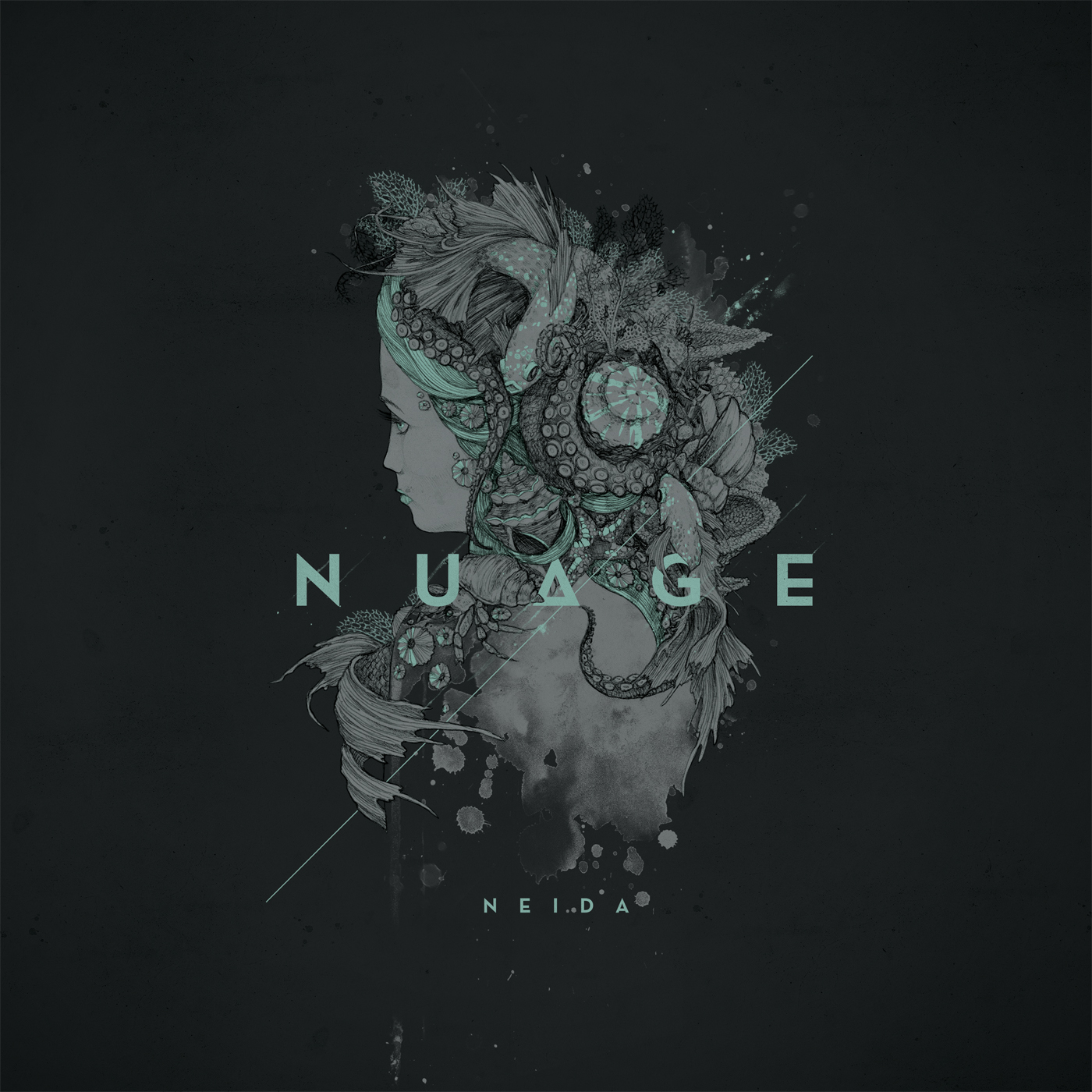
Project:Mooncircle is set the release Neida EP, the beautiful new release from Nuage which features eight floaty, mysterious and elegant songs.
Inspired by a long lost tale from dark and cold northern lands, Neida is the story of a young boy who one day noticed an eerie call, so peculiar and odd that he could not resist but to follow it.
While it resonated through remnants of ancient settlings, the boy had to overcome many obstacles and solve numerous quests, journey through mystical forests, foggy mountains and ghostly villages, battle the forces of nature and lose himself in this adventure. Finally reaching the ocean after an exhausting voyage, a mysterious invisible force drew him closer and closer to it, suddenly entranced in a state between consciousness, floating underwater, lured by the siren of the sea.
Neida comes out worldwide, via limited vinyl (including download code), on August 18.
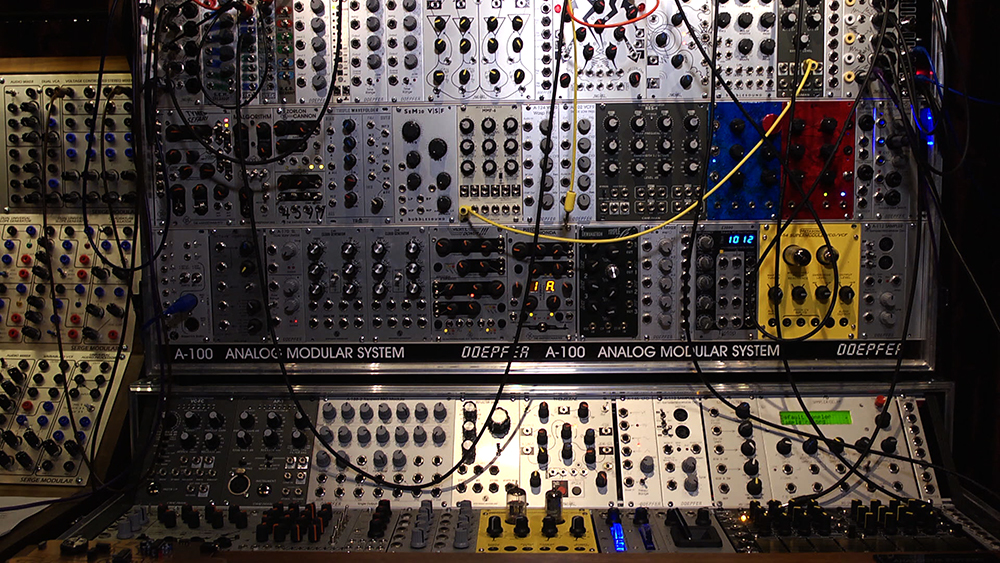
Independent documentary I Dream Of Wires traces the history, demise, and eventually rebirth of one of the most influential machines in electronic music: the modular synthesizer. The film will be released on DVD in July and digitally August—with a world premiere in Berlin on July 28.
I Dream Of Wires explores the early development of modular synthesizers in the ’60s, the 1970s heyday, its almost extinction in the ’80s, and the phenomenal resurgence in modern day electronic music. Interviewing artists such as Carl Craig, James Holden, Jimmy Edgar, and Trent Reznor, filmmakers Robert Fattinatto and Jason Amm provide great insight into the mindset and studios of some of electronic music’s modular masters.
I Dream Of Wires will be released on DVD on July 31 via Cargo Distribution and Amazon, and digitally on August 10 via iTunes and Vimeo On Demand.
XLR8R Couldn't find the embed function for type: "vimeo" and source: "<iframe src="https://player.vimeo.com/video/97374616" width="800" height="450" frameborder="0" allowfullscreen="allowfullscreen"></iframe>".
Following an impressive 2014, Mobilee label head, Anja Schneider, will release her first EP of 2015, Circle Culture, on July 10. Alongside Anja’s two originals, the EP also includes a remix by Konstantin Sibold & Leif Müller.
The dreamy and hypnotic opening cut, “Circle Culture,” has been a highlight in Anja’s sets since debuting last month with its spine-tingling breakdowns. Operating on a darker tip, B-side cut “The Squaring” is a deep and rolling techno stomper that expertly plays with tension across its 10-minute run. Closing out the EP is Konstantin Sibold & Leif Müller’s peak-time techno rework of “Circle Culture,” a fitting end to a great EP.
Circle Culture will be available here on July 10, with “The Squaring” streaming in full below.
Following the release of their stunning debut album, Sacred Ground, the next step for Howling—Ry “RY X” Cuming and Âme’s Frank Wiedemann—is a festival of the same name, co-curated by the two artists and driven by a shared desire to cultivate a sense of artistic community by focusing on intimacy rather than enormity. On July 11, a mere 800 fortunate ticket holders will have gather at the site, a beautiful open-air farmland nestled within the small town of Uckermark, roughly 100 kilometers north of Berlin. The roster of musical acts includes David August, Dauwd and Cuming’s partner in the Acid, Adam Freeland, among others—along with Howling, Âme, and, performing solo, RY X. They’ll be accompanied by a carefully selected array of artistic installations from around the world; the schedule will be absent of any specific timetable, all designed to enhance human connections and leave space for both collaboration and improvisation. Ahead of the festival’s debut, XLR8R spoke with RY X and Wiedemann to learn more about the underlying motivations and visions behind Sacred Ground, and what attendees can expect this year round.
Curating a festival isn’t easy, especially with your busy touring schedules. How did the decision to do this come about, and what were the initial motivations behind Sacred Ground?
RY X: It was just the case that we had an idea – and it seemed great and plausible at the time – that has slowly turned into reality. The motivation was very simple: it’s about bringing amazing music, cool experiences in art and a sense of community to people. That idea so often gets lost in festivals nowadays.
Wiedemann: The starting point was just over a year ago, in early 2014, when we figured out that we had four different bands that we’re playing in and we just thought that it would be really nice to have they playing all together in one place at one time. And this is shown in the line-up: We have Howling, Adam Freeland, RY X, and Âme all there, with many more. We wanted to show people the variety that brings us all together.
Besides being the title of Howling’s album, is there anything behind the name of the festival?
Wiedemann: We thought about this a lot, but chose the same name as the album because it just sounded right. “Sacred ground” explains a lot about the album, and how it came together, because it is all about special places where we recorded it—and the festival will be another case where Ry and I will be doing music together in a special place in a special surrounding.
“Sacred objects aren’t sacred inherently—rather, it is the relationship between people and the object that makes them so.”
RY X: Sacred objects aren’t sacred inherently—rather, it is the relationship between people and the object that makes them so. We are creating the environment for people to have this relationship, but it is ultimately for them to connect with each other and the music in order to create this sacredness.
You’ve got a very small, but amazing, group of artists playing at Sacred Ground. How did you curate the line-up?
RY X: It’s sort of our hub—it’s that simple. We’ve got so many interesting friends that are playing great music, so we just invited them to come and join in. Each artist who is going to play Sacred Ground is a friend, and shares an artistic connection with us in some way. We didn’t curate it to try and be anything more than us getting our friends to go and play outside of a city, which doesn’t happen that often— and we also wanted something intimate rather than a huge festival ground where the peoples’ experiences can be quite distorted.
On the subject of this intimacy, is this what you think will make Sacred Ground stand out in what is already an overcrowded market for festivals?
RY X: Yes. We really wanted to focus on this intimacy—that’s especially important. The focus is on music and community. To be honest, we don’t really like the word “festival”—it’s more like a gathering of people, because the context is lost when you go to these huge festival sites. Howling, RY X, Âme or David [August] alone could each probably sell out the 800 tickets in Berlin so it’s really nice to think that those who attend this year will have a really special time. In addition to this, we’re keeping it pretty open. We have plans that RY X will come out and open the festival, as opposed to being later on in the night, and we’ll probably have David close the festival with Frank—but everything in between will be free, because we want to change the idea that artists belong somewhere on a timetable. We want to create this freedom, where timetables don’t exist. Woodstock is a weird reference at this point, but we want to bring this sense of surprise back where people don’t know what is going to happen and when. The concept is to bring everybody together at the start of the festival, and really develop this sense of community. We don’t want people to rock up at 8pm because their favourite artist is playing—we want everyone to be there for the whole time.
Have you intentionally limited the number of ticket sales to create this intimacy?
RY X: Yes. We could probably have four times the amount of people we have attending, but we don’t want this. The tickets are really limited, and everyone requests an invitation via the website. It’s an open platform—no hierarchy, and all hearts are welcome. We are trying to create this system where people feel they are going to really be part of something, rather than just getting as many people in this space and selling it out. Everybody involved, in terms of the musicians, is either going to break even or even lose money, so everybody is doing out of the love of their heart. There is no money-making scheme happening—there is no grand plan to grow it or whatever, but this is our first attempt.
Wiedemann: There is a festival in Germany called Nachtdigital, and they limit their tickets to 3,000, which may not sound a lot—but it is this super huge area with two stages. It is one of the nicest places to be because it’s so relaxed—there are no stresses of when to be where to meet friends, and everything is far more peaceful. You can experience every act properly and I think this is the beauty of it. That’s what we’re looking to achieve.
I presume the venue, a small farm north of Berlin, plays a fundamental role in this vision. What you were looking for, and how did you find it?
RY X: There is a guy, Max, who I work with who lives in Berlin. He is a dear friend and a really good creator of spaces, so naturally we were chatting to him about the idea and it just grew from there. He told us about the property which is owned by his family friends, and he suggested that we just keep the festival in the family for now. We didn’t really look too much besides a few small places in Berlin, but we liked the idea of getting people outside of the city to enjoy the experience. We wanted to get people out of the normal context.
Wiedemann: The beautiful part of the place we’ve found is that people are actually living there. They are really excited by it—they’re really looking forward to being part of it. It’s a really cool area that’s full of artists who have moved out of Berlin to focus on developing their skills, and I think this is really special.
Can you tell us a little more about the site itself?
RY X: It’s just a farm. There is a big barn and a lake about a ten-minute ride away on a bike. It’s in a tiny town, and the camping is on this wide-open field—it is just about removing people from what they’re used to in Berlin. It’s the perfect location for people to get out of the city to spend a few days really connecting with other people, and getting to make their own choices as to how they want to interact with people as opposed to being ushered around at a big festival, completely lost in the hugeness of it all. This small, intimate vibe will develop these human connections.
Aside from the music, the event has a focus on food and other artistic disciplines . What do you have in mind?
RY X:Children of the Light are doing a light installation. They’re from Amsterdam, and they did the visuals for Darkside and for Club Trouw in Amsterdam. We also have the guy that worked with the Acid here in L.A. who does this stuff with lasers, and he is going to bring this 3D laser installation. I’ve also got a couple of guys in Berlin who are involved in the avant-garde performance-art scene, and they might come and do some art installations in the environment.Regarding the food, we are trying to get local and sustainable stuff in the area, as opposed to getting a catering truck up to drive up from Berlin. It’s important to us that the community in the little town are included, and that we source things from local places. We also want it to be cross-platform, with people teaching yoga and musicians getting involved in the food and the art. It’s just important that we create this small, tight community.
Wiedemann: There are even movies in the public spaces!
RY X: As long as the art is good, then it’s in line with what we’re doing. We’re lucky to have a lot of amazing artists around us, so that when one of our friends wants to be involved, I don’t have to be worried about the quality. We don’t have to micromanage—we can allow the artists their freedom and everybody gets to be part of the experience.
“You have to do the same amount of work for something that is 800 people as say 10,000, but we love it.”
Has it been much harder to actually put the festival together than you thought it would be?
RY X: You should talk to Max about that! We’ve been pretty blessed to curate the festival and come up with ideas, and that has been amazing—but the administration and technicalities have been insane. You have to do the same amount of work for something that is 800 people as say 10,000, but we love it.
Wiedemann: The hard thing for Max is that both Ry and I are constantly having ideas about what we could do at Sacred Ground. A lot of people, who now know about the festival, are writing to us and wanting to be part of it, and so we are constantly having new input. This is a very beautiful thing, but Max has to channel all that.
It’s still very early days, but what visions do you have for Sacred Ground in the future?
RY X: We still don’t know whether this is an idea that will grow and expand in different places across the globe each year, or whether it is a one-off that never happens again. It would obviously be great to grow it — but this first one is just an experiment.
Ben Klock and Marcel Dettmann are argueably the two of the most respected techno producers in the world right now. Their nine-hour plus sets are demanded by clubs and promoters around the globe, and their DJ sets are sought after by the largest festivals in Europe.
Last weekend on Sunday in Holland, the two Berghain residents played a back-to-back two hour set to proudly close out Awakenings 2015. The festival took place over two days, and included performances by Len Faki, Joseph Capriati, and Dave Clarke.
The sweaty performance was recorded live by BE-AT TV and is available for viewing here.
XLR8R Couldn't find the embed function for type: "beat" and source: "<iframe style="border: 0;" src="http://www.be-at.tv/PogGAA.frame" width="720" height="455" allowfullscreen="allowfullscreen"></iframe>".
Keeping with the moody sci-fi theme, Redshape twists the original’s central synth line into a devilishly moaning bassline. The masked artist drives the track along with a hard-hitting, bouncy groove and razor-sharp hi-hats, building tension to a huge crescendo before stripping things back and letting the bassline ride the track out in style.
Voyages can be preordered over at Monkeytown Records, with Redshape’s remix streaming in full below.