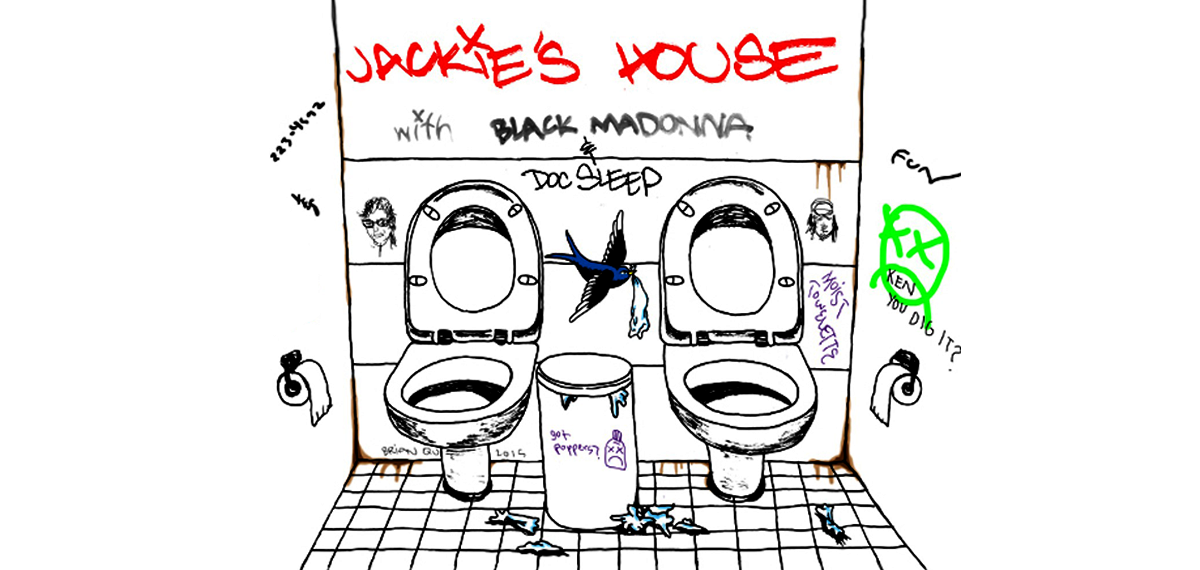
Jackie’s House: The Black Madonna and Doc Sleep

Jackie House (a.k.a. Honey Soundsystem co-founder Jacob Sperber) is someone who, besides throwing some of the San Francisco’s best parties, can always be counted upon to deliver whip-smart (and often hilarious) commentary about the electronic music sphere without relying upon the stuffy sensibilities and bland dialogue that often governs such discourse. As such, we felt she’d be the perfect addition to the XLR8R team, and are proud to present a semi-regular column, ‘Jackie’s House,’ in which she can banter with artists in her own unique way.

When Mike Servito forced himself into a 7-Eleven taquito coma the Saturday night of Movement weekend 2015 and slept through his assignment to report on a new after-party, XLR8R was shit out of luck. Good thing I am the one they call when they need someone to buy toilet paper.

Club Towelette, a collaboration between the loudest homosexuals in dance-music—Honcho, Macho City, and Wrecked—poo-miered itself onto this year’s Movement festival’s unofficial after-party circuit. Aside from providing a safe space and pop-up for GLBTQ amateur pharmacologists, the much talked-about romp was to take place in a famous (famous like: try our Famous Cheese Fries or World Famous Gold’s Gym) gay bar called the New Menjo’s Complex. For many queens, Movement weekend is their yearly “return to the D” (Motor City Pride isn’t much the to-doo-doo for ex-ravers) and the thought of being able to do a dance in one of the last standing relics of “a gayer time” pushed the hype off this after-potty.

Club Towelette boasted a nine-person line-up of the who’s-who-of-who? of homosexualist boompty, including Detroit hometown hero Michael Trombley, Los Angeles underground queen-pin Chris Cruise, and a ton of other bottoms. But, like every great gay-ish party, the sex rises to the top, and someone has to pay attention to the music. For that job? Doc Sleep and the Black Madonna. Two of America’s hardest working women in dance music and the kind of gworls who can handle (or thrive around) the smell of shit and poppers. Being potentially the only reliable sources of information from that night, I set out to interview them both for their take on bio-femming the “Machoncho-muchachos” and the highs and lows of being so celebrated with the gays.

Doc Sleep, the founder of San Fran–based label Jacktone Records, techno producer and decades long waxslinger, met me for a Skype with the needs-no-introduction Black Madonna, who was literally getting her hair done when we called. Excuse me…did—was getting her hair did right when we called…

Jackie House: Hieeeee.
Doc Sleep: Hieeeeeeee.

The Black Madonna:Hieeeeeeeeeee! I’m getting my hair did. I am sitting here stepping into my inner blonde ambition as we speak.

Doc Sleep: Oh my god, I love it. Like platinum blonde? Have you done that before?

The Black Madonna: Oh gosh, yes. I was quite blonde all through the ’90s. I was paper-white until like ’97.

Jackie House: Literally going back to your roots?

(collective moan)

Jackie House: Just a preface—if anything I ask you two makes you uncomfortable, we can stop at anytime. Or if your roots start burning, Marea.…

The Black Madonna: Oh, honey, I took a Xanax and have a glass of wine.

Jackie House: Ok, well, let’s let it loose, so to speak. Set the stage for us, pre–Club Towelette.

The Black Madonna: Well, to give you an idea of where this venue is—at 4am, we had to take the world’s most expensive ride out to Menjos, which of course is in the middle of bum-fuck Egypt. The driver had a look in the rear-view the whole time like “What kind of straight-white people are going out to Menjos at this time of night?” While I was thinking:,who the hell is going to take a 5 -times surge Uber out here with as little energy as the party kids had at that point? To my surprise, we pull up to the Coney Island Dog (the only one open 24 hours) at the end of the universe—and across the street is Menjos, with people everywhere.
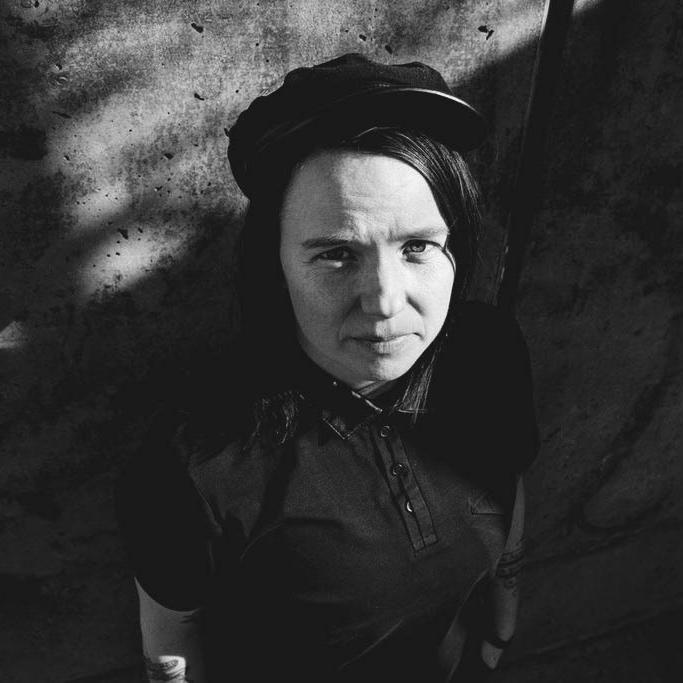
 Doc Sleep

Doc Sleep: I arrived quite early and was fresh as a daisy. I road-tripped to Detroit by way of Chicago with the Honey Soundsystem guys earlier that day. On our way there we did make an extended pit stop so Josh Cheon [of Dark Entries Records] could purchase a sparkly pink hat…a statement piec, in leather fringe and a leather hat. Anyway, I got there around 11, and watched it all unfold. There was no one…and then [claps hands] there were hundreds of people. You could tell by the shape people were in that this was definitely the last stop on their party choo-choo.

The Black Madonna: Yeah, there were some people in some very fine shape.

Jackie House: So the club was based around a theme and we know how much gays love a theme—or a statement cap. It was called Club Towelette.

The Black Madonna:It was not called Towelette.…

Jackie House: It was called Club Towelette, referencing the little known trend that gay men keep moist towelettes in their back pockets for both hygiene and because when you sniff them you can get a temporary head high. You guys have played a lot of gay parties, but maybe you weren’t aware of the towelette scene? I mean, were you guys in on the joke?

Doc Sleep: I was kind of hip to it when I started to see guys wearing graphic t-shirts out at clubs. I can’t remember what brand of towelette it was but, the t-shirt graphic was in the style of those Rush poppers shirts?

The Black Madonna: Wait, this is literally not a joke?

Jackie House: I mean, I am sure you guys have read or heard the oddball traditions from clubs past, where discos would put moist towelettes in the fog machine, or the club-kid trend of waving your towelette when they loved a track that was playing. You didn’t see any of that at the party?

The Black Madonna: Girl, you couldn’t see anything because the booth was not even connected to the dancefloor. All I was told was that a lot of straight boys took off their shirts while I was playing—and that really impressed Ryan Smith.

Doc Sleep: I think the moistest towelette moment during my set was from Carlos Souffront, when I dropped “Work It to the Bone”—even in our dark corner booth you could see that towel.

Jackie House: So he was flagging his towelette for you? That’s getting pretty big right now, too.

Doc Sleep: Ha ha—sure, Jackie. But Marea is right—it was hard to see because we were cloistered away up in that DJ booth, but I thought the setup was amazing. The dancers were very focused in the other direction, which coincidentally was like witnessing this very talked-about concern in underground dance, for the crowds to “stop staring at the djs.”

Jackie House: Edgy! Do you think since the night was so much about breaking conventions that dancers also came with the intention to decentralize the focus and push energy on this symbolically empty stage?

Doc Sleep: That—or they thought drag queens were going to come out onto the stage.

Jackie House: Were there any drag queens in attendance at Club Towelette?

Doc Sleep: I saw some kaftans and heels but I think that is as far as it went.

Jackie House: In fact did you see any drag queens at all Movement weekend?

Doc Sleep: Uh, just some kids in pink fuzzy boots—RuPaul was busy. And now that I think about it, I am not sure how safe it was for heels at Towelette. It was a skating rink in there.

Jackie House: Explain!

Doc Sleep: Between the transferring of fluids and dripping sweat, the floor was a fantastic hot mess—there must’ve been towelettes covering all the vents, obstructing the circulation of air.

The Black Madonna: It was the wettest club. At some point, I was sitting against the wall and water was dripping down my back. And as far as the air, there was this “je ne sais poppers.” Something that was everywhere Movement weekend. 2015 will go down as the year that straight kids discovered that poppers rock, and that daddies are hot.

Jackie House: Amen. I mean, other then maybe picking up poppers here and there, it seems as though you two still must get to join in on some very otherwise closed-to-straight-people activities.

The Black Madonna: My favorite thing about playing in these hyper-male gay spaces is that freedom, freedom knowing no one is going to try to grab my tits, and knowing all that other bullshit that happens in clubs is less likely. I luxuriate in the freedom of virtually no one wanting to fuck me when I am DJ’ng these parties. The last time I played in Laboratory, I played without a shirt on—I mean with a bra, but you know I wouldn’t do that anywhere else.

Doc Sleep: Aside from the moments a drunk bear hits on me because he thinks I am a dude, as a queer woman in that space I can get away with a lot. The shenanigans get pretty entertaining, especially because they aren’t paying attention to me like they are the boys on the floor, or in the booth. There was one night at Honey Soundsystem when it was still at the Holy Cow, and someone told me Peaches was coming, and I thought it would be funny to run with that rumor and within a half hour we had convinced the entire club Peaches was somewhere on the Holy Cow patio, and we had a search party going and everything—a lot of “oops, you just missed her” or “oh, there she goes!” pointing at the back of someone’s head as they walked away into the night—and then, I think a few drinks later, I actually believed my own lies and thought she was really there. But definitely—the Honey Soundsystem shenanigans were in full force at Towelette as well, I’d say.

The Black Madonna: You gotta look out for those Honey Soundsystem shenanigans.

Jackie House: Oh god, they’re happening right now.… Speaking of shenanigans, what is the dumbest thing a gay guy has said to you in at a gay club you were headlining at?

Doc Sleep: I was playing in Shanghai and there was this group of British queens, and one of them kept coming up to the booth and saying “Will you play Madonna? Will you play Madonna?” and I kept answering “no, sorry I don’t have that with me.” He was getting really agitated and kept coming up and asking and finally I just said, “Dude I am sorry, I am just not going to play Madonna.” To that he replied: “Oh, well—what are you going to play then…Melissa Etheridge?” and threw his head back, and cackled so loudly you could hear the cackling echo over the sound system. I couldn’t even be mad at him because it was so well-executed—quite a read, quite a cackle.

 The Black Madonna

The Black Madonna: Probably my favorite moment like that was when I was playing at Snax. The only few women allowed to be in Snax that night I think were like me and Steffi, because as you know, it is a men-only event. After playing one of my sets, my husband and I were in line in the men’s room… yes, I took my husband on a date to Snax—and my husband went into a stall and I was now standing alone in line for the men’s stalls in Berghain. This guy comes out of a toilet and walks up to me, sort of wide eyed and very surprised and he said, “Are yoooou ooooooookaaaaaaay?” And I said, “Yeah, I am okay,” and he goes “What is it that you dooo here?” and I said “I am DJing” and he yelled a bit with concern “there are women in this building?” and he was very shocked. We ended up having a very sweet interaction, but it was one of the more interesting collisions for a woman in a safe space for queer men.

Jackie House: I dunno if I would call Snax a “space safe” for anyone.

The Black Madonna: It was safe enough for me.

Jackie House: Well, what may seem to come naturally to you guys is probably not to most women. Similarly, I am sure you guys have done your fair share of adapting to the sometimes-extreme gay environments—becoming comfortable with the colloquialisms and mannerisms of these men. How about this whole “gurl” thing—gay men referring to everyone, gender aside, as “gurl?” I have seen plenty a time where someone taking that, or saying that, in the wrong context has backfired. I can tell you plenty of times I said “gurl” to the wrong guy—even a gay man—and it lit the room on fire.

Doc Sleep: I do my fair share of being “one of the boys,” but there have been times when the language used feels problematic. I was hanging out with a gay guy one time and he kept referring to a trans acquaintance of mine as “gurrrrl.” I finally said to him, “You know, he just went through a lengthy transition and now uses the “he” pronoun.” He basically brushed it off and responded: “Oh gurl! I call everyone gurllll.” Ok, werq, I guess.

Jackie House: I mean it gets even more complicated when a straight man is calling everyone “gurl.”

The Black Madonna: Agh! that one gets me!

Jackie House: Responding to RuPaul-related memes, having to learn new queer terminology and be able to stealthily use it in comments, and potentially purchasing themed outfits or even safety gear for hazardous situations. Let’s talk about this rumor that some artists are asking for more fees ahead of gay events because the exhausting Facebook interaction that is required just to play at one of these events. Oh, and poppers—buying poppers.

The Black Madonna: I’m pretty sure that is a rumor, but anyone who wants to give me money for poppers…they can.

Doc Sleep: I do up my fee when I’m asked to include the hashtag “beardsofinstagram.”.Also, I think the Club Towelette event page on Facebook came close to shutting down the Internet. It was a toilet meme job well done.

The Black Madonna: There was some was some excellent Internet work done by people on this event. There was even a little bit of rivalry between someone who previously threw a toilet-themed party. I’ve never seen more photos, posts, GIFSs in an event page in my entire life.

Jackie House: Well, in the end hopefully, not all of the secrets and fun had by all will end up back on the Internet. Why don’t we end with some thoughts how Movement changed IRL this year?

The Black Madonna: I will tell you one thing, this was the Movement that was all about the after-parties. You saw the same people moving through different kind of events and different kinds of spaces and working together on that. This party was in the middle of nowhere and slamming at 6am, and was a perfect example of that. Jokes aside, the DJ booth at Towelette not centered and people interacting with each other made the party more about the music—and that is exactly how it should be. That is an awesome thing that happened—and, similarly, in many places around Movement that weekend.

Doc Sleep: Our scene in the States is popping off right now, and the after-parties really highlighted it. You can feel the excitement around these parties in Detroit, but, also as you talk to each person about what’s happening in their own city. I also think the fact that Club Towelette was so successful in its first year is not only a testament to the hard work and pull of each of the promoters and DJs in their individual scenes, but also that the gays have momentum, they have respect, and they are throwing parties that people want to go to—not just for drugs, not just to cruise, but, for the music.

The Black Madonna: I gotta go—hair is tingling—I will send you guy pictures of my hair at the end of the night. And don’t publish this without letting me read it.


Civil Duty Release Debut Album On The Corner

Anthony Parasole continues to stand strong as not only a respected DJ and techno producer, but as a label manager and music taste-maker. Recently, Parasole’s been smashing through multiple hour closing sets at Sonar with Marcel Dettmann and other MDR crew, yet he is still finding the time to perfect his craft as the head of prestigious labels like Deconstruct and The Corner. The latest release on The Corner has Beau Wanzer and Shawn O’Sullivan teaming up again for a self-titled album as Civil Duty.

The release is available as a two 12″ LP vinyl release, as well as a digital download. Both producers have put in work during the last two years, including a full list of releases by Wanzer, and an untitled release by O’Sullivan on the Brothers label that included a collaboration with Hound Scales (a.k.a. Nico Jacobsen). The new Civil Duty album is undeniably a raw techno journey all the way through, and the upfront tempos and track formation reveal that the duo wield the ability to create a fluid album that holds nothing back. The nine tracks on the album clearly express Civil Duty’s desire for constant change and an ability to squeeze new sounds from old forms.

You can purchase digital versions of individual tracks, or grab the entire album over at Hardwax website by clicking here. The vinyl will also be available via Juno Records by clicking here.

Tracklisting:

A1 No Dexterity
A2 Microtome Massacre
B1 Belial’s Night In
B2 Mindhives
C1 Pure Tums
C2 Spiderbites
C3 Fischkopf
D1 Two Door Civic
D2 Pro Emetic

Velvit Be So Cruel EP

Best known for his work as drum-and-bass don dBridge, decade-spanning producer Darren White has made his long-awaited debut on Dusky and Christian Piers’ label 17 Steps with the dark and soulful three-track EP Be So Cruel, donning his house and techno moniker Velvit for the release. The EP’s title track retains the technical heavy-hitting elements of White’s early productions, but translates them beautifully into a soulful four-to-the-floor hummer, even featuring vocals from White himself.

The track builds a dark groove with thumping kicks and a reverberating bass-line before quickly relenting shortly, returning with light rolling percussion and White’s crooning: “You used to say you wanted me, that I was the only one for you.” There’s poignancy in White’s voice as he continues and repeats the chorus of the track, “How could you be so cruel?” with synths swirling above as the track dives ahead. Rounding out the release are tracks “No Excuses,” featuring vocals from White’s brother Steve Spacek, and “South of Your Soul,” with dark electro vibes.

Since being prominently featured in Dusky’s Resident Advisor mix last year, “Be So Cruel” has garnered much buzz and anticipation for the veteran producer, as well as for the young imprint. White justifies the hype and maintains the momentum of prior releases from label bosses Dusky and Piers, offering a fresh contrast to current club sounds with a dark and groove-laden track that is no doubt earning spins on dancefloors across the world.

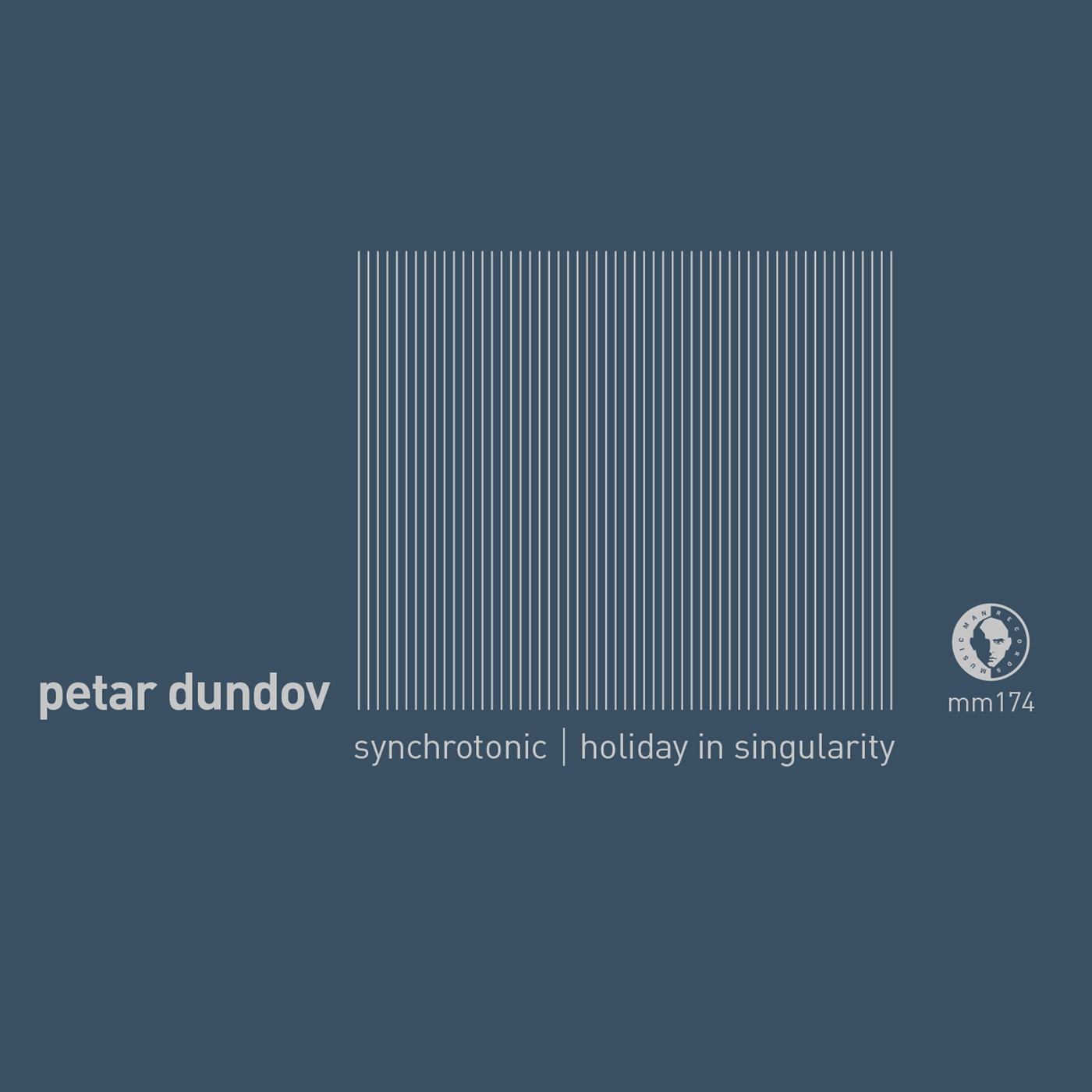
Exclusive Interview: Petar Dundov Set to Release New EP on Music Man Records

Itʼs been almost two years since Music Man released Petar Dundov‘s third album Sailing Off The Grid on CD and limited 4LP. Heʼs been so busy touring and remixing that after last yearʼs single “Origins/Rise”, the two tracks on this latest EP are only the first two new Dundov tracks since the album. Laced with Petar’s melodic signature sound, his latest release is a must-have for all fans out there.

Ahead of the EP’s release on July 6, XLR8R spoke with Dundov about his lengthy hiatus and how touring feeds his creativity. Snippets of his latest EP are available to stream below.

Q:

Over the years, you’ve managed to build a strong relationship with one of the most enduring techno labels out there. From a creative standpoint, do you feel this was a positive for you? 

A:

I have been working with many labels in the past, under many aliases – for me it was all part of growing up as musician. I always liked various aspects of electronic music and I never restrained myself in trying different things.

During my earlier years, I learned so much about myself and music in general – and as time progressed I slowly started to focus on a particular sound. Sometime during that period, I met people from Music Man and we started releasing records under my real name. We didn’t know where it is going to lead us; this was 13 years ago and I was still unknown artist – but they believed in my music and this gave me much needed self-confidence to proceed in my inner exploration. I had complete freedom and this was everything I was looking for.

For me the most important thing was to be able to stay in studio working late hours, focusing on writing good songs, knowing that after it was done, it would find its way to the audience. The label is the bridge between musicians and the listeners, and having one place where they can find you makes it all easier to follow.

Q:

Over recent years, your touring schedule has restricted your output to only one solo EP in two years. Is playing live or DJing something that restricts or feeds your creativity in the studio?

A:

I’ve been constantly on the road for the past two years, playing live or DJing. I did two albums in two years and practically jumped from one tour to another. I did discuss with my publisher as to whether we should do so many releases in quick succession, but I just wanted to put this songs out as they were part of same opus.

Last year I was forced to start to think how to find a way to manage my studio sessions because time became so fragmented. Being able to perform good shows is very important and usually on a trip home I have all this energy from people and my mind starts firing like crazy. I quickly write couple of phrases on my laptop and that is enough for me for to be able to continue where I left off. I have a collection of compositions for the next album but the production process is lengthy because I tend to use complex arrangements. I decided to slow things down with shows to be able to finish the album. In the mean time I did lots of remixes because I could do those in a couple of days during week.

Q:
Is there a relationship (sounds, composition or process-wise) between LPs and EPs or do you see them as two completely independent entities?

A:
There is an overlap but these two formats have steadily been becoming more independent for a number of reasons. Firstly, we tend to release albums with a couple of songs that we could repress as separate singles. That is all over now with the introduction of digital distribution. What makes more sense is to take songs from the album and have couple of artists to remix them and then release it as 12″. When I am doing EPs I try to think how it will sound in a club or a radio. In this way, songs for singles need to have at least some compatibility with the current stream of music that DJs are playing, otherwise they were not be able to introduce them in their mixes. As a consequence of this, for albums, it is not necessary anymore to structure them around singles. Format gained more space for more narrative, stories could develop a deeper meaning. In a way, this is a positive change.

Tracklist:

A / 1. Synchrotonic

B / 2. Holiday In Singularity

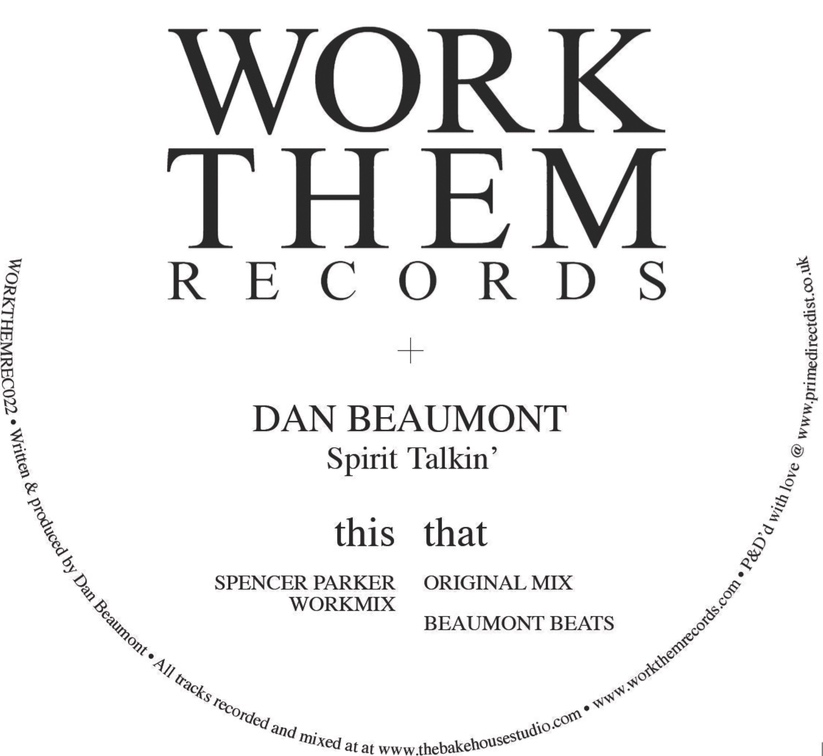
Premiere: Stream the Spencer Parker Remix of Dan Beaumont’s “Spirit Talkin'”

Next month, Spencer Parker‘s Work Them Records will release “Spirit Talkin,'” the latest single from London-based producer, DJ, promoter, and venue owner Dan Beaumont.

The multifaceted Beaumont—who runs Dalston Superstore, Dance Tunnel, the Chapter 10 warehouse parties, and an NTS radio show—delivers a floor-focused house cut with a body-shaking kick, intricate drum programming, and a howling female vocal sample. The original mix is backed up by a “Beaumont Beats” version and the one in question here by label boss, Spencer Parker. Parker ups the tempo, adding energetic chords and refitting the powerful vocals.

Ahead of the release next month, Spencer Parker’s remix of “Spirit Talkin'” is streaming in full below.

Steffi Announces 12″ with Remixes by Further Reductions and Answer Code Request

Having just premiered her first ever live set at various festivals, Steffi revisits her Power Of Anonymity album with three completely new versions of “JBW25” by Further Reductions and Answer Code Request.

Brooklyn-based duo Further Reductions left a big impression on Steffi with their 2014 Woodwork LP. Now Shawn O’Sullivan and Katie Rose turned “JBW25” upside down and inside out. The original version’s hypnotic synth bleeps are still there, but rhythm-wise their version is a stone-cold and arhythmic interpretation of “JBW25” with additional vocals, pushed to the absolute fringes of dancefloor compatibility.

Berghain resident Answer Code Request contributes two versions to this release: While his “Vision” adds a tough drum beat, percussion and a stronger focus on the ambient textures of the original, his “Revision” is more break-heavy, melodic and dreamy while setting a darker tone and mood overall.

Tracklisting 12” / Digital:

A1. JBW25 (Original Version)

A2. JBW25 (Further Reductions Version)

B1. JBW25 (Answer Code Request Vision)

B2. JBW25 (Answer Code Request Revision)

813 “Dick Cash And Burger (Pixelord Remix)

At the start of the month, Moscow-based imprint Hyperboloid—the label run by Acid Mafia, Pixelord, and Saburov—released the Body Race EP by “Russian superhero” 813. The EP consists of three glossy, hypercolor originals and a remix by label head Pixelord, who refits the hyperactive and poppy “Dick Cash And Burger” with a more club-focused framework, with rolling percussion skittering around underneath the overly shiny synth work up top. The EP was released on vinyl, with only seven of 100 left, and digital and both are available over at the Hyperboloid Bandcamp page, with Pixelord’s remix of “Dick Cash And Burger” available as a free download below.

Dick Cash And Burger (Pixelord Remix)

Drew Lustman, Throwing Snow, and Oneman Join HORST

Following on from the first lineup announcement, HORST has added another list of highly regarded audio and visual artists, as well as a stage to be hosted by Red Bull Music Academy.

This wave of artists includes Drew Lustman (a.k.a. FaltyDL), Throwing Snow (live), Oneman, Romare (live), and Nickodemus, among others. HORST has also announced that highly regarded Flemish visual artists and architects Robbrecht & Daem will be designing a “pavilion as a sculpture in the green surroundings of the castle,” forming the stage to be hosted by RBMA.

You can find more information on HORST—which takes place September 11 and 12—here.

AnD AnD RMX 01/02

Late in 2014, the Manchester techno tyranny known as AnD put out its debut LP, Cosmic Microwave Background, on Speedy J’s Electric Deluxe imprint. The release, a carefully laid-out collection of tracks that stirred the soul and shook the foundations of listeners with its penchant for powerful analog sequencing, was a shrewd, powerful reminder that techno is an ever-evolving presence. So naturally, when it came time for the remix EPs to get sorted, the duo didn’t opt for the most obvious choices to rework their already impactful music—they went a bit deeper, with choices such as Justin K Broadrick, Sleeparchive and Black Rain taking the reins and finding more caverns to explore.

The first of the two EPs has Speedy J and Lucy leading the charge under their Zeitgeber alias, working somewhat in reverse as to what AnD did with their original track. Instead, they tackled it in Zeitgeber style—by stripping it to its bare-bone structure, deconstructing its sequence of events into a dub-techno snowball which grows to an avalanche over an 11-minute run. The track is in stark contrast to Sleeparchive’s forward-charging remix of “Power Spectrum.” Evoking a cornucopia of his previous sonic endeavors, while begging it to be mixed with the likes of AFX’s “Elephant Song,” it shimmers brightly throughout its magnificent chaos, serving as the highlight of the first EP. O/H’s remix of the same track follows, and while solid, doesn’t change up that much from Sleeparchive’s momentous rework.

The second EP starts with Broadrick molding his grooves onto “Non Sky Signal Noise,” providing a slow-burning, industrialized skitter-bomb that contrasts nicely with the original track’s organic matter. However, once Black Rain gets their hands on this material, the mood changes brilliantly. Between the exploratory, distorted, IDM gravitas on “The Surface Of Last Scattering” and dub-laden mischievousness on “Galactic Motion”, Black Rain harkens back to a grizzled time in electronic music where the term bangers was subjective. These two mind-numbing remixes add complexities to the original material that let loose the crude curiosity that Black Rain exudes.

AnD already had a strong album to be proud of, which likely made the remixers’ work a difficult process. Still, they’ve managed to provide a good-to-stellar exploration into the outer workings of the duo’s tracks, while enhancing and furthering the listening experience to the original album with class and catharsis. It’s a good thing when your remixers care—because this is what comes of it.

Interview: Virgo Four’s Merwyn Sanders

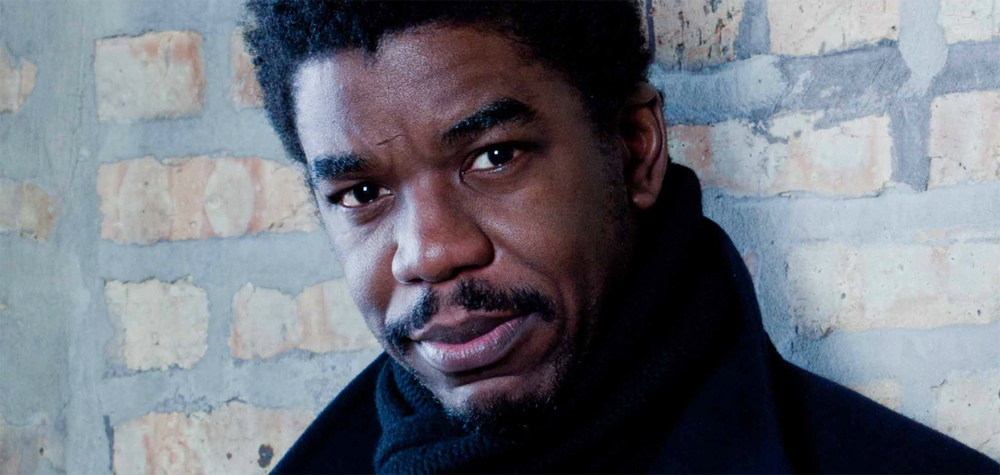
If Merwyn Sanders knows that he’s one of Chicago house music’s most formative producers, he certainly doesn’t act like it. His work with Virgo Four spawned some of the genre’s most formative tracks, and yet still managed to carve out a sound that’s completely different from anybody else.

His career has been a bit of an odd one. The group we now know as Virgo Four—occasionally known simply as Virgo, not to be confused with the Marshall Jefferson project of the same name—was originally composed of two members, Merwyn Sanders and Eric Lewis. The two worked together in the late ’80s, and stopped collaborating altogether around 1992. But in 2010, Rush Hour rereleased their 1989 album Virgo, and in 2011, put out a large collection of unreleased material, Resurrection. Virgo Four started to tour again, and it seemed as if Sanders and Lewis had come back together.

But in a 2013 Resident Advisor article, it was revealed that Merwyn Sanders and Eric Lewis had split two years earlier, and that Lewis had been touring as Virgo Four against Sanders’ wishes. Lewis used his cousin as a replacement for Merwyn on vocals, guitar, and synths, and continued to use all the promotional materials that featured Merwyn’s name and face. It was only after the RA article was published that Eric updated the Virgo Four site to say: “The clock’s rolled on and Merwyn’s pursued a different musical path, but Eric and new recruit Terry Ivy are continuing the legacy without missing a step.”

Here, Merwyn Sanders finally gets to tell his side of the story, as he gears up for a live set under the Virgo Four moniker at New York’s weekly Warm Up party at MoMA PS1.

Could you tell me a little bit about what goes into your live sets?
Everything is hardware. Instead of any backing tracks, I’m doing everything live through a guitar, groove boxes, synth modules, and drums machines. I tried a laptop, and I know a lot of people use Ableton Live now, but I didn’t feel that a laptop would encompass “live.” For this show, it’s actually going to be three people: My wife handling the drum machine and synth module; Aaron Rivera, who is great on bass and also plays synth; and then myself. I’ll be able to do all the other keyboard parts on my guitar, as well as the vocals.

How similar is that to the way you make music in the studio?
Back in the day, we were high school kids and we didn’t have a ton of cash so we got what we could. I started off with a Roland Juno 1, and then later on, Eric wound up getting the Juno 2 as well as the Roland 505 drum machine. We actually wanted more expensive gear—which is interesting, because now we’re associated with the sound of those old keyboards, and everybody is trying to get back to that analog sound. We didn’t use a sequencer very often, we were always sequencing through the drum machine. We would play our parts live and then just record it. Most of the tracks I did alone or by myself, and then maybe Eric would add another part later.

Could you talk about your vocals? A lot of live Chicago house vocals seem to draw from soul and gospel, but your vocals feel a lot more in line with U.K. new wave, particularly on songs like ‘Never Want to Lose You.’
“Never Wanna Lose” was my answer to Chicago Syndicate’s “Move Your Body.” My vocals ended up the way they did because I couldn’t sing. I had no formal practice or training, I was so into just the music aspect. I wanted to sing because I felt that it was a necessary part of music and performing. And the confidence wasn’t there too—singing is so much about confidence—and if you don’t feel good about how you sound, or how you’re singing, it’s not going to come out well. So what you’re hearing on that stuff is a young kid just not being the greatest singer—it’s that simple. But that’s where the style came from, from new wave music. I loved the way David Bowie sang, those kind of cool male vocals he would do.

Why do you think new wave resonated with so many people in Chicago at this time?
We just listened to so much music. What was happening with DJs at that time was you just used anything you could get your hands on, and play it like a house record. I think at the time the community listened to everything anyway—so when new music, like house music, was starting, it was going to be incorporating everything we grew up on. I remember one time I did a live remix of the Talking Heads track, “Once in a Lifetime.” I was watching that movie Down and Out in Beverly Hills and I’ll never forget. That track came on, and it hit me: That’s a house track!

Ron Hardy was somebody who spun a lot of new wave—could you talk about his influence on you?
Ron had a huge effect because he would do remixes in a way where you would just go wow! People were always saying, “Did you hear what he did with such and such?” And he was my favorite DJ for a while. One mix that really stands out was when he remixed Klein + MBO with “Let No Man Put Asunder.” What he did with the vocals on that track really just opened my mind. He just made you think in a different way. For Frankie Knuckles, it was what he played, but for Ron Hardy, it was all about how he played it.I used to get tapes from friends, and then I met him personally before he passed away, to work on the track “It’s Hot.”

You were working with Ron Hardy when he died?
He was working with Larry Sherman over at Trax Records to give his input on records for what would work or what wouldn’t. We had heard he was playing our demo of “It’s Hot.” I was talking to Larry about putting it out, but then he arranged it so that Ron and I could meet up and talk about some things. Ron had some ideas, so we just met twice over at Trax Records. We would sit down, listen to the track, talk a little bit. I was just more interested in talking about other things, Music Box and all that. I wanted to talk about DJ stuff! Him and Frankie Knuckles were already local legends, so that’s what I wanted to talk about. And he was just a really cool laid back guy. He wasn’t walking around like “Oh, I’m Ron Hardy.” I thought that was really cool, really nice. But then right after, I heard he passed away, and that’s sort of why not much came after that.

“It’s Hot” didn’t wind up getting released until your Resurrection LP with Rush Hour in 2010, right?
Yeah.

How did you guys get set up with Rush Hour records?
Christiaan MacDonald was the label manager at Rush Hour at the time, and he reached out to me when he saw an article written by Jacob Arnold. He said he was interested in rereleasing the Virgo Four album, so I talked to Eric about it and he said, “Let’s do it, why not?” And that went over well, and he asked if we had any other music, and it was like “Yeah!” So we started telling him what we had, and he flew out to Chicago to sit down and go over everything. He just sat and listened, and picked and choose, and that’s how Resurrection came about.

One of the tracks that I think reintroduced you to a lot of people is “Fannie Likes 2 Dance,” which was on Joy Orbison’s Essential Mix from last year. Could you talk about that track a little bit?
That track is actually a great example of me not being Virgo Four. I did that in 1999 as me—my other nickname Merle. The first line of lyrics started because I was trying to connect with people who like to dance a lot, like someone who’s in counseling for dancing. So that first line, “My name is Fannie and I like to dance a lot” is written from the place of somebody sitting in a circle at an Alcoholics Anonymous type thing confessing to people that they like to dance, and the rest of the lyrics followed.
I knew it sounded kind of weird, and I even asked a friend, “What do you think about this?” and he was like, “Yeah put it out!” So I went on and did it, and then no response—nothing, not a word. I didn’t hear anything. So I had those records sitting around, and they started to get mixed in with my other records and I stopped caring about them. I probably resented them, they weren’t being taken care of, and I thought, “Why do I have 200 records sitting here?” I thought maybe I could resell the wax. I threw almost all of them out, but somehow that record lived on. And it just got repressed!

Vinyl records are something that’s essential to the DNA of Chicago House music—how do you feel your records being digitized?
I don’t like DJing with MP3s. I grew up DJing, and I still have my records, and still would prefer to DJ with vinyl. In terms of sharing my music, I’m not an analog purist. I think that’s technology changing growing in different ways. It just gives one more platform to share your music, and ultimately that’s what its about to me.

Is it possible that people might not talk about and remember Virgo Four the way they do unless these tracks had been digitized?
It’s true! And that’s how I try to imagine things.

Something that’s being talked about now is how some of the originators of house music are getting left behind—and there’s a larger issue, since Chicago House music was really important to the black and Latino gay communities.
It was a black and Latino gay community, but I think it was even larger than that. The community was really just about the music, and I think that’s part of what’s missing today. That left-behind thing is something that I talk about a lot with Rodney Bakerr of Rockin’ House Records. The audience doesn’t know that this history goes back 30 years, and people are forgetting about the place this all comes from. But I think there always will be somebody out there who tries to remember it, and tries to bring it back so it does live on.

“Ultimately, what I came to realize is that Virgo Four really is my music.”

There’s so much misinformation about Virgo Four—can you clear the air and give everybody a clear idea of how everything went down?
I think if you really look at everything and follow my steps here and there, you can figure out what’s going on just by the music. The first thing is that people should know is that Virgo Four wasn’t our name. Larry Sherman put that on the record without telling us, and once the record was pressed up and printed, we had to go along with it. What else could we do? We weren’t going to not release our first record because we wanted to protest a name change.
The reason he called us Virgo Four was to get the name recognition from the Virgo tracks that Vince Lawrence, Marshall Jefferson and Adonis collaborated on. They did three records as Virgo, so Larry pressed us as Virgo Four. It was decided later with Rush Hour to keep using Virgo Four, because that’s what it was originally released as. But after that, I decided I wanted to split. Most of the Virgo Four stuff was solely me anyways, so I wanted to break away from Eric and just do my own thing. Eric had other ideas that I didn’t want to do, and so after we released Resurrection with Rush Hour, I stopped wanting to perform as Virgo Four.
But ultimately, what I came to realize is that Virgo Four really is my music. People know it as Virgo Four so that’s kind of my legacy. I was never walking away from the music, I was trying to walk away from that name. But, over the past couple of years, I’ve come to realize that people associate my music with that name. That’s why I’ve come back around to doing the Virgo Four tracks.
It’s even weird for me to say “the Virgo Four tracks,” because it’s me. Sometimes people talk to me about Virgo Four in the third person, and it’s strange, because for me it’s like…you’re talking about me, Merwyn! I was just trying to be Merwyn, but then I came to realize that people are associating my music with Virgo Four, so I realized maybe I should just embrace it. A lot of people had been encouraging me, “Merwyn, that’s your music, and people know it as Virgo Four—don’t push it away, that’s you!”

Merwyn Sanders, along with Nicky Siano, Cut Copy, Galcher Lustwerk, DJ Richard, and Bobbito Garcia plays Saturday July 4th at MoMA PS1’s Warm Up series.

Page 1049 of 3781
1 1,047 1,048 1,049 1,050 1,051 3,781