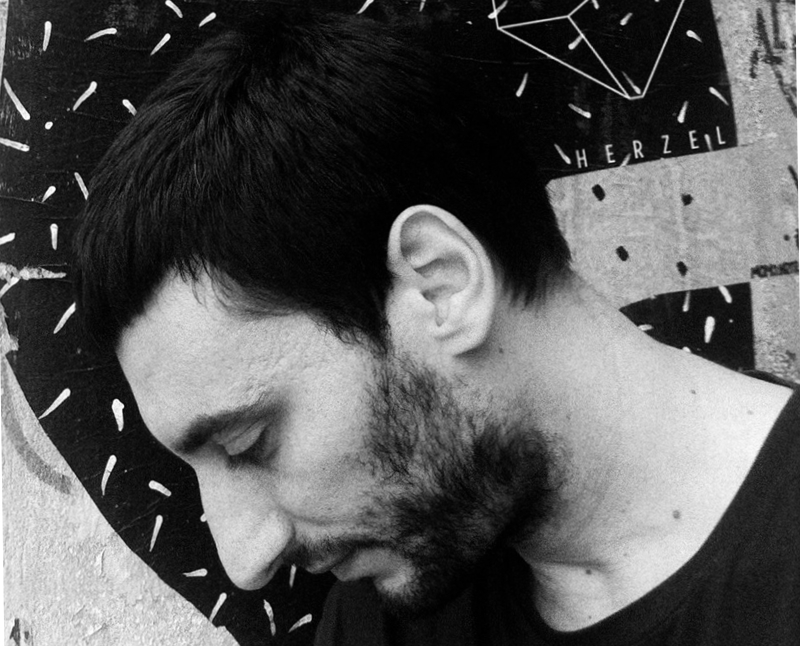
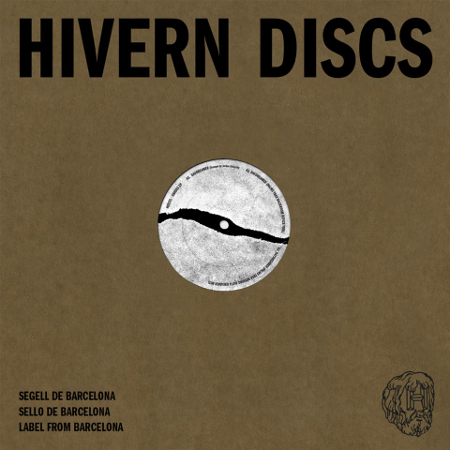
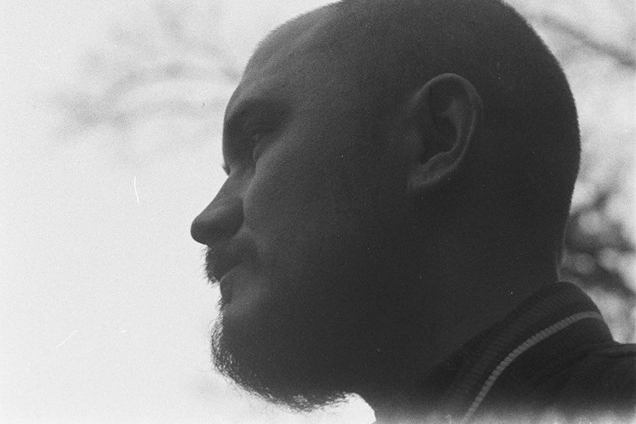
John Talabot’s Hivern Discs label has tapped Berlin-based Macendonian artist Herzel (pictured above) to deliver its first effort of 2015, the five-track Shades EP. The record appears to be Herzel’s first official solo outing, though—as Juno Plus reports—the producer has appeared in the past with collaborative efforts for the Other Heights label as well as Dubwax (an offshoot of Rawax). In addition to the three original productions included on Shades, the record will also feature two remixes from Berlin-based UK artist Palms Trax, who has been tasked with reworking the EP’s lead effort, “Daydreamer.”
Herzel’s Shades EP is slated to arrive on February 16. In the meantime, the aforementioned “Daydreamer” production and Palms Trax’s “Backroom Office Tool” version of the tune can be streamed in full below.
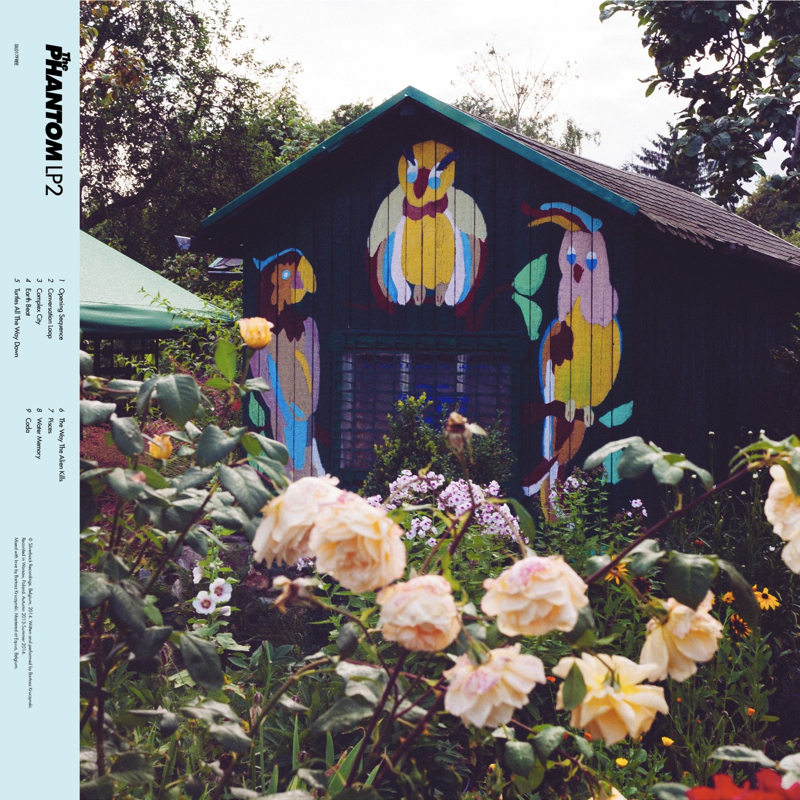
Some may recognize Polish producer Bartosz Kruczynski from our recent Bubblin’ Up Week 2015‘s 10 More Artists to Watch list, where Kruczynski’s Ptaki project (for which he serves as half of the production pair) was featured. Before new Ptaki material arrives this year though, Kruczynski has elected to deliver a new full-length via his solo alias The Phantom. Simply titled LP2, the nine-track record is a follow-up to last year’s LP1 album for the Silverback label, and finds Kruczynski eschewing the silky disco style of his Ptaki project for more angular club hybrids, such as “Complex City,” an LP cut that makes use of space-age percussion and an active lead theme which moves through buzzing bass synths, to MIDI flutes, and much more. Kruczynski’s “Complex City” production can be downloaded below, or as part of his free-to-download LP2 album, which can be picked up in its entirety via the Silverback label here.
Over the weekend at NAMM, San Francisco synth designer Dave Smith Instruments introduced the Prophet-6, a modern update of the legendary Prophet-5 analog synth designed by Dave Smith for Sequential Circuits in the late ’70s. The six-voice polyphonic analog synthesizer is said to be more than a simple reissue of the vintage unit, with Smith himself describing his latest creation as “the result of our effort to build the most awesome-sounding, modern analog poly synth possible.”
To that end, the Prophet-6 will contain two discrete voltage-controlled oscillators (plus sub-oscillator) per voice, as well as two discrete filters per voice (a four-pole, resonant, and low-pass inspired by the original Prophet-5 filter, and a two-pole, resonant, high-pass filter). Furthermore, each Prophet-6 voice will follow a completely all-analog signal path. Additionally, the synth will include a number of updated features such as studio-quality reverbs, delays (standard and BBD), chorus, and phase shifter effects (these are digital, but a “true bypass” allows the unit to still maintain a full analog signal path), a 100% analog distortion effect, a polyphonic step sequencer, and an on-board arpeggiator.
No exact release date or price point has been shared for the Prophet-6, though Create Digital Music reports hearing that the new analog synth will likely cost somewhere in the neighborhood of $2800. For now, more information on the Prophet-6 can be found here, while an introductory video for the keyboard can be watched below.
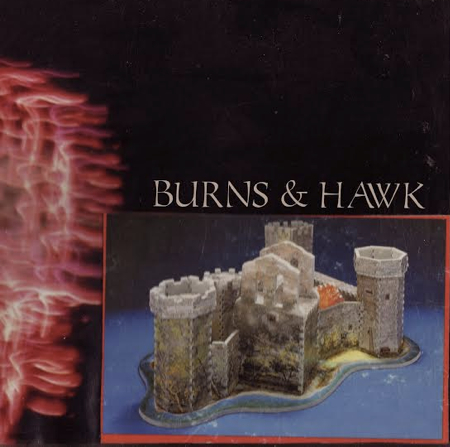
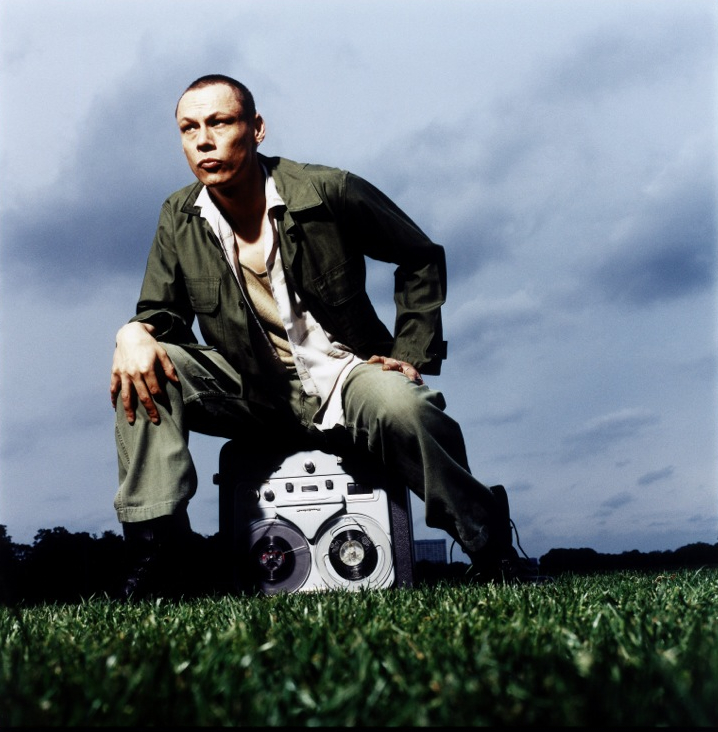
Berlin-via-Brooklyn producer Luke Wyatt (a.k.a. Torn Hawk, pictured above) and Wille Burns (a former XLR8R podcast contributor) have revealed plans to release a collaborative 12″ in February via Hawk’s own Valcrond Video imprint. Having appeared on a split 12″ for L.I.E.S. together in 2013 (which found Burns operating under his Black Deer alias) and worked together as part of the Circuit, Burns, and Hawk trio in the past, Torn Hawk and Willie Burns have combined their talents again for the three-track Becoming Nice EP. Appearing simply under the artist name Burns & Hawk, the record is said to find the pair “step back into the halls of justice to convince a jury of their peers that openly emotive music is not something to be scared of.”
Official out on February 9 via Valcrond Video, the artwork and tracklist for Hawk’s and Burn’s forthcoming collaborative outing have been included below, while preview clips of the record can currently be heard here.
1. Becoming Nice 2. Janice Will Deal with It 3. Cement Truck with Pretty Eyelashes
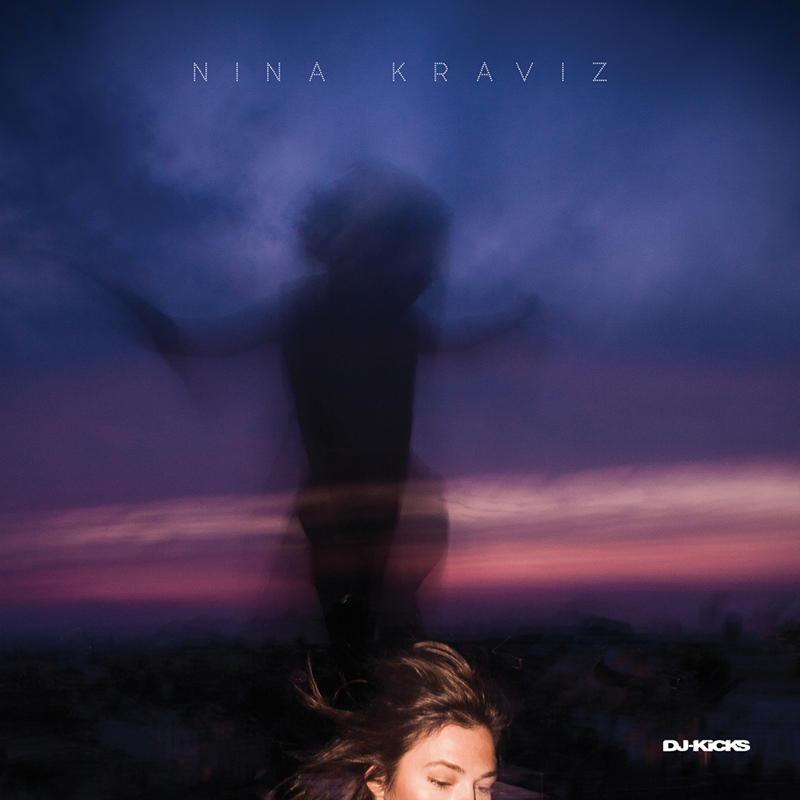
For those who came to Nina Kraviz via the wild media circus that follows her every move, rather than as a result of their own musical enquiries, it could be easy to write her off. But that would be wrong. The constant coverage she elicits—intentionally or not—on lifestyle websites, thanks in part to her Hugo Boss photo shoots, the drawn-out bathgate saga, and her non-stop tour of the world’s biggest clubs and festivals, can easily make her seem like another vacuous, big-name tech-house DJ. But the former “cosmonaut teeth fixer” has never been anything like that, and surely never will.
Flicking through Kraviz’s back catalog, it’s clear that she has a real musical persona that is hugely idiosyncratic. Her music is as intimate and insecure as it is deeply personal, and her earliest wares on Underground Quality and Rekids have stood the test of time as she herself has grown ever more prominent around the world. Ratter than abandoning her ideals, Kraviz has honed them further, growing into as accomplished and stylized of a DJ as she is a producer. Her penchant for Dance Mania is well documented, as is her love of acid, and those things, together with her own isolated sense of groove—which perhaps comes from growing up in the Siberian wilderness, tuned into far-off musical words via distant radio frequencies—now permeates her every set.
And that is exactly the case with her entry into the hallowed DJ-Kicks mix series. Where many producers use such an opportunity to showcase their breadth of musical knowledge, Kraviz’s mix feels much more like a showcase of her DJ style (though her own label does feature heavily). Instead of chucking in as many different sounds, scenes, and styles as she can into an ultimately disjointed trip, Kraviz takes her time in nailing a perfectly arcing techno groove from start to finish. So much so, in fact, that the for the first 10 minutes she will not be hurried, and remains resolutely focused on setting a perfectly bleak atmosphere with small, rolling kicks and depth-charged sonar pulses. It’s a patient but captivating start.
From there, the layering and subtle gear changes begin: this is most definitely not a 29-track megamix. The kicks become more flat-footed and insistent, Kraviz’s own curious whispers bleed into the mix, and percussive patterns being to flail more widely. In time, there is acid, minimalism, and even some lovely posh trance, with each new twist more engaging and energetic than the last. Amongst records from Population One, DJ Bone, and Armando are lesser-known treasures from artists on her own трип label, not to mention selections from drum & bass and IDM folklore (Goldie and Aphex Twin), but teasing them all apart is a tough job. Every transition here is smooth as silk. Nothing feels hurried and the whole mix has a great sense of pace and control to it so that, come the end, listeners will feel as though they have been lost in Kraviz’s seductive grooves for much longer than an hour.
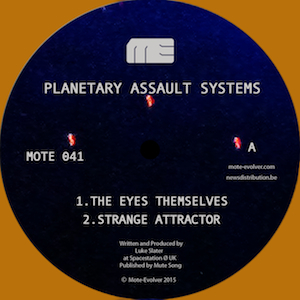
Luke Slater has a new EP as Planetary Assault Systems on the way. Over the years, the UK techno mainstay (who also produces as L.B. Dub Corp) has built an expansive discography of releases on highly regarded outlets such as Ostgut Ton, Mute, and Peacefrog, in addition to his own Mote-Evolver imprint, which will oversee the release of this latest effort, The Eyes Themselves. The three-track offering is said to showcase Slater’s skill at creating “tools for stimulating both intellectual and physical energy,” and is officially due out on February 23. No previews have been shared as of yet, but the EP’s artwork and tracklist can be viewed below.
A1. The Eyes Themselves A2. Strange Attractor B. Arc
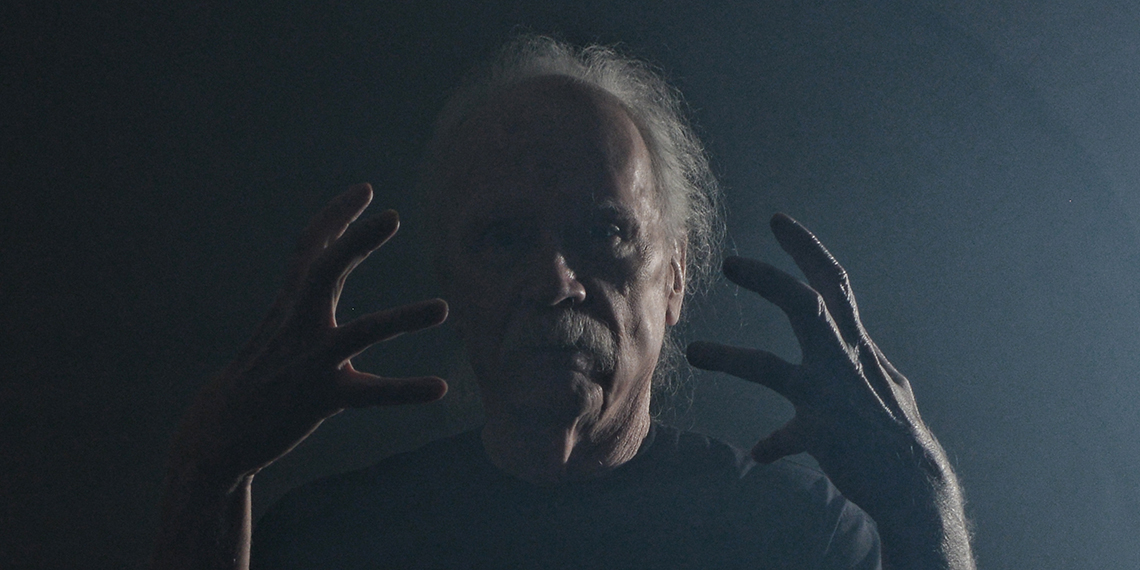
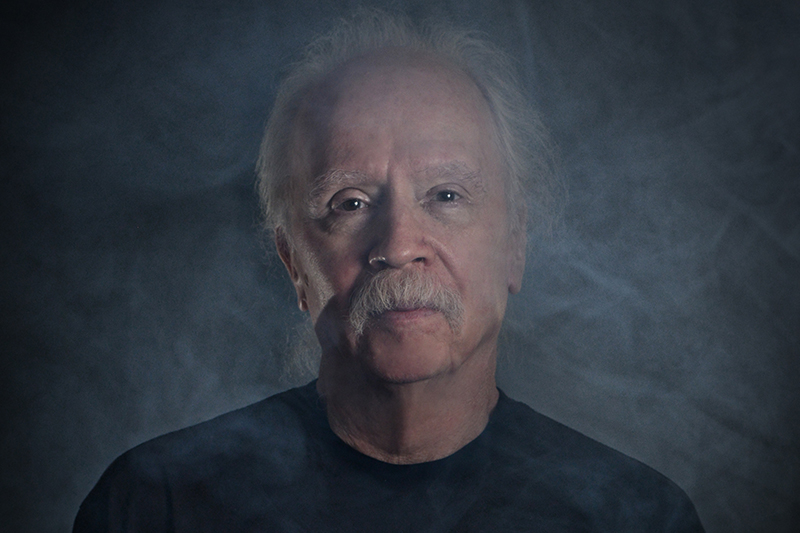
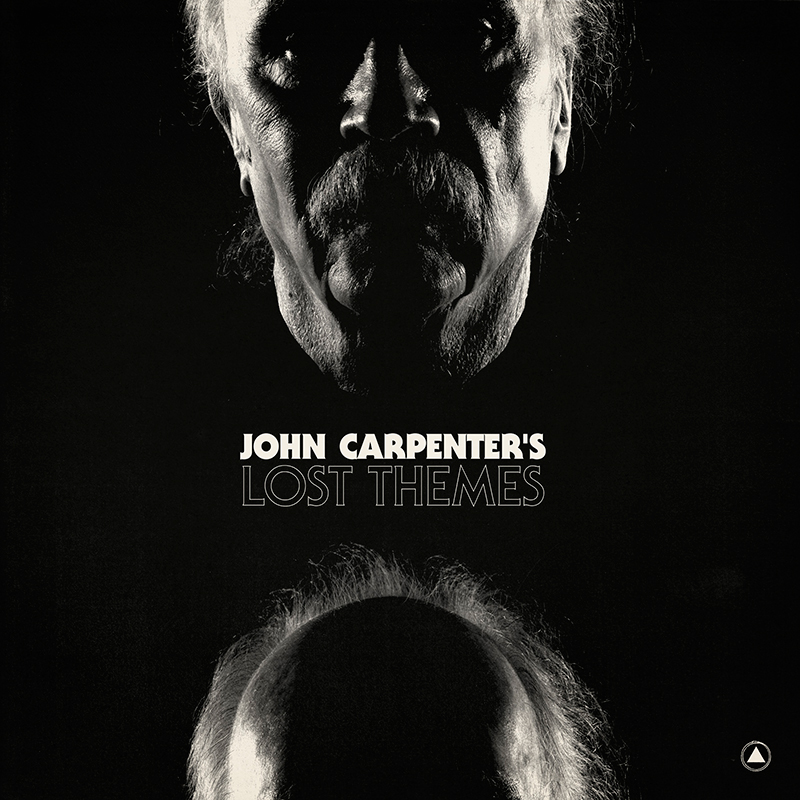
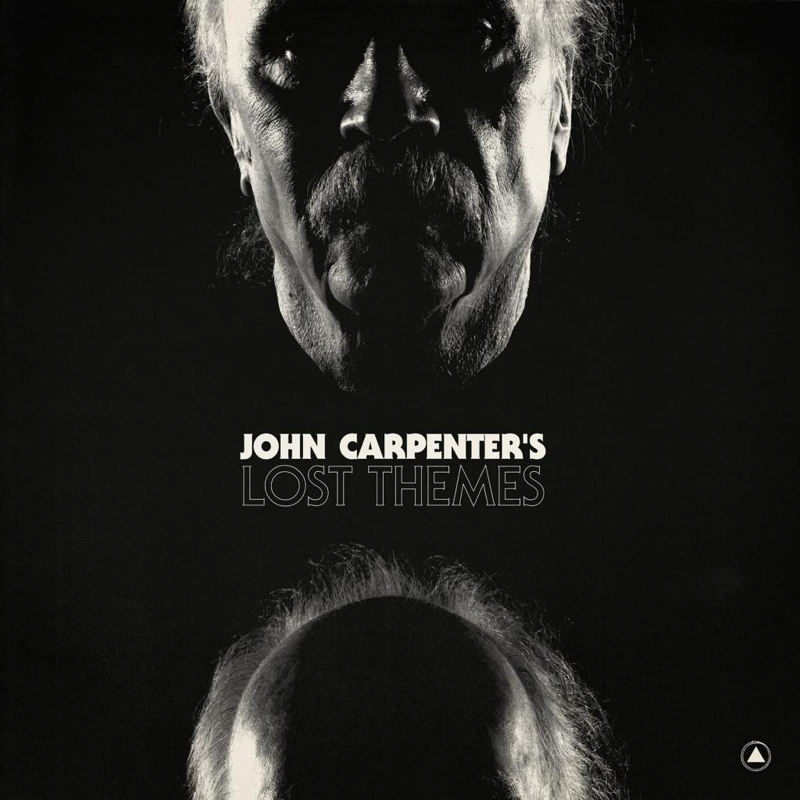
John Carpenter is a whole lot of things. At the age of 67, he’s an accomplished and highly influential filmmaker, a pioneering soundtrack composer, a writer, a musician, a father, a godfather, an Academy Award winner, and a world-renowned authority on the horror and science-fiction genres, just to name a handful of titles. So maybe that all goes to explain the one thing he isn’t: a man with something to prove. Following a prolific career that all but dwindled away after 2001’s Ghosts of Mars (save for a one-off TV episode and 2010 film The Ward), Carpenter has spent a major portion of the past 15 years out of the spotlight, and few would have expected him to make a return, especially not with something he’s never done before. But Lost Themes is precisely that, a nine-song record which marks the auteur’s first release of non-soundtrack music. It’s an exciting album for Carpenter’s cult following, as the hallmarks of his synth-centric compositions are all accounted for in the shadowy and propulsive instrumentals, and is hopefully an effort that will spark new avenues of expression from the veteran artist.
Ask him about it, though, and he’ll likely deliver a less-than-enthusiastic response. Like we said, Carpenter is a certified legend with nothing to prove, and as it turns out, he’s also not particularly fond of interviews. We rang him up at his Southern California home to run some questions by him, and though he was willing to oblige, well… let’s just say he played it very close to the chest. All of which is to say that this may be one of the shorter installments of 20 Questions, but it is nonetheless coming from an unquestionably important figure in worlds of film and music. Thankfully, Carpenter does let us know about some of his earliest inspirations, what his key to being a successful filmmaker is, why he prefered writing and recording Lost Themes to scoring movies, how much it would take for him to perform his new album live, and plenty of other trivia tidbits.
1. Where were you born and raised? Carthage, New York. I was raised someplace else: Bowling Green, Kentucky.
2. Do you come from a very creative family? Yes, my father was a music professor and an accomplished violinist from the Eastman School of Music. That’s where I got my musical background.
3. Were you ever formally trained in music and composition? Yes, my father taught me how to play the violin and began teaching me how to play the piano. So I was trained, yeah. Not very well: I had no talent at the violin. But I was trained at home, and I took individual tutorship training from teachers.
4. How did you get into making music with synthesizers? It was a form of necessity early on in my career. When you’re making a low-budget film, you don’t have the money to hire a composer and an orchestra, so I had the ability to do it myself. All I needed was a computer, a synthesizer, to make keyboards sound bigger.
5. What are some of your favorite synthesizers you’ve owned? My favorite synthesizer is a Korg Triton. I’ve had that for the last 15 years.
6. Which was your first love, film or music? Film. I would go to the movies when I was really young. My mother would take me, she was a movie fanatic. One of the earliest memories of mine was seeing The African Queen with her. I forget what year that was, but I was all of four years old.
7. Did you ever want to do anything besides make movies? Not really. In 1956, I saw a movie that transformed me, called Forbidden Planet, which coincidentally had the first totally synthesized score. It was not an orchestral score. That movie made me want to be a movie director.
8. What initially drew you to action and horror films? I didn’t initially go to them, they came to me. I made one that was successful, and then I got typecast. I was fine with it, though, because I grew up loving horror and science fiction.
9. What key lessons did you learn during your early years of filmmaking? Well, the biggest lesson that I learned from film school was to try to get and maintain, if possible, final cut. Creative control is the essence of having the ability to make your own movie, and not someone else’s.
10. Which bands and musicians do you remember being influential to your film scores? The Beatles, The Rolling Stones, Procol Harum…
11. Lost Themes will be your first musical release that isn’t a soundtrack. Why is now the right time for you to make a record like this? It all happened because of luck. It’s the right time because it just happened. My son and I improvised most of this music, and my godson and I improvised the rest of it. We had it sent to a record company, and they wanted to release it.
12. Unlike your soundtracks, the music of Lost Themes is said to have been composed without referencing any imagery. Were there any obstacles in working that way? No, it was an absolute joy.
13. Did you prefer it to working on soundtracks? Hell, yes! There were no deadlines, no one looking over your shoulder, nobody telling you, “Well, that doesn’t work.”
14. Have you found yourself creating your own narrative or visuals for the album? Some images come to mind when I listen to the music, sure, but I can’t tell you [what they are].
15. Aside from its creative process, how is the music of Lost Themes different from your soundtrack work? That’s a hard question to answer. Lost Themes, in some places, is a bit more complex than some of the stuff I’ve done before. It happens when you evolve as a musician.
16. Is there a film of yours that Lost Themes reminds you of the most? No.
17. Do you have plans for any live performances of Lost Themes? We would love to play live! All you have to provide is a million dollars. Because it would be hard to [make it] sound like the album. You can’t do it cheaply. There’s a lot of instrumentation, and a lot of technical work. Or we could reinvent the album as rock & roll, and play it with a four- or five-piece group.
18. Have you enjoyed any new films lately? Several, yeah. In the past few years, I’ve enjoyed a lot. In 2008, there was a horror film called Let the Right One In that I thought was excellent. I liked World War Z a lot. I liked Gravity a lot. I haven’t finished seeing all of this year’s movies yet.
19. Any recent film composers or scores you’re particularly fond of? I love the work of Hans Zimmer. I think Trent Reznor has done some nice stuff in the kind of avant-garde area.
20. What’s the first thing you’ll do after answering these questions? I’m sitting here in beautiful Hollywood, California, drinking my coffee and watching a press conference with President Obama and David Cameron. When we’re finished talking, I’ll finish my coffee and continue to watch the press conference.
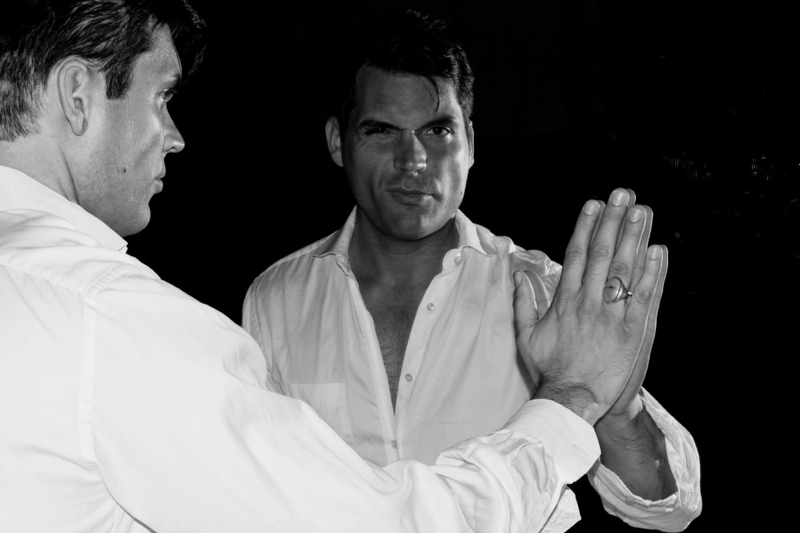
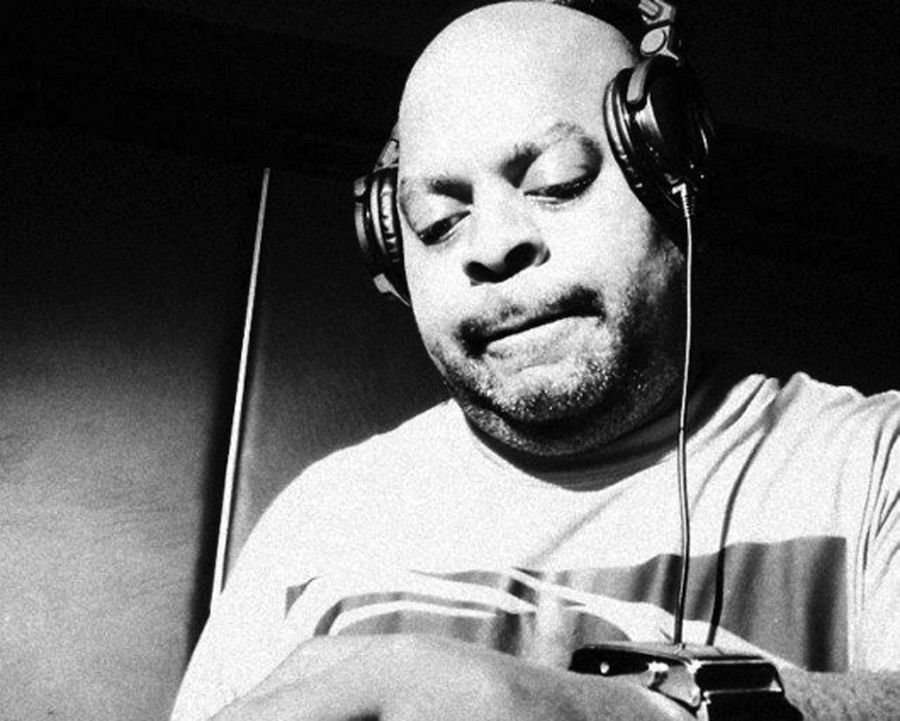
To start off the week, three new mixes from DJ Bone vs. Differ-Ent (pictured above), Torn Hawk, and Solar have been made available to stream and download.
First up is Detroit techno veteran Eric Dulan, operating under both his longstanding DJ Bone alias and a new alter-ego, Differ-Ent, which he debuts on his most recent record for Don’t Be Afraid. “I started with a straightforward but funky vibe (DJ Bone style), weaving in and out of melodies, keeping it danceable but with a lot of soul and emotion,” he explains. “Then I took it to a more aggressive, structured sound (Differ-Ent) with a darker essence. The majority of the last half of the mix is where I employ a lot of three-deck mixing.” His entry into Resident Advisor’s podcast series, along with a brief Q&A, is available here.
Next up is Torn Hawk, the arguably best-known alias of producer and video artist Luke Wyatt. His FACT mix is said to demonstrate “the same blurring of time, place, and source” as both his musical and visual output, seen most recently on his album Let’s Cry and Do Pushups at the Same Time on Mexican Summer. “These are all original sounds I created,” he says. “A small portion of the tracks compiled have been half-heard elsewhere. All material is now put to work supporting the larger story presented here.” The 67-minute session can be streamed and downloaded below.
Rounding out the trio is Solar, who provides the second installment of Dekmantel‘s new podcast series (last week’s was excerpted from Marcel Dettmann’s 2015 New Year’s set at Berghain). Based out of San Francisco and active as a house and techno DJ for over 15 years, Solar came to international attention last year, when Dixon caught a set of one of Solar’s West Coast Sunset Parties and invited him to tour with the Innervisions crew. No tracklist is on offer, but Solar’s nearly 70-minute session can be streamed and downloaded below.
St. Petersburg collective (and monthly party five years running) Roots United will launch a new label effort in the coming weeks. In charge of delivering the imprint’s inaugural release is the crew’s own Nocow, a local producer who has served as one of St. Petersburg’s most consistently intriguing musical exports over the past few years—his excellent Ruins Tape album (which saw a proper vinyl re-release in 2012) solidifying his reputation as one of Russia’s most quality producers. Never one to remain entrenched in a single musical aesthetic, Nocow’s forthcoming Zathdax EP sees the artist moving towards the more rough and rugged ends of the techno spectrum, its title track (offered for download here) burying a series of sci-fi synth sequences and chopped syllables beneath a steady stream of static-laden, machine-made rhythms. Nowcow’s “Zathdax” production can be downloaded below before his EP of the same title (which is also streaming in full below) launches the label arm of St. Petersburg’s Roots United collective on February 2.
A week ahead of its official release on Sacred Bones, John Carpenter‘s Lost Themes album has been made available to stream. The iconic director/composer is renowned for creating the scores for numerous horror film projects over the years, but Lost Themes (which he made with help from his son Cody Carpenter of Ludrium and Daniel Davies, who scored I, Frankenstein) marks his inaugural album attempt.
“t can be both great and bad to score over images, which is what I’m used to,” said Carpenter. “Here there were no pressures. No actors asking me what they’re supposed to do. No crew waiting. No cutting room to go to. No release pending. It’s just fun.”
Lost Themes arrives on February 3 via Sacred Bones and can be streamed in full here courtesy of NPR. A deluxe version version of the album, featuring remixes from Zola Jesus and Dean Hurley, ohGr of Skinny Puppy, Silent Servant, Blanck Mass, composer JG Thirwell, and PAN label head Bill Kouligas, is due out the same day.