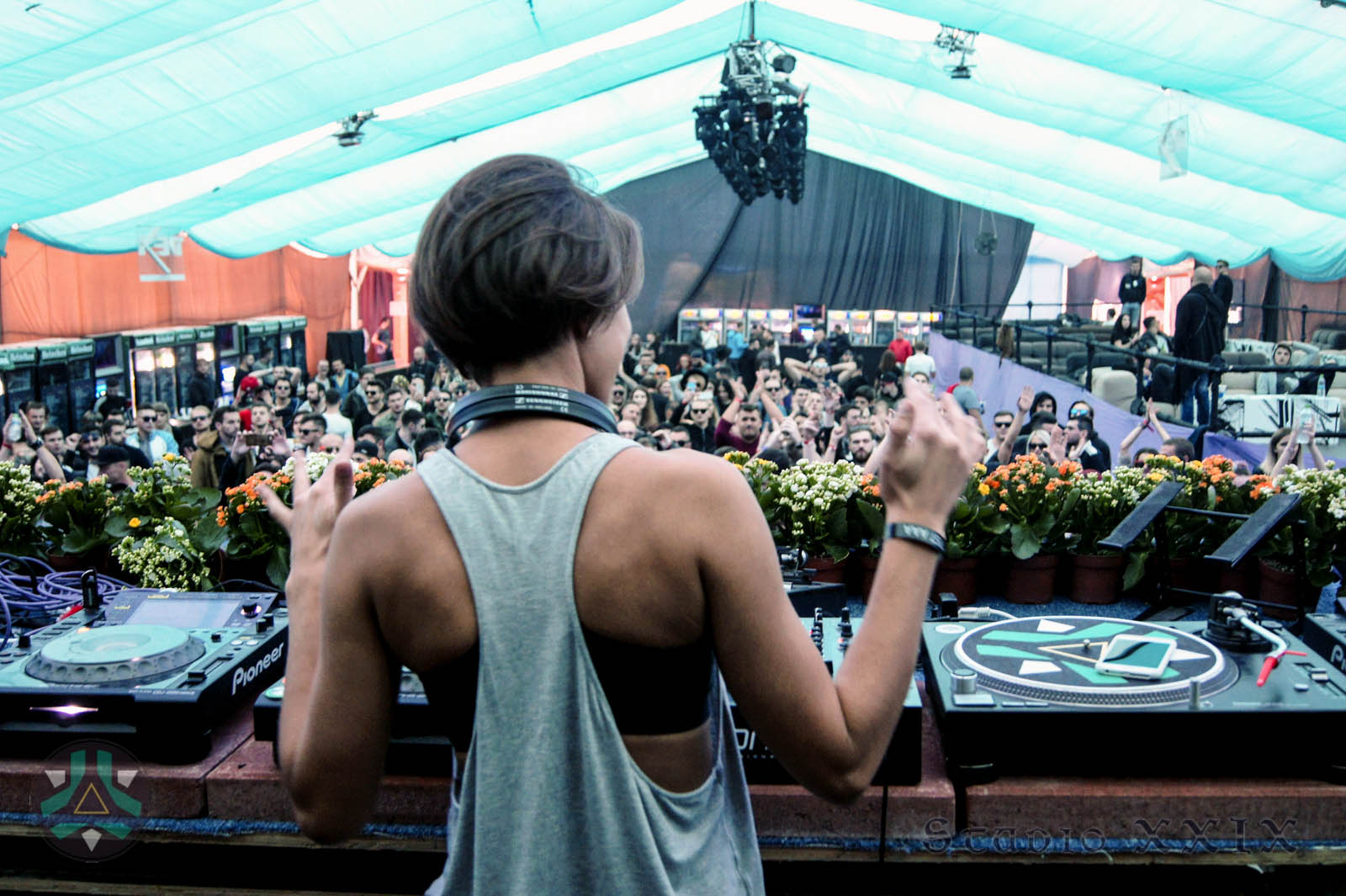
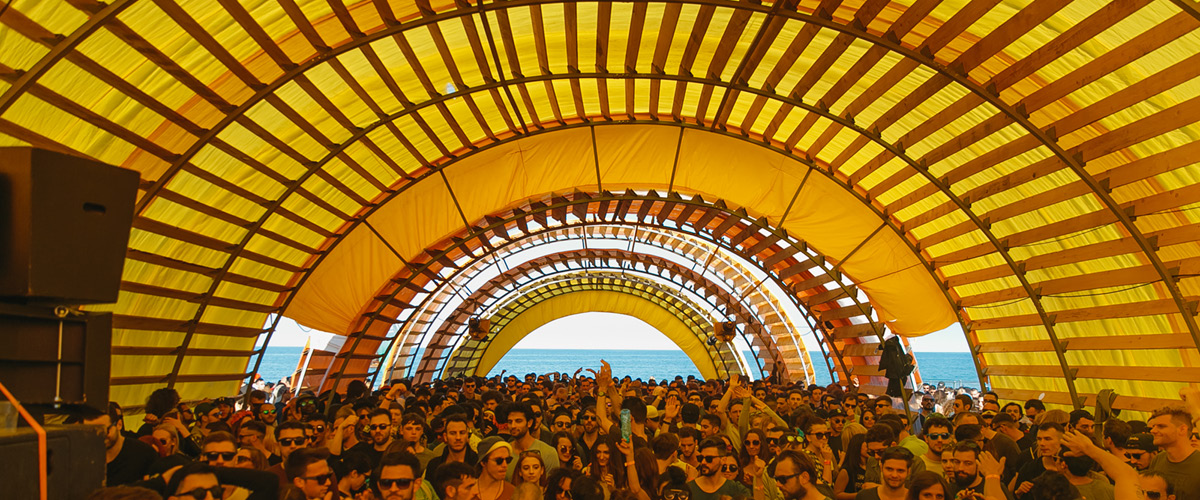
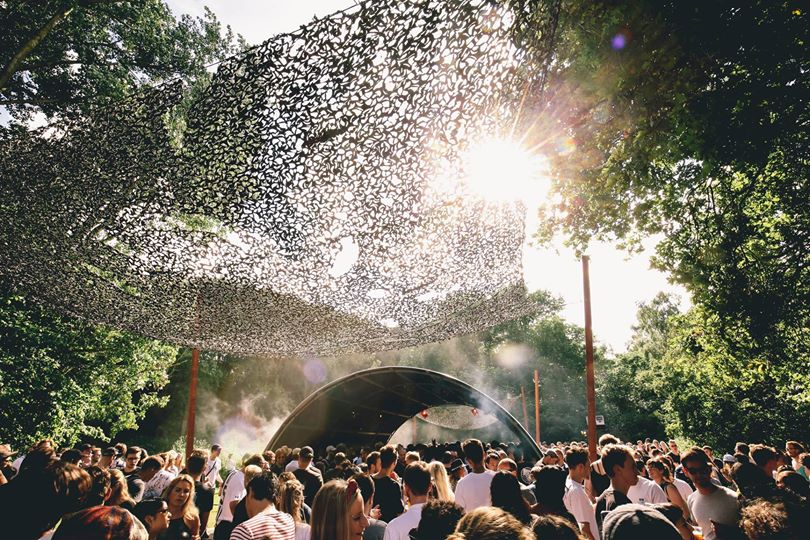
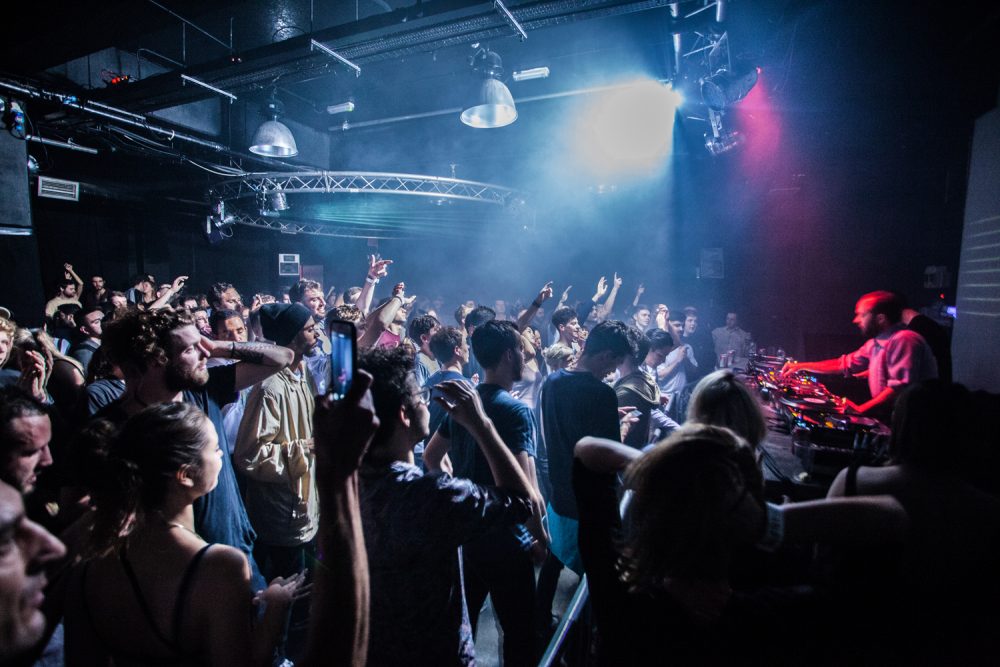
Lovelife Weekender will take place at the Hilton San Diego Resort over two days from December 31 to January 1. First up, on new year’s eve, Lee Curtiss, Monkey Safari, and Tim Green will headline the New Year’s Eve Ball alongside local artists Alison Swing, Masha, Anton Tumas, and Patricio, followed by a new year’s day sunrise beach and pool party featuring &ME, Silky, Kenny Summit, and Lovelife’s DADON and Jimbo James.
Tickets and more info on the event and its beautiful surrounds can be found here, with Monkey Safari’s exclusive 60 minute mix streaming in full below.
In this internet society, the one-hit-wonder is presented with the ultimate platform for international success. Sure, there’s plenty to be said in favor of those unforgettable tunes—the sort you can’t (and maybe don’t want to) shake from your mind for days. To really win over our hearts though, there should be some more substance. The full release, whether that be a dancefloor-oriented 12”, a lengthy and complex full-length, or something in between, paints more of a picture of an artist’s skills. They are something that you can grow attached to and spend all your time with; here are some of those releases that we kept coming back to in 2016.
In the opening track on Grant’s Cranks, as voice states: “Dance music is not just dance music anymore—it’s for the head now. You can sit down and listen to a lot of good creative albums that have a lot more thought out than your usual ‘let’s go out and dance and have some fun’.”
Aside from its textural and aesthetic qualities, the throwback vocal preempts the album’s mission and its old-school flavor perfectly. Although made up primarily of rolling house cuts, the album finds a way to stay fresh, interesting, and undeniably head-nodding across its 11 tracks—at home or in the club; a near-faultless house music album.
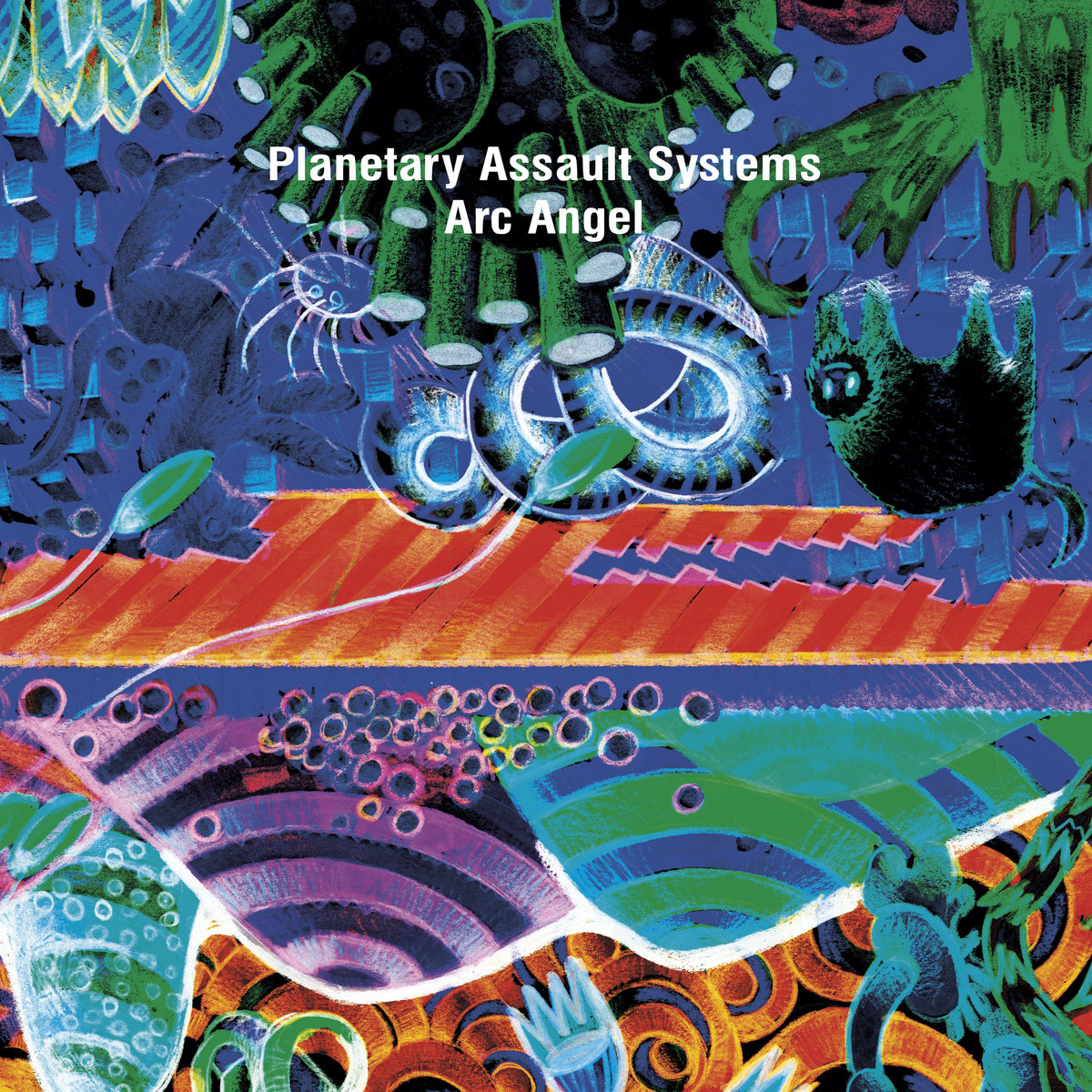
Luke Slater‘s 2016 return to Ostgut Ton was his most elegant and sophisticated release to date—and that is saying a lot given the expanse of his enviable discography. While staying rooted to Slater’s purist techno values, Arc Angel saw him explore more musical frontiers by focusing on melody more so than ever before. As Ben Murphy said in our review, it sounds like “every bar is painstakingly arranged, expertly lit and masterfully colored,” resulting in a 96-minute long-player that remains fit for home listening without losing touch with the dancefloor.
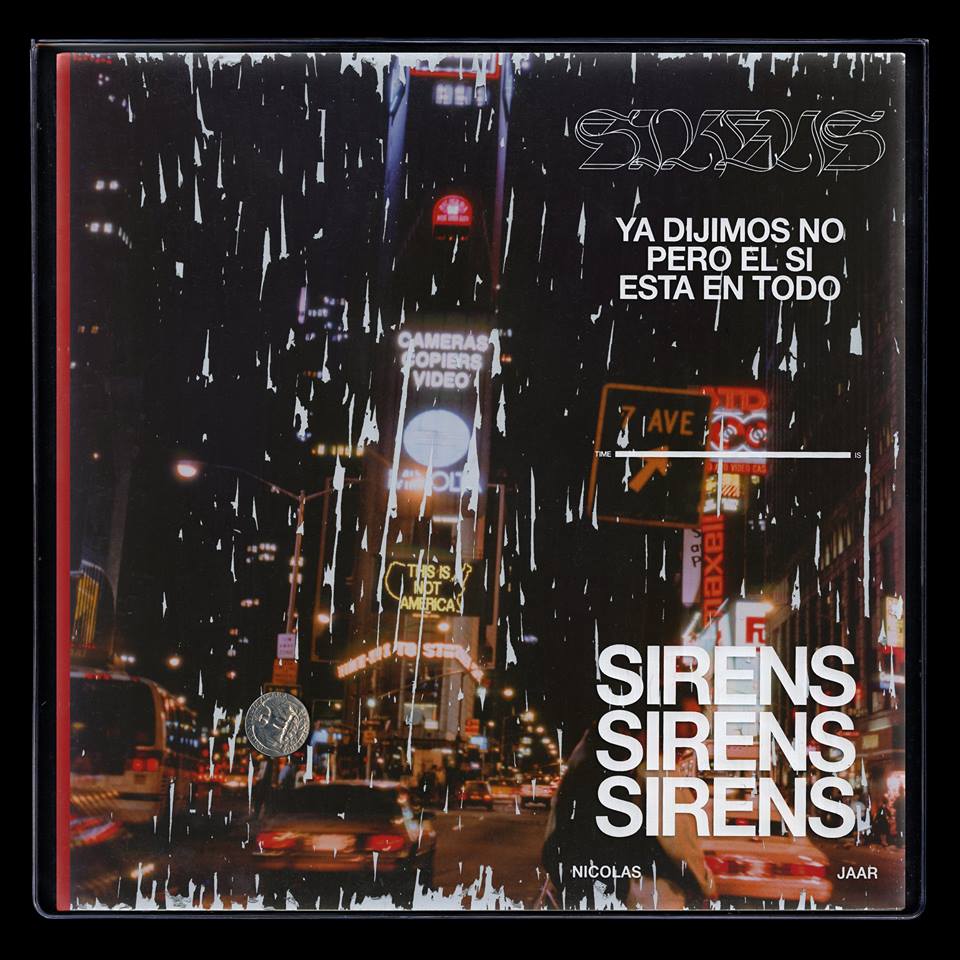
There was a lot of hope and anticipation around Nicolas Jaar’s new album long before he began sharing detailsvia his social media channels in August. Was he in the studio? When was it going to arrive? What was it going to sound like?
The New York-based artist has been a sort of mystical figure since his debut LP in 2011; though he’s released a steady stream of material, he’s kept much out of the public eye, avoiding press and accepting only a handful of DJ bookings—before Sirens was announced in September, followed by a series of international live gigs, and a few rare interviews with the man himself. And Sirens did not disappoint; in fact, the Chilean-American’s apparent embrace of his more experimental whims perhaps resulted his most majestic work to date.
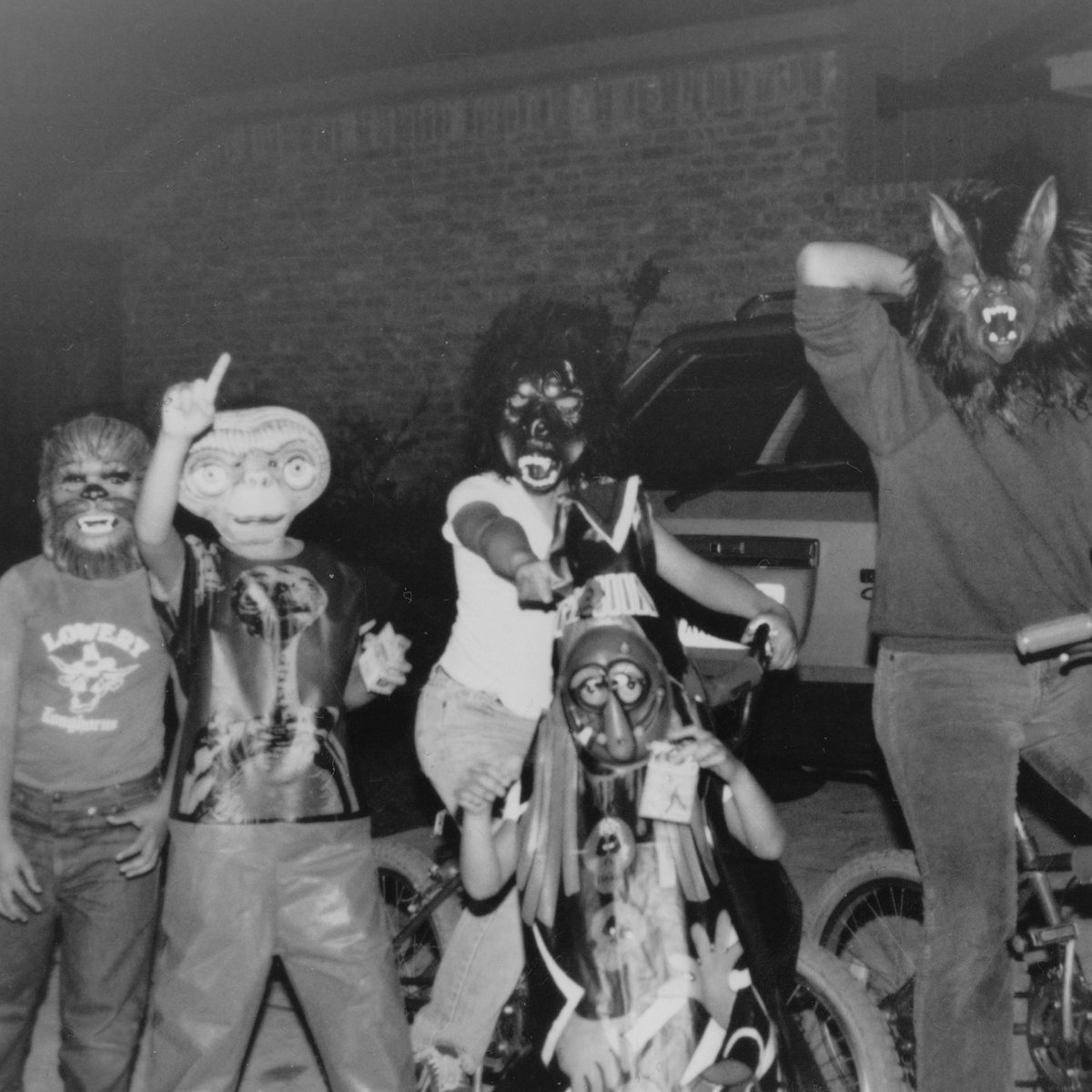
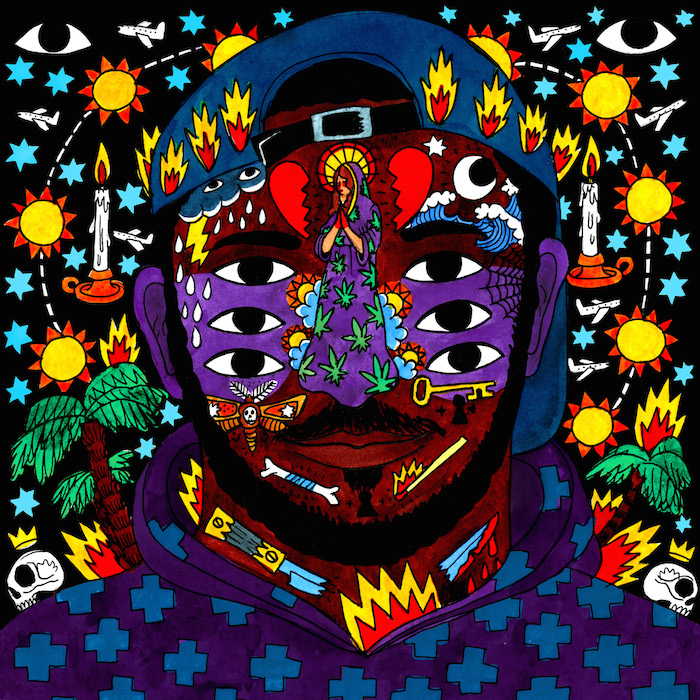
“A brilliant, well-realized combination of styles,” wrote Ben Murphy of our review of Kaytranada’s 99%. This 15-track album features guest contributions from many of rap’s brightest names and blurred the line between hip-hop and house in a refined and mature manner. All in all, it was a rich affirmation of the Canadian’s maturity and studio talents—not to say that this was in any serious doubt at the time.
Gilles Aiken’s Desert Sky alias doesn’t appear more than once a year—but when it does, the work is normally nothing short of superb. And his debut LP, Gaia, was no exception: a beautiful concoction of intricate and left-of-centre sounds work together to create a wholly absorbing long-player—one that will transport you to an entirely new dimension if you just close your eyes and let the music in. An album that is much more than the sum of its parts, and one of the very highest quality.
Under The Sun is, arguably, Australian-based UK artist Mark Pritchard’s most consistent and exquisite solo release to date. From the melancholic beauty of opening cut, “?,” to the otherworldly “Beautiful People”—which also featured as one of this year’s best tracks—and the tripped-out title track, Pritchard’s singular world has never sounded so impressive. Add in guest spots from Bibio, Thom Yorke, Linda Perhacs, and Beans—as well as an equally otherworldly artwork for its cover—and you have one of the year’s best albums.
Huerco S.For Those Of You Who Have Never (And Also Those Who Have) (Proibito)
New York-based Brian Leeds (a.k.a. Huerco S), a graduate of our Bubblin’ Up series, turned a corner with the atmospheric ambiance of For Those Of You Who Have Never (And Also Those Who Have). Proibito promised a record that would be “monolithic and stark but extremely warm, intensely personal, and for everyone in every which way,” and that was what we got. Each listen through the album reveals another beautiful intricacy—a strangely optimistic journey.
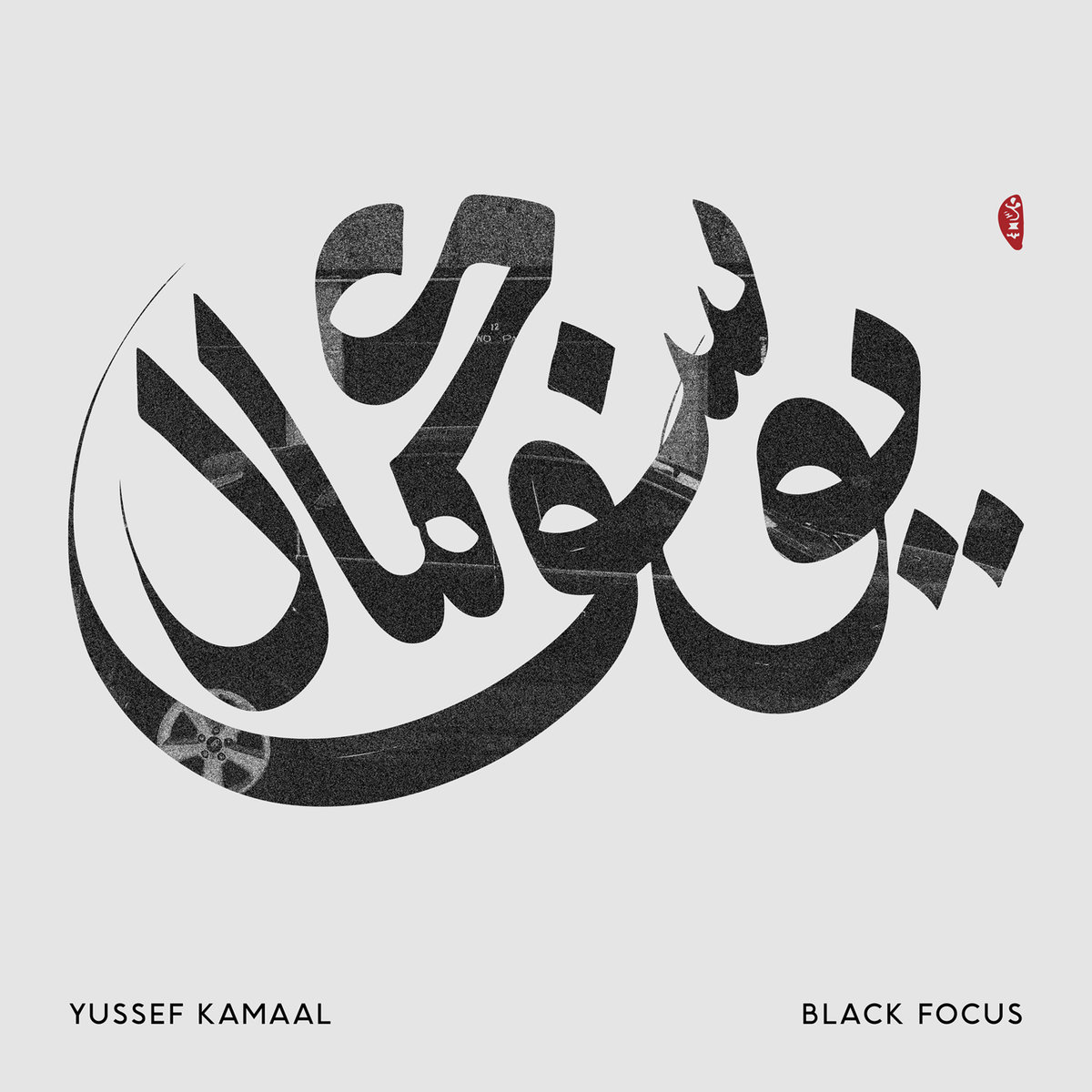
Yussef Kamaal is the pairing of Yussef Dayes and Kamaal Williams (a.k.a. Henry Wu), a project birthed from a one-off live session to perform Williams’ solo material for Boiler Room. Following a string of highly acclaimed shows across London, the duo set out to record their debut album, Black Focus, a 10-track fusion of improvised jazz that focused on the interplay between Dayes’ drumming and Williams’ keys. Channeling the energy of their live shows, Dayes and Williams crafted a naturally flowing album that had most of XLR8R‘s staff speechless.
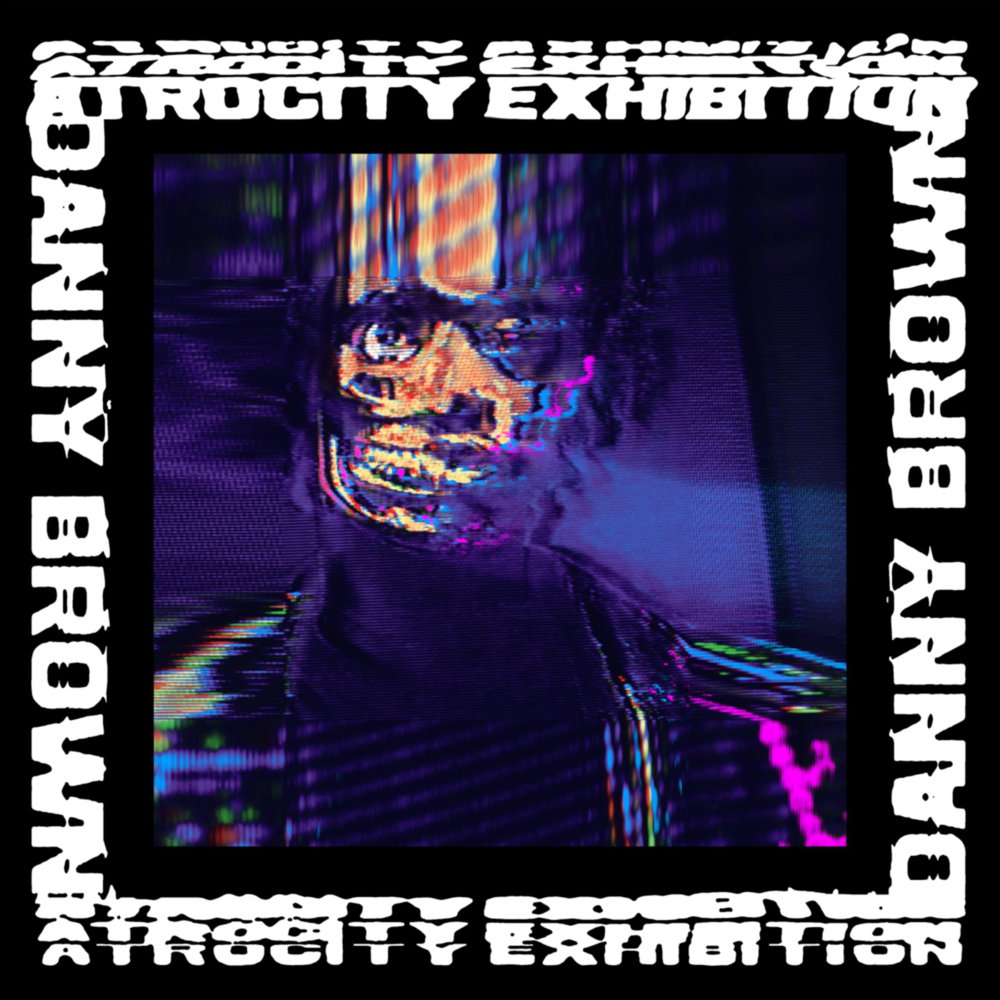
It’s hard to consider Atrocity Exhibition a hip-hop album. Although it was rooted in the genre and touched on familiar tropes, it was also so much more. Heavily influenced by grime, post-punk, psychedelia, and everything in between, the album, as Ben Murphy stated in his review, “isn’t a happy listen, but it’s an electrifying, deep record that is as musically adventurous as rap gets in 2016.” Brown excels when he is trying something new and different, and on Atrocity Exhibition, he grabbed hold of his wildest ideas and strangled them into something almost unrecognizable; as a result, Atrocity Exhibition stands as one of the year’s most forward-thinking pieces of music.
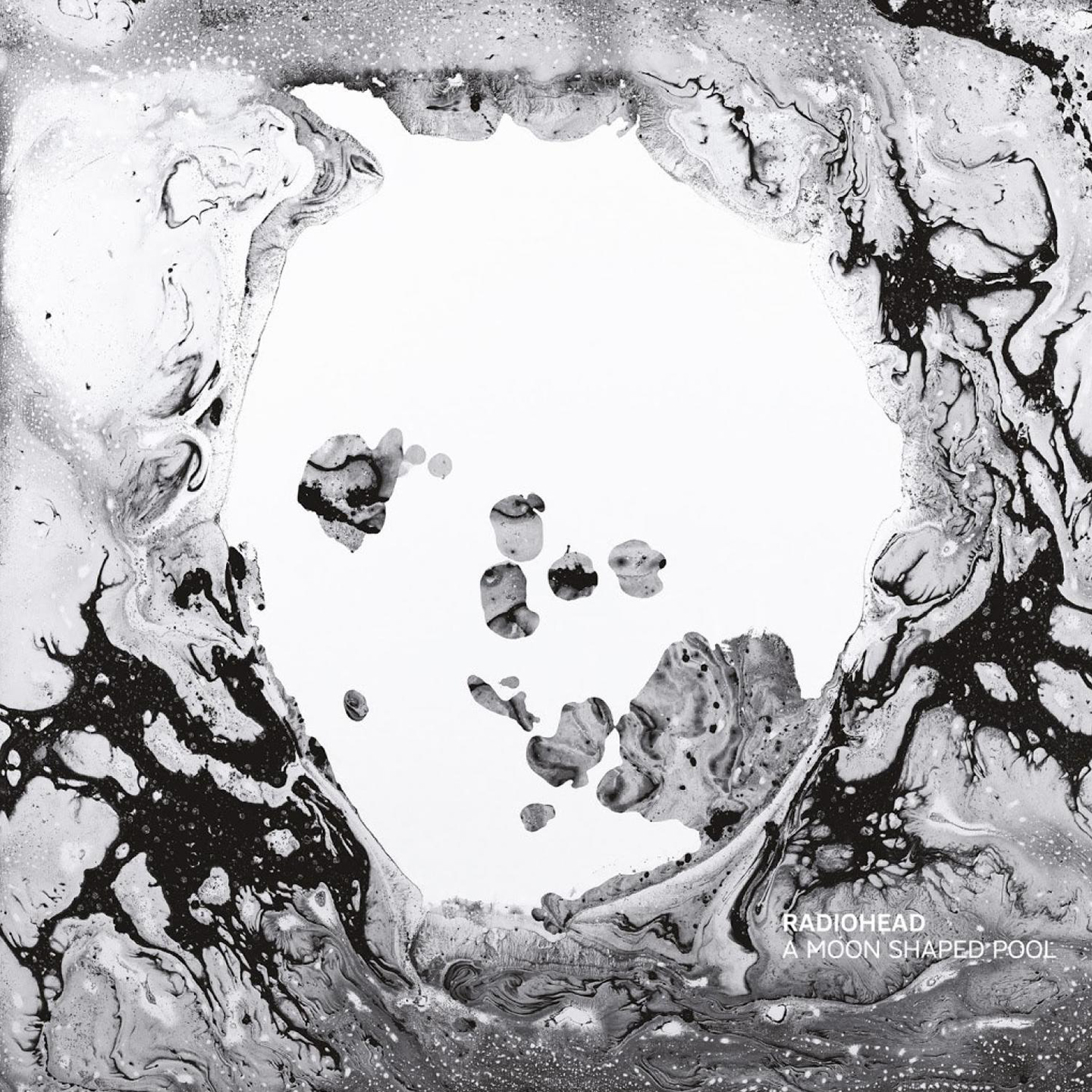
When Radiohead deleted most of the content from their online presence, we knew something big was on its way—enter A Moon Shaped Pool, the UK band’s ninth studio album. Arriving at the time Thom Yorke ended his 23-year relationship with Rachel Owen, and with the world in turmoil in more ways than one, A Moon Shaped Pool offered us both a transparent look into the band and a doomsday warning for our species. Bookended by tracks that had been familiar to fans but the band hadn’t been able to record properly over the years—a handful of the tracks had been around in one form or another for over two decades—the album also entertained rumors of the band’s end.
If it is, what a way to go out.
XLR8R Couldn't find the embed function for type: "vimeo" and source: "<iframe src="https://player.vimeo.com/video/173238457" width="640" height="360" frameborder="0" allowfullscreen="allowfullscreen"></iframe>".
Tooth found Raime’s Joe Andrews and Tom Halstead departing from their blacker-than-black, shadowy sound palette to more dystopic, Blade Runner-esque soundtrack pastures—and what a turn it was. There weren’t many albums this year that maintained such tension, cohesion, and progression throughout; on Tooth, Andrews and Halstead managed to pull this off with an assured confidence that oozed style and innovation. Almost unrecognizable guitar lines twist and turn over piercing synths, neck-snapping drums, and ominous sub-bass in an outstanding genre-less fusion.
Streaming just one track from nonkeen’s second album of 2016 does not paint an accurate picture of what this release is all about. Admittedly, it took us some time to begin to appreciate the artistry behind it, but then the progressive jazz soundscapes began to resonate deeply one evening after a busy weekend on the road. It’s a beautifully produced long-player; and after several listens in a relaxed environment it has a hypnotic effect and becomes an essential for those who appreciate experimental jazz or, indeed, any of Nils Frahm’s earlier works.
After many years trickling out tunes, Ewan Smith’s debut album finally arrived in 2016. Landing on Aus, the release came with a heartfelt subtext: There Is No Right Time was written in the months after he upped sticks to Berlin, weighed down by a breakup and the ensuing hardship from the loneliness of the move. With standout cuts like “Be Good To Me, Poly” or “10405 (Alice)” we all felt like we were there with Smith. An emotive album throughout, Smith tells a compelling tale, as well as showing off his capability to bounce between genres—hip-hop, breaks and downtempo stuff.
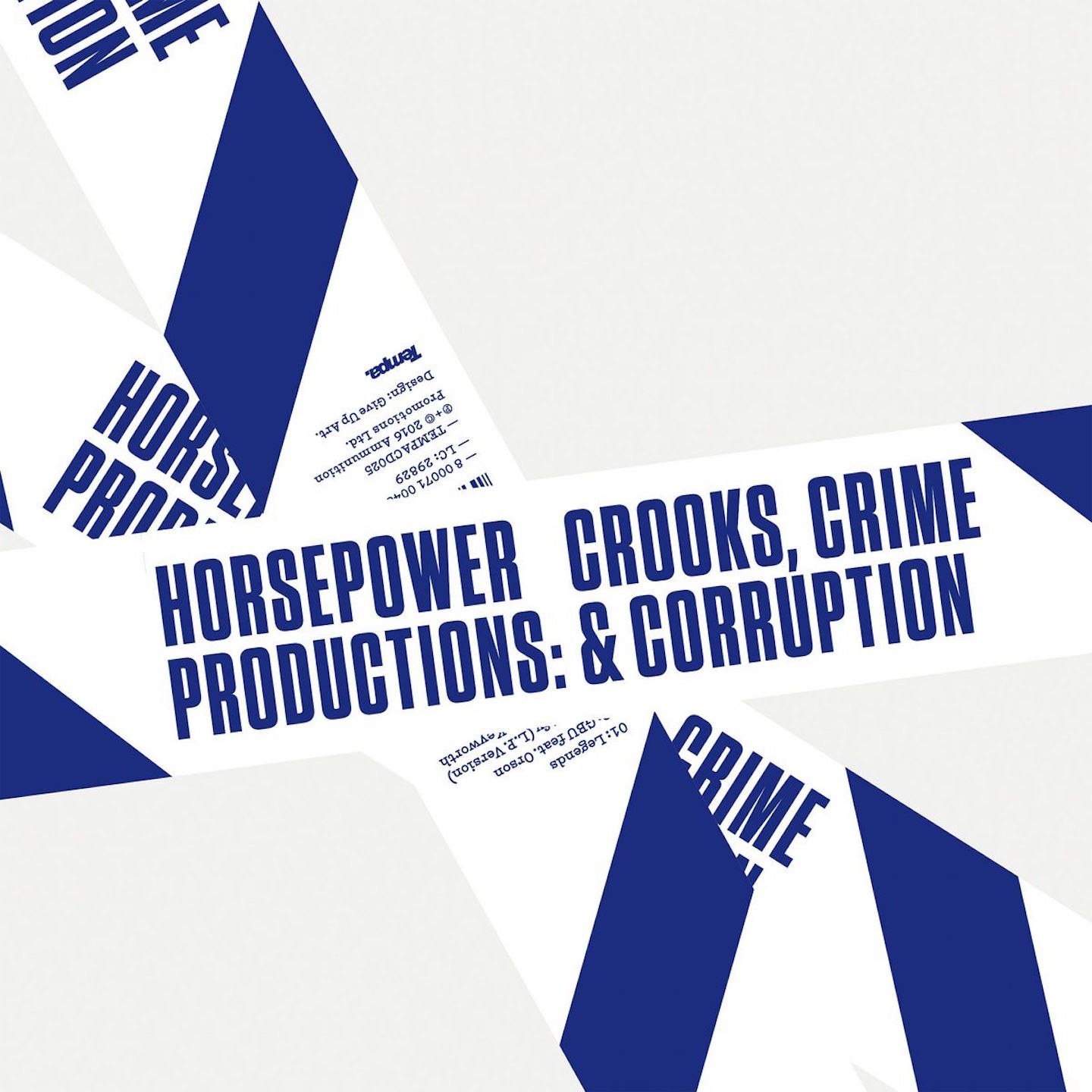
A decade and a half on from their unforgettable debut full-length, In Fine Style, London’s Horsepower Productions proved with Crooks, Crime and Corruption that they could still kick it. With only the final few tracks really engaging in the dubstep sound that the group are most typically remembered for, their latest album drew on all of their collective influences, and some. Awash with downbeat house, stripped-back breaks, and 4/4 rhythms, it proved that the imagination is still there.
Hard Wax owner Mark Ernestus has taken a venture into African music in recent years, the result being Ndagga Rhythm Force, a project in which the Basic Channel man fuses his dub and techno past with the traditional sounds of Senegal. Yermande captures the ensemble in full effect: packed with polythymic mbalax drumming and tribal chanting, the tracks can feel both forboding and funky, all with the quality control of a man who’s done it all.
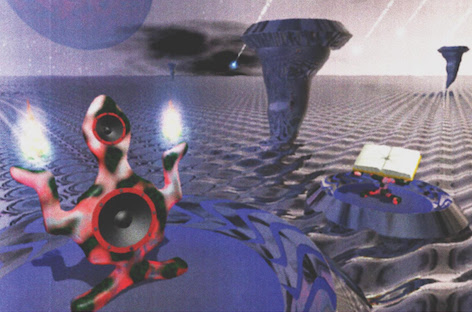
Gerard Hanson, an old favorite of electro and techno heads across the globe, emphatically proved that he is still one of the best out there this year. Releasing as E.R.P. on SolarOne Music and Craig Richards’ Tuppence, as well as bringing back Convextion on Acido, he was unusually prolific throughout 2016. Hanson’s most impressive work was undoubtedly 2845. With its unceremonious arrival and total lack of PR, the seven-track album was both a surprise and a delight. The contents of the album matched its spaceship emblazoned artwork—futuristic, out of this world music, always with a touch of depth and class.
Unknown To The Unknown kingpin DJ Haus returned to the Rinse stables in the latter half of this year with his second album for the London label. Artificial Intelligence is all about nostalgia: each of its ten cuts harks back to some facet of old-school rave culture, from the anthemic “Feels So Good” to the more serious “Open Your Mind.” Every track bangs. Where his earlier Burnin’ Up LP on Rinse was all UK garage and ghetto style flavors, this feels like a more mature effort. The Haus revolution continues.
The only release to arrive this year on Marco Shuttle’s Eerie was a label debut from Serena Butler. Gynoids Dryads Swim Alone is all about techno with feeling. With two floor-fillers, the spooky “You Have Penetrated Me” and the emotional chimes of “Bhells,” every one of the EP’s four tracks does something a little different.
Sued co-founder SVN and Sweden’s Porn Sword Tobacco collaborative releases have quickly earned a buy-on-sight status. Recordings 1-4 was certainly the most curious yet: the minimalist packaging, the untitled tracks, and the indistinct label details had us guessing. Across a plush two-disc pack, the pair constructed four of the most addictive lo-fi house jams that we heard in 2016. Fans should also check out the recent Recording 2 for more spaced-out loveliness.
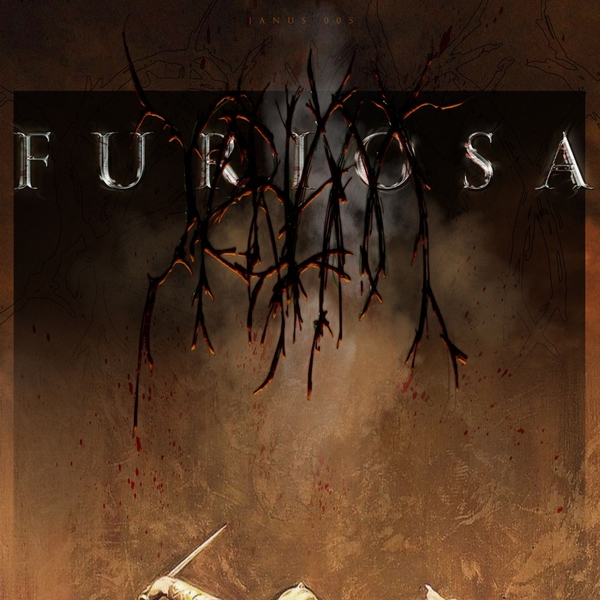
Kajsa Blom’s debut EP under club-night-turned-label Janus succeeds in translating the eclecticism of her DJ sets into a thoroughly enjoyable 20-minute offering. For its concise length, Furiosa isn’t short on aural stimulus. The dizzying soundscape of droning choral chants, jarring industrial noises, and lightspeed percussion are structured rhythmically by numerous fragmented club tropes that range from reggaeton to hardstyle. Blom nonetheless triumphs in reining in the chaotic whirlwind of global influences and nonmusical sounds into a fully cohesive piece of music, further shaping Janus’ captivating universe in tandem with past releases from fellow residents M.E.S.H. and Lotic.
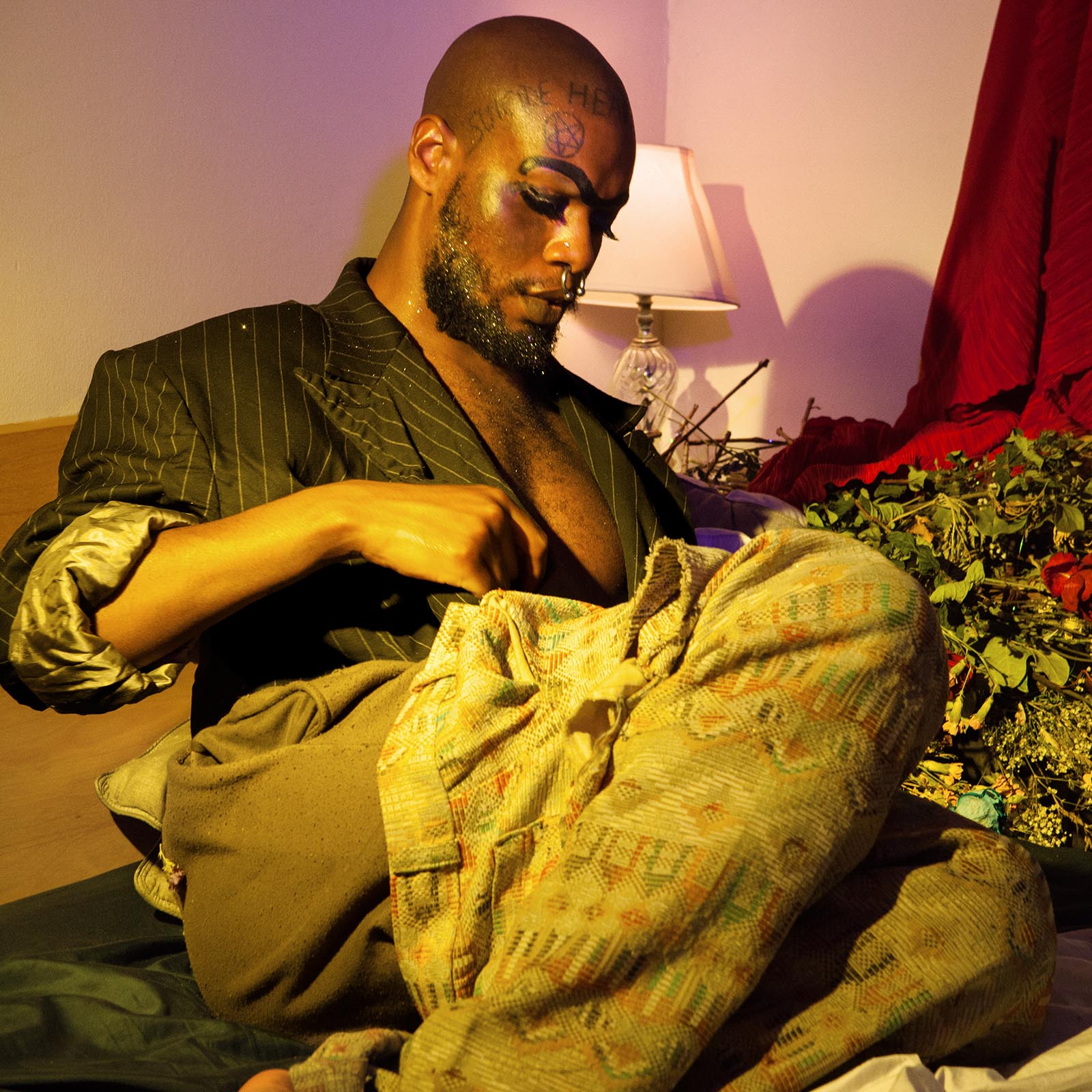
The debut EP from Josiah Wise manages to craft a sound that feels both strikingly candid and distinctly removed from familiarity. Perhaps this effect is created through haunting lyrics that begin to resemble vaguely recognizable R&B ballads before diverging into depictions of blackened leaves, swarming flies, and widening stomach cavities. Perhaps it’s the inevitable result of layering Wise’s uniquely piercing melisma with symphonic instrumentals scored by The Haxan Cloak. Regardless, Blisters masterfully fuses the life-giving powers of soul, gospel, and R&B with the visions of a singularly gifted storyteller to fashion a world of otherworldly beauty and unease.
Chapa Quente illustrates that the Lisbon sound forged by Marlon Silva and other Principe Discos contributors—loosely comprised of Brazillian Batucada, Angolan Kuduro, and a number of other Afro-Portuguese musics—effectively possesses no stylistic boundaries. The Portuguese phenom displays the full range of his production chops here, moving effortlessly between the blazing polyrhythmic complexity of ‘Unsound’ and the restrained danceability of ‘Tarraxo Everyday.’ Compounded with instrumentation that marries raw, unprocessed drum machine sounds with lively flutes and marimbas, Silva’s finished product wields what could be the most idiosyncratic aesthetic of the year.
On Daze, James B Stringer’s first full-length since 2013’s P o p u l o u s, the UK producer twists the dense rhythms and demented melodic sensibility of past work into something far more assaulting. Between the rapid-fire percussion of ‘Thorium Mox’ and the walls of grating metallic noise present in ‘NRG Jynx,’ Stringer’s latest poses a particularly challenging listen. Such unrestrained abrasion is balanced by a distinctive cinematic quality, exemplified by the ominous progression of ‘Social Re-entry’ and the swelling synth conclusion of ‘Molten Brownian Motion.’ In conjunction, the whole thing plays like the score to a thriller based simultaneously in a war zone and the deep web, a powerful collection of tracks that bode well for both Stringer and Tri Angle.
In Sean Canty and Miles Whittaker’s first full-length return since 2012’s Elemental, the duo flesh out their own brand of mutilated breakbeat and dub techno while sharpening their ability to create mesmerizing ambiance. Wonderland undoubtedly works within plenty of familiar territory: longform tracks like ‘Hardnoise’ hark back to the sound collage of their Weight of Culture mix cassette, while the mangled jungle of ‘Sourcer’ will be immediately recognizable to those acquainted with various entries from their Testpressing series. Still, Whittaker and Canty manage once again to find new oddities, create unique textures, and evoke unexpected atmospheres within their realm of dusty hardware and warped rave tapes.
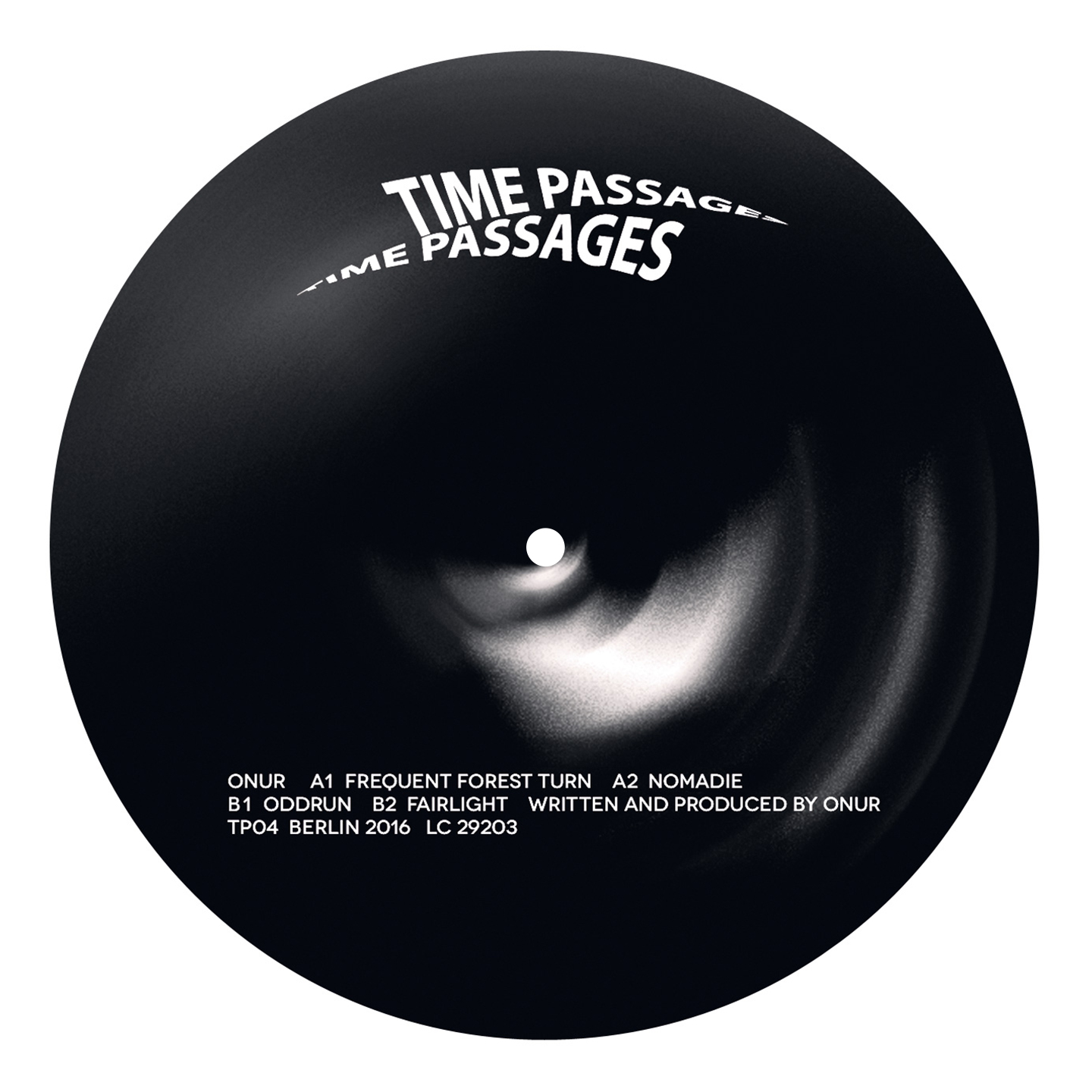
Berlin’s Onur Ozer has done a good job of moving with the times. His minimal clad big room gigs with Cocoon feel like a distant memory, while he now sits at the forefront of the new sound, alongside the likes of Nicolas Lutz and Binh. With his recent EP on the latter’s Time Passages, he proved that his skills lie not only behind the decks, but also in the studio. The four-tracker brought together weird-out electro, techno and even one fairly functional tech-house tune, in an expertly assembled package.
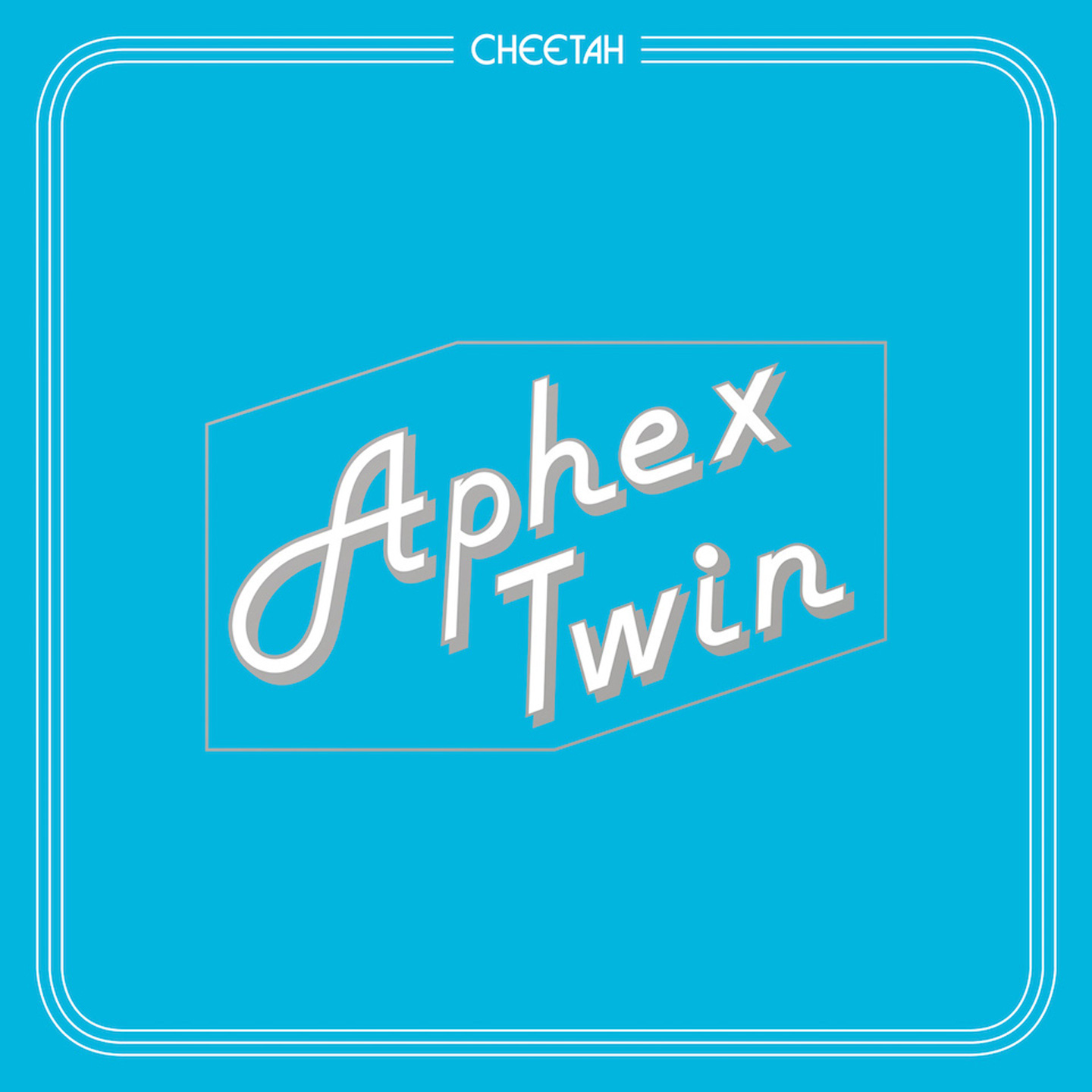
Aphex Twin Cheetah (Warp)
What end of year list would be complete without an entry from Richard D. James? With Cheetah, he pulled out a typically attention-grabbing prelude to its release via a cheeky flyering campaign and a zany video promo; however, the EP’s arrival saw James in a relatively straight mode. Its seven fairly similar, slow-tempo tracks were all put together with the Cheetah MS800 and don’t really sound anything like his previous works. Some doubted its imagination, but it was still a slice of effortless sounding Aphex magic.
There’s a feeling that some may have missed the magic in Andy Stott’s latest LP; criticism wasn’t as uncommon as with much of his earlier work—how did it compare to Faith in Strangers and Luxury Problems? Nonetheless, Too Many Voices was as soothing and beautiful as we’ve come to expect from Stott; an exquisite album and cerebral exploration that continues to grow on you the more it touches the turntable.
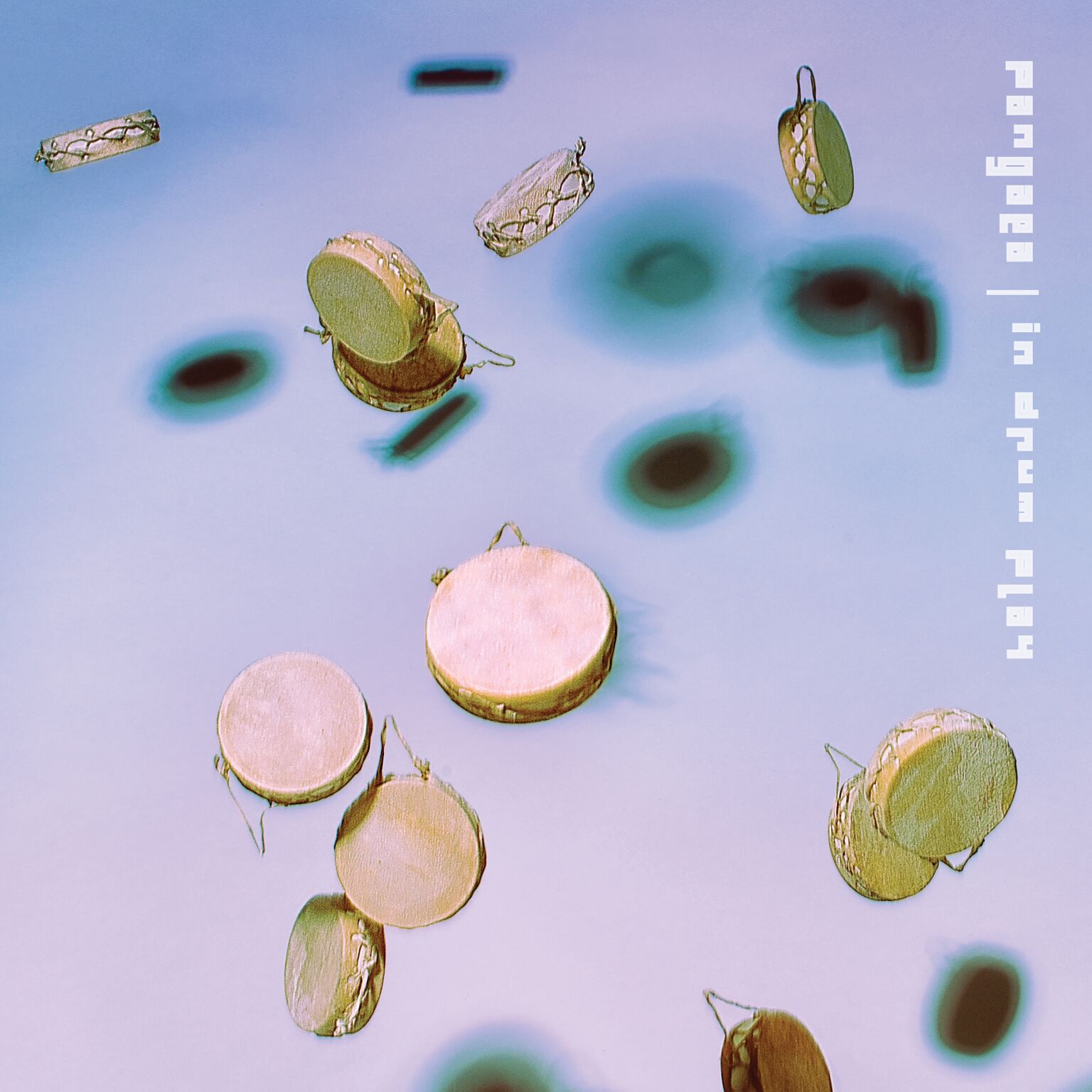
Hessle Audio’s sound is inherently British. Drawing influences from everything the United Kingdom is renowned for—be it grime, bass or garage— the Hessle Audio contingent has managed to harness what works and have refined it for coming up to a decade. This year, we witnessed Pangaea presenting his first full-length on the label. In Drum Play spreads itself over 10 tracks and manages to wink and nod at all recesses of what built club culture in England—and it also managed to encapsulate every facet as to why we love Hessle Audio.
Over the last two weeks, we’ve celebrated our favorite tracks, releases, gear, downloads, labels, and new artists of 2016. In those two weeks, we also opened the floodgates to you, our readers, to submit your favorites in each of those categories—as well as DJs and festivals. Now that the votes are tallied, we present you with your Best of 2016.
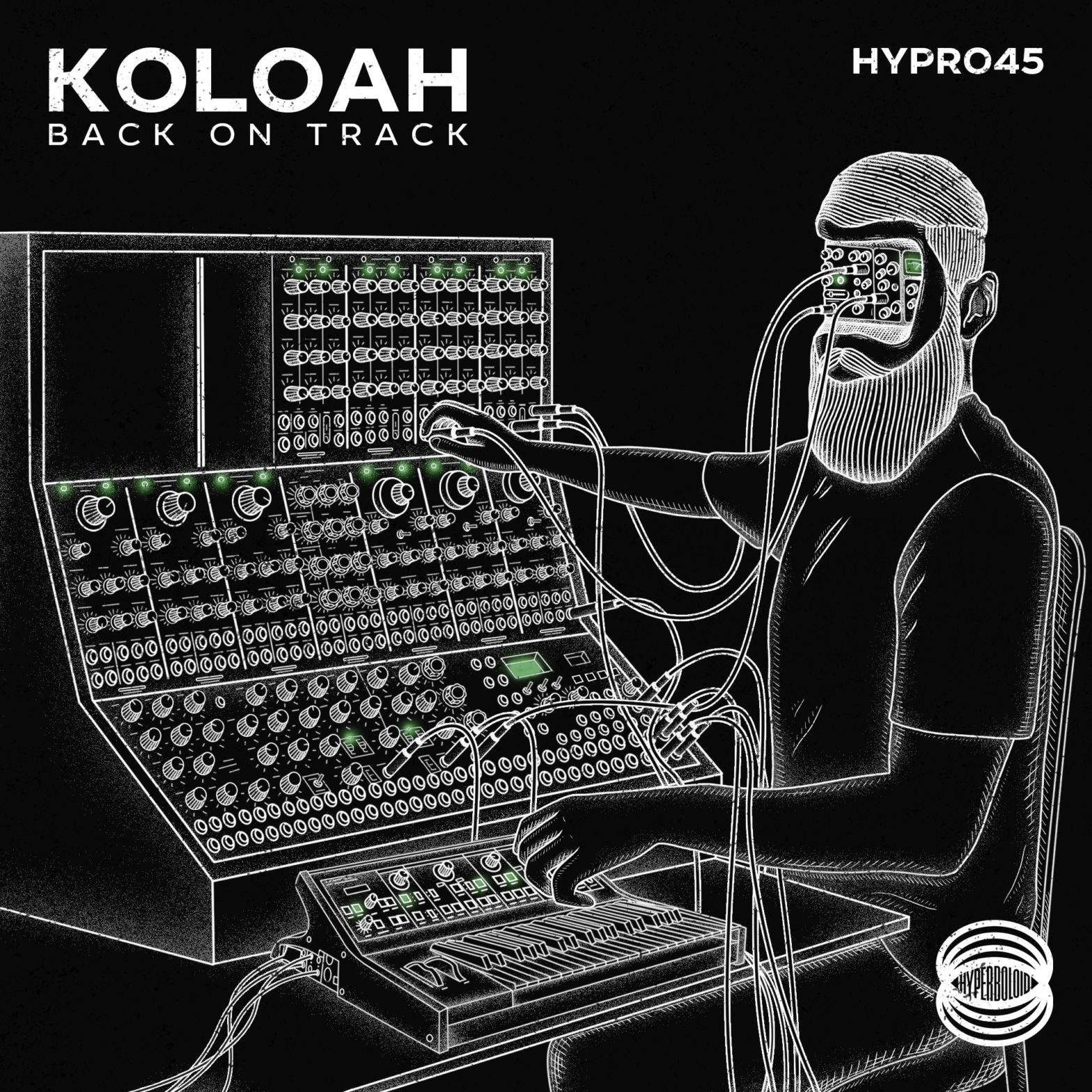
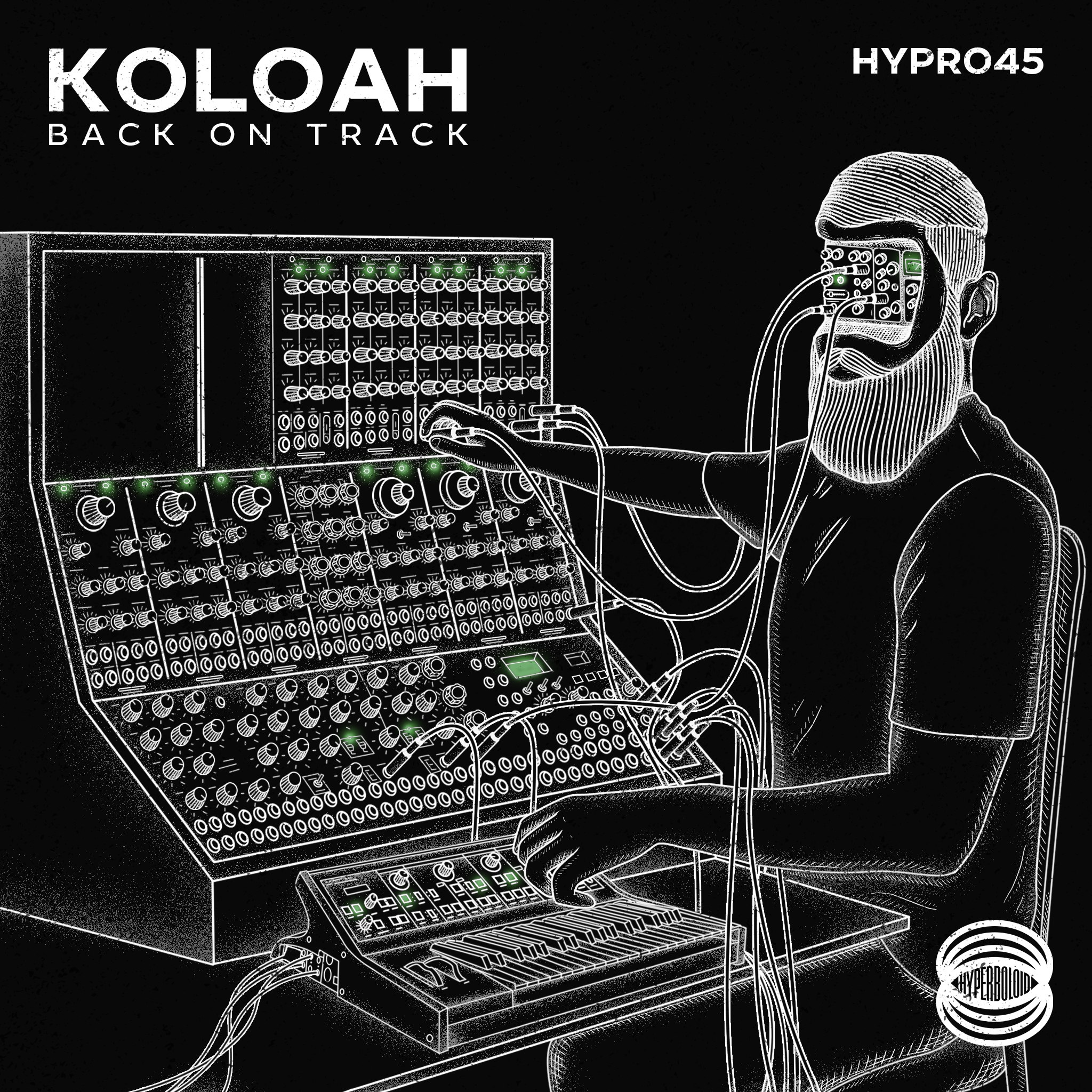
Earlier this month, Kiev’s Koloah returned to Hyperboloid after a three-year hiatus with his latest EP, Back On Track. The EP follows a solid two-year stint in the studio, producing experimental music under various names, as well as a turn to the live PA arena—a move that saw him featured on Boiler Room’s Future Shift.
Due to his well-seasoned and varied background, Koloah’s latest EP is a wide-ranging trip through experimental pastures, borrowing from bass, techno, and electro. The five Koloah originals arrive with remixes by Hyperboloid’s Raumskaya and Cadeu, with opening cut, “Warp 6,” available as a free download via WeTransfer below.
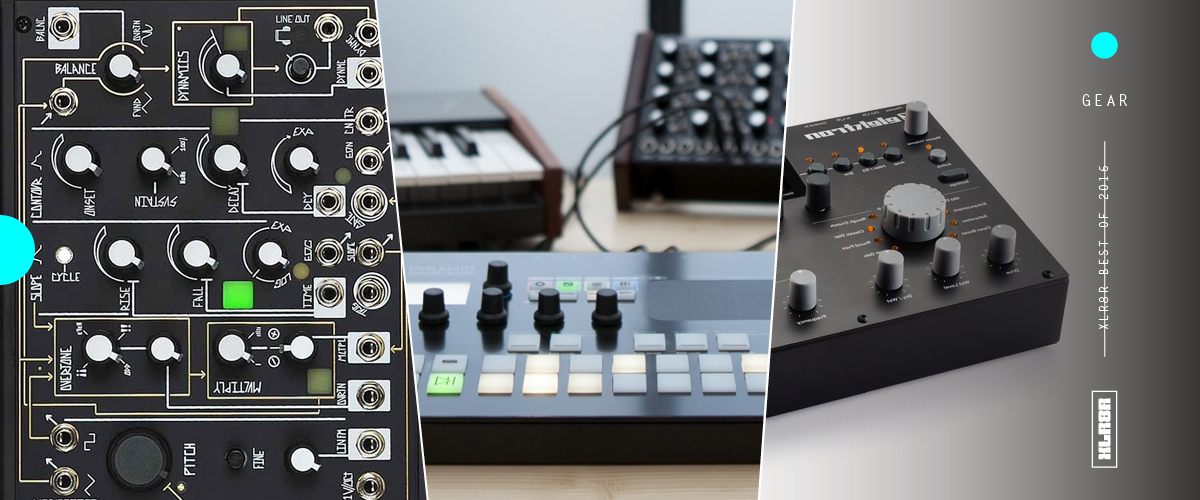
In terms of music and music making, 2016 really stood out for the amount of accessible, analog gear that was released. Many of the premier companies in the space—Korg, Roland, Arturia, Elektron—released affordable updates to their lines, or new products altogether; the modular world and its various inclinations released inspiring modules and forward-thinking instruments; and newer boutique companies also popped up and made their voices heard with interesting kit in the sub-$1000 category. However you look at it, it was a standout year for gear—and with that, we round up our favorite pieces from 2016.
Ableton Link
While not technically a piece of gear, Ableton Link was one of the most significant developments for electronic music production this year. Essentially an open platform for wifi sync, Link distributes tempo information (along with the location of the downbeat of every bar) to various devices, allowing them to sync perfectly over a standard wifi network. Anyone can start and stop their part (or change global tempo) while others keep playing, allowing for improvisation. Link can sync multiple instances of Ableton Live and any supported iOS apps: MoMinstruments’ Elastic Drums, Alexandernaut’s Fugue Machine, Olympia Noise Co.’s Patterning, and Auxy’s Auxy, to name a few. While Live is the only supported DAW at this point, it’s not necessary — Link works standalone with any apps that support it.
Arturia DrumBrute
An analog drum machine that replaces samples with circuits, Arturia’s DrumBrute is one of the most accessible ways to get analog drum sounds into your productions. There are 17 drum instruments (including two kicks, a snare, a clap, open/closed hats, high/low toms/conga, etc), a zap, cymbal and reverse cymbal, and a two-mode Steiner-Parker filter on the main out. It serves well for live recording, with swing, randomness, a step repeat, a roller, and a looper and pretty much every form of connectivity to pretty much anything, analog or digital. If you’re looking for a small, portable MIDI keyboard, Arturia’s Keystep is also a winner.
” target=”_blank”>Analog Heat is a device that does one thing and does it extremely well. Essentially an analog sound processor, the Heat features eight different stereo distortion circuits with everything from tape-like saturation to nasty distortion, along with a stereo multi-mode filter and a two-band stereo EQ. There are modulation sources for these effects, including assignable envelopes and LFOs, making it easy to re-shape beats and create rhythmic textures. Elektron’s Overbridge integrates the Heat with computers, letting you apply proper analog processing inside the box. (Note: Elektron is also selling a cheaper pedal version of the Analog Heat called Analog Drive).
Critter and Guitari Organelle
A swiss army knife for both the studio and live performance, the Organelle” target=”_blank”>Organelle is a computer that runs Pure Data patches, in a build and form factor that makes it as tactile, immediate, and versatile as a guitar pedal. With ¼” inputs and outputs, mappable knobs, keys, and buttons, the device can be used as a synthesizer, sampler, or outboard effect. The Organelle ships with a set default patches like synths and delays, and new patches can be dumped onto the machine directly from a USB drive (see lots of patches here). If you’re handy with Pure Data, patches may be created and edited directly on the device—plug in a keyboard, mouse, and monitor and get to work.
Squarp Pyramid
As many of us attempt to detach from our computer screens while making music, Squarp’s Pyramid has stepped in as a great outboard sequencer, the likes of which are tough to come by in a single, self-contained box. It runs completely standalone, letting you program drum patterns and melodic lines on multiple external instruments using its various MIDI and CV outs. You can record your performance with a MIDI controller or the built-in keyboard and then edit your performance with various quantize options and MIDI effects, as well create rhythms and melodies with the built-in step sequencer. It’s a deep, well-designed box that can serve as the central brain of your hardware rig.
Bastl Instruments Kastle
To get a taste of what the modular synth phenomenon is all about at a tiny fraction of the cost, Bastl Instruments’ Kastle synth is a miniaturized incarnation of modularity that runs on three AA batteries and costs well under 100 bucks. It’s an all-in-one lo-fi synth, complete with oscillator, pitch/timbre/waveshape control, an LFO, and plenty more. It’s even got CV connections, so you can hook it up to a Eurorack modular for further control and manipulation.
Korg Minilogue
Korg’s polyphonic analog synth, dubbed the Minilogue, is quite a beast. Its 37 (slim) key, programmable synthesizer, with features including a polyphonic step and motion sequencer, an onboard tape-style delay, multiple sound shaping and filter options, and even a small, OLED oscilloscope display. It’s a lush, versatile, and well-built piece of kit full of smart touches and intuitive controls. Korg has also recently released a 25-key monophonic cousin to the Minilogue, the Monologue, with micro-tuning presets courtesy of Richard D. James himself.
MakeNoise 0-Coast
With features from both popular schools of synthesizer design (Bob Moog’s East Coast and Don Buchla’s West Coast styles), Make Noise’s 0-COAST is a single voice, patchable monosynth that can function either on its own or connected to a larger Eurorack setup. The 0-COAST is normalized with a signal chain that lets you plug it in and make sounds immediately without connecting a single patch cable, as well as 13 input and 14 output patch points for when you want to further freak it out. It’s got two channels of MIDI-to CV and MIDI-to-gate, a dual mode, MIDI-controlled arp, and all those other idiosyncratic MakeNoise stylings.
Picking the tracks of the year is not an easy a task as it may initially sound. Ask someone—anyone—to select the cuts that moved them over the course of the past 12 months and it’s not out of the question that you’ll end up with an entirely different collection of records than those which you had in mind before entertaining the idea of posing this very question. You see, music taste is a subjective matter; and what resonates with you at any given moment may not be flavor of the month with friends, family—or, indeed, anyone else.
Nonetheless, we held the discussion within the XLR8R offices anyway: what were your tracks of the year? What moved you? What touched you? Which cuts, of the thousands upon thousands that crossed your path, do you remember especially fondly as you look back upon what turned out to be a stunning year for music—if not politically, socially, and in just about every other regard.
In truth, this list could be endless: scanning through now reminds one of various other releases that would sit comfortably within this set of tracks—but we had to draw the line somewhere. This, after some careful consideration, is the selection of tracks that cropped up most frequently in our discussions—the records that ultimately became our favorites of the year.
Mark Ernestus’ collaboration with Nigerian brass band Obadika resulted in a frankly brilliant April EP��of which the title track was particularly memorable.
It’s difficult to choose a standout track from Moodymann’s DJ-Kicks—but this newly released rework of Flying Lotus’ “Tea Leaf Dancers” is as worthy a note as any. In truth, this edit is not too different from the original cut, but its inclusion on this release was enough to remind us just how good it is.
In the comments of the below video for DJ Sotofett’s “Current 82,” one user remarked that even though they were coming down from a final MDMA hit in the early-morning hours of an open air party, when “the pads of this tune come in slowly,” “I get another, final euphoria rush out of nowhere”—and what an apt description. “Current 82” has a way of creeping up on you; before you know it, your eyes are closed and you’re swaying in time with the woozy synths emanating from the speakers.
Following on from his debut album, There Is No Right Time, Berlin-based DJ and producer Ewan Smith (a.k.a. Youandewan) released another EP. Where that full-length was a reflective, emotional work, three-tracker Pinger is a more upbeat recording, built for club use—and the leading cut was particularly pleasant.
Sur is the label of three friends who aim to connect their homelands of Uruguay, Argentina, and their new musical home in Berlin. This is the label’s first release; and what a way to start.
Berlin-based South Korean Peggy Gou made a name for herself with a set of records on Rekids, followed by a two-tracker on Phonica White in March. The woozy title track of that EP springs to mind when looking back on the year; after all, it’s difficult not to smile at the warm, funky bassline and emotive strings.
While the name sounds more of a description rather than a title, it is as accurate as they come. This disco cut is exactly what its title says: a quirky track that is as highly playable as it is wonky. It’s no surprise it was played out by a long list of leading DJs this year.
It would feel weird to have an end of year tracks list that didn’t include DJ Koze. Luckily for us, the Pampa label head continues to churn out anthems that perfectly straddle the line between floating melancholia and club functionality.
This epic cut was doing the rounds for much of 2015, but only saw release in summer of this year. A dramatic, late-night track with chilling vocals, this is just another splendid John Talabot remix—but why would we every expect anything else?
Broken Knowz found Detroit upstart Jay Daniel stepping away from the raw and frenetic club sounds of previous releases towards a more mature and emotive sound. Of all the cuts, “Paradise Valley” personifies this direction most with its achingly smooth chords and loose, live drums.
Close your eyes and Raime’s “Cold Cain” conjures images of a dark, dystopic future. Sitting somewhere in the nether regions between post-punk and something ritualistic, “Cold Cain” is almost a genre in itself.
Given that it was 10 years in the making, Cabanne’s debut album hardly made the biggest splash when it dropped via Minibar in November—as good as it was. While much of the LP paid homage to the Frenchman’s more musical background, “Nastish” was a more classic Cabanne cut: wonderfully produced with enough groove to make even the most tired legs move.
Virginia’s “1977”—taken from her brilliant Fierce For The Night LP on Ostgut Ton—was one of the most dance-inducing tracks we heard all year. When played at the right time, “1977” would cause dancefloors to erupt in a wave of smiles and uncontrolled body movements.
Was there a better self-produced piece of bedroom pop this year than Abra’s “Cry Baby”? We think not. With heavy 808 beats, a funk-filled bassline, gritty synth work, and subdued, emotive vocals, “Cry Baby” signaled Abra as one of the America’s most promising pop artists.
Taken from VRHT777, “Khū” is Vincent Lubelli’s first release as Varhat—and also one of his most memorable. Its complex simplicity and the subtle evolution of the chord stab marked Lubelli as one of the most exciting talents in the French scene—a platform on which he went on build over the course of 2016.
The finest cut on one of the year’s most eagerly anticipated releases; or, as written in our review, Sirens‘ “centerpiece.” As will many of Jaar’s tunes, it takes some time to really understand and appreciate, but few will deny that it sits up there with the Chilean-American’s best ever works.
The video for Mark Pritchard’s “Beautiful People” feat. Thom Yorke is its own best description. Haunting, otherworldly, and multi-dimensional, “Beautiful People” is so good it had us once again questioning if Pritchard and Yorke are truly from this earth.
An obvious one if you follow Romanian techno. “Angels” was played out by many of the most widely acclaimed Romanian names, including Raresh and Rhadoo, throughout 2015 before it landed via Vlad Caia and Cristi Cons’ Amphia label on their Sideways LP as SIT in February. It was then subsequently played out consistently for the course of the summer months—an easy contender for the track of the year in the sound aesthetic.
Youandewan’s second entry on the list is very different to the first. While “Pinger” had the dancefloor in mind, “4D Anxiety” is much more chilled; a perfect demonstration of Youandewan’s studio versatility.
Alexander Berg has established himself one of the most consistent techno producers out there—be it as Dorisburg or as Genius Of Time with Nils Krogh. His debut album saw him reveal his more conceptual side, optioning for lush soundscapes and quaint melodies rather than anything with too much groove. “Insvept” was the most captivating byproduct of this exploration.
This joyful, bouncy number inaugurated Vera and Alexandra’s Melliflow imprint, and proved to be a soundtrack of the Berlin summer, of sorts, for those who spent time in and around Club der Visionaere.
It was one Sunday afternoon at Panorama Bar that XLR8R first heard Nick Lapien’s (a.k.a. Lapien)”Something to Tell You.” That day it was part of his live set; but just a few months down the line it landed on DVS1’s Mistress Recordings. A smooth and soothing house cut that deserves its place on this list.
As a Raresh favorite for many, many months, there was a lot of hype around “Soul Correction” long before the artist and track name ever became public knowledge. XLR8R then announced the release just over four months ago, and then everyone wanted a copy. The single will only actually drop tomorrow, followed soon thereafter with a double LP in January. The label is Cure Music.
As Philip Kearney noted earlier this year, Israeli DJ-producer Maayan Nidam’s “Looking Through A Glassy Mind” is one of the”most memorable moments” in Perlon’s recent catalog—a fine compliment when you scan the label’s discography. “Looking Through A Glassy Mind” came “Highly Recommended” by Hardwax; and it does by us too.
One of the most exciting prospects currently operating in Australia, Kllo made everyone stand up and notice when they dropped their sophomore EP, Well Worn, on Ghostly International. Arguably the EP’s standout cut, “Bolide” is a perfect example of effortlessly head-nodding pop tunes the duo create.
This cut almost slipped under the radar until we stumbled upon a vinyl and flipped onto A2. Masterful production once again from Edward.
Paula Temple “You Cannot Kill A Soul By Killing The Body” (Live At Moogfest) (Fabric)
Temple delivered one of the finest cuts off of Fabric‘s gargantuan benefit compilation in November, an ominous recording from her live performance in May at Moogfest. The track’s towering kicks, sinister vocal flips, and bellowing lead synths suggest that the larger-than-life feel of previous releases with R&S and 50Weapons has been incorporated flawlessly into her recent hybrid live/DJ sets.
B1 off Fallen, Julien’s first full-length venture away from his Funkineven project, feels like a compilation of every element that makes the LP great: a melancholic, textured hardware jam with plenty of compositional unpredictability to elevate the grainy house and techno of past releases into more ambitious territory.
One of the most compelling byproducts of this years’ Berlin Biennial for Contemporary Art is this stunning joint piece between Elysia Crampton, Adrian Piper, and Kelela, part of a collaborative recording series hosted by The Vinyl Factory. Here, Crampton’s knack for moving synth compositions is informed by input from Piper, whose philosophical background in the areas of racial otherness and subjectivity seem to perfectly complement Kelela’s poignant lyrics.
“Extravío” represents a bold new direction for Chilean DJ-producer Imaabs. Here, the N.A.A.F.I mainstay merges the frenetic club sounds of his Distancia and Body Horror II releases with haunting strings from cellist Felicia Morales and a wall of vocals from multi-instrumentalist Lia Nadja.
This year, Massive Attack returned after an extended hiatus with the Ritual Spirit EP. Produced by Robert Del Naja and Euan Dickinson, the EP—which was some of their best work to date—contained “Take It There,” a haunting cut that featured original collaborator Tricky for the first time since Protection. Although it was one of the first tracks to be released on this list, “Take It There” has stood the test of time and still sounds as impressive as the first time we heard it.
Traumprinz “2 Bad (Metatron’s What If Madness Is Our Only Relief Mix) (Giegling)
Once again, Traumprinz, Metatron, and Giegling deliver the goods with “2 Bad.” In regards to a pure, outpouring of emotions on the dancefloor, no other track could compete with “2 Bad” this year. The vocal sample, soaring chords, and groove-led breakbeat all worked in harmony to create one of the year’s most emotive dancefloor moments.
In a brilliant debut year, Vera and Alexandra saved the best until last. Z@P’s Sonic Utopia EP recently dropped via the Berlin-based label, on the A-side of which was “Diamante,” a spacey, after-hours cut that shines among three other quality tracks.
The first single off Brian Leeds’ widely-celebrated For Those Of You Who Have Never (And Also Those Who Have) marks a standout moment in the Kansas producer’s change of direction. Leed’s employment of ethereal synth pads and fuzzy washes of texture complement his innate sensibility for crafting timeless melodies, a trait he’s continuously displayed from 2013’s Colonial Patterns onwards.
A captivating debut from Avalon Emerson on the Young Turks subsidiary. With those wailing melodies and intricate drum patterns, this is her most refined track yet.
“When I Try, I’m Full” is a mind-bending tapestry of multi-colored synth work from the LA-based Aurelia Smith, one of the biggest proponents of the stunning Buchla Music Easel.
Among A Moon Shaped Pool, Radiohead’s triumphant return—and rumored swan song—was the overtly poignant “Daydreaming,” Whether it was an ode to the demise of Thom Yorke’s 23-year relationship with Dr. Rachel Owen—who sadly passed away this week—or the demise of the Earth via global warming, “Daydreaming” was without a doubt one of the most affecting and beautiful pieces of music released in 2016.
Filled with subtle confidence, orgasmic 808s, and her half-spoken vocals, Willow’s “A2” sits somewhat singularly on the list due to its almost unclassifiable nature—something Workshop has always done so well. “A2” dropped in September on Willow’s standout debut EP, Workshop 23, and has been on high rotation ever since. Play this on any half decent soundsystem and prepare to be dazzled.
When it comes to XLR8R downloads, without a doubt one of the most popular artists is MANIK. Surprisingly, out of the many tracks he has offered up, there was only one original track previously released in 2013—the rest have been club-based edits. Now that it’s been a few years, MANIK thought it time to offer up another original cut—and to give something to the music community after a rough year.
The track in question is “Jazzy Poem” a deep house cut that, like much of MANIK’s recent output, smoothly rolls across its near seven-minute run time with swinging drums, well-placed samples, and a groovy-as-hell bassline.
Ahead of MANIK’s forthcoming album on Ovum and a slew of new EP’s on VIVa Music, Bpitch Control, and Fresh Meat, you can download “Jazzy Poem” via WeTransfer below.
Rumours of London’s creative demise have been greatly exaggerated. For despite the gloomy headlines lamenting the loss of a number of the UK capital’s most celebrated nightspots—this event itself was originally conceived as a response to the much-criticised closure of Fabric—promoters like The Hydra continue to curate lineups and launch spaces that rival that of any other city in the world.
Thus, it was as much with expectation as anticipation that Londoner’s welcomed the talents of techno luminaries Jeff Mills, Blawan, James Ruskin, DJ Stingray and Ancient Methods to Studio Spaces’ Warehouse as The Hydra joined forces with RA. Yet despite boasting a roster worthy of a small festival in its own right within the confines of it’s larger room, the club’s smaller area—the Black Studio—refused to be outdone, playing host to legendary fabric resident Craig Richards as he went back to back with DJ’s DJ Ben UFO, Shed under his Head High alias, drum & bass don DBridge, and the multifaceted selections of the continually impressive Saoirse.
Such was the array of talent on offer that timetabling problems were bound to occur and no amount of scheduling prowess would have prevented the inevitable set time clashes that would take place and our only real complaint is that we just couldn’t see everybody. Kick starting our night with the sounds of DJ Stingray, we found the Urban Tribe leader in fine form, laying down a carefully crafted opening salvo guaranteed to get the blood pumping and our synapses firing. A driving force in Detroit for more than two decades, the Drexciya collaborator more than lived up to the pre-show hype surrounding his performance, which in this age of ‘post-truths’ and internet hyperbole seems a rare enough thing. Following on from the masked man from the Motor City came the inimitable live stylings of German techno renegade Ancient Methods. Rattling the senses, the hour-long live session was a bruising encounter sure to have pleased those—like us—who are happy to embrace the darker side of electronic music while providing (just) enough light to keep the dancefloor moving.
There are few outfits within electronic music spoken about in such hushed and revered tones as Detroit’s Underground Resistance. Such was the influence of the politically charged collective of techno innovators to the scene that over two decades on its members and former members still continue to have a considerable impact. When the likes of Messrs Mills, Hood and Banks play we listen. And when Jeff plays like he did on this occasion we could listen to him all night as seemingly limitless amounts of energy flowed from the speakers to the crowd. Intensity, underpinned by melody, took the edge off an otherwise tough set of tracks as the veteran wove various soundscapes together into one cohesive—and in parts beautiful—sonic tapestry.
Tasked with succeeding Jeff’s performance were the capable hands of Blueprint boss James Ruskin in tandem with those of Barnsley-bred, Berlin-based Blawan who delivered a closing set that will live long in the memory. Keeping energy levels high the duo offered up a seamless mix of the contemporary and the classic; their juxtaposition of old and new continually keeping the crowd guessing as to where their set would take them next on their journey to the finish line. As expected though, the drums got hard and the sun came up. The two selectors complimented each other perfectly, having left our heads reverberating to the sound of their record collections long after we’d drifted off into the morning.
Our final Real Talk of an utterly bizarre 12 months comes from Ian McDonnell, the DJ-producer and label boss better known as Eomac—and it sits there as perhaps one of the most poignant and fascinating of them all. McDonnell is perhaps best known for his work as one half of Lakker—a widely acclaimed duo most strongly affiliated with R&S Records. As a solo artist, too, his material can be found on labels including Trilogy Tapes, Stroboscopic Artefacts, Killekill—and, more recently, a double album for Bedouin Records.
Today, however, he steps out of the DJ booth and away from the studio to address the existence and consequences of misogyny in dance music—a sensitive topic that is as deep rooted in our little community as it is in society as a whole. Inspiration for this feature came several weeks ago, inspired, in part, by Donald Trump’s surprise victory in the US elections; but the ugly impacts of misogyny soon became similarly evident following the RA readers’ poll. It was time, McDonnell said, to speak up and address it head on; we simply could overlook it no more.
Last week, the Resident Advisor readers’ polls went online, including the Best Live Act of the Year, and the Best DJ. Only six female artists were included in the latter category; only one was included in the former. And it was a similar story in 2015, too.
This could easily be dismissed as unimportant, for it is just a poll. However, it is also clearly a reflection of just how female artists are under-represented in the scene—and also how they are still not afforded the same opportunities as their male counterparts. And to broaden it out, it is a reflection of how woman are under-represented and under-appreciated in society. For this reason alone, it is important. No longer is it a trivial thing.
The severity of this flaw in society had actually hit home for me a few weeks previously, before the RA poll on the day Donald Trump was elected. That is actually what pushed me to write this article. That morning I was messaging with a female friend who lives in the USA. Like a lot of people, particularly women, she was angry and hurt at the decision—after all of Trump’s horrible, misogynistic comments and actions, he still won the election. She summed up how she felt on that day as a woman: simply put, “Society does not care about women,” she said.
And it’s true: her voice, needs, and rights simply do not matter to a huge amount of people. They certainly don’t matter as much as the needs and rights of a male. This was difficult for me to hear; I felt a mixture of confusing emotions—including anger, guilt, recognition, shame, and a desire to change. I felt like a line had been drawn in the sand and I wanted to do something. At this point I have heard too many painful stories, seen too much suffering within the realm of my own experience, and read countless others online. It was time to do something.
Only recently, a woman who I am very close to and love dearly told me a story of how a man she was dating tried to rape her when she was younger. Luckily she got away but the experience stayed with her—the fear that it could have happened, and the fear it may yet happen again. And her story reminded me of others I had heard from female friends; it made me realise something: nearly every woman I know has at some point told me a story of being attacked, abused, beaten or threatened by a man. I don’t know any man who has a story like this at the hands of a woman, for the vast majority of women do not perpetrate violence against men. But men do against women, in action, in words, in thought—for no reason other than their own inadequacies and fears; and also by listening to a message that has been perpetuated through mainstream media, film, TV, literature, pornography (especially), music, and advertising. Modern medias send a message that women are less important than men; and that men are the ones with power and we can do what we want with women.
“The logical conclusion of all this manipulation and programming is a society that is out of balance; a patriarchal world where nearly every woman I know has a story of abuse; where we actually need to educate men about consent, and where the words “rape” and “culture” now sit side by side in our lexicon.”
I actually know this feeling, as a man. I have felt the power of this manipulation; I have felt this conditioning—though it has never felt good or true. I have never seen women as objects or as less than me, and yet I have objectified and degraded and felt superior on many, many occasions. The idea of male dominance is glorified, normalised, and perpetuated endlessly and relentlessly. The logical conclusion of all this manipulation and programming is a society that is out of balance; a patriarchal world where nearly every woman I know has a story of abuse; where we actually need to educate men about consent, and where the words “rape” and “culture” now sit side by side in our lexicon.
In terms of the electronic music scene, the conversation about misogyny has started and it is louder than ever—but it still needs more engagement, especially from the men. There are many amazing female producers and collectives actively helping each other and promoting inclusivity and feminism within the scene, but the men need to be onboard too. We still hold most of the positions of power in this industry—label heads, festival and club promoters, managers, agents. And some are still blocking the opportunities of female artists, to the detriment of the entire scene. Equality really is better for everyone. Aren’t festivals with a more balanced lineup when it comes to genders more interesting? This is not because there are more women on the lineup, but because those women are amazing artists who bring a new energy to electronic music. It is an entirely positive thing.
But there are still many instances of misogyny in music. In fact, they happen all the time. When a female DJ or producer does something—like write a track that sounds like another one, or simply performs a successful Boiler Room set—the online comment sections are filled with vitriol and abuse. This type of misogyny is blatant and plain for everyone to see. And in these glaring instances there are usually other voices speaking out against the abuse and showing support for the artist in question. This is a positive step.
But another form of misogyny is prevalent—which is much more insidious and systemic. In fact, this misogyny is so commonplace that we often don’t even see it. These are the things we implicitly accept—a focus on how a female artist looks, for example. Or an assumption that there must be some other reason why a woman is in a position of success or power—it couldn’t just be because of her talent, could it? How did she get that position? Who really produced her beats? These questions are never asked of men; instead, it is always assumed that men are where they are because they deserve to be.
“Misogynistic language has become casual, flippant, and normalised. We’ve heard it so many times in tracks.”
In addition to this is the relentless objectification of women in music videos, promo pictures, flyers, and youtube thumbnails. Or unquestioned, unchecked misogynistic language and lyrics. Women, still in 2016, are referred to as “sluts,” “bitches,” and ‘hoes’—all words that are used to reduce a woman, a human being, to an object instead of a person. That is extremely dangerous; language and the way we use it is important. Misogynistic language has become casual, flippant, and normalised. We’ve heard it so many times in tracks. It’s as boring as it is dangerous.
For the kinds of things I’m talking about check out the recent Danny Brown “Really Doe’ track,” or Diplo’s Twitter feed, or Massive Attack & Young Fathers‘ “Voodoo in the Blood” video, or the gender disparity on the lineups of most electronic music festivals, or the “parody” remixes of Donald Trump’s nauseous “grab her by the pussy” comment, or Arca getting all the production credit for Björk’s “Vulnicura,” or the comments sections on most music sites, or the RA polls mentioned above, or even this Real Talk series of articles—there has not yet been one by a woman. And the list goes on. And from my own experience, in the spirit of openness that this conversation needs, I have displayed this kind of misogynistic behaviour in the studio with female artists—I have shut down, belittled, and disregarded ideas from women simply because I felt threatened that their ideas were better than mine or were infringing on my “territory” as a producer. This is the kind of misogyny where I couldn’t, or didn’t, see it. It really is that deeply ingrained.
The world is in a dangerous place right now, on a political and social level. And we, as artists, have a responsibility within that. Along with labels, blogs, and media, we need to be more careful about the messages we are putting out. We don’t yet live in a free world; and we don’t yet live in an equal world. There is misogyny; there is racism; there is homophobia. In many areas society is actually regressing. While freedom of speech must be defended and upheld, we are grown ups, and we must behave as such.
Why do intelligent, grown men feel the need to use misogynistic language and imagery? And why do we, as society, continue to defend it? It’s not just a bit of fun. It is not light-hearted. The impulse that provokes one to defend such language is the impulse that must be looked at and understood in order to let it go. That is the conditioning that needs to be addressed. When misogyny becomes so deeply ingrained in our art and music that we don’t even notice it—when it becomes part of the very language we use, it sets a very dangerous precedent for society as a whole. I feel we need to call this out for what it is and not simply let it continue. As a male in the industry, I can’t sit by and watch in silence anymore. The consequences are too grave. Check out the “Men’s Rights Movement” or any mainstream porn site if you want to see how dark the logical conclusion of this mindset is.
“It is too simplistic, and an avoidance of the real problem, to say that rape is simply committed by bad men.”
And it is dark. When people are dehumanised it is a mandate for the very worst of human behaviour. There is a direct link between the normalisation / acceptance of misogynistic language and imagery and the rape culture we are living in. It is too simplistic, and an avoidance of the real problem, to say that rape is simply committed by bad men. Or worse, to take the misogynist viewpoint that rape is committed by men responding to the temptations of bad women. “What was she wearing?”; “She was asking for it.” This view is held by a disturbingly large proportion of society—as if men are animals who are slaves to our desires and female sexuality is a dangerous thing that needs to be kept hidden and suppressed. That kind of thinking does a great disservice to everybody, men and women. Men are not animals with no self control—ignoring a lack of consent is always a conscious choice. And a woman’s sexuality is not a dangerous nor negative thing. A woman should be able to express herself freely without judgement, shame or violent repercussions—just as men do. No this is not an issue of “bad” men or “bad” women. It is neither of those things. The truth is much uglier. Rape is committed by ordinary men who have grown up in a society that tells them it is ok to rape.
This is extremely fucked up. And it needs to end. But what can we actively do, as men, to help bring about a positive shift both in the scene and society?
To be honest, I don’t really know. I have been guilty of “mansplaining” when I have talked about this with female friends—and I am sure I have blind spots in this article. But we all have a part to play and I am open to learning. I believe we must first admit and own our misogyny. I have never met a man who is not misogynistic in some way. Myself included. That may seem like a controversial statement but I stand by it. We have all grown up in the same society; we have all been conditioned in the same negative way. But we don’t have to continue that way. We can let go of the conditioning. We need to ask difficult questions of ourselves if we really want to change. We need to question each negative thought and reaction, because somewhere in those reactions lie the answers. Recognising the instances when we are being misogynistic is a start. Then we need to change them—simple but not easy. We can call out misogyny when and where it rears its ugly head. We can stop going on sexist rants online and then claiming it has “nothing to do with gender.” But mostly, I think we can listen. Really listen. Listen to what the women in the scene and in our personal lives are saying. Don’t dismiss it. Don’t fear it. We might actually learn something.
With all of that said, I know I’m not out of it. I am working on those very misogynistic and sexist tendencies I am talking about. I know that they are not my true tendencies, they have been put there by society. But I have to be honest and admit that they are still there. I can’t point a finger at others without owning the fact that I, until very recently, used the same kind of hateful language. I enjoyed the same imagery. I held the view that it was ok, just a harmless bit of fun. I endorsed and took part. Perpetuated. I had no problem with my misogynistic mindset because I enjoyed the position of privilege I am in. But I was blind to the fact that it is a position of privilege, and I was blind to the pain I was causing by my words and actions. But not anymore. My eyes are open.
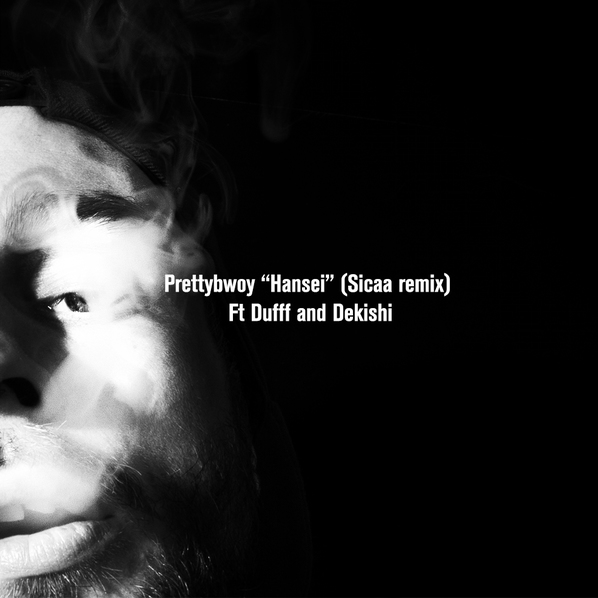
Sicaa is a DJ and producer with a background in sound design and a sonic identity that fuses cinematic elements with left-field hip-hop, bass music, and beat-driven styles. Following on from releases on Unlog, Highlife Recordings, and Exploration Music, Sicaa has turned his hand to Tokyo-based UK garage artist Prettybwoy‘s “Hansei” featuring Dufff & Dekishi.
Offered as today’s XLR8R download, Sicaa’s remix of “Hansei”—which was originally released on POLAAR’s Territoires Vol. 1 compilation—takes the bass-heavy, intense original and slows things down for a smoky, downtempo outing. Sicaa’s abstract atmospheres and lazy beats pair perfectly with the flow of the two MCs.
You can pick up the remix via WeTRansfer below, with the original and vocal mix available as an email download via POLAAR.