Decibel Announce 2015 dB Conference Panels

If you are looking for a festival in the states that has a rich history of in-depth discussion panels on music technology and hands-on learning, you have to search no further than the long running art and technology festival, Decibel. Now the Seattle-based festival has announced that it’s secured the first round of sponsors and guests for its annual technology and music showcase, dB Conference. The festival also announced that they will be partnering and co-producing the program with online education company CreativeLive.

The dB Conference will take place this year on September 23-25 at The Crocodile. This year’s conference program will feature three days of workshops, seminars, demo booths, artist talks and panels, all free of charge. This year’s dB Conference partners include XLR8RRed Bull Music Academy, Native Instruments, Resident Advisor, Ableton, Elektron, Livid Instruments, Rane, Soulection, Ghostly International, Scratch DJ Academy and many more to be announced.

You can check out a teaser video for this years dB Conference, and for up-to-date information and activities surrounding the dB Conference, please check out the Decibel Facebook Event Page.

Interview: Answer Code Request

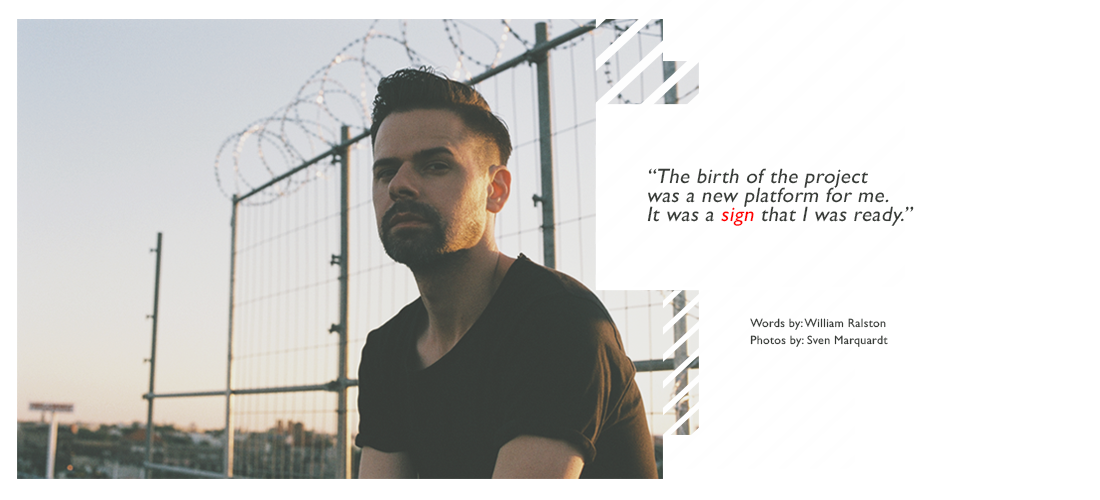
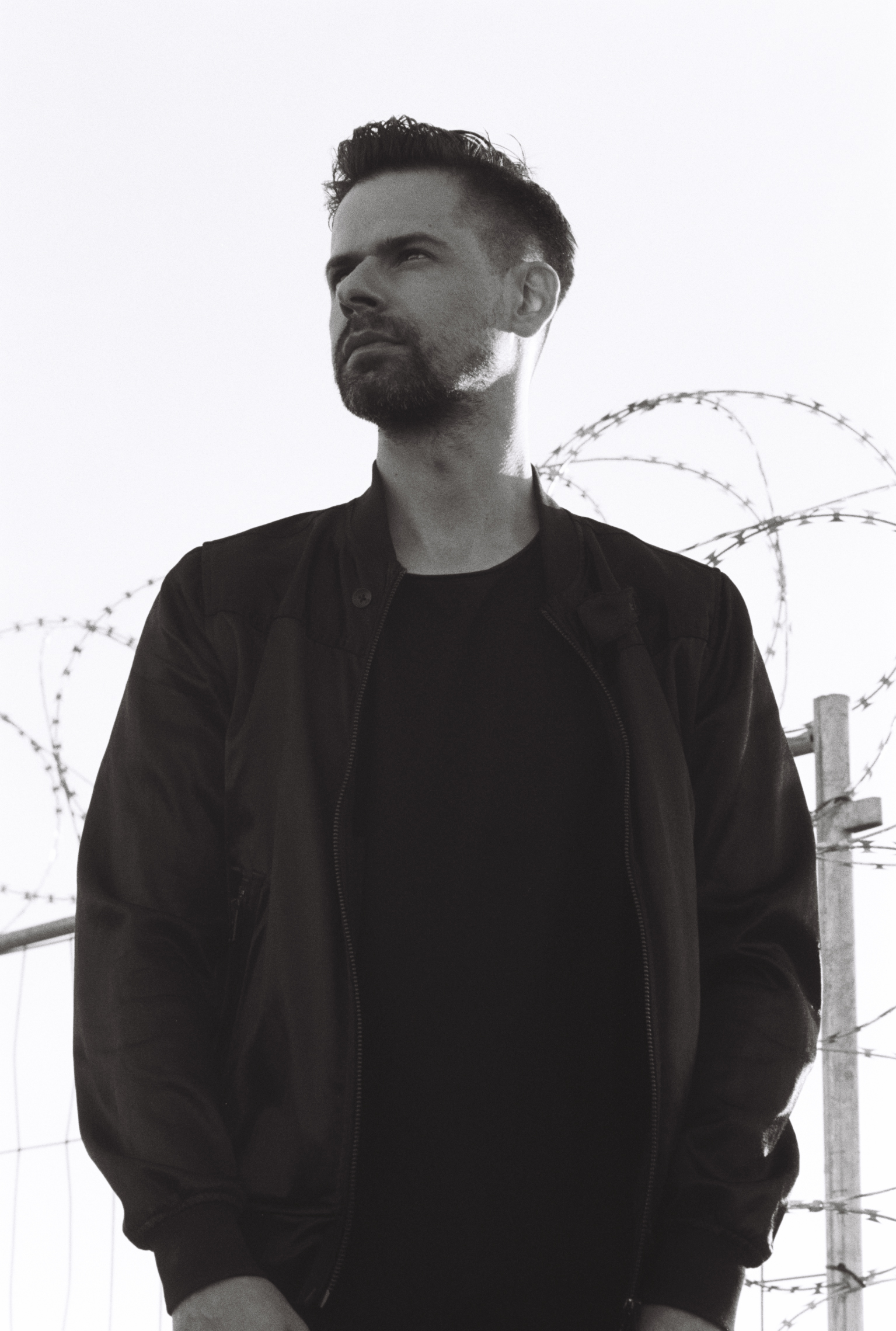
Patrick Gräser’s story has been well documented: Growing up in the small German town of Fürstenwalde, he moved to Berlin in 2001 to pursue a career in electronic music after being inspired by his elder brother. Despite many years dabbling in production and DJing around the city, it was only when he discovered the ambient sound that he had long sought to produce and released 2011’s Subway Into EP under the anonymous Answer Code Request moniker, that music really became his profession.

It has proven to be a rapid rise for Gräser, the EP providing a launching pad for his growth as an artist and kick-starting a journey that has seen him become both a Berghain resident and one of the finest DJ-producers in the world today. Though his story may be known, it was only by sitting down with Gräser in his beautiful Berlin apartment to discuss this sonic vision, to reflect on the consequences of his artistic growth and hear his plans for the future, that the nature of his story became truly apparent.

The discussion begins on the sound that Gräser has made his own. Carving a sonic identity in a heavily populated market is no easy feat in the modern day, but through a deep-rooted desire to produce something different and a steady process of experimentation, Gräser has achieved just that. While founded upon the contemporary industrial Berlin punch, his catalog of dark and gloomy productions is laced with the broken-beat and dubstep tones showcased in his earliest musical works, fundamentally techno but so easily identifiable with the Answer Code Request alias.

 Photo: Sven Marquardt

Experimenting with a number of house-orientated releases in 2008 under his own name, Gräser became increasingly unsatisfied with his output. “I was not happy to work with that sound. I always wanted to produce something different—something that wasn’t already out there because I am bored with these basic four-to-the-floor patterns.” It was this craving that pushed him to work tirelessly in the studio, determined to develop the unique sound that he could so vaguely envisage in his mind. “I have always had this blurry vision of the sound I wanted to produce but I just couldn’t find a way to produce it,” explains Gräser. “There was no real clarity but somehow I just knew that it existed. Over time, I explored this vision in the studio and it became more and more defined in my own head,” he continues.

“I really struggle to produce dancefloor music,” explains Gräser. “I have tried many times, but I can only produce these more ambient tracks.” he adds. “I have always switched my sound, and “Escape Myself” was the first time I successfully combined all these influences. I immediately felt better because I was being true to myself.”

Inspired by his breakthrough, Gräser further explored the sound he had so patiently pursued, following “Escape Myself” with a number of new tracks in quick succession—three of which found their way into Subway Into, the debut release under his Answer Code Request alias. “We really didn’t expect it to be such a success,” recalls Gräser, in reference to the fact that it sold out within just weeks of it hitting the shelves of Berlin record store Hard Wax on September 16, 2011. “There was a great reaction to the whole EP, but “Escape Myself” was the track that was the most well received.”

A fundamental aspect of the EP’s success was its enigmatic nature. Not only was Answer Code Request the moniker of choice for the then unidentified producer behind it, it was also the name of the imprint, a sub-label to Marcel Dettman’s MDR that had been founded specially for this the EP. “It felt like something special, and we wanted people to focus on the music instead of who produced it,” explains Gräser. “I think also that we were not sure whether people would like it because it sounded very different. It just made sense to keep it a secret project at first.”

The acclaimed EP was more successful than either Dettmann or Gräser could ever have anticipated. An instant buzz surrounded its release, with speculation rife as to just who was behind the mysterious and genre-blending 12-inch. “I remember being in Panorama Bar when Marcel was playing “Escape Myself,”” recalls Gräser. “People were asking me what the name of the track was and I couldn’t tell them that it was my track because it was still a mystery. I had to tell them it was just one of Marcel’s friend’s tracks!”

The defining moment came just six months later when Chris Liebing revealed Gräser to be the much sought-after architect following a CLR podcast. “I had so many messages on Facebook,” explains Gräser. Following a pair of 12-inches on the MDR imprint, it was then decided that the Answer Code Request project was to become permanent. “That is when people started to really recognize the music,” explains Gräser. “I decided to continue producing under Answer Code Request because I wanted a completely new start. The birth of the project was a new platform for me. It was a sign that I was ready.”

The impact of the Answer Code Request project on Gräser’s career is remarkable—but there is a humility to Gräser’s character, a trait that can so easily vanish given such rapid and far-reaching success. “My life changed so quickly, and I have to remind myself not to think about myself too highly,” says Gräser, candidly. “Before Answer Code Request I wasn’t even sure that I could make a career out of music, and I was looking to go into a normal job,” he explains. “I thought many times about quitting music altogether—but somewhere deep inside I had this overwhelming urge to keep on going, even though my brain was telling me to stop.”

“I thought many times about quitting music altogether—but somewhere deep inside I had this overwhelming urge to keep on going even though my brain was telling me to stop.”

As Gräser is keen to acknowledge, focusing so much effort on such an unique sound was a “big risk” because there was no assurance that it would be accepted. “I would then have had to start again, but I think that would probably have been too late for me,” he says. And a key figure in the success of the project has been Marcel Dettmann, the acclaimed German techno stalwart who grew up in the same town and has known Gräser even since they met in the local skate park as children. Encouraged by his friend’s success, Gräser pursued his musical endeavors under Dettmann’s mentorship, liaising closely and sending him demos until Dettmann agreed to form a sublabel on which he would release the Subway Into EP.

“I feel lucky because Marcel gave me the platform on which to be successful,” explains Gräser. “He had always told me that we would work together, but I was never sure that it would actually happen—it always felt like my time was running out,” he continues. “But when he agreed to release the EP, it was the first moment when my music felt like it was coming together. Before this I never felt as if I had found my direction.” Dettmann continues to be a key figure in Gräser’s success, although the relationship has become more balanced. “Marcel is very talented because he can recognize good music even if it is slightly experimental,” says Gräser. “For me, that is invaluable.”

Considered to be one of the world’s leading DJ,s and celebrated for the quality of his releases on leading labels including Ostgut Ton and Marcel Dettmann Records, these are wonderful moments for Gräser. But with such widespread success comes both pressure and expectation, an ever growing burden to which Gräser still finds himself continually adapting. “I definitely feel the expectation nowadays,” he reveals. “My debut album showed me that I belong here, but I still feel pressure with each release because I’m not always sure that it is of the same standard of the work that has come before.”

Another important aspect of Gräser’s adaptation to his recent accomplishments is the development of his sound and management of his image. As well received as their output is, artists today will always be expected to continually push their boundaries in pursuit of new soundscapes. The danger, one of which Gräser is acutely aware, is that through excessive innovation he may either lose the sound for which he has been so widely acclaimed, or alienate his original fan base by pursuing more commercially viable ventures.

“It’s very easy to make mistakes at this level, and so I have to be careful with each decision that I make,” explains Gräser. “I don’t like the hype that can surround musicians today, and I don’t want to become too commercial. But while my motivation has never been money, there is always a temptation to change my style, because I do not know for how long I can make money from music,” he adds. “It’s not always easy to avoid this external pressure so I always try to look back to how I started and focus on making that sound again. With the help of the people at Ostgut Ton, I hope to make the right decisions.”

On the subject of productions, there has been a noticeable hole in Gräser’s discography since the release of 2014’s Code, his stunning debut album on Ostgut Ton. While the focus and commitment required to produce a full-length LP will normally afford artists an extended hiatus from the studio, Gräser reveals that the reasons behind such abstinence are more widespread than just artistic exhaustion.

“Producing is definitely harder for me now,” he explains. “I always used to produce at night because I enjoyed the calmness, but I cannot do that now with the schedule that I have,” he continues. “I also draw great inspiration from the sadness in my own head, and I was a little depressive when I was making the first EPs—but I have struggled to find this emotion recently,” he adds. “I think now that I have refound the feeling. I now feel refreshed and I think I may now be ready to produce once again.”

Despite the success of his productions, Gräser’s real love lies outside of the studio through an endeavor that he first started in as a 13-year-old growing up in Fürstenwalde—and it is this that drives him forward today. “I consider myself to be a DJ—and that has been the case from the very beginning,” recalls Gräser. “It has been there from the very start,” he adds before revealing how he once fell out with his carpentry teacher because he could focus on nothing but music. “He told me to stop carpentry and focus on becoming a DJ,” he says. “That’s when I knew DJing was my thing.”

Questioned upon his plans for the future, Gräser is coy, reluctant to disclose any plans besides a loose intention to release a second studio album. Pausing to taking a sip of his coffee and reflect, he hesitantly reveals plans to both explore further avenues with his DJ sets and develop his live act, a musical offering he started in 2013 on Marcel Dettmann’s recommendation.

“Developing the live set is a priority for me, because playing your own music live is something very special,” explains Gräser. “As a child, my vision was always playing my own music in a live set on a big stage—and this is what I want to grow,” he adds. “But as a DJ, I want to explore more ambient stuff. I want to play techno clubs and also be able to play experimental festivals—this artistic freedom is something that is especially important to me.”

“As a child, my vision was always playing my own music in a live set on a big stage—and this is what I want to grow.”

There can be no doubt that Gräser is a leading artist of his generation. While the growth of electronic music has delivered a beautiful abundance of quality music artists, there are only a rare few that can lay claim to be as accomplished as Gräser in both DJing and production. “There are so many who want to do this and I am thankful that I can do it, but at the same time I keep on thinking how long it can go on for,” he says. standing up.

Based on his output to date, it would seem that his artistic legacy has only just begun.

HORST Festival Shares Teaser Video

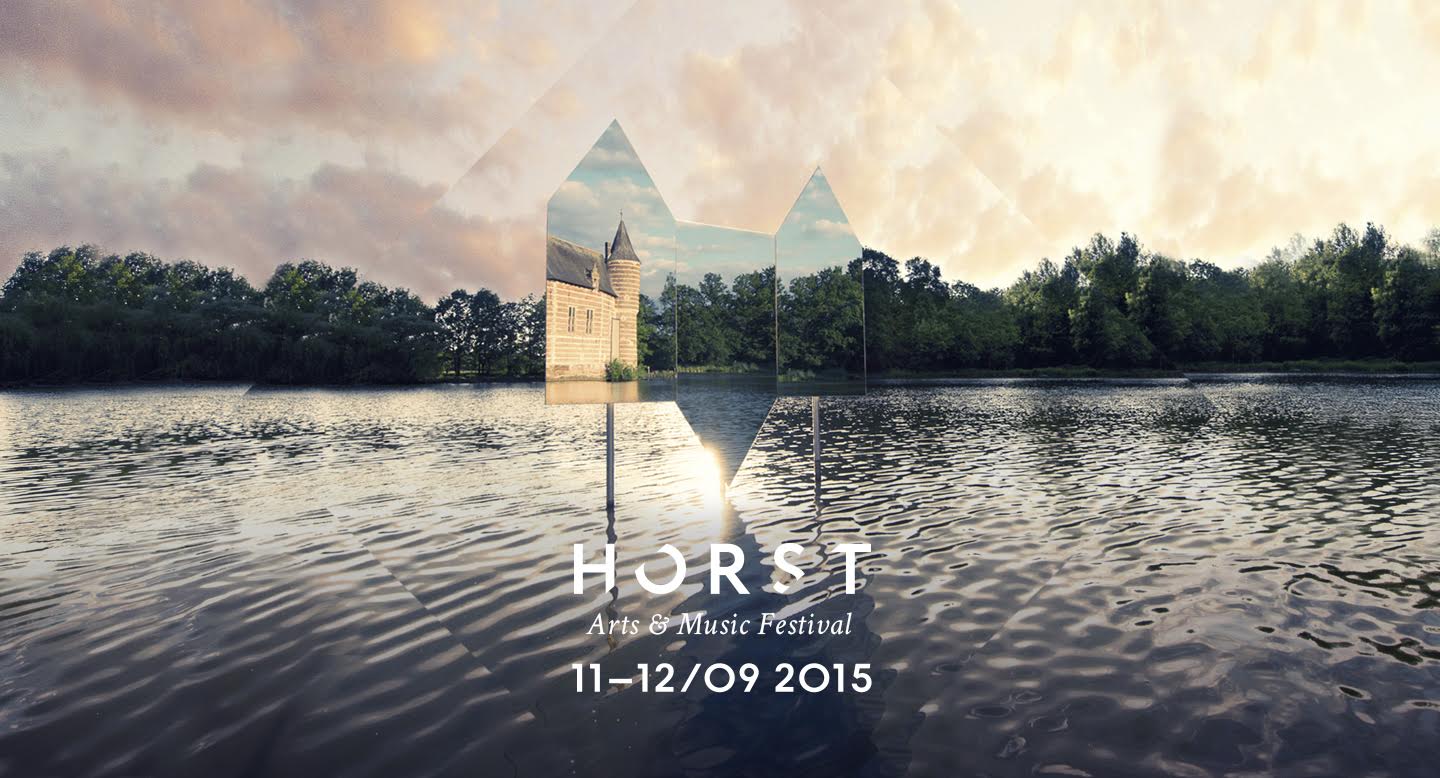
The second edition of HORST Festival is set to take place in the aesthetically captivating castle of Horst in Holsbeek, Belgium between September 11-12. Tama Sumo, Falty DL, Midland, Tom Trago, Throwing Snow, DJ EZ, Gerd Janson, and a handful of other well known electronic music artists are set to play the festival this year. On top of this, the two-day festival will feature a great deal of visual art and doubles as an opening for two month autonomous art exposition.

For more information regarding the venue, lineup and tickets, you can head here, with the festival teaser video below.

XLR8R Couldn't find the embed function for type: "vimeo" and source: "<iframe src="https://player.vimeo.com/video/136072553" width="800" height="450" frameborder="0" allowfullscreen="allowfullscreen"></iframe>".

Premiere: Hear a Track From Moth’s Latest EP on Symbols

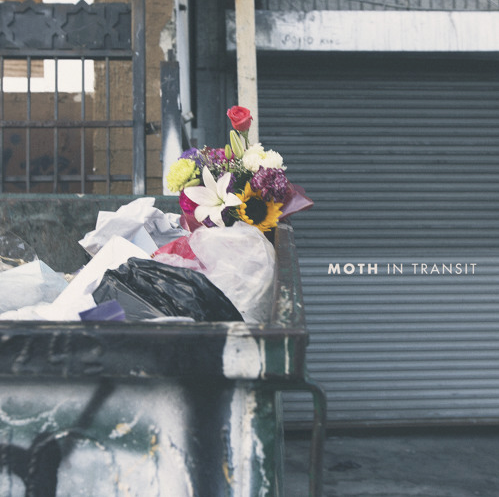
Washington DC DJ and producer Moth is set to release his latest EP, In Transit, via Kastle‘s always-on-point LA-based imprint Symbols on August 21.

The sprawling eight-track EP takes cues from Moth’s inspirations Volor Flex and Burial, but sees the rising producer take things deeper into the urban framework set by his forefathers. In Transit borrows from jungle, garage, and hip hop, but in a twisted, dream-like sense, with Moth sprinkling highly abrasive and percussive field recordings on top of fathoms-deep kick and highly textured atmospherics.

Ahead of its August 21 release, you can stream deep and warped EP cut “Vendor” in full below; along with the EP sampler.

Poté “Oryx”

Opening with a repeated, dance-inducing vocal, London-based producer Poté‘s “Oryx” make its body-moving intentions clear from the get go. Bookended by its tumbling low end, “Oryx” steamrolls through various vocal chops and rolling percussive flourishes across its near-five-minute run, causing an almost primal need to get up and dance. “Oryx”—which can be downloaded for free below—is the title track of Poté’s latest two-track EP, which will be self released via his soundcloud page. With an official remix of Lethal Bizzle’s latest single on the way, as well as a track on the upcoming Black Butter compilation, Poté is cementing his name as one of the UK’s most promising artists.

Oryx

Aphex Twin Releases Two New Tracks From his Upcoming EP

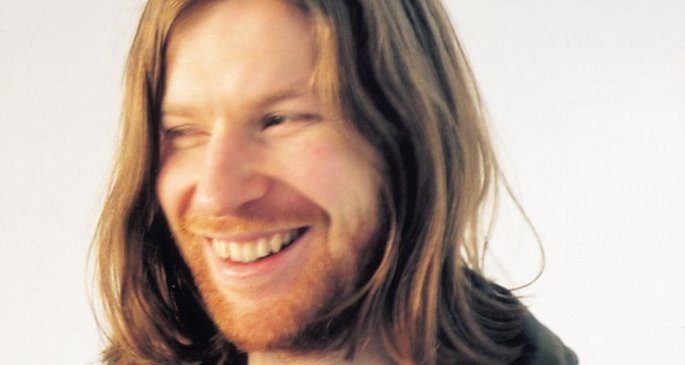
Richard D. James (a.k.a Aphex Twin) will be dropping Orphaned Deejay Selek (2006-2008) in less than two weeks, marking the first release under his AFX moniker in almost a decade.

Preceding the release of the two EP tracks, “Serge Fenix Rendered 2” and “oberheim blacet1b,” the elusive producer has now shared two more productions from the upcoming project titled: “Simple Slamming b 2” and “midi pipe1c sds3time cube/klonedrm.”

Stream one of the track previews below, along with the tracklisting.

Tracklisting:
1. serge fenix Rendered 2
2. dmx acid test
3. oberheim blacet1b
4. bonus EMT beats
5. simple slamming b 2
6. midi pipe1c sds3time cube/klonedrm
7. NEOTEKT72
8. r8m neotek beat

The EP is due out August 21 via Warp.

Movement Festival Europe Turns 10

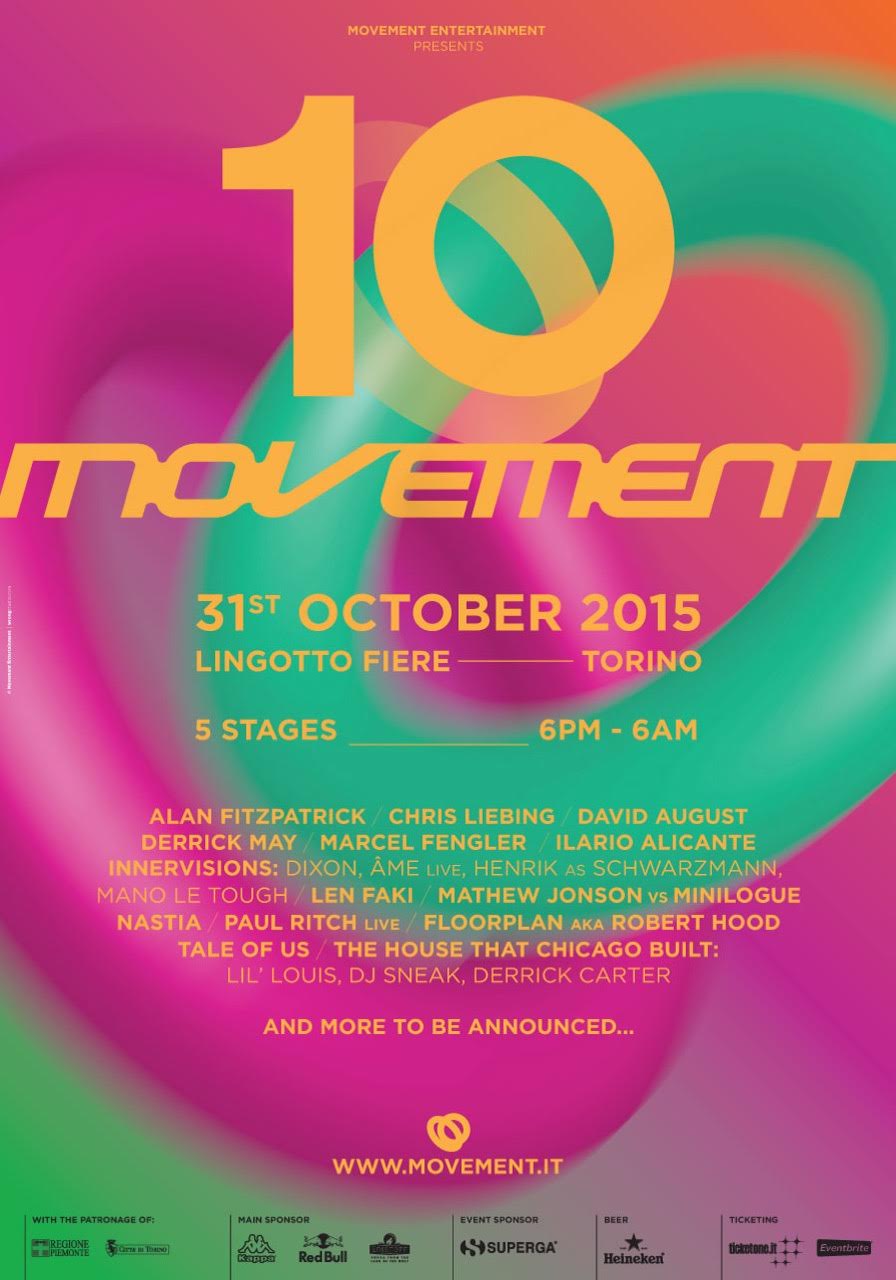
A close relative to the massively influential Detroit Movement Festival, Movement Festival Europe is set to celebrate its 10th anniversary in Turin, Italy this coming Halloween. Featuring over five stages, daytime lectures, and various workshops at multiple locations around the city between 6 p.m. and 6 a.m., Movement Festival Europe is set to transform the city of Turin into a bustling hub for both rising and well respected artists in the world of electronic music.

The lineup is stacked, featuring artists like Alan Fitzpatrick, Matthew Johnson vs. Minilogue, Floorplan (aka Robert Hood), Dixon, David August, Chris Liebing, Derrick May, and Derrick Carter, among many others.

Movement Festival’s prestige continues to spread year after year by maintaining a close sense of community while exploring the spectrum of electronic sounds for all to enjoy. For more information regarding its lineup, venues and tickets, go here.

Stream Snippets from John Tejada’s Latest EP on Palette Recordings

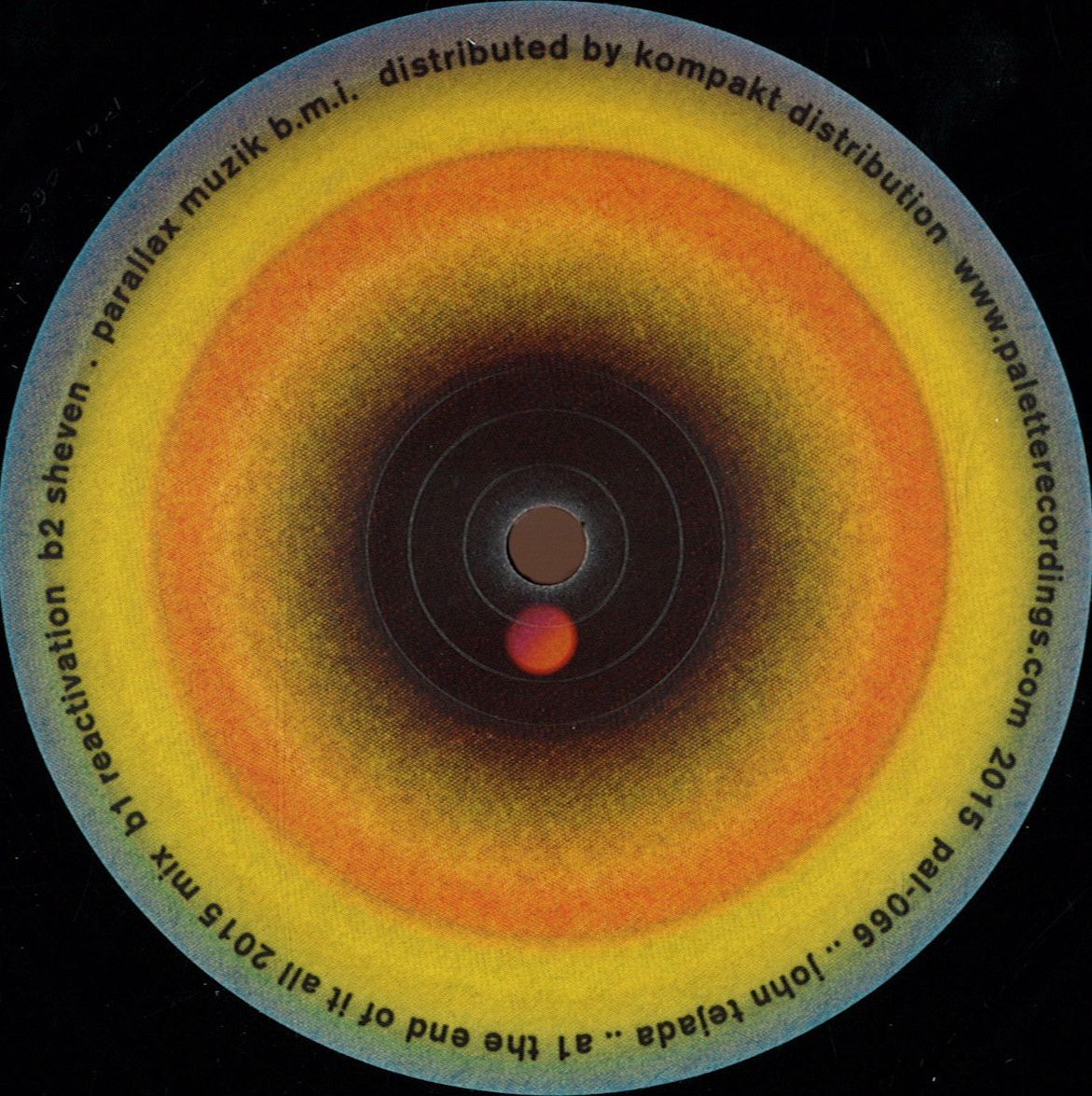
Way back in early March of 2006, John Tejada released a minimal masterpiece EP titled The End of It All on his own label, Palette Recordings. The original release of this track sold thousands of copies on vinyl, eventually garnering multiple unauthorized covers and imitations from only one official version. The song became recognized as iconic, and since then it’s been rinsed and repeated by DJs all over the world. Now almost 10 years later, Tejada will release an updated version of the track on vinyl along with two new works featured on the B side, thus ensuring the track’s legacy as one of John Tejada‘s most valued classics.

The new 2015 mix originated as part of Tejada’s 2015 live hardware set that he has been touring around the globe, which can be seen in our documentary on Mutek Montreal on XLR8R TV. Also originating from his 2015 live performances are the two new B-side bangers “Reactivation” and “Sheven.” If you pre-order the release over on Bandcamp, you will also receive three bonus tracks; “Demux,” “Almost Now,” and “What The Bleep.”

You can listen to a preview of the EP on Soundcloud, and check out John’s current tour dates for stops in Canada and Los Angeles, and a live hardware performance at this year’s Decibel festival in Seattle as part of the Kompakt showcase, alongside Agoria and Dauwd on Saturday, September 27 at Neumos.

Upcoming Dates:

• Fri. Aug. 14 • Los Angeles • Adjunct 10 Year Anniversary at Sound Nightclub [DJ]
• Sat. Sep. 12 • Calgary • Habitat Sound Living [DJ]
• Sat. Sep. 26 • Seattle • Decibel Festival [live set]

Q&A: Simon Baker

After breaking through with 2007’s “Plastik,” Yorkshire-born, London-based DJ-producer Simon Baker rose to became a leading light within the U.K. house scene. More EPs ensued, released on labels including Sasha’s Last Night on Earth, Ralph Lawson‘s 20/20 Vision and Get Physical, before he dropped Traces, a well-timed debut album that perfectly captured the maturing talents of a producer on his way to the top of the game. But since then, while his skills as an artist have remained unquestioned, his artistic growth has stalled, impeded by the absence of any clear vision as to the sound he wished to pursue. As evidenced within his ever-growing discography, the minimal techno output of his earlier years steadily evolved into a deeper sound, a change in course that also visited various other house-orientated soundscapes.

It would appear that a line can now be drawn, however. Inspired by the acquisition of a new sampler, Baker has returned to a more European techno sound, a long-considered move that’s in evidence with the release of his Chapter One EP and the birth of his BKR Projekt, a title that serves as the basis for both his new imprint and his latest production moniker. Having uncovered his sonic direction, and feeling more inspired than ever, these are exciting times for Baker. His latest release, the excellent three-track Ebony EP, provides a snippet of the stripped-back techno-orientated sound he now wishes to pursue, further supported by a second EP that’s scheduled for a September release. To learn more about the inspirations behind the change and explore his plans for the future, XLR8R sat down with Baker in his East-London studio.

Over time, your sound has moved from techno to deeper house-orientated places and everything in between. Judging by your latest work, there seems to have been a sharp shift back to techno. Is this a conscious decision?
Yes. I started of making electro-house in 2004, but the first music that really got people’s attention was a sort of minimal techno sound with “Plastik,” and I kept on following this path for quite a while. But when the minimal thing died out, I sort of went deeper instead of following the techno sound that came in—mainly because I was on 20/20 Vision. They were a house-orientated imprint and this certainly influenced the sound I was making.

Over the last year or two I’ve just found myself liking a tougher sound, and the more I hear this new, so-called deep-house sound the more I want to go to the other end of the spectrum. I am now looking to find that more organic techno sound. I feel massively more confident in this sound, and that’s the direction I want to go now.

When was the decision made to pursue this sound?
I have been thinking about it for a while. It’s certainly not a random decision. The change came about a year ago, when I got my hands on an Elektron Octatrack sampler, and it has completely changed my life. I have always made music with hardware; I have always started out of the box. And then all of a sudden I got this bit of kit, and it’s changed the way I produce music. It makes the process so much easier, and has inspired me massively. I’ve chatted to my mates for ages about how I want to change my sound and go back to the techno sound I used to have, and that was the catalyst. I know it’s only one piece of kit, but it gave me that little push that I needed.

Is it fair to say you were a bit tired with the house music that were making before?
Yes—I am not going lie. I was at a crossroads; I had done the deep house thing, I had done the minimal-techno thing and I didn’t really feel the scene that I was in. The gigs I was doing, and the music I was producing, wasn’t really what I wanted to do artistically. I knew I needed a change.

Is that where you want to be, in the European scene?
In my head, I break it down into two different worlds. I see the deep house, Beatport kind of world and then there is the purist, vinyl Berghain-Panorama world. I’ve had stages in both, and I’ve sat in the middle for a while—but now I want to return to the European scene, producing techno and playing in places like Berlin.

Is this how you envisioned it when you first began producing music, or has it become gradually more apparent through experimentation?
It’s become clear by trying things out. I don’t have any regrets about my career but if I could go back I would probably not have ventured around as many different sounds. Some people would say that it’s good to try all these different sounds and push yourself artistically, but I think that if I had stuck to the techno thing from 2007 then I would be in a different place right now.

The danger is that you can alienate your fan base.
Exactly, and that is what I’ve done. But I see it like this: I’ve laid the foundations of a house by making music touching all these different crowds, but at the same time it takes so much longer to grow.

“I’ve laid the foundations of a house by making music touching all these different crowds, but at the same time it takes so much longer to grow.”

Do you believe that by trying all these sounds, you’ve also developed your skills as a producer, which will help you now?
That’s certainly the plan. The reason that I ventured around these sounds is because I can get bored very easily. At the end of the day, I am a producer and I always want to make something new.

Your first release on the new BKR Projekt label, the Ebony EP, feels like a strong representation of this new stripped-back, grooving techno sound. Is that how you see it?
Yes. With the BKR Projekt, I am taking the experience from everything that I have done previously, and this is it for me; I know where I want to be now and I am going to pursue it. I wouldn’t call it a new sound because it’s not completely different to what I have produced before; it is more of a decision that this is the direction in which I wanted to go. I didn’t know where I wanted to be in 2007 so it was hard for me to move forward, but the experiences have given me a direction. It’s taken eight years—but now I know.

That must be very exciting. But are you frustrated that you didn’t know this earlier?
It is very exciting, but there is no blueprint in this industry. There is no map showing you what you must do to be successful or get to where you want to be. People get to where they are via different routes, and I am doing it my way.””

So are you feeling really inspired right now?
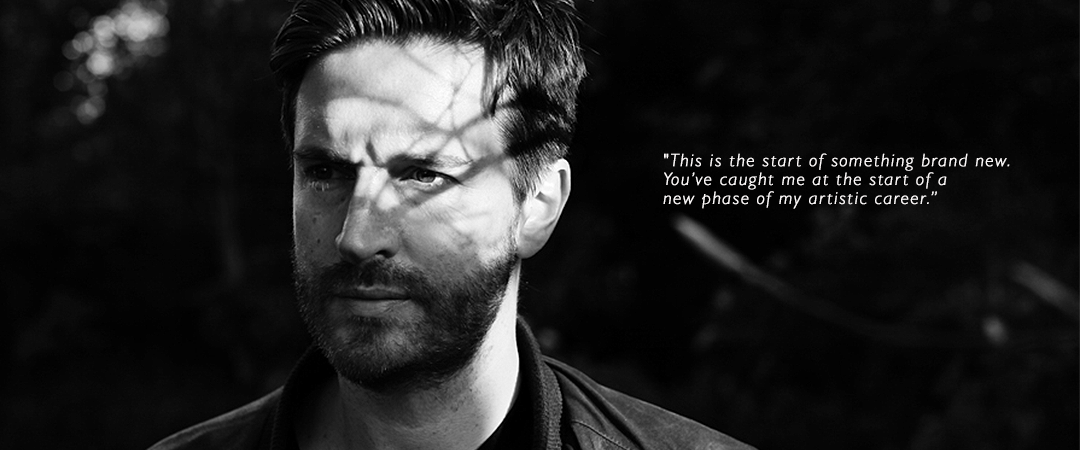
Yes. I actually dream about music at the moment! I wake up each morning and go to the studio while I am still in my dressing gown. I’m literally getting goose pimples with the way I am working. I have a real hunger to make tunes. Ideas come to me so quickly and I can see exactly where the tune needs to go. I started producing when I was about 28—I was a late starter—but this is one of the most inspired moments of my career. This is the start of something brand new. You’ve caught me at the start of a new phase of my artistic career.

“I’m literally getting goose pimples with the way I am working. I have a real hunger to make tunes.”

This inspiration that you have right now must speed up the production process.
I’m completing tracks in just a couple of days. I really am back, and I am hungry. The tracks on the Ebony EP took about a week to produce. The artwork actually took longer than the tunes!

What’s a regular production day like for you?
I am fairly strict with myself in the sense that I try to stick to a routine midweek. I will often go for a run at some point in the morning or do yoga or gym, then I will spend the rest of the day in the studio making music, with breaks for doing emails and stuff. It depends on how creative I feel.

Why did you only start producing at 28?
I had been DJing in bars and stuff around Leeds for about 12 years by this time. It was actually strange how it started: I was offered a redundancy package from my day job at the time with Norwich Union Insurance. I had been there for eight years but I was desperate to get out. I used to dream about making tunes so I decided to take the redundancy money and run. I sold my house and moved to Leeds, using the cash to set up a small studio and survive for three years while I learned my way around the studio kit. I got signed by 20/20 Vision when I was 30.

Have you had any feedback regarding Ebony?
I actually did a mail out to a bunch of DJ friends of mine mentioning my new direction, and I had such good feedback. A number of leading artists wrote back to me the same day asking for the wav file—or the vinyl. It seems to have touched different worlds: the A-side straddles industrial techno, while the B-side ventures into other scenes, too.

Who do you show your productions to before you release them?
I have a select group of three or four people that I will piss off on a daily basis. I respect their opinions, which is something very important. Two of them are producers while one runs a record label. I take their mixed opinions and pin them together.

The BKR Projekt is both a label and the moniker you are using for your new work?
The project that I am doing now is Simon Baker Presents the BKR Projekt, but the label is called BKR Projekt. It is double branding.

Is the fact that you’ve spelled “Projekt” with a “k”—the German spelling—a reference to your desire to move back into this European scene?
I just wanted the label to be European, and that is the German way of spelling project. It also ties in to my “Plastik” release. I just thought it made sense and would be a bit different.

Is there a reason that you haven’t pursued this new techno sound under the Simon Baker moniker?
I wanted a new beginning. I actually considered doing this as just the BKR Projekt and leaving my name off it, but I didn’t want it to get lost in the deep sea of anonymous white labels. Because of this, I wanted to put my name to it and do a “Presents” thing—so my name is associated with it, but there is also this fresh identity to accompany the new sonic direction. Eventually I plan to get rid of the “Simon Baker Presents” bit, leaving just the BKR Projekt, and start a live show as BKR Live or something akin to this.

And you’ve just released on Drumcode too?
Yes. Adam [Beyer] likes my stuff, so I did a Simon Baker EP on Truesoul, the Drumcode sublabel, and a single on Drumcode itself. I also just did a BKR remix on Matthias Tanzmann’s label Moon Harbour, as well as one on Secret Music.

This decision also leaves the Simon Baker name free to produce other stuff, as an entirely different project. Is this something you intend to do?
Not right now, no. I would never say never, but for the moment my energies are on developing this techno sound under the BKR Projekt. Before I started the project, I had already agreed a deep-house track with Steve Bug’s label, but everything that I do from now on is going to be under Simon Baker Presents the BKR Projekt.

That is a big decision to make.
I just hope it works out for me, because I have been known in that world for a long time now. It’s going to be a tough transition but I think it’ll be worth it.

From a label perspective, why did you decide to start the BKR Projekt as a new label instead of continuing Infant Records, your previous imprint?
I almost did go back to Infant Records actually. I looked back at the discography for Infant and there were some great releases. I discussed it with people, and then decided that I want to look forwards, not backwards. I wanted a new name and a new sound.

“I want to look forwards, not backwards. I wanted a new name and a new sound.”

Do you have a long-term plan or vision for the future of the label?
It’s not something that I have really considered. I’ve definitely thought a few years in advance, but I don’t have this massive picture as to how I want it to go forward. I’m just going to take it release by release. It’s more for me: First and foremost it’s a vehicle for me to release my material when I want and as fast as I want. If I am producing as fast as I am right now, I need a my own label to get it out.

Besides your own material, do you plan to diversify with other artists further down the line?
The first four or five releases are going to be me but as things progress I am going to be open to new artists. It is initially for my work because I want to have an outlet through which I can put my own stuff whenever I want—but if some other good music comes along then I will take it.

Do you have a very clear vision as to the sound of the label?
I do. It’s going to be this stripped back techno sound, with a bit of soul. I am all about having a bit of soul. A lot of people, like Laurent Garnier for example, always describes my sound as funky. I cannot hear this but I guess there is a funky sound, even with this new stuff I’m making. Garnier described it as “funky techno,” which I guess is a compliment. I enjoy the stripped back sound but I need something more—some actual body to the sound.

And you are going to release vinyl, as you mentioned?
Yes. When I first decided to do the label, about three months ago, I thought I would just start releasing my own stuff on a digital basis. It has evolved now, and the sound is a little bit more vinyl-orientated, so I am going to do vinyl.

Besides these scheduled EPs, do you plan to release another album?
I would definitely like to. But my first album took so much energy and so much time, that it took my a long time to recover. There is always this lull after an album because everyone has booked you, you’ve done all the press and there is nothing more for you to do. I cannot face that again so soon.

Finally, you’ve also recently changed your DJ agency. A big part of this change is going be your DJ schedule. Is this all part of the same picture?
Yes, it’s all part of the same equation. With my previous agency, I didn’t feel like I was quite in the right world musically. I’ve always been playing in Europe, albeit less so in the last two years, but more so worldwide like Mexico and USA. I now feel a need to focus on Europe again if I am going to be producing this new stripped back techno sound that I want.

Senking Returns with New Album on Raster-Noton

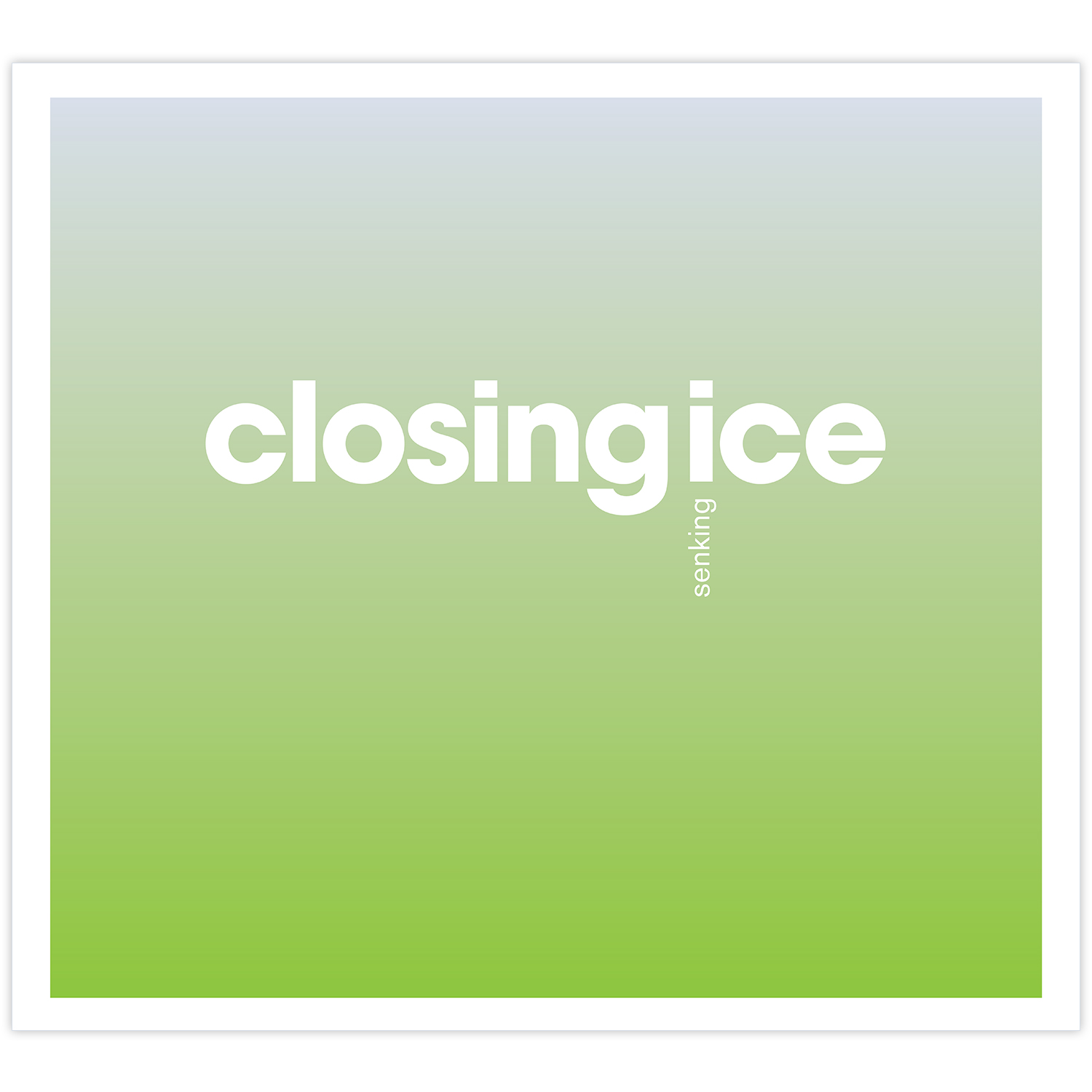
Following two years of abstinence, Senking (a.k.a. Jens Massel) returns to raster-noton with a new album, entitled Closing Ice. 

Massel’s experimental work is a lot about organic dynamics and also about a certain atmosphere that often feels like listening to a soundtrack. The nine tracks of the album are intently dedicated to his distinctively bass-heavy and atmospheric compositions. The mid-tempo grooves leave plenty of room for his sawing, war-declaring sounds that are unfolding expressive and gloomy but nevertheless warm soundscapes.

Ahead of the album’s September 25 release, a cinematic trailer can be streamed in full below.

Tracklisting: 

01 scouts and spies

02 serpent

03 dustclouds

04 grolar

05 winter brevet

06 lighthouse hustle

07 swarming

08 hitchhiker perspective

09 miller’s meadow

Page 1019 of 3781
1 1,017 1,018 1,019 1,020 1,021 3,781