Four Tet Shares Live Album from Funkhaus Berlin Show

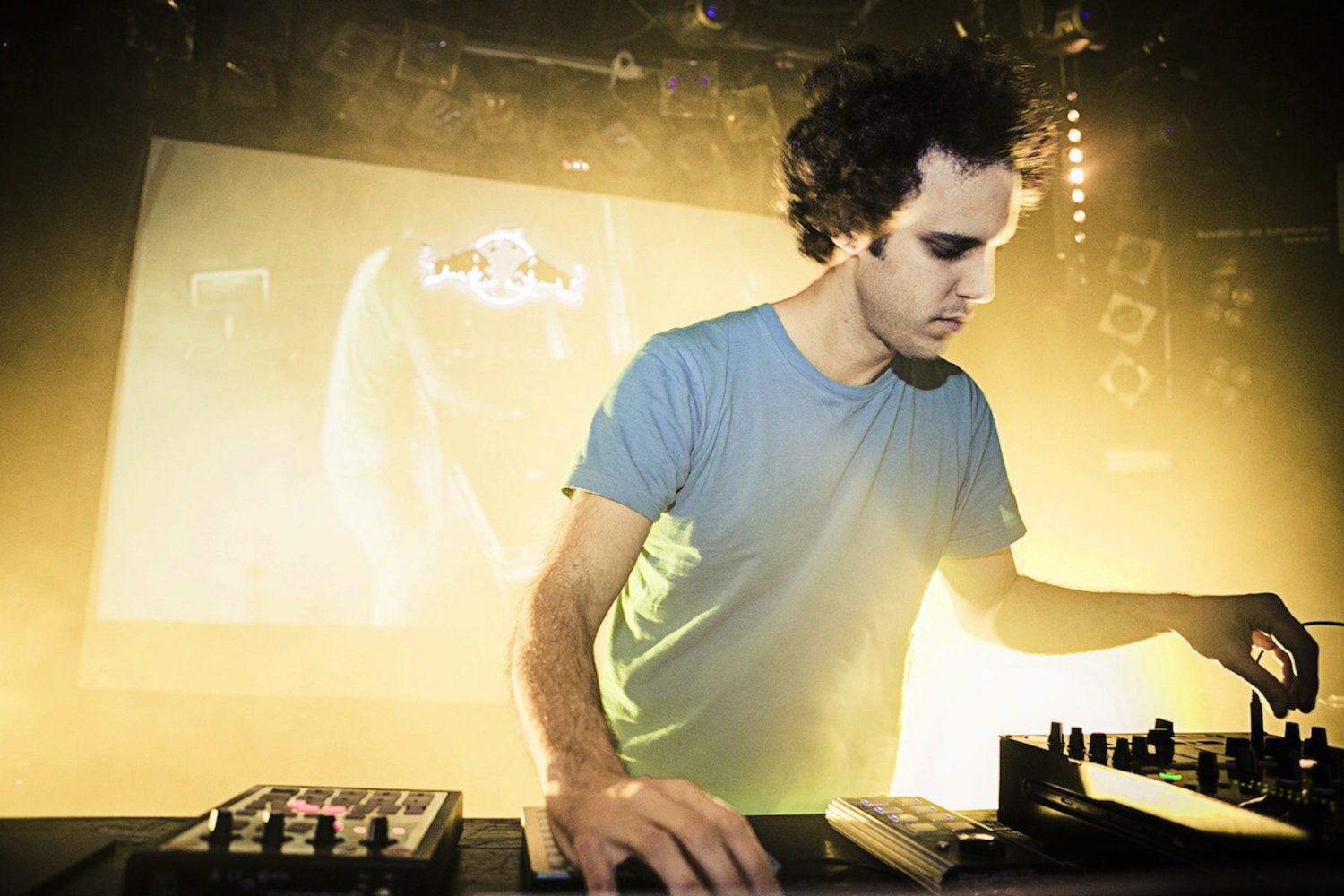
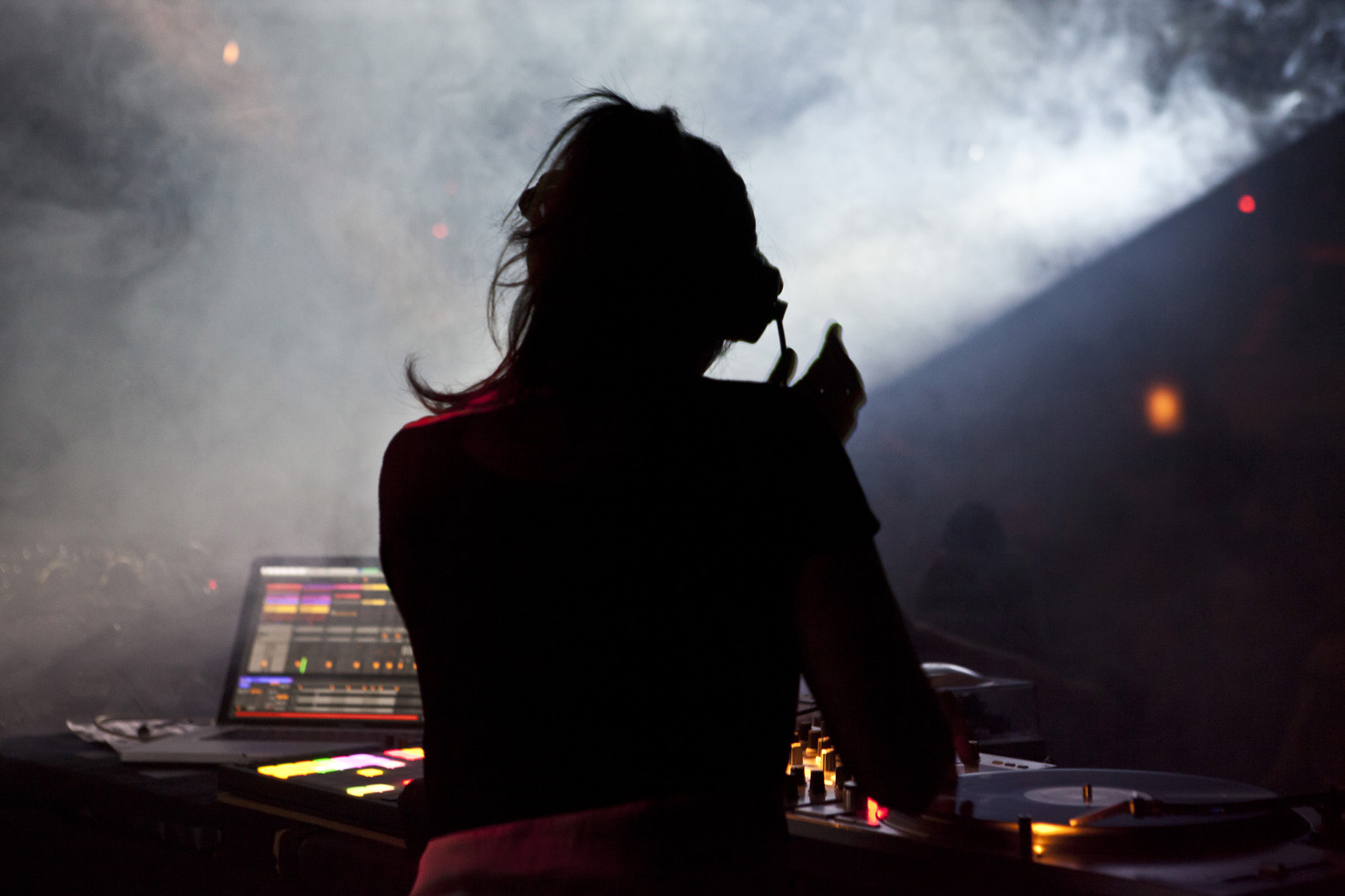
Kieran Hebden—Four Tet—has released a full recording of his live show at Berlin’s Funkhaus on May 10. 

The live album, available now, titled Live at Funkhaus Berlin, 10th May 2018, features live reworkings of material from his past records, including 2017 New Energy and 2012’s Pink. 

You can grab it now digitally for £5 on Bandcamp

Tracklisting

01. Starting (Funkhaus Berlin 10th May 2018) 

02. Planet (Funkhaus Berlin 10th May 2018) 

03. Parallel Jalebi (Funkhaus Berlin 10th May 2018) 

04. Two Thousand And Seventeen (Funkhaus Berlin 10th May 2018) 

05. Scientists (Funkhaus Berlin 10th May 2018) 

06. Ocoras (Funkhaus Berlin 10th May 2018) 

07. Untitled (Funkhaus Berlin 10th May 2018) 

08. Lush (Funkhaus Berlin 10th May 2018) 

09. Kool FM (Funkhaus Berlin 10th May 2018) 

10. Spirit Fingers (Funkhaus Berlin 10th May 2018) 

11. LA Trance (Funkhaus Berlin 10th May 2018) 

12. SW9 9SL (Funkhaus Berlin 10th May 2018) 

13. Locked (Funkhaus Berlin 10th May 2018) 

14. Morning Side (Funkhaus Berlin 10th May 2018) 

15. Ending (Funkhaus Berlin 10th May 2018) 

16. Daughter (Funkhaus Berlin 10th May 2018) 

17. Ending 2 (Funkhaus Berlin 10th May 2018) 

Live at Funkhaus Berlin, 10th May 2018 is available now via Bandcamp. 

Amnesia Scanner Share New Single

Amnesia Scanner have today presented “AS Too Wrong,” the third single from debut album Another Life, scheduled for September release via PAN

Amnesia Scanner is a Berlin-based music duo, performing arts group, experience design studio, and production house, created by Finnish-born Ville Haimala and Martti Kalliala. Founded in 2014, the duo’s approach is informed by a unique perspective on technology and the way it mediates contemporary experience. System vulnerabilities, information overload, and sensory excess inform their work, which has found a home in both clubs and galleries.

The album sees them build on mixtape AS Live [ ] [ ] [ ] [ ] [ ](2014) and Angels Rig Hook (2015), plus their dual EPs for Young Turks, AS and AS Truth (2016). Haimala and Kalliala have also made straightforward techno and electro as Renaissance Man.

Another Life LP will land on September 7 via PAN, with the single streaming in full below. 

Agnarkea “Kill Yo Brain w Calsutmoran”

Agnarkea is Keaton Transue, a 20-year-old producer from Richmond, Virginia, whose debut album is forthcoming on Manchester-based Natural Sciences.

Originating out of the Waist Deep Clique—a cell of emerging hip-hop crews operating out of the Southern United States—and recorded on budget equipment, across its near two hours and extended 23 tracks, the project seeks to unpackage homegrown “conspiracy theories” (MK Ultra, Black Helicopters, The Deep State, Black Sun, Waco Texas) and use this web of extended source material to make sense of day-to-day life in Trump’s America, police oppression of black neighbourhoods, and the systematic suppression of mind-enhancing drugs.

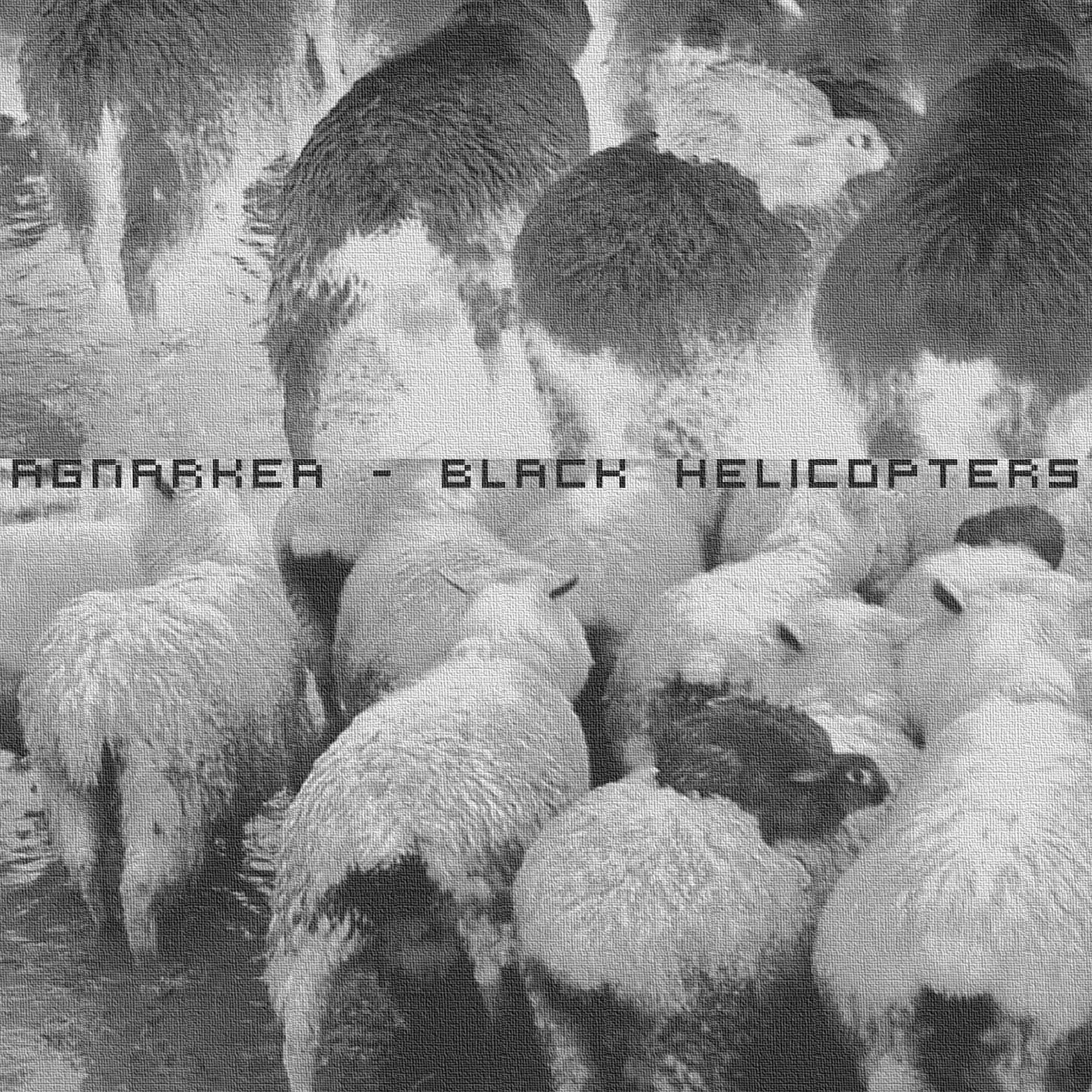
The total recording is made at home with raps and beats thrown down over busted microphones and equipment. Moving between Memphis hip-hop, broken matrix electronics, radio transmissions, and gas station psychedelia, it’s supposed to be used as a black market recording, cursed and feared by the state with all remaining copies cast down into police station ashtrays. It’s an idea that goes throughout the whole nucleus of the project, from the sounds used, its musical structure, right through to the artwork: “The art of the tape represents duality and the sheep/shepherd mentality of the government and the people it governs. It’s supposed to turn you from a sheep into something free and wild like a rabbit.”

“That summer before college I had some psychedelic experiences that opened my eyes to some deep fundamental things that I find to be completely fucked about the way we run our societies and live our lives. The concept for the release is to delve into esoteric subjects and conspiracy theories but still be accessible to a regular person. I didn’t want to come off to “tin foil hatty” but I did a lot of research into Breitbart, the deep state, black sun, aliens, Hilary Clinton, soooo much shit … Waco, Texas! Not that I truly believe in all of these conspiracies, I just wanted to open people up to these concepts. The whole release is designed to have separate hidden meanings; it’s supposed to make you think in new ways.— Agnarkea

In support of the release, out October 26, you can download “Kill Yo Brain w Calsutmoran” in full via the button below—or here for EU readers due to temporary GDPR restrictions 

mmph Announces ‘Serenade’ EP

mmph will release his second EP next month, titled Serenade.

Classically trained since childhood, the 24-year-old artist, real name Sae Heum Han, attended Berklee College of Music to study cello before shifting his concentration towards electronic production and sound design, a pivot that resulted in the birth of mmph. The project’s compositions exist at the intersection of analogue classical music arrangement and electronic sound production. 

Han last appeared earlier this year with Dear God, a debut EP also via Tri Angle Records. Elsewhere, he has been producing new music for the likes of David Byrne, serpentwithfeet, and Lauren Auder. 

We’re told that while Dear God processed the way in which certain personal tragedies had eclipsed Han’s “personal love affair with music,” Serenade evokes a newfound expressive romanticism utilizing a broader palate of orchestral and electronic sounds. The label describes the release as “melodically focused, orchestrally informed, and rhythmically driven.” 

 Tracklisting:

01. Minuet

02. Tragedy

03. Woodlawn

04. Elegy

05. Serenade

Serenade EP will land on September 7 via Tri Angle, digitally, and on limited edition (500) vinyl, and limited edition (100) cassette tape, with “Woodlawn” streaming in full via the player below. 

Ask the Experts: Paula Temple

Paula Temple has been pursuing her own musical path for over 15 years. As a self-confessed “noisician,” she specializes in a noisy, phantasmagoric techno sound, where every moment of silence seems deafening. Such refreshing high voltage music has placed Temple at the forefront of contemporary techno.

Temple first appeared in 2002 with her The Speck of the Future EP via Chris McCormack’s Materials label—from which Jeff Mills lifted “Contact” for his Exhibitionist release. She then took time away from the studio for some time—during which she spent time teaching music tech to underprivileged kids—before R&S Records put out her 2013 Colonized EP and 2014’s Deathvox EP. The legendary Belgian label also released Temple’s remixes for The Prodigy in 2015, just after she had founded her Noise Manifesto label. It was here that she released “Gegen,” a techno favorite typically rich in sound design, and launched her Decon/Recon collaboration series. Elsewhere, Temple contributed “Oscillate” to the final split series of Modeselektor’s 50 Weapons label in October 2015 and has also remixed Perera Elsewhere, The Knife, Peaches, and Planningtorock. 

In 2001, Temple also co-developed an innovative live performance MIDI controller called the MXF8, one of the first of its kind for music technology that ultimately shaped her current style of hybrid live/DJ performances. Blurring the lines between producer, remixer, and DJ, Temple layers between her own live pieces, edits, and tracks, building powerful, driving sets. Temple is also currently producing her debut album, aiming for release at the end of the year, but has taken the time out to answer a selection of your questions that you’ve sent in over the past month or so. You can find her answers below. 

Hello Paula! Hope you are doing well. First of all, I would like to tell you that never before I have felt anything like what I felt after hearing you live for the first time. I literally cried with happiness after I left the room. That moment changed my perspective of music completely. I am no producer, nor a DJ, but I recently bought a console and want to start. Now I know that this question could be a little boring since you are a professional artist, but I want to produce techno music and also play it / mix it live. Do you know of any kind of seminars or courses anywhere in the world where I could come and learn how to produce and mix techno in a professional way, from the beginning? Also, could you advise me some tips of what should I begin with, what kind of software and all that stuff? I would really appreciate any answer. My biggest dream ever is now and it is to become a professional techno DJ and maybe a producer as well. — Bartek

Bartek, thank you, it means a lot to me what you wrote and I am very happy to hear you want to make techno music. I am completely self-taught with over 20 years of figuring out techno production by myself. So, I am not sure of any courses for producing techno. I use Ableton Live for ninety-five per cent of my productions. In fact, I spend more time every day on Ableton Live than I do sleeping! So, I would recommend learning this program. Ableton runs a yearly conference called LOOP, and all my artist friends who have been there say it is very inspiring for their creativity. And creativity is the most important part of techno. I would recommend exploring distortion, compression, and reverb techniques to find your own character with the sounds you make. Don’t be afraid to explore or go over the edge with the techniques either, because you may get surprising results and then find your own techniques in the process. Also, check out the list of recommended schools and music technology centres on the Ableton website as it would be good (and less lonely) to be in an environment of learning with other people. In Berlin, I know Ableton also runs special workshops on a regular basis for free.  

So, a few friends (who love your music so much), my wife, and I are starting a design/music/performance crew in our city which is very far from the cultural domain of Rio and São Paulo so we are pretty much weirdos here. This is nice mostly but sometimes it can be very challenging, so you can guess that Noise Manifesto is one of our greatest inspirations. Well, thank you in advance for that! So… maybe my question is a little strange too: we have the artists, the ideas (open), some tools, some contacts, lots of sassiness, and little reference. What the hell do we do now? — Dayanne Aguiar 

Dayanna, amazing to hear of your crew! That’s a big question to ask, but from what I have seen of other crews around the world making a local scene happen, it is about building trust with your crowd and with each member of the crew. By doing this, they will know you are consistent and genuine, and, in return, they will want to keep supporting your artists, events, releases, and, concepts. The most successful crews I have seen are when each member is clear about their role and take it on with full responsibility and pride, whether that role is graphic designer, label manager, artist booker, driver, sound technician, event planner, security, etc. When starting to invite international artists, it is about professional trust: are you reliable with paying fees on time, are artists safe and taken care of, is the sound system and technical support good, did you promote appropriately to your crowd and have a decent turnout? Being consistently good with all these factors will undoubtedly grow your reputation. There are many crews I meet that are great examples, but to name just a few for you to check out their mode of operations: DSNT in Belfast, Electric Pressure in Athens, Village Underground in London, Gegen in Berlin, Time Shift in Bologna, and Possession in Paris. 

I’m just going to come out and say it. Your productions really stand out for me as being some of the best I’ve ever had the pleasure of listening to, so first of all, thank you for making such impressive sonic landscapes. My question is: how do you go about making your low-end sound exactly the same in mono as it does in stereo? It seems to be my biggest flaw at the moment is getting the sub-frequencies to really shine in a mix. Any light you choose to shed on this matter would be extremely beneficial. — Luke 

Luke, thank you for the compliments. I actually don’t worry about or pay attention to the bass precisely until the track is finished and being mastered. The mastering stage is when the bass frequencies are really sorted out. During the creative and production stages, I am interested in the character and energy of the sound working together to convey what I feel. 

I often resample my kicks and low end with distortion, which is always recorded in mono. I also make melodies that cross into the lower bass frequencies, and to avoid this clashing with the kick or other low end, I EQ by cutting the frequency where the kick should be and side chain to the kick as well. If you listen to some productions I made, especially remixes for The Knife or Perera Elsewhere, the kick frequencies are a little higher than normal techno kicks, leaving a lot of space for bass. Then, occasionally, I will have a sub-bass kick or percussion bursts come in for extra excitement on the dancefloor. 

So, back to the mastering stage: when sitting with mastering engineers, there are some tools they use that you can get hold of. A popular one being used is by Brainworx called bx_control, and using mid/side you can mono the lower frequencies you feel, say under 120Hz, and then keep the harmonics of the bass that you hear in the track as stereo. Ableton Live 10 has now added a mono bass function on their Utilities device which is an easy basic way of doing a similar job controlling the mono/stereo field of frequencies. 

How spontaneous can you be in terms of track and clip selection during an Ableton Live set, and do you prefer to plan your soundscape? 

If you have set up your Ableton Live project with enough clips then you can be as spontaneous as you like. I love to plan and I am obsessed with sound, so I am always testing layers of sounds together to see what I can build to create my own story. Preparation and trying ideas is part of the pleasure I get from the music and looking forward to an event. It appeals to the sound designer in me. There are some special events where I relish creating soundscapes from edits and my own sounds, without going too over the top, as that could be fatiguing for the audience. One key event I treat more like a work of cinematic techno art than just a techno set is Katharsis, which happens once a year in Amsterdam.

My bonus question is: could you please tell me the ID of a track you played at Nuits Sonores in which the drop goes like “the Devil himself,” and then the gates of hell appeared right behind you? I’ll never forget this, it touched me. 

“The Devil Himself” is by the techno artist Uun, track title “One Occult Vision.”

My questions for Paula are the following: As a producer how can you describe your workflow? What is it influenced by? If you could mention your early starts where it could have been the finances as limitation what advice would you give for getting things started (with the bare minimum) and what was your approach to production?

Workflow is: 

First session: Create freely without thinking about being strictly bound to techno, by giving myself one rule to experiment with, and then record every experiment as audio in Ableton Live. Some examples of rules I give myself are: try 60bpm, or make a sound that represents the final hours of the human race, or detune everything. After a big recording session, save and forget about it for another day when I am fresh to listen again to these new recordings. When I go into a creative session, I am usually influenced by social injustice that upsets or makes me angry so that I want to shout or speak against, or it could be a fascinating scientific discovery or technology breakthrough I have just learned about. 

Second session: Make new drums and patterns. Resample previous kicks and percussion by experimenting with distortions and effects. Record everything. 

Third session: Go through recordings from sessions one and two, trust my feelings in the moment of what is influencing me that I want to channel into music, then see if any of these recorded sounds and beats work well together to develop into a track. If the sounds are not unique enough, I usually do not feel compelled to develop them further. I want to be thrilled or surprised at myself. If I have found that spark, then I take as many sessions as needed to finish the track. At this stage, it is about arrangement and removing as many sounds as possible that distract from the essence of the track. It’s a fine balance of not sounding too empty and not sounding too busy. At this stage, I am imagining a story this track is telling as it develops. Sometimes, however, I may have worked on a track for too long and ended up losing its original spirit. Other times, the music comes together in five minutes and with its imperfections is just perfect the way it is.

Final session: Mix properly.. EQ, compression, automation. 

I saw you in May at Nuits Sonores and this day you organised was mental! Anyway, I noticed you are wearing earplugs while mixing, and I would like to know what brand/model you are using. I try to protect my ears as much as possible and I have tested a lot of different products but none really fit my need for protection and sound quality. Thanks — Alexandre Meylan

I use Elacin ER-15. I have been using these earplugs for 20 years. Currently, it is the third pair of this brand/model I own, as the previous two I lost over the years. These are moulded specifically to your ear and you can choose the filter for decibel reduction, usually 15dB or 25dB. In a loud environment, it can take a little getting used to, but I have realised it is best to put them in before entering the loud space, and allow myself at least 10 minutes to adjust myself to the sound reduction in front of the booth monitors. When I am mixing with earplugs I get to enjoy the feeling of loud sound, especially bass, on my body and not suffer ear fatigue or damage doing so. I have no idea how flat across the frequency spectrum these earplugs are, as they are the only ones I have used, but I am happy to be able to enjoy my set and protect my ears. They are also comfortable enough to wear for hours. Tinnitus is serious and has affected a few of my friends’ quality of life quite severely.

Bonobo, Roman Flügel, Motor City Drum Ensemble to Play LA’s Secret Project

Factory 93 has announced Secret Project, a new two-day festival in Los Angeles.

Secret Project will go down on October 13 and 14 in the creative community surrounding Chinatown’s Naud Street, featuring performances by some of the best in house and techno, including Marcel Dettmann, Roman Flügel, Motor City Drum Ensemble, Bonobo, DJ Tennis, Tale of Us, Carl Cox, Âme b2b Dixon, Bicep (live, Octo Octa, and Peggy Gou, among others. A range of locals such as Masha, Sonns, Jeniluv, Corey Sizemore b2b Richie Panic, and Goddollars & Paradise are also on the bill.

Secret Project will also partner with local Chinatown businesses such as David Chang’s Majordōmo and the Apotheke bar, and LA’s A Club Called Rhonda, with ticket options also including experiences at Majordōmo.

You can find out more about the event here, with the full lineup below.

Premiere: Hear a Groovy Minimal Cut From Christian Jay

Next month, popular UK party Butter Side Up will launch its label arm with Christian Jay‘s Running EP.

Following standout releases on Idle Hands and Northsouth, Christian Jay now returns with three slick originals and a dubbed-out remix from The Brane head Youandewan. Keeping in tune with the ethos Butter Side Up has crafted over its eight-year run—the Leeds and London party has hosted artists such as Craig Richards, Margaret Dygas, and Nicolas Lutz—Running features four dancefloor-focused cuts that pull influence from styles such as garage, UK bass, and breakbeat, whilst staying true to the spacious minimalistic signature Christian Jay has developed on previous efforts.  

Running is set to drop early next month and can be pre-ordered from both Decks and Juno, with the groove-laced title track streaming in full via the player below.

Penelope Trappes Preps LP for Houndstooth, Shares Video

Penelope Trappes will release her sophomore album, Penelope Two, via Houndstooth on October 26.

The album follows her debut album, Penelope One, released via Optimo Music in June last year, with a collection of 10 tracks that were “built around field recordings, mantras, and meditations,” Trappes explains. In creating the atmospheric collection, Trappes explored writing with “guitars and synth drones, along with piano and reverb” in an effort “to create depth and texture.” Full of achingly beautiful and affecting tracks, Penelope Two was written following a period spent “being an empath with two dear friends, who lost very close loved ones,” with the album also dedicated to them.

Ahead of the release, Trappes has shared the haunting video for the album’s first single, “Carry Me,” available via the player below.

You can pre-order the LP here.

Real Talk: Secretsundaze

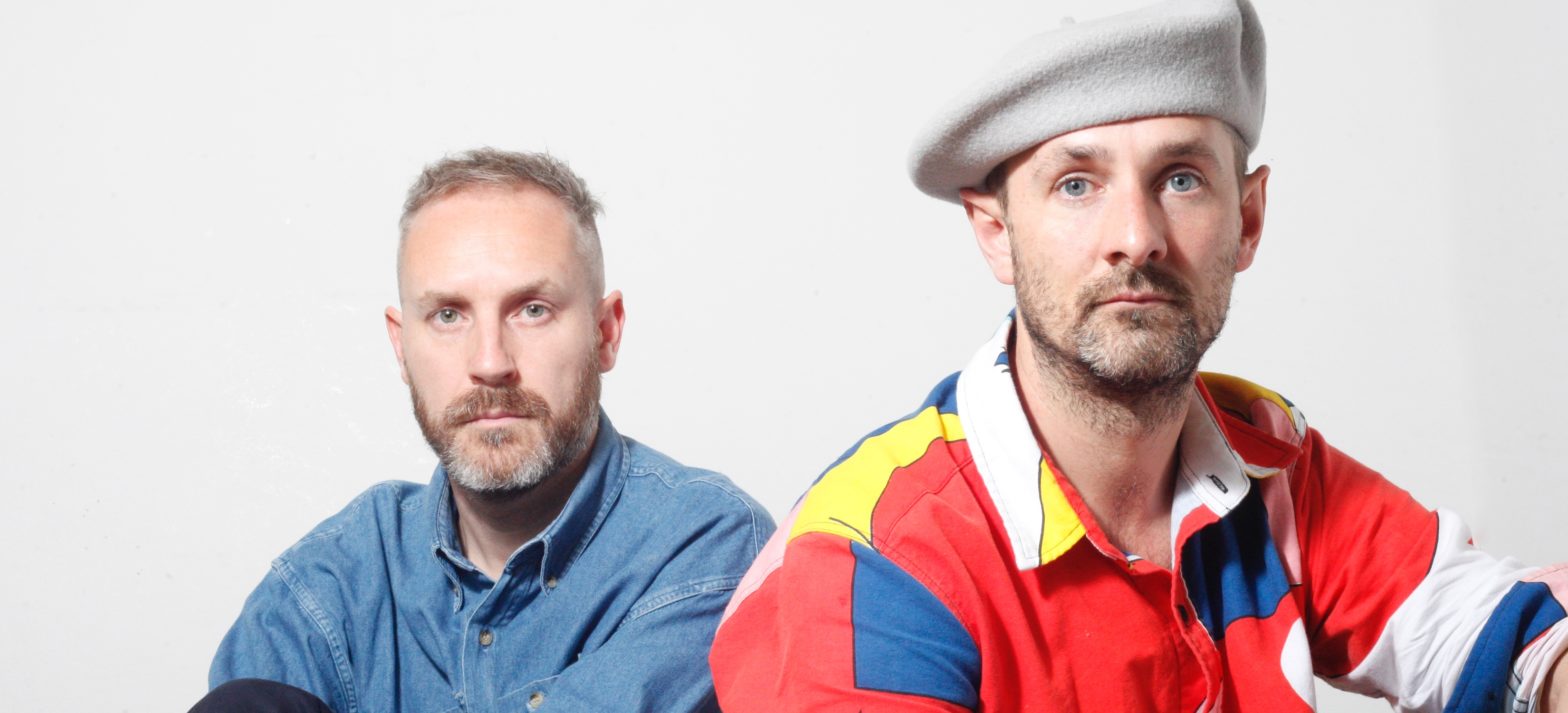
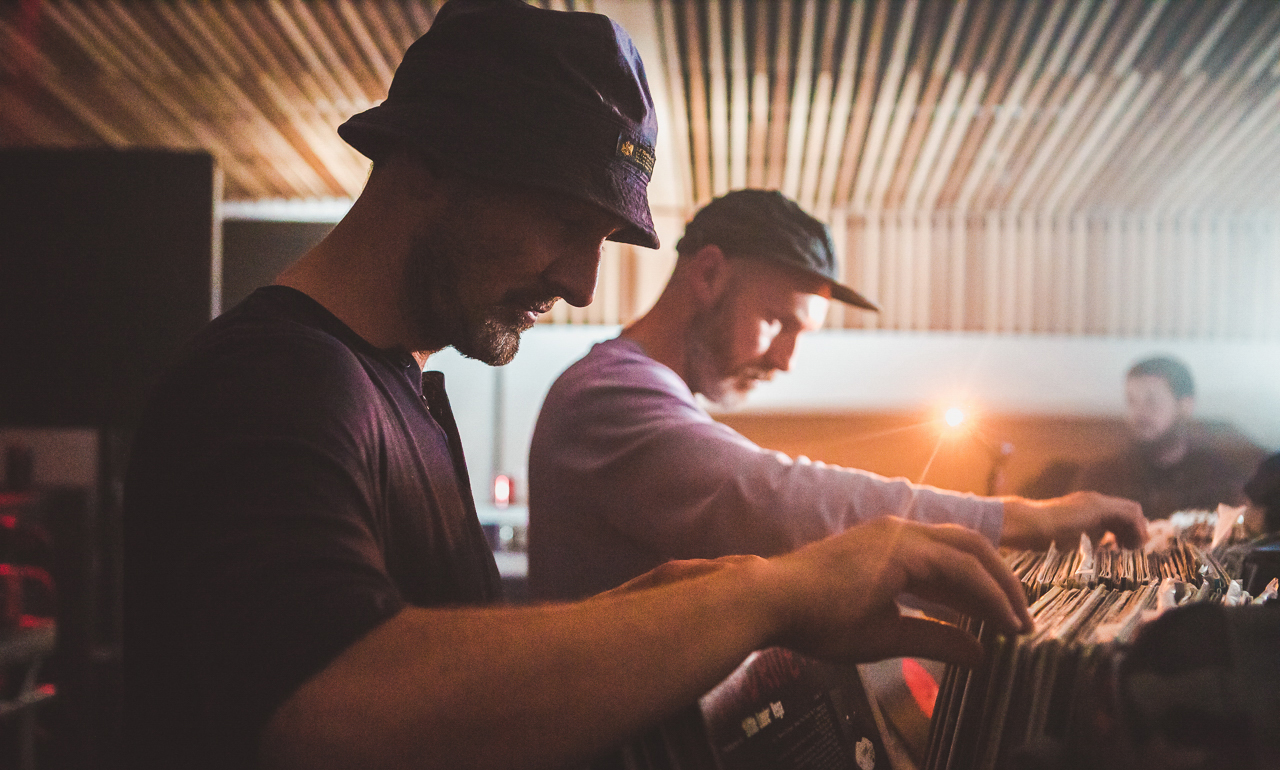
Secretsundaze is the work of Giles Smith and James Priestley, a London-based DJ-production duo acknowledged for their commitment and professionalism towards their work. For over 17 years, Smith and Priestley have been spinning records across the British capital and beyond, and have since established Secresundaze as a much-loved party brand and record label. Their monthly Secretsundaze All Night Long residency at London’s The Pickle Factory is a colourful all-night romp traversing house, boogie, techno, garage, and whatever else takes their fancy; while their larger showcases at the likes of Oval Space and Barcelona’s Parc Del Forum have become the stuff of legend, consistently drawing an inclusive, fun, and loyal crowd. As Time Out London once said: “Secretsundaze has changed the face of daytime clubbing.” 

Since its 2007 inception, the Secretsundaze label has had a steady and carefully curated output—featuring releases from the likes of DJ Qu, Shanti Celeste, and Brawther, in addition to the work of the label heads themselves. More recently, Palms Trax, Fred P, and DJ Slyngshot have joined the ranks with further material in the pipeline.

In this month’s Real Talk, Smith and Priestley take some time out to discuss a very timely topic: the rise of the “Selector” DJ. Why is it, they ask, that every party, press release, and blurb for social media seems incomplete without their “Selector” DJ?  

When considering a topic for our Real Talk piece for XLR8R, we wanted to take the opportunity to dig deeper into something we’d noticed within the scene that interested us, and on a topic that maybe hadn’t been addressed that much in the written form previously. We also wanted to write something that serves as a snapshot of where the electronic music scene is today, certainly in London anyway.

It seems that every party, press release, and blurb for social media isn’t complete without their “Selector” DJ these days—what, why, and how is that? What even is a “Selector”? It almost feels that the term “Selector” has become a synonym for DJ. Is there a difference? Or are they the same thing? Given the importance of the DJ within dance culture, we thought these questions were more than worthy of some examination.

Let’s begin by discussing what a “Selector” is. The term was coined in the 1950s, born out of Jamaican sound system culture. It was during this period that many of the attributes of what we consider a DJ to be now—where playing records became a performance as opposed to a means to just programming and playing recorded music to an audience—came to prominence. Local sound systems were essentially local neighbourhood groups or microcosms, and their rivalry is maybe most easily likened today to the support some local football teams garner: fierce and not always friendly.

The size and power of the physical speaker stacks of sound systems was vastly important, as were the records or “specials” that they played, many of which were “exclusive.” But another tool emerged in the sound systems’ arsenal. The role of the DJ split, as the DJ took to the mic, essentially assuming the role of what we currently refer to as an MC, or a “toaster.” This person, somewhat confusingly, became known as the “DJ.” This led to a new role within the sound system, where one of its members now assumed the sole responsibility for choosing and physically playing the records, while the vocalist “DJ” carried out the role of MC—concentrating on drumming up the heat on the floor through his choice and delivery of words. Enter the “Selector.”

While it was the “DJ” who rose to prominence in the same way that rappers have in hip-hop, the role of the “Selector” was still important. Being restricted to the use of one deck, the “Selectors” were limited in what technical prowess they could show, so if they were being judged purely on their selections, exclusivity became key. Some of the leading “Selectors” in the ‘50s would regularly go on what we would describe as digging trips, often to the United States, bringing back cuts that would be exclusive to their soundsystem—searching for records that people on the island wouldn’t be able to hear anywhere else.

Towards the end of the ‘50s, the US began to move to a smoother sound and that didn’t work so well in the dance halls. So the people behind the sound systems began making their own music to play, with their “dubs” and “versions” pressed onto acetates or dubplates to amp up their arsenal of exclusive material. Two of the so-called “Big Three,” Sir Coxsone Dodd and Duke Reid (of Trojan fame), were the first to start doing this back in 1957.

Now, fast forward to the late ‘60s and early ‘70s of New York, where Francis Grosso and a couple of others turned DJing on its head. This period has been well documented and we want to keep the piece quite focused on the “Selector,” but essentially they were responding to a time, place, society, and the birth of a newly formed culture where high octane up-all-night sessions started to become the norm. Maintaining a steady and relentless beat became king. Two turntables— basic machines without pitch controls etc.—were required and, as a result, an incredible amount of skill to operate them effectively. This is when the modern DJ as we know it was born, and technical skill reigned nearly as important, at times, as the actual tracks being played. From the street corners of the Bronx to the downtown discos, a DJ’s technical ability became of great significance. 

This is the period where dance music culture exploded. The nights and parties started to go on for longer and longer. The records that were played themselves became extended so they would play for longer. They would have longer instrumental drum-based sections within the tracks and intros and outros so the DJ could more easily mix them; all of this was done with the aim of keeping the beat going and people dancing longer and harder.

There were exceptions, of course, most notably David Mancuso and Larry Levan, that have been better known for the records they play and the narrative they form, as opposed to the “skill” in which they put two records together. In fact, David Mancuso later went on to snub mixing records altogether, but this period generally heralded an emphasis on a DJ’s skill.

So why is it now, decades later, that we’re starting to refer to DJs as “Selectors” again. What’s behind this change?

Well, first of all, let’s try to offer up a modern definition of a “Selector.” Our assessment of this is that a “Selector” is defined by his expert choice and knowledge of the music he/she plays, much of which is often rare, exclusive, or largely unknown. The term also implies that this artist’s reputation is largely based around this, as opposed to their technical ability. We think this is the true meaning of a modern “Selector”—and we must note, too, that we believe this new term to be founded upon the old use of the word. Although now a global phenomenon, much of this new “Selector scene” arose in London where there has long been a strong history and knowledge of sound system culture. 

However, as mentioned above, we’ve noticed the term being used to replace the term “DJ” itself, and the word seems to have also taken on a new meaning. Is that valid? We’ll examine that further later in the piece.

But, reverting back to the above, let’s now consider why these “Selector” DJs have risen up in recent times—why there are more of them in the spotlight than ever before. Why has the term become so prominent? (At this point, we must note that our examination of this is loosely constructed around electronic music and London as we’re based here, but we’ve also taken into consideration our experience of playing internationally.) 

We begin with a consideration of where music is being “consumed,” and how we’re coming together to listen to music. It has been well documented how, in recent years, many clubs in London and further afield in the UK have closed. There’s a number of factors behind this, from gentrification to political posturing. In London especially, it is difficult to effectively operate a club with the high costs of rent, licensing, and planning constraints, and noise complaints from local residents. 

One of the most beloved clubs we have lost in recent years is Plastic People, which was a true club in every sense of the word. Sadly, it hasn’t really been replaced, although The Pickle Factory, where we’re fortunate to hold a monthly residency, is probably the closest London has to offer right now and as much as we love it, it can still fall somewhat short.

What has emerged in the last few years though is a plethora of so-called audiophile bars, with the excellent Brilliant Corners leading the way. With Plastic having been renowned for its sound system, you could argue that Brilliant Corners and the like have picked up the proverbial baton. But the environments of the two couldn’t be more different: Plastic was a true dancefloor experience, deliberately dark to keep your mind focused on the music, which was played uncompromisingly loud and clear.

Don’t get us wrong, we love Brilliant Corners—we launched our new single there a month or so ago—but essentially it’s a Japanese fusion restaurant, serving great sashimi and the like alongside a stellar selection of natural wines. Some excellent local and often lesser-known DJs play records there over a sweet sounding Klipschorn sound system. Some of the world’s most loved DJs have also graced the decks, including Floating Points, Four Tet, and Hunee, all of whom have played fairly regularly.

Because of the nature of the venue, at times there is an almost unwritten no house music rule/policy. So here you have an environment where you have DJs presenting music that is appropriate for music lovers, eating and drinking with friends in a well-lit space, as opposed to sweating their troubles away in a dark basement. This is the perfect breeding ground for the someone who is able to show off their wares to an appreciative crowd while providing an apt “soundtrack”—or a “Selector.” Let’s not forget, clubs are very specific environments and a world apart from places such as Brilliant Corners, which blend music with social and culinary. Club DJs often don’t perform well in these environments as the skill set and musical palette required is hugely different. Essentially, audiophile bars provide “Selectors” with a great setting for them to showcase their work / present their art.

Let’s also look at where the younger generation of music lovers are spending their summers. Not so long ago, it was the vast dancefloors of Ibiza. The more musically switched on young people of Europe have largely shunned Ibiza these days, and it’s the beaches and boat parties of festivals such as Love International and Dimensions in Croatia, as opposed to your Pachas and Amnesias, that are the hot destinations. Croatia even has its own Selectors festival now, brought to you by the people behind Dekmantel, where the world’s finest “Selectors” converge for a week of unparalleled Selector pressure no less.

It’s not hard to see how these changes are feeding into the Selector phenomenon. Our favourite big party in Ibiza was Cocoon at Amnesia, circa 2007, with DJs like Ricardo Villalobos and Dorian Paic expertly steering crazy big dancefloors. As great as some of those sets were, they’re probably not what you’d wanna hear as the sun drops in the Adriatic on a 150-person Argonaughty boat party. Essentially, a move away from larger nighttime dancefloors to more laid back, lower capacity, daytime sessions had led to a dropping in BPM and a wider variety in music, two attributes widely associated with “Selectors.”

Like most things, the internet has also played an instrumental role. The rise of online music streaming platforms, particularly more recently local “boutique” internet radio stations such as NTS, Worldwide FM, and Redlight Radio, has been key. Many of these stations or platforms have a strong culture of tracklisting their shows, with artist and song titles easily available to people listening in live or streaming back via platforms like Mixcloud. This serves as not only a great platform for “Selectors” but also a great breeding ground for them, with the younger generation easily learning about the music and adding to their own collections, often purchasing records via online music marketplaces like Discogs. This particularly lends itself to “Selectors” because of the type of music being played on these stations, which is often largely not club-focussed, certainly in comparison to the jungle and garage pirate radio stations of the 1990s, for example.

This change in music listening and buying culture, combined with the lack of opportunity for emerging DJs to hone their skills in a “live” environment, due as a result of the closure of clubs and other live music venues, has seen some DJs focus on getting slots on these specialist stations, over gaining spots in clubs. This perfectly feeds into the “Selector” ethos of specialist music and presentation, and many acclaimed “Selectors” have regular shows on stations such as these. Compared with emerging DJs starting their own club nights, for example, this activity is financially “risk-free,” certainly less stressful but also one with a potentially global reach or audience. This reach is much wider than the initial friends and friends of friends network which new club-nights tend to be focussed around, so many feel it’s perhaps a better route to getting noticed as an emerging DJ / artist.

Technology, of course, has also played a role. The advent of CDJs and other digital DJ technology has made the technical job of the DJ much easier, arguably making it harder for DJs to distinguish themselves in this way; beat matching is all but automated these days. Similarly, the accessibility of music is now so wide; everyone can have the hottest new track within minutes thanks to digital downloads and the internet, so it’s no wonder certain DJs are eschewing this, and instead of spending their time going through countless promos and new releases, are digging back into their collections or searching for older / less immediately accessible music, to give themselves a competitive edge.

So these some of the conditions that we feel has fuelled the rise of the Selector. But is it all good, and what’s our stance on it all? 

One criticism of Selector culture is that it exacerbates or certainly highlights socio-demographic issues within our scene. Although the scene is collectively but slowly doing its bit to address this, there are still a large number of white middle-class DJs and artists that dominate the bills of our festivals and clubs. That, largely and loosely, is the status quo of the current electronic music industry. That hasn’t always been the case though: the roots of disco, hip-hop, house, techno, and jungle were much more varied, with a much broader ethnic mix and background catapulting these genres to where they are now.

These days though, you could argue that it’s often only those more privileged that are able to go down the route of the “Selector DJ.” Whilst, of course, there are plenty of cheap and not so widely known records out there that can help define a DJ, some of the more exclusive records are naturally high in value and therefore only in the reach of a certain few, where exclusive records become some sort of cultural capital/currency. Many “Selectors” get involved in the fervent re-issue market, licensing and repressing, often in limited quantities, their little-known exclusive gems. This activity requires certain skills and resources often only available to those who are fairly privileged and although done with much love, serves as a massive boost to their Selector credentials. 

These issues of exclusivity are exacerbated by the type of person out enjoying electronic music these days. The global ‘market’ that our scene is a part of is huge and comes with a highly competitive price tag. To keep up with the rising fees of international DJs and London rental markets, tickets to London’s best parties are highly priced, making it anything but inclusive, meaning that often only a certain demographic can hear these key DJs play, certainly regularly. This means that the audience of “Selectors” doesn’t look so different to the “Selectors” themselves. It’s only the more wealthy end of society that can afford entry to these parties, and therefore the ones that can more easily afford to buy the exclusive records they are hearing. 

Questions must also be asked about how widely the term “Selector” is being used. Should the term apply to DJs? Or should it be reserved for referencing a certain type of DJ, one with a deep knowledge and passion for their respective sounds? What about DJs in the scene which is currently labelled as “tech house or tech? Based on the above, are they really selectors? Or is it people in that world once again trying to jump on the merits of another world they aspire to be more like? We don’t know much about this current “tech house” scene” (although we’re big fans of the OG ‘90s tech house sounds) but it looks like another bandwagon jump from where we’re sitting. We all sadly know what happened to the term “deep house” after all. 

In summary, we’re all for this “Selector” movement, albeit with some reservations. In our opinion, every good DJ is a “Selector”; every DJ should have a deep and wide-reaching grasp of music. In fact, we hold track selection and programming in way higher importance than technical ability. We’re often referred to as “Selectors”; in fact, we’re sure we’ve also referred to ourselves as “Selectors” in our biography. for example, but quite frankly, we’d rather be referred to as “bad boy DJs” any day of the week. While tune selection is crucially important, let’s not get elitist about it. The majority of our favourite records and the ones that have defined us over the years probably average in value of £10 rather than £100. “Selectors,” lets not lose dance-floors up our arses; let’s not play obscure records just for the sake of it. Let’s remember that our job as DJs is to make people dance. Whilst touring with vinyl for busy international DJs is a comparative nightmare, let’s not lose that tradition of vinyl culture and DJing, something we often feel we ourselves are hanging on to for our dear lives.

Avalon Emerson Mixes BBC Radio One Essential Mix

Avalon Emerson made her BBC Radio One Essential Mix debut over the weekend. 

The US-born Berlin-based DJ-producer delivered a wildly eclectic two-hour mix featuring cuts from Fever Ray, Luke Slater, Acid Jesus, plus a bunch of unreleased and unnamed works. 

Listen to the mix below, or here via the BBC IPlayer

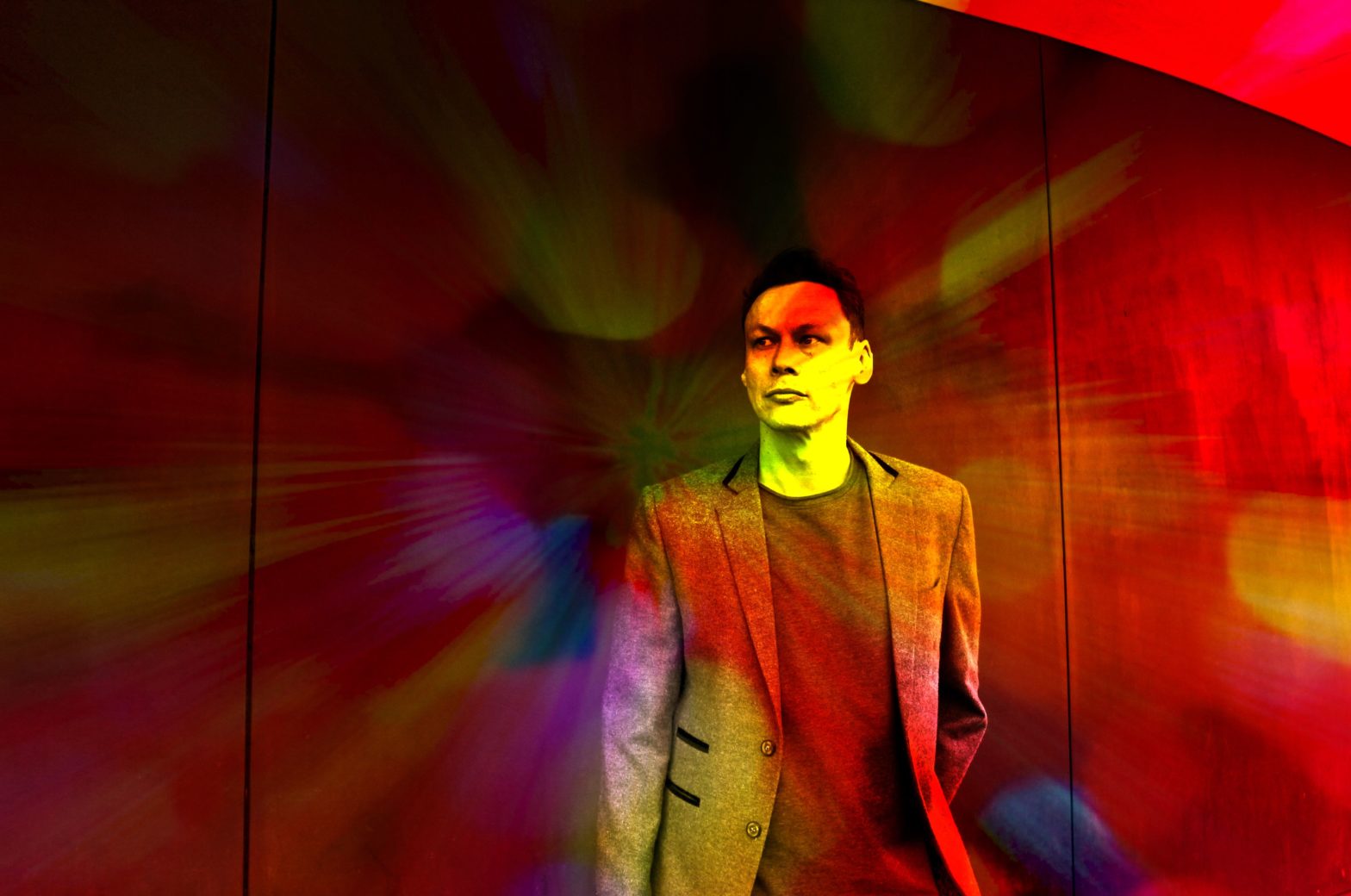
Photo: Joseph Wolfgang Ohlert. 

Page 333 of 3781
1 331 332 333 334 335 3,781