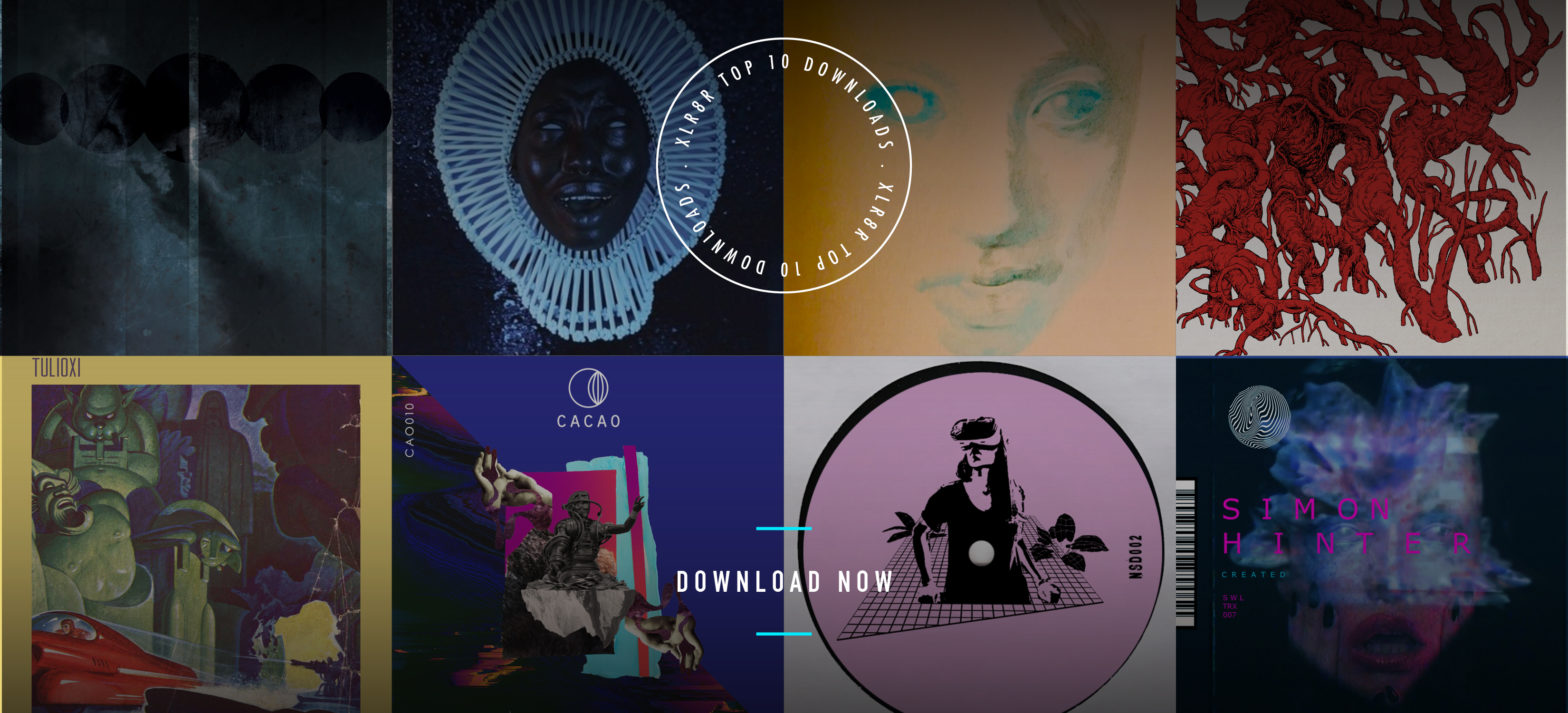
It’s that time of the month again—that time when we check the stats and compile the favorite submissions to our ever-popular downloads section and present them in one file, available for download. June saw DJ Spielberg return—and return to the top of the pile—with “Glam Sharing. Featuring in the chart, too, is an Alfie edit of Childish Gambino, some melancholic electronica courtesy of Simon Hinter, and an array of forward-thinking tunes—ranging from dancefloor weapons to haunting ambience and cerebral beat-driven outings. That’s enough talk for now: June’s 10 most popular XLR8R downloads have been assembled into a list below and can be grabbed for free by following their respective links. In addition, all 10 tracks have been compiled into one convenient file, which can be downloaded via WeTransfer below.
Due to temporary issues regarding the GDPR, EU readers can download the top 10 here.
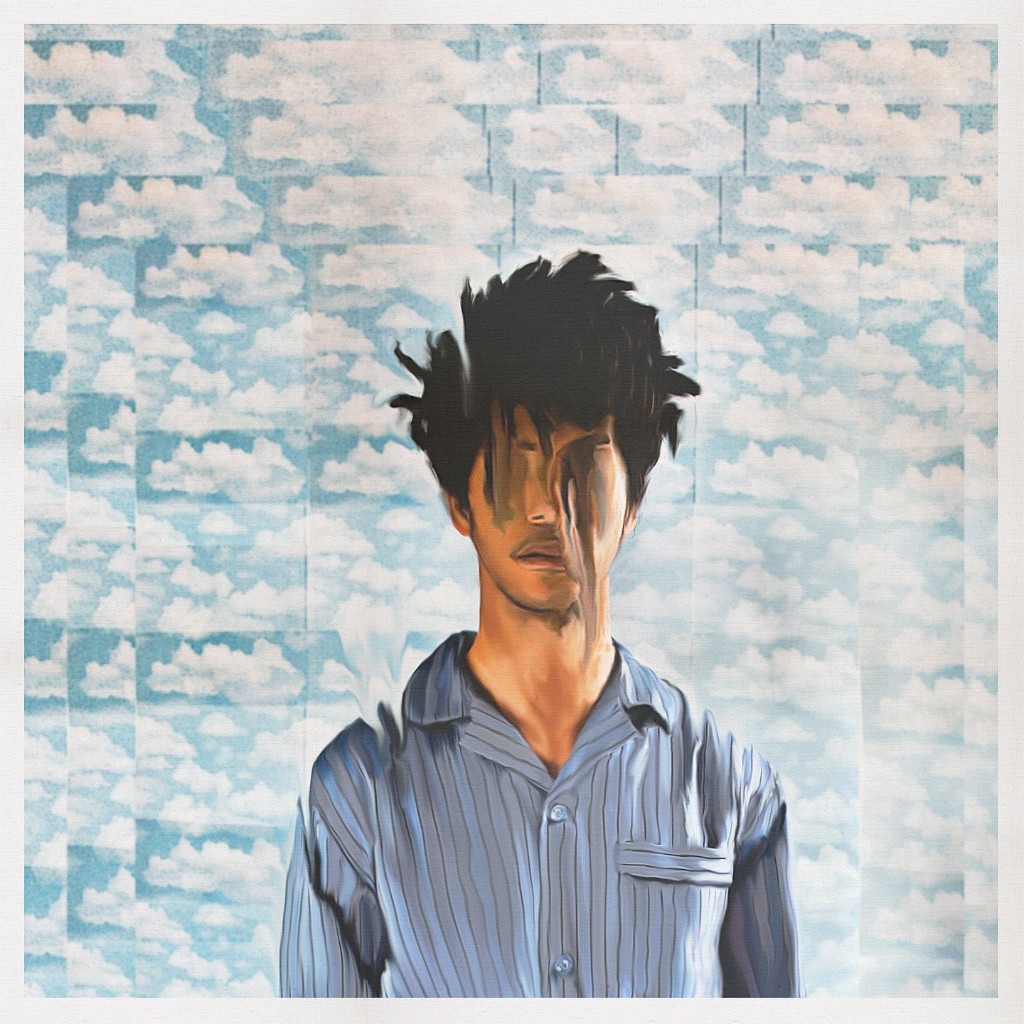
Skinny Pelembe has detailed a new EP, titled Sleep More, Make More Friends—scheduled for September 21 release via Gilles Peterson’s Brownswood Recordings.
The release sees the singer-guitarist-producer corral together a cast of talented friends, all of whom he’s met through music or through linking with Brownswood’s Future Bubblers talent development programme two years ago. Across its four entries, he bridges hip-hop, psych-rock and jazz-influenced tangents, we’re told, “cutting out a diverse cross-section of the city’s music scene.”
The title of the EP comes from some advice which Skinny noted to himself on an old notebook. Each of its songs started as a rough idea which was then fleshed out and re-imagined with his collaborators.
The singer-guitarist-producer, born in Johannesburg and raised in Doncaster, signed to Brownswood earlier this year and debuted with the Spit / Swallow single in March.
Tracklisting
01. Not Your Friend Not Your Enemy (feat. Yazmin Lacey)
02. I Just Wanna Be Your Prisoner (feat. Hejira)
03. Live From The High As A Kite (feat. Bernardo)
04. Field Notes #1 (feat. Emma-Jean Thackray)
Sleep More, Make More Friends will land on September 21, with pre-order available here.
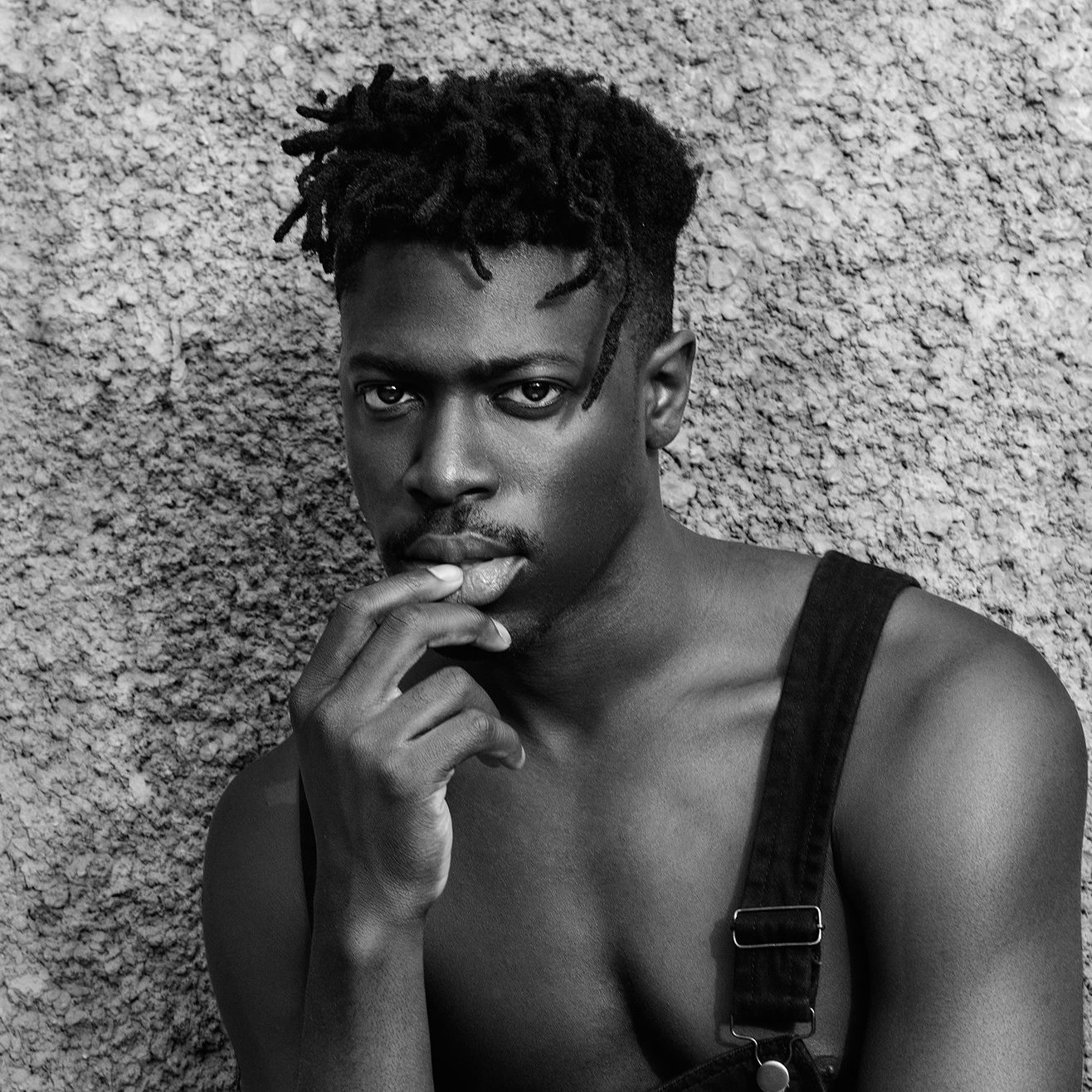
Moses Sumney has today shared “Rank & File,” his latest single, taken from a new EP titled Black in Deep Red, 2014—due out August 10 via Jagjaguwar.
This latest release follows May’s Make Out in My Car: Chameleon Suite, which featured Sufjan Stevens, James Blake, and Alex Isley. The EP’s title is inspired by a 1957 Mark Rothko painting by the same name.
Since emerging in 2014 with his self-released cassette EP, Mid-City Island, Sumney has ridden a wave of word-of-mouth praise. In 2017, the California and Ghana-raised troubadour widened his musical spectrum with his debut album Aromanticism, a concept record about lovelessness as a sonic dreamscape. Following the album’s success, Sumney has brought the album to the masses in the form of sold out headline shows across North America and Europe, as well as a sold-out performance at the historic Sydney Opera House on the heels of performing at this year’s Laneway Festival.
“Black in Deep Red, 2014was ignited by the first and last time I attended a protest. It was in the fall of 2014, after a grand jury decided not to charge the offending officer in the Mike Brown murder, delivering the verdict just in time for them to get home for Thanksgiving.
“I felt like a camouflaged outsider at the protest, like an anthropologist performing a study amongst his own kind. I took to the mountains soon after that and wrote these songs, wondering if power was a transferable device that could change hands through the vocalizing of unrest.” — Moses Sumney
Tracklisting—Black in Deep Red, 2014
01. Power?
02. Call-to-Arms
03. Rank & File
Black in Deep Red, 2014 will land on August 10 via Jagjaguwar, with “Rank & File” streaming in full via the player below.
Moses Sumney has today shared “Rank & File,” his latest single, taken from a new EP titled Black in Deep Red, 2014—due out August 10 via Jagjaguwar.
This latest release follows May’s Make Out in My Car: Chameleon Suite, which featured Sufjan Stevens, James Blake, and Alex Isley. The EP’s title is inspired by a 1957 Mark Rothko painting by the same name.
Since emerging in 2014 with his self-released cassette EP, Mid-City Island, Sumney has ridden a wave of word-of-mouth praise. In 2017, the California and Ghana-raised troubadour widened his musical spectrum with his debut album Aromanticism, a concept record about lovelessness as a sonic dreamscape. Following the album’s success, Sumney has brought the album to the masses in the form of sold out headline shows across North America and Europe, as well as a sold-out performance at the historic Sydney Opera House on the heels of performing at this year’s Laneway Festival.
“Black in Deep Red, 2014was ignited by the first and last time I attended a protest. It was in the fall of 2014, after a grand jury decided not to charge the offending officer in the Mike Brown murder, delivering the verdict just in time for them to get home for Thanksgiving.
“I felt like a camouflaged outsider at the protest, like an anthropologist performing a study amongst his own kind. I took to the mountains soon after that and wrote these songs, wondering if power was a transferable device that could change hands through the vocalizing of unrest.” — Moses Sumney
Tracklisting—Black in Deep Red, 2014
01. Power?
02. Call-to-Arms
03. Rank & File
Black in Deep Red, 2014 will land on August 10 via Jagjaguwar, with “Rank & File” streaming in full via the player below.
Later this month, Larry de Kat will release his latest album, Round About Midnight, on his own Katnip imprint.
An eclectic outing that moves effortlessly through hip-hop, odd-ball house, and pop-angled cuts, Round About Midnight darts across styles and genres while attaining Larry’s quirky raw signature, a style that has led to releases on Dungeon Meat, Slapfunk, Adult Only, Times are Ruff, and Banofee Pies, among others. The eight-track album flows through pensive beats (“I Lost Track”), tripped-out house grooves (“7DJ”), and bass-heavy peak-time rollers, drawing in listeners and DJs alike with measured variation.
In support of the release, Larry has offered up album cut “I Lost Track,” a tropical-flavored trip-hop cut, as today’s XLR8R download.
You can pre-order the album here, with “I Lost track” available via WeTransfer below.
Due to temporary issues regarding the GDPR, EU readers can download the track here.
Emmy award-winning composer Michael Price will release Tender Symmetry, his second album with Erased Tapes, on August 31.
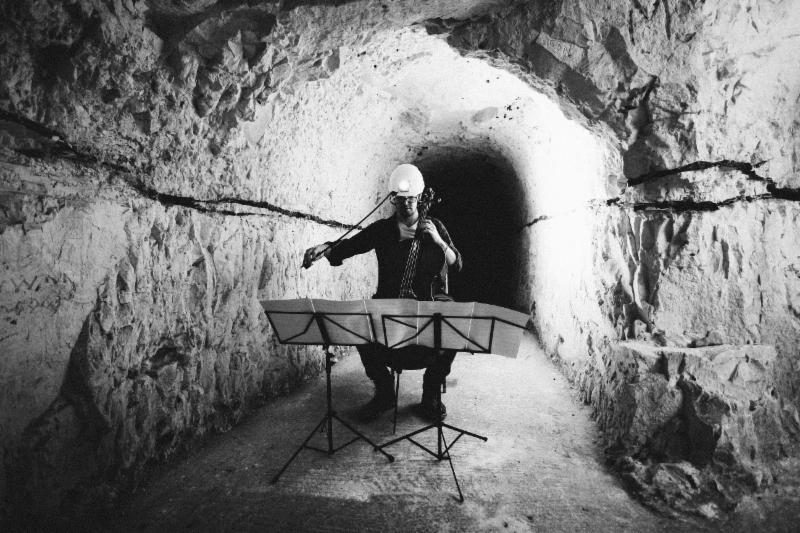
The ambitious musical project takes in a series of iconic National Trust locations across the UK as its inspiration, turning them into unlikely recording spaces. Price and a host of musicians and collaborators— including soprano Grace Davidson (featured on Max Richter’s Sleep) and Shards (the choir on Nils Frahm’s All Melody)—travelled across the country in pursuit of places far removed from the traditional recording studio to create seven unique and moving pieces.
The diversity of Price’s choices ranges from the ruins of Fountains Abbey in Yorkshire to the Fan Bay WWII shelter, cut deep into the chalk cliffs of Dover. All owned by the National Trust save one, each venue became both the inspiration and the recording studio for Price and his accompaniment of musical ensembles, choirs, and soloists.
“For ‘Tender Symmetry,’ I stopped admiring and started participating in these buildings. This began as an exploration of writing and recording out in the world beyond the studio. I am interested in where we build our homes in an increasingly virtual world and the spirit of place we feel as we walk our local streets, our schools, temples and public spaces. Taking inspiration from a place, and the stories it told, then going back to that place to record, sometimes in less than ideal conditions, made the two-year adventure much more like shooting a film than making a record.”— Michael Price
Tender Symmetry will land on August 31, with “Sandham” streaming in full below.
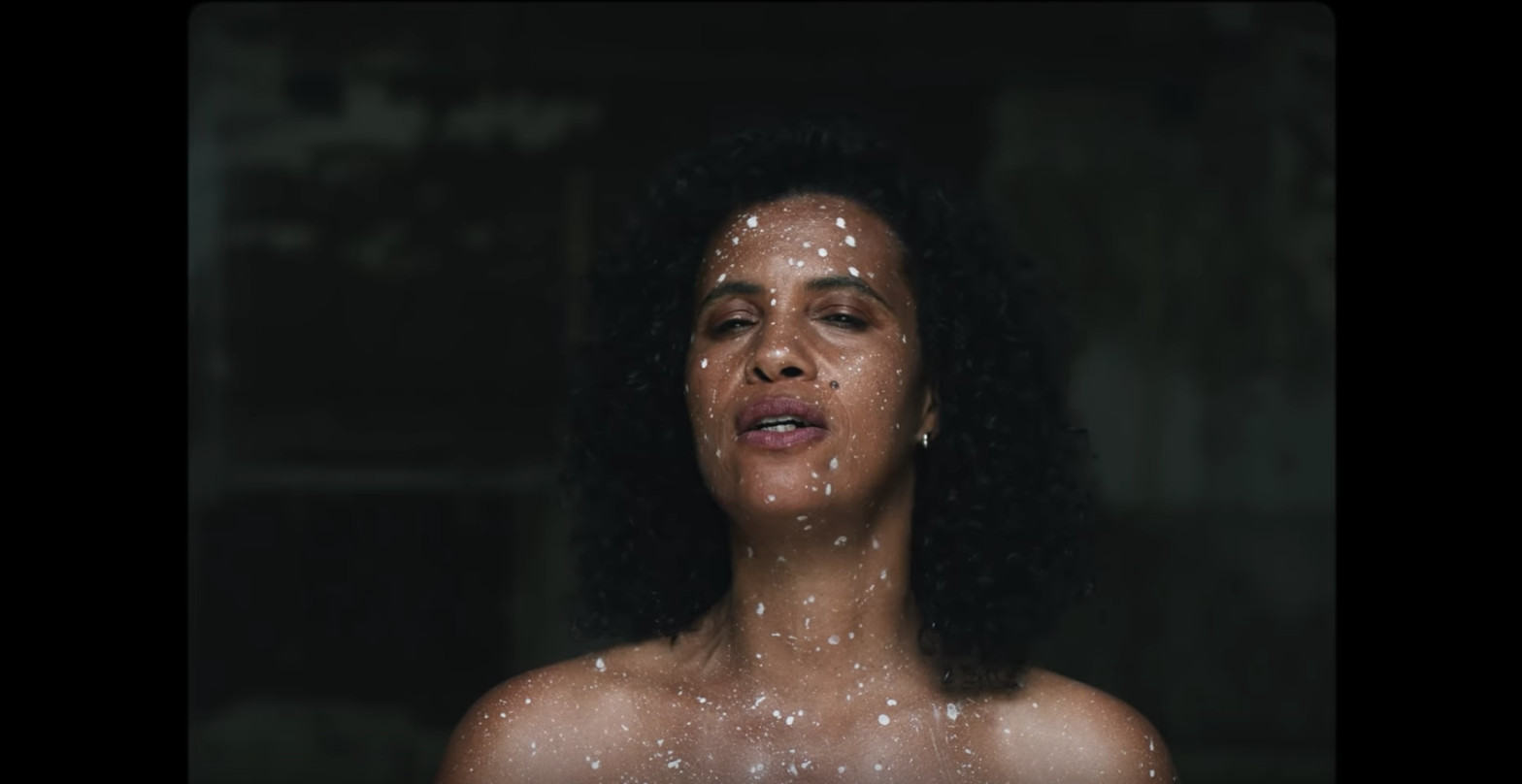
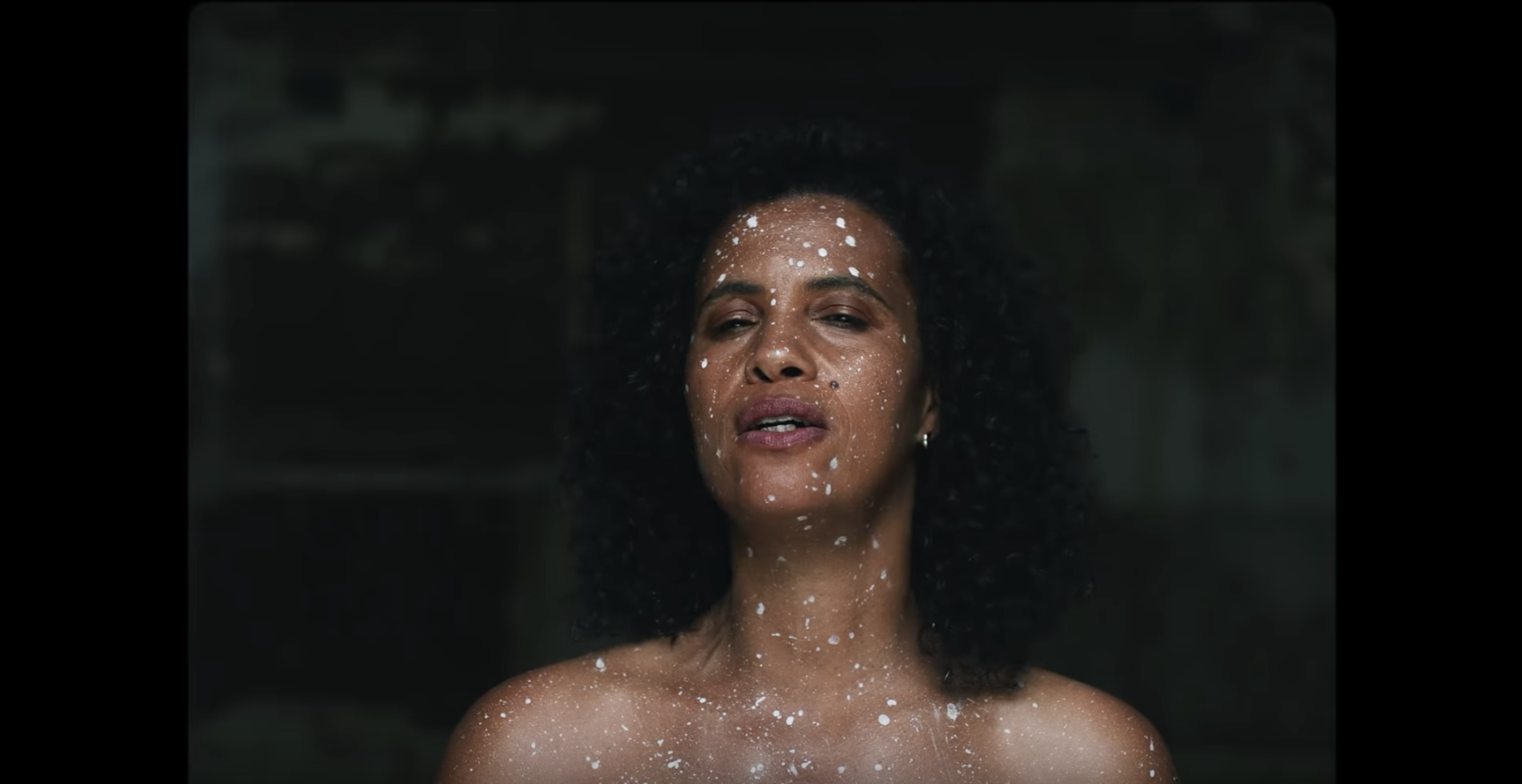
“Kong” references the history of Colonialism and Europe’s ongoing refugees crisis, “inviting the listener to imagine the world of someone willing to take the risk to escape from the ruinous effects of their consequences.” The affecting single is the first music released since her 2014 solo album, Blank Project.
Alongside the release of the video, which was directed by Jenn Nkiru, Neneh Cherry has also announced a European tour, with stops in Stockholm, London, and Paris.
You can watch the video below, along with the details of the tour.
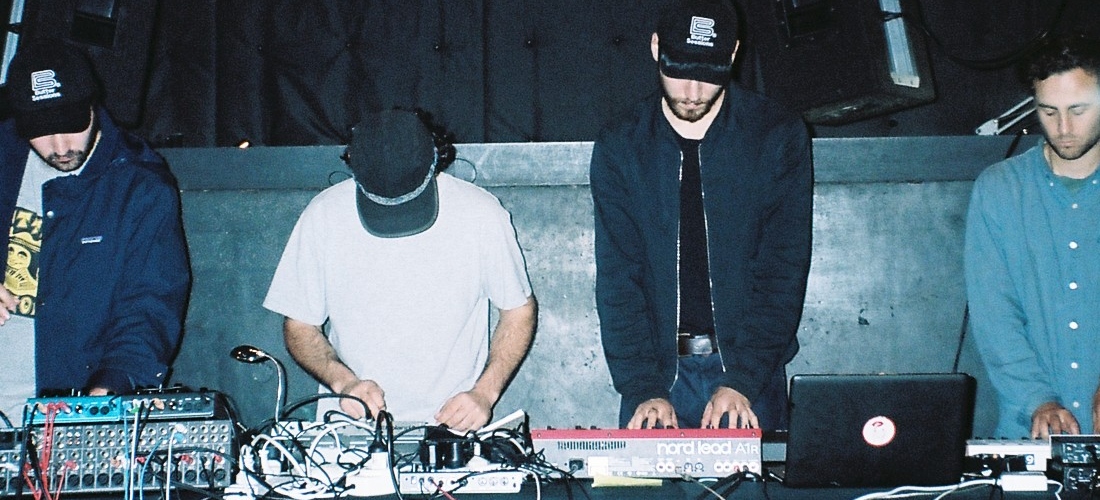
Sleep D and Albrecht La’Brooy are two Melbourne-based duos made up of Corey Kikos and Marios Syawish, and Sean La’Brooy and Alex Albrecht, respectively. All four have a penchant for live evolving soundscapes and deep club tracks, and although the output of each project differs slightly, they both share an artistic vision that celebrates Australia and, more directly, Melbourne and its surrounding suburbs.
Take a look at each of the duo’s respective labels and this thread is made apparent. Sleep D’s Butter Sessions label, for example, unearths and presents exciting local talent via solo releases and the Sounds Of The Suburbs and Domestic Documents compilations; while Albrecht La’Brooy’s Analogue Attic imprint is littered with distinctly Australian field recordings and record sleeves derived from native flora—a way to seek “inspiration, sounds, and ideas from our surroundings to impart a sense of place in our music,” Albrecht states. The curated releases and those from the label heads themselves—which are, arguably, the finest in each catalog—have gained the four of them and the artists in their orbit recognition far beyond their home country.
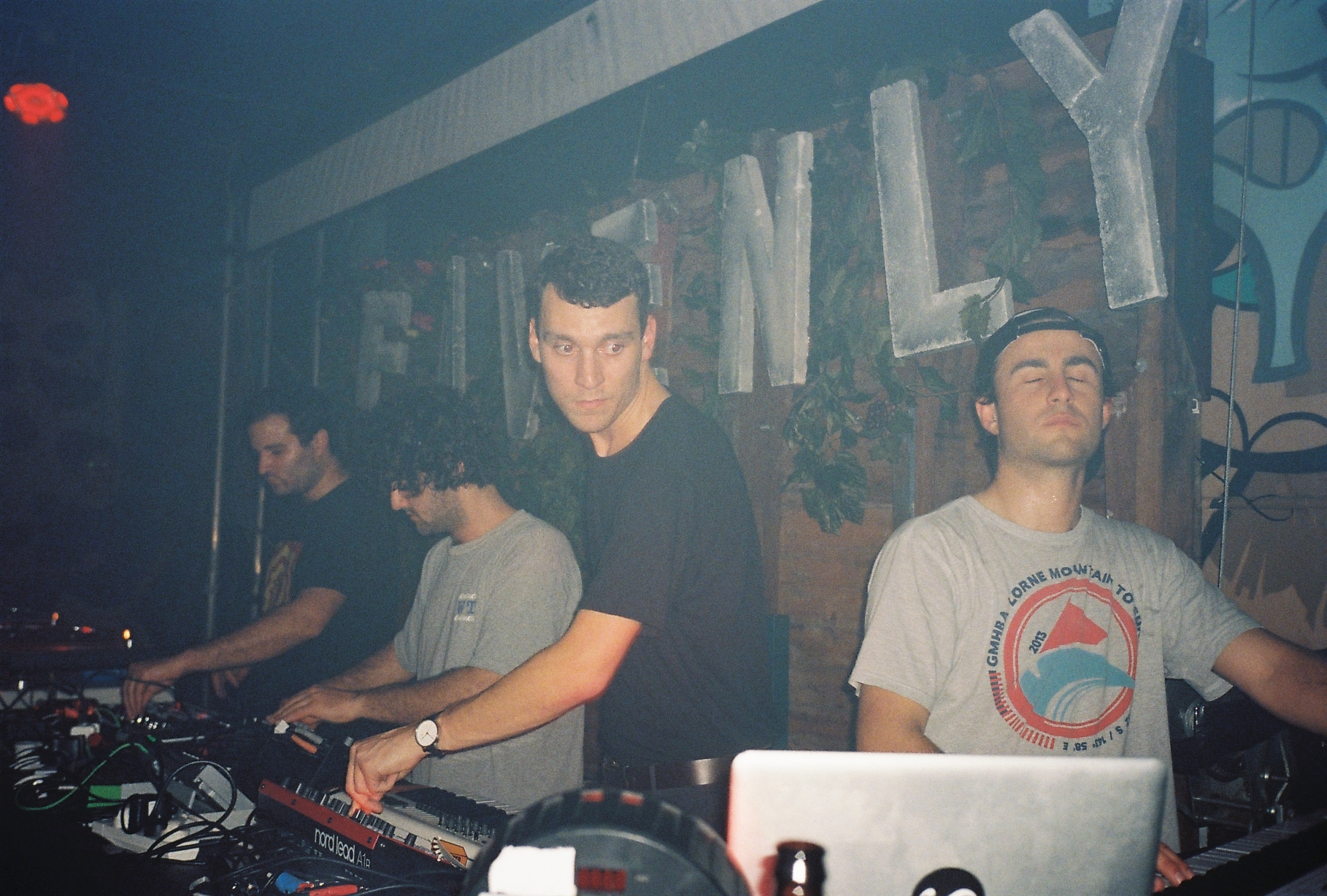
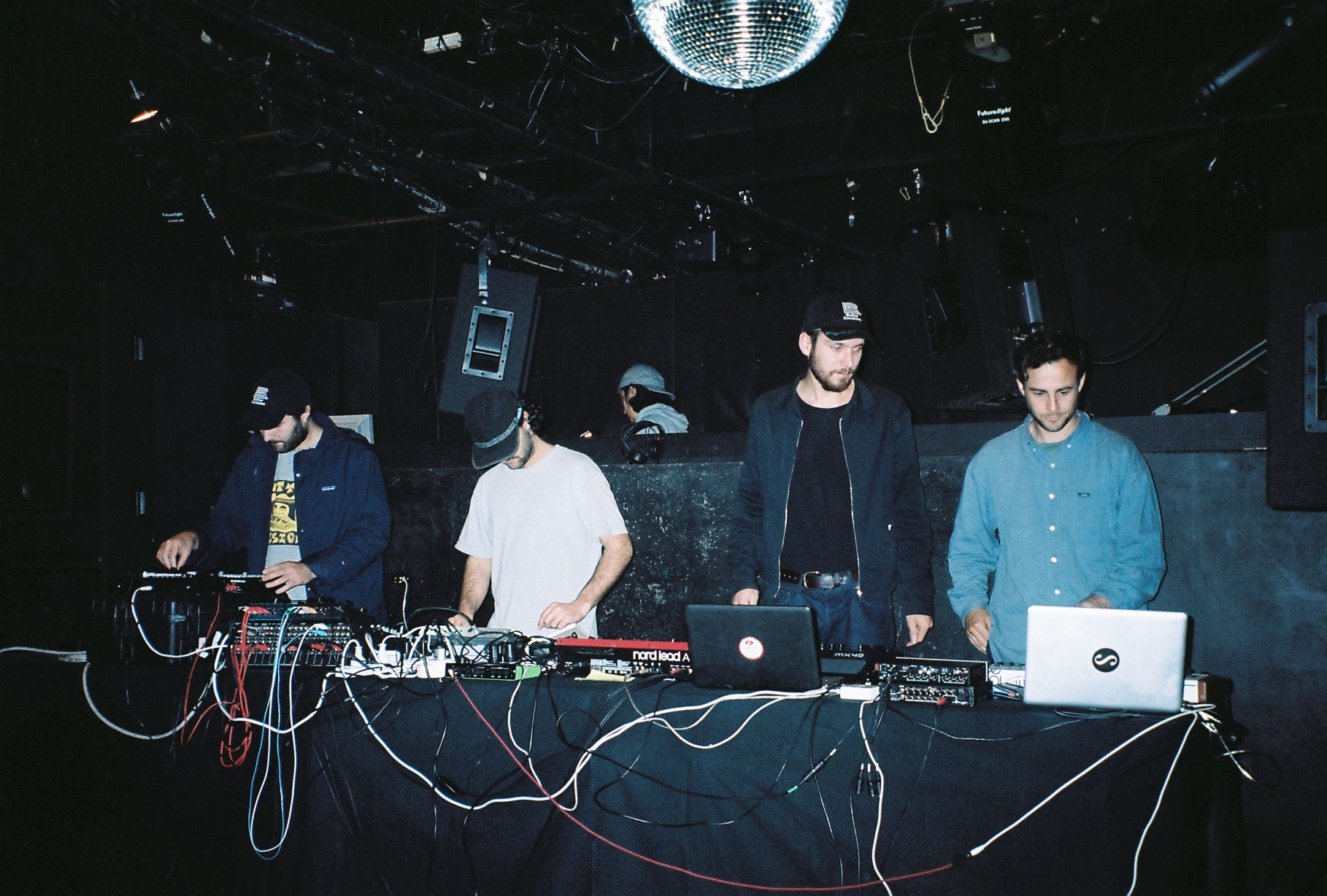
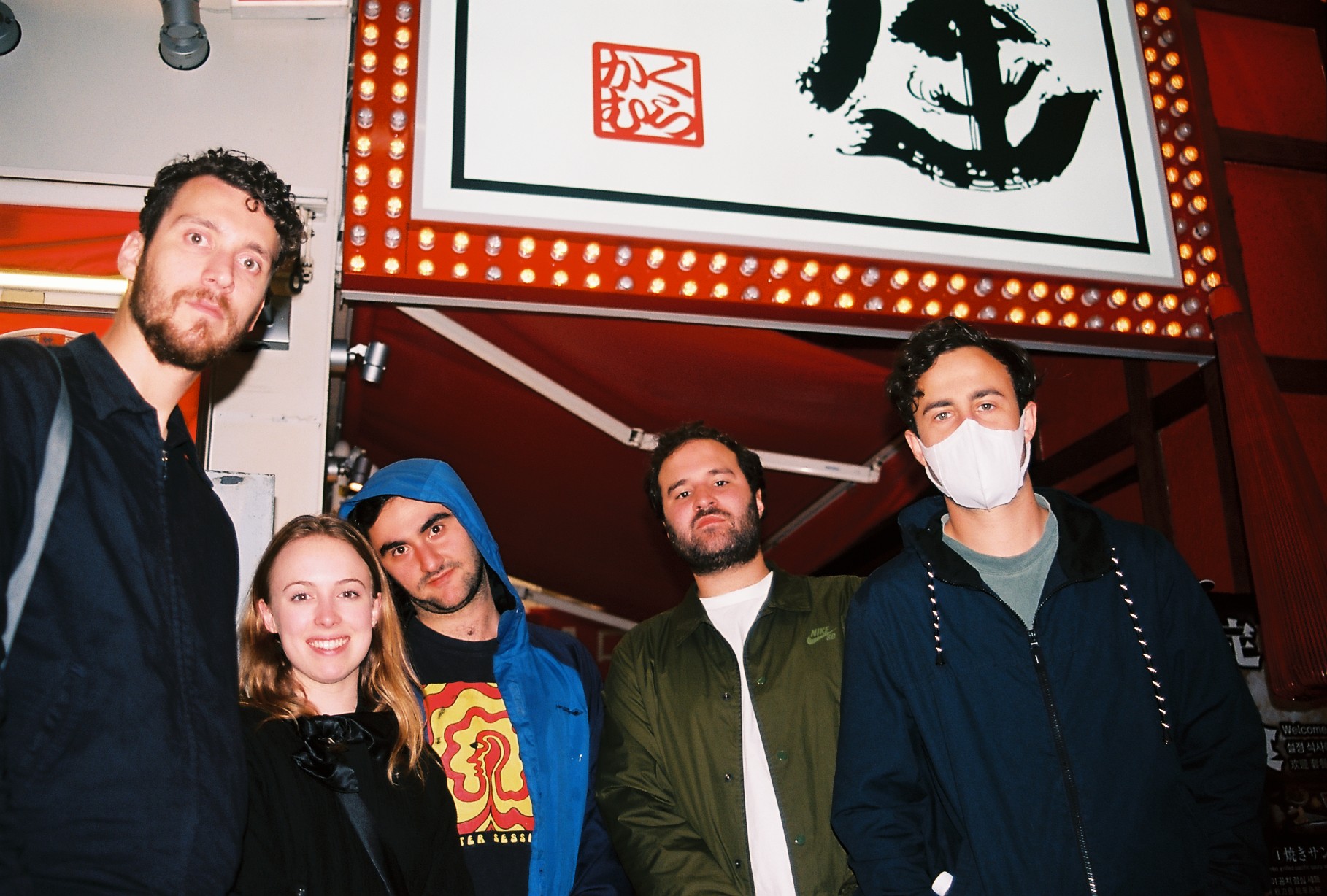
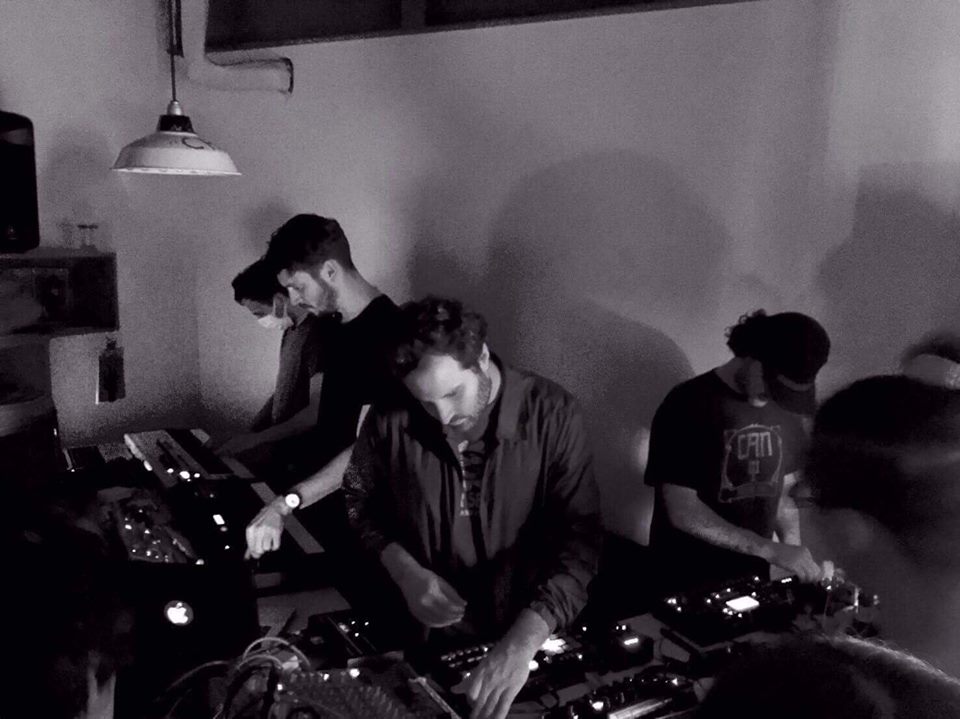
While their respective labels and releases are obvious calling cards, it’s in the live arena that the duos feel most at home—and are most well known. Their live sets range from dubby ambient to jazz-influenced, free-form electronics, and more techno-focused club styles, and it’s within this live format that their released output is recorded, too. Over the last few years, Sleep D have showcased their wares at Golden Plains Festival, Boiler Room, Berlin Atonal, and Panorama Bar, while Albrecht La’Brooy have performed sets at Inner Varnica, Strawberry Fields, and Berlin’s Patterns Of Perception—they all recently performed as Sleep D & Albrecht La’Brooy on a recent tour of Japan, too.
As a further nod to their wide-reaching live sets, in November of last year, Sleep D were commissioned to reinterpret the score for David Lynch’s cult film Eraserhead live for Hear My Eyes. The soundtrack, titled Erased, is an immersive and unsettling accompaniment to the dread-filled film and was released last month via Altered States on a limited-edition cassette and digitally. With the soundtrack now on the shelves and a wealth of new material on the way from both duos, XLR8R caught up with the four of them to learn more about their work.
In addition, Sleep D & Albrecht La’Brooy recorded an exclusive live set for XLR8R, available to stream and download at the bottom of the feature.
Let’s start with how the four of you met. How did it happen?
Alex: Sean was working in a building where Corey and Maryos (a.k.a Sleep D) had their studio. We had Corey master our first record and Sleep D helped us to promote it internationally. Ever since then, we’ve always been bumping into each other and sharing music.
When was this—how long have you guys been in contact?
Sean: We’ve known each other for five years.
Do you think Melbourne, in general, fosters this type of intersection for artists?
Maryos & Corey: Yes, this kind of meeting can happen anywhere really. Melbourne is reasonably small though, and has a tight community vibe, especially in our music world.
Can you talk to me about the respective beginnings of the Sleep D and Albrecht La’Brooy projects? How did these two projects start?
Corey: We (Corey & Maryos / Sleep D) met in high school in a place called Frankston in the suburban fringe of Melbourne and explored similar musical influences together all through school. We had early projects under other aliases which led us to what we do now. I was hanging out at the local beach a lot and I made some friends down there who were a little older and we would often go to this club. I came along one night and it was something new and exciting for me so I kept going. After a while, Maryos and I had this ambition of DJing there but never got the opportunity. So instead we played as many friends house parties as we could, with my small sound system and his decks. This taught us quite a bit about the skill of trying to hold a crowd together and allowed us to earn some money to buy synths, monitors, etc. It was around 2008 we started all this, about 15 years old.
Alex: Sean and I met when I contacted him for piano lessons in 2012. We became friends pretty quickly, then I started teaching him about DJing and producing. Naturally, we started making music together.
Maryos & Corey, what was being played at those early club nights?
Maryos & Corey: The music ranged from prog, electro, and fidget to what you could call hard house. It was all quite commercial-leaning but it gave us a good insight into what makes a good resident DJ who knows the scene well. Melbourne icons like John Course would play there most weeks.
What about you Alex and Sean—what were your respective entries into the scene?
Alex: I actually started DJing and producing when I was about 16 and got my first gig at a bar called the Station when I was 17. I remember being really nervous and the house rig having one of those all-in-one Pioneer systems with the really small jog wheel (CMX 3000?). I was terrified and ended up playing a lot of prog / deep house.
Sean: I only ever played in jazz bands until I met Alex. But while I was playing music at university, I did a fair bit of that. Little gigs in bars and in trios or just playing solo piano, that sort of thing.
Albrecht La’Brooy is a fusion of your last names, but what about Sleep D— what’s the story behind that name?
Maryos & Corey: It stemmed from an alias we made in high school named Sleepy Dino. At the time we were thinking about what name to call this little project we had started and we came to the conclusion that names didn’t have to be super serious and have all these hidden meanings etc. It was borrowed from a Flying Lotus—who we loved at the time—track and then evolved a couple years later to Sleep D.
What were your respective musical inspirations growing up?
Maryos: The first music I really got into on my own was metal and hardcore and then shortly after the bigger electronic acts like The Prodigy, Chemical Brothers, and Aphex Twin. It was amazing seeing these groups at Big Day Out and other festivals when we were 15 or 16. I was also exposed to lots of Arabic and Kurdish music like Sivan Perwer and Marcel Khalife through my parents’ tapes / CDs and going to parties with them. I’ve started to explore this more deeply over the past couple of years, too.
Corey: I would religiously listen to the dance show on the radio run by John Course. They’d play new stuff as well as classics and Australian music. My older sister would buy the latest Ministry Of Sound CDs so I’d listen to those on repeat too. Not long after I started browsing forums and had the first experience of illegal downloading on the internet which started expanding what I was exposed to.
Sean: I grew up listening to a lot of jazz and the Red Hot Chili Peppers.
Alex: Looking back, some of my biggest musical influences came from listening to my parents’ jazz, St. Germain, soundtrack, and compilation CDs.
How did all of your respective tastes progress to the more underground styles you currently play and produce? Was it just a matter of your tastes refining?
Alex: I was always also exploring different styles at this time. I’ve always leaned towards instrumental music and electronic music more specifically.
Maryos & Corey: We were also listening to this late-night national radio show where they would play less commercial stuff when we were 15 or so. It was a combination of that and the internet/forums. We got bored with that stuff by the time we were 17 or 18 and we started going out to the city and meeting new people and going to more open parties like the Sound Of Thought, Knee Deep, and C Grade. It was a natural progression for us.
What about you, Sean?
Sean: I first got into this kind of music when I went to Berlin about six or seven years ago. My friends took me to places like Tresor and Weekend, and there I acquired a real taste for it. Then coming back home I saw the magic of our scene here with events like C Grade.
And when did you begin producing?
Alex: I can’t actually remember the first time I started producing music. I remember downloading FL Studio, then moved to Logic quickly afterwards before settling with Ableton a year or two later.
Corey: I started by making edits/mashups in a program called Virtual DJ when I was about 13. I wanted to try more technical things and I had read about this mad program called Ableton. From there, I started playing with the stock sounds you get with it and then Maryos and I started DJing together so I showed him what I had been learning.
Maryos: I learned Ableton at school and spent lots of time discussing the best ways to use it with Corey.
Sean: I was lucky enough to have Alex spoon-feed Ableton to me. I started producing when I met Alex. When I listen to the music I was making back then, it sounds like it comes from the same place as the music I make today. I would say that about all the music we individually made early on. It was just less coherent and refined.
And how and when did you begin working in the studio/performing live all together? What was the inspiration for collaborating?
Alex and Sean: We just wanted to play music together after hanging out for a while. We felt that both of our styles would compliment one another—our more harmonic approach to music suited the more syncopated percussive elements of Sleep D. We had about two or three recording sessions over the space of six months before completing the first From 50 record much later. Working together has been quite a slow process, which also influences the sound; we’re able to revisit ideas in a new light and add/remove elements with a fresh set of ears. After about a year of knowing each other and playing gigs at the same shows, the four of us started playing together casually. We decided to first record in 2017 with From 50.
You’re all big proponents of the live aspect of electronic music—from your records to the performances. Is it fair to say that this inspired you to work together?
Sean: Absolutely, whenever we make music together it’s in a live format. We have the same approach as a band, rather than four blokes sitting around a computer and a synth—not that there’s anything wrong with that!
What draws you to this way of working?
Sean: For me, it’s about being fully engaged in the music. Sometimes in electronic music, you can become detached from the performance of music making, both on stage and in the studio. A lot of people have success in slowly constructing music part by part, but playing things live feels more natural for us.
Corey: I love the feeling that something can turn out very different to how you’ve planned it, which then gives you an opportunity to improvise something completely new live on stage. This is something Maryos and I have been trying to work on and, to a degree, control. I also think it’s a great way for groups of two or more electronic musicians to connect musically, each with their own “part” in the music.
How do you feel that this recording process influences the music that you make?
Maryos: The spontaneous nature of the production means that we’re really thinking about how each element interacts with one another. We’re also very respectful of the ideas and the sounds that each of us contributes to the music. Because we’re all in the same room together, we’re able to talk about what we think the music requires rather than editing later in the piece without consultation.
Do you think these early immersions in jazz were catalysts in leading to the freeform style of electronic music?
Alex: Perhaps, I think it was also a matter of being drawn to that style of music production. Having grown up listening to a lot of jazz, it’s nice to be able to use elements of the broader genre in a new, more modern format.
Sean: I think so, because we use a lot of elements of jazz in our live sets and in our productions—these could be chords, melodies or even some of the rhythms we use.
How do you approach these collaborative recordings and performances? Do each of you have defined roles?
Alex: We usually set up our regular kit and have a brief chat about how we think we should approach the recording then have a really long jam and pick the best parts out of it. It’s similar to the way myself and Sean create music as well. Following the recording, we will then go back and forth and tweak and refine the individual parts until we’re all happy with the final product.
Maryos: We basically have loose roles. Corey and I will usually take care of drum programming, mixing, sound design, sound effects, and some bass. Sean and Alex are both great piano players and have an amazing ability to improvise so they will usually create most of the melodic elements. But, of course, this can all be flipped upside down at times.
How do you all divide your time between the collaborative project and Sleep D and Albrecht La’Brooy? Do you find it easier working in a two to a four, or how does it compare?
Corey: I find it more natural to do long extended jams when working with Sean and Alex and more studio dubbing when working on Sleep D projects. I feel it’s this way because of the boys’ ability to play the melodic elements on the fly so naturally.
Sean: We spend the vast majority of our time in our own groups, but all the practice we do in those spaces translates when we get together as the four of us. Naturally, when we’re in our duos we have much more control. More freedom, but also more responsibility. When we’re playing in the quartet, we have a bigger and more complex sound, but less freedom. It’s like the difference between driving around in a luxury camper van and a sports car. Each is its own great experience.
Your releases and recordings as Sleep D & Albrecht La’Brooy sound like the work of a singular entity rather than four separate artists. Why do you think this is the case?
Corey: I think having the live approach to writing music helps make us gel more naturally. About ninety per cent of the output you hear from us is material made in one take. If someone’s not gelling during a jam, then we must start again.
How often does this happen? Is it obvious when you need to stop and start again?
Corey: It happens maybe half the time. Usually, the energy will drop in the room and you can tell it’s time to try something new.
Sean: Yeah, but it’s not like we hit stop and then start again, we just keep playing and look around and someone steps up and plays something better.
How do you navigate these moments when you’re not in sync when playing live?
Corey: One of us will start a new idea to bring in and take over. It’s a nervous moment but when it works it’s an amazing feeling.
Alex: Sean and I are quite familiar with this feeling and are able to recognise when things aren’t jelling and we quickly decide to move into something else.
Tell us about your respective studios.
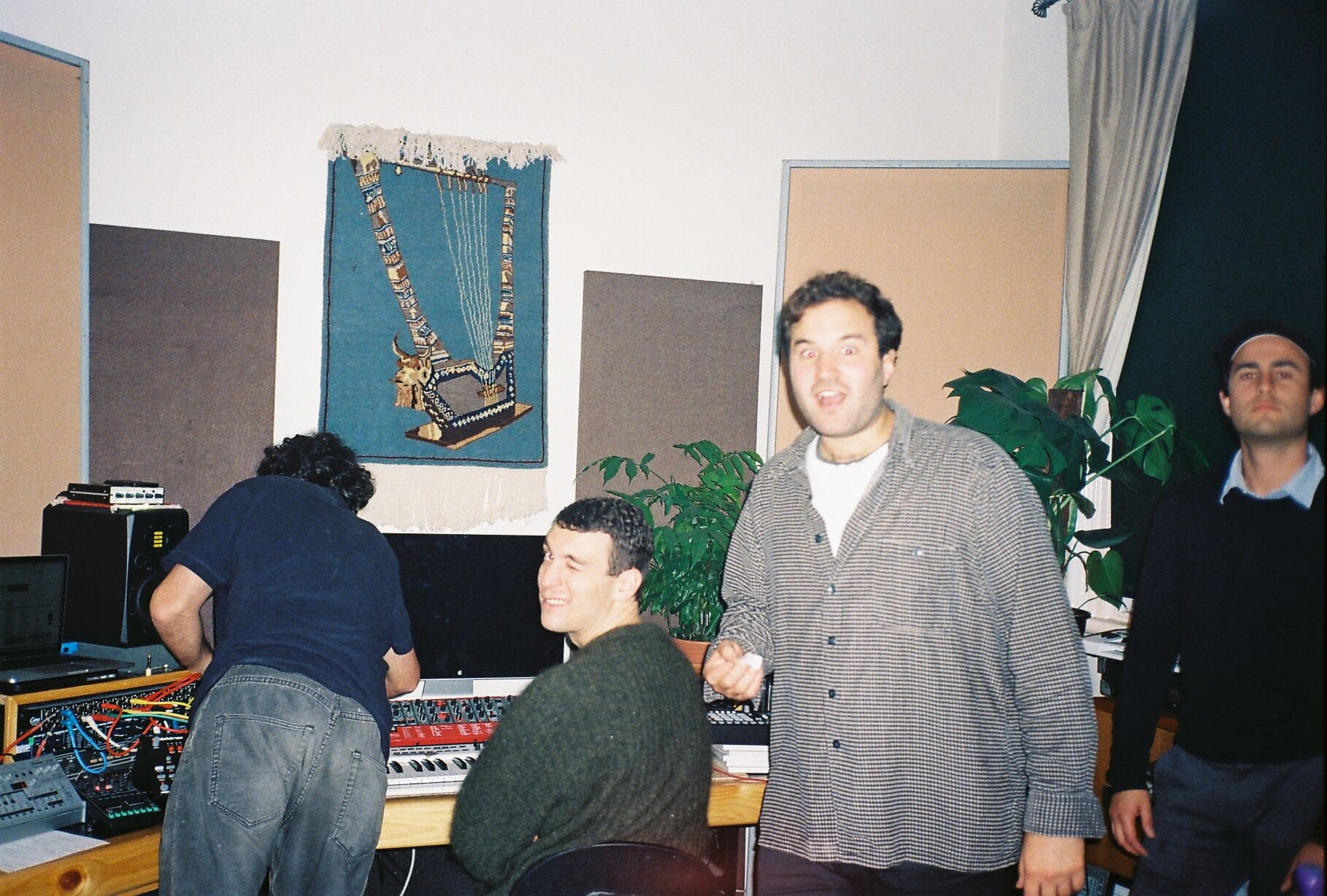
Corey: Maryos and I have a setup in a room at Maryos’ house. We also use this room as HQ for our label Butter Sessions and I do mixing and mastering out of there. We share the room with Hector the dog and sometimes Jonti the dog.
Sean: Alex and I have studios set up at each of our houses and we take turns jamming at each. We use a bit of outboard gear when we’re jamming and then refine our work in the box.
What about your live setups—are they a direct reflection of your studios?
Sean: We use almost all the same equipment in our live setups as we do in the studio.
Corey: Our studio has actually started partially reflecting our live setups now!
Most Australian artists leave Australia and become recognized overseas before Australian audiences will properly catch on; you four, however, have stayed local and grown a scene organically. What do you think have been the biggest factors in the success of this approach?
Sean: Good music often carries references to a specific period of time, place, and culture. Other cities have had great success in defining strains of electronic music: Detroit techno, NY disco, UK garage, etc. I think some elements of our music and style may not have been the same had we been submerged in a European scene. It’s important to have something unique to offer.
Maryos: Cultivating the scene in Melbourne and Australia has been one of the main activities for Butter Sessions since we started around eight years ago. We’ve seen people’s hunger for this strain of music in Australia growing and growing in that time. If it wasn’t for the punters, record stores, community radio stations, and genuine party promoters out there it would be very hard, if not impossible, for us to keep doing our thing here.
Who are some of these key artists, labels, and crews?
Maryos & Corey: If it wasn’t for Animals Dancing/C Grade and Inner Varnika (who somewhat stemmed from Out Of Focus, Sound Of Thought, and Knee Deep) we’d be in a different place right now. These guys are still throwing great parties. At the moment there are a lot of great labels and producers here and it’s impossible to name them all now but some that come to mind are Moontown Records run by Danny Wild (a.k.a. Low Flung), who is also an amazing producer. A Colourful Storm run by Moopie. Lots of killer stuff out of Perth at the moment as well, like Tourist Kid, Good Company, Guy Contact, Roza Terenzi, and, of course, the Red Embers stuff run by Ewan Jansen, all super interesting.
Australia and, more importantly, Melbourne and its surrounds have been big touchstones for your work. How does the area effect and inspire your art?
Alex: We’ve always wanted to create music and a label that had a distinct sound. We try and seek inspiration, sounds, and ideas from our surroundings to impart a sense of place in our music. We’re very lucky to have an enormous diversity of environments in Melbourne: beaches, forests, mountains, and bush are only an hour or so drive from our houses.
Corey: Melbourne also has a diverse range of cultures which may not come out in our music directly but I think it inspires us to keep searching for new things in music.
You’ve recorded a mix for us. What’s the story behind it?
Sean: It was a live improvised jam of the four of us playing. We sat down in the Sleep D studio, cracked a few beers, and had a play. It was a lot of fun, if you listen carefully at times you can hear some laughter that seeped in through the piano mic.
Looking forward, what’s on the horizon production and performance-wise?
Alex: We’re going to be working on a new EP and hopefully an LP soon.
Corey: We (Sleep D) have a tape out of a live score we did of the movie Eraserhead, as well as a couple of tracks upcoming on compilations. We’re also currently finishing off a heap of new music to come out over the next year.
Due to temporary issues regarding the GDPR, EU readers can download the mix here.
Sleep D and Albrecht La’Brooy are two Melbourne-based duos made up of Corey Kikos and Marios Syawish, and Sean La’Brooy and Alex Albrecht, respectively. All four have a penchant for live evolving soundscapes and deep club tracks, and although the output of each project differs slightly, they both share an artistic vision that celebrates Australia and, more directly, Melbourne and its surrounding suburbs.
Take a look at each of the duo’s respective labels and this thread is made apparent. Sleep D’s Butter Sessions label, for example, unearths and presents exciting local talent via solo releases and the Sounds Of The Suburbs and Domestic Documents compilations; while Albrecht La’Brooy’s Analogue Attic imprint is littered with distinctly Australian field recordings and record sleeves derived from native flora—a way to seek “inspiration, sounds, and ideas from our surroundings to impart a sense of place in our music,” Albrecht states. The curated releases and those from the label heads themselves—which are, arguably, the finest in each catalog—have gained the four of them and the artists in their orbit recognition far beyond their home country.
While their respective labels and releases are obvious calling cards, it’s in the live arena that the duos feel most at home—and are most well known. Their live sets range from dubby ambient to jazz-influenced, free-form electronics, and more techno-focused club styles, and it’s within this live format that their released output is recorded, too. Over the last few years, Sleep D have showcased their wares at Golden Plains Festival, Boiler Room, Berlin Atonal, and Panorama Bar, while Albrecht La’Brooy have performed sets at Inner Varnica, Strawberry Fields, and Berlin’s Patterns Of Perception—they all recently performed as Sleep D & Albrecht La’Brooy on a recent tour of Japan, too.
As a further nod to their wide-reaching live sets, in November of last year, Sleep D were commissioned to reinterpret the score for David Lynch’s cult film Eraserhead live for Hear My Eyes. The soundtrack, titled Erased, is an immersive and unsettling accompaniment to the dread-filled film and was released last month via Altered States on a limited-edition cassette and digitally. With the soundtrack now on the shelves and a wealth of new material on the way from both duos, XLR8R caught up with the four of them to learn more about their work.
In addition, Sleep D & Albrecht La’Brooy recorded an exclusive live set for XLR8R, available to stream and download at the bottom of the feature.
Let’s start with how the four of you met. How did it happen?
Alex: Sean was working in a building where Corey and Maryos (a.k.a Sleep D) had their studio. We had Corey master our first record and Sleep D helped us to promote it internationally. Ever since then, we’ve always been bumping into each other and sharing music.
When was this—how long have you guys been in contact?
Sean: We’ve known each other for five years.
Do you think Melbourne, in general, fosters this type of intersection for artists?
Maryos & Corey: Yes, this kind of meeting can happen anywhere really. Melbourne is reasonably small though, and has a tight community vibe, especially in our music world.
Can you talk to me about the respective beginnings of the Sleep D and Albrecht La’Brooy projects? How did these two projects start?
Corey: We (Corey & Maryos / Sleep D) met in high school in a place called Frankston in the suburban fringe of Melbourne and explored similar musical influences together all through school. We had early projects under other aliases which led us to what we do now. I was hanging out at the local beach a lot and I made some friends down there who were a little older and we would often go to this club. I came along one night and it was something new and exciting for me so I kept going. After a while, Maryos and I had this ambition of DJing there but never got the opportunity. So instead we played as many friends house parties as we could, with my small sound system and his decks. This taught us quite a bit about the skill of trying to hold a crowd together and allowed us to earn some money to buy synths, monitors, etc. It was around 2008 we started all this, about 15 years old.
Alex: Sean and I met when I contacted him for piano lessons in 2012. We became friends pretty quickly, then I started teaching him about DJing and producing. Naturally, we started making music together.
Maryos & Corey, what was being played at those early club nights?
Maryos & Corey: The music ranged from prog, electro, and fidget to what you could call hard house. It was all quite commercial-leaning but it gave us a good insight into what makes a good resident DJ who knows the scene well. Melbourne icons like John Course would play there most weeks.
What about you Alex and Sean—what were your respective entries into the scene?
Alex: I actually started DJing and producing when I was about 16 and got my first gig at a bar called the Station when I was 17. I remember being really nervous and the house rig having one of those all-in-one Pioneer systems with the really small jog wheel (CMX 3000?). I was terrified and ended up playing a lot of prog / deep house.
Sean: I only ever played in jazz bands until I met Alex. But while I was playing music at university, I did a fair bit of that. Little gigs in bars and in trios or just playing solo piano, that sort of thing.
Albrecht La’Brooy is a fusion of your last names, but what about Sleep D— what’s the story behind that name?
Maryos & Corey: It stemmed from an alias we made in high school named Sleepy Dino. At the time we were thinking about what name to call this little project we had started and we came to the conclusion that names didn’t have to be super serious and have all these hidden meanings etc. It was borrowed from a Flying Lotus—who we loved at the time—track and then evolved a couple years later to Sleep D.
What were your respective musical inspirations growing up?
Maryos: The first music I really got into on my own was metal and hardcore and then shortly after the bigger electronic acts like The Prodigy, Chemical Brothers, and Aphex Twin. It was amazing seeing these groups at Big Day Out and other festivals when we were 15 or 16. I was also exposed to lots of Arabic and Kurdish music like Sivan Perwer and Marcel Khalife through my parents’ tapes / CDs and going to parties with them. I’ve started to explore this more deeply over the past couple of years, too.
Corey: I would religiously listen to the dance show on the radio run by John Course. They’d play new stuff as well as classics and Australian music. My older sister would buy the latest Ministry Of Sound CDs so I’d listen to those on repeat too. Not long after I started browsing forums and had the first experience of illegal downloading on the internet which started expanding what I was exposed to.
Sean: I grew up listening to a lot of jazz and the Red Hot Chili Peppers.
Alex: Looking back, some of my biggest musical influences came from listening to my parents’ jazz, St. Germain, soundtrack, and compilation CDs.
How did all of your respective tastes progress to the more underground styles you currently play and produce? Was it just a matter of your tastes refining?
Alex: I was always also exploring different styles at this time. I’ve always leaned towards instrumental music and electronic music more specifically.
Maryos & Corey: We were also listening to this late-night national radio show where they would play less commercial stuff when we were 15 or so. It was a combination of that and the internet/forums. We got bored with that stuff by the time we were 17 or 18 and we started going out to the city and meeting new people and going to more open parties like the Sound Of Thought, Knee Deep, and C Grade. It was a natural progression for us.
What about you, Sean?
Sean: I first got into this kind of music when I went to Berlin about six or seven years ago. My friends took me to places like Tresor and Weekend, and there I acquired a real taste for it. Then coming back home I saw the magic of our scene here with events like C Grade.
And when did you begin producing?
Alex: I can’t actually remember the first time I started producing music. I remember downloading FL Studio, then moved to Logic quickly afterwards before settling with Ableton a year or two later.
Corey: I started by making edits/mashups in a program called Virtual DJ when I was about 13. I wanted to try more technical things and I had read about this mad program called Ableton. From there, I started playing with the stock sounds you get with it and then Maryos and I started DJing together so I showed him what I had been learning.
Maryos: I learned Ableton at school and spent lots of time discussing the best ways to use it with Corey.
Sean: I was lucky enough to have Alex spoon-feed Ableton to me. I started producing when I met Alex. When I listen to the music I was making back then, it sounds like it comes from the same place as the music I make today. I would say that about all the music we individually made early on. It was just less coherent and refined.
And how and when did you begin working in the studio/performing live all together? What was the inspiration for collaborating?
Alex and Sean: We just wanted to play music together after hanging out for a while. We felt that both of our styles would compliment one another—our more harmonic approach to music suited the more syncopated percussive elements of Sleep D. We had about two or three recording sessions over the space of six months before completing the first From 50 record much later. Working together has been quite a slow process, which also influences the sound; we’re able to revisit ideas in a new light and add/remove elements with a fresh set of ears. After about a year of knowing each other and playing gigs at the same shows, the four of us started playing together casually. We decided to first record in 2017 with From 50.
You’re all big proponents of the live aspect of electronic music—from your records to the performances. Is it fair to say that this inspired you to work together?
Sean: Absolutely, whenever we make music together it’s in a live format. We have the same approach as a band, rather than four blokes sitting around a computer and a synth—not that there’s anything wrong with that!
What draws you to this way of working?
Sean: For me, it’s about being fully engaged in the music. Sometimes in electronic music, you can become detached from the performance of music making, both on stage and in the studio. A lot of people have success in slowly constructing music part by part, but playing things live feels more natural for us.
Corey: I love the feeling that something can turn out very different to how you’ve planned it, which then gives you an opportunity to improvise something completely new live on stage. This is something Maryos and I have been trying to work on and, to a degree, control. I also think it’s a great way for groups of two or more electronic musicians to connect musically, each with their own “part” in the music.
How do you feel that this recording process influences the music that you make?
Maryos: The spontaneous nature of the production means that we’re really thinking about how each element interacts with one another. We’re also very respectful of the ideas and the sounds that each of us contributes to the music. Because we’re all in the same room together, we’re able to talk about what we think the music requires rather than editing later in the piece without consultation.
Do you think these early immersions in jazz were catalysts in leading to the freeform style of electronic music?
Alex: Perhaps, I think it was also a matter of being drawn to that style of music production. Having grown up listening to a lot of jazz, it’s nice to be able to use elements of the broader genre in a new, more modern format.
Sean: I think so, because we use a lot of elements of jazz in our live sets and in our productions—these could be chords, melodies or even some of the rhythms we use.
How do you approach these collaborative recordings and performances? Do each of you have defined roles?
Alex: We usually set up our regular kit and have a brief chat about how we think we should approach the recording then have a really long jam and pick the best parts out of it. It’s similar to the way myself and Sean create music as well. Following the recording, we will then go back and forth and tweak and refine the individual parts until we’re all happy with the final product.
Maryos: We basically have loose roles. Corey and I will usually take care of drum programming, mixing, sound design, sound effects, and some bass. Sean and Alex are both great piano players and have an amazing ability to improvise so they will usually create most of the melodic elements. But, of course, this can all be flipped upside down at times.
How do you all divide your time between the collaborative project and Sleep D and Albrecht La’Brooy? Do you find it easier working in a two to a four, or how does it compare?
Corey: I find it more natural to do long extended jams when working with Sean and Alex and more studio dubbing when working on Sleep D projects. I feel it’s this way because of the boys’ ability to play the melodic elements on the fly so naturally.
Sean: We spend the vast majority of our time in our own groups, but all the practice we do in those spaces translates when we get together as the four of us. Naturally, when we’re in our duos we have much more control. More freedom, but also more responsibility. When we’re playing in the quartet, we have a bigger and more complex sound, but less freedom. It’s like the difference between driving around in a luxury camper van and a sports car. Each is its own great experience.
Your releases and recordings as Sleep D & Albrecht La’Brooy sound like the work of a singular entity rather than four separate artists. Why do you think this is the case?
Corey: I think having the live approach to writing music helps make us gel more naturally. About ninety per cent of the output you hear from us is material made in one take. If someone’s not gelling during a jam, then we must start again.
How often does this happen? Is it obvious when you need to stop and start again?
Corey: It happens maybe half the time. Usually, the energy will drop in the room and you can tell it’s time to try something new.
Sean: Yeah, but it’s not like we hit stop and then start again, we just keep playing and look around and someone steps up and plays something better.
How do you navigate these moments when you’re not in sync when playing live?
Corey: One of us will start a new idea to bring in and take over. It’s a nervous moment but when it works it’s an amazing feeling.
Alex: Sean and I are quite familiar with this feeling and are able to recognise when things aren’t jelling and we quickly decide to move into something else.
Tell us about your respective studios.
Corey: Maryos and I have a setup in a room at Maryos’ house. We also use this room as HQ for our label Butter Sessions and I do mixing and mastering out of there. We share the room with Hector the dog and sometimes Jonti the dog.
Sean: Alex and I have studios set up at each of our houses and we take turns jamming at each. We use a bit of outboard gear when we’re jamming and then refine our work in the box.
What about your live setups—are they a direct reflection of your studios?
Sean: We use almost all the same equipment in our live setups as we do in the studio.
Corey: Our studio has actually started partially reflecting our live setups now!
Most Australian artists leave Australia and become recognized overseas before Australian audiences will properly catch on; you four, however, have stayed local and grown a scene organically. What do you think have been the biggest factors in the success of this approach?
Sean: Good music often carries references to a specific period of time, place, and culture. Other cities have had great success in defining strains of electronic music: Detroit techno, NY disco, UK garage, etc. I think some elements of our music and style may not have been the same had we been submerged in a European scene. It’s important to have something unique to offer.
Maryos: Cultivating the scene in Melbourne and Australia has been one of the main activities for Butter Sessions since we started around eight years ago. We’ve seen people’s hunger for this strain of music in Australia growing and growing in that time. If it wasn’t for the punters, record stores, community radio stations, and genuine party promoters out there it would be very hard, if not impossible, for us to keep doing our thing here.
Who are some of these key artists, labels, and crews?
Maryos & Corey: If it wasn’t for Animals Dancing/C Grade and Inner Varnika (who somewhat stemmed from Out Of Focus, Sound Of Thought, and Knee Deep) we’d be in a different place right now. These guys are still throwing great parties. At the moment there are a lot of great labels and producers here and it’s impossible to name them all now but some that come to mind are Moontown Records run by Danny Wild (a.k.a. Low Flung), who is also an amazing producer. A Colourful Storm run by Moopie. Lots of killer stuff out of Perth at the moment as well, like Tourist Kid, Good Company, Guy Contact, Roza Terenzi, and, of course, the Red Embers stuff run by Ewan Jansen, all super interesting.
Australia and, more importantly, Melbourne and its surrounds have been big touchstones for your work. How does the area effect and inspire your art?
Alex: We’ve always wanted to create music and a label that had a distinct sound. We try and seek inspiration, sounds, and ideas from our surroundings to impart a sense of place in our music. We’re very lucky to have an enormous diversity of environments in Melbourne: beaches, forests, mountains, and bush are only an hour or so drive from our houses.
Corey: Melbourne also has a diverse range of cultures which may not come out in our music directly but I think it inspires us to keep searching for new things in music.
You’ve recorded a mix for us. What’s the story behind it?
Sean: It was a live improvised jam of the four of us playing. We sat down in the Sleep D studio, cracked a few beers, and had a play. It was a lot of fun, if you listen carefully at times you can hear some laughter that seeped in through the piano mic.
Looking forward, what’s on the horizon production and performance-wise?
Alex: We’re going to be working on a new EP and hopefully an LP soon.
Corey: We (Sleep D) have a tape out of a live score we did of the movie Eraserhead, as well as a couple of tracks upcoming on compilations. We’re also currently finishing off a heap of new music to come out over the next year.
Due to temporary issues regarding the GDPR, EU readers can download the mix here.
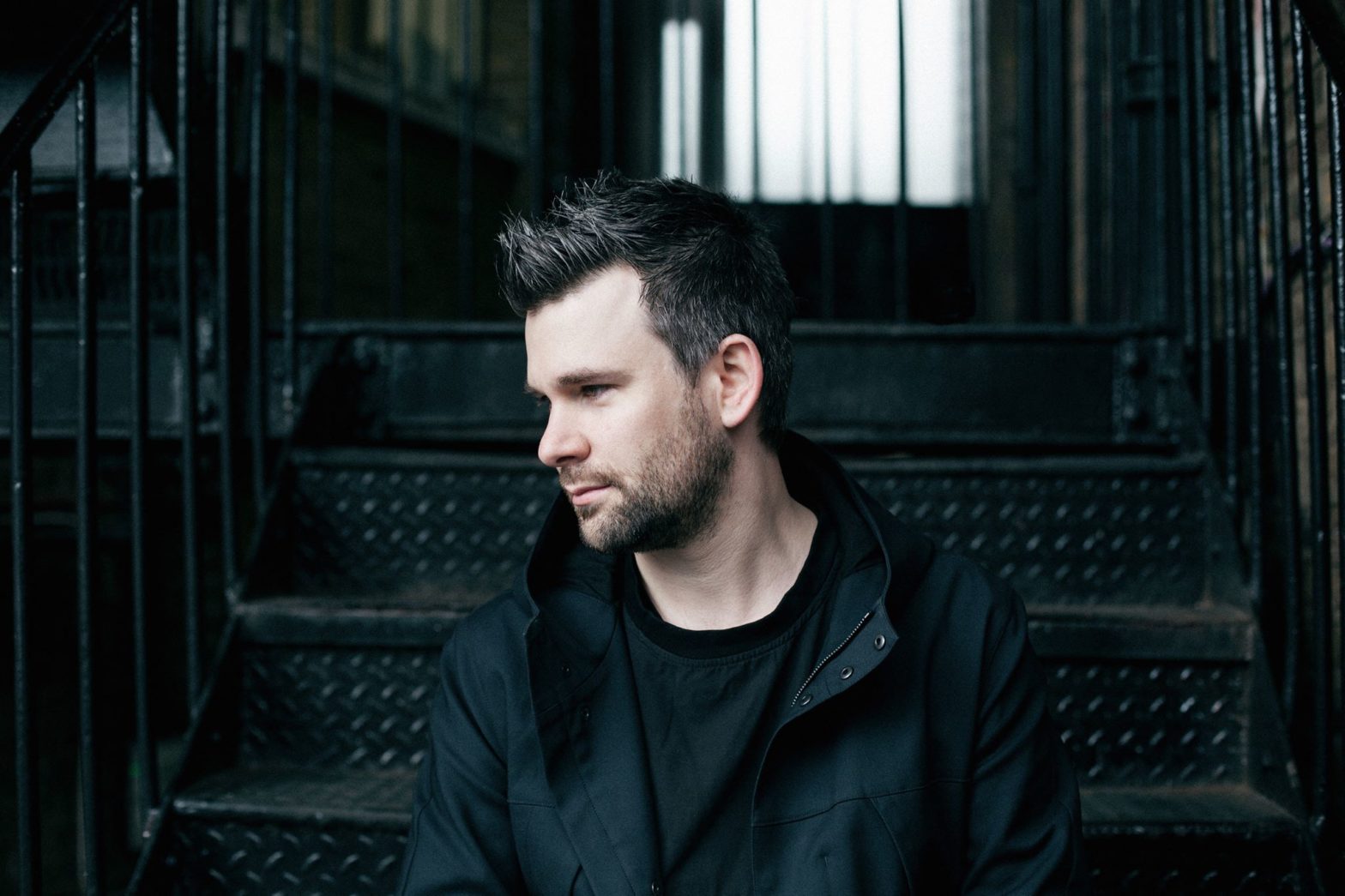
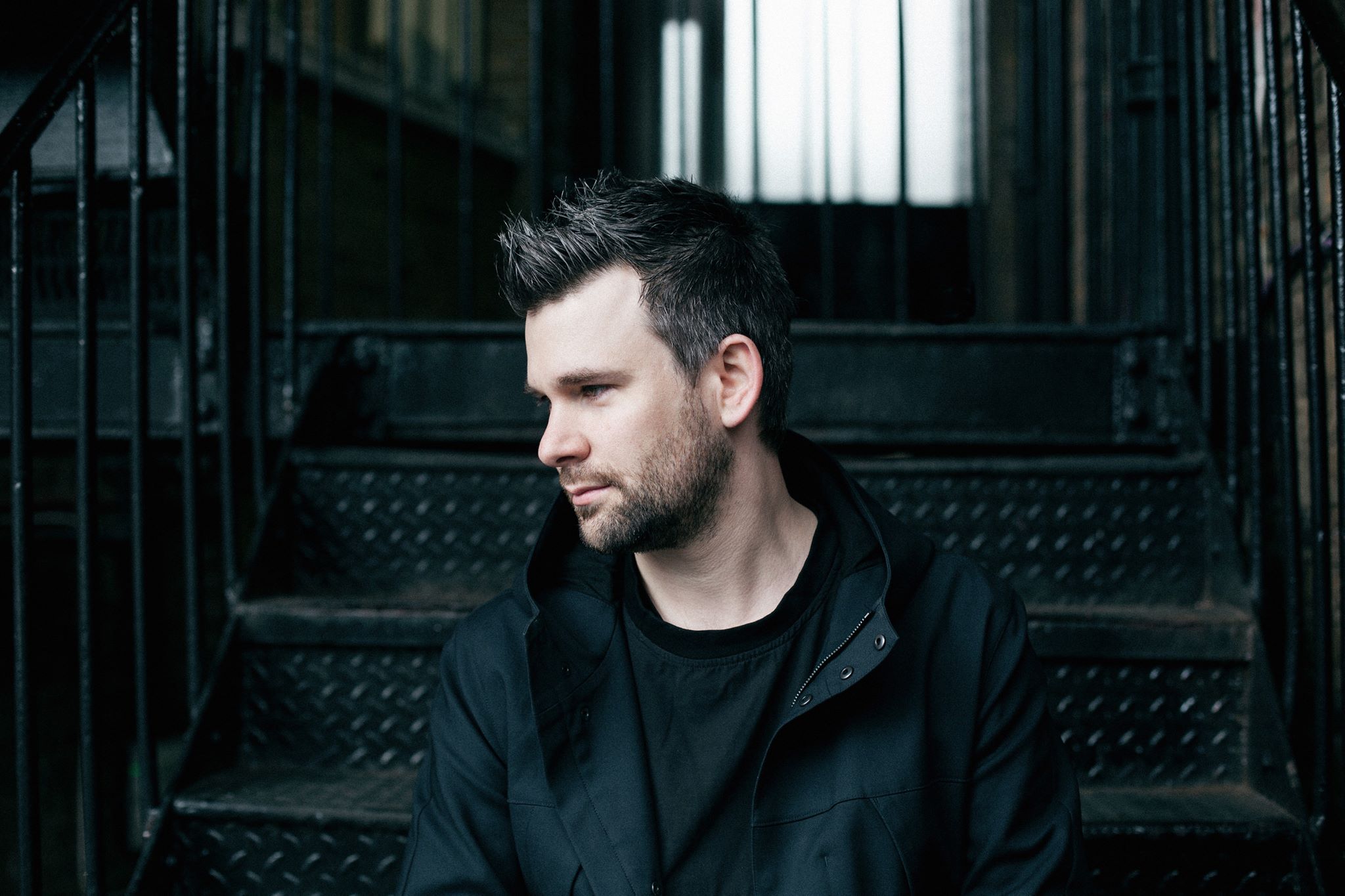
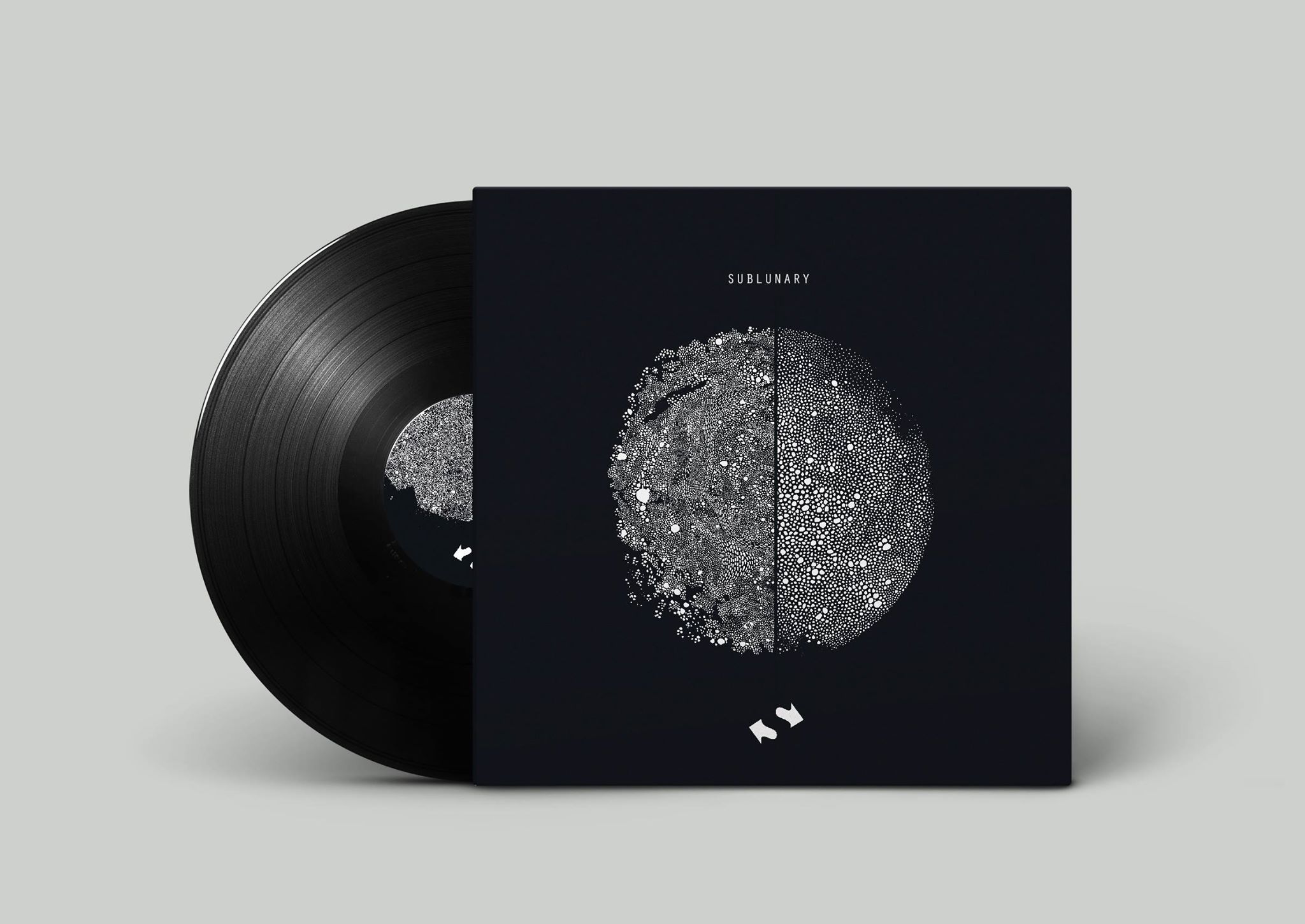
As announced, Claus Voigtmann, better known as just Voigtmann, will release his debut album in September, titled Sublunary.
We’re told that the LP “draws on unique experiences” in his life and him struggling to find balance amidst all the chaos, using the studio as a sacred place to re-adjust his thoughts and using composing as his meditation. “The result is what happens when gentle craziness, selfishness, and honesty meet with unrestricted freedom of producing,” he explains.
The UK artist has operated on the fringes of house music for quite some time now. He works with a refined-yet-playful ethos, which is then channelled into the sophisticated, groove-led tunes he makes and plays. Since debuting on the production front in 2013, his records have landed on some of the scene’s most sought-after imprints, including Hello?Repeat, Assemble Music, Yumé, and Toi.Toi.Musik, the label arm of his conceptual underground London-based party—with which he is no longer affiliated.
“I decided to write the album about one year ago when I felt really comfortable in my studio. I had the best setup I could imagine and gave it a go. It is a very interesting process of self-finding and also of letting go. Letting go of all worries about the outcome. Halfway through writing it, I realized that I literally don’t care if people like it or not. I fell in love with the process. As an artist, you are ideally manoeuvring outside your comfort zone, and I wrote many tracks that were so far out, they would never make onto the album but the process of writing showed me that the result isn’t the main focus. For me, the beauty is in the process of writing and the amount of thought and concept that went into it. Along the way, my sound changed from the minimal artist that I used to be to something wider, more grown up, more solid, more technical. I tried to really establish a very own body of work.”— Voigtmann
Tracklisting
01. Tons of Tones
02. The Fall
03. The Silence After
04. Straight No Chaser
05. Particularly Wayward
06. Ibrahim Alfa “Follow Your Light” (Voigtmann Remix)
07. Perpetuity
08. Confessions of a Time Traveller
09. Anti Gravity Space Taco
Sublunary LP will land on September 15 via Subsequent, with “Confessions of a Time Traveller”—a groovy, stripped-back minimal jam, and Sunwaves 23 favorite— streaming in full via the player below.