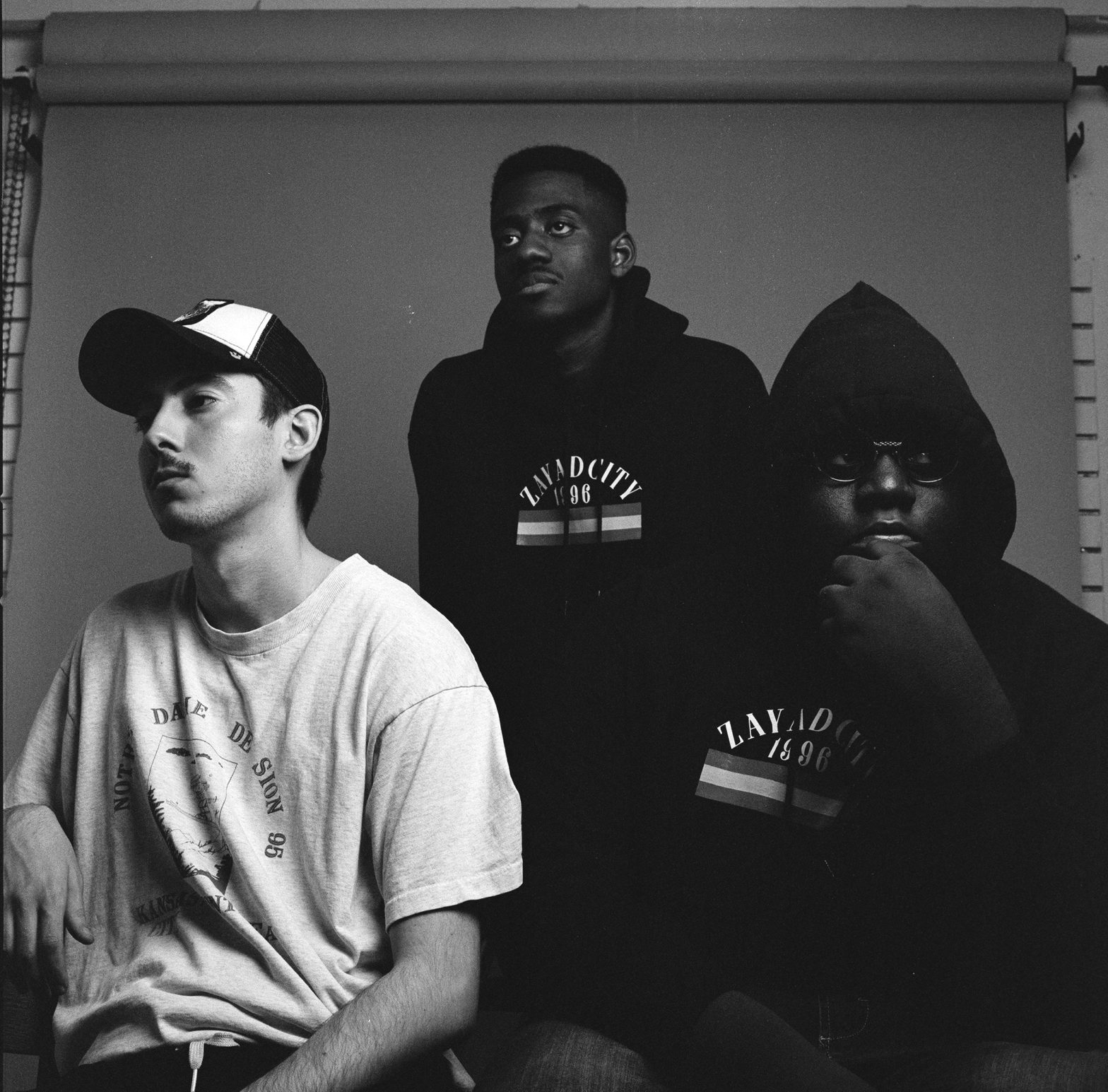
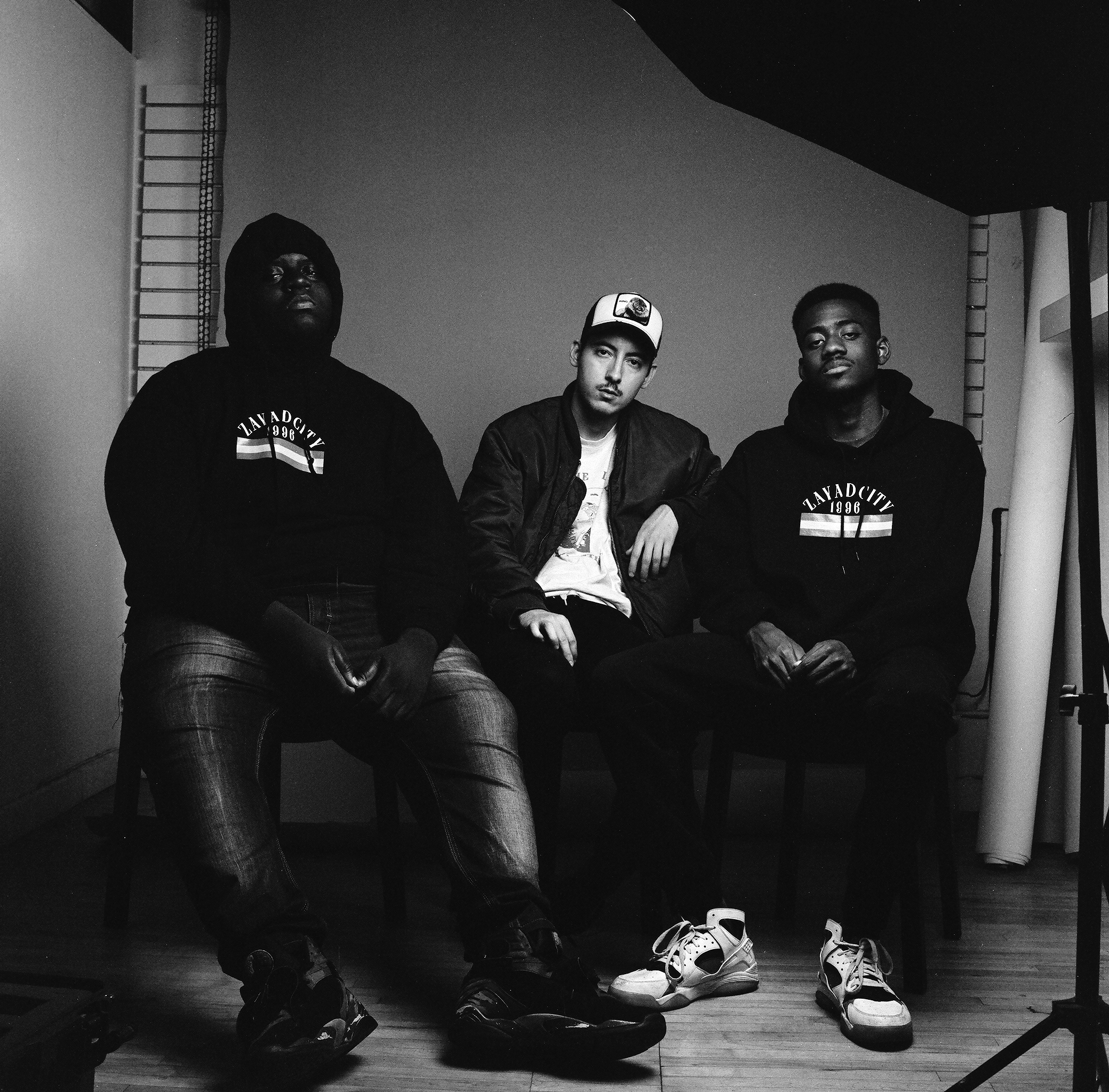
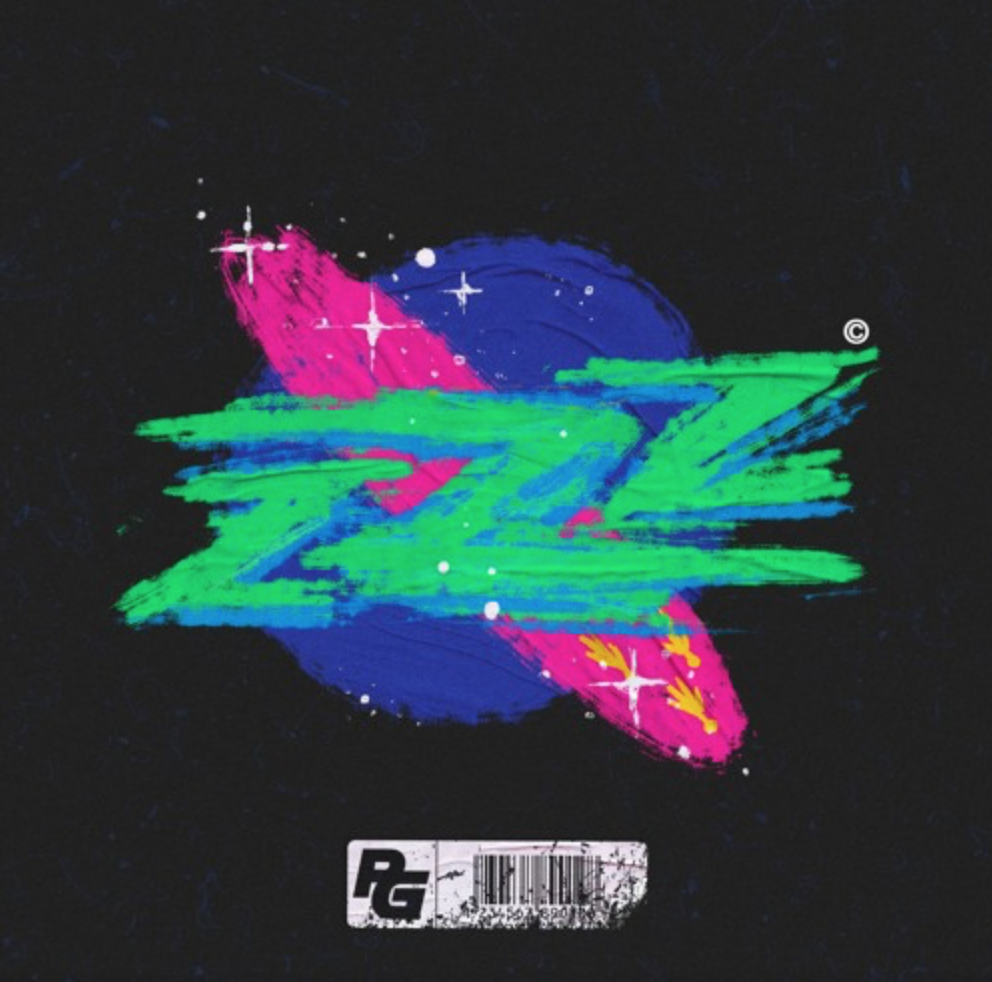
Montreal-based Planet Giza have shared a new EP, ZZZ.
Planet Giza is the project of Rami B, Dumix, and Tony Stone. The trio, all in their early 20s, connected in 2013. Dumix and Tony Stone were already working together as The North Virus but spontaneously hit the studio with Rami B one evening. The fruits of this initial jam were highly regarded: “Old School Convertible,” released by The North Virus x Rami.b(izzle), garnered attention on Soundcloud and inspired them to begin the Planet Giza project. They’ve since released numerous Soundcloud exclusives and five EPs, including September 2017’s Détour: Zayad City, which featured a Kaytranada collaboration.
Today, they’ve released ZZZ, a three-track “quick EP” that they “made last month,” with the promise of more music soon. In support of the release, you can stream it below—or here for EU readers due to temporary GDPR restrictions.
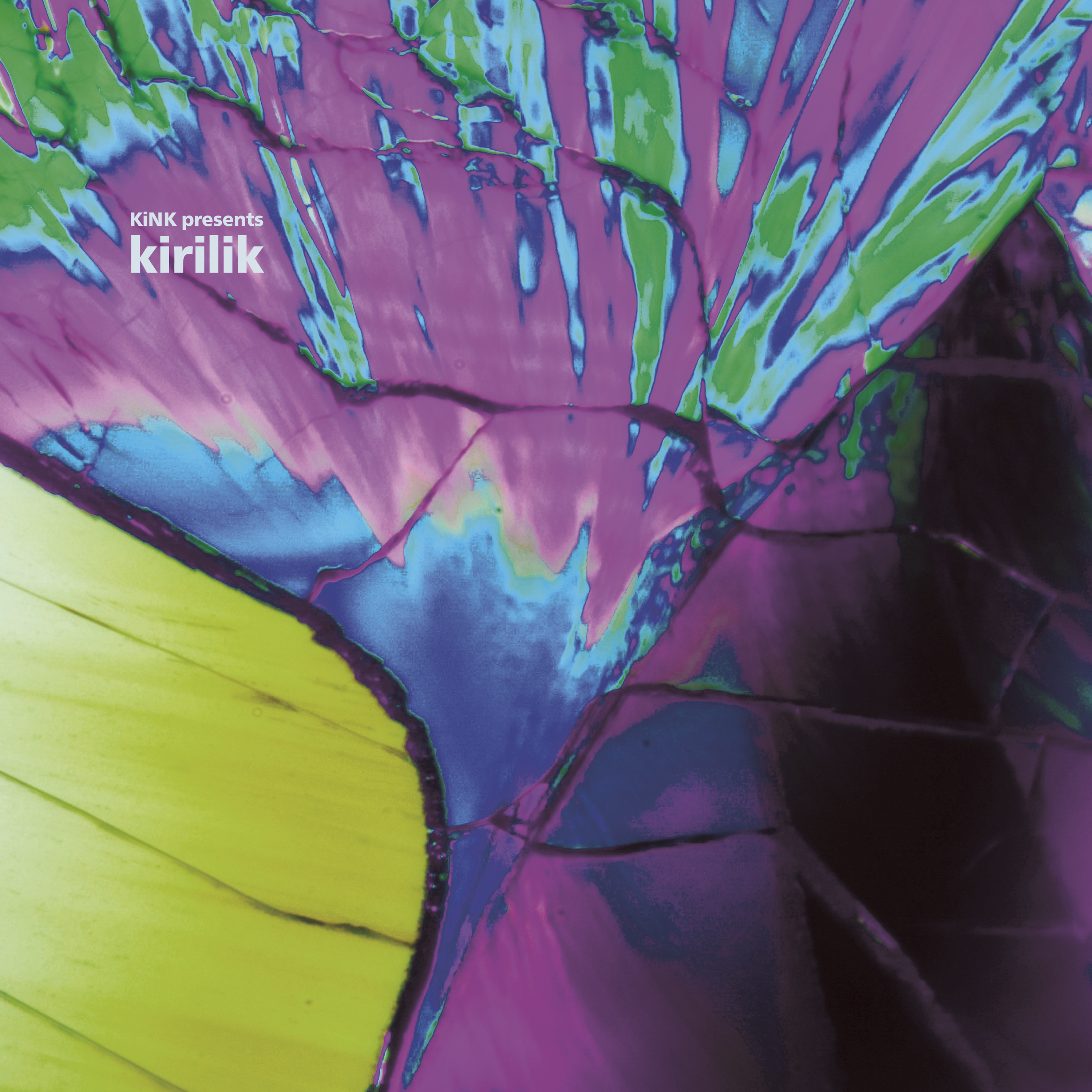
Three years after presenting an original idea of arranging his own music live by using a standard DJ setup and a drum machine, Strahil Velchev (a.k.a KiNK) is set to release the first EP of his new kirilik project.
We’re told that the project sees the Bulgarian producer explore new ways of performing live using obscure studio equipment and backed by an array of sonics out of his extensive lineup of machinery. The vinyl’s theme is “loopy and thus infinite in nature,” and the tracks are described as “versatile as they are just fun to play around with.”
KiNK will be performing at this year’s Kappa FuturFestival 2018, taking place from July 7 to 8 in Turin, Italy. Also on the bill are Adam Beyer, Amelie Lens, Rødhåd, and many others. More information available here.
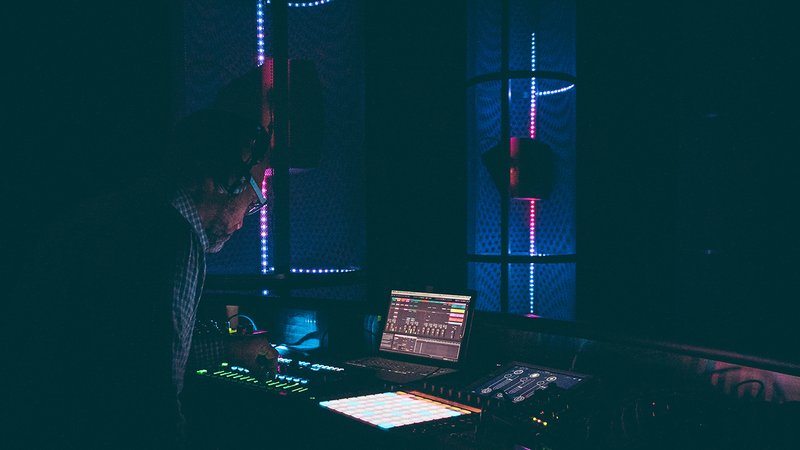
Ableton and Envelop—a non-profit directed by Christopher Willits—have offered up a free set of tools for working with 3D spatial audio, VR, and AR.
Envelop for Live is a free set of tools—you need the full version of Ableton Live 10 Suite to run it—for working with spatial audio production and live performance. The packaged includes a mixer for panning audio sources, specialized effects including multi-format delays and reverbs, sound shapers, and more—it also gives developers a way to create their own effects.
You can learn more about the package and download it here.
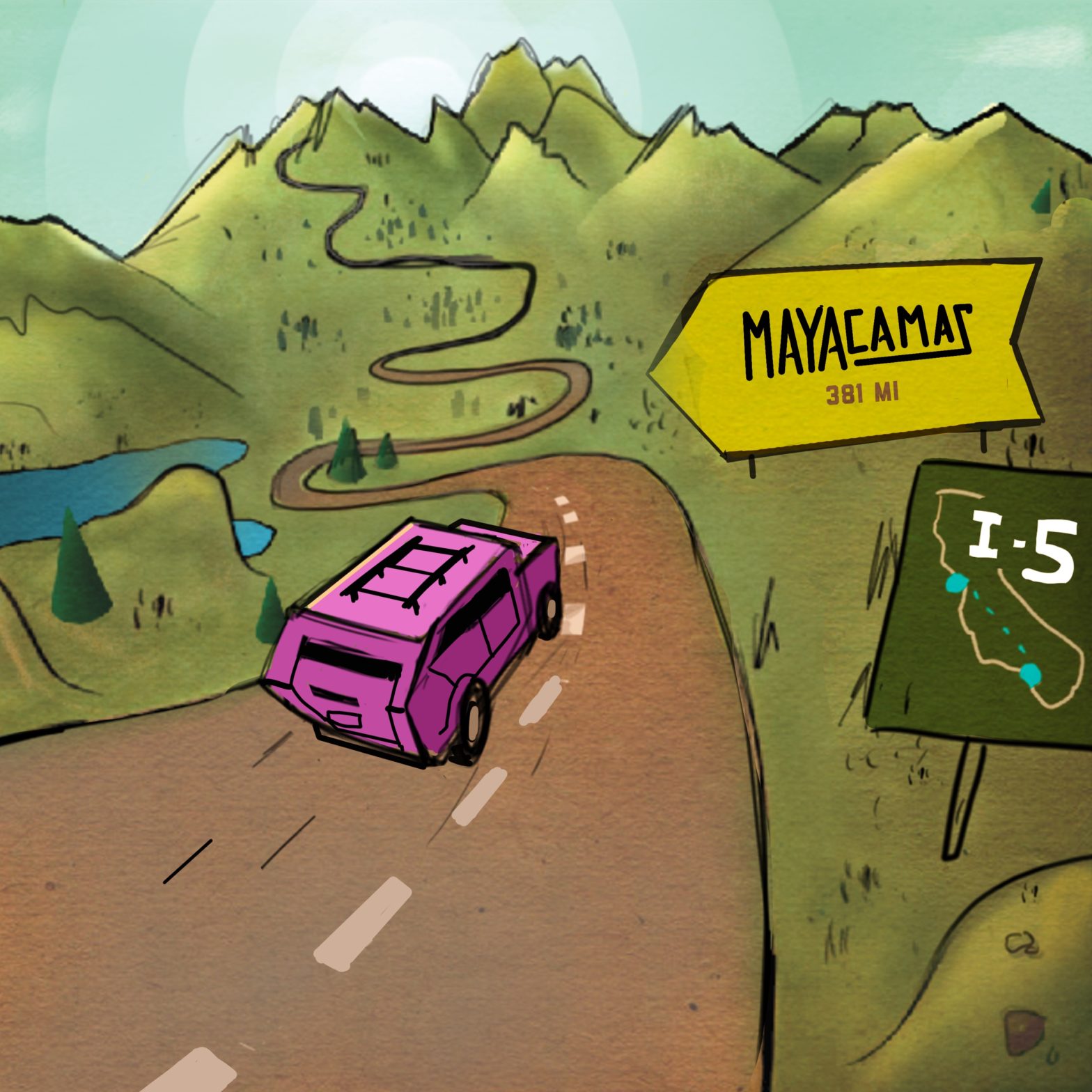
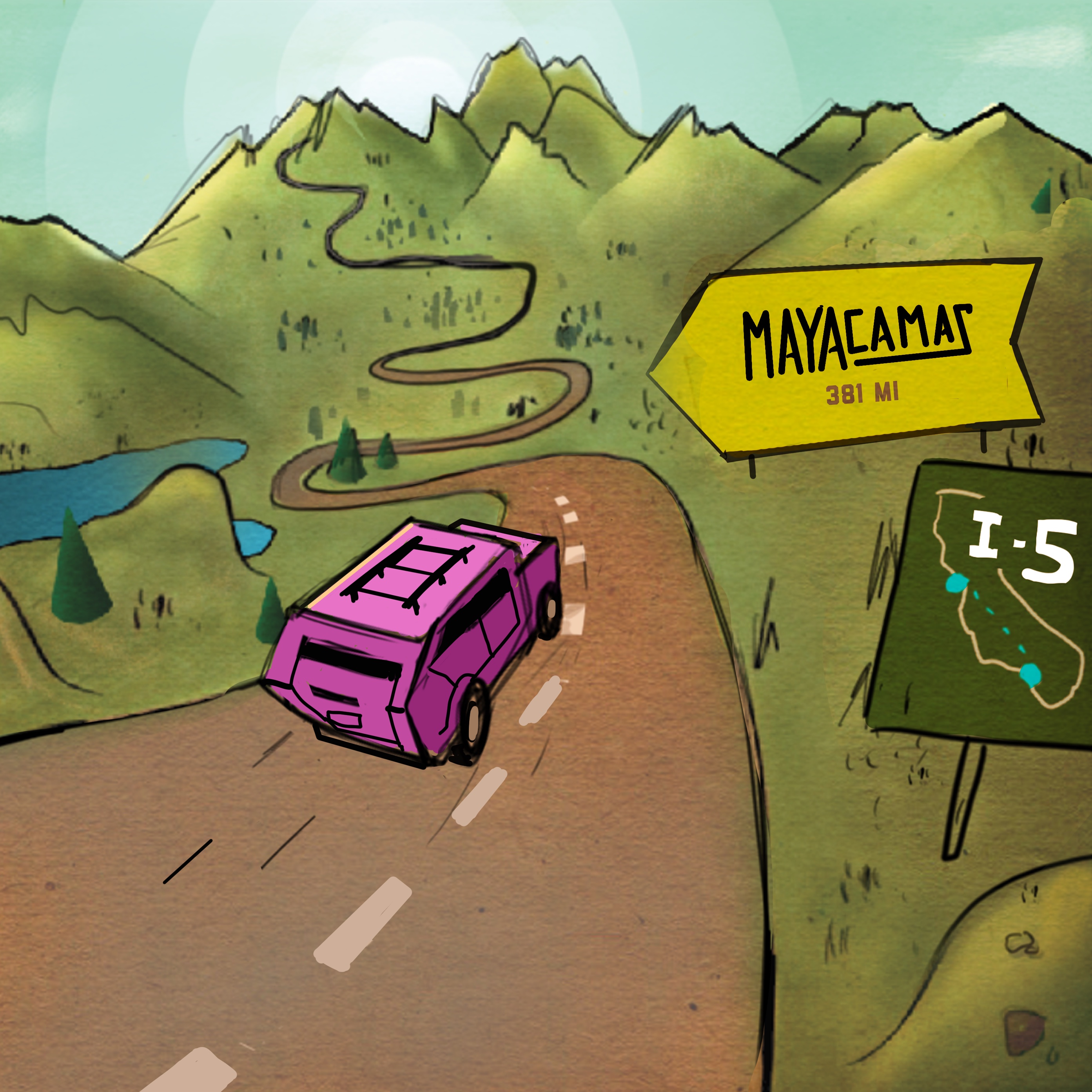
Mayacamas is the alias of Duncan Woodbury, an LA-based electronic music artist fusing metropolitan rhythmic environment with raw, pastoral tonalities. He combines a lifetime of musical study and obsession into groovy dancefloor cuts and A rhythmic, harmonic explorations.
He’s soon set to release I-5, a debut EP, forthcoming on Lower Grand. The release is an exploration of techno, house, and IDM through the lens of fusion jazz and prog-rock—and draws its name from the west coasts’ arterial highway.
In advance of the EP’s release, you can download “Templin” in full via the WeTransfer button below. EU users can stream here and download here due to temporary GDPR restrictions.
Earlier this month, Motorik released a new EP from Melbourne-based producer Horowitz.
The EP, titled Jungle Blood, followed a set of collaborations with Motorik regulars such as Francis Xavier and Pantheon, the latter of which was released on the Sydney-based label last year. For his solo debut on Motorik, Horowitz delivers two rave-infused originals, alongside a remix from Motorik’s Csmnt61, giving DJs three peak-time dancefloor weapons to choose from.
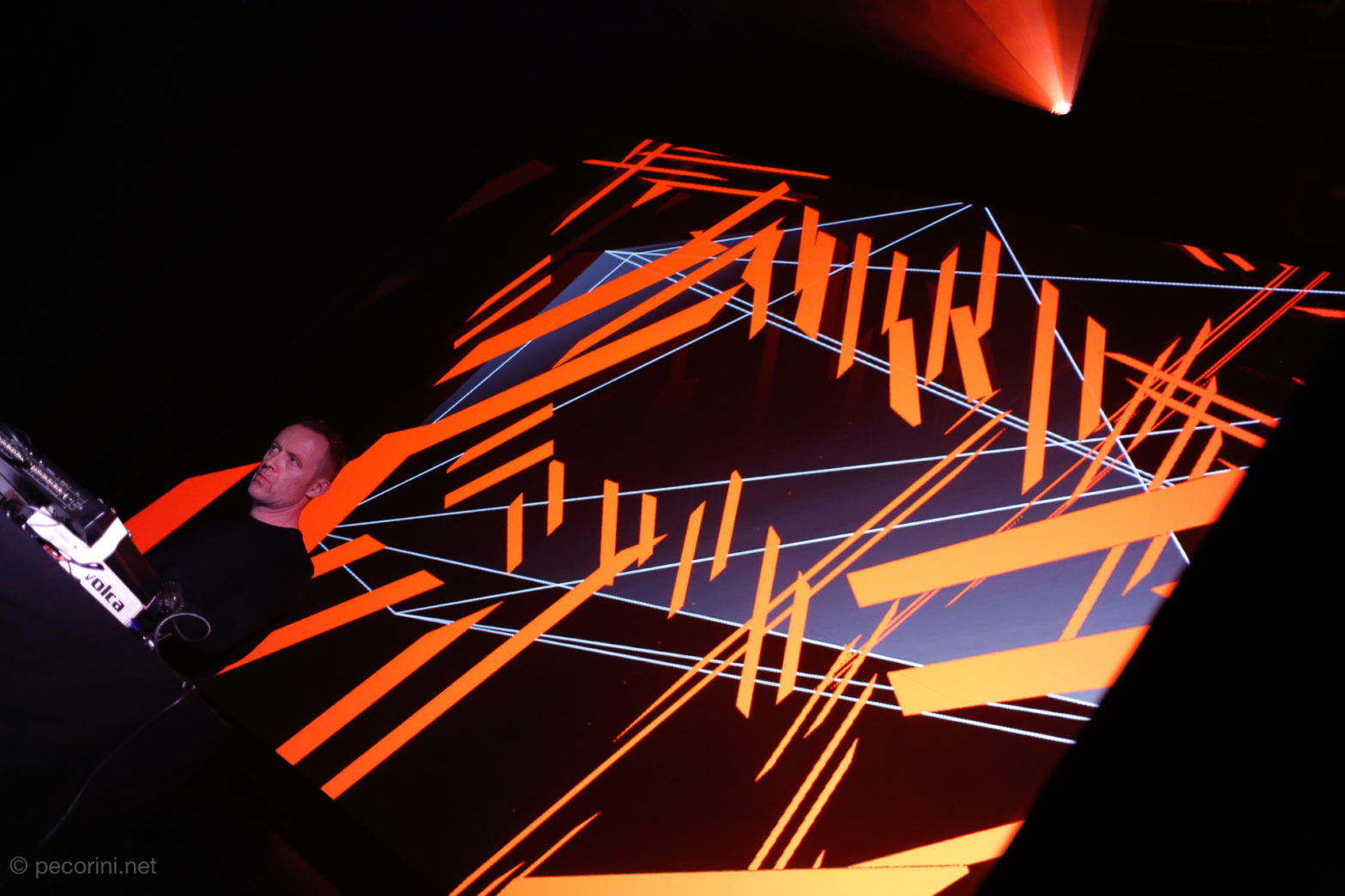
Following the release, Motorik has shared the transfixing video for the EP’s title track. Produced by Sydney design house Babekühl in collaboration with local video artist Jessica Fogarty, the video utilizes modular video synthesizers to create projections that are splattered throughout the cityscape in hypnotizing fragments.
You can watch the video in full below, with the EP available here.
Due to temporary issues regarding the GDPR, EU readers can stream the video here.
Tobias has shared a recording of his Eyes In The Center extended live set atGeneva’s Mapping Festival, recorded on May 12.
Geneva’s Mapping Festival, the annual multidisciplinary event dedicated to audio-visual art and digital cultures, recently completed its 2018 edition, from May 9 to 12. On the bill were the likes of Plaid and Felix’s Machines, Alessandro Cortini, Inga Mauer, Moritz Simon Geist, Lanark Artefax, Tolouse Low Trax, N.M.O., NSDOS, Patrick Russell, and, of course, Tobias—who performed Eyes In The Center, an extended live set centered around his third full length of the same name, released last year on Ostgut Ton.
An exclusive stream of Tobias’ set is available below—and here for EU readers due to temporary GDPR restrictions.
Kwalia—the new duo from soul vocalist and producer Jordan Rakei and classical composer Richard Melkonian—is set to release their debut EP, Pursuit, on June 22 via Pinkbird Recording Co.
The duo began working together on “Rooftop,” a track from Rakei’s album Cloak—released via Soul Has No Tempo and 4101 Records in 2016—and officially launched as Kwalia with last year’s “Pulse,” a gorgeous fusion of their respective sounds.
On Pursuit, they continue the fruitful partnership with three-long compositions that meld meandering jazz rhythms with Rakei’s achingly beautiful vocal work—the EP also features a string quartet, woodwind live band, and heavy synths throughout.
In support of the EP, the duo have offered up a full stream of “Void,” a stunning six-minute epic, available via the player below.
Anthony Child, the artist better known as Surgeon, is up next in our Ask the Experts series, following on from Recondite, whose answers we just published. Moby and Daedelus’ responses will drop imminently.
Since the 1990s, Anthony Child has established himself as one of the most consistent and pivotal electronic music producers. His releases have made him not only a key contributor to the legacies of touchstone labels Tresor and Downwards, but also a prized collaborator; his British Murder Boys duo with Regis has capitalized on both producers’ natural intensity to great effect.
Child’s is a tough techno sound with an industrial murk about it but also plenty of funk, swing, and a sophisticated sense of dub-space learned in part from his Chain Reaction contemporaries in Berlin. Outside of techno, Child’s work under his own name has shown him to have a masterful knowledge of the intimate qualities of drone and atmospheric sound. Further evidence of Child’s production skills can be seen on his impressive list of remixes.
Child’s new full-length, Luminosity Device, is his first album under the Surgeon moniker since 2016’s From Farthest Known Objects. It is intended as a deeply personal, bold confrontation of death and loss, and intends to show how immersive creative practices can build the resilience necessary to understand the death process as just another “intermediate state” in a continuum of eternal transition.
As a DJ, Surgeon sets are notable for experimentation with new DJ technologies, embracing cutting-edge hardware, increasingly blurring the line between a DJ set and a live performance.
Whether it be playing live, DJing, production, or just about anything else, all questions should be sent to [email protected] with “Surgeon” as the subject line. We’ll pass them along to Child who will then select his favorites, and soon we’ll publish his answers.
Lorenz Brunner, the artist better known as Recondite, has answered your questions, following on from Moby and Daedelus, whose answers will drop imminently.
Few producers can elicit as much emotion with their music as Brunner. He grew up in a rural Bavarian neighborhood, surrounded by forests and fields that became deep-rooted inspirations for his minimal, melancholic, and contemplative compositions.
He was introduced to electronic music in 2005 via Superpitcher’s mix CD Today, becoming instantly enamored by the music’s atmospheric quality and sparse use of melody. Within no more than 12 months, he had committed himself to a life as a musician, studying hard to teach himself the ropes of production, before continuing his pursuit with a move to Berlin in 2009. Later that year, he launched his own Plangent Recordings label, where he released his first EPs, titled Plangent #001 and Plangent #002, before his debut album, On Acid, landed in 2012, giving Brunner his first taste of international attention and attracting the interest of US imprint Ghostly International, who went on to release his second album, Hinterland, in 2013.
Around this time, Brunner was also gaining the support of DJs in the techno world thanks to tracks like “Cleric” on Dystopian and “DRGN” on Hotflush. Following this, Recondite’s third album Iffy arrived on Innervisions. He’s since shared two more full-lengths, 2015’s Placid and 2018’s Daemmerlicht, a 12-track effort that sees Brunner combine his love of instrumental hip-hop and downbeat with ambient and classical music.
As a live act, Brunner is similarly established. His sets, which feature only a laptop and consist entirely of original material, are powerful, entrancing, and emotionally provocative affairs, with messages of happiness, sadness, melancholy, and anger all wrapped up into one. He was voted Resident Advisor‘s number one live act in 2014.
I would like to know if you do your sound design and composition as separate processes or do you prefer doing both together as you start making a beat?
I prefer doing it within one process. I feel more comfortable not dividing these very important parts of making a track. I feel like the whole thing sounds more tight and coherent like that. Also, it’s somehow very time-consuming to split it up. I feel like it’s the more efficient, economic, and artistically beneficial way to handle a track. I try not to make music production a scientific process.
Why do you prefer playing live to djing?
I do like to play a DJ gig here and there, but although it’s quite similar to playing live in some aspects, it’s also very different.
A DJ set (in my understanding) is much looser and more open, as you have millions of tracks to choose from; you can go wherever. Of course, there are DJs like Richie Hawtin for example who approach a DJ set almost like a live set. In a live set, you are “limited” to your own productions, which can be also beneficial as you can set a more distinctive tone as you are directly influenced by your own work. What I really enjoy is playing back-to-back DJ sets with musically likeminded people. This is a very interesting, surprising, dynamic, and a fun thing to do.
After the “Young Pope” now also in “Loro,” Paolo Sorrentino has chosen your tracks for the soundtracks of his film. What do you think of this great interest in your music on the big screen? And, more generally, how can electronic club music change the perception of a film?
Of course, I’m very happy with Sorrentino and his team finding interest in my music. I’ve heard it said a few times that my music has a cinematic touch to it. I can’t say that I “apply” it on purpose but I know that I’ve had a thing for soundtracks since I was a kid. I do like that moment when a film scene is elevated by music. I can imagine that I would enjoy also writing an exclusive score for a fitting music. But this is a very difficult field. There are so many producers out there who are sitting at home or in their studios, ready for exactly that. I also would be a bit picky with it; I would not write something for a movie I didn’t like.
Could you please tell me examples of how you use field recordings?
I don’t use field recordings on every release, but, for example, on Hinterland I used field recordings quite a lot. In the track “Floe,” you can hear the sound of walking through snow (very unprocessed). On “DRGN” you hear a lot of crackling which was originally dried tree leaves crumbled in my hands. So you see I used these type of recordings for all sorts of purposes. Background noise, raw recording atmospheric element, or like on “Clouded” the snare (which is a wood stick batted against a tree) as a percussive element.
A lot of times I just use my phone for sampling. First of all, the microphones keep getting better and better, and second, I will put the recorded sample into a sampler and work on it quite a lot. I bend the frequencies with EQs, I might cut the sample, I might pitch it, I might compress it or put some delay or reverb on it. I’m not so much looking to capture the perfect sound (then I would need hi end microphones); I am more looking for an interesting sample source that I can start bending inside of the DAW.
What advice could you give for creating a refined, signature bassline?
In general, there is no theoretical advice for creating a nice bassline. That’s kind of the point. The only thing that can be told on a theoretical level is that the frequency leveling between the kick drum and the bassline has to be balanced out until it sounds perfect for your ears. The bassline always works back and forth with the kick drum. You can’t ever really perceive them as separate from each other, especially in the mixdown process. It’s good to also watch the spectrum analyzer and see visually how these two low-frequency components work together. The pitch of the two elements is also very important. Sometimes I spend a good amount of time switching the pitch of a bassline within the +/- 1ct region until it’s right.
In the end, it’s really about your imagination. A completely inexperienced producer might create a killer bassline within his first attempts to make a track without having any theoretical knowledge but a very distinctive idea of how he wants it to sound like. The ability to lay it down comes by itself. But if there is no musical imagination, you might end up trying to work on the theoretical techniques instead, which will never create a “signature.”
From your own productions, what are your three favorite track names, and what is the story or meaning behind each one?
“Buteo” is the name of a bird of prey that is quite common in my home region (commonly known as Buzzard in English) It specializes in hunting small animals like mice. I can literally see the bird circling above its prey during the break of the track. as soon as the bass comes back it hits its target and clears the area with his breakfast in his claws.
“Durch Den Holweg” means “through the ravine.” There is this really old pathway in my home region that walked a thousand times. It was used by farmers to bring their harvest down to the villages. It’s pretty steep and you get a nice view when you’re at the end of it. There are huge sandy walls on the side of the path so you feel like you are walking through a huge tunnel. When I hear the soft crackling in the track, I see the old horse buggy wheels rolling.
“Tilia” is the original Latin name of one of my favorite trees. it has a very soft wood, especially for woodcarving, for example, and the leaves and the whole tree itself is very beautiful. In one of the first flats that I moved into when in my first Berlin years, I found myself often missing nature. The street had a nice alley of Tilias which were a really welcome contrast to the grey of the streets. I often looked at the trees while making music as they were standing directly in front of my window. It’s also funny that the word for the Tilia tree in English is “Basswood.”
My friends try and tell me that techno has no artistic quality. I think the exact opposite. Once you look past that kick drum anything is possible. What, in your eyes, is the most artistic aspect of techno music?
I think the artistic aspect is found in creating something unique without loads of elements, within the grid of a 4/4 bass drum which has a hypnotic quality and is repetitive in the most positive way.
When it comes to my personal viewpoints regarding labeling music or musicians as “art(ists)”with “artistic relevance,” I have to say that I don’t think about it because I still see techno music as a very free and open-minded platform. I don’t see techno as a dull, simple or uninspirational type of music; but neither do I see it as a highly artistic, sophisticated, and creativity-loaded genre. Because in the end, when you say it has artistic quality or not, it’s kind of tagging it, which doesn’t make any sense in my eyes because all of this is just based on subjective perceptions. I get a bit frustrated when one says, “Well this is of high artistic quality” but at the same time I also get frustrated when one says, “Well this is of very poor artistic quality” as all of this is a matter of subjective perspective and can’t be rated in a numbered system. (I am aware of review ratings and the likes but I personally don’t take that too seriously either).
I generally don’t like creative content to be judged in this way. Because creative content can’t be compared to the kind of performance-orientated way of thinking that you have in professional sports, for example. There you have high-performance expectations on a basketball player, for example. He has to manage to get his game up and be as consistent as possible every time he steps on the court. This performance will be measurable in statistics and points which eventually lead to “winning” (is “winning” important in art?). Although people also try to “rate” art, you can’t really handle artistic creativity like that as this way of thinking can actually easily erase creativity as it puts pressure on your “artistic performance” which is very often the cause of “writer’s block.”
I’m not talking about time-based pressure which you have when an album finishing deadline is coming up—this can be helpful actually; no, I’m talking about the pure pressure of performing and overtrumping yourself every time. This mentality is harmful to creativity, in my opinion, as the idea of being creative should not be based on the idea of “winning.”
But in the end, experienced and reflective people who are involved in the art world, whether as creatives or as gallery owners or consumers, know about its absurdity and irrationality on how its rated. Why is the one painting worth 6 million dollars and the other one 200 dollars? A lot of time a piece of art is rated as outstanding because it costs 6 million.
But I guess we’re are just raised in a world where everything seems to be rated and tagged—even creativity.
I think this kind of not calculable absurd factor on what is perceived as “good art” also has its upsides. It has this uncontrollable spontaneous and absurd touch to it. You never know what happens in art really. Interestingly, the stuff that comes out of nowhere, which can’t be measured right away usually gets successful and afterward highly rated.
What place do you think independent labels have in the music industry nowadays? What are their major issues and, regarding those issues, what improvements/modifications should be made within the music industry to facilitate the good development of independent labels and independent artists?
In my observations, I’ve realized that there are many variations among the wide range of independent labels. Labels can be super small and releasing vinyl only, with only 500 copies; or they can be digital only and selling from Bandcamp only. Or it can also be a bit broader, having label showcases, selling vinyl, CDs, offering streams on Spotify and the rest. I don’t see myself as the person to make recommendations on how to improve the general situation for smaller independent labels though. For me personally, Plangent Records was a self-curated platform to release my music at first. Right now, it’s fun to look for like-minded people all around the world that nail it and make music that we at Plangent think fits to the label. But I’m fully aware that within this level of operation—pretty laid back but organized, easy going but with a distinctive idea, and all not really tailored towards imminent financial sucesss—it is not easy, or common, to break even with every record. It’s not often that all expenses for mastering, manufacturing, vinyl pressing and the likes can be paid by the income of the record, but somehow I grew up like that with Plangent, so I’m kind of used to it, I guess.
Who’s the funniest fellow artist you’ve met?
I would say the two funniest characters that I find myself touring or playing with these days are Roland Appel and Kristian, from Âme.
With Roland, I can talk endlessly and find one interesting topic after the other. With Rolands, humor it’ s always fun and worthwhile. Meanwhile, Kristian is just one of a kind; you never really know what happens with him but usually, it makes me laugh… but we also can have lengthy and deep conversations, especially about music.
How important are good monitors and the right acoustical treatment of a room to you when you are working on your music. Do you even prefer a subwoofer especially when you are working on your low end—or do you mix it with studio headphones? In both cases, which monitors or headphones fit your taste perfectly and why?
It depends really on the individual preference. I’ve been listening to sonically amazing sounding tracks which were made on Apple in-ear headphones, but of course, many professional productions have been made and mixed down in hi-end studios.
I think a very good listening environment can help to find ideas because in some cases good sound can be an inspiration, but when you have decent headphones on your hands and you know what you’re doing, and most importantly, if you know what you want, then you can do good music everywhere.
Recondite will be performing at this year’s Sonus Festival alongside Charlotte de Witte, Rødhåd, Praslesh, Rhadoo, Sonja Moonear, and many more. This year’s edition runs from August 19 to 23 on Zrce Beach, Croatia, with more information available here.
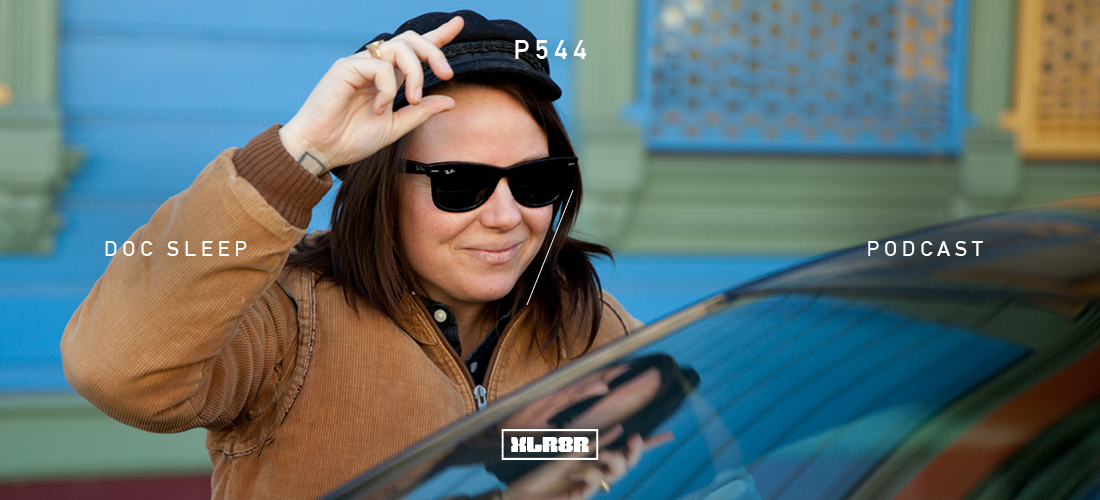
Doc Sleep‘s sound is rich, melodic, and complex. “Since I was very young I’ve been drawn to melody and harmony in music, so I almost always have melodic elements in my tracks,” she explains. The Berlin-based DJ grew up in rural North Dakota but spent many years in Minnesota before relocating to San Francisco—where she resided for the better part of a decade. She’d already been collecting house and IDM for some time before her move, but a chance meeting with an audio engineer inspired her to begin making synth-based music in a basement studio of Dolores Park. She’s since released two solo EPs (on Detour Records and Bottom Forty), and contributed solo and collaborative tracks and remixes to Dark Entries, 100% Silk, Discwoman/Allergy Season, Tribal and Twirl, and several others.
As a DJ, Doc Sleep really found her voice during her time in the Bay Area, performing small, intimate club shows with regularity. Though encompassing disco, house, and other feel-good dance music, her sound is founded on a deeply melodic and forward-thinking take on techno. Her sets are intricately and intelligently composed—cerebral experiences without ever losing sight of the dancefloor. While touring through Europe and North America, she’s become a resident of Berlin’s Room 4 Resistance at ://about blank, and, since 2013, she has been the co-owner of Jacktone Records, which specializes in techno, ambient, leftfield, and experimental electronics.
Her podcast for XLR8R is a mix of the heavy hitters that form the basis of her club sets and records of her close friends and acquaintances with whom she plays or has connected through her music. Among them are Mor Elian, Skee Mask, Job Sifre, and Solar, to name just a few.
Due to temporary issues regarding the GDPR, EU readers can stream the podcast here and download it here.
Tracklisting
01. Clothilde “Big Day Part II” (Labareda)
02. Pablo’s Eye “Austin, Texas” (Extreme)
03. 8ULENTINA “Rope Swing” (Club Chai)
04. Joy O & Ben Vince “Transition 2” (Hessle)
05. c.l.a.w.s. “Far From the Eyes” (Left Hand Path)
It’s been very busy, but as opposed to 2017, I’m feeling energized by it all.
Jacktone has had a busy year releasing five records so far—what’s in store for the label for the rest of the year?
We’ll continue with the release schedule of one or two a month that we’ve been doing the past few years through early Fall, then it’s time for a breather to reconfigure, all with the intent of bringing more attention to the artists.
On the schedule so far this year, we have artists returning for their second and third releases and a few debuts. We’ll continue to rep a lot of Bay Area/West Coast artists, but sneak in some other very talented folks, as well:
Oakland’s DJML turned in an incredible rhythm workout for his first outing, coming the end of May; Brooke Keller (formerly recording as odi me) returns for her third release, this time under her more introspective dance-oriented gayphextwin alias; then, a stunner of an experimental techno album from Nihar Bhatt of Surface Tension/Left Hand Path; Damon Palermo (a.k.a Magic Touch) is doing an ambient collaboration that’s guaranteed quality; Le Scrambled Debutante, an avant-garde sound collagist with what is probably the most experimental EP we’ve done; Ghorba, a hardware producer and part of Fem Synth Lab in Los Angeles, debuts with a very strong first album; Dan Snazelle, a modular producer who makes groovy Detroit-rooted techno (a rarity with that kind of setup); and, finally, Hugo Paris (a.k.a Lavender) returns for round three, but this time he’s stepping out of his Lavender alias. With Hugo’s record, we’re also doing our first label collaboration and co-release—with Beacon Sound in Portland.
That’s everything I can talk about at this point. I’m so proud to rep all of these artists—it blows me away the quality of people we get to know through this project. Amazing artists, amazing people.
Can you tell us about Room 4 Resistance?
R4R is a queer collective started by Luz Diaz and rRoxymore, focused on community-building and creating safer spaces and visibility for underrepresented artists. We throw regular events at ://about blank in Berlin, and also produce workshops, curate panels, and host a monthly radio show on Radio Quantica to promote women, genderqueer, trans, non-binary, black, and POC artists. The residents are rRoxymore, Luz, Deena Abdelwahed, Nazira, Yuko Asanuma, DJ OCCULT, LMGM and myself, plus an incredible organizing and deco crew who are the unsung heroes of it all.
For our events at blank, we try to move beyond booking huge headliners and use the platform for up and coming artists. We also want to provide the artists a place to experiment, to really push the boundaries of their sound and sets, and I don’t think you’ll find a more receptive and supportive dance floor in Berlin for this type of thing.
We’ve just started the summer season at blank, which means we’re in the garden and if you’ve been, you know it’s truly a magical setting. Our next party is a collaboration with Lisbon queer collective, Mina on June 29; then, our CSD party July 28; followed by a collaboration with Comeme September 15.
We’ve also started doing international showcases this year, where we collaborate on lineups and workshops with local crews and clubs. So far the crew has been to Copenhagen and next up is London and Paris. In June, we’re over the moon to play with Brutaz again, this time on their home turf in Poland, and in August is Kaiku in Helsinki, featuring a live set from Jacktone/Borft/Peder Mannerfelt artist, Isabella, who will be on a European tour. There’s a lot more in the pipeline; it will be a busy Fall!
You dropped your debut EP back in 2016, followed by a sophomore outing in 2017—can we expect more solo material this year?
I’m finishing two EPs at the moment, one will be released on Jacktone and another I can’t chat about yet, but, I’d like to have at least one of them out in the Fall, so the clock is ticking!
When and where was this mix recorded?
Last week at home, under the watchful eye of my dog
On what equipment did you record it on?
CDJs + mixer
Was there a particular idea you were looking to convey?
Because of time constraints, I couldn’t get too deep with this one, so my goal was to showcase as many friends as possible. Doc Sleep’s “Friends Are Important” Mix. ;0 There are Jacktone artists, but I also wanted to give some shine to pals running labels and producing killer tracks that frequently fly under the radar. There’s also a few heavy hitters that often show up in my club sets.
What else do you have coming up this year?
Besides everything mentioned above, I’m headed to the states for a few tours: July, I’m in Seattle, Portland, SF and LA; and, then back again in October to play with some inspiring crews in the South!
Doc Sleep will be performing at this year’s Her Damit, which has recently been postponed but is scheduled to take place in August near to Berlin, Germany. More information can be found here.