Floating Points Shares Studio Version of His Forthcoming EP’s Title Track

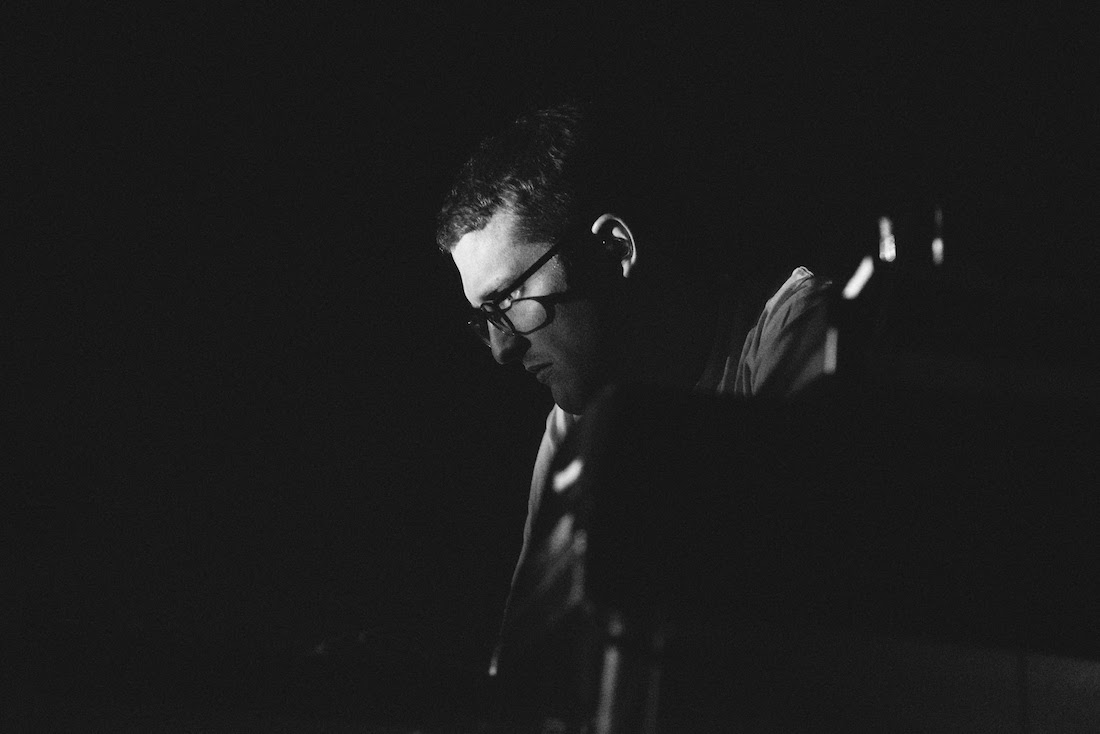
DJ-producer and multi-instrumentalist Floating Points (a.k.a. Sam Shepard) has shared a studio version of “Kuiper,” released last month as a live recording. In the wake of his debut Elaenia LP, which took the #2 spot on our Best Releases of 2015 roundup, Shepard’s innovative compositions as Floating Points have largely skirted genre classifications by synthesizing spacious ambience, house music sensibilities, and elements of jazz fusion. In his latest offering, he once again combines seemingly disparate sounds – reverbed guitar and analog synth, among others – in a monumental 18 minute journey that moves carefully between ambitious intensity and atmospheric introspection. The track also teases at his forthcoming EP of the same name, to be released July 22nd on Luaka Bop/Pluto.

You can watch a live performance of the “Kuiper” here.

Pre-order Kuiper EP here.

Upcoming Tour Dates:

5/19 – Durham, NC – Moogfest 2016
5/22 – Atlanta, GA – Shaky Beats Festival @ Centennial Olympic Park
8/28 – Los Angeles, CA – FYF @ Los Angeles Sports Arena & Exposition Park

Interview: The Regrowth and Rise of Kauf

Photo by: Daniel Trese

The Los Angeles-based artist Ronald Kaufman (a.k.a Kauf) has been on XLR8R’s radar for some time now, and his most recent musical escapades are gaining traction far and wide. After hosting his cavernous remix of Poliça’sChain My Name,” and his rework Moon’s dreamy pop tune “Bloody Mouth” as XLR8R downloads in 2014, Kauf has been tirelessly constructing his upcoming debut album Regrowth. While this self-release LP still has no set date attached to it, a surge of hype surrounding the artist’s sound has blitzed Los Angeles’ airwaves as of late.

His swooning single “Through The Yard” has been causing a ruckus amongst music savvy individuals who recognize the artist’s delectable sonic coalescence when it comes to brewing up deeply emotional lyricism and tidy electronic dance music. Another fine artist who treads a fine line between dreamland reverie and dancefloor efficacy is Fort Romeau, who just delivered a stunning remix of Kauf’s album cut “Through The Yard” via the Munich-based record label Permanent Vacation. The remix can be streamed in full below.

Keen on getting to know more about Kauf’s sound, story and inspirations, we decided to check in with the artist and ask a few questions. In addition, Kaufman has blessed us with a temporary download of “Through The Yard,” which can be grabbed below for free via WeTransfer.

Download ends 06/18/2016:

Download: Poliça – “Chain My Name” (Kauf Remix)
Download: Moon – “Bloody Mouth” (Kauf Remix)

Is there a particular reason you’ve chosen to live in LA, and what are your thoughts on the city’s music scene?
I came out to LA to be closer to the music industry and landed an internship at a small studio soon after. The main thing I learned there was that I absolutely did not want to be a recording engineer, but it was helpful for quickly checking that off the list of possible careers. Well that, and learning that convolution reverbs are far better for short “room” sounds than algorithmic.

Being near KCRW and meeting their DJ’s, especially Valida who introduced me to my drummer and who has been hosting Desert Nights for four years—an intimate, weekly acoustic event I frequent—and Travis, who I’ve bounced ideas off of for a while, has been invaluable. Those and other friends I’ve made have helped me land some syncs through LA’s vast network of music supervisors, which enabled me to quit my job over a year ago and finish my album. I don’t go out to see dance music as much as I used to, but I did catch the David August set for Prototype last year and thought it was one of the best sets I’ve heard. I never thought it could sound so good to ride the high pass filter like that, over and over.

Tell us a bit about your forthcoming debut LP Regrowth. Did you approach the album with a particular aesthetic or theme in mind?
The overarching theme is relationships breaking down—all kinds, not only romantic ones—and then recovery. I don’t necessarily want the songs to directly tell a story, but instead just present provocative bits and pieces like some worn, tattered treasure map. Electronic production appeals to me because of the amount of innovation going on in the genre, and dance music brings people together in a very primal, physical way, so the goal was to mix it with lyrics and ideas that go a little deeper.

I don’t think you can really convince people of something new through a song, like you can through a film or novel, but you can reach down into their souls and create a movement for a generation if you’re really successful. Coming to terms with how I was parented, while growing up closeted and coming out to a father who was not initially supportive, and how that’s affected my adult relationships, was the most difficult part of my twenties, even though by current standards I had a “better childhood than most.” Alice Miller’s works were a helpful starting point and the album is me coming through to the other side of that. I started making music many years ago without knowing why; I was just innately drawn to it. And through the years I figured out how I could shape it into something worth pursuing for a lifetime.

What has the process been like crafting this album? What are your production methods?
The process for the LP has been crazy—really enjoyable and painstaking. I finished writing almost all of it over a year ago, but it took forever to get the mixing and song structures refined, as well as organizing all of the remixes on our own. The fun part was creating the countless loops and little ideas to find the inspiring ones worth finishing, but turning those ideas into full fledged songs does not come easily to me, especially the lyrics, which I tweak endlessly to get right. A couple of those fruitful ideas are five years old.”

I do a tiny bit of sampling and use Ableton a lot, but I think what solidified my “sound” was getting into some key pieces of hardware: a couple Moog synths and a Roland Space Echo. It was important to me that the songs build and morph organically, sort of like a techno or house DJ set, instead of having jarring transitions for some dramatic effect. I want to ease the listener into a densely textured forest of sound like a soothing hypnotherapist’s voice, populated with familiar species and alien ones, constantly mating with each other, spawning something akin to the unconscious.

What can we expect to hear and see from Kauf this Summer? 
The second single, “A Ruin,” will be out very soon and there are remixes coming from Blue Hawaii, Man Power, Ambassadeurs, Thomaas Banks, The Big Pink, Jeffrey Brodsky, and Iamforest. I’ll be performing at the Natural History Museum’s First Fridays in LA on June 3. Advancing the live show, adding more members and creating more visuals for it, is next up on the priority list as well as a small tour through Europe later in the year.

Real Talk: Sepalcure

Real Talk‘ is a series of artist-penned essays that appear on XLR8R from time to time.

This week’s submission comes from Sepalcure, the project of North Carolina’s Travis Stewart (better known as Machinedrum) and Praveen Sharma (a.k.a. Braille). As solo artists, work from the duo can be found on an array of leading labels, including Glass TableRush Hour and Ninja Tune; releases from their musical collaboration, which was founded in 2010, have come exclusively through Scuba‘s Hotflush, the latest of which is set to land May 20 in the form of an 11-track LP, entitled Folding Time. Given the wealth of studio experience that the duo can count on between them, it seems like there are not too many artists who are better equipped to pen an essay about the world of production and the numerous challenges that accompany it. After some thought, they decided to write about the effects of constraints in the creative process. This is what they had to say. 

We’ll be honest: it was tough to figure out what we could offer to Real Talk which hasn’t been said by us before. We wanted to give others a glimpse into our processes as well as potentially benefitting artists starting out. After some brainstorming, the topic of constraints in a creative setting was something we thought might hit both of those points.

Maybe you don’t have the resources or desire to own or find every plugin; maybe you want to explore the sound set of a single processed instrument for an entire album; maybe you’ve decided to turn quantization off or on—these are all constraints which can benefit the creative process.

Specifically, there are two types of constraints we’re talking about: The first is constraining your toolset. This is a more important constraint than ever in a world where every tool you could want is practically at your fingertips. The second type of constraint we’ve embraced is a constraint in process. This is what an artist does with those tools to create their art.

Constraining your toolset

Praveen:

Travis and I started Sepalcure basically at opposite ends of the spectrum here. Through coming up with IDM and obsessing over the genre’s fetishism around plugins and detailed processing, technology was almost as important to me as the resulting music. I had found myself drowning in plugins. I was never sure what I should use at any given time, and the resulting indecision slowed down my process considerably.

There were constraints placed on our toolset from the start. A single DAW and a small subset of plugins were used so we could have more portable project files as well as a familiar toolset and faster process. I can’t remember how many times I would pull up some new fancy reverb or delay plugin only to waste half an hour creating an effect which we could have created using our standby plugins in a third of the time. Don’t get me wrong, I still love trying new things out, whether it be hardware or software. The difference now is when I find something we really like, it replaces something else in our day-to-day toolset. If every time a carpenter was putting together a table he used an entirely new set of tools, he would lose the confidence and efficiency that comes with using the tools he knows and loves.

When we started Sepalcure I had recently picked up a Juno 60. That synth and my Rhodes were used for nearly all of our keyboard lines in the early days. Even that constraint led to a more recognizable and familiar sound. In general, I try to keep my synth options constrained to the small collection of synths I have in the studio and try to avoid the multitude of plugins at my disposal.

“Instead of immersing myself in whatever amazing new plugin was available at the time, I kept it simple and worked with whatever came built in to Ableton. This was probably due to conditioning myself from my limitations and constraints placed on myself previously.”

Travis: 

Praveen has always had a fairly modest setup, but compared to mine it looks like a million dollar studio! I come from a background of working with very little to make what I needed to make. I started using Impulse Tracker when I was around 13 years old. It was free, the file sizes were small and easily tradable online (back in the dial-up days). At that time, and for a long time after, I didn’t have much money to put toward music gear, so Impulse Tracker and whatever samples I could get my hands on were what I was stuck with. Little did I know that this would inform and influence the way I approach writing music to this day.

First of all, trackers, in general, aren’t very pretty to look at. They’re very binary looking and maybe not very intuitive at first glance. Luckily I grew up using computers from an early age, and I was pretty quick to learn difficult software (I’m 34 by the way so not everyone had computers as part of their daily lives back then!). Secondly, you had to really learn all the keyboard quick keys to navigate around. Impulse Tracker wasn’t really built to utilize the mouse as it was DOS-based. Old school! Thirdly, you were limited to however many samples you could load into your track without crashing your computer. Keep in mind this is back when you were a baller if you had 1GB of hard drive space and 8MB of RAM on your computer. As a result, you had to pick and choose your samples carefully and use them creatively in order to make a cool sounding track.

Eventually, after a good 10-12 years of using Impulse Tracker as my main production tool, I started using Ableton. I found it easier and quicker to get my ideas out using it, and it had a much easier learning curve than other DAWs at the time. It was a bit daunting at first because suddenly I had opened myself up to a vast sea worth of plugins at my disposal. Instead of immersing myself in whatever amazing new plugin was available at the time, I kept it simple and worked with whatever came built into Ableton. This was probably due to conditioning myself from my limitations and constraints placed on myself previously.

Since then, I’ve carefully opened myself up to other plugins and studio hardware. Each plugin or piece of gear had to really grab me in some way that made me feel like I wanted and needed it in my life. I usually leave it up to my studio junkie friends like Praveen to let me play with their toys before I will ever consider buying anything. It had to be a special moment for me to actually decide to add something to my setup.

Constraining your process

Travis: The idea of capturing the moment as quickly and accurately as you can in the studio is an ethos I’ve stood by for a while now, and it’s something I’ve become known for. I have believed for a long time that it’s essential to extract as much as you can from the moment when you start writing a track. I feel that when you’re writing it’s like channeling an idea or message so that it becomes reality. If you focus on one part of that message for too long then you’ll lose the whole message.

The easiest example of this is when you start a beat and spend an hour or more trying to make your kick drum sound amazing. Once you get that kick sounding great you’ll be lucky to still have any clue what idea inspired you to start writing the track at all. It’s important to get out a rough sketch of what the song will be at first so that when you go back to it at a later time it’s easier to jump right back into where you left off, rather than being stuck thinking, “What was I trying to do here?” Get the basic rhythm, bassline, melody, and even arrangement written if you can. Then, once you have a decent sketch, you can start going back and refining elements so that it sounds lit, hype, face melting, chill as hell, or whatever you want to call it.

“It was an intentional decision to start almost all the percussion with just a cardboard box, some drumsticks and a vase.”

Praveen:

I actually learned a lot from Travis’ process. From a more conceptual level, I really tried to constrain my process for my debut Braille album, Mute Swan. It was an intentional decision to start almost all the percussion with just a cardboard box, some drumsticks, and a vase. That decision really informed the output and also forced me to be creative with how I manipulated most of the percussion afterwards. I like to pick a few key effects and instruments when writing a collection of work—that simple constraint can result in a cohesive sound (if that’s your goal). For Songs Spun Simla, for example, I based the entire album around a small collection of instruments that I had brought home from India. I feel like that album has a very specific sound.

Conclusion:

There are no “right” answers here, but hopefully, this got you thinking a bit. Go grab a coffee or your beverage of choice, bring a notebook and think about how you might apply constraints to your next project. Who knows where you’ll end up.

Take a Dash Through the Mojave Desert in Moderat’s Latest Music Video

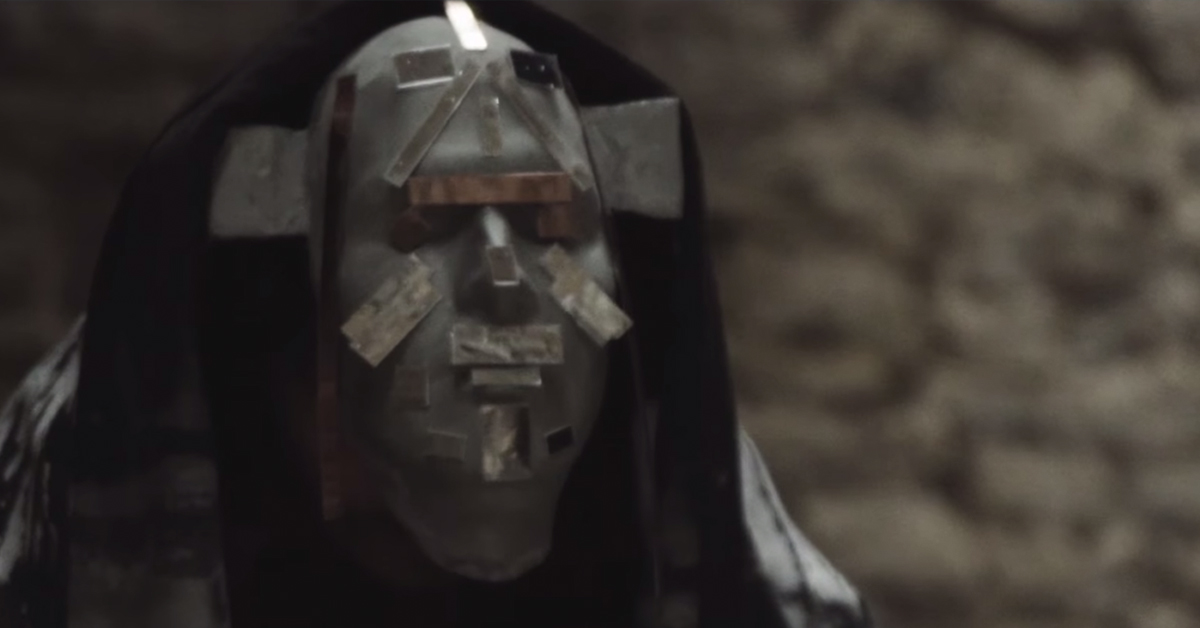
In the wake of III, their April 1st full-length on Monkeytown, Moderat has released a new video to accompany the album’s second track, “Running.” As the title indicates, III is the third full release from the trio -composed of Gernot Bronsert and Sebastian Szary from Modeselektor and Sascha “Apparat” Ring – that fuses Apparat’s delicate, ethereal compositions with the glitches and punchy rhythms of past Modeselektor releases. Through the eyes of a nomadic airline pilot, the video explores the Mojave desert to complement the track’s wistful melody and lyrical content. The video also sets a thematic backdrop for the group’s forthcoming tour, which kicks off May 19th at Webster Hall.

Watch the video in the player above.

North American Tour Dates:

Thu. May 19 – New York, NY @ Webster Hall
Fri. May 20 – Montreal, QC @ Metropolis
Sat. May 21 – Chicago, IL @ Concord Music Hall
Mon. May 23 – Vancouver, BC @ Vogue Theatre
Tue. May 24 – Seattle, WA @ The Showbox
Thu. May 26 – Los Angeles, CA @ The Fonda Theatre (Presented by XLR8R x Goldenvoice)
Fri. May 27 – San Diego, CA @ The Observatory North Park
Sat. May 28 – Bradley, CA @ Lightning in a Bottle Festival

Order III via Monkeytown here.

Pantha Du Prince Shares New Video

Pantha Du Prince has shared a video to a never-heard-before song, taken from his forthcoming collaborative album The Triad, scheduled for release on Friday via Rough Trade.

Hendrik Weber (a.k.a. Pantha Du Prince) has been working alongside a group of musicians dubbed the Triad in the time since his last full-length, 2013’s collusion with The Bell LaboratoryElements Of Light. Weber has stressed that the forthcoming LP is much more about jamming than his previous releases, which were more solitary, digitized affairs. He explains that though most of the tracks were a product of his “inner processes,” it was “very important to have the other two.”

The Triad feature in the video that Weber has today released. One member of the group, Scott Mou (a.k.a. Queens), noted that it was important for them to show more of how they “interact with each other.” The track, entitled “In An Open Space,” has not been shared publicly before now.

Watch the video to “In An Open Space” above.

You can pre-order The Triad at the Rough Trade store.

Terraforma Reveals Second Wave of Acts

Terraforma has revealed a host of new names added to the lineup for its event taking place just outside Milan, Italy, at the beginning of July.

Techno fans can look forward to an improvised performance by Atom & Tobias, who will be joined by Sensate Focus (a.k.a. Mark Fell), Beatrice Dillon, Primitive Art, and Claudio Fabrianesi. Rabih Beaini (formerly known as Morphosis) will perform alongside Parisian filmmaker and photographer Vincent Moon. They have been added to a bill that already included the likes of Donato Dozzy, Charlemagne Palestine and Biosphere.

For more information, head to the festival’s site. You can buy tickets here.

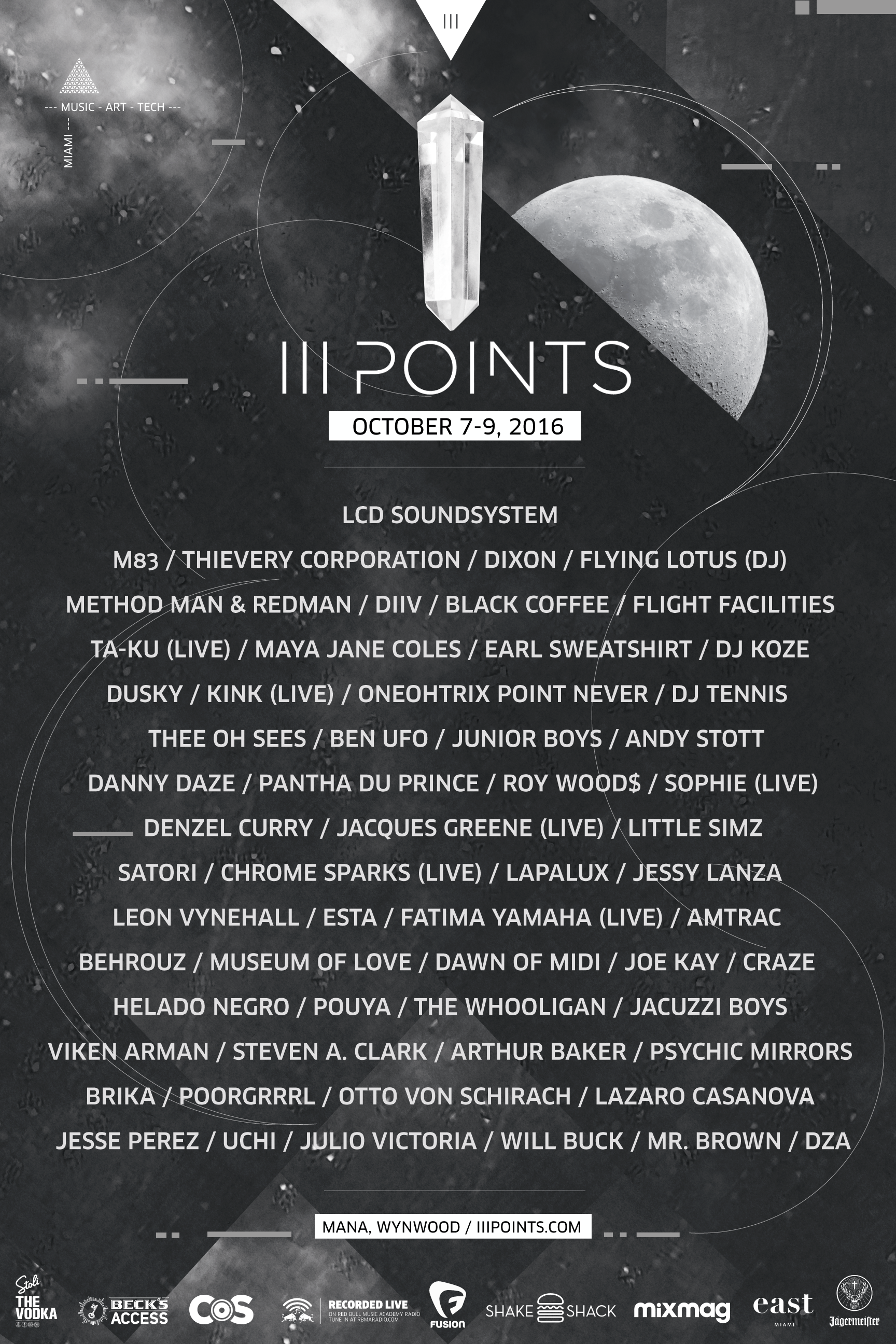
LCD Soundsystem, Dawn of Midi, Flying Lotus to Headline III Points

III Points Festival at Mana Wynwood

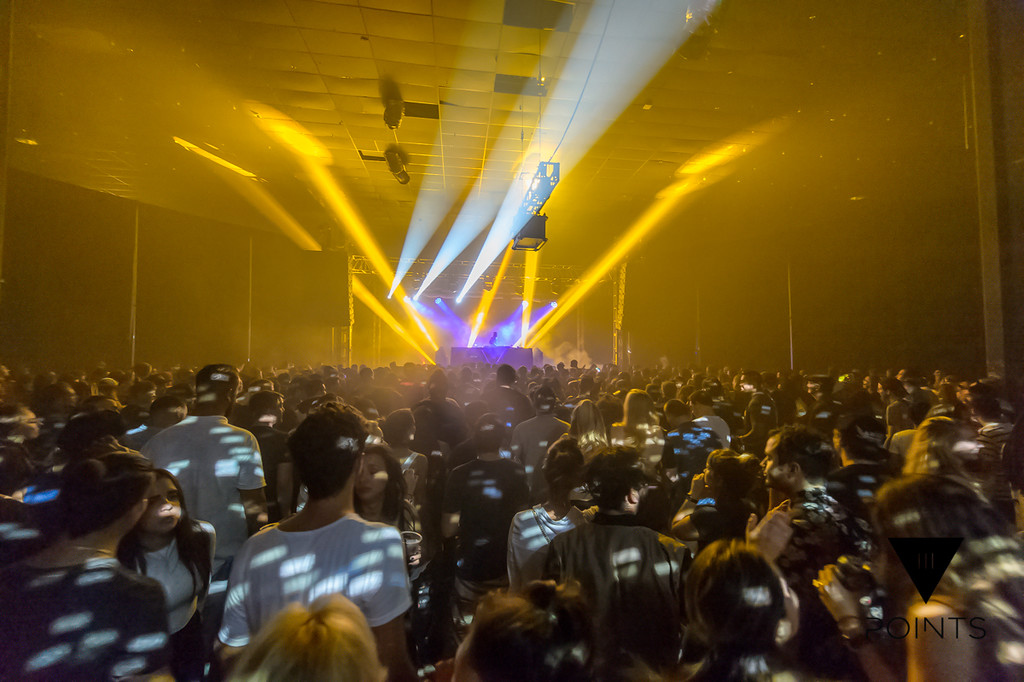
III Points Music, Art, & Technology Festival has announced details surrounding the lineup for its fourth edition, set to take place October 7-9 in the Wynwood Arts District of Miami. Since its beginning in 2013, III Points has become a preeminent force in Miami’s boutique festival scene, offering attendees an alternative to glitzy Miami nightclubs and the confetti culture of South Beach. Calling itself a “living installation,” III Points’ 2016 edition promises plenty of performances by top-notch local and international talent, all alongside cutting-edge visual art, innovative technology, art gallery shows, lectures, and even a special virtual reality experience.

The lineup announcement for the weekend-long event has assured that this year’s III Points will be the biggest yet, even with heavyweights like Nicolas Jaar and DJ Tennis gracing the decks at past editions. The obvious draw is an exclusive set from LCD Soundsystem, who will be making their only Florida appearance of the year. Other notable acts include a DJ set from Flying Lotus, an electroacoustic performance from Dawn of Midi, as well as loads of house and techno from the likes of Dixon, Ben UFO, Fatima Yamaha, and more.

For more information about the event visit their website.

You can buy tickets to the festival here and you can view the full lineup for III Points below.

[row]
[column size=’1/4′]LCD Soundsystem
M83
Thievery Corporation
Dixon
Flying Lotus (DJ)
Method Man & Redman
DIIV
Black Coffee
Flight Facilities
Ta-Ku (live)
Maya Janes Coles
Earl Sweatshirt
DJ Koze
Dusky
Kink (live)
Oneothrix Point Never
DJ Tennis
Thee Oh Sees
Ben UFO
Junior Boys
Andy Scott
Danny Daze
Pantha Du Prince
Roy Wood$
Sophie (live)
Denzel Curry[/column]

[column size=’1/4′]Jacques Greene (live)
Little Simz
Satori
Chrome Sparks (live)
Lapalux
Jessy Lanza
Leon Vynehall
Esta
Fatima Yahama (live)
Amtrac
Behrouz
Museum of Love
Dawn of Midi
Joe Kay
Craze
Helado Negro
Pouya
The Whooligan
Jacuzzi Boys
Viken Armen
Steven A. Clark
Arthur Baker
Psychic Mirrors
Brika
POORGRRRL
Otto Von Schirach[/column]

[column size=’1/4′]Lazaro Casanova
Jesse Perez
Uchi
Julio Victoria
Will Buck
Mr. Brown
DZA
Telescope Thieves
Plastic Pinks
Austin Paul
Deaf Poets
Durante
Holly Hunt
Nick Leon
Patrick M
Santiago Caballero
Rat Bastard
Jeremy Ismael
Bedside
Niko Javan
Virgo
Le Spam
Terence Tabeau
Gray 8’s
Dude Skywalker
Killmama
Diego Andres
Sunghosts
Pirate Stereo[/column]

[column size=’1/4′]Amamis Lorie
Will Renuart
Twelve’len
Dim Past
Lowcut
Problem Kids
Beach Day
Byrdipop
Sndngchllz
Sean Drake
Wastelands
Lolo
Indigochildrick
Kazoots
T W Y N
Pazmal
Ennio Skoto
Jun Ill
JBZ
Vi
Kumi
Ltenght
Lemurian
Phaxas
Aaron Lebos Reality
+ more to come

[/column]

[/row]

Ibrahim Alfa Debuts on Workshop Records

The latest Workshop Records release is an eight-tracker by Brighton-based Ibrahim Alfa.

Ibrahim Alfa was mainly active in the late ’90s and early ’00s, pushing the boundaries with his choppy, weird brand of techno via the likes of Mosquito and Force Inc. Music Works. His new release via Workshop is his first full solo EP since 2003.

In a recent feature with the label’s co-owner Jens Kuhn (a.k.a. Lowtec), he explained the back-story to the release: originally destined to be distributed via Source Records, due to bankruptcy problems it was forgotten about until now, and was recently re-discovered in David Moufang’s (a.k.a. Move D) studio. It is comprised of eight short techno and electro cuts, covering a lot of different bases.

You can purchase and check out snippets from Hidden By The Leaves at Hard Wax now.

Delorean Share Cut from Forthcoming Album

Barcelona-based alternative dance quartet Delorean have shared a track from their upcoming album Muzik, due out in June.

Delorean have been active since 2000, crafting a sound that traverses pop and traditional dance music, melding rock arrangements with dance rhythms. Muzik will be their seventh full-length record (set to come out via their own Phlex imprint), and sees the group “channelling ’80s pop and contemporary Balearic house.” Ahead of the release, the Spaniards have shared their latest single, the slightly moody “Contra.”

For more information on the band, check out a recent news story we ran on them, where you can also watch a video for title track “Muzik.”

Muzik will hit stores on June 22. Stream “Contra” below.

Tracklisting:
1. Epic
2. Muzik
3. Figures
4. Orbis
5. Contra
6. Both
7. Push
8. Closer
9. Parrhesia

Photo Gallery and Review: Nuits Sonores

© www.gaetan-clement.fr Nuits Sonores - Arty Farty - 2016 - Nuit 3 Marché Gare

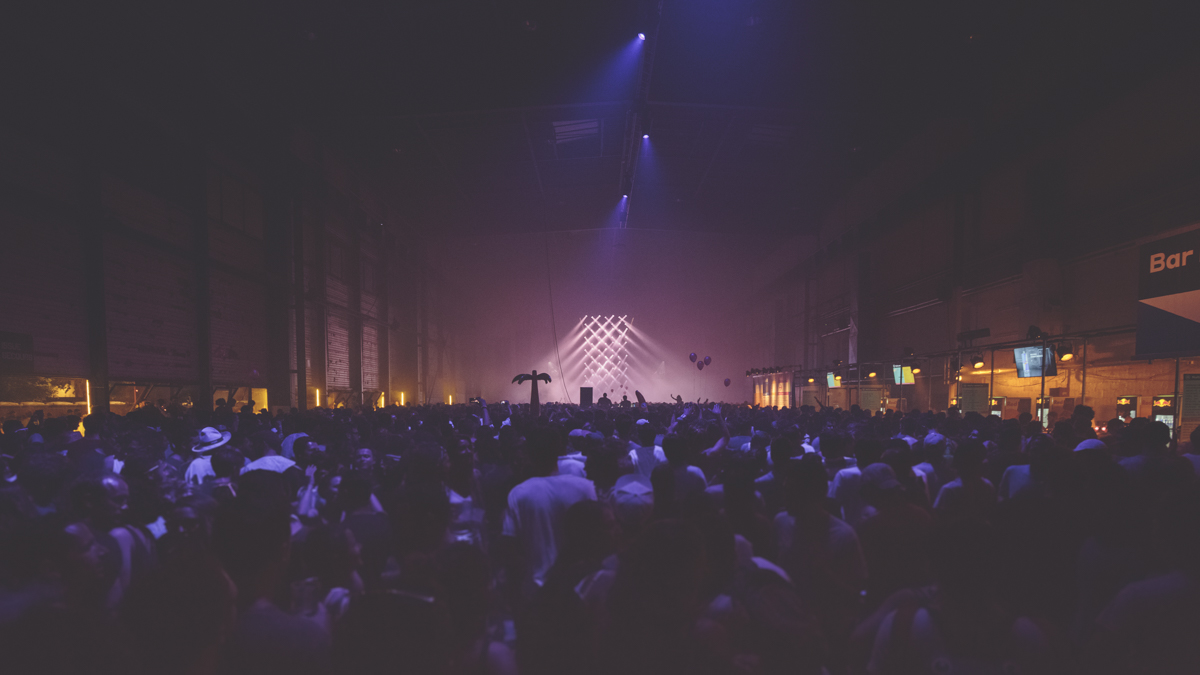
Nuits Sonores has established itself as one of the premier festivals in France, giving way to multiple days of not only well-culled music, but also a platform for lectures, participatory “labs,” and installations around Lyon. This May marked Nuits Sonores’ 14th venture. What started as a primarily electronic music platform has shifted over the years to include a wider scope of musical genres, as well as an expanding regard for aesthetic presentation and visual content. Nuits Sonores takes over the new side of Lyon and creates a little musical city for a weekend. The idea is a special one, and when you pair the food, spring weather, and Lyon’s general joie-de-vivre, you have a very enticing combination.

First impressions had been made before we arrived in Lyon. On paper, the programming for this years event was at least curiosity-brewing, and for some, squeal-inducing. The lineup wasn’t as focused as it used to be, and you might have found yourself wondering if there’s is any connection between the various stages besides the thread of quality. But certain surprises are what give Nuits Sonores its draw: two people could quite feasibly end up having entirely opposite experiences. For those drawn in by the big stage experience, there was Rødhåd, Maceo Plex, Mind Against, S3A, and Dixon. For the punters who savvy a more live experience, there was Tony Allen, Peaches, Pantha Du Prince, and The King Khan & BBQ Show. And for someone wanting a completely fresh experience, there was a bevy of lineups showcasing local and French bands all through the afternoons.

The festival takes place in the newer parts of Lyon, both within the city and along the river Saône. New Lyon is separate and wholly less distinctive than the older parts—and for the less adventuresome, it is the only part of Lyon one would need to visit to experience Nuits Sonores. The stages are spread across this area, ranging from the three warehouse-like concrete “Halles,” to La Sucrière daytime complex and ex-sugar factory, to the various nightclub spots exploited on Tuesday night’s FOMO-inducing 15-venue spread. In the spirit of cross-cultural exploration, a bit of a side festival called Cool Korea! introduced festival-goers to a spread of South Korean music, cinema, and food (with particular focus on Seoul). Each day a lineup of DJs and pop, electronica, psychedelic, and punk bands created a transportive showcase at the confluence of the Rhône and Saône rivers. What seemed to be the spiritual core of Nuits Sonores was Le Sucre, a small club on the roof, fitted with a roof bar giving way to a sprawling pastoral view on one side of the hills and river of old Lyon, and on the other side, glowing cranes and development plots of the new.

This geographic schism became synonymous with Nuits Sonores’ lack of a specific identity. Moreover, it felt caught between two worlds: while this isn’t necessarily a worry of your average festival-goer (and perhaps it’s even a perk), it felt as if the event was straddling between a small and focused festival and being a large and broadly curated one. Nuits Sonores is not as electronic-oriented as, say, Dekmantel, but it’s not quite as all-encompassing as Primavera Sound. It certainly has a something-for-everyone vibe, but at what cost? While the festival is rich in DJ history, it was startling (albeit understandable) to have such iconic DJs, known for their powerfully lengthy sets, confined to merely two hours. Long, methodical journeys being the nature of house and techno, these bite-sized sets seemed like a commercial move on the part of Nuits Sonores, akin to being handed tiny squares of homemade soap outside a shop, which isn’t so much a-little-bit-of-a-good-thing, but more of a tease. You get tastes of the artists, but you don’t get to see their sets breathe.

The saving grace, and arguably the core of this year’s event, was the “A Day With…” parties in La Sucrière. In these eight-hour time blocks spanning three days, much-revered acts Motor City Drum Ensemble, Laurent Garnier and Seth Troxler played with their curated guests and back-to-backers. The sets weren’t quite Berlin-style stamina flexes, but the timing allowed for longer transitions and was met by an enduring crowd that largely kept pumping the whole time. “A Day With…” also included artists and DJs personally picked by the day’s namesake, all of whom were performing in the neighboring venues simultaneously. While it might seem that having overlapping acts playing within 200 meters of each other would be a conflict, it was actually complimentary. If Salle 1930’s day-rave abandon became tiresome, you could take an elevator up to Le Sucre and catch smaller (and more daring) sets.

In a true showing of less-is-more, on Seth Troxler’s day, Seven Davis Jr., Kate Simko & Tevo Howard, and Mathew Jonson laid down live sets on Le Sucre’s much cleaner sound system, sunset rays streaming through the windows on the otherwise grey dancefloor. The venue was also home to more genre-bending live moments, including Garnier’s picks Ghost of Christmas, Arnaud Rebotini & Christian Zanései, and a secret mastermind Chassol. And while technically a satellite of the true festival, Tuesday night’s pop-up clubland was a sensory overload of house, techno, and pro beat-smithery scattered around the city, acting as final word for anyone doubting Lyon’s ability to throw a party. Over at Ninkasi, Aurora Halal laid down sci-fi paranoia amidst a sauna of blue, while outside on the lawn, a funkier (and more brisk) atmosphere kept the crowd bouncing until morning. A friend remarked that he felt like he was in a University party: such was the crowd’s makeup, which including more vomit and petty scuffles than I’ve seen in years. But in the end, the music prevailed and all nausea and hostility was replaced by funk and groove.

A word on sound: full disclosure, I came to Nuits Sonores from Sunwaves, where each stage was pumping crisp stacks of Funktion-Ones. Thus, it was an easy disappointment to be met by muddled mids and soggy lows blasting out of the speakers at the day’s main Salle 1930 and, during the night sessions, Halle 2. It was apparent at the sets in Salle 1930 that each drop was losing its fullest potential impact, likely not helped by the four-corner boxing ring setup ricocheting sound off the walls of the concrete. In the bigger Halle 1, sub basses shook the entire venue and hi-hats cut around, leaving little room for being overly critical. They weren’t quite Funktion-One level, but they made a definite impact. Combine it with the spatially-aware lights and lasers, and anyone standing between the middle of the floor to backstage was greeted by a full spectrum wash of slanted fluorescent tubes, red bank-heist beams, and soft flashes, as well as full screen projections.

The variety of acts, mostly curated according to stage-based consistency, gave one the feeling of visiting many little festivals at once. Halle 3 was the stage focusing on international tastes, where the smallest of the main stages turned into an undeniable force of musical and energetic transport. Night 2 featured Mbongwana Star and Konono N°1, both Congalese groups sporting a wide range of influences, the core of a well-assembled stage of African and African-influenced groups, including Berlin’s Africaine 808. The whole DNA of this floor, enlivened by traditional rhythms and an interesting weave of psychedelic production, was different and more exuberant. At one point, while observing this intimate mass of soulful bodies harnessing their purest, unselfconscious selves, I wrote in my notebook that three humans on a stage were making people move more profoundly than any of the monolithic techno sounds bleeding in from next door. Night three saw a geographic shift to Northern Africa & Middle East featuring DJ K-Sets playing cassette tapes while dancing casually next to his tape decks, as if dancing for his girlfriend in the living room. A-Wa, an Israel group consisting of three sisters and their bandmates, sang reggae and disco-like interpretations of Yemen’s traditional music. They were then followed by 47SOUL, a Palestinian group pioneering “Shamstep,” a meeting point between traditional wedding music and a kind of electro dancehall.

Inevitably, trying to write a review about all facets of a festival like Nuits Sonores, let alone even 50% of its performers, is headache inducing. It goes without saying. I often had the feeling one might get at an Asian Fusion restaurant: something about the 30-page menu spanning six different countries and culinary traditions makes each one seem less special, or worse, unsavoury. The opposite reaction could also be had, but it’s hard to argue with doing one thing purely. While this of course begets a narrow audience, it also contributes to a more encompassing, and perhaps enriching, experience. What it really comes down to is how you prefer your festival trip: do you want to be pulled along in the direction of a one-track curation, or do you want to be able to pick and choose, leaving behind the ones that don’t call to you. Now, that being said, the whole of Nuits Sonores is certainly a complete and clean event. There were no monstrous lines, no invasive security guards, no piles of trash to skip over. And while the €8 pint of beer is almost offensive, it never distracted me enough from what was happening, because, in the end, so much was happening that it was hard to focus on any one act. Even now, reflecting back on what I saw (and seeing some full performances on ARTE), I realize how great some parts were, but couldn’t appreciate it as much at the time.

Perhaps the most striking moment of the festival, and certainly the one that was also an antidote to the aforementioned sensory overload, was James Holden’s ode to Terry Riley: “Outdoor Museum of Fractals.” After six minutes watching a spinning cylindrical light-box on a turntable called a dream machine drew everyone’s attention to center stage, Holden arrived. He turned up in a long black shirt, sitting by his computer and modular synth, alongside some paper inscribed with musical notation and a five-pointed star, as well as various words like “chaos” and “goes together.” He was then accompanied by Camilo Tirado on tablas. A soft whirling synth-organ began, as if someone unmuted the hypnotic dream machine, and slowly thereafter, the tablas began with a few soft strokes, working into a raga of shifting melodies and rhythms. An hour later, the audience had been given a full subconscious massage, the trance of which lingered well after the performance: some audience members still stood after everyone cleared out, as if the music was still continuing in their heads. It was an hour that relied on patience and observation, on simplicity and dedication to an idea based in love and listening. James came between two acts of more typical high energy, and fit in the middle of a weekend plenty more hyper than those that bookended his performance. It was the kind of moment that felt not only entertaining, but essential. It communicated a message, both to the festival and to the time period we’re in: dream, dream wild but dream slow, with respect and heart, and let each part of the dream have its worthiest honored moment.

Photos provided by:
Anne Simonnot
Gaetan Clement
Marion_Bornaz (Opening Concert)

Page 842 of 3781
1 840 841 842 843 844 3,781