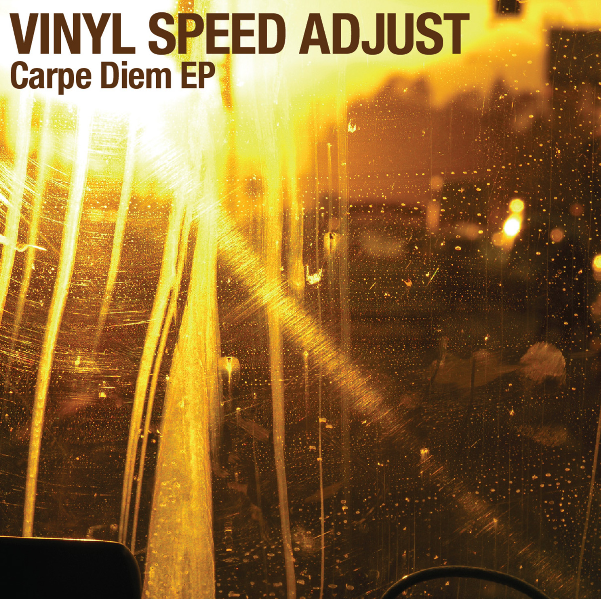
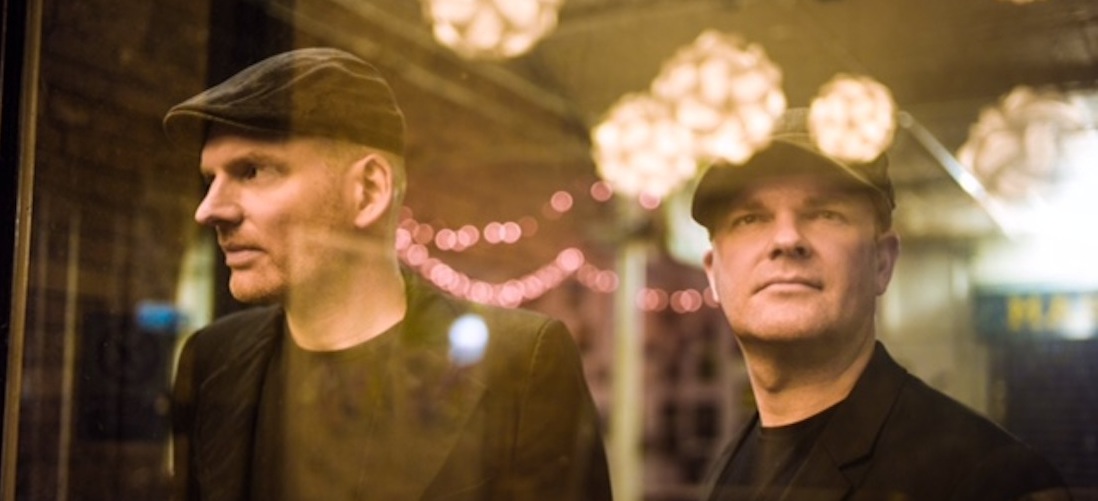
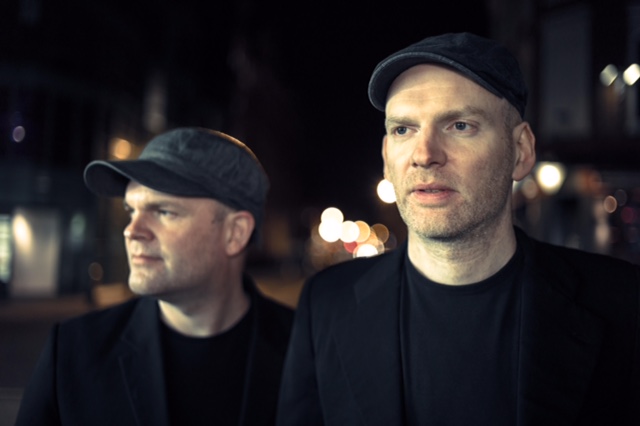
Bucharest duo Claudiu-Eduard Balan and Andrei Predoi (a.k.a. Vinyl Speed Adjust) will release their Carpe Diem EP on Visionquest this week.
Following on from releases on Pressure Traxx, Gilesku Records, and Colours in Music, the EP presents three typically trippy and heady techno tracks, fitting in perfectly with the sound and aesthetic of Visionquest. Kicking things off is the low-slung title track, “Carpe Diem,” which is an infectiously groovy cut with slicing percussion and icy pads. The tempo and tension is then turned up for “Divider,” the EP’s hallucinatory peak-time cut, before “Circles From Field” closes proceedings with its shuffling percussion and intricate sound design.
Carpe Diem will be released via Visionquest on September 11 and, in the meantime, you can stream the EP in full below.
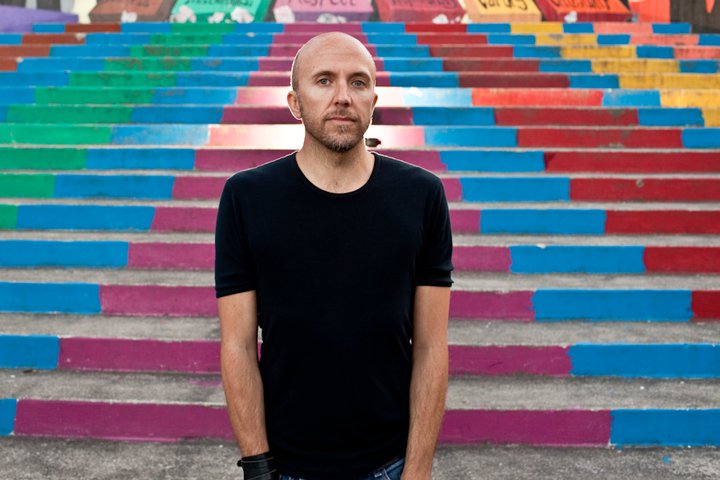
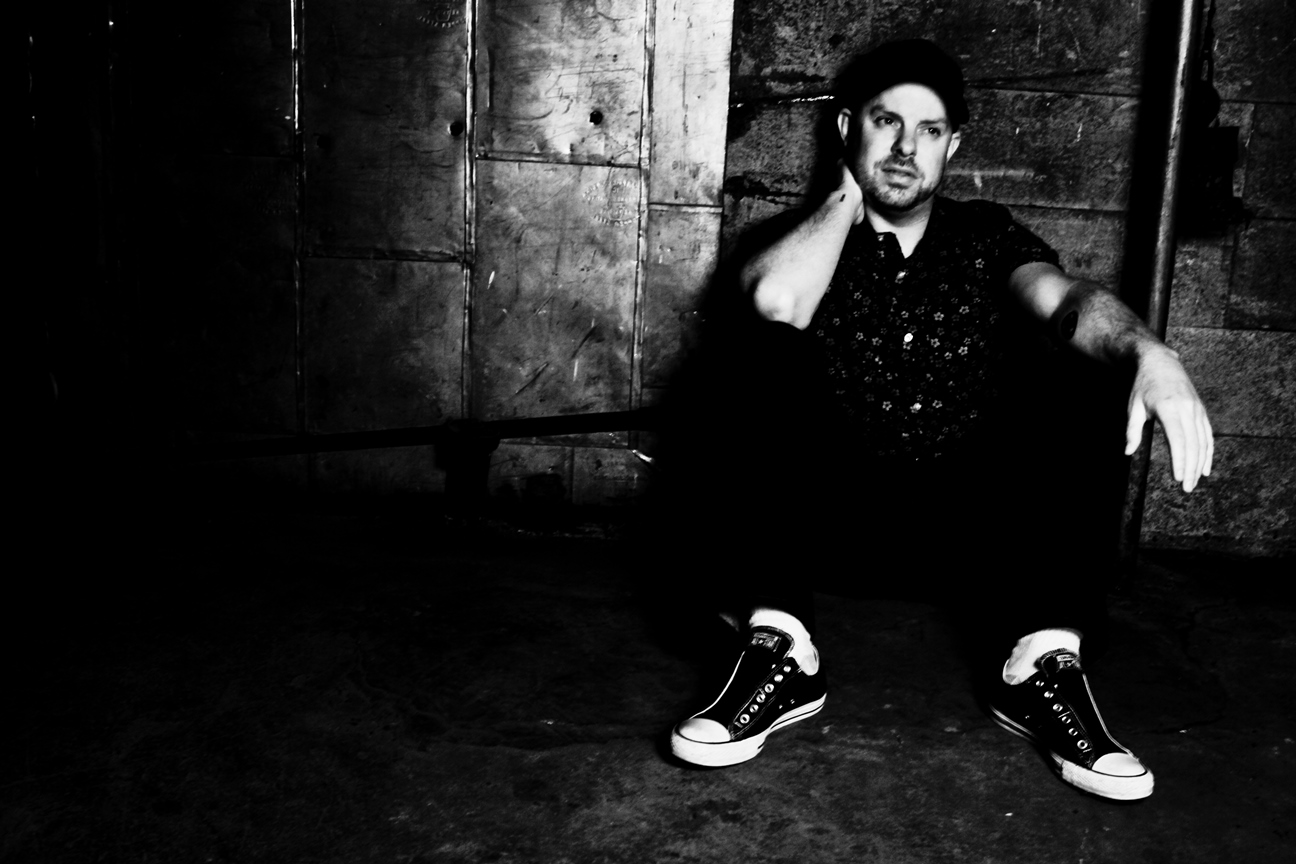
This weekend introduced two new—though very different—mixes into the fray: one from from All Day I Dream founder Lee Burridge (who we recently profiled on XLR8R and is pictured above), and another from the inimitable Nation label head Traxx.
Arriving at the tail end of Burning Man, Burridge’s contribution to BBC Radio 1’s esteemed Essential Mix series aims to capture the spirit of the festival, with selections from Booka Shade, Underground Sound of Lisbon, and more; stream it in full here. Alternately, Traxx’s mix for Dutch tastemakers Dekmantel was recorded live three years ago at the first edition of Dekmantel Festival in Amsterdam, and trades in jacking house and high-octane acid. Unsurprisingly, no tracklist is on offer, but the session can be heard in full below.
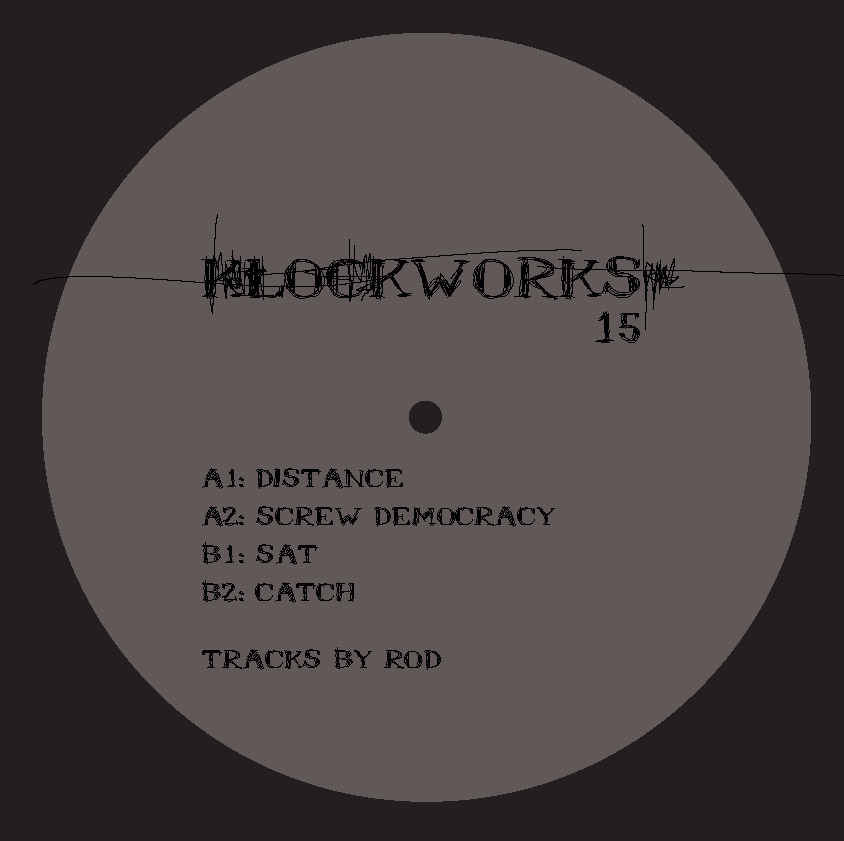
Returning to the label with his third EP, Dutch DJ and producer Benny Rodrigues—working under his ROD alias—has has come up with an energetic, four-track techno brute.
Releasing Klockworks 07 in 2011 and Klockworks 11 in 2013, Rodrigues debuted his first productions under the ROD moniker on Klock’s techno label.
Klockworks 15 showcases ROD’s energetic and dynamic approach to the techno equation with gentle melodic chords while on the flip side, feverish percussions build up into a powerful tension constructing a diverse release.
Ahead of the EP’s September 14 release, snippets can be streamed below.
Flashmob‘s free edit series is a collection of bootleg edits of a handful of seminal house and techno tracks. One of those tracks is Losoul’s brilliantly sleazy “Lies,” an undoubtable minimal-house classic. Originally released on Playhouse back in ’99, “Lies” now gets the edit treatment from the now solo Flashmob, with the Italian artist stripping things back and pushing the vocal to the front for a groovy, deep-house rework. Flashmob has just released an EP on Alan Fitzpatrick’s ESD vinyl-only label, as well as a “Raw Technique” sample pack on Beatport, and has a collaboration with Jerome Sydenham scheduled for this month. Before that collab drops, you can download Flashmob’s edit of “Lies” for free below.
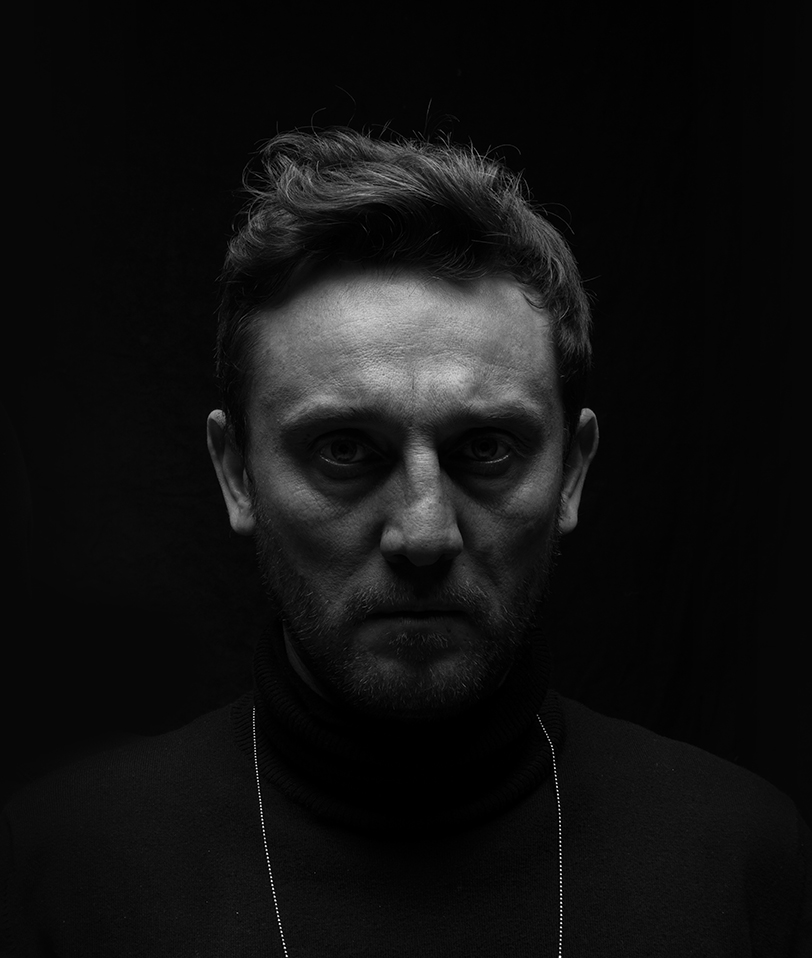
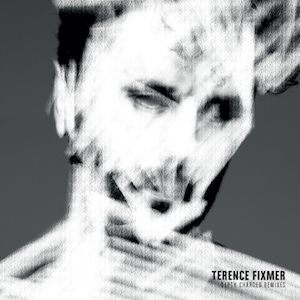
Planet Rouge record boss and Jealous God label stalwart, Terence Fixmer, has just announced that one of the last releases to come out on CLR before the label closes it’s doors for good will be a remix package from Fixmer’s 2015 album, Depth Charged. Succeeding his profound and forward-thinking album which was released last February, Fixmer returns with a new remix EP featuring Ostgut Ton’s Answer Code Request and UK’s underground techno hero Steve Bicknell. The remix EP will also see a live version of the track “Elevation” and a live version of the track “Unforeseen.”
Depth Charged Remixed will be released via Beatport on September 25, and shortly thereafter on vinyl and in shops all around the world on October 12.
Tracklist:
A1. Elevation (Answer Code Request remix) A2. Elevation (Fixmer’s Live Version) B1. Unforeseen (Steve Bicknell) B2. Unforeseen (Fixmer’s Live Version)
If you need your fix of Fixmer right now, you can also purchase his latest release on Jealous God that came out today on Juno Records!
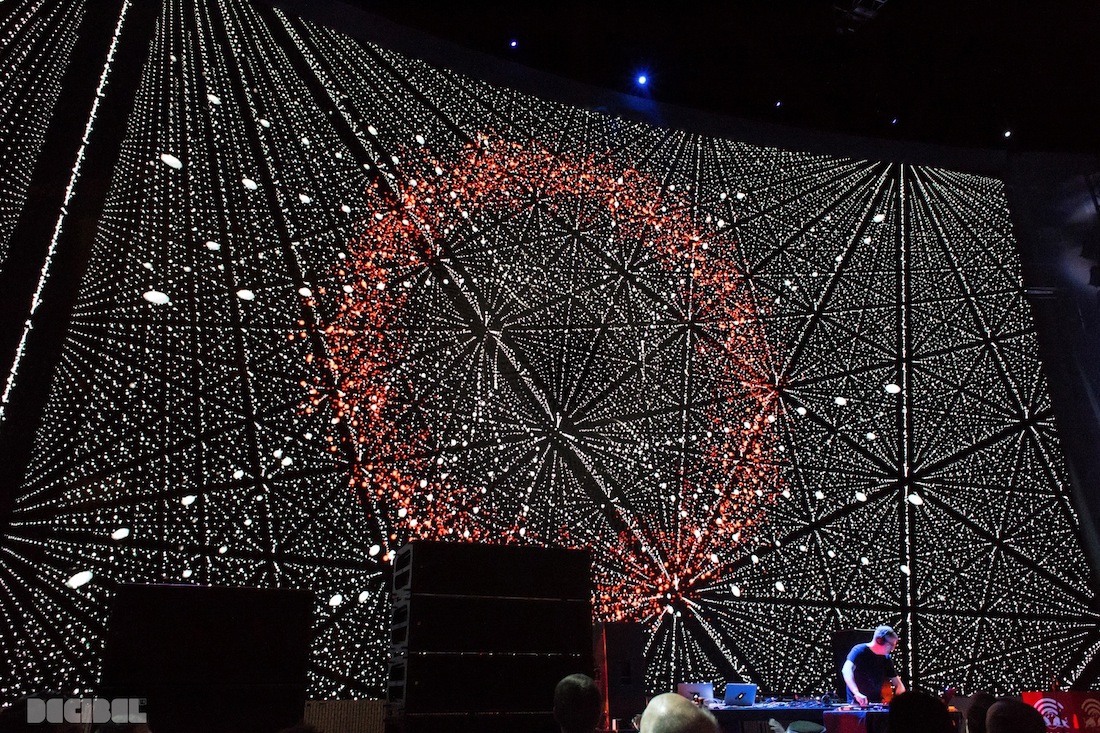
Sean Horton is proud of what he’s accomplished—and he has every right to be. As the founder, curator and president of Seattle, Washington’s Decibel Festival, which takes place this year from September 23–27, he’s overseen the 12-year-old electronic-music gathering’s growth from an intimate, 2,500-person affair to a world-class event that pulls in ten times that amount. And he’s managed that feat without compromise, with a lineup that can go head-to-head with pretty much any astutely-curated event in America. (This year’s wide-ranging roster boasts Nicolas Jaar, Tim Hecker, Function, Bonobo, Marcel Dettmann, the Black Madonna, the Acid and many, many others—118 others, to be precise. Click here for the full lineup.) Horton, who also is a DJ and producer who works under the Nordic Soul moniker, graciously took out some time out from festival preparations to answer a few of our queries, and his responses are evidence of the satisfaction and happiness (and perhaps, a bit of the anxiety) that helming Decibel has brought his way over the years.
This is going back a few years, but can you recall the original factors involved in starting Decibel? What was your motivation? What was the philosophy behind it? Decibel emerged out of a production company I founded in 2002 called Dreaming In Stereo. Much like Decibel, DIS focused on more experimental forms of electronic music, including IDM, techno, electro, ambient, noise, electropop, dub and downtempo. At the time, there was a major lull in electronic music culture in the United States. In 2001 through 2004, venues really weren’t buying electronic-music shows, and we were inevitably stuck doing weekday events at smaller rock venues. We were still able to pull numbers and help create what would become our core Decibel audience. It was also around that time that Ableton Live took off as a performance tool, fueling the live electronic-music culture in Seattle.
In May of 2003, I traveled to Montreal to attend third annual MUTEK festival. Aside from exposing me to some incredible music, visual art and people, MUTEK’s urban, venue-based format inspired me to look at Seattle has a possible festival location. I had already been working with several venues in the Capitol Hill area, and considering Seattle and Portland both had a burgeoning live electronic-music scene, it seemed like perfect timing to tie it all together into a weekend festival format. One of the benefits of throwing a festival is that it allowed us to attract a wider audience and secure weekend dates for the venues we had been working with.
The main focus of the festival has always been “electronic-music performance, visual art and new media,” which outside of MUTEK wasn’t really something I had seen being done in North America. The idea of having visual artists improvising and collaborating with live electronic-music performers was a pretty new concept at the time, and the technology had gotten to the point where it was more affordable. Considering so much of what we were doing revolved around new software, hardware and audio-visual technology, Decibel has always offered a free educational component to help attendees make sense of it all. In 2005 we branded this collection of workshops, panels, lectures and demos as the dB Conference, which has continued to grow in tandem with Decibel Festival over the years. Today, the conference has its own branding, partners, audience and year round activities.
The most important aspect of Decibel, however, has always been its grassroots nature. From day one, we’ve been a volunteer-based organization. The fact that we’ve grown to where we are without investors, large sponsorships, grants and outside funding is a testament to the Decibel team and the Pacific Northwest electronic music community.
Does the original ethos still hold true today? Absolutely! Nothing has changed in relation to the organization, mission or format of the festival program or conference. The focus is still underground electronic music and visual art, the majority of which is performed live. We’re still a volunteer-run, grassroots organization. We still offer the conference as a free component to the festival. We still work with many of the same venues, crews and partners that we did when we started. What has changed is the number of venues we use (16 venues in 2012) and the diversity of the audience in terms of age, race, sex, sexual orientation, location, etc. Our inaugural program in 2004 pulled just over 2,500 people. Since 2011, we’ve been pulling between 20,000 and 30,000 attendees.
“Decibel is truly a labor of love, and sometimes that love gets me into trouble.”
Was there ever a time in that first year where you thought, “holy crap, what have I gotten myself into?” Do you still ask yourself once in a while? Ha ha—every year. Decibel is truly a labor of love, and sometimes that love gets me into trouble. I’ve dedicated so much of my life to this music, going back to the late ’80s, and have such eclectic tastes that when it comes time to start curating the program, it’s sort of like going shopping when you’re starving. Everything looks good, and I often wind up going over budget and making decisions fueled by the heart and not the mind. There’s a reason I’ve kept my day job, lived frugally and hustled for every dime over the past 13 years. All-in-all, the people I’ve met, friends I’ve made, communities I’ve helped build and spotlight on talent that Decibel has contributed to somehow makes it all worth the effort. That said, I’d be lying if I didn’t curse the festival daily, and question whether I’m going to continue doing it each year.
Were there ever any major disasters—we can call them “learning experiences” if you like—in the early days that you can talk about? There have been many close calls, but nothing catastrophic (knock on wood). Most of the issues we’ve dealt with over the years have stemmed from artists being denied access to the country, or simply missing flights. Every year there’s at least a couple, and I have to drop everything to try and find a suitable replacement. More than once I’ve had to call up favors from John Tejada, Nosaj Thing, Tycho, Claude VonStroke and several other West Coast artists over the years. Much love to all of them for being good sports about it.
“In terms of tailoring the festival program to fit within the current EDM scope—I avoid it like the plague.”
The electronic music scene has obviously grown immensely since Decibel started. Has that made it difficult to balance Decibel’s core ethos with commercial demands? It’s interesting because in most cases, the more well-known acts that have performed for us, we had booked years before they’d reached mainstream success—for example Deadmau5 (Northwest debut), Lorde (Northwest debut), Zedd, James Blake (West Coast debut), Diplo, Justice (West Coast debut), Flume (Northwest debut), Flying Lotus, Nicolas Jaar (Northwest debut), Tycho (world debut a/v set), Boys Noize (West Coast debut), Dixon (West Coast debut), Moderat (US debut), Four Tet, RL Grime (Northwest debut), Claude VonStroke (Northwest debut), Duke Dumont (Northwest debut) and Flosstradamus to name a few. With the rise of EDM over the past five years, most of these acts wouldn’t within the Decibel format or budget today, even though we supported them early on. It’s frustrating at times, but it does force me to constantly seek out emerging talent, which as a DJ and music supervisor I’m luckily already doing. In terms of tailoring the festival program to fit within the current EDM scope—I avoid it like the plague. Not only does much of the music reek of homogeneity, it attracts an audience that I don’t think tends to gel well with Decibel. That said, we are continuing to see a younger audience that I would considering to be “post–EDM” in the sense that they’ve outgrown EDM culture, but still enjoy electronic music and are looking for something a bit more refined.
I’m sure there have been many sets or moments that have blown you away over the years, but are there any that you can pinpoint? My favorite Decibel Festival moment, and there have been many, had to have been the U.S. debut of Amon Tobin’s ISAM Live that we hosted at the Paramount Theatre in 2011. To put it into context, it was the first time we’d used the Paramount Theatre, which is a gorgeously ornate 3,000-capacity theater build in 1928 in the heart of Seattle. It’s the kind of place you go see Les Misérables. The fact that we were even attempting to host an experimental a/v projection-mapped performance there was ludicrous. Now I’m terrible in front of crowds, but the tour manager was explicit that I go out and tell the audience to “please refrain from using flash photography,” which would completely disrupt the performance. I remember standing behind the curtain, shaking like a leaf and having no idea how to address the audience. After working up some courage, I stumbled out onto the stage, and everything got incredibly quiet before I opened with “Hi, I’m Sean”—and the crowd roared. I had no intention of speaking to a crowd like that, and to this day I avoid it when possible, but to see that audience react to that performance and to the festival that night left me feeling a sense of pride and accomplishment that I’ve never experienced prior. The whole night will forever be ingrained in my memory.
This year’s edition has as super-strong a lineup as ever. What is the selection process like when you are putting together your lineup? Is it done by committee, for instance? There’s really no single process that goes into curating Decibel. I am incredibly organized and anal about building my “best of” lists each year, which (big surprise) is usually where I start when submitting offers in January. When I first start submitting offers, I honestly have no idea where or when they’ll be performing, just that I know I want to find a home for them. As I get closer to the festival date, I start to place each confirmed performer into one of several categories, which often includes performance format (live, DJ, visual), label, genre, era, location and even aesthetic value. Working off a master spreadsheet, I begin the laborious process of creating individual “showcases” that typically fall into one of these categories. In some cases, the showcases are completely eclectic, and are in turn offered to partners who happens to appreciate each artist’s work independently. In any case, each performer and each showcase is curated solely by me, which can be both exhilarating and exhausting. Aside from looking at the creative alignment of each performer, you always have to factor in the costs, travel, backline, availability, venue, format, day of the week and their exposure to the Pacific Northwest audience, which still makes up a good 60 percent of our total festival audience. When you’re dealing with 100-150 artists, performing across 10 to 16 venues, over five days; it can get incredibly challenging. Overall, the goal is for each showcase to represent a story, and each artist to represent a chapter within it. The narrative should flow naturally and allow the attendees to fully engage each performance, while enjoying the experience as a whole. Curating is a lot like DJing, actually—which luckily, I’ve been doing for 25 years.
Do you think being in Seattle—rather than, say, New York, LA or Chicago—been a help or a hindrance to Decibel’s success? Regarding the actual size of Seattle, I do often have to readjust expectations in relation to the audience size. Artists that might draw 5,000 in LA or New York would probably draw half of that in Seattle. That said, for the size of it, Seattle’s underground electronic-music community is vast and very strong. In terms of the musical tastes of the city, living here for 20 years, I can say from experience that Seattle audiences are about as fickle as they come. The mix of predominantly white, highly technical, well-educated and proudly subversive people combines to create the ultimate hater. That said, I do find that if you can appease a Seattle audience, you’re doing something right. The benefit of Seattle is I can often take chances on more experimental artists that I probably couldn’t do anywhere else in the United States.
In recent years, Seattle has become far more transient, largely in part because of companies like Amazon, Microsoft, Starbucks, Google and Boeing hiring nationally and globally. You’d think having the influx of money and a high paid workforce would help sustain the nightlife, but the reality of the situation is it’s caused a rift, pushing the underground further below the surface, while making the mainstream much more visible. Decibel has always been a festival that prided itself on musical diversity, which in turn hopefully translates to our audience. We aren’t the 100-person illegal warehouse party that you need a password to get into and we’re not “EDM,” on the opposite end of the spectrum, by any means. In a way, I feel that Decibel represents a sort of middle ground in that we lack pretension—but we certainly aren’t pedestrian. Whether that’s indicative the cultural landscape in Seattle, the United States or the world, I’m honestly not sure. What I do know is that if you love music and visual art of the highest caliber, Decibel certainly is for you.
Do you have any plans to expand beyond Seattle? Truth be told, I’m moving to Portland this fall. In terms of the future of Decibel, much of that depends on the success of this year’s program. We’ve had a brilliant run, and I certainly hope to continue doing something under the Decibel moniker in both Portland and Seattle. We do host over 50 year-round events outside of the festival program, and we have hosted events globally at MUTEK, Dimension and Movement over the years, so the desire and experience is there. I’m certainly open to the opportunity.
Do you think that Decibel will still exist in another twelve years? Yes, but I know I won’t be at the helm. I have a great many aspirations over the years that I have had to put on hold because of Decibel. I want to finish my album, write a book, raise a family, travel the world and ultimately find peace both of the mind and heart. In a way, Decibel has been like a child in terms of the evolution of its growth and the effort, money and raw emotion that has gone into raising it. After 12 years, I feel like it’s grown into something unique, beautiful and hopefully sustainable beyond my involvement. Decibel was always about creating a community, and I sincerely hope that community can continue to support it for another 12 years. I’ll certainly be there front in center, hopefully with my son and/or daughter to experience it with me.
Dennis Kane is one half of the Siren duo (with Metro Area‘s Darshan Jesrani) and the man behind the Disques Sinthomme and Ghost Town labels. He’s back to chew the fat with dance music’s movers and shakers, with Robin and Simon Lee—better known as London’s Faze Action—serving as this month’s subjects.
Brothers Simon and Robin Lee, who first burst on the scene in 1995 with the Original Disco Motion EP, grew up in the London suburbs and became enamored of music listening to shows like Gilles Peterson’s and Norman Jay‘s Kiss FM pirate broadcasts. Simon began collecting records and immersing himself in nightlife, and Robin devoted himself to studying music and composition. Hovering in the worlds of both acid house and acid jazz, they entered into the environ of production just as Robin was moving to Japan to teach. In the pre-Internet era, this created some serious obstacles, but by using his ability to transcribe music—and by using his school’s fax machine—Robin could get his ideas from Osaka to his brother. Simon would mail tracks back to Japan (via actual magnetic tape in an envelope, kids) for Robin to review. Original Disco Motion was a fresh and exciting sound, one that reflected their love for Johnny Hammond and the Mizell Brothers. It gained support from numerous DJ’s, most notably François K, and it became a seminal release for what would become the Nuphonic label.
1996 saw the release of the epic “In the Trees,” which features a stunning string arrangement that contributes to the song’s deep melancholic tone. That EP, along with many of their original productions, have an orchestral richness which enfolds gracefully with dancefloor time signatures and funky percussion. To date, Faze Action has released five albums—most recently last year’s Body of One—as well as numerous EPs and singles, and has an amassed an impressive list of remixes for everyone from Serge Gainsbourg to Banda Black Rio to Azymuth. The brothers have established themselves as heavyweight producers, as an impressive live act, and as DJs of note—and they stand out as iconoclasts of the nu-disco, nu-house scene. On a mutual studio breaks, we got together recently on Skype to discuss all things Faze Action.
Dennis Kane: Hey, fellas what goes on? Robin Lee: We have been back in the studio working with Zeke [Manyika]—he worked with us on Body of One, and we love his singing. He’s a great drummer as well. We are getting some new material together. Simon Lee: We also have been DJing. I was in Bulgaria, and Robin was at a festival, and then we are off to Serbia. Incognito are going to play live and we are going to DJ. RL: We have a remix for some act called Siren out as well. [laughs]
DK: I like the series of remixes you have put out in conjunction with Body of One. SL: Thanks. Yes, the album was well received and we thought we would do the remixes as a strictly-vinyl project, but the demand was such we did downloads. We did one, and Phil Mison, Dicky Trisco, and Chuggy; all did some great work, we think. We are happy with how it turned out.
DK: You guys are also doing live shows? SL: Yes, we have been doing some one-offs with the full band, and it has been going great. The night we did at the Red Gallery was excellent; we had Phil DJing as well.
“A song has to feel necessary, and it needs quality writing to drive it.”
DK: Has playing live made you want to record with the full band? Have you done that? RL: No, we haven’t actually done that. We have worked with all the individual players, or one or two together, but never as a full unit. SL: Actually, that’s something we should probably try. We are lucky the people in that we play with; we have known most of them for 20 years, and live playing has always been such a strong component of our sound. RL; There is a good familiarity when we step on stage. I like the idea of perhaps recording with the full group—the only issue is scheduling everyone at the same time.
DK: Having that extended relationship with the players, do you find yourselves writing parts with them in mind? SL: Oh, definitely. The track we are working on with Zeke has a heavy African sound, and it was written with him in mind. He definitely brings so much to it. RL: I might differ here—I’m not really sure it’s had much impact on the writing, but I am intrigued by that possibility.
DK: Nowadays, when so much production is laptop-based—which isn’t inherently a bad thing— there is a heavy cut-and-paste-and loop–based aspect to so much production right now It often can become homogeneous. I think working with great musicians is a terrific challenge. RL: Yeah, every one thinks producing is so glamorous or exciting. But it is a lot of really hard work—and it can’t just be habit or craft. You need that thing at the center; a song has to feel necessary, and it needs quality writing to drive it. I think about the ’70s, the pre-digital era, with all this great songwriting, all this phenomenal musicianship, these great recording techniques…. I want that. SL: I agree with Robin. And I love the idea of an LP, with eight or nine superbly crafted songs—this finished, resolved thing that has a long life. I also like the thought of the song and the musicianship developing together.
DK: Given the sheer volume of stuff out there, I think there can be room for some well crafted and played work—music,, that even if its dance-driven, can have a songwriter’s insight and nuance as well. SL: I totally agree, and I think we are going to see more sophisticated forms emerge, even within this context. RL: Yeah, man, you need that belief—otherwise you couldn’t go on! I think that’s also true of DJing; it has to have a diaristic quality; you have to have insight, and bring something specific to the table.
“At the end of the day, DJing about bringing people together, and that transcendence that can happen for everybody.”
DK: Do you guys still enjoy DJing? SL: Oh, definitely—it is so amazing to see how things impact a crowd, and the reaction is so immediate. RL: Yeah, I love it. I get so excited to relate to the crowd, and it is a nice complement to the solitude of the studio practice. SL: Seeing the records delivered to the crowd, having the chance to do that…its sort of a culmination of all the digging and composing and producing, etc. You get to drop songs you love to people who want to, hopefully, dance. RL: At the end of the day, DJing about bringing people together, and that transcendence that can happen for everybody. SL: Yes—and if that happens with our songs or our playing, that’s a win.
DK: So what’s on the horizon? RL: We are off to Brazil in October, and we are bringing some singers with us. SL: Teh Faze Action label has a bunch of releases coming up; we have a Rudy’s Midnight Machine coming on vinyl. RL: And some new Faze Action music featuring Zeke in the spring, and a bunch of remixes in the pipeline. I have a solo project that I am working on. SL: There are a bunch of DJ gigs lined up, too—so we are happily busy.
After twenty-plus years of composing, producing, performing and DJng, Faze Action have amassed a tremendous body of work; their sound and approach has depth, grace and real urgency. Try to catch them live, or see them spin—or delve into their rich discography.
Dennis Kane picks five from Faze Action.
Faze Action “Full Motion” (Nuphonic) A sophisticated bomb of a tune—subtle, with a haunting bassline and clean, stunning synths, it soars and dives. One of my all time favorite dance records. It reminds me of walking into the Loft when David had the room really going, joyful as all get out.
Faze Action “Spark” (Dub Mix) (Faze Action) Stunning synth work on this down-and-dirty disco machine. The song grinds and has some really nice changes; it moves on a theme, dissolves, brings in another phrase—there’s an easy fluidity, with some great percussion helping to chase it down.
Yellow Sox “Flim Flam” (Faze Action Live Guitar Dub) (Nuphonic) The “Flim Flam” OG gets some amazing guitar work in this buzzing and nicely jazzed-out remix. FA keep it dirty, and avoid the pratfalls of so many jazz-infused house jams. The guitar work shimmers, while the rhythm and bass keep locked in a tightly wound groove—get your sweat on here.
Serge Gainsbourg “Là Bas C’Est Naturel” (Faze Action Remix) (Mercury) In the jungle ,baby, it’s natural there—let’s go to Kenya and get humid. Jungle sounds and some nice electric piano with a light touch move this simple, witty lyric, and Faze arranges it so Serge shines on his own terms. A highlight of the I ♥ Serge comp.
Faze Action “Floating World” (Chuggy’s Dub) (Faze Action) From the first remix 12” series of their Body of One LP, Stuart Leath aka Chuggy maintains the bitter sweet Metheny-esque quality of the OG adding a lush synth cloud cover that enhances the songs mood.
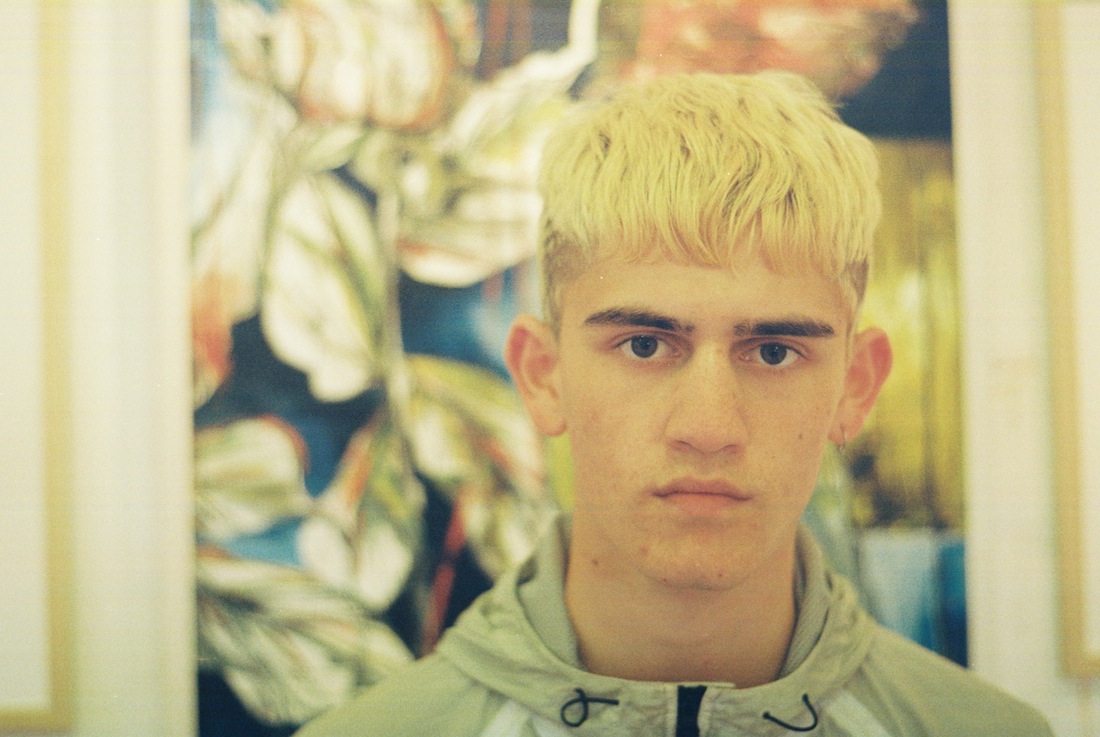
It’s refreshing to meet someone who has been making huge waves in the European electronic scene for the last three years, but remains down to earth and honest—perhaps even humble. Needless to say, then, when 18-year-old British producer and DJ Happa (a.k.a. Samir Alikhanizadeh) fesses up to carrying his records to gigs in a canvas bag, rather than a ready-made record case—a situation he describes as “pretty ghetto”—you immediately warm to him. Add his statement about “only really making music that sounds like it was dig up from the ground,” and we’re sold on just how straight talking the guy can be.
Shooting to fame via attention from BBC Radio tastemaker Mary Ann Hobbs, then being asked by Four Tet to remix a single at age 15, it didn’t take long for Happa to establish a loyal following. Perhaps it’s the way his hometown—the once-industrial city of Leeds—can be heard in the raw and uncompromising aural aesthetics he paints. Maybe it’s his approach to playing records—attacking, demanding, full throttle yet audibly influenced by IDM, concerned with experimental tones and obsessed by the desire to avoid dull repetition. Either way, he’s a worthy addition to a proud local heritage of club culture that spans decades, and includes the Orbit (arguably the finest techno party to ever grace the north of England), Back to Basics, Hessle Audio and 20/20 Vision, to name but a handful.
With that in mind, XLR8R was keen to meet him—which we did, in the rooftop bar of one of Leeds’ most respected venues, Belgrave Music Hall. With sun breaking through clouds, and pints of beer in hand, we began the conversation by asking how a high school kid gets commissioned by one of the biggest names in global electronica.
“The first thing I put out was through the London label and club night, Church. I think my EP was the first they had put out, apart from a white label, Happa recalls. “There was support from Mary Anne Hobbs, and then Four Tet came along. I’d made this track, “Freak,” which I ended up giving away as a free download for Christmas I think. Anyway, Four Tet somehow found this online and sent a tweet out. Before that, it had maybe 1,000 plays. Afterwards that number jumped to about 17,000. Then I got an email from Mary Anne Hobbs saying ‘Four Tet wants your email—am I OK to give it to him?’ Of course, I jumped at the chance. He was in touch pretty quickly asking about doing a remix, which is still the biggest thing I’ve done to date in terms of plays and exposure.”
Flying too close to the sun, too soon, is a mistake many up and comers make. Happa’s open approach to this line of questioning only adds to his charm. “Yeah, at first I was a bit like, where from here?” he admits. “But thankfully, I’ve got some great support in management. They have been crucial in terms of holding me back, in a good way. They give me free reign over some stuff; for example, I did an EP for Boomkat Editions. I had been pigeonholed into this bassy-house kind of thing. I’ve never really been like that, or never really been about one thing. Originally, when I was first messing about, I made really, really terrible dubstep. That Boomkat EP was a chance to show people what I’m really about. So it was great—but if I had been on my own, I probably would have taken every offer from every label.”
“At first I kind of played up to my age a bit, as I noticed people were picking up on it. Maybe six months after the Four Tet remix, it was getting a little annoying. After a year I’d definitely had enough.”
At the time, one of the major talking points regarding Happa was his age. Still one year away from college, and too young to legally attend the events his music was made for, there was always going to be a concern that the that hype stems more from circumstance than anything else. “Yeah, that was a bit of a worry,” Happa admits. “At first I kind of played up to my age a bit, as I noticed people were picking up on it. Maybe six months after the Four Tet remix, it was getting a little annoying. After a year I’d definitely had enough. I’d never be precious and ask people not to write about it, but I don’t think it’s important anymore.”
The conversation veers towards the origins of Happa’s love for electronic sounds, which in some instances are as abrasive as they are beautiful. “I was about ten or eleven years old,” he recalls, “the age when you’re about to go into high school. My older sister and brother were both into electronic stuff. It wasn’t their main thing, but they liked dubstep and things like that: DMZ, Tempa.… I remember being outside my brother’s room and he was playing Rusko’s “Cockney Thug.” It’s a typical Rusko tune, samples from the movie Snatch or whatever—Cockney gangsters swearing and shouting, with trumpets. He cranked the volume right up and I just went in there and said ‘What the hell is this? This is crazy.’ Over the next few years I fell in love with it all.”
He continues: “Things progressed from there. I think you can still hear that dubstep influence in me. Especially as I went from straight-up stuff onto Swamp 81 and Hessle Audio; mixing house, techno and dubstep. Then I discovered Tim Hecker, by accident really. I bought James Blake‘s first album, a Caribou CD, one by Nicolas Jaar and then Ravedeath, 1972 by Tim Hecker. I’d only heard of the first two, the others were recommended by Amazon when I ordered those. I think. Anyway, I put Ravedeath on in the car with my mum and was just like, what the fuck is this? Really weird. I fell in love with the James Blake and Caribou albums instantly, but this one I left for about a year. Then we were in the car again, I put it on—and although my music tastes hadn’t really changed in that time, I was blown away after hearing it again. Then I got into people like Ben Frost and loads of brutal industrial stuff—which is where I’m at now.”
Despite its heritage, Leeds currently doesn’t shout anywhere near as loud as it once did, insofar as events and clubs go…or, at least, it doesn’t from the outside looking in. We ask Happa to divulge, and whether he’d ever jump ship from his native domain. “Leeds really likes a good party, and can get quite messy,” he says. “But I don’t see much of a scene here for me, in terms of what I want to see and what I want to go out to. Every now and then there’s something good going on clubwise. Selective Hearing do some great things here, but there’s not really a thriving techno scene overall in terms of live music. It’s better for bands, my friends tell me, although to be honest I’m a bit of a hermit crab. In terms of moving, even just one hour down the motorway to Manchester, there seems to be so much more happening. So maybe.”
Tentatively, and through a near-cringe, we mention the ongoing diaspora of British talent to Berlin. Reassuringly, we’re met with another refreshing response. And laughter. “From my experience it’s an amazing city, Happa says, “but I just love England so much. It’s an incredible country. I recently went on holiday to Crete after a festival in Athens. When I got back I was walking from a friend’s house home and had this moment: Staring at the uneven pavements, the dark streets, I couldn’t believe how much I’d missed it. The gritty grimness is what makes the place.”
That same grit and griminess that can be heard on PT1, the latest EP from Happa. The track “Chewy Teeth” sounds like roadwork somehow trapped in a trance-tipped, subtly uplifting techno assault. An offering he’s deservingly proud of, it’s the first notable cut to come from his label, PT/5. He’s quick to point out, though, that this isn’t the first cut from PT/5. “”We put out an EP by these two guys from Leicester, Witch,” he explains. “There were two tracks by them—both wall to wall solid techno, but also quite crazy. On top of that there were two remixes, by Truss and then Shifted. I loved the EP, but it didn’t do very well sales wise. There were delays and issues. So Part 1 is like the proper start of things.”
“I’ve always wanted to run a label,” the producer admits. “Me and a guy called Al, who has kind of drifted away from things a bit now, started PT/5. We used to set up labels to give away free downloads of tunes our friends made, but after every track we’d pretty much be bored of that one and start a new one—new name, new logo. The whole idea of how iconic a label can be, and how crucial it can be to a genre, it amazes me. Also the idea of taking someone’s music and sharing it with the world. Sharing the joy, it’s what music is all about. Not that I want to sound like a total hippy.”
“It’s important to consider what you play properly. If it’s all for you, it’s self-indulgent; if it’s all for the crowd, it’s boring.”
This notion of disseminating ideas, both personal and those in the work of others, is a part of Happa’s DJing, and his attitude towards the role puts many more seasoned and arrogant jocks to shame. “I think going to see someone play out isn’t just about hearing what you think you want beforehand. I want to hear something shocking, or surprising, or funny. I don’t think you should be limited to just feeling one thing at a club night. I’d prefer to take a few risks and see what happens. Some people you can see get it. Others just look confused. And then there are a few that seem to get angry. In a way I wish some people were a bit more open-minded in terms of what they want to hear. Much as I love the monotony of techno, it’s also good to have some difference. It’s important to consider what you play properly. If it’s all for you, it’s self-indulgent; if it’s all for the crowd, it’s boring. It’s all about keeping things interesting, and thinking about how that works.”
Hailing from Argentina, acid artisan and Diffuse Reality Records figure Rodrigo Garcia has quickly ingrained himself in the Spanish techno scene in the last five years. With rhythmic sets at Sala Instinto in Barcelona, as well as memorable sets at Stuttgart and Tresor in Berlin, Garcia has quickly risen through the ranks of producer and DJ into a special, yet still very understated, niche of progressive and hard-pounding techno. When it comes to remix parings on DRR, the label has done a fantastic job of recognizing a production relationship between Garcia and Berlin’s own dub techno artist Myk Derill. While crafting more than a handful of tracks in his ten years of generating tunes for labels such as Engrave Ltd and Gynoid Audio, Myk has also cemented himself as a respectable DJ who continues to throw down heavy sets at barely a moments notice. Now these two architects have brought XLR8R an exclusive download of the track “Data,” originally produced by Garcia and given the dub rework by Derill. The track begins with a drowning drum pattern, before a bassline slowly begins to swim out of the murky depths of its original cadence and into a poltergeist vocal and acid-bath jacuzzi. During the final moments of the track, Myk pulls the plug out of the drain and lets the composition fall as the vocal floats to the top, wrapped in a warm reverberation. The track is available right now as a free download by clicking on the link below.
Having released loads of records on a variety of labels, Martyn is scheduled to release his first EP via Ostgut Ton on October 16. One of the factors that makes Martyn’s work so spectacular is how easily recognizable his style of production is. While the release is bound to contain elements of Martyn‘s signature sound, Falling For You contains three tracks that keep the club environment in mind but are still somewhat out of left field. Osgut Ton’s website remarked that the ten-minute-long title track uses field recording from the street and the Dutch producer explained to Resident Advisor, the tracks are “not the first thing that come to mind when you say Berghain or Panorama Bar.”
Stream Martyn’s latest single, “EF40,” released via Dolly Records, below. In addition, you can check out more music from the illustrious Osgut Ton by visiting their website here.
Tracklist: A1. Falling For You B1. U1-U8 B2. Ahmadiya