This Saturday, August 1, Subculture will be hosting residents Harri & Domenic at Glasgow’s Sub Club.
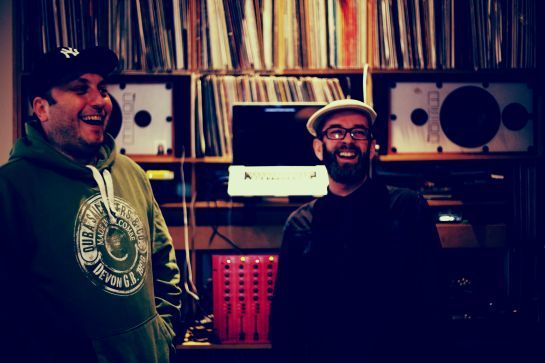
Pushing a forward-thinking blend of leftfield house and techno, Subculture is the worlds longest running underground house club, with Harri & Domenic spinning at the club as residents every Saturday since 1994. As a preview to the weekend’s festivities, Domenic has presented us with 198 minutes of soul-infused disco, house, and techno, all mixed together with his deft touch and musicality.
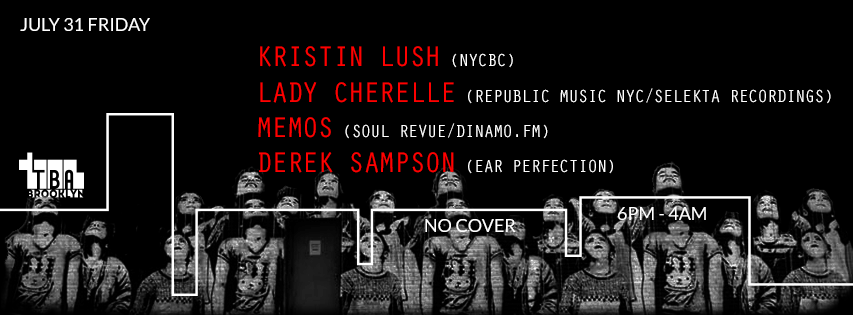
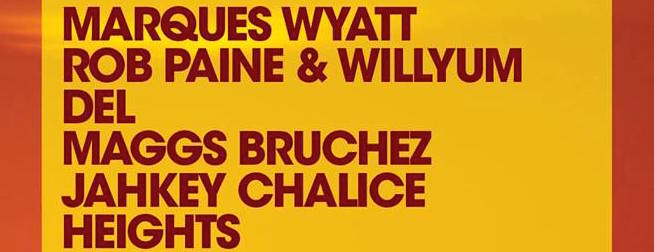
Last week of July means we are up to our neck into festival season, and to prove it there’s no festival shortage anywhere in the U.S. or Europe this weekend, nor any way for me to keep this post short. Check out some of our favorite picks below.
Amsterdam’s Dekmantel Festival kicks off tonight at Muziekgebouw aan ‘t IJ with Autechre (live) and Manuel Gottsching performing a live version of ‘E2-E4’, followed by expanded day and night performances throughout the weekend with two new venues added from last year. Krake Festival returns to Berlin Monday for six packed days of leftfield techno and experimental sounds featuring cutting edge acts like Untold, Cassegrain & Tin Man, Eomac, and Bintus. Over in Brooklyn, Full Moon Fest takes place all Saturday at the Brooklyn Mirage with Wolf+Lamb and the whole Crew Love family, plus international acts like Tensnake, Yelle, Rufus du Sol and Kite String Tangle. Charivari Detroit Festival is a two day free festival taking place during the day Saturday and Sunday in Belle Isle State Park featuring a big lineup of the best in Detroit based acts like Moodyman, Detroit Techno Militia, Eddie Fowlkes, Theo Parrish, while the after party action is taken care of by three days of pre- and afterparties at The Works.
US grime label Slit Jockey Records is celebrating their 10th anniversary this year with a ’10 Years Of Grime’ mini tour with stops in Brooklyn, Providence and Philadelphia and acts Spooky, Starky, Dev 79, and El Carnicero.
It’s a big weekend in XLR8R hq Los Angeles with highlights including tonights IHEARTCOMIX party featuring Kastle, Plastician, Swindle, Patrick Brian, and Swelta. On Friday night, Lot 613’s Prototype series will see Howling, Ame (live), plus local support from Droog and Plastic Love, while at a nearby secret location JACK promises to go off with Dj Three and resident selectors Jeniluv and MD. Sunblock returns to the Standard rooftop in dtla on Saturday afternoon with Dam-Funk, and later that night The Black Lodge will showcase Underground Resistance artist Nomadico (aka Dj Dex) who is celebrating his latest release on his new imprint Yaxteq, plus surprise guest L.I.E.S. artist WV (White Visitation).
For more event suggestions, to search your city, or to add your own events, visit the events page.
If spending hours on Discogs digging for classic house vinyl sounds like your idea of a good time, then allow us tell you about a re-issue that is surely going to sell out very quickly.
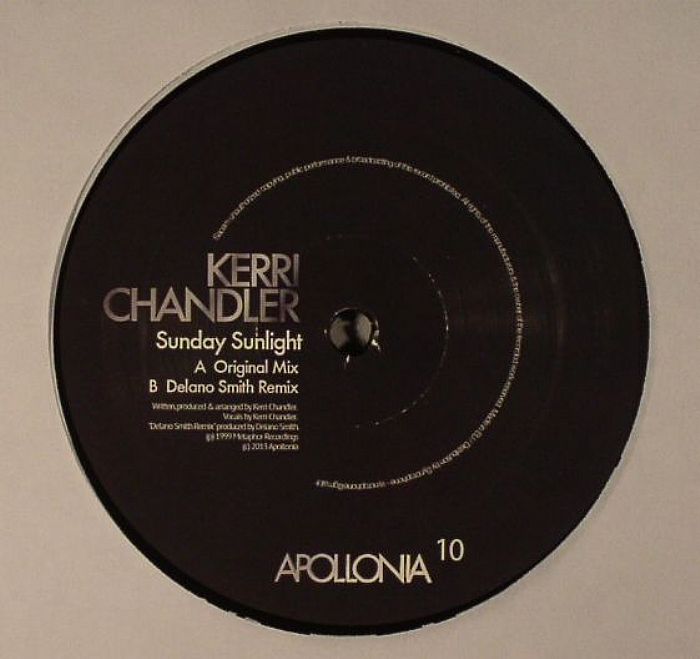
Kerri Chandler‘s hard-to-find “Sunday Sunlight” was first heard on the elegant 1999 deep-house EP, Night Moves. The record was formerly released on the short-lived Metaphor label, which was only around for about two years but which also saw understated releases by Miquifaye and Dennis Ferrer. The track became an outright underground hit, and first pressings of “Sunday Sunlight” have been breaking the bank on the internet ever since, sometimes fetching upwards of $80 for a fair-condition original pressing without the sleeve. But now, we’re treated to a clean repress of this house masterpiece on Apollonia music, the French label run by the DJ triumvirate of the same name. It’s easy to hear why this track was in dire need of a repress when you hear the magic that was ’90s Chandler—and as a bonus, the B-side comes with a Delano Smith remix that debuted last year.
The record is available at Juno right now. You can listen to the remix by Smith on the Soundcloud player below, and you can click here to get your copy of this exemplary release.
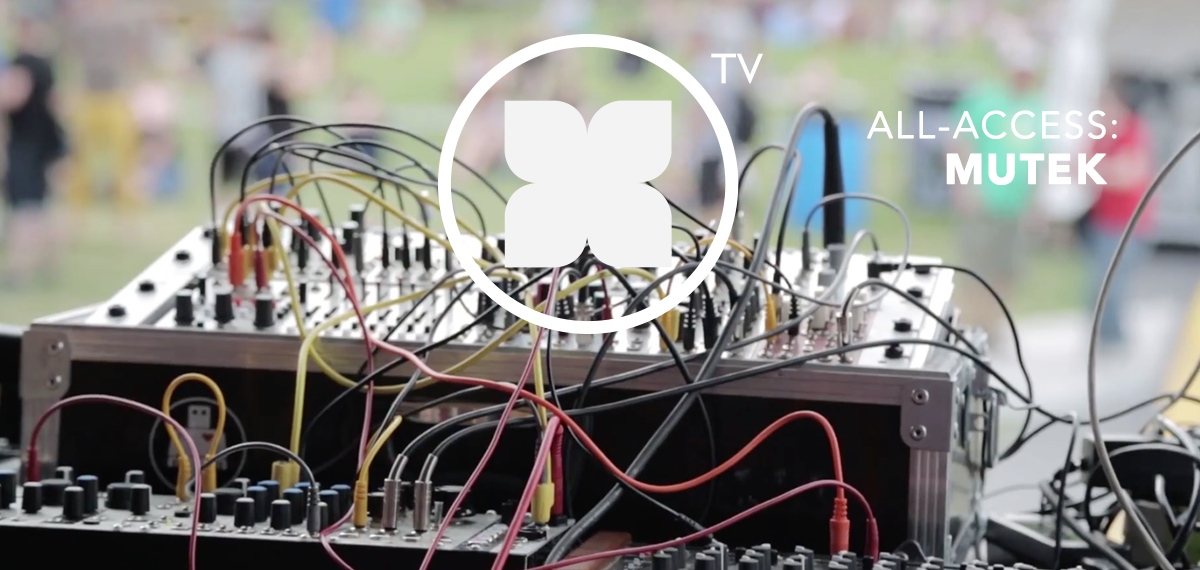
MUTEK is a name that any electronic-music aficionado should be familiar with. Launched over 16 years ago in Montreal, it’s a festival that’s been unwavering in its mission to showcase innovative and avant-garde electronics and art. This year’s edition ran across five non-stop days and nights at Montreal’s Musée d’art contemporain (MAC), and various other venues in the heart of the city, with world premieres and performances by Cobblestone Jazz, Atom™ & Robin Fox, Dasha Rush, Mathew Jonson, John Tejada, Music For Lamps, Hiroaki Umeda, and many more. With festivals now in Mexico, Barcelona, and Bogotá, XLR8R ventured to MUTEK’s birthplace to profile one of electronic music’s most inspiring soirees.
roBOt Festival has announced the fourth and perhaps final wave of acts scheduled for this year’s eighth edition which expands with 10 new artists.
One performance that stands out immediately from the list is the live-set by Siriusmodeselektor. With their participation in roBOt Festival, they will be closing their world tour offering the audience a final opportunity to attend one of their widely acclaimed live sets. The project brings together Siriusmo and Modeselektor, accompanied by the visual artist Pfadfinderei.
Among the national premieres are two live-sets, one by Prostitutes, the stage name of James Donadio, and the other by the Italian Chevel. Also added to the line-up is Koreless, an artist who lives music as a journey and who presents his new live-set. Italian Yakamoto Kotzuga will also be presenting his new album at roBOt Festival.
The 8th edition of RoBOt Festival will take place in Bologna, Italy from October 7 – October 10, with a concert preview at Teatro Comunale di Bologna on September 20.
More information, including the full line-up to date, can be found on the festival’s official website.
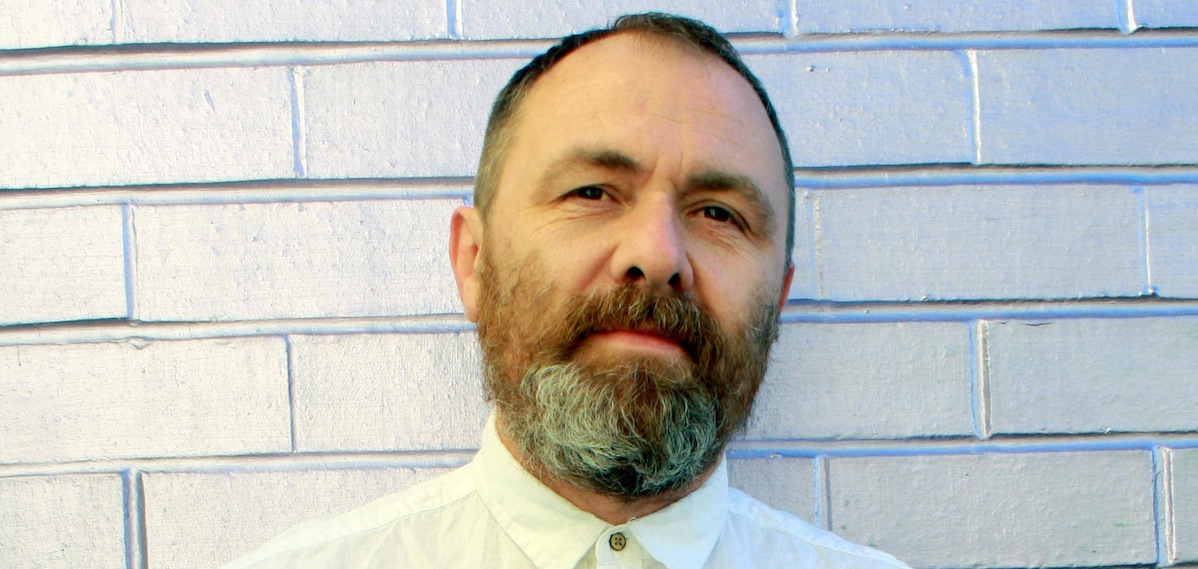
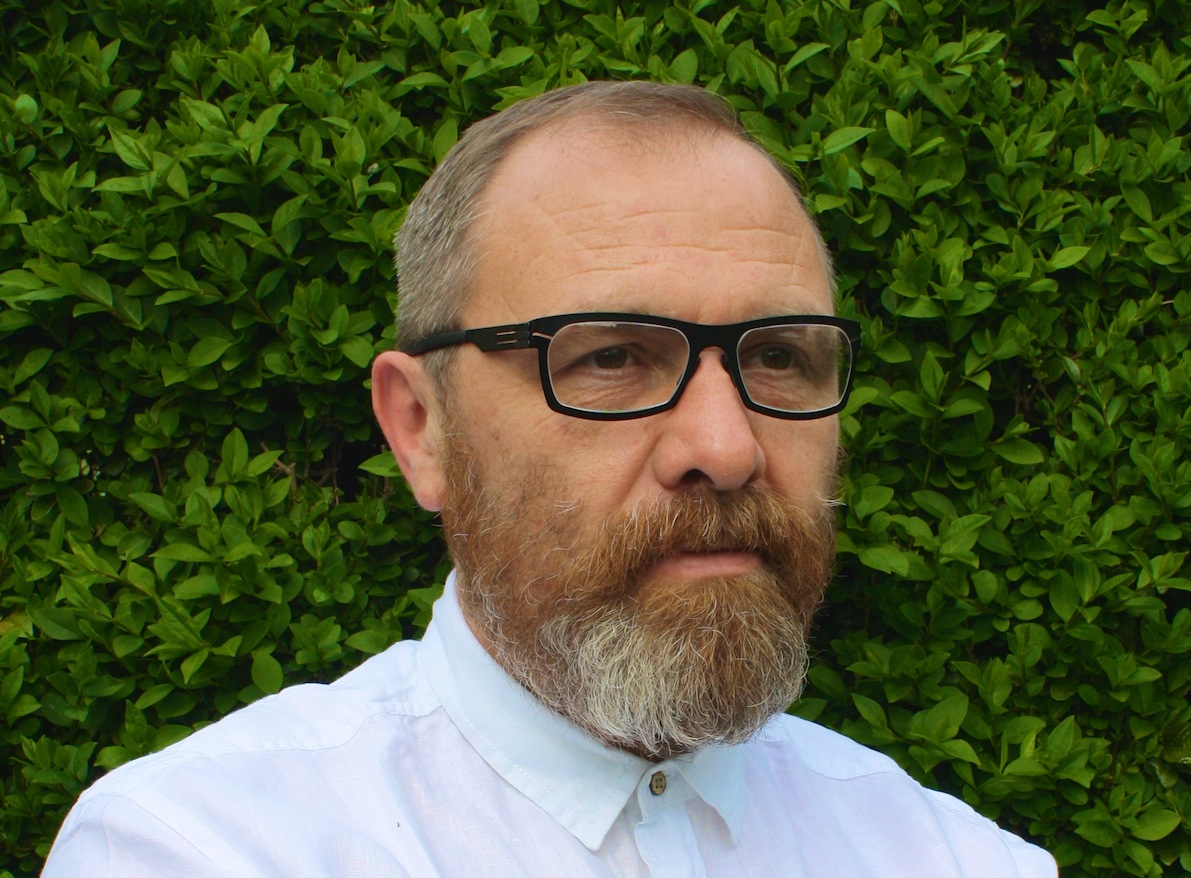
Over the course of his two-and-a-half-decade-plus career, Hull, England’s Steve Cobby has accumulated more pseudonyms than almost anyone out there. And most of them are pretty cool ones, too: Since his late ’80s days as the keyboardist and guitar slinger for funk combo Ashley & Jackson, he’s been variously known—sometimes working alone, other times with partners—as Horsemilk, 2 Loops Lautrec, PVP, the Solid Doctor, White Dopes On Funk, 2 Loops Lautrec, Barney Mullhouse, Brazil Nuts, Heights Of Abraham, Hey, Rube!, J.S.T.A.R.S., North East Sound System, and Peacecorps. (And that’s only about half of them.) But the nom de musique his probably most associated with is undoubtedly the one used by his long-running partnership with David McSherry, Fila Brazillia. Releasing music from 1991 through the mid-’00s—largely on the seminal Pork Recordings run by Cobby and David “Porky” Brennand, with the duo’s later music coming out on Cobby, McSherry and Sim Lister’s Twentythree label—the duo’s sound, like most everything Cobby had a hand in, was loose-limbed, laid-back, a little bit wiggly and a whole lot satisfying. It was sometimes lumped into the trip-hop category, but Fila’s was infinitely more accomplished than most of that genre; other times it was classified as acid jazz, though it was never as…well, acid-jazzy as that description would imply. Instead, the sound was hypnotic, otherworldly, and even a bit psychedelic, in its own subtle way.
In 2006, Cobby, with Lister, set up the Steel Tiger imprint—but production-wise, he’d been relatively quiet in rcent years, aside from the intermittent tune as the Cutler, his duo with old pal Brennand. That changed in a big way in 2014 when, under his own name, he put out the well-received Saudade long-player on his own Déclassé label—and this past May, scarcely a year after Saudade, he returned with a new album, Everliving. Like its predecessor, Everliving is a rich, sophisticated, emotive and accomplished collection of songs, jumping between and through genres and vibes with abandon—though, like most of Cobby’s work, the tempo rarely strays much above the 120 bpm mark. (Bonus: The man is a hell of a DJ, too, as anyone who was at the recent Wild Life festival can attest.) XLR8R recently had the pleasure of catching up with Cobby via Skype, and the veteran happily opined on his past accomplishments, his current work, and much more.
I was doing a bit of research before talking to you, and I ran into a fact that I didn’t know: A Fila Brasileiro is a breed of big Brazilian dog. Not many people are familiar with that fact. The reason that we based the name for the project on that was very ad hoc—as much of my career has been. David McSherry and I have been friends since we were in our teens, and we’d always dallied and experimented together, but had never worked on a solid project. We had separate bands—the standard guitar-bass-drums sort—but when we got together, it was always this kind of open-minded. We just enjoyed ourselves and did whatever we wanted. I had a little production suite—it had been facilitated through the deal with Ashley & Jackson, but when I was dropped from Big Life, I still had the studio to work in, and we used to get together fairly informally and do these little sessions.
Was that the beginning of Fila Brazillia? Well, what happened was that around the time that we got dropped, Porkie was looking to start a label, and he had heard a couple of things that we had done together, and he asked if he could release one of the tracks. We didn’t have a name for the track, and we didn’t have a name for the project. We ended up calling the track “Mermaids,” because we had a bit of a Robinson Crusoe motif at the time. But we still needed something to call ourselves. I was in the car one day, and I had the radio on, and it was tuned into Today in the Commons, and an MP was calling for a ban on the Fila Brasileiro breed. Apparently, they’re Brazilian type of bull mastiff. Of course, I misheard it completely. I proposed my misheard version, and everyone was okay with it. It wasn’t till a few weeks later that we did discover the correct spelling…but we decided to stick with the way we had it, because we liked the association with the sports company. As well with as the country, of course. And we never thought we would do more than one song, anyway.
You were happily mistaken. Yes, and the rest is history, as the cliché goes.
Fila Brazillia was such a seminal act of the ’90s downtempo world. Has that been a blessing or a curse in the years since? I actually spent a lot of time trying to put it behind me. I was making too much of a concerted effort to ditch my history. But as I got older, I did realized that it is the thing that people associate me with, and I shouldn’t disassociate myself from it. And now, I’m quite proud of it! And I’m proud of all my collaborations—not just Fila.
“I like the Kraftwerk model, where you almost treat the process like a factory job and clock on and clock off at regular hours, rather than treat the studio as a bohemian nest where you wait for the muse to descend.”
And not just your collaborations—you had a ton of great solo work as well. Well, after we got dropped from Big Life, I was adamant about owning the means of production. I didn’t want to have to go through another label in order to make a record manufactured. And I realized you more chance of being properly independent if you worked at your own speed. I like the Kraftwerk model, where you almost treat the process like a factory job and clock on and clock off at regular hours, rather than treat the studio as a bohemian nest where you wait for the muse to descend. That view of working in the studio allowed me to be more prolific, I think. Both alone and when I was working with other, and because of the relationship with Pork, I was able to release music as prodigiously as possible. I’m still kind of in that mindset.
In actuality, if one looks at your entire discography, there really is a wide variety of tempos and styles in there. You’re right—I do try to keep it varied. I don’t want to stick to one particular genre. Of course, at times I’ve made music for certain purposes. When I was deejaying every weekend, for instance—I was practically on retainer at the local nightclub—I was making more out-and-out dance music, because I wanted to make music that I could play out. But when I started exploring longer-form recordings in the mid-’90s, as opposed to just doing twelve-inches, I wanted to have work that did span 60 minutes without becoming too repetitive. I wanted to make music with a nice sweep of colors. Like my brother would be bringing Led Zeppelin or Pink Floyd into the house—those albums weren’t just one song, like AC/DC. I’ve said this more than once: Pigeonholes tend to be full of pigeon shit.
Saudade was your first solo album in a while, right? The last solo record was 18 years ago, as the Solid Doctor. But once I made the decision to do that record and this record, I’m now thinking about an album a year might be about right—not only in terms of getting the work itself done right, but also being able to get it to market. I’m doing it all myself, manufacturing and everything, so it’s a bit of work.
Was it the reaction to Saudade that set you on this path? That record seemed to get a pretty good response. I was surprised, to be honest!
What does the name of that album refer to? It’s a Portuguese word. I wasn’t familiar with it myself. I had reached an impasse with something else I had been working on, and I felt like I needed to go off and do something on my own. And the solo album that became Saudade just came out of the blue. I presented some library music to the publishers, music that I had found by going through the hard drives…things that were unfinished or had been cast away. And the publishers choose about 12 of them—but there were 12 they didn’t chose, and I thought it would be a shame if they just sat there and nothing happened with them. So I finished them off and decided put them out on the label that I had been working with—but there was still a lot of friction with that label, so I offered it to other labels. The last thing I wanted to do was to start another label myself. This is the fourth one I’ve been involved with now! But when I offered it to people, I didn’t get any replies—not even a “no, thanks.” Except for Richard Dorfmeister; he got back to me to say that G-Stone wasn’t releasing anymore. I got into a low funk, feeling sorry for myself. Steel Tiger hadn’t really made it; nothing we had put out had done that well. I was thinking maybe it’s time to become a council gardener; maybe I really am a taxi driver; maybe it’s time to get a proper job.
No! Well, I was at that point. But once I got done feeling sorry for myself, I realized that I have this skill set that I’ve built over 30 years. And it’s easier to do things independently now than it’s ever been. So I thought I would try a crowd-funded thing. I went to Kickstarter, and as far as they were concerned, Steve Cobby had no kudos whatsoever. Obviously—because I had never released anything as Steve Cobby! If I had tried to do it as Fila Brazillia, they would have checked the social media, and the points would have been infinitely better. Finally, I decided to do it on Bandcamp—I’ll do it digitally and press up a few CDs, thinking that this would end being something else that would trickle through the cracks.
But it obviously didn’t, The reaction was a revelation. I didn’t expect it to be nearly as positive as it was. But, to get back to the question about the name—sorry this was such a longwinded answer—I had been posting things up on Soundcloud as I was finishing them, and a Portuguese fan had written, as a remark on one of the tracks, “saudede.” I looked it up, and there was no English translation for it, but it vaguely meant a sense of longing or melancholy. I thought, fantastic! That sums up where I’m at! Originally I was going to release this under the Solid Doctor name, but I thought I’ll come clean and stop this kind of obfuscation, and put it out under my own name. And for whatever reason, there seemed to be a palpable difference in the way that the music was appreciated. I was propelled forward. And that was the seed of this album.
“This is my third wave: The first was with Ashley & Jackson, the second was with Pork Recordings and everything that entailed, and the third is me on my own.”
That must have been a great weight off your shoulders. It was a very good feeling. It was a turning point. And that album was really just picking through the past ten years and finding castoffs; this album was written from scratch. And I’d not done that for like 20 years, really—sitting down and doing solo work. This is my third wave: The first was with Ashley & Jackson, the second was with Pork Recordings and everything that entailed, and the third is me on my own. I’ll still do collaborations, but they won’t be coming out on Déclassé.
I guess that all explains why the new album’s title comes off as a bit more optimistic than one that denotes “a sense of longing or melancholy.” I’d actually had Everliving on the short list of titles for a while. It’s Rasta terminology for immortality: everliving Jah. What sealed the deal with the name was a quote that I heard from some composer—I forget who it was—but he was asked, “Is there life after death?” And he said, “No, I just do music.” I just thought, there’s your heritage—there’s your legacy! You are almost everliving, in a way. You do these things, and hoping they’ll have a residency…not knowing, you just cross your fingers. But when they do, the ripples travel down through time—and your legacy is intact. As long as there’s electricity, I suppose. [laughs]
Do you ever wonder about how much of our cultural heritage, musical or otherwise, would cease to exist if electricity suddenly disappeared? Absolutely. But on the other hand, how much more magical must music have been for listeners before they started archiving it? You’d hear it once, and that would be it. You can’t go back and listen to that performance again. Imagine you’re back 300 or 400 years ago, and you just got invited to some baroque recital. It would be like heaven; it would be phenomenal. And it would be sealed in your mind forever—it would have to be, because you knew that you couldn’t listen to it over and over again. Maybe we should make records that we can only make once. Real beauty is ephemeral, isn’t it? The reason something is beautiful is because it appears and then dies. But obviously, life is everliving.
There’s a certain mystical quality to some of the song titles, like “The Sober Certainty of Waking Bliss” and “May Flights of Angels Sing Him to His Rest.” Those are both quotes, actually. “The sober certainty of waking bliss” is from a philosopher named Gerard Heard, talking about the early experiments with LSD—the clinical trials, where people talked about the sea that connects everybody between the islands that we perceive ourselves as. It’s beautiful, the way he elucidates it. When I first heard that…certain things just kind of jump out at you, and they have to go into your notebook. That also happened with “may flights of angels sing him to his rest,” which is a Orson Welles quote, where he’s talking about one of his recently departed friends, eulogizing beautifully. I thought, what a beautiful turn of phrase! You couldn’t imagine anybody saying anything like that nowadays; there’s a real romanticism to it.
On the other hand, the album has songs with names like “Clams” and “Nip It Up Choppy.” We were going past the local supermarket, and they had rebuilt the petrol station on the forecourt, and my youngest son Eddie said, “They nipped that up choppy.” Another one that went right into the notepad. So Eddie gets credit for that one.
“I don’t want my music to be like a Mondrian painting. There are no straight lines in nature, you know?”
Everliving is a very rich-sounding album, and you use a lot of live instrumentation. Who were the musicians? Me! Well, I played all the guitars, bass and keyboards. A lot of the drums are me playing on a MIDI kit, and then firing off to BFD, this drum program from FXpansion that I really like. I’m a terrible drummer—and I’m not a particularly good guitarist, bassist or keyboard player, either—but the beauty of having your own recording suite is that you can patch things up to your hearts desire.
I have a feeling perfection isn’t your goal, though. I try not to get too carried away. I’ll never do more than three passes. I don’t like things that are overproduced; I don’t want my music to be like a Mondrian painting. There are no straight lines in nature, you know? Real beauty has flaws.
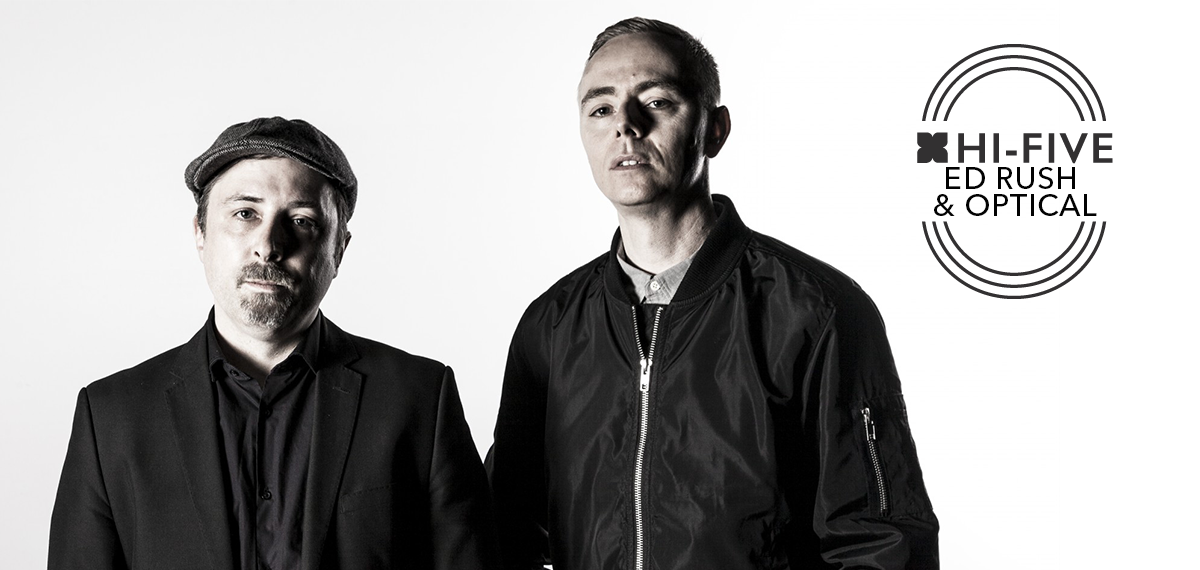
Foot-stomping, fist-pumping breakbeats, designed with rebellious youth in mind—that’s the sound of Ed Rush & Optical, and even if you’re not an acolyte of their belting rhythms, you’ve got to admire the consistency of their musical vision. Working both separately and together, they’ve been at the drum & bass game almost since there was a game—and for much of that time they’ve called Fabric home, having headed up the bill at the the famed London club’s very first d&b night ever way back in the last millennium. Through countless club nights, dozens singles and five albums (including 1999’s seminal Wormhole), most released on their own Virus Recordings, they’ve become synonymous with what’s become known as the Virus sound, a neurofunked-up subset of techstep that’s comes off like a runaway locomotive. Purists might not dig it—but the kids sure seem to, and the style has served the duo well for the better part of two decades. Almost shockingly, Ed Rush & Optical had never contributed to Fabric’s Fabriclive mix-CD series, but that omission has now been rectified via Fabriclive 82, which (as you would expect) is brimming with the kind of frenetic tunes with which the pair made their name. To celebrate the release, the veteran DJ-producers have made a list of their five favorite drum & bass clubs in Europe—no prizes for guessing the identity of the first club on that list.
Ed Rush & Optical launch Fabriclive 82 at Fabric on August 21.
“This list could never be a good representation of all the clubs we play at…there are so many really great clubs for d&b throughout the world. We are just going to focus on some of the best U.K.and European d&b nights we perform at.”
1. Fabric (London, U.K.) We played on the opening weekend and its been our favorite club in London ever since! It never fails to be a great time for us when we DJ and it always feels like coming home. The sound and production in every room is heavy—just the way we like it!
2. Star Warz @ Vooruit (Ghent, Belgium) We have had the pleasure of playing for Starwarz since the first event and it has always had a special atmosphere; the club is an amazing space and the people who go there are very knowledegable about the music, but a lot of fun too so it always ends up with all the DJs, staff and ravers wishing it didn’t have to end.
3. Major League @ The Melkweg (Amsterdam, Holland) Both the club and the Major League crew have been part of our lives for too long to remember, but this is always a much anticipated and guaranteed great night for us—many special memories over the years, but the Virus 15th Birthday was extra incredible. The club is cutting-edge, but as always, it’s the Amsterdam crowd that really makes it something else.
4. Bladerunnaz @ Durlin (Budapest, Hungary) There is a huge list of incredible d&b nights all over eastern Europe. Nnot to forget Let-It-Roll (it’s a festival so doesn’t make it into this list), but one that is consistently awesome is Bladerunnaz. Thecrowd at their events are totally hyped, and the energy is always immense and in-your-face.
5. Noisia Invites (Groeningen, Holland) The hometown of one of our favorite production teams and all around musical artists—Noisia puts on a night like no other. The crowd is very well versed in all areas of drum & bass, but what makes it something else is the ridiculous mosh-pit-going-off madness from the crowd. The only place we have ever had the “Wall Of Death” at a gig!
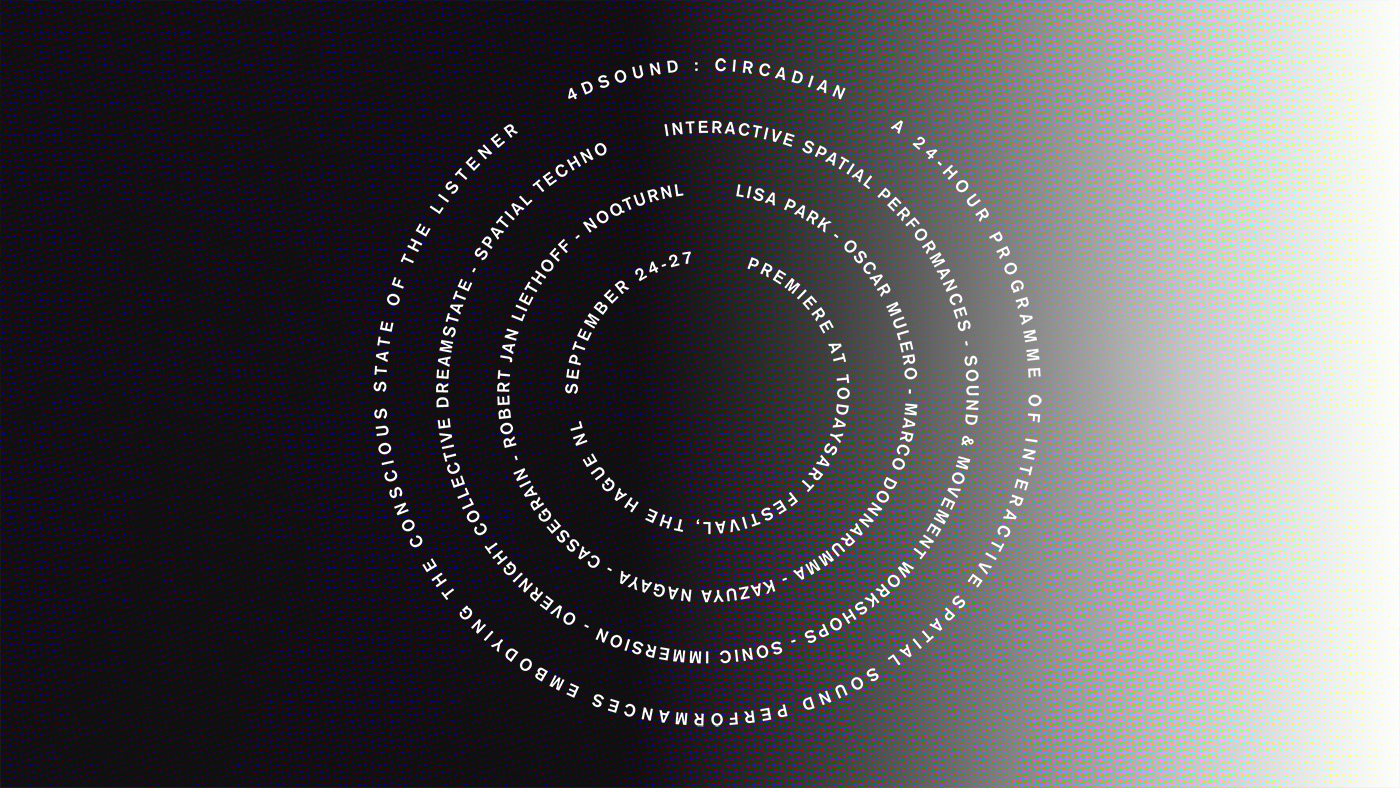
Premiering at TodaysArt 2015, the festival for contemporary art and music in The Hague, Netherlands, 4DSOUND Circadian will present a 24-hour programme that will investigate how spacial sound influences our states of consciousness by exploring new ways to physically connect the listener with the surrounding space. It is inspired by the circadian rhythms that govern our wake-sleep cycle and will take place from September 24 to 27, 2015.
Ranging from psycho-techno, to interactive performances incorporating neuro-sensors and embracing meditation, participants will be guided through the experience by Lisa Park, Oscar Mulero, Marco Donnarumma, and Kazuya with Noqturnl A/V performances by John Connell and Florence To.
The collective seeks to embody the range of conscious states of the listener throughout the day, encouraging heightened awareness of environment, mind-body connection, personal insight, creative expression, empathic sensitivity and social interaction.
Further information on 4DSOUND: Circadian is available here.
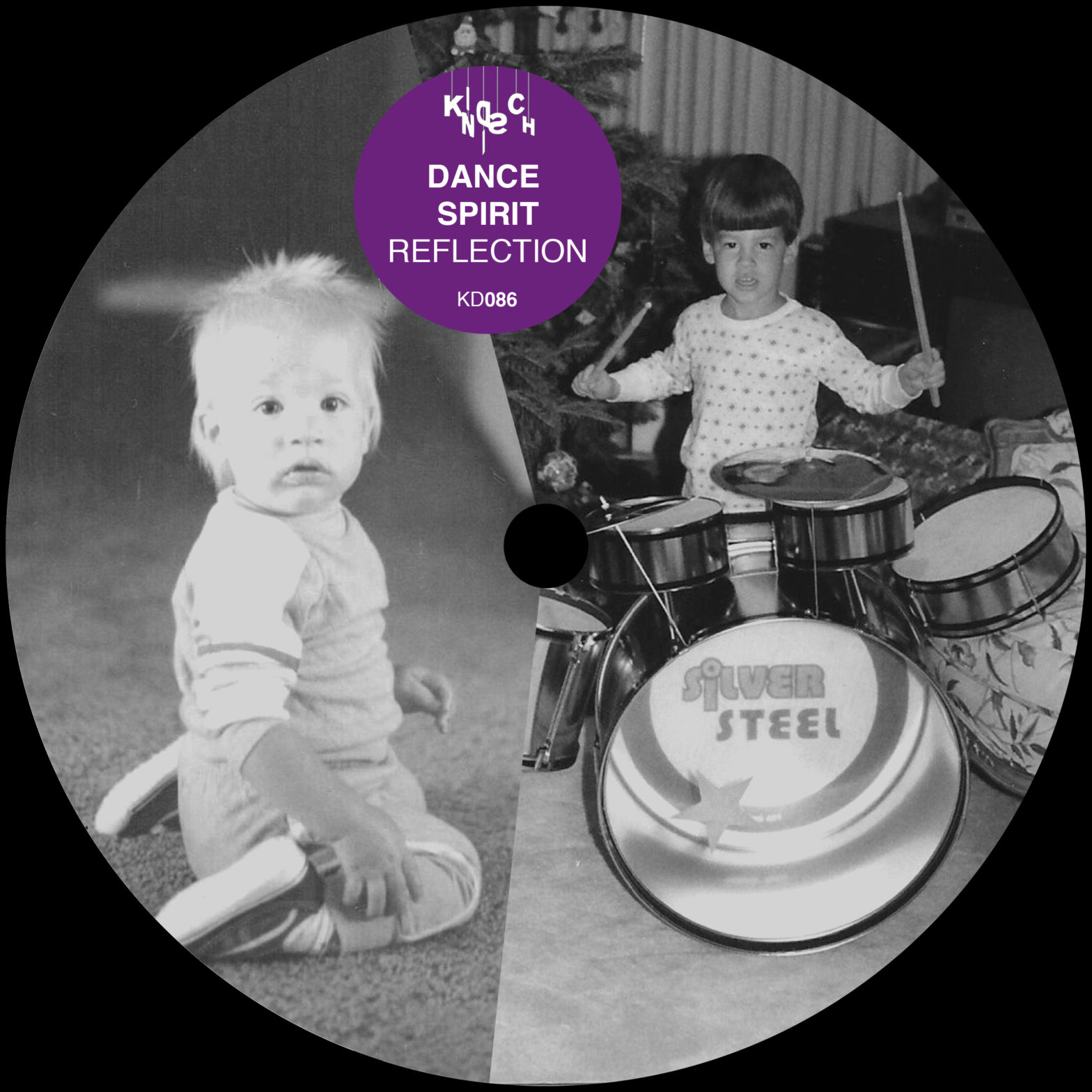
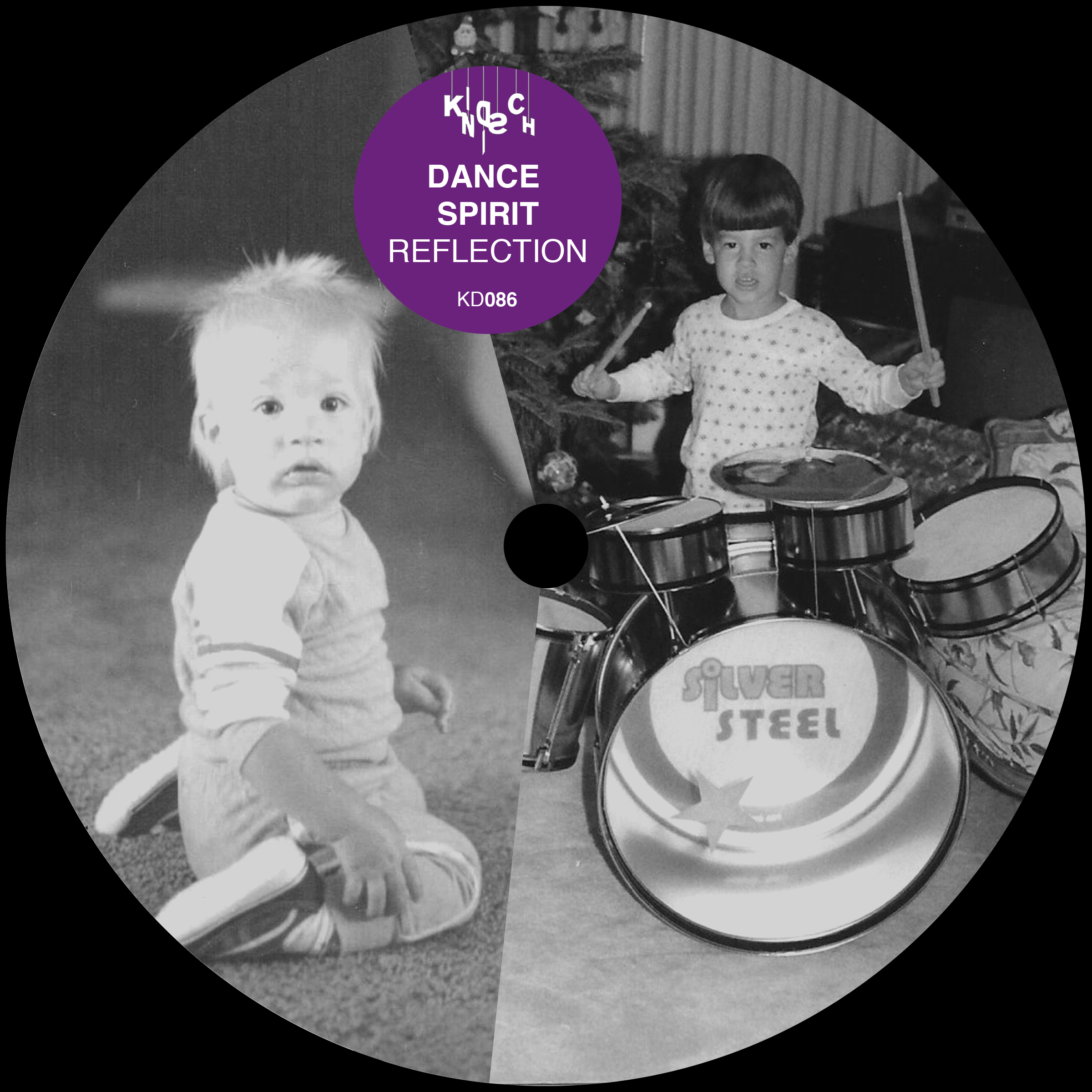
LA-based duo Dance Spirit will drop its latest EP, Reflection, on Berlin imprint Kindisch on August 4.
Operating in the deep and trippy style the duo are known for, the EP is full of organic soundscapes, moody synth work, and heavy, rolling low-ends. The hypnotic four-tracker also features collaborations with fellow LA artist Jon Charnis, who applies his touch to “Affirmation,” and the one in question here with Kindisch label head, Mia Lucci, who joins Dance Spirit for closing track, “Intention.” Driven along by otherworldy sound design and tight drum-machine rhythms, “Intention” closes the EP with the trio applying beautiful atmospherics and tension-filled synth work across its 10-minute run.
You can stream “Intention” in full below, with the full EP arriving on August 4.