As hinted at in a brief Q&A with Resident Advisor earlier this summer, veteran producer Andrew Weatherall is launching a subscription-based, vinyl-only label. As Juno Plus details, Moine Dubh (pronounced moyn doo) is named for the Gaelic expression for “deep black peat peculiar to Irish bogs,” and will focus on emerging folk and pop acts. To open proceedings, Weatherall has lined up a series of five 7″ singles that can be pre-ordered together here ahead of their official release on September 1. Read the label’s mythological press release below.
“Somewhere within an area bounded by Zola’s residence in exile, Pissarro’s paint pots, Marconi’s mistakenly Martian message receiver and the site of a Spurgeon sermon lies a tract of boggy ground of which not even ardent foragers are aware. It was whilst digging for peat on this land that my spade struck the metal box. A box buried in the rich dark layer. A box buried in the moine dubh. On retrieving and opening what looked like an ammo tin I found it to be full of quarter inch magnetic tape. Tapes full of invocation, evocation and magick. Tapes full of music now committed to vinyl. Spells etched into totemic objects available from Moine Dubh Records.”
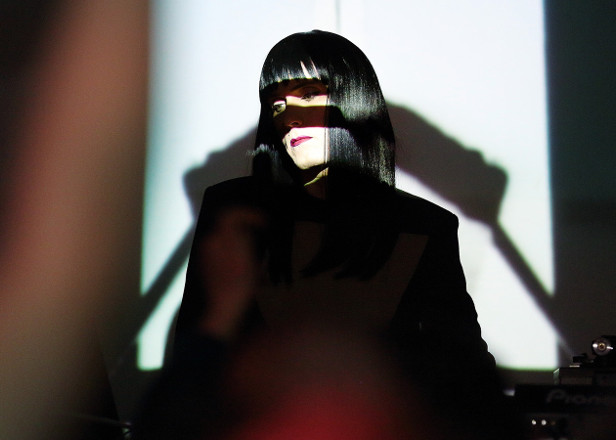
Ever since we first heard her name tied to a pathelogical production coming out on Sandwell District, Rrose has been the alias that continues to deliver us spirialing techno clues that keep bringing us back to the scene of the crime. Recently, she delivered a rework of “Having Never Written a Note for Percussion” by American composer James Tenney, a 20 minute long experimental hypno-therapy session played on a hand crafted gong, taking the sounds all the way from their quietest point to their loudest and back again.
After appearing at Mutek 2015 in Montreal, and at a Stroboscopic Artefacts label night in Barcelona in June, Rrose returns to her strictly solo release label (with the exception of Bob Ostertag), EAUX, with a pair of records titled For Aquantice, and Vanishing Pools. For Aquantice is pressed on a limited run of white vinyl for the first 500 copies, and was featured on the recent Berghain 07 release compiled by Function. Vanishing Pools will be available in late August and will be an extended 5 track single 12″ EP. Sort of a mini-LP if you will. Keep an eye out on Juno for Vanishing Pools in their upcoming releases.
Rrose will reside in the UK starting in the fall, and she already has some high-profile appearances lined up in Europe for the next few months. For Aquantice is available now from Hardwax, Boomkat, Bleep, Juno, and other fine merchants of salt. You can find more information about Vanishing Pools by going directly to the EAUX website by clicking here.
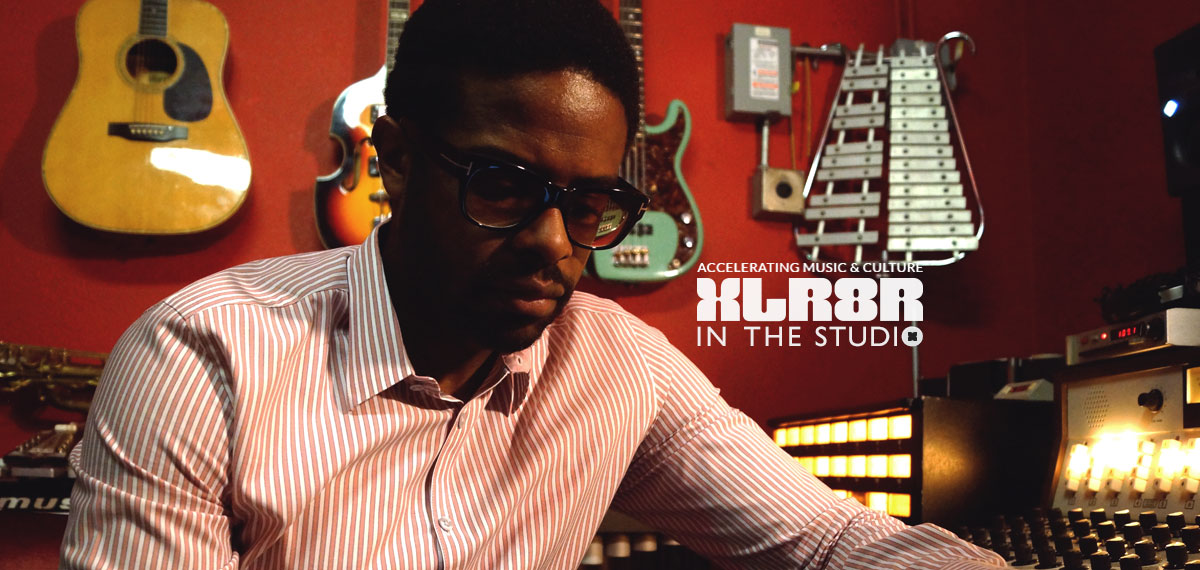
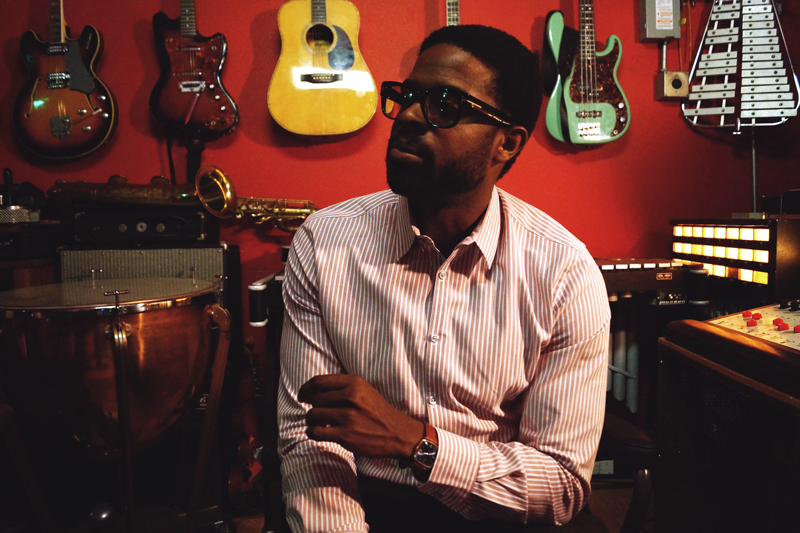
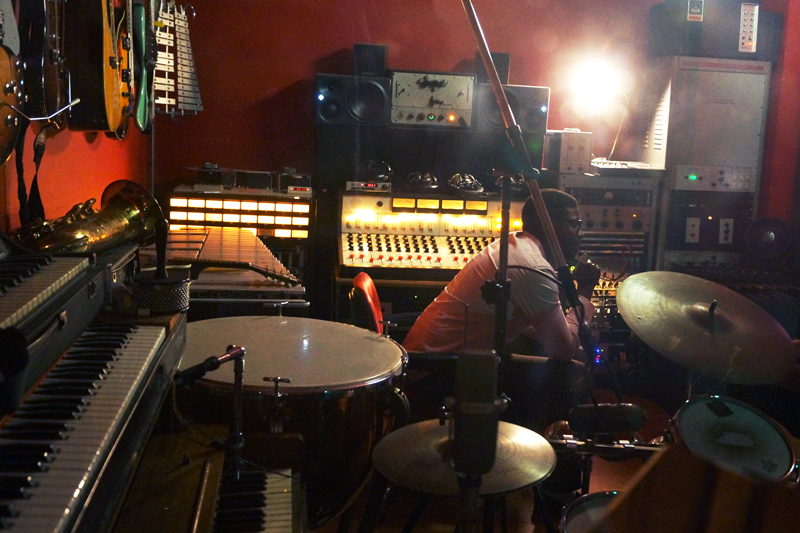
When it comes to analog production, few command the amount of respect, and know-how, that Adrian Younge does. Starting out with an MPC and inspired by hip-hop and the art of sampling, Younge soon realized, for his musical vision, he needed to create the samples himself—an audiophile epiphany, if you will. That epiphany has taken him on a self-taught route to a credential list that even the most seasoned of beatsmiths would envy. His tracks have been sampled by Jay Z, DJ Premier and Royce Da 5’9”, with the latter two exclusively using Younge’s music for their PRhyme album; he’s released a solo album, There’s Something About April, on which he played every instrument; he soundtracked and edited the film Black Dynamite; he owns and runs a record label and record store, Linear Labs and The Artform Studio, respectively; and he’s produced albums for Souls Of Mischief, The Delfonics, and Ghostface Killah—all of which he also played every instrument. In short, the man is a musical genius— one who has spent the best part of his life honing in on his singular vision of music: a raw, soul-infused sound that is hand-crafted from the myriad of holy grail-like instruments and recording equipment he’s acquired for his all-analog studio in L.A.
With his new album, Twelve Reasons To Die II, out now—and two more on the way in the fall—XLR8R visited Younge’s studio to talk analog gear, the creative process, and his highly-focused musical vision.
So Adrian, you’re a self-taught musician, producer, and composer, among other things—how did it all begin for you? Basically, I started producing in ’96. Like seriously producing. I had an MPC 2000 and a Tascam 8-track Porta-Studio, and I started producing hip-hop tracks that were inspired by the living legend, luminary hip-hop producers of the time, like RZA, Preemo [DJ Premier], all these people. And when I was sampling these records, I realized hip-hop was introducing me to the source material, which would in turn kinda change my life and provide me with a new focus in music. I realized the music I liked the most was created with live instruments. So at that time, being somebody bread within the hip-hop culture, my mind was opening up and I realized my favorite bands were actually Portishead, or Air, or King Crimson, or the Beatles. Like there was this epiphany, like I realized that if I wanted to be my best I had to learn how to play instruments—but not just play instruments, but to compose in the way they would have back then, and also capture that sonic palette that they used. Because that sonic palette is very essential to the music that serves as a source material for hip-hop. So I put the sampler down and started buying instruments, and I would come home from college every day and just start playing. Start writing things. Because when you’re a producer, especially a hip-hop producer, there’s so much music in your head because you listen to so much music around the world. You know, cause you’re trying to find that cool, ill sample. I wanted to get things to the point where I could make the sample in my head, and play the sample, but not only play the sample, but open up the chorus and create a full on sonic structure of something that was just kinda trapped in my head. So that’s how I really got into it; that’s how I started out playing all these instruments. And in addition to that, when I made the transition to learning to play instruments, in like ’98, ’99, I never thought that I would be doing it all on my own. It got to the point where I learned how to be self-sufficient because I didn’t want to rely on anyone or have anyone slowing me down. Because that’s what was happening. People would say “Yeah I’m down, let’s do this.” And then never show up. So I said, fuck it, I gotta do my own shit.
It all must have seemed a little daunting back then. I mean, now you play all these instruments, but when you were starting out and teaching yourself to play, it must have seemed like a huge mountain to climb—that one day, you would be writing the music for every instrument on a record. Oh yeah, for sure. I had an epiphany in ’99. I said I want to produce a whole album where I play every instrument. And my initial Venice Dawn album came out in 2000, and that was me proving to myself that I could actually do it, and I did it. And I even had to learn how to play stuff for the album. What I learned was that once you learn how to play one instrument, you can kinda play them all.
So what was the first piece of gear you learned on, your first instrument? It was a Fender Rhodes. It was like a real beat-up suitcase model and I just came home and played it every day. And I was still living with my parents at the time, I was like 18, 19 years old.
How long have you been in this space? About four years.
Looking at the gear in your studio, I feel like I’m in a museum. How did you acquire all of it? Has it been a life long search? You know what, it’s a “lifestyle search.” You may wake up and check your email; I wake up and check to see what people are selling. Like a passion, dude. Like I’m addicted to gear that can inspire me to make music. All gear, when you touch it, should inspire you to make a whole song with that instrument, you know…or a whole album, whatever. So when I first starting getting into gear, I realized I was becoming a collector. I mean, there was a time when I had like 15-20 analog synths. But I don’t need 15-20 analog synths, you know? They were cool but they didn’t all speak to me like that. So I realized, if I’m not using something in a six-month time span, I have to get rid of it—and I would have to get something else. So where we are at right now, at my studio, it’s just the cream of the crop. Stuff that I just need and use on everything. And It took a while to get to this point, where it’s pretty lean—lean with essentials. So it’s like, “Why do you have this amp, and that amp?” Well, this amp does that and this amp doesn’t do that. Or “Why do you have this synth and then a double of that synth” and it’s like, well, if that synth breaks down I’ll just use this one, or this one is more special to me, so that one’s my tour one.
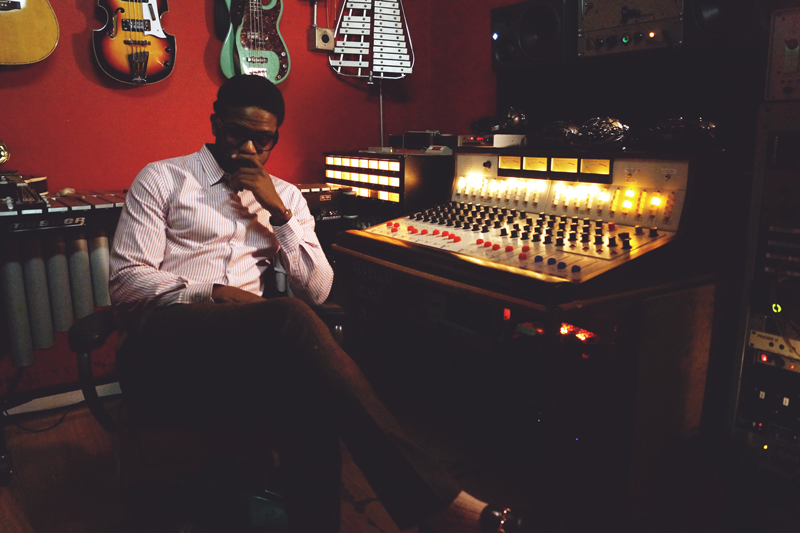
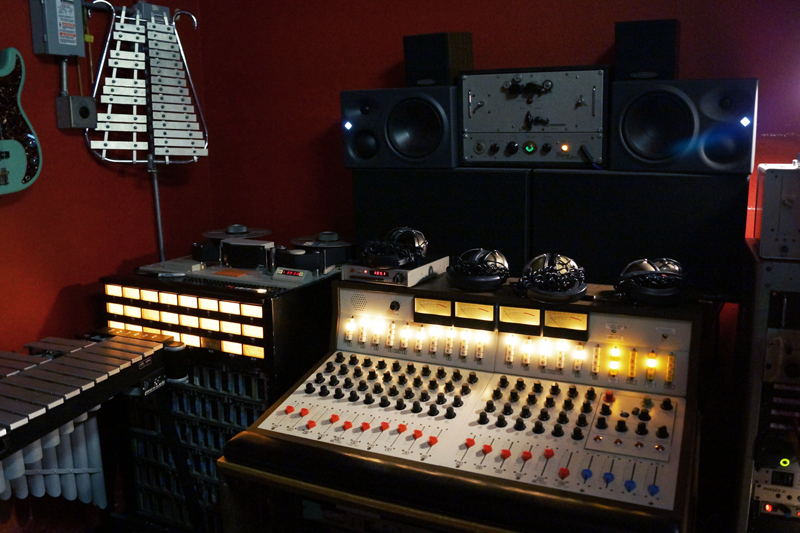
Can you take us through your most used pieces? So this is my mother ship right here, the OpAmp Labs Board custom mixer from 1972. These were initially made for television studios and it’s all solid state, transformer-based—and it’s beautiful. It sounds excellent! The EQs are all conductor-based, and the sound of it is just ridiculous. I always tell people, when it comes to professional audio products, everything is just five-percent increments. It’s not like there’s just one thing where you’re like, “oh that thing is the shit, that’s what makes you sound dope.” It’s all incremental, like a five- or ten-percent incremental increase in sound quality based on what you use. I could have all this gear and have garbage-ass instruments and make something sound dope. Or have dope-ass instruments and garbage pro audio and try to figure out what I’m gonna do to make it sound dope, you know? It’s all perspective. So everything I have in here falls in line with my perspective based on what I’m doing. Because I don’t just do something that sounds psychedelic, or just something that sounds romantic—there’s different tools I use for different songs.
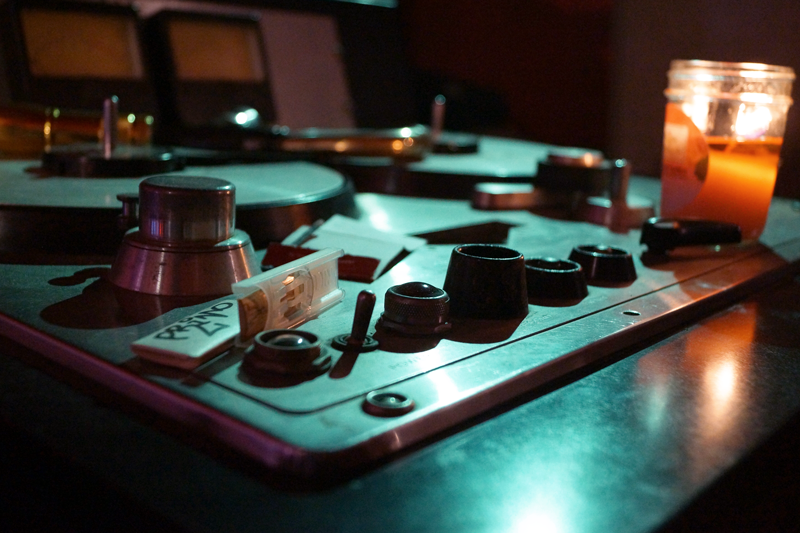
In regards to creating, do you have the vision for what you want to make first and then choose the gear? Absolutely! Let’s just say for example, I’m making the Black Dynamite soundtrack. Or the Superfly soundtrack. There’s a certain type of wah I’m gonna use. I have dark wahs, and bright and beautiful, Sesame Street–type wahs. So it all depends on what the type of song is in that type of time frame. Everything I do is created from a time perspective, so if something is supposed to sound like it was from ’74, I’m not gonna incorporate elements from ’81 or ’82. I look at music in that it changes every two years…well at least back then it did. So, that being said, this is my baby right here. It’s a 16-channel recorder, and it’s 16 channels because I love 16 channels. I use 24-inch tape, but instead of using 24 tracks, I use 16 so I get a fatter sound. So I record on 16 tracks here, then mix on 16 tracks here, and then I mix down on my Ampex ATR-350 quarter-inch machine right there. And that sounds ridiculous! It’s all these little things that add to the greater sound.
I’ve noticed that most of the stuff that you’ve produced has a distinct narrative attached to it, is that what attracts you to the projects you work on? Well, when there’s a story tied to an album, it inspires all the parties. So, I’m saying to you, “Let’s make an album that’s based on kung fu fighters in China, and it’s 1865, but we’re gonna act like it was filmed in 1981.” We want to create the type of sounds that they would have created at the time, but we want to make those sounds in the scope of an RZA. So if I said “You’re this character, and you’re on a mission here and these are all the stories, this is the narrative, this is what you gotta do,” then it inspires me to create the type of songs for that story and it inspires you as a vocalist to perform in a certain manner. So when we are limited to a certain story, it actually inspires us to try to expand upon that world. And when you’re expanding upon that world, it inspires you to do things that you would not normally do, because you’re now allowed the chance to do whatever the hell you can within that world. Absent of that world, you’re not gonna go there. Those songs are not gonna be made. You’re just gonna be freely trying to figure out, well let’s move in this direction, or that direction. When you have a narrative attached to something, you kinda know where to go. And it’s just like each song you do you get closer and closer to being in that world. So when people listen to my music, I like them to feel like they are taken to another world, instead of just singles put together on an album.
Have you always been inspired by narrative and film? You directed the clip for “Rise Of The Ghostface” correct? Actually David Wong was the director; I’m an editor. So with Black Dynamite, I scored that film and I edited that film. On all the videos I do, I edit all of them. So I edit the films, but the director is my right-hand man. So we write it from an editing perspective and we synthesize the narrative within that, so that it actually looks interesting. Having the film component with me with what I do, as far as music is concerned is integral, because the type of music that I make is audio visual music. It’s music that should serve as score to whatever picture you can create in your mind. So when I can give you elements, like a story element, when you’re listening to this song and that song, it’s like you should be able to envision, “Oh, that’s this person getting shot,” or, you know, “Oh, that’s this person in love,” or whatever it is. I love how music can create an audio visual experience. To me, some of the best music is the music that does that.
You actually wrote the narrative to Twelve Reasons To Die? Yeah. With Part One, I wrote the narrative—and in writing the narrative, I consulted with my close friend and band mate C. E .Garcia. And then on Part Two, I said to C. E. Garcia, “Dude, I want you to take over this narrative. I want you to write this whole thing, and I’ll consult with you this time.” So I wrote the first one and he wrote the second one.
And I read that on the first one you basically wrote the musical foundation for the album in two weeks, correct? Well yeah, but put it this way, if that story wasn’t there, and I had to write the foundation for an album with someone in 2 weeks? I could do it, but as far as being inspired, and having a direction? If the picture isn’t ready to be created, you’re just not as inspired. But there was something I saw, something I heard in my head for that one. I was on fire; I just wanted to get it all out. Especially just working with Ghostface, you know?
I’ve heard a lot of other artists say that the limitless possibilities of modern technology can actually be a hindrance when creating music and art, and that by creating limitations, like narratives, time frames, and gear, it can actually open up your creativity and let it all flow. Oh yeah, exactly! The ramifications that you set for yourself can inspire you to do things that you would have never thought of, because once you’re trapped, your job is to persevere. So I mean, hip-hop is based on that notion; hip-hop is based on the break. Sampling a certain part of a song and making that part of a song longer. So when you’re limiting yourself to whatever, whether it’s sampling, or instruments, or a certain recording style, it’s your job to persevere and actually make that interesting because you’re competing with other people that don’t put those kind of limitations on themselves. So, for myself, everything I do is analog. I don’t do anything digital. Everything is analog and that’s a limitation for me. However, in my world, it’s not a limitation at all because I don’t create the type of music that would generally be created by musicians that work with digital recording studios, and/or digital equipment, as far as production is concerned. It’s not to say that what I do is better, because I don’t feel like that at all. I just feel that in order to do what I do, there’s a certain way I must limit myself. I can’t use plug-ins, and everything I do has to be live, like they would have done back then. And those are just the rules for me. But those rules help to differentiate my sound to other people that, for lack of a better word, do “retro-style recordings.”
So how has your production changed from Part One to Part Two? Well, to me, the Ghostface Part One is more of an introduction—Part Two is the real story. Because, just sonically, it’s darker and deeper. There’s way more to this story now than in the first one. I’ll give you a rundown: In Twelve Reasons To Die Part One, Tony Starks is a member of an Italian crime family. And in order to rise through the ranks he had to be Italian—but he was black. So he broke off from the DeLucca clan—which is an Italian family—and started his own criminal faction, and they were at war. And during this war, Tony fell in love with the wife of a DeLucca crime boss and they had an affair. One night she lured Tony Starks to a meeting at an old record plant, and when he went to the meeting it was sabotaged by the DeLuccas, and they killed Tony Stark’s men and Tony Starks by burning him in a tub of acetate, and they made twelve records as souvenirs of his death. And whenever the records were played, the spirit of the Ghostface Killah would come out and kill them all and seek revenge. So basically, that story was how Tony Starks turned into the Ghostface Killah. So that was in 1968, when part one happened…as if the shit is real. So Part Two is in 1974, and the De Luccas are in New York, and these are younger-generation DeLuccas. And Raekwon, who is starring as Lester Kane, is running the streets in the ’70s. And he’s a crime boss, just like Tony Starks was. He’s at war with the DeLuccas, and during the war, they end up killing Lester Kane’s wife and kid. So, I mean, he really hates them. And he always knew about the legend of the Ghostface Killah, but never knew if it was real. He and his men invade the De Lucca safe house and actually find 12 sealed records. So Raekwon played the records to summon the spirit of the Ghostface Killah, and he comes out and says “I’m down to help, but if I help you get rid of the DeLuccas, you must give your body to me so I can become human again.” And based on the circumstances, Raekwon says, “I’m down.” And during their war with the DeLuccas, Raekwon notifies Ghostface that Logan, the girl he had an affair with in Italy, now lives in New York and, unbeknownst to Ghostface, he has a son—Tony Starks has a son. So at the end of the story, after they’ve killed all the DeLuccas, they’re all in a room, it’s Raekwon as Lester Kane, Ghostface, his son, and Logan. And don’t forgot, Logan is the one who set him up in the first one. So Raekwon kills himself so that Ghostface can take over his body. But Ghostface decides not to jump into his body, but to jump in the body of his son. And he kills his mother, Logan, and Tony Starks is now alive again…as if we’re leading into Part Three or something. And I really wanted to tell that with the music. I wanted people to hear the music and feel where this story would be going. So like I said, going back to this concept of limitations, I limited myself to what they would have done in ’74 had it been on an Italian film, placed in New York at the time as if an Italian composer like Ennio Morricone hooked up with a RZA and had him as one of the producers.
One of the things that I really noticed on the album was the nuances that show up in the music—not only from playing analog instruments, but also with the analog recording as well. For example, in the track “Get Money” with Vince Staples, the most interesting part of the bassline is all the finger slides and slight imperfections. It’s what gives it its character, and I think that’s the beauty of the way that you produce and record. Thank you. I wanted to create something funky, but “Sparks” at the same time. Not something with too much going on, but just like you’re focusing on the syncopation and the beat…like everything is just hitting each other but it’s not a constant chord. Like everything kinda bouncing. And I wanted that to inspire the MCs to go certain ways, and they did, so I was happy about that.
We recently did an interview with a group called Cobblestone Jazz who said “With modern production and computers, you can lock something into key and it will all be sitting perfect, and nothing out of place. But some of the best parts of music are some of those in between notes that you accidently hit, the sliding of the fingers to get to those notes” Well yeah exactly. So this new album is coming out on my label, Linear Labs, and it’s based on a mission statement: delivering handcrafted, bespoke music that is perfected with human error. I love human error, I love shit to be a little off. It’s the ownership of what’s off that’s the beauty in art. Its not about being exactly perfect. When it’s perfect, it loses the edge, you know?
So that was another thing that I read that you had said, that when you are mixing tracks down, you try to not be too surgical or too perfect, to give it punch and thickness? Well I’ll elaborate on that. What it really is is that I’m inspired by the source material of hip-hop. And the source material of hip-hop is essentially music that was recorded in a way that was not necessarily of the most professional standard of the time. So if you think about the most classic breaks of music, some of the most classic samples, that were not major-label releases, the drums are crazy loud. Or the bassline might be super fat. The vocal might be all the way on the left speaker, so you could just sample that one. Or the guitar might be super twangy in a way that a major label wouldn’t have even thought about releasing it. But it’s those weird things, that’s what inspires my mixing techniques. I mix in a way that is absolutely wrong, but in a way that is right for that sound. Like, your drums are not supposed to be super loud, because your snare frequency is usually in the same frequency as your vocal. So how are you gonna have a fat-ass snare and a big vocal? Its like, I do everything that’s off as hell. I have a ton of midrange in my bass, and if you have a ton of midrange in your bass then that’s meant to clash with your other chords and those other mid range frequencies. But I’ll record my chords and piano so that those frequencies don’t clash with the midrange of my bass. So its like I’m doing everything wrong to make a right sound. And that’s what my whole studio is kinda geared towards.
Something that I found really fascinating in the short film by Malik Hassan Sayeed and Arthur Jafa—which can be seen here—was that you were looking for a dark, RZA-like sample, and you found the sample, but rather than use the sample, you chose to recreate it by getting into the mind of the band who played it…who you said were an eastern European band that were trying to be the Beatles, but weren’t quite good enough. Yeah, so basically, I don’t sample. Everything I do I do live. So when I’m creating music, what I say is that I’m sampling music in my head. And then I put the facts together: Who are these musicians? Who are these people? Where are they from? So if I’m listening to American soul funk”from ’72, and I listen to Brazilian music at the same time, it’s not gonna be the same. Because they’re gonna be like two or three years behind. So I think about thing like, am I a Brazilian dude in LA, and how am I playing these congas? If I’m playing drums, am I supposed to be someone who is a very tight proficient drummer? Or am I meant to be the homie who kinda plays drums but has a nice little syncopation to his hits? These are the things I think about because I’m playing these instruments as separate musicians, not as Adrian Younge. So it’s like, if I’m playing guitar, or bass, there’s certain things where I’m going to be, like in “Get The Money” where I’m going all over the place with the bassline. Or there’s certain times where I’ll be like, well, what would RZA do here? He would just keep it simple like “booom chh, bo booom chh, bo boom”—alright sweet, I’ll just do that. You know? So I’m in characters all the time, and these characters are inspired by many of my favorite composers and producers from the decades, like Isaac Hayes, RZA, Preemo, all these people. So I’m looking at all of them, as if I have them in the room. But it’s really me doing it.
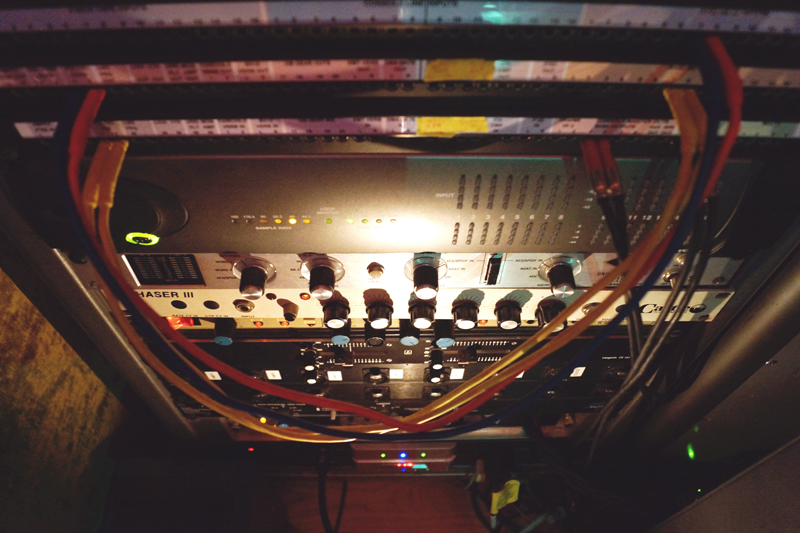
So back onto the gear, you said that your gear and your studio has been a lifelong obsession, so is there a piece, or instrument, that is like your unicorn? Your holy grail? Something that you really want but haven’t been able to get yet? Actually, no. It’s funny man, because people are generally always looking for a sound, right? Well I’ve found my sound. So it’s like, I’m so happy with it all. I don’t have to have one more piece of equipment for the rest of my life. But that doesn’t mean I don’t buy gear. Because I’ll be like, ohh that would be dope to have in addition to this, or in addition to that. I’m straight, though, when it comes to gear; there’s no real holy-grail type piece that I don’t have that I want, because I have a lot of holy-grail type stuff already. And I’m like the dude that gets one thing for one purpose. For example, those black compressors, those are old tube compressors that were actually made for television, but they were military spec. Those I have specifically for vocals and specifically for bass. That’s it! And there are certain things they do just for that. See what I’m saying? Like, I’m dialed in like that for everything I have. This reverb I use just for certain things, I use that spring just for certain things, you know? So I’m dialed in now, but there was a time when I wasn’t dialed in, where I had these holy grails. But now I got the holy-grail shit so it’s just time to make music.
When did you start your label, Linear Labs? Well, Linear Labs was officially started last year with the Souls Of Mischief album There Is Only Now. Second was the Los Angeles compilation that we just released. And the third release is this new Ghostface Killah album.
So you released the original Venice Dawn piece as Adrian Younge, but now your band is also called Venice Dawn, right?
Yeah. Remember when I said that I wanted to release an album where it’s me playing all the instruments? So in ’99, I made that album and released it in 2000, and it was called Venice Dawn. And it was supposed to be a fake Italian movie from ’69. So when we performed back then, the band would just be called Venice Dawn. So now the band is still called that. And on all my albums, even though I play all the instruments, I always make sure I have the band on the album, because I always want them to feel vested in what I do. Because these are my people. So that’s where Venice Dawn comes from. It was the title of my first album and now I use that for the title of my band.
What else do you have coming up? Well, two weeks ago I had an album released with Bilal. Last week, the Ghostface Album. In the fall, I’ll also have another album with Ali Shaheed Muhammed from A Tribe Called Quest. Its called The Midnight Hour. And that album is essentially the kinda stuff that A Tribe Called Quest would’ve sampled had this music been made before, but with modern artists like CeeLo, Bilal, Marsha Ambrosius, Common, like a bunch of people. Then, I have my Something About April album coming out in the fall. So these are the next four albums I’m focusing on.
Last night, Kode9 delivered a throwback mix of dubstep and vintage garage on London radio station Rinse FM. As FACT reports, picks from the Hyperdub label boss included Horsepower Productions, Loefah, Benga, LV, and more—all tracks that didn’t make it into his set for DMZ‘s 10th anniversary party in Brixton over the weekend. While no official tracklist is on offer, the nearly two-hour mix can be streamed in full below.
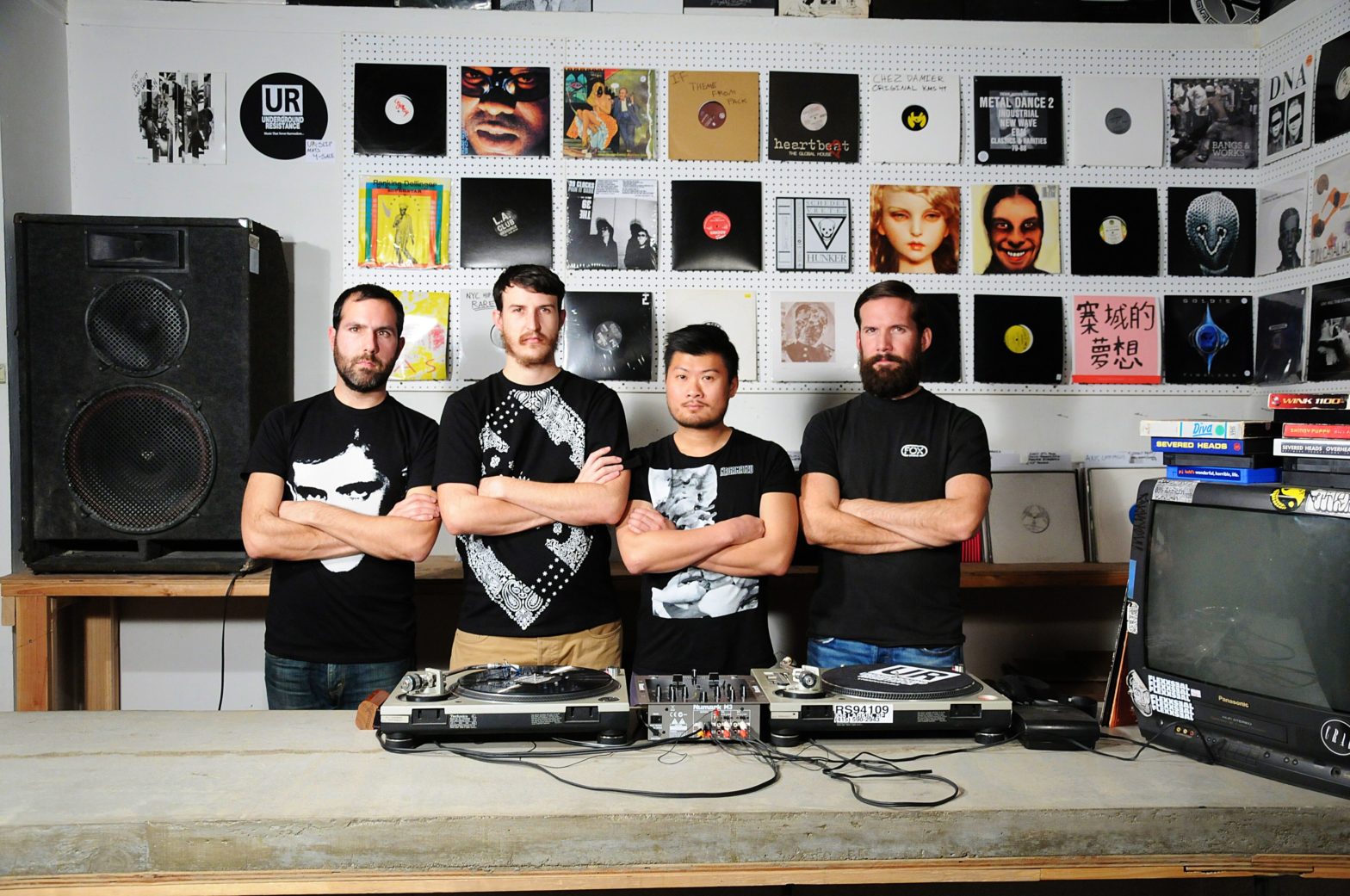
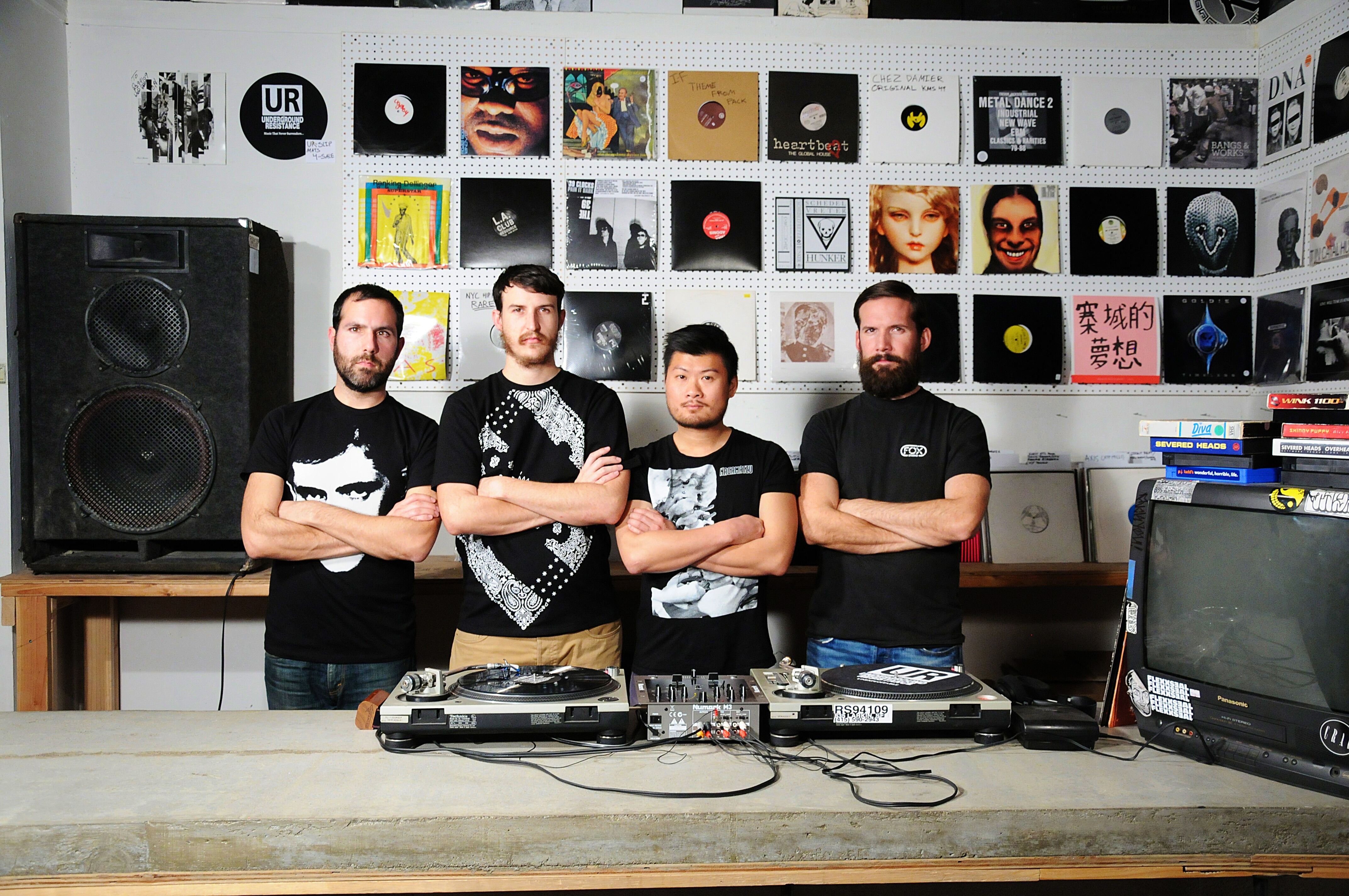
Bay Area DJ/art collective Honey Soundsystem relaunches its eponymous imprint next month with a pair of 12″s from founding members Jackie House and Robert Yang (a.k.a. Bézier). The group, which we profiled as part of Bubblin’ Up week in 2014 and also includes Jason Kendig and Dark Entries label head Josh Cheon, has thrown its collective muscle into residencies in LA, Chicago, and its home city of San Francisco recently, but the two forthcoming records mark a renewed emphasis on vinyl releases.
Titled 皆, which translates as “Everyone,” Bézier’s three-tracker is described as “a journey through space” that culminates in “an interplanetary discoteque” featuring SF drummer Kevin Woodruff. Scheduled for simultaneous release, Jackie House’s vinyl debut Stydive has “as much house party in it as it does warehouse 4am,” and enlists Matrixxman for a b-side remix. Both EPs are out on August 10 and can be previewed below.
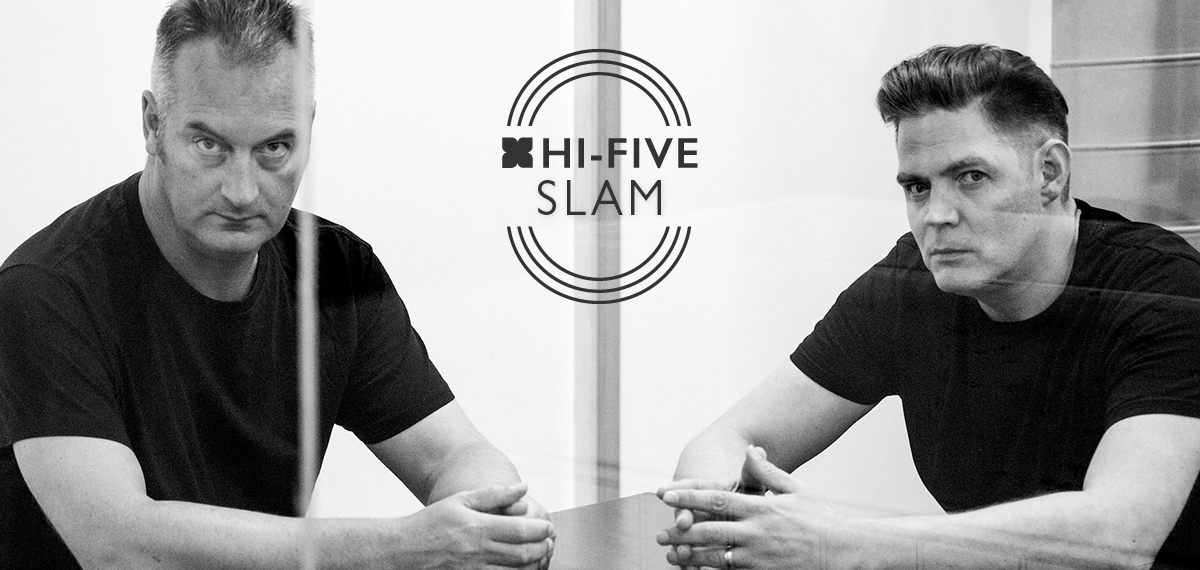
It’s easy to take Orde Meikle and Stuart McMillan, the Glasgow-based DJ and production vets together known as Slam, for granted. After all, since the duo’s beginnings in the ’80s, theirs has been one of the most consistent partnerships around, through both their DJing and productions—not to mention their label, Soma Quality Recordings, which has itself been one of the the electronic-music world’s most dependable entities. Such consistency can sometimes breed indifference—but to overlook Slam and Soma would be a mistake. Meikle and McMillan may never have had the kind of flash that brings jet-set notoriety, but there’s a treasure trove of gems in their lengthy discography—think of the emotive bleep-soul on their remix of Dot Allison’s 2010 song “Cry,” for instance, or 2007’s quietly majestic “Azure.” And then, of course, there’s 1993’s “Positive Education,” that sweeping, world-conquering track that some have credited as being the first tech-house track (though that distinction is obviously up for argument). Another reason to bow down to Slam: Nearly three decades after teaming up, Meikle and McMillan—as well as Soma—are as vital as ever. Last year, the pair releasing Reverse Proceed, a set of original works that spanned the Slam sound, ranging from gentle, soothing ambiance to their tried-and-true, propulsive-techno aesthetic. And now Slam has compiled Slam presents Transmissions: Glasgow, just released on Soma. The compilation serves as a loving tribute to Glaswegian electronic-music producers, boasting tunes from Puddledub, Deepbass, Harvey McKay, Gary Beck, Clouds and, of course Slam themselves, among others—and like Reverse Proceed, its scope is wide, with a vibe that ranges from soothing bliss to prime-time pump. But Glasgow is a musically fertile town, and you can’t squeeze everything into a single CD—so Meikle and McMillan have thoughtfully bestowed another quintet of tunes from their cherished city.
Slam’s “Five Favorite Homegrown Electronica Jams”
Simple Minds “Theme for Great Cities” (Virgin) We have always loved the Simple Minds productions, up to the New Gold Dream album. In Glasgow during the ’80s, there was a myriad of alternative clubs playing everything from punk and new wave to early electronica, synth-pop, ska, etc. to an equally varied clientele, where a number of Simple Minds tracks would be played in one night. The string line in this is just fantastic and totally anthemic—courtesy of their keyboard player, Mike MacNeil—and was sampled, along with a Freddie Mercury sample, to great effect in the Corporation of One’s (DJ Freddy Bastone) “The Real Life” on Smokin’ Records out of New York in the ’90s—big tune for us around that time. This original just holds so many memories for our whole crew from back in the early days.
Lord of the Isles “Western Electric” (Permanent Vacation) A fantastic piece of atmospheric ambient music, infused with the sounds of a Scottish machair. These guys are super talented—not so prolific, but truly quality producers. This song takes you back to childhood holidays on the wild west coast of Scotland, just a few hours drive from Glasgow—often rain soaked and windy, but totally stunning, beautifully bleak scenery. Though only lasting just over two and a half minutes, it’s moody, deep and haunting—a truly exceptional journey in sonics and emotions.
XLR8R Couldn't find the embed function for type: "beatport" and source: "<iframe style="max-width: 600px;" src="http://embed.beatport.com/player/?id=5007038&type=track" width="100%" height="162" frameborder="0" scrolling="no"></iframe>".
DJ Q “Going Forward in Reverse” (Filter) A brilliant release from our friend, Glasgow DJ Paul Flynn (a.k.a. DJ Q). He’s in self-imposed musical retirement—we’re still trying to coax him back for something on Soma in the future, so watch this space. This is a slowish, breakbeaty slice of hypnotic splendor, drifting over you in waves—we just loved this the first time we heard it. Dark and hypnotic, it’s a timeless classic, and is still played in our warm ups to this day. He used to produce on a totally hardware-based set up, sequencers and drum machines—a man of the “one take”—but what a sound he had . He’s a true innovator of the Glasgow scene, and sorely missed, even today.
Percy X x Bloodsugar “-3” (Magnetic Mix) (Soma) A great collaboration between Tony “The Tan” McKinnon and Andrew Weatherall—slow reggae-infused electronica drenched in strings and trippy vox samples. It’s the sound of two great musicians producing a tune that sounds like neither of them—almost Balearic, but not in the bad way, the good way, ’90s-stylee. It’s a great hot summer night soundtrack, drifting and haunting—yet another Soma single that we feel has stood the test of time, and still has a story to tell, from two artists who are impossible to pigeonhole and are consistently veering away from the overground.
Kode9 “2 Far Gone” (Hyperdub) Glasgow-born but London-based, Steve Goodman has cruised the underground, never giving an inch in his musical vision. This song, on his own Hyperdub label, is a classic, with Detroit-esque analog drones and hypnotic vocals driving journey. Not really releasing too much in the digital realm, he prefers the vinyl path for his releases—so sometimes doesn’t get the exposure he deserves. But he has plethora of other top releases under his belt, if you can track them down—a true visionary, in our humble opinion.
‘Slam presents Transmissions: Glasgow’ is out now on Soma; click here to purchase.
Right out of the gate, Ultraviolet 1, the sprawling new three-disc compilation from Team Visionquest, hits you with Benoit & Sergio’s “Walk And Talk.” It’s a fitting choice to lead off the proceedings—not just because it was the first track the label ever released, and not just because its one of its biggest tunes to date. No, what makes “Walk And Talk” such a fitting starting point for Ultraviolet 1 was that it was one of the defining club cuts of 2011: Its vibe was the epitome that foggy, chuggy, druggy feel that for a time ruled a certain sector of clubdom. (The fact that the barely-there vocals mentioned ketamine a lot is merely icing on the cake.)
It’s also a sound that, fairly or not, came to define Visionquest—run by Shaun Reeves, Ryan Crosson and Lee Curtiss, with cofounder Seth Troxler now off on his own. That fuzzy-headed vibe dominates on Ultraviolet 1′s first disc. Ewan Pearson’s remix of Footprintz’s “Utopia” anchors cooing vocals, undulating synths, and a gorgeous, minor-key melody to its loping rhythm; “Let Me In,” by Laura Jones, revels in a kind of pillow-soft grandeur, her yearning murmurs giving the song its emotional heft; and Maceo Plex’s “Fallin'” is pure dream-state disco. Even the disc’s most salacious number, Lee Curtiss’s “Body Twitch,” comes off as much like a blurry (albeit sleazy) come-on from your funny, inebriated pal as it does an invitation to a truly dangerous rendezvous.
But Visionquest’s scope has widened since the label’s hazy, crazy early days. Its A&R department hasn’t exactly gone all clearheaded, exactly—but on a few tracks on the first disk, and the bulk of the second, the ambiance is crisper and the mood is more far-ranging. “Touch,” from Rework, all percolating bass and propulsive pace, is a full-on jacker; My Favorite Robot’s much-played “Forest Fires” grounds its trance-esque arpeggios and longing vocals (a reoccurring Visionquest motif) to a whip-snap rhythm; and Clarian & Guy Gerber’s “Claire,” another big one for the label, cuts through the smoke with a melody that approaches something like grandeur.
One person’s wide scope is another’s lack of focus, of course, and after so many releases—Ultraviolet 1 marks number 50 for Visionquest—one could make the argument that the label’s later-day emphasis on diversification, however subtle, has led to a slight loss of its focused aesthetic. DJ Three does his best to prove the cynics wrong on CD3, a continuous mix titled “Laterna Magika” consisting of 17 tunes that didn’t make it onto the other discs. (It’s a testament to Visionquest’s depth that, even at 39 tracks total, Ultraviolet 1′s quality rarely flags.) Three’s mix, despite including tracks that meander from the strutting tech-soul of Wareika’s “Madame Scorpion” and Balearic bliss of Merveille & Crosson’s “The Day You Left” to the otherworldly aura of Pezzner’s”The Island Fantastic” and the sacred minimalism of Riccardo Rizza “Clut,” coheres it all into a pleasure-filled groove. Time will tell if Visionquest can keep the goods coming for another 50 releases—but for now, we’ll just enjoy what the label’s accomplished so far.
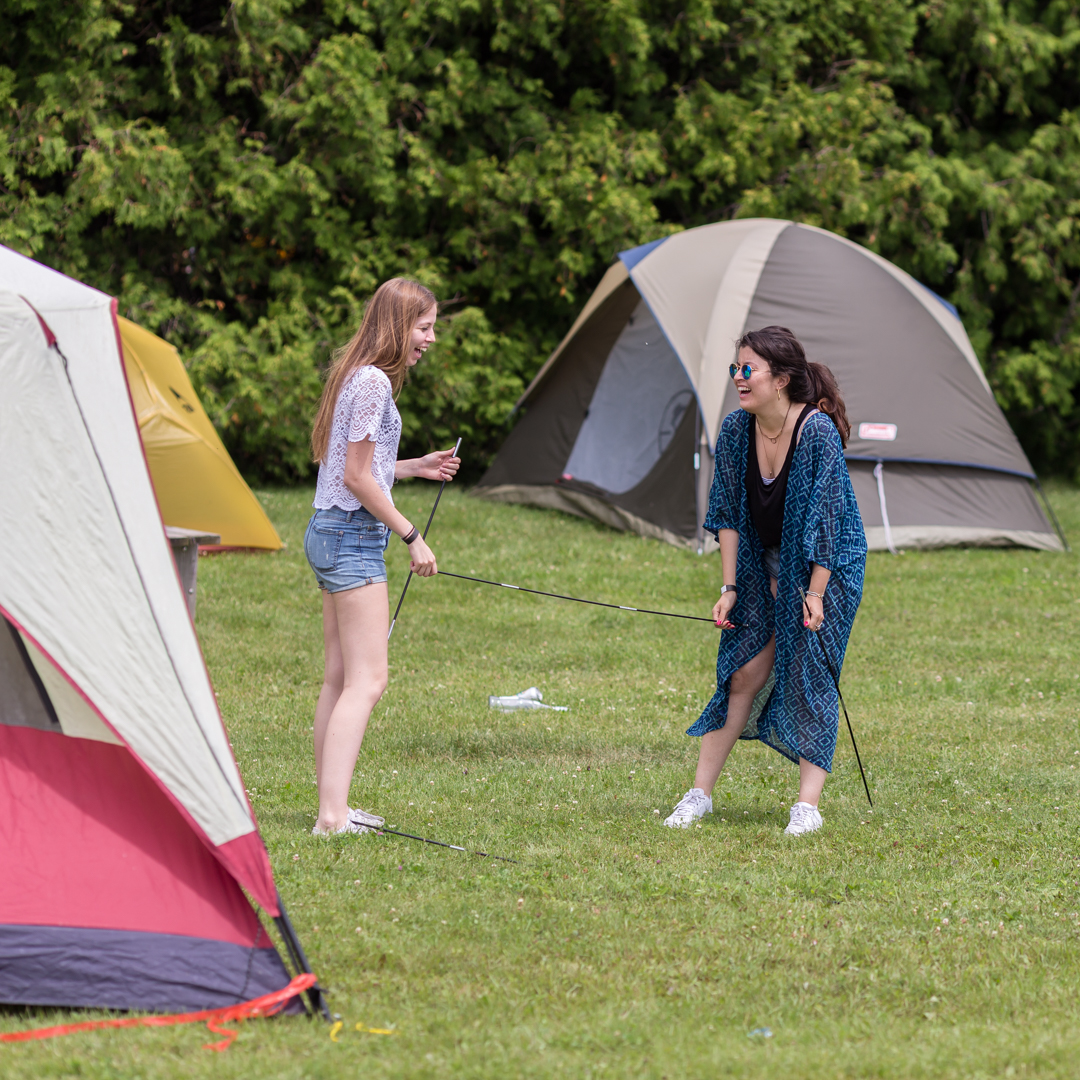
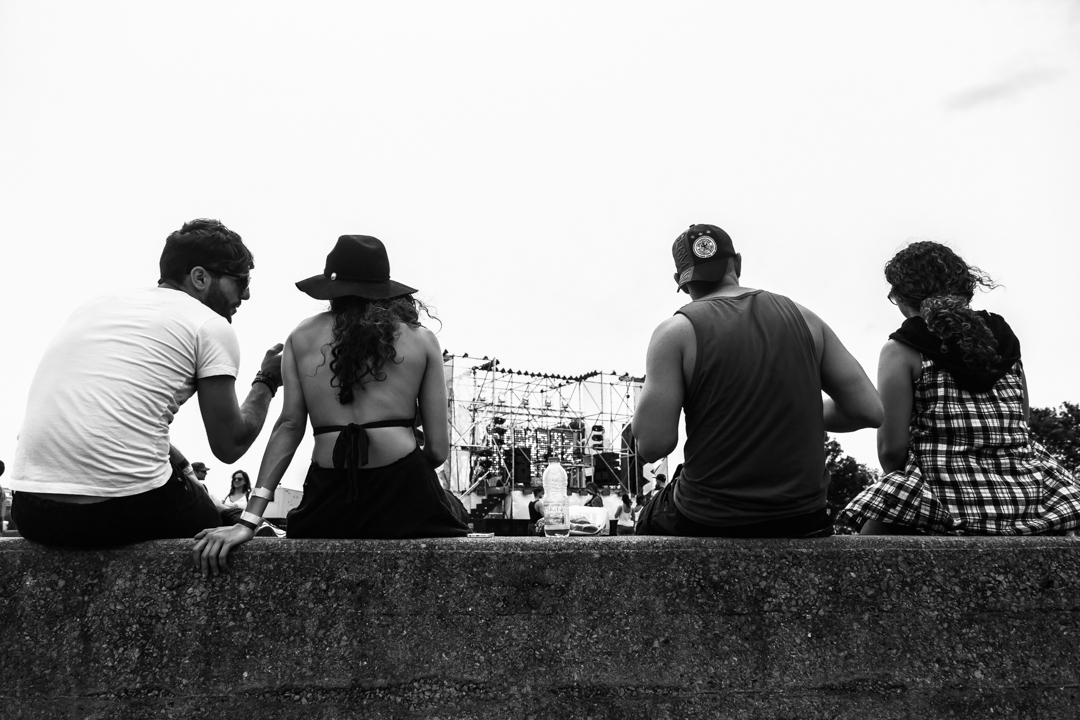
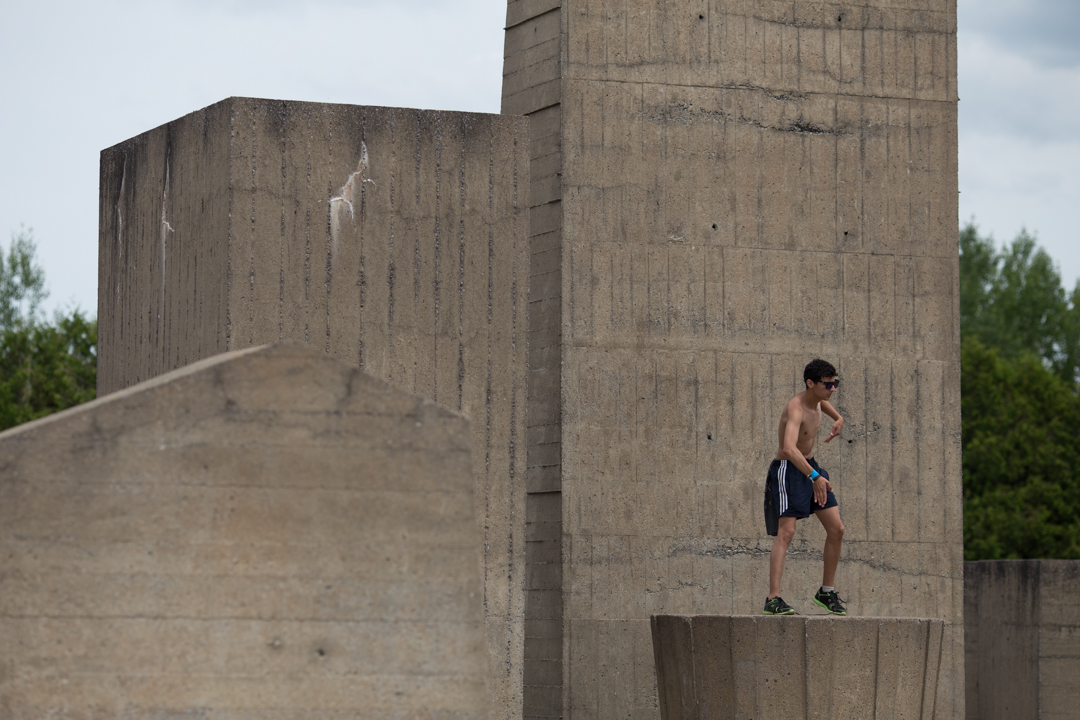
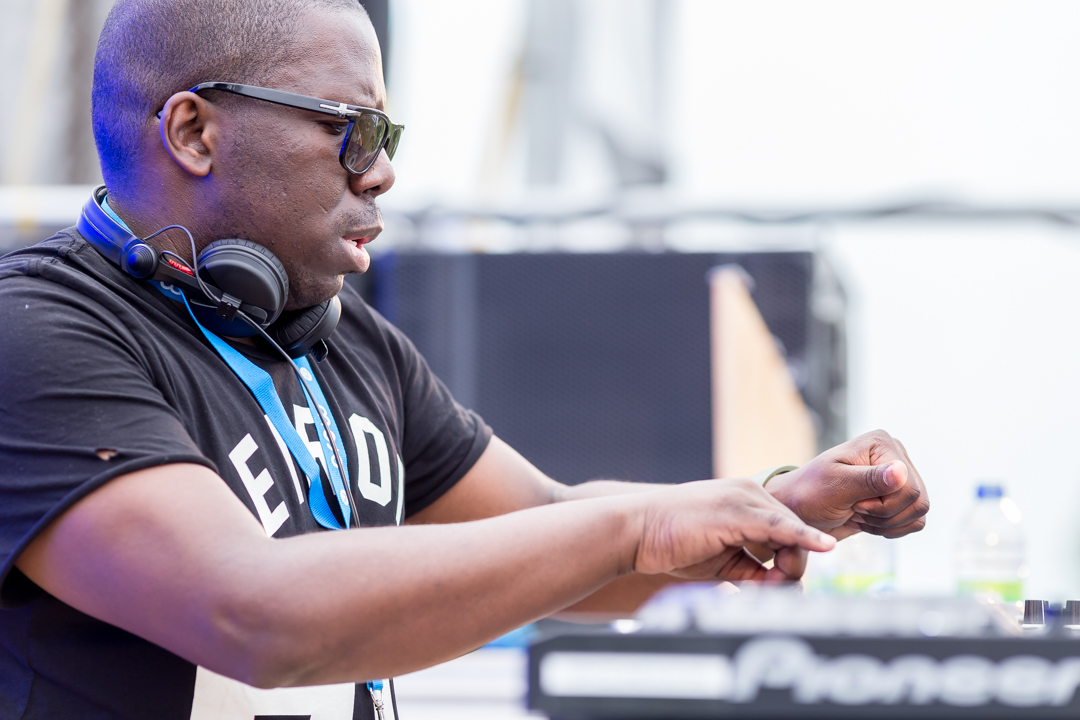
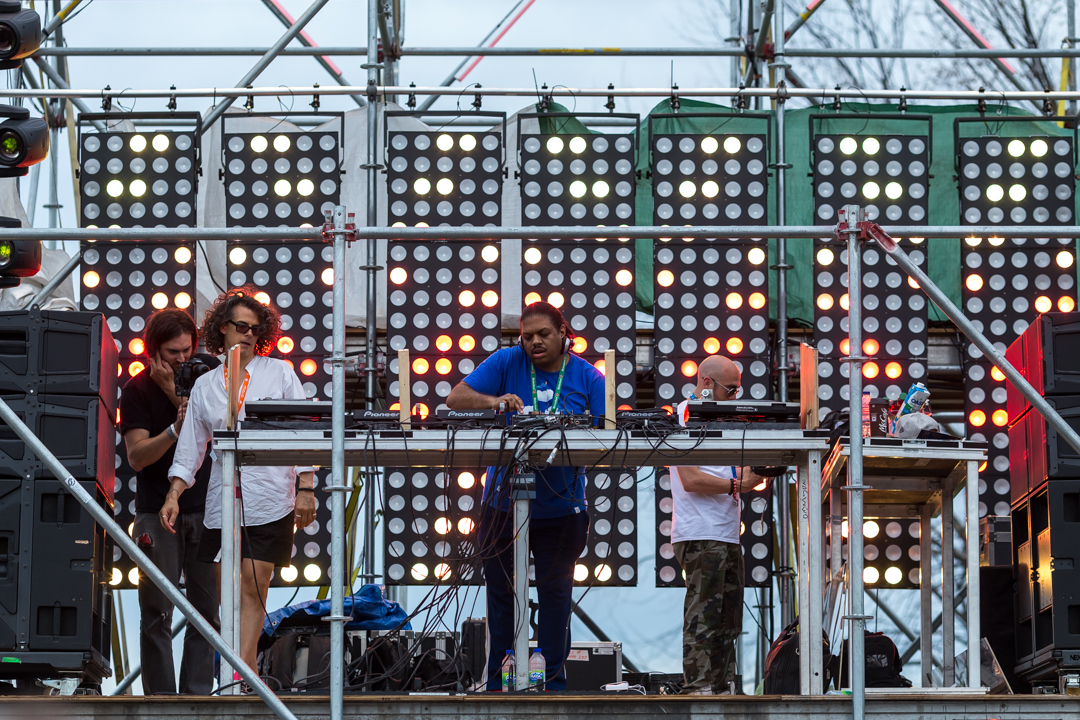
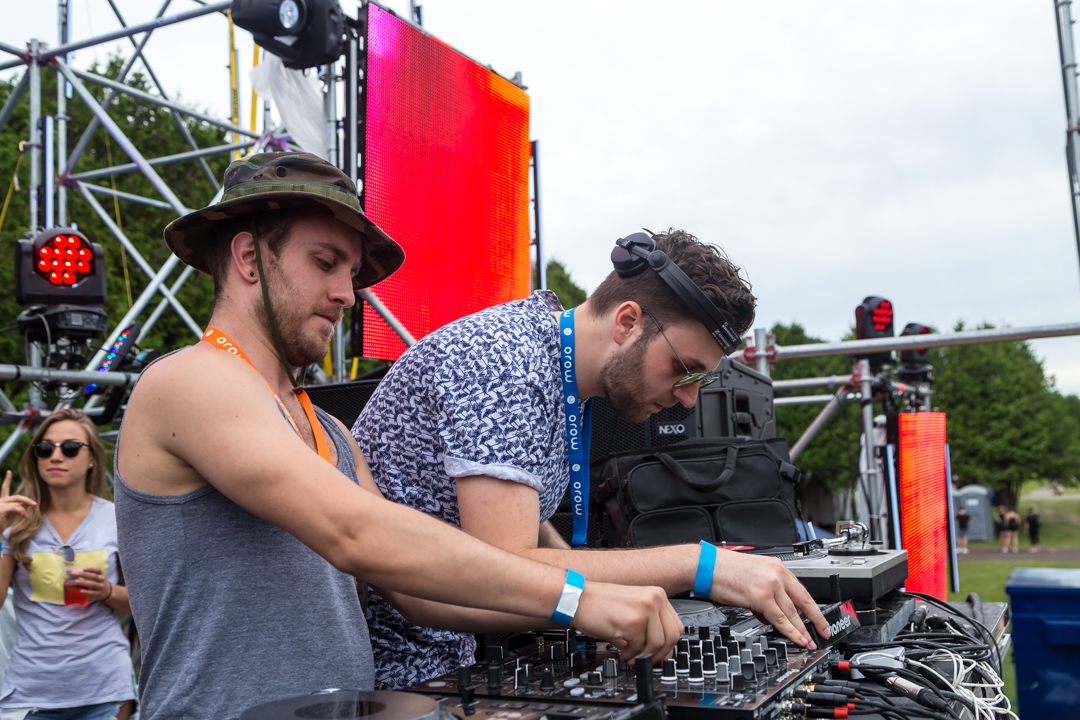
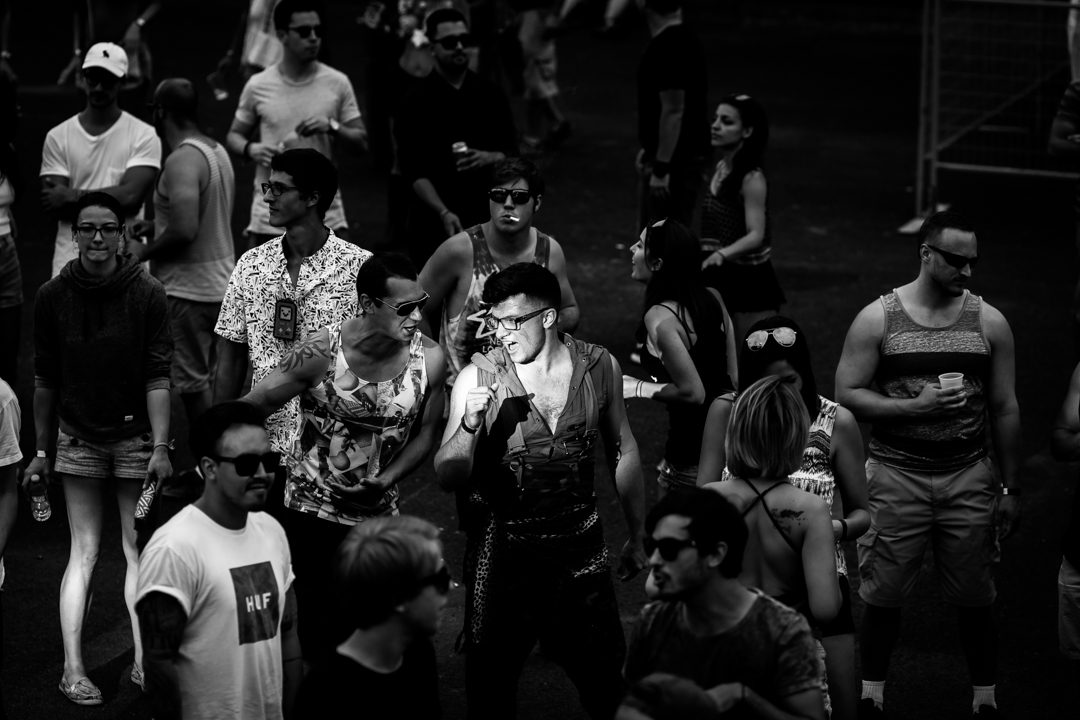
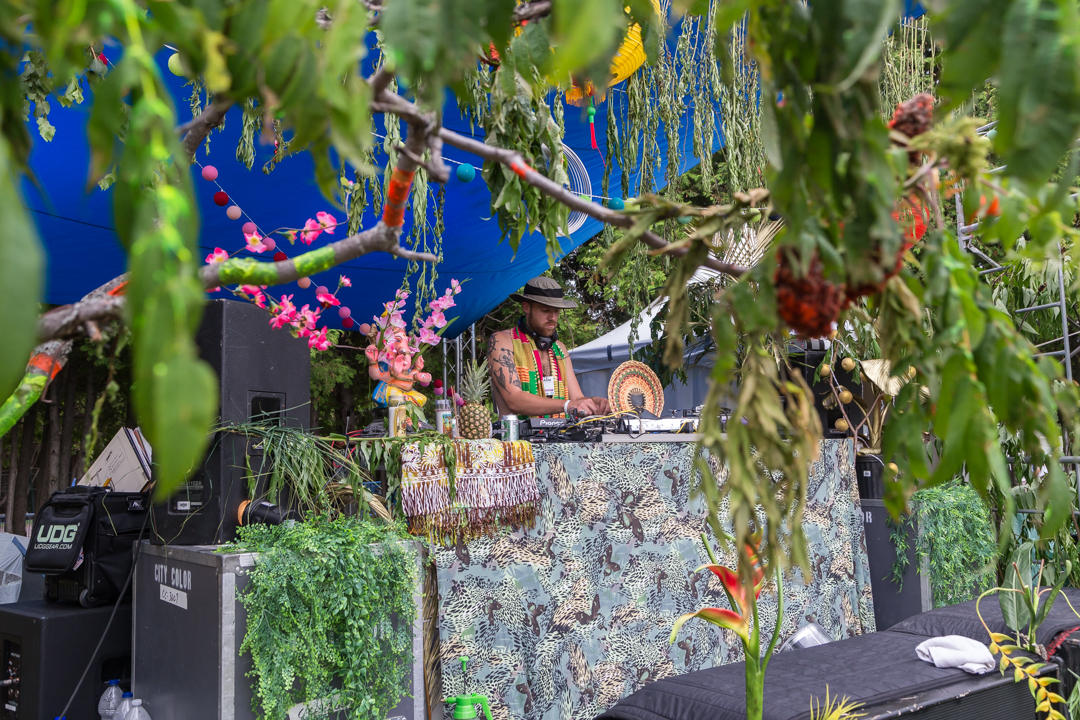
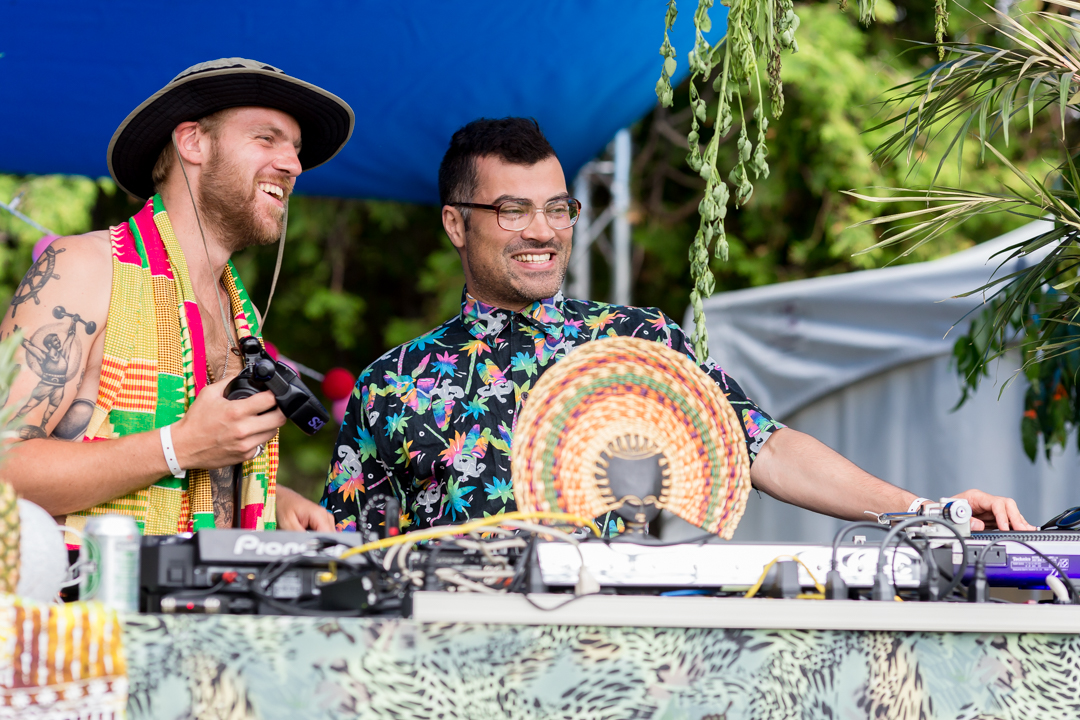
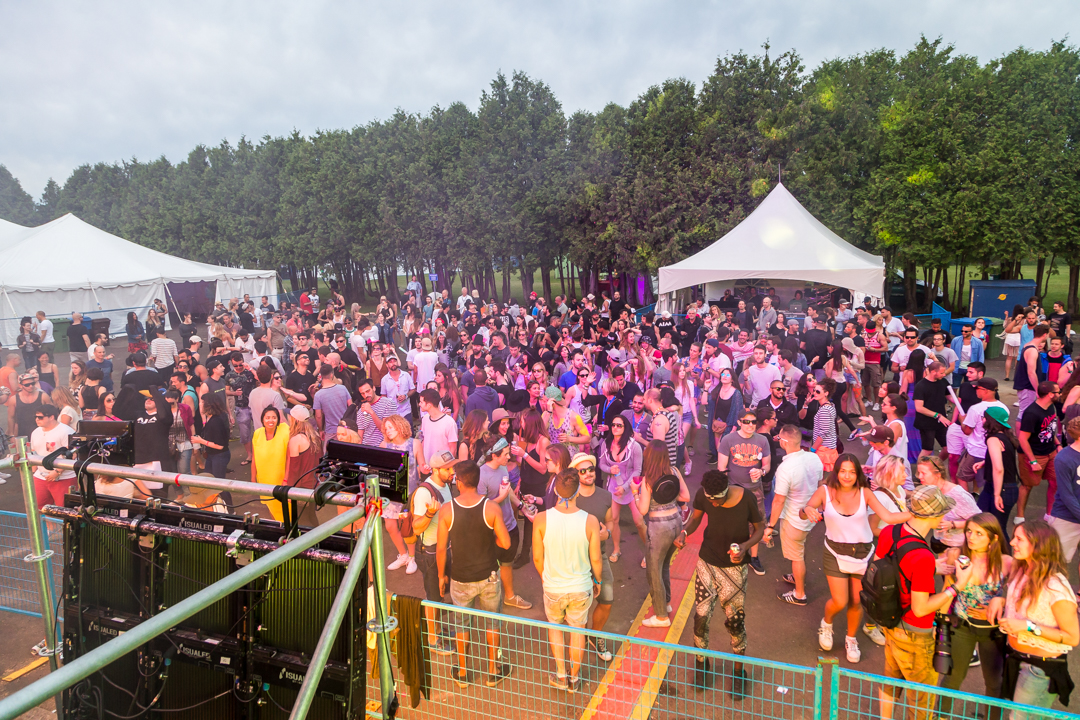
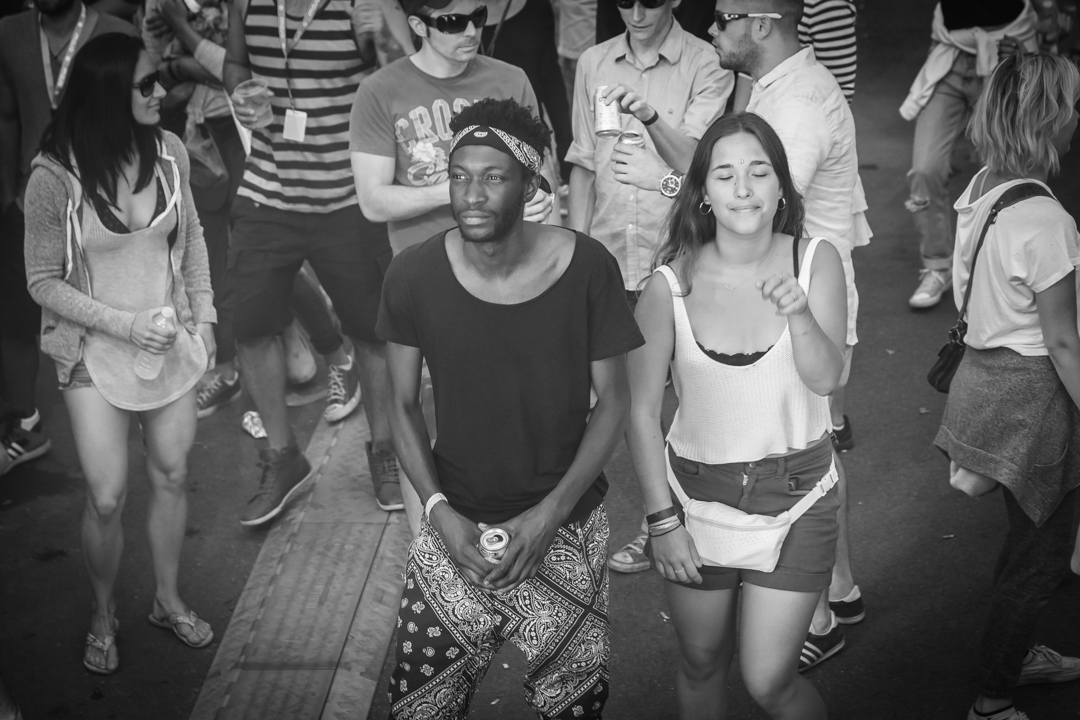
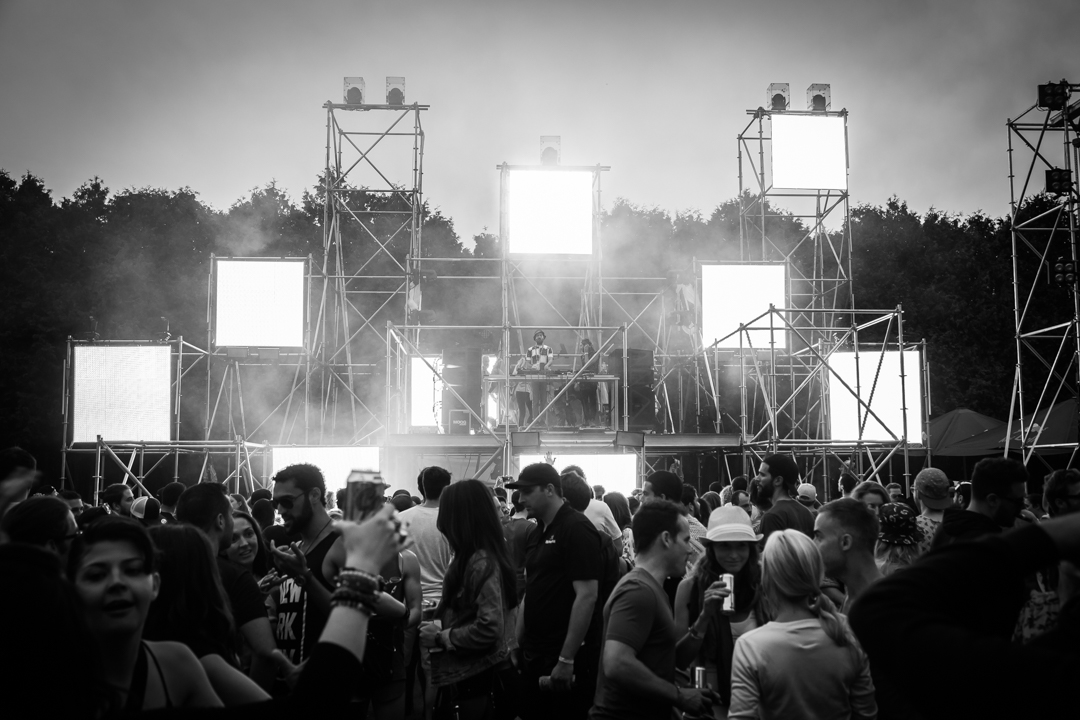
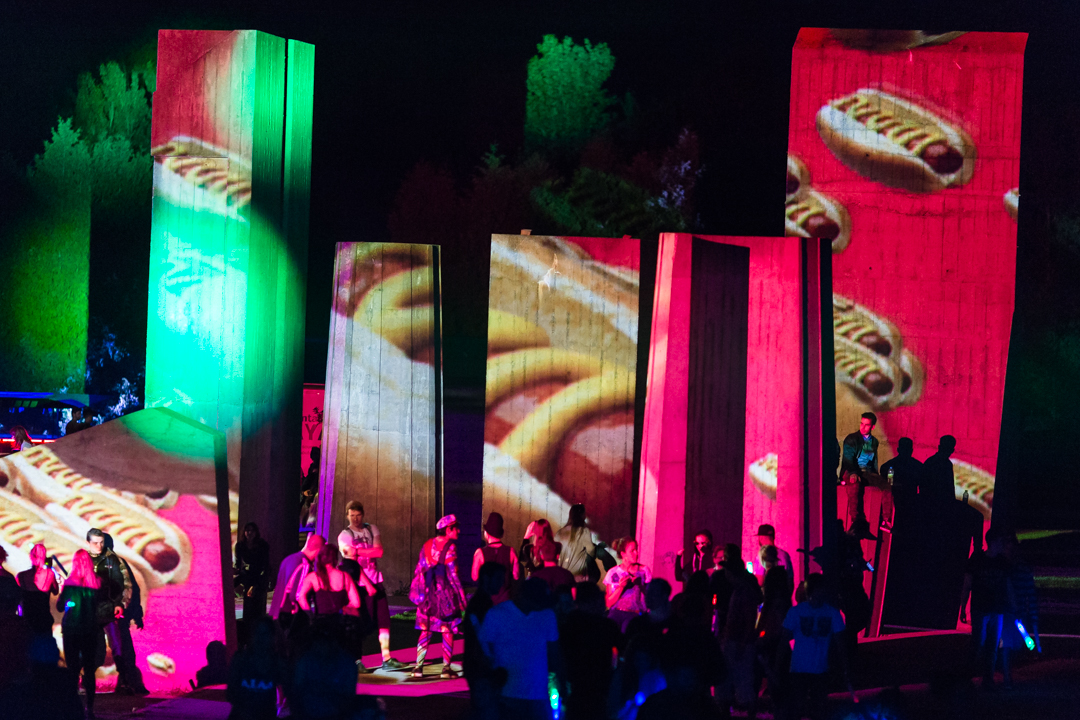
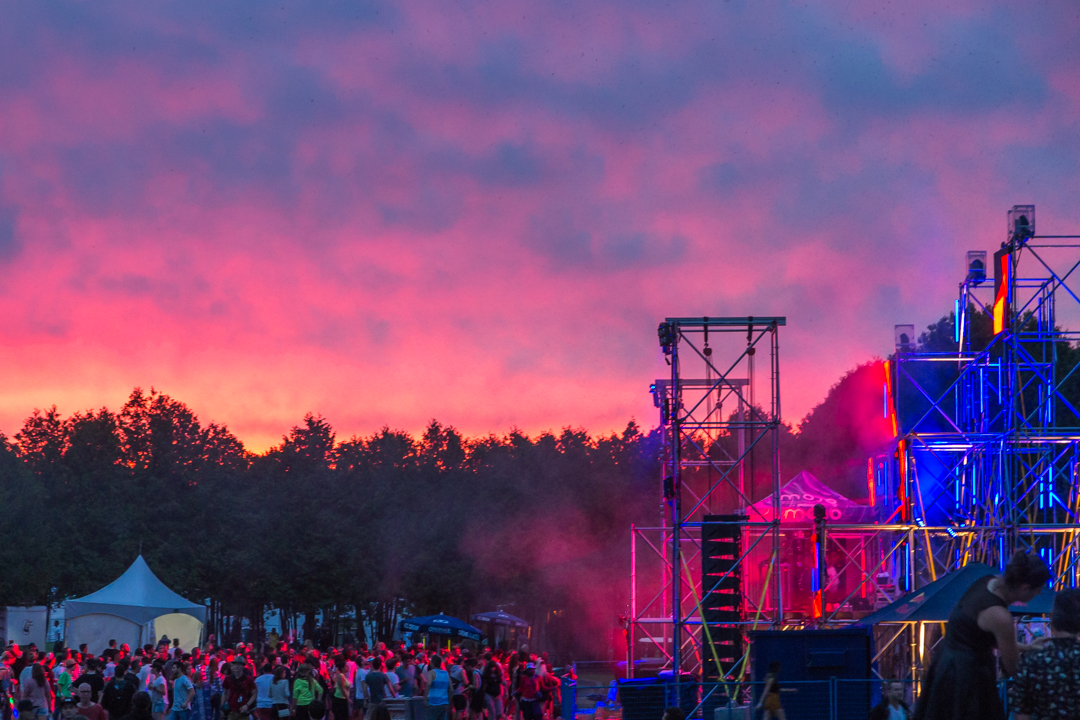
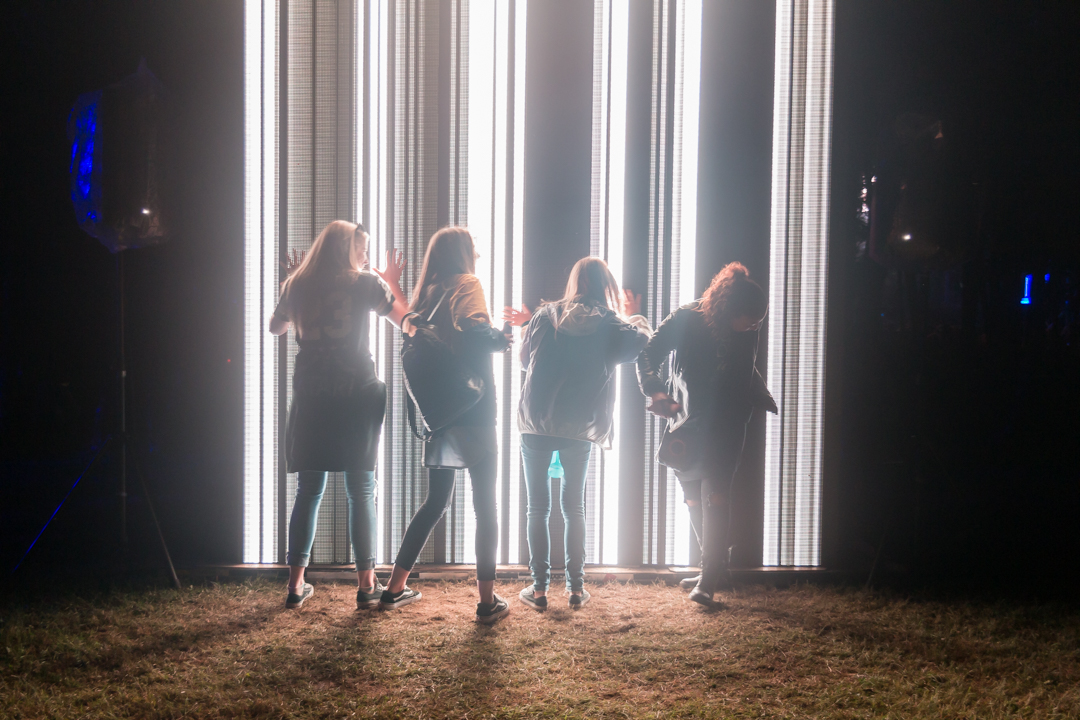
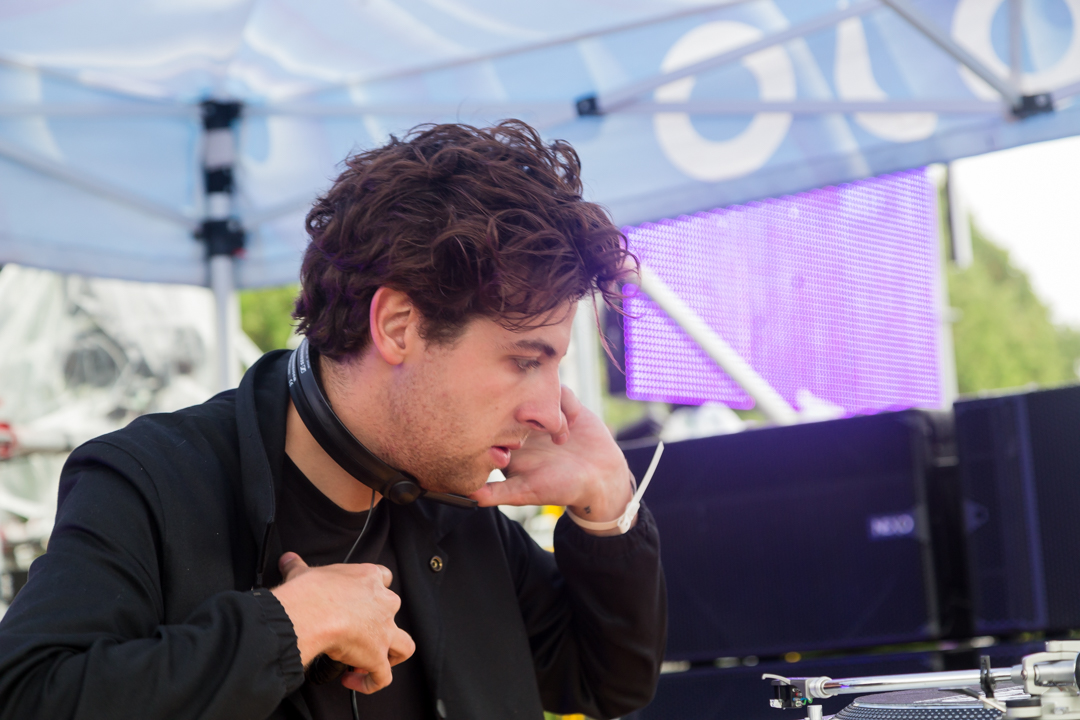
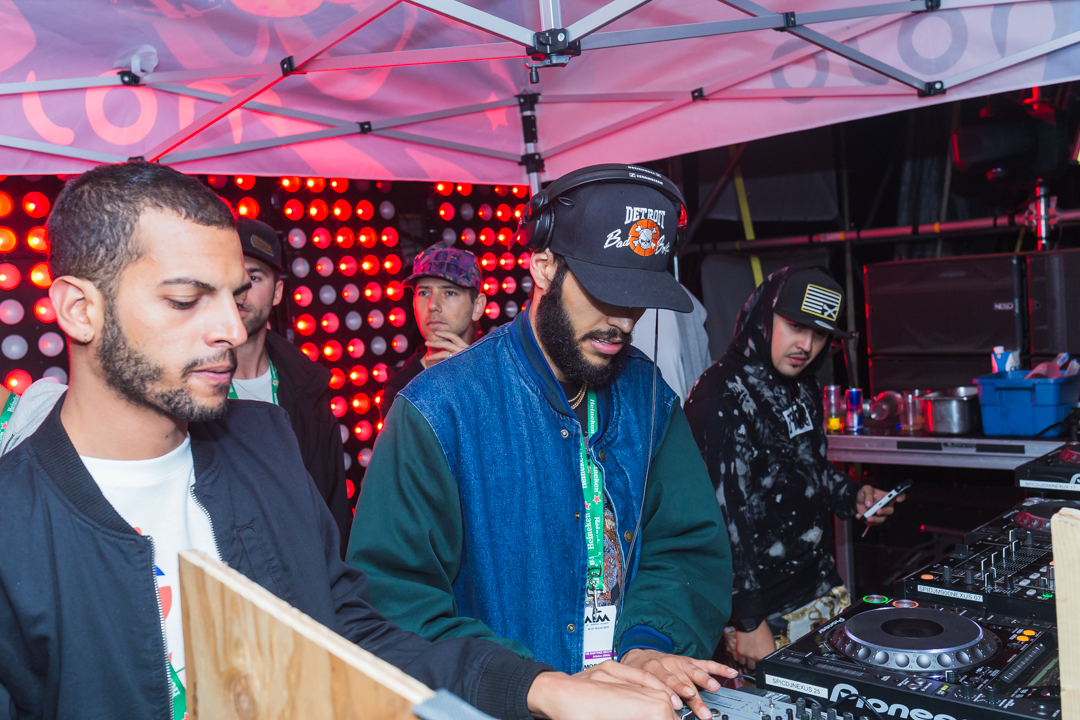
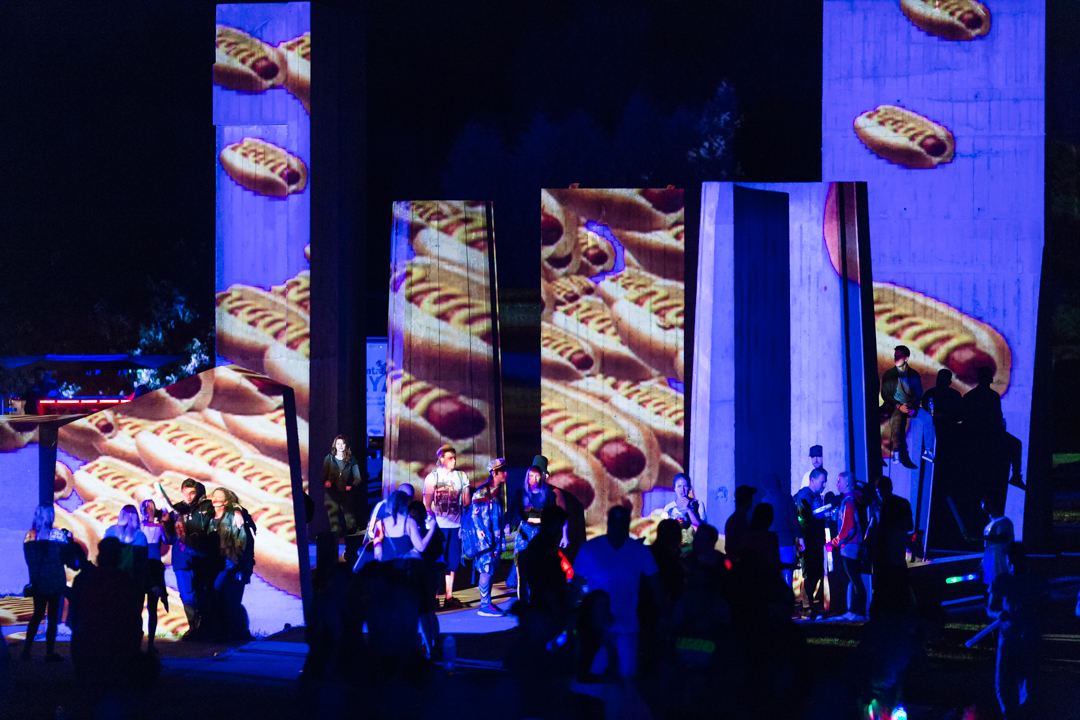
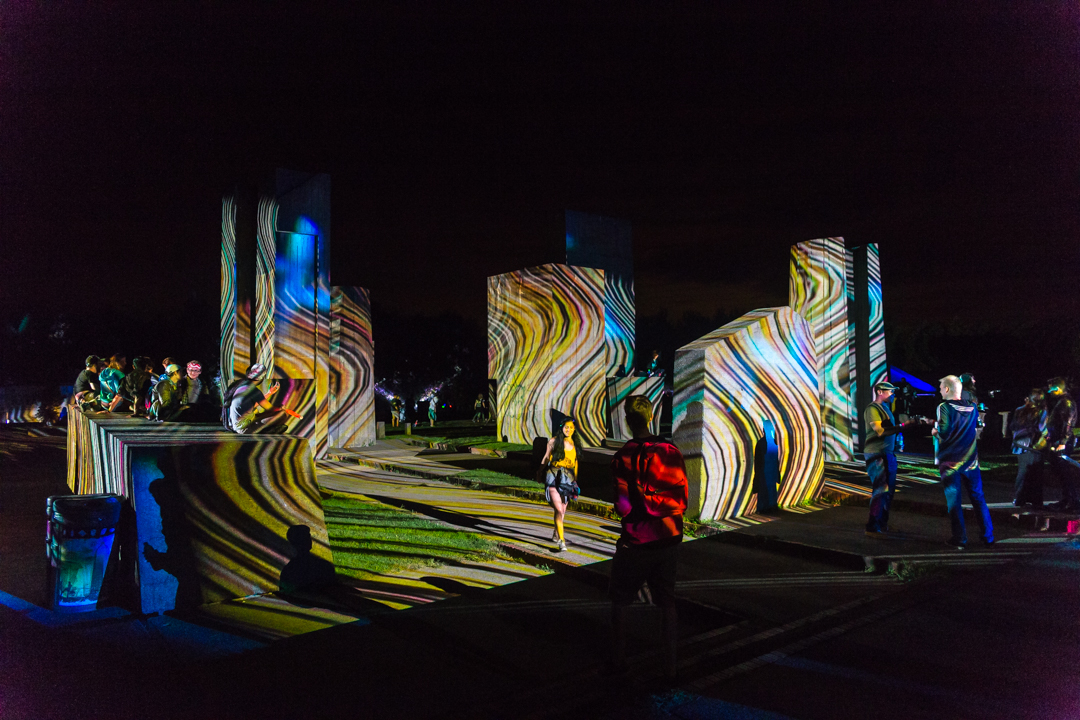
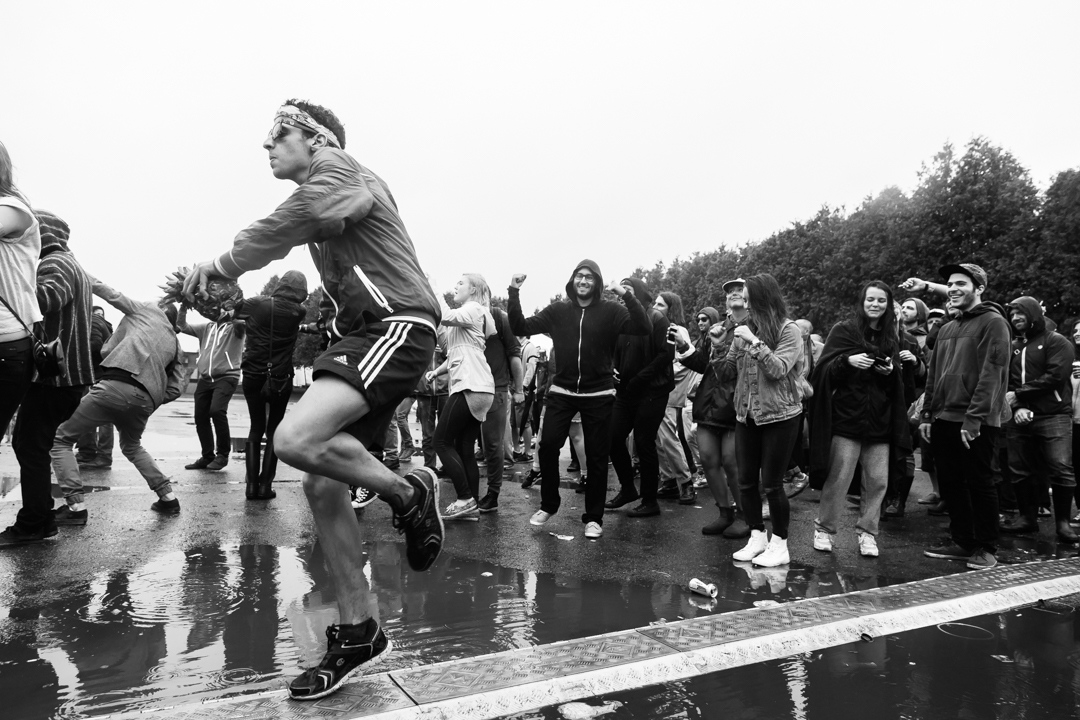
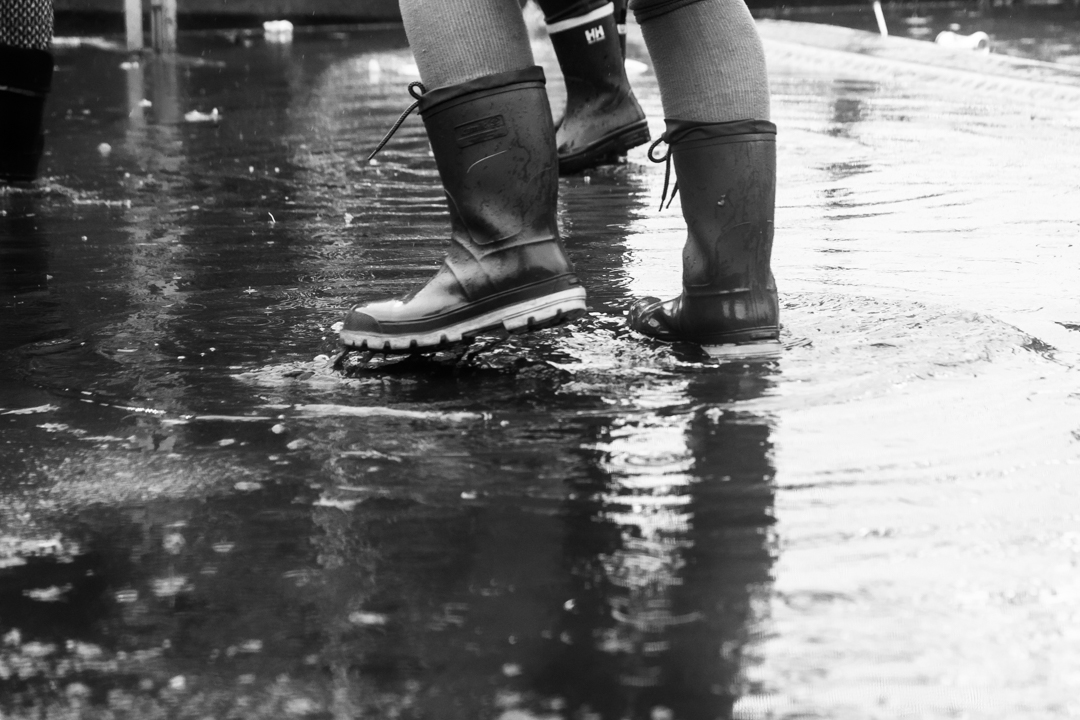
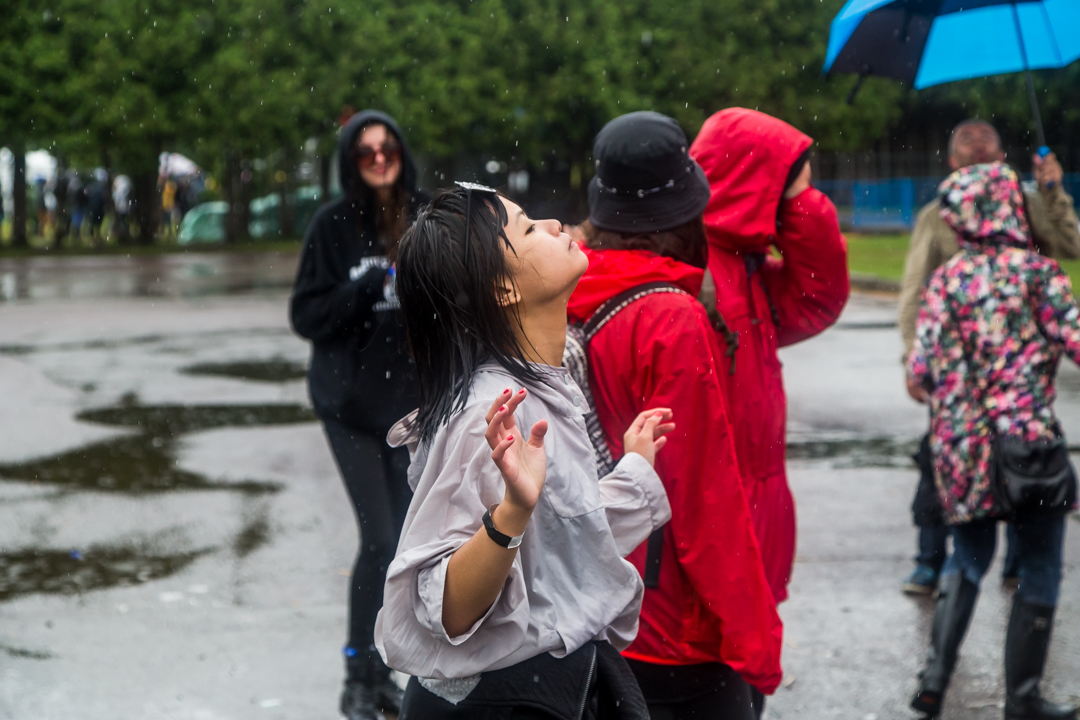
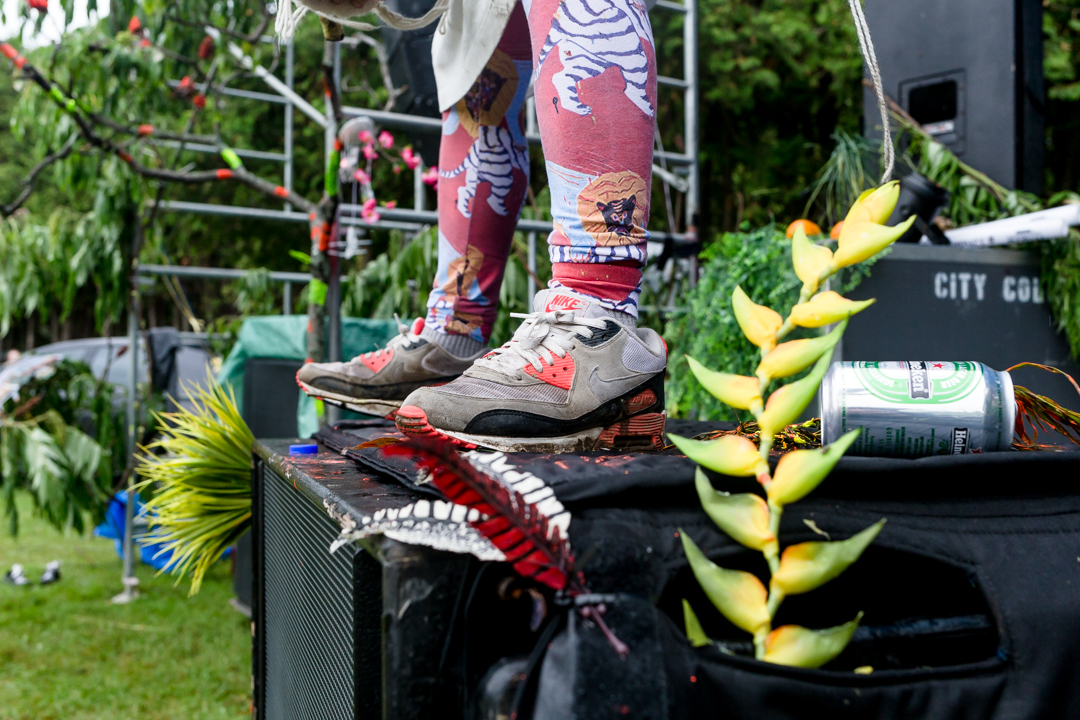
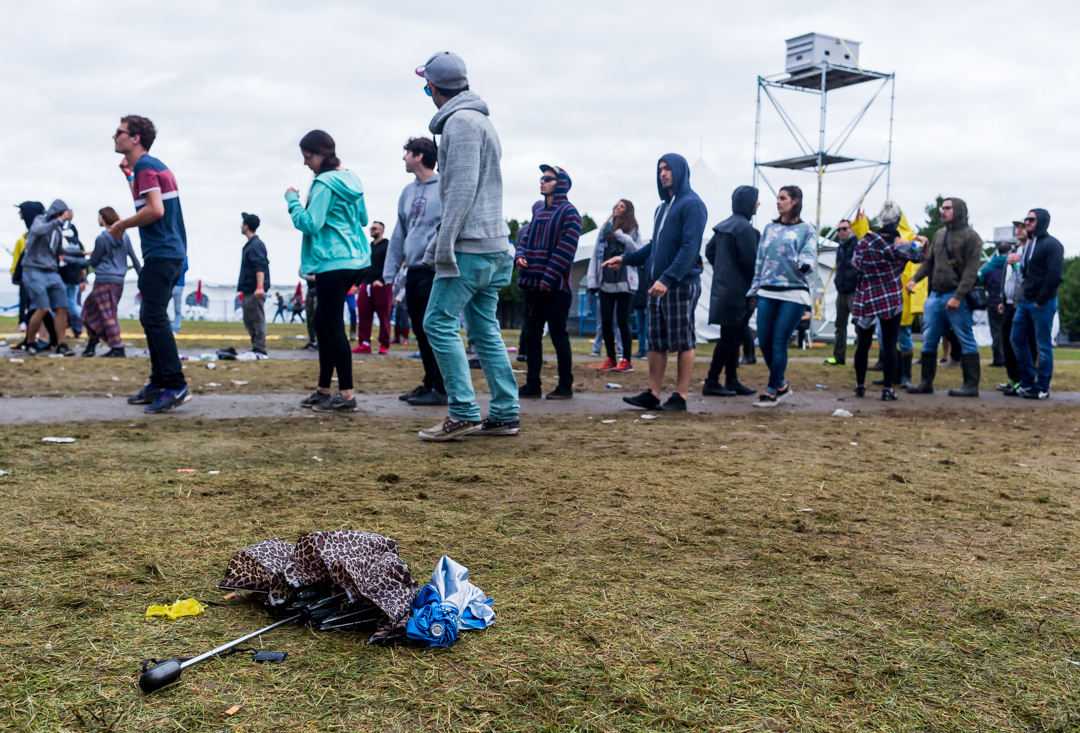
Montreal is one of world’s most charming cities—so it make sense that its electronic-music festivals are pretty damn loveable as well. And the gathering known as AIM (“Art-Innovation-Movement”), which made its entry onto the world stage on Friday, June 26 and ran non-stop through the following Sunday, was certainly full of allure. It wasn’t the most packed festival we’ve ever had the pleasure of attending; if you spied a friend on the opposite side of the front-of-stage area, you could easily saunter over to say hi without getting drenched in beer or suffering multiple elbow jabs to the solar plexus (try that the next time you’re partying down at a main stage). But for many, that was part of AIM’s appeal—not even a steady rain that dominated Sundays sets seemed to dampen anyone’s spirits.
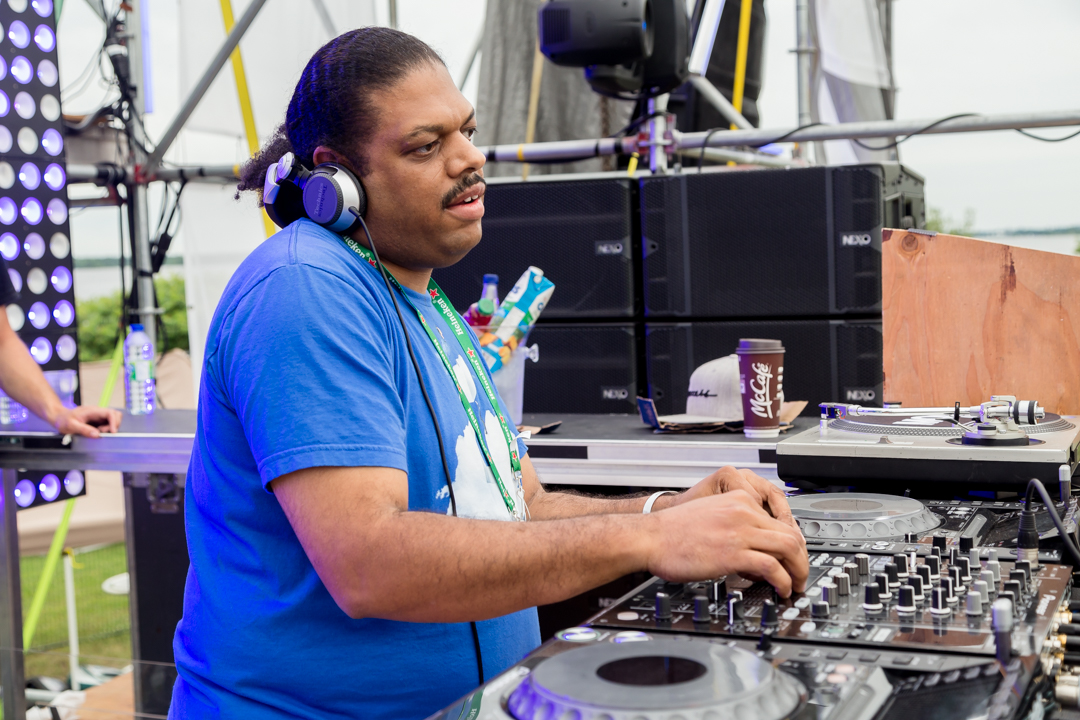
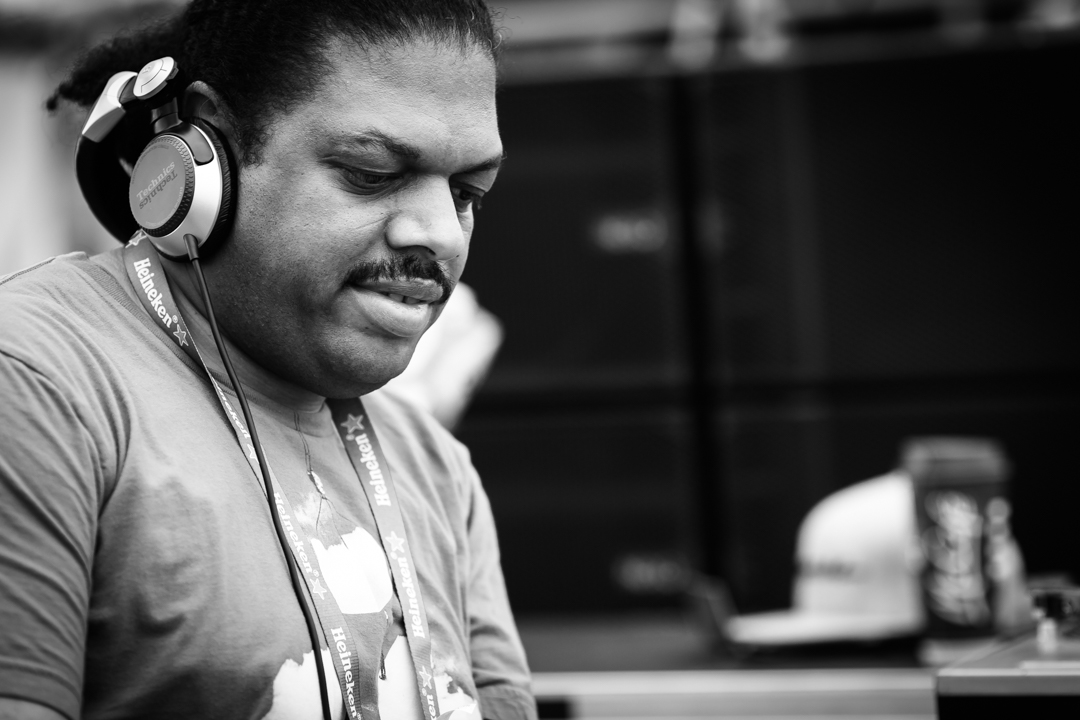
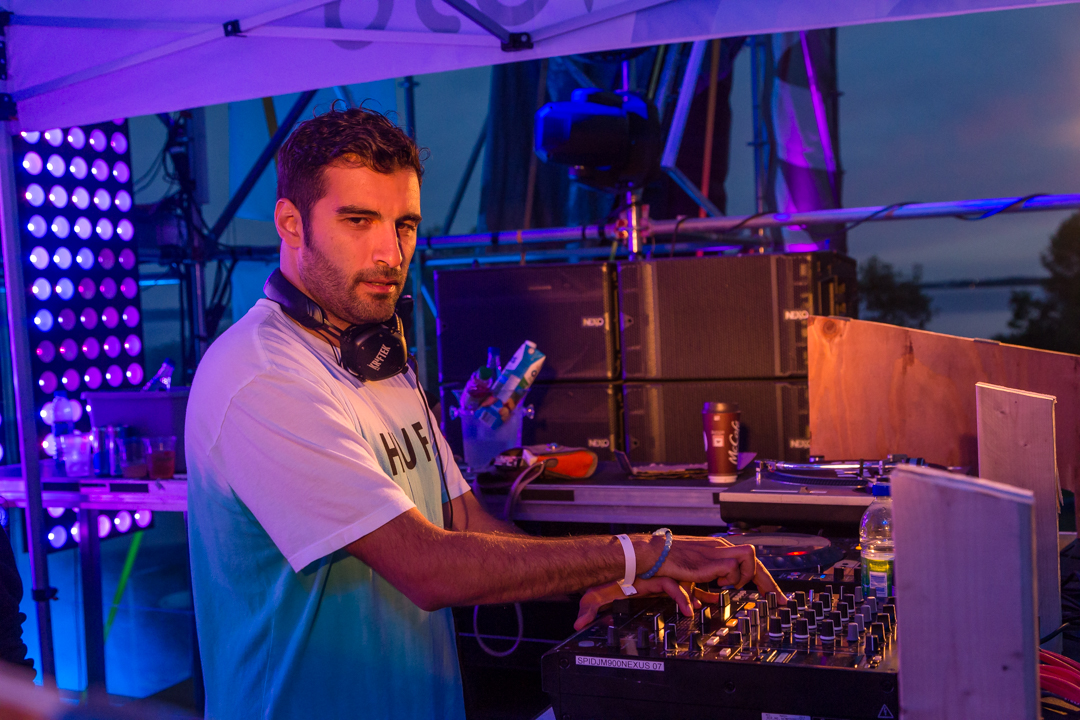
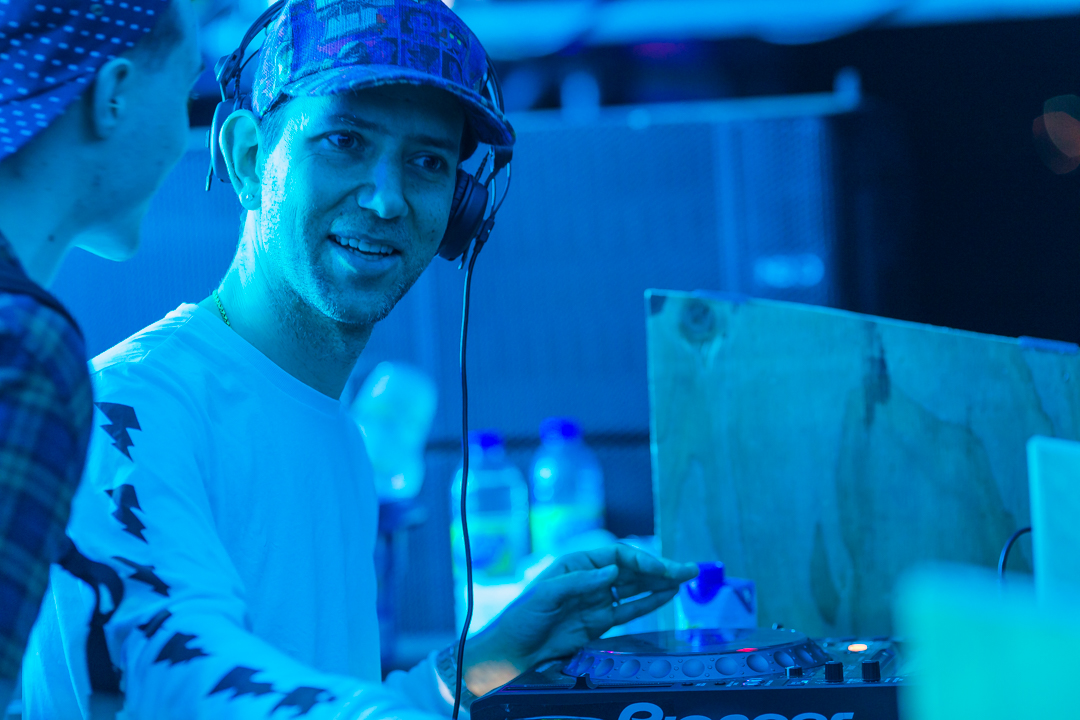
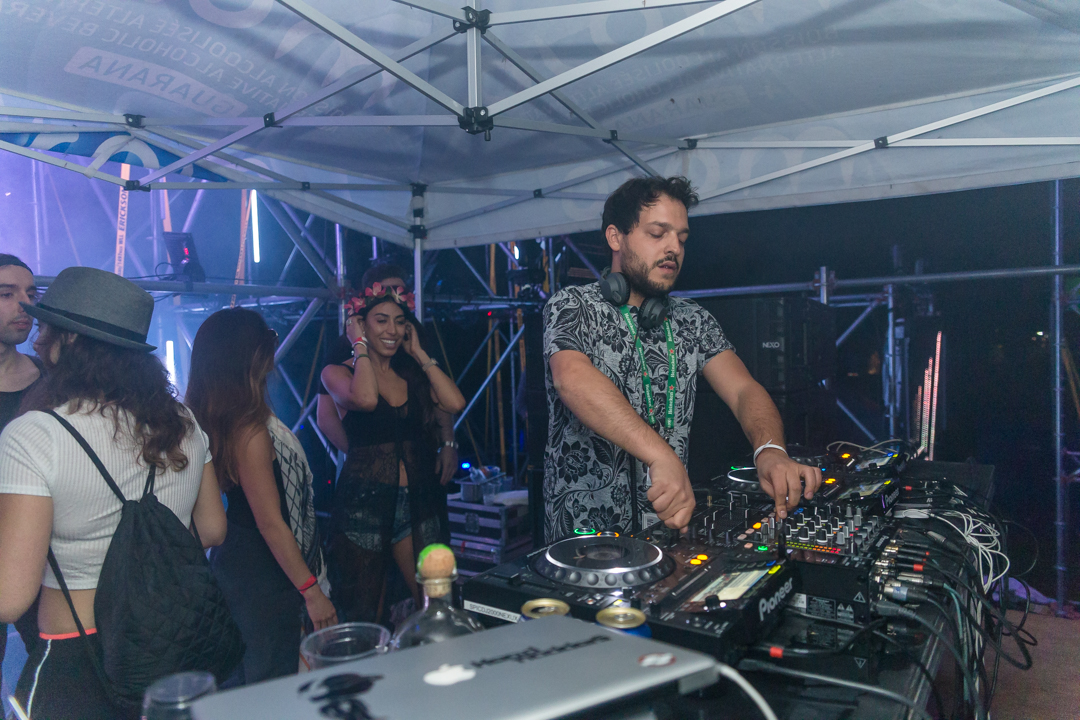
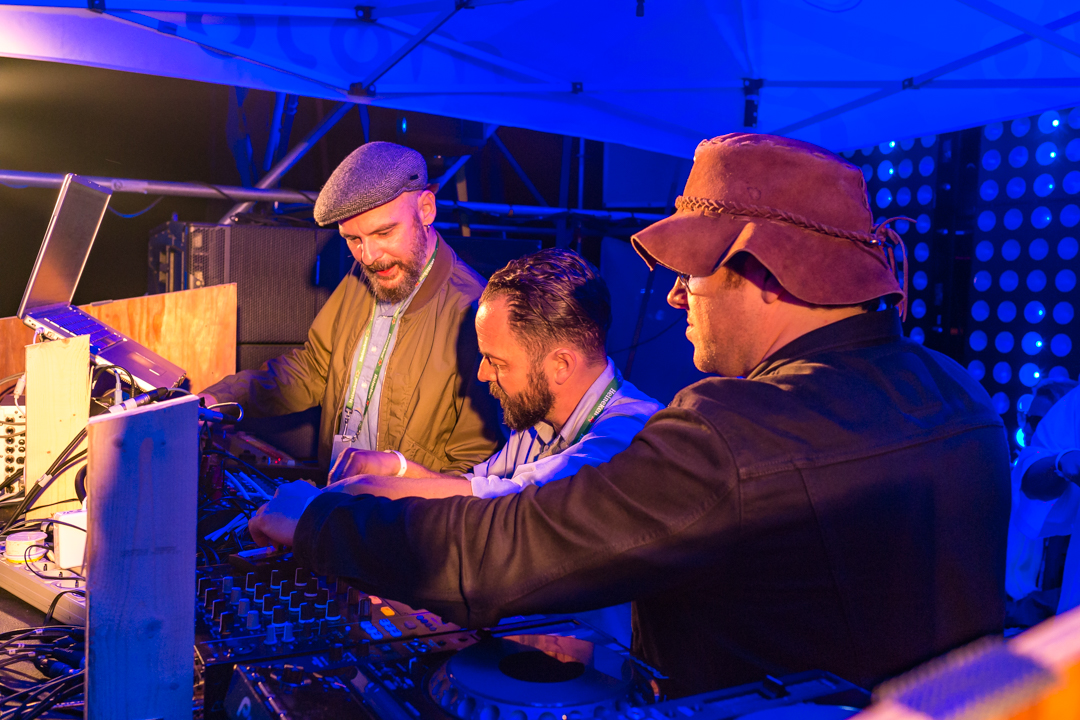
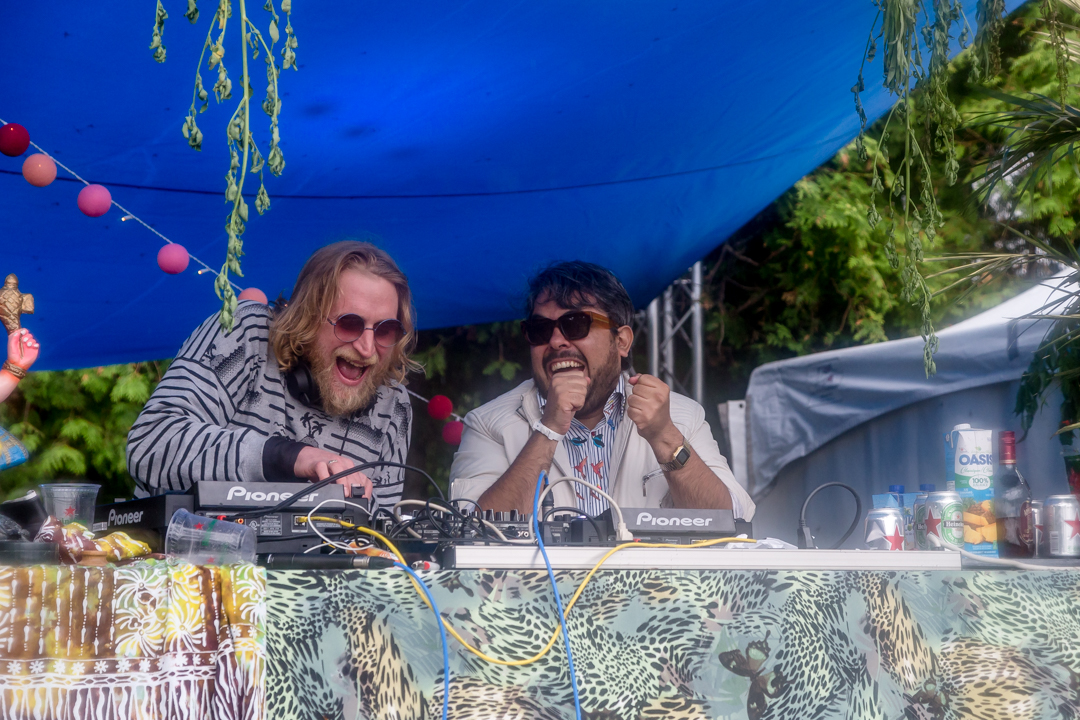
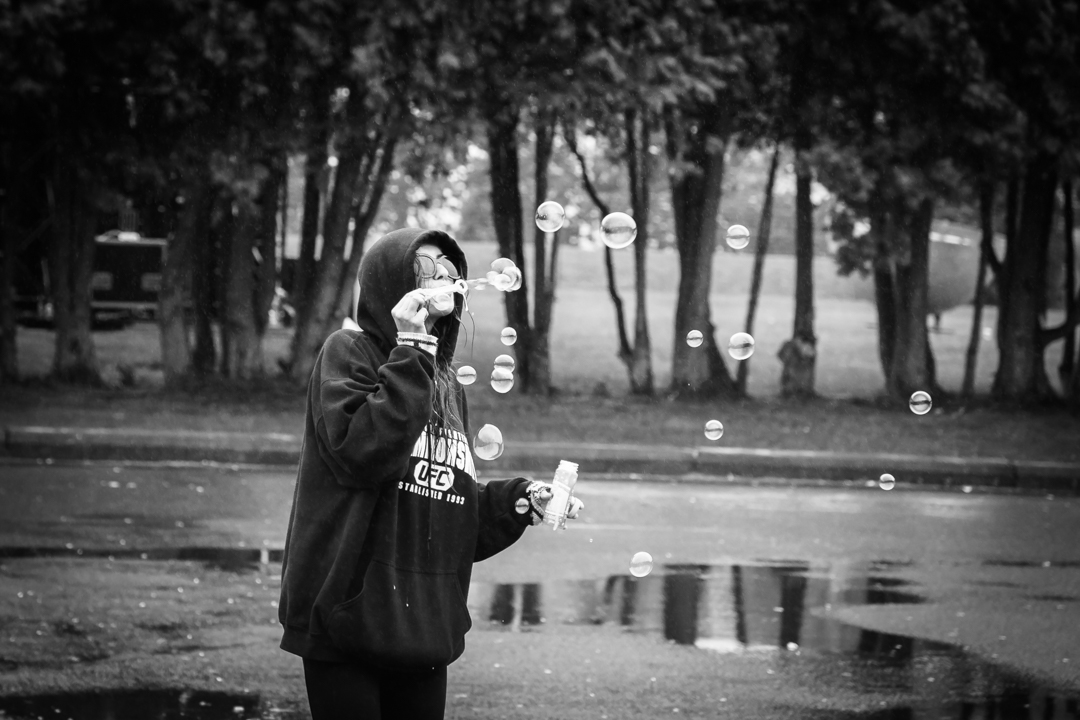
Held about an hour’s drive outside of town at Parc Carillon, with many revelers camping for the duration, the party featured two full stages and, beyond them, a very cool, lushly appointed chill-out area featuring tunes of a more horizontal nature. But the thump-thump-thump of house and techno beckoned, and with the likes of Four Tet, Kevin Saunderson, Tiga, Martin Buttrich, and the Martinez Brothers on the bill—not to mention local all-stars like Iron Galaxy, Mightykat, Nymra & Sofisticated, and Alicia Hush—there was plenty to be had. XLR8R only had the chance stay a few hours on Saturday—but they were well-chosen hours, with house hero Kerri Chandler and the boogie boys of Wolf & Lamb among the afternoon’s highlights. Same time, next year? You bet. In the meantime, watch the post-fest video below—and scroll down for scenes from AIM, arranged in vaguely chronological order.
Kieran Hebden’s compositional skill have always been one of the traits that separate him from less accomplished knob twiddlers; it infuses his music with a tenderness born of obsessive caretaking. Rather than simply gathering found sounds, he adopts them into his sonic fold with a permanence that inspires belief—a belief that we’re in good hands. His penchant for absorbing disparate influences has played out across eight Four Tet studio albums and a number of satellite releases, resulting in a catalog stuffed with far-flung ideas filtered through a loving gaze.
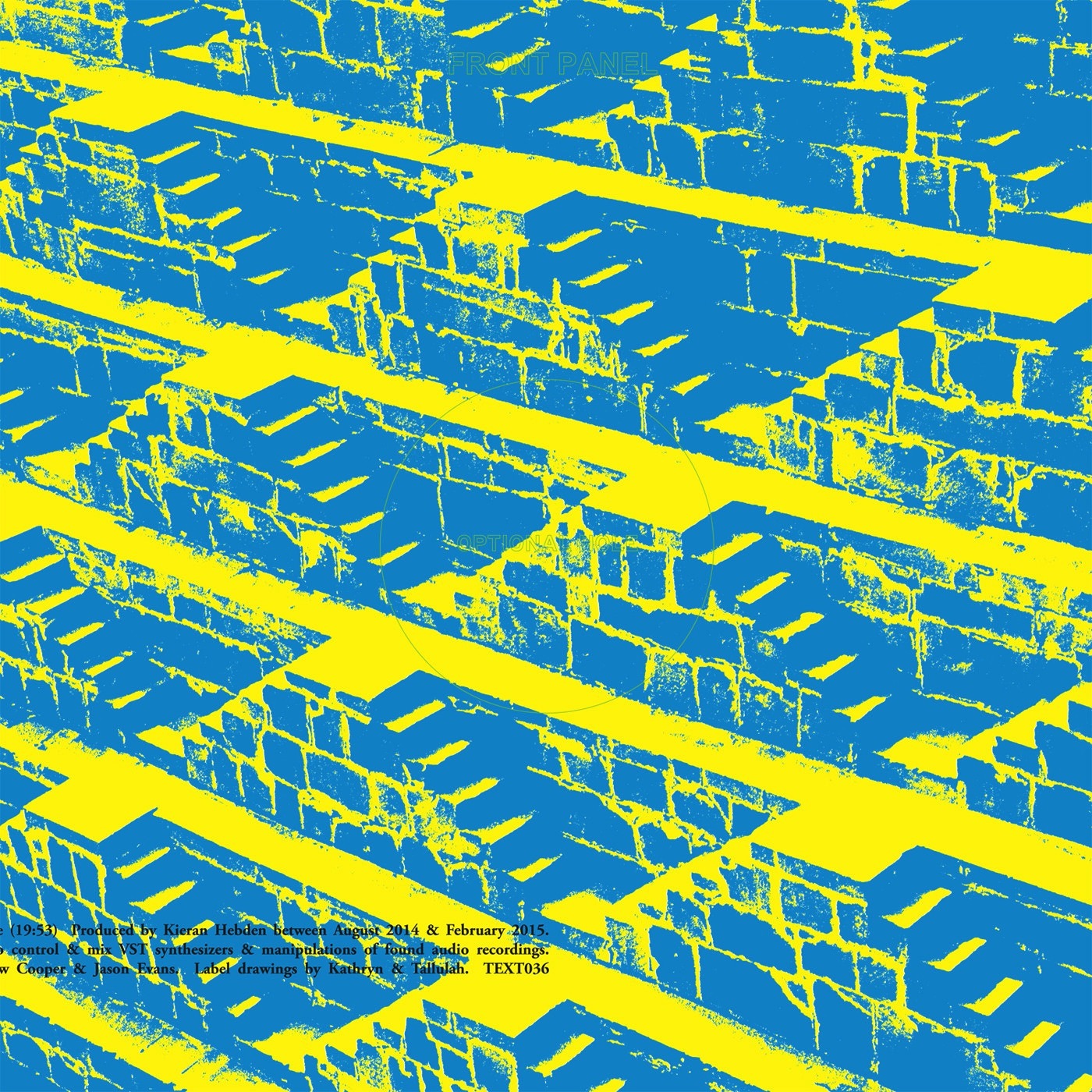
Hebden’s latest Four Tet album, Morning/Evening, plays directly into one of his strengths: melding a coherent whole from fleeting parts. Split between two twenty-minute tracks, the album feels of a piece, its two sides serving as different sides of the same coin. Opening the “Morning” half of the album. muted kick drums and bleary-eyed synths set the stage for soundscapes that wash across the project. Soon, a sample of the Indian singer Lata Mangeshkar plays the part of the sun, energizing the track’s ambiance with a near-constant presence from start to finish, and perhaps serving as Hebden’s most direct nod ever to his familial roots by way of his South Africa–born Indian mother. He layers Mangeshkar’s voice in gauzy drapes of synths and strings as the track progresses, growing in insistence—not through a rise in decibels, but through livelier drums. This awakening continues until the 15-minute mark—then, all percussion falls away, leaving only ripples of sound traveling outward until the track’s finish.
“Evening” continues the focus on atmosphere. Around the three-minute mark, scattered bleeps give way to droning tones that dim the lights, calling for the listener to settle in for the night; these tones are joined by the ghosts of disembodied vocal snippets that begin about six minutes into the track. It’s difficult to say if this is Mangeshkar’s voice, but given the theme, the vocals play like a memory of the song she sang to greet the day. Proper drums do not appear until 13 minutes have passed; a steady backbeat continues to get stronger and more syncopated until the track fades away at the last moment, eschewing any attempt at a grand statement. As with most days, this album does not end, it simply dissolves into tomorrow, leaving it up to us to imbue the sounds with meaning—and while this narrative ambivalence might not make Morning/Evening Four Tet’s most immediate release, it allows for near infinite replay value. It’s not an album about any particular time; instead, it’s an album about the passage of time And time always marches on.
Kieran Hebden’s compositional skill have always been one of the traits that separate him from less accomplished knob twiddlers; it infuses his music with a tenderness born of obsessive caretaking. Rather than simply gathering found sounds, he adopts them into his sonic fold with a permanence that inspires belief—a belief that we’re in good hands. His penchant for absorbing disparate influences has played out across eight Four Tet studio albums and a number of satellite releases, resulting in a catalog stuffed with far-flung ideas filtered through a loving gaze.
Hebden’s latest Four Tet album, Morning/Evening, plays directly into one of his strengths: melding a coherent whole from fleeting parts. Split between two twenty-minute tracks, the album feels of a piece, its two sides serving as different sides of the same coin. Opening the “Morning” half of the album. muted kick drums and bleary-eyed synths set the stage for soundscapes that wash across the project. Soon, a sample of the Indian singer Lata Mangeshkar plays the part of the sun, energizing the track’s ambiance with a near-constant presence from start to finish, and perhaps serving as Hebden’s most direct nod ever to his familial roots by way of his South Africa–born Indian mother. He layers Mangeshkar’s voice in gauzy drapes of synths and strings as the track progresses, growing in insistence—not through a rise in decibels, but through livelier drums. This awakening continues until the 15-minute mark—then, all percussion falls away, leaving only ripples of sound traveling outward until the track’s finish.
“Evening” continues the focus on atmosphere. Around the three-minute mark, scattered bleeps give way to droning tones that dim the lights, calling for the listener to settle in for the night; these tones are joined by the ghosts of disembodied vocal snippets that begin about six minutes into the track. It’s difficult to say if this is Mangeshkar’s voice, but given the theme, the vocals play like a memory of the song she sang to greet the day. Proper drums do not appear until 13 minutes have passed; a steady backbeat continues to get stronger and more syncopated until the track fades away at the last moment, eschewing any attempt at a grand statement. As with most days, this album does not end, it simply dissolves into tomorrow, leaving it up to us to imbue the sounds with meaning—and while this narrative ambivalence might not make Morning/Evening Four Tet’s most immediate release, it allows for near infinite replay value. It’s not an album about any particular time; instead, it’s an album about the passage of time And time always marches on.