Q&A: Trevor Jackson

Trevor Jackson’s last album of original work, produced under his Playgroup moniker, was released to mixed reviews: Popmatters loved its post-genre oddball eclecticism, for instance, while Pitchfork…well, the site gave Playgroup a score of 4.2. That LP was released in the early days of this millennium (several generations of clubbers ago, in other words) and there’s been nary a peep of Jackson-produced material since then. Not that he hasn’t been busy. He was the man behind the Output label, for instance, which—between 1996 until its final record, 2007’s tellingly titled I Hate Musichelped to define the era’s leftfield electronic-music sensibility by releasing music from the likes of Black Strobe, Fridge, LCD Soundsystem, MU, Colder and many, many others. And before, during and after Playgroup and Output, Jackson’s had a successful career as a designer, creative director, and related artistic endeavors.

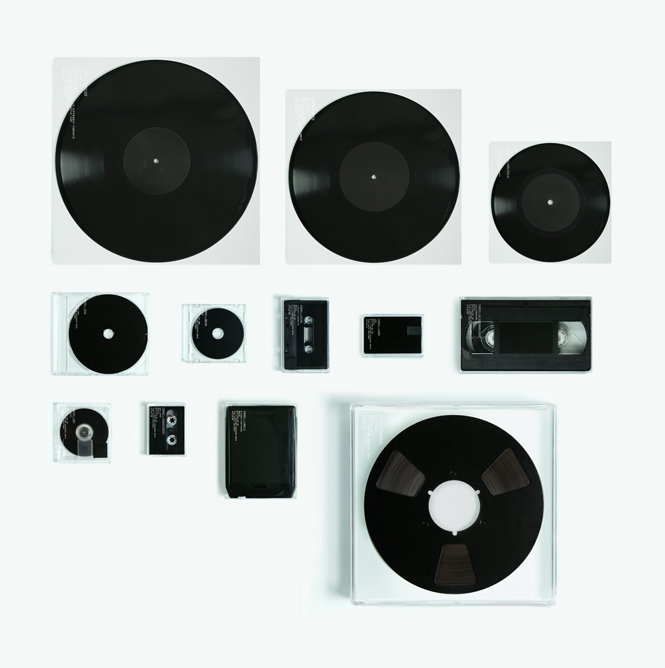
That doesn’t really account for why it’s been so long since Jackson’s come up with a new record. But considering the outspoken bluster that the Londoner has employed over the years—he tends to punctuate interviews with statements like “I was like ‘fuck that, that’s just lazy’,” referring to mainstream record-sleeve design—the real reason for the lack of releases is a bit surprising: “I might have bravado, but I’ve never had confidence,” he explains (more on that below). But the Jackson drought, 14 years long, is over—in February, the Vinyl Factory released Format, a collection of beautiful, sometimes stark tracks, many tinged with an EBM/proto-house feel, that had been for years gathering digital dust on the artist’s hard drive. But Format was much more than that: After first appearing in the context of a gallery exhibition, the album was then put out as twelve limited-edition tracks, individually released as single cuts on various (sometimes archaic) formats, including seven-, ten- and 12-inch vinyl, CD, mini CD, cassette, MiniDisc, DAT, VHS, USB, eight-track and reel-to-reel. Much more than a gimmick, the concept was a statement dealing with the physicality of music and how listeners interact with it—but now, Format; has gone mass-market via a full-on release as CD and download, with a triple-vinyl release coming out in early June. XLR8R recently had the pleasure of catching up with Jackson, and here are the results of that conversation.
Is it true that the music for Format was basically music you just had sitting around?
I had like 150 tracks, and some of it dates back to when I stopped doing the hip-hop stuff with the Underdog and had started to come up with ideas for Playgroup—so that would date back to the late ’90s. Some of the tracks actually started as demos for the Playgroup album. Then, when I started doing Output, I stopped making music because I was just too busy, but when I closed the label, I started making music again, just for fun. I had no intention of doing anything with it because I was so disheartened about the whole music industry, as well as my place in music.

You’ve been quoted as saying that working with people like Four Tet, Maurice Fulton and James Murphy made you a bit insecure about releasing your own music—is that for real?
Yeah, totally! To be honest, part of the reason that I started running a label was because I was avoiding making music, apart from the Playgroup stuff. My place in music is an odd one. I certainly consume a hell lot of music; I do a fortnightly radio show on NTS, and I play 95 percent new music. I buy new music all the time, and the more I buy, the more amazing stuff I hear–and the more insecure it makes me. It genuinely does get to a point where I question the importance and relevance of anything I do. I mean, I might have bravado, but I’ve never had confidence. Getting back to your question—yes, when I was working with Maurice and James and Kieran, it did make me feel insecure about my own music. I never felt my music was as good as theirs. And also, because I had stopped making music…it’s weird. Making music is like swimming or driving a car—when you stop doing it, you lose confidence in it. I’m very proud of my design work—I’ll look at some of it and go, fuck me, that’s great—but with music, it just doesn’t go that way.

So, disregarding the theoretical underpinnings of Format for the time being, why put out music now?
Well, no one had really heard it, but I played some of it to a couple of people who I trusted, and they encouraged me. I needed their encouragement.

Did you release the music as is, or did you work on the tracks further?
They’ve all evolved. None of them are as they were in 1998 or whenever. Some of the tracks, I’d played around with some of them for a decade—but after you hear a track a thousand times over ten years, you lose perspective. That’s why I needed that encouragement. They were like, “This is really fucking good—you should put it out!” And I was like, “Really?”

And how did that become Format? Releasing music is one thing—but this seems like an insanely ambitious way to do it.
I had met up with one of the guys from Vinyl Factory, Sean [Bidder], when I was doing a project last year called Yesterday, Today, Tomorrow, which was microscopic photographs of record grooves. We started talking about other ideas, and that’s when I came up with the Format idea. And he said, “That’s a good idea!” Again, it was only through other people’s enthusiasm that I decided to put anything out. It wasn’t a plan at all.

I guess since Output’s final release was a compilation titled I Hate Music, you really didn’t plan on releasing any more tunes!
That was a bit tongue in cheek—but I really fucking did hate music! I hated all the people I was working with; I hated the industry; I hated my own music. I hated it all! If I was going to make music, it had to be for the fun of it, which is really why I made most of the tracks on Format. Most of it was actually made in really low points in my life, and was maybe some of the best music I’ve ever made.

The “tortured artist” cliché does have some truth behind it.
It does. I’ve never been into drugs and I’ve never been into booze, and doing music for fun has been the thing that’s helped pull me through. Still, it’s weird for me—I’m proud of the music, but it’s very strange for to sit down and listen to it.

Let’s get back to the conceptual basis of this record. What exactly was it about releasing in all these different versions, some of them quite archaic, that appealed to you?
To be honest, that aspect of this appealed to me as much as the music. The thing was, I hadn’t released an album of my own music in 14 years. That was pre-iTunes; it was pre-YouTube; it was a different generation entirely. I mean, I have a two-terabyte drive here just full of new music—and things get lost really easily. I realized that if I’m going to put something out now, I’ve got to do something special with it. I had to release an album that was more than an album. Even if the music itself wasn’t conceptual, I had to release it in a conceptual way. The physicality of music is immensely important to me.

“The discovery, the purchase, the playing—the journey—is fundamental in the enjoyment of music.”

The “how” of music is released, how that physicality relates to the listening experience, is something you’ve always been interested in, right?
Without a doubt, even in the early Output days, when I was messing with different materials and different surfaces for sleeves or whatever. For me, it’s integral—I do adore the ritual of playing things. Not just the vinyl aspect, but everything. For me, the whole process of hearing a track for the first time, going out to find the physical product, opening it up, taking it out, putting it into the machine and pressing play…that ritual is a hugely important aspect of the culture of music. The discovery, the purchase, the playing—the journey—is fundamental in the enjoyment of music. I find it very hard to think of music as purely a listening experience. I don’t want it to be just a situation where you hit play on your iPhone and that’s it, you know? Actually, you’re not even pressing play, you’re pressing a play icon. I need more than that when I need music. So that’s one aspect of the conceptual basis; there are others.

I suspect you would have gone into this project without having put a lot of thought into it.
Too much thought!

Just on a purely practical level, was it hard to get manufacturers for the various formats?
It was a nightmare. Vinyl, no problem. CD…not too bad, but actually getting a jewel case for a mini CD nowadays is pretty impossible. But then again, I like things to be difficult.

I imagine by the time you get to, say, making MiniDiscs, it gets very difficult.
I did them by hand. I had to actually go out and buy everything. The MiniDisc that we used is a very rare Maxell MiniDisc—black in a clear case. I did manage to find a batch in Japan, and I just recorded them myself. I recorded the 8-tracks myself, too. It was a real labor of love.

That adds another layer to the physicality aspect, I’m guessing.
It was really important to me that a lot of it was done by myself, as maniacal as that is. But I think it’s important to put personal effort to it. If you know that it was done by hand—and not by an intern, but by myself—that adds something to it, I think.

Now the album is coming out as a traditional, widely available physical release as vinyl and CD, as well as via download. With all the conceptual thought behind it, how do you feel about it being released this way?
I actually didn’t really want to happen.

“I don’t have an ego, and I don’t need millions of people to hear my music.”

Because it detracts from the concept?
Totally. But that was part of the agreement. I mean, I don’t have an ego, and I don’t need millions of people to hear my music. I would have loved the idea that only the 25 people in the world who had that MiniDisc would be the only 25 people in the world to have that track. But financially, it simply wouldn’t have worked out, and I respect Vinyl Factory’s decision. And they still look beautiful as a product. But, you know, a big part of the whole concept was about controlling how other people listen to your music. I’ll admit that I am a control freak—and I couldn’t really think of a more controlling way to release music than on these specific formats, which people might not even have the machines to play them on.

You don’t like to make things easy for people.
Not at all. I’m anti-convenience. I don’t like lazy culture. The more effort you have to make to do something, the more it means to you. And that’s probably the most important message of this whole project. For me, that’s really what it’s about.
Token Announce Requiem Remixed EP

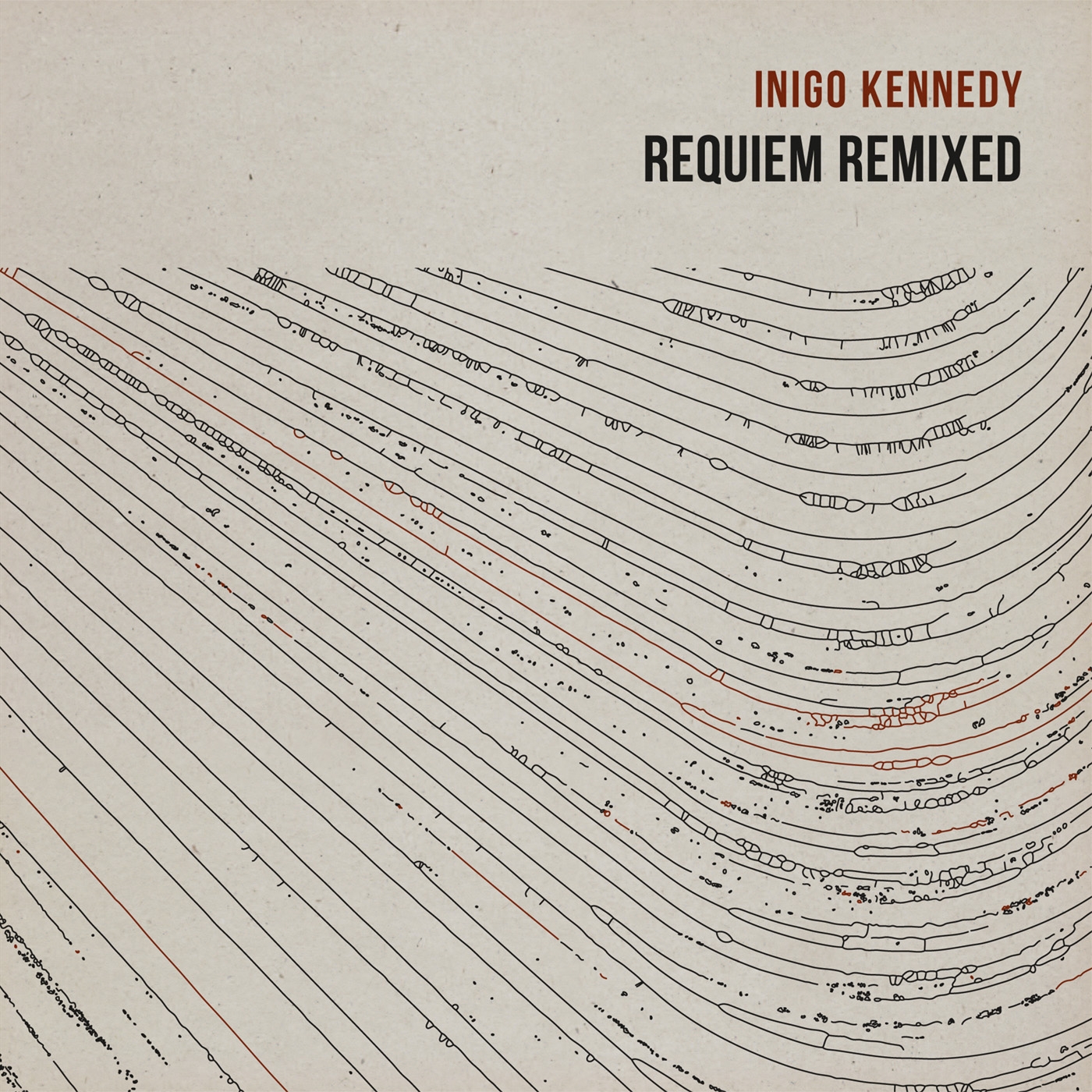
Inigo Kennedy’s Vaudeville LP was undoubtedly one of Token’s highlights of 2014. Now, following Antigone’s twisting Cantor Dust EP, “Requiem”, a standout cut from the album, has been resurrected across an all-star remix EP from the label.

The release sees some of the most notable figures operating in the techno scene today turn their hand to the track, from sonic explorer Efdemin to Birmingham veteran Karl O’Connor, (aka “Regis“).

The original’s twisted melodies are beautifully fragmented across Efdemin’s opening offering. As the EP progresses the interpretations seem to get progressively more bent out of shape. Raster Noton mainstay Kangding Ray provides a skittering, paranoid recast of the track. Regis, on the other hand, harnesses the original’s bulging low-end, putting his characteristically rugged stamp on the track.

Tracklisting

A1 / Efdemin ‘Journey To The Stars’ Mix
A2 / Kangding Ray ‘Dies Irae’ Remix

B1 / Regis ‘Human Host’ Mix
B2 / Dasha Rush ‘Requiem For Humanity’ Remix

The Requiem Remixed EP is scheduled for release as a 12″ and digital download on July 6.

Interview: Psyk Announces Plans To Release Latest EP On Luke Slater’s Label, Mote-Evolver

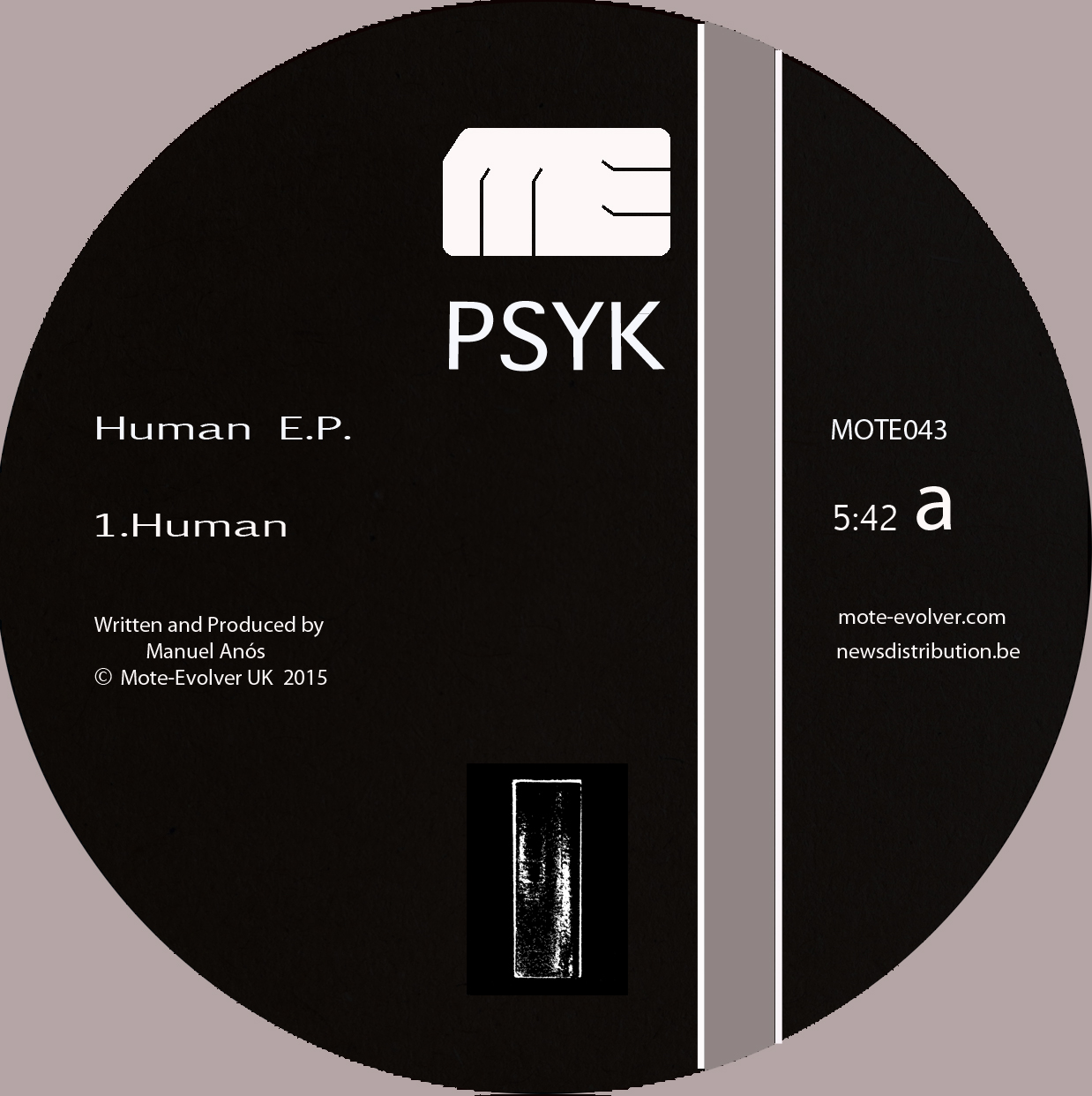
Following last year’s Time Foundation album and the EPs Aracade and Distane, Spanish producer Psyk (a.k.a. “Maan” or “Manuel Anós”) has announced plans to return to Luke Slater’sMote-Evolver imprint with his latest Human EP. Like Psyk’s other offerings for the label, Human fits neatly into the label’s stylistic template of mesmerizing precision yet never forsakes individuality in order to do so.

With its crystalline mesh of bass kick and persistent 8th-note percolations, the opener “Human” immediately lays a foundation which will command listeners’ focus before a whole new substrata of strange are introduced. This same strategy is employed on the b-side’s “Powder”. An additional b-side, “Aumento,” features a gorgeous interplay between a high whistling oscillator and its lower pitched counterpart. For purchasers of the digital EP, a bonus mix of “Human” provides an encore performance of the lead-off track with an additional helping of deft filtering, insistent handclap and percussive depth.

Ahead of its release on June 22, XLR8R spoke with Psyk to learn more about the influences behind the Human EP.

Illegal parties in Madrid, your own label [Non Series] and your first LP [Time Foundation] on Luke Slater’s Mote-Evolver: can you quickly explain how it all happened?

When I was about 16 years old, we used to make raves near Madrid. It was the only chance we had to spin some records and even partying, as in most of clubs it was hard to get in due to the age restrictions. That is when I got really into electronic music.

Non Series was an important point of inflection in my career. It was my own thing and I wanted to make a platform with artists that I liked and the kind of sound I’d love to hear in clubs.

Time Foundation was also a very big step for me. I spoke to Luke [Slater] and we thought it would be nice to try something in a long format. Its an album focused just on club tracks. It was really interesting for me and was a big honor doing it in the label of legend Luke Slater. And, of course, it made sense to release it there as I was releasing my music there for a while.

Has it been a different process for the creation of the Human EP compared to your last work on Mote-Evolver and your album?

The idea behind “Human” was basically the same as my other EPs on Mote-Evolver. Maybe the album is a bit different for me, a bit cleaner and probably fewer elements on the tracks. But still, it is on the same line. The sound is a little different because I changed my studio recently, but I kept the same essence and the idea behind my music.

Roughness, repetitions, anxious sequences and minimalism are more and more present in your productions, as well as this last EP. Is it an aesthetic which serves to describe a utopia, a human feeling, or could it also be a look into the historical period in which we are living? How do you feel when you listen to your sounds again?

Well, that definitely might fit there. Anyway, I think my point of view is simpler than that. As I mentioned before, I try to do music that I’d like to hear in clubs and I do love endless loops, repetitiveness and minimalism. I think it is powerful and beautiful to listen to something that transmits something interesting with just a few elements. I’ve been always big fan of Rachmad, Plastikman, Basic Channel productions, so probably they also have been influenced my music and taste some way.

Psyk’s Time Foundation LP can be streamed in full below.

Kamera Arc EP

Erol Alkan‘s Phantasy Sound has been unearthing some fine talent over the last two years, offering a spring board to the likes of Daniel Avery, Ghost Culture and U—and the label continues to lay its cards on the table with a new, shadowy figure joining the ranks. Kamera—following the same acidic, indie-dancefloor-techno-drone that the likes of Avery have created to a tee—brings in sharp acidic flourishes, punk-laced ethics and experimentation galore.

Kamera’s debut EP, Arc, pulls no punches in showing the sound of a new kid on the block, without drifting from the label’s ethos of music that avoids sounding stale, repetitive and formulaic. Opening track “Prince Valium” is a short, sharp shock to brain, by way of bouncing acid bass stabs, zipping and unpredictable drum patterns, and thundering, double-hit bass as the tracks rhythm literally pounds on. Its heavy, brutal and abrasive, but retains a sense of clarity and melody.

“Cold Land” nods to the likes of Venetian Snares, LFO and Ceephax Acid Crew, notching up the tempo to a syncopated, Amen-laced track that’s more in line with the jungle-breakcore crew than the acid-techno heads. 5/7 timing, crashing cymbals and punishing jungle rhythms display another side to Kamera’s all-seeing eye. “Arcsecond” comes to life amid a wave of fire-and-brimstone atmospherics, before a foghorn-style, dirge-blues riff heralds the coming of the storm, remaining beatless and focusing on its hypnotizing, enveloping drone riff.

Closing the EP is “SR,” growling and growing evermore more dense as marching percussion beats transform into an industrial analog frenzy, slowly creeping and taking hold amid metronomic rhythms, mechanized flourishes, and a autonomous groove, mixing elements of techno, deep house and minimal dancefloor aesthetics. Stunning and unique, it’s another triumphant move from Alkan’s forward-thinking label, an exciting, alternative body of work that refuses to be ignored.

Bells & Whistles “Toes (G&H) (Jozif Let Her Out Remix)

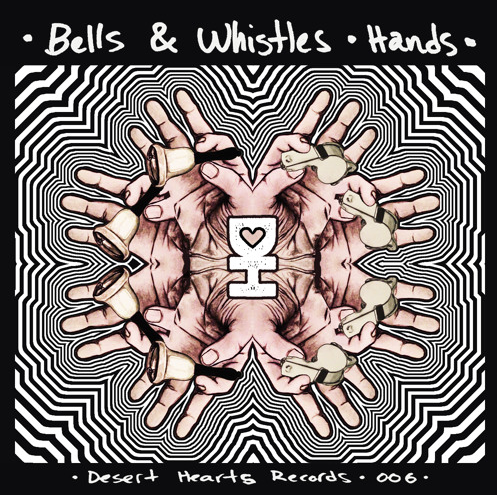
Zack Yakovlev & Yanick Rieffel (a.k.a. Bells & Whistles) are a San Fransisco-based duo who originally hail from Russia and Switzerland, respectively. Today, they will release their latest EP, Hands, on the label arm of San Fransisco-based party crew Desert Hearts. The four-track EP finds the pair exploring their deep and trippy style of house, backed up by a remix from London-based artist Jozif, who reworks the moody “Toes (G&H)” into a groovy and melodic cut with soaring synths and an irresistibly infectious bassline. The full EP is available for free here, with Jozif’s remix of “Toes (G&H)” available below.

Toes (G & H) (Jozif Let Her Out Remix)

Laurel Halo, Rashad Becker, Julia Holter, and More Debut as Terepa on Other People

Experimental collective Terepa makes its debut on Nicolas Jaar’s Other People imprint this summer with an eponymous two-track EP. Behind the project is a coalition of well-regarded producers including Rashad Becker, Charlotte Collin, Lucrecia Dalt, Laurel Halo (pictured above), Julia Holter, Kohei Matsunaga (a.k.a. NHK’Koyxen), and Grégoire Simon. According to a press release, the seven artists all recorded simultaneously for 20 minutes, using no means of communication “outside of their own telepathic capacities.” (Matsunaga is credited with designing the method.) The recordings were subsequently collaged and mixed, yielding two “lucid, essentially chance-based compositions” to be released on white vinyl and digital formats on July 13. The EP’s artwork, printed directly onto the record, was likewise a group effort.

Ahead of the release of Terepa, atmospheric b-side cut “8th August 2014” can be heard in part below. “While one artist’s signature may simmer to the top for a moment,” the label writes, “the gravitas lies in how all seven voices fold together, warping into a swampy, mist-brushed ecosystem that, value of parts given, is more than the sum.”

A. 28th October 2014
B. 8th August 2014

Seb Wildblood Announces Plans for Debut LP

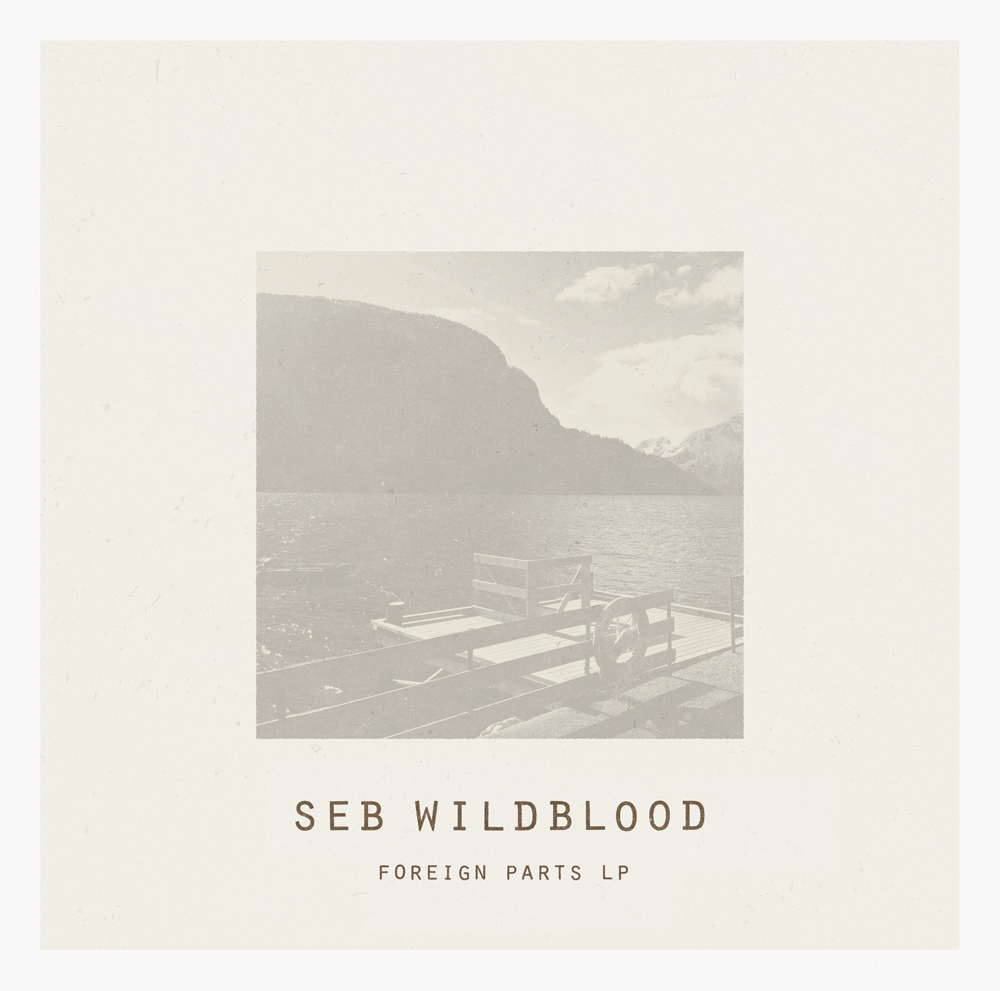
Having previously released on Skint Records, Church and Madtech, DJ/Producer Seb Wildblood has announced plans for his debut LP via his own label, SW.

Scheduled for release on vinyl and digitally on July 27, the Foreign Parts LP is a beautiful collection of seven wonderfully melodic and captivating tracks.

Tracklist

Foreign Parts
Moðir
Søndag
Moodlight
Gunvor
Bróðir
Systir

Watch The Stunning New Video For Abstraxion’s “I Can’t”

French producer Abstraxion‘s (a.k.a.Harold Boué) latest EP, I Can’t, was released via HAKT Recordings at the end of 2014. Now, lead track “I Can’t” gets a stunning new video directed by Video Marsh, the same creatives behind videos for Grimes, Caribou, Crystal Castles and many more.

You can check out the full video below.

XLR8R Couldn't find the embed function for type: "vimeo" and source: "<iframe src="https://player.vimeo.com/video/128025194?color=ffffff&amp;title=0&amp;byline=0&amp;portrait=0" width="445" height="250" frameborder="0" allowfullscreen="allowfullscreen"></iframe>".

Premiere: Stream A Track From Premiesku’s Latest EP, Jojoman

Having previously released on labels such as Vakant, Apollonia and Desolat, Romanian trio Premiesku (a.k.a. “Livio & Roby” + “George G”) are now scheduled to release Jojoman, their debut EP on 20/20 Vision.

2014 saw the trio increase their impact on not only the Romanian scene but the worldwide electronic scene as a whole, and their latest EP once again sees them utilise their expertly crafted, percussive production arsenal.

The title track “Jojoman” possesses a bassline which is sure to shift any dance floor and has been on heavy rotation by the likes of Apollonia ever since BPM 2015. “Voice Game” offers a different ride with a playful vocal sample, breaks groove and a vibe reminiscent of a secret weapon from the depths of Villalobos’s armoury.

Premiesku’s three original tracks are also accompanied by remixes courtesy of Parisian underground house virtuoso Djebali alongside long term Argentinean amigo, Guti – a relationship formed through both of their connections with the infamous Desolat label, with whom Premiesku released their acclaimed debut LP, Indirect in 2012.

Jojoman is available on vinyl now via Juno Records, with “Voice Game” available to stream below ahead of the EP’s digital release on June 1.

Unsound Reveals Details of 2015 Festival

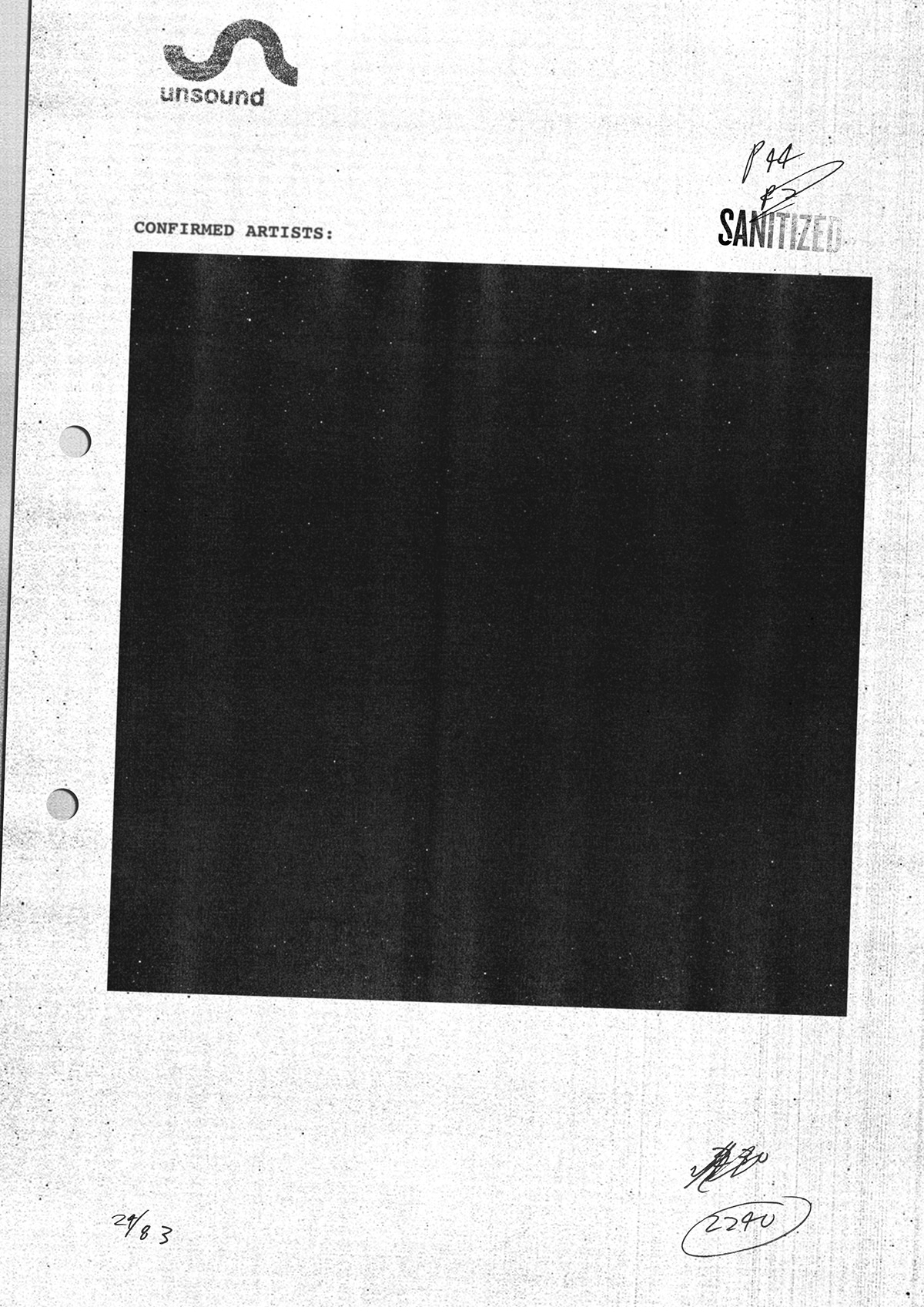
Krakow’s Unsound Festival has unveiled its theme for the 2015 event: Surprise. A press release dispatched earlier today contained only scans of two heavily redacted pages on Unsound letterhead. The “confirmed artist” page (pictured above) is entirely blacked out, while another sheet with festival details (pictured below) has very little legible content, but asks one key question: “How do our expectations affect the value we place on music as an art form?” Unsound isn’t the first festival to wager its ticket sales against a strong reputation by keeping its line-up under wraps: earlier this year, partner festival Les Siestes Electroniques, in France, did the same.

Unsound takes place this year between October 11 and 18, and ticket sales open at noon on June 10.

Page 1065 of 3781
1 1,063 1,064 1,065 1,066 1,067 3,781