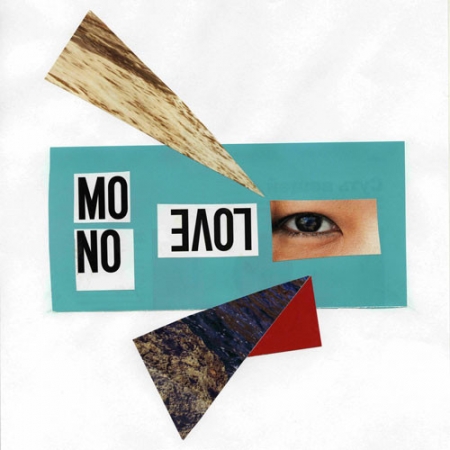
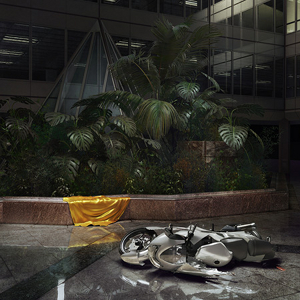
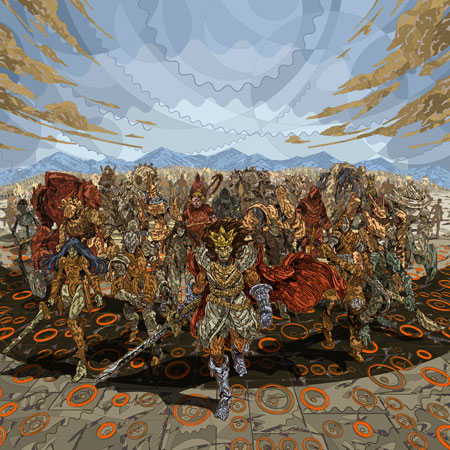
With the pleasantly simple piano melody, the atmospheric production quality, the detailed percussion, and the subtly shifting rhythms of “De Bons Moments,” it’s hard to tell that visual artist-turned-producer Yayati (a.k.a. Igor Fedoseev) is just now releasing his debut musical work, the MO!NO Love LP. Some of the melodic qualities and rhythmic handclaps do begin to unravel later in the track, though, which sounds a little bit like a child cutely playing along and gives the song an endearing quality.
Admittedly, we here at XLR8R spend a lot of time focusing on upcoming releases. While we’re honestly just trying to spread the word about music we’re excited about, we realize that things like news stories, music videos, and MP3 downloads all feed into the hype surrounding records that most people haven’t heard yet. It’s a tricky business, and one that’s only made harder by the fact that many releases simply don’t live up to the hype. Frequently, the level of excitement surrounding a forthcoming piece of music is a completely inaccurate indicator of its actual quality, for a variety of reasons. Sometimes, a new artist simply fails to live up to their potential. Other times, an established act with a solid pedigree loses the plot and turns in a surprisingly subpar effort. That being said, regardless of the reasons why, when a record fails to live up to the music world’s collective expectations, the disappointment is palpable. This list is our attempt to document that phenomenon, as we’ve put together a list of the 10 releases that left us feeling the most underwhelmed in 2012.
(The XLR8R audience has also been voting for its choices in this category as part of our Best of 2012 Readers Poll, which is still underway. The results will be unveiled next week.)
10. Gatekeeper Exo (Hippos in Tanks) Gatekeeper‘s Exo was touted as some kind of immersive fantasy world, a 3-D, HD, A/V experience that had to be seen (and heard) to be believed. Granted, the album had some pretty cool bells and whistles tacked on to it, like a “first-person gaming environment” and a custom-made font (once downloaded, you could use it to decipher the codes on the album artwork), but those unusual accoutrements couldn’t make up for the fact that the record itself hardly felt cinematic, let alone fantastic. When it finally beamed down from whatever multi-dimensional universe it was conjured in, Exo was undoubtedly heavy on concept, but conspicuously light on tunes. Gatekeeper’s music nonetheless offered some interesting retro-futuristic sound effects and nostalgic genre explorations (we enjoyed being able to take a look inside their Brooklyn studio earlier this year, too), but trance synths and industrial drum machines does not a “cerebral spectacle” make. Patric Fallon
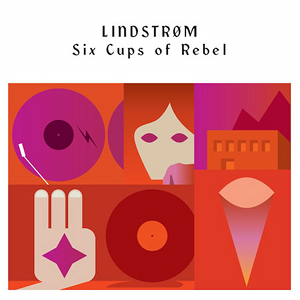
9. Lindstrom Six Cups of Rebel (Smalltown Supersound) The only problem with taking chances is that there’s risk involved. Obviousness of the statement aside, it’s a truism that we were reminded of earlier this year when Lindstrøm branched out from his trance-inducing space-disco roots and released Six Cups of Rebel. A divergent work that had neither the pop-inflected dance of Real Life is No Cool nor the arpeggiated bombast of Where You Go I Go Too, the LP instead dove headfirst into a bloated world of neo-psychedelic folk and retro-prog revivalism. On paper, this might have seemed like a good idea, but in practice, the Norwegian producer fell into many of the same indulgent traps that have marred these kinds of sounds since they first appeared in the ’70s. At the heart of the LP’s shortcomings was a lack of subtlety and dynamics, an effect exaggerated by abusive multi-tracking. Burdened by their own weight, songs like “De Javu,” “Quiet Place to Live,” and “Hina” all struggled to find their way across extended durations that often clocked close to 10 minutes. There’s definitely something to commend in Lindstrøm’s willingness to branch out, but it seems that Lindstrøm’s is much better suited for space opera than rock opera—a fact reaffirmed by the recent release of his second (and much stronger) 2012 album, Smallhans. Derek Opperman
8. Brenmar “Children of the Night” (Grizzly) In truth, something like “Children of the Night” was bound to come from Brenmar eventually. The NY-via-Chicago producer has always walked a stylistic tightrope along some potentially treacherous territory, indulging in the more unsophisticated ends of space-age club music while still managing to find an enticing sweet spot on records like last year’s excellent Let’s Pretend EP. In 2012 though, Brenmar might have lost himself inside the world of cheesy party themes he’d toyed with for so long, and with “Children of the Night’ serving as his only original effort for the year, it left a giant smudge on his otherwise impressive production career. Offering an updated take on Kevin Irving’s Trax-issued tune from 1987, Brenmar’s bouncy underlying production was mediocre at best—the ravey synth leads were particularly questionable—but the real head-scratcher was his decision to place guest vocalist Kaleena Zanders’ diva-fied vocals front and center. Lacking the groove of the original, the song’s over-the-top lyrics—meaningless phrases about “city lights,” “the night calling,” and the requisite “children of the night” tagline, all run through an unnecessary amount of quarter-note delay—fell terribly flat. Glenn Jackson
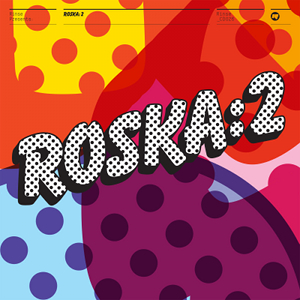
7. Roska Rinse Presents: Roska 2 (Rinse) Here at XLR8R, we still have a warm place in our hearts for UK funky. Admittedly, the sound’s best days have long since passed, and the fact that we’re literally thousands of miles away from the UK has undoubtedly buffered us from many of the genre’s inanities, but there will always be something special about those clacking drums and tropical polyrhythms. Without exaggeration, it’s safe to say that funky was instrumental in reinvigorating the UK club scene during the late ’00s, and Roska was one of the genre’s early heroes. Following a series of impressive early singles and EPs, the London producer’s 2010 debut LP, Rinse Presents: Roska, was far from perfect, but it at least offered some interesting variations on the funky template, even as the genre was beginning to give way to what would come to be known as bass music. Two years later, Rinse Presents: Roska 2 included no such highlights. While remnants of his inventive drum patterns could still be detected, they were often buried under grating, mid-range synth bleeps, mediocre guest vocalists, and lazy dubstep-isms. Perhaps Roska was making a play for a more commercial audience, or maybe he simply ran out of ways to freshen up his once-distinctive sound. Either way, Rinse Presents: Roska 2 left us wanting, and did little to help alleviate the sneaking suspicion that maybe the time had come to reconsider our passion for UK funky as a wholly nostalgic pursuit. Shawn Reynaldo
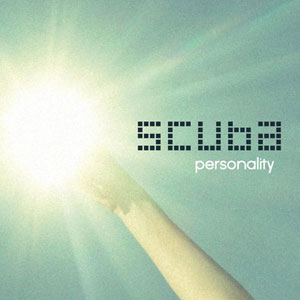
6. Scuba Personality (Hotflush) At this point in time, it’s no longer news that Scuba has moved on from his dubstep roots. Even when he released the excellent Triangulation in 2010, he was simultaneously exploring alternative sounds and possible futures via his more dancefloor-oriented SCB alias. The years since have brought with them a period of consolidation, with Rose using his Scuba moniker for a new kind of music that with each subsequent release has felt more like the punchline to some elaborate, KLF-style prank. The first in this series was 2011’s Adrenalin, an EP whose titular single showed off an unexpected progressive-house-indebted side to the Berlin-based producer. Though distinct from just about everything else in his catalogue, its strangeness was compelling. Personality, the LP that followed in its wake earlier this year, didn’t offer the same appeal. Lacking a real sense of subtlety, it was a compilation of different testosterone-fueled riffs on ’90s pop-house and big beat. Particularly maddening was the earnestness with which Scuba appeared to be approaching these sounds, as he’s the kind of artist who sounds deadly serious doing anything—even seemingly ridiculous things. Given the man’s obvious talents in the studio, we’re hoping that Personality ultimately represents a tangential experiment rather than a larger trend. Derek Opperman
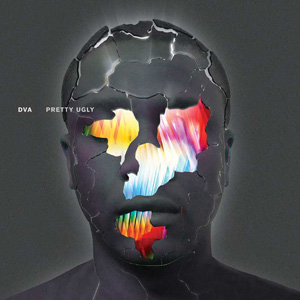
5. DVA Pretty Ugly (Hyperdub) Although Scratcha DVA has long been regarded as something of an oddball, when it came to his production work, that oddity often translated into a compellingly weird take on UK club sounds. His early singles as DVA were frequently simple affairs, insofar that they were centered around only a handful of elements, but they were teeming with dancefloor potency; more importantly, his seasick melodies and off-kilter drum patterns didn’t quite sound like anything—or anyone—else. As such, anticipation was high for Pretty Ugly; his first swipe at the full-length format, it presented an opportunity for DVA to stretch his lengths and further indulge his left-of-center creative impulses. Unfortunately though, the album only demonstrated that perhaps DVA isn’t the sort of artist who’s well suited to operate with that kind of freedom. Simply put, the LP was a bit of a mess. Sure, woozy club tracks like “Polyphonic Dreams” were ace, but much of the record offered half-baked experiments in avant-garde pop/funk/R&B. There were too many ideas, too many genres being mashed together, and too many different directions being explored (and subsequently abandoned). Pretty Ugly could have been a real statement, but ultimately only ended up saying that DVA’s music is a lot better when he’s operating within some semblance of a steady framework. (Case in point: November’s streamlined Fly Juice EP was a much more coherent—and enjoyable—release.) Shawn Reynaldo
4. Teen Daze All of Us, Together (Lefse) It’s not entirely the artist’s fault when expectations are heaped onto them, nor is it necessarily “wrong” when they let us down. Sometimes, though, a record falls so far below its potential that it’s hard not to pick someone to blame, and in the case of Teen Daze‘s All of Us, Together, XLR8R looked no further than the producer himself. Something about his use of default sample banks, sterile production techniques, and uninspired song structures felt soulless, sometimes even lifeless, which was a huge disappointment after we’d gone so far as to highlight him as a promising artist in our Bubblin’ Up series. Teen Daze’s second album of 2012, The Inner Mansions, managed to right some of Together‘s wrongs with the addition of talented vocalists to his shoegazing synth-pop tunes (we’re still entirely baffled that Together was basically an instrumental dance album made for tweens), but that doesn’t change the fact that the Canadian producer’s first effort of the year gave it some of its most bland music. Patric Fallon
3. Nina Kraviz Nina Kraviz (Rekids) As the story goes, when Nina Kraviz heard Theo Parrish play a bad set in Toronto, she made it a point to tell him that she respected him but disliked his performance. In retrospect, that quote seems strangely haunting when one considers the reception of Kraviz’s self-titled debut. She’s an artist with a serious pedigree, with her handful of 12″ releases on Underground Quality and Rekids backing up her often bold—but generally spot-on—observations about DJ culture. The album’s lead single, “Ghetto Kraviz,” with its odd rhythms and indecipherable sing-song vocals, hinted towards the better side of weird. Unfortunately, the LP as a whole didn’t live up to this promise, with an overall aesthetic that felt rushed and insubstantial. Perhaps the most lacking aspect was Kraviz’s own vocal delivery, which seemed uncommitted and underthought. The same kind of stream-of-consciousness observations that made “Pain in the Ass” such a club hit in 2009 just didn’t stand up when stretched out across the length of an entire LP, especially when the subject matter seemed so much closer to Kraviz emotionally. It’s a shame, because the record had the potential to be the clearest expression of an artist who clearly has a lot to offer. Derek Opperman
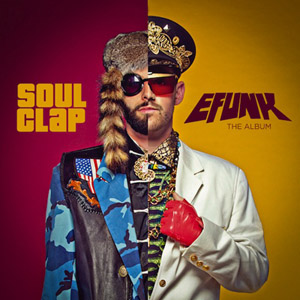
2. Soul Clap E-Funk (Wolf + Lamb) E-Funk was the debut LP from Boston’s Soul Clap, and its shortcomings ultimately stem from the fact that the pair simply reached too far. The initial fanfare surrounding the duo stemmed from its fun-loving and retro-flavored DJ stylings, but Soul Clap’s first forays into production were solid; offering sleek slices of adventurous-yet-efficient house, the pair somehow threaded the line between abstract dance music and soulful party tunes with an effortless confidence. On E-Funk however, Soul Clap fully gave into its infatuation with nostalgic sounds (particularly those of the ’90s) and delivered a record full of misshapen dance/pop hybrids that lacked the allure of the pair’s prior efforts. Furthermore, the album focused around a revolving cast of vocal collaborators whose contributions were often ill fitted for the tracks they accompanied. Ultimately, E-Funk came off as one giant misfire, an effort bogged down by misguided concepts and overloaded with ideas. Glenn Jackson
1. Squarepusher Ufabulum (Warp) We’ve said it before, and we’ll say it again: It is not easy being a fan of Warp‘s veteran artists. But the reason why is something of a double-edged sword. Largely speaking, producers like Squarepusher are almost too talented, so much so that it seems they can do just about anything (and often they certainly try). From jungle to IDM to jazz to solo bass compositions, Squarepusher’s output never settles in one place for too long, but it had been ages since he’d created the kind of wild and ruthless electronic sounds his name was built on. That was all said to change this year, however, when Warp announced that Squarepusher would be returning to “pure electronic music… something very melodic, very aggressive.” Unfortunately, that record turned out to be Ufabulum, a 10-track onslaught of distorted drum kits and bit-crushed synths which had far more in common with contemporary EDM than old-school breaks. Songs like “4001” and “Drax 2” managed to point back to the Squarepusher of yore, but the rest of Ufabulum took us down a path of overwrought concertos, mind-numbing sound effects, and plenty of other studio wankery. At least he had one of the coolest-looking live shows of 2012. Patric Fallon
XLR8R‘s Best of 2012 coverage will continue all of next week, so check back each day for additional year-end round-ups. In the meantime, don’t forget to vote in our Readers Poll, and take a look at the other Best of 2012 pieces we’ve posted already:
XLR8R has been around a long time, and although we do hold a certain level of influence, we’re ultimately just a single voice amongst an ocean of opinions. As such, no matter how strongly we feel about a particular piece of music, our take on something can easily be overwhelmed, especially once online groupthink begins to set in. The following list includes 10 releases whose praises were generally sung far and wide, and although we certainly don’t hate everything here (in fairness, we definitely hate some of it), we simply felt that these releases didn’t merit all of the acclaim that was thrown their way in 2012. Many of these records were wildly popular; some of these selections are from artists we really like, have supported in the past, and might very well support in the future. There are things here that have already (and will likely continue to) appear on other publications’ year-end lists. (Hell, there are records here from artists who have already appeared on some of ourBest of 2012 lists.) But this isn’t about playing favorites or following trends; it’s simply an effort to point out the releases that weren’t as good as advertised.
(The XLR8R audience has also been voting for its choices in this category as part of our Best of 2012 Readers Poll, which is still underway. The results will be unveiled next week.)
10. Supreme Cuts Whispers in the Dark (Dovecote) Since debuting with 2011’s Trouble EP, Chicago duo Supreme Cuts has been championed as a promising pair navigating the waters between Mount Kimbie-esque post-dubstep and the murky quasi-genre of cloud rap. This July, the outfit jumped into the world of full-length records a bit too early by our estimation, releasing the lackluster Whispers in the Dark LP to mixed critical reviews, but still championed in certain circles as an innovative debut album. While the record was not without its worthwhile moments, the overwrought moodiness and imbalanced approach to reverb and delay (much of the record sounded as if it were being played back inside of a cave) made for a troubled 12-track run that distilled the slower end of bass music reference points into a far too soupy mixture. In the end, it seemed difficult to differentiate anything on Supreme Cuts’ Whispers in the Dark from the swelling number of bedroom producers all over the web fashioning similarly subdued, post-whatever beats. Glenn Jackson
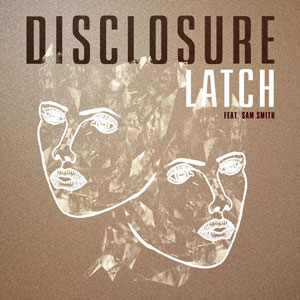
9. Disclosure “Latch” (PMR) Youthful UK duo Disclosure did a lot of good things this year, but the pair’s most recent single, “Latch,” wasn’t one of them. Built around a slick vocal turn from Sam Smith, the track seemed to confirm all of our worst fears about the path Disclosure could take as it continues to cross over into the mainstream. In fairness, there’s always been a sort of pop current in Disclosure’s music, but previous efforts balanced this out with clever—and undeniably hooky—nods to ’90s house and garage. “Latch” is something different, a tune that has almost nothing to do with the UK’s rich dancefloor lineage and everything to do with commercial success. It’s not a song for the club, at least not a respectable one. This is music for people who don’t like music, the kind of track teenage girls will rush to buy on iTunes after hearing it on the latest episode of The Vampire Diaries. Granted, if “Latch” had simply been offered up by the latest major-label pop outfit, we’d have no need to file a complaint. The problem here is that it’s a song from Disclosure, a group whose rapid ascent stems, at least in part, from the group’s association with underground electronic music. As such, it’s hard to not feel like “Latch” is something of a bait and switch, not to mention a potential red flag as the duo readies its already-hyped debut full-length. We still have high hopes for Disclosure—after all, the group nabbed the #2 slot on our list of 2012’s best new artists—but “Latch” is undoubtedly cause for concern. Shawn Reynaldo
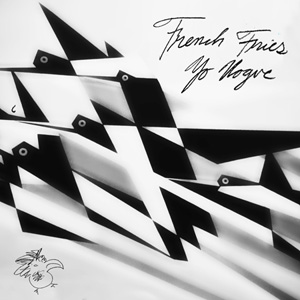
8. French Fries “Yo Vogue” (Dirtybird) One of 2012’s least expected developments was the emergence of the voguing and ballroom subculture from its normally underground existence in the Masonic Halls and Elks Lodges of the Eastern American seaboard. Bass-oriented DJs from around the globe began to incorporate aspects of this aggressive form of dance music into their work, bringing wider attention to a sound that’s usually as secretive as the scene it springs from. Coupled with the new availability of Paris is Burning on Netflix’s instant watch, the seeds were sown for a sexuality-twisting situation in which it became fashionable for heterosexual clubgoers to be into the concept of “vogue.” Unfortunately, as the months have gone by, it’s hard not to think that much of the music’s original context has been lost, and songs like “Yo Vogue” are partially to blame. Though it was celebrated by the blog crowd as a party anthem, the track found Parisian producer French Fries opportunistically marrying lines like “I wanna see you vogue bitch” and “vogue, vogue, vogue, vogue” with what would otherwise be considered an uninspired Ableton project. Combining half-time breakdowns, tech-house basslines, and flourishes cribbed from Masters at Work’s “The Ha Dance,” the production was a sort of sonic grab bag that ultimately felt every bit as lifeless and insincere as the vocal it was built around. We’re not opposed to a resurgence in vogue music—there are undoubtedly some talented artists whose work is reinvigorating the genre—but in our opinion, French Fries was bandwagoning in a bad way. Derek Opperman
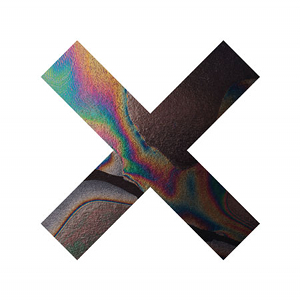
7. The xx Coexist (Young Turks) XLR8R posted quite a few times about The xx over the course of 2012, mostly as the band was leading up to the release of its second album, Coexist. That said, keen-eyed readers may have also noticed that we didn’t publish a review of that record, even after all of the related news stories and bootleg remixes we offered for download. The reason? Well, calling Coexist a “highly anticipated” album is definitely an understatement (something like “fiendishly pined for” sounds more apt to us), and we’re certainly not above allowing ourselves a bit of hype-fueled attention from time to time. Besides, we legitimately enjoyed the band’s first record, but after spinning Coexist a handful of times, it became clear that The xx’s sleepy and stripped-down sound wasn’t all that enticing a second time around (it certainly didn’t help that Coexist was even sleepier and more barebones than its predecessor, too). So while some outlets decided to gently call out the UK trio’s sophomore slump, XLR8R just dodged that rigmarole altogether—until now, anyway. Patric Fallon
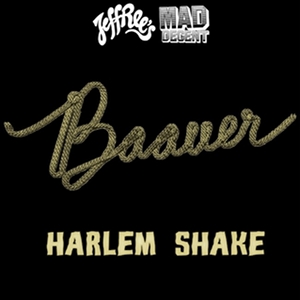
6. Baauer “Harlem Shake” (Jeffree’s) Diplo’s Mad Decent label hasn’t exactly built its reputation by releasing music with a lot of subtlety, so it came with little surprise that the inescapably straightorward anthem “Harlem Shake” hit every mark on the trap- and hip-hop-minded bass-music checklist when it saw a release through the imprint’s Jeffree’s offshoot just before the start of summer. The subject of some palpable buzz after first making an appearance in Rustie’s Essential Mix, Baauer‘s no-frills banger employed the usual suspects—rolling snares, tuned 808s, the requisite build-ups and breakdowns, and a video game-indebted bassline that was impossible to unhear. Essentially, there was no song in 2012 more likely to stir crowds into showing their “bass face” whilst simultaneously “throwin’ bows,” but whatever visceral value the tune displayed upon first listen was quickly lost with repeated exposure—an unfortunate fact considering that “Harlem Shake” quickly became a go-to tool for jocks looking to bolster their own shortage of ideas with the most obvious sorts of big-beat bravado. Glenn Jackson
5. Jam City Classical Curves (Night Slugs) Without question, Jam City takes his work very seriously. Looking back at his Chatterbox conversation with us just prior to the release of Classical Curves, it’s apparent that the London-based producer viewed his debut LP as a sort of high-concept art project. It was a bold move, especially coming from an artist whose previous output openly—and inventively—targeted the dancefloor, but Jam City clearly saw the the full-length format as an opportunity to do something bigger. The LP certainly sounded serious, so much so that listening to it wasn’t particularly fun. As such, it’s hard to think of another 2012 album that was praised by so many while being truly enjoyed by so few. Make no mistake, there were highlights to be found—”The Courts” and “How We Relate to the Body,” in particular—but in the end, Classical Curves felt like an artificial construct of what “important” music is supposed to sound like. It’s possible that we simply had trouble disassociating Classical Curves‘ unexpected dissonance from our own expectations, although the recently released Classical Club Mixes proved that we weren’t the only ones hoping for something a little more club oriented. That record definitely helped renew our enthusiasm for Jam City, but it doesn’t change the fact that Classical Curves came off sounding like an effort by the producer to partially shun his past. In the process, part of what made him a special artist was temporarily lost, and that was unfortunate. Shawn Reynaldo
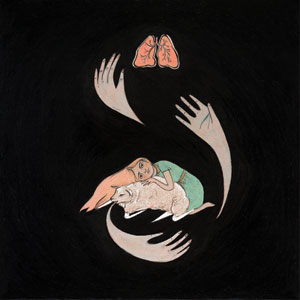
4. Purity Ring Shrines (4AD) In 2011, Canadian duo Purity Ring landed on a charming hybrid of electro-pop when they wrapped the urban ryhthms of underground electronic music with the chords and melodies of indie twee on “Ungirthed,” an introductory track topped off by the delicate tone and delivery of vocalist Megan James. Unfortunately though, that’s where the concept’s evolution seems to have stopped. Shrines, the pair’s debut full-length, failed to add much to what—over the course of 11 tracks—proved to be a rather two-dimensional approach to electronic pop, not to mention an inferior take on a sound better explored by the likes of The Knife, or even Purity Ring’s contemporaries such as Grimes and d’Eon. Ultimately, aside from a few changes in tempo and one particular song where a male vocal was enlisted to make an appearance, the LP presented the group’s same appropriated formula across the entire album, making only enough adjustments between tracks to denote that they were in fact different songs. Armed with a completely stagnant sound palette, Purity Ring penned a record virtually void of dynamics and fit to serve as a warning for all budding production outfits about the consequences of overdosing on side-chain compression. Glenn Jackson
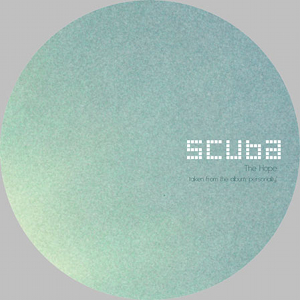
3. Scuba “The Hope” (Hotflush) “The Hope” is terrible. Sure, we could be more delicate about our phrasing, but there’s truly almost nothing redeemable about the track, which surfaced in early 2012 as the first single for Scuba‘s divisive Personality LP. Granted, “The Hope” was far from universally beloved, but one couldn’t help but notice the incredibly vocal nature of its supporters. Listening to the song again, it’s hard to ascertain exactly what these people found so enjoyable. Surely, it couldn’t be the time-stretched diva vocals or the overt references to the worst tendencies of late-’90s big beat—no one misses “Block Rockin’ Beats” that much. It couldn’t have been the absurd vocal—provided by Scuba himself—which made vague references to guys, girls, money, and “the sex.” And it definitely wasn’t the song’s atrocious music video, which confusedly combined clips of an elephant in a pool with embarrassing footage of some absolutely laughable interpretive dance. Maybe someone can explain “The Hope” to us, because we clearly don’t get it. That said, we’re pretty sure we don’t really want to. Shawn Reynaldo
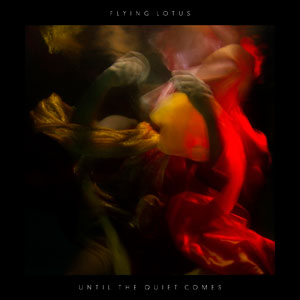
2. Flying Lotus Until the Quiet Comes (Warp) What was interesting about our review of Flying Lotus‘ fourth LP, Until the Quiet Comes, wasn’t so much what we had to say about it, but more so how readers reacted to our assessment of the tepid release. One commenter stated, “[This is] one of the few truthful reviews of this album. [The] hype is just stupendous around him.” Another one rebutted with, “[The music is] well played, regardless of [the] hype.” Suffice it to say, while the opinion on Flying Lotus’ latest is entirely split, everyone can agree that the guy gets a ton of attention on the internet. We were obviously among the many outposts sharing every “short film” (read: music video), track stream, and other related announcements, but instead of critically championing producer Steven Ellison’s newest collection of subdued jazz motifs and rehashed beatscapes after its release, XLR8R provided a voice for those who expected a bit more from the wildly popular artist. We couldn’t sit idly by while the producer let guest vocalists and studio musicians take the spotlight on his tracks, nor could we feign contentment when he crammed a couple of requisite “face melters” into an otherwise mellowed-out album. When it came down to it, Until the Quiet Comes just didn’t flow like Flying Lotus’ previous work, and it certainly lacked the mysterious sound worlds that help make Los Angeles and Cosmogramma consistently enjoyable, even after all these years. It should be said that we still have faith in Ellison, but that doesn’t mean we’re willing to get entirely behind a record like Until the Quiet Comes just because its creator made such exciting music in the past. Patric Fallon
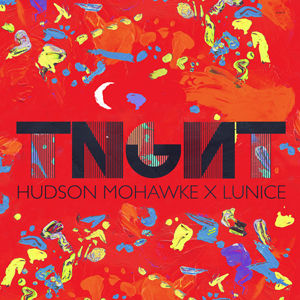
1. TNGHT TNGHT (Warp) This year, the merits of “real trap shit” proved to be a point of growing contention, its detractors and supporters equally ready to chime in on Facebook, Twitter, YouTube comment threads, music forums, and the rest of the internet’s many virtual platforms for the uninhibited expression of opinion. The debut of TNGHT (a collaboration between Glasgow’s Hudson Mohawke and Montreal’s Lunice) was perhaps the most universally lauded record to arise from the underground’s overwhelming adoption of this particular style of beatmaking (which has arguably existed for more than a decade within the world of Southern-bred rap), one packed to the brim with tuned 808s, skittering drum machines, sharply cut samples, and a host of absurd FX (baby noises, water drops, breaking glass, guns being loaded, and the required chorus of “Hey”s among them). Ultimately though, the TNGHT EP made for a rather uneventful 15 minutes, as its bombastic rhythms, predictable arrangements, and gangstafied machismo only seemed to have two states of being: on and off.
Still, what felt particularly lacking on the effort’s four cuts was the production wizardry of Mohawke, who over the years has proven himself an expert at crafting hyperactive adventures between instrumental beats and hybridized bass music. For the TNGHT project, however, both Lunice and Mohawke have said in no uncertain terms that the EP’s five beats were crafted with rappers in mind, and even intended as a way to help the pair break into the world of commercial hip-hop. Quite literally, in order to make room for the vocals of an eventual MC, the songs were stripped somewhat bare, and while this unembellished approach may have been necessary to accomplish the duo’s stated goal, it ultimately left us with one nagging question: Do we really care about TNGHT’s five commercial rap instrumentals? Glenn Jackson
XLR8R‘s Best of 2012 coverage will continue all of next week, so check back each day for additional year-end round-ups. In the meantime, don’t forget to vote in our Readers Poll, and take a look at the other Best of 2012 pieces we’ve posted already:
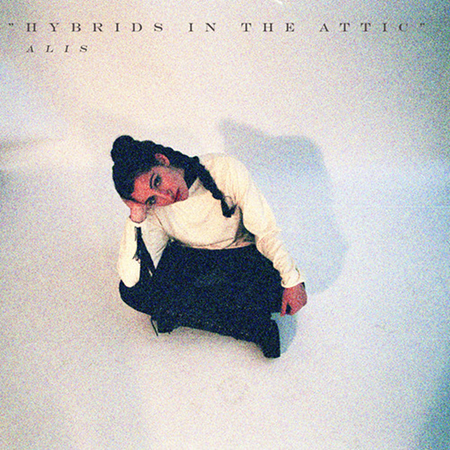
London producer Subeena is exploring avant electronic pop under a new alias, and today, she’s shared “It All Goes,” a tune taken from her Alis project’s newly released Hybrids in the Attic album. Wordless, reverberating vocal shards wander about the tune’s dark spaces while a pounding beat builds up momentum with sirens, rapidfire handclaps, and a powerful kick drum that carries “It All Goes” through the end. Hybrids in the Attic‘s other nine songs can be streamed and purchased over on Alis’ Bandcamp profile, here.
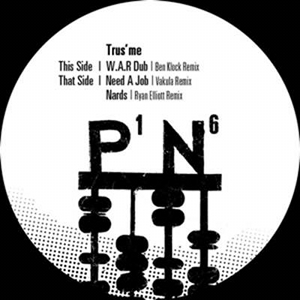
Just what is the dividing line between a remix and an original production? Over the past several months, British house producer Trus’me (a.k.a. David James Wolstencroft) has been exploring this question via a trilogy of singles that find his songs being heavily remixed by some of the most respected names in underground dance music. Along the way, his original material, much of which is now between four and five years old, has been taken pretty far from its Moodymann-esque starting point. PN16 is the final entry in this series, and, like the rest, it’s an exercise in extreme reworkings that manage to remain familiar in spite of their far-out contortions.
The previous Trus’me remix EPs carried with them some rather prestigious names, and the latest doesn’t disappoint on that front either. The showcase single is Ben Klock‘s remix of “W.A.R. Dub,” arguably Trus’me’s most recognizable club anthem. For his rework, the Berghain resident bleeds out a lot of the deep-house feeling and replaces it with a driving, dub-techno hypnotism. In practice, this means the bulk of the original’s sampledelia is absent; this includes the Marvin Gaye “war is hell” vocal hook, the tinkling pianos, and the reverbed slivers of bongo. So, what’s left? Not much. Only the dubby central riff remains, and even then, it’s a subdued echo of its former self. In truth, the remix is pretty much an entirely new song; the only thing that points back to its referent is a shared expression of moody emotions. Judged on its own merits, it’s a good track, but it never reaches the creative heights of its source material.
The most striking remix on the EP comes from Ukrainian producer Vakula, who saturates the dusty jazz-funk of “Need a Job” with paranoid TB-303 acid. Gone are the loose trumpets, and only the vocal refrain of “got to move” remains. Even more so than Klock’s contribution, it’s really not a remix in a conventional sense of the word. Instead, it’s a new track, one that aims for a very different, and much darker headspace—and succeeds because of it.
By contrast, Ryan Elliott‘s remix of “Nards” takes things in a more straightforward direction. It’s more recognizable, even though the song’s down-and-out disco vibe is mostly absent. He slices up tiny loops from the original and lets them run wild over a four-to-the-floor kick drum accompanied only by chugging hi-hats. It’s effectively a muted dub, with a focus on reducing things down to bare essentials.
Like the rest of the series, PN16 is a solid EP. However, listening to the three remixes, it’s hard not to think that Wolstencroft has squeezed as much as he can out of his back catalog. For that reason, we’re more excited for his long-awaited new album, Treat Me Right, which will be his first original Trus’me release in more than three years.
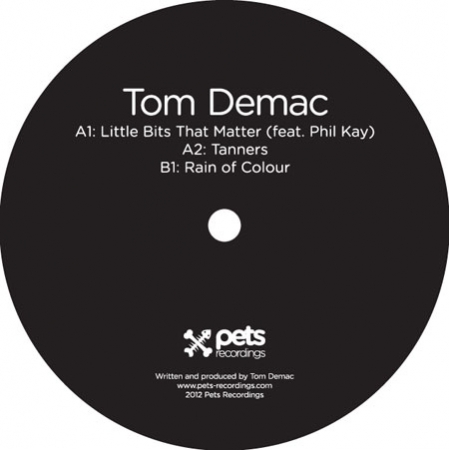
If you’ve been paying attention to XLR8R throughout the year (which we hope you have been), you’re likely to have noticed that Tom Demac has been busy putting together a pretty stellar 2012—his “Critical Distance Pt. 2” single was an XLR8R Pick, his September podcast was our second favorite of the year, and most recently, he added another impressive EP to his name, Little Bits That Matter. As our review of the record stated yesterday, the three-track EP showcases Demac’s unique affinity for robust tunes which exist somewhere between house and bass music. While the EP is out on vinyl now, it will see a digital release next week via the Pets label. Before then, you can stream the entire Little Bits That Matter EP after the jump.
The XLR8R Music Player requires Adobe Flash Player version 9 or later. Click here to install.
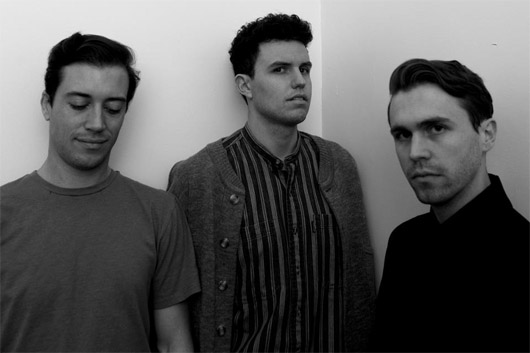
German outfit La Boum Fatale (pictured above) released its Two Remixes EP (with reworks of material taken from the Damwild EP from earlier this year) earlier this week, and we have one of those two remixes for you here. Produced by fellow German artist Glenn Astro, this driving version of “Snalle” is propelled by an otherworldly drum kit that sounds as though it manifested aboard a space shuttle. Familiar elements—such as lifelike bells and a keyboard riff that at times sounds like steel drums—help bring the mix down to Earth while still maintaining its deep-house vibe. You can check out the second remix featured on La Boum Fatale’s Two remixes EP after the jump.
Canadian-based label King Deluxe is offering a free compilation via its beautifully rendered and sometimes animated website as a way of celebrating its second birthday. Included in the 19-track package is a dramatic offering from the young Russian producer Aleph, who has so far released two EPs through King Deluxe and has an LP coming this January. (We recently posted an edit of a tune from his new record for Lowriders Collective, too.) Beginning with heavily cut up and reverb-drenched choir vocals, “Messa (A-Moll)” leads itself into warm, muted samples of acoustic drums and brightly shining synths. The epic track could be something from a video game, which is fitting considering King Deluxe’s aesthetic choices (you can get an idea of what we mean here and here). The label’s massive freebie also includes longstanding contributors such as Alphabets Heaven and Fancy Mike, and can be downloaded for free, here. If that’s not enough King Deluxe action for you, be sure to watch the compilation’s cinematic trailer after the jump.
XLR8R Couldn't find the embed function for type: "vimeo" and source: "<iframe src="http://player.vimeo.com/video/54819026?title=0&byline=0&portrait=0&badge=0&color=d67520" width="530" height="298" frameborder="0" webkitallowfullscreen="" mozallowfullscreen="" allowfullscreen=""></iframe>".
Brooklyn trio and one-time XLR8R podcast contributor Lemonade has shared a collection of remixes for “Ice Water” and “Big Changes,” two tracks culled from the outift’s Diver LP (out earlier this year via True Panther), all of which have been made availible for free download. From the glittery and hyper dance-pop of Club Cheval affiliate Panteros666‘s remix to the dark grooves delivered by XLR8R‘s own Contakt on his rework, Lemonade’s tropical vibes are recast into numerous corners of dancefloor fare across the seven-track collection. You can stream and download Ice Water / Big Changes Remixes in the player below.
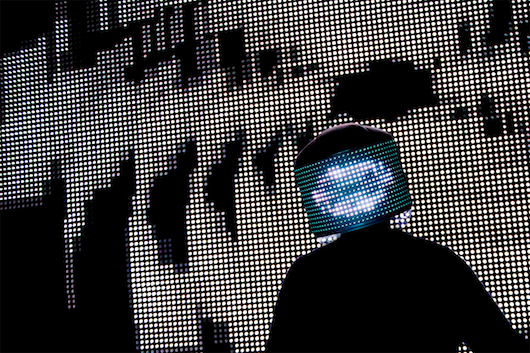
Veteran London artist Tom Jenkinson (a.k.a. Squarepusher) recently sat down with the folks at Pitchfork TV for an interview about his pretty amazing live show (you may remember how much we enjoyed his visuals at Barcelona’s Sónar this year), resulting in a piece which also features footage from his recent Ufabulum tour. As he discusses in the interview, Jenkinson strives to pair his sets with an LED backdrop that best represents and complements the music. Though they may seem like automated visualizers, the seizure-inducing imagery is rather carefully crafted by Jenkinson himself, who takes inspiration from his visceral reaction to the sounds and the imagination of his dreams. He also reveals that his LED helmet is something of a crutch for helping him deal with his insecurity as a performer. You can check out the whole mini-doc below, and if you’re lucky enough to be in London in March, don’t miss his largest solo show ever in Camden at the Roundhouse.