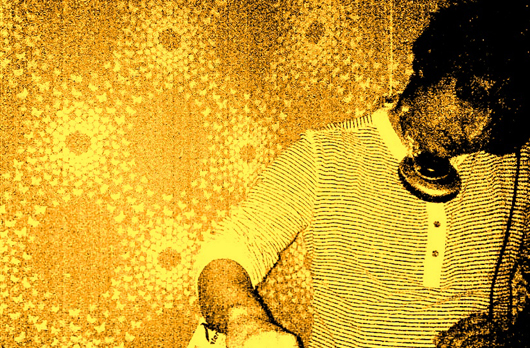
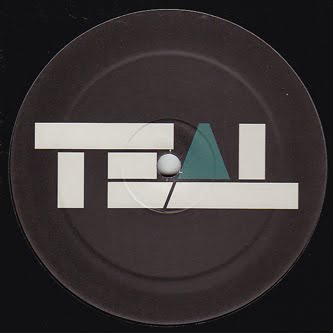
London’s West Norwood Cassette Library (a.k.a. Bob Bhamra) isn’t a producer that we shined a big light on in 2010, but we couldn’t help but notice that his tracks kept popping up in the sets of many of our favorite DJs, most notably the stellar XLR8R podcast from Ben UFO. (Side note: that mix was included in our 10 Best Podcasts of 2010 list, which is well worth taking a look at.) As it turns out, the track that Ben UFO employed, “Blonde on Blonde,” is finally seeing a proper release on a new Copenhagen-based label called TEAL Recordings. Even better, it’s backed with a remix from Ramadanman, operating under his Pearson Sound alias. The vinyl came out last week—cop that here—and the single will be released digitally on January 3. In the meantime, the folks at TEAL have passed along both tunes for us to stream here on XLR8R.com. Peep the artwork and give the songs a listen below.
The XLR8R Music Player requires Adobe Flash Player version 9 or later. Click here to install.
The first thing that strikes you about the TMA-1 (MSRP: $199) is its design: distinctive and minimalist, the hyper-clean silhouette is underscored by a glorious matte, rubberized finish. Pick them up and the solidity is immediately apparent—this is a solid set of cans, and one unlikely to break under even the most drunken of circumstances. The headphone cable is removable, and the ear cushions pop off in favor of a higher-isolation pair for noisy clubs, included in the box. These were designed primarily as DJ headphones, and as such, they are heavy on bass and loud as hell, with spacious sound and a generally warm tone. Aiaiai and Danish design firm KibSi consulted 25 of the world’s best “DJs” to bring the TMA-1 to life (Flying Lotus, 2Manydjs, James Murphy, to name a few), and the result is a superb set of cans for disc jockeying or any other type of jockeying, really.
A few weeks back, we previewed “Days,” the long-awaited first single from spooky Brooklyn duo CREEP, which happens to feature vocals from Romy Madley-Croft of The xx. The single came out earlier this week and was backed by remixes from Deadboy and Azari & III, but now Lauren Dillard and Lauren Flax have made another remix available, this one courtesy of Boston duo Soul Clap. As one would expect, Soul Clap pick up the pace and throw in some mellow house beats while keeping the original’s dark and dour vibes largely intact. No word yet on when CREEP’s album is going to drop, but in the meantime, we’re going to do our best to have a black Christmas by putting this one on repeat and indulging in the gothy splendor of the band’s fancy new website.
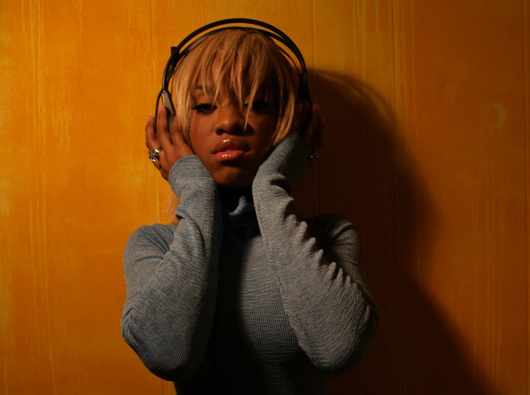
Let’s just get this out of the way. This song, technically, could be called a mash-up. And yes, we know mash-ups are sooooooo over, but maybe you can cut us a a bit of slack. It is the holiday season, after all. And this isn’t just any mash-up, as London’s Smutlee—who has done some fine work in the funky bashment arena—has paired the vocals of Jamaican dancehall diva Natalie Storm (pictured above) with M.A.N.D.Y. vs. Booka Shade‘s classic “Body Language,” which has been screwed down to moombahton tempo. Maybe it’s not the most original thing in the world, but damn if those synth notes on “Body Language” don’t still sound good, more than five years after its initial release. Plus, at this point, XLR8R‘s ongoing crush on Natalie Storm is pretty well documented. If you had a website, would you pass on a chance to put up another sexy photo of Natalie Storm? Yeah, that’s what we thought.
OK, this whole “holiday spirit” thing is starting to get out of hand. Party-loving Finnish label Top Billin has been doling out a steady stream of free tunes all year, but now they’ve really outdone themselves. From now until the end of the year, they’re giving out the recently released World Gone Club Vol. 1 for free. OK, to be fair, it’s not exactly free. People that want to get their hands on the eight track collection—featuring music from LOL Boys, Talk, Miltz Mortez, and other up-and-comers from around the globe—can either pony up the cash, or “pay” for the compilation by re-posting it on Twitter or Facebook. That’s about as close to free as one can get. Go here for all the details and a link to “pay” for the tunes, and party your way through the holiday season.
Apparently, even new-school masters of funk can get a little sentimental during the holidays. Earlier today, Dam-Funk posted a brand-new holiday ditty on the Stones Throw website, making sure to note that the track was created and recorded yesterday in LA with only a Korg Rhythm 55B drum machine, a Roland Juno 1 synthesizer, a Casio CT-640 keyboard, and a Radio Shack $19.99 microphone. Take a listen to “Tis the Season” below.
XLR8R Couldn't find the embed function for type: "soundcloud" and source: "<embed allowscriptaccess="always" height="81" src="http://player.soundcloud.com/player.swf?url=http%3A%2F%2Fapi.soundcloud.com%2Ftracks%2F8347057&show_comments=false&auto_play=false&color=ff7700" type="application/x-shockwave-flash" width="100%">".
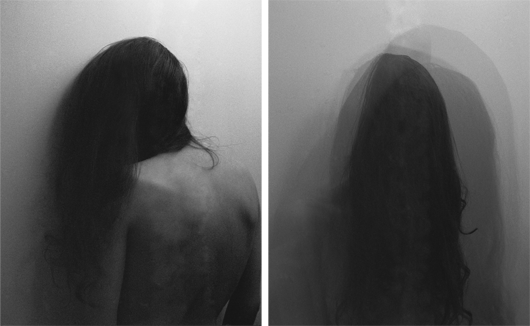
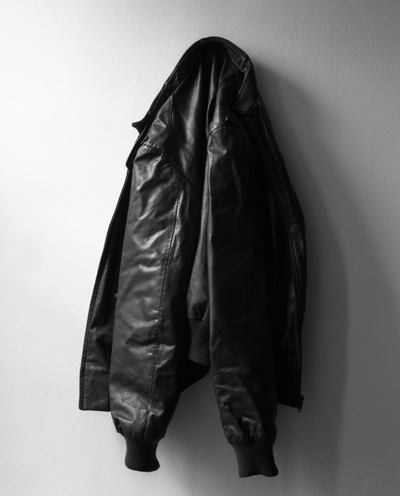
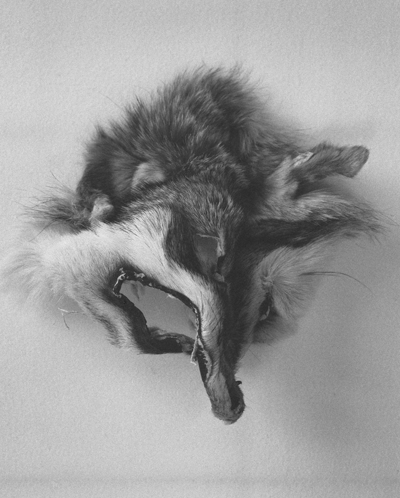
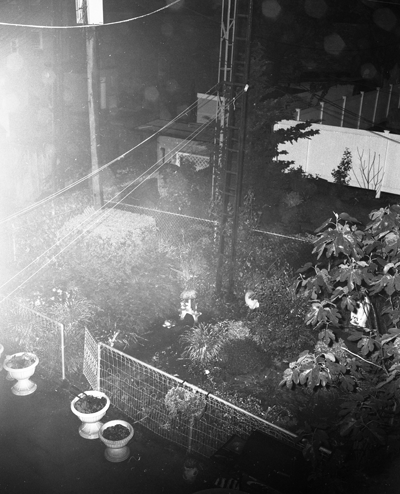
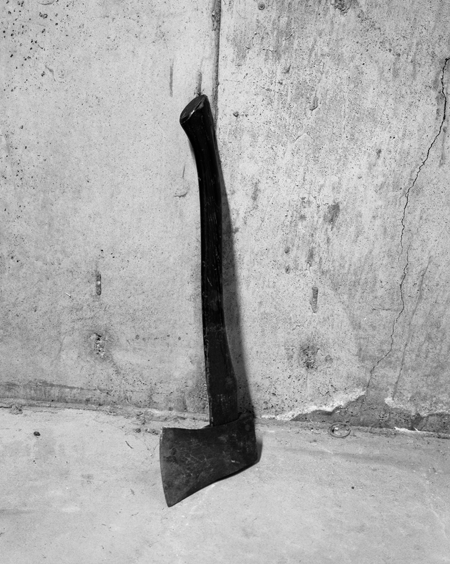
Were you to survey the Tumblrs, Flickrs, and other blogs of the average 20-something photographer today, the subject matter might boil down to something like this: bored kids doing bong rips at basement shows; hipsters in parks or at the beach, the edges of the pics dappled with leaked light or sun flare; harshly lit nighttime street scenes of homeless people in disarray; other random displays of public drunkenness; maybe the odd skinny girlfriend, tattooed and topless, sporting Ray-Bans with a can of Budweiser in hand. This is not the world in which photographer Grant Willing operates. With a style that belies his mere 23 years of age, the Brooklyn-based Willing, instead assembles carefully crafted, often staged, and seemingly disparate images—a crumpled Capri Sun package, a black leather jacket, a snow-covered mountain, and a balaklava-clad man with an axe—into narratives that evoke notions of loyalty, place, and belonging. His recent series, Svart Metall and Fils de la Liberté, which have both been made into books, consider those themes and draw parallels between Québec’s separatists and Scandinavian death-metal enthusiasts—without ever taking an obvious or didactic approach. We spoke with the Colorado native about the current landscape—photographic and otherwise.
XLR8R: Did you study photography formally? Grant Willing: I studied photography at Parsons in New York City. I think a lot of my school experience was just becoming acquainted with this whole new world and situation. It was really just a time to figure out what you wanted to do and then trying to figure out how to start doing it. Some of my favorite classes were the design lectures; they were classes I hated taking during school because they weren’t strictly photography-related. Now they’re what I have the fondest memories of, since they were so much broader in scope than a lot of my photo classes.
You seem to travel a fair bit to shoot. What cities or places do you think deserve the most attention right now, from a photographic standpoint? It’s hard to say… A lot of the time, traveling is more just used as a way for me to be removed from my normal routine and be able to see a new place with a fresh perspective. I do a lot of my work in the mountains in Colorado still, but lately my favorite places to travel to are eastern Canada and Scandinavia… I think it must have something to do with growing up near the mountains, but there always has been an overwhelming sense of allure and mystery to these places.
From the
Fils de la Liberté
series
What sparked the Svart Metall (“black metal”) series? The Scandinavian influence is so strong that it’s surprising to find out the photos were all made in the US. I started working on Svart Metall in 2008 because I had a mental block on another series I had been working on for a while. I needed to just make some new work that wasn’t beating on the same ideas I had been working on throughout most of college. I was listening to a lot of black metal during this time and had just started getting a little more interested in the history of the genre, learning more about bands, and so on. During a trip I took in Pennsylvania, I just started taking photos with a lot of these black metal ideas in my head and I just kept building from there. Actually, there are several images in the series from Scandinavia; I spent a few weeks there in 2009 to really just take in this landscape and ideas I had been researching and obsessing over for a while.
How much of your work is staged, versus happened-upon? (ie. “Untitled (Axe)” and “Untitled (Sword)” seem very much staged.) A lot of my work is staged and a lot is found or already existing. I think in the end, when an image is seen, it hardly matters, though. When I find something naturally, I’m usually going to spend just as much time making an image there as I would when I build a scene in a studio setting. And after all the work is made, it gets edited down in a way that is recontextualizing all the found scenes similarly to how a staged image is seen. I guess in that sense, I could almost say that most of my work is staged, but I have to go find it.
From the
Svart Metall
series
In that regard, do you feel like photographs have any obligation to be “true” representations of reality? No, I don’t think photography should have any obligation to do anything. At least in terms of an “art context.” I feel that it’s an antiquated thought to believe that photographs are truthful; it’s an argument that can’t really be settled and doesn’t really change how images are read or function.
You run the Humble Arts Foundation’s blog, and contribute to a number of other blogs and the like… How do you combat the fatigue of looking at so much work? It’s just something that I’ve always loved to do. I remember in school, some people would say to not look at too much work because it can sway your own style or something. I’ve always felt the opposite. I love looking at what other people are doing and just seeing how everything is moving along. I don’t think I could ever see too much good work. When something is really amazing, I can’t get enough of it and I continue to seek it out. It gets to be an exciting feeling to find some new artist you haven’t seen before and to really be into his or her work.
From the
Fils de la Liberté
series
Do you always approach photography as attempting to create a series, or do you find that themes will emerge on their own? I don’t try to approach making new work with too many preconceived ideas in my head. I feel like I always have a vague, abstract sense of what I want my work to end up like, and my process is just like chipping away at clearing up that mental image. I think it’s okay to start with an idea of what you want to make work about or of, but just not pinned down to the point where if something doesn’t work out it destroys how the rest of your work operates.
What got you interested in Québec separatist politics, which influence the Fils de la Liberté series? I became interested in this actually through black metal; there is a large amount of nationalistic pride in the music that comes from Québec. Similar to the Svart Metall work, I just started exploring the history and themes a little more deeply. For this work, I wanted to be a little more abstract with where my ideas were coming from, though, and looser with how I handled the images.
From the
Svart Metall
series
I’m curious about how you selected the shots for that series. Can you explain how the images connect to one another? Or, what your thought process behind it was, and what you’re intending to convey? Fils de la Liberté was a movement in Québec in the 1830s that was named after the Sons of Liberty movement in the US. It was basically a group of people who were frustrated with how they were being represented in the country and tried to revolt and create a movement for seceding from the rest of Canada. This idea is still popular; there is a large Québécois independence movement now, also. Like I had mentioned, I became interested in this all through black metal, but because I was not personally affected by the specificity of it, I decided to make images with a more loose interpretation of the situation. My images are about separation as an overwhelming emotion and conformity within a society that you don’t necessarily agree with. There are some hints at nationalism that are more true to my heritage, but I didn’t want the work to read the same way as Svart Metall, especially considering it started from a similar place.
What makes a good photograph? This is always a hard question because there are so many answers depending on the situation. For me, a good photograph is really just an image that is telling something. I don’t think there is too much else besides that. It is something that has a point and conveys it in a way that was intended.
Take a shot at this month’s contest to win Grant Willing’s Svart Metall book.
Just as the respiratory sound and motion of the railroad had symbolic importance for early American blues, so too does train travel inform the music of Chancha Vía Circuito (a.k.a. Pedro Canale), the young Argentinian producer and musician who, backed by his ZZK crew, is quickly becoming the conductor of cumbia’s ongoing expansion beyond traditional Latin audiences.
The railway that connects downtown Buenos Aires to the outskirts can be a dangerous way to travel—the conditions are poor and the cars crowded (the train Canale rides is affectionately nicknamed “La Chancha,” or “The Pig”)—yet, for Canale, who has commuted to and from the city for 28 years, La Chancha is a real, live character, from which he derives his name, his persona, and his music.
In the same way that rails are conduits for the passage of music and culture between cities, Canale and his ZZK posse (which includes the likes of King Coya, Villa Diamante, Fauna, Douster, El G, and others) are dedicated to integrating a variety of traditional Latin sounds into their digital productions. Their nightclub (backed by ZZK Records), too, is notorious for its wild parties and as a refuge for digital cumbia and other emerging tropical sounds. It’s what originally drew Chancha to Zizek: “It was founded as a place for those looking to dance and get down to hybrid musical genres,” he says.
“Puente”
Chancha’s first days at Zizek had him working the merch table. Inspired by the sounds he was hearing, and wanting to “make music that people could dance to,” he says, Canale quickly began recording and passing tracks to ZZK’s management. He was blown away when his debut, Rodante, found much critical praise, both in Argentina and beyond.
In spite of his success and the growing reach of digital cumbia, Canale remains as humble and laid back as ever—people are often surprised to learn that the unassuming guy working the merchandise table or hanging out by the sound board is also the producer and musician whose cumbia-dub makes them sweaty with dance.
Canale found music early, playing electric bass in elementary-school band before moving to guitar. Shortly thereafter, he was composing songs and immersing himself in multiple projects at once, dabbling in everything from rock to reggae. It is no surprise, then, that self-recorded acoustic sounds are continually inflecting his synthesized music.
While composing, Canale is always searching, letting images from his day-to-day experience inform his music. Rio Arriba, Canale’s second album (which dropped earlier this year but has not yet found distribution in the US), naturally takes the shape of a surreal collection of photographs snapped from a train; each song is self-consciously derivative and beautiful, indigenous and licked by dub. His remix of Miriam Garcia & Alicia Solans’ “Pintar el Sol,” for example, crawls so slowly that the record seems like it’s been dipped in syrup. In short, it is Canale’s brand of digital cumbia—it lopes and it grooves.
Throughout Rio Arriba, these spells of percussion and ambient atmospheric sounds, like the hoot of an owl or the rattling of coins, worm through its bassy underbelly. The name of the album, Canale says, refers to “a trip upstream… in a search for something essential”—an appropriate metaphor for both the man and his neo-primordial music.
Rio Arriba is out now on ZZK
Check out Chancha Via Circuito’s XLR8R podcast here.
Without further ado, we finish the year-end list making and give you our top 15 favorite releases from 2010. (Also, if you missed part one, check that out right here.)
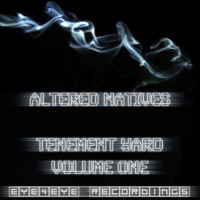
15. Altered Natives Tenement Yard Vol. 1 [Eye4Eye] London producer Danny Yorke kept himself busy in 2010, dropping two full-lengths on his own Eye4Eye imprint and a single on Martyn’s 3024 label. While all of his material is marked by a dark, drum-filled rumble, Tenement Yard Vol. 1 stood out for its sheer commitment to thundering house grooves. Looking for melodies? Catchy songs? Look elsewhere, because all you’ll find here is a raw assault of percussion and one sweaty house workout after another. Having your brain rattled rarely feels this good.
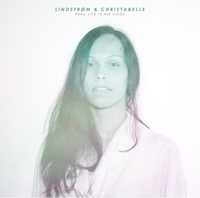
14. Lindstrøm and Christabelle Real Life Is No Cool [Smalltown Supersound] Real Life Is No Cool owes more to ’80s R&B and radio funk (à la Bar-Kays or Alexander O’Neal & Cherrelle) than it does Lindstrøm’s typical fare (Kosmische and Moroder-esque disko), and we were pleasantly surprised by the producer’s about-face this time around. Featuring vocals from his wonderful collaborator Christabelle (a.k.a. Isabelle Haarseth Sandoo), Lindstrøm’s approach to production is delightfully all over the map on this one, with plenty of the expected arpeggiated synths augmented by tinkly pianos, Euro-style coos, and a sensuality that most of Scandinavia’s cosmic disco hardly ever achieves. Start with “Lovesick” and then finish with the absolute heart-stopper “High & Low.”
13. Emeralds Does it Look Like I’m Here? [Editions Mego] An integral part of Editions Mego’s coup on ambient/noise music in 2010, the elusive analog obsessives of Cincinnati’s Emeralds released what is possibly the year’s most captivating and beautiful instrumental album, Does it Look Like I’m Here?. Across an hour of tender guitar noodlings, balmy synth tones, and transcendent soundscapes, Emeralds reinvigorates the sounds of ambient music’s go-to “influences”—Brian Eno, Tangerine Dream, Neu!, etc.—to create a batch of spacious compositions that sound as immediately familiar as they do fresh and exciting.
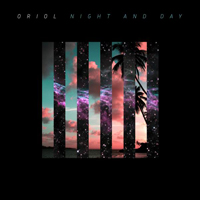
12. Oriol Night and Day [Planet Mu] Planet Mu had a hell of a year in 2010, attacking electronic music from pretty much every imaginable angle. On the IDM-y funk end of things was this stunning debut from Oriol Singhji, which offered up a vision of ’90s G-funk as seen through the prism of London house and broken-beat. Lead-off track “Joy FM” hits everything from deep house to Dâm-Funk to acid jazz to late Motown—and that’s just the first four minutes of this opus.
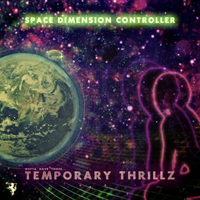
11. Space Dimension Controller Temporary Thrillz EP [R&S] Jack Hamill sure is a creative young man. Seriously, his so-called “back-story” is wild enough (time travel and the destruction of Earth are involved—look it up) to land him on this list in its own right, but the guy also happened to release this EP, which deliciously combined chilled-out techno with spacey funk and boogie vibes. How this Irish kid managed to effectively distill decades of Detroit sounds into this soulful package is a real mystery… maybe there’s something to that crazy back-story after all.
10. Beach House Teen Dream [Sub Pop] As far as precious, dreamy pop music went this year, there was none better than Beach House and the Baltimore duo’s flawless third album. Teen Dream is essentially 10 singles that exhibit varying levels of joy, sadness, hope, tenderness, loss, love, and emotions less definable, presented with the soon-to-be-iconic voice of Victoria Legrand and a lush musical backdrop built on shimmering organ melodies, pattering drum-machine sounds, and simple guitar plucks. It’s Beach House’s first effort for a big-name label, recorded on a budget far surpassing its first two albums, and makes us only more anxious to experience what majestic heights the pair will conquer next.
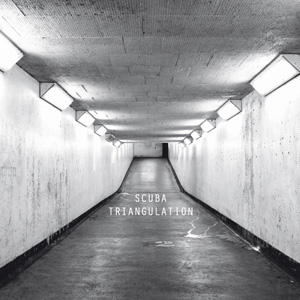
9. Scuba Triangulation [Hotflush] The responsibility of delivering a bold, precise, and fully realized album must weigh especially heavy on artists who also run a label, let alone one of such high regard as Paul Rose’s Hotflush imprint. So not surprisingly, Rose delivers across the board on the second LP under his Scuba moniker, Triangulations, an experience of a record that expertly boils down the intangibles of Berlin’s, Detroit’s, and London’s classic electronic exports and reshapes them into a definitive sound for contemporary, forward-thinking dancefloors hungry for both mood and bass. But Rose knew better than to hand off 12 tunes and call it a day; the label honcho/producer crafted his material into a cohesive long-player that plays as equally strong front to back as it does in separate portions.
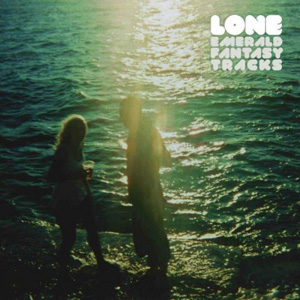
8. Lone Emerald Fantasy Tracks [Magic Wire] Lone’s Lemurian caught us off guard a couple years back, coming on the tail end of our hyper fascination with Flying Lotus and all things “beat scene.” But when the young Matt Cutler took it in an entirely different direction earlier this year, with “Pineapple Crush,” we were, thankfully, quicker to take notice. The fruits of his cross-pollination culminated in Emerald Fantasy Tracks—eight acid-, house-, and proto-techno-inspired tunes that did a number on both the dancefloor and the XLR8R staff this year. With any luck, Cutler will be onto something completely new by this time next year, so for now we’re just going to bask in the glow of these incredibly fun and gorgeous four-on-the-floor monsters.
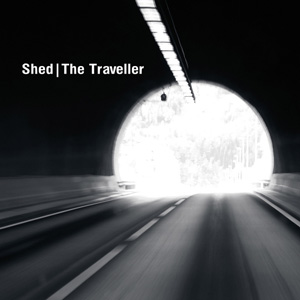
7. Shed The Traveller [Ostgut Ton] This is another one that sorta went everywhere at once. With The Traveller, the extremely prolific René Pawlowitz took house music on a dubsteppy ride, managing all the while to remain reverent to both genres and never come across as a cheesy influence masher. “The Bot” is one of the finest examples we’ve ever heard of minimal dubstep, and the trajectory that it takes this record on—through minimal, dub, ambient, and plenty more—is an accomplishment few artists were able to pull off this year, if ever.
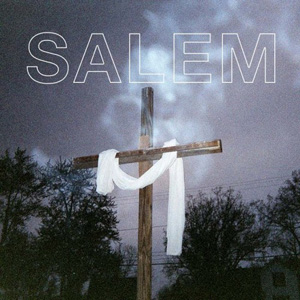
6. Salem King Night [IAMSOUND] This album could have been a disaster. All the pieces were in place: overwhelming critical acclaim of a few scattered previous releases, association with the newly minted witch house “genre,” adoration from notoriously fickle indie/blog fashionistas, a series of incredibly sketchy live shows, and a prevalent “we don’t give a fuck” attitude emanating from the band itself. But you know what? Salem truly delivered on its debut full-length, cutting through the witch house nonsense and marrying elements of shoegaze, noise, juke, and screwed hip-hop into a remarkably cohesive statement. Maybe we don’t want to hang out with these guys—they seemingly become more unlikable with every interview the give—but we’re not running a popularity contest here.
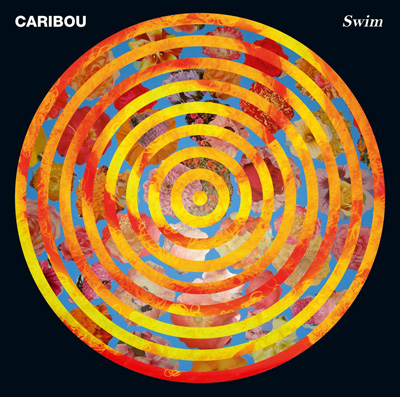
5. Caribou Swim [Merge] Caribou hits the club? For some reason it’s hard to picture Dan Snaith wilding out on the dancefloor, but Swim definitely cranked up the tempo and found him moving away from the pastoral soundscapes and bedroom-friendly electronic sounds of his past work. Not that Swim lacks in the quirkiness department; its songs are filled with oddball touches: jungle sounds, psychedelic vocal snippets, washy synths, and leftfield pop sensibilities all litter the record. It’s just that many of these things happen over beats that chug along with nods to house and UK bass music, particularly on the album’s first half. It was a bold move and a risky one for an established act like Caribou. To his credit, he pulled it off with aplomb.
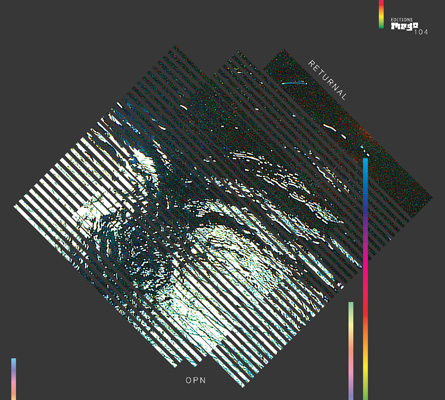
4. Oneohtrix Point Never Returnal [Editions Mego] Though it’s split into eight tracks, Oneohtrix Point Never’s Returnal is essentially four parts: the visceral purge of its noisy introduction, the alien lament of its keystone title track, and the two collections of drifting synthscapes that make up the record’s bulk. In paring down the elements of his 2010 full-length, as opposed to the overwhelming sprawl of Rifts, composer Daniel Lopatin made each piece rely wholly on its complimentary counterparts. The effect transforms Returnal from eight recordings of a guy toying with a Roland Juno-60 and some delay pedals into a completely lush and immersive listen on par with the classic conceptual milestones in ambient music’s history.
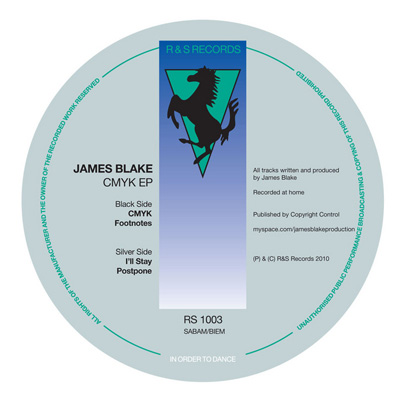
3. James Blake CMYK EP [R&S] There was little from James Blake this year that we didn’t go absolutely apeshit over. The Goldsmiths College student’s Klavierwerke and The Bell Sketch EPs were also both pretty untouchable, but we felt like his first contribution to the longstanding dance powerhouse R&S was probably most representative of his efforts for 2010. (And that’s to say nothing of his work as a hired gun for Mount Kimbie’s live shows.) Sure, everyone and his brother was doing the chopped-up-R&B-vocals thing this year (and years before… we know, we know), but, seemingly, it was CMYK‘s title track that rose to the top in 2010, taking liberally from Kelis’ “Caught Out There” and Aaliyah’s “Are You That Somebody” and assembling the drops into a slinky post-dubstep number for the ages.
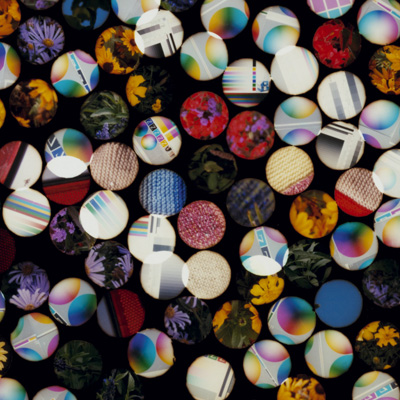
2. Four Tet There Is Love in You [Domino] Caribou wasn’t the only veteran artist suddenly (and successfully) setting up shop in the club this year. Kieran Hebden had previously made a career out of making delicate, folk-tinged electronic music that was perfect for nuzzling up with a good book or relaxing in a comfy chair with your headphones on. There Is Love in You was a remarkable break from his past, one in which he literally embraced club culture, notably testing out its songs during a residency at London’s famed Plastic People. While the pristine nature of his production remained intact, this album—his fifth—found Hebden combining his chilly melodies and somber tones with a steady pulse, be it minimal techno or beats inspired by London’s burgeoning post-dubstep scene. There Is Love in You came out in January, yet we kept coming back to it again and again, which is a big reason why we threw Hebden on the cover of our latest issue, nearly a year after the album’s initial release.
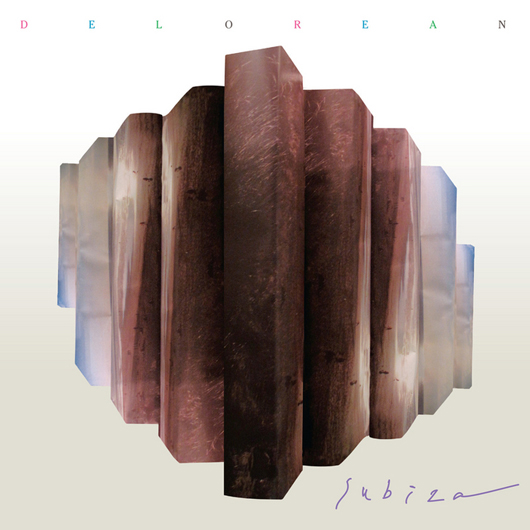
1. Delorean Subiza [True Panther] It may initially seem strange that a predominantly electronic-music-focused publication’s favorite album of 2010 is a Balearic-tinged, indie-friendly, dance-pop LP that likely dominated more Tumblr blogs than the austere playlists of the critical elite, but that in and of itself is a large part of what makes Delorean’s gorgeous Subiza so goddamn lovable. From the immediate splash of opener “Stay Close” through the epic centerpiece “Infinite Desert” to the final moments of its hopeful bookend “It’s All Ours,” Delorean’s nine-song offering fully encapsulates the exuberance, innocence, and ecstasy of youth with its use of authentic tropical motifs, tastefully reformatted rave elements, and insanely infectious vocal hooks. Simply put, the Barcelonian quartet wrote dance tunes like they were pop songs and produced a pop album like it was a dance record; it just all happened to come together so perfectly that it melted the hardened sensibilities of serious electronic-music fans everywhere—especially us.
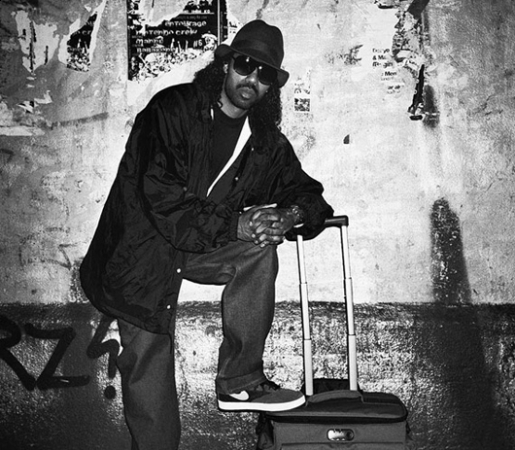
Rihanna on XLR8R? Yeah, we know it looks a little bit odd, but 1) our inboxes aren’t exactly bursting with free MP3s during the holiday season and 2) this isn’t any old Rihanna track. This remix has been infused with a jolt of all-star dancehall energy courtesy of NYC producers Max Glazer and Ricky Blaze and also features a guest turn from badman MC Vybz Kartel (pictured above). (Side note: We’re super-excited for the new Dre Skull-produced Vybz Kartel album slated for release next spring on Mixpak. Check this new video of Vybz announcing the new record.) Anyways, this version has been making waves in dancehall circles for a few weeks, and now Glazer has thrown it up for free on his Federation Sound blog. Ri-Ri’s “na-na” never sounded so good.
What’s My Name (Federation Remix feat. Vybz Kartel)