The Cinematic Orchestra: A Collaborative Reset

The Cinematic Orchestra’s last studio album came back in 2007. In the 12 years since then, Jason Swinscoe, the project’s 1999 founder, has been touring extensively, performing at London’s Royal Albert Hall, Philharmonie de Paris, Coachella, and Glastonbury, among others. He’s enjoyed stints in New York, where he spent five years and worked on heaps of new music—none of which is yet to see the light of the day, barring a score for Disney’s feature-length nature documentary The Crimson Wing—and Los Angeles, which sparked this latest full-length in 2013. 

Feeling frustrated with his musical progressions on the east coast, Swinscoe jumped on a plane to visit Dominic Smith, a close friend and long-term collaborator whom he met at Ninja Tune in the ‘90s, and the duo began writing music together. Smith’s fingerprints are all over The Cinematic Orchestra’s catalog—he’s been involved at different stages to different degrees—but this is the first time he’s come in and written music with Swinscoe from scratch. There was no plan other than to write an album with a political message, testament to their roots in the ‘90s London club scene, and to innovate within the same electronic nu-jazz aesthetics of their earlier work. 

Having started on the album that year, and with Swinscoe in London and Smith in Los Angeles, the duo arranged collaborative sessions, writing large parts of the record in hotel suites with a stripped-back mobile setup. Often these sessions were shared with one of the various artists who feature on the record, among them Moses Sumney, Roots Manuva, and Dorian Concept. As the music began to flow a concept developed: it became a meditation on belief—an attempt to examine the shaky foundations that underpin it, while also emphasising its importance to our lives. “The prerequisite of everything in life is belief, both good and bad,” Smith says. “So what should we believe in—or what can we believe in and also importantly why do we believe in something?” To learn more about the story and processes behind it, XLR8R dialled in Swinscoe and Smith one afternoon in London, in between rehearsals for their upcoming live tour. 

How are you feeling about To Believe

J: We’re confident about the record. We feel it’s relevant on many levels, being released now. The time out was a reset for us, a chance to rethink where we’re at. Every record we’ve done has been a challenge that requires a lot of craft and exploration; it’s a considered process and this album is no different. It sees us work with lots of different artists and if you’re going to do that then you have to build that relationship, so everyone is clear about the themes. In the process of writing it, we wrote a lot of music and there will be a subsequent release after, so there won’t be a long hiatus again.

I understand that it has a political backdrop, and explores the timeless question of what to believe. To what extent is this connected to Brexit and Trump? 

D: Well, we thought of the name before Brexit and Trump but these two world events are manifestations of deep-rooted problems in society that have been going on for some time. I think these sorts of things influenced our desire to reach out into a conversation with the music, but this is also connected to our early beginnings. We both grew up in a time when music was more widely politicised and it was inevitable that the music had a critical value to it, whatever it was. We came from a London club scene that was imbued with that feeling and as the genre became more international—as the US took hold of electronic music and turned it into this commercial juggernaut—it’s hard to see how you can still have this sort of feeling. We’re conscious of the privilege of listening to music with this feeling and we wanted to imbue this record with some of what we felt growing up. As our work with the record continued, once we had developed this idea we wanted to analyse the concept of belief. We wanted to explore how we structure our lives and how we make our decisions. As we went on, it’s impossible not to feel Brexit and Trump and all of these things, and so it feels relevant on many different levels. 

“It looks like a long time from the outside but internally we’ve been non-stop working.” 

When did work on the record begin? 


J: I moved to Los Angeles in 2011 and we were there for two years, I think. At the time I was tinkering with live shows. We began our writing sessions just before I left back to Paris, in 2013. It felt really silly because I was just leaving. It took me some time to reset in Paris and then we began finding sessions to work together, to meet up and work on the record. A lot of our lives became consumed by everyday life but when we did write together it was intense. It looks like a long time from the outside but internally we’ve been non-stop working. 

D: We only worked on the album when we were together and this contributed to the pace of the record. We valued being in the same room even though there are many ways of producing music remotely. I feel this is important to the feel of record. 
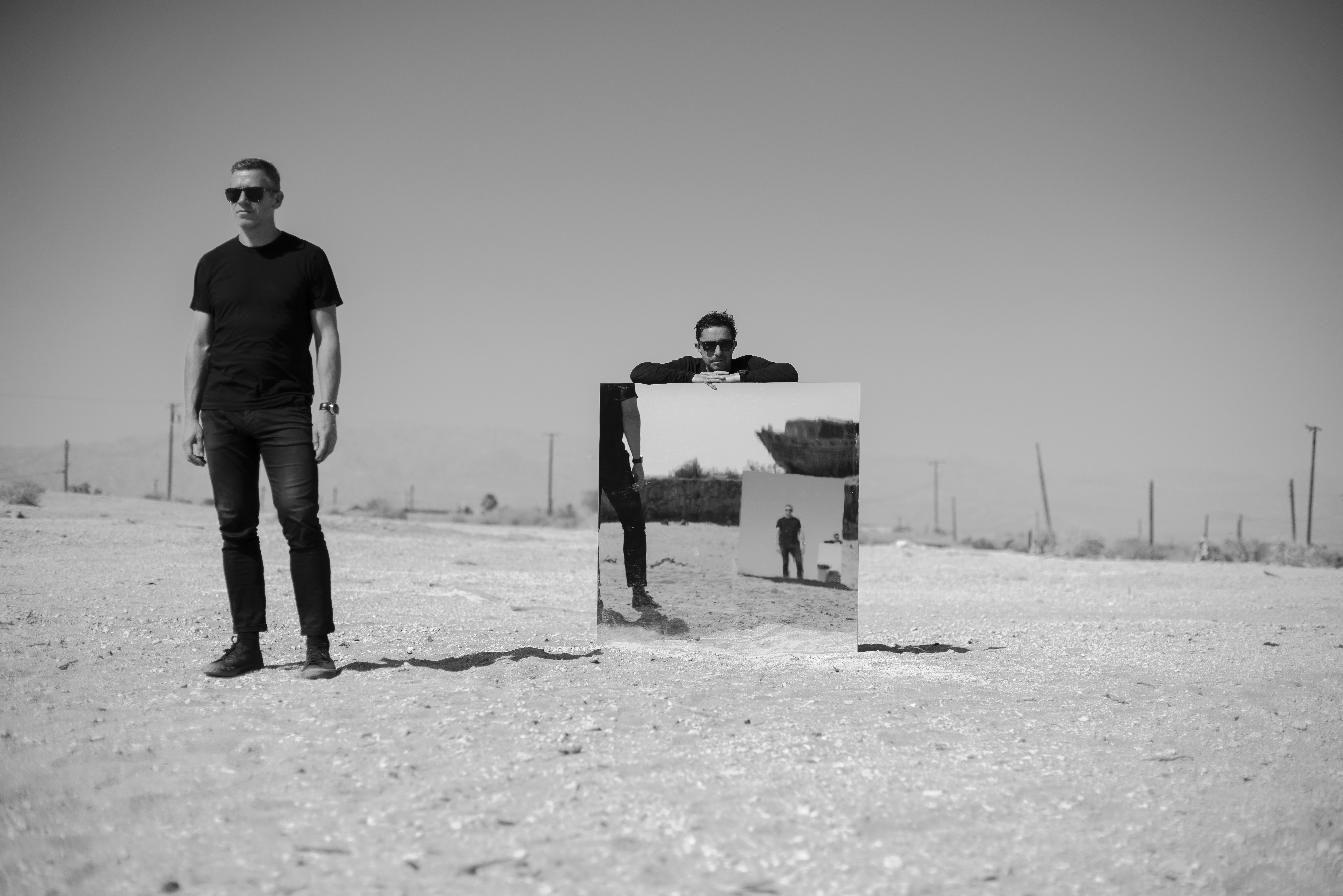
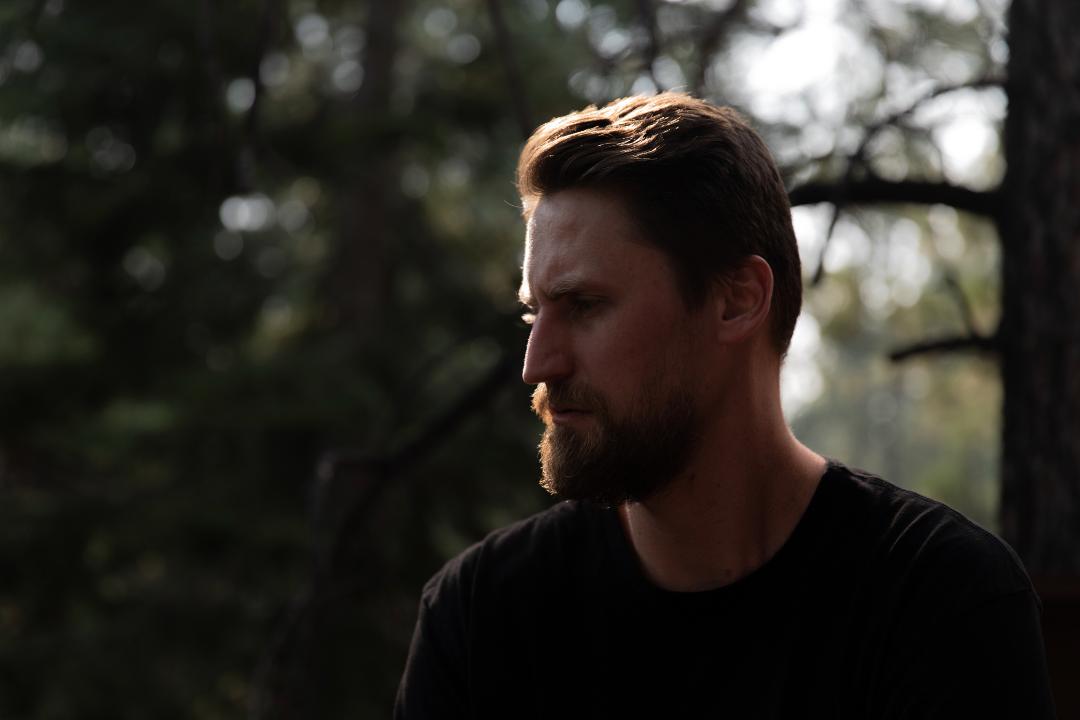
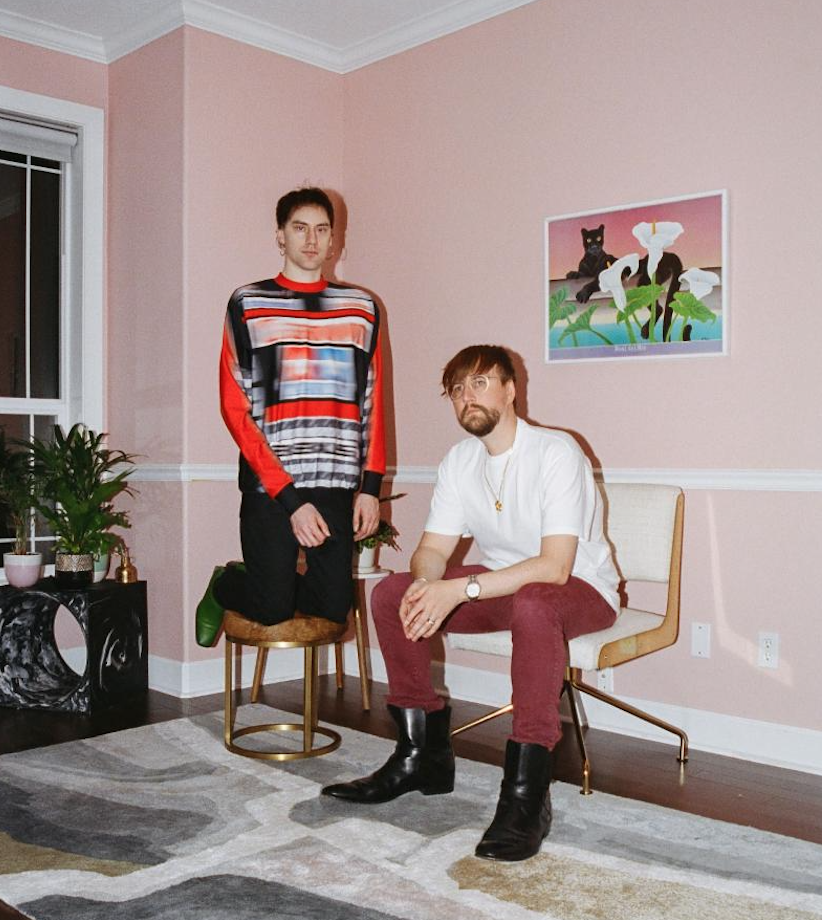
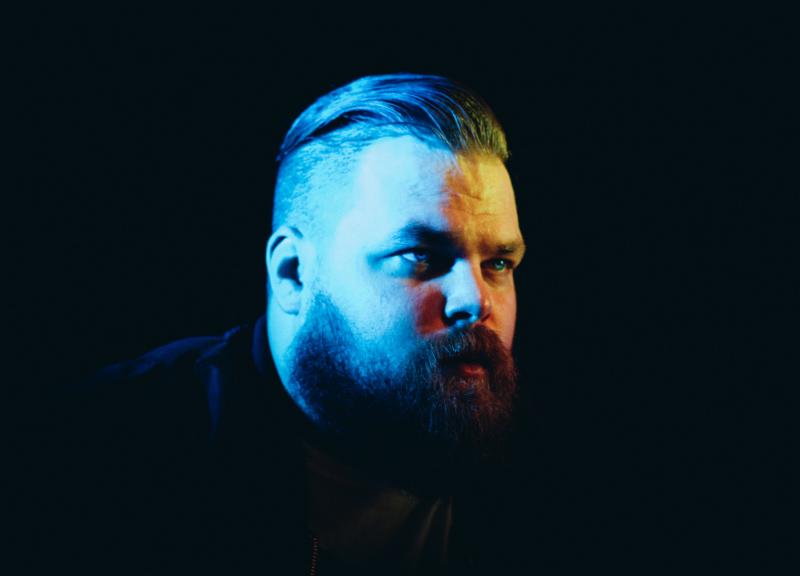
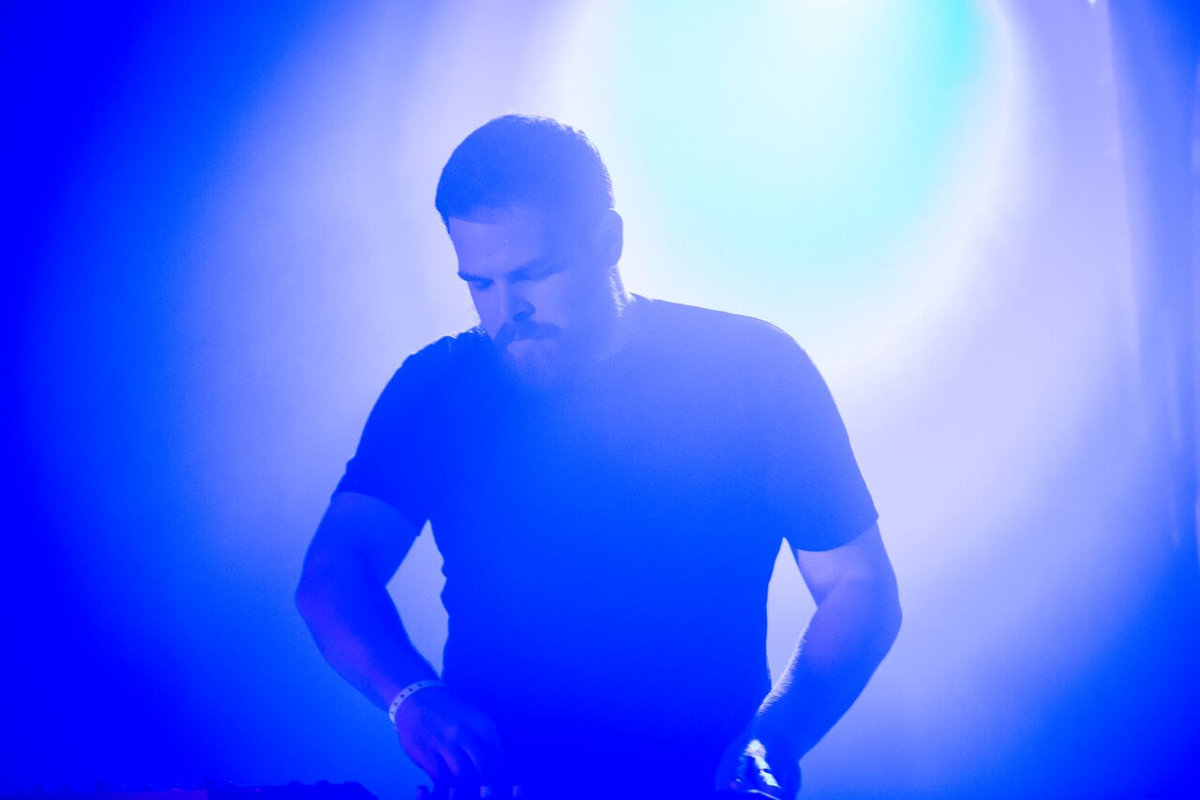
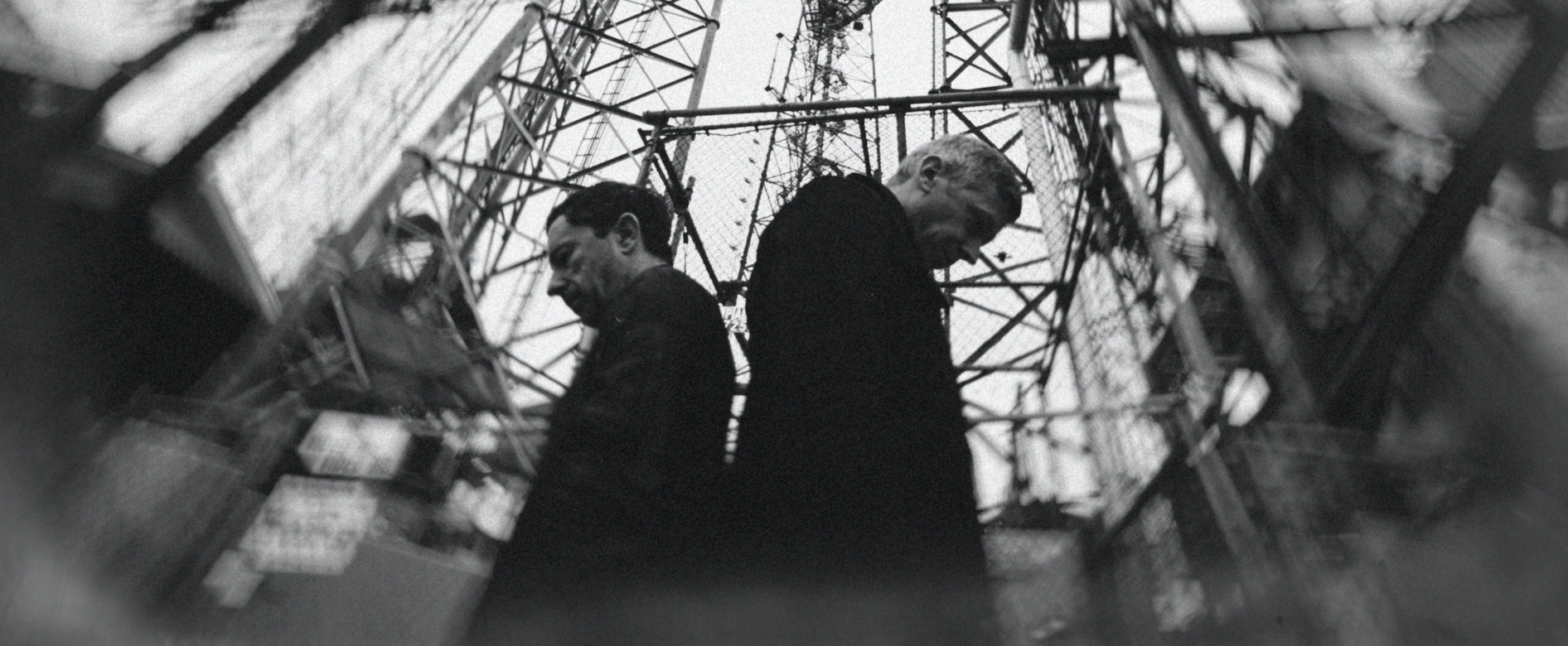
Jason Swinscoe, front left; Dominic Smith, back right. / Photo: B+

This is the first time that you’ve actually worked on a record from scratch together, correct? 

J: It is, but Dom has been instrumental in the project from the beginning, after we met at Ninja Tune. He actually sequenced In Motion, the first record. The involvement has been under the radar on the public side but he’s been instrumental all the way. 

D: From the beginning, Jason and I have had a clear understanding of what was good and that led me to helping out with the first record. The relationship developed slowly from there and I became more involved with Ma Fleur. This is a different thing altogether. Previously Jason would work on his own or with other people, with various collaborations, and then I would be the first set of ears. We’d then work on arrangements and stuff like that but this time around it was a new thing for both of us as we were starting from nothing.  

How did Dominic come to be involved at such an early stage this time? 

J: I was living in New York for five years. My entry was actually the mixing of Ma Fleur, which I did in Manhattan, and not long after that we toured and then I was involved in the score of The Crimson Wing: Mystery of the Flamingos. This relocated me to London and so I was back and forth to New York, and after this I started taking the band into the studio, writing with Grey Reverend, whom I met in a coffee shop. He was playing his music on the cafe soundsystem and it pricked my ears. I asked who it was and he told me that they were his original songs. We became friends and subsequently he did a cover version of “To Build a Home.” He enjoyed deconstructing popular songs, from Bob Dylan to Radiohead. We built this rapport and then he joined the band. We toyed with the idea of writing another Cinematic record but in the end this was never released. It became the lost album, shelved because its concept and direction felt like too much of a tangent for then. The five years in New York were very productive but I was misled by the culture of the city, the commercialism and the hustle, and the record felt like it was driven by one’s ego and career. The collaborative thing had become less of a priority. 

Then it turned out that Dom had relocated to Los Angeles, and there was less of a spotlight on this scene at the time. It was more of a creative environment. There was less competitiveness. That led me to Los Angeles. The New York record was put to one side and so we tried to have a reset, to go back to inspirations and back to the home studio. 
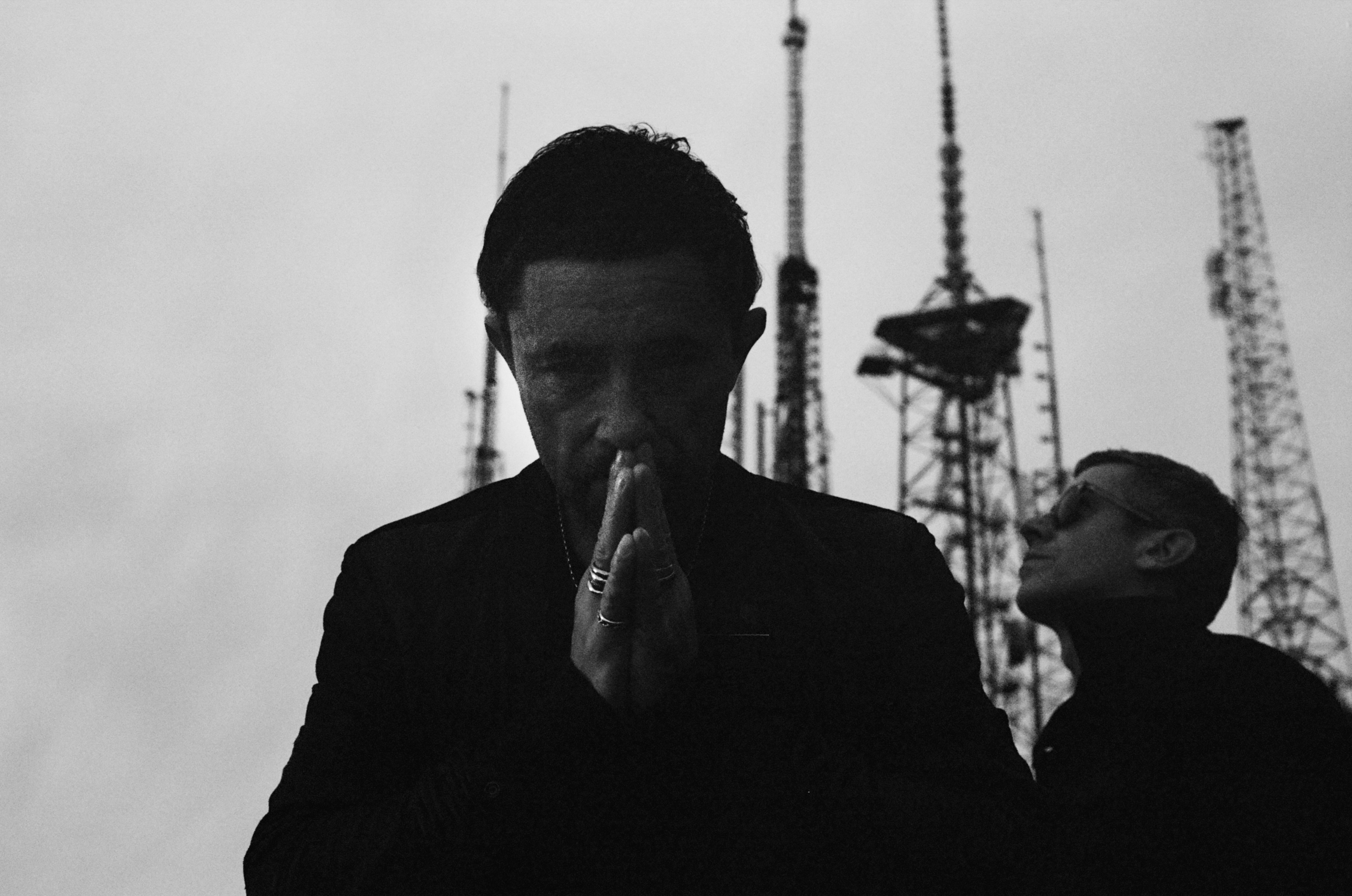
Photo: Eddie Alcazar 

So the record stemmed out of a conscious reset. 

J: Exactly. The Crimson Wing had inflated everything because we had access to a 70-piece orchestra and working with this team in the film world meant that we we lost the essence of The Cinematic Orchestra. Los Angeles was the birth of Dom and I actually writing together with a blank canvas from scratch.

It’s not actually the first time we’ve done this. Everyday was a kind of embracing of club culture in the UK and I think it feels like it had lost its way. And so Ma Fleur and “To Build a Home” was like a reset with a specific purpose of writing a song. There are no boundaries with what we present with this project; it’s a free-rolling moving thing and so Ma Fleur was a conscious statement that confused people but has subsequently grown in popularity. 

With this album, we never wanted to repeat or regurgitate that. So To Believe is just another reset. It’s a reflection of where we are now. A lot has happened in the 12 years since our last studio album, specifically in terms of technology, and we had all of these toys but we wanted to strip it back down and start writing from scratch. We wanted to record our own samples by taking artists into the studio and exploring textures and rhythms, continually constructing and deconstructing. Dom and I began discovering our own musical language which was to feed off each other and then we built in all of the amazing technology. We were clear that we didn’t want to follow trends or use existing presets. 

And how did you find working in collaboration?

J: Collaboration is not easy, but it becomes easier when you’re working with someone who is understanding of the aesthetic you’re trying to push. It does question the ego, I think. It’s actually good to kind of see where each person’s skill set is, and also to lean on each other. With this album, it was made more difficult because I was in London and Dominic was in Los Angeles so we couldn’t go to the studio together easily. We had to travel and have sessions in hotels and apartments, back and forth. All of it was done in these shared spaces. “A Caged Bird/Imitations Of Life” was done in the Ace Hotel in Shoreditch. It sounds crazy. 

How do you make a cohesive album when the production is so broken?

D: That’s so important to us, and I think this is why it took so long. The Cinematic Orchestra is an album act and while there are certainly standout-tracks, we’ve consistently delivered long-form records.

J: We worked on this very consciously. We made a lot more tracks than are on the album. There was a writing stage, where we explored different ideas, and the amount of material was overwhelming. We were trying to grasp the concepts, working out whom we wanted to collaborate with, and we had to choose nine tracks that we mixed in New York. Then at the last minute we had to remove two of the tracks because the album format informed us what needed to be taken out. 

D: Yes, we were resequencing the record in the last few days while it was actually being mixed. We were also editing tracks in the mix. That’s not abnormal to us because we both had a strong idea of what we wanted the record to sound like. Even after the mixing process, there has been more post production. It’s super subtle things, like shifting tempos in some sections.  

You’ve pulled in a number of collaborators. How did you go about finding them? 

D: Like with the rest of the album, there wasn’t one way of working. The only thing that we prioritised was speaking to each artist about lyrical ideas ahead of time. We spoke about the album’s concepts, but in some cases we wrote with someone and we shared the melody lines, and on the other occasions the artists were more autonomous. Interestingly, I don’t think at any point the artist sang on the track that you’re hearing. The tracks changed each time.  

How long did these recording sessions last?

D: It varied but it was normally around two weeks. 

“It feels to me like there are ghosts of our previous albums embedded in this. For me, it encompasses all of these records and presents them in a contemporary context.”

And how simple was the setup?

D: We just set up a remote studio using a Macbook, a MIDI keyboard, a universal audio soundcard, a Neumann microphone, and ProTools. I have drives with stacks of really bespoke VIs, which are the more creative, high-end tools. It was lots of good equipment but we only used what we needed. We appreciated the limitations of old equipment. They only allow certain things so you have to start getting creative. 

J: When you have two seconds of audio on a sampler before you have to extend the memory, it makes you learn to be selective. You get excited, you record stuff, and the device tells you that you’re maxed out and then you have to engage with the selection. Am I going to really engage with it or is it superfluous? What happens is that you’re brutal with what you record; you find the gold quickly. Minimalism has always been something we’ve wanted to explore in music.  

You mentioned earlier about how important it is to move forward as artists rather than sticking with a tested formula. How did you try to move forward artistically on this particular album? 

D: On this record, as with all of the others, there is a distinct style. With this one, we wanted to do something again that’s unique compared to the others and we drew inspiration from the back catalog and, given how music and technology has evolved, melding digital and analog sounds more fundamentally. It feels to me like there are ghosts of our previous albums embedded in this. For me, it encompasses all of these records and presents them in a contemporary context. 

Given your experiences in writing music for film, and the project title, is there a visual element to the writing process?

D: We both intend to write stuff that’s cinematic. The “Cinematic” in the band name is the soft cinematic. There’s a suggestion for people to take it and use their own imagination to create the image. It’s the incorporation is film music within the collage of influences. We both like creating music with a sense of visual even if it’s not there in front of you; it’s in your mind’s eye, the imaginary movie that you play along. 

To Believe lands March 15 via Ninja Tune and Domino.
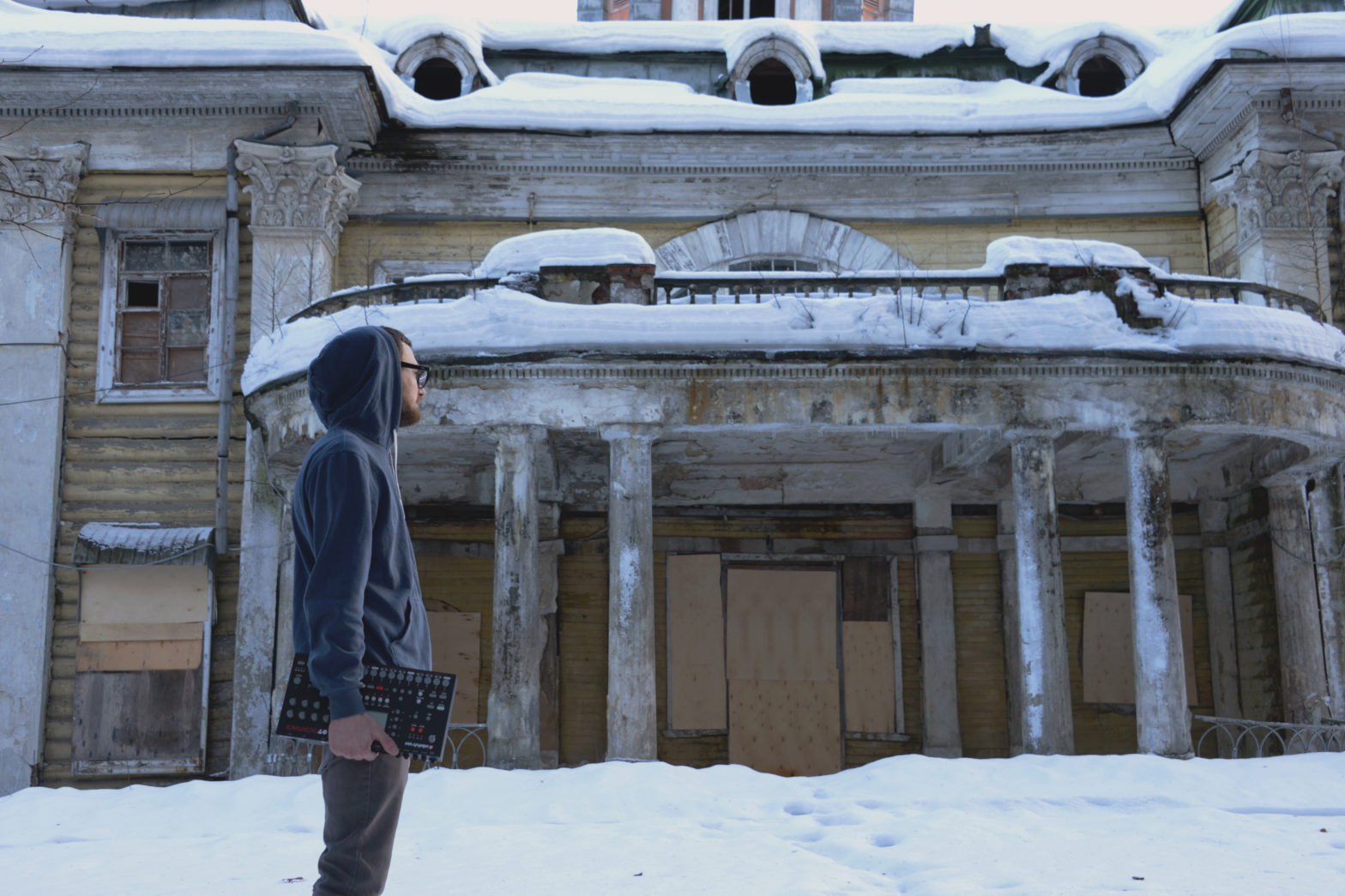
Metallic Means “Uku”

ИДА008 is a mini-album by Metallic Means, and the artist’s very first release, titled The Deep Fields. The name comes from Hubble Deep Field, an image made by Hubble Space Telescope in ’95. Tracks on the mini-album are produced during different times of Metallic Means’ music journey from classical piano and guitar training to hip-hop and dub production to Bonobo- Flying Lotus-inspired electronica. The eclectic background of the artist can be heard in very musical, atmospheric, highly sampled beats, constructed from unusual textures mixed with synths and live instruments. It’s a melancholic but often cheerful record.  

ИДА is record label from Moscow that grew up from the local club night bringing one of the most prominent DJs from around the world to the city. 

Ahead of the EP’s March 25 release, you can download “Uku” below, or here for EU readers, with pre-order here

Tracklisting

01. Brachistochrone

02. What’s Wrong

03. HDF

04. Skywards

05. Someday

06. Uku

Jazzman Records Digs into Blue Note Records’ Archives for V/A Compilation

London-based Jazzman Records has released Spiritual Jazz 9: Blue Notes Part One & Two, a V/A compilation of works from the extensive archives of Blue Note Records. The 160-minute collection focuses on recordings captured between the early ’60s and the mid-’70s, and explores an important aspect of the label’s legacy, unearthing a wealth of spellbinding music in the process. Most of the sessions went down at the legendary studios of Rudy Van Gelder in New Jersey between 1964 and 1966, engineering the music with unique techniques that still sound full and vibrant today. 

The main artists across Spiritual Jazz 9: Blue Notes Part One & Two include Bobby Hutcherson, Pete La Roca, Wayne Shorter, Elvin Jones, Andrew Hill, Eddie Gale, Duke Pearson, Freddie Hubbard, Joe Henderson, Jackie McLean, Hank Mobley, Booker Ervin, and Solomon Ilori. It is offered as a deluxe 2CD set, with each part pressed as gatefold 2LP sets. There is no digital version. 

The liner notes add: “The recordings compiled on this volume of the Spiritual Jazz series include many riches from these final years of a glorious era—the end of Blue Note’s greatest decade. They document the way that musicians working with the label responded and contributed to a period of dramatic social and sonic change, and they chart early points on the route toward the modal and spiritualised sounds that would come to fore in the later 1960s and 1970s.”

Musically, graphically, and sonically, Blue Note Records created and defined the golden age of modern jazz on record. Founded in 1939 by German émigré Alfred Lion, the label’s roster of artists is a litany of giants, among them Thelonious Monk, Sonny Rollins, Horace Silver, Lee Morgan, Art Blakey, Lee Morgan, and Herbie Hancock. 

Order a copy of Spiritual Jazz 9: Blue Notes Part One & Two here and stream the song “The Phantom” from Duke Pearson’s 1968 The Phantom LP.

Tracklisting

Part One

01. Bobby Hutcherson “Verse”

02. Pete Laroca “Basra”

03. Wayne Shorter “Footprints”

04. Elvin Jones “At This Point In Time”

05. Andrew Hill “Poinsettia”

06. Eddie Gale “The Rain”

07. Duke Pearson “Empathy”

08. Bobby Hutcherson “Searchin’ The Trane”

09. Duke Pearson “The Phantom”

10. Freddie Hubbard “Assunta”

Part Two 

01. Joe Henderson “El Barrio”

02. Jackie McLean “Plight”

03. Duke Pearson “Cristo Redentor”

04. Wayne Shorter “Indian Song”

05. Hank Mobley “The Morning After”

06. Pete La Roca “Malaguena”

07. Freddie Hubbard “Blue Spirits”

08. Booker Ervin “Gichi”

09. Solomon Ilori “Song Of Praise To God”

Bayalien Sound System “Come Again”

San Francisco duo Bayalien Sound System—made up of Poppa Doses and Golden Eye—will return on March 15 with their latest EP, Peach Optimo.

Following on from their dubstep and 2-step-focused Subliminal EP, released in September last year, Peach Optimo finds the genre shapeshifters eyeing off dancehall riddims and jungle with three highly inventive tracks. From the title track’s choppy breaks to the gritty rhythms of “Different Things” and the extra-terrestrial grooves of “Blunted,” Peach Optimo is yet another collection of forward-thinking bass from the San Fransisco duo.

In support of the EP, the duo have offered bonus cut “Come Again,” a wall-shaking bass track, as today’s XLR8R download, available via WeTransfer below.

You can pick up the EP here.

Due to issues regarding the GDPR, EU readers can download the track here.

Tracklisting:

1. Peach Optimo

2. Different Ting

3. Blunted

Premiere: Hear a Chunky Garage Cut From Sweely

Sweely is set to debut on Automatic Writing for the label’s sixth release.

With a residency at Concrete Paris and a range of well-received releases on Lobster Theremin, Bokhari, and Distant Hawaii, Sweely has garnered quite the reputation since first debuting in 2016. His latest, titled Beauty Is Random, features six cuts across two sides, with a wide-reaching offering of tech house, minimal, garage, and jazz-inflected hip-hop—it’s a high-quality mix of home-listening and club-focused tracks. 

Ahead of the release later this month, Sweely has offered up a full stream of “This Is Between Me And You,” a UK-garage-influenced minimal cut, available via the player below.

You can pre-order the release here.

Tracklisting:

A1 – To Receive 

A2 – This Is Between Me And You

A3 – Beauty Is Random

B1 – The End Of Love

B2 – LetMe Know

B3 – Non Stop Funkin’

J-E-T-S Detail Debut Album with Dawn Richard Collaboration

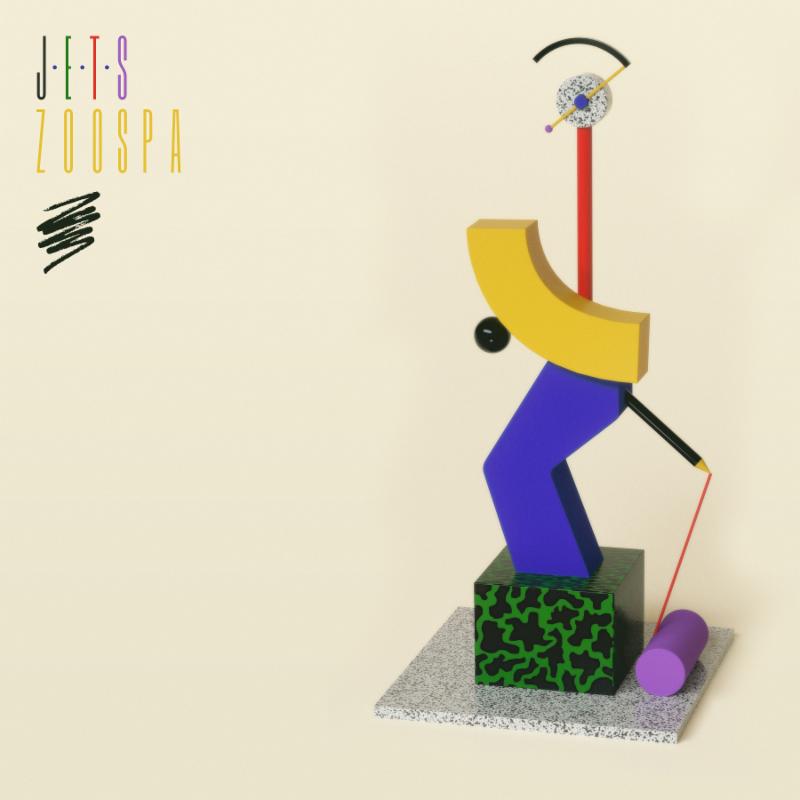
Machinedrum and Jimmy EdgarJ-E-T-S—have announced their debut album, Zoospa, with a new single featuring Dawn Richard

Zoospa will land on May 24 via Innovative Leisure, and follows a series of EPs released on the duo’s Ultramajic dating back to 2012. Along with Dawn Richard and Mykki Blanco—with whom they released “Play”—the LP casts a wide net of collaborators, including KingJet, Rochelle Jordan, and Tkay Maidza. We’re told to expect a fiercely cohesive but wildly varied long-player. 

Machinedrum and Edgar first met as teenagers on a pivotal trip to Miami, one of their first-ever gigs outside of the places they were raised (Edgar originally hails from Detroit, Machinedrum from rural North Carolina.) They bonded over a mutual love of Warp, Schematic Records, and Chocolate Industries. A tight friendship was forged when both lived in New York, but their first self-titled EP didn’t drop until 2012, by the time the pair had independently decamped to Berlin.

Eventually, they relocated to Los Angeles where their second EP was recorded in 2015. The idea was always to record something bigger and more expansive, but it didn’t become a reality until Edgar headed up the coast, eventually settling and building a home studio in Portland. That’s where Machinedrum headed in the late summer of 2017 to cook up the tracks that eventually became Zoospa

Tracklisting

01. FAUNA SAUNA

02. POTIONS FT. DAWN RICHARD

03. FIRE FLY

04. LOOK OUT FT. KINGJET

05. LOTUS HD

06. PLAY FT. MYKKI BLANCO

07. REAL TRUTH FT. TKAY MAIDZA

08. OCEAN PPL FT. ROCHELLE JORDAN

09. HYPER HIBERNATE

10. Q NATURAL

11. TEAM EFFORT

12. WATER AND STONE

Zoospa will land on May 24, with “Potions” ft. Dawn Richard and “Play” ft. Mykki Blanco streaming below. 

Ion Ludwig Details New Album on Baby Ford’s Trelik

Photo: Michael Rhebergen

Ion Ludwig will release a new album titled Rolling Drama, out March 25 on Trelik. 

The five-track LP is the Dutch artist’s fourth full-length and his first for Baby Ford’s cult label, although he has previously appeared there twice with 12″s in 2011 and 2014. He’s since maintained a steady release schedule with material on Perlon, Meander, and Lick My Deck, though not one that he actively promotes. His last album, Ghost To Coast, surfaced in 2015. 

For a rare insight into Ludwig, read William Ralston’s in depth profile here

Tracklisting

A. Fall Answers 

B1. Modern Missing Mood 

B2. Le Imagen 

C. Felt Like Klaring Space 

D. Sparse Hypnotimes 

Rolling Drama lands on March 25 with clips over at Juno

Phoet “Standard Model”

Hailing from Turin in Italy, intriguing newcomer Phoet has shared the second single taken from his forthcoming debut album, Broken Symmetry. 

“Standard Model” is a brooding tune that’s accented with chopped vocal cuts, a tribal influenced percussion, and a crunchy, synthy breakdown. It lands alongside a trippy visualiser made by Valeria Ferrari that includes snippets from a 1970’s film called “Omega.”

Speaking on the track, Phoet says: “This track is the result of me searching for a standard model to define my sound. It’s a track that pushes me to look up beyond the efforts of the day to day and look up at the sky and wonder where we all came from.”

Slated for release on April 5 via Variables MusicBroken Symmetry is a 12-track circular concept record, where Phoet aims to describe the concept of time through music, through everything from techno, to trip-hop, and African rhythms.  In advance of the release, you can download “Standard Model” via the link below, or here for EU readers due to GDPR restrictions.  

Pre-order for the album is here

Com Truise Lines Up New Mini-Album on Ghostly

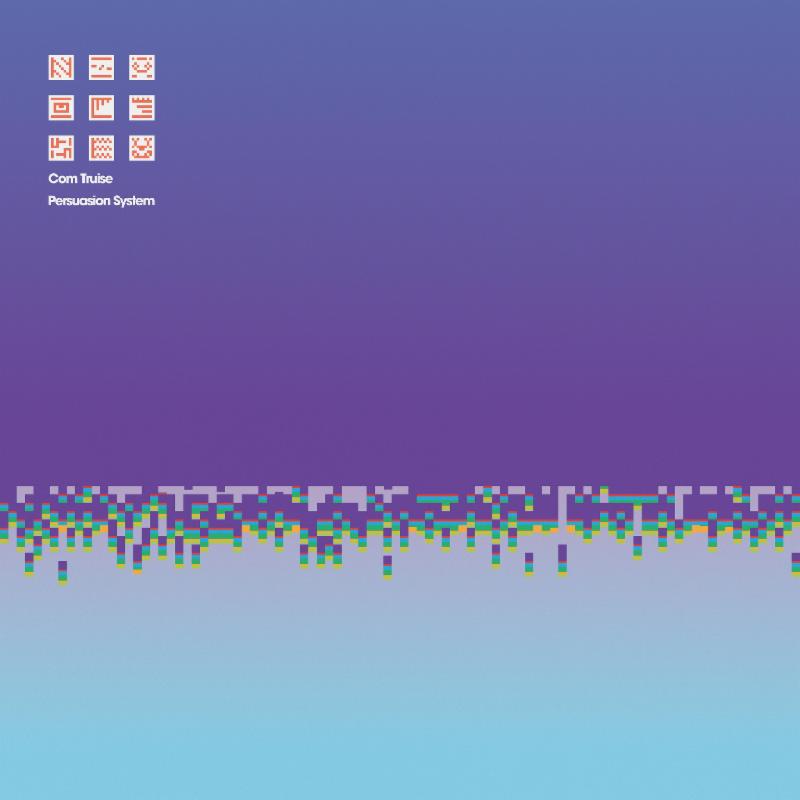
Com Truise, real name Seth Harley, has unveiled his latest mini full-length, Persuasion System, dropping May 17 on Ghostly International

Persuasion System is about duality—melancholy and optimism, then and now—which permeates throughout the 33-minute collection. It’s about setting a new period marked by change, and is described by the label as Harley’s most grounded and visceral work to date.

It also sees him take a different approach to production, switching digital audio workstations, rebuilding his palette of sounds, and tasking himself with experimenting. This freed him of expectations and permitted a process that echoed the tones of more immediate external environments, and created new avenues and soundscapes of exploration. “It’s a sort of sad smile and a wave goodbye but at the same time hello, a ‘welcome to your life’ moment,” he says. 

Harley has previously released three albums on Ghostly, the last, Iteration, coming in 2017. 

Tracklisting

01. Worldline

02. Persuasion System

03. Gaussian

04. Ultrafiche of You

05. Kontext

06. Existence Schematic

07. Laconism

08. Privilege Escalation

09. Departure

Persuasion System lands May 17, with “Existence Schematic” streaming below. 

Q&A: Vladislav Delay

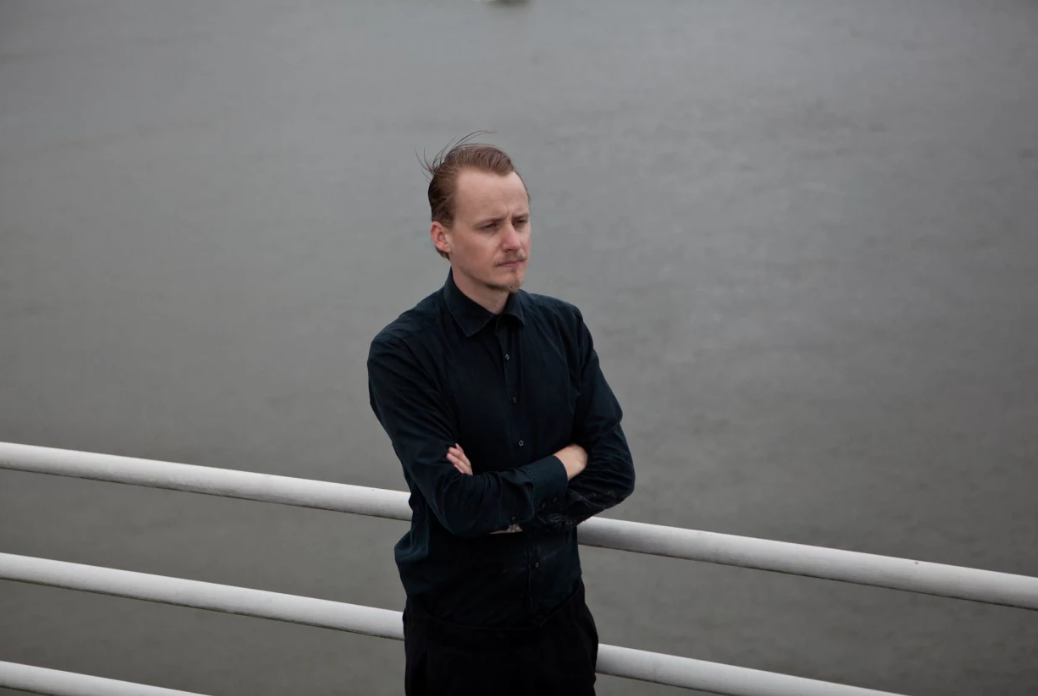
It’s been a long time since Sasu Ripatti last appeared. Born in 1976 in Oulu, Finland, the experimental composer and producer has marked himself as one of electronic music’s most elusive characters. He first appeared in 1999, releasing The Kind Of Blue EP via his own Huume Recordings, and made his name at the turn of the millenium by releasing four albums in the same year: two as Vladislav Delay (Entain; Multila), the others as Luomo (Vocalcity), and Uusitalo (Vapaa Muurari Live.) 

His forays into electronic music’s abstract depths continued for much of that decade. He relocated to Berlin, where he remained until 2008, and shared album after album, exploring microhouse, noise, and ambient, often with a deconstructionist element and broken, washed-out beats. Multila—released on Basic Channel’s Chain Reaction and reissued in 2014 by Huume—converted him into one of the scene’s reluctant superstars: the likes of Massive Attack and Scissor Sisters sought his services, and Ripatti agreed, delivering dancefloor works, albeit with an enduring desire to be alone to continue his quest to uncover sounds and rhythms not yet heard. Then, after appearances on Raster Noton, delivering two albums, he put out his first ambient album in over a decade, namely 2014’s Visa, which he marked with an extremely rare interview as part of our Ask the Experts series, where he gave detailed responses about his live setup and production processes. Then he went silent, and he’s been that way ever since.  

Though much less in-your-face, Ripatti’s is considered one of the greats of the electronic music genre. “As close you get to a genius in modern electronica,” reads one Discogs user; “Outstanding technical skills and emotional depth on every single release,” reads another. There’s been some concern of recent given that there’s been no releases and all his online communication stopped—and so we’re proud to have welcomed him back with a new release, his first in nearly five years. “Rakkine,” released as part of this month’s XLR8Rplus package alongside works from Convextion and DVS1, is the first glimpse of Ripatti’s latest studio material, recorded over the last two weeks in his home studio among a bunch of other musical experiments.

To accompany the track, which is available to download here for one month only, we caught up with Ripatti to learn more about it and what’s kept him busy for the past five years. 

When and where was the track produced, and what’s the idea behind it? 

I do not really cling to a romantic notion of certain inspiration birthing a particular piece of music. It just doesn’t happen to me. It’s just about interest or urge to explore and create, and I deal in a somewhat experimental language of music. It allows me to feel and say something I don’t have to explain to myself or need to deal with otherwise. It’s certainly beyond words or at least my level of intellect. Inspiration at large comes from all around, life itself I guess.

I like that this track is still a work in progress. And that at some point in a time later on, if I finish this piece and release it elsewhere, I can look back to this early version and see the changes, hopefully for better. But often the early takes and demos carry more weight so it’s nice to have it printed now. I’m drawn to the certain rawness and roughness in it, and how that’s balanced with more calming elements.

“…I’m very scared and freaked out of becoming that typical career artist who puts out records and tracks on autopilot just because you can.”

It’s been nearly five years since your last release. Why the break from music production?

Well, I decided to take a break from music, sold most of my studio equipment, and lived off that while focusing on various personal matters, as well as doing music as only an experiment, research, study—as opposed to career and work, and such. I took time to evaluate things about craft and creativity and also got back to playing drums which I have enjoyed hugely. I did also write a little music to moving picture which was a learning experience.

I think I’m very scared and freaked out of becoming that typical career artist who puts out records and tracks on autopilot just because you can and maybe have found your niche, and you just keep milking it until the end while likely losing any creativity or development along the way. I’m overprotective in a sense, towards creativity and music I care about.

I’d love to be able to make a living from music and have a peace of mind about it, you know not care about it so much, but any time I seem to have achieved or established anything musically or there’s been some success I seem to self-destruct. Luckily at least I have learned to avoid harming myself so nowadays I only ruin my work, career, etc.

How is Finland at this time of year, and what led you to move back there after your time in Berlin? 

It’s been now 10 years that I’m living in Finland again. A big reason for the move was that I wanted my daughter to grow up in nature, and also learn Finnish language. An equally big reason was that I really had gotten fed up with Berlin and wanted to move away. I think I had gotten a bit homesick as well so it was nice to come back here. But it’s not so much Finland, but more the nature. Though it’s rare to find that in today’s world, especially if you want to raise a family and somehow participate in the system.

What has inspired you to come back to music production now?

I recently had an urge to explore more electronic music production again so I’m back at it in a way. Although, I have none of the gear left from when I used to produce music in the past so it’s new and exciting and also a bit frustrating and a challenging process. 

I’m quite in the beginning and not in a hurry so I’m just developing things. Mainly throwing things out as I don’t find them interesting or original enough. But this track you released is from that development, but it’s also work in progress, as it’s being titled ”early version.” I’m quite sure I will make a new album eventually. And I also am quite sure this track will sound different in it, if it’s included.

I also went to Kingston, Jamaica, recently and did a studio recording session with Sly Dunbar and Robbie Shakespeare, better known as Sly and Robbie. I’m producing an experimental drum & bass album from that session which is rather exciting.

“…even if I tried to control myself, I’m still very curious about stuff I don’t know.”

Your sound has always shifted around, from microhouse, to noise, and ambient. What do you think is the common element in it all?

I really don’t know. I guess I’m the common element behind it all, and I also try to push things away from the norm and established forms so in that sense another common element is (I hope) that I don’t repeat myself too much and look for new possibilities and ideas.

In the past, I think one reason for trying out all the different music styles, if you will, was that I came from outside electronic music and got just naively fascinated by different ideas musically and had to try doing them myself. And I guess it’s still the same process; even if I tried to control myself, I’m still very curious about stuff I don’t know.

This article was originally printed in the zine that accompanies each XLR8Rplus package. 

Page 261 of 3781
1 259 260 261 262 263 3,781