
Anastasia Kristensen to Debut on Warp’s Arcola

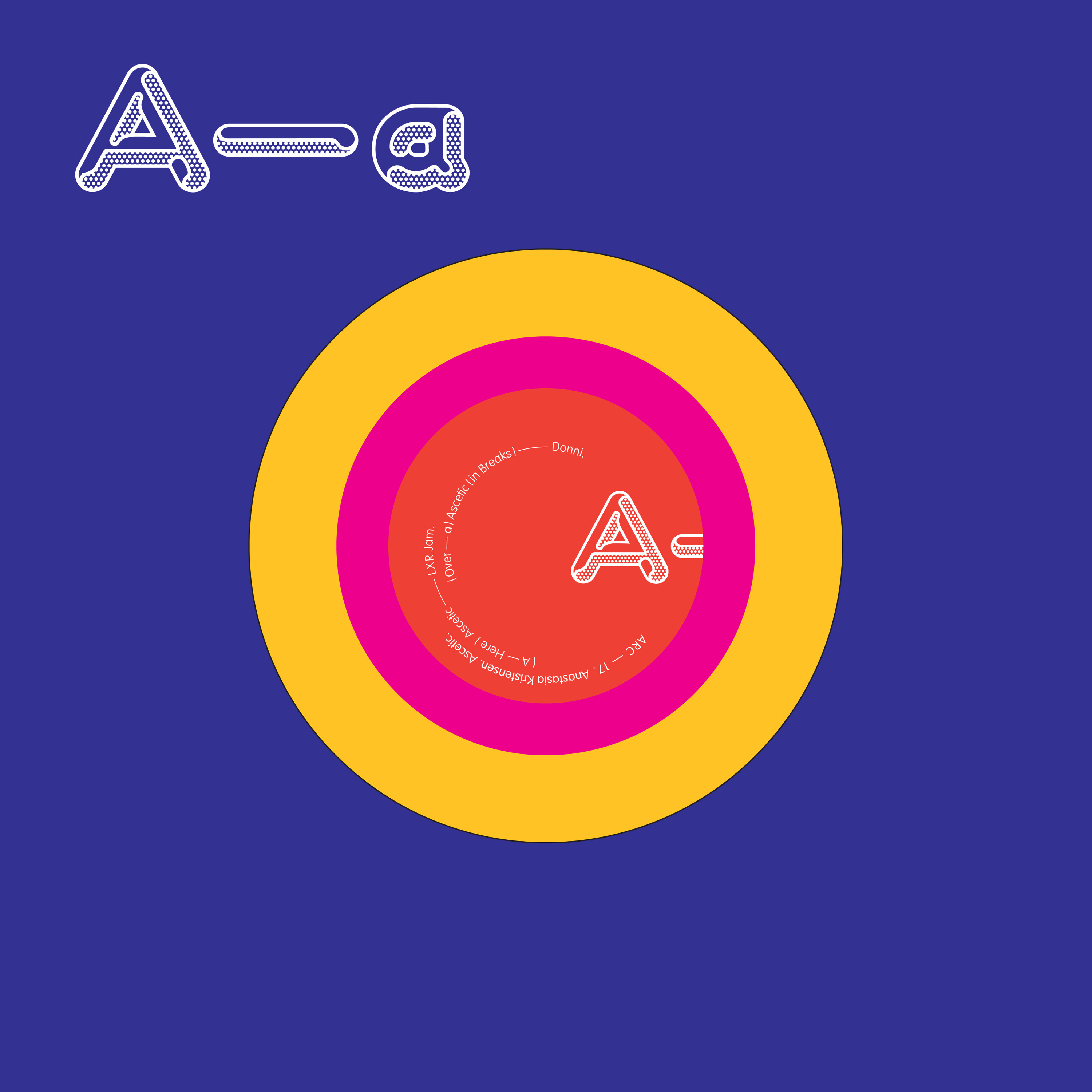
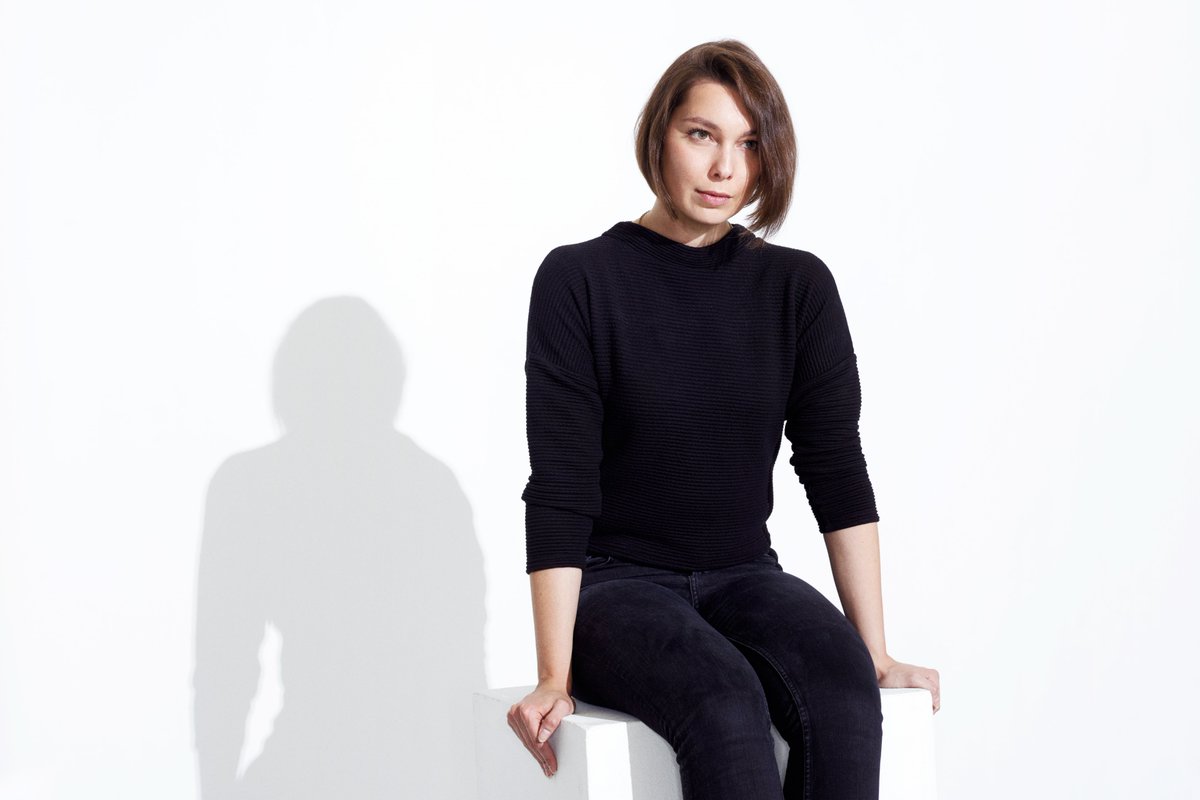
Warp sub-label Arcola will release the debut EP from Anastasia Kristensen, Ascetic

The four-track release follows killer remixes and notable productions for various compilations. While we’re told that the EP has roots in techno, it offers a multitude of audio dimensions to explore.  From the skeletal noise techno of “LXR Jam,” the brazen hardcore flex of “Ascetic,” and its breakbeat counterpart “Ascetic (In Breaks),” and the industrial/dub tech-noir of “Donni,” Ascetic EP is described as “the perfect accompaniment to the whirlwind of emboldened intensity witnessed at Anastasia’s international DJ sets every week.”  

Warp Records relaunched its Arcola sub-label last year with a  vinyl-only EP from Rian Treanor. It launched in 2003, operating as an “abstract dance-oriented offshoot” of Warp before going dormant in 2004.

Tracklisting

A1. Ascetic

A2. LXR Jam

B1. Ascetic (In Breaks) 

B2. Donni

Ascetic EP lands March 1, with clips below. 

Premiere: Hear a Twisted Ambient Cut From Wolf Eyes Frontman Nate Young

Detroit experimentalist Nate Young will release a new solo album tomorrow.

Young, who is most known as frontman and founding member of revered noise group Wolf Eyes, has been at the forefront of experimental electronics for over twenty years. His forthcoming solo release, Nate Young – Volume One: Dilemmas Of Identity, is the first in a new multi-part series of solo releases focusing on elements of ambient, EBM, synth soundtracks, and drone. Due to its subject nature—the tracks on the album were made as a distraction from grief, seasonal depression, and isolation—Dilemmas Of Identity is an unrelenting sonic odyssey that white-knuckles its way through a set of slo-mo, dubbed-out ambient, searing synth compositions, and wonky rhythmic excursions. 

Ahead of tomorrow’s release, you can stream album cut “Crumpled Body” via the player below. Nate Young – Volume One: Dilemmas Of Identity can be pre-ordered here.

DoubtingThomas “4 Years”

DoubtingThomas is offering up his first track release of the year as today’s XLR8R download.

The track, “4 Years,” follows a string of 2018 releases on Eastenderz, Dokutoku Records, and Organic-Music, and bares all of DoubtingThomas’ hallmarks; it’s deep, groove-led house music full of subtle, melancholic melodies and intricate percussion, expertly crafted for the dancefloor.

DoubtingThomas has a set of gigs coming up over the next few weeks, beginning tomorrow with a live set at Le Telegraphe in Marseille, France. Following that, he will embark on a live tour of North America, stopping in Toronto, Washinton DC, and Austin.

You can download “4 Years” below, with his more on his gigs here.

Due to issues regarding the GDPR, EU readers can download the track here.

Khotin Signs to Ghostly with ‘Beautiful You’ LP

Khotin will re-release his Beautiful You album via Ghostly

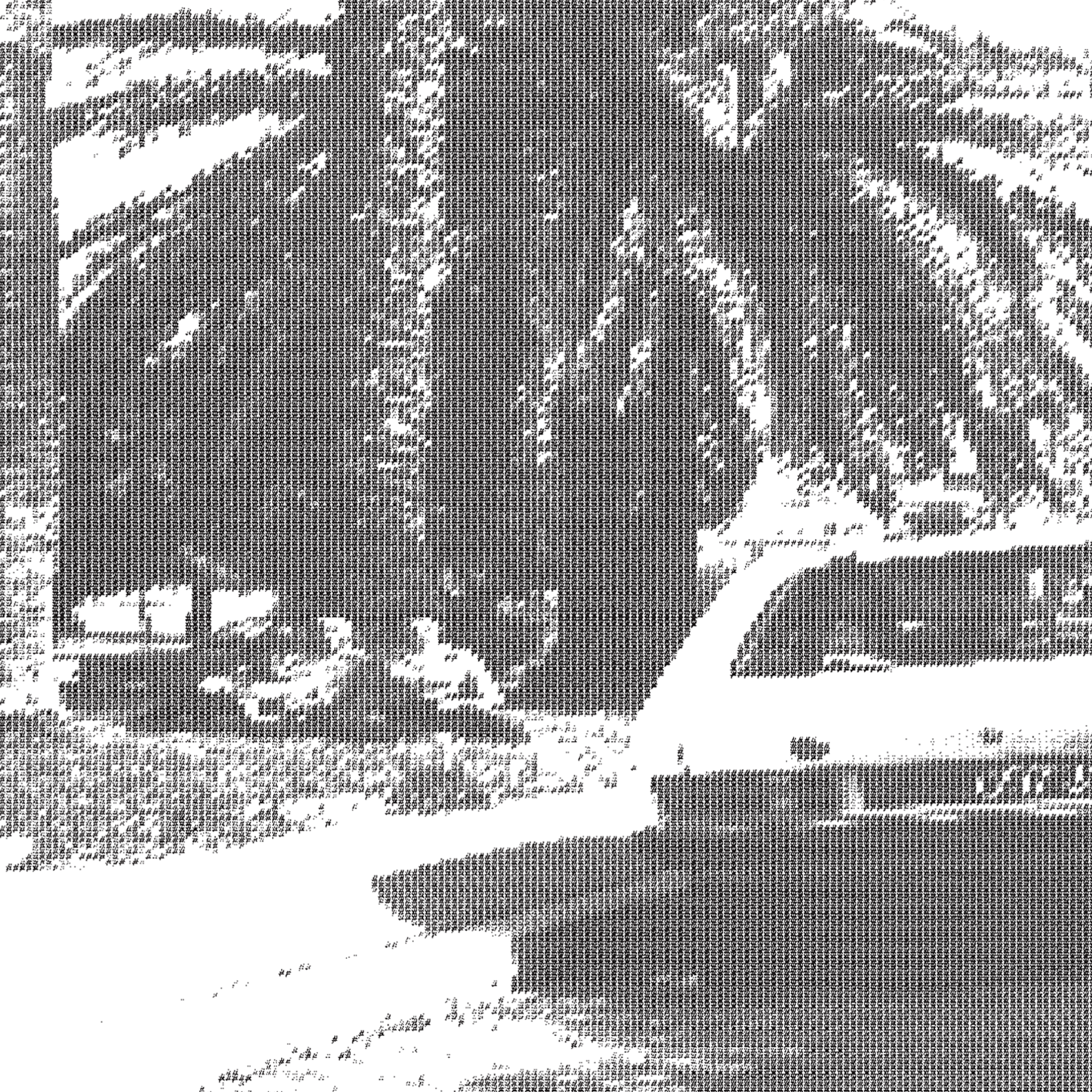
Beautiful You was self-released last year by Dylan Khotin-Foote, the man behind the Khotin project. The album features no distinct storylines or themes: “It’s really just a collection of songs as rudimentary as that sounds,” Khotin-Foote explains. But the title of the album arrives with some lore: in high school, Khotin-Foote found a handwritten note on his windshield that read “Beautiful you, thanks for the smile.” The record’s cover is an ASCII-rendered photo of his mother and her parents living temporarily in Italy as refugees in the ’80s. 

Khotin-Foote is a Vancouver-based electronic artist and part manager of label Normals Welcome. Since his first album as Khotin, 2014’s Hello World, he’s moved freely between genre experiments, every move linked by distinct melodic sensibility. His dance-minded output—released on labels such as 1080p, Pacific Rhythm, DFA, Public Release, Normals Welcome, as well as his own imprints Khotin Industries and Waterpark—is offset by an interest in downtempo sound, the mood of stillness. 

With 2017’s New Tab, he explored the gentlest music of his career, tapping into a playful naiveté last felt in the bedroom projects of his teenage years. A response to DJ gig fatigue, the album offered a salve of synth arrangements mingling vintage electronic sounds with voicemail samples and other abstract chatter. Beautiful You is said to see Khotin-Foote refine, expand, and blur further this impressionistic, dream-like style of music. 

Tracklisting

01. Welcome 

02. Water Soaked In Forever 

03. Levi’s Synth 

04. Alla’s Scans 

05. Vacation 

06. Dwellberry 

07. Looping Good 

08. Merged Host 

09. Somehow More Sad 

10. Planet B

Beautiful You‘ LP lands April 5, with “Dwellberry” streaming below. 

Black Light Smoke Returns to Francis Harris’ Scissor & Thread

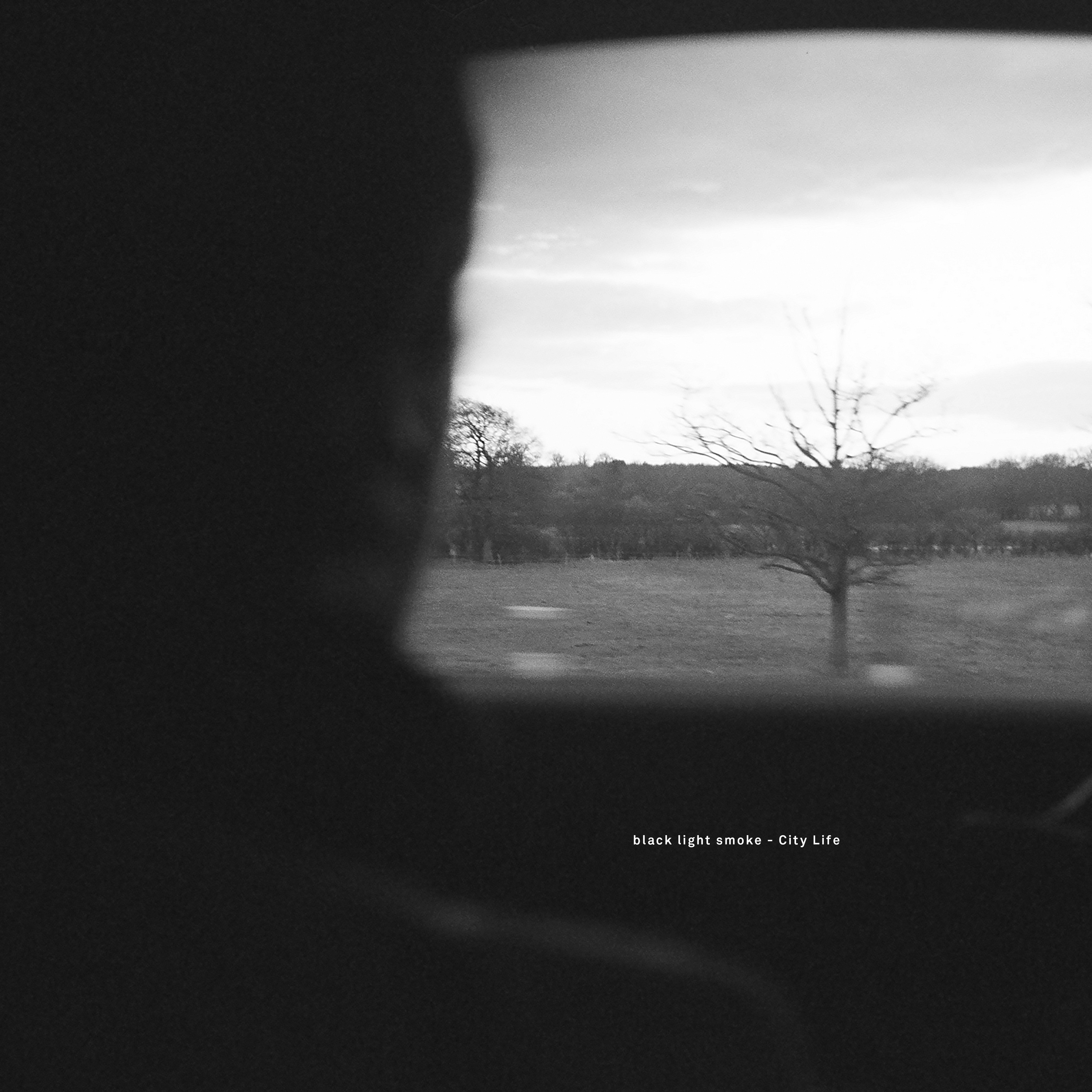
Black Light Smoke will return to Francis Harris’ Scissor & Thread with a mini LP of raw, atmospheric house. 

Black Light Smoke is the alias of Jordan Lieb, the Emmy Award winning composer/producer/musician. Having surfaced in 2011, he’s become a regular on the Brooklyn label, but this will be his first appearance since 2014’s Firefly. His last EP came in 2017 via Hamburg label Hafendisko. 

The release follows Francis Harris’ Trivial Occupations LP. 

We’re told to expect six tracks of affecting, deep vibes. 

Tracklisting:

A1. In Gold

A2. City Life

B1. Make My Peace 

B2. Up In This

B3. Without You

Digital bonus track: Every Beat (No Regrets)

City Life lands March 1. 

Black Light Smoke Returns to Francis Harris’ Scissor & Thread

Black Light Smoke will return to Francis Harris’ Scissor & Thread with a mini LP of raw, atmospheric house. 

Black Light Smoke is the alias of Jordan Lieb, the Emmy Award winning composer/producer/musician. Having surfaced in 2011, he’s become a regular on the Brooklyn label, but this will be his first appearance since 2014’s Firefly. His last EP came in 2017 via Hamburg label Hafendisko. 

The release follows Francis Harris’ Trivial Occupations LP. 

We’re told to expect six tracks of affecting, deep vibes. 

Tracklisting:

A1. In Gold

A2. City Life

B1. Make My Peace 

B2. Up In This

B3. Without You

Digital bonus track: Every Beat (No Regrets)

City Life lands March 1. 

Gerd Janson’s Running Back to Release New Tiger & Woods Album

Tiger & Woods will release a new album on Gerd Janson’s Running Back, titled A.O.D., landing April 12 on 12” and digital formats.

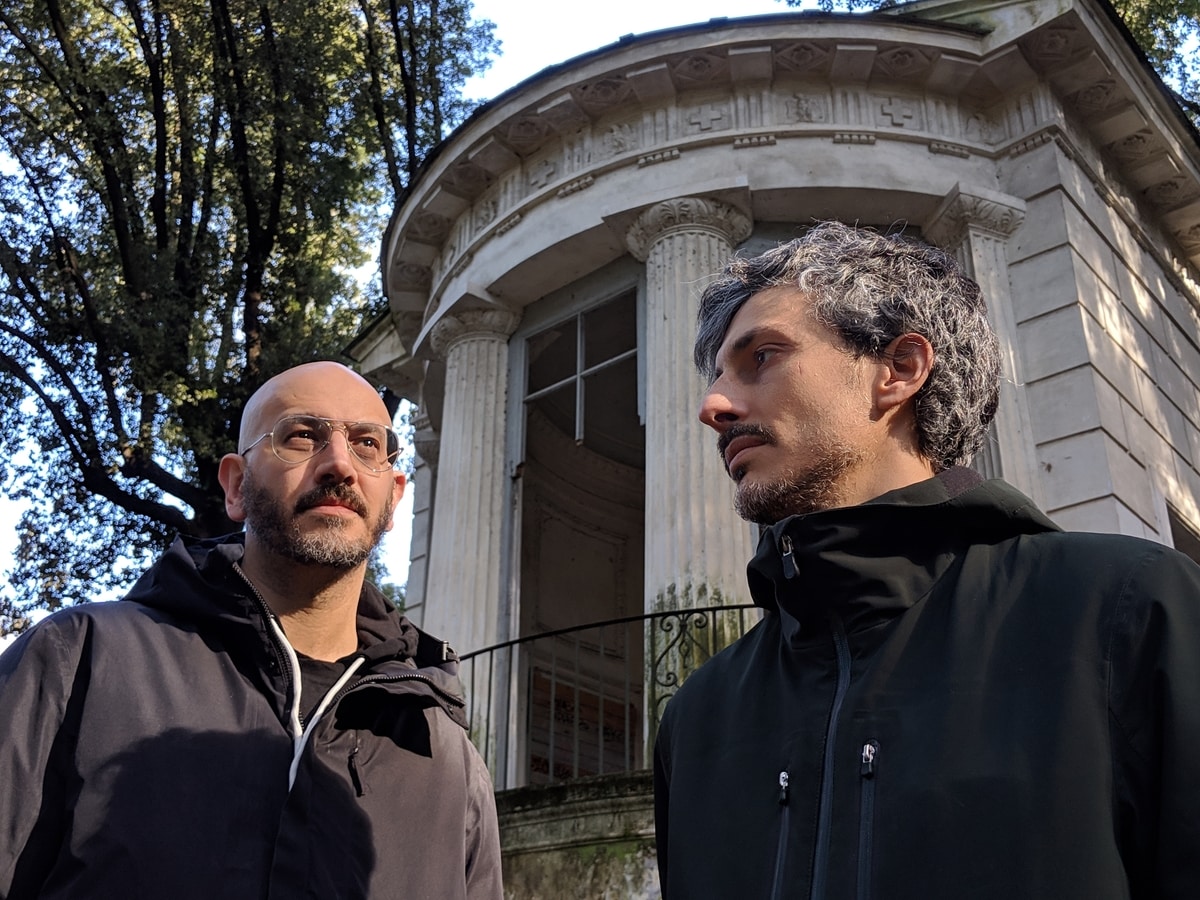
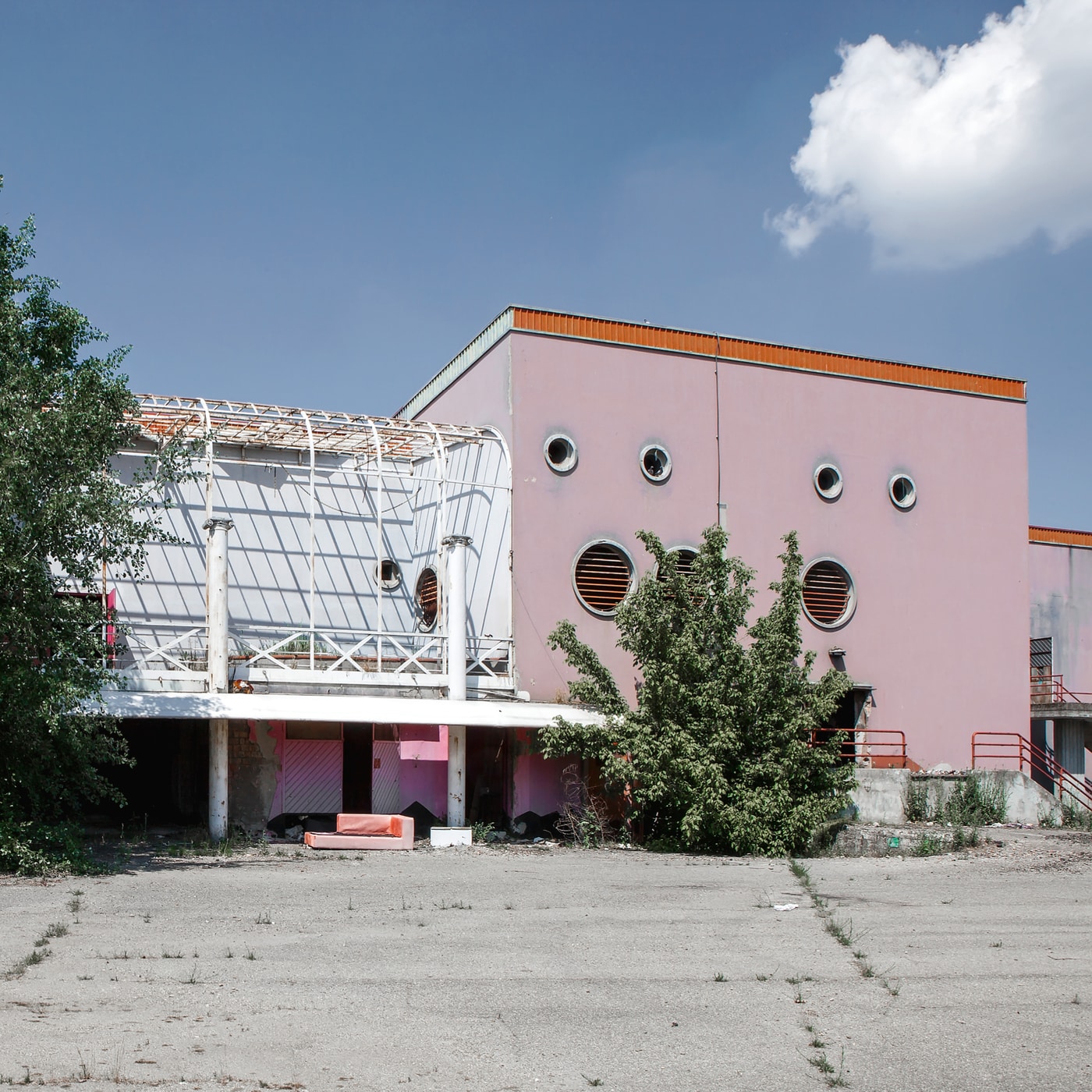
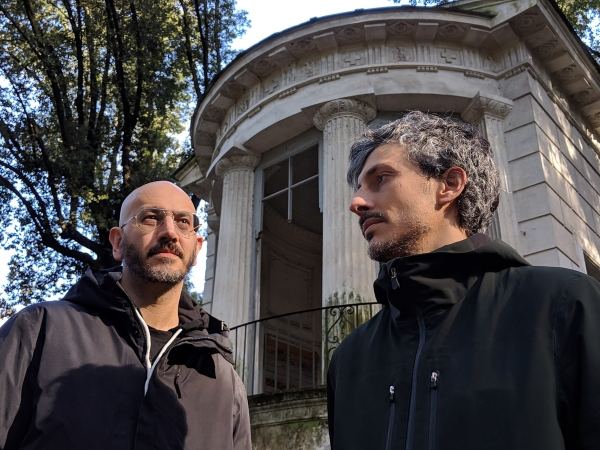
The Roman duo, formed by Marco Passarani and Valerio Delphi, are celebrating 10 years of collaborating with their third full-length. A.O.D. means Adult Oriented Dance, and takes inspiration from A.O.R. (Adult Oriented Rock), a term  associated with ’70s and ’80s soft rock. It’s inspired by the faded buildings and images of discotheques on the Italian countryside, the romantic start and bittersweet endings of summer, beach life, and the excitement of travelling through the landscape to get to aforementioned temples of dance and subsequently the morning after.

Except for the sample-free “1:00 am,” everything on A.O.D. is based on cleared samples from Claudio Donato and his Full Time and Goodymusic labels. 

Tiger & Woods’ last album, On The Green Again, arrived on their own T&W Records label in 2016. 

Tracklisting

01. Forever Summer

02. Warning Fails

03. A Lovely Change

04. Night Quake

05. The Bad Boys

06. Salsaro Ete

07. 1:00AM

08. Kelly McGillis

A.O.D. lands April 12, with “1:00AM” streaming here

Gerd Janson’s Running Back to Release New Tiger & Woods Album

Tiger & Woods will release a new album on Gerd Janson’s Running Back, titled A.O.D., landing April 12 on 12” and digital formats.

The Roman duo, formed by Marco Passarani and Valerio Delphi, are celebrating 10 years of collaborating with their third full-length. A.O.D. means Adult Oriented Dance, and takes inspiration from A.O.R. (Adult Oriented Rock), a term  associated with ’70s and ’80s soft rock. It’s inspired by the faded buildings and images of discotheques on the Italian countryside, the romantic start and bittersweet endings of summer, beach life, and the excitement of travelling through the landscape to get to aforementioned temples of dance and subsequently the morning after.

Except for the sample-free “1:00 am,” everything on A.O.D. is based on cleared samples from Claudio Donato and his Full Time and Goodymusic labels. 

Tiger & Woods’ last album, On The Green Again, arrived on their own T&W Records label in 2016. 

Tracklisting

01. Forever Summer

02. Warning Fails

03. A Lovely Change

04. Night Quake

05. The Bad Boys

06. Salsaro Ete

07. 1:00AM

08. Kelly McGillis

A.O.D. lands April 12, with “1:00AM” streaming here

Evident “Never”

Evident was born at the end of the Yugoslavian era into newly established Slovenia. After breaking through in 2012, he has surprised with the ever-changing variety of club sounds. In recent years, he’s been influenced by the artistic, melancholic, and explorative side of electronic music, while also staying firmly connected to the club core. 

As an extension of this mindset, he started his own Sounditectures label in 2014, where he releases his own music and music from friends. In early 2017, he released his debut album, Mysteries We Don’t Have Time To Think About, which goes from ambient beginnings and slow-paced electronica, to break-infused house and to classier deep-tech rhythms. He’s also one of the founders of SolvdMag, a webzine dedicated to encouraging electronic community in the Balkans and beyond.

For one of today’s XLR8R free downloads, he’s shared  “Never,” a playful breaky techno track made in Autumn 2018. Grab it now via the WeTransfer button below or here for EU readers. 
In the Studio: Anthony Rother

Anthony’s Rother‘s Frankfurt production space is one of the most pristine studios you’re likely to see. It’s spacious, immaculate, and expertly organised with racks of heavy duty analogue gear of all shapes and sizes lining the walls. You’re as unlikely to find a speck of dust as you are an exposed wire—it feels more like a synthesiser showroom than the second home of one of electro music’s pioneering artists. “..tidiness serves my need to be creative,” he explains. “It’s a system that’s based on freeing my mind for the creative process.”

Rother established himself in Germany’s vibrant electro scene with his first two releases, Sex With The Machines (1997) and Simulationszeitalter (2000). The platform for this second album was Psi49Net, a 1998-founded imprint that birthed some of the most influential electro records of this era, among them Little Computer People and 2002’s unforgettable Hacker, all from Rother himself or his musically-inclined Frankfurt cohorts. In 2004, Rother founded the Datapunk imprint, aiming to take his sound in a different direction. The label sits behind albums such as Popkiller and Super Space Model; and then, in producing Moderntronic in 2007, Rother’s sound began to evolve, flirting with minimal techno and trance, just before 2008’s My Name Is Beuys Von Telekraft LP. The word “prolific” is often banded around unnecessarily, but Rother’s extreme output over these years warrants it. 

Output then slowed as motivation waned. Rother relocated his studio and lost his flow—overcomplicating a process based on instinct above all else. Records came out, but lacked the definition and quality of his early material, serving only to mask his growing problems of self-doubt. It wasn’t until 2014 that he learned how his creativity works. He now dedicates his entire life to maintaining this balance; to protecting his motivation. “Part of being an artist is taking care of daily life to allow you to be in the best state of mind to make art,” he tells me. 

And, by all accounts, it’s working. Late last year, Rother dropped 3L3C7RO COMMANDO, a 10-track album that harked back to his early days of break-beat-infused revivalist electro. He also shared the extensive list of gear behind it along with videos of himself making the music, some in his production studio—described above—and some in his jamming studio, a computer-free, hardware-heavy room that Rother uses mostly for making music for his DJ sets. He describes it as a “big live machine,” and explains that he now feels as motivated as ever when it comes to production—as if the storm has now passed. It’s clear, too, when you hear him talk about his gear and processes—there’s no masking the enjoyment he gets when it comes discussing the qualities of any given synthesizer. “I am a bit of a freak,” he says, smiling. 

With this all in mind, XLR8R flew to Frankfurt to talk with Rother—joining him for an intimate conversation about the problems he faced and the learnings—and gear—that have made it all better. 

Let’s begin with your new album. Can you talk to me about the process behind it? 

I originally wanted to do a 12” with three or four tracks. I started working on the first track, then on a second, and then on a third, and then I realized that I was starting to produce an album. I think I started in 2017 in June and finished it in January 2018. This was the production time, at least, mostly on a small studio setup at my home. I also recorded tracks in here, in this production studio, and also in my other studio, which is for jamming. It became like living in a fictional world. With all my albums, I end up living in the album’s concept. It’s a strange feeling because it’s like living a second life.

Given that it’s so immersive, do you have trouble focusing on anything else during that period?

I do, and this is stressful because it means I have these crazy dreams. Sometimes these dreams are not so nice; they’re dark because the music is inspired by science-fiction and a dystopian universe. I enter into this strange world where the tracks are born, and so this stuff becomes so rooted that it can become uncomfortable. 

Do you perceive your music to be soundtracks to these imaginary places? 

That’s right. When I produce music, I always start from scratch with something that’s a beat or melody, and after a while the concept switches from the technical music-writing side to the imagination of what the track talks about; what’s the story behind it? Then I go ahead to produce the track as a soundtrack to this vision.

Can you give me an example of one of these soundtracks? 

The best one is “End of Dreams,” from the 3L3C7RO COMMANDO album. It started with a beat and then I wrote the string part. I was just playing around in the studio. At that moment, I had this vision of how we put life into the machines. So I started writing lyrics based on this vision and also composed the track. It felt like the machine was replicating the atmosphere from the pictures I have in my mind. There is a very clear switch in my head between these two stages: the jam and then the soundtrack with the concept. It’s always like this. If I don’t have the switch, I won’t finish the track, because I need to have this storyline. I need meaning

If I don’t have the switch, I won’t finish the track, because I need to have this storyline. I need meaning. 

So you must have lots of sketches that haven’t reached the “switch.”

Exactly. The switch is what I’m searching for as an artist. The musical part is just a medium for reaching this secondary reality. It’s like walking without knowing where to go; you’re looking for this door, for the transition. And the moment you find the transition it’s like the best moment because it takes you to a world and you can then describe the world in music. When I reach this secondary reality, I know then how the tracks need to sound as I have the pictures for it in my head. I can write the lyrics and everything because I can see it, and also feel it.

What exactly is this jam? How preconceived is it?

It’s not preconceived at all. I just play around in the studio with melodies. I normally do this for a few hours, that is all. I’ll then record it and then listen to it at home. This is when the switch will or won’t happen: I need to step away from it for a few hours and return to it with fresh ears in a different environment. It’ll then be clear to me whether I am going to continue with it or not; whether it will take me into a second reality. 

Has the process always been this way?

I think it was like this from the beginning, but I only know this because I have analyzed it carefully. In the years since I started, there have been periods where I have lost my talent and have had to really ask myself where it has gone. Only by thinking deeply on the subject have I worked out how the processes are. 

What other things have you learned from this analysis? 

I really need to have a still mind in order to have this transition; I need to escape daily reality in order to enter these fantasy worlds. I think this is similar for all artists because creativity requires the mind to be as free a possible. You need to be distanced from problems. Part of being an artist is taking care of daily life to allow you to be in the best state of mind to make art. My entire life is dedicated to this. 

It’s like creating a bubble for yourself. 

It’s not a bubble because it’s based on my real life. It’s a system that’s based on freeing my mind for the creative process. If I need to do things in my office like paperwork, it can be ok for some time but if it gets too much then I cannot make music anymore. When I was younger I did not pay so much attention to it, but now I know that it’s better to invest one or two hours to get this to a point where it’s ok. When it’s done, the creativity comes. Maybe for every artist it’s different, but in the end it’s all about freeing your mind to be creative. 

I suppose this is one reason why your studio is so pristine and beautifully organised. 

It’s partly because I am not a messy person and also because tidiness serves my need to be creative. In the moment that I want to make music and have a nice idea, I don’t want to find out that the synthesizer is not plugged in or something. That will only lead to me losing these ideas. 

Production studio / Photo by Helen Schilp

On the subject of this space, how long have you been here?

I’ve been here for about six years. I came to Offenbach in 2000 and for many years before this, I was in an office building that I converted into a studio.  

It’s divided into two separate studios. What the story here? 

You must see them as one big modular system with gear. The production studio, where we are now, has a computer that allows me to arrange the music and record vocals and stuff. The jamming studio has a hardware sequencer so it’s like a big live machine. That’s where I prepare the tracks, drums, synth sequences, and stuff like this, and then my synthesizers which I play live. That’s where I record for my DJ sets. It’s for fast, stripped-down music. 

Why do you distinguish between tracks for your DJ sets and tracks for releases? 

In 2013, I stopped buying tracks from digital download portals because it took away so much time and I didn’t find the right music, and then I thought it might be possible to produce music specifically for my DJ sets. So I started doing this and this is the way I do it today. Now every day I come to the studio I can make music. It makes sense because I always have something to do and don’t need to worry about whether I can release it on my label. 

Is this because you’re producing too much music? 

Yes, far too much. But I need to know that the music has a purpose for me to continue along the creative path. 

What’s the setup of the jam studio? Talk me through it. 

So it’s like a big live machine. So I’m sitting here, and I play the stuff. This is the sequencer. Everything is in place and then I record on a USB. I have a Yamaha C50, like an old synthesizer from 1979. Then we have the OB6 from DSI. Then we have the Moog model D, Simmons SDS8 drums synthesizer, SH 101—that is a special one, it’s a Nova MOD, it’s very special. Then a TR-808 for the drums, ADX1 also a drum synthesizer, I have a Clavia DDrum4, which is also a drum module, Sequentix Cirklon Sequencer—I would say it’s the best hardware sequencer on the market. This Clavia Micro Modular I use for effects. I have the mixing desk, it’s an Avid Venue SC48. It’s a digital mixing desk, which can install plugins for example from waves, or Eventide.

Yamaha C50
Moog Model D
Studio clock

What do you keep this clock for?

The clock is to know where I am timewise. The track should be between six and eight minutes. The feeling of time when you’re playing live goes away. If I don’t have a clock then I end up having tracks that are 10 or 11 minutes long. 

Why don’t you jam and cut out the bits that you like?

That’s not the way I do it because I want a result that I can really use. So I rehearse the stuff so I know I can do it. I record mostly in one take. I don’t record before because it takes away the imagination and magic. For me, when I hit record this is the final recording I’m doing. Sometimes, but it’s very rare, let’s say 1/100, I make such a big mistake that I’ll have to do a second recording. But 99% of my jam tracks are done when recorded one time.

It’s interesting that you don’t record the initial jam. You’d think you’d want to capture everything, even the little mistakes. 

It’s because I need to practice without thinking of the recording until I have the arrangement that I want; then I hit record knowing that this has to be the final recording. The record button is like putting me on stage when there are millions of people watching so I feel the need to do the best I can. 

Let’s go back to the beginning. You said that it became clear from an early age that you wanted to make music.

When I was 11 years old, I swapped a cassette recorder with a Casio synthesizer called Casio VL30. When I played the first notes I realized that I wanted to become a musician. From 11 years old I always followed this dream of being a musician and I became a professional in 1995. My focus on music is so strong. If I play the PlayStation and there is a certain sound in there, or a string or a melody or something that triggers me, I lose interest in playing the PlayStation and I want to go and make music. And I have this with different stuff. It’s bad that I can’t focus too much, it’s good that during the music I can focus very well. The only escape I have is an arcade tabletop with Donkey Kong.

If I play the PlayStation and there is a certain sound in there, or a string or a melody or something that triggers me, I lose interest in playing the PlayStation and I want to go and make music.

Has this drive ever faded? Between 1998 and 2003 you released a lot but it hasn’t always been this way. 

The only time I’ve lost motivation to make music is when I lost my confidence, let’s say from 2008 to 2010/11. In 2006 I moved my studio to somewhere new and it took 18 months away because there were so many problems that happened and I lost my flow. I started to analyze the process and what was going on with me. It took me from 2008 to 2014, those six years, for me to learn about myself and how my creativity works.

How did you learn the ropes of production?

I learnt by myself. At school I was very bad, I didn’t read. But today I read so many books; not novels, but all the manuals. I read about music in general and stuff that’s related. It’s because in 1996 the internet became more popular and you were able to make a website of your own. I bought a book about HTML and taught myself HTML and I realized that everything I want to know I can buy a book. 

Do you ever miss the beauty that comes out of mistakes? 

I still have these mistakes, even with all this knowledge and experience. As a producer, you have to know how to step back from the details and see the bigger picture. I’ve learned when to let go, because sometimes the dirtiness of an off sound makes it better. 

Can you explain to me how you do this? 

There are lots of ways. If you have so much knowledge you need to think in dogmas, which means you refuse to use everything you know. I know that working on details with all my knowledge makes me slower and creativity is not slow; creativity is fast. This means that I must always try to be fast in the studio because when you think too much then you can lose the track. On the other hand, there is some stuff that I know I want in more detail; if so, I will work with it for longer. I think this comes down to experience. 

It’s a battle between over-analyzing your music and working on instinct.

Exactly. When you analyze too much you become slow and this inhibits creativity. You can get obsessive with detail and you get slower and in the end, you don’t finish it anymore because you start questioning whether it’s good enough. It is like a black hole and you’ve been sucked in. And if you do this 10 times in a row then you lose your confidence. It’s a vicious circle as your whole system and state of mind is affected by it. I know this because I’ve been there.  

Moving on, what are the key pieces of gear that you have in the production studio? 

First of all, I only use hardware synthesizers. I’m looking for the synthesizers that have many knobs to tweak all the parameters. Then I look for the sounds that it can do. I have a wide range of gear and every synthesizer has its own range of sounds. 

Give an example of a synthesizer and its purpose. 

The latest synthesizer I bought was the Waldorf Quantum Voice Hybrid Polysynth. That came out last year and it’s from Germany. It’s a hybrid synthesizer that has analog filters and a digital oscillator engine and it’s very powerful. You can choose between different digital oscillators: a normal oscillator, traditional saw, square, sine waves, a wavetable oscillator, a resonant oscillator, a normal sampler, and a granular sampler. This thing has a touch screen and everything is visualized. You can record audio and can make it into particles. This synthesizer has a very modern sound and its interface is ahead of its time.

Why did you buy it? 

The interface is important because no synthesizer has one like this, and the sounds that come out of it are unheard of. It can do the basics but it can also do the things you don’t expect. 

Waldorf Quantum
Akai MPCX

Are you creating all your sounds, or are you sampling? 

I sample also, for drums or for progressive elements, strange stuff. But most of the stuff is synthetic because the samples don’t sound good. You can take them and make something else out of them but to create to a higher standard it’s better to use a 909 and tweak it with a mixing desk instead of taking a sample that doesn’t have the liveliness anymore. 

What do you use for sampling?

The Akai MPCX I use as a sampler for drums and percussion. And then I have the Quantum Sampler as well. I also have the Ensoniq ASR-10, a sample machine from the ‘90s which I used at the beginning of my career and I use from time to time. I used it on the strings for “End of Dreams.” The Emulator II is also a sampler that I use. It’s from the ‘80s and I use this with the SD card floppy drive so I have the whole Emulator II library. This is a beast. 

Emulator II 
TR-909
TR-808
Simmons SDS 5
Jomox Alpha Base 

What are you using for drums?

I have the new Jomox Alpha Base which I am using heavily, I have the TR-909, I have an 808, the Simmons SDS5 which is a drums Synthesizer from the ‘80s. I have the MPCX which I use for samples, which I create mostly with the Moog Voyager.

How do you decide which drum machine to use? Does each have its own aesthetic? 

In the big picture, yes. SDS5 Simmons drums and The Alpha Base have such a big variety so you can go everywhere with them. With the Simmons, there is stuff you don’t know and can explore. With the 808 or the 909 it is obvious where you will end up, then you have the mixing desk to tweak it in a specific way.

Do you prefer gear that does one thing well or gear that does lots of things?

It depends. The 909 and an 808 are very specific because they have a limited range of coloring. With these, I don’t have to question the sound. If it doesn’t sound right I have to work more on the equalizer. So the 808 and 909 are the sure shots, and I know I have to work on the equalizer and the compression instead tweaking on the machine. What I also liked on the 808 is that the bass drum sound is not so obvious, so I can use it with other stuff on the track like the bassline, or the melodies, and this is just doing the kick drum and nothing else. 

Are you using the 808 and 909 predominantly?

I like to work with these machines because you’re not so limited in the other frequencies. When I worked with an SDS5 or the Alpha, I make a bass drum which has more spectrum and then I can’t do so much anymore with a bassline or have to look for where there are free spaces in the frequency range. That’s what I like on the 909 and the 808: you won’t hear them, they are just doing the beat.

When do you like machines that can do a lot? 

Only if I can control them as a synthesizer. If I have something like a crazy bass drum, and then I want to shape the decay or the attack of it, I need to have its parameters and it should do what I envisioned it to do. To have the machines that have a bigger range you need to have a foundation because if you go too crazy you can always take the 909 and put it in the place of a bass drum and use a sound you have created which is not a bass drum and use it in another way. I always say if I need a good bass drum I take an 808 or 909. If I have created something with an Alpha Base that is not a bass drum then I have to use something different. 

What software are you using?

Logic. I also I have an old system which is a Mac Pro which has IOS10.6.8 and Logic 9. I don’t want to upgrade because it’s the computer that makes the most problems in the studio. You always have to update the software so I only use the computer for MIDI and hard-disk recordings. And I use the plugins I have. Sometimes there is a plug-in that I would like to have, but I don’t need it enough to update the whole computer setup. Anything I can do with hardware I do as then I don’t have to upgrade. 

So you’re essentially looking at the computer as if it’s a piece of gear from a time period—like an old mixing desk—that can’t be updated?

Yes, that’s correct. My Avid Sc48 mixing desk has all the Wave plugins and most of the TDM plugins installed which were available up until 2016. I bought this mixer because from 2008 to 2010 I had no mixer anymore, I only had sound cards. All of my equipment went live into the soundcards, but it was a mess with the latency. So I bought a digital mixer again but wanted to have plugins. That’s why I bought this mixing desk which can install TDM plugins. 

Avid Sc48 Mixing Desk

There are so many pieces to the puzzle. Doesn’t this slow you down?  

When I’m looking for something, I don’t look too long. When I look for a sample, maybe I listen to 20; if it isn’t there then I make it with the synthesizer. I want to have satisfaction when I make music and looking for samples does not interest me, so then I use something else. 

You must be good at moving forward. 

You have to be fast. This is my concept. I know when I am overdoing the detail to the point where I am losing time over something unimportant for the end goal. If this happens I’ll go back to something that I know is working or use a machine that I know sounds good and start there. I’m always trying to leave things in a place where I can say it’s not too off but I want to go there. 

How do you know when a track is finished?

Sometimes it can take a day in the jam studio, maybe two days. In the production studio it can take one or two weeks, two weeks maximum. Two weeks is for monumental stuff, where the composing is very important. 

Then do you put it in the drawer and leave it for a while?

No, when it’s finished it is finished. The work takes on a very different quality when I work on it because I know there is no option to leave it. I know I have to work on this very seriously otherwise I lose the track. When I like the track, I will put all my effort into it to not lose it. Most of the time when I reach the goal, it is the last moment before I lose my motivation. 

Page 273 of 3781
1 271 272 273 274 275 3,781