Clinic, Junior Boys on Domino Comp

Ah, family drama. Dead mothers, suspect step-parents, and fleeing one’s relatives make up the subject matter of British indie flick Hallam Foe, which has already made the rounds in Europe and will be released in the U.S. on September 5 (under the name Mister Foe).

Besides featuring a cast of top-shelf actors (including Billy Elliott‘s Jamie Bell, all grown up), the film also boasts a soundtrack scored entirely by the Domino Records roster, with the Junior Boys, Clinic, Hood, Sons and Daughters, and more all contributing tracks to the project, along with a brand-new song that the boys in Franz Ferdinand wrote specifically for the film. The movie has already won the Berlin Film Festival’s award for Best Music in a Film, so pick this one up on September 9 and peep the trailer for a glimpse of the film.

Hallam Foe
01 Orange Juice “Blue Boy”
02 U.N.P.O.C. “Here On My Own”
03 King Creosote “The Someone Else”
04 Sons And Daughters “Broken Bones”
05 Junior Boys “Double Shadow”
06 Clinic “If You Could Read Your Mind”
07 Future Pilot AKA “Battle At The Gates Of Dub”
08 Hood “Lines Low To Frozen Ground”
09 Franz Ferdinand “Hallam Foe Dandelion Blow”
10 Psapp “Tricycle”
11 James Yorkston And The Athletes “Surf Song”
12 Bill Wells Trio”Also In White”
13 Juana Molina “Salvese Quien Pueda”
14 Cinema “They Nicknamed Me Evil”
15 Woodbine “I Hope That You Get What You Want”
16 Movietone “Ocean Song”

Lesser Gonzalez Alvarez “Mostly A Friend”

A new signee to Carpark Records, Lesser Gonzalez Alvarez boasts not only a catchy name, but also the ability to dabble in multiple genres adeptly. The Baltimore resident has done electro-pop with his now-defunct Cache Cache outfit, played in a folks music band, and makes electronic music on the side with his project The Ruby Stallion Ensemble. For his debut album under his given name, Gonzalez turns to acoustic guitars and simple melodies with Why is Bear Billowing?, set for release in mid-August. All that plus he’s a member of Baltimore’s esteemed Wham City collective with Dan Deacon. We imagine his iCal is pretty booked up at this point.

Lesser Gonzalez Alvarez – Mostly A Friend

Stones Throw Flash, Video Premiere

News is coming from all corners of Stones Throw‘s brand-new (and very nicely designed) website. Here’s the rundown on what the L.A.-based indie hip-hop label is up to this summer.

First, there’s the aforementioned site, with more news, podcasts, and downloads, plenty of white space to make reading easy on the eyes, and, most importantly, an online store.

The ST crew kicked off the grand opening of the virtual shop by releasing a complete catalog of 12″s and a new t-shirt designed by Amsterdam graphic designer Parra.

Then, for those with $124.99 to burn who can’t get enough Madlib and MF Doom, Madvillainy 2: The Box is currently available for pre-ordering. Available only through the Stones Throw site, the release is a remix of the classic Madvillainy disc from 2004, reworked by Madlib himself. The mysterious box comes packaged with the album, a 7″ of “One Beer (Drunk Version),” A 36-minute Madvillainy demo cassette, a t-shirt, comic book, and, of course, the box itself. Pre-orders last until August 15.

Those who don’t want the extra bells and whistles can purchase an MP3 version of the album for $9.99.

Two tracks from the late Dilla’s recordings with Ghostface Killa have also been released. “Sniperlite” and the flip, “Murder Goons,” are available as a 12″ and digitally through the site.

Finally, Stones Throw laced the XLR8R crew with an exclusive video from Karl Hector and The Malcouns. “Sahara Swing,” the title track off the group’s recently released album, is being touted as “Afrodelic Kraut Funk” and comes courtesy of the masterminds behind Poets of Rhythm and the Whitefield Brothers. Watch it here.

File Under: Forward

Voluntary collective licensing proposes an alternate solution to the RIAA’s crackdown on file-sharing.

“Pre-settlement” letters to shake down file-sharers to the tune of $3000 a piece. Suing more than 30,000 file-sharers since 2004. Taking Napster and Grokster to the Supreme Court. Lobbying to introduce a bill (HR 4137) that would require universities to investigate “technology-based deterrents” to file-sharing, and tie their access to federal funding for student loans to their willingness to comply. Sometimes the actions of the RIAA, the major record labels’ trade association, seem as draconian as they do futile.

Despite countless attempts to legislate its end, file-sharing still thrives today. Bit Torrent transfers account for a huge amount of internet traffic and networks like SoulSeek and the reborn Oink (now Waffles.fm) carry music back and forth between music fans at an astonishing rate. The RIAA knows this, but has failed to come up with a model to compensate artists and its labels, and to deal fairly with those file-sharing consumers.

But there is a solution to turn file-sharing from a loss of control into a legitimate business, creating a revenue source for artists and an almost limitless resource for consumers, and it’s a fairly simple one: Collect a small monthly fee from system users ($5 a month is a number often cited) through a service they already use, such as their ISP or a student’s dorm fees. Users could download as much as they want, using whichever system they want, knowing that they’ve paid for the use of the system (much like paying for cable TV). The movement of files would be tracked through the system in a way that is accurate but still respectful of users’ privacy. And a portion of the money would be redistributed to rights holders based on download rates.

The proposal has been around for years, starting with Harvard Law Professor Terry Fisher’s book Promises to Keep in 2004. It has been updated by the Electronic Frontier Foundation (EFF) since then and I’ve been fortunate to work with them on the idea, called Voluntary Collective Licensing, since last summer. The plan received further interest this spring when Warner Music announced it had hired digital-music industry veteran Jim Griffin to explore the possibility of implementing such a system.

There are many questions left to be answered about how such a system would work, some with fairly easy answers: Companies like Big Champaign are already able to track P2P users with a variety of methods, and any business school student would jump at the chance to write a new business plan to get artists paid from file-sharing. Such upheavals and new models come along every time a new disruptive technology emerges (like gramophones and radios and cassette players). The more difficult question is: How to create a system that’s fair for everyone? Anything will ultimately have to be okayed by the RIAA–and let’s face it, they don’t have the best track record.

However it happens, there is little doubt that sometime in the next 10 years–and maybe as soon as the next couple–digital music and music ownership in general will become less like a commodity and more like a utility that you simply turn on. Sites like imeem.com already function this way and have secured licensing deals with major labels to do so. When file-sharing follows suit in a way that is fair for artists and their supporters, we can move forward in a fair and equitable manner for all.

For a simple read on the proposal for Voluntary Collective Licensing, see the EFF’s “A Better Way Forward” white paper at eff.org.


Doomtree “Game Over”

One has to expect good things from an outfit that goes by the name Doomtree. The Minneapolis crew of producers and rappers is nine men strong and finally, the members have united for their first-ever all-inclusive release. Doomtree is, at its core, a hip-hop album, but the crew brings in elements from multiple genres, from indie-rock to punk-rock. “Game Over” features a hard-hitting beat, bubbling basslines, scratches, and crisply uttered lyrics.

Doomtree – Game Over

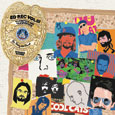
Various Ed Rec Vol. 3

By the time the domineering came out last spring, Ed Banger’s second label comp had gone a ways toward shoving the Parisian electro-house label into the hipster limelight. A year later, Vol. 3 doesn’t redefine anything, really: The players are mostly the same (Busy P, Justice, Uffie, DJ Mehdi) and it’s still a whole lot of rock-loving two-ton beats with nods to disco, curtsies to Daft Punk, and love for sneering, Euro-accented club rap. Murs guests on the Busy P cut, dropping groan-worthy names like Cobrasnake and Steve Aoki. Justice’s “autoremix” of “Stress” turns the track into one the best works of anger and grandiosity since the original. But Vol. 3 is all about DSL’s “Find Me in the World,” a basic enough hip-hop track with a very nice synth melody stairstepping through the mix. The cut more than makes up for hearing Uffie on AutoTune.

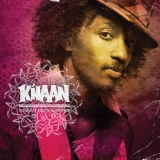
K’naan The Dusty Foot Philosopher

Originally released in Canada in 2005, K’naan’s The Dusty Foot Philosopher is an ode to African culture (in its production) and a protest to African politics and social injustice (in its lyrics). The Somalia-born MC flexes versatile vocals over African-inspired production, resulting in innovative joints like opening track “Wash It Down” (which contains only the sound of crashing water), the raw and improvisational “African Way” (recorded with nomadic musicians in a Kenyan restaurant), and the urgent, drum-driven “Soobax.” He even puts American gangsters to shame on “What’s Hardcore,” detailing life in his hometown where they duck rocket-propelled grenades instead of stray 9mm bullets. The deluxe edition comes with a DVD and bonus track featuring M-1 of Dead Prez.

Ratatat LP3

This New York duo’s third studio album presents a stripped-down, refocused version of the Ratatat. Shedding their reliance on novelty samples to create the hooks in their songs, as well as the rollicking, boozy beats showcased on their two volumes of bootleg hip-hop remixes, LP3 relies instead on the basics: guitars, keyboards, and beats. Recorded at an old house in the Catskills packed with a wealth of old instruments, the album reveals the band’s aptitude for anything with a keyboard: Aside from the standard synth lines and Moog melodies, LP3 incorporates watery organs, tinkling harpsichord, and even the occasional snatch of Wurlitzer. But indie club kids hoping for the next “Wildcat” shouldn’t despair just yet–despite all the analog noodling, LP3 still packs a few classic Ratatat dance gems for the fans.

Page 2891 of 3781
1 2,889 2,890 2,891 2,892 2,893 3,781