Vincent Casanova Adds Bonus Track to XLR8R+

XLR8R recently launched XLR8R+ with unreleased tracks by SIT (Cristi Cons & Vlad Caia), Huxley Anne, and Vril. Our goal is to provide a thoughtful and exclusive music offering to the unrelenting diggers and dedicated music lovers upon whom this scene is built. By subscribing, you will support the artists and XLR8R, allowing us to continue what we’ve been doing for 25 years: finding, curating, and serving the best electronic music out there while remaining independent. You can sign up here, with details of our second offering set to be announced soon. 

As a token of appreciation to those who have already subscribed, we’ve added an extra track from Vincent Casanova, titled “Lugana Lines.” 

Casanova has been producing and DJing electronic records since 2000. His first vinyl release arrived in 2004 on New York’s Sifted Recordings; since then, he’s compiled a sizeable discography of four full-lengths and many more EP and tracks on Kindisch, Majumasi, Verbreiten, ODT, Unknown, and others. While maintaining a warm and melodic feel, often with a strong bassline and dreamy elements, his productions range from house and techno to more breakbeat cuts with fragmented vocals and elements of pop. He is also beginning to DJ in clubs across Europe, after refining his skills playing at smaller venues and after-parties in New York City, just a few hours from his birthplace of Connecticut. 

“Lugana Lines” is a deep ride through after-hours house with ‘80s synth elements. Many of you will recognize it from Casanova’s 2016 XLR8R podcast; he wrote the track exclusively for the mix, and it became a standout moment in an exceptionally smooth contribution to the series. 

You can subscribe to XLR8R+ here, and the track will be delivered to your inbox within 48 hours—while you can stream it now via the player below, along with the other three X+ tracks. 

Pariah Shares New Album Track

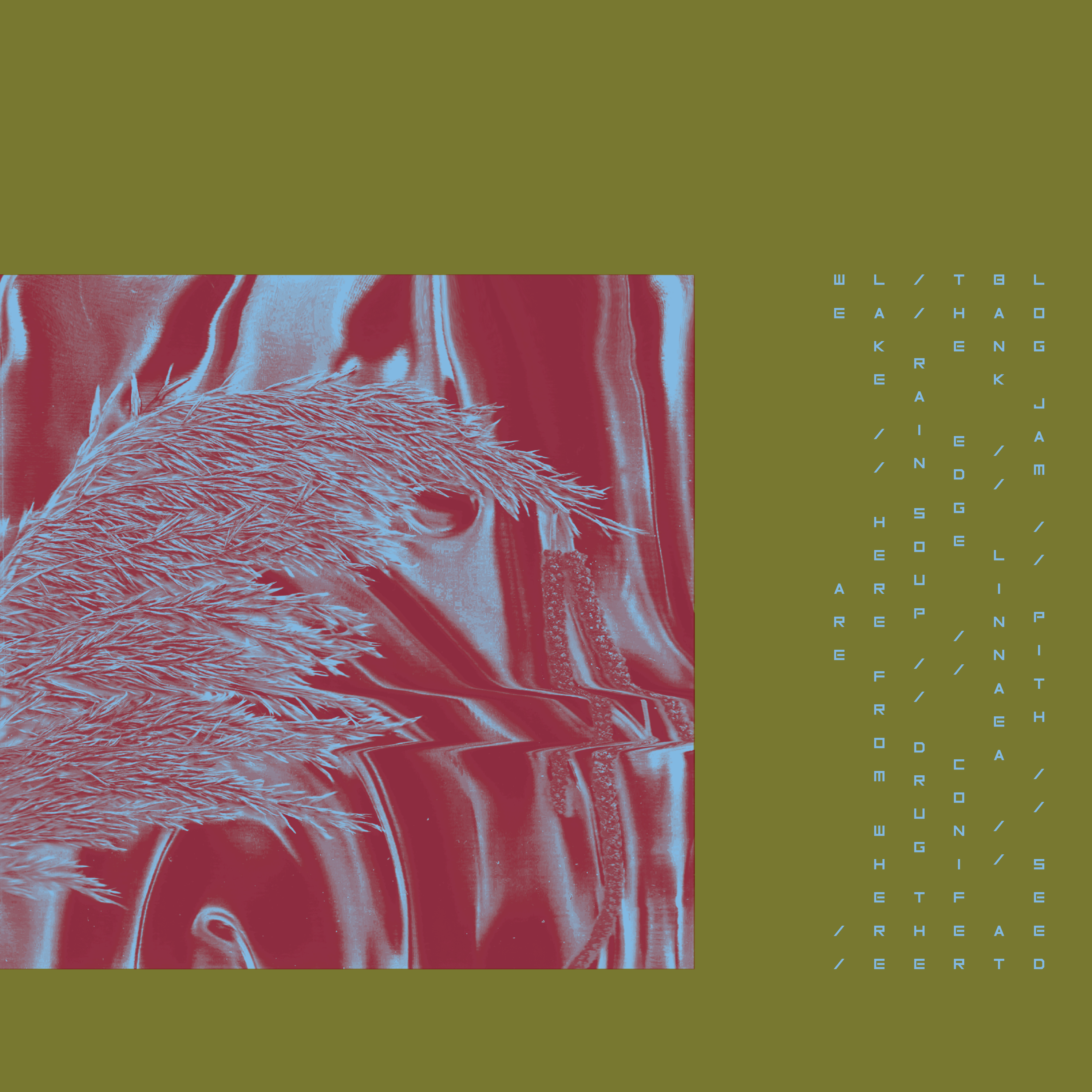
Arthur Cayzer (a.k.a Pariah) has shared a new track, taken from his upcoming debut album, Here From Where We Are

As announced, Houndstooth will release Here From Where We Are. It will be the artist’s first release in six years and is said to mark “a natural progression in his sound across nine interconnected pieces.” 

Cayzer was a relative latecomer to dance music. He grew up in various hardcore and punk bands before moving to London and being swept away by dubstep. After just six months messing around making his own stuff on Logic, he drew the attention of R&S, and over the next two years, he released three EPs with the Belgian label. Since then, Cayzer has continued to DJ and play live with Blawan as Karenn. Musically, though, we’re told he’s felt he’s been pressuring himself into making the music people expected, rather than music that was an honest reflection of himself. It was only by taking a step back to analyze the music that has always resonated with him that gave him a renewed confidence in his work. After one track was finished, an album of coherent pieces naturally followed.  

More information on the album can be found in our album review here

Tracklisting

A1. Log Jam

A2. Pith

A3. Seed Bank 

A4. Linnaea

B1. At The Edge 

B2. Conifer 

B3. Rain Soup 

B4. Drug The Lake 

B5. Here From Where We Are

Houndstooth will release Here From Where We Are on July 13, with “Linnaea” streaming in full below

Benny G “Telephone & Saxophone”

Not a lot is known of Benny G. His bio states he is a “native of Borås and raised in Malmö,” getting tutelage under “Uncle Balle Anassi in the late 00s in their hometown, before moving to Shit Music For Shit People’s Off Limits production studio in the mid-2010s, creating music for various acts, including Snake.” 

Benny G’s new EP, Telephone & Saxophone, lands on Shit Music For Shit People today, presenting a feel-good collection of jazz-infused house music. From the title track’s dreamy atmospheres to the classic funk of “One for the Money” and the warped, skeletal jazz of “STD (String Tension Decreased),” it’s an EP perfectly fit for the summer months. 

In support of the EP, you can download “Telephone & Saxophone” below, with the full EP available here

Due to temporary issues regarding the GDPR, EU readers can download the track here.

Benny G “Telephone & Saxophone”

Not a lot is known of Benny G. His bio states he is a “native of Borås and raised in Malmö,” getting tutelage under “Uncle Balle Anassi in the late 00s in their hometown, before moving to Shit Music For Shit People’s Off Limits production studio in the mid-2010s, creating music for various acts, including Snake.” 

Benny G’s new EP, Telephone & Saxophone, lands on Shit Music For Shit People today, presenting a feel-good collection of jazz-infused house music. From the title track’s dreamy atmospheres to the classic funk of “One for the Money” and the warped, skeletal jazz of “STD (String Tension Decreased),” it’s an EP perfectly fit for the summer months. 

In support of the EP, you can download “Telephone & Saxophone” below, with the full EP available here

Due to temporary issues regarding the GDPR, EU readers can download the track here.

Review: Crave Festival 2018

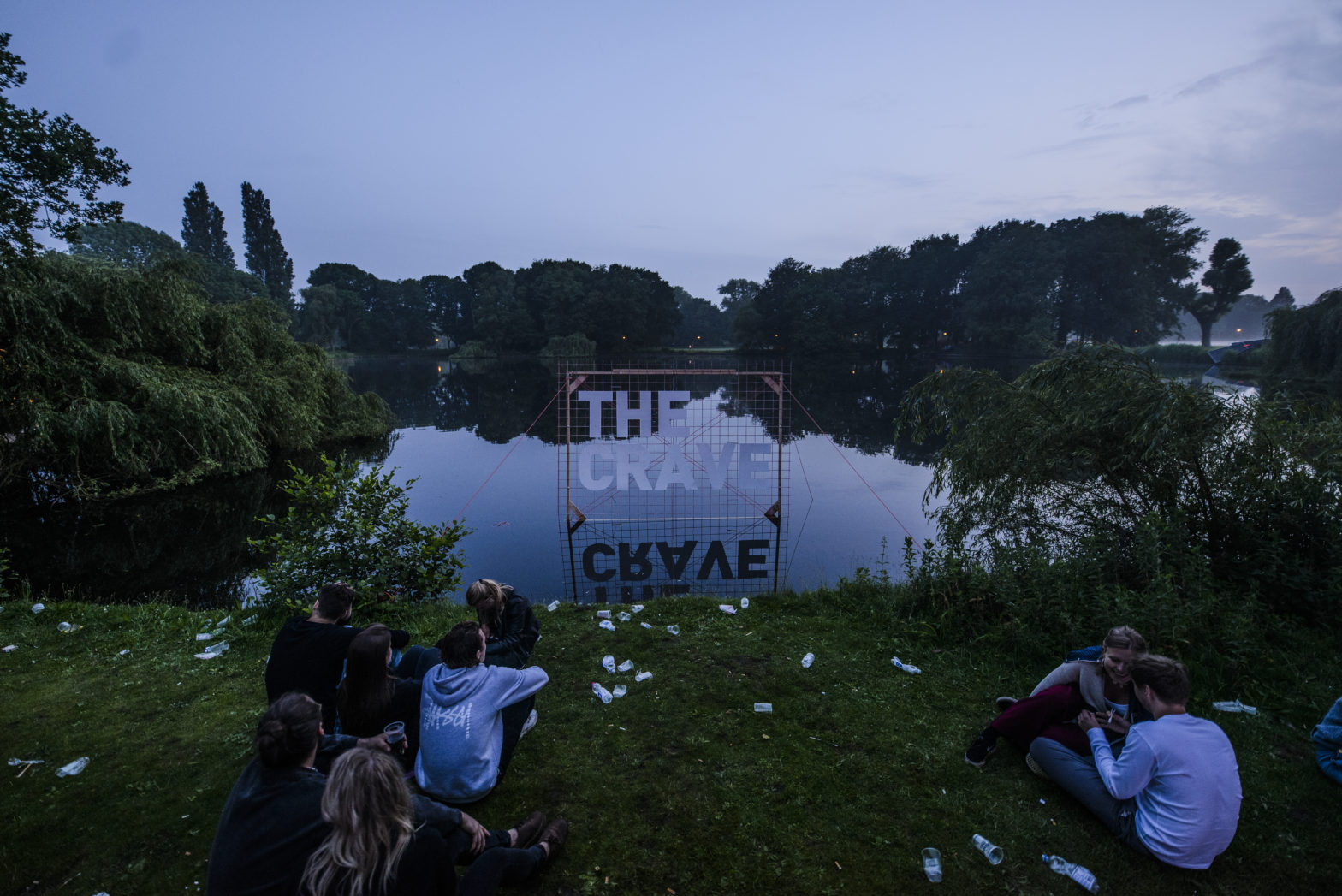
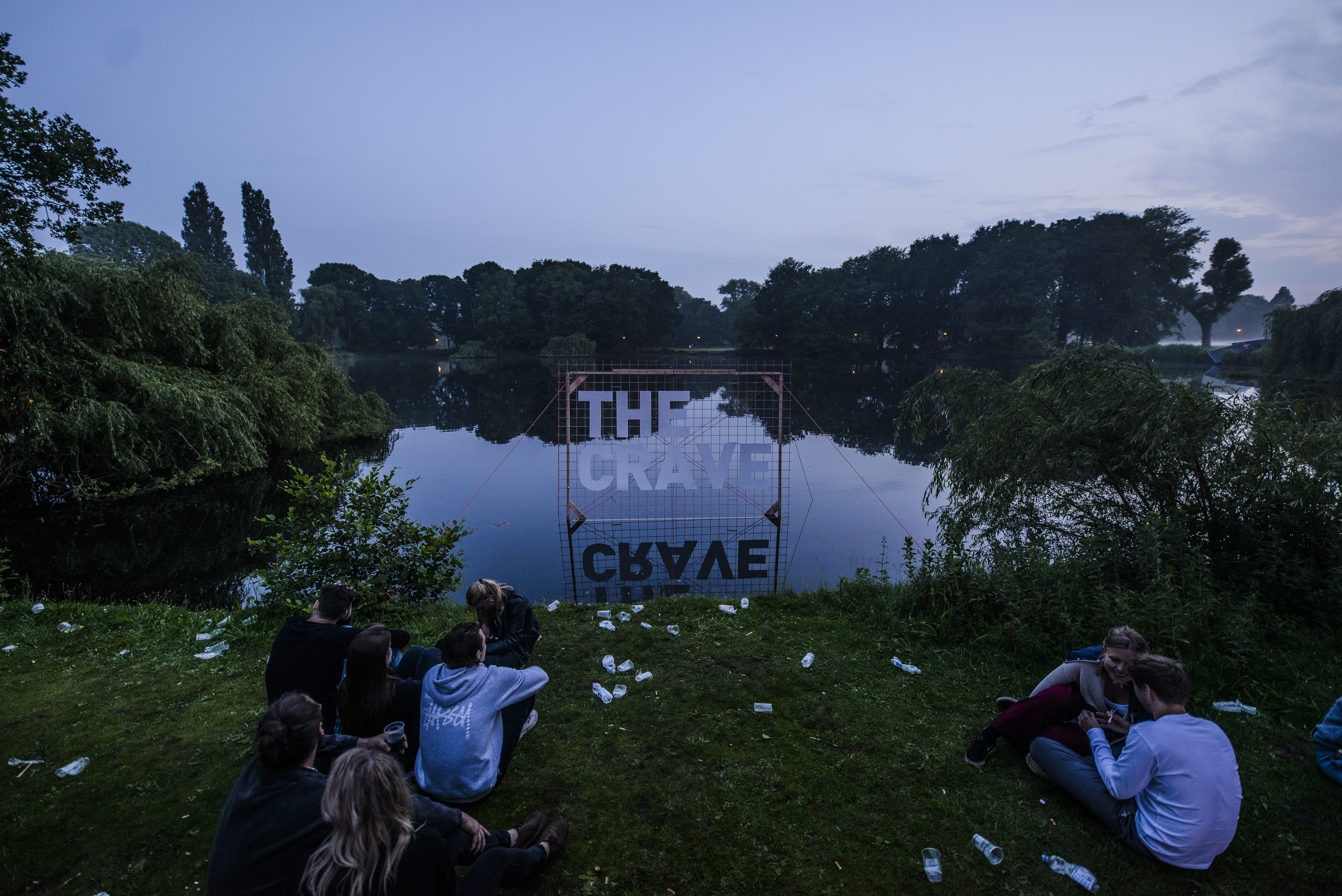
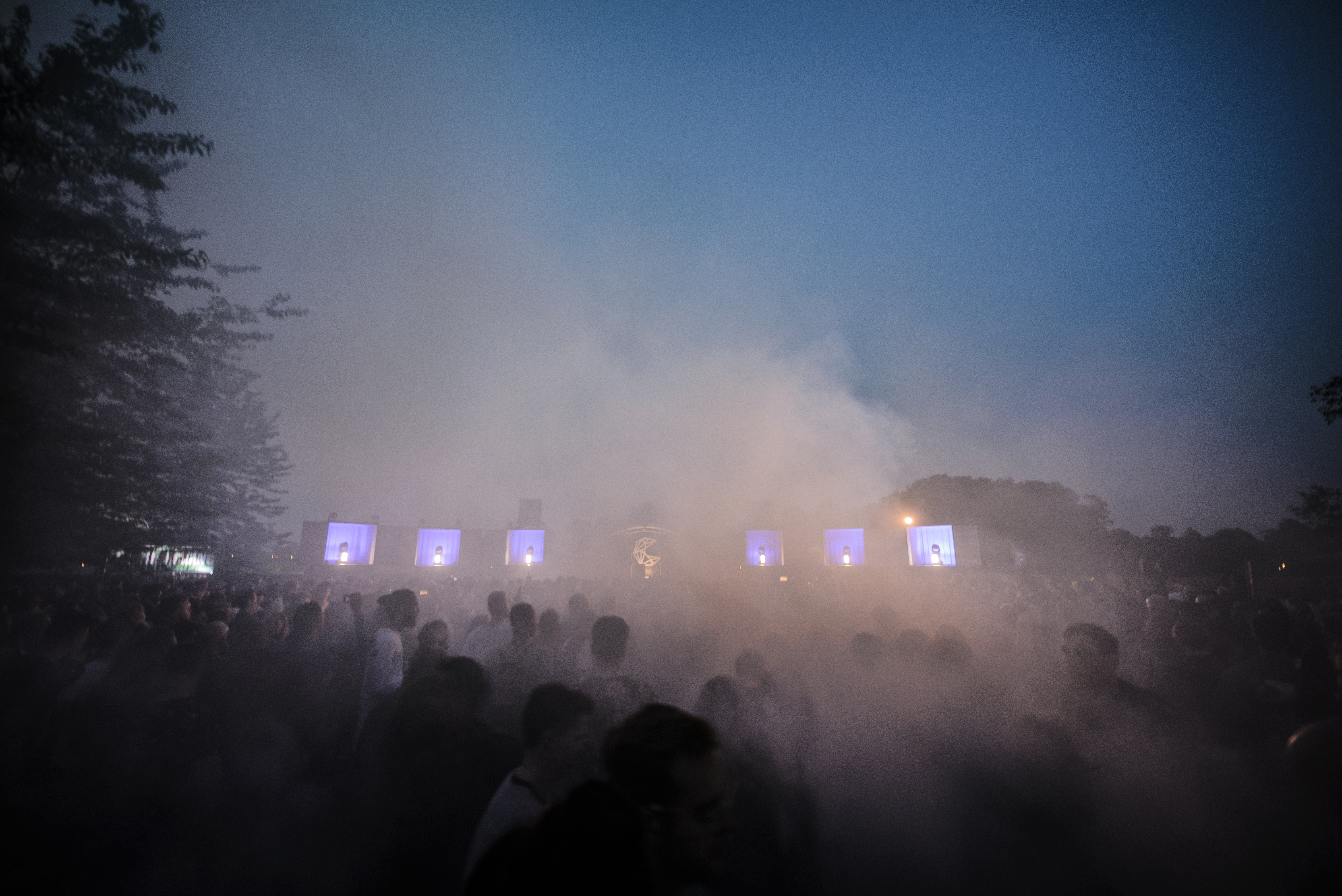
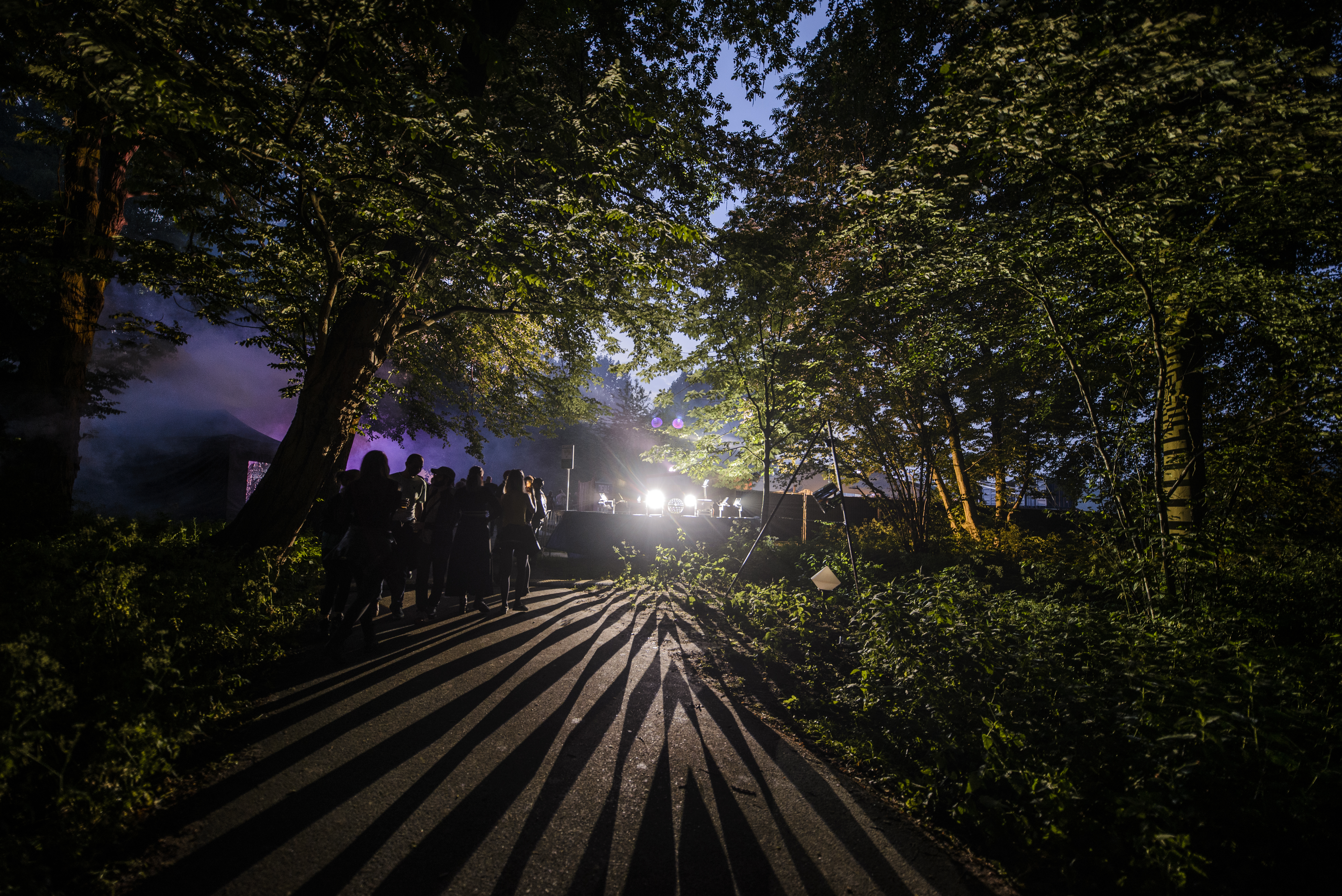
On Saturday, June 2, The Crave’s daytime festival returned to the Zuiderpark, an intimate and lush green space near The Hague, Netherlands. A 10-minute stroll brought you around the reasonably small festival site, passing various couches and other chill areas hidden between giant trees. The four stages all had their own sound, look, and feel; and each one was hosted by one of four local collaborators: PIP, District25, Intergalactic FM, and Creme Organization—all of which had been cleverly linked with in order to represent The Hague’s vibrant electronic music scene in a holistic way. More often than not, you’ll see individual organizations fish in the same pond, resulting in audience overlap and homogeneous lineups; but by sticking their heads together, The Crave and the city’s key players attracted a wider audience who were presented with international DJs perfectly aligned with the festival’s specialization in rougher-edged styles on the electronic music spectrum. Since the Hague has been serving the planet acid jams and electro rhythms since the early ‘90s, they enlisted sure shots such as DJ Stingray, Blawan, and Skee Mask to take care of electro, techno, and breakbeat. But their programming also left room for more unconventional and interesting performances, like Soichi Terada and the noteworthy four-hour closing sets by DJ Sotofett and the Hessle Audio Trio. 

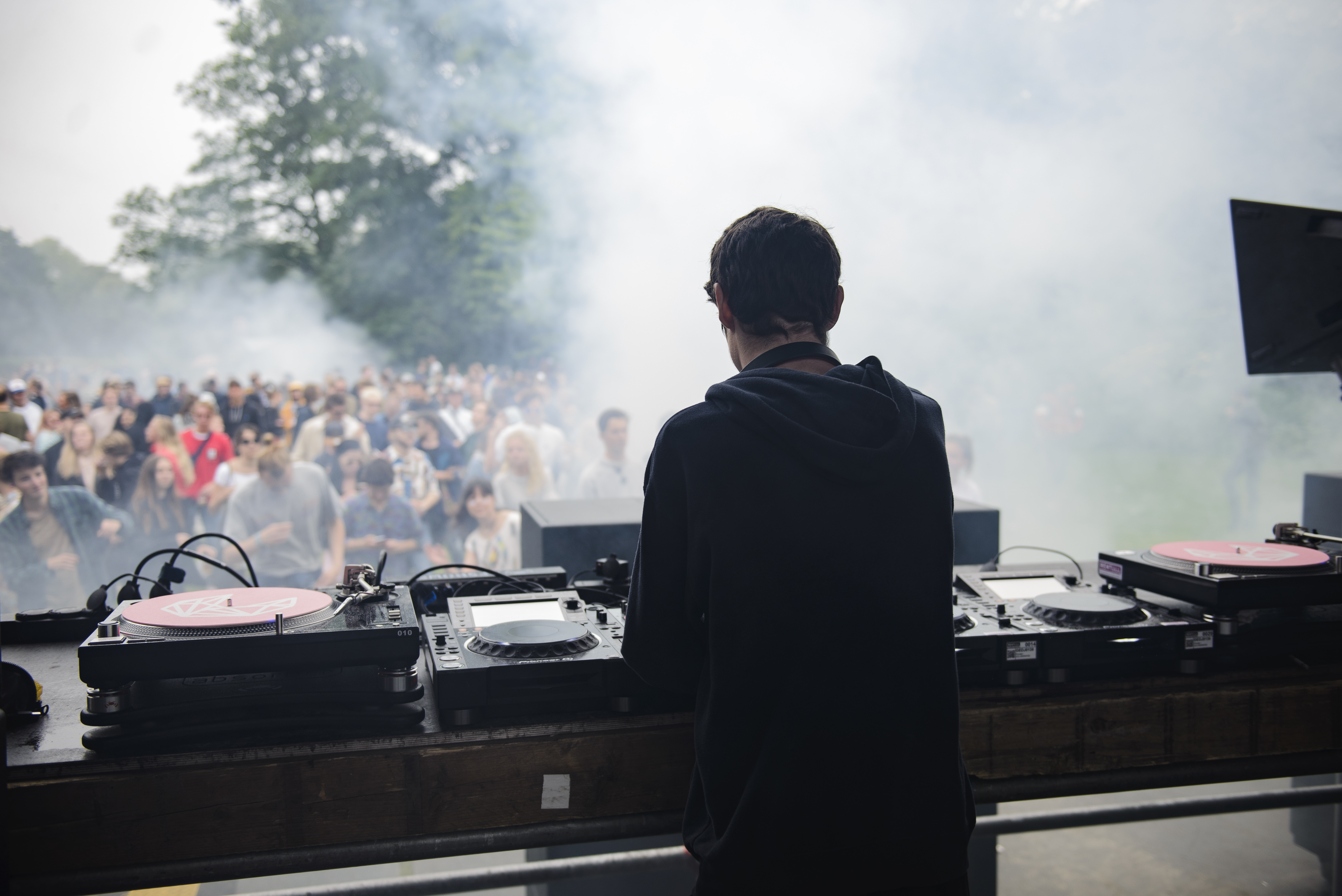
Around 2 PM, upon my arrival, Skee Mask was already going full throttle at the mainstage, serving a plethora of fast-paced locked grooves and atmospheric breakbeat resembling that of his latest Compro album. It must be said that it did feel a little too fast for his early slot, but people were bumping and bouncing at the spacious mainstage located at the center of the festival site. It was immediately clear that the Ilian Tape artist wished not to pay attention to the unspoken narrative of gradually increasing energy and peaking during the final set of a festival; instead of warming up, he furiously played records ranging between a 130 and 135 bpm. 

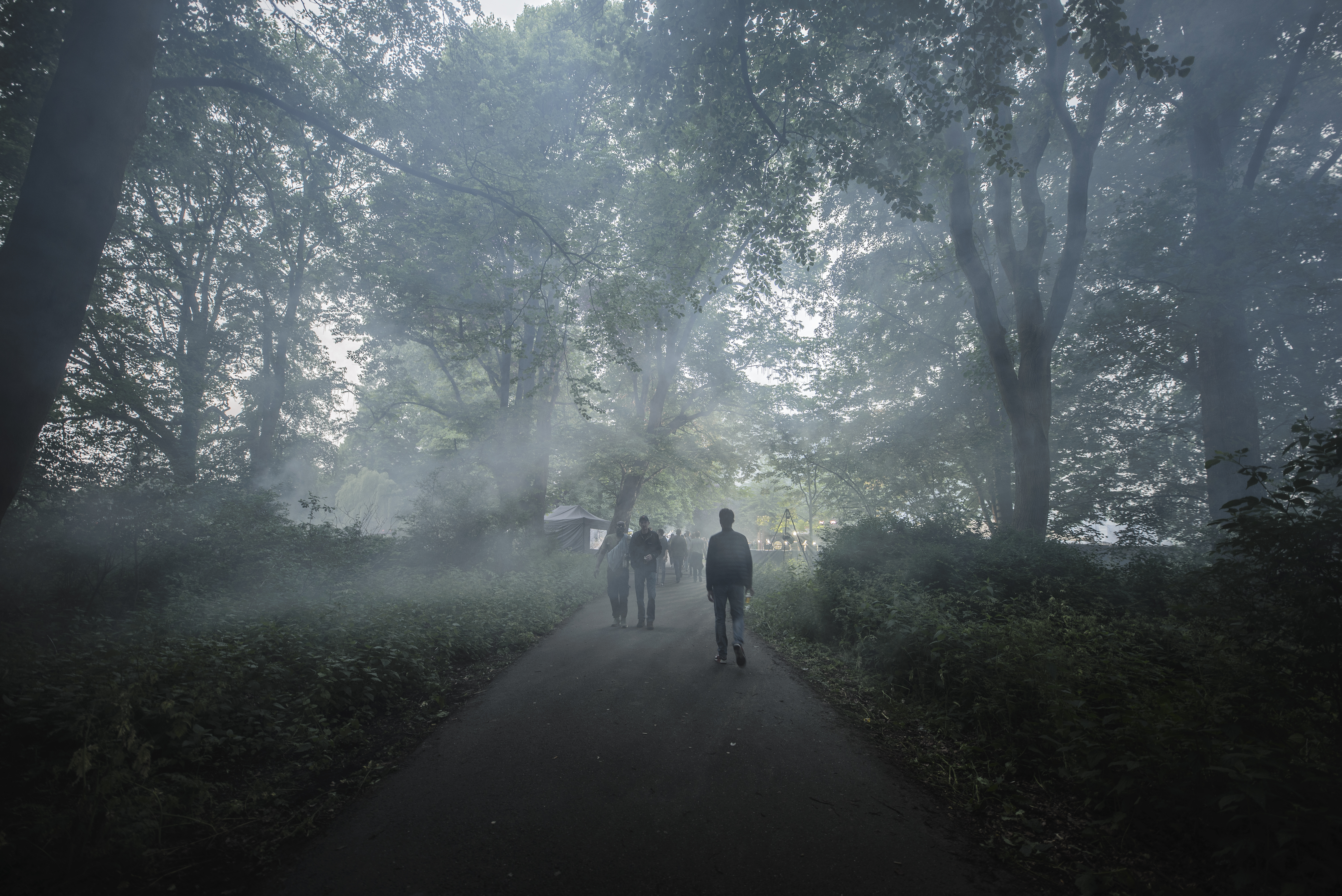
As I strayed away from the main stage, I followed the concrete pathway which led through the woods, decorated with lights and mirrors. This took you straight to the Intergalactic FM stage where Cosmox stood underneath the corrugated roof panels. He provided a soothing and enervating soundtrack for the groups in attendance, many of whom were sitting on the grass socializing while sipping their beers. Naturally, the DJ and Intergalactic FM programmer wasn’t focused on making people dance and so pulled out laid-back electro that complimented moment. After a sludgy yet dream-like 4/4 closing track, he handed over the baton to Alienata, who picked up the pace with wavey synth stabs underpinned by a trance-like kick. As she slowly injected her set with energetic hi-hats, a moving crowd started to form on the concrete in front of the booth.

Next up was Courtesy, who my friend had advised me to go see, at District25. The Danish DJ kept the crowd in the only roofed stage completely captivated with her unwavering selection of linear techno and piercing breakbeat, ushered in with a trembling sub. Snare rolls and percussion breaks made the set more fluid, necessary in a techno set where musical elements are kept at a bare minimum. 

But she didn’t leave those elements out completely. Shortly after the familiar chords from Andronicus’ “Make You Whole” blasted through the monitors, it almost felt like Courtesy turned the packed shelter into a club: people were dancing like it was 3 AM (it was 3:30 PM)! Even Levon Vincent, who was scheduled to take over a few minutes later, came on stage to share his appreciation, embodying what we all felt. It was a brilliant set, complemented later by Levon Vincent and Egyptian Lover, all the way up until the final hours with Hessle Audio Trio.

Out of all four stages, the line up of the PIP stage felt like an arbitrary assemblage. As a result, it was difficult to stay focused for more than one set, and this meant inconsistent crowds throughout the day. This was especially true during Sotofett’s four-hour closing set. However, the one highlight was the joyous Soichi Terada, who performed for 500 cheerful heads. He pulled out all of his signature tricks: air playing the piano, wacky, animé-esque facial gestures following his soulful music and play backing the lyrics. Oh, and a smile. All. The. Time. I really wondered if I’d seen anyone as happy as Soichi exhibiting his craft. With charming house, the jolly Japanese artist juxtaposed the other sounds heard at The Crave. His music wasn’t necessarily inspiring, especially when he pulled out his own “Sunshower,” to no ones surprise. Naturally, it was the most attended performance at the PIP stage, but the forty-five minutes did feel a little out of place.

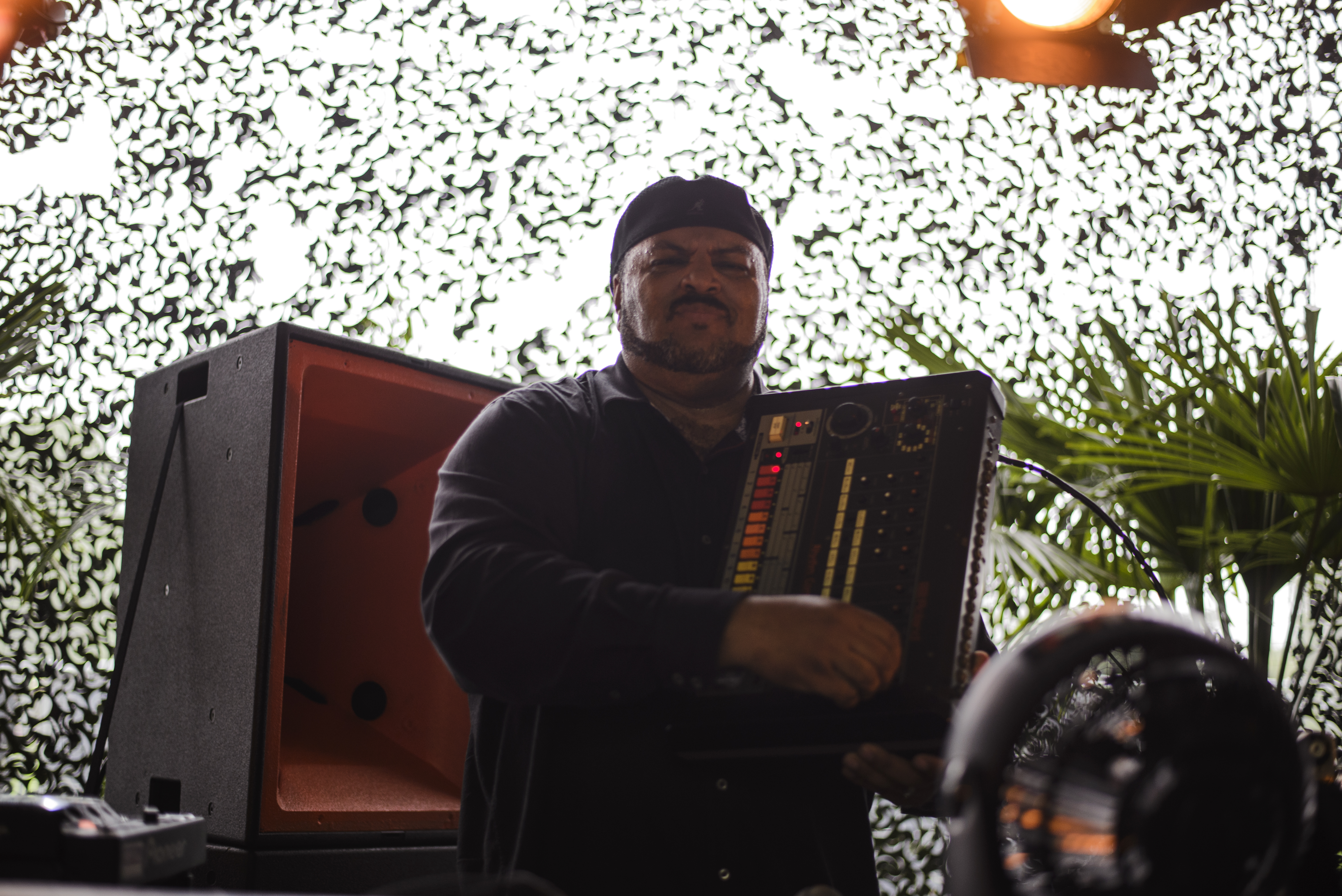
More clouds formed around the time DJ TLR was throwing down at the IF stage. This resulted in gloomy vibe, coincidentally matching the experimental and industrial sounds that the head honcho of the Creme Organization was emulating. Unfortunately, it became a bit straightforward. tracks like DJ Overdose’s “Regeneration” did go some way in creating more liveliness, but ultimately the set was disengaging. As an alternative, I headed to Egyptian Lover, who was infatuating from the first record. Like Soichi Terada, Egyptian Lover is a bona fide performer; yet unlike Soichi, his performance turned into a full-blown concert. The Los Angeles legend is his own best hype man, amping up the crowd with everything he does: every vinyl scratch and finger-fast programming on the 8-0-‘muthafuckin’-8 was met with roaring chants. Aside from his new material, his performance wasn’t that different from the recent sets. But… Egyptian Lover didn’t need it to be, and so neither did we because the entire hangar was swinging and jumping to his artistry.

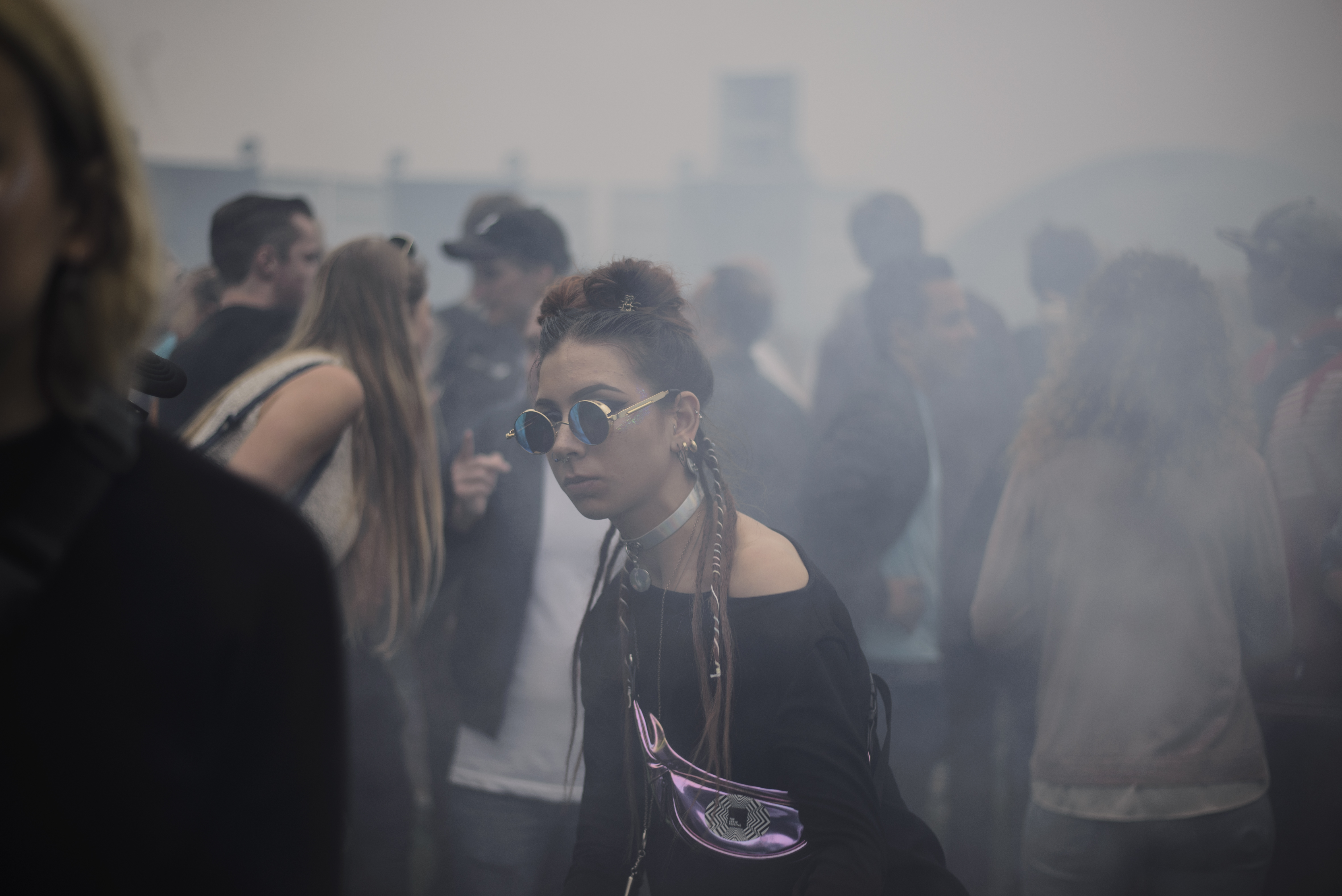
While making another round across the more populated festival, you could see The Hague’s diversity in one glance. It was hard to pinpoint what the target audience was, with the crowd ranging from the wide-eyed first-timers and scavenging music connoisseurs to the those who had come of age during the heydays of punk and some groups who discovered the festival by accident. But it all worked very well together; it felt very inclusive: a communal and social crowd, clustered together by the music. 

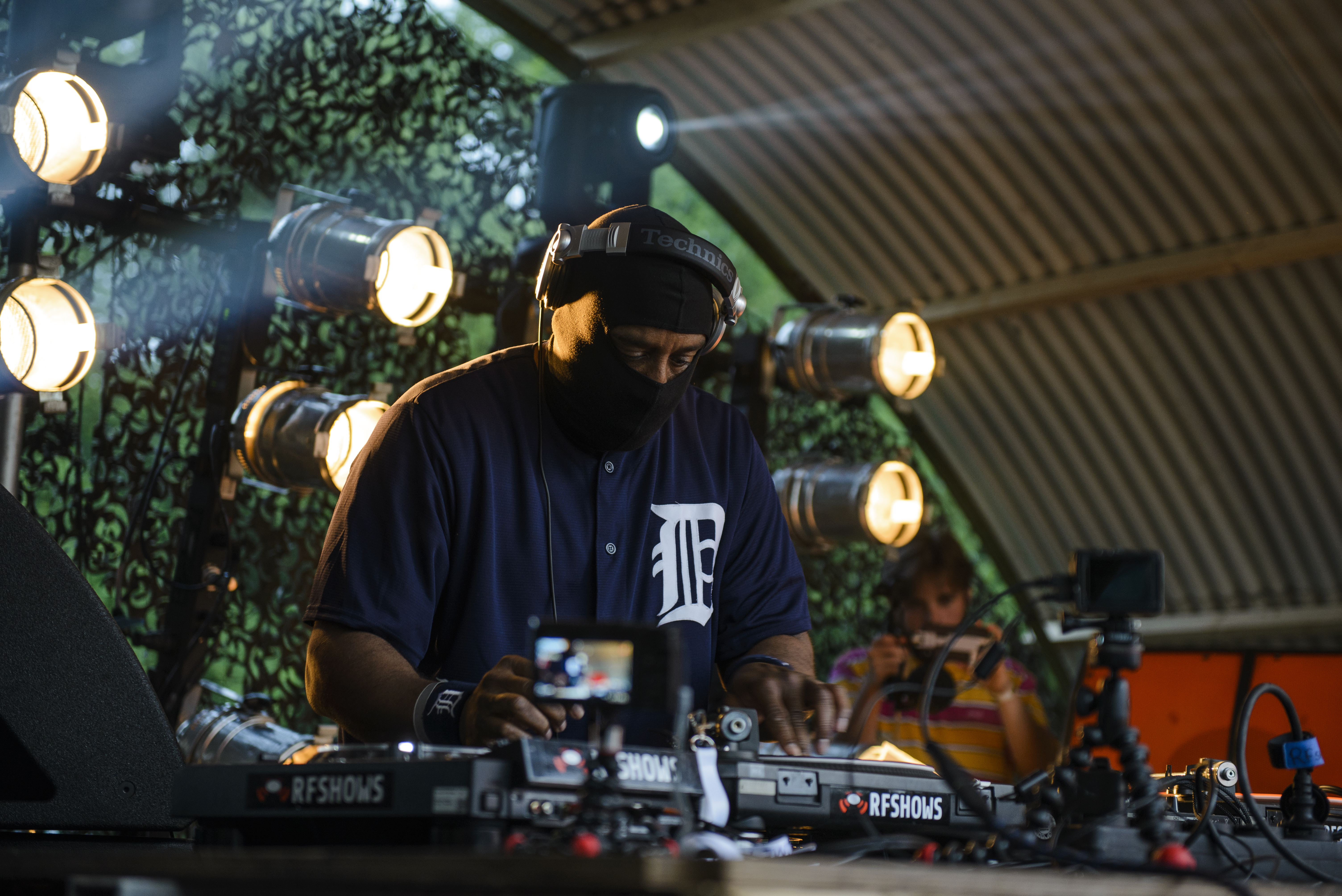
This was particularly the case during Stingray’s grooving set. He threw in one infectious electro smasher after another, all well-blended with hints of acid. Shredding arpeggiated synths were followed by mysterious tracks like Transllusion’s “Dimensional Glide,” flawlessly supported by the light beams oscillating across the stage. People favored every direction the Detroit Don took with his set. But it wasn’t just the music: it became darker, making the lights more visible. People also started moving closer together creating an even more intimate atmosphere. The electro pioneer was the most suitable DJ to close of the IF stage.

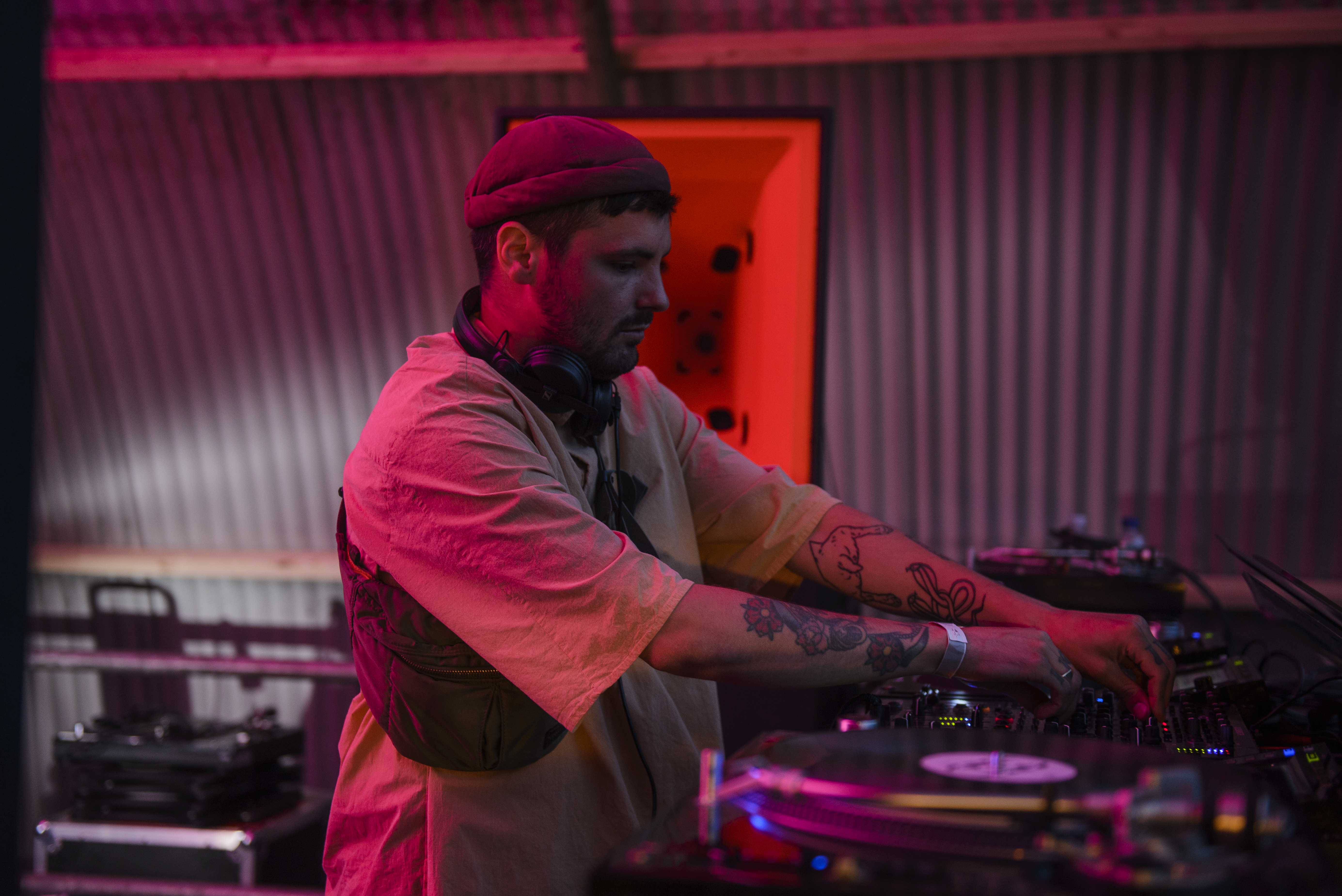
Instead of rampaging with Blawan, I found myself peddling back and forth between Stingray and Sotofett. The latter opened his four-hour closing set with screeching soundscapes backed up by a dusty kick, comfortably sitting around 90 bpm. Even though it sounded promising, the crowd started to narrow. Before long, Sotofett found himself only playing for a select crowd. With a few emotive curveball records similar to A:xus’ “When I Fall In Love,” the Sex Tags Mania head honcho definitely played the most unpredictable and diverse set at The Crave. But unfortunately, he solely paid attention to his vinyl and didn’t interact with the crowd that much, which left us disconnected. It ultimately wasn’t engaging enough to turn his set in a proper closing set.

I took a turn to Ben UFO, Person Sound and Pangaea (as Hessle Audio Trio). They were well into the second half of their four-hour closing set. They took a more approachable and ecstatic route towards the end of the festival. Jackin’ (tech) house, impulsive vocals, and rolling bass lines formed the right formula. People were dancing their ass off and giving out high fives to others who joined them. This was also partly due to the inclusive vibe that reigned over the festival and was sensible until the supergroup laid down the last record.

There’s no denying that The Crave reached a new high this year—a sold-out festival being the first sign. The festival’s brightest moments came from the inclusive and compassionate atmosphere between visitors. Sure, this could be said for other festivals. But not every festival succeeds in bringing about cultural diversity while still managing to attain a cohesive crowd. It’s central to club (and therefore festival) culture, but with the festival overload, it often deviates from the center (and makes way for the pursuance of commercial success). The Crave felt authentic, from the ridged sounds contrasting the festival site’s tranquil and green environment to the culturally diverse audience. Failed attempts are inevitable, but these didn’t obfuscate the overall festival experience in any way. The dissonant lineup of the PIP stage being one of them. These things happen when you’re willing to take a turn where others won’t. But its core strength lies within three elements: its’ fine-tuned programming, the inclusive vibe prevailing amongst the visitors, and the collectivism of the organization. 

Download a Dubby Mix From John Osborn

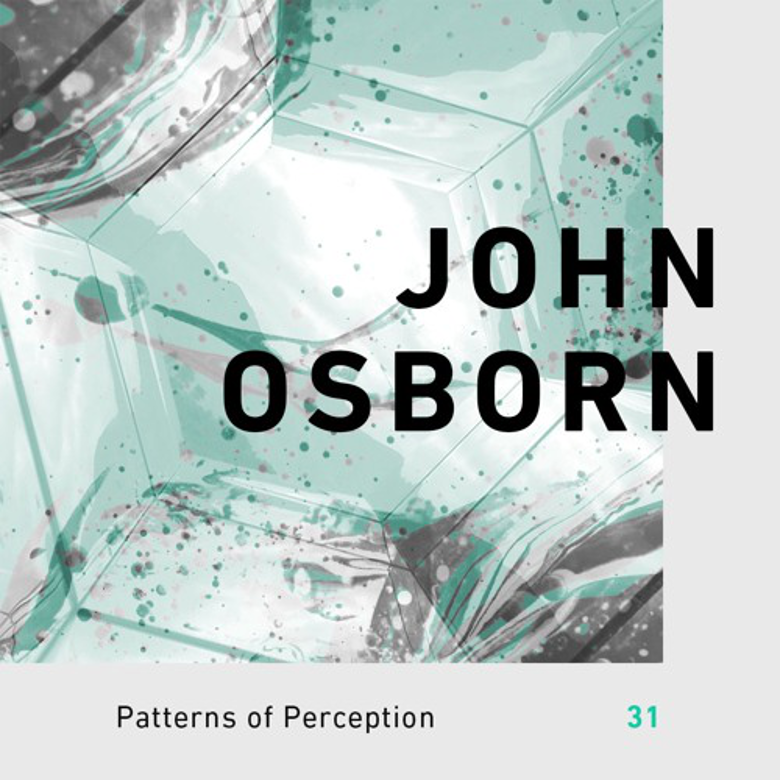
John Osborn has offered up the first half of his lauded set at Patterns of Perception’s second birthday.

Back in May, Patterns of Perception celebrated two years with a 22-hour party featuring performances by Polar Inertia (Live), Patrick Russell, natural/electronic.system., and, of course, Osborn, among others. Osborn closed the party and by all accounts, delivered a scorching set that flowed through groovy house, techno, and dub. The set was also a special one for Osborn, following an inspirational tour of Japan, as he explains:

“I was recently on tour in Japan and as always my head was bursting with ideas inspired by this mesmerizing country and the fantastic people I meet there. Sometimes, for me, out of the ether, ideas of how to mix certain tracks present themselves—some I ignore but some I attempt. At one of the many airports I was lounging around in Japan, I listened to the classic track by Rhythm & Sound ‘King In My Empire’ ft. Cornell Campbell. It is a track I have heard many times before but this time it resonated with me and my current life situation. I listened to it on repeat and the ether gifted me the idea of a three-deck mix that would enable me to have the club dancing to a full-on dub reggae track in the middle of a house set while still making sense. My idea was to lead the mix with a garage-esq track and filter out everything but the 16th note percussion, before bringing in the dub track and sandwiching it by a third track with a 4/4 kick. The lyrics meant so much to me at the time and this idea got me really excited. I swore I would push myself to attempt it live someday when the time was right. I had only been back in Berlin a few days and I played the closing set at the second anniversary of the Patterns Of Perception party. About an hour in I knew this was the moment to execute the mix and went for it. I pulled it off and the response was wonderful – fuelling me to dig deep into the mix for the remaining three hours of my set.”

You can stream and download the mix below. 

Due to temporary issues regarding the GDPR, EU readers can download the mix here.

Ask the Experts: Len Faki

Berlin-based DJ, producer, and label owner Len Faki is one of the most in-demand techno artists of a generation. He is an internationally requested DJ, whose productions and remixes are played by techno’s most prominent names. Being a resident at Berghain since its opening in 2004 keeps him “open-minded” as an artist, he explains, while his sound is constantly evolving without ever losing its energy.

Even before his move to Berlin in 2003, Faki had the experience of managing two techno labels: Monoid and Feis. These early years of fruitful productivity provided the necessary groundwork for the next big steps in his career. Upon his arrival in Berlin, it didn’t take long until he became a resident-DJ in the newly opened Berghain, a monthly experience he “wouldn’t want to miss for anything,” he explains.

In 2003, he founded his own label Figure as a new platform to play out his eclectic and open-minded vision of techno music. At first an outlet for his own productions, Figure developed into a well-recognized label, releasing artists like Jeroen Search, Roman Poncet Lady Starlight or Matrixxman as well as upcoming producers like Setaoc Mass, Cleric, Nocow, and Viers.

In 2007, Faki released the double A-side Rainbow Delta/ Mekong Delta on Ostgut Ton, which became one of the biggest records of the year and an instant techno classic. The success and popularity of “Mekong Delta” brought a wave of attention to Faki, who answered with numerous successful follow-up tracks like “My Black Sheep“ or “Odyssee II,” which turned into massive club hits in 2007 and 2008, as well as “Death By House” for Sven Väth’s Cocoon label.

Faki’s love for the infinite variety of electronic music resulted in founding Figure SPC in 2009. In Spring 2009, another milestone in Len’s career was passed with the release of Berghain 03 on Ostgut Ton, Faki’s first commercial mix-CD. Accompanied by two 12″s with exclusive tracks from fellow producers like Radio Slave and Faki himself, the release further reinforced his status as one of the most innovative and versatile techno DJs in the business. Since then, Faki has found more and more pleasure in editing tracks for his DJ sets to further develop his sound on stage.

More recently, he’s launched new Figure sub-label Figure Jams and his own platform LF RMX, a non-profit label from which earnings are donated to Straßenkinder e.V., a Berlin organization that contributes to the care of homeless children and child poverty. Later this year, in September, Faki‘s Figure label will drop FIGURE 100, a four-vinyl compilation to celebrate its 15th anniversary and 100th release. The compilation will feature 17 tracks from the likes of Pablo Mateo, Truncate, Roman Poncet, Lady Starlight, Juxta Position, Setaoc Mass, Kirilik (aka KiNK), and more. Ahead of the release, he now steps forward to answer your questions. 

Len Faki will be performing at this year’s Sonus Festival alongside Charlotte de Witte, Rødhåd, Praslesh, Rhadoo, Sonja Moonear, and many more. This year’s edition runs from August 19 to 23 on Zrce Beach, Croatia, with more information available here

How much time do you need to make tracks like “BX3”?

Each track is a whole different story. “BX3” was a rather quick one I would say, but I can’t say how much actual time it took me. I don’t think in hours when in the studio. I really don’t know. The basic framework was there in like one to two studio sessions, I’d say, but I spent quite some time with details. I worked with a lot of reverbs at this time, which means that I recorded and sampled them, recorded again and repeated this process several times. That’s why it turned out as such a massive warehouse track, because of the reverbs.

Back then I liked to give tracks some time before I finished them—to let them sit on the hard drive for some weeks without listening to them. If I then went back, my intuition told me what or if something more was needed. Over the years, this procedure has developed. I am more experienced now and know when a track is finished. My production process is much more smooth and faster these days but sometimes I still think it’s a good idea to get some distance from a track and listen with fresh ears later again.

I remember I didn’t listen to “BX3” for several weeks. I knew that something was missing but not what it was. And then, in a completely different context, I came across the sirens and instantly knew that they were the missing element to complete it. 

What’s your studio setup like and what are your favorite pieces of gear for the signature Faki sounds? How do you get those huge subs? 

Until my new studio is finished, I am working with a purely digital setup. Gear lust is, of course, always there, since so much incredible stuff comes out these days. But I am planning to not take the old hardware in again because I want to focus on new machines with fresh inspirations and workflows when I move into the new room.

I do like to try out a lot of different stuff and experiment with a wide range of plugins. Soundtoys have some great plugs that I tend to use constantly though. Their Echo Boy or FilterFreak are a lot of fun and fit well with the sound I want to achieve. I always have these in some FX chain in my tracks.

EQing and editing of envelopes definitely also plays an important role in my sound design. Getting deep into these details is great fun for me. I do not use any sample as it is; I always like to tweak and layer things.

As an example, that dub track remix was a long process of experimenting with sounds, specifically bass and reverb. I recorded several bass sounds together, EQed them, exported them. Then I recorded the reverb sound from a kick drum which I then filtered, edited, and added to the bass. I EQed that and bounced again and so on, you get the idea.  

 I am not that much of a synth nerd but love to edit drums. 

Are you looking for unknown talents for Figure? 

Supporting talent, whether it be unknown or well known, always was and will be essential for Figure and its sub-labels. Looking back, there were some artists who did not have that many releases out before they had EPs on Figure. Take Cleric, Rega, and Setaoc Mass, for examples. But a label like Figure also has its capacities, of course. We’re open to new music and do our best to check as many demos as possible. At this point, thanks to you all for sending your music to us and apologies if yours has not been heard or was not given feedback; the amount of demos we’re receiving makes it impossible to reply to all of them.

Which person has inspired you the most in your music career?

This is a tough one. I can’t choose one person, really, as there have been so many over time and it was not only musicians but also people in my personal life. I think inspiration is a complex spiritual thing that I get mostly from many sources, not so much from one person. When I started to go out, I was instantly affected by the community spirit techno had and, of course, the music itself. I experienced such great emotions through music, like with certain records, or having those moments when time stands still, and everybody is dancing in the same rhythm, in the same vibe. That really inspires me. 

Which clubs have fascinated you the most around the world?

I would rather not pick a few names as it is just not representative of the many great clubs that exist and I can’t do justice to them all. Anyway, for me it’s mostly about the atmosphere spaces develop not so much about the space itself. Of course, a decent infrastructure is needed and a high-quality sound and light system, which works well within the space. That’s the basis for every club or event, and in my opinion, most of those I know have it or are working on improvement. What fascinates me is the energy and connection that is created with the crowd while I’m playing no matter in which space. The space itself is not the guarantee for an unforgettable night. It’s the interaction of everyone present. 

Do you believe that someone who has not a lot of money, and no contacts, but really loves techno just as much as you do, and your kind of techno, can make it to your level as a DJ?

I feel you. No money or contacts—that was my reality for quite some time, too, back then. And I survived, so a definite: yes, it is possible! I truly believe in it.

You actually answered part of your question already yourself as I am convinced that love, passion, and believing in yourself are the essential parts for this process. Especially in those hard times, where rationality tells you to stop; it is necessary to keep your beliefs and go on and pursue your goals. In the end, it is a lot of hard work and consistency is key, in my opinion.  

What are some rules/guidelines that you have for producing music that you swear by? 

There is only one guideline that I can pass on and that is to do what you feel and what you want to do, while not caring too much about what is on the charts or what is hyped at the moment. Don’t let yourself be distracted from the music you want to create and try to refine and develop your skills as often as possible. Failure is where actual progress happens and with sticking to your own sound and repeating it to create stuff you’ll learn to transfer your ideas into the sound you imagine. 

Do you play the same in clubs (relatively small venues) and festivals (bigger crowds)? If not, what do you do differently? 

There is a huge difference between smaller and bigger sized events and I always adapt my selection to the individual conditions. Some tracks profit from smaller surroundings whereas other tracks with much reverb and massive sounds work perfectly on big systems. But there are some intersections between these that are fascinating: playing tunes that would be an obvious choice for a big stage on a small event and vice versa can deliver special moments if done right.

I love to follow spontaneous inspirations during the sets and if it feels right such a track can create magic moments. It is a bit of risk involved and it does not always work, but if it does it surprises yourself and might give that extra push. So, unfortunately, there are no exact guidelines I can give here since it always depends so much on the space and the crowd in this particular moment. Same place and crowd two hours later and the result might already be a different one. It’s all connected. I would suggest experimenting and training your feeling and sensors to make the right decisions for a particular moment.

What is your approach and workflow like when working on remixes for LF RMX?

The idea for starting LF RMX came up when I decided that I would like to share the edits and remixes I made for my sets. I do not get a remix request nor have the stems for them. It is more that I stumble across tracks while digging for music and then spontaneously start to work on them. No pressure or deadline makes it a lot of fun to just go for it and see what happens, I love that. The workflow, therefore, is totally relaxed because there are no expectations. It’s a lot of work with details and the frequencies of the material and new elements that I add. I always try to keep the original vibe and add that little boost with the intention of giving my own touch as well as making ‘90s tracks fit the contemporary sound, for example. I do not try to reinvent the wheel but rather keep it simple and respect the original. I see it as a challenge, and it’s big fun to work without stems—finding out what’s possible. I see this as a way of paying my tribute to the respective artist and track. And as a nice side effect, all proceeds are donated to charity. All artists involved join the idea, which is amazing. 

How do you cope with lack of sleep while touring and keep fit over all these years?

Lack of sleep can be a real killer, but it is often unavoidable and you can’t do much against it besides sleeping. So while on tour, one has to accept the sleep deprivation to a certain extent but also try to arrange the travel schedule in the best way to get as much sleep as possible. And you have to learn to be disciplined and sleep wherever possible, even if it is only 30 minutes instead of wasting this time with checking social media or watching series. The days between touring, during the week, are key to getting back in balance. That’s the only chance to really catch up on some sleep, do sports and eat well. In summer I do like to go hiking, mountain biking, and running, for example.

I now see physical and mental fitness as well as a healthy balanced nutrition as indispensable for staying fit with a full tour schedule. I did not care so much about it when I was younger. Back then, I always tried to catch a full hotel breakfast after a gig. Now I have homemade cereal bars, bananas, and other good stuff with me to eat healthily wherever I am, independently from time and menu. To live this kind of life for so many years, you need to find a way to cope well with stress and take good care of yourself. A healthy lifestyle is key to making it but, of course, I’m the last one to miss out on a good party. 

Victor Valiant “Dragonfly”

Victor Valiant is the musical pairing of Keith Tenniswood and Suade Bergemann, two friends who’ve been meaning to go in the studio for many moons, but life has always got in the way. They will release V is for Victor on July 6. 

We’re told to expect seven tracks of sublime funk and sonic experiments coming straight from Suade’s mega studio deep in the North East of England. The double pack was recorded last year over two three-day sessions and will land as the third release on Tenniswood’s Asking for Trouble label

Asking for Trouble is Keith Tenniswood (Radioactive Man’s) recently birthed label and home to the emissions from his studio both solo and working alongside other producers he respects.

Suade Bergemann is a Newcastle-based producer, mastering engineer and founder of techno label Adapted Vinyl. 

In support of the release, you can download “Dragonfly” via the WeTransfer button below—or here for EU readers due to temporary GDPR restrictions. 

Tracklisting:

A1: Fylingdales

A2: Dragonfly

B1: Olympus

B2: Anti-Flash

C1: Tanker

D1: Conway

Peder Mannerfelt and Pär Grindvik Remix Fever Ray

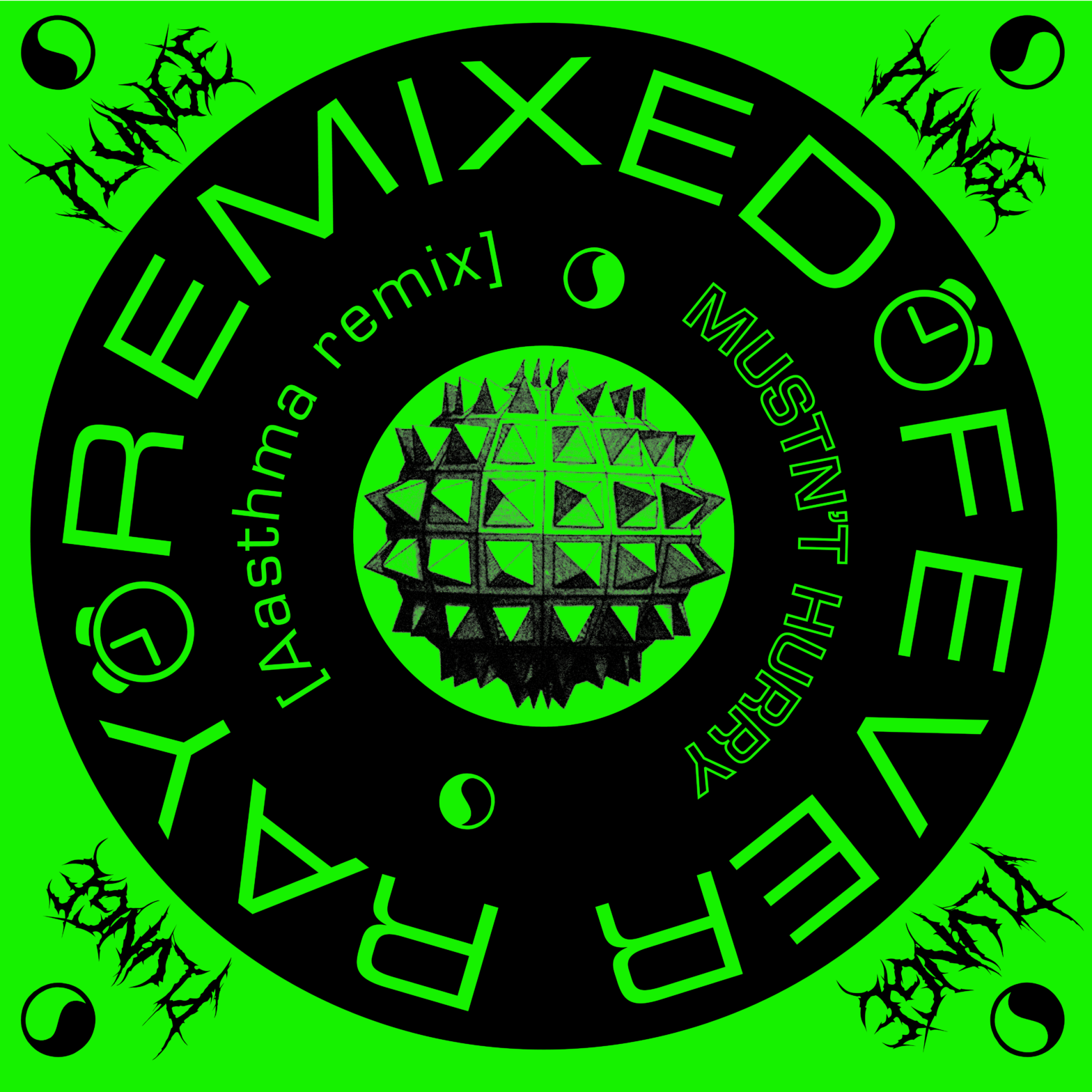
Swedish techno artists Peder Mannerfelt and Pär Grindvik have remixed Fever Ray’s “Musn’t Hurry.”

Released under the Aasthma moniker, the new remix follows the duo’s work on the live versions of the current Fever Ray ‘Plunge’ world tour and is set to drop on July 6. 

The remix also lands ahead of Only The Appraiser, an EP of original works by the duo scheduled for a September release on a brand new label also called Aasthma.

You can hear the remix in full via the player below. 

Lima x Syn “Thirteen”

Glasgow-based producer Lima has collaborated with Syn to release “Thirteen,” a tense and rolling drum track set for release on Super Kitchen.

“Thirteen” follows the release of Lima’s debut single, “Placebo,” and an outing on London-via-Bristol label Super Kitchen’s compilation Rhythm Foundation Vol. 1 and precedes Lima’s debut EP, set for release later this year. ON “Thirteen,” Lima and Syn roll out devastating drums and tense, foreboding synths in a four-and-a-half minute cut aimed squarely at the floor, as Lima explains:

“Syn and I set out to create an unorthodox synth-laced percussive club track that would stand out in a set, yet still slap in a club. With ‘Thirteen,’ I feel as if we’ve managed to fuse our two styles to create something that fits that description. When listening back, you can definitely get a feel for what each individual artist contributed.”

You can download “Thirteen” via WeTransfer below.

Due to temporary issues regarding the GDPR, EU readers can download the track here.

Page 352 of 3781
1 350 351 352 353 354 3,781