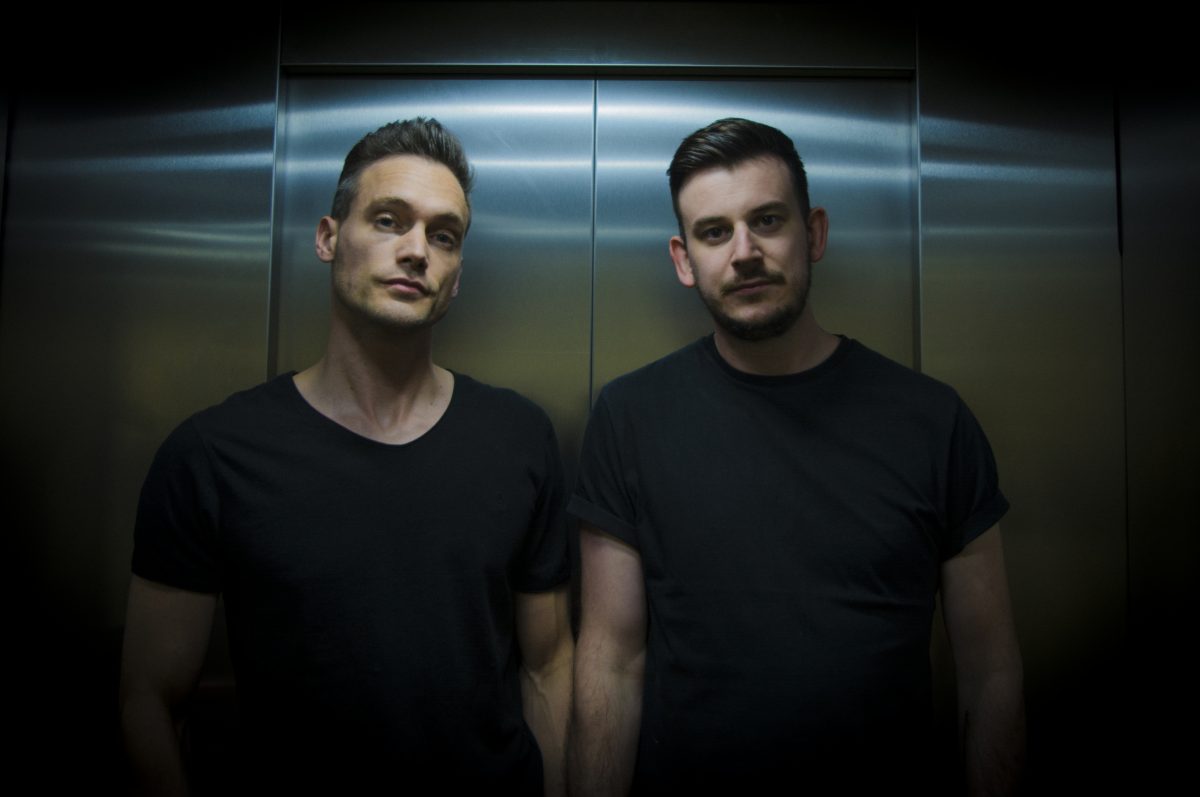
Artist Tips: Matt Abbott and Alex Powell

Matt Abbott and Alex Powell are the engineering masterminds behind Label Worx‘s acclaimed mixing and mastering service. With over 15 years of production, mixing, and mastering experience between them, Abbott and Powell have added clarity, depth, and detail to countless records from labels such as Yoshitoshi and Do Not Sleep, while releases they’ve worked on have also landed on major labels such Universal, Warner, and Sony Music. Outside of their engineering duties, the Abbott and Powell also produce and DJ as Mindek, a new creative outlet that blends classic influences from the early trance and techno scenes with more modern club-ready house and techno.

With celebrated experience across the whole production spectrum, Abbott and Powell have offered to impart their knowledge on mixing and mastering, providing seven tips to help polish your tracks and get them ready for club play.

Don’t listen to it

One thing we see a lot in the mastering studio is artists sending in work that is “finished,” then over the following days, two or three more versions of the same track come through for mastering. We’ve been guilty of doing this ourselves; it’s easy to get excited when you’ve just finished your latest banger, but all good things come to those who wait. The key to nailing your mixdown and getting your track polished is to not listen to it for a while, then come back to it with fresh ears. The more headspace you have away from a track you’ve been pounding for weeks, the more clarity you will have listening back and making those final judgments before starting the mastering process.

Feel the vibe

Sometimes it can be tough to really get a good flow going on a track when it’s a little flaccid and not gelled together with a little compression and limiting. In your project template, you should already have some good metering plugins, compression, EQ, and limiting racked and ready to go. Pushing your mix into these from the start will give you the pump of a polished track and help keep the vibe while writing. Although this is probably the worst advice you can give for nailing a mixdown, it certainly keeps the creative vibe flowing. When it comes to nailing the mixdown, turn all of these plugins off on your master chain and treat the mixdown as a separate session.—we will talk more about this in the next section. We use Logic’s loudness meter to keep an eye on how far things are pushed and Voxengo’s free plugin SPAN to keep an eye on balance and MID/SIDE. The best thing about viewing your MID/SIDE is that you can see if you have anything phasing (spread too far), which ultimately cancels itself out when listened to in mono—this is also good to spot any stray stereo bass you have below 150 hz. If you have sub bass below here, it does nothing more than take room up in the mix, so keep your kick and any bass below 150 hz in Mono (this reference is debatable, but we feel it sounds great here).

Bounce It Out

It’s far too easy to get in the studio and spend a whole day messing around with samples and plugins, which is, of course, fine; however, when it comes to time for mixing, try bouncing out the stems of your production into a brand new session. Open a new arrange page/project file and import the freshly bounced stems. There are a few reasons why we recommend this:

Taking your stems and putting them in a new arrange project, or even a different DAW, will stop you thinking you already have too much going on (too much EQ, too many FX etc.). Instead, all you see is the stems with no plugins on them, allowing you to get stuck in with fresh dynamic and EQ plugins to get the mix just right. We have always mixed and mastered in Logic X—we used it for years and it feels like home turf. We produce and create all of our music in Ableton Live and when we’ve finished we bounce out the stems to mix it in Logic—we seem to get better results doing this, which may be down to separating the two processes and getting a fresh perspective. Give this one a go.

Start from Scratch

So you’re working on a track and your drums sound horrible. Stick some compression and EQ on them and mess with it for an hour? Probably a massive waste of time. If something sounds bad, your sample or sound choice was probably the wrong one to begin with. If you can get your sounds and samples sitting properly without any EQ and compression, they are gonna sound top quality once you get to the compression and EQ stage. Our best advice for this is to use the best quality samples you can find for your main elements. Also, make sure they are in key. Believe it or not, if your percussion is all in key with the rest of your track, it will naturally be louder as there is far less harmonic distortion going on. Most DAW’s have a drum synth included now, so try and get the meat of your kick drum in key using one of these. Sonic Academy’s Kick 2 is great for this and you will see a hell of a difference, even if you’re using these for the low-end punch and layering with your favorite crusty sample. Tuning the rest of your percussion is quite easy if you use a plugin such as Ableton’s Impulse, Native Instruments Battery, or Logic’s Ultrabeat to program your drums as they allow you to tune each percussive element. If you’re using samples and loops, try using a pitch plugin or your DAW’s way of pitching audio up or down. Most DAW’s have a way of doing this quickly. To make sure they are in key, put a tuner plugin on the channel and check what note the samples are hitting on. This can be time-consuming but very effective for tightening up the overall sound of your mix.
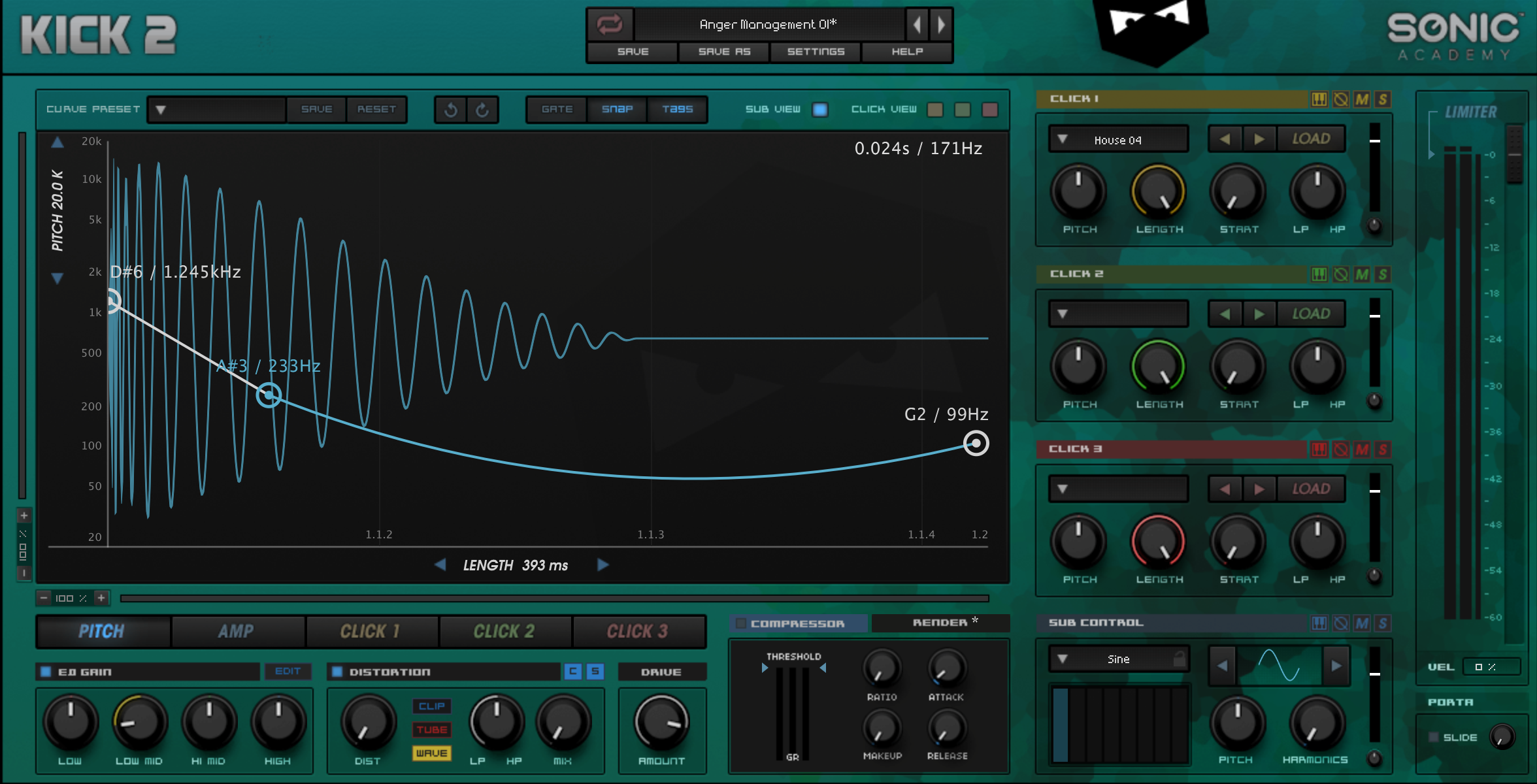
Sonic Academy Kick 2 plugin showing a kick in key.

Strength in numbers

Two sets of ears are without a doubt better than one. Never be ashamed of using another mix or mastering engineer. Pretty much all of the world’s biggest artists have help when it comes to mixing and mastering, so it’s definitely not cheating to ask. Getting another set of ears on your mix usually puts a whole new perspective on the final version. It’s quite easy to get lost in a tornado of kicks, claps, and bass and forget about other elements when mixing your own track. Mix engineers focus on bringing the best out of your track from a different perspective and often bring the whole thing to life.

Mid to Side

Mid/side processing has an elusive magic about it. It’s often looked at as a dark art in mixing and mastering but is actually really easy to do. Here’s a simplified version of how it works for anyone who hasn’t quite got their head around it yet.
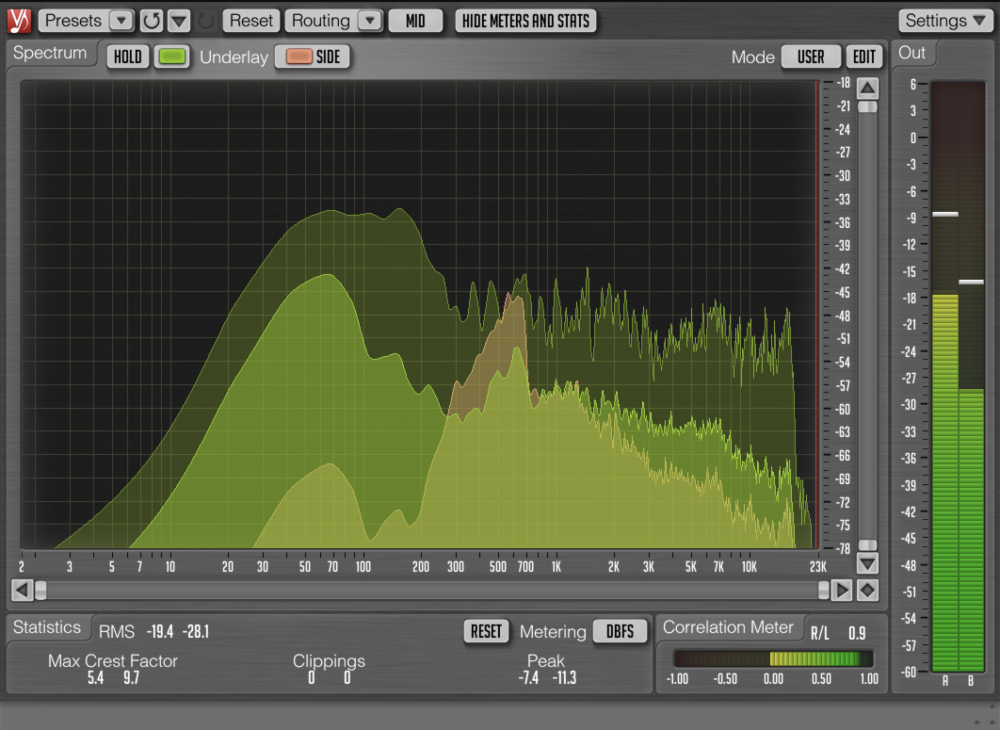
Voxengo’s SPAN plugin set to display MID/SIDE. The green area is MID information, yellow is SIDE information, and red is phasing. This is when the SIDE’s are louder than the MID.

Stereo information is not really about left and right, it is the difference between the left and right. Confusing right? Here is the easiest way to imagine it: you have a hotdog in front of you. The sausage is all the mono information that comes out of both speakers equally—vocals, kick, bass, most percussion etc. The bun is the sides. This is the information spread between left and right. The sausage should always be level with or above the top of the bread. If the bread is higher and the sausage is sinking into the bread, you have a really shit hotdog, or in audio terms, you have phasing. If the side information is louder or spread further than the mono, you get phase cancellation—this is where sounds are canceling each other out, especially when you mono them. So to get to the end of the hot dog analogy, keep solid elements mono, pan a few things to get that natural side information and selectively spread or place a few elements of your mix in the sides. This will translate into a far more 3D and full sounding mix. As we mentioned earlier and can’t stress enough, we find the best way to check for phasing is a free plugin called Voxengo SPAN. You can set this up in Mid-Side mode, which displays the Mid information and Side information overlayed. If the side information goes higher than the Mid, this is a visual representation of phasing and easily points out where you need to dip out in the sides, using a mid/side EQ.

Master of Mastering

Here are some of our go-to tips for home mastering: firstly, do any corrections before you start compressing and coloring a mix with EQ. Use a clinical EQ to get rid of anything spread too far in the sides and remove any boominess, harshness etc. We use UAD’s Brainworx V3 plugin to do this. This allows you to remove or add information using EQ in the Mid or Side of your track, correct phasing issues, and shape the overall track a little with some very clean filters and EQ. Logic’s EQ is also really good for a DAW EQ for removing unwanted information in a track. Next, level it off. We use a limiter to just catch any rogue peaks that could trigger a compressor later in the chain. Add a limiter and set the output volume to -3.db. Drive the limiter threshold until it just starts to tickle the peaks within your track, reducing no more than -1 to -2db. This will then catch the peaks but still leave room for everything else you’re going to do in the mastering chain. Of course, make sure your premaster is no louder than -3db, otherwise, you’re essentially just turning down a pre-master which is too loud.
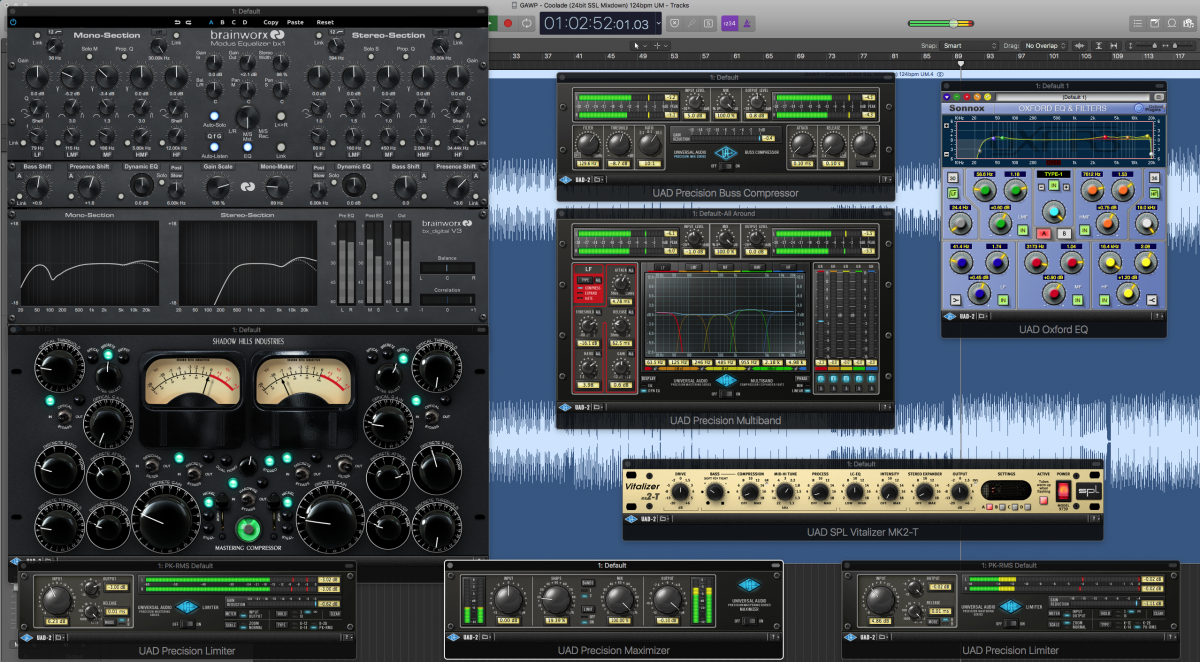
Selection of clinical and colorful compression and EQ we use in the mastering chain.

From here the world is your oyster. Use a combination of clinical or colorful EQ and compression but remember never to overdo it. A good place to start is this: try to use some colorful or vintage compressors such as the UAD Shadow Hills or another opto compression modeled VST with a fast attack, reducing no more than -1 to -2db. If something needs more compression, use two different compressors that are only just tickling the mix. You will get a far better result than just driving the hell out of one compressor. After this you can use some special processing such as stereo spread to lift any areas you feel need more dimension, followed by a little more EQ to the lows and highs if needed. At this point we would use transparent plugins such as the UAD Oxford EQ, again the Logic EQ or Fabfilter Pro-Q would also be good for this. If you do this right and never let anything clip, you can easily get your mix loud and the final limiter in the chain will only be reducing around -2 or -3db. If you’re having to push your limiter further than this to get a good loudness, the rest of your compression and EQ is most likely wrong before this.

Premiere: Hear a Relentless Techno Cut From Buzzi

New York City artist Buzzi has dropped a new four-track EP on Pastel Voids.

Titled Ayni, the EP follows standout releases from Jonny Oso and Santiago Salazar with three original tracks and a remix from Xiorro. The EP looks to act as a call to unity in the NYC dance scene via the “concept of mutual reciprocity in the Andean understanding of community.” Buzzi delivers this message via three fierce and relentless techno tracks, from the rolling rhythms of opening cut, “Protection,” to the rave-infused atmospheres of “Thermal.”

In support of the EP, Pastel Voids has offered up a full stream of “Protection,” available via the player below.

You can purchase the EP here.

First Look: Roland TR-8S Rhythm Performer

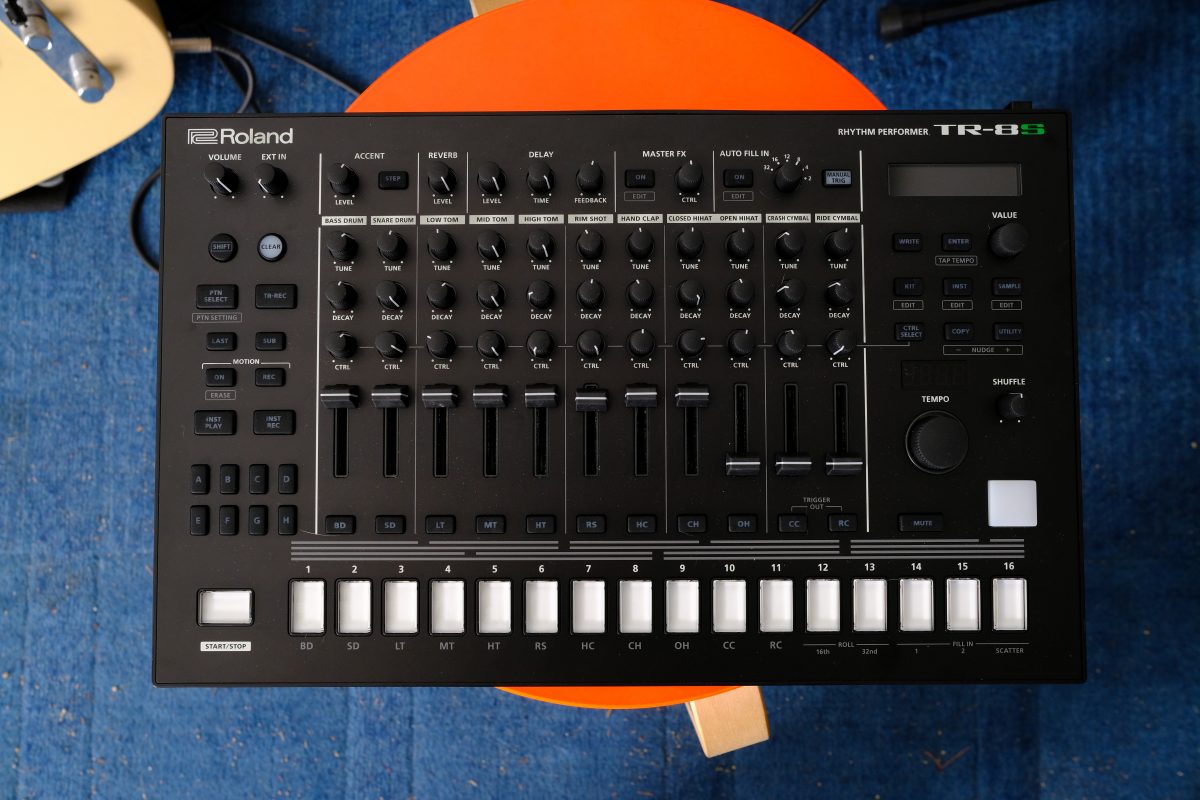
Four years on, Roland has unveiled the successor to its AIRA TR-8 Rhythm Performer, which it’s dubbed the AIRA TR-8S. It’s the company’s new flagship drum machine and, as its name implies, it’s designed with live performance in mind.

The physical and UI design of the 8S is definitely in the same vein as the TR-8, maintaining a somewhat more subdued version of its signature green-and-black, “808 in The Matrix” stylings. The form factor is flatter and generally more symmetrical than its progenitor, if a bit bigger in terms of its physical footprint. The 8S sports a cleaner, more unified front panel design; while it has significantly more controls packed into a similar surface area, the 8S manages to look and feel cleaner than its forebear.

In addition to the tempo readout that graced the TR-8, there’s also a secondary LCD screen, which aids in scrubbing through the machine’s abundance of onboard sample content. To that end, the TR-8S is essentially a “greatest hits” of past Roland drum machines, bringing nearly all of the iconic TR drum sounds into one box. This includes recreations of the 808, 909, 707, 727, and 606, along with several modified versions of those machines. There’s a ton of additional onboard sound content, and the machine is equipped with an SD card slot for importing both mono and stereo user samples.

In terms of pattern generation, Roland’s “TR-REC” step sequencer returns with some modernizations—perhaps most notably a single, velocity-sensitive performance pad, which can be used to punch in patterns. The TR-8S sequencer can store 128 patterns, with eight variations and three fills contained in each; these patterns or variations can be triggered individually or chained together. The fills can be auto-sequenced at set intervals, or manually triggered via dedicated physical controls. Users can now save the tempo and kit assignments for individual patterns, along with knob positions and effect settings.

Like the TR-8, the 8S comes with onboard reverb and delay effects, the send mix of which can be handily dialed in per channel thanks to the aforementioned screen. A master global effect knob can be set to function as a filter, phaser, or any one of a number of punchy onboard effects. The Scatter section of the original TR-8 is gone, now essentially relegated to a single button on the bottom.

Finally, in terms of I/O, the 8S comes with balanced 1/4” mono and stereo mix outputs, as well as six assignable 1/4” audio outputs for externally processing and mixing its individual drum sounds. Modular users will be happy to know that there’s also a dedicated, sequenceable 1/8” trigger output; additionally, the assignable 1/4” outputs can be reconfigured to output trigger signals as well. Stereo audio inputs let users bring in external sound sources and, like the TR-8, the 8S also functions as a multi-channel USB audio/MIDI interface, with support for AIRA Link support (for those interested in daisy-chaining it with other AIRA gear).

All of the interface tweaks have clearly helped in terms of workflow: Combined with alternate “shift key” functionality for many of the buttons, the contextual menus allow you to quickly and easily swap between sounds and patterns, and there’s a lot that’s opened up in terms of customization because of this. Differentiating track faders by color helps with faster visual recognition in live performance, and the recordable Motion Controls are great for intuitively creating wild, evolving sequences (it’s also nice to be able to toggle this motion on and off with a dedicated button).

The TR-8S Rhythm Performer will be available later this month for $699 USD.

CLICK ANY PHOTO TO ENLARGE AND ENTER GALLERY BROWSING

L.E.V. Festival 2018 Adds More Names, Including Electric Indigo and Convextion

Laboratorio de Electrónica Visual (a.k.a L.E.V.) 2018 has revealed more names for its upcoming 11th edition—including audiovisual live shows, showcases, and workshops.

L.E.V., a project co-produced by the Government of the Principality of Asturias, Gijón’s Town Council, LABoral Centro de Arte, and Datatrón Collective will return to Gijon, Spain from April 26 to 29, featuring a lineup full of daring and innovative international acts that “aim to go beyond classic formats within the fields of sound and vision creations.”

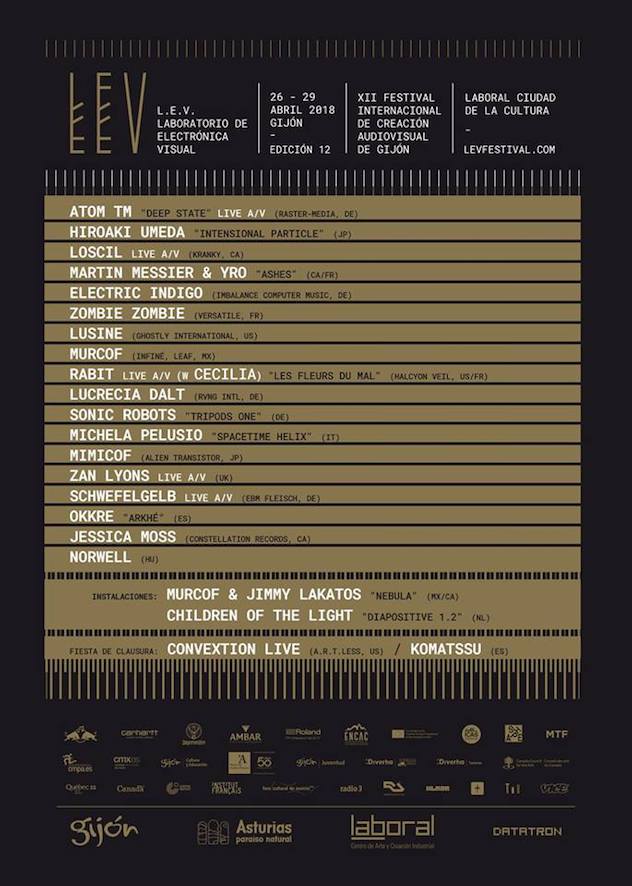
After the first confirmation of first names, which included the likes of Atom TM, who will premiere his new work Deep State in live A/V format; Hiroaki Umeda, who brings his Intensional Particle performance; Italian artist Michela Pelusio; Loscil with one of his sensorial audiovisual live acts; and Ashes, the first collaboration between Martin Messier and Yro, L.E.V has now added a number of new names to the bill, including Sonic Robots, Electric IndigoMurcof, Lucrecia Dalt, and Convextion.

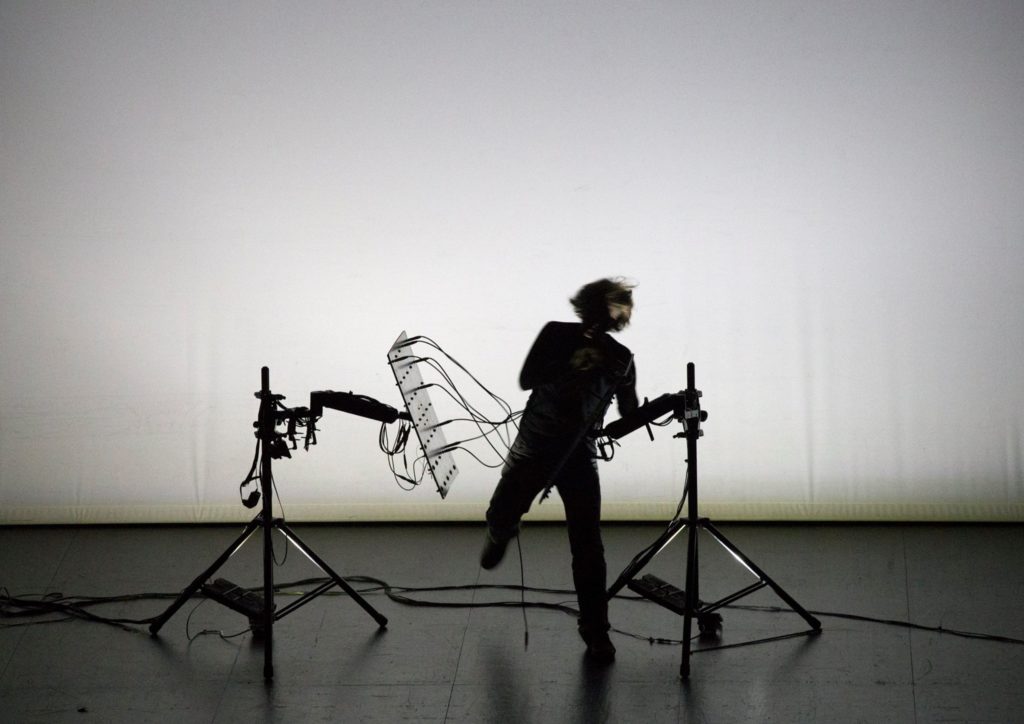
To begin with, Sonic Robots will present his project Tripods One with the collaboration of Red Bull Music Academy. He will play new material that will be included in the first-ever electronic music album entirely played by robots. The compositions have been created with the collaboration of Andi Toma and Jan St Werner of Mouse on Mars.

Also included in the second lineup are Electric Indigo, Atom ™, Okkre, and Schwefelgelb—presenting four new projects and four different visions of avant-garde electronic music. The former will present 1 1 5 9 3, a live show specially designed for L.E.V. 2018, based on his new work in Imbalance Computer Music. It’s described as “a live show for the most futuristic dancefloors only.” Meanwhile, Okkre will debut Arkhé, which features 40 minutes of unreleased music structured in four acts, based on the representation of the four essential elements through sound, light, and color. Atom ™ will perform twice at the event, this time performing his regular live set; while Schwefelgelb will play in Spain for the first time.

In addition to this, L.E.V. has also added The Pueblo de Asturias Museum to the festival stages. Murcof, a leader in the field of ambient and neoclassical music, will perform with MimiCof, the alter ego of Japanese artist Midori Hirano, and Hungarian artist Norwell, who closes the venue lineup with a blend of grainy analogue synths textures and modern electronic music structures.

Performing in the Botanic garden will be Colombian artist Lucrecia Dalt, who will present her new project Anticlines, to be released on May 2018 by U.S. label RVNG Intl; and the fascinating layers of sound created by Canadian artist Jessica Moss.

In terms of installations, Children of The Light will premiere their installation Diapositive 1.2 at the Centro de Cultura Antiguo Instituto. This work described as “a black hole which defies our perception of space and time through luminous impulses.”

Finally, on Sunday, April 29, L.E.V. will celebrate its Closing Party with performances by Convextion (Live) and Komatssu.

Lineup 

Atom™ “Deeper State” (world premiere) [raster-media , De]
Hiroaki Umeda “Intensional Particle” [Jp]
Loscil live a/v [Kranky, Ca]
Martin Messier & Yro “Ashes” (world premiere) [Ca/Fr]
Zombie Zombie [Versatile, Fr]
Lusine [Ghostly International, USA]
Murcof & Jimmy Lakatos “Nebula” (world premiere) [Mx/Ca]
Rabit live a/v (w Cecile) “Les Fleurs Du Mal” [Halcyon Veil, USA/Fr]
Michela Pelusio “Spacetime Helix” [It]
Zan Lyons live a/v (world premiere) [Uk]
Lucrecia Dalt [RVNG Intl, De]
Sonic Robots “Tripods One” [De]
MimiCof [Alien Transistor, Jp]
Zan Lyons live a/v (world premiere) [Uk]
Schwefelgelb live a/v [EBM Fleisch, De]
Okkre“Arkhé” (world premiere) [Sp]
Jessica Moss[Constellation Records, Ca] Norwell [Hu]

Installations

Murcof & Jimmy Lakatos “Nebula”
[Mx/Ca]Children of The Light “Diapositive 1.2” [NL]

Clossing party:

Convextion live [A.R.T.Less, US] Komatssu [Sp]

and +++

This year’s edition takes place from April 26 to 29 in Gijon, Spain, with more information available here.

Lawrence Le Doux ‘Digital Butterfly’

After his well-acclaimed soundtrack LP on John Talabot‘s Hivern Discs, Lawrence Le Doux recently returned to his Vlek home base, this time with the Host LP.

The release sees the Brussels-based producer dive deep into the Belgian national history of electronic music, coming up with a sampler covering the various fields the Belgians have explored over the last 30 years.

In support of the release, and ahead of his performance at this year’s Listen! Festival in Brussels, Lawrence Le Doux has offered up album cut “Digital Butterfly” for free download via the WeTransfer button below.

This year’s edition of Listen! Festival takes place from March 29 to April 1 in Brussels, Belgium.

David August Returns with Ambient Album via New Label

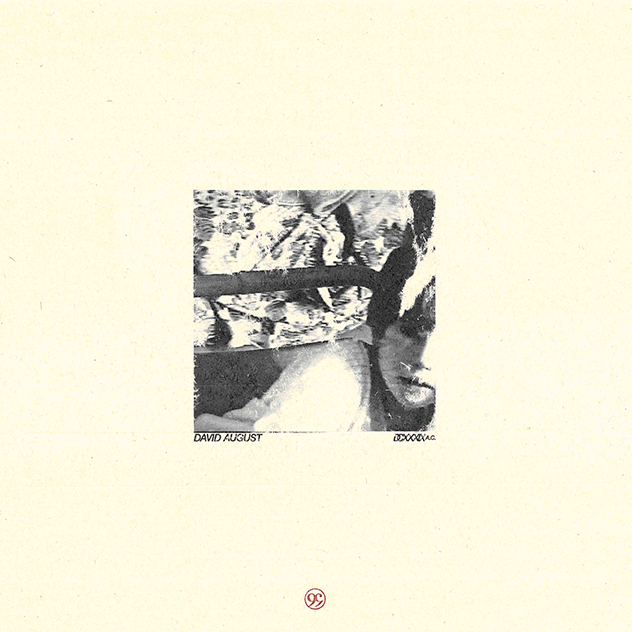
David August has released his second album, DCXXXIX A.C., via his newly launched 99CHANTS label.

The release mark’s August’s first following a one-year hiatus during which he’s embraced ambient music and connected to his Italian roots. The hour-long release features 24 tracks and will “lead to a bigger picture, dedicated to a time and space unknown,” August explains. It comes with 60min long footage, filmed in a small Mediterranean town—”an unconscious perspective on a place yet so familiar,” he adds.

It’s the first release on 99CHANTS, a new platform through which August aims to put out 99 total releases (or “chants”).

Tracklisting

01. In Limbo
02. The Rite Of Spring
03. Fragments
04. Halo
05. 1999 D.C.
06. Echoes
07. Requiem For A Land
08. Y.H.W.Y.S.
09. Underground
10. Muses And Ashes
11. Light Of The Past
12. His Guide
13. Blue Arc
14. Theory Of Colours
15. Modern Testament
16. Pursuance
17. The Void
18. Venus
19. Gospel Of A Thief
20. Dorian Space
21. Lost Nile
22. Guardians
23. Torre D’Avorio
24. The Gate

DCXXXIX A.C. is out now on digital formats, with a limited vinyl edition landing on March 30. Meanwhile, you can stream the 60min footage via the player below.

Premiere: Hear a Sublime Psychedelic House Track from Edward’s Trelik Debut

Gilles Aiken (a.k.a Edward) will soon make his first appearance on Baby Ford’s legendary Trelik label with three tracks of reduced, refined, and psychedelic house music.

Aiken has been prolific since first emerging more than 10 years ago, initially releasing through White before joining the Giegling contingent. His acclaimed Desert Sky alias has been an outlet for more experimental fare on Assemble Music and PAL SL, but as Edward, he offers up a distinctive take on minimal house and techno that matches studio flair with warmth and personality.

He’s now set to debut on Trelik, a three-track P that “finds Edward at the top of his game crafting utterly workable club tracks for adventurous souls,” the label explains.

Tracklisting

A1. Mikko (Ogermania Mix)
B1. Lottery
B2. Groaning Ghosts

Rumours EP will land on March 26 via Trelik, with “Lottery” streaming in full below.

Soulection’s SOSUPERSAM Shares Alluring New Track

Los Angeles artist and Soulection member SOSUPERSAM has shared a new single from her forthcoming Priority EP, due out March 30.

“Drip” is the first taste of music from the upcoming EP, which follows 2016’s Garden. According to the press release, Priority is “a meshing of modern R&B and vivid life experiences,” while “Drip” recalls “the adrenaline rush of a misadventure that ended with skinny dipping as the sun was rising over Bangkok.” The sleek and soulful cut also features production by Southern Californian producer Nick Pacoli.

In support of the EP, SOSUPERSAM will head out on a ten-date tour across North America, the details of which can be found below.

You can stream “Drip” in full below, with purchase options here.

Tour Dates:

May 10 – Los Angeles – The Roxy
May 11 – San Francisco – 1015 Folsom
May 12 – Seattle – Barboza
May 17 – Calgary – Commonwealth
May 18 – Vancouver – Fortune Sound Club
May 19 – Orange County – Constellation Room
May 23 – Boston – Sonia
May 24 – Brooklyn – Baby’s All Right
May 25 – Chicago – East Room
May 26 – Montreal – Riverside

Premiere: Stream a Tough Drum & Bass Cut From Monty

Toulouse artist Monty will drop his latest EP on Alix Perez’ 1985 Music.

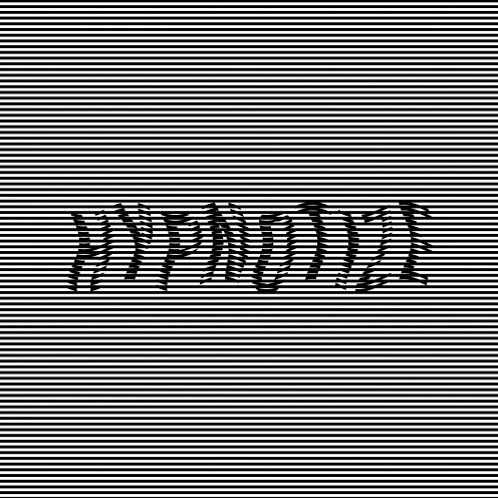
The EP drops fresh off the back of being nominated for Best Newcomer at the 2017 Drum & Bass Arena Awards, and will be his first EP of 2018, following last year’s offerings for Flexout Audio and 1985 Music. From the rippling bassline of the EP’s title track to the rolling grooves of “Magma,” Hypnotize is sure to please bass heads of all persuasions.

Ahead of the release on March 9, you can stream EP cut “Random Conduct” via the player below. You can pre-order Hypnotizehere.

Premiere: Stream a Tough Drum & Bass Cut From Monty

Toulouse artist Monty will drop his latest EP on Alix Perez’ 1985 Music.

The EP drops fresh off the back of being nominated for Best Newcomer at the 2017 Drum & Bass Arena Awards, and will be his first EP of 2018, following last year’s offerings for Flexout Audio and 1985 Music. From the rippling bassline of the EP’s title track to the rolling grooves of “Magma,” Hypnotize is sure to please bass heads of all persuasions.

Ahead of the release on March 9, you can stream EP cut “Random Conduct” via the player below. You can pre-order Hypnotizehere.

Page 422 of 3781
1 420 421 422 423 424 3,781