Premiere: Hear a Deep and Dark Track From OAKE

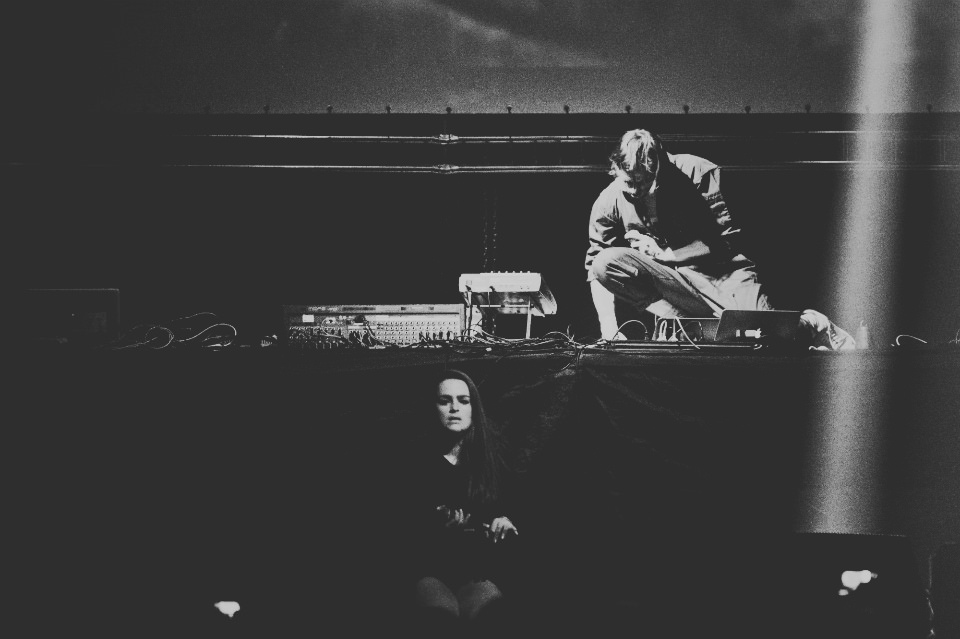
On November 3, OAKE will return for their first release of the year, an EP titled Sentiment of Callousness on SNTS.

The EP was reportedly written over “a one and a half year period of total collapse, characterized by disconnection between the world within and the perception of the world outside.” It follows an early 2016 release on Noiztank with four cuts that range from the deep and heavy opening cut “Alog” to the searing ambience of “Abul.”

You can pre-order the EP here, with “Apath,” a dense, galloping techno cut, streaming in full below.

Regis Returns to Blackest Ever Black

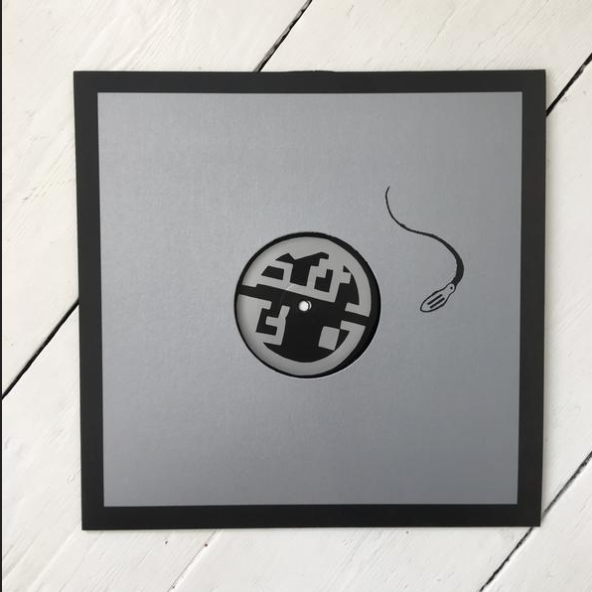
Karl O’Connor (a.k.a Regis) will release a new vinyl-only 12″ via Blackest Ever Black, titled The Master Side.

The two-track release is O’Connor’s first new solo record as Regis in three years and follows a handful of records and mixtapes that he’s shared via the London-based label.

It consists of two versions of “The Master Side.” Version one is described as “oppressive, incisive, EBM-infected techno rollage iron-clad but somehow lithe and loose-jointed with it– inimitable O’Connor gymnastics”; while version 2 is described as broken (glitter)beat, broken dreams.”

The label’s announcement for the 12-inch includes the quote, “The most important jazz album of 1964-65″—which may reference an LP from Chet Baker, a jazz trumpeter whose career was upended by drug addiction.

Tracklisting

A. The Master Side (Version 1)
B. The Master Side (Version 2)

The Master Side is available now at the East London record shop Low Company, with samples available here. It will be given a full release on Friday, November 10.

Premiere: Hear a Spacey House Cut from S-Max

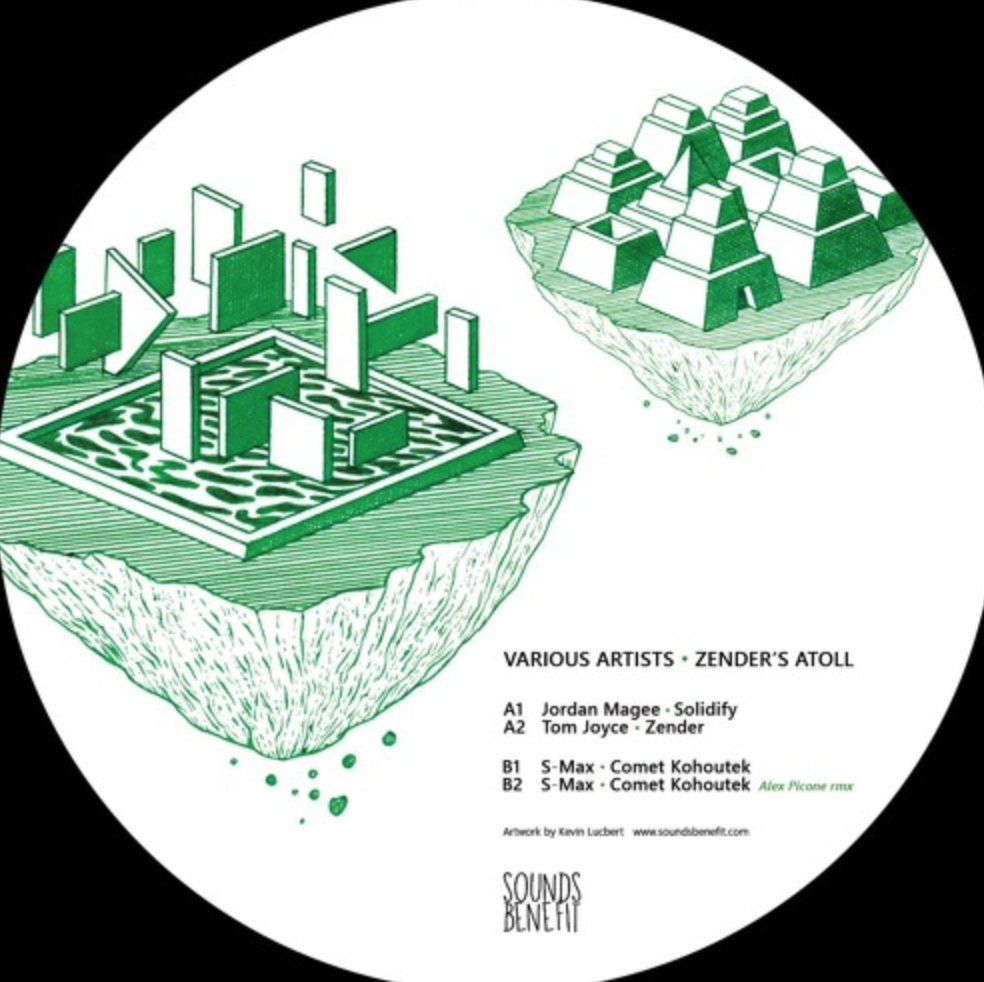
Tom Joyce‘s Sounds Benefit label is preparing a new four-track various artist EP.

Zender’s Atoll is a collection of three innovative cuts from rising talent Jordan Magee, Boogizm main man S-Max, and label head Tom Joyce, with an extra remix by Italian veteran producer Alex Picone. It follows on from The New Iram, a similar VA released last year.

The cuts range from electro, breaks and spacey deep house.

Tracklisting

A1. Jordan Magee “Solidify”
A2 Tom Joyce “Zender”
B1. S-Max “Comet Kohoutek”
B2. S-Max “Comet Kohoutek” (Alex Picone remix)

Ahead of the EP’s November 6 release, you can stream S-Max’s spacey deep house contribution.

Selidos ‘801’

Finnish producer, A&R, and DJ Anton Seling (a.k.a Selidos) is one of Finland’s best-kept secrets when it comes to house and techno. His versatile sound draws influences from the earlier house, techno, and minimal records with a hint of tribal mixed in. The same goes for his DJ sets with styles ranging from smooth to trippy to raw peak time cuts.

Turku, Finland is where Selidos calls home and also is the location of his monthly DJ residency with the highly accredited Paino. nightclub.

Today, he’s offering up “801,” a soothing and melodic lo-fi house cut that is available for download below.

Real Talk: Anja Schneider

Anja Schneider recently left mobilee, the label she founded over 12 years ago.

It was big news, to say the least. Schneider had enjoyed great success as a head of a widely acclaimed and leading house and techno label with a discography that featured key records by the likes of Sebo K and Pan-Pot, to name just a few. Add to this the booking agency of the same name, and the move would appear a little strange; stepping down and going it alone was not the most obvious move. The underlying reasons behind the move remained unclear, although a follow-up announcement that told us to expect “the most personal project” of her career revealed all we needed to know: Schneider wanted to hit the reset button. And so she did.

Yet that was only scratching the surface. In our conversations, Schneider explains how she was no longer happy. The construct of mobilee meant that she lost a connection with music; in effect, the day-to-day business realities of running the company she started had disconnected her from the very thing that inspired her to do so in the first place. The unfortunate truth is that this is a problem that many of us must face: is it possible to be truly creative while pursuing commercial ambitions? In this month’s Real Talk, Schneider looks back on her decision to give her thoughts on this enduring question.

In the beginning, it’s all about the music. The simple joy of playing and discovering tunes and sharing them with others. I would like to think we all got into this for the one simple reason: a passion for music. But with techno becoming more and more business-orientated, holding onto these original ideals is both a battle and a balancing act.

For me personally, all this came to a head in June directly after I’d returned from Off Week in Barcelona. After 12 years of running my label mobilee, I knew things had run their course. I can’t say anything was necessarily wrong, I just knew I wasn’t happy. It’s a bit like a marriage or a long-term relationship, whereby you go in different directions and this happened with Ralf Kollmann, mobilee’s label manager, and I. We just wanted different things.

When you start a label, you’re doing it purely for the love and because you believe in the music you’re releasing. You’re not thinking about it from a big picture business point of view. We were lucky; we had success early and got hyped during the wave of minimal techno sweeping through Berlin in the mid-2000s. Of course, when you’re experiencing success for the first time, you start to do really crazy things like get a huge office, hire people, and work on bigger ideas and get really deep into it. To see our baby evolve was fantastic, of course; but going into business more and the inevitable focus on “growth” that comes with it affects your creativity and complicates the relationships around you. Suddenly you have to feed the monster.

While the label begun in 2005, we got more serious in 2007 when we started our DJ agency. It’s a difficult setup. You have a close relationship with an artist and you take care of them, so they naturally become like a family member. Then, of course, you say to them: “Ok I invest in you, so I have to earn from you.” It becomes a profit situation and then the friendship changes suddenly. Maybe you don’t feel it right away, but there is always a shift. In reality, if an artist makes an album, you always need to do a tour to ensure you make a profit. Getting a return on your investment is always in the back of your mind and despite the otherwise strong connection you might have with this artist, this leads to the friendship always being on a knife edge. When you begin it’s totally fun and you naïvely think it’s as simple as just collaborating with one another, but it’s rarely that simple.

Once you commit to renting an office and hiring staff, fiscal concerns play a role in just about every decision you make as a label owner, just so you can stay afloat on a month-by-month basis. Even if you got into this for the love of essentially “underground” techno and house, suddenly you’re starting to care about whether one of your label’s releases charts, as it’s good for the brand and helps profits. If you’re running label showcases, then these are crucial for generating profits or even making up for any deficit lost through releases. Also, as an artist, you always want to get behind every release on your label and to personally identify with them, but it’s very difficult when you’ve got a schedule of two EPs per month and a business plan you need to stick to.

“….the deeper you become involved in this business, the further you get away from music.”

When you start a label the day to day administration tasks take over. And the deeper you become involved in this business, the further you get away from music. You kill this creativity directly when you bring an A&R in to sign music or even an assistant who downloads your music. I never went this far and I’m thankful for always keeping this direct contact with the music, but it’s certainly commonplace.

Another major motivating factor behind my decision to leave mobilee was the desire to make my own decisions, rather than always thinking of the collective and teamwork. Sitting in a room and debating whether a flyer artwork should be this color or that and generally always thinking of the brand; quite honestly, I got weary of this.

Maybe it’s a symptom of being 20 years in this business that after a point, you just want to go your own way and make your own decisions. Once you reach this point for yourself, you know you need to move on. For me, I knew I couldn’t carry on with my artistic identity in this way and still feel like my output was authentic. It was absolutely not working anymore. The whole point of starting on this musical path had been lost and I needed to rediscover my passion again.

This is a discussion I’m having more and more with my DJ colleagues about this chance to go back to our roots in a way. Sometimes they’ll have gone through unsuccessful experiences with managers or consultants that’s led them to fire everyone and just do everything themselves. Of course, you make mistakes, just the same as you do when you’re running a label, but this sense of control and freedom connects you back to the basic reason you started out on this path in the first place. With my new label Sous Music, I can tell you I’m already feeling a renewed sense of passion and vigor. I’m excited by the new possibilities the future holds. And equally nervous about the uncertainty of it all. It’s a scary, wonderful feeling.

The big question once I decided to leave, was then a very simple one: how? When you’re making such a huge step to move on from a label you’ve built, it’s only natural to seek advice. I’m not the first person to have done this; there are other well-known artists who have done this before and of course I sought advice. The general consensus was you need to take some time out and reflect on everything.

The recent events in my career have left me to reflect on how difficult it is to make these collectives really work for a sustained period of time. There was this period throughout the 2000s when we were all growing and it seemed that these collectives or “label buddies” were the only way to reach success. But they always ended up a bit one-dimensional. If you look at all the collectives and label families that had early success, most of them don’t exist in their original constellations anymore; they essentially ran over themselves, leaving some artists with a bitter taste in their mouths.

It’s only natural that as an artist when your career grows, you’ll want to headline and define yourself as an individual and interpret the sound of the label in your own unique way. Rather than following in the same musical vein as the boss, they want to take inspiration while also putting their own take on it. For us at mobilee, having artists express themselves individually worked out in the beginning; but after a while, the concept starts to fall apart because you can no longer define your brand.

Additionally, if you’re a smaller artist in the crew, you don’t want to be playing before the label head every time either. So that’s why there can be this underlying frustration within the crew and you can see why things become difficult.

Of course, I don’t want to underplay the value of being part of these collectives, especially in the early stages of an artist’s career when you’re establishing yourself. They can offer a significant advantage in terms of getting attention from promoters and building a fanbase. But long term, they’re harder to sustain as the drive to stand out from the crowd is an inbuilt thing for us artists and we always want this individuality and creative freedom.

Making a decision to carve out an artistic identity separate from your collective is one thing, but getting the public to accept it and recognizes it is quite another. Chances are your average raver still thinks of a number of well-known artists that left their crews and will be still recognized and associated with them. I have no doubt I’ll be correcting mobilee mentions for years to come.

It’s not just the public who get confused though: the importance of being clearly definable to promoters for the sake of consistent gig bookings cannot be understated. At the moment I’m in a transitional phase, whereby it’s difficult for both promoters and colleagues to get me. They think, “OK, there’s a huge change,” but they don’t know what form this takes. Until you have something like an album out or a big statement piece in some respect, there is nothing out there that allows them to place you.

My decision to leave my home label wasn’t business or financial; it was personal, so it’s quite difficult for your agent or manager to communicate that to promoters. It’s definitely a process that takes time. For example, my manager has told me some clubs are not sure if they can book me and are wondering if I have changed my style. On the other hand, when I would like to get artists on board for my own party, or even recruit them to release on my new label Sous Music, they’re like “errr….” I’m certain that some of these artists I really adore and love, who would never ever release on mobilee, are now not sure whether I’m doing the same with Sous.

In a sense when artists such as myself and others step away from a brand that’s been so intrinsically connected with our identities, we’re wiping the slate clean and trying to define ourselves from scratch again. But of course, we know this will take a lot of time. The advice I received when I made the decision to split said that it would take five years to be recognised separate to the old identity.

Just for the record: I’m not suddenly changing from a techno/house artist to a drum & bass artist. If I was going to do this, I would have gone under a new name. I’m still Anja Schneider and I’m not having aliases, unlike other artists.

All this talk of artistic individuality and the preservation of creativity is of course extremely important. But just the same as people in conventional jobs, making enough money to support yourself and your family in the long term, is always on our minds. It’s easy to look at social media and think we live the party lifestyle all week (OK, some may be lucky to do this), but for most of us, it’s a constant hustle to stay up there. Even if your career is going great, you still feel vulnerable. And of course, there will always be times you take gigs you know won’t be so great because you need the money. As we know, DJ careers don’t last forever, which means there is this constant drive to make the most out of them.

You could easily argue that as a female we even have a shorter career span and more pressure to make the most of it while we can. All the boys are really cool when they have their 50th birthday and they’re called “Papa,” but of course for us it’s quite difficult as no one wants to see a 50-year-old woman behind the decks. This won’t be changing in our lifetimes, either. The young will always be the new cool.

This is why it’s so important to think of a life after music and dare I say it—gulp—have a fallback option should things not go your way. I’m lucky I come from a radio and media background which begun quite a bit before I started DJing and still do that today, with one of the main broadcasters here in Berlin, so I have a bit of a safety net.

You definitely need to be always thinking of the future and have a back-up. That said, all this overemphasis on money and business can become very consuming, whereby you’re starting new businesses and constantly thinking of how to make your money work for you and to always grow it. I was never very good in these areas, but I’ve seen it with others. Suddenly instead of using your creativity to create new music, you’re using it to make more money. Each to their own of course, but it seems to be moving away from the original reason we all begun: that connection and passion for music.

I guess the basic question remains: can you be creative while having commercial ambitions? Of course. Creativity can be driven for many reasons, commercial being one of them. There are countless examples of this. The danger is going to deep into all of this. If I’ve learned one lesson from the last few months it’s that business plans and the constant talk of “the brand” marks the death of creativity. When you follow this path, you get bogged down in the banality of business and concerns about money. You will also inevitably start to compare your label with that other label, or how many people your party got, compared with that other party, all fuelled by a fear you won’t be able to pay your employees’ health insurance next month. When it gets to this point, despite what your chart position might say, you’ve gone off track and the real point of all of this has been lost.

Anja Schneider’s album SoMe is out on Sous Music on November 3. Pre-order.

Roma Zuckerman Returns to трип with Debut EP

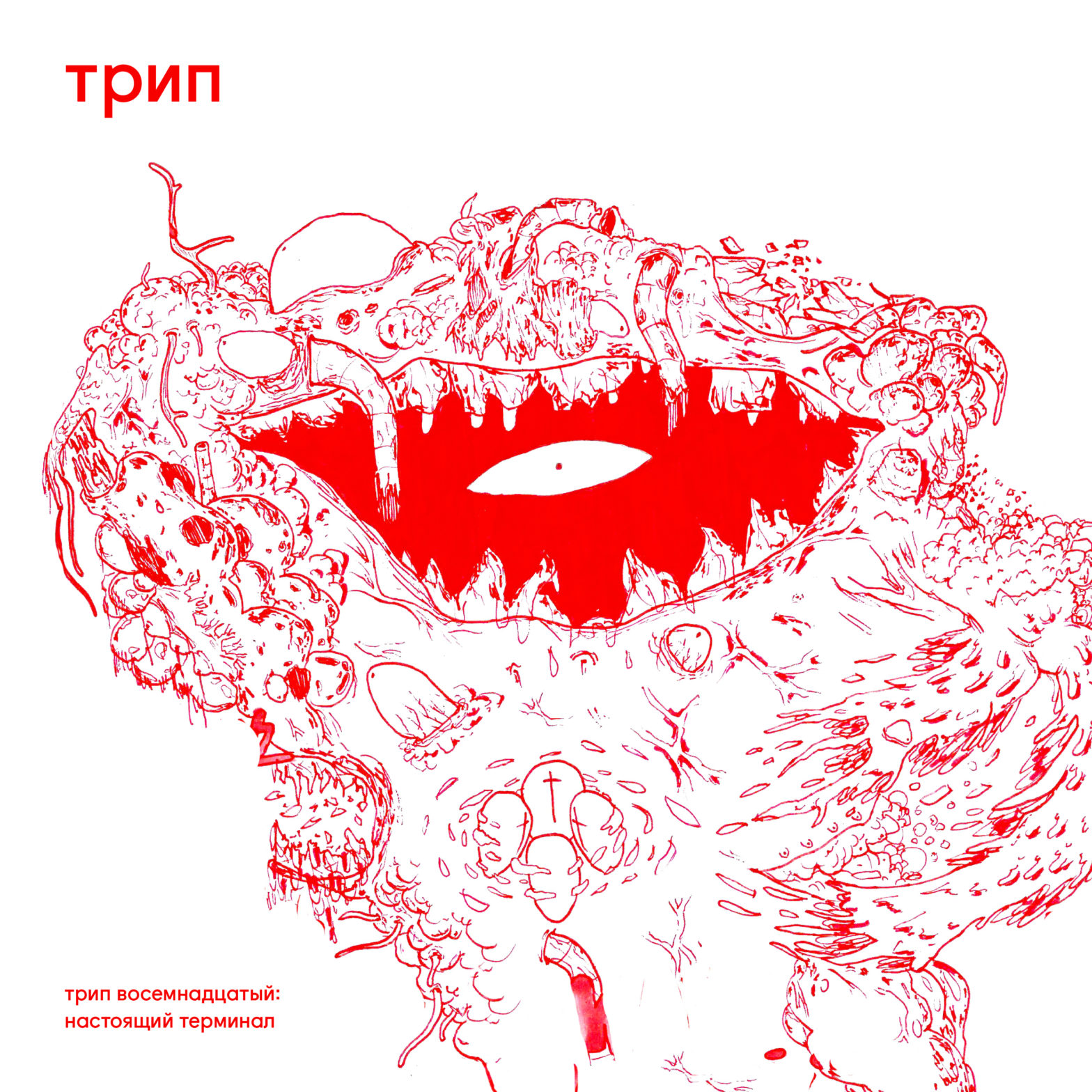
Russia’s Roma Zuckerman will return to Nina Kraviz‘ трип with his debut EP, That Present Terminal.

The four-track release lands after two stand-out appearances on the label compilations in 2015 and 2016. That Present Terminal is said to “blend murky textures and sinister vocals across four delusional tracks.”

Tracklisting

A1. So What (I Feel Dirty)
A2. Years
B1. Your Ego
B2. Robologia (Voice Ring Edit)

That Present Terminal EP will land on December 8.

Amani ‘Transform’ (Kells Remix)

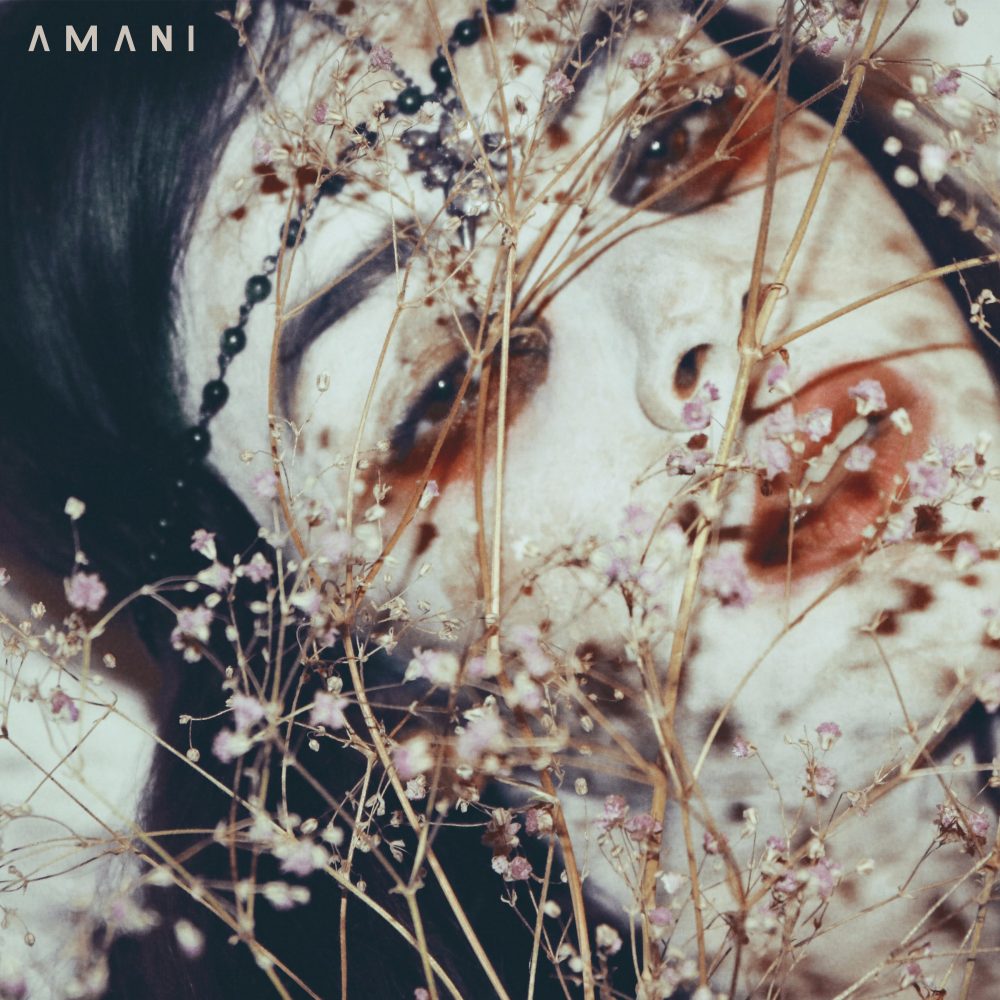
On November 3, Point Blank Recordings will release the new EP from Amani, titled Perpendicular.

The EP will feature four originals from London artist Amani, alongside two remixes, one from Chilean Panorama Bar resident Dinky and one from rising East London artist Kells. The originals were produced as a result of Amani turning to music to channel emotions following her sister’s suicide, and the four tracks are stunning slices of melancholic sonics.

In support of the release, Amani and Point Blank Recordings have offered up Kells remix as today’s XLR8R download. For his remix, Kells strips back the elements and adds a head-nodding beat and floating synths to Amani’s vocals, while retaining the moving emotions of the original.

You can grab Kells remix via WeTransfer below, with the EP available for pre-order here.

Transform (Kells remix)

Podcast 514: Tommaso Cappellato

Tommaso Cappellato is an Italian musician, producer, DJ, and composer—and an all-around musical maverick. Having been introduced to music at an early age, he’s gone on to become an exciting and intriguing figure for jazz enthusiasts the world over. His material—ranging from free‐form hip-hop, techno, and house to pretty much any sub-genre of jazz one can conceive—has been channeled through various projects and bands, the result of which is a rich and stylistically diverse catalog of musical works.

Initially encouraged to learn classical piano, Cappellato’s musical focus took a pivot when a passion for drums was ignited at age 11. By his teenage years, this concentration caught full flame as he dove into a deepening love of the instrument, studying with two professional local drummers before leaving Italy to further his studies in New York. Time at Drummers Collective in New York City and a scholarship with New School University placed Cappellato under the tutelage of several noted musicians, including Michael Carvin, Joe Chambers, Jimmy Cobb, Bob Cranshaw, Billy Hart, and Reggie Workman. It was this fine musical foundation that nourished a seemingly unorthodox breadth of style and vision, thus creating a truly unique new school artist.

Building his jazz chops in New York while paying dues, Cappellato embraced the grind, taking on several projects to sharpen his musical vocabulary. He performed for two years six nights a week at the Rainbow Room in Rockefeller Center as Trio65 alongside pianist Ehud Asherie and bassist Joseph Lepore. The trio made the record, Vol. 1: Music by Billy Strayhorn for Nujazzcity Records in 2001. Soon after he involved himself in collaborations with leading New York City musicians: joining Vibes Trio with vibraphonist Bill Ware and bass player Brad Jones; with the Jazz Passengers featuring artists Debbie Harry (Blondie), Marc Ribot, and Roy Nathanson; and co-founding the Brohemian hip-hop/neo-soul band with MC Yah Supreme, with whom he produced the album, Post Modern Garden. Yet it was a stint in Senegal that Cappellato notes as the most significant part of his trajectory to this point, traveling from village to village, jamming and recording with local music masters (including Guinean percussionist and singer Salif Bangoura). It was a time where Cappellato unlocked his musical voice before bringing it all back to where his journey began, working on countless other projects, including the beginning of what would become an ongoing collaboration with pianist, producer, and DJ Mark de Clive-Lowe, performing together on a diverse number of projects both in the U.S. and Europe.

A veritable well of experience, Cappellato is a special breed. Distilling his dynamic musical journey, he debuted as a bandleader with his own quartet, releasing the album Open in 2009, later followed by his award-winning spiritual jazz project, Astral Travel, and collaborations with experimental electronica and techno artists Rabih Beaini and Donato Dozzy, and visionary Egyptian producer Maurice Louca. More recently, he presented his solo artist project Aforemention, further proving himself as the modern renaissance man, bringing together a lifetime of artistic exploration and exposure to form his own concept of jazz-informed experimental electronic soundscapes. His projects and vision have been endorsed by Gilles Peterson both on his Worldwide FM radio programs and festivals; and in 2014 Cappellato was granted the JAJ Award by Shuya Okino, acknowledging him as the year’s best new artist.

Cappellato is currently touring Aforemention and preparing a new album with his cosmic jazz ensemble, Astral Travel, featuring legendary vocalist, Dwight Trible. Last month, he took time out of his busy schedule to compile a mix for the XLR8R podcast series.

His submission is an eclectic and diverse as one would expect, encompassing African, tribal, techno, and, of course, some jazz—with lots of unreleased gems included. It’s a smooth and enjoyable journey that’s both uplifting and soothing; grab it now via the WeTransfer button below.

What was your path into music?

I was introduced to music at an early age by my parents and family. My Dad used to be a professional singer and bass player in the ’60s, while my aunt sang in a madrigal choir and I would often go see their rehearsals.

Did you come from a particularly musical background?

All genres of music were being played in the house while growing up, from soul to jazz to classical music, and I was always encouraged to explore whatever I’d like.

Where does your love of jazz originate?

Jazz has always been in my ears. My dad would take me to some relevant concerts. I remember seeing Lester Bowie (Art Ensemble Of Chicago) when I was 12 years old, and when I experienced the atmosphere in a real jazz club, a few years later, I felt the urge to become a jazz musician. Looking back it probably had to do with being allowed to misbehave, when instead I had to learn the art of discipline.

I hear you were mentored by jazz visionaries Harry Whitaker (Black Renaissance) and Michael Carvin (Pharoah Sanders). How did this come about?

I moved to New York when I was 20 and attended the jazz program at New School University where I got the chance to study privately with Michael Carvin for about two consecutive years. I met Harry Whitaker at the legendary Smalls Jazz Club and we ended up playing many gigs around town, soon becoming really close friends. They both taught me how to build self-confidence, to think outside of the box and to have an original inner vision. I’m still in touch with Michael to this day, while Harry passed away in 2010. Everyone in the New York jazz community still misses him very much.

Where are you based nowadays?

Mostly in Italy, although I spend a lot of time in the U.S, especially Los Angeles, often working with Mark de Clive-Lowe and his many projects.

You developed your skills in New York, I understand. Talk to me about this period, how formative was it?

New York is by far the most challenging place I’ve been living in. The level of musicianship all around is incredible. Studying at the New School in the late ’90s (along with fellow musicians Robert Glasper, Bilal, Casey Benjamin, Marcus Strickland and many other talents) as well as experiencing what was going on around town in different venues or just on the streets has been an incredible opportunity to absorb countless lessons on all kinds of music and, for the most part, coming from the original sources. When I entered the professional world I was also confronted with the harshness of the industry and the many frustrations all artists have to face, especially trying to keep it up in such a competitive place.

You also delved into hip-hop during your time in the States, I believe?

If you lived in New York around the mid/late ’90s, you couldn’t avoid being influenced by that language in some way or another. I fell in love with all the neo-soul scene as it was happening right there and then all around Brooklyn. Personalities like Erykah Badu, Common, Mos Def, Questlove, Q-Tip, The Roots, and Jay Dilla ended up paving a new direction for jazz, which people in my generation (such as Robert Glasper and many others) have taken to the next level. Later on, I met a wonderful collective of people gravitating around the figure of MC Yah Supreme and I ended up producing his album Post Modern Garden(2006). He used to define his style as “atmospheric hip-hop”.

How did you begin working with Donato Dozzy and Rabih Beaini?

Around the same time Post Modern Garden came out, I started spending more time in Europe and once there I met Rabih Beaini who used to live in Venice at the time. We soon became good friends and I joined his band Upperground Orchestra. Rabih produced my first official single “The Knight” and the full album Open on his (now deceased) Elefante Rosso label. He also exposed me to other scenes such as techno and experimental electronic music and introduced to many artists I later collaborated with. I’m so thankful to him for opening so many doors.

While on the road with Upperground Orchestra, Donato was on the same bill with his project Voices From The Lake featuring his longtime collaborator Neel. That time the two bands jammed together and Donato and I have been in touch ever since. He recently mixed my last album Aforemention (Mashibeats Records) and did a beautiful rework of one of my compositions —”World Traveller”—released on Ambiwa Records in 2016.

When and where was this mix recorded?

During the last couple of months on my computer always traveling with me.

What equipment did you record the mix on?

Logic Express on a Macbook Pro.

Was there a particular idea or mood you were looking to convey?

I’ve been inspired by many new albums lately and by music other musicians and producers have given me ready to be released. The idea is to build bridges between experimental, techno, and beat music journeying through all the spectrum of sonic colors in between.

How did you choose the tracks you wanted to include in the mix?

Like most of the work I do, the process is always intuitive. I’m often curious to see what’s happening around me. Lately, I’ve been very inspired by different scenes, such as the one in Los Angeles, or by music coming from different avant-garde Arab artists. I feel good with supporting other musicians, especially through Bandcamp, a platform where independent artists and labels make the most income. Many of the tunes included in this mixtape were recently downloaded from that platform.

How did you weave them together — is there a clear narrative in your mind?

If I decide to “sculpt” a mixtape, like in this case, what I would do is listen back to the flow like it’s always the first time and as if it was compiled by someone else. If the blend and the songs choice move me on an emotional level, it means I’m on the right path and I’d keep building until I’m completely satisfied.

Where do you envisage the mix being listened to?

In your headphones while traveling or at a club before a very anticipated concert.

How does it differ from a regular festival set?

You don’t have to get high to enjoy it, lol!

What else are you working on this year?

A series of remixes done on my recent solo release Aforemention is due sometime before the end of the year on Mashibeats Records (Mark de Clive-Lowe’s imprint), while next year I’ll be releasing a second full album with my spiritual jazz project Astral Travel featuring Dwight Trible. Other collaborative releases are also on the way such as the one with fellow drummer and electronic artist Daniele De Santis. We have a two drums and electronics project called Ancestral Memories, soon out on his label Dromoscope.

Tracklisting

01. Introduction aux Musiques Africaines “Chant De Filage Des Jeunes Filles Dorze” (Ethiopie)
02. Tommaso Cappellato #Aforemention “Shuttle Session M1” (Unreleased)
03. Hobby Horse “Amundsen” (Unreleased)
04. Linafornia “Nagchampa”
05. Carlos Niño & Friends “Metamaravilla” (ft. Luis Pérez Ixoneztli & Christopher Garcia, with strings by Miguel Atwood-Ferguson)
06. Ancestral Memories & Vincent Moon “Live at Euganea Film Festival” (Unreleased)
07. TIYG “Color” (Unreleased)
08. Georgia Anne Muldrow “Roses”
09. Hermeto Pasqual “Casinha Pequenina”
10. Astral Travel “You’re From This Planet” (Unreleased)
11. MDF “Seth I Rec 5” (Unreleased)
12. Tommaso Cappellato “Pastlife Flashbacks” (Afrikan Sciences Remix) (Unreleased)
13. Nadah El Shazly “Afqid Adh-Dhakira (I Lose Memory)”
14. Hunee “The World”
15. Emanative “Black Enchantment”
16. Kaitlyn Aurelia Smith “Until I Remember”
17. Low Leaf “Dreaming Awake”
18. Tommaso Cappellato “Aforemention” (Emanative’s Affirmation Remix) (Unreleased)
19. Dexter Story “Easter Prayer” (feat. Nia Andrews)
20. Jimetta Rose “Rhythm Of Life”
21. Versis “Progress”
22. Mndsgn “Overture”
23. Carlos Niño & Friends “Organic Self” (with Deantoni Parks, Dexter Story, Josh Johnson and Miguel Atwood-Ferguson)
24. Upperground Orchestra “Live at Golena San Massimo” (Unreleased)
25. Swarvy “T. Valentine”
26. Micki Miller “Fearless”
27. Georgia Anne Muldrow “In The Chambers Of Her Goodness”
28. Donato Dozzy “K1”
29. Charles Cohen “Mankind And Mannequins”

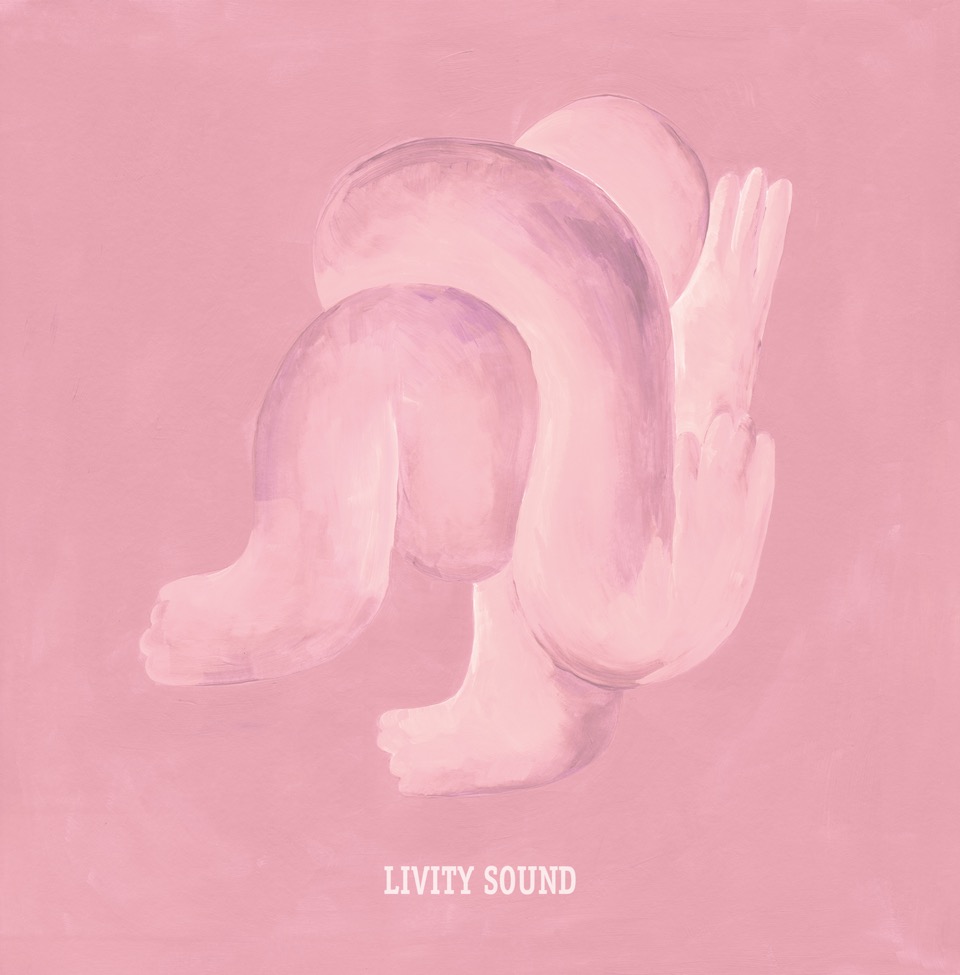
Premiere: Hear Forest Drive West’s Bass-Driven New Cut on Livity Sound

Forest Drive West will soon release a new two-track 12″ on Livity Sound.

Static / Escape EP will be the London newcomer’s second release on the label, following on from Jinx / Scanners which landed in March. His previous releases have landed on Hidden Hawaii and Peverelist‘s Dnuos Ytivil.

Tracklisting

A1.Static
B1.Escape

Static / Escape EP will land on November 3, with “Static” streaming in full below.

K. Leimer ‘Noise Coiled Sleep’

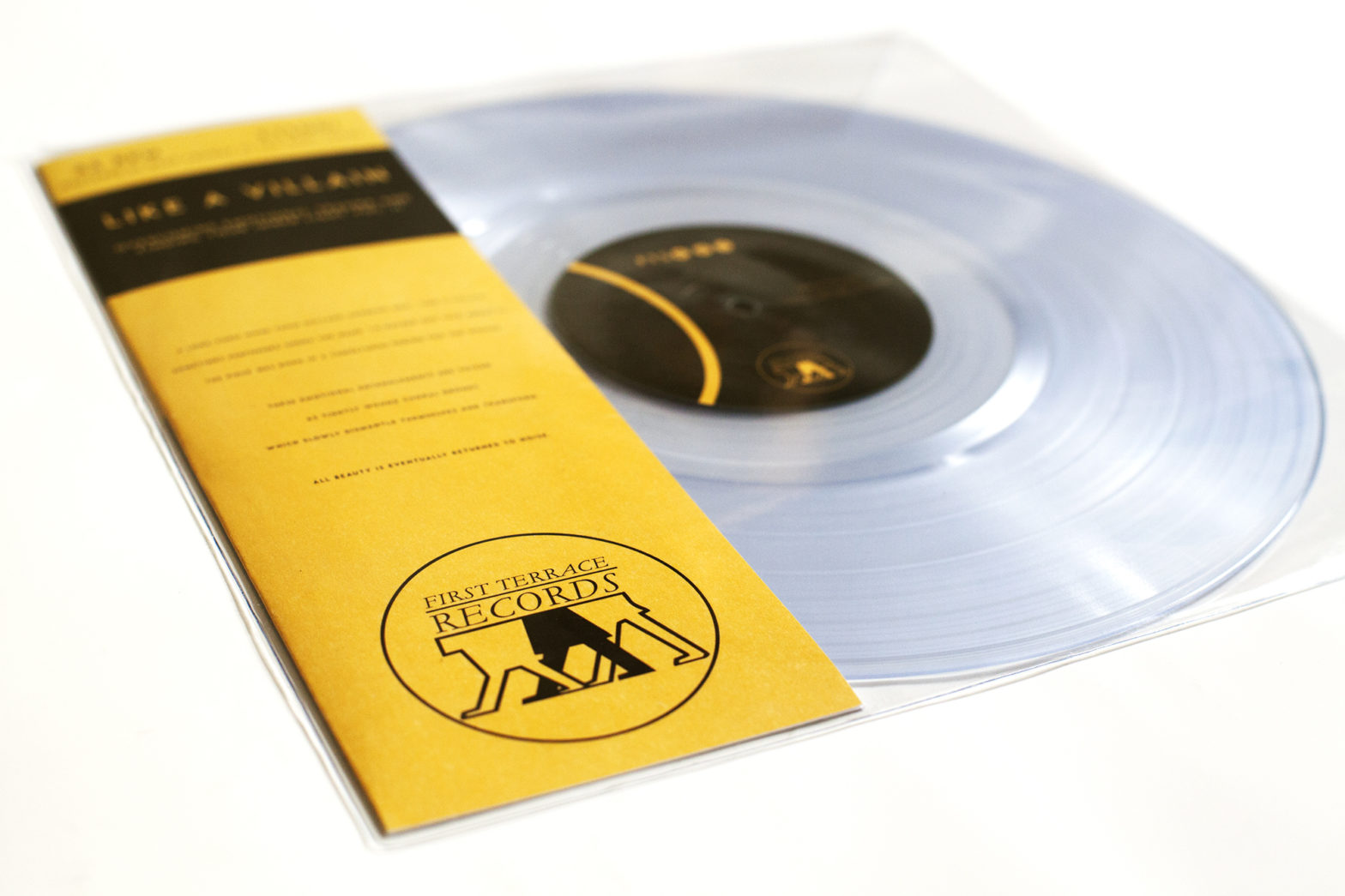
First Terrace will soon present FTS001, the first in a new series of split 12″s, conceived to bring complementary and contrasting styles from two artists onto one disc. FTS001, released November 10, sees an experimental veteran go side to side with one of Portland, Oregon’s best-kept secrets: Like A Villain and K. Leimer.

Created by Alex Ives and Joe Summers in 2016 off the back of a show they have on Radar Radio, First Terrace Records started as an outlet to further push some of their favorite artists they had featured on the show.

Like A Villain is Holland Andrews, an extended technique vocalist, musician, and performer. Andrews explores the vast capabilities of the human voice, composing vibrant sonic landscapes that are at times cinematic and dissonant. In addition to her solo work as Like A Villain, Andrews has composed and performed work for theatre, dance and film projects and was a vocalist and composer in the recent release of Peter Broderick-led project The Beacon Sound Choir who released their album Sunday Songs via First Terrace earlier this year.

Kerry Leimer was born in Canada and raised in Chicago before eventually settling in Seattle in 1967. In the ’70s, inspired by artistic movements like Dadaism and Surrealism and German Kosmiche music, Leimer realised the potential of composing with minimal training and scoured pawnshops for cheap or unconventional instruments to compose and record with. With his punk ethos, new age, ambient sounds and experimentations with twitchy dance music, Leimer produced a broad range of records throughout the ’70s and ’80s that made him hard to pin down.

Tracklisting

I 1). Chance Favors Pattern (K. Leimer)
I 2). The Melancholy Of Departure (1916) (K. Leimer)
I 3). Noise Coiled Sleep (K. Leimer)
I 4). Small Collected Enclosures (K. Leimer)
O 1). Overcoming Emotional Trauma and Finding Your Inner Light Vol. II (Like A Villain)

Ahead of the EP’s November 10 release, you can grab K. Leimer’s “Noise Coiled Sleep” via the WeTransfer button below.

Page 489 of 3781
1 487 488 489 490 491 3,781