Following on from releases on Julio Bashmore’s Broadwalk, her own label, BRSTL, and Idle Hands—the renowned Bristol record store where she works—Alma presents four world-class cuts taking in hypnotic, groovy house, tougher techno influences, and stomping electro for Celeste’s first outing on a non-Bristol imprint.
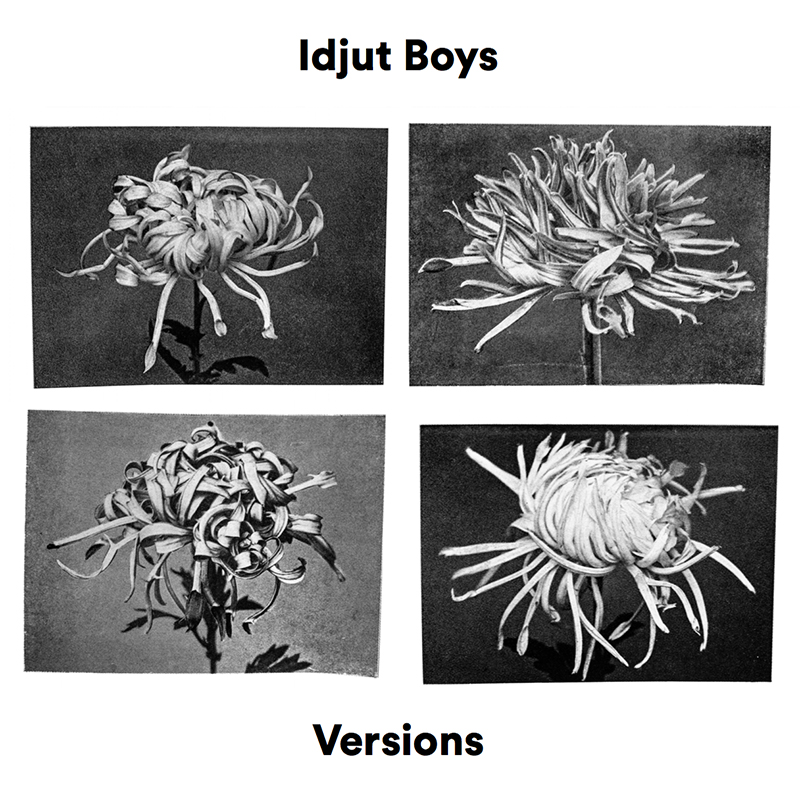
Tomorrow, London’s Dan Tyler and Conrad McDonnell (a.k.a. Idjut Boys) will release their new album, Versions, via Oslo-based imprint Smalltown Supersound.
Versions is a gorgeous eight-track collection of reworked dub and disco jams that Tyler and McDonnell collated from hundreds of hours of music from their vaults. Touching on house, dub, and disco, the album is a loose and abstract journey through a storied 20-year career.
Versions can be preordered here ahead of tomorrow’s release, with the full album streaming below.
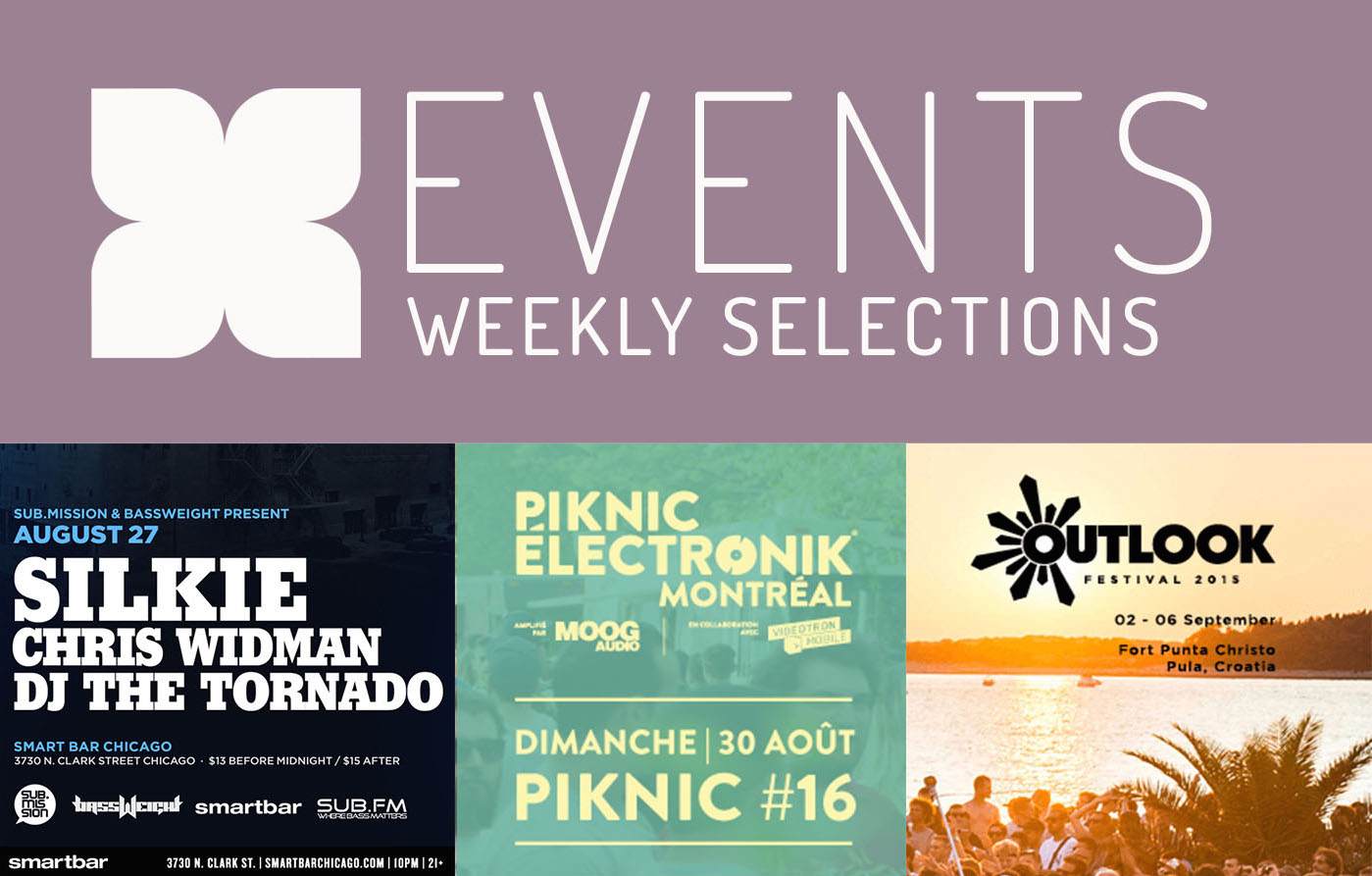
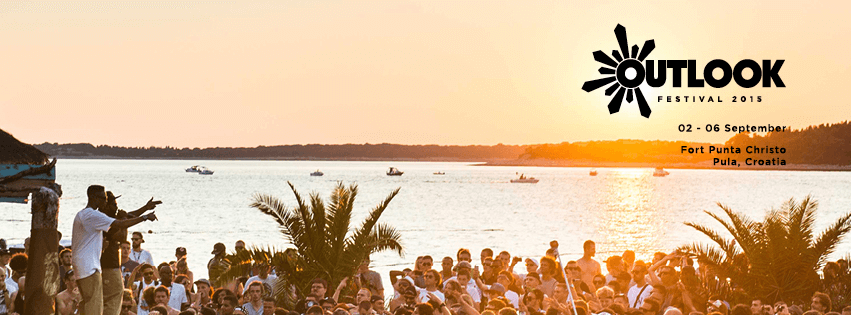
Kicking off next Wednesday is the eight edition of Croatia’s Outlook Festival, also considered one of the largest soundsystem culture festivals in Europe. The festival will span four days with an impressive array of stage performances by acts like Mount Kimbie, Goldie, and Run The Jewels… as well as the obligatory boat parties with this years hosts including Swamp 81, Just Jam, Renegade Hardware and others.
For more events and to search events in your city visit our events page.
“Many parties don’t have an identity—often it is just house or techno, and nothing else besides a big room. Sometimes that is enough, but I always knew that I wanted something more.”
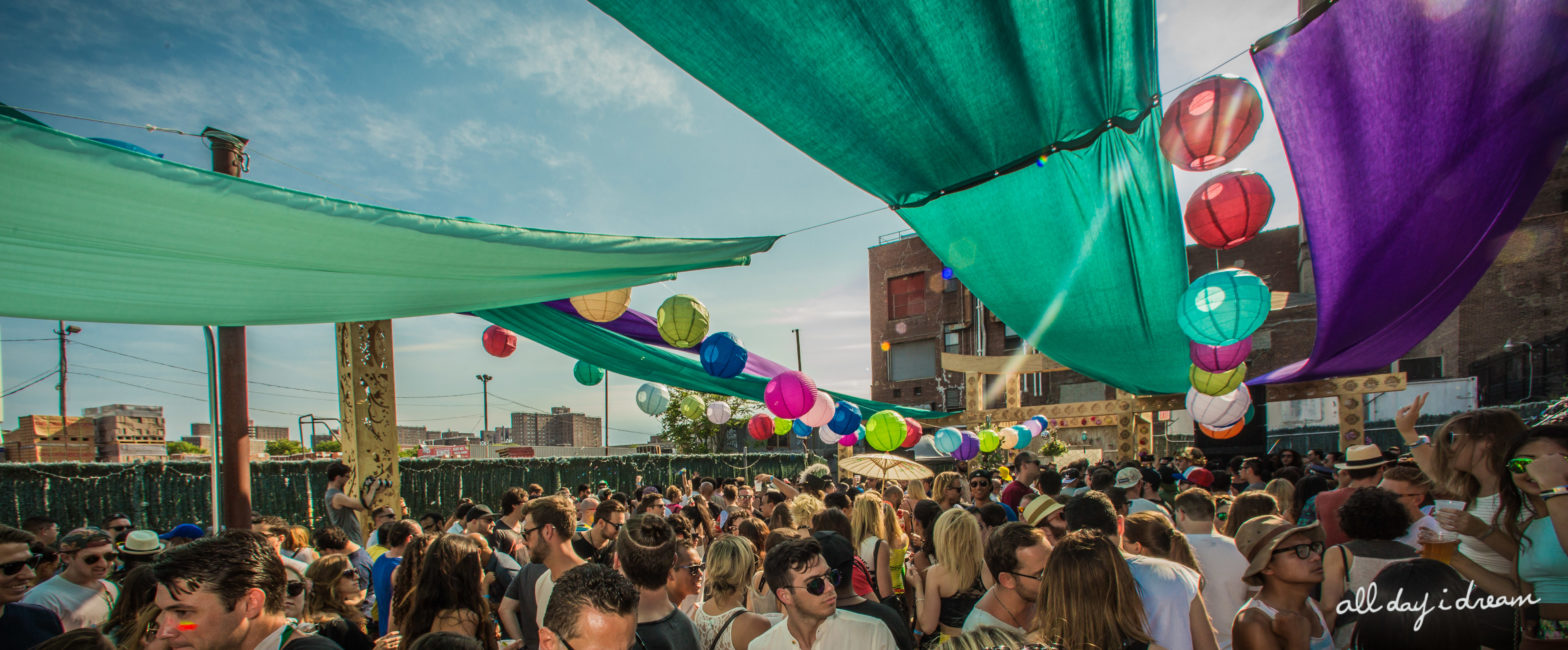
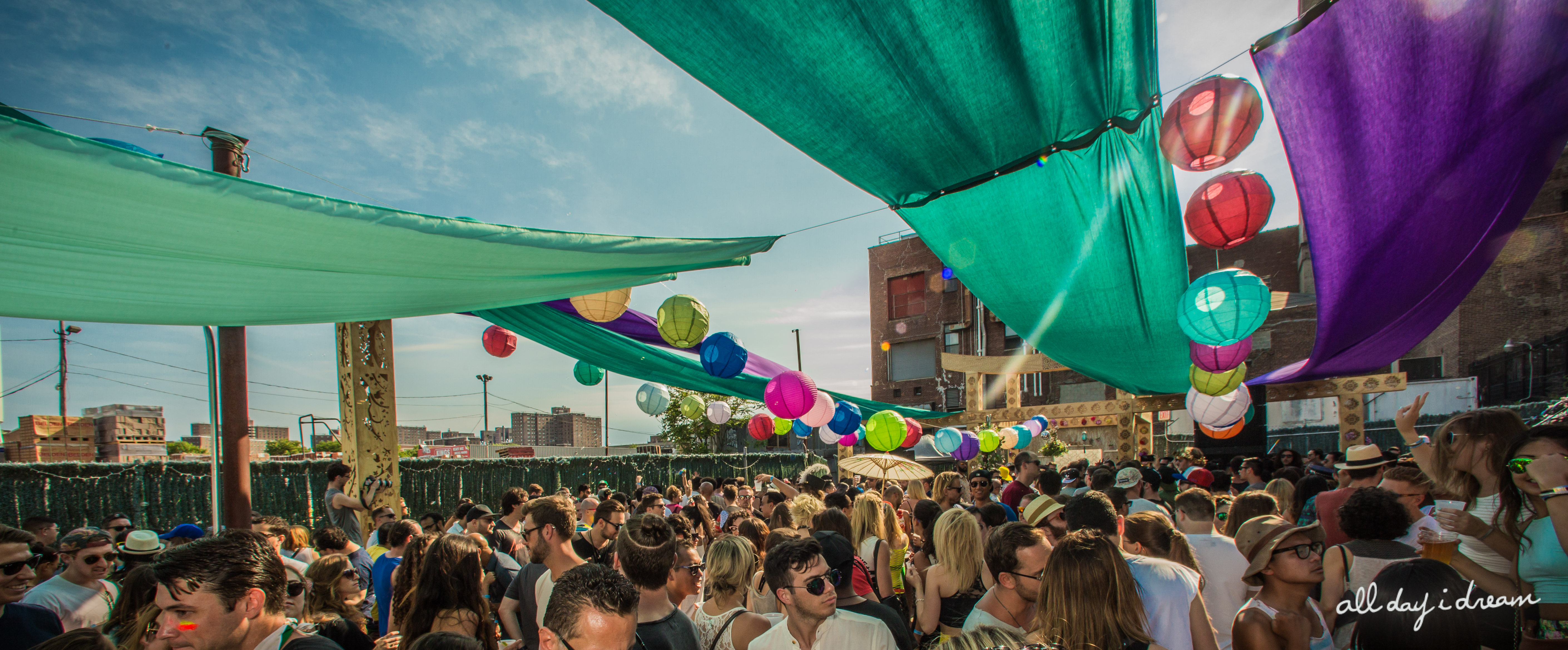
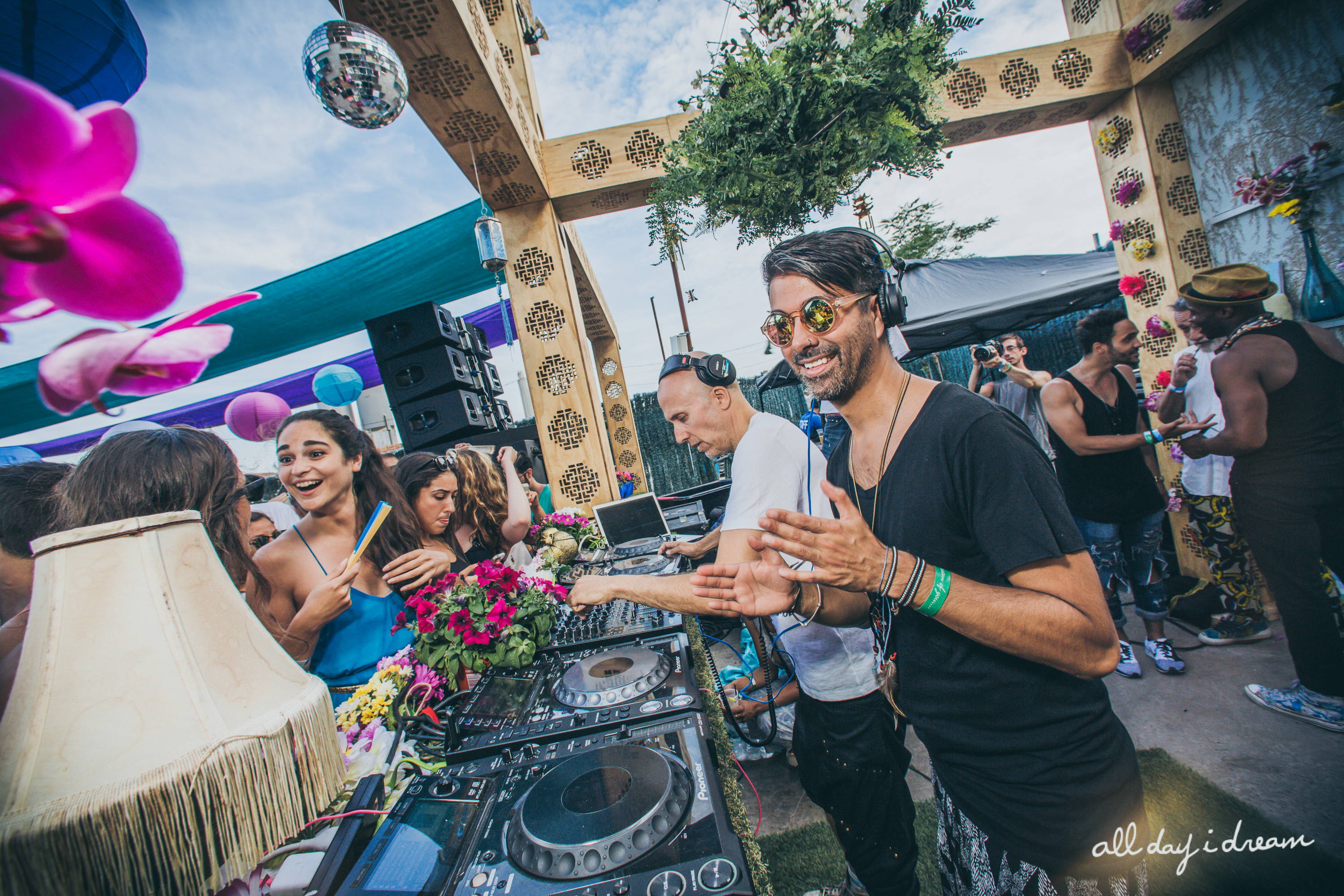
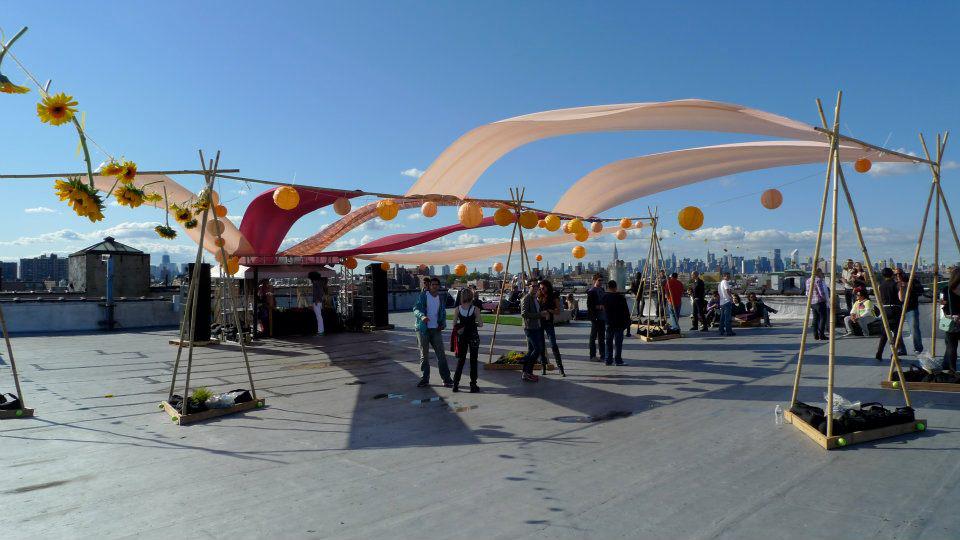
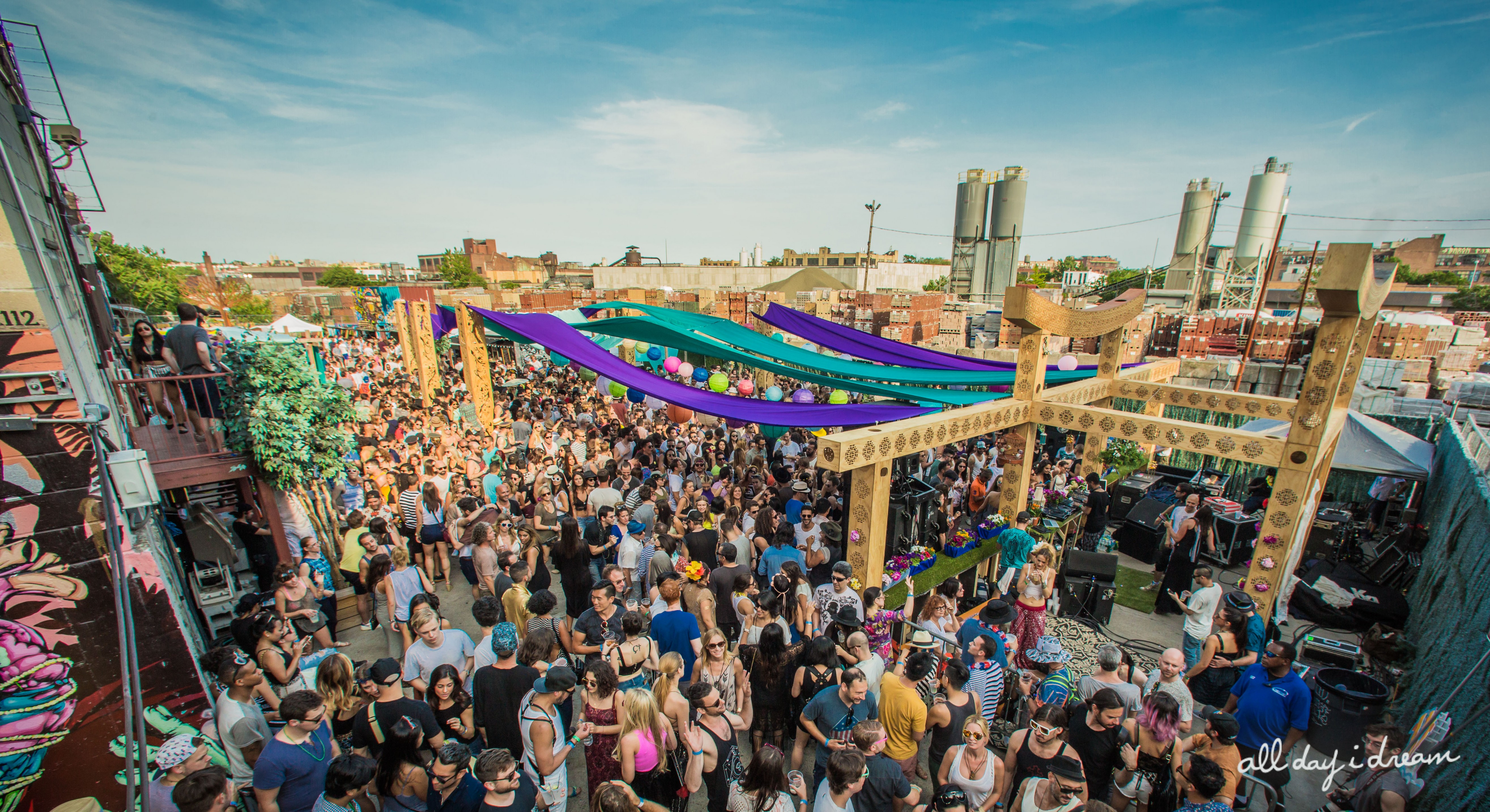
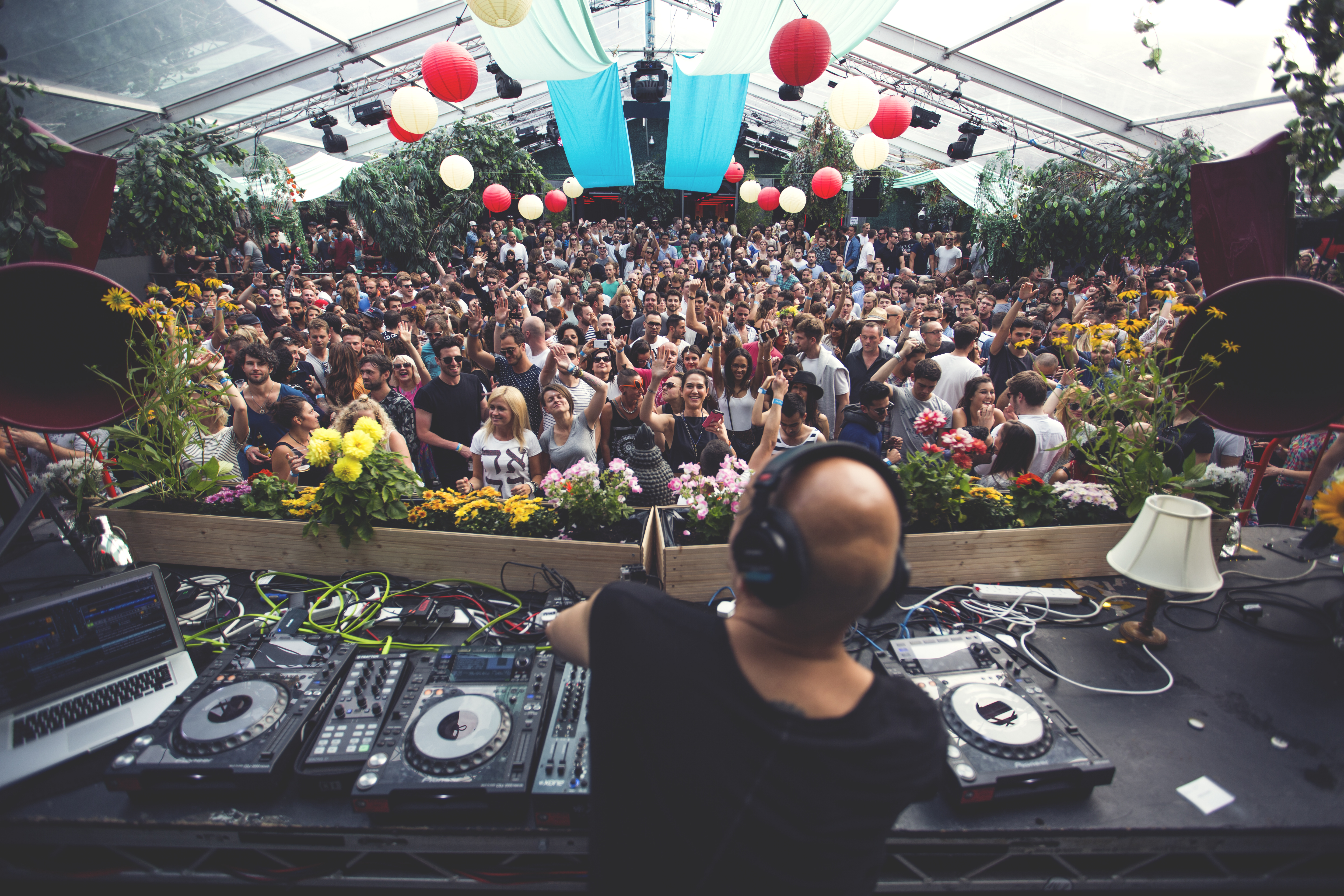
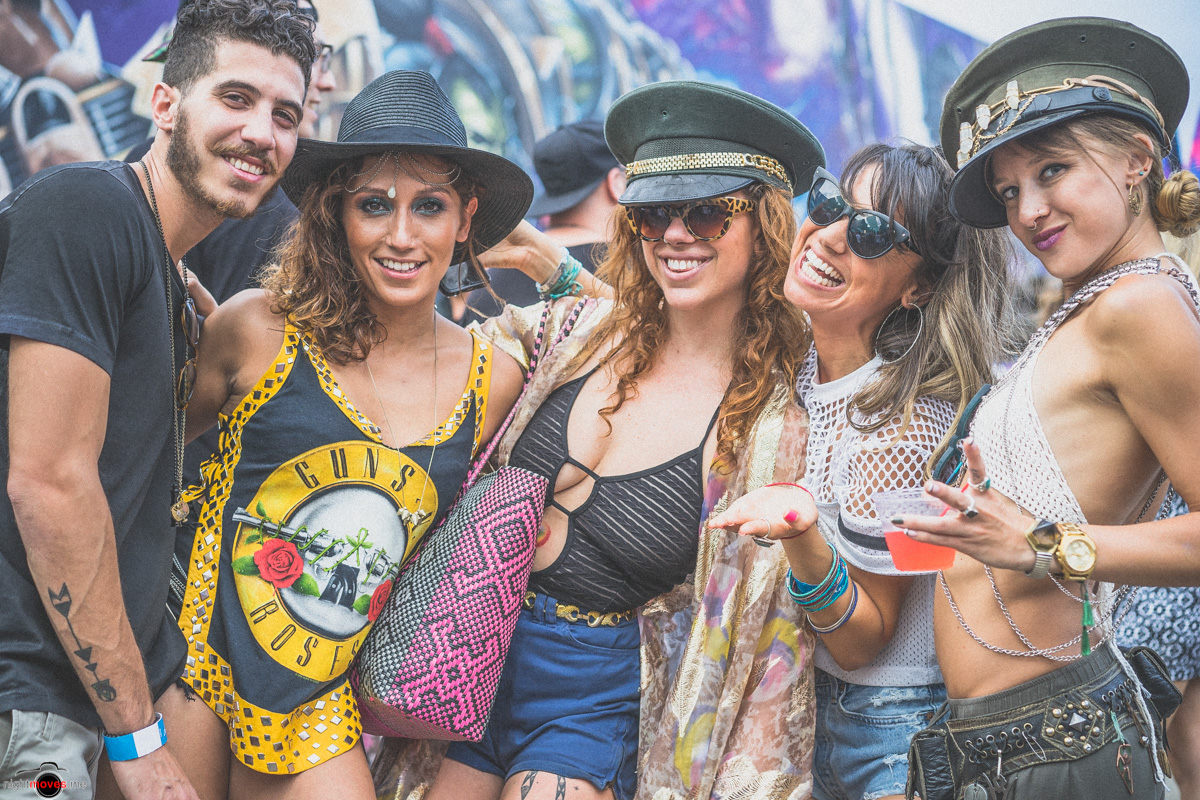
One alluringly dressed woman to the left, another “dreamer” to the right. The exquisite evening sun is setting in the distance, the rooftop terrace now just dark enough to reveal the beautiful fairy lights and colorful lanterns hanging from the bamboo structures above. Flower beds and fabrics are draped across the DJ booth, inside which stand Lee Burridge and Matthew Dekay, both grinning as they share their signature style of emotional techno to a sold-out crowd, all of whom revel in the magical atmosphere that has become such a big part of the All Day I Dream party.
Since its inception on a Brooklyn rooftop on in the late summer of 2011, All Day I Dream has evolved from a one-off event into an acclaimed day-party series that is complimented by a small, but widely respected, imprint. Installments in New York, Miami and Los Angeles, which run from June until September, regularly sell out within hours, and its growing reputation has seen it exported to cities including Barcelona, Berlin and Sydney. In what is becoming an increasingly saturated market, All Day I Dream has carved itself its own unique identity.
With the close of yet another successful season nigh, XLR8R sat down with founder Lee Burridge and partner Matthew Dekay to hear their thoughts on the reasons behind the brand’s prosperity, and discuss the challenges they face as they look to take it forward.
To understand the initial motivations and the name behind the concept, it’s necessary to wind back to 2008: Having discovered a new-found appreciation for dreamy and melodic techno, Burridge compiled the All Day I Dream of Her mix for his then-girlfriend, which was then subsequently released as a Resident Advisor podcast. Driven to give this music a platform, and having spotted a “gap in the market for New York parties,” he began the event because he wanted there to be “one place for people to come where they could connect with each other through the music.”
“The music out there was very stripped back and so was the experience,” Burridge recalls. “Parties had become a ketamine experience, with men dressed in black all staring at their shoes. I came from 1987, when you went to a party in a field where you didn’t know anybody—but you wanted to know everybody. Somewhere that all got lost along the way, so I decided to try to change that with the production. I wanted people to be giving and connecting with each other through the music. I saw all this potential and I just knew I had to do something.”
Over time, this nebulous vision in Burridge’s head became “very pure,” he says, in part supported by the studio work of Dekay. Having really connected with the sound of Burridge’s fabled mix, and finding himself inspired the All Day I Dream concept, Dekay explored its musical identity in the studio before launching the label. “Lee was very specific about the All Day I Dream experience,” Dekay says. “I was like a producer composing music to the picture that Lee was painting in my head.”
It was then decided that the name of the RA mix perfectly “matched their intentions,” Burridge says. “I love the ability that certain music has to take you away to a different place and that it induces dreamlike states in people. Eyes closed. Middle of dance floor. We’ve all been there. I wanted people to embrace the idea of daydreaming to music all afternoon over certain moments in a set. Add to that the locations of the parties, the time of the events, the open clear blue skies. It really couldn’t have been called anything else.”
While timing, namely the the rise of electronic music as a genre-has certainly supported this success, “it is ultimately the production that reaches out to people,” Burridge says. All Day I Dream parties are almost always held outside because the “mute color of the sky provides a perfect canvas for all the beautiful colors,” and have a soundtrack that is based around “valleys” rather than “peaks and troughs.” Most parties are based around the creation of this energy which has to be uplifting and ‘hands in the air’—but “we shy away from playing in a formulaic way to get a formulaic response. The music actually becomes slower and more emotional towards the end of the night.” Absent, too, are the strobe lights and metal trussing, replaced instead with fairy lights and bamboo. Everything in the room is carefully placed to compliment the music and create a more organic aesthetic. As a result, the atmosphere is soft and amiable—and with more female energy than the regular party experience. Great emphasis is also placed on the quality of the sound. “The nature of the music means it doesn’t drive the party so we make sure that people can feel every aspect of it,” Burridge explains.
The pair now looks to expand the brand they have together created—but in doing so they must also be careful to protect its identity. While the thriving state of electronic music unquestionably provides a robust platform on which All Day I Dream can prosper, there is also a danger that the inevitable growth of its profile could eventually pollute the close-knit community of colorful and vibrant people that attend. Central to this endeavor is marketing, and the ever-growing profile of Burning Man—the festival around which the whole All Day I Dream aesthetic was based. “I think it protects itself. There is a mindset with these parties—a certain type of people who they attract,” Burridge says. And instead of using a plethora of advertising vehicles to push it’s profile, the duo rely on word of mouth. “The fact that we never use paid advertisements has definitely helped,” he continues, before revealing that one paid advertisement in Time Out New York magazine “changed the crowd” so much. “We didn’t recognize any of the people that came out, just because we had advertised. It really is that delicate.”
In terms of growth, the next step is establishing a following on European shores. 2014 saw the series arrive in Barcelona, and it has recently found a home in London and Berlin. But as well received as these events have been, Burridge and Dekay recognize that they may have to be more patient on that side of the Atlantic. “My profile as an artist has always been bigger in America than anywhere else and so that had to be the foundation,” Burridge says. “In Europe there have been so many parties that it has created mild apathy towards new events. Everyone has seen it and done it before, so they don’t experience All Day I Dream with a fresh set of ears and a fresh soul,” he adds. “That said, I see no reason why it wont grow [in Europe].”
Loose plans are also in place to push the reaches of the events. All Day I Dream parties normally take place on selected Sundays and run from early afternoon until late-evening— but “next year we are going to see a lot of new things that we are going to try out,” hints Dekay. The pair are looking to expand with new stages, and perhaps even a festival—in good time. “While it’s important to have common thread in the ADID party, we must have freedom to develop—otherwise we’re just a circle turning inward,” explains Burridge. The issue, and something of which the pair are both aware, is one of scalability: How do you retain the integrity of the music and the sense of togetherness with a bigger audience?
Along with the imprint, which is carefully managed to ensure focus remains on the event, All Day I Dream has quickly established itself as an accomplished platform for its style of emotive techno. In this sense, the pair have set out what they have achieved to do—but this still feels like the beginning of a bigger movement. “This music now has a voice—but there is more music out there that needs a platform. Perhaps we can provide a platform for that too? I think there is a lot more to explore,” explains Dekay.
“We are trying to not have walls with what we are saying,” adds Burridge as he leaves the room to play his set. “I feel that we could actually do something quite important for both ourselves and other artists by allowing a musical freedom that doesn’t exist in a number of other places or labels.”
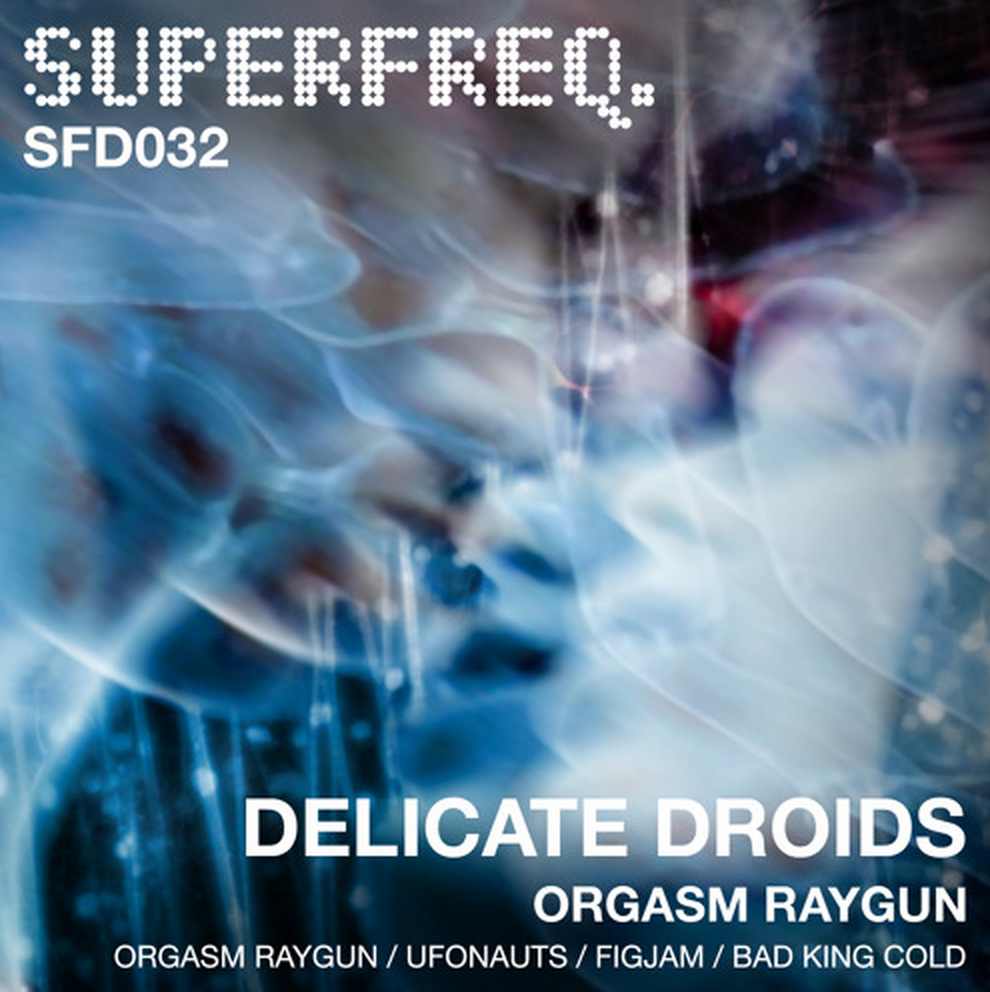
Classically trained jazz musician Richard Ruttenberg and veteran DJ Peter Dutch (aka. Dutchie) are by no means newcomers to the music game. Together, they make up the newly formed tech house duo Delicate Droids who just recently dropped its debut EP, Orgasm Raygun, on Mr. C and David Scuba’s label, Superfreq.
For the past thirteen years, Superfreq mainstays Mr. C, David Scuba and Noel Jackson have been essential components in constructing a vibrant underground tech house scene in London. Organizing various events throughout the city and releasing a large volume of releases, the sound of Superfreq remains as an essential component of the underground electronic scene in the UK. Ruttenberg, who is a professional sound score writer, and Dutch, who has been spinning a wide variety of music since the 80’s, have come together to produce a four-track EP that is bound to help any late-night vibe endure. The basslines and abounding soundscapes scattered throughout its debut release showcases the pair’s expertise when it comes to constructing simple, yet compelling, tech house.
You can buy Delicate Droid’s Orgasm Raygun EP on Beatport, or stream the entire EP below. Be sure to check out more from the Superfreq family here.
You’re undoubtedly familiar with Montreal’s MUTEK. You may know about Piknic Electronik and Igloofest. But unless you’re from the City of a Hundred Steeples (thanks for that one, Mark Twain), you probably aren’t aware of the city’s new Bacchanale Festival. We suspect that will change soon, though. An offshoot of La Bacchanale, a series of throwdowns held throughout Montreal—past events have featured such world-class artists as Jeff Mills, Ellen Allien and Ben Klock—the inaugural edition will be held at the Old Port, kicking off with an opening party on Sunday, September 6 and culminating with a weekend of revelry from Friday, September 18 through the following Sunday. In the words of the team behind the festival, “We are proud to introduce you to our dream project: a nomad festival, offering a utopian alternative to our current urban unrest. Bacchanale Festival inspires to be an art piece aiming to diffuse certain fundamental values in which we believe in in regards of today’s society. Nomadic by essence, Baccchanale Festival is a multidisciplinary festival. Each edition will present a new and different theme, revealing a new world!”
Sounds great—we love to diffuse fundamental values—but what will really garner a lot of attention is the lineup, which leans heavily on iconic pioneers like Phuture, Lil Louis, and Octave One; rock-solid vets such as Norm Talley, Extrawelt, Thomas Melchoir, and Delano Smith; and a cornucopia of other great DJs and producers from both the local and worldwide scenes, including Pearson Sound, Claire, Alessandroid, Answer Code Request and Pär Grindvik. We were certainly intrigued—so we reached out via the magic of e-mail to one of La Bacchanale’s cofounders, Martin Loutrel, to find out more.
What was the motivation in starting La Bacchanale? What was the philosophy behind it? It all began out of a dream to first realize our own events in Montreal, and keep growing until eventually making up our own festival. It was not always defined, but we all had the big idea in mind.
Basically, every edition of our festival would be inspired by a special theme. It would offer various experiences, from music to visual art, design, dance and other forms of art. The music would play a major role, and would offer what’s best in terms of electronic sounds, and more precisely house and techno music.
Overall, the objective is to create a piece of art where we’re able to express and translate an idea during an event.
Does that philosophy still hold true today? Yes it does, although it’s been subject to change since our debut of course. The main debate is based on the contrast between the amount of music we’d like to add, and the experience we would like to create on top. The experience is our challenge. It’s hard to define and to create. That’s why it has always remained secondary so far. But we work harder and harder to make it happen at every event we create.
The theme of the inaugural Bacchanale Festival is “Ancient Future”—could you elaborate a bit on that? It’s interesting the way that some of our generation is becoming more and more conscious about social and environmental issues. Especially in Montreal, there is a movement towards solidarity, and less towards individualism. It’s like we’re going back to more fundamental values like respect, love, and sharing. Ancient Future is a reflection of this tendency, most notably by inviting some of the most renowned DJs and artists who have marked the history of electronic music.
In the lead-up to the festival, have there been moments when you’ve thought, “Holy crap, what have I gotten myself into?” Do you still ask yourself once in a while? We ask ourselves this question every day!
Montreal seems like such a great city for festivals, both for electronic music and for music in general. What role does the city play in the success of La Bacchanale, if any? There is indeed a good history of festivals, among which the electronic scene is well represented. This really helps establishing our project in more significant ways. That being said, we do not rely on this to be successful—on the contrary it encourages us in trying to be everyday more innovative and creative.
I’m sure there have been many sets or moments that have blown you away at La Bacchanale, but are there any that you can pinpoint? Jeff Mills and Robert Hood were probably the two sets that have impressed us most. Jeff Mills was so energetic, the atmosphere so electric. I think this event will long remain in Montrealers’ memories. Likewise, Robert Hood always provides such clean sets, bringing up classical sounds. He was definitely up to what people expected from him when he came over to Montreal.
This year’s edition has such a strong lineup. What is the selection process like when you are putting together your lineup? First and foremost, we try to respect a set of guidelines which fits our preferences. Today, our identity is more oriented towards house and techno. However, this is not fixed and could potentially embody a broader range of musical genres in the future. One member usually takes care of contacting and booking artists—however it is the whole team which decides who will play or not.
The lineup features iconic veterans (Phuture, Lil Louis and Octave One, for instance) as well as newer artists. Do you think it’s important to pay tribute to the music’s heritage? Of course! It’s important because the techno movement is entering a new dimension today, and the new generation needs to understand where it comes from and what it means. We did not necessarily choose the biggest headliners, but those we believe have talents and are recognized for it. With such a lineup, we want to establish a new trend, and not follow the current tendency of booking the top 20 biggest acts all playing at the same time during the festival.
Do you plan on continuing to produce the festival for as many years as you can? Or can you see an endpoint? Our dream is, similarly to Cirque du Soleil, to create a series of nomad festivals that move to different cities all around the world. For every edition, we create a different world in which people are plunged into. One day, we’ll hopefully get there!
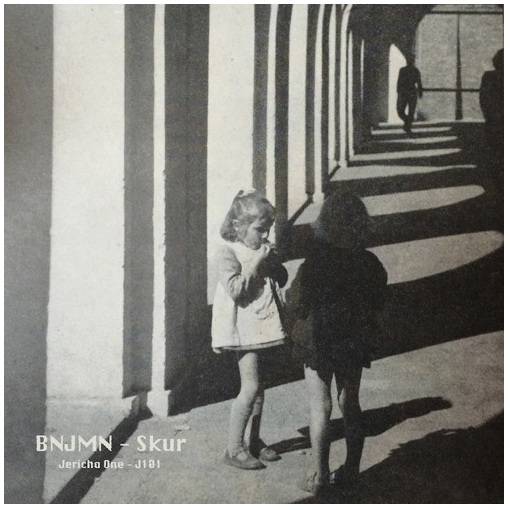
Creme Organization has announced its new sublabel, Jericho One, and the first three releases—which will come from BNJMN, Noface, and House Of Black Latterns.
Jericho One was launched to expand on the musical reach of Creme Organization, with the new label focusing itself towards “a more ominous, techno, breakbeat, bass and dare we say “bigroom” oriented area without diluting the already overcrowded bunks of the Mothership any further.”
Up first for Jericho One will be BNJMN’s four-track Skur EP—which lands on September 28—followed by Warrior Charge from Noface, and Leather Jacket Love Stories from House Of Black Latterns, which will arrive October 9 and November 9, respectively. You can find previews of all three EPs below.
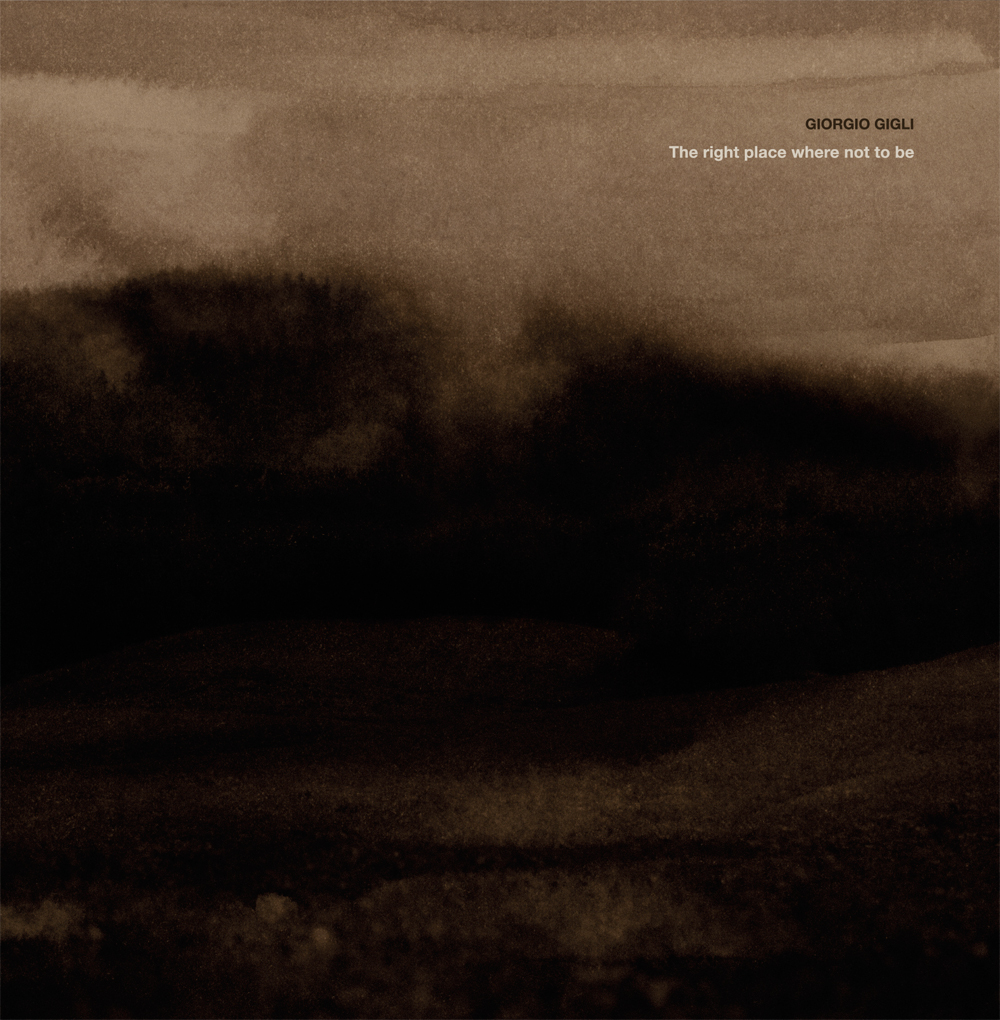
Giorgio Gigli has announced his debut album after a period of personal growth on his own Zooloft Records imprint.
In the same way his DJ sets reflect the spirit of that evolution, The Right Place Where Not to Be explores sophisticated ambient layers as much as obsessive and hypnotic techno landscapes.
The Right Place Where Not to Be is scheduled for October 23 via Speedy J‘s Electric Deluxe imprint.
Tracklisting:
Ø1 / Ø – Il future è solo un ricordo di uno stupendo passato (Everything Begins Here) A1 / 1 – Last Frame of Myself A2 / 2 – Surrounded B1 / 3 – Eve of Destruction B2 / 4 – Nocturne C1 / 5 – The Silence Was Infinite C2 / 6 – Through Leaden Clouds D1 / 7 – Shades of Depth
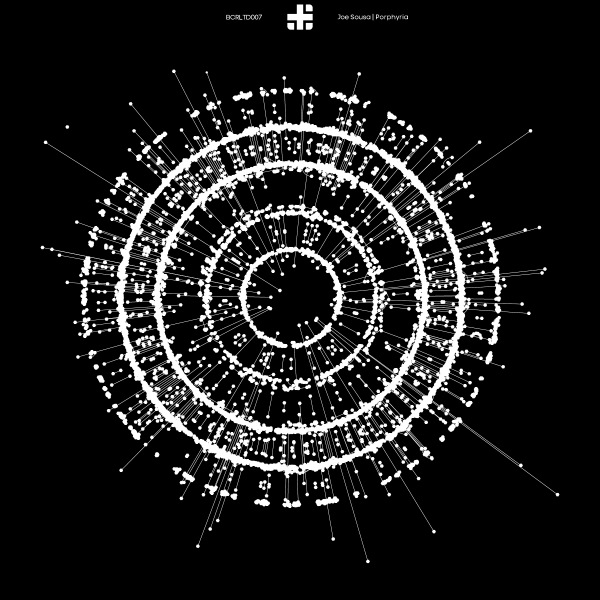
Representing the latest wave of raw techno coming out of Detroit, Blank Code is a record label that continues to build momentum by having high quality producers on its side, while also constructing a strong following based on its resident DJ lineup and a well-known party series titled “Scene.” Since the start of the label back in 2012, Blank Code has seen a plethora of heavyweight techno records from the likes of Brian Sanhaji, Drumcell, Material Object, and Luis Flores. The label also has a lineage of securing premiere remix packages that include productions from Brendon Moeller as Echologist, Mike Parker, and Project 313.
Next up for Blank Code is an EP on the more exclusive arm of the label called Blank Code Limited. The Porphyria EP, from Michigan based producer Joe Sousa, is slated for release on August 31, and will be distributed as a high quality digital download over on Beatport.
Check out Blank Code’s last compilation featuring artists from the label, and check out the Blank Code website for more information on their upcoming releases.
London-based electronic producer Ryan Lee West, better known as Rival Consoles, has announced his third studio album, entitled Howl.
Foremost a guitarist, growing up listening to rock rather than club music, West continues to strive towards finding a more personal balance between music for home listening and larger spaces. The title track was inspired by the howl-like tones he developed by running synths through guitar pedals.
“By slowly drifting the pitch through distortion and delays, the result sounded like vocal cries–something which was perfect for the song and this inspired me to take on a darker set of tones across the whole album. It was made over the past few years, inspired by capturing small performances on synths, touring with some of my musical heroes, playing with feedback when I should have been catching a train, sampling my voice in unexpected conditions and recording textures in different countries.”
The album explores a wide range of emotions; from the dissonance eruptions and primal rhythms in ‘”Howl”, to the mournful improvisations of “3 Laments”, which features a sample of his own voice. Alongside his performances on Moog, Prophet, tape delay and guitar, West enlisted the help of drummer Fabian Prynn for “Low” and cellist Peter Gregson for “Walls”, both long-time collaborators of Erased Tapes peers Douglas Dare and Michael Price.
“This album features a lot of my own recordings, rather than simply using samples that I have sitting on my computer. This gives the album a more personal feeling, which is very important to me because I think we live in a time where there is just so much recorded material out there, and accessible at a click of a button, that the joy of recording your own drum sounds, your own percussion, your own claps, seems redundant–but it’s not! That should be a priority because its often more interesting and makes you choose a different creative path.”
Ahead of the album’s October 16 release via Erased Tapes, title track “Howl” can be streamed in full below.