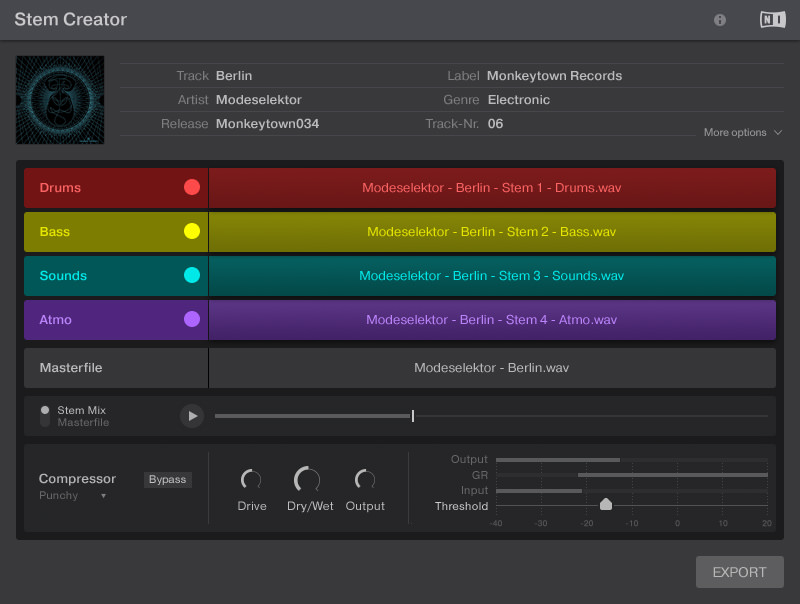
Today, Native Instruments released the public beta version of the Creator Tool for its Stems file format.
The Stem Creator Tool will allow users to create their own Stems. The tool available in a .zip file that contains a quick-start guide on how to create Stems, a step-by-step guide on how to create a Stems album cover, and a .psd template file to help users create their Stems cover art.
Along with the announcement, Native Instruments has released a tutorial video, which you can watch in full below. For more information, you can sign up for the Stems Creator Tool newsletter here.
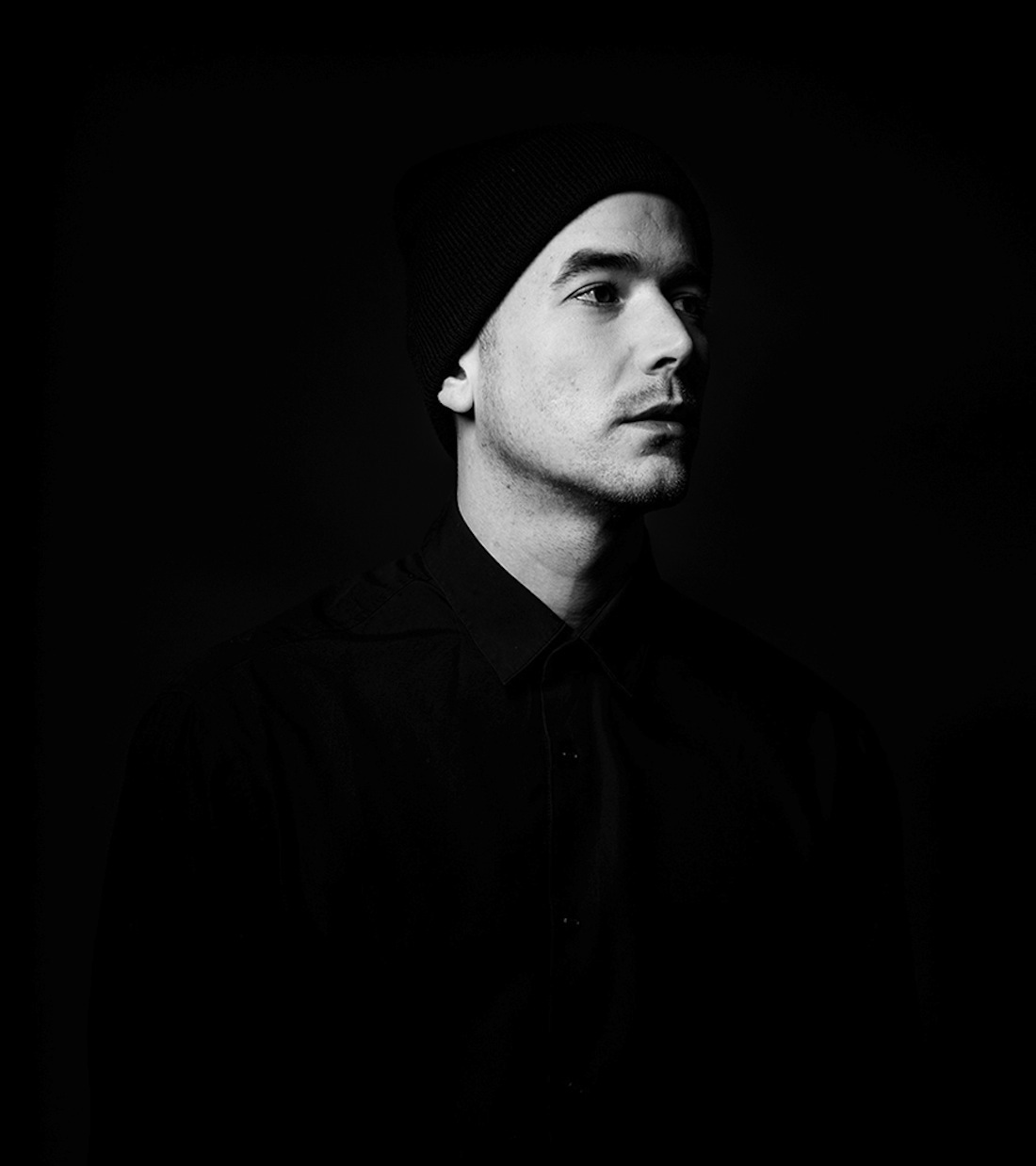
Paul Schroeder is perhaps one of the most mysterious and enigmatic emerging talents in the scene. Indeed, when it comes to elusive producers, the man known to fans of otherworldly 4/4 rhythms as Aparde may be one of the most difficult to catch—and he’s not all that interested in having that change. “I like it this way,” he states with a dissimulated laugh.
The name Aparde comes from the word apathetic, a quality he regards as reflecting his own personality and temperament. “I guess you can say that I’m a guarded or introverted person,” he says, before pausing. “I think this project is like a type of mirroring of my personality.” The result: a natural choice to let his craft speak for itself. One might say his personality shines more brightly through his music, but Aparde is evidently on the right path of becoming a serious force to be reckoned with. With tracks and remixes on distinguished labels like Stil vor Talent and Traum under his belt, this is an artist whose talent is inevitably gaining traction through his music alone—a breath of fresh air in today’s competitive music world.
Originally hailing from Usedom, a small island in the Baltic Sea—the very island where Christian Löffler produced his A Forest LP— he made the move to Berlin, as many others before him, to chase his dream of becoming an established music producer. Hailing from a region so surrounded by the natural elements inevitably has had a certain impact on the moody and moving qualities one can feel throughout the melancholic stylings of his productions. With his new EP, Dialogue, just released on the Keller label, XLR8R caught up with Schroeder to talk about his music and his persona.
Is nature part of the inspirations behind your music? I guess it’s kind of an instinctive thing for me. I like being outside, I like the woods, I like the water, particularly—the beach, ocean…no matter what body of water or no matter where. But I’m not some sort of nature freak, either, who wants to be outside all the time, or who always gets energy from walking through the woods.
Can you talk a bit about your background? I come from an island called Usedom. I left it when I was 17 and now I’ve been in Berlin for the past three years. Before Berlin I was living in Neubrandenburg, a small town, and after this I went to Potsdam just outside of Berlin for three or four years before my move here.
What was the incentive behind the move to Berlin? It was mainly for logistical reasons. Not only did I have a lot of friends who were living here already, but also career-wise it made sense.
How long have you been producing music for? I’ve been doing this electronic and techno project called Aparde for about four years, and it’s been around two or three years that I’ve been playing live with it. This electronic music I am now making, I started when I got my very first computer as a teenager. Before this I was making more ambient and trip-hop stuff, more organic stuff, without the four-to-the-floor, club atmosphere. I was also in a lot of bands prior to that. I was a trained drummer; my mother told me to play the drums when I was seven because she thought it would be good for learning and handling things, and good to stimulate the brain. Subsequently I learned to play the guitar and piano on my own. Singing was also a part of that. This latest project of Aparde has been the most successful one for me until now.
The adjectives melodic and cinematic have been used before to describe your productions. Are these terms you would use yourself to describe your own style? Yes, definitely. I think these adjectives characterize my style quite well. It’s always somehow a bit melancholic, and with a lot of atmosphere and reverb on the elements. It also has this sort of wide atmosphere feeling. I always try to build a melancholic atmosphere with a strong and dynamic rhythm on the side, where everything can merge together somehow.
Were there any particular artists that you looked up to growing up, or look up to now? When I was younger it was the band Deftones, and then it went over to a lot of hip-hop and trip-hop and Massive Attack and stuff like that. After that I started listening to more ambient, experimental stuff like Aphex Twin. These days Jon Hopkins is a very big thing for me, also Nils Frahm and this kind of piano, ambient and melodic stuff in general…Ólafur Arnalds and Erased Tapes Records, too. When it comes to techno, I’m a big Stephan Bodzin and Oliver Huntemann fan because these guys are real veterans. I think they both understand really well how this techno thing works and how to innovate during a live performance. Max Cooper too—everything started with Max Cooper—and Traum Schallplatten, because I was already working on some techno projects, then I received some messages directly from Max and Riley Reinhold of Traum saying they were interested in what I was doing.
“There were times I would stay up till 7am making music instead of going to school, which is why I simply decided to stop everything and really focus exclusively on the music.”
So they were really the main incentive to pursue the music thing more actively? Definitely. It was after this point a few years back that I really decided to take this project more seriously. I was in school back then, like everyone else, and I was quite good at it, but the music was what I really wanted to pursue. I was already making music all the time—before and after school and any chance I had—so naturally it made sense. There were times I would stay up till 7am making music instead of going to school, which is why I simply decided to stop everything and really focus exclusively on the music.
It’s interesting that you brought up the Max Cooper connection, because some of your tracks—“Epiphanie” comes to mind—seem to be influenced by his sound. Is he someone you look up to? And what about people like Extrawelt? There seem to be some similarities there too. Yes, definitely. I first started making electronic music when I was 19, and the first music of that genre I ever listened to was Extrawelt…Extrawelt and Aphex Twin were the very first things.
It’s safe to say there’s not a lot of information on you out there. Is the mysterious-persona image done on purpose? Yes. I’m aware there’s not a lot about me out there, which I think is good, it’s quite difficult to explain, even in German for me. This Aparde project is meant to be a kind of art figure, a kind of person I would like to be—but I’m not, in a sense. He was created so you could post his things on the Internet and build this whole persona around him, and also as something I could hide behind. Basically for me, I don’t like this kind of marketing stuff, and everything that comes with the job like giving interviews and all of that. I’m a quiet person, I don’t really go out with friends, and I have my own problems with that. I guess it’s a kind of mirroring this project…from my personality.
Does your name relate to that feeling? Aparde also means being apathetic. It depends on my mood in general, but I don’t really like this kind of club thing. Coming to the club and going through the crowd with my stuff, and everyone is just there looking at you as you go through, and still have everyone looking at you while you’re playing…I don’t know. It’s just kind of strange for me, and all I want to do when I finish a show is go outside, get some fresh air and a bit of silence.
So you don’t really go out to parties here? No, never!
How did your last release land on Stil vor Talent ? Did you know Oliver Koletzki beforehand? I was working with Jan Blomqvist and he sent the tracks directly to Koletzki. He replied really quickly, he liked them and it was a deal. He took the tracks just as they were so I didn’t have to change anything—which for me was really good, of course. This was a great opportunity that was going to help the project reach more people. That was the main reason why I decided to release the tracks with them.
Can we talk about your process in the studio? What’s that like? Do you have ideas prepared before going in or you sit there and see what happens? My bedroom is my studio. I guess you could say I’m a bedroom producer, but this is mainly because of financial reasons. I am finally looking for a new place with separate rooms for the studio and the bedroom. When it comes to how I work, sometimes I do have ideas already in my head, and once I start playing around I record them right away. I sit there for hours trying different things, and sometimes something comes out. I guess it’s a mixture of both. Sometimes I have the ideas in my head, or sometimes it’s just the result of me sitting there and playing around.
What about your live sets? Actually, it’s been very difficult for me for these last couple of years to organize this kind of live set thing. I started only with MIDI sequencer, and with the project just as it was in the program. It was very hard to manage with the CPU. The computer was too slow for it, so over the years, I decided to reduce everything to audio in order to get a more innovative style of playing. I play some elements when I feel like the crowd is liking some part; I can play it for longer or less time, I can make build-ups whenever I want to do it. It used to be very structured—I played the tracks like I produced them. But now I’ve done it so I can take some single elements out of it and mess around with them more by adding or removing things. This generally let’s me be more innovative with the live sets. Again, it’s a mixture of both, with improvisation and a bit of structure.
What’s next for Aparde? I would like to focus more on an instrumental-singing project. I sang and wrote the lyrics for the track “Cover” in the Loom EP, and I would like to do it a bit more. My friend Ryan Mathiesen helped me write the lyrics for that track, but it’s always this big battle with myself—my ego and self confidence or rather self-doubts seem to get in the way. I’m very self-critical.
Randomer (a.k.a. Rohan Walder) will return to L.I.E.S. next month with a new EP, Kid’s Play. The UK techno producer and onetime XLR8R podcast contributor dropped EPs on Clone Basement Series and L.I.E.S. proper last year, in addition to one on L.I.E.S. sublabel Russian Torrent Versions. The label reports that on his upcoming five-tracker, Walder “went in and dug up some percussive nastiness and got all dynamic with it, dropping in and dropping out [with] heavy kicks and bells.” Kid’s Play sees an official release on September 28; previews are available here via Rush Hour, and the EP’s complete tracklist can be found below. (via Resident Advisor)
01. Kid’s Play 02. Juju 03. Bell Jam 04. Brutus 05. Dem Thing
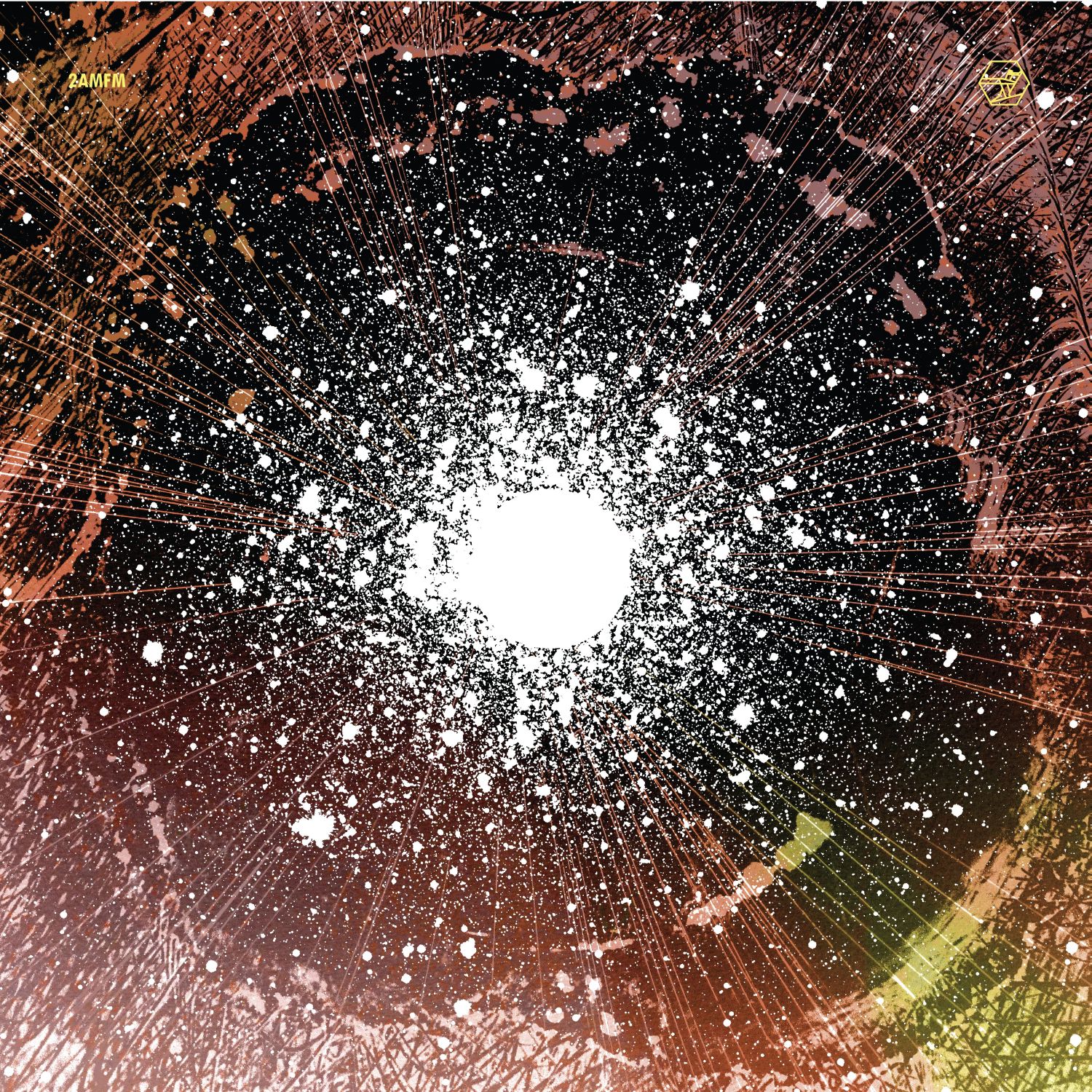
D’marc Cantu and Tadd Mullinix‘s 2AM/FM collaboration has never had a clear trajectory. From Mullinix’s offbeat hip-hop project Dabrye and his acid and techno releases under a plethora of aliases to Cantu’s potpourri of club music, the Ann Arbor residents are known for their constant state of flux. Now, after over a decade of collaboration, 2 AM/FM are releasing their self-titled debut LP on Mullinix’s new label Bopside Records, with little regard for any of the sounds they’ve become known for.
Caught between the sounds of Chicago and Detroit, 2AM/FM’s hometown of Ann Arbor is both Cantu and Mullinix’s physical base and sonic inspiration. Complicating the expected 4/4 patterns with loose, fluttering analog drums, the album favors ebb-and-flow progressions over tour de force jacking intensity; rolling grooves and spacey synths give way to chimes and waterlogged drum programming. The record never feels empty or boring, but a newfound emphasis on spacing and translucency gives their sound a meditative quality.
Only at one point does 2 AM/FM revert to their old ways: The acidic creep of “Excuse Me Miss” feels a bit out of place with the rest of the tracks, but it is consistent with fact that the record comes from Cantu and Mullinix. They can jump from off-beat drums and stony pianos to acid mayhem with no regard—and even when they’re not being consistent, they’re consistently being themselves.
The duo’s willingness to depart from previous sounds, of course, is what warrants an album rather than a series of singles, and this release serves as a statement about 2 AM/FM. Never forgetting about their roots, they’re carving out another sound for themselves and Ann Arbor: a pair of longtime musical transients, finding yet another stride.
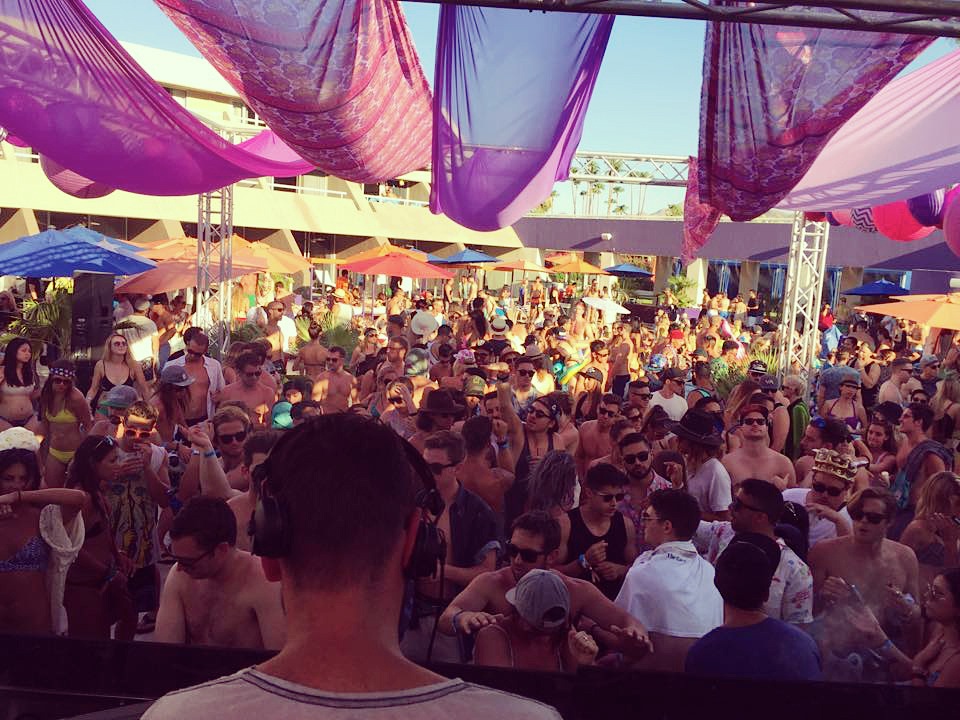
Would Sweden’s Jonas Rathsman have made it to where he is today without the blessing of dance music’s best-known tastemaker? Well, yes—chances are the Swedish DJ-producer would have done just fine without the imprimatur of Pete Tong, who pegged the erstwhile member of the Stuffa duo as a “Future Star” in 2013, and who handed the reins of an Essential Mix to Rathsman and fellow French Express artist Perseus the following year. After all, Rathsman makes gorgeous music—his hazy tracks are full of subtle, graceful swoops and swoons, punctuated by moments of soaring grandeur and accented by flashes of surprising toughness. But then again, it probably didn’t hurt, either: He did score a clubland-conquering tune with “Wolfsbane,” released this past spring on the Method White label, and he’s just reworked Disclosure‘s “Omen,” featuring Sam Smith on vocals. (Hey, if you’re gonna listen to Sam Smith, you could do far worse than a smoky, dramatic Rathsman remix.) Rathman’s just finished up a North American mini-tour, with a stop at Palm Springs, California’s Splash House fest on August 9; below, find a short photo diary of the excursion.
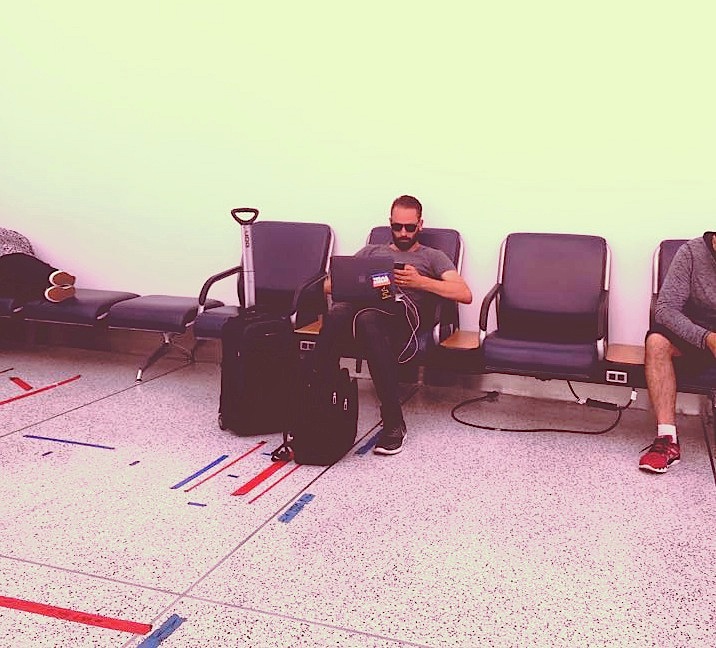
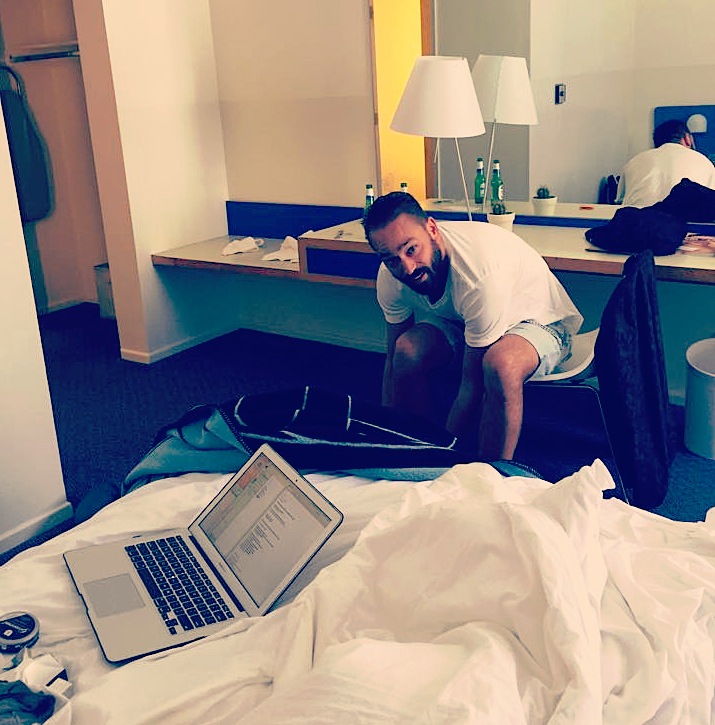
1. Insert cliché-DJ-comment-on-airports here! I am actually starting to love these places.…
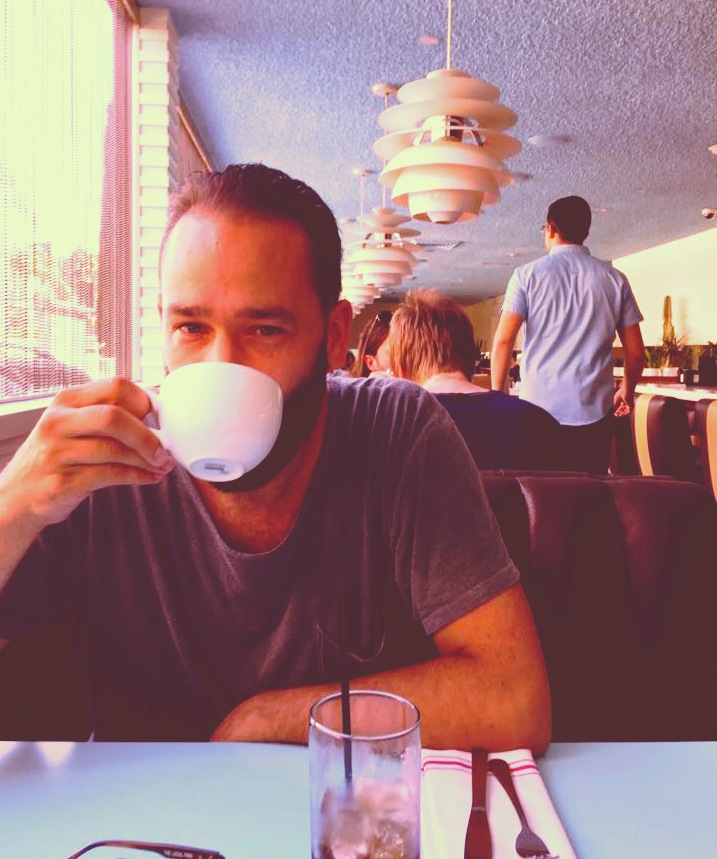
2. Day three in to this U.S. run, coffee is definitely my best friend right now.
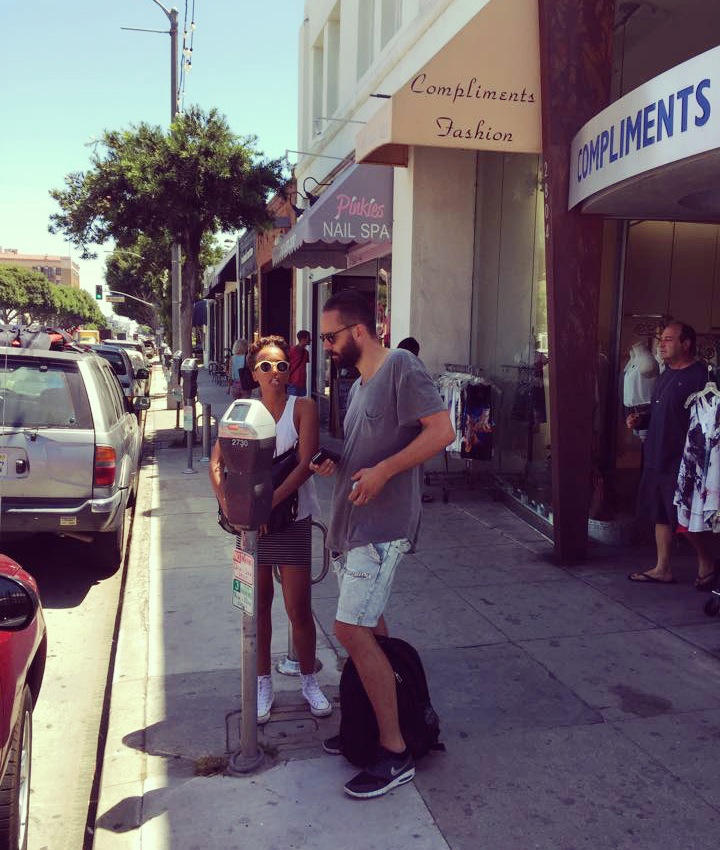
3. Shout-out to Mela and Mohamed for picking me up! These guys came all the way from Sweden to see play— legends. It took us a few minutes to work out this parking meter—but we got there in the end.
4. Some much needed pool time! Could have stayed here all day.
5. Last minute set prep before we go to dinner!
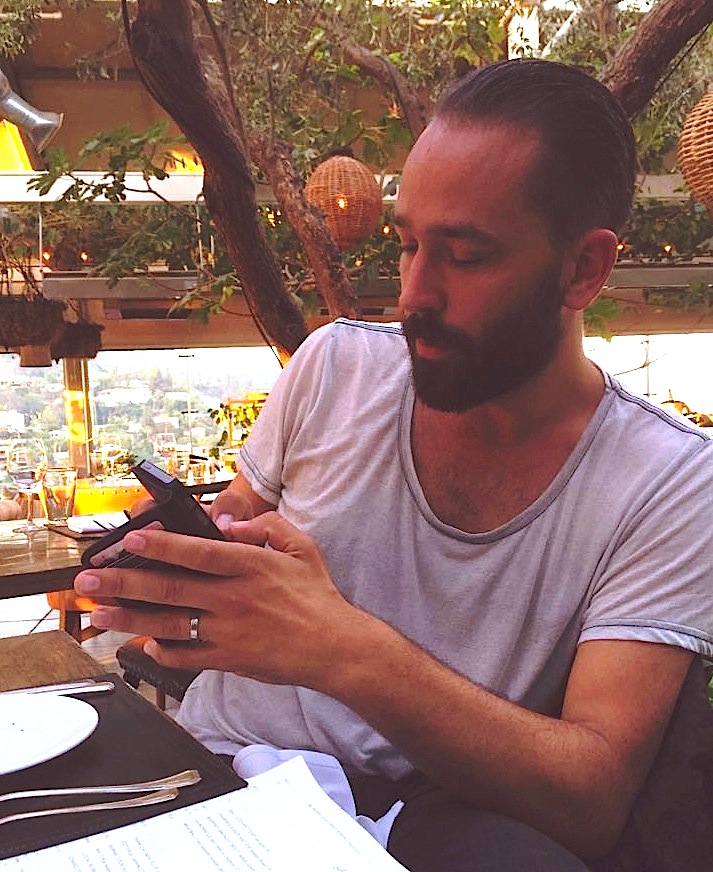
6. Dinner set me up perfectly! Pizza and Californian wine—good times.
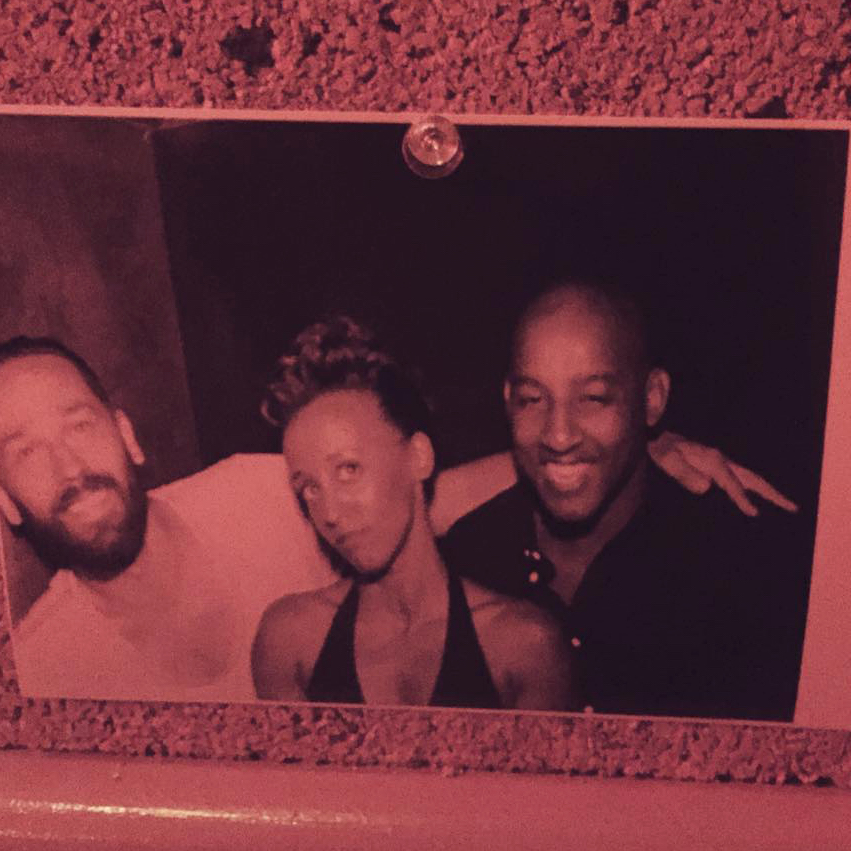
7. Post-dinner photo-booth action
8. When I arrived at Splash House, I headed upstairs to get a look from above—I was definitely excited when I saw this!
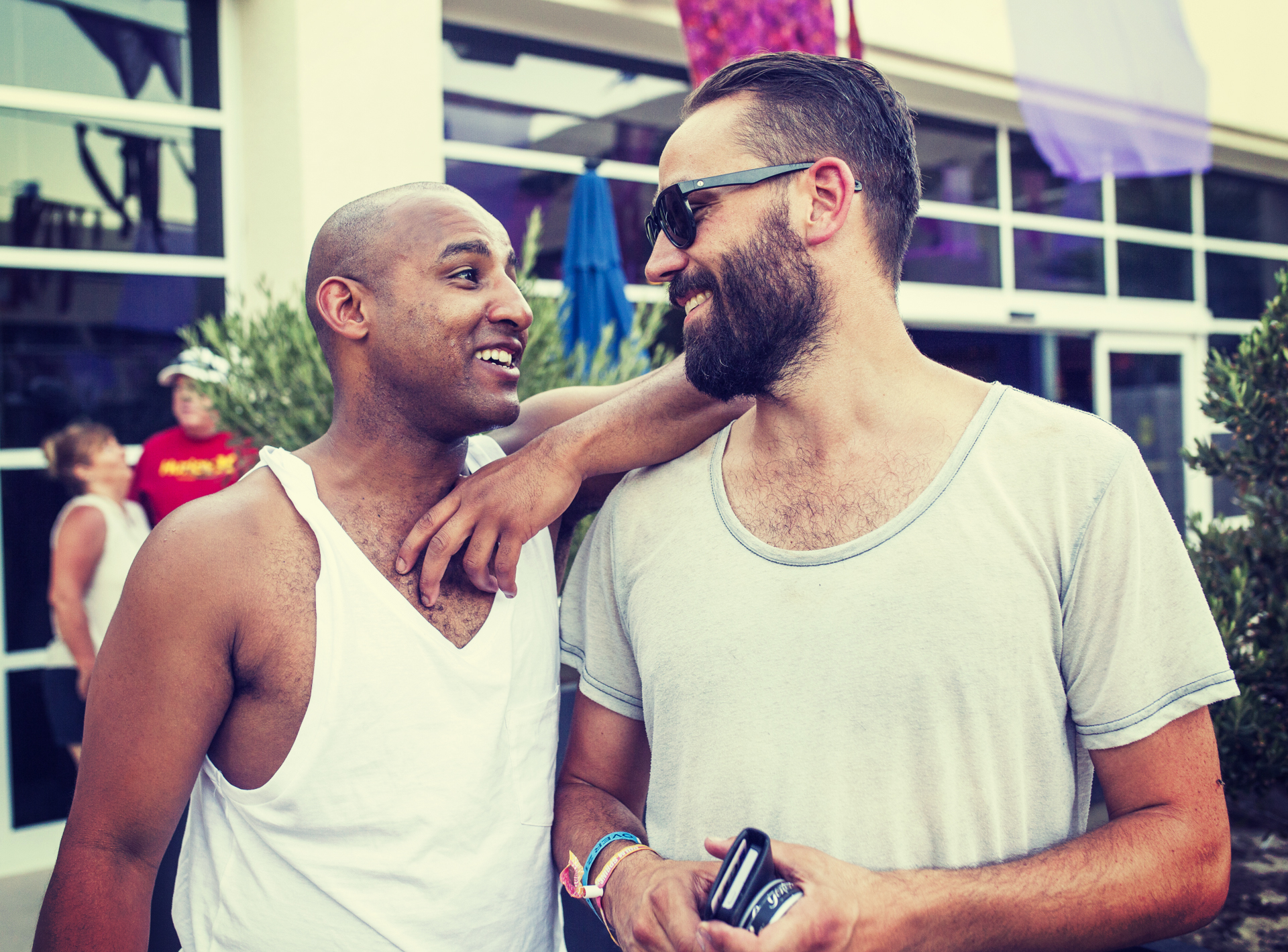
9. One of my oldest friends, Mohamed—still can’t believe they came from Sweden to see me. Love you buddy!
10. Always enjoy meeting up with Ben Pearce! Always ends badly. He is a bad influence!
11. Great crowd! Big thanks to everyone for the awesome party.
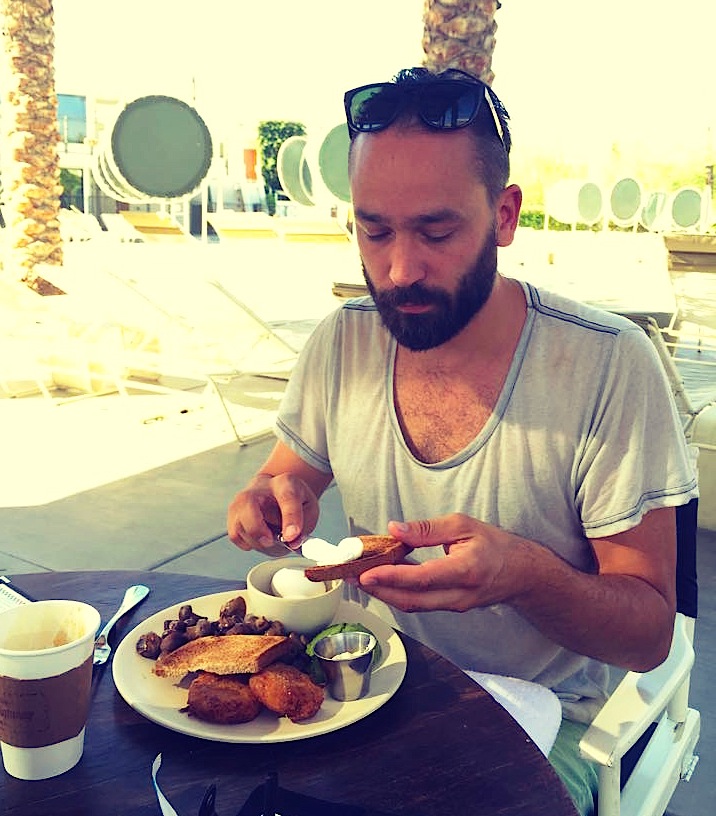
13. The morning after… f**k, that escalated quickly. Needed this breakfast before the last minute dash to the airport!
Glasgow-based imprint Dixon Avenue Basement Jams will be releasing its full catalogue digitally from September 4.
Founded in 2012 by label heads Dan Monox and The Wasp, its grown to be recognised as one of the most consistent and exciting labels in house and techno. Favoring a quality of quantity approach, the label has released brilliant dancefloor-focused cuts from underground stalwarts such as Marquis Hawkes, Denis Sulta, Modini, and Jared Wilson, bringing “real rockin’ raw shit from the street for the clubs”.
Now 15 releases deep, the label has put together a retrospective mix of some of its favorite label cuts to celebrate the upcoming digital release of the full back catalogue. Gritty, groovy, and raw, it’s a perfect summation of one of house and techno’s best underground imprints, and is streaming in full below.
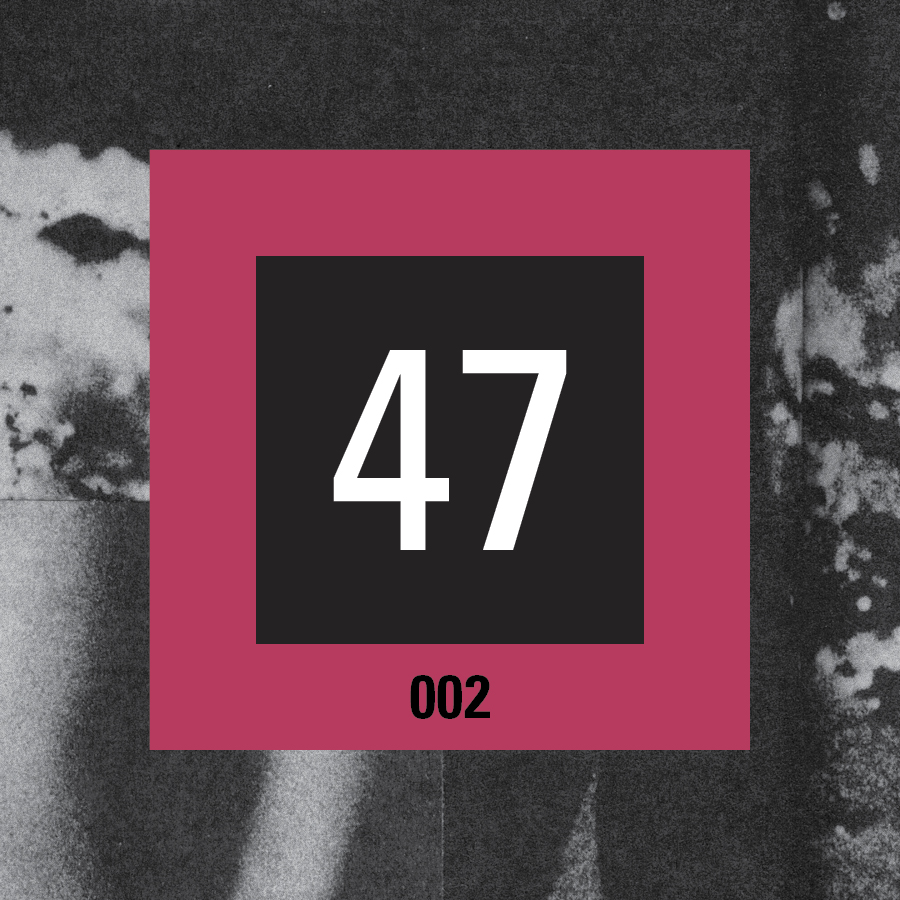
Tommy Four Seven has announced the latest release in his series of EPs that feature guests from his new regular event, 47. Keeping the focus on the floor, each release will include four original tracks, including one by Tommy himself.
The 47002 EP features tracks from AnD, P.E.A.R.L. and J. Tijn, and is scheduled for September 7 release via Tommy’s 47 imprint.
Ahead of the EP’s September 7 release, Tommy Four Seven’s “X9” track from can be streamed in full below.
Tracklist:
A1 Tommy Four Seven – X9 A2 P.E.A.R.L. – Vortex B1 AnD – Valid Point B2 J. Tijn – Mr Mime
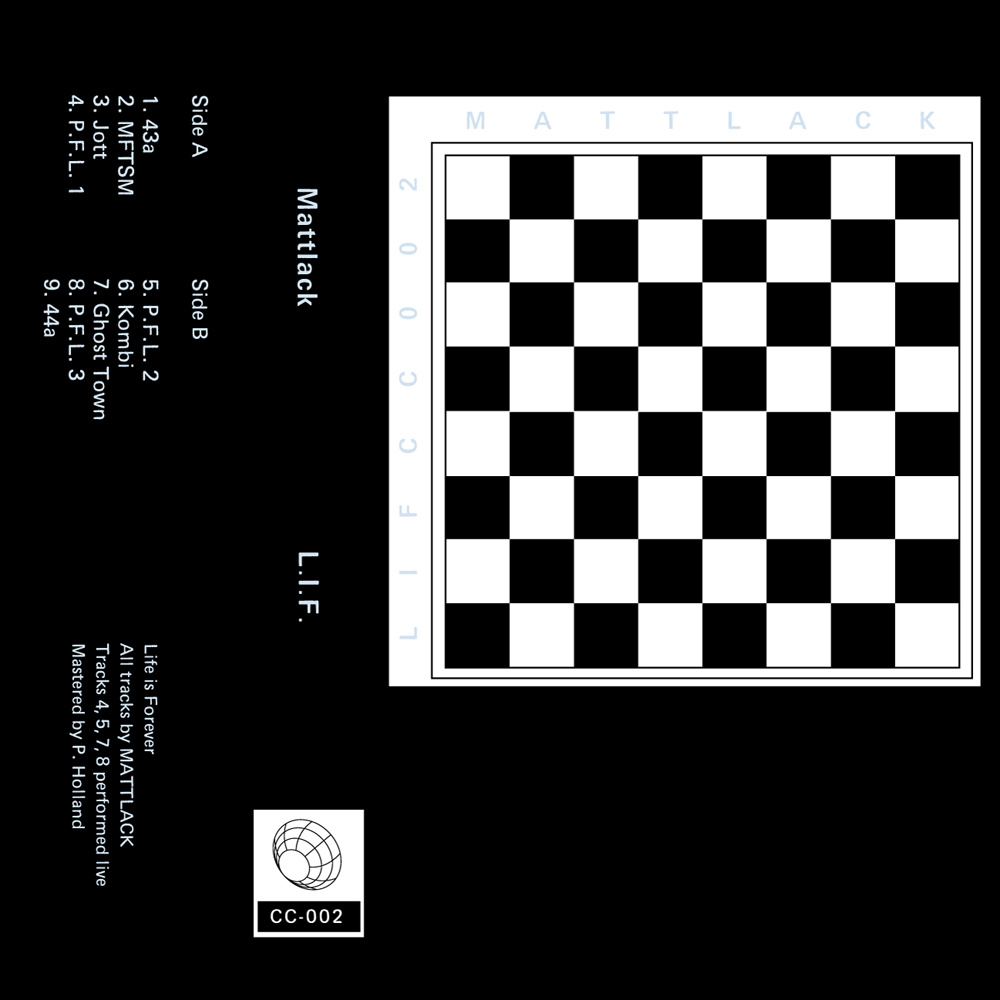
Collect-Call is an apartment-run vinyl/tape label based out of Montreal. At the start of the month, the Canadian imprint released Mattlack‘s L.I.F cassette album, an analog-driven collection of left-field house jams. Spread across nine tracks, the album traverses through minimalistic drum workouts, gritty and textural long-form journeys, and other raw oddities, all stamped with Mattlack’s machine work. Opening the album perfectly is “43a,” a deep and delicate cut that features gorgeous swaying pads, muted, drum-machine percussion, and an STL-like dubby swagger. Mattlack and Collect-Call have offered up “43a” as a free download below, with the full album available over at the Collect-Call Bandcamp page.
Liverpool-based DJ and producer Stu Robinson (a.k.a. ASOK) returns to DVS1’s Mistress Recordings with his Count Zero EP.
Following on from his storming cut “Purple Saturn Day,” which appeared on Mistress 5.1 (The Blonde EP), Count Zero finds Robinson continuing his live-synth workouts with four cuts taking in swinging, sample-heavy grooves, deep and dubby acid journeys, and trippy, intergalactic synth funk; all echoing his free-flowing production mindset: “The only plan I ever really have when I sit down making stuff is to not have a plan. I’ve tried the plan thing in the past and it never goes to plan, so no plan is the plan. I try to tie things together with technique and vibe rather than making tracks like a jigsaw puzzle.”
Count Zero will be released towards the end of next month.
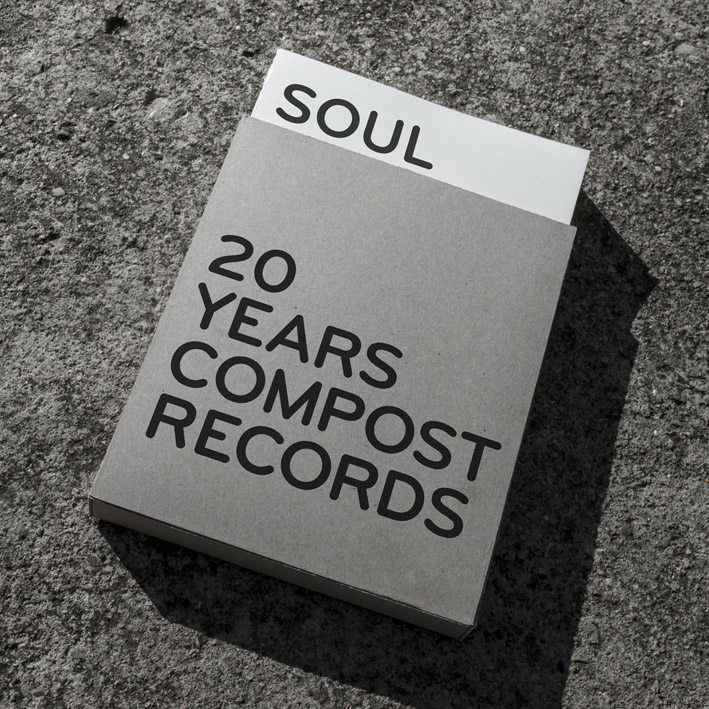
Founded in October of 1994, Compost Records has been paramount in helping underground electronic music excel on a global scale. Celebrating its 20th anniversary, the label has created a 300 page tribute to its many successes that includes a download code with unreleased tracks, hidden gems, and secret weapons that any electronic music enthusiast is bound to enjoy.
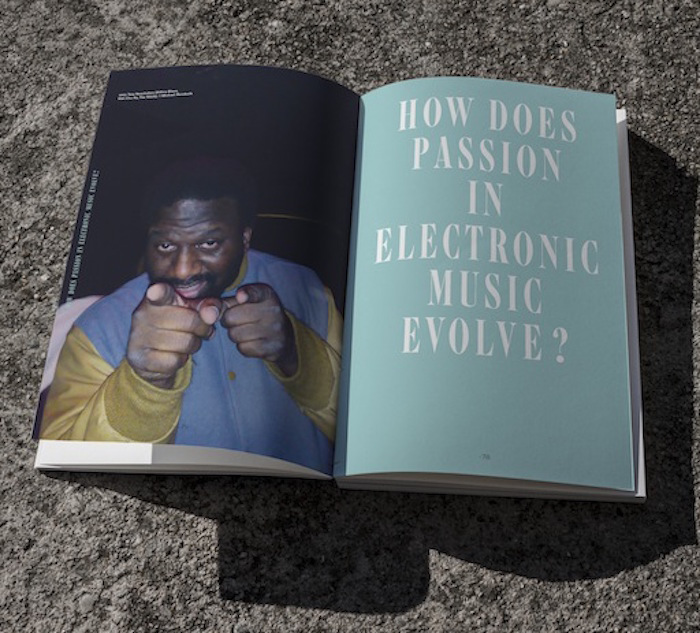
Printed in both English and German, the book contains more than 450 pictures, cover artwork, flyers, memorabilia, anecdotes, interviews, and testimonials from over sixty artists, remixers and friends of the label. These artists include Laurent Garnier, Gerd Janson, Danny Krivit, Hans Nieswandt, Giles Peterson, Fat Freddy’s Drop, and many more.
By purchasing this unique and beautifully compiled book, you will receive music from the likes of Todd Terje, John Talbot, Carl Craig, and other fantastic artists that you can check out in the tracklist below. To purchase the book, you can head to the Compost website here.
Tracklist:
Freshly Composted (Unreleased/Brand New):
Siren – A/Way (Radio Edit)
Bar – White Noise (Shahrokh Dini Remix)
Compost Allstars feat. Robert Owens – Good Day
Indoor Life – Archeology (Mathias Schaffhäuser Club Mix)
Robinn – Duillac (Bedroom Version)
Pawas & Schaffhäuser – Hunt (Rhodes Jam feat. Gregor Schwellenbach)
Marbert Rocel – I Wish I Knew
Felix Laband – Getting Old
SHOW-B – My Contribution (20 Years Mix)
Claudio Ricci & Megablast feat. OG Spiritual Gode – Chyedza
DJ Yellow & Flowers And Sea Creatures – Deep Into Neon (Mark E Remix)