Throughout the week, a whole lot of material gets posted here on XLR8R. And while we know—and love—that some hardcore readers will eagerly pour over every single news story, interview, podcast, video, and MP3 download that appears on the site, we also realize that for most people, it’s impossible to see everything, which means that some quality XLR8R content is likely to get missed in the hustle and bustle of everyone’s daily lives. In the interest of making it easier for everyone to catch up, every Friday we present The Lowdown, a weekly wrap-up of the top 10 tidbits from our site.
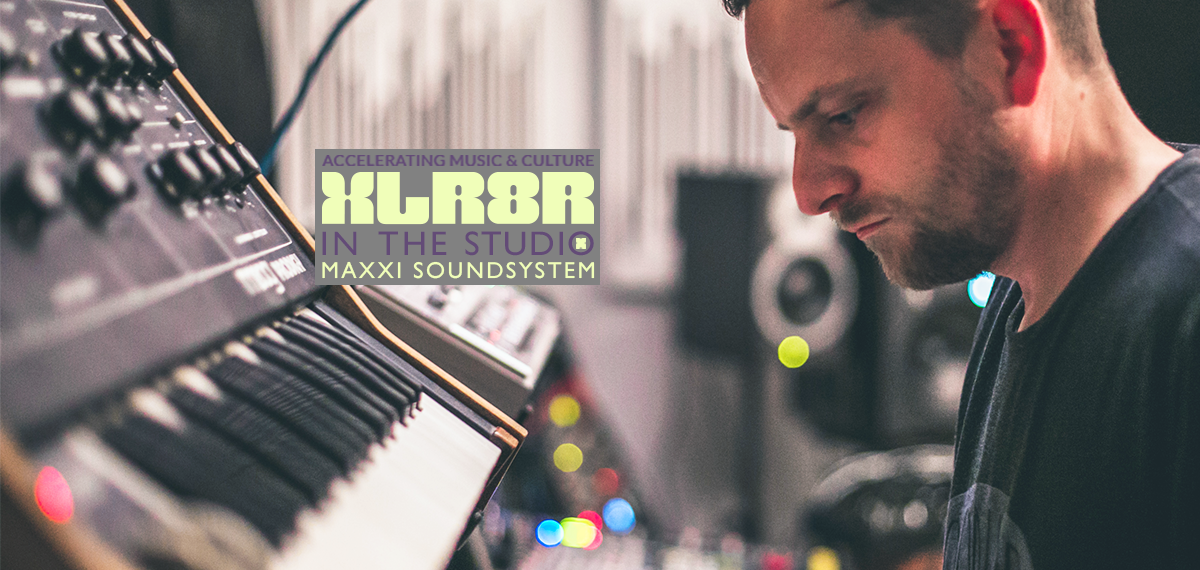
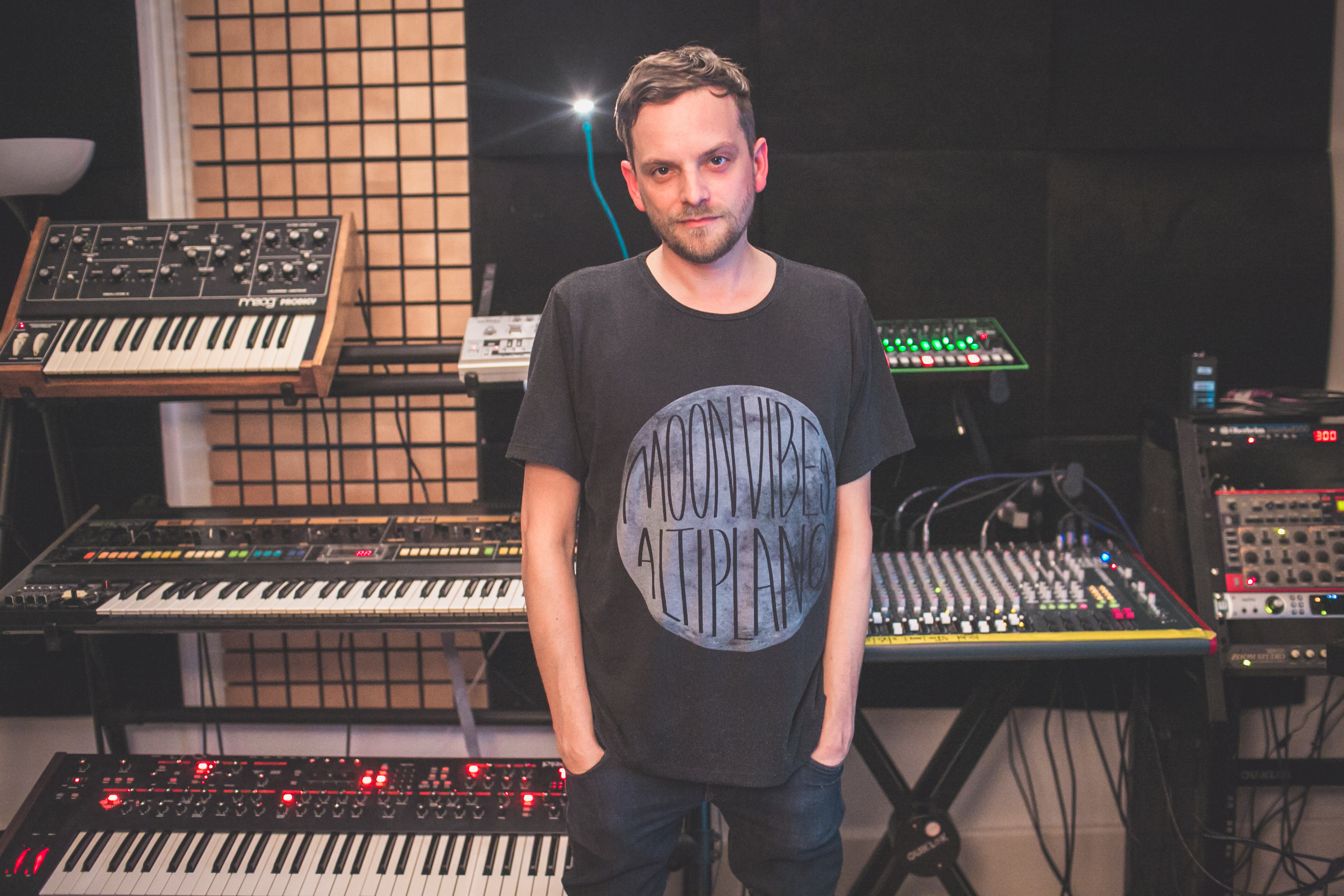
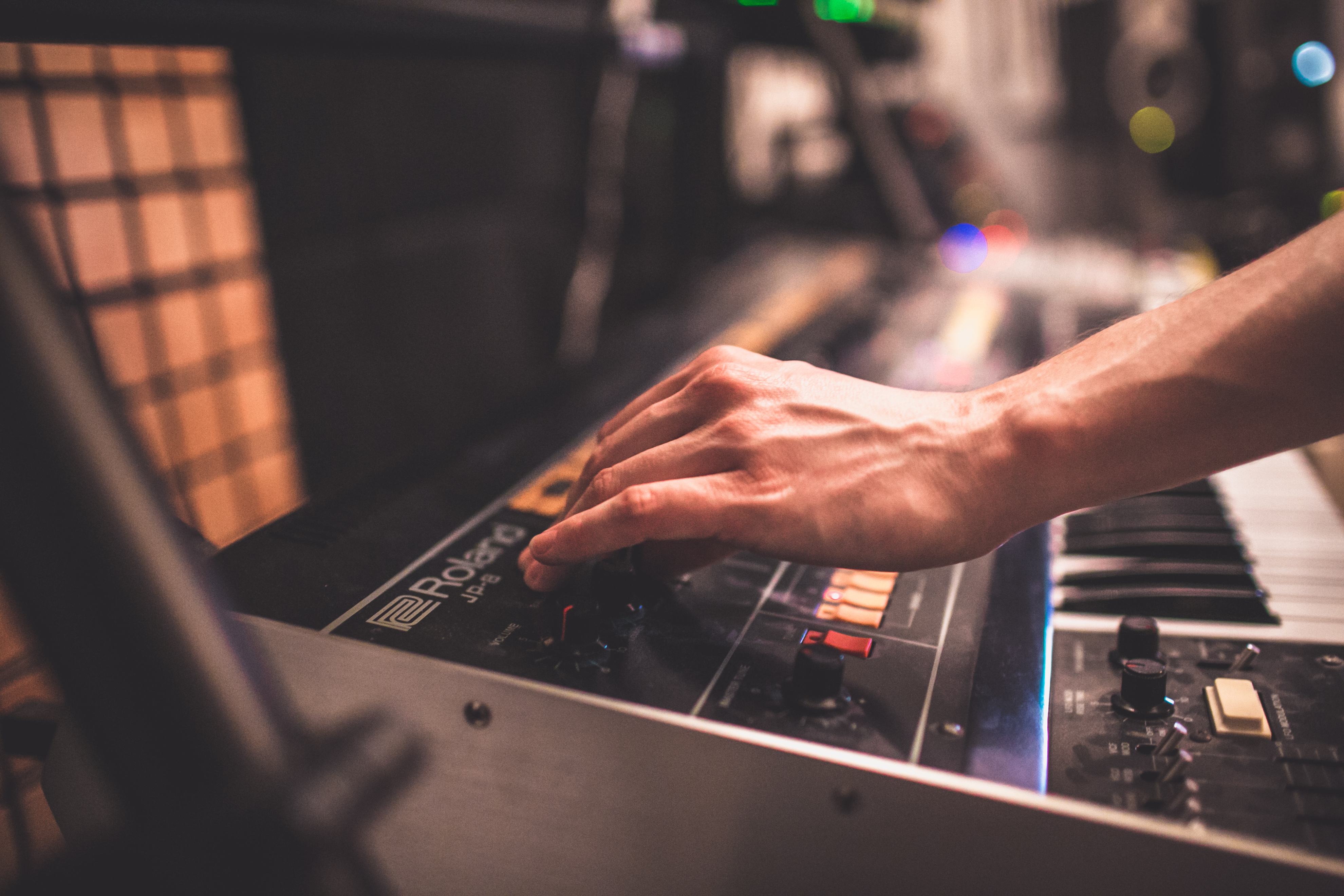
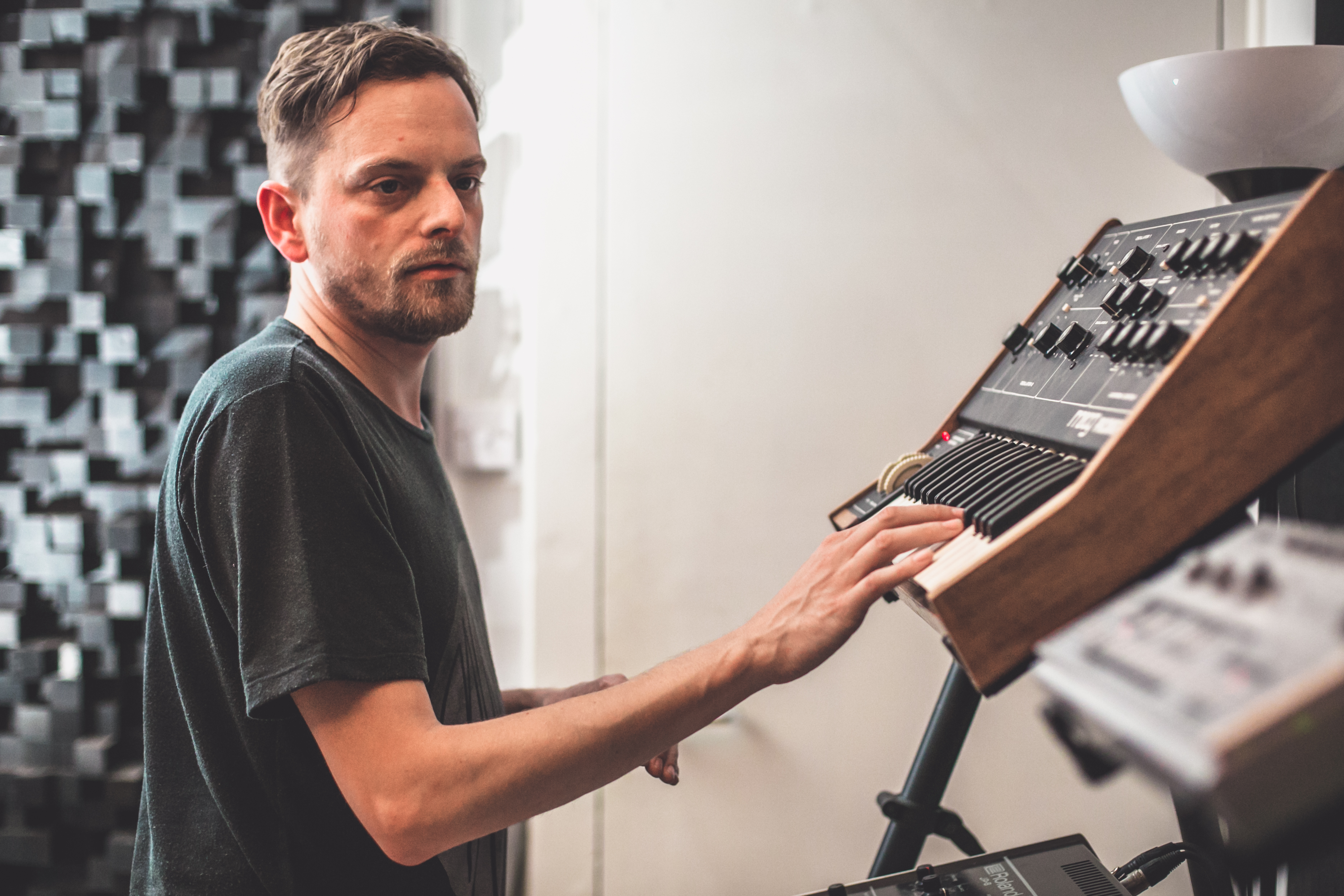
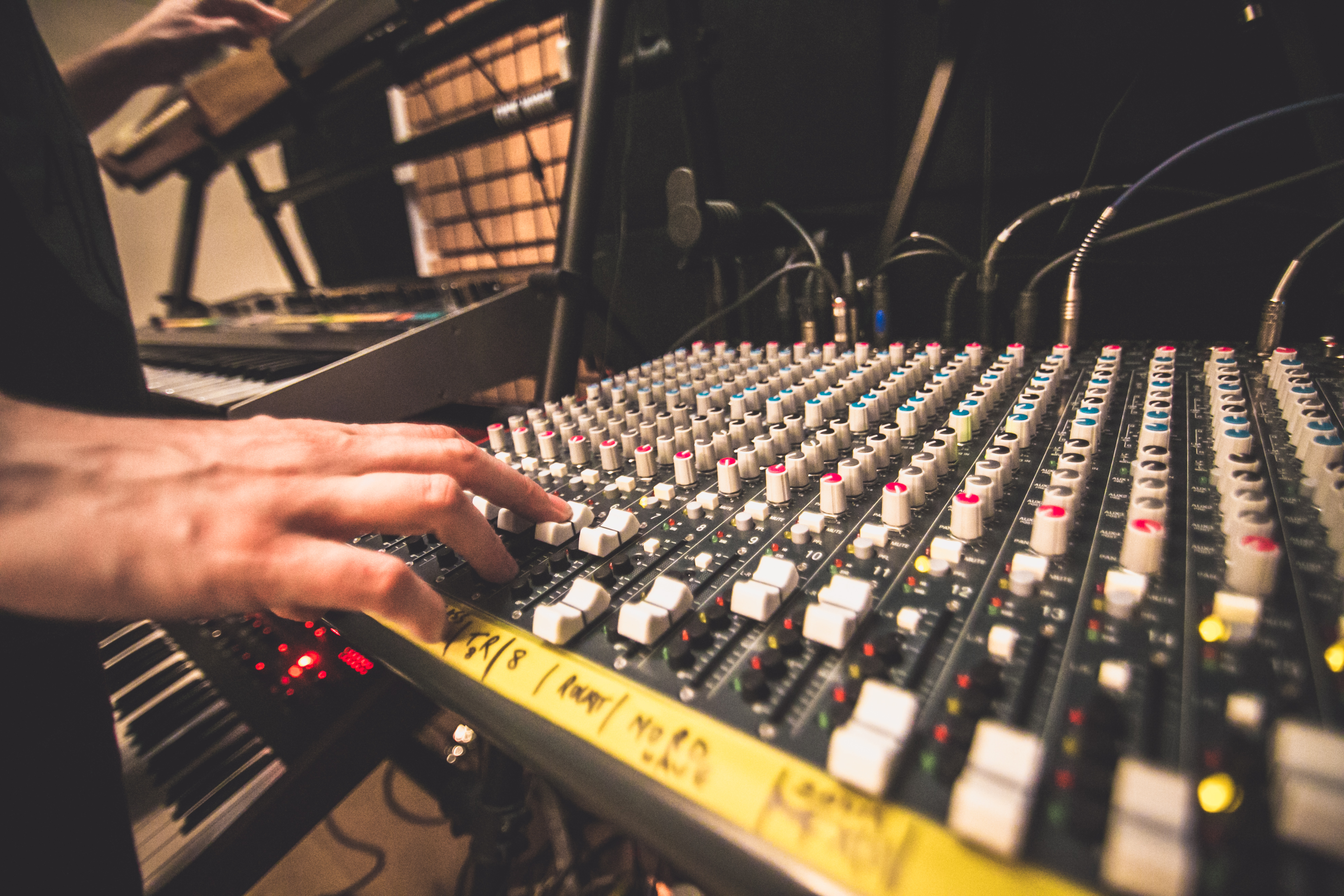
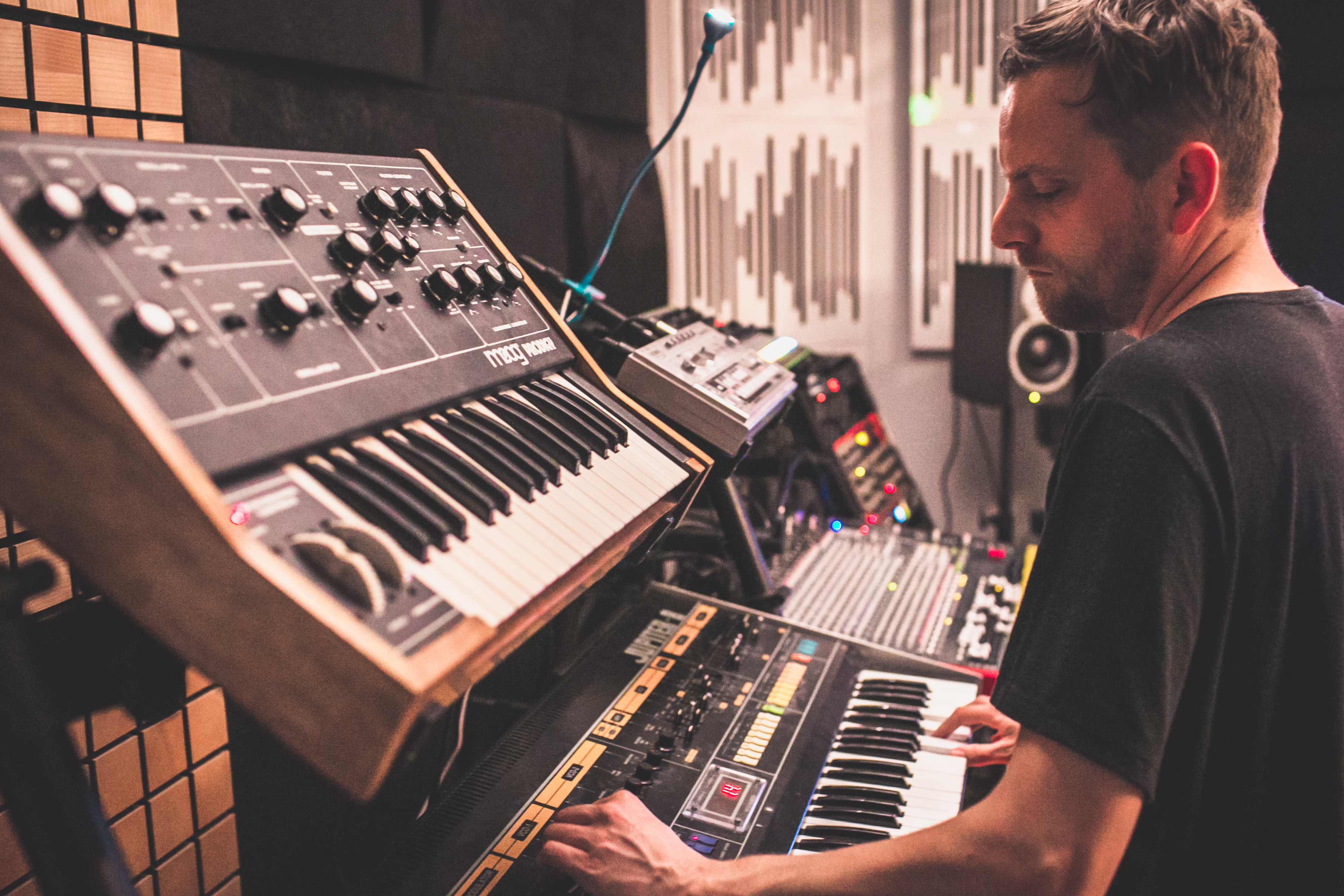
1. Our latest In The Studio feature takes a look inside the analog-heavy cave of Bristol-based Sam Watts (a.k.a. Maxxi Soundsystem).
2. This week’s XLR8R podcast is a deep and melodic mix assembled by Atomnation label head, Applescal.
3. Native Instruments officially launched its open file format Stems this week, with Beatport, Juno, and Bleep, among others, now selling the files.
4. Jeff Mills, one of the founding fathers of techno, is set to compose three new tracks inspired by illustrious Dutch painter Rembrandt during the upcoming ADE
5. Ahead of this weekends Low End Theory Festival, XLR8R sat down with Daddy Kev, The Gaslamp Killer, and DJ Nobody to look back at ten years of aural experimentation at Low End Theory.
9. A new edition of our Hi-Five series popped up this week with legendary 20/20 Vision label head, Ralph Lawson.
10. The most popular tune in our Downloads section this week came from Austrian artist Bendejo, whose “Unravel” combines beautiful piano and string work for a nine minute slice of deepness.
An expanded version of the The Lowdown is also available via a weekly email newsletter. Those interested in an even more in-depth round-up of XLR8R content should sign up by entering their email address below.
Montreal’s Bacchanale Festival has announced its second wave of artists for the 2015 edition, which takes place from September 18 to September 20.
Headed up by techno kingpins Answer Code Request, Eric Cloutier, and Vril, the festival—presented as Ancient Future—will also feature sets from Detroit’s Delano Smith, Romanian mastermind Barac, who will be playing live, Pearson Sound, and Henning Baer, among others.
You can find more information on Bacchanale Festival, including the full lineup and tickets, here.
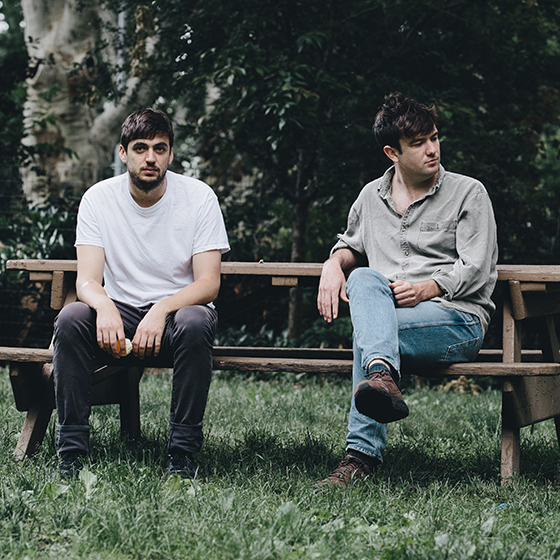
RVNG Intl. has released Blondes‘ latest EP, Persuasion, the duo’s first official offering since 2013’s Swisher.
To support the release of Persuasion, RVNG and Blondes have shared a video for the title track. Directed by Serena Forghieri, the clip is a multicolored amalgamation of primal beings, perfectly fitting Blondes raw, propulsive sound.
Persuasion is available now over at the RVNG Intl. store, with the title cut streamable below.
“Doom-folk” is the kind of juxtaposed descriptor music journalists dream up to capture the sound of an artist whose style refuses easy classification, at least within the sort big-box genre labels used to program terrestrial radio. This micro-cataloging might capture the specificity of a particular release, but it runs the risk of trapping the artist in a box of critical design. Once the novelty of that sound is pushed out of the spotlight by the next big niche, the weight of genre expectations, slung around the neck of the originator, can make it difficult for the artist to keep pace with the fickle nature of public interest. See: witch house, chillwave, seapunk, etc.
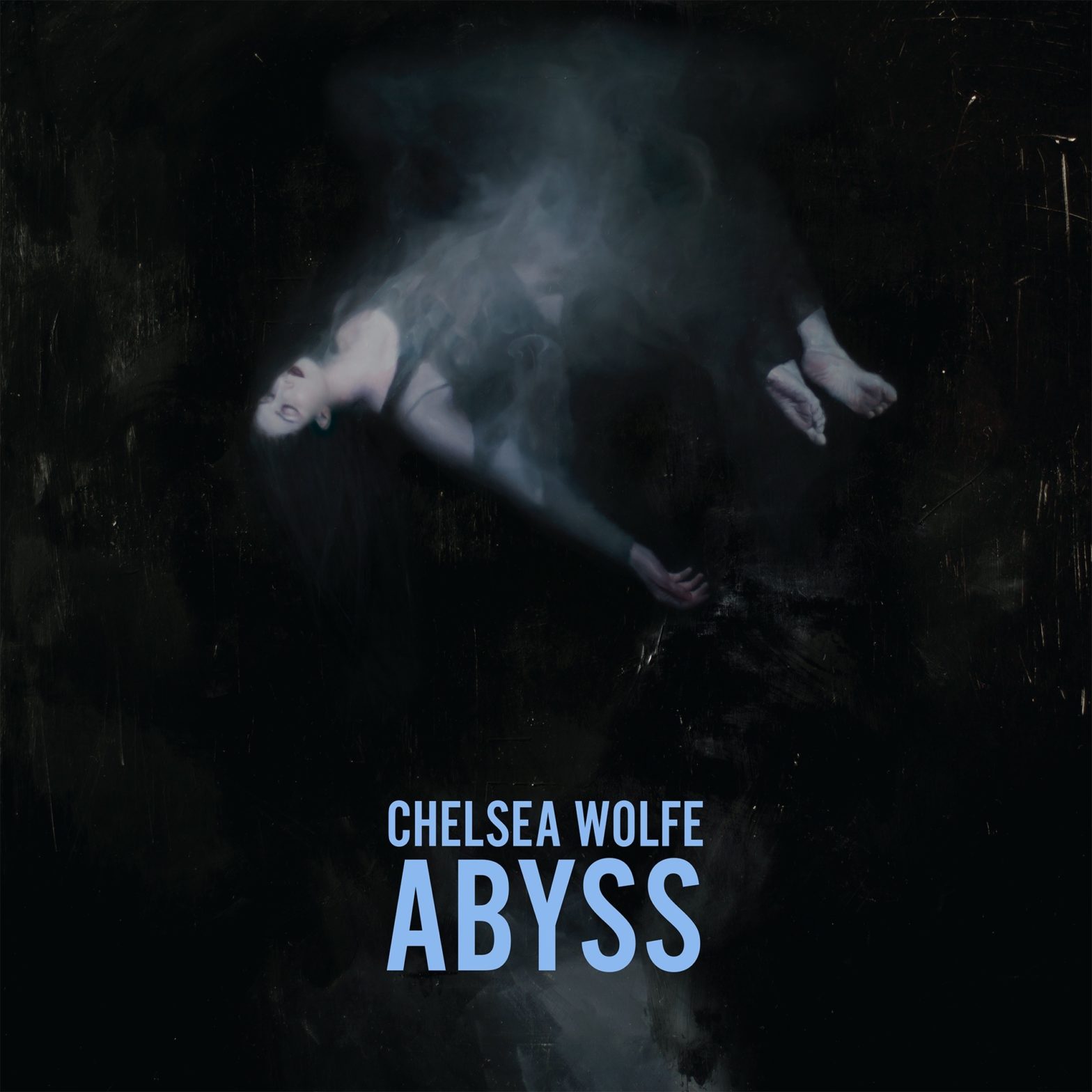
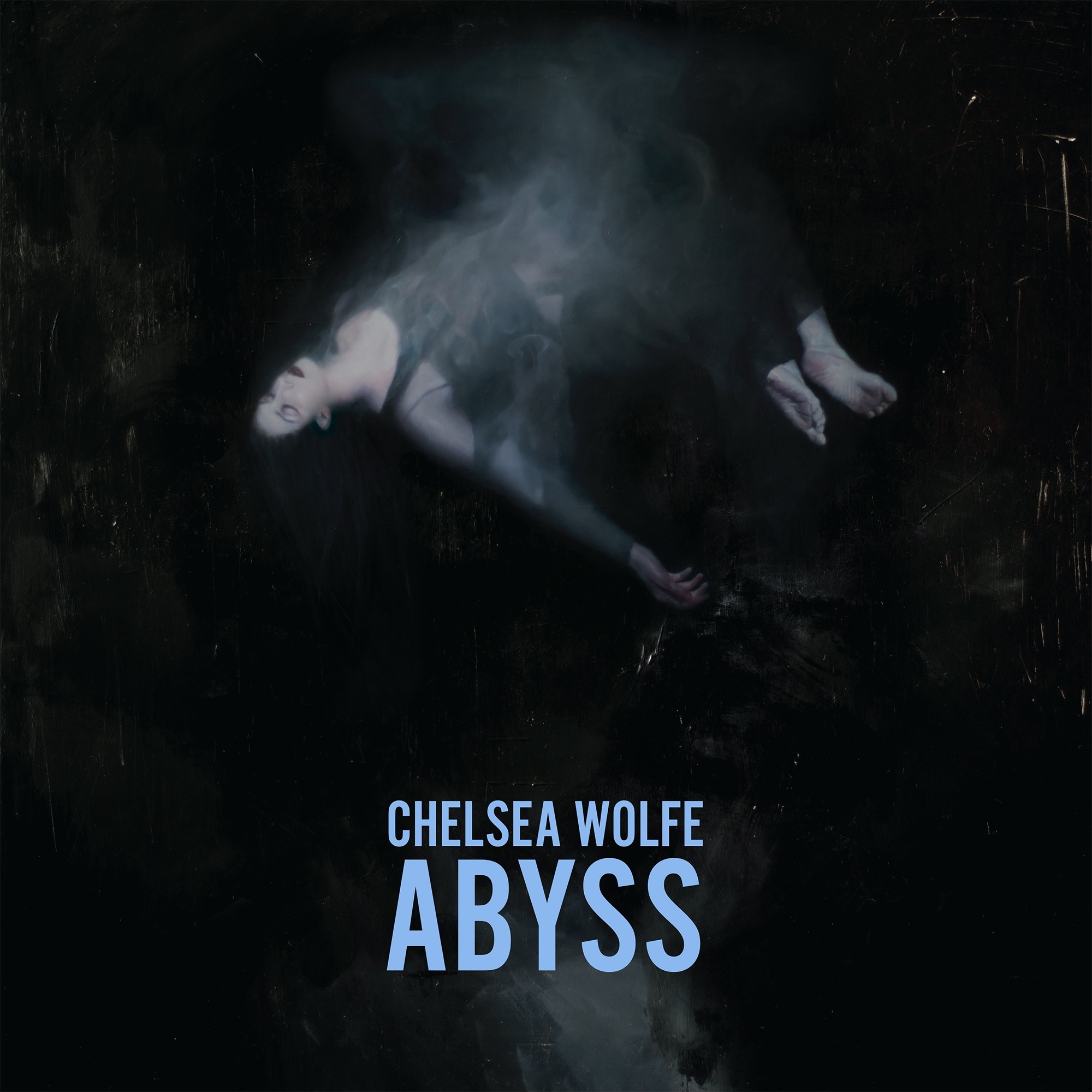
Chelsea Wolfe is doom-folk’s most visible progenitor, and as such, she was the most likely artist to be frozen in its critical amber. Somewhat miraculously, she has been able to avoid this imprisonment, having just released her fifth—and arguably most accomplished—album. Abyss wallows in the darkness that is Wolfe’s stock and trade, but does so through the introduction of heavily electronic elements that take her firmly into the darkwave industrial territory, the kind carved out by the likes of Throbbing Gristle and Dead Can Dance. The thunderclap metal riffs and lilting folk melodies are still present—except they are now buoyed by discordant synths, and run through all manner of effects that push the gothic sludge to anthemic heights. “Carrion Flowers” rumbles out of the gate with a bottom-heavy funeral dirge that would sound perfectly at home on a Tricky album; later, “Dragged Out” piles disembodied vocal samples atop computer-aided feedback, as Wolfe’s lyrics echo inward, plumbing nightmarish depths of despair. The album’s back half tamps down on the bombast, bringing the vocals to the fore with the aid of cybernetic flourishes the help maintain the gravity of the proceedings. In lesser hands, Abyss may have collapsed under the weight of its self-seriousness. Instead, Wolfe steps into the cavernous space of her ambition and fills it with an assured collection of songs that are unsettling in their commitment to sorrow.
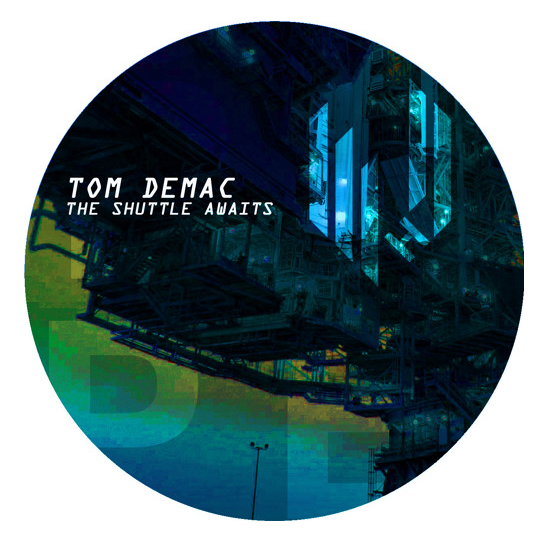
Following on from his January collaboration with Gazelle Twin on Hypercolour, and the following “Smoke Stained Ivories” on AUS Music, London artist Tom Demac will return to Hypercolour on August 15 with The Shuttle Awaits EP.
The Shuttle Awaits EP features the deeply layered title track, which beautifully melds floating vocal samples with club-ready beats and a growling low end, and mesmerizing B-side cut, “Dave Saints.”
With a track on Cocoon’s forthcoming O compilation, as well as an upcoming remix for the renowned German imprint, Demac seems to be hitting his stride. Ahead of The Shuttle Awaits official release, you can stream the title track and “Dave Saints” in full below.
Rising artist Jonah Considine follows up his acclaimed debut single, “Golden Flu”—released earlier this year on Nein Records—with “Shotcrete,” which arrives August 17 on Nein Records.
The London-based DJ and producer’s second single arrives backed by reworks from Monoblok & PSLKTR, Posthuman, and the one in question here by Timothy J. Fairplay. Operating in his renowned analog-tinged style, the Crimes Of The Future boss refits the raw, acid-soaked original into a slow-burning affair, packed to the brim with fizzing synths and lo-fi organ lines.
You can listen to Timothy J. Fairplay’s remix of “Shotcrete” below, with the full single available on August 17 via Nein Records.
Already a well-established festival in the Netherlands, DGTL Festival migrates from Amsterdam to Barcelona for the first time this year. The festival takes place the weekend of August 15 through August 16 and will feature three stages in Barcelona’s Park Del Forum.
The stages have been announced and the artist roster is stacked with some of the most impressive names in electronic music. The eclectic group who have offered up their talents include headliners Ben Klock, Maceo Plex, Tom Trago, Dixon, and George Fitzgerald. On top of this, the festival will feature underground prodigies Pearson Sound, John Talbot, Boddika, David August, Ryan Elliot, and Agoria, among many others.
Set times for this years edition can be found below. For information regarding tickets, venue, and the full lineup head here.
Flare and Buffa (a.k.a. Cody Currie) are a pair of London-based producers who have joined forces for the genre-crossing “Process,” a club-ready cut given away via rising imprint Martian Bass Records. Rooted in techno, but with splashes of bass and garage, “Process” comes out of the gates firing, making its dancefloor-destroying intentions clear. Held together by rattling, rolling percussion and a slamming kick, it’s the sort of track that would sound right at home in a warehouse. “Process” can be grabbed for free below, and keep an eye on Martian Bass Records for more of this action.
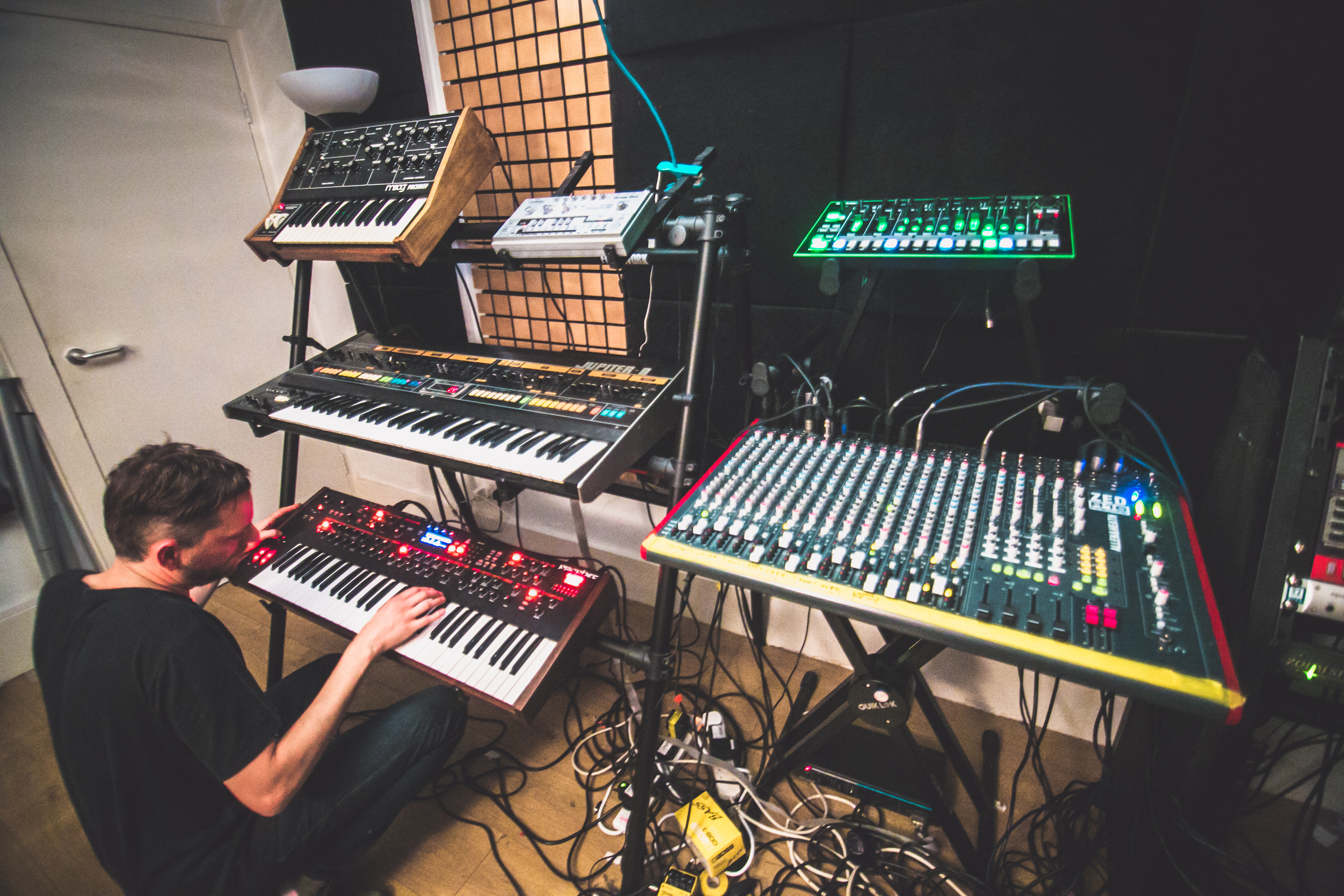
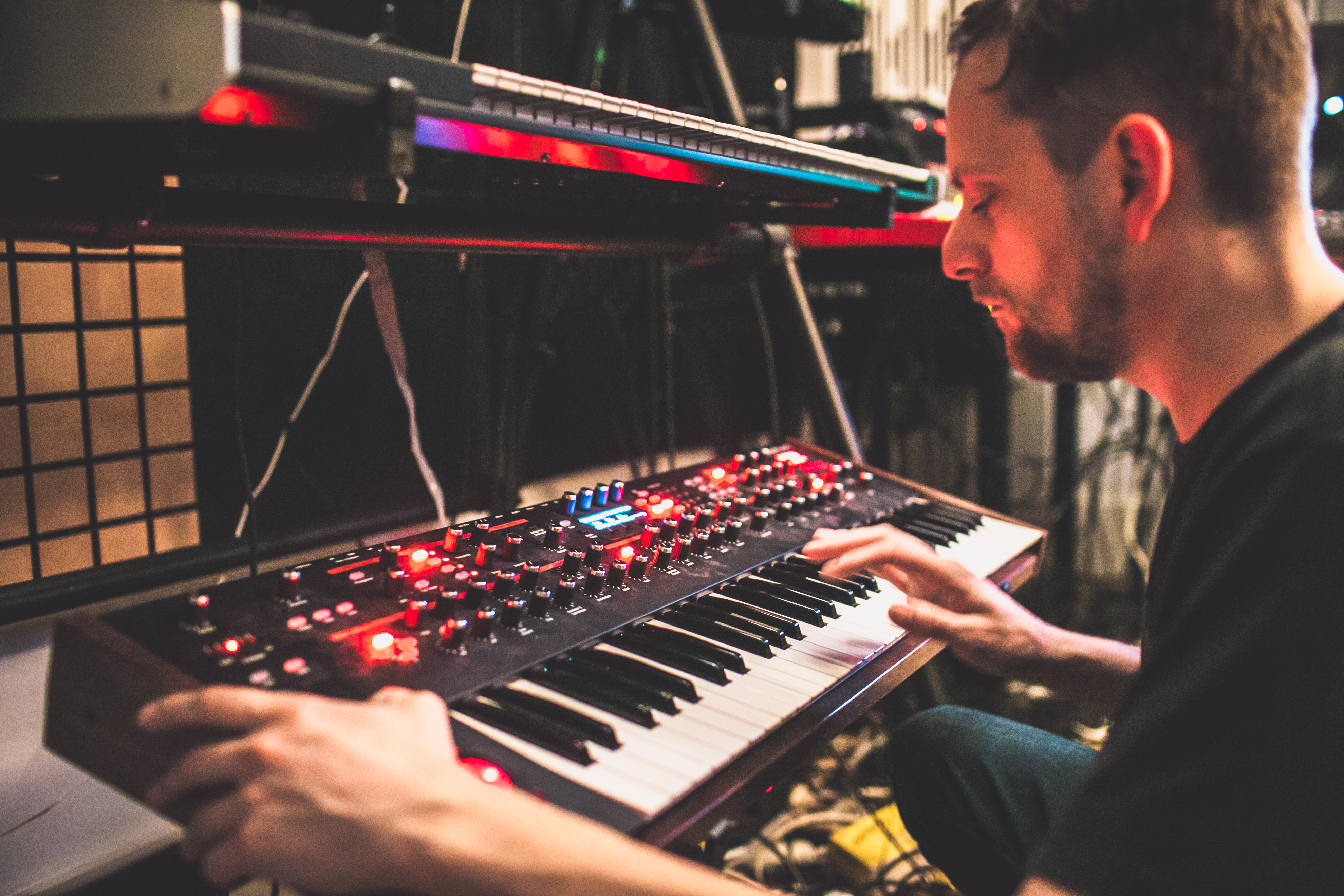
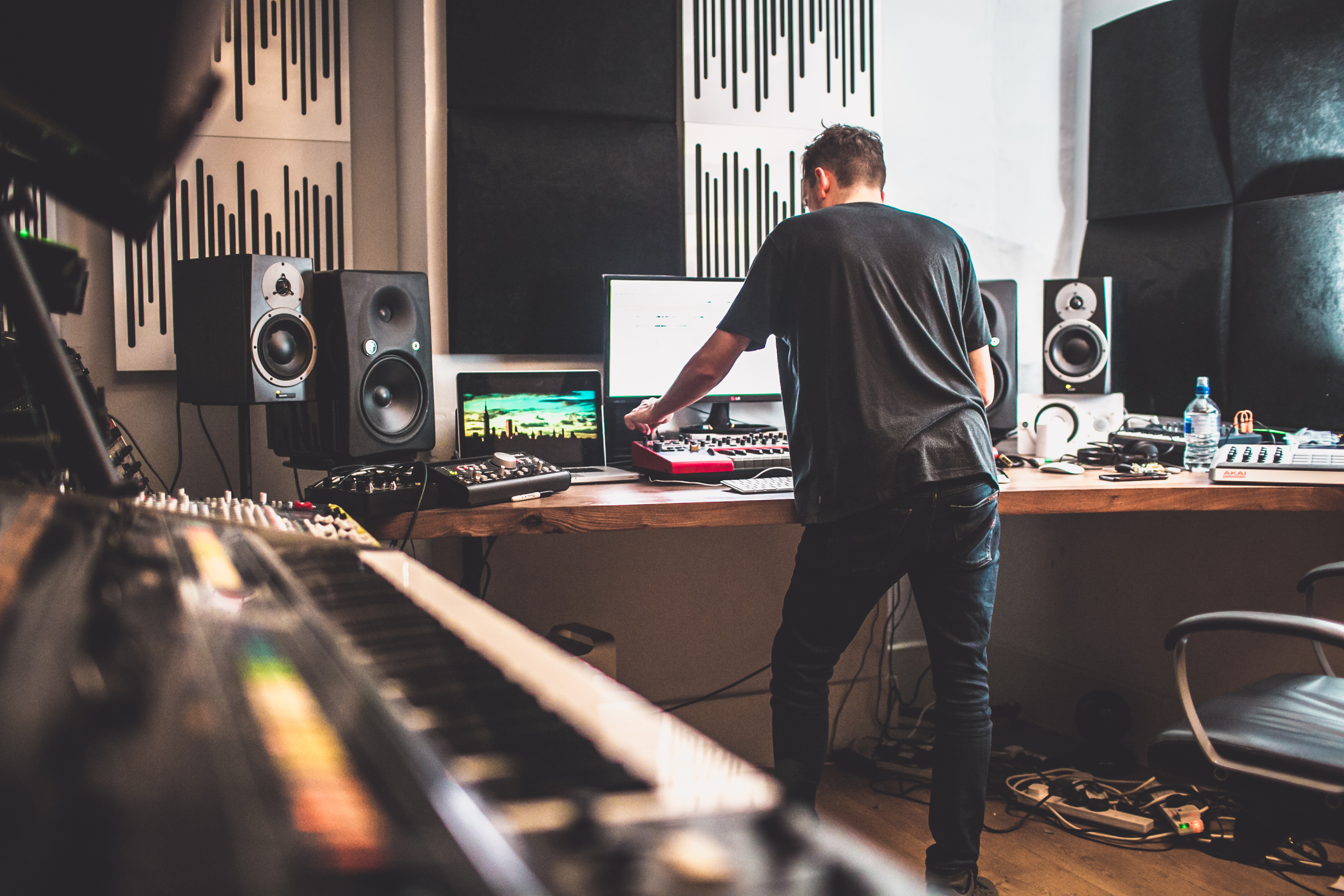
The London-born DJ-producer Sam Watts (a.k.a. Maxxi Soundsystem) has earned himself quite a reputation since he first broke through with 2011’s “Criticize.” As a DJ, he is traveling more than ever and is set to embark on a tour of the U.S. just this month, while his vocal-laden output on leading labels including Culprit, Ellum Audio, and most recently Futureboogie, exhibit the undeniable talents of a still-maturing producer. Following the release of his stunning new In the Woods EP and his recent move away from Brighton to Bristol, XLR8R made the trip to learn more about Watts’ production techniques by sitting down with him in his analog-heavy cave that he co-inhabits with friend and fellow-producer Daniel Pearce (a.k.a. Eats Everything).
You picked up music production very quickly. Was it as easy as it seems? Music has been always been a part of my life. I did music lessons as a kid, and and I think my Dad’s jazz influences helped me too, but my actual production work started when I met Thomas Gandey who was working on a project known as Cagedbaby. I pretty much learned to produce just by being in the studio, and then I also started a music-production course in the evenings. This definitely taught me a lot, from miking up drum kits to basic recording techniques, and then it grew from there.
When did you first begin producing your own music? I first remember actually producing in Cagedbaby in 2007, using basic electronics and Ableton. I was helping to produce the live show—but that wasn’t released. We did some remixes together, including one for Armand Van Helden, which was the first production I was involved in that was actually released. I then did a couple of remixes for Southern Fried under my own name, and then I did a project with a friend under the name Videodrome—which was then followed by the Maxxi Soundsystem stuff at the end of 2010.
“I just don’t really feel in control when I produce digitally—I enjoy the manual process of making music.”
Your studio is very hardware-heavy. How long has it taken you to acquire all of this equipment? This stuff is expensive! I started off with just a PC, Cubase and a MIDI keyboard, and then the first thing I bought was the Nord Lead 3 synth. And then slowly, as I started looking for certain sounds, it became clear to me that analog was the way I wanted to go. The first thing I bought was the Oberheim 1000 for 250 pounds, followed soon thereafter with my Moog for about 300 pounds. I didn’t really buy anything for ages then, except changing my monitors—which made a huge difference. It was only when I started to DJ more regularly that I could then afford what I really wanted: the Jupiter and the SH-101, which isn’t here because it’s broken at the moment. I’ve also got another Nord on its way. All the big stuff came within the last three years.
Your breakthrough track “Criticize” is very sample-laden. Why did you begin moving over to hardware-based production techniques? At the beginning it was all samples—I was just going through records and looking for samples. My desire to use synths and move into hardware happened because I wanted to learn to construct these samples that I was using. With drums it is a little easier because you can get away with it, and there are only really a few drum machines that are most commonly used in dance music, particularly the Roland 808 and 909. I then got addicted with bass sounds which are very difficult to sample, so then I started to teach myself how to build them better. I’ve reached the point today where I am not really using any samples at all—and I am actually considering going back to using them once again. I feel now that I have left that behind too quickly.
And why is it that you continue to adopt such a hardware-heavy production technique? I’ve seen people get some amazing things out of software, but hardware still just works for me. I just don’t really feel in control when I produce digitally—I enjoy the manual process of making music.
Do you record the synths by hand, or do you normally use a MIDI? I play them by hand regularly. I am not a particularly virtuoso musician but sometimes it just works, and MIDI can go wrong quite easily so it is best to just record it.
Does the unpredictability of this equipment often lead to some surprises in your music? Yes, and that makes it really fun. For example, the “Regrets” bassline was made using software that I was using before I had the controller for the Oberheim. I was just using a mouse to control the filters and that’s why there are so many weird changes in volume throughout the track.
Do you still use Cubase today, or are you using different software?
I am now pretty much solidly using Ableton for the sequencing side of things, along with a few of the Max for Live bits. As far as I am concerned, there is nothing that Logic can do that Ableton can’t, assuming you know what you’re doing.
You’ve just moved from Brighton to Bristol. What do you look for in a studio? My studio must be a cozy little haven, and there needs to be some vibe. It also has to be dark, without any windows. You see a lot of Berlin studios which are very stark, even though the equipment is amazing. I want there to be stuff in there—even this one is actually quite minimal for me. The only issue is that it’s not open 24 hours, so I can’t do late-night sessions!
How does it compare to the one you had in Brighton? This is a lot tidier and it doesn’t smell. The one in Brighton was a little grimy, in a way. There are plenty of grimy placed in Bristol I could move to…but I may be over that now. This studio sounds great and it’s a nice size—I don’t like anything too massive. But it doesn’t quite feel like home yet.
Do you have a specific production routine that you follow? Following the move, my routines are changing a little bit. In Brighton, my routine was always the same that you get when you are DJing: I would work from six in the evening until about four in the morning. Apart from being quite unhealthy because I didn’t see much sunlight, it worked great for me because there would never be any hangover from the weekend. I would just be having those nighttime hours all the time.
How has the move to Bristol affected your production routines? This studio shuts at 11pm so I can’t produce at night anymore! I am currently in the process of trying to work during the day but it’s proving to be difficult. The summer is a difficult time to work because I am DJing a lot and there are lots of distractions, but we’ll see how it goes when the summer is over.
I imagine the tranquility of working at night also helps too? Absolutely. The day is full of e-mails and loads of other things going on, but at night there is really nothing else left to disturb me. I need a solid few hours just to get warmed up, but that’s just how it is. I do admire people who can just start working and get focused right from the start, but I have always found that difficult.
Do you think it is important that you have a work space (i.e. a studio) clearly defined from your home space? It depends on the individual. For me, having a place separate from my home definitely helps me get into the headspace I need to produce music. I need a studio where there is a not much light, where I can just lose myself easily for as long as I can. I started off producing at home and I always found that there are too many distractions. Some people can get really focused very quickly, but I have always needed my own separate space that exists just for producing music, without the distractions of every day live.
“I do admire people who can just start working and get focused right from the start, but I have always found that difficult.”
Production block is a well known problem for music artists. How do you try to combat it? Inspiration is funny because it comes in bursts. I go through patches where I struggle to drag myself away from the studio, and other periods where I just can’t produce anything. I find that going out to nightclubs to watch other artists perform, or spending time with them in their studios, is a really good way to find inspiration.I am very lucky that I am DJing a lot, and that definitely supports the production in this way.
You say that DJing can inspire you, but it can also limit your time in the studio too. Do you use Ableton to produce sketches when you’re on the road, or do you only produce in the studio? I can not produce when I am on the road. As you can see, I like synths, and if I haven’t got all this equipment around me then I find it extremely challenging to come up with ideas, unless they are edits. The best thing for me is to have a really good session in the studio, writing lots of sounds, and then using the time on the road for editing. I will then come back to the studio to mix it. Obviously edits and DJ stuff can be done on the road with some headphones, but I have never written a song on the road. However, I suspect this might have to change as my DJ schedule grows.
While you only actually work on tracks in the studio, do you find yourself always analyzing the sketches of the productions that you’re working on? Yes. In this sense, the production process is 24-hour. It’s great because when I leave the studio, I can drop an MP3 into Dropbox, and by the time I get back in my car I can listen to it on the way home. When I have got to a certain point with a track, I will listen to it constantly to analyze it. I know that’s probably not a good thing to do, but it is an important part of the process, and I enjoy it if I know I can work on it the following day. I am thinking about it all the time.
You’ve also spoken previously about a need to change your equipment to keep your ideas fresh. How does this work? New bits of equipment are the best way to keep yourself inspired. For a long period, I was a big advocate of a minimal setup—like I had one synth, and I basically just learned it inside out. I realized just how many different sounds you can get out of just one piece of kit. So when I bought some more stuff it really inspired me, because I had already learned the science behind building my own sounds—and it immediately gave me so many new ideas. Although there have certainly been some bits of equipment that I’ve bought that haven’t really inspired me at all, there have been some—like the Roland Jupiter—that have blown my mind. Right now, I am more into buying the effects units or EQs and raising the production game.
What do you look for in the equipment that you use? I like synths and plug-ins that do one thing really well. It’s the ones that say they do everything that I struggle with. It’s the same with restaurants that try and say they have French, Mexican and Chinese.
Is there any piece of equipment that you feel like you’re currently missing? It’s funny, because I have never actually owned a drum machine. I’ve got a friend’s TR8 here and have borrowed 808s and 909s before, but I have pretty much always used samples for drums. I have a pretty set process for how I use them—it’s quite laborious and I think that may be why my stuff sounds like me—but I am still interested in actually getting my own drum machine. I also haven’t bought much outboard rack EQs, effects and compressors, and I think this might be an important step forward for me too.
“It’s the ones that say they do everything that I struggle with. It’s the same with restaurants that try and say they have French, Mexican and Chinese.”
Would you say your production process is always changing, or do you have a basic formula? I used a lot of the same drum sounds for a long time, and I have started most of my recent tracks with the SH-101. I think this helps me a lot because it gives me the foundations. However, generally speaking, the process is always changing, because I am not very good at doing the same thing again and again. Some people are really good at getting that formula down and then having lots of variations, but I pretty much start again every time. That’s why when you do find something good that you’re into, it’s always good to do two or three tracks around that same time because that is when that formula works—but after that short period of writing has finished, I cannot go back to it and do it again.
Would you say that most of your tracks are conceptualized prior to writing and recording, or are a lot of these a result of spontaneous jamming and random ideas? A lot the time it is just random jamming. Songs like “Regrets” and “Stella’s Way” happen really fast and are just the result of messing around in the studio. “Regrets,” for example, was done with Jack [Name One] literally writing the lyrics while I was jamming around to find the bassline. It was just one of those weird moments where it all just came together—and it was the same with “Stella’s Way.” I was using a MIDI sequencer, and I was getting it to play some analog synths. I stumbled upon that little loop, and took one take of that and then played over the top of it. You cannot try to recreate these moments. I think it’s best not to think about it, because if you do try to make up a plan to get to a certain sound then you won’t get there.
So it really is just sheer randomness in your productions? Yes, and I know it’s a little weird. Other producers can do commercial productions where they create a specific sound that they have in their head. I find that really difficult. I have tried and found something almost like it or something I like better, but it’s tough for me to get the exact sound. You have to put in lots of hours to find the good stuff so I suppose you could describe that as random.
Your new EP on Futureboogie is very different to what you’ve produced previously. Did the production process differ too? Musically speaking, there is definitely more depth to it. I think that is probably just more indicative of me being slightly better at layering up sounds.
“You have to put in lots of hours to find the good stuff so I suppose you could describe that as random.”
Did it take longer to produce than other EPs? “In the Woods” certainly took longer than my other tracks. That went through about four or five different versions, which is quite rare. Also, “Near Me,” the track with Danielle [Moore], was the first time I have released a track where I have sent someone a track who has then just sung on it. I have done it before with very little success, but she knows what she is doing and it worked great.
On the subject of vocals, you use them a lot. Is there a reason for this? A lot of it was a reaction to a lot of vocals in house tracks being pointless in terms of lyrical content. I am not saying that I invented the wheel on vocal house records, but I just like it when the words have some meaning. When I started off using samples, it wasn’t really up to me to decide what the vocals were—but I often used different vocals from different records and tried to make them make sense. And then when I started working with singers, I made a point to give the vocals a meaning rather than just adding texture—and that is one reason why working with Name One is so good. He has a background is writing lyrics and this can make the tracks more interesting.
How do you know when a track is ready? I know it sounds obvious, but the track is only ready when I can listen to it all the way through without wanting to change something. I think it is also important to give yourself a deadline, and stick to it. I need at least a little pressure to finally say something is finished.
“There is a Quincy Jones quote I like: “If you don’t get the tingles, how do you expect anyone else to?”— and I try to bear that in mind.”
Do you show your tracks to anyone before you release them? I do have a small number of people that I will show each track to before I send them out. I don’t usually send unfinished music to label people. There are certain attachments that people get to things when they hear them for the first time, and so if that person is going to judge it for a label it can be a bad idea to show it to them before it is ready. It think it is often best to share your work in its earlier stages to more neutral friends and family who don’t work in music, as they will give you their opinion without any agenda attached.
When people do have suggestions, do you listen to them or do you know trust yourself enough? It depends on each case really. The first case I had was when I did a track on Hotwaves called “Open Your Eyes,” where Jamie Jones told me to remove a sample and add real vocals instead. I made all his changes and he totally made it better. That was really great, but it was at the start of my career. Nowadays it happens a little less because I know more about what I am doing.
You must have loops and sketches of track that you’re not happy with. When does it get to the point that you know you have to let the sketch or loop go, instead of continuing to develop it? It’s hard, and I think you’ve got to just create a rule on this one. It is too easy just to relentlessly go on and on playing with a short loop. Dance music is often an immediate thing. There is a Quincy Jones quote I like: “If you don’t get the tingles, how do you expect anyone else to?”— and I try to bear that in mind. For me, if I am a sick of it after three hours then I will bin it. It’s a rule that I have but that I haven’t always stuck with.
Elusive producer Patricia (a.k.a Max Ravitz) is set to release his second full-length called Bem Inventory, on British imprint Opal Tapes, at the end of next month.
As heard in the track preview of “Mercury In Retrograde,” the producer’s distinctive brand of hardware techno can be expected throughout this latest effort, which also features a collaboration with Canadian producer Cloudface.
This marks Patricia’s return to Opal Tapes since his first release on the label in 2013.
Find a track preview below.
TRACKLIST: 1. Mercury In Retrograde 2. Just Visiting feat. Cloudface 3. Life Is A Hideous Thing 4. Bed Of Nails 5. Needs A Nap 6. Hadal Zone
Opal Tapes will release Bem Inventoryon August 30, 2015.