Patrice Scott Euphonium

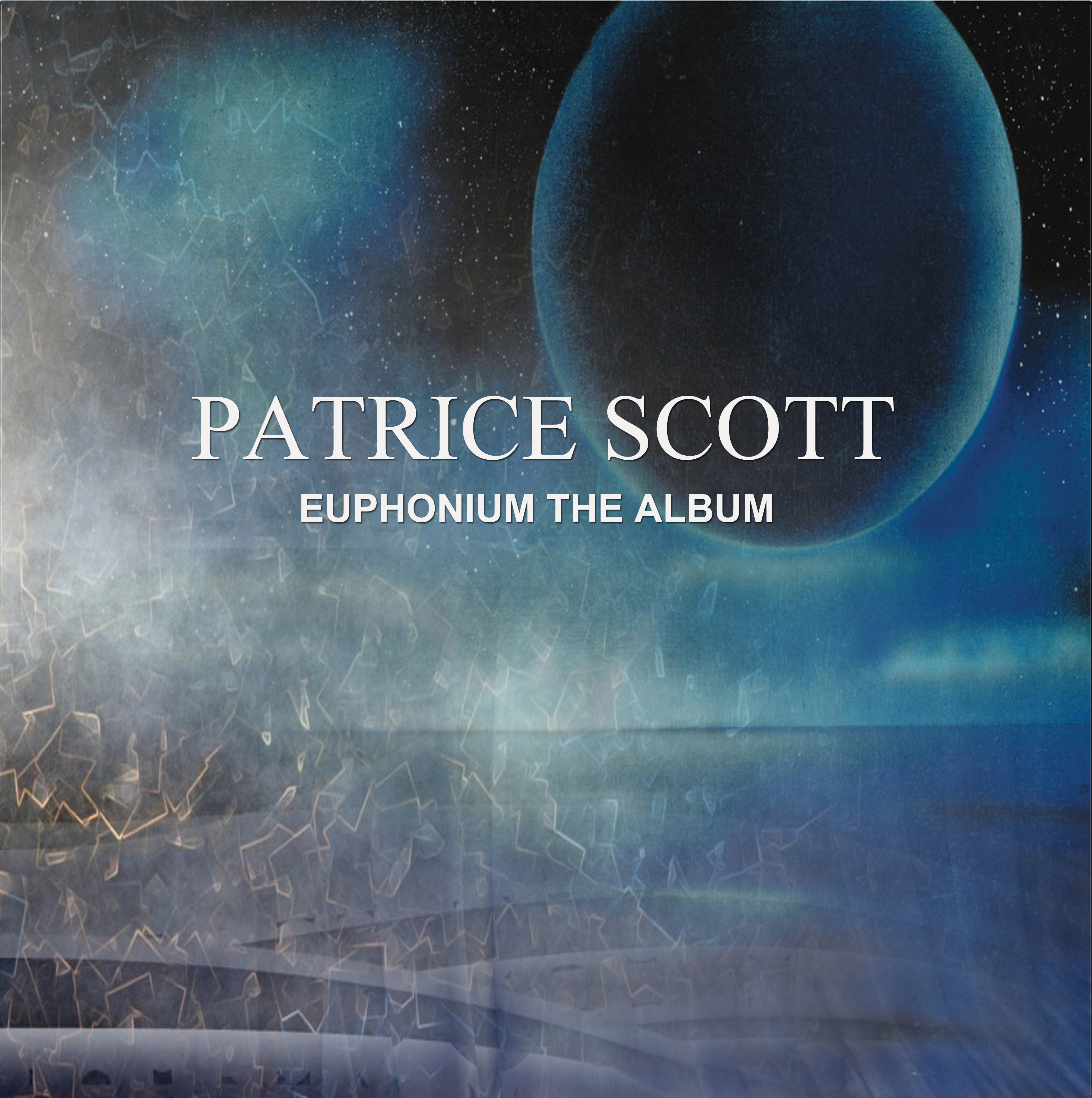
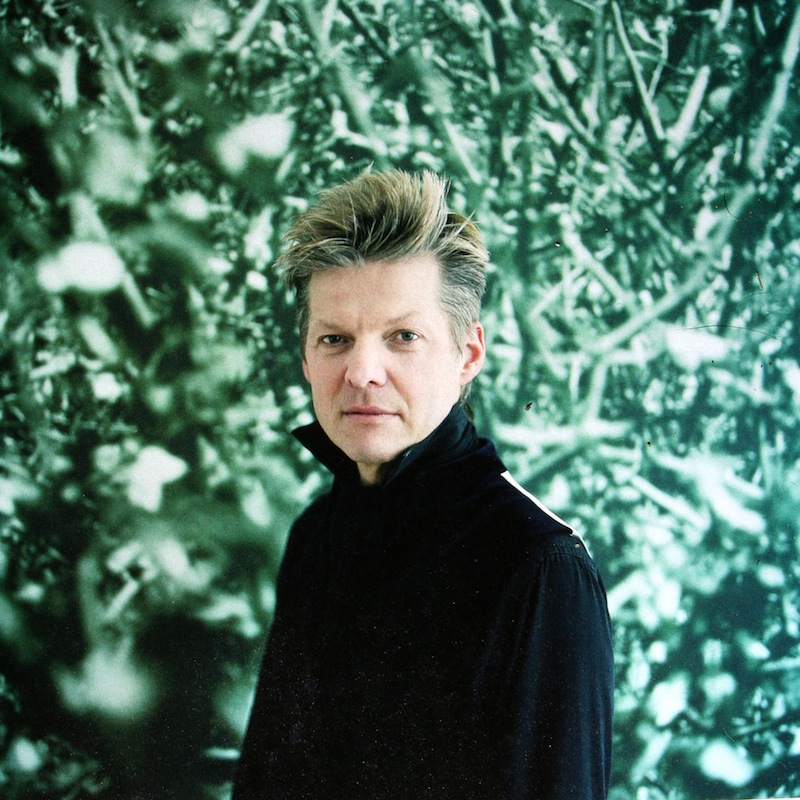
For some people, deep house is not a fad or a fashion—it is a way of life. Corny as that sounds, it is most certainly true for a career practitioner like Detroit’s Patrice Scott. While it would be easy for someone like him to distance himself from the genre in the wake of it being so pillaged by a million modern-day copycats, he has instead continued to do his do—to lead by example. After building up a healthy back catalog of EPs over the last decade, mostly on his own Sistrum label, he now offers up a debut full length that makes zero concessions to anything but deep, slowly unfolding and absorbingly emotive music.

What that means is that Euphonium is a comforting and familiar affair that contains no real shocks or surprises. What it does contain, though, is definitive deep house in various guises, from fully horizontal and immersive to more unsettled, propulsive stuff that strikes right at your heart. Even though dance music isn’t supposed to work in the album format (i.e., as a collection of tracks), because each cut here is so fully formed and has such an arcing narrative, the LP never grows stale or staid.

There is an otherworldly, intergalactic feel to much of Scott’s work here: Rather than earthy and human reference points, cuts like “Distr5th” travel to the edges of our galaxy, with smeared pads and warming solar winds the backdrop to steely bass riffs. “Hysteria,” too, is a cosmic affair where aurora-borealis–style light displays stretch out over quickened drums and polyphonic synths, while the title track marks not only the album’s midpoint, but also somewhat resets the mood and encourages you to sink back down into Scott’s swelling, golden, oceanic chords.

From there, the Scott continues to balance motion with emotion, slowly picking up the pace again before rounding things out with the majestic “Music Therapy Pt.2”. There is a poignant, weighty sense of finality to this track that concludes the 55 minute journey to perfection. It also shows that, despite his concentrated palette and focus on deepness, Scott is more than capable of conjuring up many different moods at will.

Q&A: Daniel Avery

Photo: Steve Gullick

For many electronic music fans, Daniel Avery’s Drone Logic was one of the albums of 2013, and they weren’t wrong: The LP, released on Erol Alkan’s Phantasy Sound label, was the soundtrack to a rave-time reverie, its shimmering, textured chords and gleaming, oddly anthemic vibe firmly establishing him as one of house and techno’s singular artists. (It’s not for nothing that no less than Andrew Weatherall described his sound as “gimmick-free machine funk of the highest order.”) He’s recently released a collection of remixes titled New Energy [Collected Remixes],featuring versions of Avery tunes from Roman Flügel,Perc, Silent Servant, Audion, and Rødhåd, among others—and now, with the wind in his sails, he’s gliding into festival season as a must-hear artist. On May 15, that wind wafts him and his Divided Love party to Lyon, France, where he’ll be curating a stage for that town’s annual music, art and digital-culture gathering, Nuits Sonores. In the run-up to the festival, the talented DJ and producer took time out to answer a few of our queries.

You seem like someone who probably chooses what festivals to play at fairly carefully. How important is it for you to be associated with a festival that has an artistic element to it, as Nuits Sonores does?
Well, it’s always important in life to surround yourself with interesting and inspiring people. That’s the thing that keeps me going. Nuits Sonores does everything right: the curation, the sound, the people, the artistic element and also the general energy it brings to the city for the time it’s on. I could immediately feel it the first time I walked in. It’s a genuine honor to be hosting a Divided Love stage this year.

“When there is a sense of implicit trust in the air on both sides of the decks, that’s when the special moments occur.”

Have you ever found yourself playing at the kind of festival that you wish you hadn’t been booked at, where perhaps your vaguely psychedelic, melodic take on house and techno wasn’t received as well as it could have been?
You’re right that I am careful with what I choose so no, it never gets that far. Life is far too short to try and please everyone. I’m more than happy with the position I’m in.

I’m guessing you adapt your sets to any given situation and crowd— if so, do you enjoy the challenge of “bigger” sound at festival-style sorts of events? Or is it your preference to play smaller, more intimate gigs?
I love both and, honestly, there doesn’t feel like too much difference between the best gigs. DJing is a communal experience between everyone in the room, whatever size. When there is a sense of implicit trust in the air on both sides of the decks, that’s when the special moments occur. That’s the energy I mentioned earlier. It’s indescribable, really.

Your productions, to my ears, have a certain elegance to them while still functioning well as “party music.” Not sure if you would agree with that assessment, but if you do, how do you walk that line without crossing too far in one direction or the other?
The only thing I think about is that I want to make something that will last. All I hear is that kids today “don’t have an attention span anymore,” which is why so much in the media is based on cheap thrills. That’s such a condescending and, in my opinion, wholly inaccurate viewpoint. I want to stand back in ten years time and know that everything I worked on—whether it’s music, artwork, videos, or even DJ sets—was worked on with love, thought and some kind of consideration for depth and longevity.

You have a long relationship with Fabric, and have been a resident there for quite a while now. Do you feel its important to have a home base, where you theoretically are able to experiment a bit more than you might at one-off gigs?
I’m proud to call Fabric my London home but I am fortunate enough that I now feel that trust of being able to experiment most places I visit. Taking chances is one of my favorite things about playing out.

 Photo: Steve Gullick

Early in your career, you were rather famously championed by Andrew Weatherall, whose studio you worked in. Now that you are an established semi-veteran, is there anybody new on the scene that you’re really excited about?
From where I’m standing it feels like a healthy time for electronic music. Different genres are coming together and shaping each other: techno, drone, acid, ambient, noise…. To me it feels like a new wave of psychedelia: music in which to get fully lost. There are so many new artists doing interesting things. A few from the top of my head would be Volte-Face, Cassegrain, Voiski, Kamera, U, Kobosil, Manni Dee, Tripeo, Rote…the list is endless.

I know it’s only been a few months since New Energy [Collected Remixes] was released—but are there any plans for a new album of original material in the works? Are there any other upcoming projects that you can tell us about?
Alongside a few more Divided Love nights, yes, I am fully back in the studio working on the next record. It feels exciting at the moment.

AnD Preps Two Remix 12″s of Tracks from Debut Album

When it appeared late last year, Manchester techno pair AnD’s debut LP, Cosmic Microwave Background, caught the attention for its raw brutality as well as its grainy sci-fi background concept. Now the duo has enlisted a clutch of remixers to provide new takes on choice cuts from the record, with the results slated for release on two separate 12″s next month.

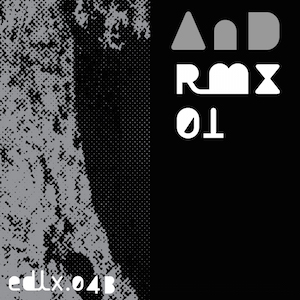
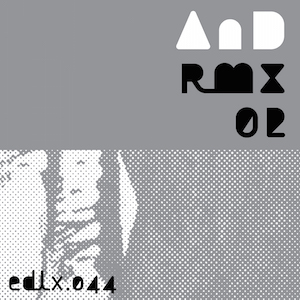
AnD Rmx 01 gathers reworks of “The Surface Of Last Scattering” and “Power Spectrum” by Zeitgeber, Sleeparchive, and O/H, while AnD Rmx 02 finds JK Flesh Reshape (Justin K Broadrick) take on “Non Sky Signal Noise” and Black Rain tackle both “The Surface Of Last Scattering” and “Galactic Motion.” No previews are yet available, but the artwork for the two records is included below along with full tracklists. AnD Rmx 01 will be released on Electric Deluxe on June 15, while AnD Rmx 02 will drop on the same label on June 29.

AnD Rmx 01
A / 1. The Surface Of Last Scattering (Zeitgeber Remix)
B1 / 2. Power Spectrum (Sleeparchive Remix)
B2 / 3. Power Spectrum (O/H Remix)
AnD Rmx 02
A / 1. Non Sky Signal Noise (Justin K Broadrick as JK Flesh Reshape)
B1 / 2. The Surface Of Last Scattering (Black Rain Remix)
B2 / 3. Galactic Motion (Black Rain Remix)

XLR8R Podcast 385: An Intro From Audiofly

Bruce Tantum chats with Audiofly about their XLR8R Podcast.

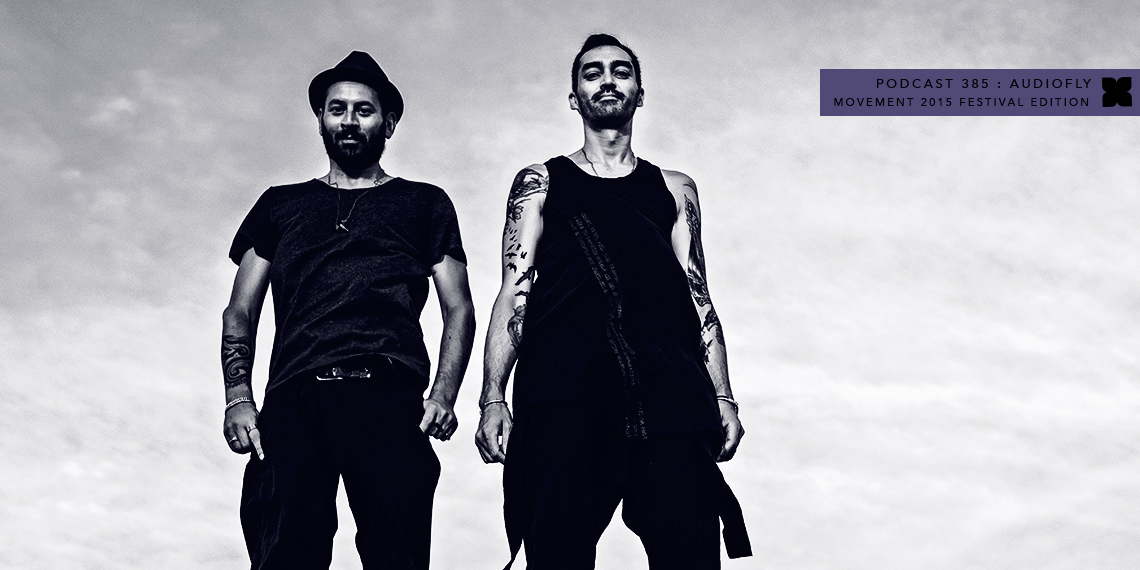
Audiofly isn’t afraid to evolve with the times. Over the years, the duo’s sound has gone from full-on, late-night, electronic-house thumpers to something a bit deeper, sleeker, dreamier and even later-night. It’s a sound that’s still Audiofly to the core, but it’s a progression that Saporito and Middleton attribute—at least in part—to playing in Romania, where they feel the crowd encourages experimentation rather than a reliance on formulas.

Podcast 385: Audiofly – Movement 2015 Festival Edition by Xlr8r on Mixcloud

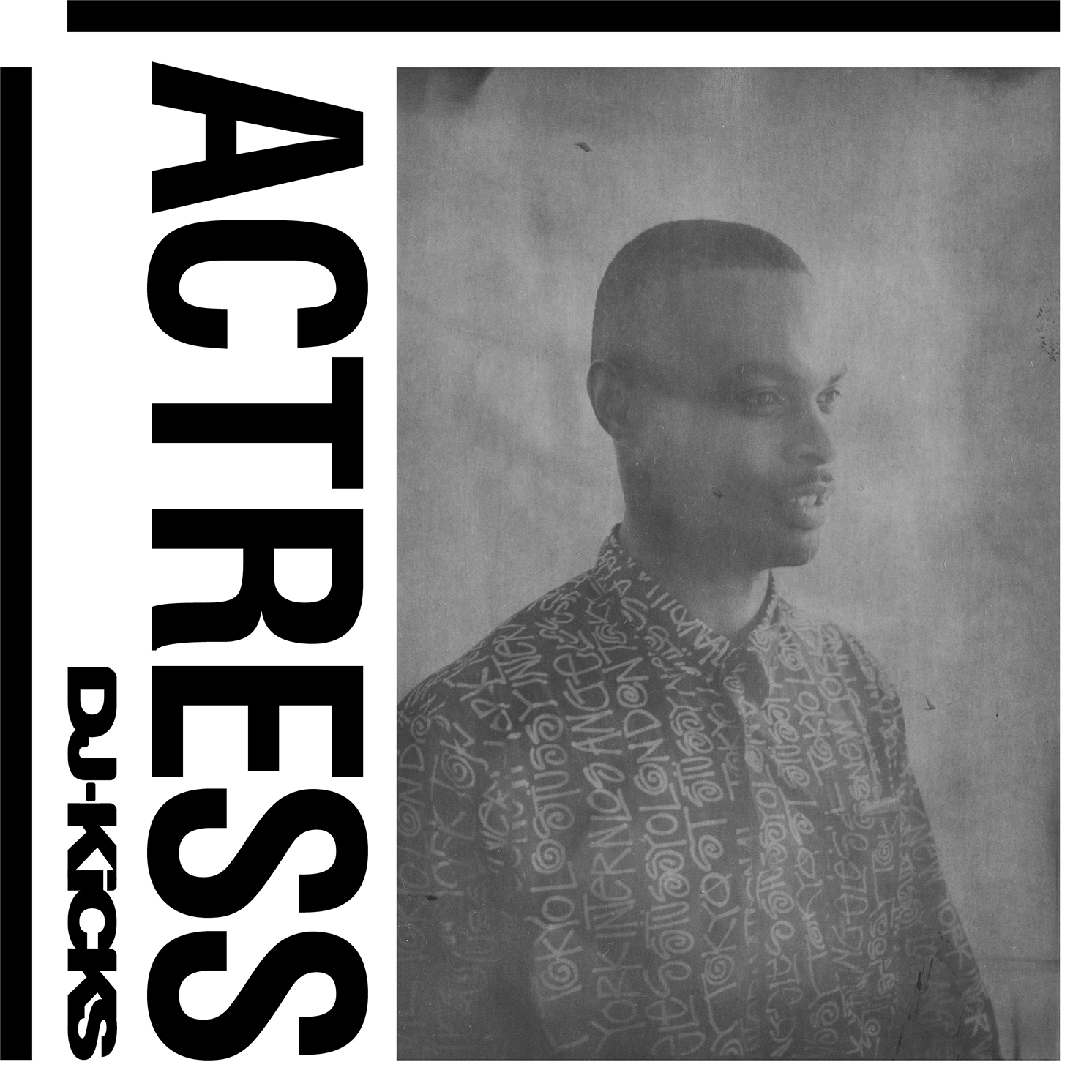
Actress DJ-Kicks

Listening to a mix by Actress is a lot like watching a Satoshi Kon film; it sets the tone early, bashes you in the face with how jarring it comes and goes from the initial start, and then by the end you realize how thoroughly engrossed you were the entire time. In this case, while listening to Darren Cunningham’s irreverent take on a series such as DJ-Kicks, I was mesmerized, yet always aware that things might go awry at any moment—Cunningham has chosen not to emulate the effortless mixing of previous selectors in the series. Instead, he’s done what he does best in this medium, which is to choose brilliant tracks that would provide contrast and/or comparatively enhance the listening experience.

The first thing that anyone will notice is that Cunningham opts to segment his selections and weave them through their titles, artists and labels in a riveting way from the outset. Starting off with Breaker 1 2‘s “2,” he settles listeners in with an analog emphasis, continuing by incorporating Lorenzo Senni‘s off-putting and brilliant “Elegant, and Never Tiring,” following up by heading toward darker corners with cuts from Reel By Real and Autechre. When Chameleon‘s “Thought 2” give us a rhythmic representation of snake charming, it’s more of a red herring than anything, as Beneath‘s “Stress 1” reminds of a backing track to a bizzaro U.K.–funky rave in a ’80s John Carpenter film. These jarring moments are what make Cunningham’s DJ-Kicks stand out—and he replicates this formula by flowing between cathartic and calming, doing it just enough so it doesn’t become too repetitive of a process. When Zennor‘s “Tin” rumbles with a drum track layered between oriental loops, it begs to stay at that energy level—until John Beltran’s “Anticipation” soothingly enters to break the rhythm, providing breathing room.

The next few tracks by STL and Snakepiss bring the tempo down to Earth, closer to where Actress’ Ghettoville LP lied dormant, clawing at our feet. That mood flips with the one-two punch of Chez N Trent and Mark Fell; both tracks are rhythmically quite far apart, yet help to facilitate the mix’s finale. Joyful rhythms and stupendous loop-mania set up the final stretch of tracks, from Hank Jackson, Gherkin Jerks and Actress himself. The cuts play off each other masterfully, their strengths enhancing each other, leading to a more-than-satisfying conclusion to a worthy addition to the DJ-Kicks catalog. The decision to reject seamless beatmatching has only enhanced the mix, and lets us look into the Actress’s process in a different context. Let’s hope his next mix comes sooner rather than later.

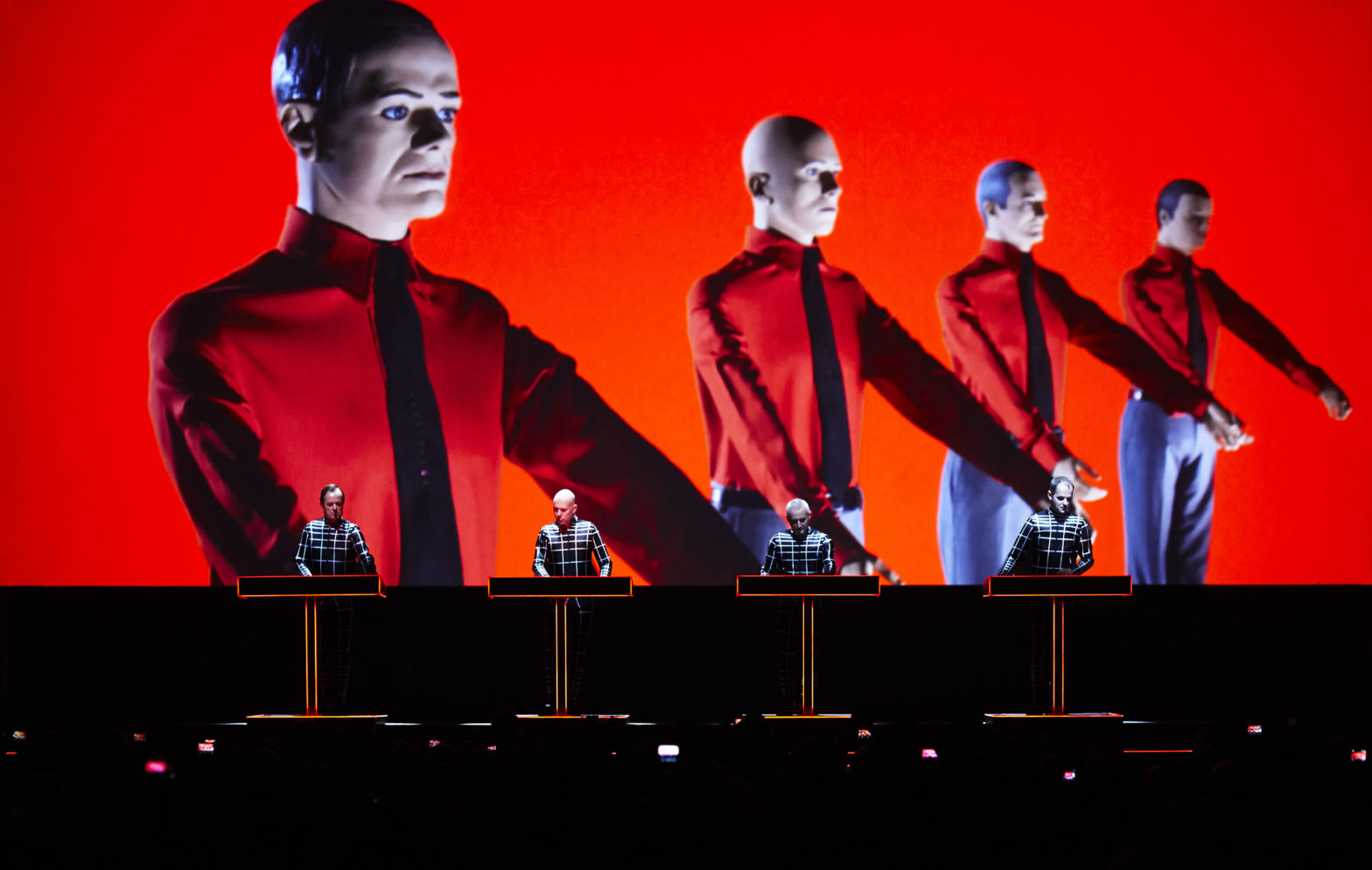
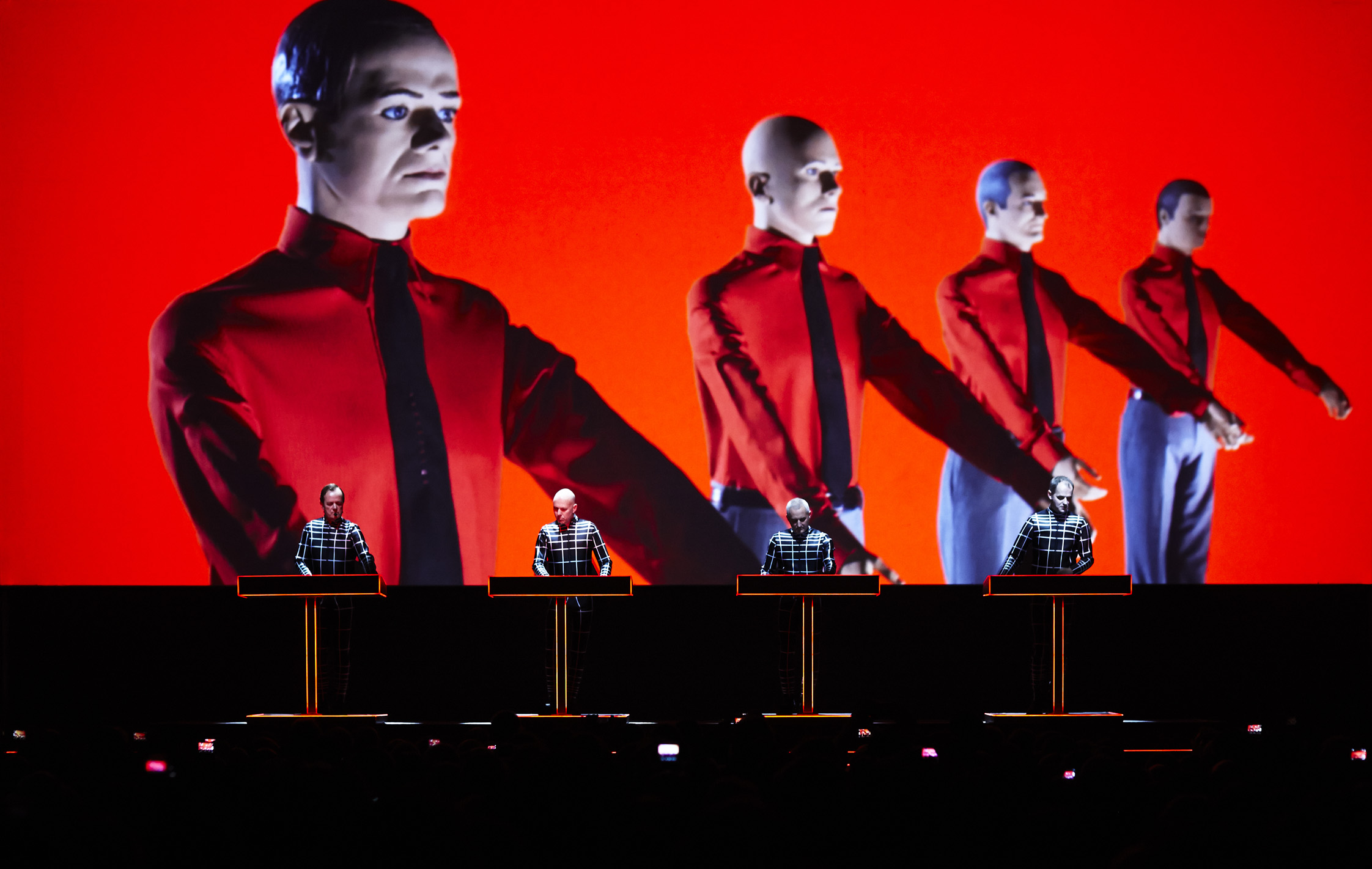
Kraftwerk Announces North American Tour

German electronic music pioneers Kraftwerk will return to North America in September with their multimedia 3-D show. The tour kicks off in Edmonton on September 16 and will stop in many cities the group have never played before, finishing the run on October 9 in Michigan. Kraftwerk debuted their 3-D concert in 2012 at a residency at MoMA in NYC, but this time around, they’ll skip NYC, as well LA and SF. You can check out the full tour schedule below.

Tour Dates:

9/16 – Edmonton, AB – Northern Alberta Jubilee Auditorium

9/17 – Calgary, AB – Southern Alberta Jubilee Auditorium

9/19 – Portland, OR – Keller Auditorium

9/23 – Denver, CO – Ellie Caulkins Opera House

9/25 – Austin, TX – Bass Concert Hall

9/27 – Nashville, TN – Ryman Auditorium

9/29 – Miami, FL – Olympia Theater at Gusman Center

10/2 – Philadelphia, PA – Electric Factory

10/3 – Boston, MA – Wang Theatre

10/5 – Detroit, MI – Masonic Temple Theatre

10/7 – Minneapolis, MN – Northrop

10/9 – Kansas City, MO – Arvest Bank Theatre at the Midland

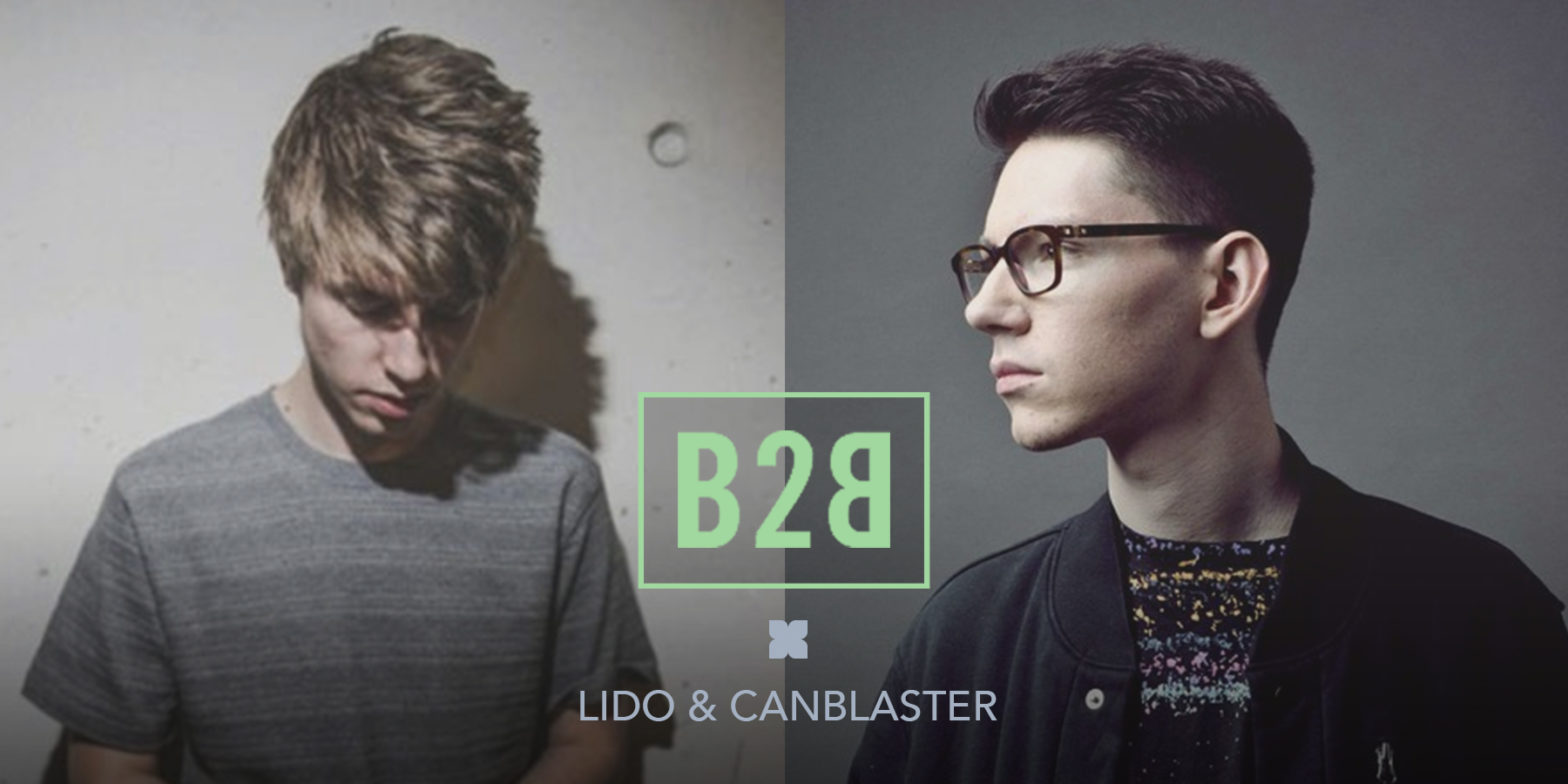
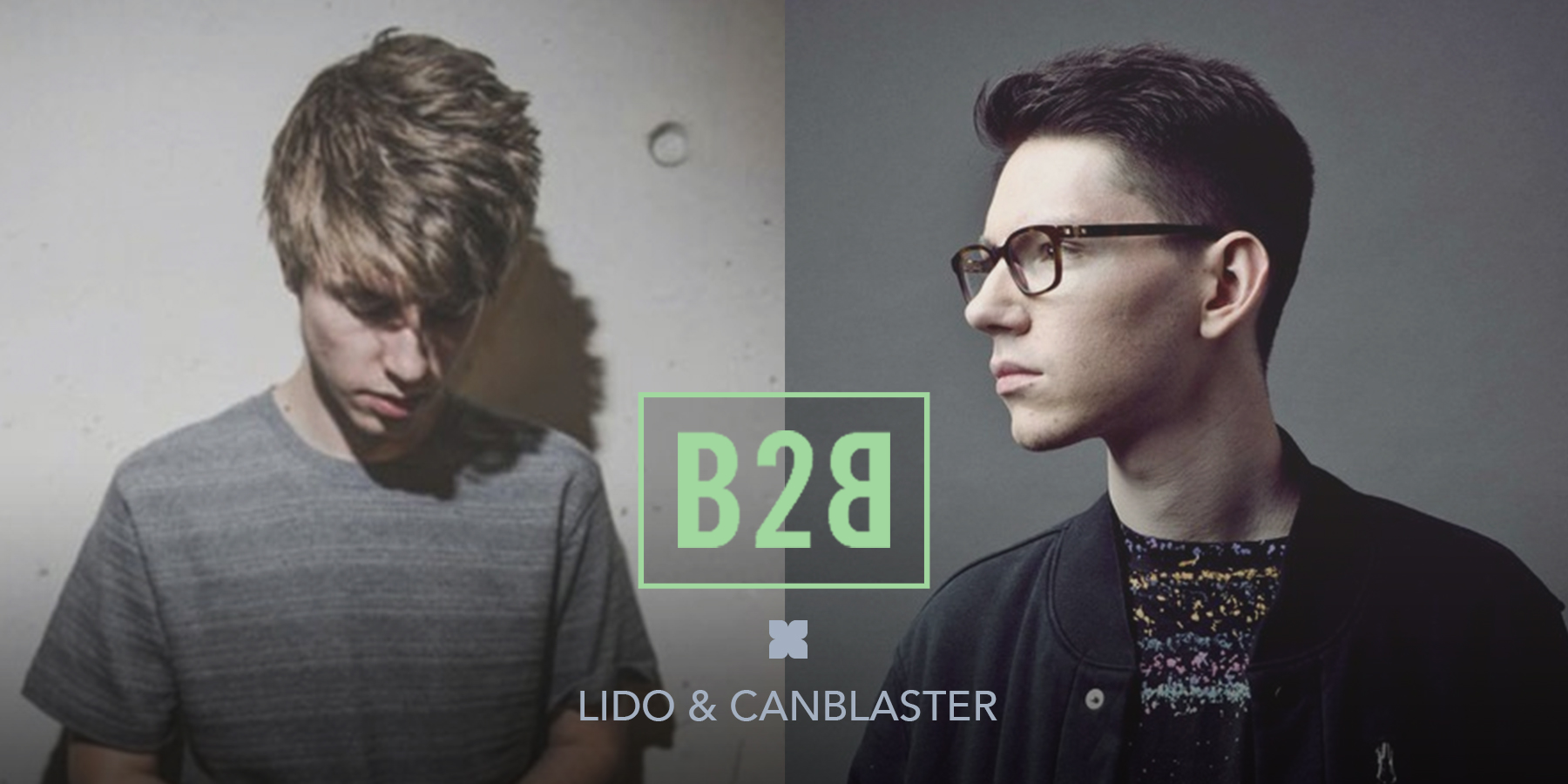
B2B: Lido & Canblaster

Norway’s young Peder “Lido” Losnegård has, with Cashmere Cat, coproduced hit numbers like Mr. Cat’s “Adore”and Ariana Grande’s “Be My Baby,” and, as a solo artist, released last year’s I Love You EP on the Pelican Fly label. France’s Cédric “Canblaster” Steffens, an erstwhile video-game soundtrack composer, is key member of the Club Cheval production collective, among other claims to fame. Put them together and—boom!—you get the succinctly named Lido & Canblaster, the duo behind Pelican Fly’s Superspeed EP, a meticulously sound-designed stroll through an alternative universe of R&B- and garage-tinged pop weirdness. Losnegård and Steffens recently got together for a chat about influences, producer tags and more—and here are the results.

Canblaster: The first time we played together, I remember playing a song you really liked, so much that today we can still hear it in your show if we listen carefully. The song was Crystal Waters—“Gypsy Woman.” This song is also very important to me; to me it’s one of the strongest house chords ever written, I remember hearing it very late on a radio show when I was a kid and hunting the track for days, asking older people what that dadadi dadooda house song was. It was one of these major records that helped me develop the style of my early records, songs like “Jetpack” or “3rd Ring.” Maurice Fulton’s style, especially the drums, as always been amazing. Can you quote one or two tracks that made the “Lido” sound what it is today?

Lido: It’s very hard for me to define specific songs that were important to me. I think Rustie’s Glass Swords album was probably the first time I realized that the music I was making could actually carry itself as instrumental music. That was in many ways the first time I heard something similarly to my stuff released in a format like that. Soundwise, Lido started out as a project for me where I tried not to compromise. I combined all the elements from different genres that I liked and wanted to see what would come out if I did just that.

Canblaster: What is the first tune you remember mastering on the piano? I mean owning the tune, feeling like you do an interpretation of it and not just play the notes, like you could just play this music on loop for hours?

Lido: No idea. I very early found that most of the songs I knew were consisting of the same chords, so I remembered that when I mastered those chords I would sit and make mash-ups of songs for hours and hours. The joy of mastering a song didn’t come to me until I was exposed to more difficult material in high school. I remember the feeling of overcoming a song like an obstacle with King Crimson or Debussy.

Canblaster: In a previous interview we did together, when asked if our EP, and your music in general, was not too complicated for today’s crowd, you answered that it is very important not to underestimate your audience. I feel like it’s a trait we both share but it’s the first time I heard it expressed this way. Could you develop that point a little bit?

Lido: When I grew up I was listening to gospel and soul music from an early age, while everyone else was listening to classic rock or radio pop. I was a completely normal kid in every way, but I was exposed to different music than everyone else. And through years of exposing my friends to weird things and paying attention to, for example, movie scores, I found that it really is all about exposure. There are tons of examples of songs that have become huge from being exposed to people in the right way. But the industry never learns that and fails to have true faith in a song if it isn’t sonically similar to whatever else is currently doing well.
Speaking of which: The first instrumental music I was ever exposed to was video-game music. I remember especially that the Zelda soundtrack influenced my writing early on. It’s also the prime example of how the industry is underestimating the listener, because video-game music has some of the most advanced melodies ever, and yet people with no musical background find it catchy. It’s all about exposure.

Canblaster: You have a producer signature, these four notes. I remember first hearing it hidden in the piano solo at the end of the Cashmere Cat track “Aurora.” Is the idea behind it coming from the rap producers putting their tags at the beginning of the track ? Like “Mike will made it/You are now listening to Araabmusik/Mustard on tha beat hoe”? Or is there more to it? And what are your favorite signatures or tags these days?

Lido: My tag is the main melodic line from the first Lido remix I ever did, so it made sense symbolically to take something from that with me onward on the Lido project. Because I make so much different music, I wanted to have a signature that I could blend in or make obvious depending on what was suited for the track. A lot of producers bind themselves to a tempo or style with their signature. Personally my favorite is probably Cardiak, who uses a simple heart-monitor note—conceptually genius and subtle. Tags have a fascinating effect on people. Every beat becomes cool as soon as you hear “mustard on the beat hoe.”

Canblaster: What makes a good chord?

Lido: A good chord is full, but has space. It’s comfortable, but interesting. It feels like home, but it’s still leading somewhere.

Canblaster: I only played once in Norway, but my grandmother used to tell me that her own grandfather was a priest from Norway, and when she bought her house in the north of France, he came there and she had to kneel down at the entry so he could bless her and her house, do a cross sign. She told me he had this very long white beard, I always picture it like this unrealistic cartoon scene in my head, like Gandalf or something. Do such people really exist today ? Or does it sound to you like an old school grandma legend? And what was it like to grow up in Norway?

Lido: Ha! That doesn’t sound like the people I hang out with in Norway, but it’s a long country so I’m sure there are plenty fairy tales going on in the countryside. Growing up so remotely and without a scene to influence you makes you really dig for things you like, and it forces you to find your own ways of achieving the sound you need. So in many ways I’m grateful to it and I don’t think I’d be making the music I’m making right now if I was born somewhere else.

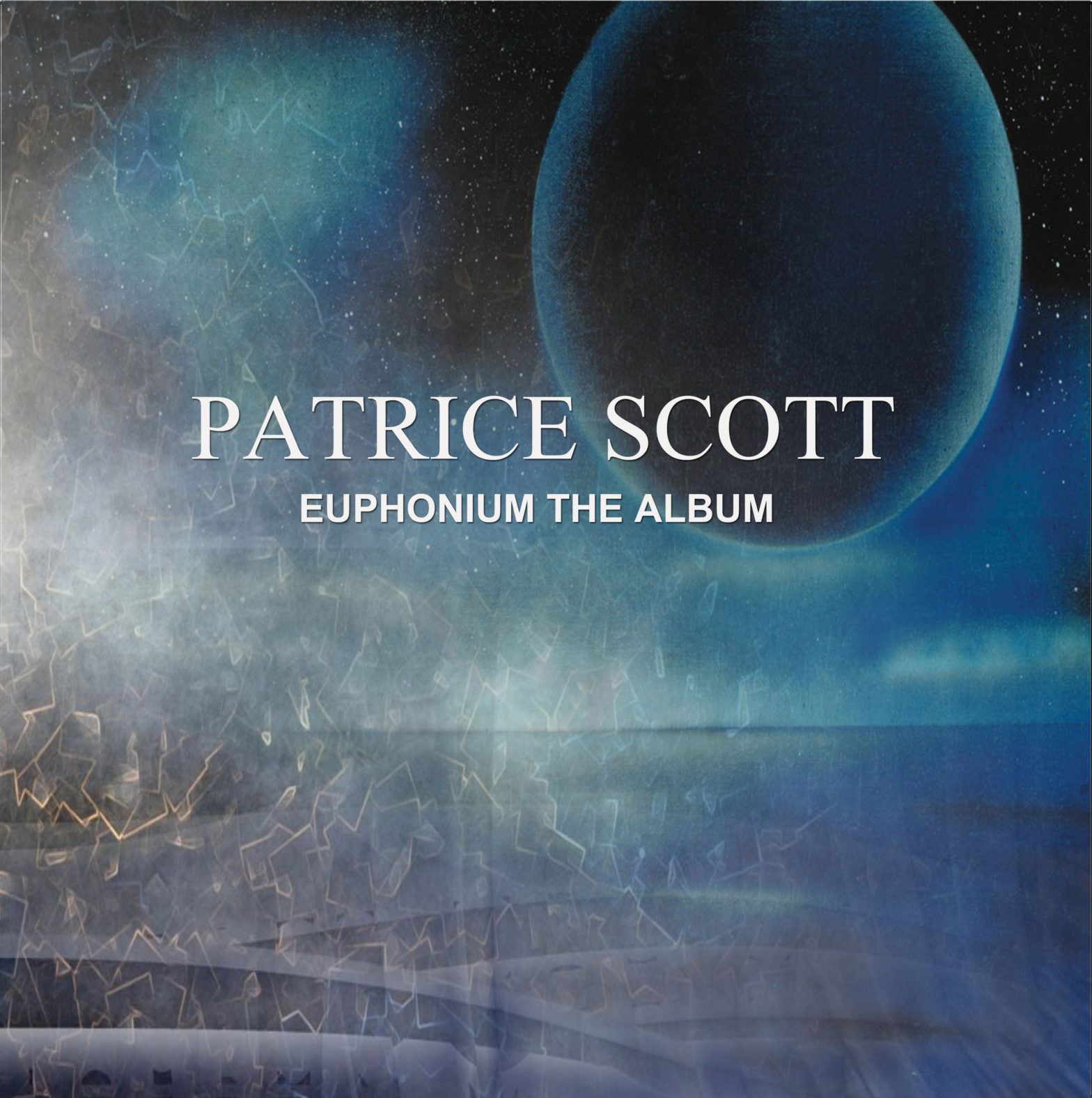
One Track Brain “Stimulus”

At the end of last month, emerging imprint OTB Records released the new EP by One Track Brain titled Gefühl Operator / Stimulus. The EP follows on from the well received The Answer To Everything by London producer Aggborough, with two hard-hitting cuts aimed firmly at the dancefloor. B-side track “Stimulus” is a thumping techno outing that opens with a brittle, rust-coated synth line and a booming bottom end. Thick, gurgling atmospheres underpin the track, swelling and retracting throughout, with brutal, industrial percussion slicing through on top. The full EP is available now on vinyl and digital, with “Stimulus” shared as a free download below.

Stimulus

Wolfgang Voigt Preps Ambient LP for Kompakt

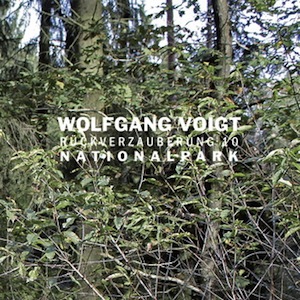
Ever-active Kompakt co-founder Wolfgang Voigt has detailed the tenth installment in his Rückveruauberung series of open-concept albums. Entitled Nationalpark, the hour-long recording aligns with the opening of German national park Hunsrück-Hochwald and is described as “an abstract, ambient-infused sound installation, which can be experienced as a kind of ‘acoustic hike through the forest’ thanks to a series of loudspeakers allocated in a natural environment.”

Voigt reportedly processed improvised string and wind instrumentals digitally to make the album, which will see an official release on May 25. Until then, both its artwork and tracklist can be viewed below, and clips are available for preview here via Kompakt’s website.

01. Rückverzauberung 10

Philipp Gorbachev Launches New Label

Berlin-based producer and self-declared Russian exile Philipp Gorbachev is launching his own label, PG TUNE, which will provide a platform for a string of digital singles due out over the spring and summer. The imprint’s inaugural release will be Power of the Funk, which (according to Resident Advisor) is more techno- and dancefloor-oriented than Gorbachev’s previous solo outings and takes its cues from his regular after-hours sets at Moscow club ARMA17.

The release of Power of the Funk on May 18 follows Gorbachev’s 2014 debut album on Cómeme, Silver Album, plus an appearance on the label’s most recent V/A compilation. His second single for PG TUNE is expected to land in June.

Page 1078 of 3781
1 1,076 1,077 1,078 1,079 1,080 3,781