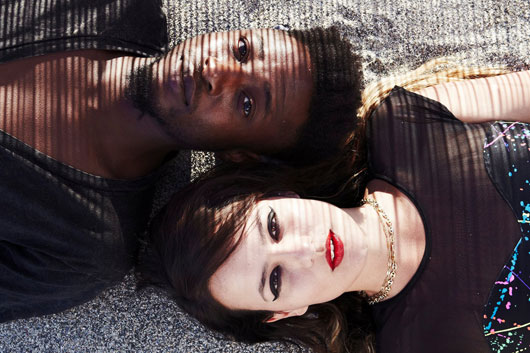
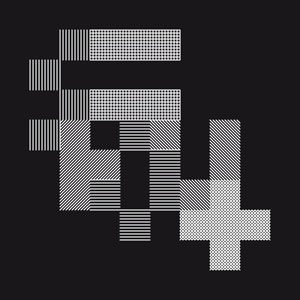
London duo Royalty is getting set to release a new EP, the five-track Purple Nights. The EP, which includes a remix from Jimmy Edgar, drops November 21 on vinyl, with a digital release a week later, but the pair has let slip “Heart Strings” in the meantime. Although the boy-girl duo hails from London and rubs elbows with the local house/garage/post-everything crowd, its music takes more cues from ’80s electro-funk than the so-called hardcore continuum. With its slappy basslines, vintage synths, and generally funky vibe, “Heart Strings” is a perfect example of what Royalty has on offer. Check the Purple Nights EP artwork and tracklist, along with an audio preview, after the jump.
XLR8R Couldn't find the embed function for type: "soundcloud" and source: "<embed allowscriptaccess="always" height="81" src="http://player.soundcloud.com/player.swf?url=http%3A%2F%2Fapi.soundcloud.com%2Ftracks%2F25927841" type="application/x-shockwave-flash" width="100%">".
The folks at Intruders TV continue to pin down an interesting array of DJs and producers for in-depth chat sessions, and the latest chapter features a sit-down with Hot City‘s DJ Haus and Detroit veteran DJ Stingray. The two discuss their own musical histories, and also their recent collaboration, Stingray Enters the Unknown, for the Unknown to the Unknown imprint.
Between Jacques Greene and his sometimes partner-in-crime Ango, the LuckyMe family has stumbled onto quite the nest of quality music in Montreal. While Greene’s love of R&B has been well documented, it wasn’t really clear how Ango weighed in on the subject until “Better for You,” from his new Another City EP, found its way into the world. Taking cues from the smoothed-out feel of ’90s radio R&B, the slow-burning tune finds the lovelorn producer cooing over his own sultry beats and washy synths. Another City comes out today. (via Pitchfork)
XLR8R Couldn't find the embed function for type: "vimeo" and source: "<iframe src="http://player.vimeo.com/video/31132836?title=0&byline=0&portrait=0" width="530" height="298" frameborder="0" webkitallowfullscreen="" allowfullscreen=""></iframe>".
Just in time for Halloween, Shlohmo has unveiled this haunting clip for “Trapped in a Burning House.” Undoubtedly one of the darker and more dramatic selections from his debut LP from earlier this year, Bad Vibes, the video—which Shlohmo directed and edited himself—is pretty spooky, a Blair Witch Project-reminiscent offering that features a whole lot of first-person footage of a body being dragged through the forest.
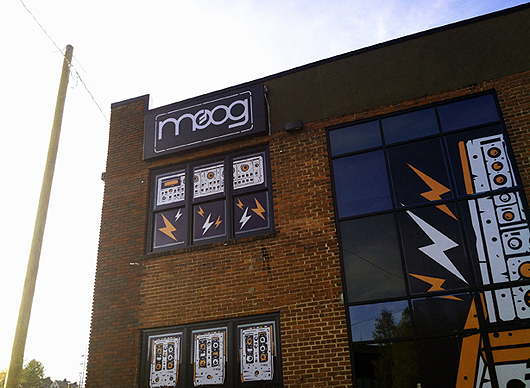
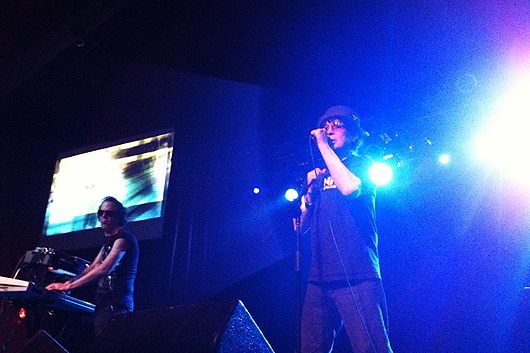
For the second year in a row, the city of Asheville, North Carolina celebrated the legacy of former resident and innovator of the synthesizer Robert Moog with a festival featuring the eclectic, electric sounds that he was integral in making possible. This year’s Moogfest fell once again on Halloween weekend, which lent the festivities a bit of a rave-ish vibe. Colored wigs, reflective jumpsuits, and various accessories of the glowing variety were a common sight when glancing across the throngs of festival-goers spread throughout the small college town that is still home to the Moog factory (pictured above). I had to wonder if Mr. Moog would be entirely pleased with being honored in this way, as the festival largely feels like a suburban Burning Man. Regardless, all performing artists in attendance were there to pay tribute to the visionary with some of the best music that can be seen and heard today, and did so in spades.
Day One
Beak>
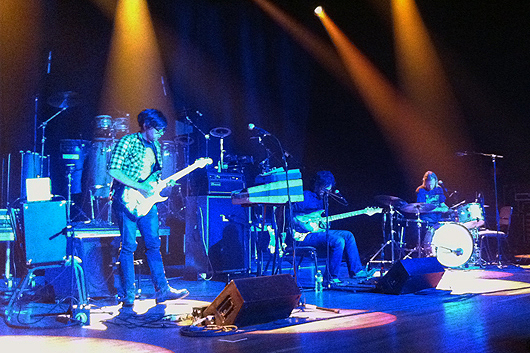
Moogfest started early Friday evening in the midst of a chilly drizzle that made trekking from venue to venue feel a bit more laborious than the 10- or 15-minute walks might otherwise be. Geoff Barrow’s Kraut-indebted side-project, Beak>, was the first act I caught, and proved to be a fitting start to my weekend, as the jammy song structures and pulsing rhythms made for a smooth sonic brew to ease into. Atlas Sound was setting up across the way over at the Orange Peel, so I dipped out of Beak>’s ambling performance a little early in order to make the start of his set.
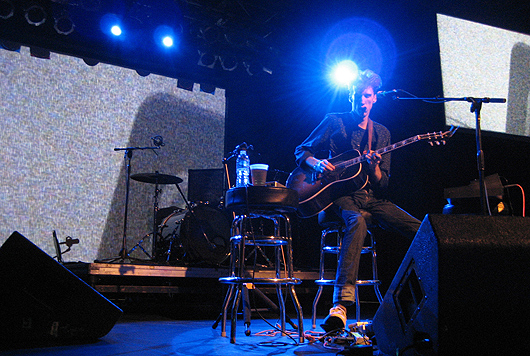
Deerhunter frontman Bradford Cox was on stage alone, surrounded by his guitar, effects pedals, a drum machine of some sort, and a Moog synthesizer. It was the most gear I’ve ever seen him use in a solo performance, and it seemed that maybe the setup was new to him, too. Instead of playing some of his experimental bedroom-pop tunes, Cox spent more time self-indulgently jamming on his gear (quite loudly, might I add), which yielded both interesting and tiring results. Some people were plugging their ears by the time I left to grab a bite to eat.
Atlas Sound
Tangerine Dream
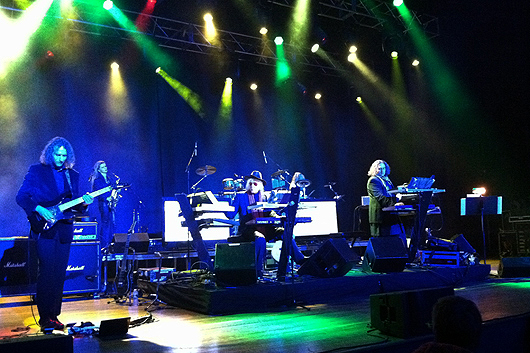
After stopping in one of Asheville’s many fine restaurants, I headed to the Thomas Wolfe Auditorium to catch the unlikely performance of German new age/prog pioneers Tangerine Dream. The six-piece outfit was in the middle of fleshing out pieces of its unbelievably large repertoire when I arrived. I didn’t recognize any of the songs Tangerine Dream performed, but was mesmerized by both the massive amount of gear the band had on stage and the immense sound they produced through the auditorium’s soundsystem. Up in the front, the subs quite literally moved me, and even the cheeseball guitar and sax solos sounded pristine enough to be chocked up to nostalgia rather than kitsch.
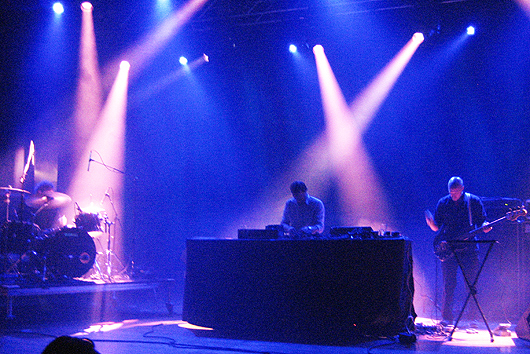
After Tangerine Dream took a bow and 69-year-old band leader Edgar Froese addressed the adoring crowd concerning his love for Bob Moog, The Field set up with a drum kit on stage right, a bass and synth rig on stage left, and mastermind Axel Wilner placed front-and-center, armed with a couple of samplers and a mixer. The trio kicked things off with Looping State of Mind opener “Is This Power,” and, despite a poor mixing job from the house, compelled the excited audience to groove along with lengthy renditions of pulsing jams taken from all three of its LPs.
The Field
The final event of my first night at Moogfest was a surreal performance by elusive dubstep badboy Zomby at the Orange Peel. I use the word surreal mostly because of the crowd in attendance, not the performer himself. When I arrived roughly in the middle of the third track Zomby had selected to play off his laptop, the room was at about half capacity, which felt slightly odd considering that the masked producer would likely sell out a night in any other city. But things continued to grow more strange; while Zomby dropped dirty grime and rap tunes from the likes of Soulja Boy, Dizzee Rascal, and The-Dream, along with a cut or two of his own (like the excellent “Tears in the Rain” from Where Were U in ’92), the audience waned, seemingly miffed by his anti-climactic “performance” and his utter lack of stage presence. There were about 30 people left in the room when Zomby ended his set. It solidified my notion that maybe most of the people in attendance at Moogfest this year aren’t as interested in an artist’s hype and self-imposed mythos as they are in seeing exciting live music from talented performers. And really, who could blame them?
Zomby
Day Two
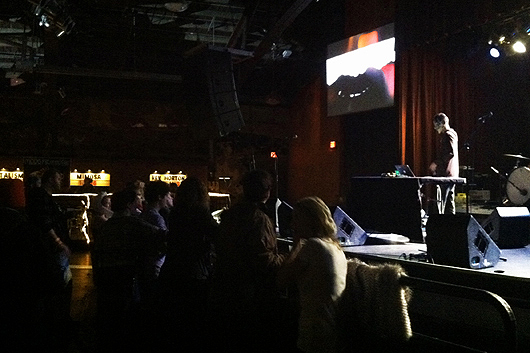
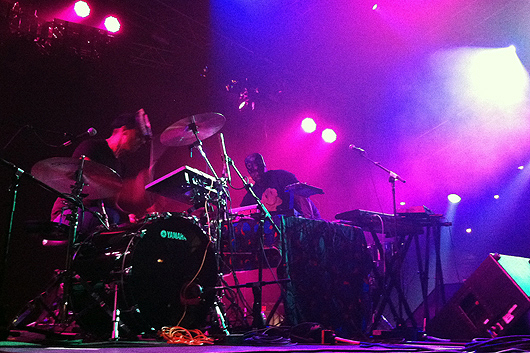
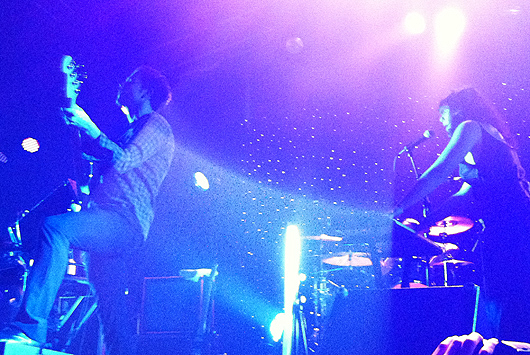
Brighter skies greeted me on Saturday, and assuaged all fears that I’d be spending much of my stay in Asheville bogged down by weather I hadn’t packed for. By the time SBTRKT went on early that night at the Asheville Civic Center Arena, not much had changed aside from the dropping temperature, but that didn’t stop the attendees from donning their Halloween costumes and party garb. The South London duo of SBTRKT and singer Sampha played through high-energy versions of “Something Goes Right,” “Heatwave,” and other selections from the producer’s self-titled LP with a live drum set, vocal effects, and a handful of synths and MIDI controllers. The crowd ate up the pop-minded dance tunes like they were at the peak hours of an all-night rave, which left me wondering how Tim Hecker would fare when he took the same stage hours later.
SBTRKT
Terry & Gyan Riley
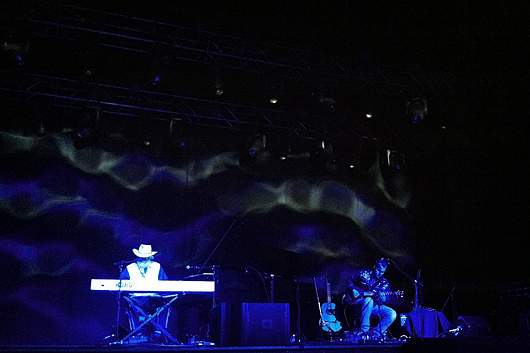
Before Tim Hecker appeared on the arena stage, I had the privilege of watching experimental composer Terry Riley perform in the Thomas Wolfe Auditorium next door. The artist played his minimalist pieces along with his son, guitarist Gyan Riley, alternating between a grand piano and an electric keyboard throughout their set. Riley said very little to the seated audience between songs, but made one remark about the pair rehearsing on the way to Asheville, to which Gyan added, “We were on different flights.” After the laughter subsided, the duo launched into a serenely spellbinding piece of music that found both Terry and son jumping between a bevy of different sounds on their respective instruments—maintaining the understated, hypnotic vibe throughout. You could see most of the crowd with their eyes closed, soaking up the transportive sounds.
Tim Hecker
In what was easily the strangest billing of Moogfest, Canadian noisenik Tim Hecker performed sonically crushing pieces from this year’s gorgeous Ravedeath, 1972 LP at the festival’s largest indoor venue. Hecker unleashed his assault of chopped and treated sound on the same stage that featured the likes of Moby, TV on the Radio, and Ghostland Observatory throughout the weekend. The arena was at roughly 10% capacity during most of Hecker’s set. While the lush washes of static and punishing bass of “The Piano Drop” rattled my insides, I watched as two kids played Connect Four and a couple of underage girls (who were almost certainly rolling) ran around in some kind of game of tag. I couldn’t help but think that maybe the tastes of the Moogfest promoters are somewhat loftier than their audience. Still, toward the back of the small crowd, a number of people were seated on the ground, basking in the vibrations of Hecker’s engrossing music. The performance was over 20 minutes earlier than it had been billed.
Suicide
A short walk took me over to the Orange Peel, where Suicide was scheduled to perform its seminal self-titled LP in its entirety. Thankfully, the landmark event was not lost on Asheville and its festival-goers, as the room was absolutely packed and brimming with excitement. 73-year-old Alan Vega and Martin Rev sauntered on stage and immediately jumped into “Ghost Rider.” The tune’s instantly recognizable bassline was met with screams of enthusiasm from the crowd, and Vega fed off the energy like a veteran performer. While Rev blasted out the powerful drum-machine rhythms and gritty synth riffs of Suicide (including highlights like quasi-ballad “Cheree” and epic ode to the everyman “Frankie Teardrop”), the vocalist wailed and postured on stage—smoking a cigarette, grabbing his crotch, and yelling into the audience like it was 1970s CBGB. It was something of a sight to behold, and one of the best performances I saw during Moogfest.
Kode9
After a lengthy change over and far more Red Hot Chili Peppers and 311 than one should ever be forced to listen to, Hyperdub head honcho Kode9 delivered a tremendous DJ set to an insatiable dancefloor. The mixmaster kicked things off with heavyweight tunes like Mosca’s “Done Me Wrong” and “Hover Traps” by fellow Glaswegian Rustie, which paved the way for choice bits of high-octane grime, heavy-handed dubstep, and other tasteful bass-centric genres. There wasn’t a static body within the ebullient crowd, and as I gradually made my way through the mass and out the door, I only saw more and more people filtering into the Orange Peel. Kode9’s set was certainly the dance party of the night.
Day Three
M83
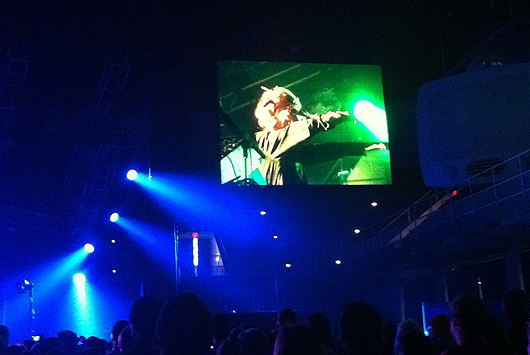
M83‘s was the last performance I saw during Moogfest, and even though the final day of the festival also featured sets from the likes of Neon Indian, John Maus, Oneohtrix Point Never, and Gold Panda, Anthony Gonzalez’s immense stage show was enough to satisfy even the hungriest of live music appetites. Like its impeccable new LP, Hurry Up, We’re Dreaming, M83 presented a cinematic spectacle inside of the Asheville Civic Center Arena, starting with a walk-on of the boy in the alien costume from the new album’s artwork. He slowly raised his arms as the synth arpeggiations and sub-bass of opening track “Intro” swelled from the soundsystem and Gonzalez & Co. took their positions. During this small bit of theatrics, it became readily apparent that something special was going to happen.
M83’s alien boy on screen
The band followed up its first tune with lively versions of “Midnight City” and “Reunion” before jumping into older material like “Kim & Jessie” and “Teen Angst.” As Gonzalez was joined by a live drummer, a young multi-instrumentalist (whose 20th birthday happened to be that night), and a female vocalist/keyboardist, M83 sounded fuller than I’d ever experienced from them in a live setting. The brilliant music, flashy on-stage lighting, and passionate performances from the artists created a commanding presence in the arena, more so than any band I’d seen in the past few days. During an excellent rendition of Hurry Up standout “Steve McQueen,” it occurred to me that maybe this is what Gonzalez had been striving for all along. His band had achieved what looked and sounded like stadium-sized stardom, and it suited them very well.
M83
Before the show had begun, a screen suspended near the stage displayed text messages sent from the audience to a special number. One of those messages that popped on screen read, “I came to Moogfest just to see M83.” I got the sense that maybe everyone in the near-capacity audience felt that way, too. I can certainly say that there were moments during Gonzalez & Co.’s hour-plus performance where I felt just the same, and when I left the venue on a high of seeing such a powerful live band (not to mention a personal favorite), it seemed that all of the weekend-long festival had been leading up to that point. It was the perfect note to end my stay at Moogfest on, so I went back to my hotel and prepared to return home.
Manchester outfit Stay+, which smartly changed its name from the cringe-worthy Christian AIDS earlier this year, is set to release a one-sided 12″ via RAMP early next month. The song is called “Fever,” and the group has also put together a video to accompany the track. Running in reverse, the clip documents a bad night out and its hazy aftermath. It’s a cool concept, and one that works nicely with the song’s sonic euphoria and sparkling rave throwbacks. “Fever” will be released on November 7, and the artwork is posted below.
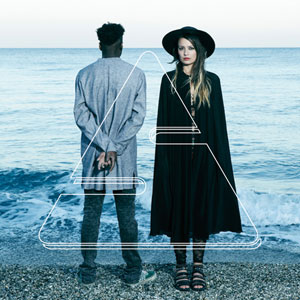
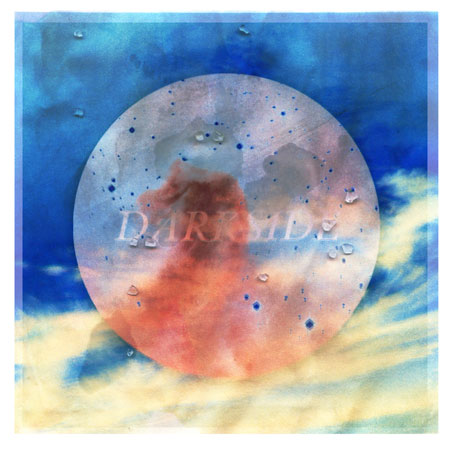
While much of the electronic-music world is anxiously awaiting new solo material from Nicolas Jaar, the young producer apparently has other things on his mind, including a new collaborative project called DARKSIDE. A partnership between Jaar and Brooklyn’s Dave Harrington, DARKSIDE will be releasing its self-titled debut EP (artwork above) via Jaar’s own Clown and Sunset imprint. Not much is known about the project, other than that it does feature Jaar turning in some vocal duties. Even the songs themselves are shrouded in mystery, as they are simply titled “A1,” “A2,” and “A3.” The DARKSIDE EP will be released on December 7.
South Londoner James Fox is another name that can be added to the growing list of up-and-coming UK producers offering their take on the warmer side of house music. And although it may be just a few weeks late, “Close Your Eyes” comes loaded with enough summertime vibes—thanks to its sun-kissed pads, soulful organ blips, playful percussion, and sultry vocal refrain—to make us fondly remember the not-so-distant nights where a cold beer and a deep, rolling tune like this would have made just the right combination. It’s a shame this track didn’t see a proper release, as was planned before Fox reportedly ran into some “sample clearance issues,” but if this tune is any indication, Fox will have plenty more pieces of glowing house in the days ahead
Not only is UK funky don Roska a busy DJ, consistent producer, and head honcho of his own Kicks and Snares imprint, he’s also a generous guy. How do we know? Well, because the man has gone ahead and offered up a small collection of unreleased remixes of tracks released through his label for the agreeable price of absolutely free. And these aren’t just any regular old remixes, as there are some hot jams to be had here, including reworks from Bok Bok, Zed Bias, MA1, D-Malice, and Tickles, all of which are up for grabs exclusively through XLR8R. Download the ZIP file with all the aforementioned tunes here, and feel free to enjoy, spin, and share them as you see fit.
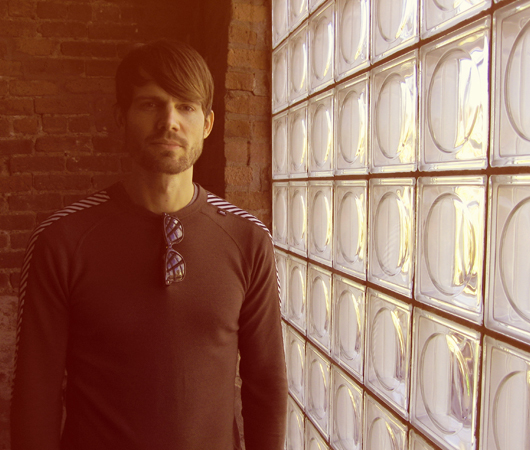
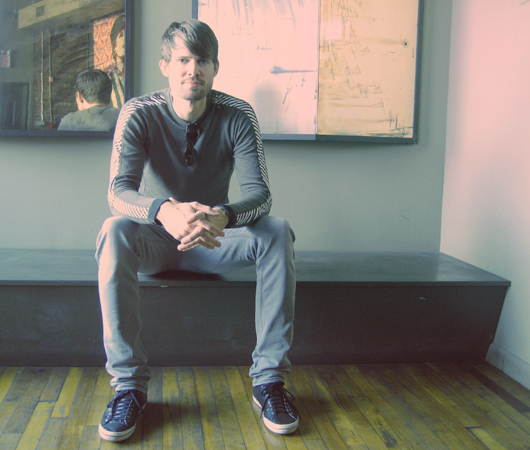
It wouldn’t be the least bit of a stretch to call Scott Hansen a multidisciplinary artist. A masterful graphic designer and a rapidly rising musician and producer, he’s spent much of his life constructing his own unique audio/visual paradise where sepia-soaked skylines, bucolic landscapes, and Endless Summer motifs intersect with Balearic sound worlds, warbling synth flourishes, and inherent vibes of dreamy nostalgia. The combinations sound familiar, sure, but Tycho is no cliché (neither is Hansen’s design firm-cum-blog ISO50, for that matter). As his latest LP for Ghostly, Dive, and the lengthy story behind its creation indicate, Hansen’s work is the culmination of the better part of a decade spent obsessively honing his craft into the vibrant, expansive vision it is today.
“It was very, very gradual,” says Hansen on his ascent into the music world. “I looked at music absolutely as a hobby, just like a side thing, because I didn’t really identify as a musician. [It was more like], ‘I’m a graphic designer, and I’ll mess around with this on the side.’ But it’s something I really had a passion for.” That passion has followed Hansen from his hometown of Fair Oaks, CA, to Sacramento, where he first started Tycho as a solo laptop endeavor, to his current homebase of San Francisco.
Apparently, the incarnation of what Tycho is today was made possible by his decision to live in the iconic City by the Bay. “Moving to San Francisco affected me in a pretty profound way, in a lot of respects,” he explains. “I think it helped me evolve my sound, and think outside of the space I’d been in in Sacramento. The scene there is so insular and kind of feeds on itself, you just end up playing the same shows with the same people for the same people. With San Francisco, I felt this sense of openness, like I could go anywhere with it.”
“Dictaphone’s Lament” from Past is Prologue
XLR8R Couldn't find the embed function for type: "soundcloud" and source: "<embed allowscriptaccess="always" height="81" src="http://player.soundcloud.com/player.swf?url=http%3A%2F%2Fapi.soundcloud.com%2Ftracks%2F2399431" type="application/x-shockwave-flash" width="100%">".
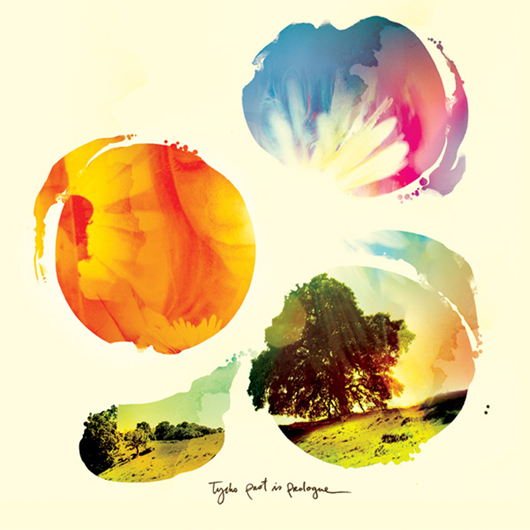
Even though Hansen would eventually take his music to a wider audience than ever before, it was some time before that became a reality. The first seeds of his endeavor were planted with an album called Sunrise Projector, which was later picked up and re-released by the now-defunct Merck label, and then again by Ghostly, under the title Past is Prologue. Maybe the producer isn’t 100% content with his initial effort, but it’s certainly not without merit. As he puts it, “I still see [Sunrise Projector/Past is Prologue] as a pure expression of where I was at at the time, and I think that’s what’s really good about it.” Hansen goes on to explain how that ties into his latest record, saying, “Dive is the realization, the full picture of what [Sunrise Projector/Past is Prologue] was supposed to be about. It’s the result of all the years in between those releases. Some of this material—little bits and pieces, starting points of songs—is almost five years old.”
In that sense, Tycho is actually starting over with Dive. Because so much time has elapsed between projects, the music has grown into something else entirely, something fully formed and possibly more inspired than before. Hansen even admits that he views the dense, 10-track LP as his actual debut album. But why exactly did it take five years for these largely instrumental electronic compositions to see the light of day? The producer explains, “My process is really about little bits of inspiration. I just record them really quick on the guitar or something. I have a huge folder full of them. But if I start a song, I finish it. So if I decide to pick up that little bit, I’m going to go all the way with it.” He goes on, saying, “But taking that idea to what I consider to be a finished product is a very, very long, winding road of meticulously going over every detail.”
That arduous road has paid off tremendously for Tycho. Each handcrafted synth timbre, each intricately chopped-up drum pattern, and each bit of live instrumentation is part of a full experience, something that has been painstakingly orchestrated from start to finish. From the propulsive drift of dreamy lead single “Hours,” to the seaside-conjuring atmospheres of “Coastal Brake,” to “Adrift”‘s six minutes of understated melodic anthems and woozy bounce, Dive is an immersive record right down to the psychedelic album artwork.
“Hours” from Dive
XLR8R Couldn't find the embed function for type: "soundcloud" and source: "<embed allowscriptaccess="always" height="81" src="http://player.soundcloud.com/player.swf?url=http%3A%2F%2Fapi.soundcloud.com%2Ftracks%2F20302464" type="application/x-shockwave-flash" width="100%">".
“Conceptually, I’ve always gravitated towards arrangements that weren’t just presenting one idea,” shares Hansen. “I like to look at my songs as having a main part, an interlude, and almost like another song at the end. I like the idea of giving the listener all of those ideas, instead of focusing on one. It’s more of an experience, like a journey through these different places.” It’s a sound that certainly owes as much to Ulrich Schnauss and Boards of Canada as it does contemporary indie bands like Deerhunter or Fleet Foxes, but was also spawned from Hansen’s early love for drum & bass producers and turntablists like DJ Shadow. Oddly enough, prog rock plays its role in the current Tycho sound, as well. He explains: “This album is pretty informed by stepping outside the boundaries of normal experience, or your daily life, and just trying to get to another kind of space. I try to temper that with an emotional component, which I think the prog artists did, too. I didn’t want to go all the way into that world of, like, ‘Hey, man, when you’re high this sounds really good.’ I try to avoid self-indulgence at all costs.”
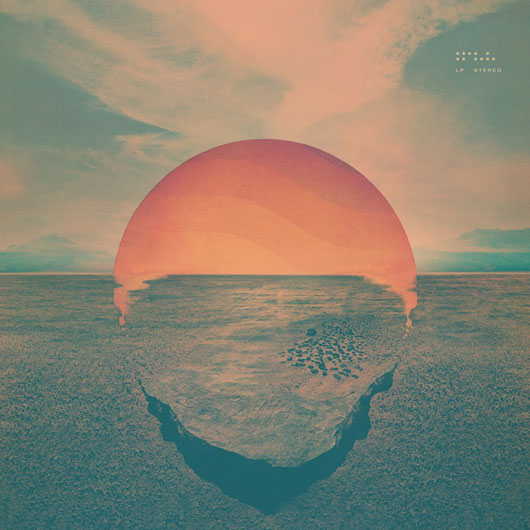
But maybe a bit of self-indulgence is just what he needed to make his music the compelling force it is today. Hansen is also solely responsible for his project’s visual aesthetic, including all of Tycho’s album art, live video projections, merchandise, and tour posters. More often than not, the artist interplays his two mediums, and to great effect. “I think they call it ‘synesthesia,'” he says. “I usually take imagery and use it as a guide for the music, and vice versa. They kind of come out of each other, but in the case of the album cover, that was absolutely done after the fact.” He’s referring to the gorgeous image of a multi-hued sun practically melting into a large swath of barren earth that dons the cover of Dive. The artwork is integral to fully understanding Tycho’s transportive new LP, but a question remains: Is it a sunrise or a sunset?
“It’s supposed to be sort of ambiguous,” Hansen shares, “but to me, it’s a sunset. It’s kind of like the epilogue to a chapter in my life as an artist and a person. This last year has been really transformative in a lot of ways, personally, so this album is kind of a punctuation on the end of a really intense period [of my life]. The end of a part of me.”