Holocene: The Lone Techno Bastion

Five years ago, the stylish white cube that is the club Holocene stood out in Portland like a Vespa in a remote jungle village.This was before the L.A.-in-the-Northwest rock club Doug Fir Lounge opened, before the sweaty postage stamp of a dancefloor at Branx was there–before indie-rock Portland had really decided it was okay to dance. The sad archetype of Portland’s indie scene looked something like The Yardbirds show in Antonioni’s Blow Up–hipsters standing in front of a rock band like a terra cotta army.

“When we were building Holocene five-and-a-half years ago, the dance scene was really downtown, top 40, hip-hop on one side–and warehouse rave [on the other side]–and then some weird, David Chandler-in-a-Chinese-restaurant kind of stuff,” says Scott McLean, one of Holocene’s owners. “People were probably dancing and there were probably 18 of them.”

Co-owner JarkkoCain agrees: “There was a time a few years ago where I wouldn’t use the word ‘techno’ because it would freak people out.”

Portland’s landscape has changed in the last five years. An influx of newcomers has meant aggressive gentrification in many areas of the city–neighborhoods that were once gritty (by Northwest standards) now boast condo blocks and stylish bars, including the central Eastside ’hood that Holocene calls home. The club’s environs are at the boundary between the east side’s residential neighborhoods and the industrial districts that hug the Willamette River, Portland’s natural bisecting feature.

Chantelle Hylton, who ran Portland’s dominant promotions company, Blackbird Presents, for eight years and now manages booking at NY’s Knitting Factory, perfectly sums up what Holocene meant to the city. “Holocene happened to Portland at just the right time in the evolution of our greater subcultural awareness as a city just beginning to burst with immigrating artists,” she says. “In the physical space, they expressed a certain self-conscious artistic sophistication we hadn’t seen–and the music they brought with them stoked and cultivated an entirely new scene, sort of a mash-up of the Portland underground at the time with the global electronic scenes [that the Holocene owners] came from.”

Marius Libman (a.k.a. Copy), an electro-inspired 8-bit producer and local favorite, concurs: “It wasn’t really until Holocene opened that there was more of a focus on [dance music]. They started bringing touring acts. [Now], there’s a lot more openness to it. I think Holocene ushered that in.” He adds, “I owe a lot to them for helping me find my audience.”

The club was a bold move. McLean and Cain were both living in San Francisco when the idea was hatched, but they spared themselves the pain and near-certain failure of opening a new dance club there, where the scene was already soaked through. “In the beginning, no one was really sure if dance parties that were geeky about the music they played and arty electronic music was ever going to [draw] more than 50 [people] in a bar or a basement,” Cain recalls. “Now, that’s not even a question.”

Portland is still far from being a hotbed for techno music. (“Honestly, there’s really no techno scene here, except the DJs that are playing it,” Cain admits.) But the city’s thriving ambient and experimental communities have frequently found refuge at the club. And the club’s calendar reflects that Portland is still a rock (and folk) town: On any given night, you’re likely to find a guitar and a drum kit on stage.

Talking to Cain and McLean, it’s obvious this wasn’t Holocene’s ideal, but it has adapted and survived. “The city has turned into more of a dancing city,” McLean says. “There’s been a sort of circling back around the purest thing we were originally most interested in,” adds Cain. “People are into electronic music.”

Favorite Portland Artists:
Jarkko Cain: Corrina Repp

Scott McLean: Grouper
Terry Lynn Terry Lynn

Kingston’s Waterhouse has long been a breeding ground for top-notch Jamaican talent, but it’s never produced anyone quite like Terry Lynn. “Born in the ghetto/Where da gangsters roll by/And dem gunshot echo,” Lynn spouts, observing tenement yard socioeconomics on tracks like “Politricks,” “System,” and “IMF” with as much authority as Damian Marley or Bounty Killer. Such a revolutionary artist demands a progressive sonic template. Eschewing JA’s formulaic soundsystem scene altogether, she links with producers like Olivier Giacomotto, techno head John Acquaviva, and Jonathan Coe, whose industrial-strength uptempo bashment riddims hammer Lynn’s message home inna classic ragga-house/junglist stylee. It’s not dancehall music so much as avant-garde dance music, coming from a voice of the ghetto that demands to be heard at full volume.

Earl Rodney Friends and Countrymen

Billed as the first solo album from a steel pan player, this vintage nugget from ’73 is probably better described as Trinidadian rare groove. The bubbly sounds commonly associated with Calypso and Soca are evident, as is a ’70s island tribal-funk vibe, with Rodney’s alto pan accompanied by horns, whistles, African drums, electric bass, melodic guitar runs, and vocal chants. The mostly uptempo, highly celebratory material comes as somewhat of an unheralded revelation, connecting the Caribbean Diaspora with its African roots in a creative, original way. Flavorful like fresh mangoes, tracks like “Juck Juck” and “Midnight Man” have gro-o-ooves for days. Intoxicating as a tall glass of aged Trini rum on a hot day, Friends and Countrymen pans out quite excellently.

Poni Hoax “Antibodies”

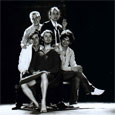
As usual, Poni Hoax is all over the musical map on its second full-length, the Joakim-produced Images of Sigrid. Part disco, part new wave, very electronic, and with its fair share of guitar riffage, the album slides from one musical style to another with grand transitions that tend to include lots of cymbal crashes. Best place to start is with the anthemic “Antibodies,” which, according to the album’s press kit, sounds a bit like Nick Cave and Giorgio Moroder. Wrap your heads around that while hitting the download button. Photo by Maria Ziegelbock.

Poni Hoax – Antibodies

Fresh Born

Offend Maggie‘s release date is just around the corner, and Deerhoof has unveiled a the video from the track “Fresh Born,” which features much dancing, bright colors, and a stuffed gorilla that enjoys playing the drums and starting fights. If you participated in the whole sheet music thing from a while back, you can hit the mute button on the computer and play your own version while the video rolls.

Pon Di Wire: King Jammy, Beenie Man

Internationally known reggae archivist, author, and Bob Marley expert Roger “Rojah” Stephens has been unable to find a permanent home in Jamaica for his historical reggae artifacts. The collection includes some 9,000 reggae records, including autographed copies, thousands of reggae, ska, and rocksteady CDs, countless hours of videos, DVD, and cassette tape recordings, magazine clippings, stickers, posters, and more. Stephens was hoping to get a seven-figure sum for his collection, but hasn’t found an interested public or private Jamaican entity; he is now taking offers from international bidders.

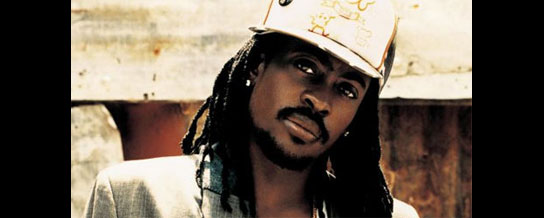
It wouldn’t be a new week without a new Beenie Man rumor. This time, the popular DJ is borrowing a page out of Republican Vice Presidential candidate Sarah Palin’s life with the news that his 17-year old daughter is pregnant. The artist has not commented on the matter, which remains unsubstantiated, however, if true, the 35-year old entertainer would be a first-time grandfather.

Soul Jazz Records will release a DVD version in November of the long awaited reggae documentary, Dub Echoes, by Brazilian director Bruno Natal. The film chronicles the innovative Jamaican sound and features key artists, inlcuding U Roy, King Jammy, Lee Perry, Sly Dunbar, Bunny Lee, and more. Watch a trailer at United Reggae.

It’s not only male DJs that end up lyrically clashing. With a new generation of excellent female emcees on the scene, it was only a matter of time before a brouhaha broke out. According to one source, DJs Spice and Queen Paula have been trading barbs. Of the matter, Paula remarked to the Star News, “The war is on and mi ready lyrically.”

A group of devout Rastafarians in Montego Bay, Jamaica has developed a new community, called the Rasta Indigenous Village, to educate visitors on their beliefs and lifestyle. While education on Rasta ideology and “levity” will be central to the visitor experience, the community will also offer clothing, accessories, aromatherapy, herbal goods, and other items promoting healthy living.

VP Records has signed digital reggae originator Lloyd “King Jammy” James to an exclusive online and mobile distribution contract. The two parties have several releases planned that will delve into the producer’s vast archives. “After almost 30 years of making music, I thought it was time to look at my vaults and release some of the music I have made over the years,” said James. “I found music that I did not even remember recording! Fans can expect a huge and varied selection, from lost dub tapes to unreleased albums, by legends like Frankie Paul, Gregory Isaacs, and Dennis Brown, to name a few.”

In other VP news, the label has also signed the next album by cultural DJ Queen Ifrica. Her follow up to her popular Fyah Muma (Flames) album will drop in early 2009.

The end of the year brings a slew of “Best Of” comps in coming weeks. Greensleeves popular Biggest One Drop Anthems series for 2008 drops October 21, featuring Morgan Heritage’s “Nothing To Smile About,” Sizzla’s “Crucial Time,” and Duane Stephenson’s “August Town,” plus new songs by Collie Buddz, Roman Virgo, and Richie Spice. In November, Strictly The Best Volume’s 39 and 40 will showcase the year’s top chart hits.

Jamacia’s Top 10 Reggae Singles
1. Noddy Virtue & Jodi-Ann Pantry “Bed Of Roses” (Reflection)
2. Leroy Smart “One of a Kind” (WWS)
3. Morgan Heritage “Nothing To Smile Bout” (No Doubt)
4. I-Octane “Different Page” (Rated R/Arrows)
5. Queen Ifrica “Keep It To Yourself” (Don Corleon)
6. Cecile “Ride or Die” (SOBE/Dangerzone)
7. Etana “I Am Not Afraid” (No Doubt)
8. Tony Anthony “Yuh Nuh Simple” (B-CRISSAS)
9. Patriot “Looking For Love” (Hill Side)
10. George Nooks “Rest Your Love on Me” (Tad’s Int’l)

Pictured: Beenie Man.

Ernest Gonzales “Clouds”

Have we just reached the bonus round in Super Mario? No, those twinkling electronics you hear are just the love-laced experimental world of Ernest Gonzales. His album, Lullaby, is just that–a dreamy dedication to his unborn daughter, Sophia. “2004 was a year of much change and transition in my life… I fell in love with the woman that would become my wife, and not too much longer after that, we found out we were going to have a baby,” he said in a press release. Having ditched his former DJ name, Theory of Everything (and the hip-hop style that went with it), Gonzales has arrived at a much more innocent place.

Lullaby was originally released in the summer of 2004 on limited edition 3” CDs. Now, Gonzales is digitally re-releasing the album on Oct. 21, through Exponential, as well as throwing in a few remixes by friends such as Mexicans with Guns, Zoon van snooK, Cook 1132, and Production Unit Zero. Lulu McAllister

01 Clouds

Ohmega Watts “Eyes and Ears feat. Jneiro Jarel”

MC and producer Ohmega Watts’ influences, which range from funk and soul to Stereolab and Brazilian psychedelia, come out to play on his new album, Watts Happening. The first single, “Eyes and Ears,” begins with simple rich downbeats that rock heavily in place beneath the agile lyricism of Ohmega and Philadelphia-based MC Jneiro Jarel. As the song progresses, the rhythm begins to wrap dizzily around their well-timed words until you no longer know which is leading, the beat or the vocals. Into this danceable mix Ohmega has woven gunshots, distant scratching, and female back-up vocals that chime in like a quirky echo on key phrases. More on this erstwhile hermit can be found here. Lulu McAllister

Eyes And Ears

Jay Denham The Truth

Those who know Jay Denham for his edgy, Detroit-styled production might be surprised by this ’90s house throwback. The Truth drives smoothly across the dancefloor, borrowing heavily from Denham’s first influence–old-school house (and plenty of accompanying vocal overlays), with some downtempo and techno elements. Unfortunately, most of The Truth’s rhythms sound more repetitive than innovative, making one’s anticipation of Denham’s first release in three years under his own name fall a bit flat. Still, the lovely ambient washes and spare minimal rhythms on “The Long Way” are worth a listen, easily conjuring the starry-eyed dreaminess that Denham typically stirs with just a few strokes of his nimble, dancefloor-directed fingers.

Ohmega Watts: For the Ears and Eyes

Being one of Portland’s most visible hip-hop artists, it’s ironic that Ohmega Watts considers himself a hermit. But when he’s not manning the turntables at his weekly DJ gig, The Fix, this producer/selector/MC/graphic designer is busy at his place in Southeast Portland. “Usually I’m home either designing, working on music, or collecting my vinyl, going through stuff for mixes I wanna make,” says the multi-talented Milton Campbell.

Whether immersed in Photoshop or his record crates, Ohmega Watts sees a connection throughout all of his art. “The way that I’ll [be] editing a track, DJing, and collecting records, I’m visually stimulated by dope artwork from records,” he explains. “As well, how I cut and paste music [is] similar to if I’m collaging a design. To me, [music and visual art] both inform each other and it’s a happy balance.”

Campbell moved to Portland seven years ago after graduating from college in Florida. While his musical career didn’t ignite immediately, by 2003, he and fellow MCs Braille and Othello had solidified the b-boy trio Lightheaded just as other Portland groups like Lifesavas were garnering attention.

Lightheaded’s breakout 2005 LP, Wrong Way (Tres), showcased Ohmega Watts’ love of upbeat raps alongside uptempo breakbeats and funk, but it was his same-year solo debut, The Find (Ubiquity)that captured Ohmega’s ability to create globally informed sound collages. (He also crafted the LP’s classic-looking cover art). Like Wrong Way, The Find was based around electrifying drum breaks, but was driven by a wider palette of sounds, including dub and silky soul. The sound carried through to Watts’2007 sophomore solo shot, Watts Happening (Ubiquity), where his international take on hip-hop rose to greater heights. Tracks from the album, like the Brazilian pop number “Adaptacao” (featuring Tita Lima), were especially surprising departures from rap, often led by the style of the guest vocalists.

To Ohmega Watts, this type of experimentation is a natural result of soaking up all the diverse sounds of his youth in NYC, then reinterpreting them from an abstract hip-hopper’s perspective. “I’m not gonna be limited in any way,” says Ohmega. “So if I get a crazy idea, like to do something with this orchestra and mix up some Afro rhythms and then something else, I’m gonna do it.”

MP3: “For the Eyes and Ears feat. Jneiro Jarel”

Favorite Portland artist:
Ashley Montague. He’s a dope visual artist as far as painting, graf style, and characters.

Page 2844 of 3781
1 2,842 2,843 2,844 2,845 2,846 3,781