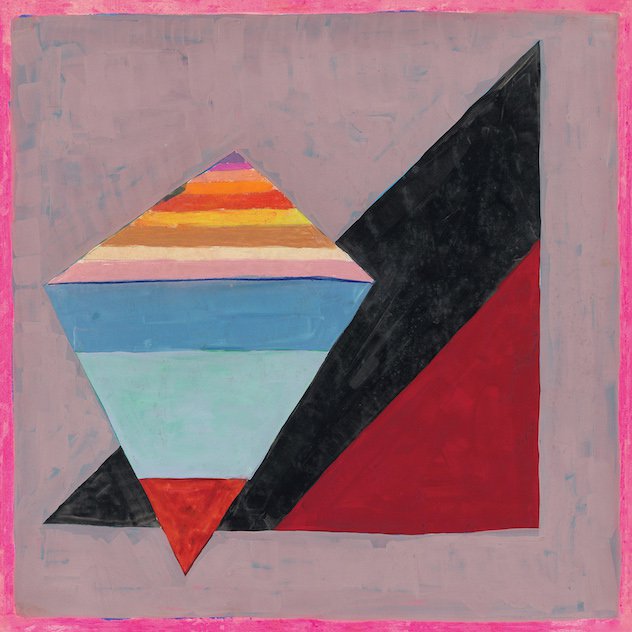
Lawrence ‘Illusion’

Score: 8/10

The term “ambient techno” implies a balanced blend of genres: cloudy atmospheres of ambient with the percussive grit of techno. But more often than not the latter half of the term feels secondary; rarely do you hear ambient techno albums that are as suitable for club play as they are for sedentary, “post-rave” listening. 

Few have released ambient techno with the consistency of Dial, a label run by David Lieske (a.k.a. Carsten Jost) and Peter Kersten (a.k.a. Lawrence). Some of Kersten’s earliest music was released by his spiritual godparents at Kompakt, and the influence of those who founded the label, namely Wolfgang Voigt, Michael Mayer, and Jürgen Paape, on Dial’s output is easy to hear, particularly in the patient repetition and the prioritization of the whole work over individual moments. 

While fellow Kompakt acolyte DJ Koze—whose early productions had a lot in common with those of Lawrence—has increasingly loosened his interpretation of ambient techno and morphed into a strange impersonation of a pop star, Dial has remained committed to understated minimalism. The focus has allowed them to cultivate their own definition of ambient techno, garnering as much critical adoration as Koze with a fraction of the media presence. Among Dial’s many admirers is fellow minimalist Francis Harris, who told Inverted Audio in 2014: “Dial is the quintessential label for me… I could blindly buy a Dial release and know I’m going to like it—from the experimental releases to house and techno. I think I own every single record they’ve put out.” 

Kersten is responsible for compelling albums on both sides of the ambient-techno equilibrium. The largely beatless A Day in the Life and more rhythmically experimental Until Then, Goodbye offer plenty of music you might find on a Late Night Tales mix. 2013’s Films & Windows and 2008’s The Essence (under his Sten alias), meanwhile, are comparatively dance-oriented. (His sound might just as easily be defined as “deep house,” “microhouse,” “minimal techno” or some other such term, but because of its reliance on texture and inclination toward progression we’ll stick with the broader “ambient techno” for the sake of this review.)

Illusion, Kersten’s 10th studio album, sits abreast ambient and techno better than anything else he’s done. Like the best ambient albums, Illusion’s harmonic textures create the impression of a thick sonic mist, capable of not simply relaxing the listener but engulfing them completely. Unlike the more domesticated iterations of ambient techno, however, it also has the characteristics of more participatory dance music—infectious beats, stimulant low-end—that make it playable in dimly lit rooms during the small hours.

Speaking shortly before the album’s release, Kersten told me the album was inspired by sessions with his experimental improvisational band Sky Walking. With the idea of an imaginary club in mind, he sought to combine the deep hypnotism of techno with the strange, improvised sounds of kalimbas, steel drums, a vibraphone and a vintage zither, a many-stringed wooden instrument popular in 19th Century Bavaria. “I was obsessed with the idea of combining some recordings of acoustic instruments and the spontaneous approach of studio jams with club music,” he said. 

The album does suffer from a mediocre start. The ponderous gurgling of “Crystal”’s two and a half minutes are fine, but don’t kickstart the record any better than a damp cabbage could kickstart a picnic. It should be noted that the tracklisting on Illusion is different depending on your chosen format. “Crystal,” for example, is placed at the end of the 2LP version but starts the album on CD and via streaming platforms, while a number of other tracks are moved around too. Kersten informs me the CD/streaming version is “the whole story” and that the discrepancies on the vinyl are out of necessity considering track length, but some transitions between tracks on the CD listing feel slightly forced. And even as a closer, “Crystal” is not rescued from the pitfalls of unsexy IDM, a bit like the wheezy wind-chime sounds of Four Tet’s overplayed recent output. 

For the purposes of home listening—to which the notion of an album belongs—Illusion’s vinyl track arrangement is considerably better than that of the CD. For starters, it opens with “Treasure Box,” a deep, divine house cut made for the darkest depths of a late-night set. The track will change depending on how you listen, too. On weaker setups, its celestial chord-clouds float to the fore. On sub-heavy systems—or, my personal preference, headphones—is where it truly blossoms though, foregrounding a writhing bassline that refuses to sit within the confines of the beat grid. 

Generally speaking, the bass is where most of the magic happens on Illusion. The forgettable mid-range melodies on “Flaunting High” are saved by a seriously strong low-end, monolithic bass loop, the type you might miss if you didn’t know it was there, that only gives way in the dying seconds to a golden stretch of beatless ambient. “Transitions” boasts a ghostly bass riff that will creep around your peripheral consciousness whenever you hear it, haunting you like a monster under the bed.

That being said, Illusion’s occasional moments of harmonious interaction between high and low are among the finest Lawrence has achieved. “Yu Yu”—named after a club in Mexico city—brings in another sinister, deeper-than-deep bassline after around two minutes before crafting a Wagnerian (or erm, GASeous?) string arrangement over the top, an interplay that makes it hard to say whether the song is melancholic or uplifting. The album’s title track is a brilliant, slow-burning grower, gradually overlapping high-pitched choral melodies over one another in a way that recalls Huerco S.’s “For Those Of You Who Have Never (And Also Those Who Have),” but underpinned by the sort of bass you might have heard on the same artist’s earlier, Opal Tapes-released material. 

“Montreaux,” which comes towards the end of both tracklistings, is probably the pinnacle of Illusion’s perpetual above-and-below contrast. Its early introduction of an off-kilter hi-hat beat (15 seconds in) makes it the most irresistibly danceable track on the album, which combines with a leaden bass and blooms of light overhead to create a constantly evolving journey of a track. 

Despite that, it’s hard to choose a favorite in a collection of tracks that reveal more and more with each listenWhile such a facet is to be applauded, it’s also not without reservation. The “boring” tag sometimes attached to minimal music is done so lazily, but it must be said that—like many records on Dial—Illusion would be easy to dismiss as unremarkable if not paid due attention. For those patient enough, infinite treasures hide within, most often in the dark depths of the bass. That these only become obvious on high-quality systems or headphones raises a question or two about the production choices, which render these low-end delights difficult to hear—or easy to ignore—on a Bluetooth speaker or low-budget setup. 

Yet music that reaches out to you, slapping you in the face and lifting your hands into the air has never been of great concern to Dial. Lawrence and his cohorts are far more interested in steadily burrowing their way inside your head, massaging your frontal lobes while all the while keeping your feet moving. “I am still a 100% vinyl DJ,” Kersten told RA back in 2008, hinting at which of Illusion’s tracklistings he might secretly prefer. His fondness for wax, for making music you can listen to at home like you would a Kraftwerk or Pink Floyd album, is clear, but he still places himself behind the turntables. It may just be that his latest record is that rarest of things in electronic music, a feat to which all ambient techno artists aspire: an album that’s as impactful on the mind as it is on the dancefloor. 

Illusion LP will land on October 5 via Dial Records.
Premiere: Hear a Smooth Deep House Cut From Gibs

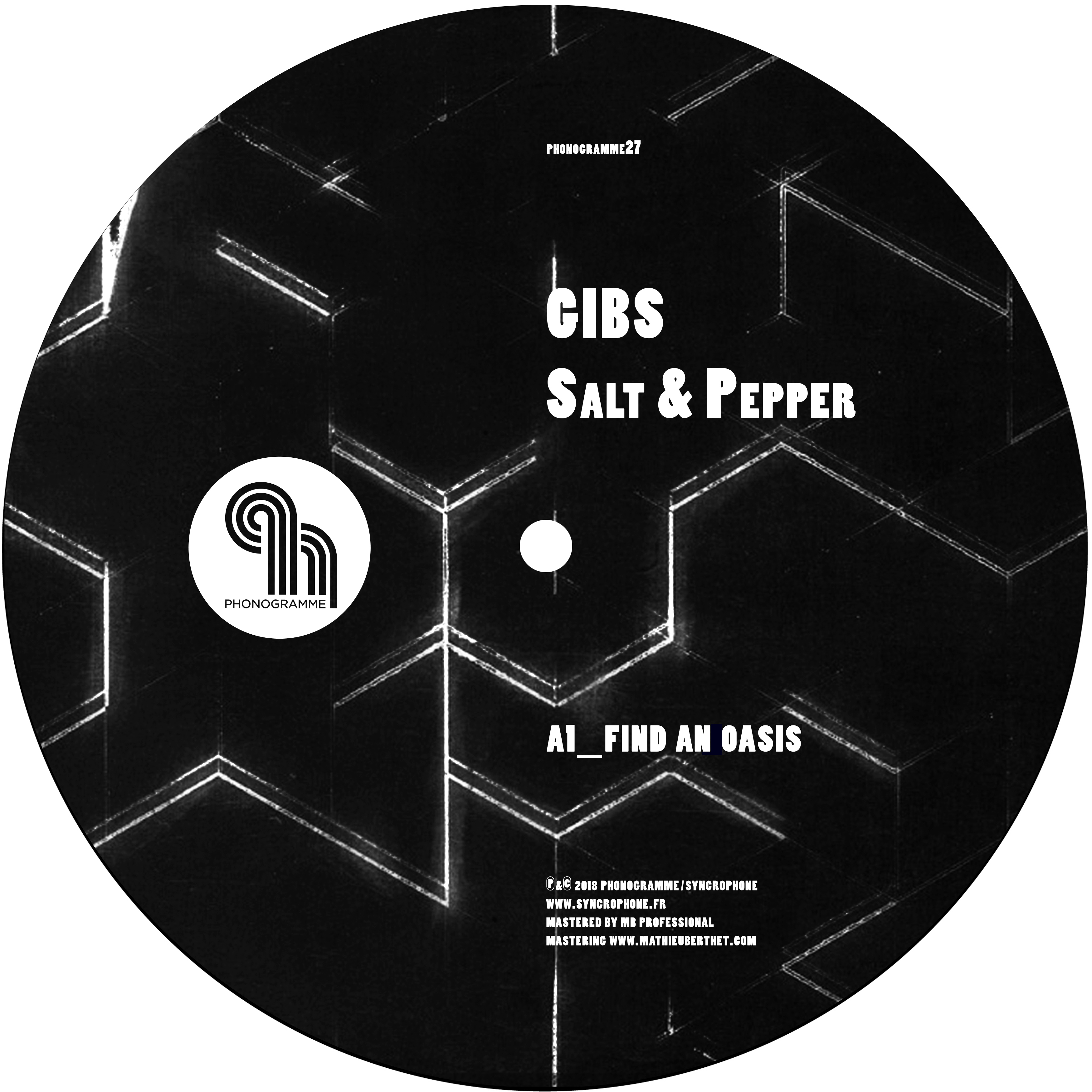
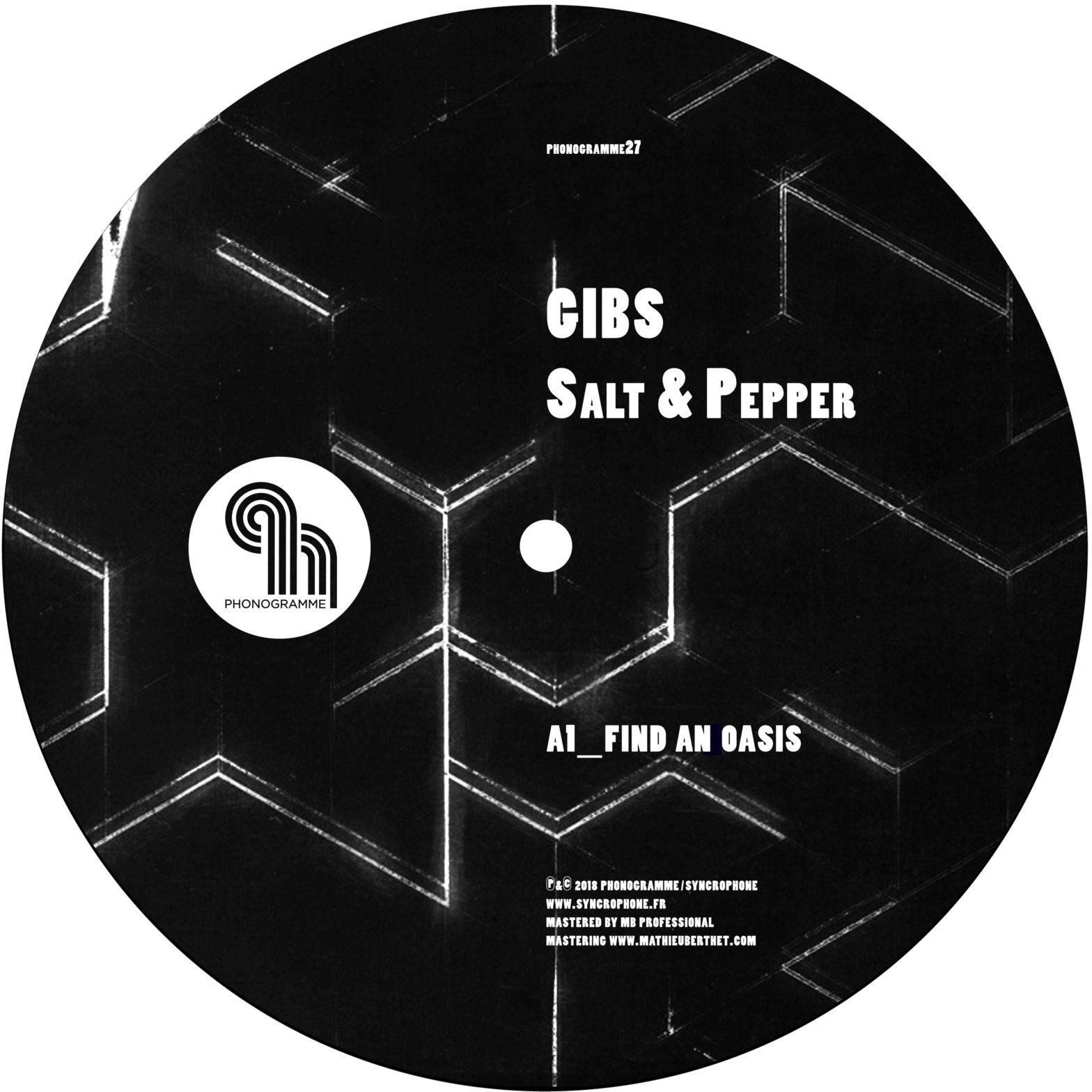
On October 15, Paris-based producer Gibs will debut on Phonogramme with his latest EP, Salt & Pepper.

Salt & Pepper will be the third EP on the French label this year, following outings by Stephane Attias and Alex Attias, and Neuronphase. Keeping in tune with the label’s ethos—Phonogramme is a sub-label of Syncrophone Recordings dedicated to French house artists—the EP delivers three smooth-as-silk deep house cuts infused with subtle piano lines, stripped-back percussion, and sultry, low-slung basslines.

Ahead of the release, which can be pre-ordered here, the label has offered up a full stream of “Jakarta,” a deep and euphoric slice of house, available via the player below.

Watch a Tutorial on How to Build a Track With Ableton’s New Wavetable Synth

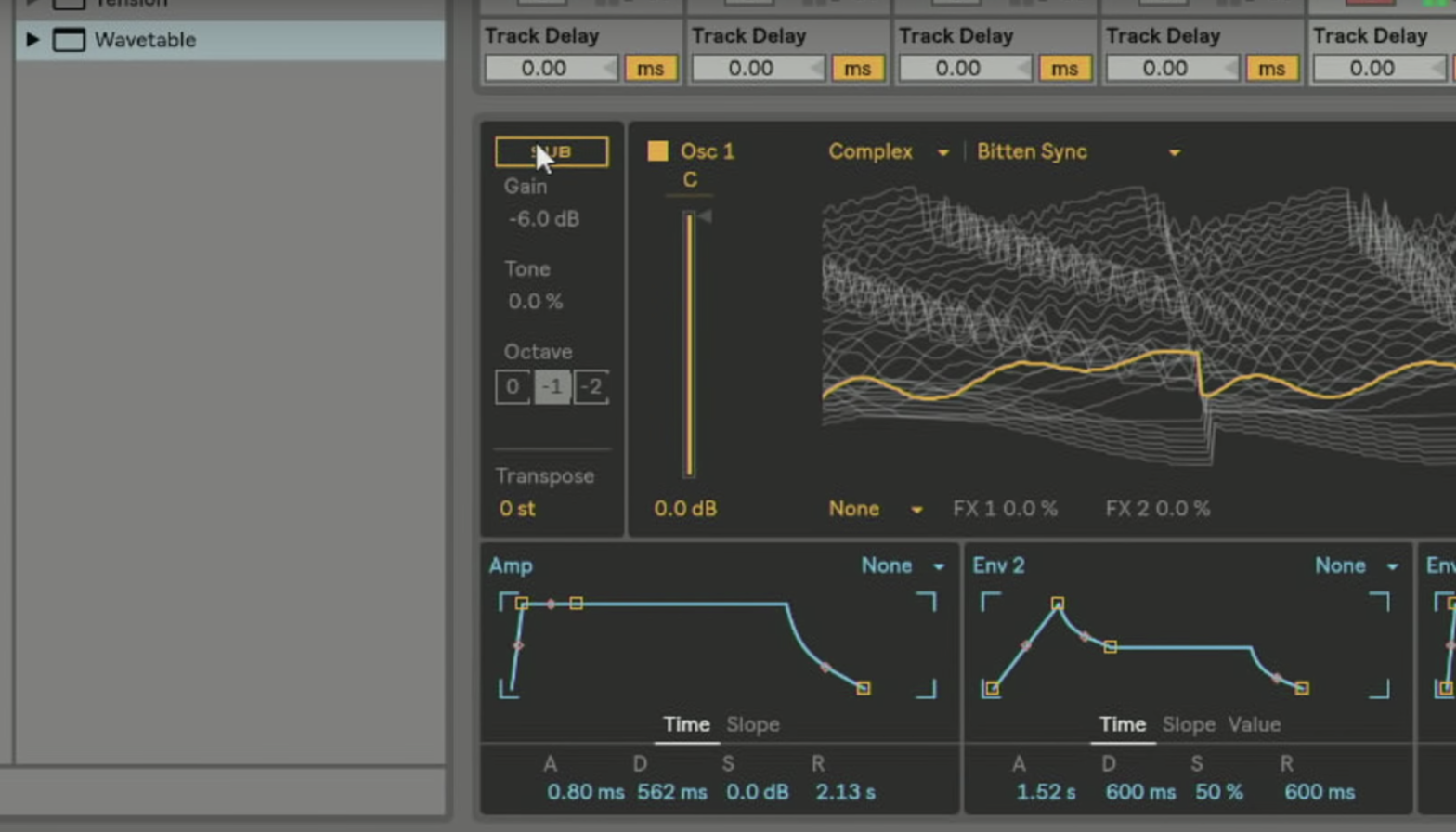
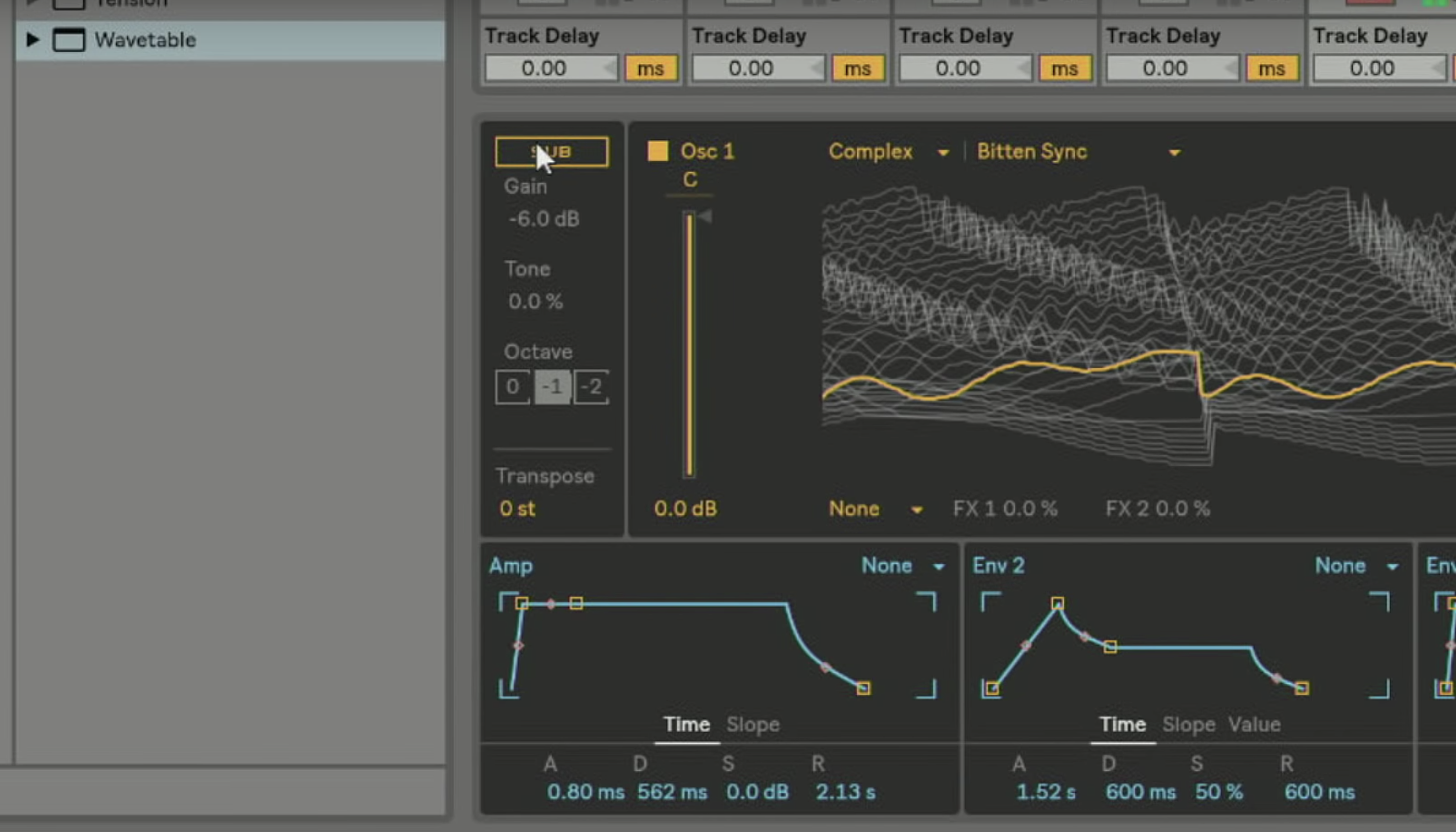
Gear channel Sonic State has released a new video in which Ableton Certified Trainer and Soma Records artist Simon Stokes (a.k.a. Petrichor) creates a techno track using only Ableton’s new Wavetable synth, Echo, and Convolution Reverb.

In the video, Stokes builds the track, including drums, bass, pads, and various sound design elements, using only instances of Wavetable, while demonstrating how it can be used to create almost any sound.

You can watch the video via the player below, and download the project file used in the tutorial here.

Artist Tips: Geotic / Baths

Geotic is one of Will Wiesenfeld’s three projects. The American artist, once known as [Post-foetus] and now better known as Baths—the name stemming for his appreciation for such—began self-releasing using this alias in 2008 before debuting on Ghostly with 2017’s Abysma LP. What began as a home for his more ambient efforts, intended to help him to fall asleep, has evolved into one for all forms of “passive listening,” he explained. “It always soothed my state of being before I went to bed. And then during studying it was like a thing that helped me keep my focus because I have ADHD….it was just a way to drown out outside noise when I was working.” 

Wiesenfeld is born and raised in Los Angeles and is a classically trained musician. He began learning the piano at the age of four but veered towards electronics through his adolescence. As [Post-foetus], he released LP in 2010, the same year he appeared on Anticon with some experimental pop; he’s since become a regular on the label, with an EP and three albums, the last of which, Romaplasm, arrived last year—once again with fluttering instrumentation, hip-hop beats, and imaginative vocal work. 

In contrast, Traversa—Geotic’s latest outing—captures Wiesenfeld’s more contemplative side. As the title suggests, a central theme of the album is the idea of travel and being carried off to different places through music. The result is another splendid piece of unorthodox pieces of chilled out electronica, filled with delicate, transportive sounds and Wiesenfeld’s hazy vocals. To tell us more about the album and the secrets behind its production, Wiesenfeld composed five artists tips below.

EQ everything.

Throwing an Equalizer (EQ) on every track might be a bit taxing on your computer or seem obnoxious if it’s not already a part of your process, but it makes all the difference. It immediately allows for more control and understanding of your mix. You can see the sound in every track. It becomes easier to mentally separate your highs, mids, and lows, and you end up thinking about your mix with more confidence because you can visualize where all the sounds sit within the space of your mix.

Applying EQ to every track is also about what isn’t in your mix. Filtering out unnecessary highs, mids, and lows all over the place allows you to eliminate unwanted sound. Low end on a guitar track or a vocal track is a good example of unwanted sound (in my own mixes) because it’s usually sound that you won’t end up noticing within a full mix. It might not seem like much of a change when isolating one track by itself, but not EQing each track can have a major compounding effect and you’ll have super muddled mixes. Getting rid of that invisible mud is pure magic. The clarity makes all the difference. 

“Knapsack,” the first track on my Geotic album Traversa, has some samples of birds chirping and bushes moving around—I pulled out a ton of bass existing in those samples. There were some periodic bursts of wind that when heard against the rest of the track show up as these almost indecipherable bass-heavy lumps. They totally muddled the mix before I’d addressed them. By EQing them right off the top, I never had to fight to understand what was wrong with my mix later on. It may be confusing at first to figure out what you want to get rid of and what you want to add while using an EQ, but it’s that same process of trial and error that you take on in learning any form of art. It’s best to allow yourself to discover what works and what doesn’t according to your own personal taste (see ‘Mix Creatively’).

Mix individual tracks against your entire song, never solo.

This was revolutionary advice for me. Daddy Kev (of Alpha Pup + Low End Theory), who mastered all my Baths records, once shared a video of Chris Lord-Alge talking about mixing. I distinctly remembered Chris’s direction to mix individual parts while hearing the entire song vs. mixing a track solo and then being satisfied. No one is hearing that synth part by itself, they only hear it in the context of the entire song playing, so why mix it on its own?

I used to get a bass tone to sound perfect on its own, and think “Great! that bass is mixed now.” My ears wouldn’t even pick up on how much it clashed with other parts of my mix. It was unintentional, but I wasn’t even listening for that disparity. Once I did away with the notion of how something is supposed to be mixed, I started to listen to each track in relation to the whole song, and it was like a wall came down. All my production started to move at a more functional speed where I wasn’t freaking out about the perfection of an individual sound but learning to understand that every sound is malleable and contextual, free to change with the direction the song takes. 

Actively take breaks.

I have to remind myself to do this all the time, sometimes by setting alarms. You must take breaks—every couple of hours, and sometimes far more if working on a particularly intense section. Visual artists and writers talk about eye strain and a resulting lack of perspective all the time, referred to as having your “eyes too close to the canvas.” Your ears are no different. It may not be damage that’s happening to your ears (especially if you’re listening at proper volume, which you should always do), but your ears get taxed in the same way, as well as your creativity. Your understanding of the individual parts of your mix will fade and your decision making will suffer.

Coming back fresh to a song is an invigorating feeling. I always step away when I’m uncertain of where to go, even outside of the mixing process. Trying to be creative when not at your best can be the most frustrating thing, and it’s so easily avoided by being conscious of how spent you are. Taking a break might just refresh your creativity, but it will ALWAYS reset your ears. Keeping your ears at their top listening capabilities will keep your mixing decisions as informed as they can be.

Making ambient music especially benefits from taking breaks, being that my own ears perceive more of a “wall of sound” after a shorter period of time. It’s pleasant to mix and listen to ambient material for long stretches of time but that’s precisely why I have to be more aware of taking breaks. I’ll be blissing out on my third straight hour of producing the same ambient song and forget that I’m even working on it. Which, to be honest, is both good and bad, but it can make working on an entire album’s worth of ambient material feel like a slog and so much less satisfying than having it feel fresh to the very end.

Mix creatively / Try to work against your instincts.

I gave a lecture on making music and my central thesis through the whole thing was “there is no one right way to do anything.” It is so easy to get discouraged and think you’re doing something wrong because you hear someone’s contradictory opinion, but making music is as open and varied as any other art form. Most of my favorite material is music that challenges the norms of how something should sound or just disregards those notions entirely. Also, for every person that prescribes a definitive way something should be done, there are a million other reasons to try it differently.

Mixing creatively is hard for me to stress on someone. It’s almost like saying “BE CREATIVE” which feels asinine. I think a way to jumpstart that thinking is to try actively going against how things tend to be mixed. A good exercise is writing some bass and guitar parts, but then mixing out all the high end on the guitar, and mixing out all the low end on the bass. Suddenly the sound of those parts together takes on a completely different color.

I always champion Micachu + The Shapes, specifically the record Never, as a shining example of how strong the results can be when you challenge mixing and songwriting norms. To me, it’s as if they’d heard there was a right way a record should sound, but with Never they proudly and defiantly didn’t give a shit. It’s mesmerizing. I still hear new things with each listen. 

Mixing creatively within a dance or ambient framework can be tougher sometimes because there’s a specific listening experience that you want to communicate, regardless of your experimental choices. Working within something so predetermined, I like to keep the experiments small. I’ll pointedly make background synth melody sound unconventional, but only have it occur infrequently, or maybe just once. On the Traversa song “Terraformer,”  there is a small warped vocal bit I love that starts once the first chorus ends. I fought with my instincts nudging me to keep it really present in the mix. In the final version I think it’s barely noticeable, but still present if you’re listening for it. That’s my absolute sweet spot. I love to include details that ride that line—comfortably overlooked or a small reward for closer listening.

Let tone and atmosphere guide your work.

This speaks specifically to how I mix and make music as a whole. I like to build a small world for any song I’m working on. I maybe maintain a vague visual aesthetic, a scene from something I love, or sometimes just a feeling I can’t quite explain—and then I try to lock down the tone of that effort I’m holding on to. The entirety of my last Baths album, Romaplasm, was born of that process. Each track was a specific standalone scenario that I wanted to emotionally expand on and embellish, the most obvious maybe being “Extrasolar”— that song is about being a touring band in space and literally starts off with the sound of rocket exhaust. This mindset allows me to actively work towards something, even if that something is not concrete, and I can say things to myself during my process like “Would this make sense in this scenario I’m picturing?” or “Does this sonically have any value in the narrative I’m building?” It helps me get rid of irrelevant musical elements and I end up having a clearer emotional feel for a song when I’m finished.

It may not be the textbook way to think about making music, but I have a huge affinity for this mode of writing and producing. I end up thinking about my mix less in the context of “how good does it sound” and more like “how does it make me feel,” which, in my own relationship with art, is always the work I gravitate towards most.

Foodoo “XAN The Man”

London based multi-instrumentalist Foodoo produces genre-bending and emotive beats. Following 2015’s Yours EP, the 21-year-old now delivers Mine, a four-track release “showcasing rich, electronic sounds that merge hazy R&B with jazz-tinged downtempo melodies,” the label explains. “I feel these four tracks have similar influences that my debut EP, Yours, had, but show where my sound has evolved since then,” he explains,“ still taking classic sounds from R&B and soul and bringing them into the future.”

Mine is out now, with opener “XAN The Man” available to download in full via the WeTransfer button below—or here for EU readers due to temporary GDPR restrictions. 

Tracklisting:

01 XAN The Man

02 Carat

03 Warm Tonight

04 Move Like When

Thom Yorke Shares Haunting New Track, “Has Ended”

Thom Yorke has shared a new track, “Has Ended”, taken from Suspiria (Music for the Luca Guadagnino Film), released on October 26 on XL Recordings.

Suspiria consists of 25 original compositions written by Yorke specifically for Luca Guadagnino’s reimagining of the 1977 Dario Argento horror classic. The album is a mix of instrumental score work, interstitial pieces, and interludes, and more traditional song structures featuring Yorke’s vocals, including the previously released “Suspirium,” which features the melodic theme that recurs throughout the film and its score.

As scoring a horror film presented Yorke with altogether new challenges and opportunities, Suspiria “stands apart from any of his other work,” we’re told. We’re told to expect “piano/vocal ballads, Krautrock-esque modular synth work inspired by the film’s Berlin 1977 setting, multilayered vocals, and melodies that convey terror, longing and melancholy combine to create a chaotic yet cohesive musical spell.” 

Suspiria was written and arranged by Yorke, recorded and produced by Yorke and Sam Petts-Davies. The album also features the London Contemporary Orchestra and Choir, Noah Yorke on drums on “Volk” and “Has Ended,” and Pasha Mansurov on solo flute on “Suspirium.”

Suspiria (Music for the Luca Guadagnino Film) will be available across digital platforms, as well as 2-LP gatefold package pink vinyl and 2-CD physical versions, on October 26. 

Sieren Returns to Apollo With New EP

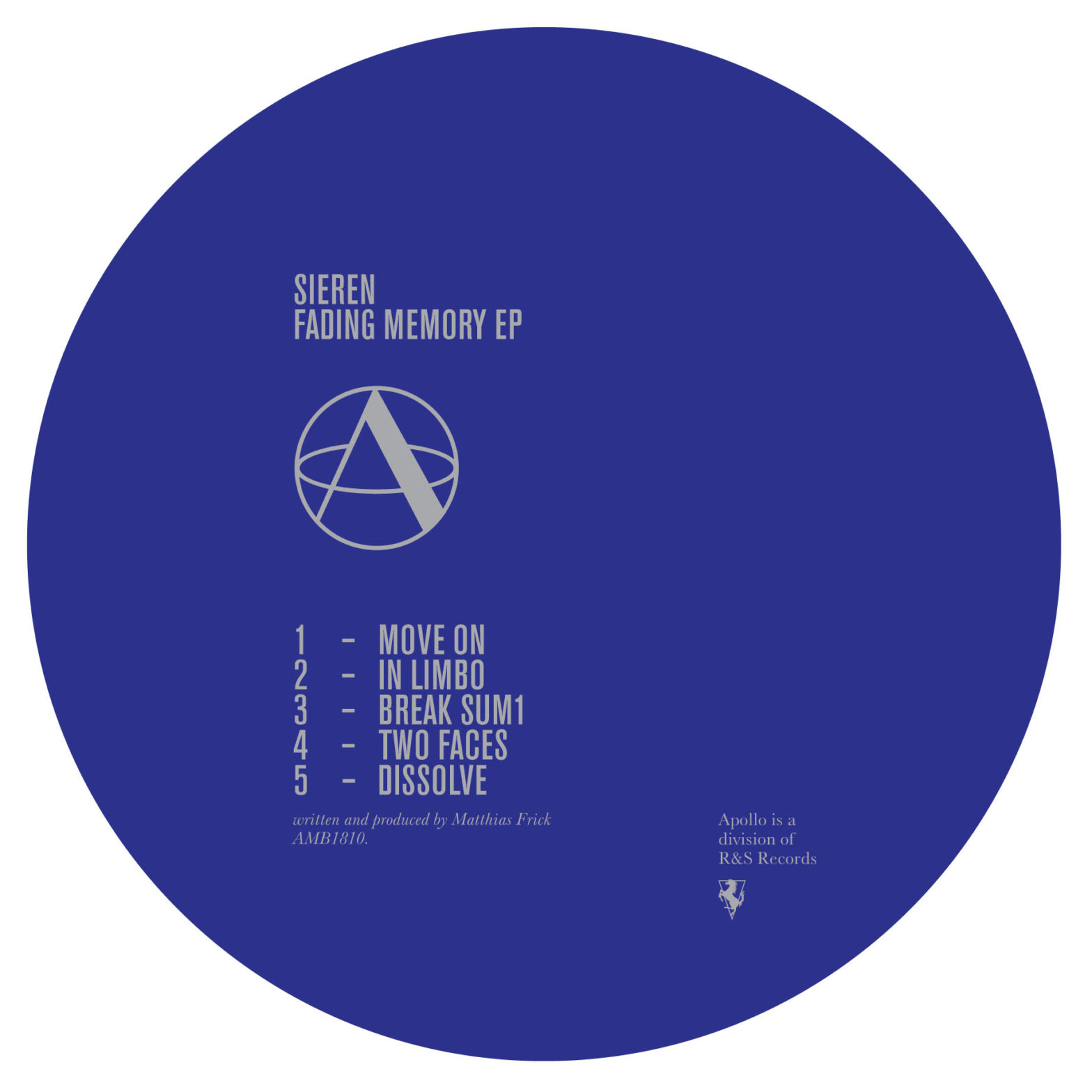
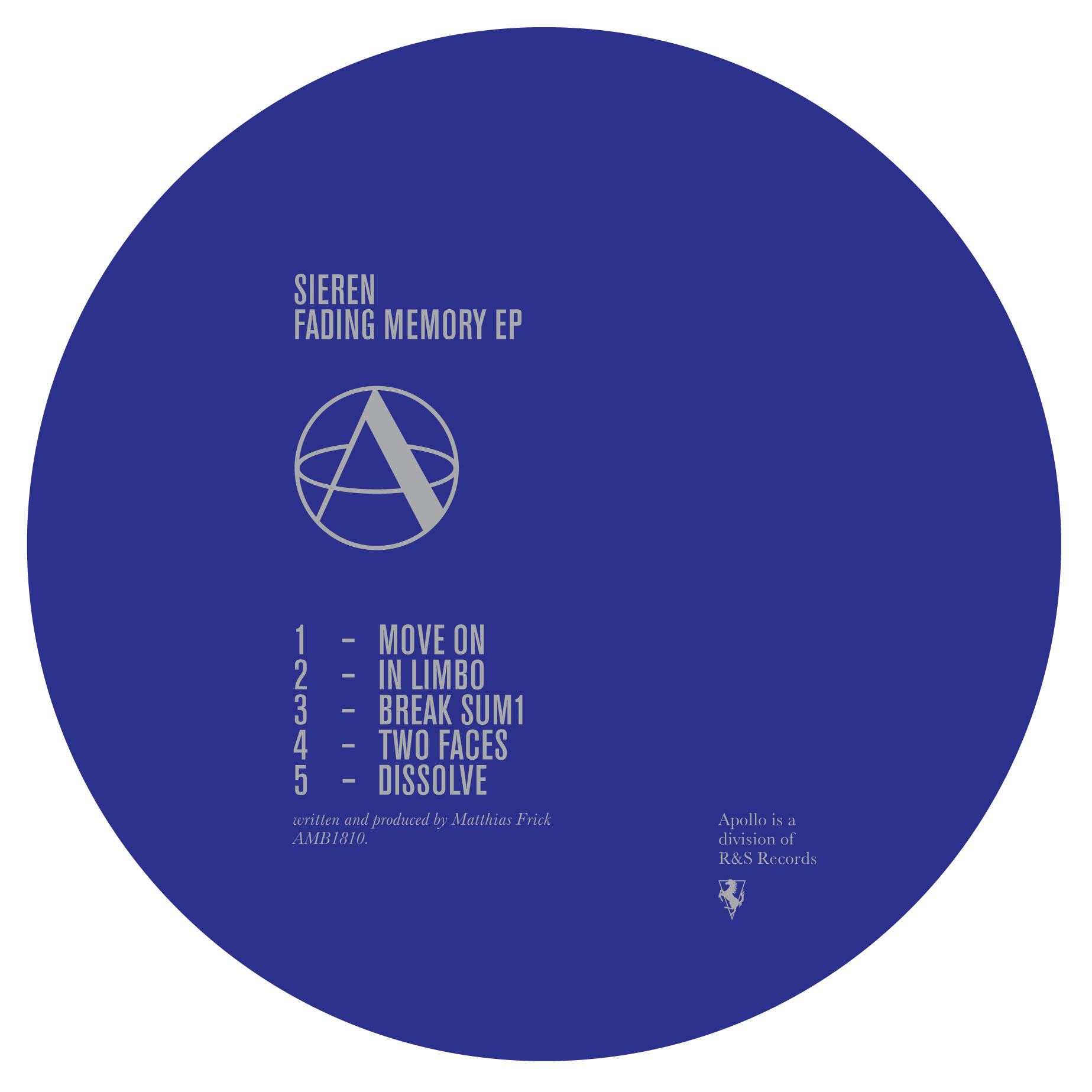
Matthias Frick (a.k.a. Sieren) is set to return to Apollo with the Fading Memory EP.

According to the label, the EP, which follows last year’s Ascension EP on Apollo, is his most personal record to date, showcasing his deftly programmed beats and hazy, blissed-out atmospherics across five affecting tracks that “delve deep into bittersweet emotions and dissolving memories.” Apollo has shared “Move On,” the first taste of the album, which you can hear below.

For a look into the production processes behind Frick’s work, check out his recent contribution to our Artist Tips series here.

Fading Memory is set to drop on October 19.

Premiere: Hear an Ethereal Dub Track From Fletcher

Tact Recordings co-founder Fletcher will release a new EP on vinyl-only sub-label Tactics on October 16.

Fletcher, a Berlin-based producer and DJ who is also one half of Adventures in Daydreams, has been picking up steam via a stream of releases that have gained support from artists such as Larry Heard, Oskar Offermann, Mr. G, and Ivan Smagghe. His latest, Tactics Vol.3, continues this trend with three cuts ranging from deep ethereal dub (“Faucet”) to trippy, groove-driven minimal (“Oildrum”) and atmospheric house (“Brewed”). The music is subtle and affecting without losing its dancefloor focus—a testament to Fletcher’s production skills.

Ahead of the release, you can pre-order Tactics Vol.3 here, with “Faucet” streaming in full via the player below.

Ricardo Villalobos Will Head to the US to Play West Coast Debut Next Month

Ricardo Villalobos will touch down in the US to play his first ever West Coast gig on November 10.

Presented by AMF and held to celebrate DJ Sneak’s birthday, the party will run for at least 12 hours, with support coming from Sneak and Doc Martin, who will be performing his Sublevel live show with singer and songwriter Lillia. 

Tickets for the event, which will be held at Avalon in Hollywood, go on sale on Friday at 12 p.m. PDT.

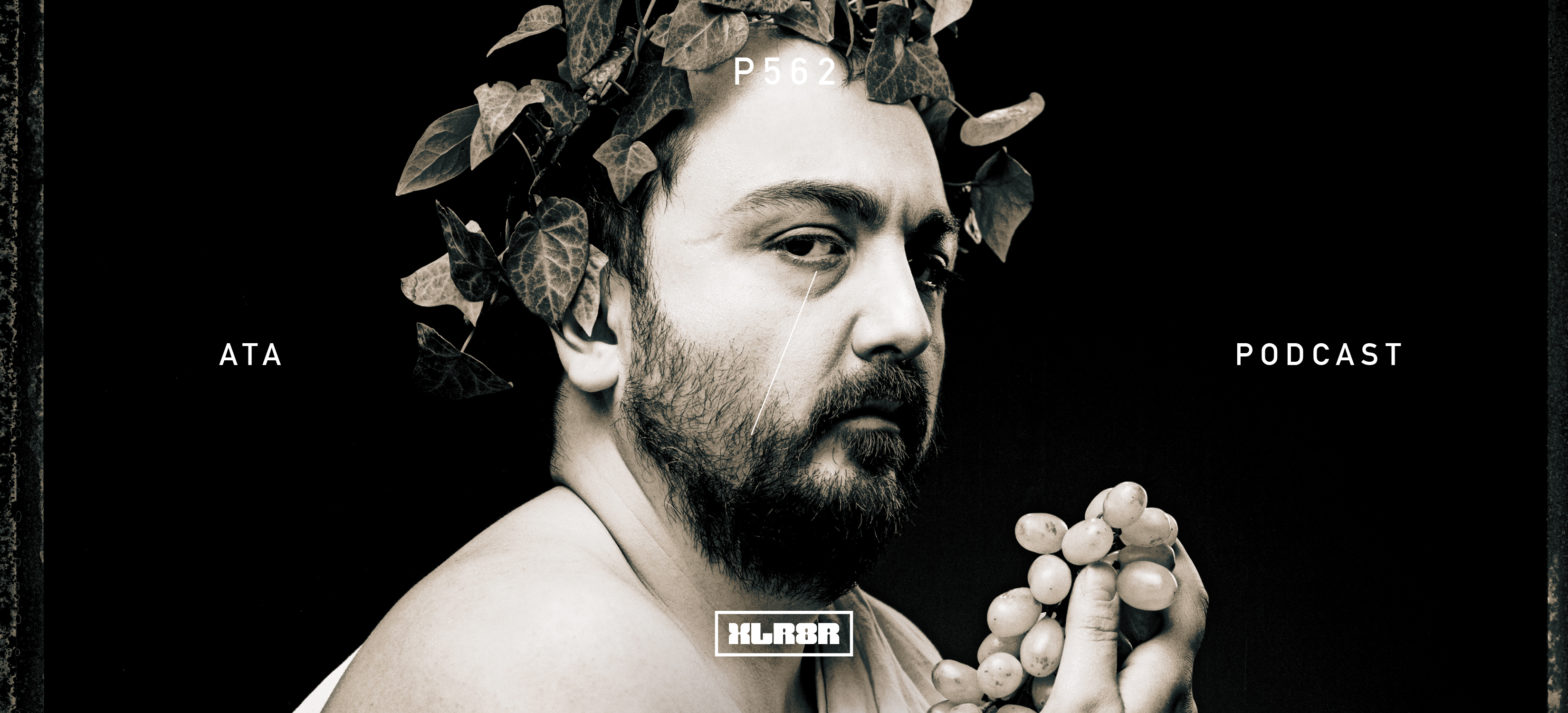
Podcast 562: Ata

Athanasios Christos Kontogiannis Macias (a.k.a Ata) is a man of many hats—club owner, bar owner, label manager, chef, and DJ among them. It is in the capacity as the former and latter of these endeavors that he’s most widely acknowledged: Robert Johnson, the club he co-founded alongside Sebastian Kahrs, sits among the finest party venues in the world; while his skills at guiding the crowds with his eclectic selections have made him a favorite among those who’ve dug deep enough to discover his work. He spends the rest of his time designing T-shirts, cooking at Frankfurt’s Club Michel, or serving drinks in his bar, AMP. “I don’t know any good DJ who doesn’t have his personal style regarding fashion, art, and cuisine,” he says. 

Ata’s journey started rather humbly upon his discovery of Kraftwerk, early hip-hop, and black dance music, and no sooner was he roaming the streets of Frankfurt with a boombox blasting out Grace Jones’ Nightclubbing. It didn’t long for him to find his way into the city’s nightlife scene, before a trip to Barcelona opened his mind as to what clubbing really is: “the full load of acid house, strobes, and a DJ that was in full control—that was a totally different way of clubbing,” he recalls. He returned to Frankfurt intent on becoming a DJ; bookings at clubs like Dorian Gray or Plastic came were quick to arrive, a perfect compliment to his work selling vinyl at the Boy Records store, a beacon at that time. It was here that he crossed paths with Heiko Schäfer and Jörg Henze, with whom he founded Delirium in 1992. After establishing itself as one of Germany’s most popular records stores, Delirium served as a hub for the now legendary Playhouse, Klang, and Ongaku labels that Ata co-founded alongside Heiko, Jörn Elling Wuttke, and Roman Flügel. 

By this point, Ata’s reputation as a DJ was blossoming with nights at the Omen, Dorian Gray, and XS, but his stock shot up with through the Wild Pitch Club, where he set out to touch Frankfurt’s soul with deep house music alongside Heiko, Roland Leeser, and later ND Baumecker. For five years they partied celebrated mass every Thursday, with an array of names from the international house scene being shepherded through the warm basement club at the Konstabler Wache. Things came to an end in 1998 as the Frankfurt scene continued to dry up: Omen club had shut down a year before and Dorian Gray was soon set to join. It was in upon this landscape that Ata co-founded Robert Jonson, the Offenbach-based club with a focus on the fundamentals: beautiful lighting, a majestic soundsystem, the finest house music out there, and a commitment to intimacy over enormity. 

It goes without saying that Ata has long been a Robert Johnson regular; you need not look too far to hear about one his legendary marathon sets on his home turf. He still appears on the bill semi-frequently but he’s been limiting his bookings to the bare minimum as he looks to invest his time in less taxing occupations. “I like playing records, but I’ve reached a point where I simply feel too old to go as intensely at it as I did before,” he said to RA in 2011. Bookings outside Germany are as infrequent as they are anticipated. 

Ata sets are slow-burning, eclectic affairs—he’s a real “Selector,” if you’ll excuse the term. His stoic demeanor bears a stark contrast to the fun, energetic vibes he creates, and his XLR8R podcast is a perfect example of this. It was recorded live in Istanbul all the way back in 2003. “After so many years it still sounds so fresh,” Ata explains. “Good music has no expiry date!” After hearing this, we’ll attest to that. Needless to say, we’ve been excited to present this mix for quite some time. 

Due to temporary issues regarding the GDPR, EU readers can download the podcast here.

Page 317 of 3781
1 315 316 317 318 319 3,781