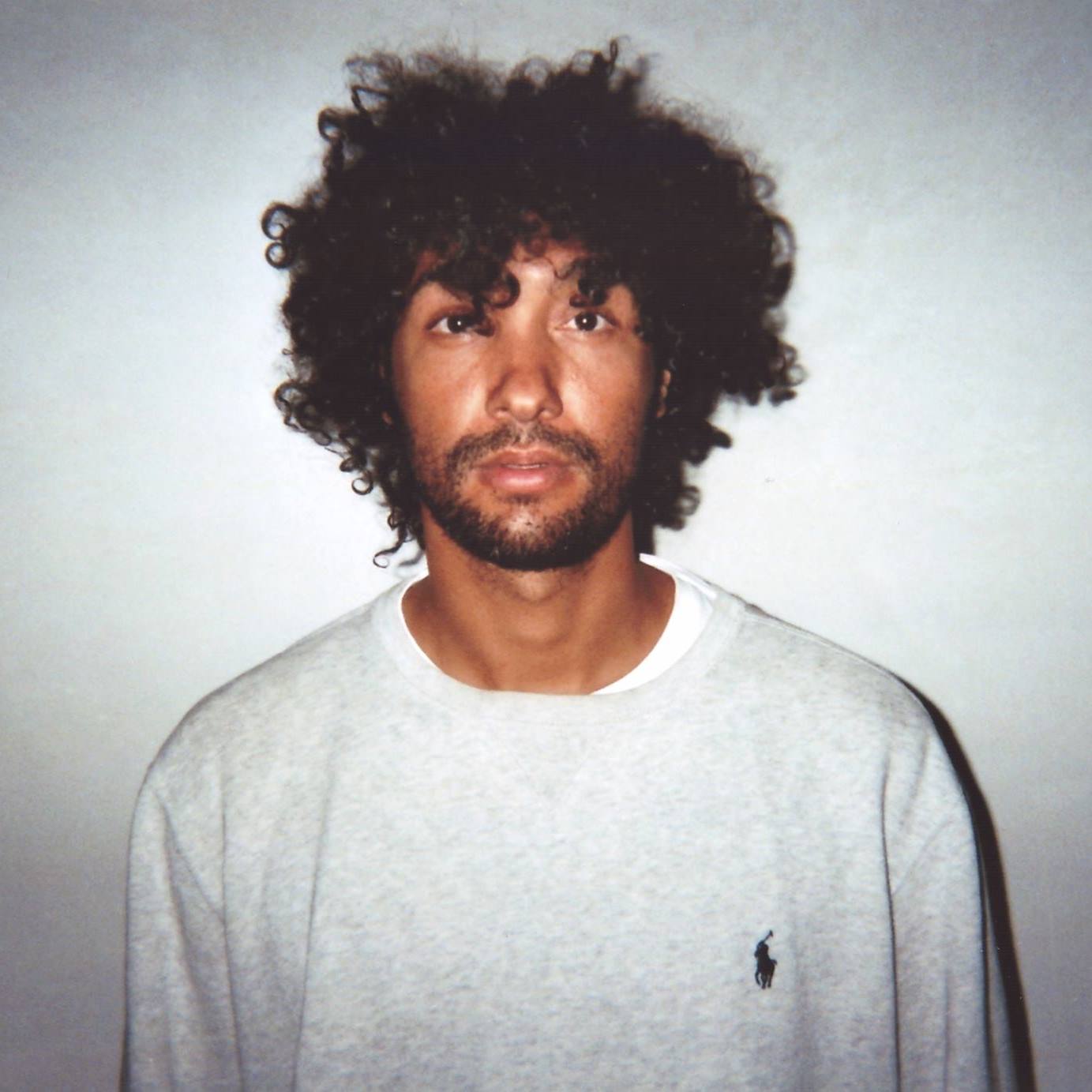
As announced, Lucy and Rrose will release a collaborative album as The Lotus Eaters, titled Desatura.
Lucy and Rrose have established themselves as leading contemporary techno artists and label heads of Stroboscopic Artefacts and Eaux respectively. Their first collaboration took the form of mutual remixes. Lucy remixed Rrose, taking on “Waterfall,” while Rrose remixed Dadub for Stroboscopic Artefacts, and shortly thereafter contributed an extended EP as part of SA’s Monad series.
We’re told that “the idea of working together became inevitable.” Several intense sessions in Lucy’s Berlin studio followed, giving birth to a new project, starting with two EPs signed Lucy and Rrose, called The Lotus Eaters (SA) and The Lotus Eaters II (Eaux). With the Desatura album, the first release signed under the project name The Lotus Eaters, their common work is “refined further,” we’re told. The album sees them explore themes of physical density, emptiness, and space, creating sonic objects “which can be rotated and viewed from multiple perspectives,” the label explains.
Ahead of the Desatura LP’s October 5 release via Stroboscopic Artefacts. you can stream “Decanter” in full via the player below.
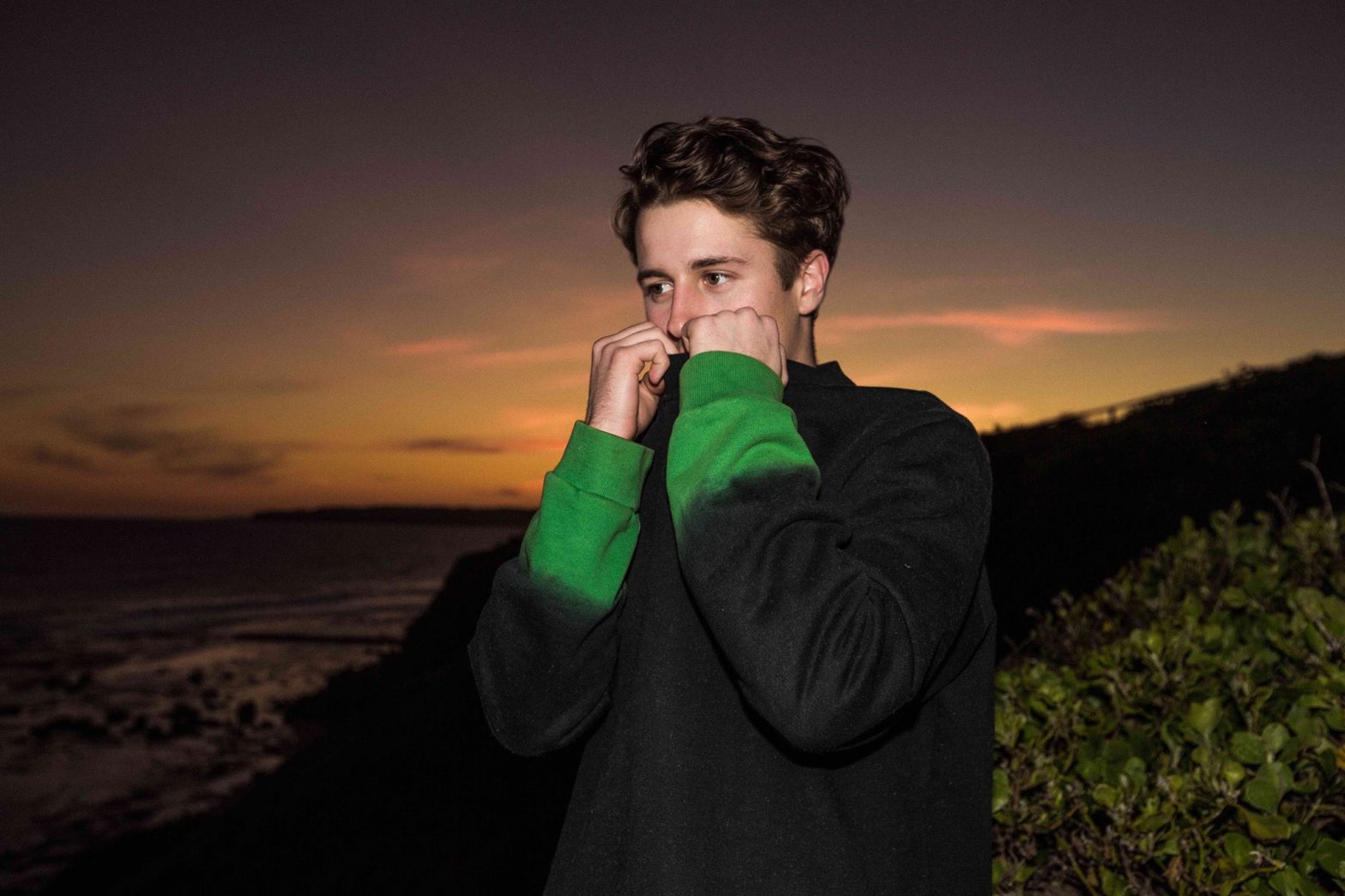
Mall Grab has detailed a new EP, How The Dogs Chill, Vol. 1, out now via his new imprint, Looking For Trouble.
The 25-year-old emerged in 2015 with the infectious Feel U EP. This latest record follows Pool Party Music’ on DJ Haus’ Hot Haus Recs, as well as a collaborative EP earlier this year alongside Loods on Steel City Dance Discs, the label he runs with his friends Jarred Kennedy and Jackson Fitzsimmons.
Tracklisting
01. Liverpool Street In The Rain
02. Bust
03. Looking For Trouble
04. Get Impetuous
How The Dogs Chill, Vol. 1 is available now and can be streamed below.
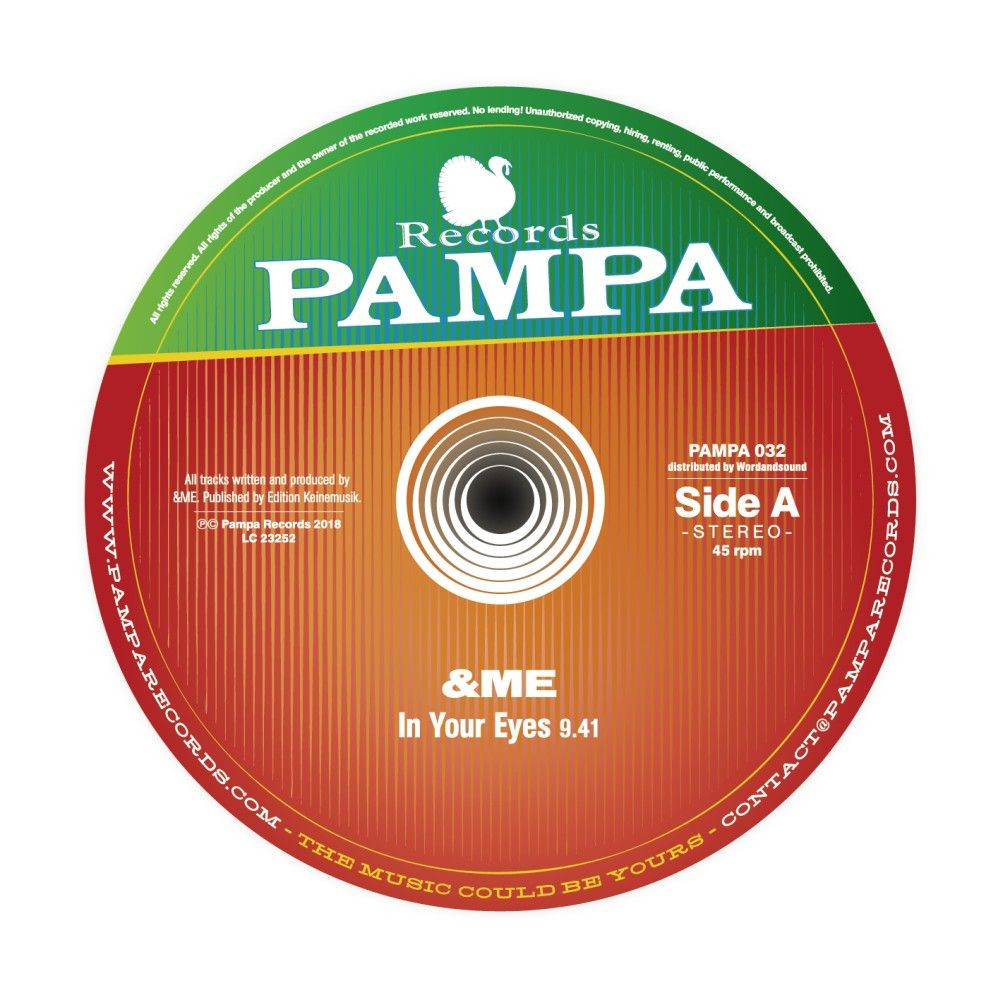
Pampa has released a new EP from André Boadu (a.k.a &ME), titled In Your Eyes.
Much of &ME’s work has come through Keinemusik, a collective of Berlin-based DJs and producers, including Rampa, Adam Port, Reznik, and Monja Gentschow. This is his debut on Marcus Fink and DJ Koze’s label, and is his first solo material of the year.
The EP is the label’s 32nd release and follows Robag Wruhme’s Wuzzelbud FF, released earlier this month.
Tracklisting
01. In Your Eyes
B. As Above So Below
In Your Eyes EP is available now, with “In Your Eyes” streaming below.
Pampa has released a new EP from André Boadu (a.k.a &ME), titled In Your Eyes.
Much of &ME’s work has come through Keinemusik, a collective of Berlin-based DJs and producers, including Rampa, Adam Port, Reznik, and Monja Gentschow. This is his debut on Marcus Fink and DJ Koze’s label, and is his first solo material of the year.
The EP is the label’s 32nd release and follows Robag Wruhme’s Wuzzelbud FF, released earlier this month.
Tracklisting
01. In Your Eyes
B. As Above So Below
In Your Eyes EP is available now, with “In Your Eyes” streaming below.
Los Angeles imprint Lemak Records will launch next month with a six tracker from The Ferngully Express (a.k.a. Kyle Parker and Goiz).
The new vinyl-only label is headed up by DJ and producer Jay Berd and will focus on new and upcoming talent and respected veterans pushing genres ranging from breaks to house, electro, minimal, and techno. The first release, a collaboration between Kyle Parker (Sports Records) and Goiz (Metamorphic, Red Ember), lays down the label’s sonic aesthetic across six standout tracks that complete one of the most impressive debuts heard in sometime.
The Ferngully Express is expected to hit stores mid-October, with distribution from Frankfurt’s Oval Distribution. You can stream snippets from the first release below, with more on Lemak here.
The fourth edition of XLR8R+ features exclusive and previously unreleased tracks by Hunter/Game, Cosmin TRG, and John Dimas, plus an artwork by Rhys Carlill.
It’s a pleasure to welcome Martino Bertola and Emmanuele Nicosia (Hunter/Game) back to the XLR8R pages. The Milanese duo deliver a brooding slice of emotional techno, the first taste of a wealth of new material, including an album, that will land soon. Their work is complemented by some mind-bending lo-fi techno from Romania’s Cosmin TRG, sure to be a DJ favorite, before Greek artist John Dimas closes this month’s edition with a typically wonky minimal groove (and a Raresh favorite, we’re told). The artwork this time around comes from Australian artist Rhys Carlill—inspired by the hazy LA cityscape—with additional mastering once again provided by Kamran Sadeghi. As a further addition to the XLR8R+ offering, we’ve included a 50-track Spotify playlist this month, featuring a diverse array of tracks both new and old.
Like the first two editions, XLR8R+004 is available to download as a package, featuring the three tracks in both WAV and MP3 formats, a dedicated zine, private streaming playlist, and wallpaper artwork for both desktop and phone.
Subscribe to XLR8R+ here and stream snippets of XLR8R+004 tracks below.
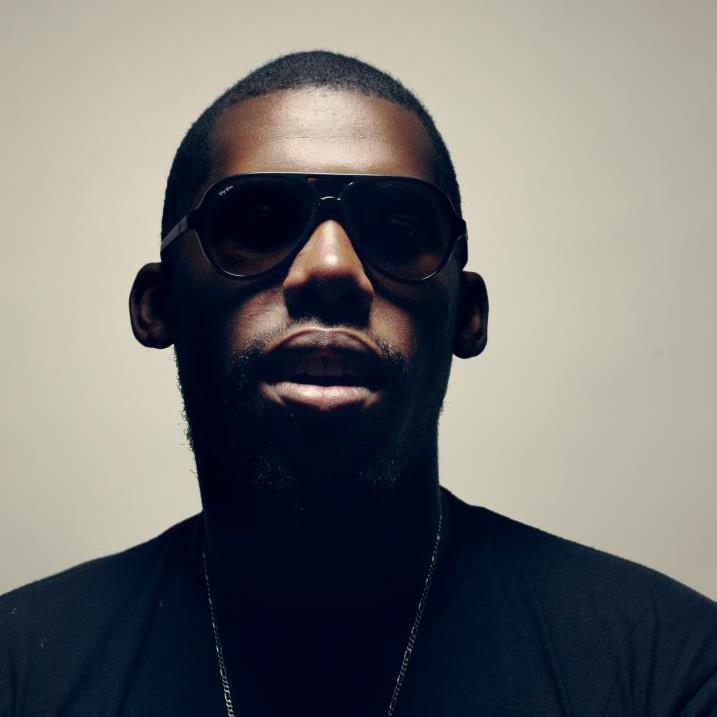
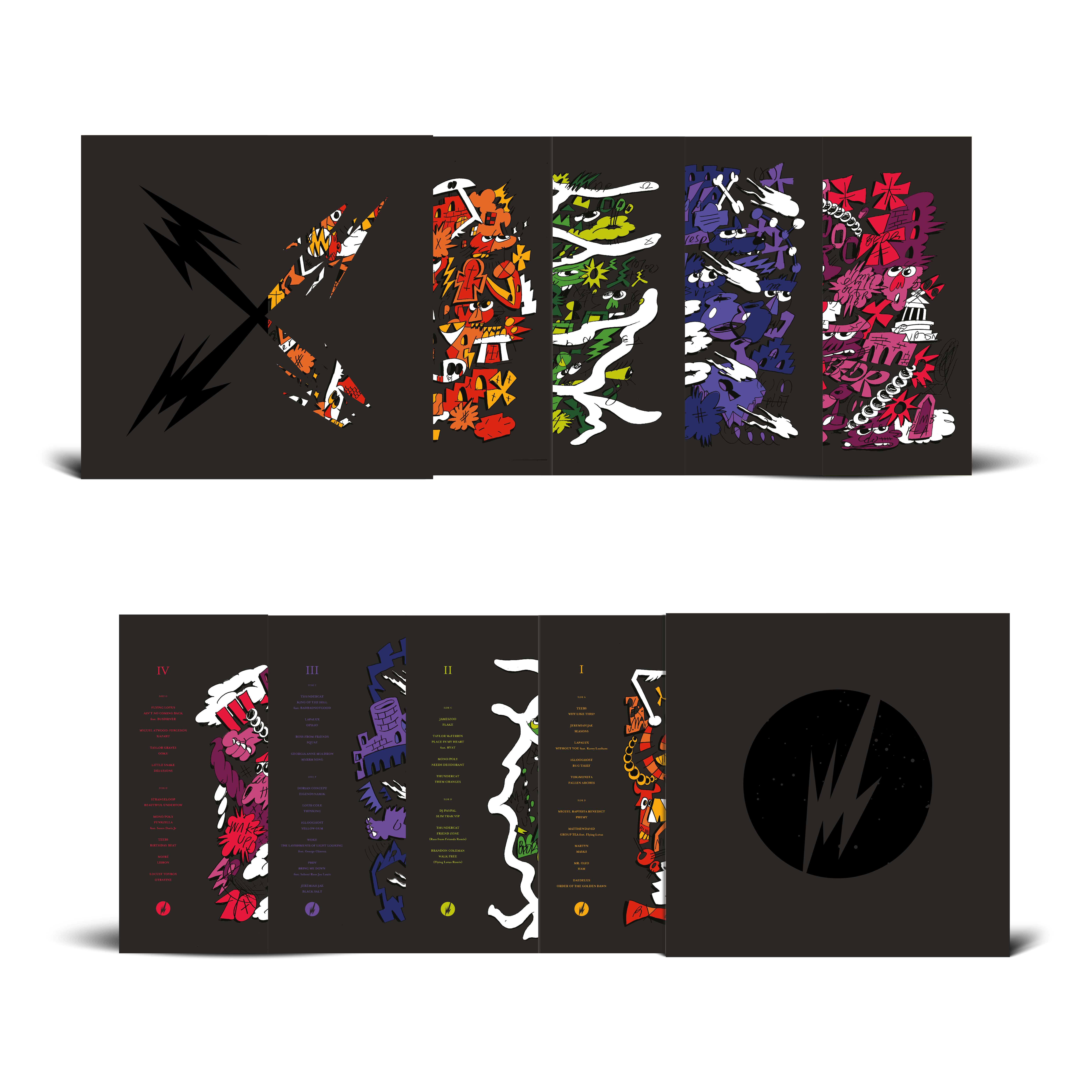
Flying Lotus‘ Brainfeeder will release a special 10th-anniversary compilation, Brainfeeder X, and has marked today’s announcement with a new Flying Lotus remix of Brandon Coleman’s “Walk Free”.
The 36-track album celebrates the label’s past, present. In addition to retrospective highlights, it features 22 brand new tracks from the label roster and extended family, including Thundercat feat. BADBADNOTGOOD, Flying Lotus feat. BUSDRIVER, Georgia Anne Muldrow, Louis Cole, Ross From Friends, and Dorian Concept, among others. It will come in a 4xLP vinyl box set designed by Charles Munka (creator of the original Brainfeeder logo).
Vol. 1
01. Teebs “Why Like This?”
02. Jeremiah Jae “$easons”
03. Lapalux “Without You” (feat. Kerry Leatham)
04. Iglooghost “Bug Thief”
05. TOKiMONSTA “Fallen Arches”
06. Miguel Baptista Benedict “Phemy”
07. Matthewdavid “Group Tea” (feat. Flying Lotus)
08. Martyn “Masks”
09. Mr. Oizo “Ham”
10. Daedelus “Order Of The Golden Dawn”
11. Jameszoo “Flake”
12. Taylor McFerrin “Place In My Heart” (feat. RYAT)
13. MONO/POLY “Needs Deodorant”
14. Thundercat “Them Changes”
15. DJ Paypal “Slim Trak VIP”
16. Thundercat “Friend Zone” (Ross from Friends Remix)
Vessel will release a new album on Tri Angle Records in November, titled Queen of Golden Dogs.
Queen of Golden Dogs will be Bristol-based Sebastian Gainsborough’s third album as Vessel, following 2012’s Order Of Noise and 2014’s Punish, Honey. It was conceived, developed, and rendered into life over 18 months of solitude in rural Wales, and is said to be a “marked departure” from Vessel’s previous work. An infatuation with chamber music brought about in collaboration with said violinist lover, and a voice given by singer Olivia Chaney leave strong impressions, “providing landmarks in a world that is essentially about the joys of difference,” the label explains.
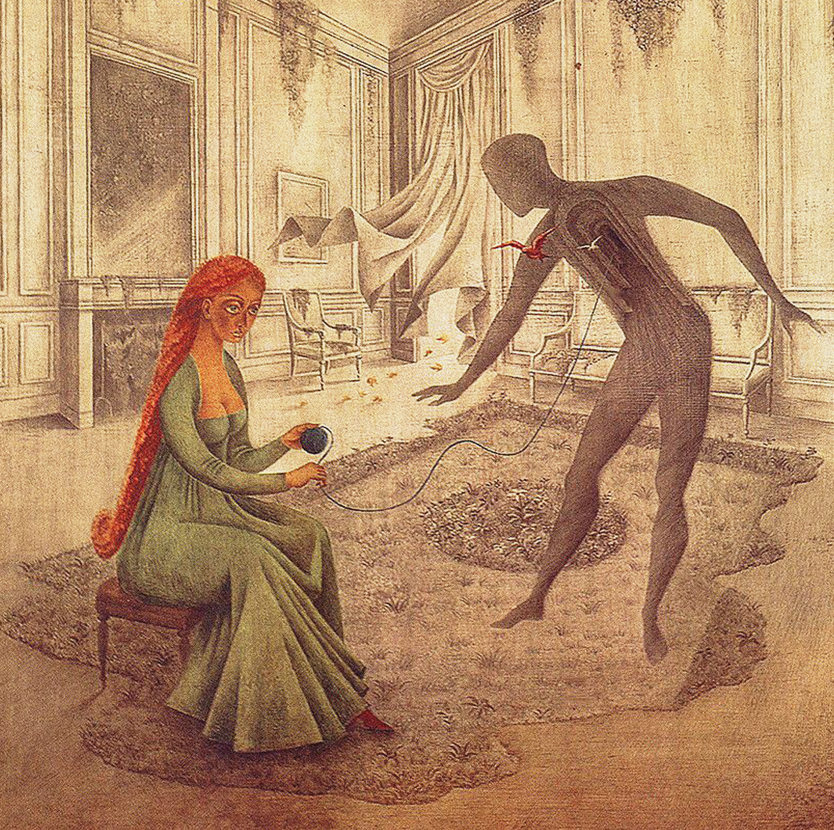
Influence for the LP comes from a range of writers, the painter Remedios Varo, and a “new love. The album is “saturated with color; oscillating between grief, bombast, and fierce joy, this is music shot through with both sincerity and irreverence,” the label explains. “We’re told to expect “an exploration of living a life devoted to uncertainty, curiosity, and change.”
“I wanted to make this work to realize experiences that I thought I had already had. Quite quickly I realized that I was reaching too far, and because I wanted so much more I had to give more. I often think that the writing was mutual.” — Vessel
Tracklisting
01. Fantasma (For Jasmine)
02. Good Animal (For Hannah)
03. Argo (For Maggie)
04. Zahir (For Eleanor)
05. Arcanum (For Christalla)
06. Glory Glory (For Tippi)
07. Torno-me eles e nau-eu (For Remedios)
08. Paplu Love That Moves The Sun
09. Sand Tar Man Star (For Auriellia)
Queen of Golden Dogs will be released November 9 (digitally) and November 23 (physically) via Tri Angle Records. The first single from the album, “Argo (For Maggie),” is available to stream now below.
Tim Green‘s Discogs page is strangely bottom-heavy, and it’s been that way for some time. The UK artist, a London resident, has long been a familiar name in house music circles; over the course of a 10-year career—that really started with Revox (Dirtybird; 2008) and TG*’s Mr Dry / Glow Worm (Trapez; 2008)—Green has amassed himself a discography high in both quantity and quality. Over two pages under “Singles & EPs,” you’ll find labels like Get Physical Music, Cocoon Recordings, and Four: Twenty Recordings; while his similarly extensive “Remixes” section includes those for Booka Shade, Claude VonStroke, Timo Maas, and Seth Troxler, among others. It’s a healthy body of work, which long had one glaring omission: an album.
Green’s first foray into the long-player format finally appeared on Sven Väth’s Cocoon in May, titled Her Future Ghost. Deeply melodic and transportive, the 10-track album arrived with a cohesive concept rather than as a collection of dancefloor tracks. “My direction for Her Future Ghost was to write a film score for a film that doesn’t actually exist,” Green explained. “As an avid film score fan, I wanted to create a body of work that took certain typical soundtrack traits. For example, different motifs that repeat throughout, like character themes which evolve and mutate as well as a narrative that develops through the music.” In waiting so long to release an album and then delivering something that shunned expectations, Green aligned himself with the likes of Pariah and Leon Vynehall, both of whom delivered long-players that bore little resemblance to all their work that had come before.
It goes without saying that a first LP is a huge landmark for any artist. But how risky is it to go off course when finally making this debut? How risky is delaying your debut, and can you wait too long? Is there a conflict between allowing the work to emerge naturally and getting that identity-defining LP out there? How do you deal with your expectations of yourself, and those of listeners and potential labels? Reflecting on his experiences, Green offered up his thoughts in this month’s Real Talk.
I’ve just released my first LP, after a decade of DJing and producing. It’s a labor of love that I worked on for over a year, and, quite honestly, I couldn’t be sure how it would be received, especially as something I’ve approached quite late in my career. I think for any artist there’s an expectation, a generalized pressure to release that debut album, whether this is coming from yourself or external influences or both. Unfortunately, there’s a pattern, kind of like being in a relationship: you start by dating someone, then you evolve to a girlfriend and boyfriend status, then you decide to move in together, then you get a pet, and then begin thinking about kids—the obvious next level. I think it’s the same with musicians, especially in this house and techno scene: if you produce music, and if you start doing well, you release an EP or two, then you obviously start to perform as a DJ, then possibly a live act, then you start a collective and your own club night, then you think about starting your own label, and perhaps then be expected do an album etc. You get the idea.
I’ve never really been one to follow these patterns. When I’ve tried in the past, sometimes it hasn’t worked for me. I’ve made decisions sometimes because I noticed other artists doing certain moves with their careers, and felt I should do the same. But throughout the course of my career, I’ve learnedss it’s better for me to get on and just do what I want. I think that comes across as more true and honest because I think a listener can tell if you’re trying to force something rather than letting it happen naturally.
The main reason for my delay regarding my debut album was that it just wasn’t the right time to do the album that I wanted to do. It’s nothing against anyone else, but for my own personal taste, I have always been quite bored with house and techno albums that are just filled with 10-12 dancefloor-orientated, DJ-friendly tracks, all of which could easily have been singles, and are not cohesive enough to require being presented as a long-player. These sort of albums don’t inspire me, and I know I couldn’t write an album like this very well even if I tried. I’m not good at writing all the same sort of music; it’s too challenging for me, and not in a positively challenging way.
Producers are under a lot of pressure to release a debut album, believe me. And this pressure is so easy to give into, especially when you’re young and new to the scene; it takes experience to know how it all works, and it’s not always easy to be patient—let alone say “No” to those who are encouraging you to begin with. I feel as if there are lots of producers who give in to this pressure and release debut albums much too early in their careers which, more often than not, leads to lower quality and rather generic results—often just a collection of single tracks, rather than a cohesive, well thought out body of tracks to form a real artistic statement.
But where does this pressure come from?
A lot of it comes from bookers and management teams. It’s natural for artists and those around them to think that the release of a debut album is taking the next step to becoming a recognized artist with clout. Having that album in the discography for any artist who values their output can feel so important, and it becomes a point for everyone in the industry to take note of. But, more importantly, an album release gets more publicity than an EP, pushing an artist to the next level of PR so they can achieve such things as magazine covers, etc. It goes without saying that this gives management and bookers a tool—some leverage, if you like—to open new doors. For these reasons, it’s common for bookers to encourage artists to release albums in Autumn, as that’s when festivals are starting to put their lineups together. The extra publicity helps to get their attention, and often helps secure coveted slots at the larger festivals, and ticket sales benefit from the extra media coverage for DJs on next season’s posters.
Pressure can also come from the labels who, incidentally, are aware that the publicity generated from bigger bookings can push record sales. In my case, it definitely helped to have a strong relationship with a label patient enough to wait, which I’ll discuss more later. And pressure can come from internally, too: if a record label has released a couple of EPs, and the artist gets the impression the label would like to release the debut album as well, the artist might fear missing that window with them by waiting. And, zooming out a little further, artists still establishing themselves may feel internal pressure as they see others at the same career stage getting coverage for their debut albums, and worrying personally that they’ll miss out by not following suit. This is certainly something I felt.
What’s interesting, too, is that management teams and bookers often create pressure without even realizing they’re doing it. Especially in this day and age, with the constant demand for new information and headlines. It’s no secret that it’s much easier for them to sell a busy artist than not, and management teams would prefer something now rather than something good several months down the line. After all, they need something to shout about, even if this is to the detriment of the product.
I never felt this sort of pressure, thankfully, at least not from my booker. I’ve been with my same management since day one, so they have always been patient all these years. They always suggested that I do a debut album, but they never forced it and left it all up to me. But even this can create pressure in some situations. How many times can you push back or refuse against your own management before they start to feel they are not helping, influencing, or managing you anymore? If enough disagreements happen, perhaps they might not want to spend so much time working for you and your career, in turn perhaps stop entirely their desire to work with you and move onto another artist? There’s always some pressure.
I always had these worries, of course, but I dealt with it by having a great relationship with everyone involved with my career. I’ve always been discussing possible opportunities and ideas with everyone. And if I did not want to do something that was suggested to me, I always offered the real reason why. My music will always be my priority and I always knew that holding off on the debut album was the best thing to do in this regard. Ultimately, while I feel you can sustain a career in music with a high quantity of releases, I think this only lasts so long; at some point, people will become bored and recognize that it’s soulless. It’s a cliché for a reason: quality is better than quantity, certainly in the long-term.
And, if you manage to handle the pressure—and you do hold off, patiently—it doesn’t really get much easier. There are still important decisions to be made.
I strongly feel that an album is an opportunity to do something different to what has previously been expected of you, and that any artist should jump at that. As artists, we should always be pushing boundaries and taking risks, especially in any electronic music genre. It’s a technology-based form of music and, as the technology evolves and grows, so should the music. It’s also the most modern form of music; it’s the most futuristic, and so it should also be the most creative and experimental. When you’re given the opportunity to write a song and have it played, that’s like a five- to 10-minute window where you can express your musicality, originality, and your opinions on some level, too. With an album, you have considerably longer; an album is a perfect platform for this experimentation, and I think we as artists and representatives of electronic music aren’t trying hard enough if we don’t push the music forward.
I’ll hold my hands up: I’m guilty of it myself; there have definitely been occasions where I’ve not pushed myself enough by experimenting. I’m always going to use a concept in some form to help write music, even if it’s at least a small idea or feeling just as a catalyst for something that enables me, or inspires me to have some sort of music written as one connected whole—but I feel that an album should be a statement.
If you look at Leon Vynehall’s Nothing Is Still, he’s taken the concept album format to a deeply personal level, telling the story of his grandparents’ journey from the UK to New York. There’s a really profound emotion that emanates from the music, in the tracks individually and as a whole. This just dropped this year and it’s already clear this is a game-changing release for him, and the risk of doing something so different from his usual output seems to have paid off. Pariah is another example: he’s released his debut album after a six-year hiatus from releasing solo material, due to a case of writer’s block brought on by the pressure he felt of making the music people expected of him, rather than following his own inspiration. It feels like something is shifting, where more artists are exploring outside of their usual realm of style and sound to create something they feel compelled to create rather than something they feel they should be creating.
But it’s not easy to do this; Pariah is not the only artist to have suffered from the pressure to make music that people expect of him. This comes from the labels, bookers, and even fans.
I think you have to decide whether you want to release an LP that defines your musical identity or do something completely different to what people, the fans, and the labels, might expect. A lot of labels might’ve thought it commercially risky to release a kind of concept album like Her Future Ghost. The record labels have to think about sales and the reactions of fans. If you’ve built up a following by releasing EPs and performing DJ sets at clubs and festivals, it obviously feels safer to give the fans a bigger helping of the same kind of thing they already like about you. It is commercially risky for the label and the artist to try something totally different and hope you can carry your fans with you and find new ones. Also, labels might feel a cohesive concept album’s tracks might not be picked up by DJs for club sets or remixes so readily.
In my case, it definitely helped to have a strong relationship with Cocoon. They’ve often asked me over the years if I would like to do an album with them, and I’ve always said yes, but later. Eventually, though, Cocoon asked me (more recently) if now is a good time to focus on writing an album for them. It coincided perfectly with me having more free time in my schedule, plus my headspace was really happily free and ready to take on the challenge. I had just started writing a couple of tracks that I felt were a little bit different from my usual output and felt like a new sound I could experiment with; this was a sort of catalyst for me starting to think, “Ok, this feels like there’s a story to it”; I could hear it in the music. It had more of a plot, more of a theme. I started to feel like I could turn this into an album and write more and more music that was cohesive and not just a bunch of random tracks. Thankfully, Cocoon said that I had complete freedom also, which is such a blessing and also quite rare to have that trust from a label.
Of course, there was a risk in delaying my debut album, and doing it as I did—but this is what worked for me. It felt right. The point is that I was not comfortable doing my album before; I didn’t feel capable of doing what I wanted and that actually felt like more of a risk than holding off until the time felt right.
But this is me, and it does not apply to everyone. I know producers who have started with an album before singles because they had the material ready to go. They weren’t trying to penetrate the DJ market and get their tracks played by DJs; they just found they could express themselves better with the music in that format. Alternatively, it can also feel natural for an artist to just write singles that stand out and get played by DJs who in turn can raise their profile and presence. I don’t look at others as a business or a career strategy and analyze how they’ve done it or whether it’s worked or not. You can just try and pursue what works best for you.
Nonetheless, it’s important to remember that you only get one shot at a debut LP. You have all the time from when you were born, or more sensibly from when your career starts, to compile and create this album. Be it finish old songs you never got round to realizing, or using old ideas that you might have saved for something special like your debut album. For the second album and subsequent albums, it’s only the space between the last one.
So I wouldn’t change anything. Of course, I was concerned, in the same way any artist is apprehensive about musical output so long in the making. But I’m always very particular about what I do release and I don’t ever want the quality of the music to fall below the standard that I want to live up to. When you put music out there, it’s out there in history, for good; it’s final and you can’t go back on it. I think I was more scared that I’d do an album just for the sake of it because other people felt like it was the right time for my career. The risk of missing career opportunities was less important to me than the risk of compromising my creativity by rushing out a standard singles album instead of allowing a concept album to grow organically and emerge in its, and my, own time. I guess being more patient and taking my time helps.
The bottom line is this: take the time to make and release an album that you’re proud of.
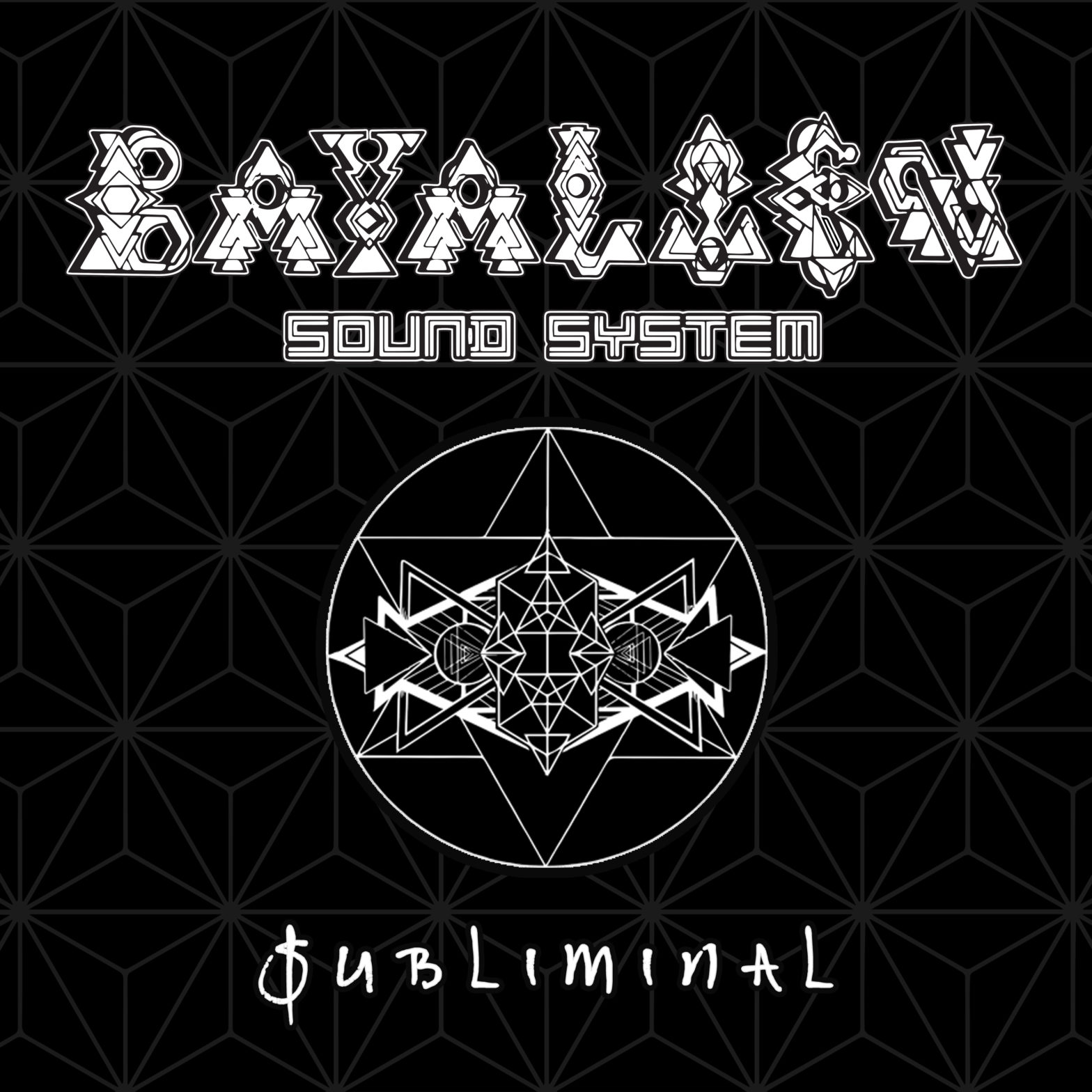
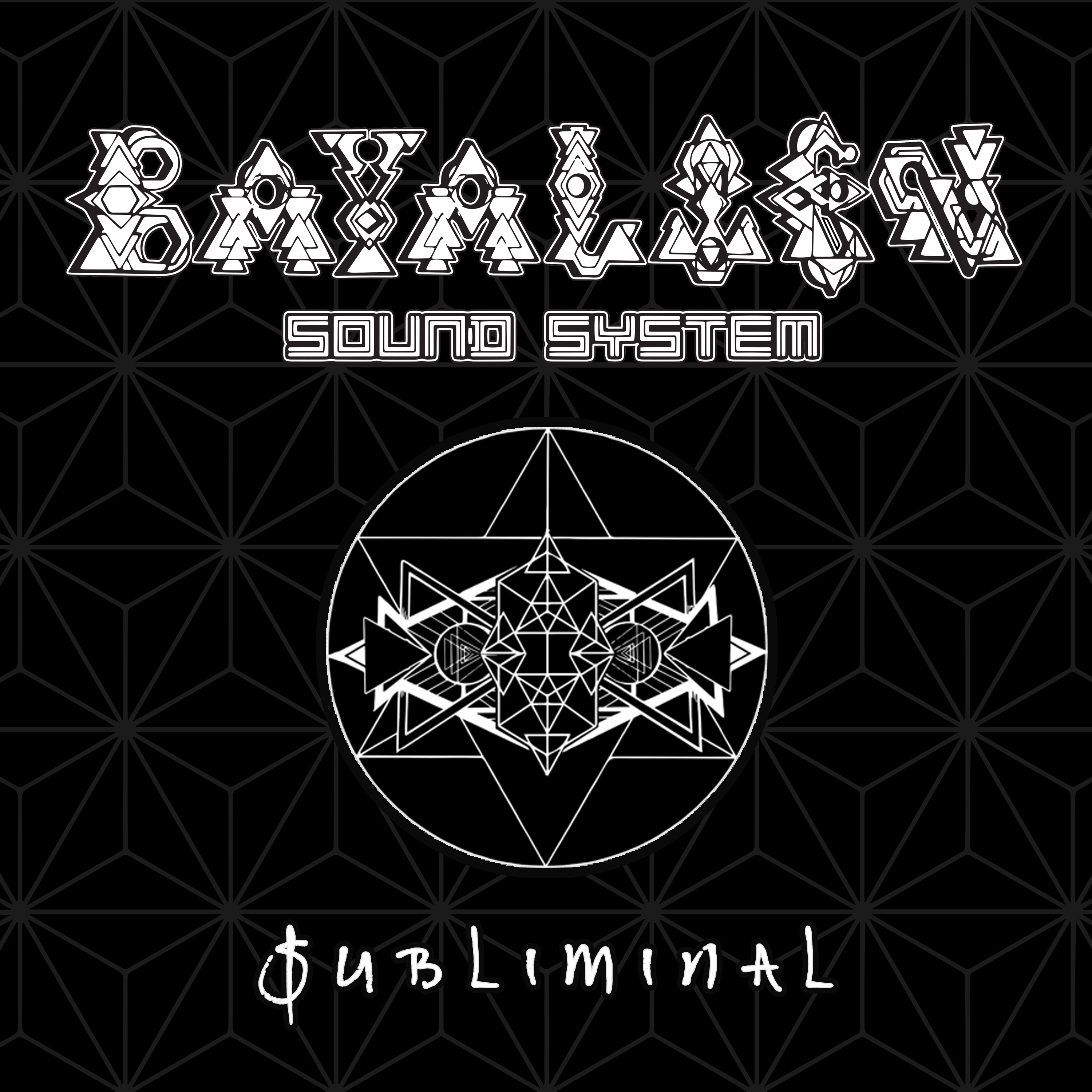
The three-track EP provides an inspired take on modern bass music, pulling elements from dubstep and 2-step and fusing them into a hallucinogenic, smoke-filled EP of low frequency gems. From the title track’s sparse, foreboding rhythms to the engulfing ambience of “Hypnotize” and the dub-influenced “Los Angeles,” Subliminal shows two producers in fine form presenting a set of cuts begging for a dank basement and imposing speaker stack.
In support of the release, which you can grab here, Baylien Sound System have offered up the deep and twisted bonus cut “Give Me A Dubplate” as today’s XLR8R download, available via WeTransfer below.
Due to temporary issues regarding the GDPR, EU readers can download the track here.