NY-based producer and composer Rafael Anton Irisarri will continue his string of post-minimalist releases with his third for Mexico City label Umor Rex, titled El Ferrocarril Desvaneciente.
Irisarri is a prolific audio engineer and collaborator, having worked with everyone from Alva Noto and Ryuichi Sakamoto to Julianna Barwick, Grouper, and Telefon Tel Aviv. Most recently, Irisarri co-produced Steve Hauschildt’s Dissolvi and Strands. He has released on labels Ghostly International, Morr Music, and Touch, among others. He last appeared on Umor Rex with earlier this year with his Sirimiri LP.
El Ferrocarril Desvaneciente is composed as an ode to an overnight train journey through Spain that Irisarri took many years ago, and picks up sonically where his Sirimiri LP left off. Irisarri focuses on deploying sonic cycles throughout these four shorter pieces, basing much of this sweeping ambience around looped sounds and distant pulses. The sound is, however, kept in a state of forward motion and constant evolution, invoking the slowly rumbling night train that inspired it, not to mention its cargo of misfits and travellers.
We’re told that Irisarri’s music “hasn’t sounded as hopeful as it does on El Ferrocarril Desvaneciente for quite some time.”
As with Sirimiri, it’s Irisarri’s intention that the El Ferrocarril Desvaneciente’s songs play out as one long repetition, and thus the label includes again a bonus track comprising the full 22-minute loop.
Tracklisting
01. Transeúntes
02. Un Saltador
03. El Espectro Electromagnético
04. La Chica De Valladolid
El Ferrocarril Desvaneciente will land on September 28.
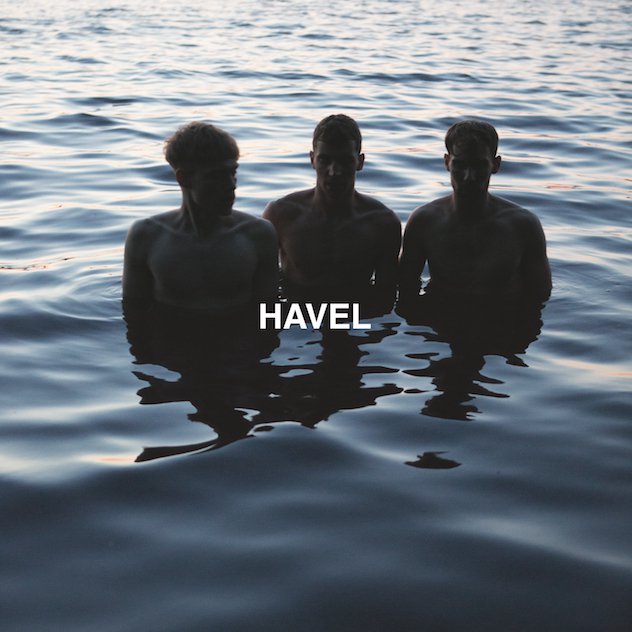
FJAAK will return in November with their sophomore album, Havel.
Havel, a 10-track release, comes after two EPs on the German trio’s newly founded self-titled label. It sees them enlist man-like-Koogan of Margate/UK fame for vocal work, and “teases at the new direction FJAAK are heading towards,” they say. Long-time friends and collaborators Fadi Mohem and J.Manuel appear on the record as well.
Their self-titled debut album was released in 2017 on Modeselektor’s label Monkeytown.
Tracklisting
01. Version 1.3.3.1
02. Take Your Life (Feat. Koogan)
03. I Could Never Live Without You By My Side
04. Martin (Feat. J.Manuel)
05. Apollo Tag 2 (Feat. Fadi Mohem and Tobi Neumann)
06. xArctic Warmth
07. **Smells Like Security**
08. Netto (Interlude)
09. All My Friends Are In The Bathroom (Feat. Koogan, Fadi Mohem and J.Manuel)
Breathe is made up of Sean Walker and Andrew Grant, two Sydney-based producers who have released their debut single, Are You All Good?
Walker and Grant began working together at the beginning of the year with each working on new music in their Sydney studios. The two were drawn together after sharing their desire for honest and authentic music. Their inspirations have been far-reaching (think Portishead, new-wave cinema, and minimalism), and have bled together as the project evolved.
The result of their late night recordings bears testament to their vision—pulsing emotions buried inside deceptively simple tracks, with minimal production of exposed drums, prominent bass, and vocals recorded through a beat-up microphone.
Having felt frustrated inside the major label system, the duo decided to approach this project’s release entirely DIY, by producing and mixing the music, photographing the artwork, and directing a film clip.
Are You All Good? is available now everywhere, and can be downloaded in full via the player below—or here for EU readers due to temporary GDPR restrictions.
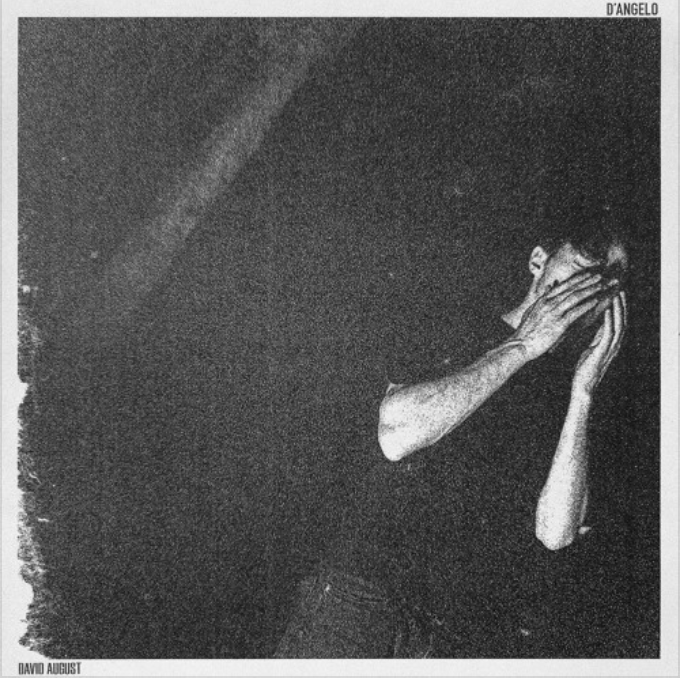
Italian DJ-producer David August has shared “33CHANTS,” the second single from his forthcoming third full-length album, D’Angelo.
Speaking about “33CHANTS,” August says: “I was reading Dante Alighieri’s “Divine Comedy” during the time I was making the album. It’s like a spiritual path written in chants, where the sound of words sounded like music to me for the first time. It’s very melodic even though there’s no written melody. The lyrics are my attempt at a dialogue with Dante, while also leaving an open space for today. This is something present in the whole record; I constantly felt like I had one foot in the past and one in the present.”
Fusing laidback pop sensibility with moody cinematographic soundscapes, we’re told that D’Angelo is the sound of “a young artist getting in touch with their roots,” exploring new landscapes and freeing inhibitions. Where he channelled this journey into ambience on DCXXXIX A.C.—his debut on his own label, 99CHANTS—D’Angelo has August deconstructing pop atmospheres while in search of his past and reforming them into something “deeply moving.”
The album’s spiritual inspiration is rooted in Italy’s rich and complex artistic history, and how certain artists broke boundaries, such as Giovanni Pierluigi da Palestrina, who mastered the art of polyphonic and counterpointed composition during the Renaissance. “I looked at the Italian culture I grew up with, that has always been present since I was a kid,” August says. “I had to start with a deeper study of these artists, composers, and writers who formed the cultural and emotional bonds I feel towards Italy.”
August’s first album, Times, arrived in 2013 on Diynamic.
Tracklisting
01. Narciso
02. D’Angelo
03. 33Chants
04. Florence
05. The Life Of Meris
06. Elysian Fields
07. True Heart
D’Angelo LP will land on October 5 via PIAS, with “33Chants” and the title track streaming in full below.
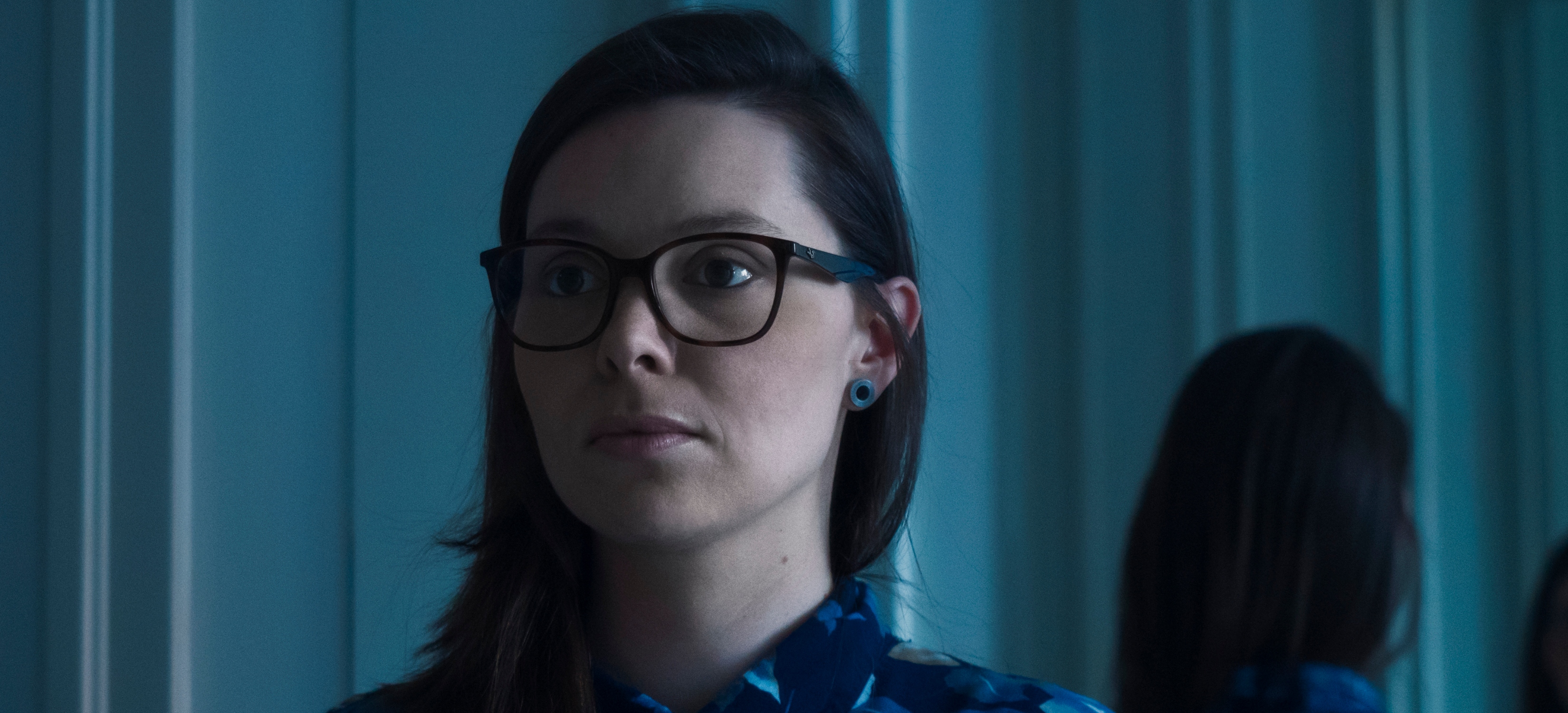
Aimée Portioli, also known as Grand River, is a Dutch-Italian composer, musician, and producer based in Berlin. Drawing on her background in traditional music composing and the study of several musical instruments, she’s spent many years working as a sound engineer and composer for a national radio station in Italy (Radio 24) and for several post-production companies through her sound agency. Portioli is known similarly for film scores and sound design; having debuted on Donato Dozzy and Neel’s Spazio Disponibile last year, she recently resurfaced with her debut album, Pineapple, that references her “love of electronic music and sound design,” as well as her background in traditional composition and formal training, all the while “incorporating ideas from her work in scoring films.” In 2016, Portioli also created One Instrument through which she releases sound experiments from different artists composing pieces by using only one instrument. But now, in support of her debut album, Portioli offered a peek behind the scenes at some of the tips and tricks behind it.
Have All Your Equipment Connected and Ready
I start working on a composition by experimenting. Sometimes it is good to have an idea about the sounds you want to obtain as it helps to give a general direction to the working process and tools to use; however, there should be room to let things happen along the way, because sometimes ending up somewhere else can turn the initial idea into something interesting and unheard. My personal projects excite me the most because I love the idea of having a clean canvas. It’s different to composing for an advertisement or the film industry.
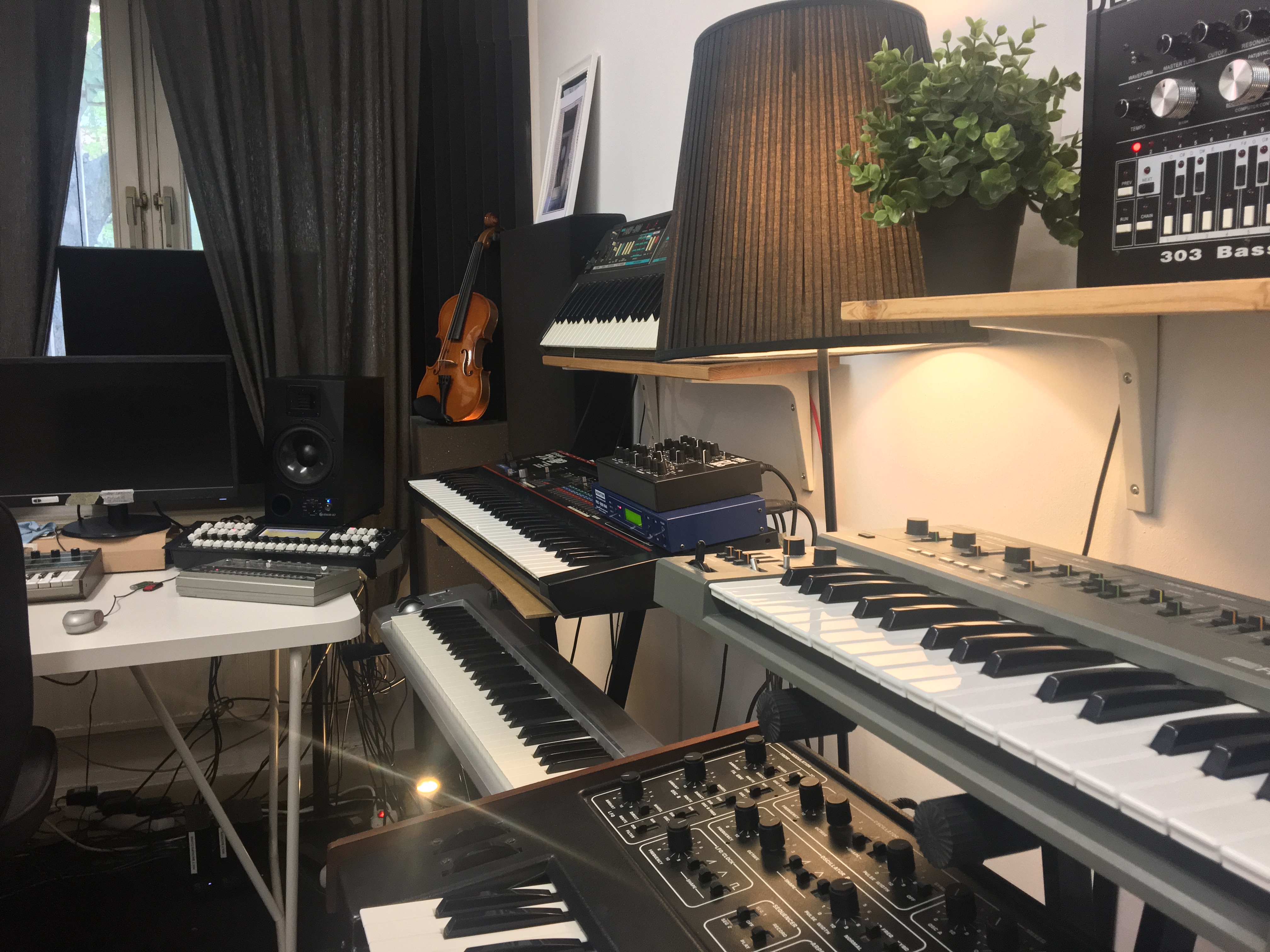
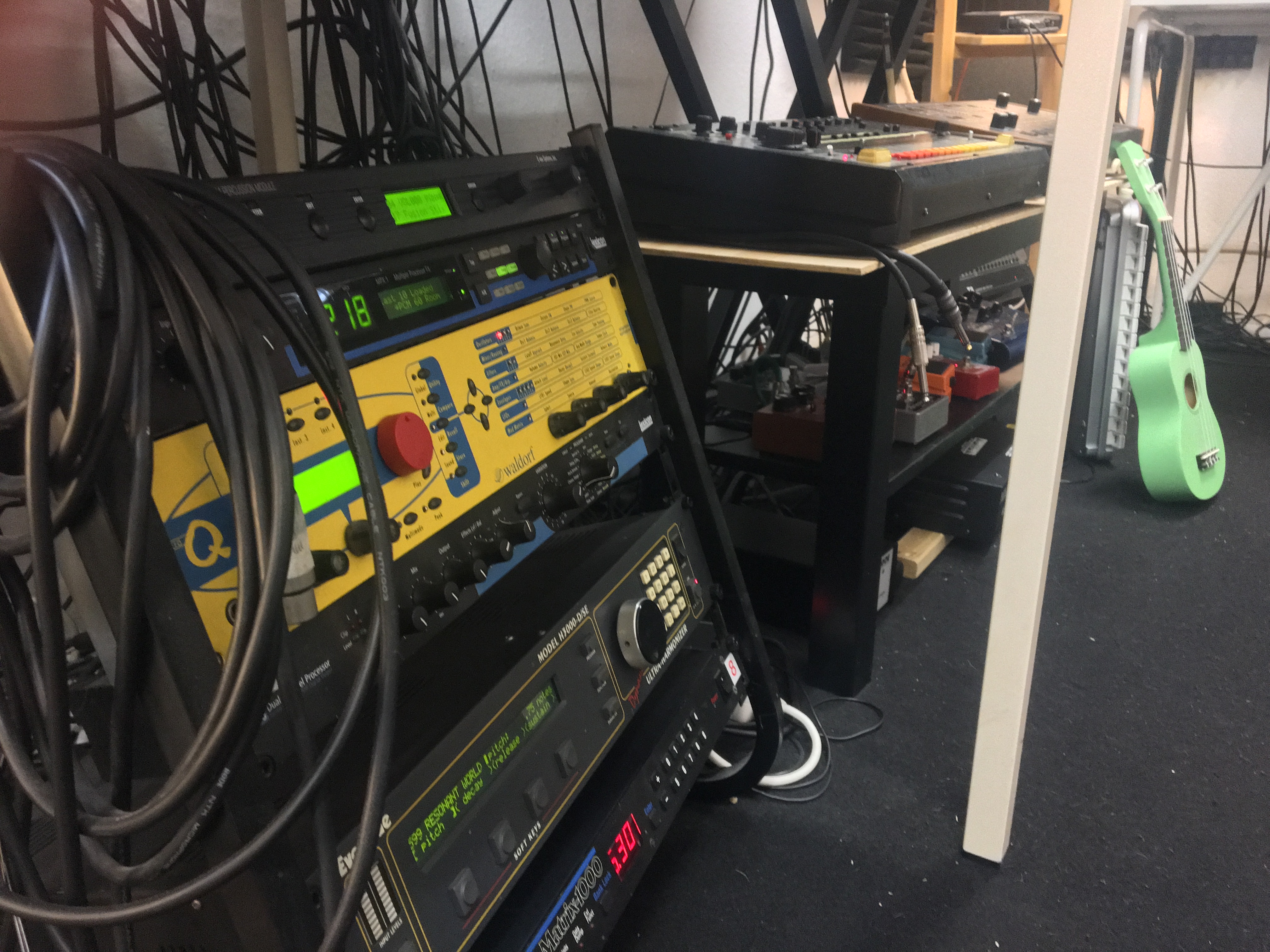
In order to grasp the full potential of this initial creative phase, I keep all the studio equipment connected to a hardware mixer, so that when I check in I only need to turn on a few power strips to get it all going. In my previous studio, I didn’t have a hardware mixer and all the machines went to the sound card through a patch bay and it was annoying. Even earlier than that, I used to have synthesizers under my bed and I tended to be too lazy to pull them out and set everything up. In my current studio setup, all signals go through the mixer to three different stereo channels of my audio card. The mixer has three group outputs so that I can record three stereo signals at the same time into Ableton on three separate stereo channels but I don’t often record more than one instrument at the same time. Having everything connected when you intend to compose makes it easy to start immediately without losing time and facing useless technical hiccups.
Know Your DAW Like the Back of Your Hand
As I record with physical instruments, I work with the DAW mostly for recording, editing, and mixing. In the beginning, I used to be uninterested in having in-depth knowledge of the software; I didn’t feel it necessary as I was more keen on playing traditional instruments.
I changed my attitude towards it when I learned what every button stands for and that the more I knew my DAW, the more I could do with it. When I learned how to correctly route signals in the DAW and with a hardware mixer and work with automations, it made a huge difference in the composition process.
I have been using Ableton Live since 2010 and it’s the first DAW I learned inside out. In 1999, I had been using Cubase SX for some time and later on, when I started to work as a sound designer, I used Pro Tools. When I started with Ableton, I learned it had different ways and methods to obtain the same result. I was fascinated by this aspect and I decided to stick with it. I started to learn by myself with online tutorials. I managed to get some advanced lessons from a good friend too.
In the beginning, it felt weird to compose in a non-horizontal way, but later on I really got into the “session view.” It was surprising to be able to quickly record clips, loop them together, create automations within the clips, and edit them. I found it perfect for experimenting at the start of a new composition and I could not find these functions in other software.
When I switched to Ableton, the editing also felt smoother and quicker. I found the piano roll nicely made, the keyboard shortcuts, and the automation system extremely user-friendly and easy to include in the process.
Also, so many functions are customizable like having your own template when starting a new track without having to route or insert the same tools every time you start a session, as well as smoothing the whole process of mapping external controllers, adding shortcuts, and personalizing the sidebar, which in my case gives so much more flexibility to the post-production and sound-design work.
Record When You Improvise and Play Sequences by Hand
Usually, I start to experiment by improvising with my instruments: electronic or acoustic ones, field recordings, or whatever sound source I have in mind, even my voice. I tend to record what I am playing; otherwise, I would forget what I did. I have a terrible memory and I forget melodies and notes. If I have to play them live, I have to write down something that triggers my memory. I use a kind of “handmade approach” in composition and I like to play patterns just by hand, without a sequencer. I often use synths which don’t have MIDI, or just acoustic instruments. I feel comfortable with this way because I feel it “humanizes” the composition. It gives it a personal character and transfers the emotional memory of the moment it was created.
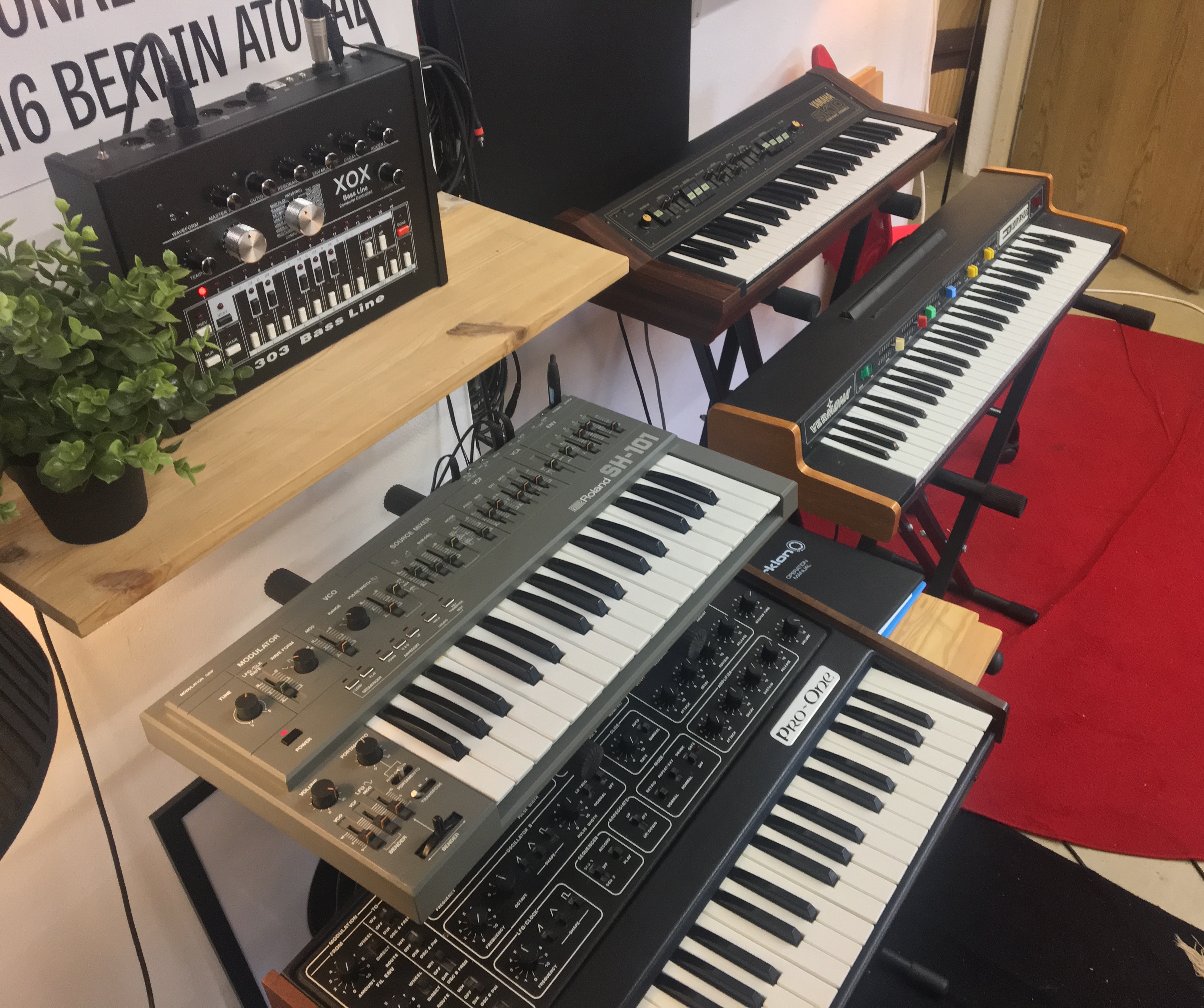
In “End of Cycles” and “Recollection,” the main protagonists of the tracks are the Vermona E-Piano and the Yamaha SK-10 and the patterns are played by hand with a metronome. Sometimes I might double the pattern with different notes using a sequencer in order to combine the two elements. I like doing this especially with the Yamaha DX7 and the Oberheim Matrix-1000 as I did in “When It All Was Flourishing.”
If I’m working on creating a more experimental track, or a “wide” one, I would directly record into the arrangement view of Ableton. I find this to be useful especially when the parts are beat-less. I would use the session view when I need to work with the grid and loop the recorded clips. In this case, I start experimenting in one scene where I continue adding material in new tracks on the right side of the recorded one, right next to each other. At a later stage, I decide what to keep or not.
Start and Stick to One Instrument
Many producers tend to have lots of instruments in their studio, and those who don’t have hardware will have tons of VSTs. My suggestion is to stick with one instrument and create a composition by using just one of them. This allows you to study and explore the instrument and put beneficial limitations to your work. I agree with the common idea that limitations foster creativity in some ways. I founded One Instrument as a platform to showcase sound studies which adopt this approach.
I came up with the idea after noticing I was switching between instruments too quickly and sometimes being impatient with them. One day I forced myself to create a composition using only the Korg MS-20 (Classic). Since that day I tend to start every new track this way in order to maximize the instrument potential. Only when the main idea is drafted I add other instruments.
Take Piano Lessons
The first instrument I played was a toy keyboard and I learned to associate the notes on the keyboard to sheet music together with my grandmother who used to sing along. When I was 10, I started with guitar lessons and, after that, piano training and a basic cello course a couple of years ago. I know that nowadays with all the fancy software tools, arpeggiators and sequencers where you can easily create melodies and patterns, loads of producers don’t play actual instruments, but I still believe even just taking some months of piano lessons in order to get the basics will help you later on. It will be useful to understand harmonization and arranging more consciously. I could sit for hours only playing with my acoustic piano, and sometimes it just helps to compose better without all the technology being around to distract you.
Record Dry Signals
When I add effects to a recording, I like to use the Eventide H3000 D/SE or the Lexicon MPX 100. These two are connected to the mixer and used as return channels. I also have a hardware effect chain containing a series of 10 guitar-effect pedals, such as distortion, ring modulation, pitch modulation, chorus, reverb, delay, and flanger. I have used this chain on tracks such as “Ecouri” and “Playing In Jannah.”
In regards to internal plugins for processing audio, I only use some of the INA GRM Tools and nothing more. For adjusting frequencies I use the Brainworx bx_digital and the Voxengo Span as an analyzer. I would like to buy a hardware analyzer too.
Recording a dry signal that doesn’t run through the effects chain is important so that you can eventually post produce the recording later on. I would, for example, never record a signal with loads of reverbs. I would prefer to add that afterwards because once it’s there you can’t go back. I would also use both signals, the dry one and those with effects, together with different EQ and/or panning.
As for VSTs, I sometimes try to use Reaktor in my compositions but for some reason, I cannot make virtual instruments really fit, so if they happen to be there it’s mostly a really small part. There is something of their presence that maybe does not reflect the sound I have in mind. Besides that, I really like to have a physical approach towards the instruments.
Be Selective and Give Yourself Sometime Before Going Back to Newly Created Work
After the idea has been layered and the arrangements are set, let a few days pass before listening to it again. Usually, I would go back to the first studio draft two to three days after, hoping to still like it. In this phase, I wouldn’t even continue to work on a track if I didn’t like it or if I went back to it and it turned out to be a bad idea. You might end up wasting time if you’re not convinced from the start. When I still enjoy listening to the first recording session, I keep working on the arrangements and the length and evolution of the composition. Sometimes this process comes naturally, other times it turns out to be the hardest part. I might also create different versions of the same track if I plan to build different narratives or arrangements. It’s like creating different stories where the characters stay the same.
Mix During Composing and Recording
I mix during the whole production process, including the recording phase when I add instruments and layers, and afterwards too. Many producers keep the mixing as the last process of the production phase, but I like when the major part of the mixing is done ahead of that and I’ll only revise minor mixing adjustments. During the composition and recording, as I tend to add layers, I am forced to mix in order to rebalance everything and give each stem its space and place. In this way, mixing is part of the creative process, a big part.
With practice and time in the studio, I learned that every instrument needed its own space to breath and therefore I would always record and mixdown each instrument separately.
In my stems, you will always find an EQ and compressor, and often a reverb. Sometimes the mix subverts the recorded sound or, in other cases, it slightly enhances it.
Revisions are Key
I let some time pass before listening to the final version of what I composed. I upload the exported track to my Dropbox, where it could stay untouched for weeks or months, and would go back to it when I will have a clearer idea about its potential. When I decide that it is going to be a track worth keeping, I would listen to it carefully again, and write down on paper the adjustments I will do in the studio. I find this helpful in keeping the revision process as critical as possible.
Ukrainian duo Orbit & Belogurov have offered up a previously unreleased dub techno track titled “Cranberry” as today’s XLR8R download.
The duo—who also make up the Aimed trio and label alongside Cheise—are respected figures in the Ukrainian house and techno scene and co-owners of the self-titled vinyl-only label Orbit & Belogurov. Outside of their own label, the duo have dropped well-received releases on some of the most respected labels in minimal house, including Adult Only Records, Serialism Records, Drumma Records, Cyclic Records, Arupa Music, and Slowdance.
Their latest outing, “Cranberry,” finds them heading down a deep and dubby path with a six-and-a-half minute exercise in chunky stripped-back house. You can pick up “Cranberry” via WeTransfer below.
Due to temporary issue regarding the GDPR, EU readers can download the track here.
Ukrainian duo Orbit & Belogurov have offered up a previously unreleased dub techno track titled “Cranberry” as today’s XLR8R download.
The duo—who also make up the Aimed trio and label alongside Cheise—are respected figures in the Ukrainian house and techno scene and co-owners of the self-titled vinyl-only label Orbit & Belogurov. Outside of their own label, the duo have dropped well-received releases on some of the most respected labels in minimal house, including Adult Only Records, Serialism Records, Drumma Records, Cyclic Records, Arupa Music, and Slowdance.
Their latest outing, “Cranberry,” finds them heading down a deep and dubby path with a six-and-a-half minute exercise in chunky stripped-back house. You can pick up “Cranberry” via WeTransfer below.
Due to temporary issue regarding the GDPR, EU readers can download the track here.
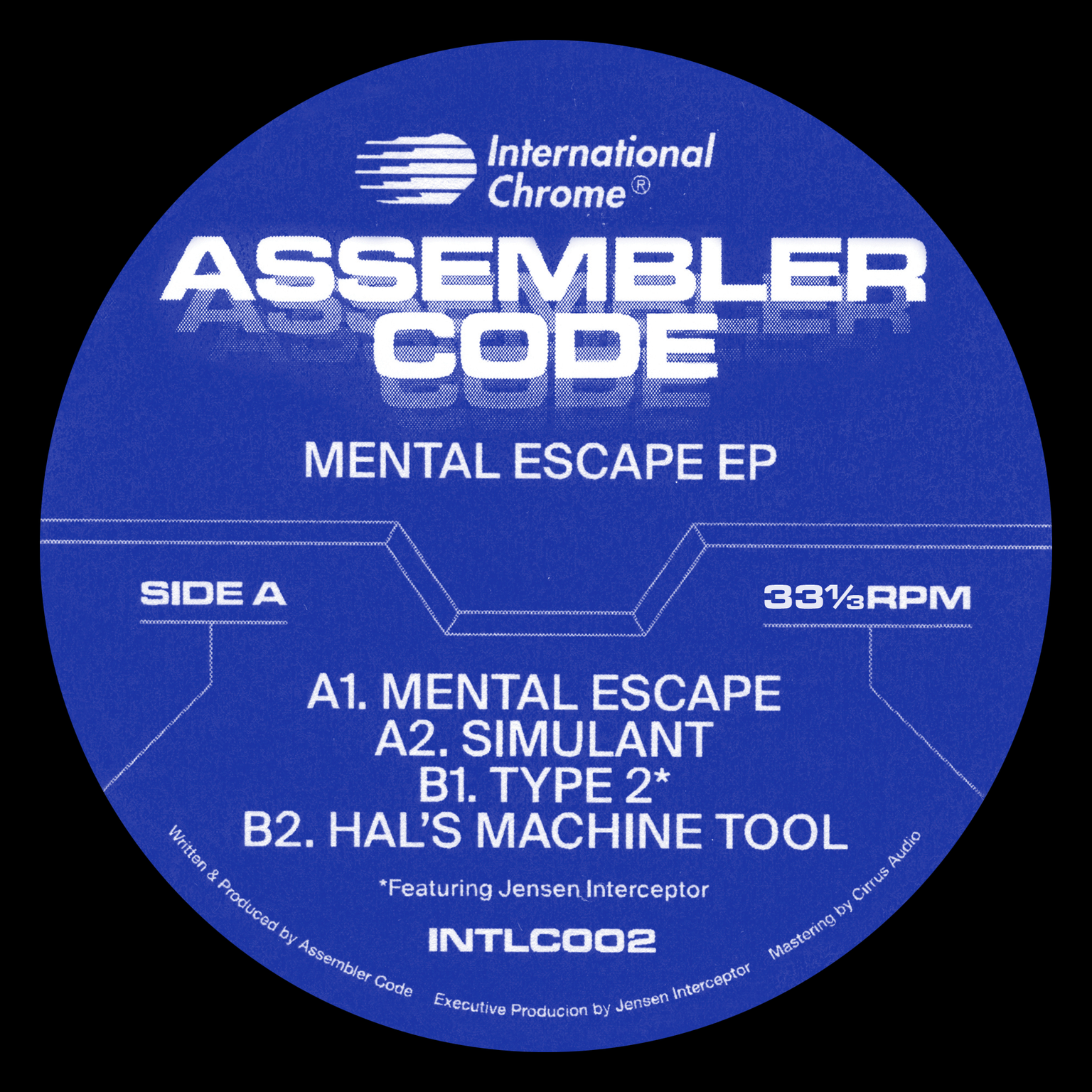
The EP, titled Mental Escape, follows a stellar run that has seen him join forces with Jensen Interceptor to release a collection of banging club cuts on labels such as Cultivated Electronics, Private Persons, Unknown To The Unknown, and Boysnoize Records. Keeping in tune with the style laid out on those previous releases, Mental Escape presents four tough and serrated electro cuts of the highest order. From the hyperactive machine-driven funk of “Mental Escape” to the industrial grooves of “Type 2″—which also features label head Jensen Interceptor, who also executive produced the LP—and the stripped-back 808 workout that is “HAL’s Machine Tool,” Mental Escape is full of dancefloor weaponry and will no doubt be contorting bodies on the floor after its release.
Ahead of the release, which can be pre-ordered here, you can stream “HAL’s Machine Tool” via the player below.
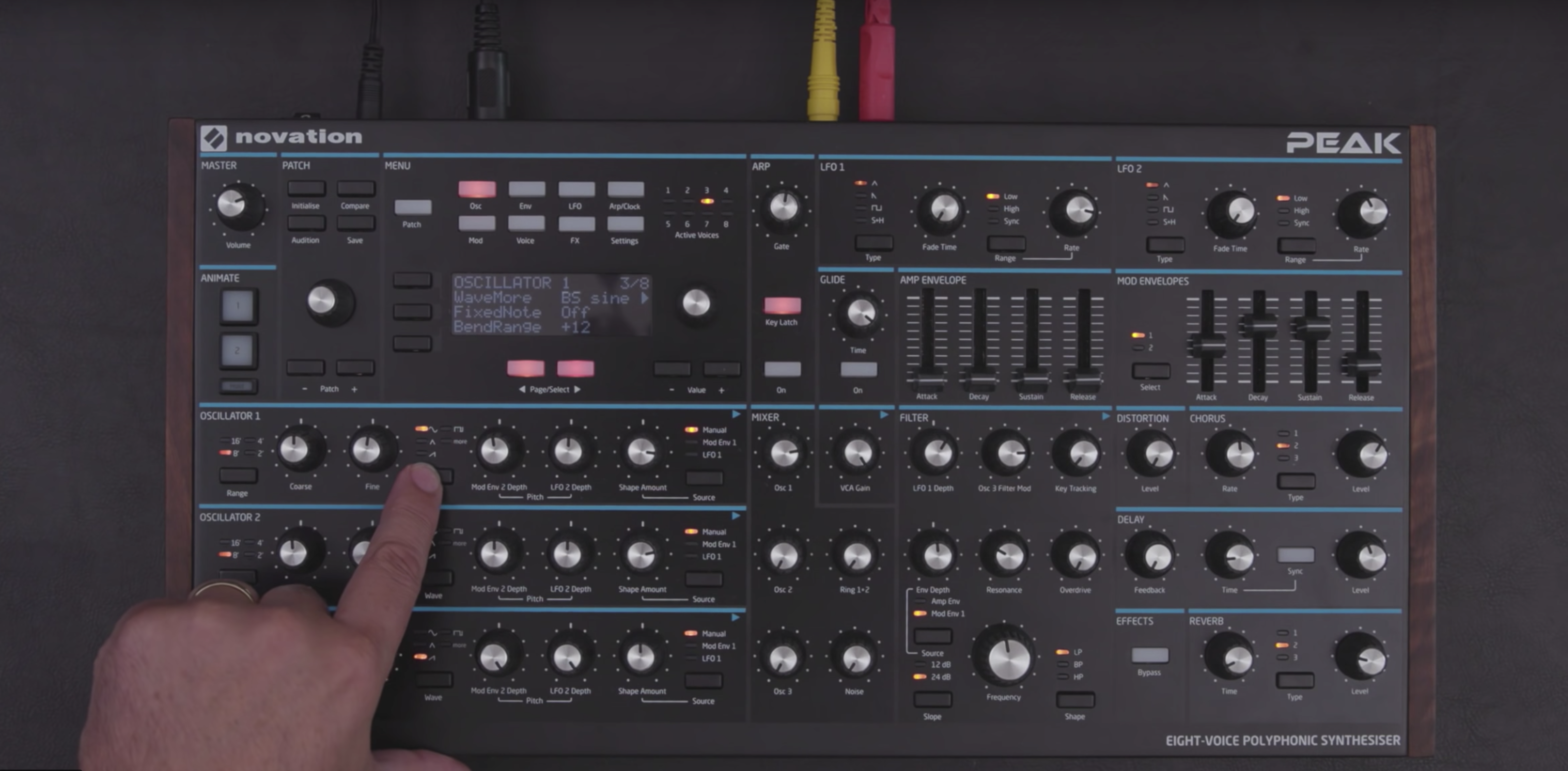
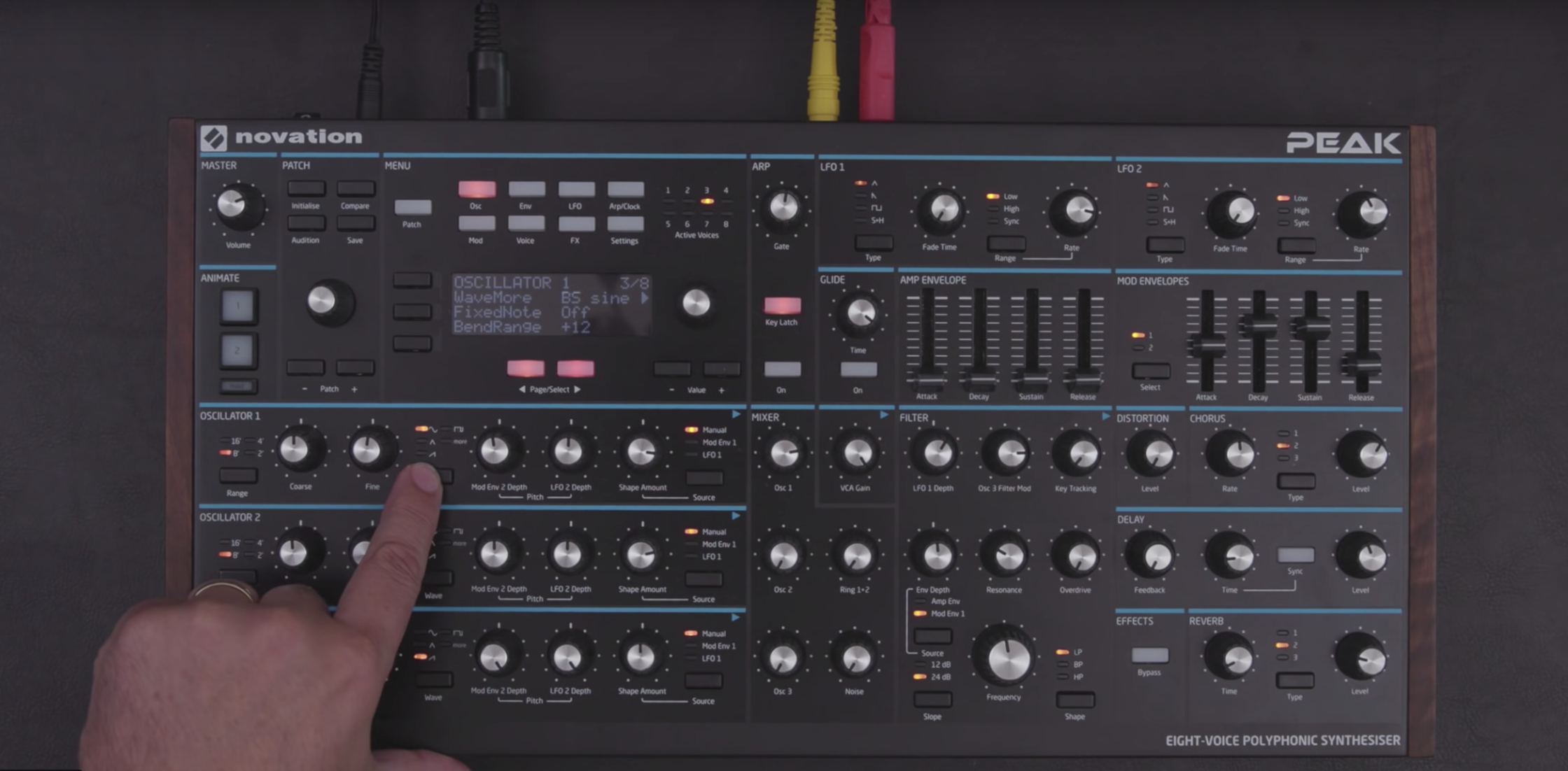
Novation has released a series of videos detailing a range of experimental ways to use the Circuit, Circuit Mono Station, and Peak synthesizers.
The videos include tutorials on using the Peak synthesizer like a modular synth to create self sequencing patterns using its internal modulation matrix, as well as making use of its program and patch change capabilities, which can create wild possibilities, and its CV input to send audio through Peak for processing. The series also looks to the Circuit Mono Station and its OSC sync function to show the interesting and unpredictable sounds and melodies it can create, with the final video focusing on hacking the Circuit’s analog clock from its own internal LFO.
You can check out all the videos via the playlist below.
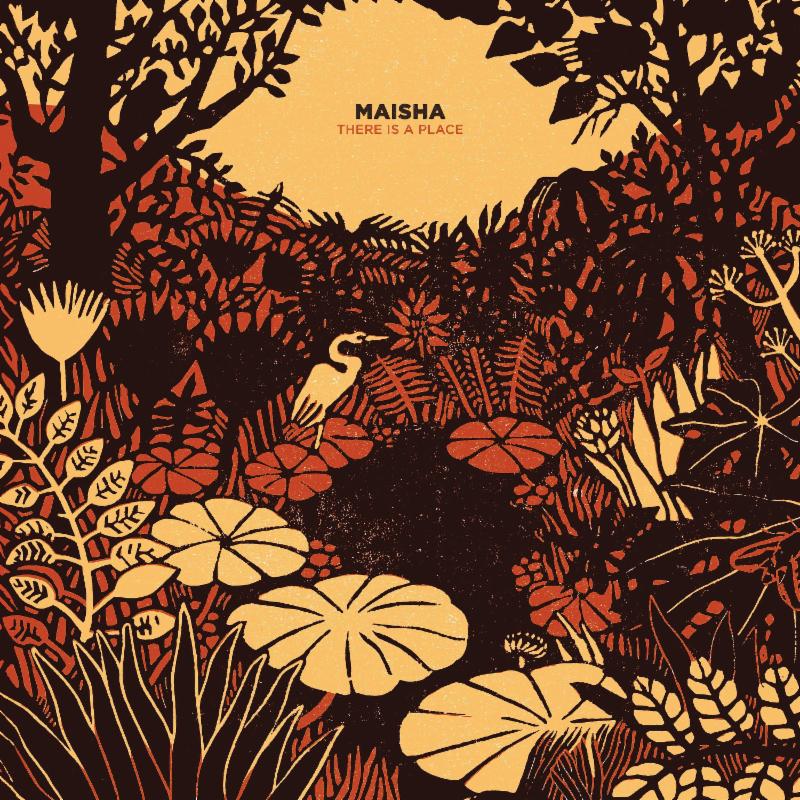
Gilles Peterson’s Brownswood Recordings will release the debut long-player of Maisha, titled There Is A Place.
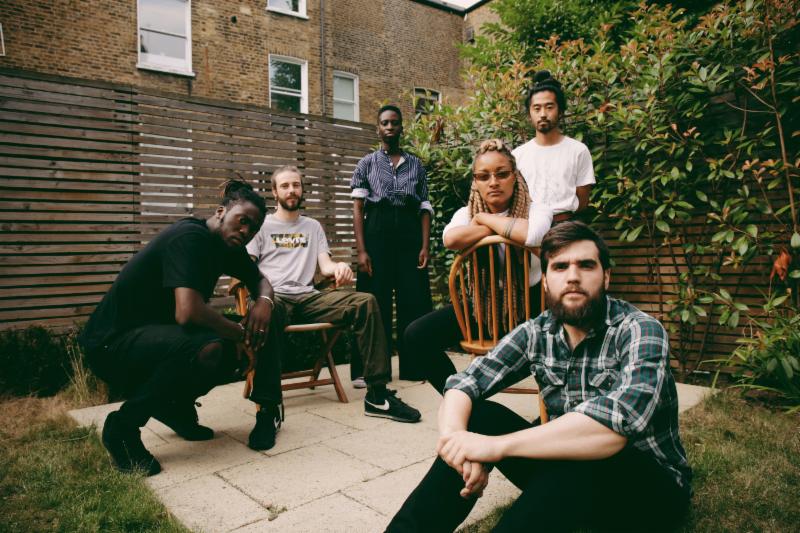
Maisha is the brainchild of bandleader Jake Long and features a clutch of London musicians who’ve come through the same circles: Amané Suganami, Twm Dylan, Tim Doyle, Yahael Camara-Onono, Shirley Tetteh, and Nubya Garcia, the latter of whom played a part in shaping the early sound of the band. The band’s 2016 debut EP was released through Jazz Re:freshed, and they were part of We Out Here, Brownswood’s early 2018 record documenting London’s genre-bending, jazz-influenced underground. They’ve also been featured on Boiler Room, supported the Sun Ra Arkestra, and played at Church of Sound, a live series that’s quickly become a staple of the emergent scene.
There Is A Place, their album debut, was recorded across three days in mid-2018.
Tracklisting
01. Osiris
02. Azure
03. Eaglehurst / The Palace
04. Kaa
05. There Is A Place
There Is A Place LP is scheduled for November 9 release, with “Osiris” streaming in full here.