Despite the compilations’ wide-ranging selections, we’re told to expect a throughline of classic style and infectious energy from the up-and-coming and established artists alike. The release features work from the likes of Minimal Violence, Russell E.L. Butler, Earth Trax x Newborn Jr., Tadd Mullinix—who drops a JTC remix of his new X-Altera alias—and Matrixxman, who collaborates with Riccardo Limiti on “Inferno.”
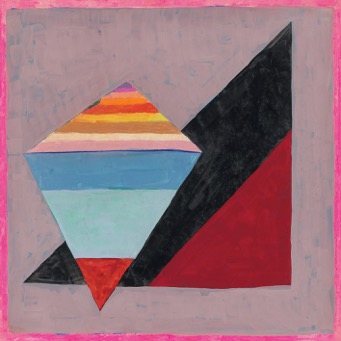
The double-12″ compilation, as well as each individual single, features original work by Los Angeles-based artist Nina Hartmann.
Along with the album’s announcement comes a first-taste in the form of Nigel Casenaan’s 1996 hardware jam “January’s End.” The origin of the track takes place in Toronto: Vergel Evans (a.k.a Nigil Caenaan) came home from seeing Jeff Mills play at the club Industry and felt a wave of inspiration. From there “January’s End” took shape. Initially released on a limited run of vinyl, it soon made it’s way to Detroit record shops where it ended up in the crates of DJs like Carlos Souffront and Frankie Bones.
Lawrence will make his full-length return with Illusion, a nine-track album scheduled for October release via Dial Records.
Illusion follows two albums for Mule Musiq, the last of which landed in 2016. We’re told that it captures the Berlin-based artist, DJ, and label-owner “at home in a suitably deep landscape of sound,” but that “his involving and human approach to electronic music feels more inviting and more necessary than ever.”
The sound of Illusions is inspired by Lawrence’s flurry of underground club gigs overseas including Japan and Mexico. It features acoustic instruments and subtle field recordings, all providing a natural bedfellow to Lawrence’s warm, earthy machine sound. Another influence is the artist’s real-time live project Sky Walking and their shows in intimate venues such as Golden Pudel Club in Hamburg.
Tracklisting
01. Crystel
02. Treasure Box
03. Illusion
04. Yu Yu
05. Flaunting High
06. Transitions
07. Dark Swirl
08. Monreux
09. Creepers
Illusion LP will land on October 5 via Dial Records, with “Treasure Box” streaming in full via the player below.
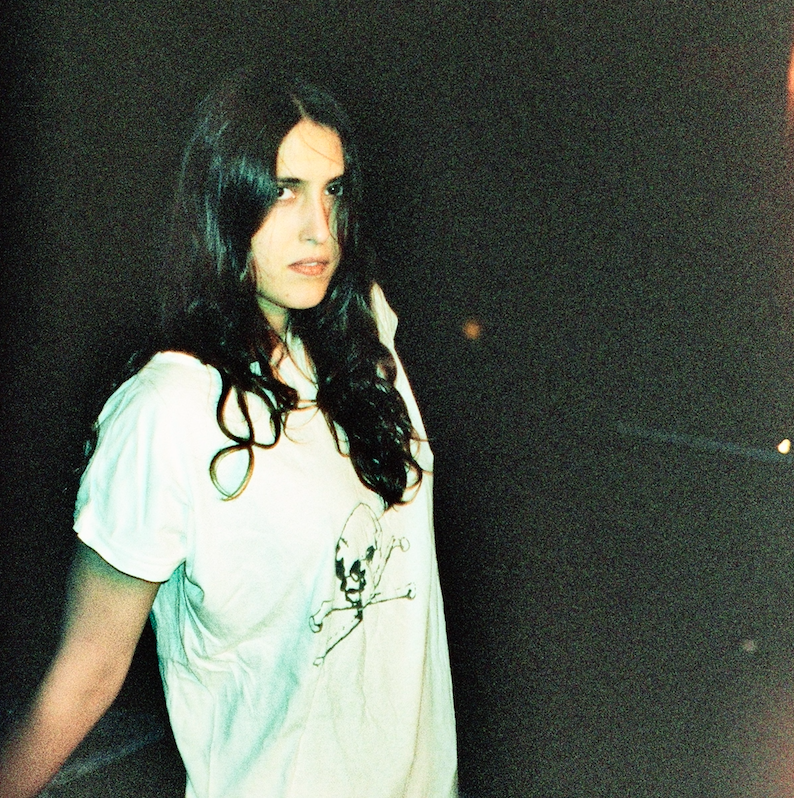
Thembi Soddell is a sound artist and electroacoustic composer whose distinct approach to composition exploits dynamic extremes, creating volatile, evocative sound experiences with a disquieting edge. She creates works for recording, installation, and performance—including several solo CD releases, presentations at Australian Centre for Contemporary Art, San Francisco Museum of Modern Art, and City Gallery Wellington, and two European tours in a duo with cellist Anthea Caddy. Her music resides in a zone of unrelenting darkness and physical effect; working at the nexus of raw emotion, sound design, and musique concrète, she creates sound worlds that are effortlessly dense and abyss-like. Her performances see her explore sonic environments that swallow the audience.
Love Songs, her latest release—out now—is the clearest articulation of her methodologies and a work of extreme dynamics and intensities. “The title Love Songs,” Thembi explains, “is a little dark humour on my behalf,” because the work became a meditation on the lived experience of insidious forms of abuse within supposedly loving relationships. It was published alongside an extensive book, outlining more literal readings of her ideas of sonic effect, contemporary relationships, and the nature of becoming.
In this month’s Real Talk, Soddell explores how she used the ambiguity of acousmatic sound as a vehicle to better understand the ambiguous perceptions inherent in mental illness and insidious forms of abuse in seemingly loving relationships. Zooming out, she also explains how acousmatic sound creates a space to examine who we are and how we shape and relate to the world around us.
In 2014, a friend emailed me the book Why Does He Do That? Inside the Minds of Angry and Controlling Men” by Lundy Bancroft and said: “I think you should read this.” I did and it changed my life. Not a sudden change but a slow one—the kind of change filled with extended passages of confusion, as new information integrated into and transformed my life narrative. My work with acousmatic sound and musique concréte was central to this integration.
I described the process of creating my latest album, Love Songs, as one of meditating on the interaction between so-called mental illness and insidious forms of abuse in seemingly loving relationships. This suggests that nothing is as it seems. The mental illness is so-called, perhaps an illness, perhaps not; the relationship may seem loving, but is this love if there’s abuse? These ambiguities were central to my sonic meditation, just as ambiguity is inherent to acousmatic sound.
By definition, acousmatic sound is the experience of an effect in the absence of its cause; the sound can be heard, but its source cannot be seen. In disconnection from this cause, sound can become ambiguous, slippery, a perceptual experience often not as it seems. As Pierre Schaeffer, the originator of musique concréte, says of acousmatic music: “Everything can become unrecognizable. It is at this level that the bell becomes a voice, the voice a violin, and the violin a seabird.” This reflects how acousmatic music can be a space of perceptual disorientation
XLR8R Couldn't find the embed function for type: "vimeo" and source: "https://vimeo.com/250213995".
Perceptual disorientation is also a common symptom of insidious forms of abuse. A skilled abuser manipulates their victim in such a way that they can be unaware they are a victim at all. The abuser begins with tricks of perception: a comment here or there that makes you doubt your reality; a casual lie amongst truths so you’re uncertain of what to believe (and look crazy in your suspicions); an insult followed by much needed praise, or apology so you start to feel grateful instead of incensed. The abuser’s shape shifts so you can never quite put your finger on what is happening. A bell becomes a voice. A voice a violin. A violin a seabird. Something is happening, you can feel it, although you’re told over and over that it’s not. And by now you doubt your emotions, too. You may feel more miserable than you’d expect given your life circumstances. Or perhaps feel like things aren’t turning out as you’d expected. Or like there’s something wrong with you deep inside. You doubt your perceptions, your livelihood, your ability to be a whole person. You may walk into a doctor’s office and tell them something is off. You’ve been getting non-specific pain, or fatigue, or low moods for no reason that you just can’t shake. They may diagnose you with depression or anxiety (or worse), prescribe medication, and set you on a path to long-term mental health treatment. Therapists, often untrained in recognising this kind of abuse, start to dissect your relationships. They examine everything from the perspective of what you’re doing wrong. In all relationships, the problems are 50/50, they say—selectively ignoring cases of abuse. But maybe more in your case—you’re the sick one after all. All of this is a diversion from the real problem: the abuser.
When I sit in a studio and start to compose, I begin with real-world sounds. I sample them and they transform into something other than their reality. I spend a lot of time just listening, feeling the sound’s effect upon me. I start to connect feelings, shapes, and ideas to these sounds and shape them to reflect that back to me. A single sound can take on multiple meanings (as well as no meaning at all), as can their shape or placement in a composition. My process of composing is one of forming a dialogue between myself and the sound. I meditate on ideas through this process. I come to understand my lived experiences or ideas I’ve been reading with a greater depth and intensity. Sound is the pathway to this understanding.
With Love Songs, this pathway involved drawing connections between sounds and ideas that stemmed from my reading of Lundy Bancroft’s text, which had also extended into months of research into emotional abuse. This book had shaken my perception to the extent that all I’d understood about abuse was now being challenged.
I had known the overt forms—the name-calling, the death threats, the physical intimidation interspersed with kindness and admiration. But Bancroft and other authors such as Patricia Evans, described all different forms of abuse and the myths behind why they were occurring. This led me to question my experiences. I delved into research into covert control strategies and reflected on the mental health system. I considered all the ways in which it, too, can at times undermine a person’s trust in themselves and their own perceptions, compounding the abuse.
These ideas were circling as I composed Love Songs, becoming embedded in the way I made choices about performance techniques, structures, and timing. Yet when I began composing, I had no clear picture of what it was about, just a felt sense of its connection to my lived experiences.
Composing was a process of thinking through sound. I could attach multiple meanings to the sounds and they could hold all the paradoxes, inconsistencies, and contradictions that are inherent to the lived experience of emotional abuse, and broader aspects of mental illness and emotional distress. It was through this that I came to better understand the themes in these texts and their connection to my own lived experiences. I found this a more useful way of processing these ideas than through words alone, which feel limited in their ability to express these multiple realities and the invisibility of the experiences at hand. Sound was a pathway to comprehending their ambiguity.
And when it comes to covert abuse and control, when does a lie turn into an abuse strategy? Or a silence? Or a gushing display of affection? An outward display of anger? A memory lapse? These are all normal human behaviours but can become part of an abuse tactic, too. The nuances are on the edge of visibility, which can enhance the confusion and diminish the ability of a victim to trust themselves or see what’s happening. It also doesn’t help how common they are, how ingrained and accepted they are within politics, the media, and daily interactions. For women, we are told over and over in different ways that our opinions are not valid, our perceptions are wrong, our biology is weak or we are somehow less-than. These are fallacies we are facing every day. It sinks in.
And when it comes to mental illness, where does a “normal” human response end and a mental illness begin? How does a diagnosis of illness affect our relationship to our symptoms? And, in turn, our relationship to ourselves and those around us? Does it help or does it obscure the truth?
I don’t claim to have answers, but in working with these ideas through sound, I have come to understand them on a deeper, more intuitive level. I often recommend that people read these books for themselves, starting with Lundy Bancroft’s Why Does He Do That? and Patricia Evans’ The Verbally Abusive Relationship, to gain a clearer picture of what abuse looks like and what impact it has on its victims, which can look a lot like mental illness. I encourage people to pass it on to their teenagers because it is almost inevitable their daughters or non-binary teens will come across someone who treats them like this at some point, and their ability to spot it could mean the difference between a life of managing the impact of trauma or not. And perhaps those inclined to use these behaviours might think twice once they understand them as tactics of abuse.
One of my reasons for making Love Songs was that I was observing these abusive relationship patterns everywhere and wanted to draw people’s attention to them. I was having a slow realisation that abuses that had felt so personal were not so at all, but just the playing out of dominant social structures between two people. These weren’t personal attacks against me but attacks against my perceived gender, my social position, my disabled mind/body—which had fallen into that position in part due to these attacks.
I thought of all the women I know—and there are a lot—that had experienced abuse within intimate relationships and how they, too, would have felt this isolation and despair—as though there was a problem with their very personhood, that they were mentally ill or that something specific to them was at fault. I wanted to do my small part to negate that.
I chose to do this through sound because sometimes just speaking about these ideas is not enough. Engaging with them through sound has the power to speak on an intuitive or emotional level. While composing, I could read and write sound as a language of emotion. I could attach the ideas I’d extracted from my reading about abuse to sounds and compositional gestures. In doing so, the multiple meanings, inconsistencies, and paradoxes of these concepts could coexist within the sounds, alongside the experience of pure affect with no connection to meaning—all of which is also true of lived experience.
The work itself does not overtly address these themes, however, as I wanted it to be grounded in the experiential ambiguity of emotional abuse. Within this experience, it can be hard to tell what is real or imagined. It is in the spaces, silences, abstraction, and blank pages that this confusion and unsayable nature of this trauma reside, which may connect with the unsayable experiences of others that are different to my own. The sounds don’t just mean one thing, even to me, and the way a listener/reader relates to this work is unique, fluid, and self-reflective.
And that’s the magic of acousmatic sound. Working with sounds from the real-world disconnected from their cause forms a bridge between reality and perception. Without a clear cause for the sound, nor a clear meaning, a listener’s interpretation becomes reflective of their own experiences, memories, philosophies, perceptions, and relationship to sound. This creates a space to examine (if we like) who we are and how we shape and relate to the world around us. This space can allow the mind to expand, to run free, draw connections, or form ideas that may never have been found without it. And it can create new metaphors that are not bound by the language or systems that define us against our will, allowing us to break free and begin defining our own narratives through sound.
Launched earlier this year in May, Broken District is a label birthed to explore the intersection of its founder’s influences, taking in jazz, house, broken beat, funk, soul, and more experimental sounds. The label’s inaugural release, a VA featuring Momla, Marian Tone, Jus Jam, Yepes, Plae Casi, and Jeppe Wolmer, perfectly encapsulated the sound with five world-class tracks.
Now, the label is back with its second release, continuing its VA series and expanding the Broken District sonic signature to deep house, nu-disco, and instrumental hip-hop. With a handful of the artists returning and a set of new recruits, the release will feature Jus Jam, Momla, Duktus, Marian Tone, Sam Irl, and System Olympia, with a set of solo and collaborative tracks setting the mood for summer.
In support of the release, the label has offered up Duktus and Marian Tone‘s funk-filled “Better Chill,” a jazzy, soul-inflicted outing in the vein of true old-school West Coast hip-hop vibes, available via WeTransfer below.
Launched earlier this year in May, Broken District is a label birthed to explore the intersection of its founder’s influences, taking in jazz, house, broken beat, funk, soul, and more experimental sounds. The label’s inaugural release, a VA featuring Momla, Marian Tone, Jus Jam, Yepes, Plae Casi, and Jeppe Wolmer, perfectly encapsulated the sound with five world-class tracks.
Now, the label is back with its second release, continuing its VA series and expanding the Broken District sonic signature to deep house, nu-disco, and instrumental hip-hop. With a handful of the artists returning and a set of new recruits, the release will feature Jus Jam, Momla, Duktus, Marian Tone, Sam Irl, and System Olympia, with a set of solo and collaborative tracks setting the mood for summer.
In support of the release, the label has offered up Duktus and Marian Tone‘s funk-filled “Better Chill,” a jazzy, soul-inflicted outing in the vein of true old-school West Coast hip-hop vibes, available via WeTransfer below.
The latest release on Hypnus will be Primal Code‘s La Via della Seta album.
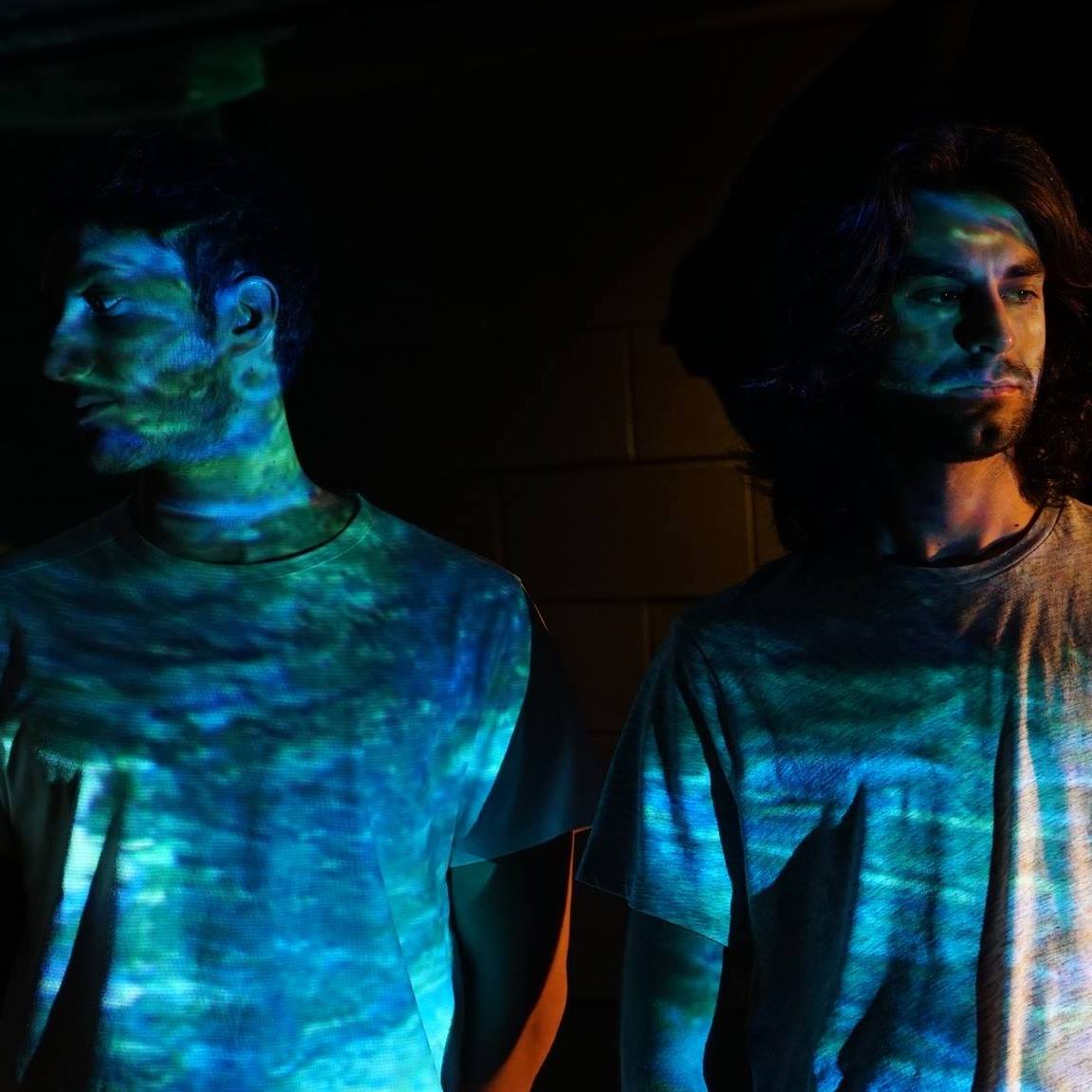
Set to drop on the August full moon (August 26), the album will represent Hypnus’ fifth release of the year, following offerings from BLNDR, Feral, and Skymn. Featuring eight deep and emotive tracks, La Via della Seta finds Primal Code—a Milan duo made up of Davide and Gabrielle—flowing through elegant techno (“White River”), pensive ambient-like dub (“Country of a Thousand Hills”), and atmospheric broken beat (“Magellano”) with understated style and measured cohesion. It’s a deep techno album full of beauty and restraint and one that opens up with every listen.
La Via della Seta will be released on two 180-gram white and transparent marbled 12” vinyl records that will come sheathed inside a full-color printed hansaboard sleeve.
Ahead of the release, you can stream “Country of a Thousand Hills” below.
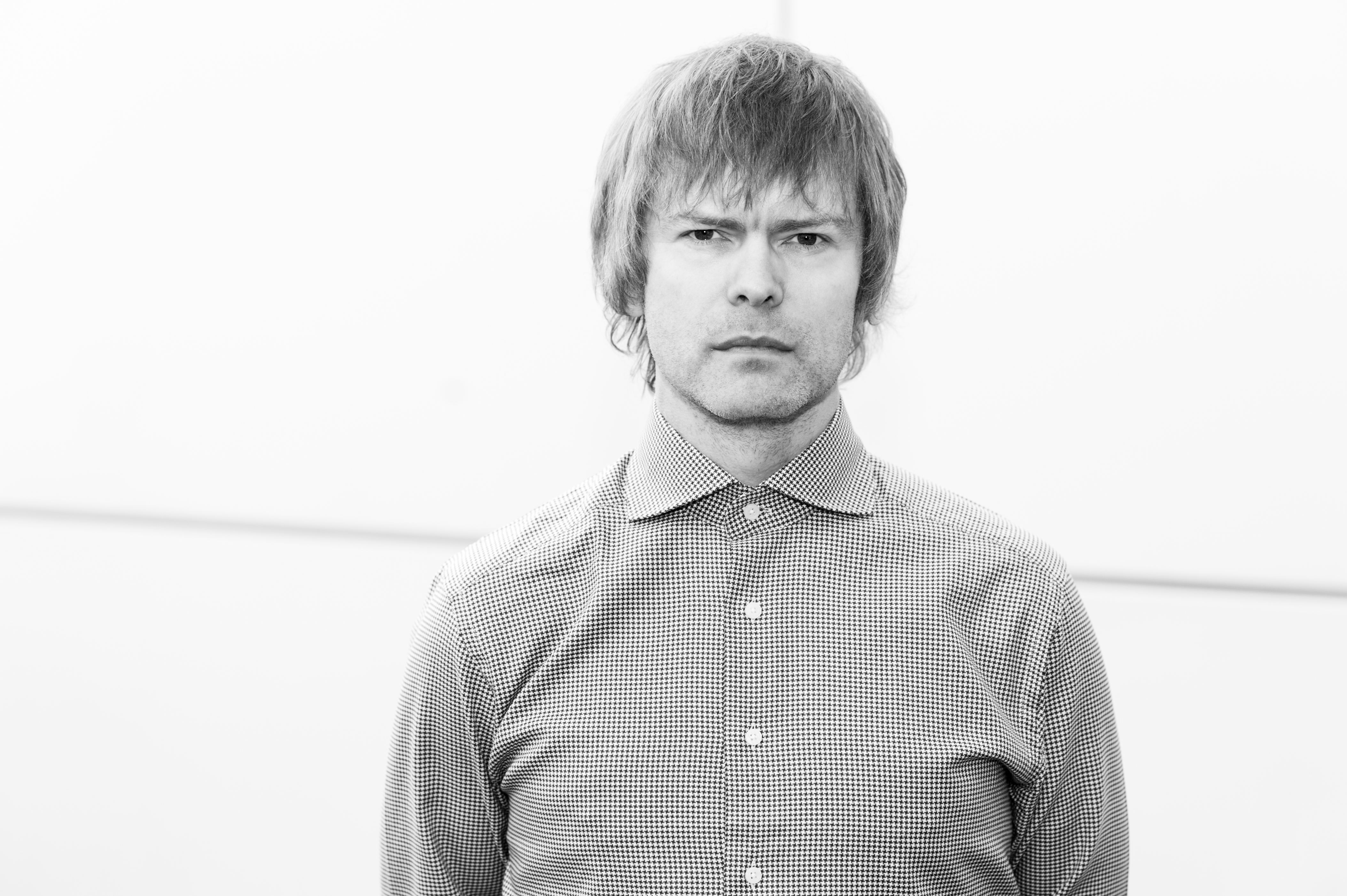
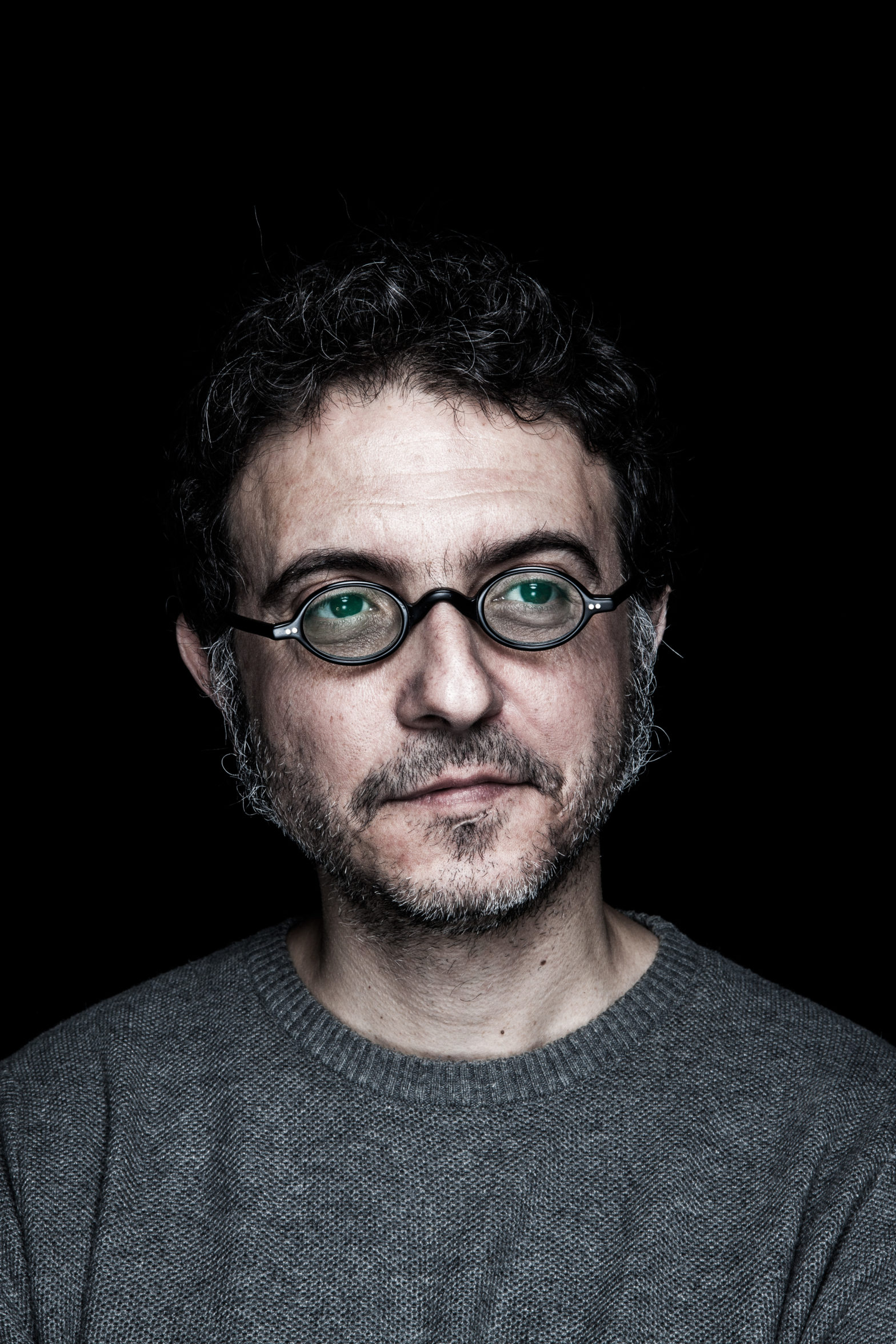
Anthony Child, the artist better known as Surgeon, has answered your questions.
Since the 1990s, Anthony Child has established himself as one of the most consistent and pivotal electronic music producers. His releases have made him not only a key contributor to the legacies of touchstone labels Tresor and Downwards, but also a prized collaborator; his British Murder Boys duo with Regis has capitalized on both producers’ natural intensity to great effect.
Child’s is a tough techno sound with an industrial murk about it but also plenty of funk, swing, and a sophisticated sense of dub-space learned in part from his Chain Reaction contemporaries in Berlin. Outside of techno, Child’s work under his own name has shown him to have a masterful knowledge of the intimate qualities of drone and atmospheric sound. Further evidence of Child’s production skills can be seen on his impressive list of remixes.
Child’s new full-length, Luminosity Device, is his first album under the Surgeon moniker since 2016’s From Farthest Known Objects. It is intended as a deeply personal, bold confrontation of death and loss, and intends to show how immersive creative practices can build the resilience necessary to understand the death process as just another “intermediate state” in a continuum of eternal transition.
As a DJ, Surgeon sets are notable for experimentation with new DJ technologies, embracing cutting-edge hardware, increasingly blurring the line between a DJ set and a live performance.
Read his answers to your questions below.
I first saw you DJ in 1996 or 1997 “warming up” for Andrew Weatherall at the Orbit in Leeds—you know the era. It’s the only time I think I’ve seen a headliner (Andrew) play a slower set than the warm-up man. (Also, I didn’t get the nod that you and Karl were going to close the Orbit with your BMB thing so I missed that, after spending 10 years in that place.) I’ve now got two young boys. One likes trains, the other has got rhythm. For the boy with rhythm, what would be your advice to a youngster today if they wanted to learn the craft of the DJ?
Listen to music. Live music. Love music.
(P.S Karl & I didn’t know that it was going to be the last night of The Orbit at the time. Only the organisers knew that and didn’t tell anyone else).
For the other one, what is your favourite train?
I don’t know a lot about trains. I do remember taking a train back to Birmingham from Euston once on a train called the “Virgin Invader.” I thought that was a bit much!
Much has been said lately of mental illness in electronic music and how much touring can exacerbate it. Have you ever encountered this in your years of touring and how do you combat it on tour or in general?
Touring is physically and mentally a very unhealthy thing for anyone to do, especially for a long period of time. Most of the very grounding natural routines are massively disrupted. Yes, I’ve had to deal with these issues myself and I’ve seen them affect everyone else I’m close to in the music scene. This is especially apparent after 10-15 years for touring.
The most destructive element in this from my own experience and many of my friends is alcohol. Over time, I developed a very unhealthy relationship with alcohol. I used it more and more as a crutch, to stop me feeling, and it took me to a darker and darker place. It’s something that happened gradually and without me realising it. Fortunately, I had a powerful realisation and stopped drinking altogether at the beginning of 2010.
Getting as much rest as possible, eating as healthily as is possible, and doing some exercise are the best ways I’ve found to cope with touring.
On your Rinse FM show, you do “cat shoutouts” from all over the world and I wondered if you have ever been asked to play for any animal-related events?
Yes, I really enjoyed the “cat shoutouts.” It caught many people’s imagination and we all enjoyed playing along with the absurd game. I did actually have people ask me if it was some elaborate code, but it wasn’t.
No, I don’t remember playing at any animal-related events. I don’t think techno would work well for those. My cats don’t like it; it makes them do that thing where they point their ears back.
House of God in Birmingham was one of the standout techno nights in the UK. What have been your highlights there?
The whole thing really. The great friendships with all the people who run it. The love and trust of the audience. There were also some very “Studio 54” moments involving a dwarf performing cunnilingus on their friend on the dancefloor.
What do you think it means for music to be “experimental” in a time when nearly anyone has access to almost any musical tool ever created, can research almost any technique instantly online, and so much wildly varied music is being created daily?
I don’t believe that tools and technique lead to experimental music. They can lead to an imitation of experimental music. For me, experimental music lies in altering the deeper structure and form of music, re-writing those invisible scripts that everyone unconsciously follows.
How do you keep the inspiration flowing in? Or what do you do when you’ve reached a creative “dead end,” where your head is blank and the mind just won’t come up with something? In other words, how do you pull yourself out of a creative blackout?
If I don’t feel inspired by what’s happening in a certain music scene then I’ll take my inspiration from somewhere else. There is so much music out there, from so many different times and places. Inspiration can come for many exciting and unexpected places. You just need to open your mind to it.
In terms of the creative process, change something about the way you work. That usually works for me.
You were on a “DJing hiatus” in favour or playing live with the modular, but has this now come to an end?
I’m still performing various live projects and enjoying those and yes, I’ve also started DJing again. I’m really enjoying that too.
If you could invent a module, what would it do?
A module that would make you go outside.
Your collaborative project The Transcendence Orchestra recorded the album Modern Methods for Ancient Rituals over a 24-hour period in rural England. Was this recording completely improvised? How much do you think the setting in which you recorded the music affected it?
Cat’s Abbey, where we recorded that album, has a large lounge area so we set up all our instruments and microphones to record all the instruments and also the wider ambience in the hall. That way we could capture everything with multitrack recording. Then we’d improvise until we came up with a loose theme that we liked, start recording, and improvise around that theme. On most of the tracks, we’d play back what we’d just recorded over monitor speakers and record another take over the top of that usually using different instruments to the first take. This method gave us about 18 channels to mix down per track we recorded.
I think the very different setting to normal did have a big effect on the music that we created, both on a technical level as that was a very different way of recording, and also on the atmosphere of Cat’s Abbey and the very intensive period of music creation there.
Much of your work—whether collaborative or solo—revolves around a theme or direct inspiration, such as Luminosity Device and the Tibetan Book of the Dead. How do you approach recording a body of work with a direct correlation to another piece of art?
There really isn’t a standard way that works for me and it varies a lot from project to project. It largely comes down to what’s “turning me on” at the time I’m thinking about the project and actually recording it. Sometimes it will be very functional, like: How do I want people to feel when they listen to this music? Other times these ideas develop during the recording process and sometimes they’re fully formed before I’ve started recording anything. A lot of the time I’m playing with the structure of techno. Bending and stretching it. Very often I’m trying to subtly challenge the listeners’ preconceptions, not just about techno or music, but about life, the universe, and everything.
What are your thoughts on the current state of the techno scene? What do you think it needs to move forward or innovate (if anything)?
In a lot of ways, it’s the same as it’s always been, although it does seem to expand and contract depending on fashion and popularity. There are a few people making interesting music and more making good functional music; I really just focus on the music that excites me and don’t give time or energy to music I don’t like. Honestly, I tend not to think of music in terms of genre or when or where it was recorded.
In terms of moving forward or innovating then everyone involved needs to challenge themselves and not become too comfortable and lazy. Always challenge pre-existing structures as well as unwritten rules about how thing should be.
You’ve spoken a lot over the years about changing your studio setup and configurations to keep yourself interested. What is your preferred studio/recording setup at the moment?
It varies a lot from project to project, but for quite some time I’ve really enjoyed creating the source material by jamming with hardware and recording that into the computer. Then arranging, processing, and mixing that in a DAW. I find that gives me a good balance between a live human feel and machine precision.
Helena Hauff has shared two album tracks—namly “Hyper-Intelligent Genetically Enriched Cyborg” and “It Was All Fields Around Here When I Was A Kid”—ahead of the release of Qualm, her sophomore long-player.
The album title has a duality that Hauff enjoys—the German word “Qualm” ( kvalm) translates as fumes or smoke, whilst the English meaning refers to an uneasy feeling of doubt, worry, or fear, especially about one’s own conduct. We’re told that the record is “unapologetically raw” and finds Hauff returning to her original modus operandi—jamming on her machines—“trying to create something powerful without using too many instruments and layers.”
Last Wednesday, 150 hand-numbered white labels by an artist called HH253 found their way to a handful of independent stores and sold out in a matter of minutes. The same day a short film featuring music by HH253 appeared online, prompting unconfirmed rumours that limited copies of the album had been released early.
Tracklisting
01. Barrow Boot Boys
02. Lifestyle Guru
03. Btdr-revisited
04. Entropy Created You And Me
05. Fag Butts In The Fire Bucket
06. Hyper-Intelligent Genetically Enriched Cyborg
07. The Smell Of Suds And Steel
08. Primordial Sludge
09. Qualm
10. No Qualms
11. Panegyric
12. It Was All Fields Around Here When I Was A Kid
Qualm is scheduled for August 3 release via Ninja Tune, with “Hyper-Intelligent Genetically Enriched Cyborg” and “It Was All Fields Around Here When I Was A Kid” streaming in full below.
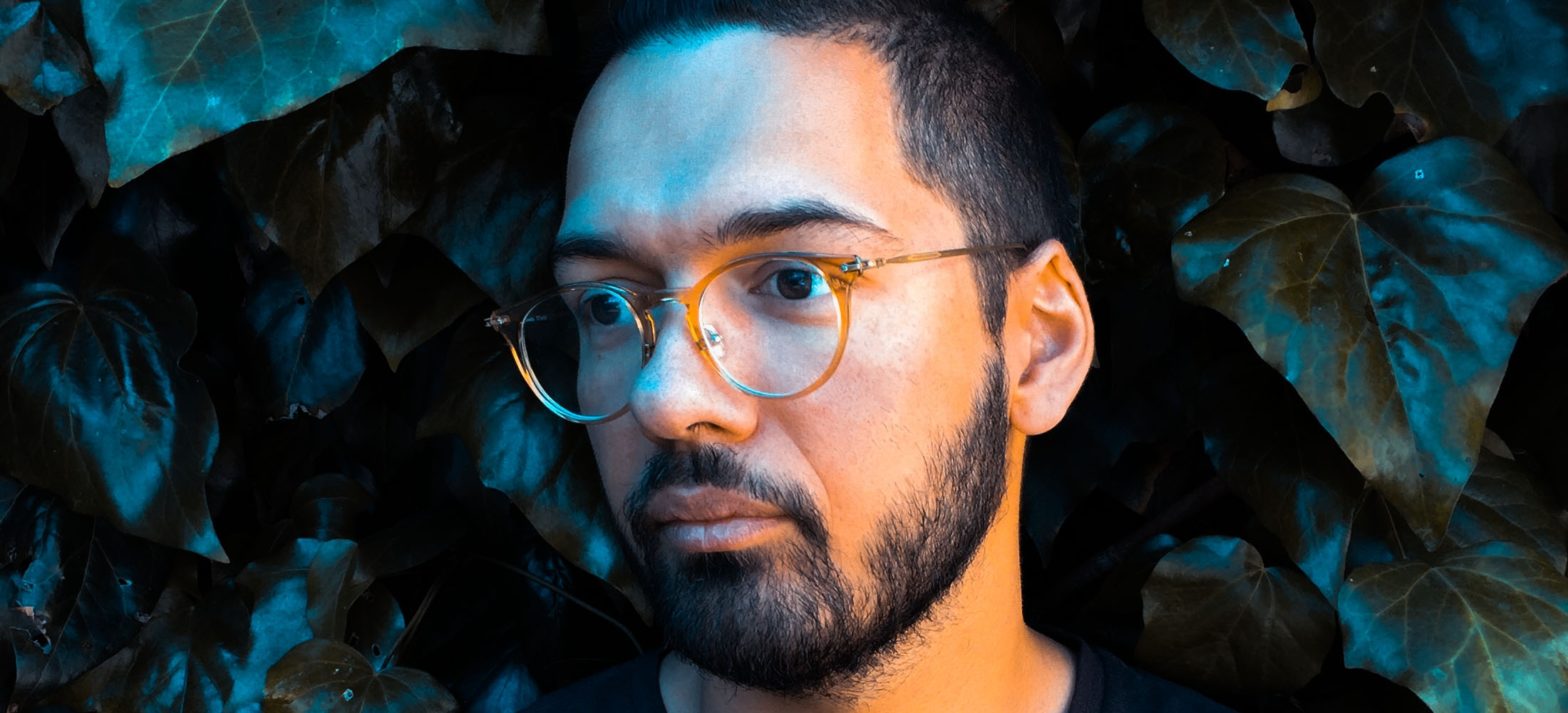
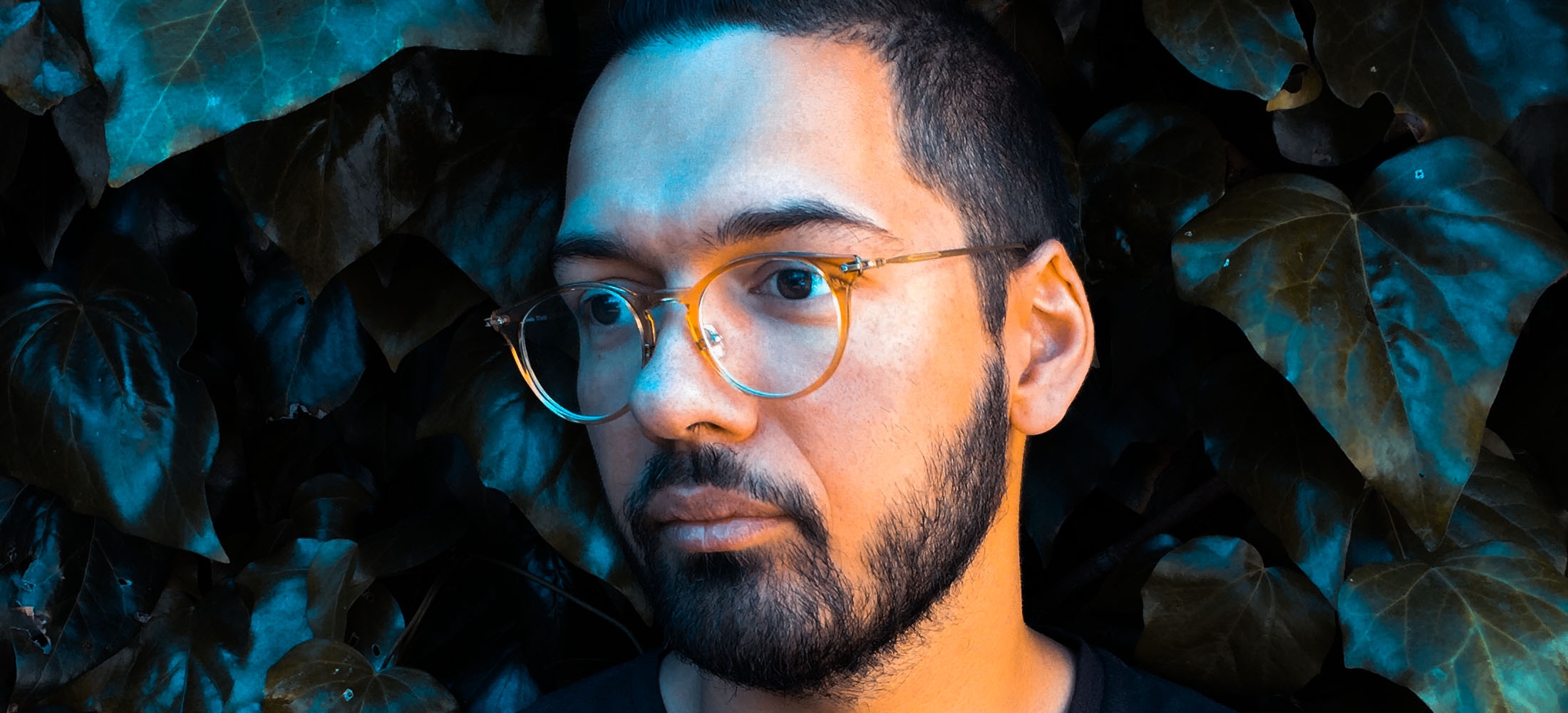
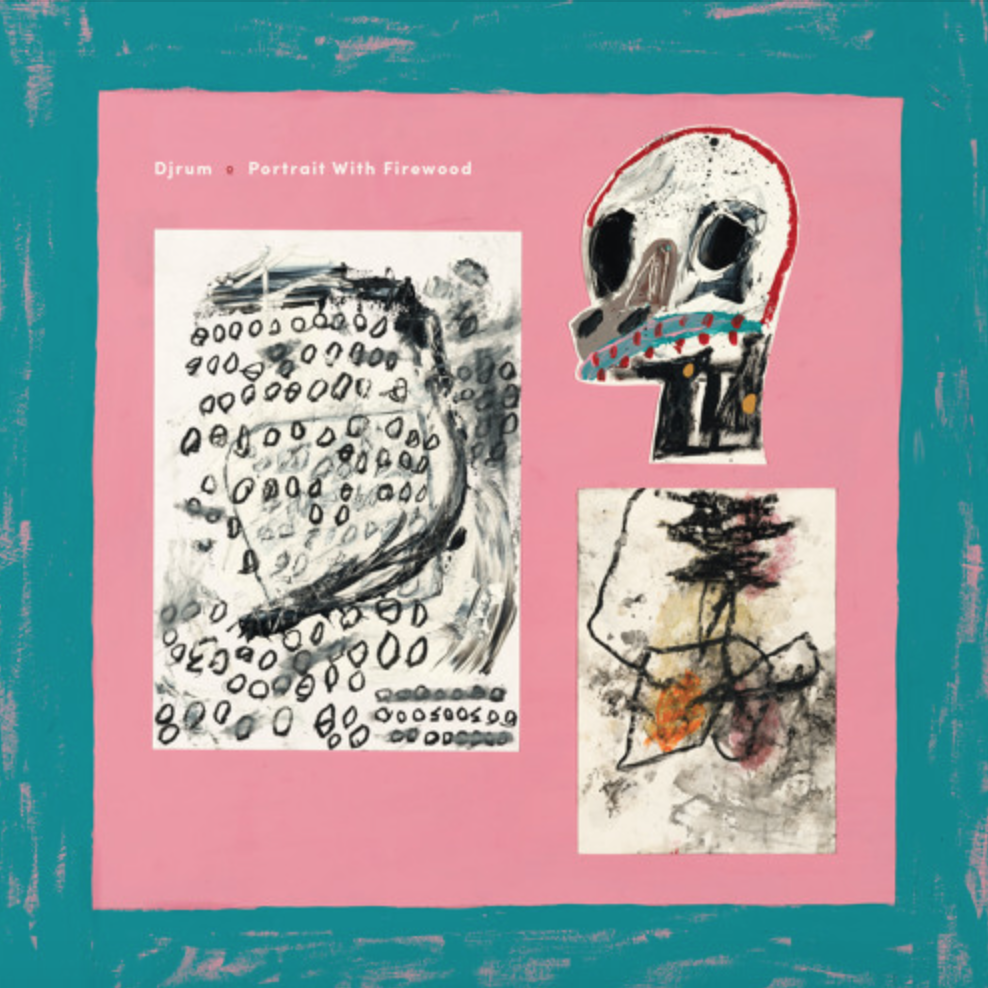
Djrum has shared “Waters Rising,” the second cut shared from his upcoming Portrait With Firewood LP, coming out August 17 on R&S.
The track sees the producer linking up with vocalist Lola Empire for a skittering, whiplash-inducing breakbeat jam. It was originally written around a piano sketch that was sent back and forth between the two artists until it became the fully realized song you hear now.
Djrum explains: “I really hadn’t expected love to be a theme in the album, but I was chatting with Lola and she told me how she’d fallen in love. I sent her the initial sketch for this and told her I didn’t think love was an appropriate subject for it. But she came out with this, “Love is dark,” she said.”
Portrait With Firewood is described ass Djrum’s (a.k.a Felix Manuel) “most personal” body of work to date, the product of an emotionally turbulent 2017, capturing the range of feelings and emotions he went through in vivid sonic beauty. By putting aside his previous approach of sampling, he returned to his childhood instrument of the piano as a core starting point.
“It’s a confessional record… I realize that’s a word mostly used to describe singer/songwriter rather than (largely) instrumental music, but I think it’s apt. There’s a sort of emotional candour.”
Djrum is classically trained in the jazz tradition and influenced by the likes of Keith Jarrett and Alice Coltrane. We’re told that he was previously shy at the prospect of fans hearing his piano playing but, determined to overcome this fear, he has brought forward a new honesty to his work. “Finding the confidence to work with my own piano improvisations was a big part of that. Once I had figured out how I was going to make the music, it actually fell in to place rather quickly.”
Felix’s goal was to create something “overwhelmingly beautiful”, but also to capture the “inherent melancholy in beauty in all its impermanence and fragility”. He took inspiration and solace from performance artist Marina Abramovic. “She [Abramovic] has an incredibly deep understanding of the human condition, and expresses it in such a poetic way. Many of the themes of her work had particular resonance for me over the course of 2017 as I worked on the album. I was moved to tears on several occasions watching her videos or reading about her work.”
Felix’s new approach expanded to experimentation with field recording, contact micing his piano, and purchasing his first hardware synth, all in service of enriching the personal, humane quality of the record.
Tracklisting:
01. Unblocked
02. Waters Rising
03. Creature Pt. 1
04. Creature Pt. 2
05. Sex
06. Blue Violet
07. Sparrows
08. Showreel Pt. 3
09. Blood In My Mouth
Portrait With Firewood LP will land on August 17 via R&S Records, with “Waters Rising” streaming in full via the player below.
Marco Faraone’s UNCAGE label will release Italian artist Mattia Trani‘s latest EP, Collider, on July 30.
Faraone and friend Norman Methner launched UNCAGE in 2015 as a platform for free musical and artistic expression, presenting music from both established and upcoming talents. Collider will be the label’s second release of 2018 and was a result of Marco discovering Trani’s music via a mix he did for Underground Resistance. The four originals on the EP showcase Trani’s Detroit-influenced sound, a raw and unfiltered take on minimalistic techno—as Faraone states, the music is “scratchy and minimal at the same time, it’s very effective.”
Fellow Italian artist Donato Dozzy steps in for remix duties, twisting the EP’s title track into a hypnotic techno bomb complete with his signature winding acid lines and mind-bending rhythms.
Ahead of the July 30 release, you can pre-order Collider here, with Dozzy’s remix streaming in full below.