On April 27, Le Temps Perdu will release Opium Of The People, a showcase of the sounds and artists who have shaped the notorious Vilnius-based Opium Club.
The compilation, which features a mix of post-disco, warped house, and wave-influenced techno, was conceived and compiled by Opium’s head of programming Vidmantas “V” Cepkauskas, who also provides an original cut on the compilation and a remix to a track by local hero Manfredas. Outside of his own work, V has enlisted a collection of tracks from artists close to the club, featuring work by Von Party, Kris Baha, Vilnius natives Siaubas and Pletnev, Dreems, Capablanca, La Mverte, Sharif Laffrey, Russian trio Plungebird x Beard in Dust, Lauer, Autarkic, and Sebastian Voigt and Theus Mago.
Opium Of The People will be released on vinyl and digitally—with the former including a bonus cut by Sharif Laffrey—on April 27. Ahead of that release, you can stream Von Party’s deep and twisted “Pretty Vape Machine” via the player below.
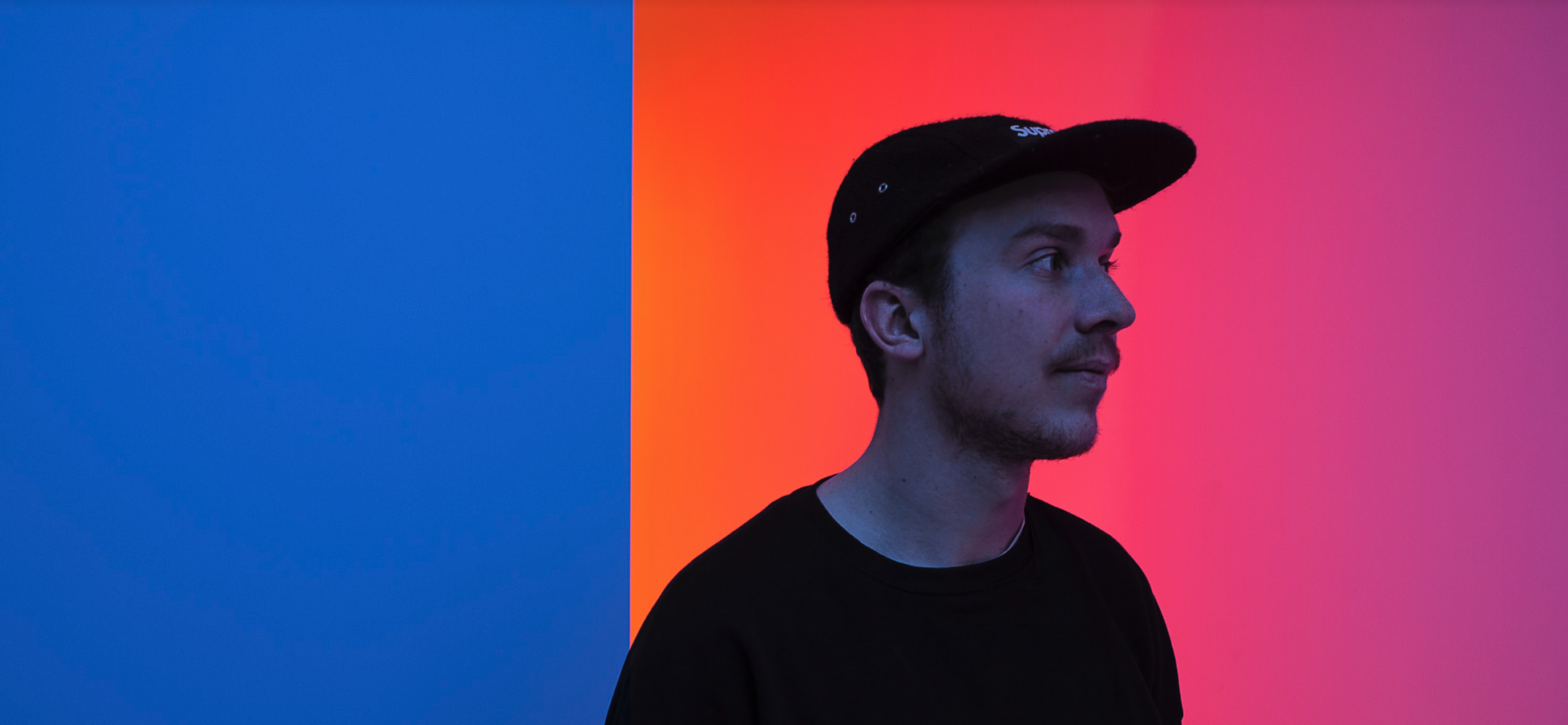
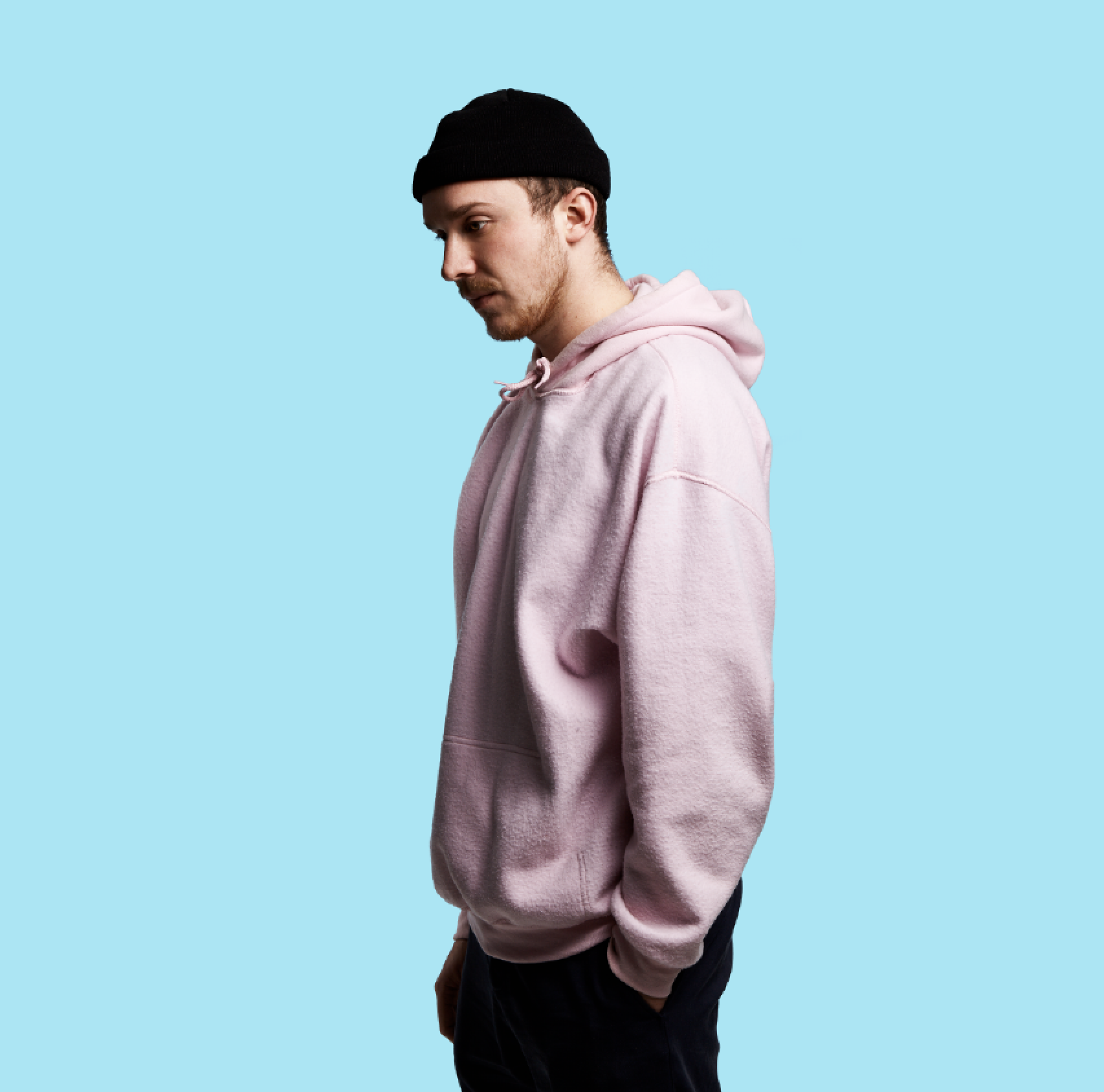
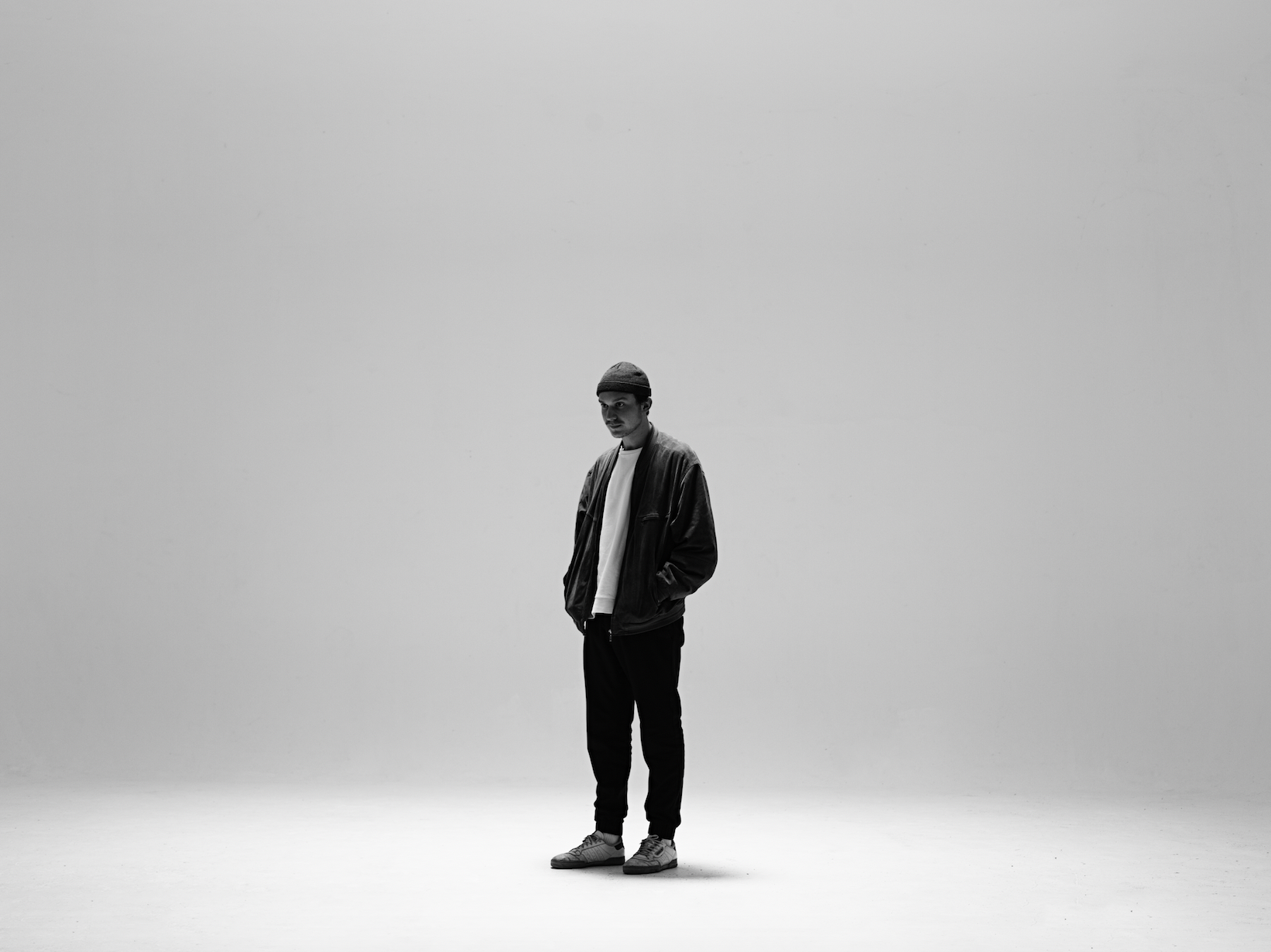
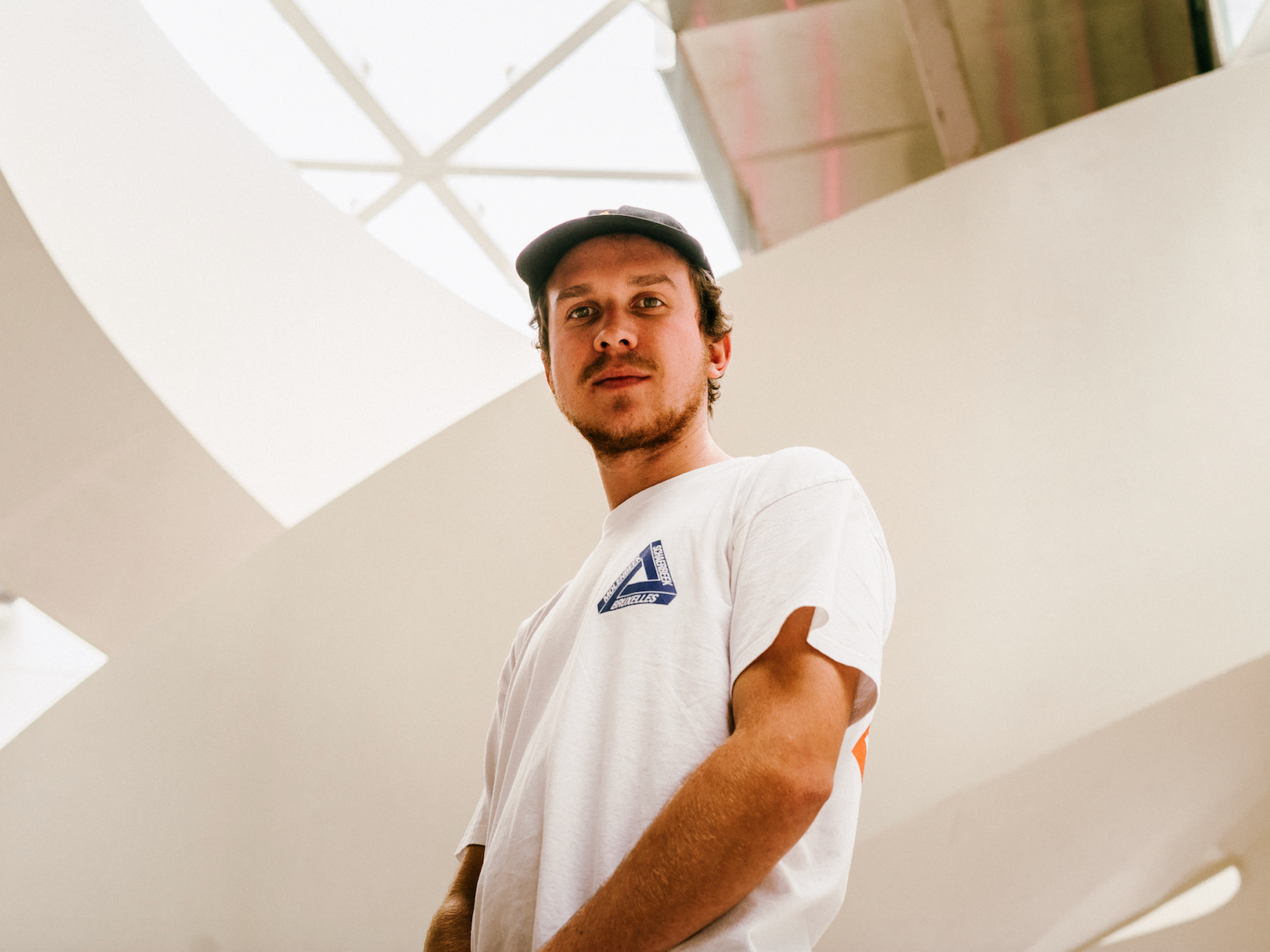
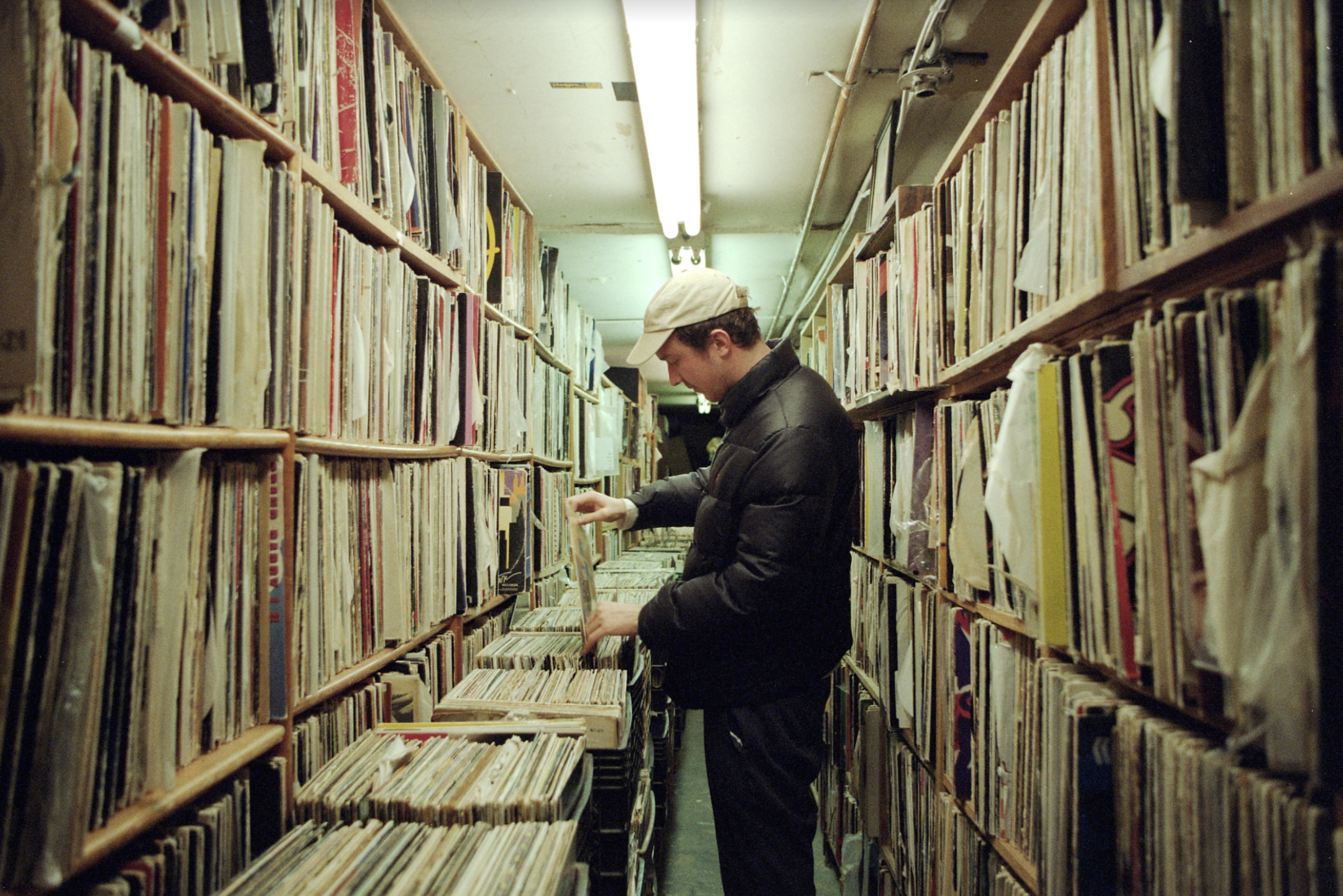
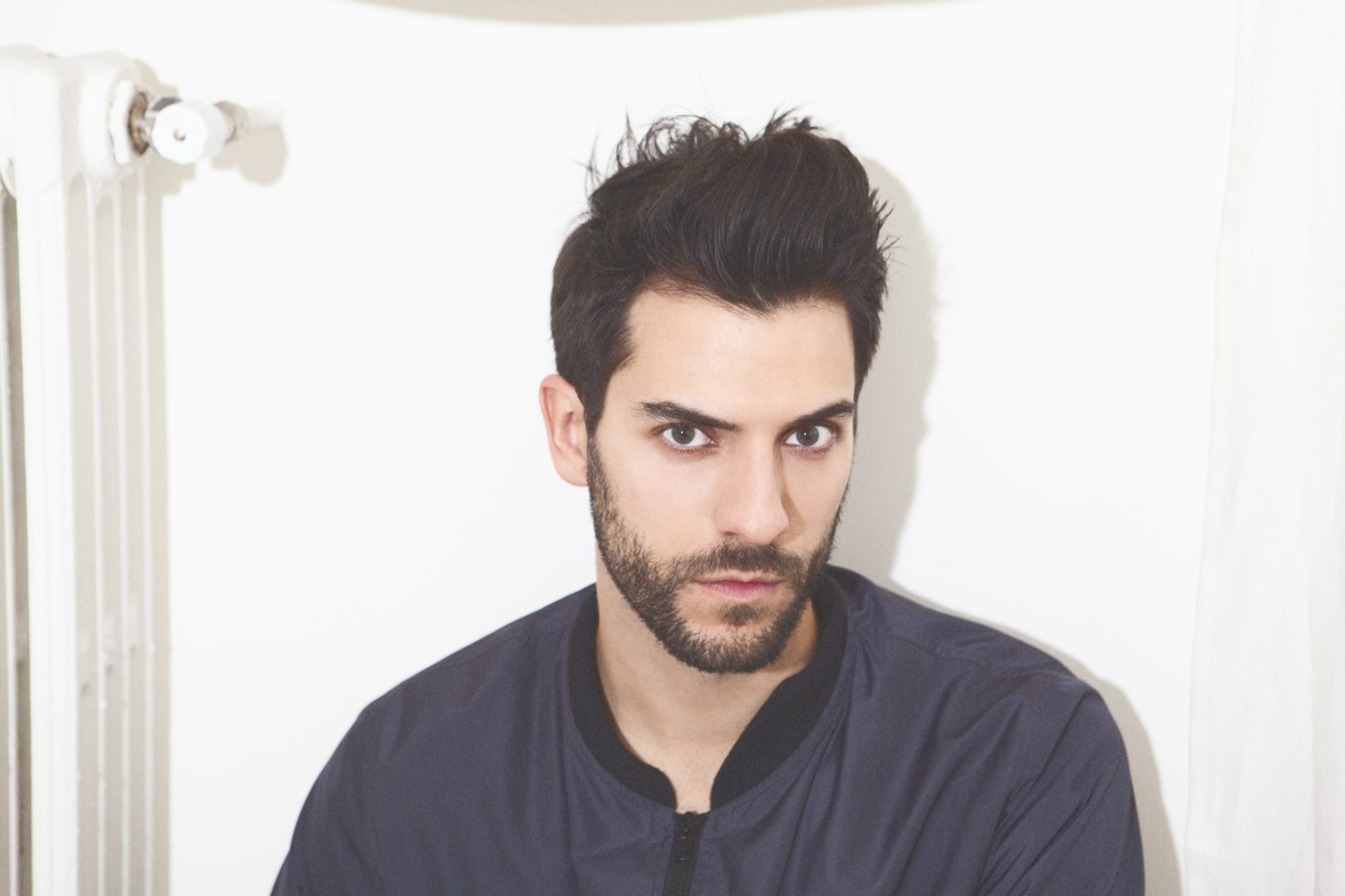
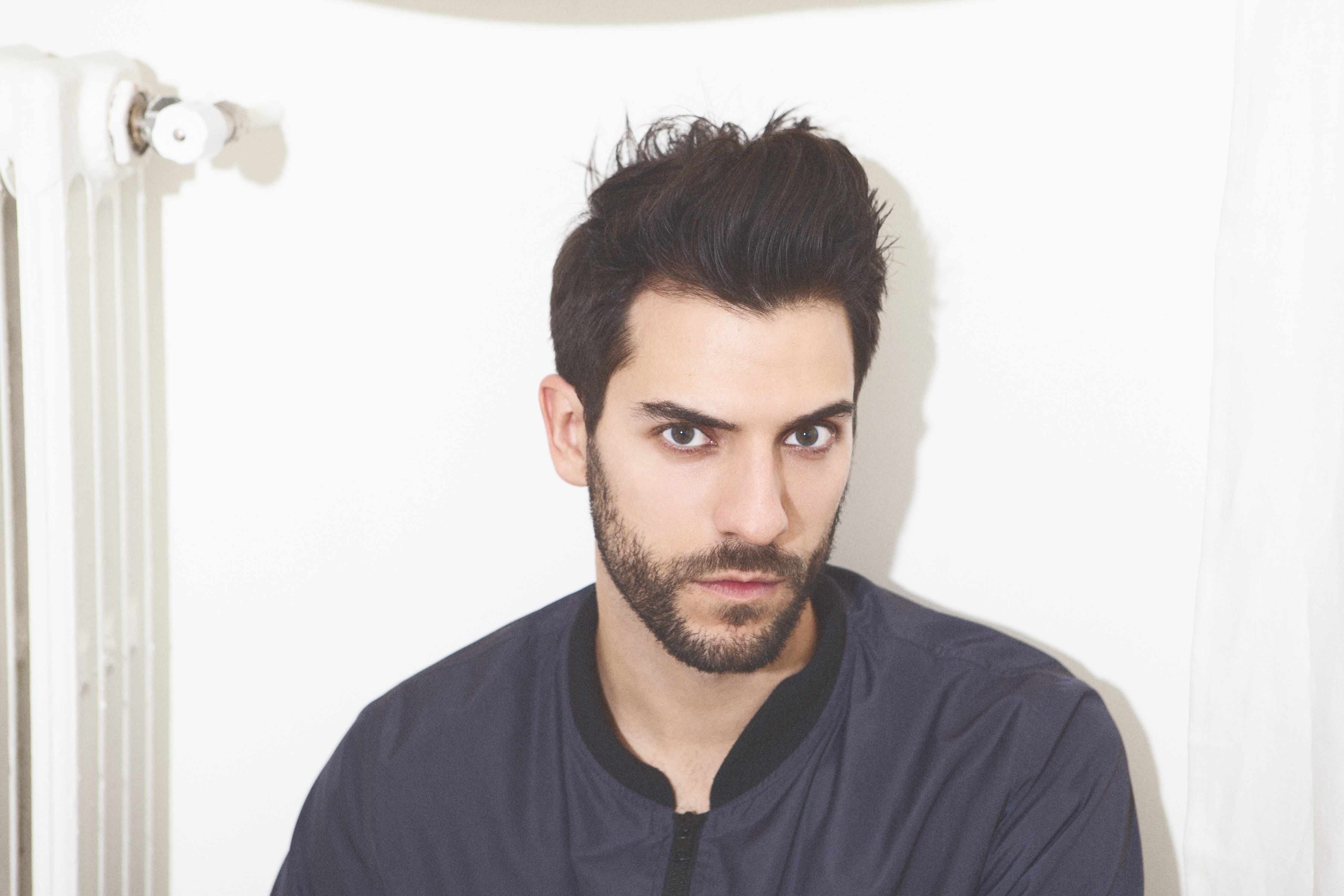
Le Motel is a perfect fit for our Get Familiar series—a talented, original artist, though also a much-undiscovered one. The 27-year-old DJ-producer bases himself in Brussels, Belgium, working as a freelance graphic designer, with music as strictly a side endeavour, albeit one for which he’s becoming increasingly recognised. Sonically speaking, his work reflects a long-standing love affair for ethnic music and sounds of nature, combining these with elements from footwork, hip-hop, jazz, and techno, the result being a beautiful collage of electronic and organic elements. He fits not comfortably into any genre or style; rather, his discography reflects an extreme eclecticism, the roots of which he feels can be traced back to his earlier years growing up in Belgium.
As far as releases go, Le Motel, enigmatic by nature, works both as a solo artist and in collaboration with a range of names, including Roméo Elvis, YellowStraps, Clap! Clap!, and Veence Hanao. Having released on TAR, the Los-Angeles-based label of Paul Preston, he’s gone on to share his work via the New Zealand-based Cosmic Compositions, the home for his wild and wonderful voodoo-inspired album OKA—meaning “listen” in the Bayaka language. The album became the album of the week on BBC Radio 6, hand-picked by Gilles Peterson—drawing him deserved attention. We’re told that there’s more music on the way, both solo and collaboratively, and so XLR8R dialled in the rising producer to learn more about his work.
In support of the interview, the Belgian artist has also offered up “Hiroshi,” an unreleased cut available for download at the bottom of the feature. The track is based on a Hiroshi Yoshimura sample.
Le Motel will be playing at this year’s edition of Listen! Festival, taking place this weekend, from March 29 to April 1, in Brussels, Belgium. More information can be found here.
You first release landed in 2014, but what was your route into electronic music?
Yes, my first release on a label was in 2014 on the-LA based imprint TAR; before that, I was just experimenting in my bedroom and uploading some tracks to SoundCloud now and then. I didn’t think about what I was doing and I still think that’s the more interesting part of creation—when you create without thinking about what you’re are doing; when it’s totally spontaneous.
How did the relationship with TAR come about?
They contacted me on SoundCloud after I uploaded “Pygmy Juke,” a 160bpm track with a Pygmy sample, from the Central African Republic and the Republic of the Congo. Paul Preston, the label owner, is super open-minded. They then asked me to do a three-track EP.
What sort of music were you listening to growing up?
My dad was a huge fan of the Bristol trip-hop scene and bands like Massive Attack and Portishead. He has got a really interesting collection of records. He was always listening to ambient and trip-hop as loud as he was playing rock and jazz. That totally inspired me.
What music did you enjoy listening to most, and how did this influence you, do you think?
I really liked the sound of bass. I remember coming back from school and hearing the glasses rattling in the kitchen because of the bass sometimes. I really enjoyed “Angel” by Massive Attack. I was also fascinated by Boards of Canada because it didn’t sound like anything else, and I was already impressed by the texture of work, and this almost imperfect sound.
Is there a particular record that made you fall in love with electronic music?
Massive Attack’s Mezzanine, and the whole Boards of Canada discography, I think.
Interestingly, you didn’t have any musical training as a kid. Do you think this has contributed to your musical eclecticism?
I wish I would have played the piano when I was younger but I don’t have any musical background. I think that has certainly contributed to how I perceive music. When you don’t know the rules, you focus more on your instinct and sometimes you have nice surprises—but I still do admire real musicians a lot.
Give that you had no music training, how did you begin making electronic music? How did you learn?
I just learned on the internet, watching videos or meeting people making music and talking with friends.
You’re born and raised in Brussels, Belgium. What’s the music scene like there, generally speaking?
It’s a small country but music and art, in general, are really big parts. We have a lot of beautiful mixes between genres of music and people which I love. At the moment, the hip-hop scene from Brussels is really booming, especially in France. There’s a really good energy.
Which Belgian producers are you impressed by? Can you name some?
Sky H1, Ssaliva, Kassett, Hiele, LTGL, Shungu, Title—but there are many more.
Were you heavily involved in this scene during your teenage years?
I was more focused on graphic design when I studied in Brussels. I only really started focusing on music after my studies.
What was it that inspired this love for music? How did this develop?
I was listening to music a lot and, when you do that I think sometimes that gives you ideas that you want to try out. I also became inspired by the environment and the sounds I was hearing. This is also why I use a microphone to do field recordings: I love the sounds of nature and the city in general, and I wanted to integrate those in my music. I remember listening to a band called Dictaphone when I was 16. They use a lot of field recordings and they mix it with electronic and acoustic sounds. It was really powerful and I wanted to try this with my environment and my music. I think that really inspired me.
When did you begin experimenting with music production—and what did your early experiments sound like?
I played a bit of guitar and afterwards, I started to experiment with electronic music with an old synthesiser that my sister gave me with a microphone. I discovered a passion for telling a story through music, adding layers with tons of instruments, even when I wasn’t able to play them properly.
Can you remember the first track you completed? What did it sound like?
I don’t remember the title but it was pretty experimental. I used a really cheap synth, a drum machine, a guitar, and a €9 microphone you buy for skype or video games. I think it was inspired by Boards of Canada because I had this tape recorder and I was trying to do that weird pitch sound and texture.
What were you using the microphone for—vocals, I assume?
I was trying to do melodies with vocals but I used vocals like a synth and I was recording percussion.
Where does the name Le Motel stem from? What’s the story behind it?
I love how you can picture this word. You can also pronounce it in any language, and I think the motel idea is pretty coherent with my different collaborations. I have my solo project but I also work with other artists as Le Motel, for example, Roméo Elvis x Le Motel, Veence Hanao x Le Motel, and YellowStraps x Le Motel. I see a motel like a mysterious place when they are a lot of meetings, exchanges, and when you give the keys back you go back to your life. I kinda like this idea—the relationship with the nightime with is a really inspiring, too.
When did you first use the name Le Motel—for the first release?
Even before, when I was 15, I was doing guitar music with a friend and we found this name for our “band.” After that, this friend stopped making music and I just decided to keep this name.
What is it that draws you to ethnic music, and how did you come about blending it with electronics? Do you feel there’s a greater connection?
I am fascinated by voodoo culture and ethnic music in general. I use collected samples from all around the world and try to mix them with footwork, jazz, and techno influences. I think voodoo rituals are very related to both my music and the way we deal with music in clubs and festivals. For example, footwork dance battles in Chicago might look messy, but everyone knows which boundaries not to cross. And I have always been struck by the ritual aspect of club nights and festivals where we all meet in a room to express ourselves, where the DJ is like the master of ceremonies.
Where does this fascination originate from, do you think?
I just love to discover other cultures in general. You can do this by travelling or reading books, but also by listening to music.
Are travel and reading two of your other loves?
I love books, but it’s hard for me to take/find the time to read. Travelling is a huge passion. I did a nine-month trip a few years ago, through Canada, US, Mexico, Central America, and Argentina. This is really important to me. I really wish to be able to go back to South America and I really want to go to Africa and Haiti to meet people there and to combine music with humanitarian projects.
What’s your favourite stuff to read?
I collect books about ceremonies and different cultures. “Kanaval” by Leah Gordon or “Voodoo” by Gael Turine. They are amazing photography books that mean a lot to me.
Where do you draw these samples from, and how do you find them?
Most of them are coming from ceremonies: voodoo ceremonies, but also weddings, lullabies or hunting songs. I find them on vinyl, CDs, royalty-free collections. I get them from everywhere.
Where did the sample for “Toboggan” come from?
It was recorded by the ethnomusicologist Hugh Tracey. He started making field recordings during the ’20s, especially in central Africa. This particular one is from Zimbabwe.
How did you find it?
In a Mediatheque a long time ago. They are really old recordings but the quality is amazing.
Your music combines elements of footwork, hip-hop, jazz, techno, and more. Are these all musical styles that you have a particular affinity to?
I love those genres, but I also listen to a lot of other music. I don’t really think about the genre of music I wanna make when I produce, and the artists I really appreciate are always merging genres. I like it when you can’t put a “label” on a sound. It’s much more interesting that way.
As an artist, do you think this hinders your growth because promoters cannot put you into a box?
That can be negative because you can lose some people, but most of the time I think it’s positive to mix music and people. Most of the people I meet at gigs are open minded and like the fact that I switch from one style to another.
What other genres, in particular, are of interest to you?
Music, in general. Waystation Compilation Sequence I is a good example of diversity. I don’t know which genre it is but it’s super dope.
You continue to work as a graphic designer in Brussels. How do you combine this with your music?
I’ve always been fascinated by the link between music and visuals. I like to do my artworks, for example, but I also like to collaborate with other visual artists. I also co-organise a digital art festival in Brussels called Les Garages Numériques where I meet a lot of artists in different domains. I’m really curious about mapping, installation, interactivity, etc.
Are their similarities in the creative processes behind your music and design?
When I work for myself or for an open-minded client as a graphic designer, I do exactly the same as in my music but with visuals: I love to use old techniques with dust, grain, soul, and mix it with something digital or new technologies like processing, glitch,…. It’s the same approach as sampling a record from a ceremony from the ’50s and adding some 808s or experimental synths.
Do you find it important to have a more regular job, away from music?
My goal was to keep the graphic design as a job and music as a passion. I thought it was really important because I want to stay totally free in my music and I don’t want to change it to be sure that people get it or like it. It’s easier for me to do that as a graphic designer cause I studied for this and I decided it was my job. Now it’s changing. I’m touring a lot with Roméo Elvis and on my own, so it’s hard to find the time to work on graphic design projects when you are touring so the balance is changing a bit.
Do you envisage that your music will become full-time soon?
I’ll always keep space for graphic design in my life because it’s important to me and it’s related to music, but music is becoming almost full time, yes.
Speaking generally, what’s your recording setup?
My studio is really simple, it’s in my flat in Brussels. I don’t need a lot of machines to produce. I think it’s easier to be creative when you only have few things, you know. I always start with a simple drum groove so I have the metronome sound. Then I look for melodies and textures. Afterwards, I rework the drum. Percussion is really a central aspect of my music. I also like to go out of the studio and to do some field recording. It’s important to keep a link with your environment and it’s a good way for me to do so.
How many of the sounds are sampled, and how much is produced?
It really depends on the tracks, but sometimes the sample is just a djembe groove from a ceremony, for example, but you’ll not even hear it at the end of the track. Sometimes, the sample comes in at the end of the track when I add some voices, for example. The question is interesting but actually, I love it when you don’t really know whether it’s an old sample or a new synth because the textures really match.
How often are you DJing and playing live nowadays?
I’m playing two or three times per week: DJ, live, or live with Romeo Elvis.
How do you find this compares to production?
It’s super important for me cause it’s the moment you really share your music with other people. Also, when you play live or even as a DJ you can really recreate your music and tell a different story.
You released Oka in 2015, but can we expect more material soon?
I’ve got a lot of tracks I’m finishing at the moment. I don’t have any releases planned with labels but you can expect a few releases soon. I’m also working on new audiovisual live with the visual artist Antoine De Schuyter and I’m really excited about this new project.
Back in November 2015, Minneapolis duo Bones & Beeker—comprised of singer-songwriter Anthony Newes and producer/multi-instrumentalist BK-One—slipped out their self-titled debut album on Wax Poetics. The album presented a gorgeous collection of tracks that fused a hip-hop production aesthetic with Newes’ soulful vocals.
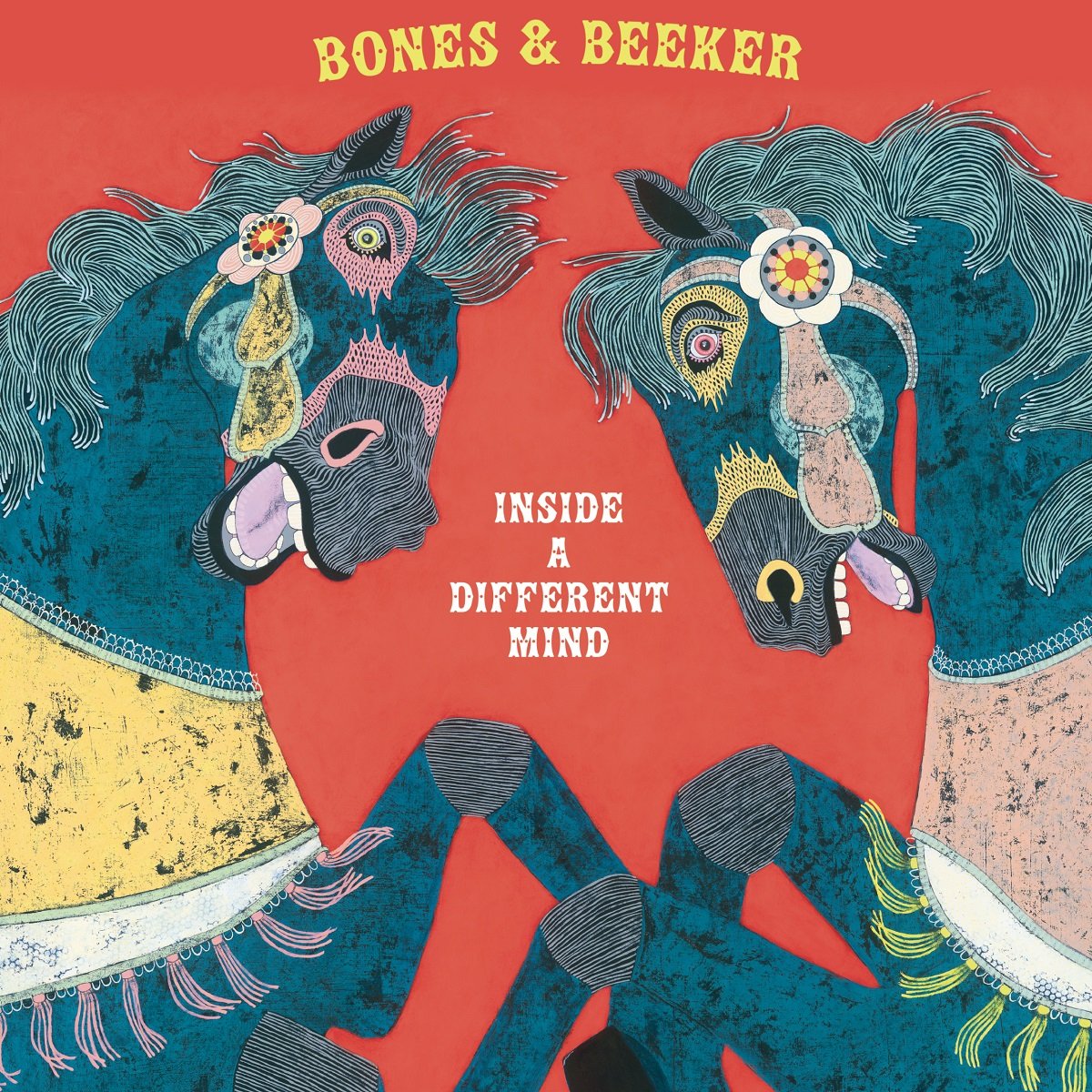
Now, the album returns in the form of Inside A Different Mind, a hip-hop EP crafted out of source material from the album. The new EP will feature cuts and guest features from Cut Chemist, Open Mike Eagle, P.O.S., Zuluzuluu, Superblack, and Brother Ali.
In support of the release, Wax Poetics has offered up Cut Chemist’s remix of “World Behind” as one of today’s XLR8R downloads. For his rework, Cut Chemist refits the quirky original with big, swinging drums and expertly cut vocals.
You can grab Cut Chemist’s remix via WeTransfer below, with the EP available for pre-order here.
Back in November 2015, Minneapolis duo Bones & Beeker—comprised of singer-songwriter Anthony Newes and producer/multi-instrumentalist BK-One—slipped out their self-titled debut album on Wax Poetics. The album presented a gorgeous collection of tracks that fused a hip-hop production aesthetic with Newes’ soulful vocals.
Now, the album returns in the form of Inside A Different Mind, a hip-hop EP crafted out of source material from the album. The new EP will feature cuts and guest features from Cut Chemist, Open Mike Eagle, P.O.S., Zuluzuluu, Superblack, and Brother Ali.
In support of the release, Wax Poetics has offered up Cut Chemist’s remix of “World Behind” as one of today’s XLR8R downloads. For his rework, Cut Chemist refits the quirky original with big, swinging drums and expertly cut vocals.
You can grab Cut Chemist’s remix via WeTransfer below, with the EP available for pre-order here.
Bambounou is set to release an EP on Don’t DJ’s DISK imprint on May 25.
Bambounou has been a key figure in the Parisian scene for many years and has gained popularity for his numerous releases on 50Weapons as well as his genre-bending sets. After spending the past couple of years in the studio, he’s now set to return with a three-track EP, Parametr Perkusja.
We’re told that the EP “melds rhythmic instability with Bambounou’s tribal touch,” coming from “a more spiritual side” of the Parisian DJ and producer.
Tracklisting
A1. Dernier Metro A2. Kosovo Hardcore B. VVVVV
Parametr Perkusja will be out on May 25 on black 12” vinyl wrapped in artwork by Lotte Meret Effinger. Meanwhile, you can stream “VVVVV” in full via the player below.
German artist Ruede Hagelstein has shared an exclusive mix ahead of a string of US tour dates, taking in Massachusetts, North Carolina, Miami, New York, and Nevada from April 4 to May 4.
The mix finds Hagelstein in a deep and introspective mood, crafting a patient and balanced set that subtly flows through cuts from Prince Of Denmark, 9beats, Rebar, Sebastian Mullaert, Shlømo & AWB, and, of course, a few outings of his own. As you’ll read below, the mix also preempts a big year for Hagelstein, with releases on the way on Watergate and Bedrock, and a string of new remixes.
You can download and stream the mix below, along with info on his tour dates.
When and where was the mix recorded?
February 2018 at Watergate Club in Berlin, Germany.
What equipment did you the mix on?
3x CDJ-2000 Nexus, 1x Allen & Heath Xone:92, and a Marantz audio recorder.
Was there a particular idea you were looking to convey?
The mix starts off super quiet as I am building the sound up from a very deep corner of my soul. This is where I like to hang these days… a reflection of what techno is giving back to me. It’s kind of a meditation. It’s not a typical DJ Set, I would say.
How was 2017 for you?
Turbulent. A lot of touring… actually too many things going on at the same time, but I found time to recover and reorganize a few things in my life. I lost bad habits, got back in shape, and feel well prepared for whatever the future has to bring.
What do you have coming up this year?
I have an EP for Watergate Records which will be released soon, I recently signed a track “Chromapark” to Bedrock Records, which will also be released very soon. I have several new remixes in the pipeline, including one I just confirmed for Mr. C. I’ve been growing my label DUAT here in Berlin, working on material for my new moniker “R100,” as well as a month-long tour throughout the US during the whole of April. I feel more inspired than ever by the music and culture which we all love and am very excited for whatever the future may bring.
Tour dates:
April 4 – Phoenix Landing, Boston, MA April 6 – Oddysey at Bassment, Charlotte, NC April 7 – Do Not Sit On The Furniture, Miami, FL April 14 – City Fox at Avant Gardner, New York, NY April 20 – Kinda Super Disco, Houston, TX April 21 – Public Works, San Francisco, CA April 27 – Decibel at Timbre Room (Kremwerk), Seattle, WA April 28 – BeforeAfter at Le Jardin, Los Angeles, CA May 4 – State of Mind (MNTRA/SoulState) Festival, Las Vegas, NV
Tracklisting:
01 Aileen Phoenix “Postcards” (Ruede’s Tears On The Drums Rough Mix) 02 R100 “Pet” 03 9beats “Nuclear Fusion” 04 Prince Of Denmark “Pulsierendes Leben” 05 Shlømo & AWB “Blind” 06 Rebar “Prohlis” 07 Mathame “Opal Cithiee” 08 Nuiton “Carpal Tunnel” 09 Erofeev “Abdumanob” 10 Between Ourselves “Red Mist” (Ruede’s Club Rough Remix Artefact) 11 Sebastian Mullaert “You’re An Orchestra In The Cosmos” 12 Radio Slave “The Clone Wars” (Markus Suckut Remix)
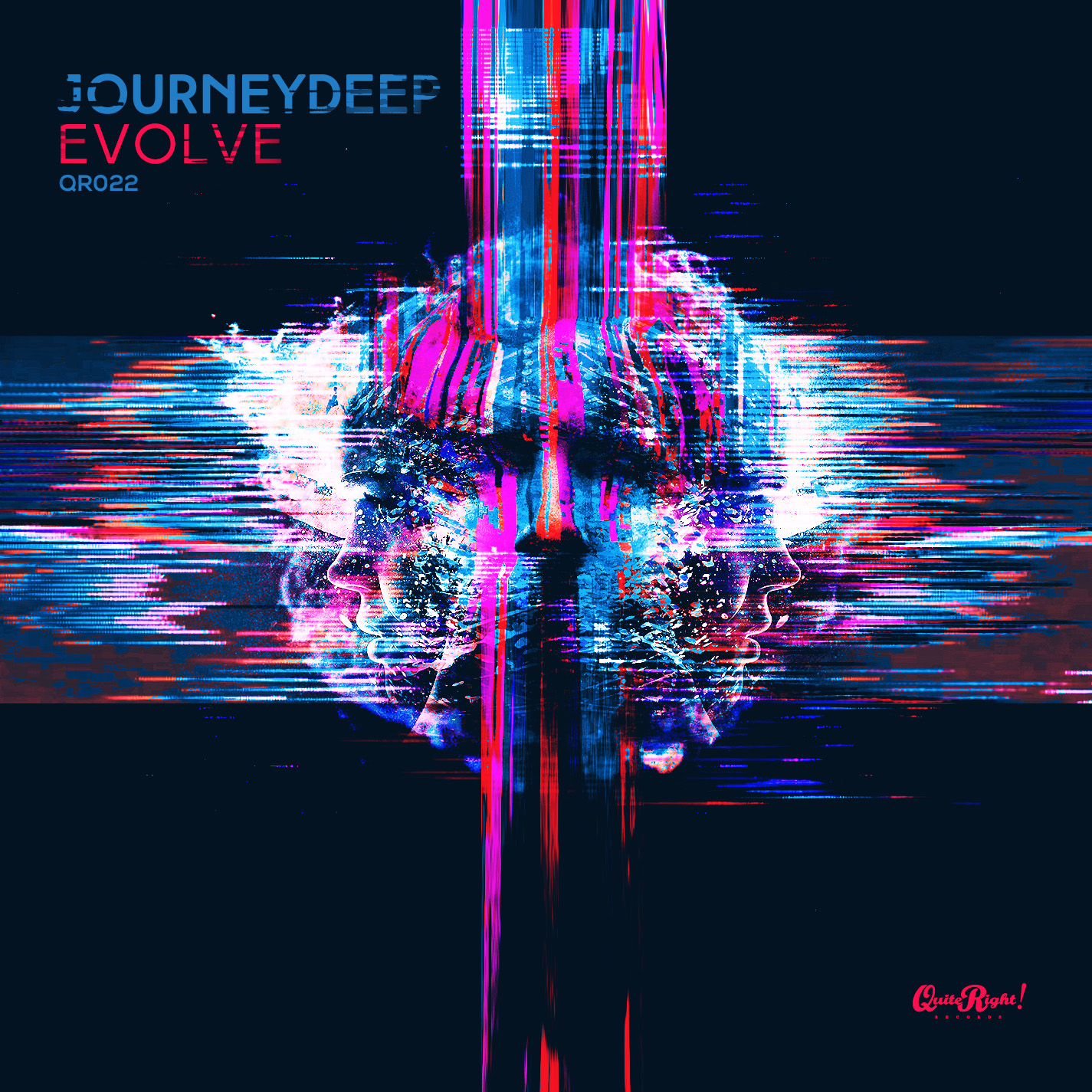
Earlier this month, DJ, producer, and label head Josh Powelson (a.k.a. JourneyDeep) released his latest single, “Evolve,” via Denver imprint Quite Right Records.
The slow-burning techno cut gives subtle nods to Powelson’s electronic influences, with synth work reminiscent of his work in progressive house and drum programming in line with his roots in breaks, resulting in a twisted techno cut aimed at peak hour DJ sets and sweaty dancefloors.
In support of the release, Powelson has graciously offered up the cut as one of today’s XLR8R downloads, available via WeTransfer below.
You can find more of Powellson’s work as JourneyDeep here.
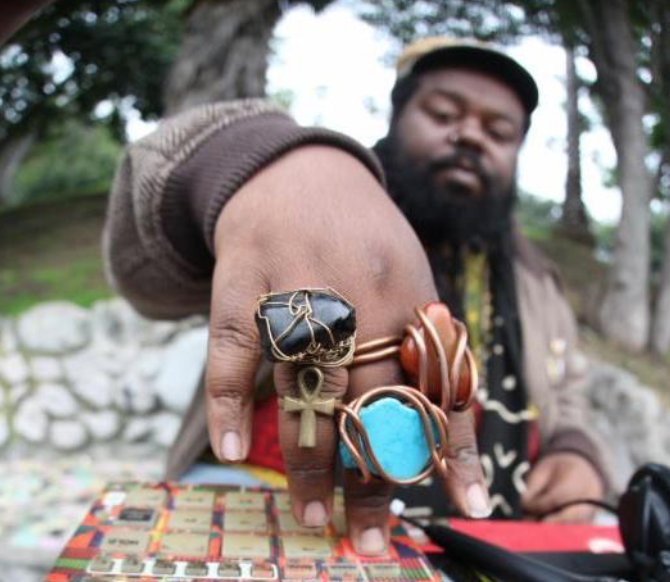
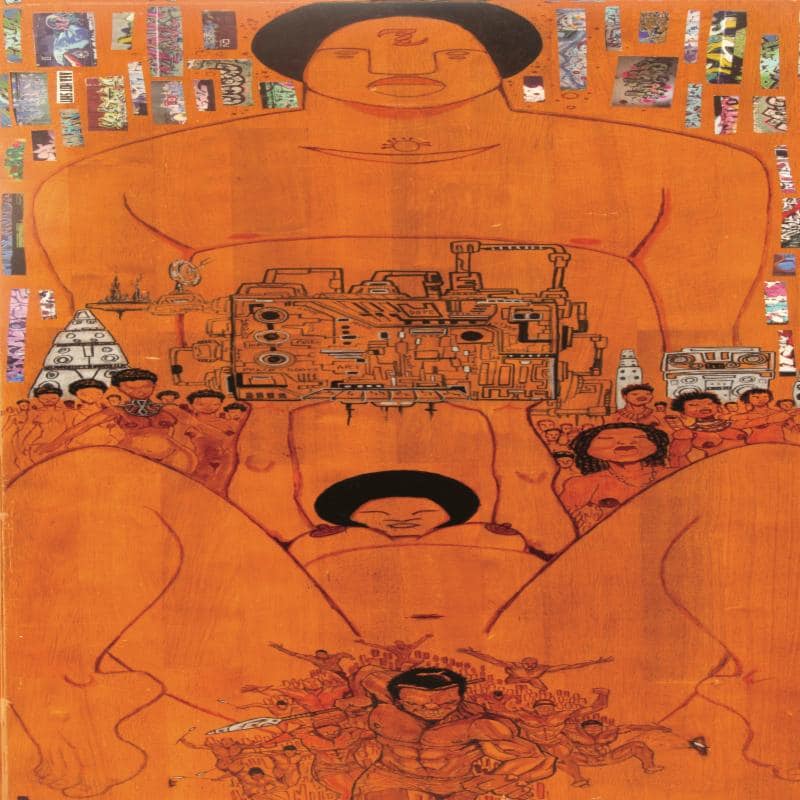
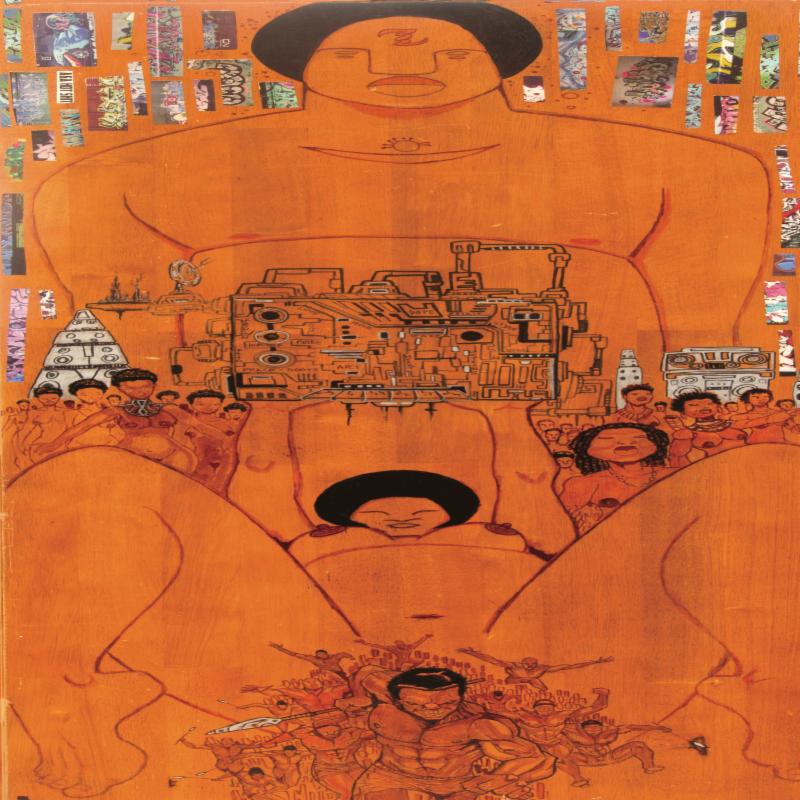
Ras G & The Afrikan Space Program will release a new album on Leaving Records, titled Stargate Music.
Ras G, real name Gregory Shorter, Jr., is an instrumental hip-hop producer and DJ from Los Angeles, active since the early 2000’s—know for his Raw Fruit beat tape series, and releases with Brainfeeder, Leaving Records, and many others.
“From The Primordial Water Formation we flow thru The Stargate….and one’s great journey reconnecting and returning to the sweet nectar that is The Stargate….and this is the soundtrack to the journey.” — Ras G
Tracklisting:
01. Primordial Water Formations 1 02. Water Broken (The Opening Of The Stargate) 03. The Arrival 03:02 04. Quest to Find Anu Stargate 05. Intimate Reconnections 1st Invite (Ankh) 06. The Nector of Stargate (taste) 07. Is it Lust or Love 08. Infinite possibilities 09. Heaven is between her legs…(Initiate the return) 10. The Great Return (racing seed) / Primordial Water Formations 2
Stargate Music LP will land on April 20, with “The Arrival” streaming in full below.
Ras G & The Afrikan Space Program will release a new album on Leaving Records, titled Stargate Music.
Ras G, real name Gregory Shorter, Jr., is an instrumental hip-hop producer and DJ from Los Angeles, active since the early 2000’s—know for his Raw Fruit beat tape series, and releases with Brainfeeder, Leaving Records, and many others.
“From The Primordial Water Formation we flow thru The Stargate….and one’s great journey reconnecting and returning to the sweet nectar that is The Stargate….and this is the soundtrack to the journey.” — Ras G
Tracklisting:
01. Primordial Water Formations 1 02. Water Broken (The Opening Of The Stargate) 03. The Arrival 03:02 04. Quest to Find Anu Stargate 05. Intimate Reconnections 1st Invite (Ankh) 06. The Nector of Stargate (taste) 07. Is it Lust or Love 08. Infinite possibilities 09. Heaven is between her legs…(Initiate the return) 10. The Great Return (racing seed) / Primordial Water Formations 2
Stargate Music LP will land on April 20, with “The Arrival” streaming in full below.
Having recently released via John Talabot‘s Hivern Discs as Core, Valencia-based Daniel Kyo is back with “Aokigahara,” a dark techno track inspired by Japanese mysticism and especially the Aokigahara forest—a place next to Mount Fuji which has been considered “damned” for more than 1,000 years of history, where people from around the world come to commit suicide. You can grab the track in full via the WeTransfer button below. Aokigahara