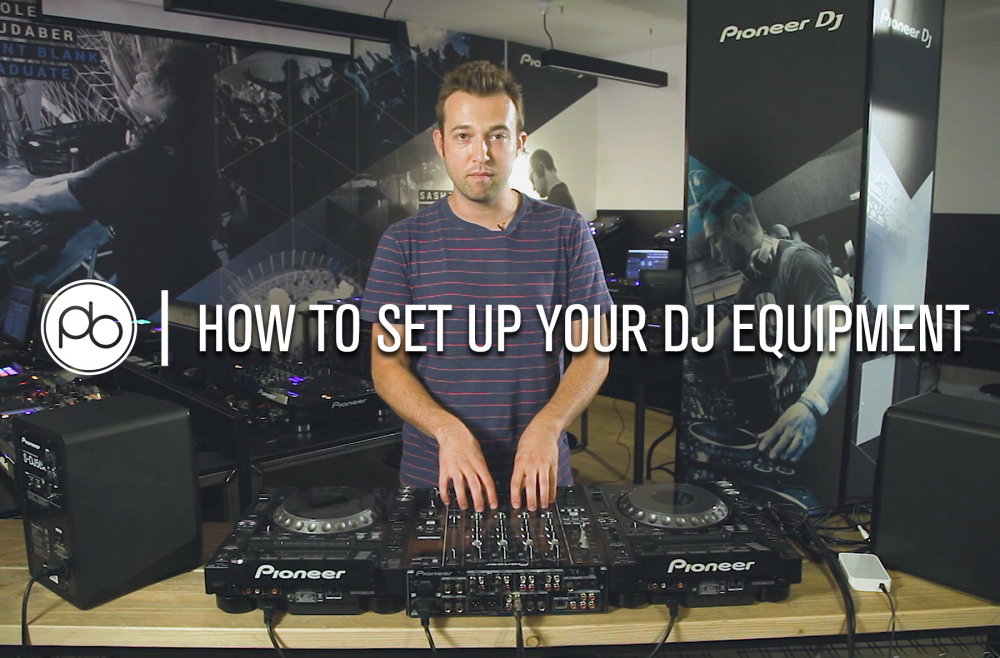
Point Blank‘s latest tutorial video looks at the basics of setting up your CDJs and a mixer.
In the video, Point Blank’s lead DJ instructor Ben Bristow goes over both the basics and a few tricks to fully optimize your set-up using Pioneer’s Nexus range. The video runs through everything from plugging in the quipment, connecting the two CDJs via a LAN cable, using a separate LAN hub to allow for quantised effects—meaning your mixer will automatically match the tempo of your effects to your tracks—and tricks such as enabling the fader start function and updating the firmware on your CDJs, which will ensure there are no compatibility issues with Rekordbox.
You can watch the video in full via the player above, with more on Point Blank here.
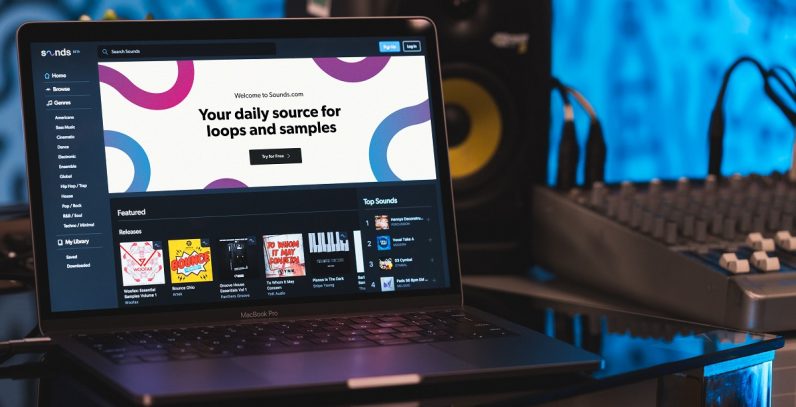
This week, Native Instruments launched Sounds.com, a subscription-based cloud service boasting over 500,000 royalty-free sounds.
Currently exclusive to US customers, the platform can be tried with a free selection of loops and samples, or with Pro, which gives you access to the full library at a special introductory price of $9.99 per month.
The platform’s sounds include loops and sample content from Native Instruments’ Maschine Expansions, plus exclusive content from over 200 creators, including leading sample houses such as The Loop Loft, MVP Loops, and Symphonic Distribution. All loops and samples are available to browse and preview with no sign-up required and search functionality is powered by Native Instruments’ own MIR (Music Information Retrieval) algorithms, which helps users by suggesting sounds.
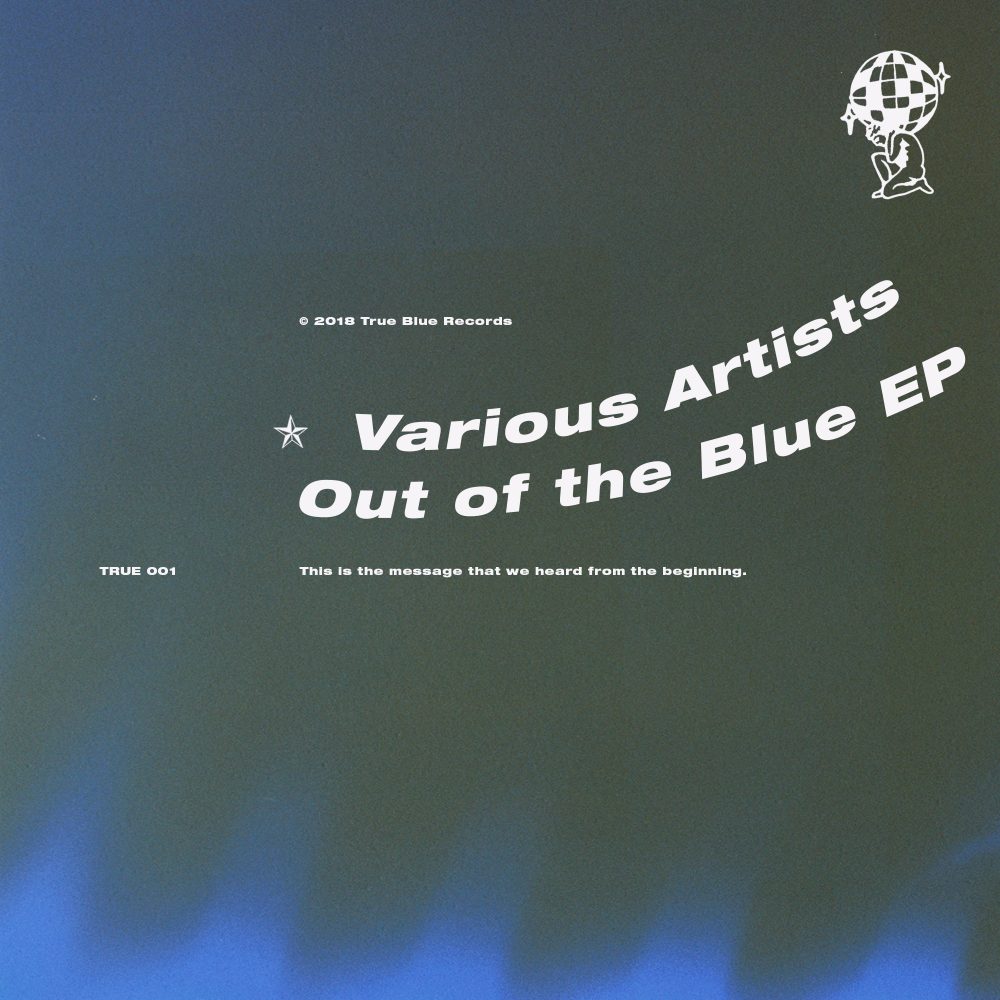
Earlier this week, Los Angeles label True Blue Records launched with Out of the Blue, a four-track VA from a collection of fresh house artists.
The imprint looks to be an artist-led project, with each artist taking their “inspirations from dancefloors around the world into their makeshift studios to create a sound to describe their local venues in Los Angeles.” From the understated swagger of DJ Dave’s “Startin’ Something” to the hypnotic groove of International Klein‘s “Begin Here,” Out of the Blue puts forth a smooth-as-silk mission statement for True Blue and its artists.
In support of the label launch, True Blue has offered up International Klein “Begin Here” as today’s XLR8R download, available via WeTransfer below.
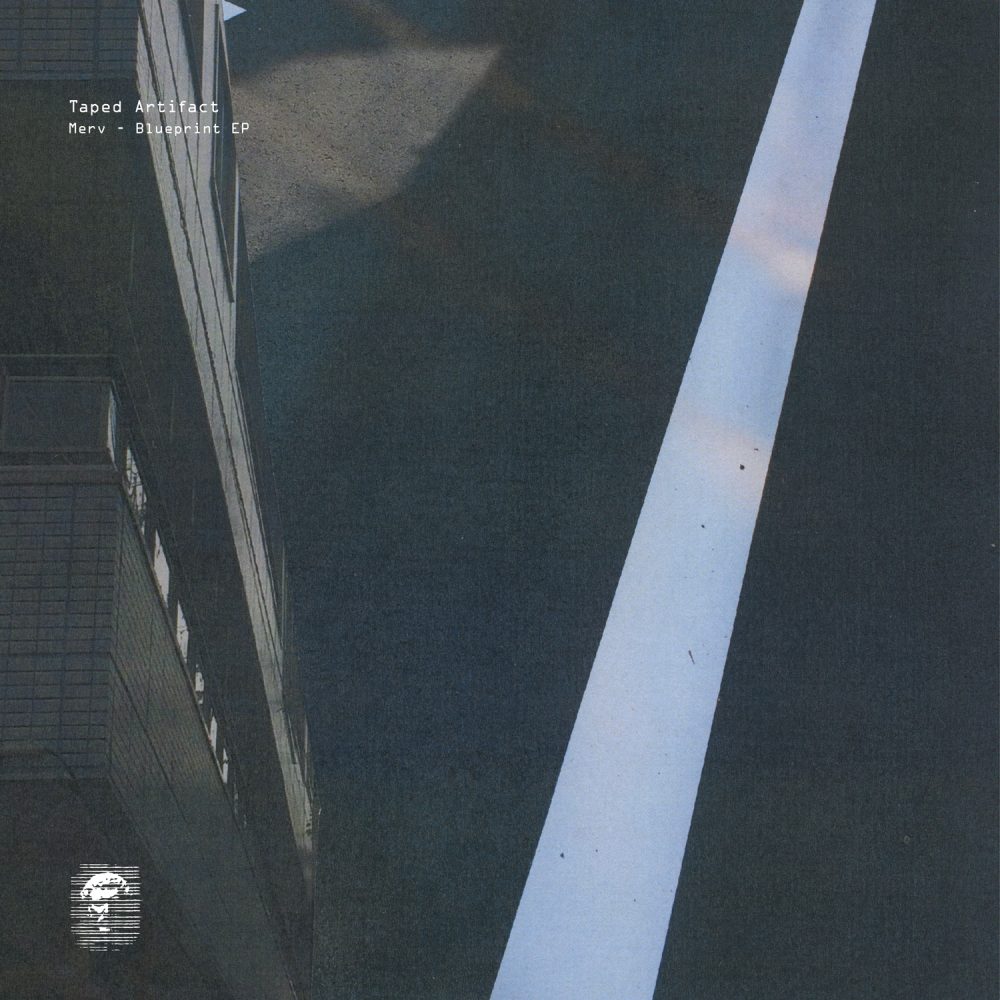
Amsterdam’s Taped Artifact imprint has announced its latest EP, Blueprint, a three-track outing from Merv—a duo comprised of Brian Oldenborg and Jan Christiansen.
Blueprint will be Taped Artifact’s first release of 2018, following on from last year’s Ohm & Octal Industries EP, and represents Merv’s third EP in three years. Across the three tracks, the duo give a varied look into their warm dub techno style, flowing from the synth-heavy opening cut to more upright techno and a deep and dubby closing track.
Ahead of the January 26 release, you can stream snippets of all three cuts below, with a pre-order available here.
Webb is a London-based producer about which little is known; you can check out his Soundcloud here. Nonetheless, he produced a blissful, ambient track titled “Theme 3” “some years ago” and it saw support from both Benji B and Mary Anne Hobbs on BBC Radio 1. “I didn’t feel it should sit on my hard drive forever so here it is for free,” he explains, writing to XLR8R, also guaranteeing new music soon. In the meantime, grab “Theme 3” via the WeTransfer button below.
Dax J is putting out his second album Offending Public Morality via his Monnom Black on April 6. The album will be available on 2×12” LP, CD and digital formats.
Since his debut full-length in 2015, Dax J has become known for his raw and energetic productions that have made it to respected labels such as Klockworks and Electric Deluxe. This upcoming LP is described by the label as Dax’ “most eclectic” work and is inspired by the concept of “public morality,” dealing with themes of drug abuse, racism, prostitution, and murder.
Sonically speaking, it blends genres like IDM, EBM, and acid with his techno beats and his roots in UK jungle and drum & bass.
Tracklisting
01. Babylon Brutality 02. The Art Of Murder 03. Looking For Tina 04. 1001 Amen Nights 05. Waves Of Isolation feat. Zanias 06. Reclaim Our Lost Honor 07. Unrepentacostal 08. Feed The Pigeons 09. Offending Public Morality 10. It’s A Trap 11. Mustapha Mond 12. Kerb Crawling 13. Acid Ascention 14. Death Is Imminent
Offending Public Morality will land on April 6 via Monnom Black, with “Babylon Brutality” streaming in full below.
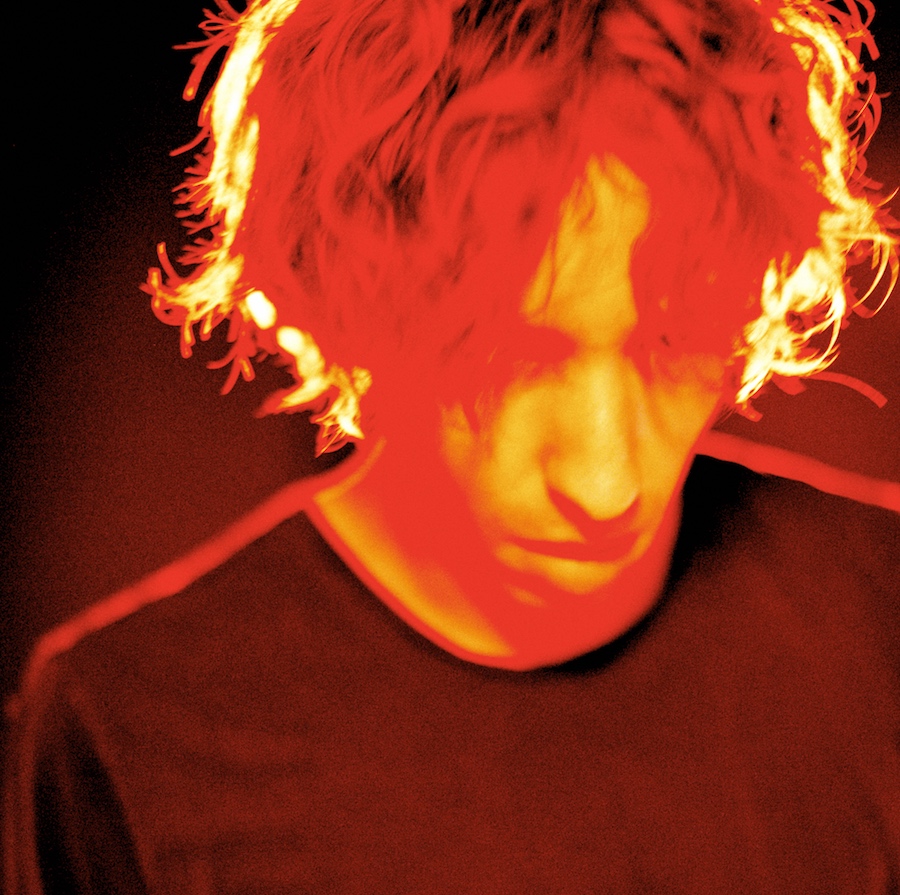
Five years after his acclaimed debut Drone Logic, London-based producer Daniel Avery has announced his highly anticipated second album, Song For Alpha, set for release on April 6 on Phantasy worldwide and Phantasy/Mute in North America. The album is preceded by a four-track limited edition 12” vinyl EP titled Slow Fade, released today.
The new long-player, on which the track “Slow Fade” will appear, follows 2013’s incendiary debut Drone Logic. In the years since, Avery has helmed a DJ-Kicks mix CD, resided over a monthly radio show for NTS Live, curated an extensive remix compilation, and collaborated on a series of side-projects including a recent release with Nine Inch Nails synth specialist Alessandro Cortini; he has toured relentlessly, cementing a reputation as one of the defining techno DJs of the decade. He has also worked studiously on what he wanted to say next as a producer.
Song For Alpha is Avery’s exploration of the space in which home listening and club music intersect, in no small part inspired by his life spent between nightclubs, flights, the passenger seats of cars, and hotel rooms. He confirms, “Drone Logic’s spiritual home was the dancefloor. This record’s is definitely the road. Those late nights and hazy mornings, finding inspiration beyond the fog.”
We’re also told that William Basinski, Warp’s Artificial Intelligence, Brian Eno plus his own excursions with Alessandro Cortini serve as touchstones for a record that “sees Avery take his signature psychedelic-electronic sound to new dimensions, a sound that plays to the head as much as the body.”
“I’ve become increasingly interested in those moments in a club when the outside world becomes little more than an inconsequential thought at the back of your head. Eyes closed as opposed to hands in the air. A light emerging from the darkness – this is the idea I repeatedly returned to in the studio. The more time you spend with it the deeper you fall.”
Tracklisting—Song For Alpha LP
01. First Light 02. Stereo L 03. Projector 04. TBW17 05. Sensation 06. Citizen // Nowhere 07. Clear 08. Diminuendo 09. Days From Now 10. Embers 11. Slow Fade 12. Glitter 13. Endnote 14. Quick Eternity
Tracklisting—Slow Fade EP
01. Slow Fade 02. After Dark 03. Radius 04. Fever Dream
Slow Fade EP is out today, with Song For Alpha LP landing on April 6. Meanwhile, you can stream the entire EP via the player below.
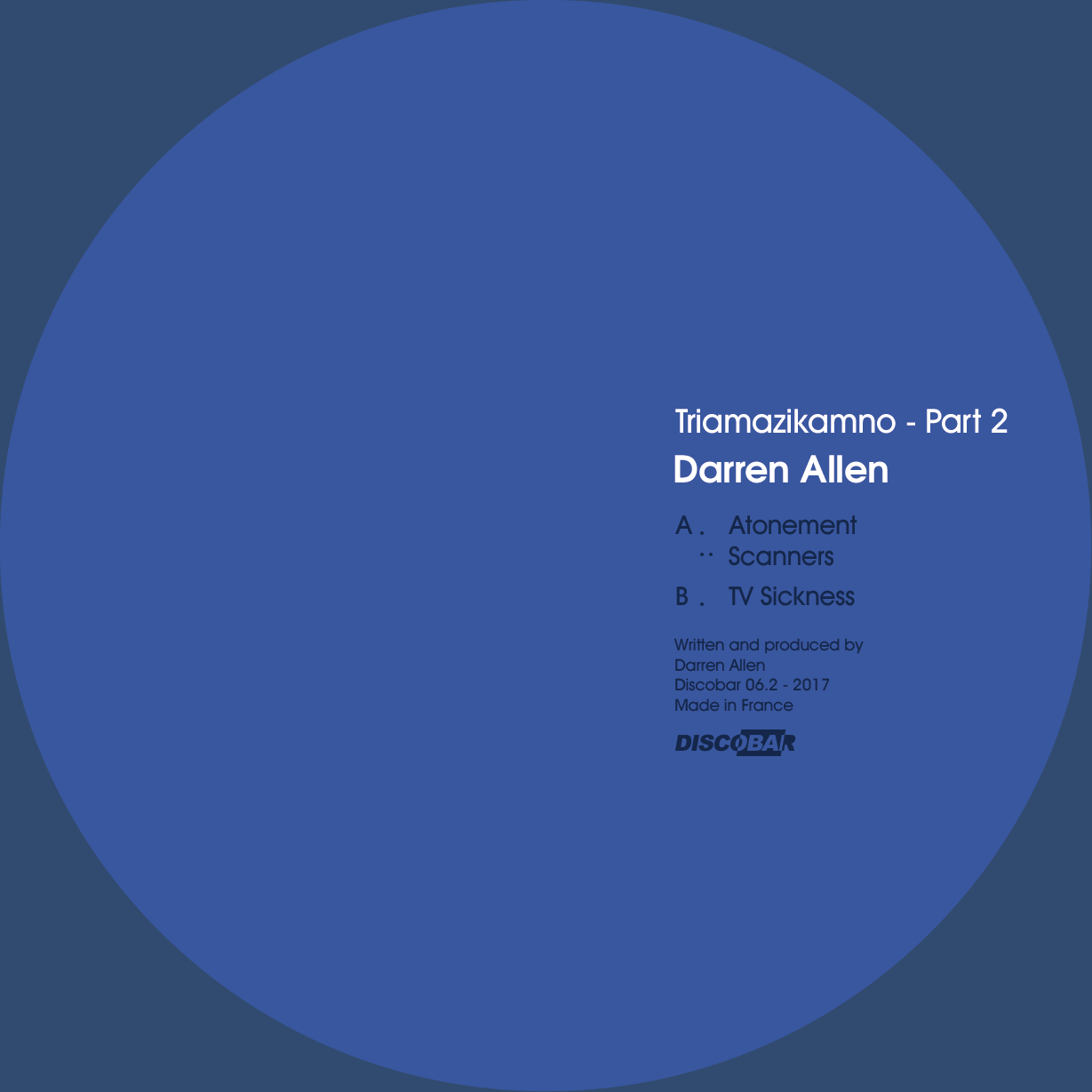
Northern Irish DJ-producer Darren Allen will release the second part of his Triamazikamno EP on Lamache‘s Discobar in February.
Part 1 of the EP landed back in March of 2017, featuring four minimal cuts, including “Manitou,” a firm favourite among selectors. All Allen’s previous releases have landed on his own Underlying Form label.
Triamazikamno—Part 2 features three cuts, all within the trippy, minimal vibe for which the label has made its name.
Tracklisting
01. Atonement 02. Scanners 03. TV Sickness
Triamazikamno—Park 2 EP will land on February 19, with clips streaming below.
XLR8R Couldn't find the embed function for type: "vimeo" and source: "<iframe width="1170" height="658" src="https://vimeo.com/191205737"></iframe>".
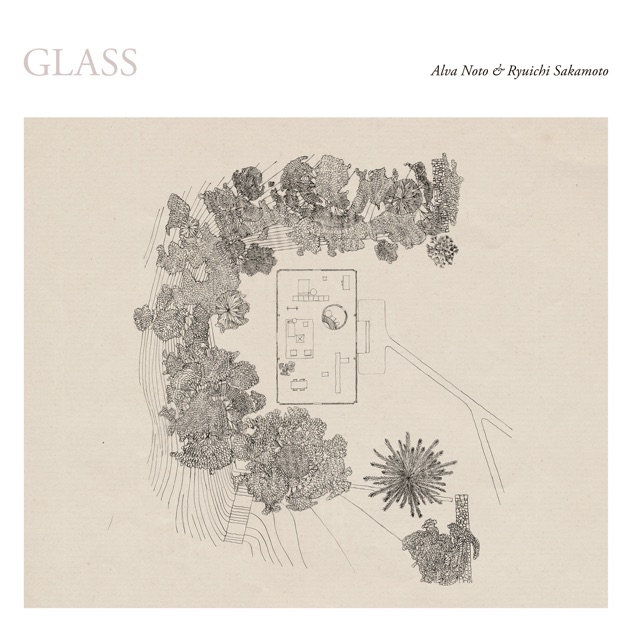
Alva Noto and Ryuichi Sakamoto—two senior figures in experimental music—have collaborated on six albums since 2002. Glass is a recording of their live improvisation, after just one rehearsal, at the architect Philip Johnson’s Glass House in Connecticut, using keyboards, mixers, glass singing bowls, crotales, and the architecture itself as an instrument.
This album is one track, 36 minutes in length. Moreso than some less narrative styles, it demands listening from start to finish. It is a story—an experience open to interpretation; and if an album of 10 tracks with silence between is a novel with chapters, Glass is a single poem of continuous verse. It is deeply immersive. And transportive.
The album begins with Ryuichi playing deeply reverberant harmonies on the crystal bowls, and Alva makes soft arching tones with a bow on the crotales, like miniature cymbals. (There’s a video recording online.) The sonic landscape deepens and extends with plush synthesised drones and granular textures, like nails tapping on glass and cascading wind chimes. What you might call sudden alien voices are Ryuichi dragging and drumming rubber mallets across the contact-mic’d glass walls of the house. The mood all this creates lies somewhere between tension and lullaby.
The arrangement flows on with subtly shifting elements; a layer introduced, another faded out, a sudden wave rising and breaking. And the effect you might experience is your imagination soaring at a meditative state that is both acutely conscious and blissfully dreamlike. Only as the sounds recede does the music’s momentum wind down. You anticipate the end and regain a more ordinary sense of time passing. To not disturb your listening pleasure, like in the cinema, this album should have a no-phones policy.
As a duo, Alva and Ryuichi have attained a virtuosic union. In their early works, such as the wonderful first album Vrioon, it is clear who’s doing what: Ryuichi on treated piano and Alva on electronics making glitch sounds. But the music of Glass is even more unified; the pair play a mix of acoustic and electronic instruments, and after so many years working together, this particular collaboration feels like the product of a single entity.
On reflection, Glass exemplifies what a beautifully mysterious form ambient improvisation can be. For just about the entire listening process, the boundary between your conscious and unconscious is diminished. You become almost unaware that you are listening to an audio recording for the music has somehow merged with your travelling thoughts. It’s like diving into a pool and swimming with your breath held the whole length. And then, when you break the water surface—itself like glass—and the music ends, you abruptly return to your reality. You might be left thoughtful and quiet, but most likely you’ll wish to dive straight back in.
Alva Noto and Ryuichi Sakamoto—two senior figures in experimental music—have collaborated on six albums since 2002. Glass is a recording of their live improvisation, after just one rehearsal, at the architect Philip Johnson’s Glass House in Connecticut, using keyboards, mixers, glass singing bowls, crotales, and the architecture itself as an instrument.
This album is one track, 36 minutes in length. Moreso than some less narrative styles, it demands listening from start to finish. It is a story—an experience open to interpretation; and if an album of 10 tracks with silence between is a novel with chapters, Glass is a single poem of continuous verse. It is deeply immersive. And transportive.
The album begins with Ryuichi playing deeply reverberant harmonies on the crystal bowls, and Alva makes soft arching tones with a bow on the crotales, like miniature cymbals. (There’s a video recording online.) The sonic landscape deepens and extends with plush synthesised drones and granular textures, like nails tapping on glass and cascading wind chimes. What you might call sudden alien voices are Ryuichi dragging and drumming rubber mallets across the contact-mic’d glass walls of the house. The mood all this creates lies somewhere between tension and lullaby.
The arrangement flows on with subtly shifting elements; a layer introduced, another faded out, a sudden wave rising and breaking. And the effect you might experience is your imagination soaring at a meditative state that is both acutely conscious and blissfully dreamlike. Only as the sounds recede does the music’s momentum wind down. You anticipate the end and regain a more ordinary sense of time passing. To not disturb your listening pleasure, like in the cinema, this album should have a no-phones policy.
As a duo, Alva and Ryuichi have attained a virtuosic union. In their early works, such as the wonderful first album Vrioon, it is clear who’s doing what: Ryuichi on treated piano and Alva on electronics making glitch sounds. But the music of Glass is even more unified; the pair play a mix of acoustic and electronic instruments, and after so many years working together, this particular collaboration feels like the product of a single entity.
On reflection, Glass exemplifies what a beautifully mysterious form ambient improvisation can be. For just about the entire listening process, the boundary between your conscious and unconscious is diminished. You become almost unaware that you are listening to an audio recording for the music has somehow merged with your travelling thoughts. It’s like diving into a pool and swimming with your breath held the whole length. And then, when you break the water surface—itself like glass—and the music ends, you abruptly return to your reality. You might be left thoughtful and quiet, but most likely you’ll wish to dive straight back in.