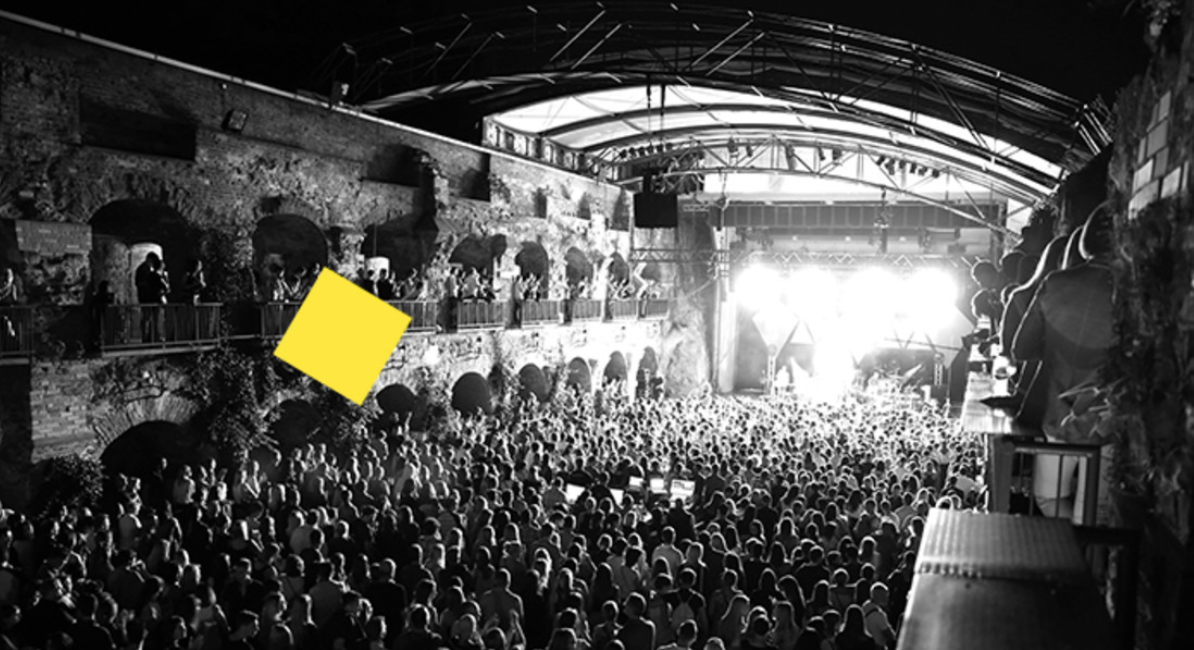
In 2018, the festival for contemporary music, arts and, political discourse will go down in its new time slot in early March—running from February 28 to March 4 in and around the Schloßberg of Graz. The edition will be focused on two fundamental terms of the modern age: risk and courage.
With these latest additions, the musical lineup is now complete.
The opening show on February 28 at Orpheum will see a performance by the classically trained composer Jorge Sánchez-Chiong together with Lukas Koenig on drums. In addition to this, Waelder will perform at the festival, also joined by one of the most distinguished local electronic musicians, B.Fleischmann.
The chamber music-themed evening in the venerable church halls of the Graz Mausoleum will be led by the Bosnian-Swiss accordionist Mario Batkovic. The internationally celebrated instrumentalist, whose idiosyncratic style was discovered by Portishead mastermind Geoff Barrow, utilizes fragments of classical and contemporary music to push the envelope of his instrument. Fennesz, together with media artist Lillevan, will perform at the newly installed, AV-focused stage on Friday.
Finally, for the Forum Stadtpark-curated Dunkelkammer series, Australian avant-garde drummer Will Guthrie will play a rare Austrian show, this time in total darkness. Rashad Becker from Berlin will be presenting a sound piece that was composed specifically for the 3D sound system IKO—a premiere performance in cooperation with the Graz-based sound manufacturer sonible.
These names will all join a list of previously released speakers, pioneers, and trailblazers: John Maus, the existential philosopher among synth-poppers, will be presenting his long-awaited fourth album Screen Memories after a six-year hiatus. Hailing from the United States, ghetto house pioneer DJ Deeon will be bringing the raw, sample-heavy Chicago tracks with which he propitiated house and hip-hop culture on the Dancemania label back in the ’90s. Also on their first Austria visit will be Mike Servito as well as Emma Olson (a.k.a Umfang). In a new addition in 2018, Ben Frost and MFO will be playing the Orpheum, performing with a corresponding A/V live show. An entirely new location will be inaugurated by the multi-instrumentalist Peter Broderick.
Among the first confirmed speakers of this year’s Elevate discourse programme is the controversially discussed Wikileaks activist Julian Assange, who will be speaking via live video stream from the Embassy of Ecuador in London, where he has been living in political exile for more than five years. British journalist Sarah Harrison will speak on the sometimes life-threatening risks taken by whistleblowers as well as present the Courage Foundation, which has provided activists like Edward Snowden, Pussy Riot, and Chelsea Manning with legal assistance. Civil rights lawyer Renata Avila will also join to shed light on the predicament of indigenous peoples in Guatemala—and there are more.
The 14th festival edition of Elevate Festival takes place from February 28 to March 4, with more information available here — and a current lineup available below.
Lineup
New music lineup additions:
Fennesz + Lillevan live AV, B.Fleischmann & Band, Mario Batkovic, Will Guthrie, Rashad Becker, Kœnig & Jorge Sánchez-Chiong, Wælder, Heap & Bocksrucker, Foehn & Jerome, Juju Love Records, Puschmann, Adriana Celentana, Columbush, Francois La Mer
Previously announced acts:
DJ Koze, Ben Frost w/ MFO, Nosaj Thing, John Maus, Steffi, Kamaal Williams, Roman Flügel, Nurse With Wound, Jackmaster, DJ Deeon, Objekt, Peter Broderick, Sofie, Errorsmith, Mike Servito, Nídia, Mick Harris/Fret, Iglooghost, Willow, Greg Fox, Umfang, DJ Taye, Marco Passarani, Cakes Da Killa, Colleen, Caterina Barbieri, Ana Threat, Schallfeld Ensemble w/ Onoxo, Mia Zabelka, Tina Frank, Stereoist, Wandl, Ison, feelipa, Spencer, schtum, Awo Ojiji
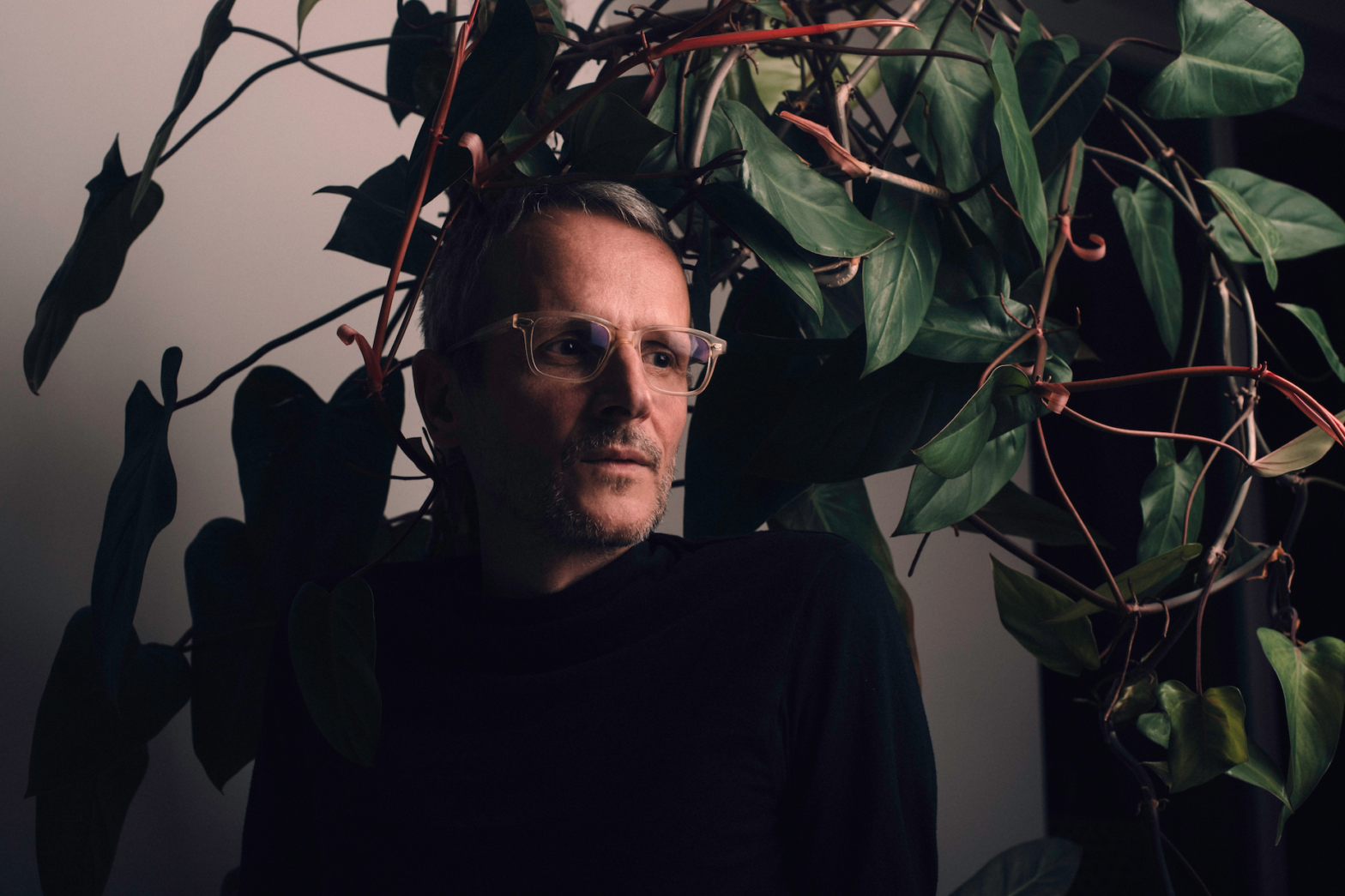
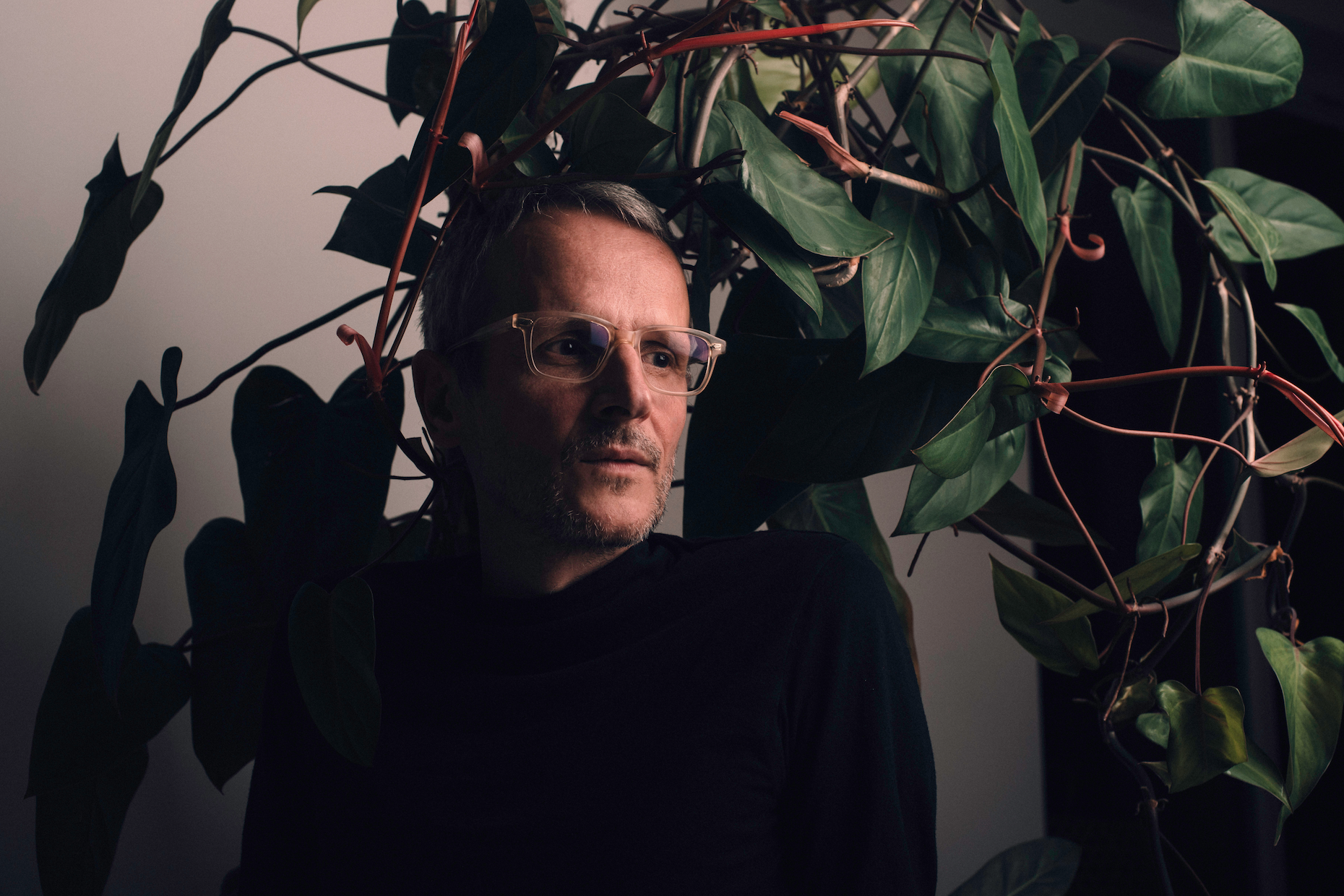
As Errorsmith, German artist Erik Wiegand has been producing “club music” in the broadest sense since the mid-’90s. Since starting his musical career in 1996, over 21 years ago, he’s released some seminal club records, be it as a solo artist or in collaboration—with Berghain resident Fiedel as MMM or with Soundstream (a.k.a Soundhack) as Smith n Hack. MMM’s “Donna,” for example, turned out to be the Glasgow’s Rubadub store’s best selling record in its 25-year history. Yet a remarkably few people are really aware of Wiegand and his wider work. Indeed, it’s only recently, with the release of his brilliant Superlative Fatigue album on PAN—after six years of work—that many people have become familiar with his talents as a producer of electronic music.
Wiegand arrived in Berlin from the small German town of Kassel in 1991. Upon his landing, he became enchanted with the rave music sweeping across the city. Important, too, were the jungle and happy hardcore sounds of the Steve Mason Experience, a show on the British Forces Broadcasting Service. No sooner did he begin collecting gear for his own studio and collaborating with Fiedel—satisfying an urge to produce music following earlier experiments as a teenager in Kassel. Solo albums followed, in 2002 and 2004 respectively, preceded by 1999’s Errorsmith #1 EP. He’s since released a slew of new EPs and joined up with Mark Fell and Mr. Oizo for material on Pan and Ed Banger Records respectively.
Many of these were released by the artists themselves to ensure financial and artistic independence—the latter of which is especially important given Wiegand’s apparent reluctance to produce anything that fits in with trends. “It seems to me that sticking to formulas, trying to fulfil genre norms and listeners’ expectations, kill creativity,” he explains. “So that’s why I try to avoid these traps.” With no press or promotion around any of his earlier work, it’s no surprise that he’s considered a much-appreciated gift for those few in the know.
Now, following Superlative Fatigue‘s brilliant reception, Wiegand’s profile continues to grow. There’s already a number of interviews floating around online about the process behind it —in part how he created almost all of the sounds Razor software synthesizer he designed for Native Instruments. It’s a remarkable record, one that broadens the horizons of club music and provides a tremendous sonic experience. With this in mind, XLR8R reached out to Wiegand to learn a little bit more about the man behind it.
Errorsmith will perform in Graz, Austria, at this year’s Elevate Festival with Umfang, Ben Frost, Objekt, and more. More information can be found here.
1. Describe to me your surroundings right now.
I am in my studio right now. Looking at a rare blue winter sky.
2. What kind of music were you exposed to as a child?
I have a musical father. He used to sing and play instruments in a wedding band called The Cheeseways. We lived in Käseweg, meaning Cheeseway in English, in my hometown, Kassel. They played a mix of German country, Frank Sinatra, and American and English pop evergreens. We also watched the usual German pop music shows like Disco, which featured many international stars. In my teenage years, I was influenced by my sister’s boyfriend of that time. He played me new wave stuff like Human League, The Smiths, Siouxsie and the Banshees, and also David Bowie. That inspired me to start digging for music.
3. Do you remember the track/album that made you fall in love with electronic music?
The distinction between electronic and not electronic was never important to me. The line is very blurry anyway. Records that impressed me a lot were the first three albums of Mark Stewart And The Maffia. These were mindblowing to me. I remember lying on the floor with the speakers directed at ears, like headphones, just blasting the Learning To Cope With Cowardice album. Take “Liberty City,” for example, it’s still an amazing track featuring adventurous dub, cut-up effects, dope choirs, mixing acoustic instruments with an aggressive mechanical synth line, and even sampling classic electroacoustic music from the ’60s.
4. When was Errorsmith born and where did the name come from?
In 1999, I needed to find a name for my first solo album. I was with friends. Someone said something about the rock band Aerosmith and someone else reacted with, “Wait, what, Errorsmith? I’ve never heard of them.” I thought that’s a great artist name—even though I don’t work with errors; I am a control freak.
5. You’ve made some fine club records over the course of your career, but is there one that you’re most proud of?
If I had to choose one, it would be the current album, Superlative Fatigue, as it was such a struggle for me to get it finished. Finishing something on my own is the hard part for me. So I am very happy that I finally did it after such a long time, and that I managed not to produce the tracks to death in the six years I worked on them. This is always the danger when you work on music that long; you lose the distance and objectivity.
“So with Superlative Fatigue, I wanted to get away from this “under the radar” thing. So that was the first time there was a promotion campaign. It was an interesting experience for me.”
6. You maintain a low profile despite all you’ve achieved. Is that an intentional decision, or do you wish you had more recognition?
The first Errorsmith releases and the collaborations with Fiedel as MMM and with Soundhack/stream as Smith n Hack were self-released with distribution via Hard Wax. We never made much promo for them. Partly because we weren’t that extroverted, but also because it worked for us without it. In that period the vinyl sales were good. As Errorsmith, I played enough live shows back then. But with the last releases as MMM, we were disappointed by the low numbers of gigs we got from them. We have recognition from DJs but we are not known much outside the professional field. So with Superlative Fatigue, I wanted to get away from this “under the radar” thing. So that was the first time there was a promotion campaign. It was an interesting experience for me.
“It seems to me that sticking to formulas, trying to fulfil genre norms and listeners’ expectations, kill creativity. So that’s why I try to avoid these traps.”
7. The adventure is something that strikes me in your work: throughout your career, you’ve made music that goes against the grain without sticking to a formula. Where does this attitude stem from?
It’s what I look for in music in general. That there is a creativity which brings something that I haven’t heard before in this way. That there is an experiment involved, that turns out to work. That makes exciting music. It seems to me that sticking to formulas, trying to fulfil genre norms and listeners’ expectations, kills creativity. So that’s why I try to avoid these traps.
8. There’s been a lot of attempts to describe your sound or style. But how would you describe it?
Ok, I’ll give it a try: dance music that explores technical possibilities for expanding the sonic palette and human expression, while trying not to be too nerdy and inaccessible.
9. Last year you released Superlative Fatigue. How do you feel this differed from your earlier works?
I guess it’s a bit more accessible, the production is less sparse, and the underlying emotional spectrum is broader. I even thought of using another artist name for it but decided against it. I want Errorsmith to not be easy to put in one box.
10. The album took over six years to produce. How clear was your vision for it — and how did you know it was finished?
I already had the sketches of all eight tracks six years ago. I knew that they would fit well together and I knew what the overall vibe of the album would be. I also had rough ideas about the ways I wanted to develop each track. But the production path to the final version is organic. I try out things and then maybe go in different directions. It’s finished only when I have only small things I want to improve—and time is running out because the mastering date is near!
11. Just how much was this album shaped by the use of Razor?
As Errorsmith, I restrict myself to using one self-built Reaktor patch, which I normally develop specifically for one album. This time I used Razor, which I developed not only with me in mind as a user. This album is my Razor album; except for the drums of two tracks, I used it for everything.
12. Do you read reviews of your work? How much notice do you take of public opinion?
Yes, I read them. After working so long on something in solitude, it feels good to finally present it to the public and see the reaction to it in general, and also what journalists write about it. But public negative critique in music is rare. So you never get the full picture of what the public opinion actually is; you only get the positive side of it. For an honest and blunt critique, I turn to friends—but my opinion is the most important.
13. What’s the most important piece of advice you’ve ever given or been given about success in music?
Success can mean very different things. It’s individual. So everyone must find his or her own way. With music, I don’t want to compromise. I don’t want to do things for the wrong reasons. Say releasing mediocre material just because you need to have releases on a regular basis to get recognition. Or doing remixes for someone or collaborate with them only because they are famous even though I don’t like their music. Or trying to fulfil the expectations of others. If this doesn’t work out financially I would rather take on another job.
14. Your career stretches back to 1996. What is it that continues to drive you?
Trying something new every time. It’s a learning process.
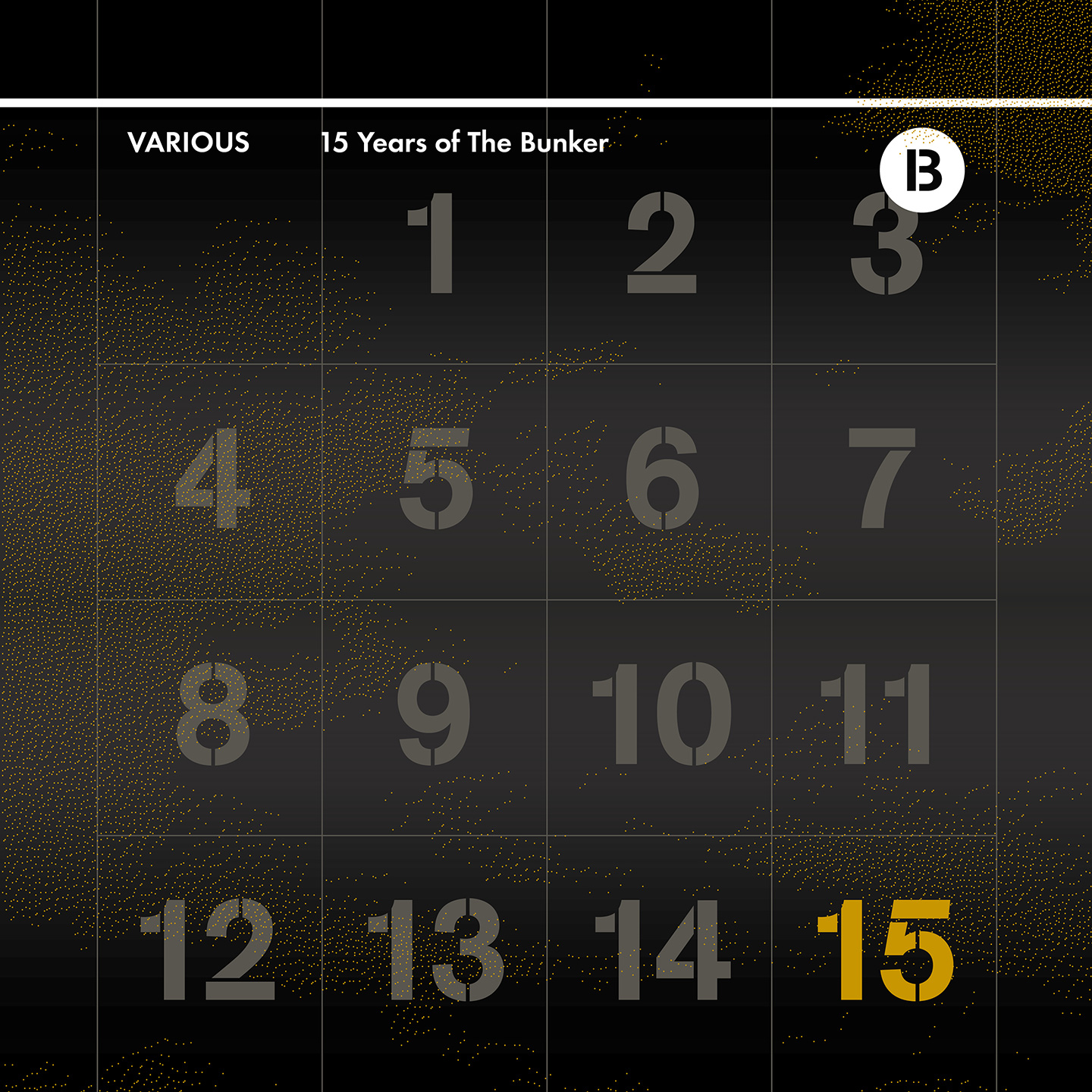
The Bunker New York will release a 26-track compilation to celebrate its 15th anniversary.
In January of 2003, The Bunker started as a weekly party at subTonic in the Lower East Side of New York, sometimes attracting mere dozens of people every Friday for the first year. 15 years later, it’s grown beyond an established party to encompass a record label, long-running podcast series, radio show, and a North American booking agency. In the past few years, the resident DJs have gone from local heroes to busy touring artists and have presented The Bunker parties all around the world.
To celebrate 15 years of existence, The Bunker will now present a 26-track, three-plus hour compilation of artists from The Bunker NY label, the agency roster, and a few new members of the family. Most of these artists are already widely known, but there will also be debut productions from rrao, Abby Echiverri, Coward, and LDY OSC., all of whom have been involved in The Bunker community for years. The full tracklisting can be viewed below.
Due to the time-consuming nature of vinyl pressing and distribution, The Bunker will release the compilation digitally. There will also be a very limited edition of this release exclusively on The Bunker New York Bandcamp that includes a Common Name-designed deluxe boxed USB with all the tracks, a long sleeve t-shirt only available as part of this release package, stickers, and an immediate download on release day. The standard digital release will be available on the Bandcamp and everywhere else you can buy music online.
Tracklisting
01. David Last “Physical Value System” 02. Coward “Bend Back” 03. rrao “Anita” 04. Mike Servito & Justin Cudmore “Juice Boxx” 05. Lady OSC. “OAO” 06. Jasen Loveland “Paranoid Raver Pt. 3” (4AM Curfew Mix) 07. J.F. Burma “Good Servant Bad Master” 08. Tin Man “Melt Acid” 09. Wata Igarashi “Adrenochrome” 10. Mark Verbos “Meet Me There” 11. Leisure Muffin “Isoprene” 12. Løt.te “La maré e” 13. Ectomorph “Snake Charmer” 14. Abby Echiverri “Dento Ronso” 15. Clay Wilson “Arado” 16. zemi17 “Awera” 17. Derek Plaslaiko “Praia da Amalia” 18. Neel “Sima” 19. Forma “MMT-H8” 20. Gunnar Haslam “Isola” 21. Function “Norfolk Street Acid” 22. Marco Shuttle “Ewe Tech” 23. Romans “Novaria” 24. Tobias. “Impossible” 25. Justin Cudmore “Real Shock” 26. Ulysses “No Matter How Many Hastags You Use You’ll Still Die Alone”
15 Years of The Bunker will land on February 15, with clips streaming below.
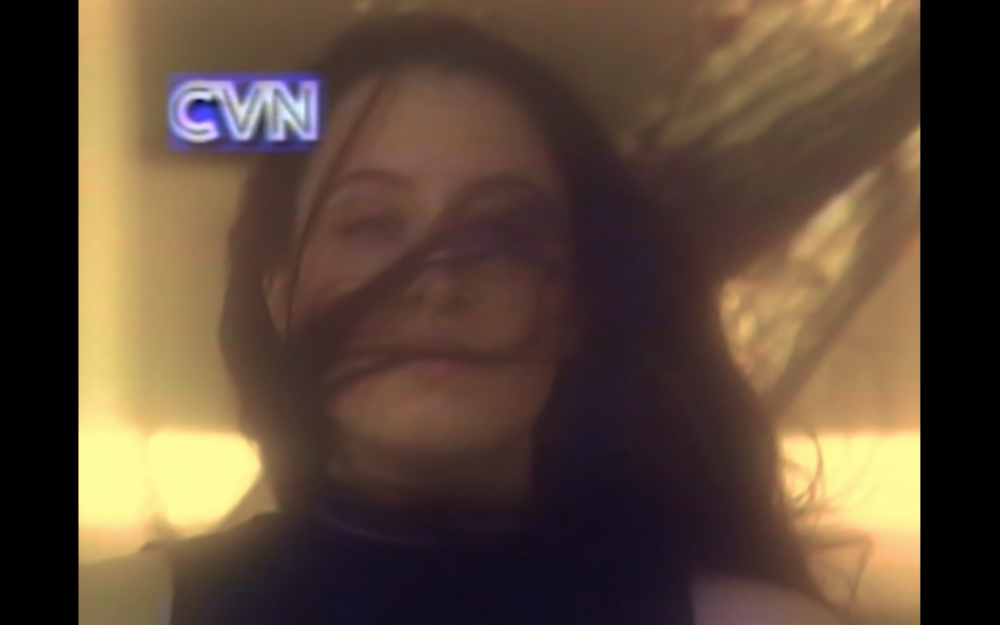
The video lands ahead of the forthcoming Memories Of Cindy album, which is set to drop on Beats In Space on January 26. Like the previous films in the series, Memories Of Cindy Pt. 3 provides a noirish look into the mind of Hugo and his Carmel Vista universe via tripped-out infomercials, hazy talk shows, and a warped music video.
The sprawling Memories of Cindy saga can be picked up in its entirety here, with the film streaming in full via the player above.
Following his harrowing new single and video, “Violence”—which can be viewed via the player below—French electronic producer Molécule will be releasing a remix package of his previous single, “Sila,” featuring reworks by Madben, Torb, and Sayem.
In support of the remix package, Molécule has offered up Torb’s remix as today’s XLR8R download, and for their interpretation, the French duo pair back the expanse of the original for a deeper atmospheric outing, pairing winding modular synth lines with a galloping groove and tense textures.
You can download Torb’s remix via WeTransfer below.
You can also catch Molécule playing this Friday, January 19 at Eurosonic Noorderslag Festival in Groningen, The Netherlands.
The six-track EP lands ahead of Mulero’s new album, presenting a collection of deep, slow-burning electronic music. Across the EP, Mulero’s stunning sound design is on full display, from the intricately woven textures of “Crux” to the title track’s sweeping melodies and the achingly beautiful piano work on the EP’s closing cut. As a precursor to his forthcoming album, Acceptance succeeds in keeping the listener enthralled and on the edge of their seat hanging for more.
Ahead of tomorrow’s release, you can stream the title track in full via the player below, with the EP available for pre-order here.
French DJ David Asko has presented his latest release for A-traction Records, namely the Elevation EP—featuring four tracks of deep, dark techno.
Asko’s hardcore style is influenced by his participation in the ’90s rave scene; he organized raves in Lyon and St Etienne before relocating in the early 2000s to further his music career. Now resident DJ at Magazine Club in Lille, David released his first EP on A-traction records last year. More recently, he released his second EP on the label, Elevation,’ a sampling of hard-hitting techno with an industrial edge.
In support of the release, Asko has now offered up “Techno Therapy” for free download. Building from a simple, repetitive intro to a dynamic midsection, it’s a hardcore, dark techno track, and a prime example of Asko’s work. Grab it now via the WeTransfer button below.
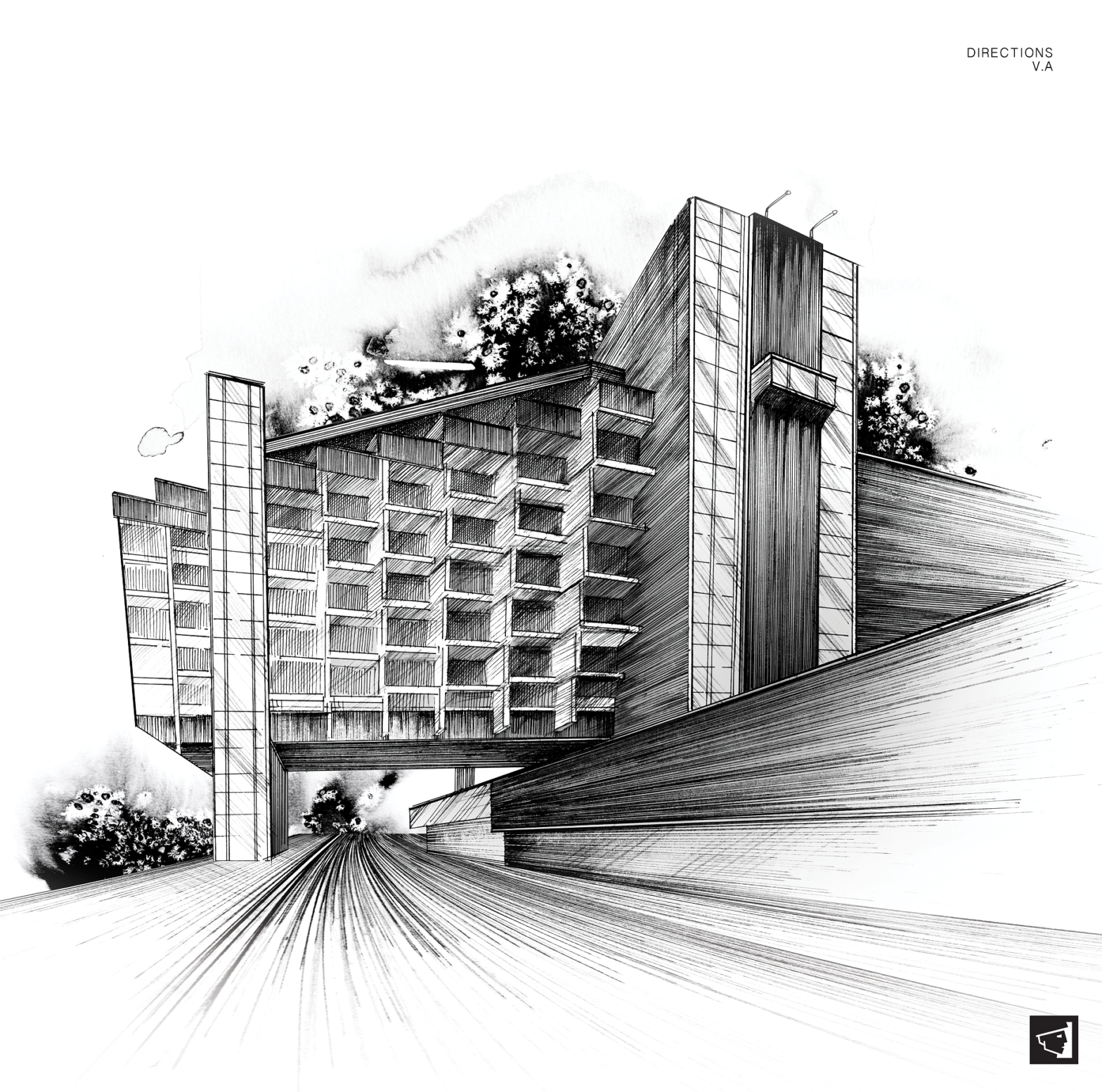
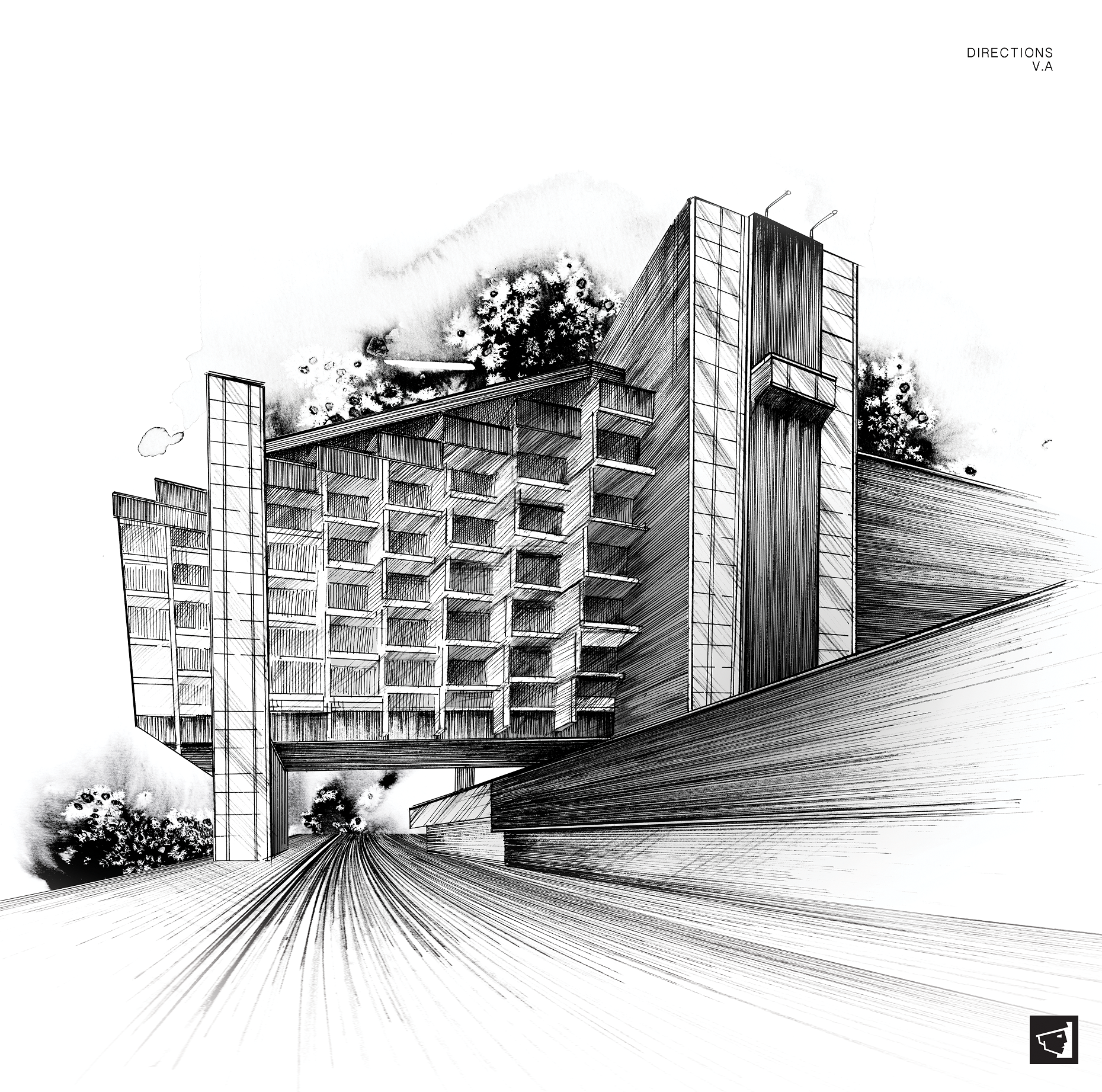
For its eighth release, Berg Audio will present Directions, an eight-track various artist compilation featuring the likes of iO (Mulen), Barac, Steve O’Sullivan, and more.
Berg Audio is a dub techno-oriented label finding its inspiration in the lost monuments of the Soviet era. Previous solo releases have come from the likes of Janeret, Traumer, and Andre Kronert, while there have been several various artist compilations—though none as big as this.
The compilation is accompanied by Juli Jah’s reinterpretation of Poland’s “Hotel Forum” located in Krakow.
XLR8R Couldn't find the embed function for type: "vimeo" and source: "<iframe width="1170" height="658" src="https://vimeo.com/248016349"></iframe>".
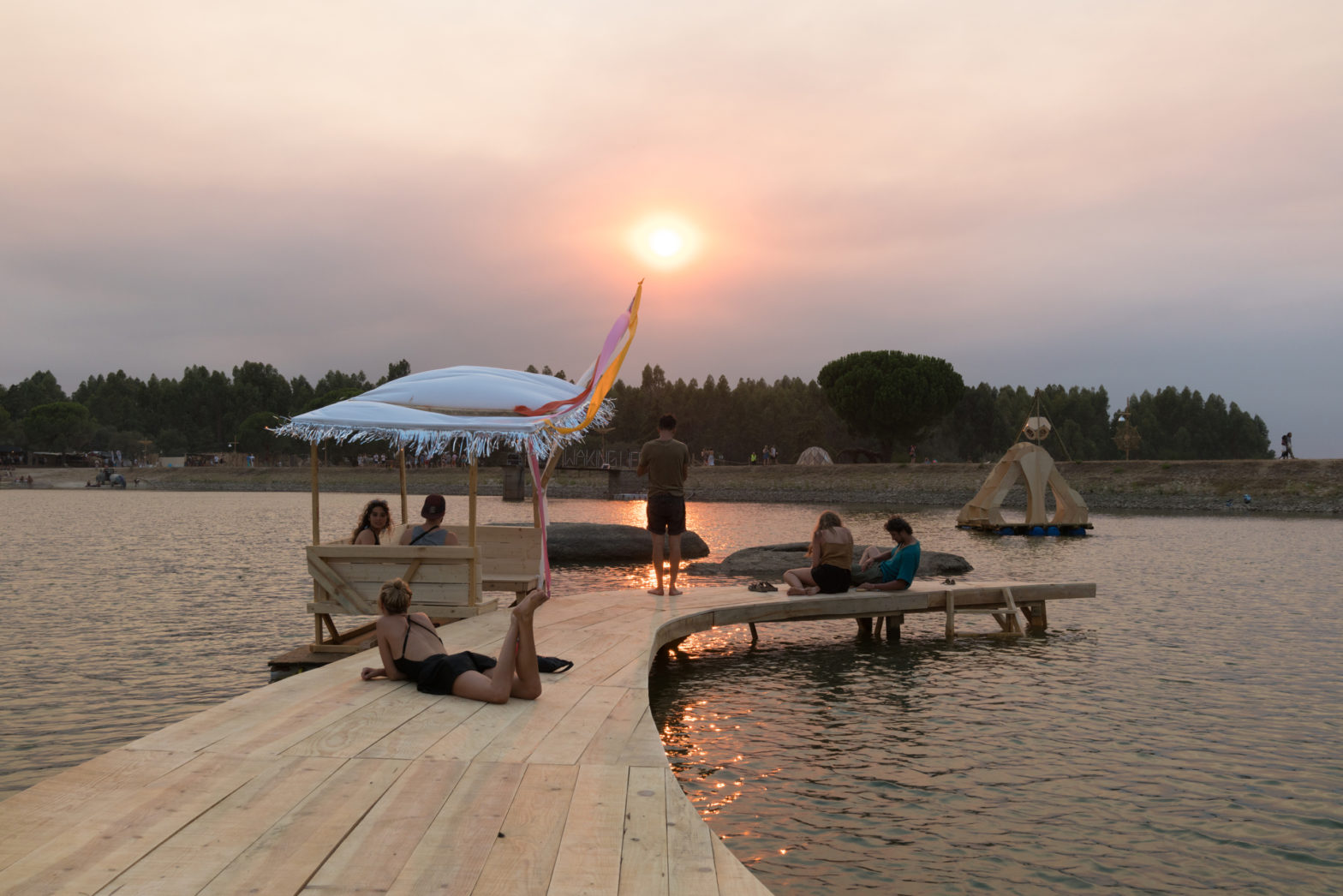
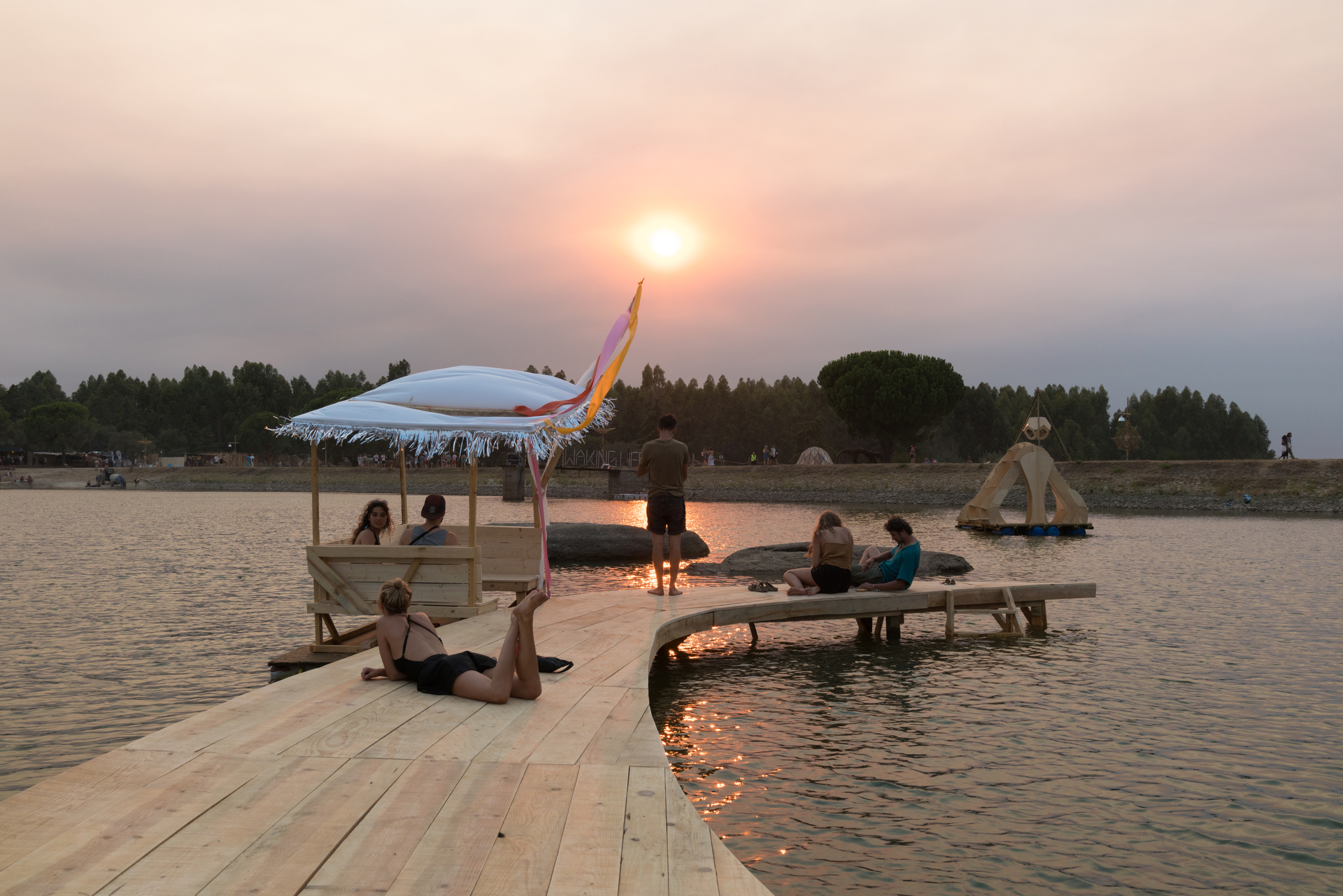
Portugal’s Waking Life Festival has confirmed its plans for its upcoming 2018 edition.
The second edition of Waking Life, the Portuguese arts and music festival which had its first run last August, will take place over five days, from August 15 to 19, at its lake near the village of Crato—situated in Northern Alentejo, Portalegre, one of the most deserted regions in Southern Europe.
Waking Life offers a high quality and diverse mixture of music, immersive performances, and stimulating installations, all delivered by a number of carefully selected artists and performers—with a list of this year’s performers below. This year a new chill-out stage will be created, far away from the dancefloor areas.
The event describes itself as a “collaborative project” where the space is brought to life by the joint vision of those participating. Ecology is also one of the main pillars of the festival: by taking several measures, such as working with solar energy, water purification systems, and through travel and waste management, the event tries to reduce its environmental impact as much as possible. The organisers also increase awareness by offering an educational program consisting of workshops, screenings, and debates.
The first wave of artists is as follows:
Abdulla Rashim Afriqua Aleksi Perälä live Cachupa Psicadélica live Christinne Deadbeat Dexter DJ Dustin Djrum Edward Inga Mauer Maayan Nidam Jan Jelinek live Leafar Legov live Lone live Luigi Tozzi live Sebastian Mullaert & Ulf Eriksson live Stavroz live Thomas Melchior Vibronics live Vlada Willow
This year’s edition takes place from August 15 to 19 in Crato, Portugal, with more information available here. Meanwhile, you can view a recap video of last year’s event via the player above.
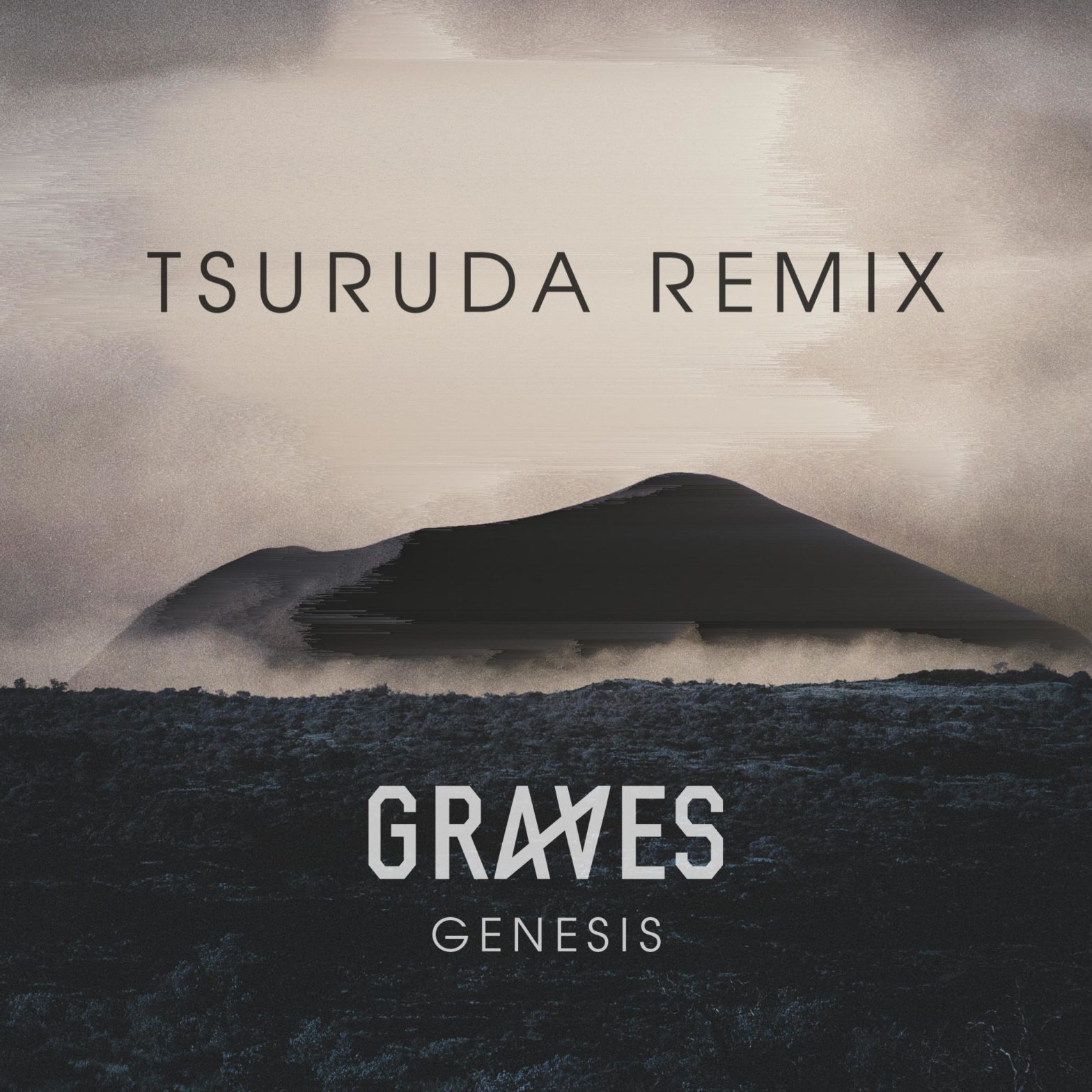
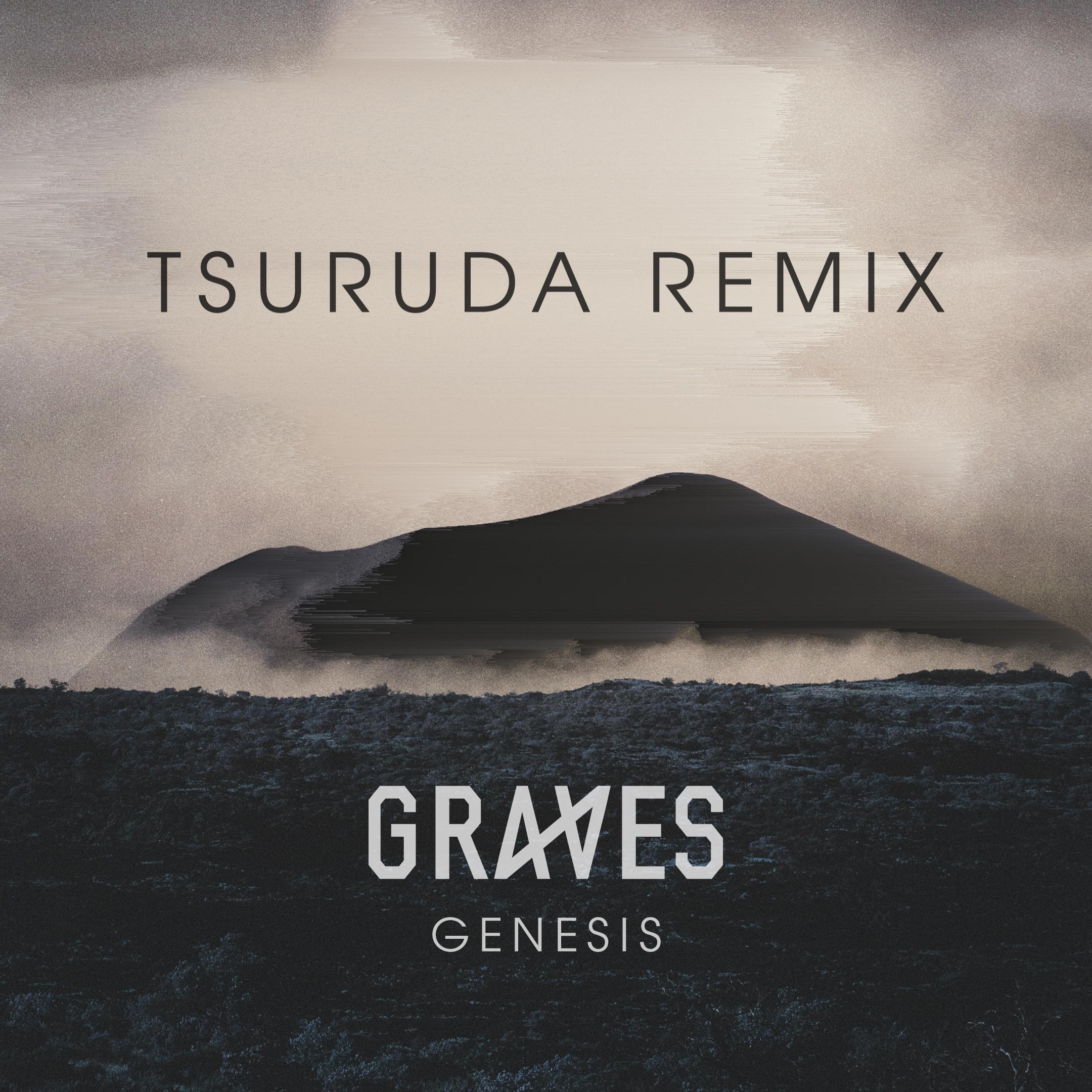
Back in December, Alpha Pup released Tsuruda‘s hard-hitting remix of graves‘ “Genesis.” The remix followed graves’ standout Hilo EP, a six-track outing that hit #1 on the US iTunes electronic chart, and a well-received tour of Asia (Seoul, Shanghai, Tokyo, and Nagoya City).
The remix, which is being offered as today’s XLR8R download, finds Tsuruda delivering a deep and atmospheric take on “Genesis,” with bone-rattling basslines and razor-sharp percussion—for those who like their bass big and heavy, you’ve come to the right place.
You can download the remix below, with with further download and streaming options here.