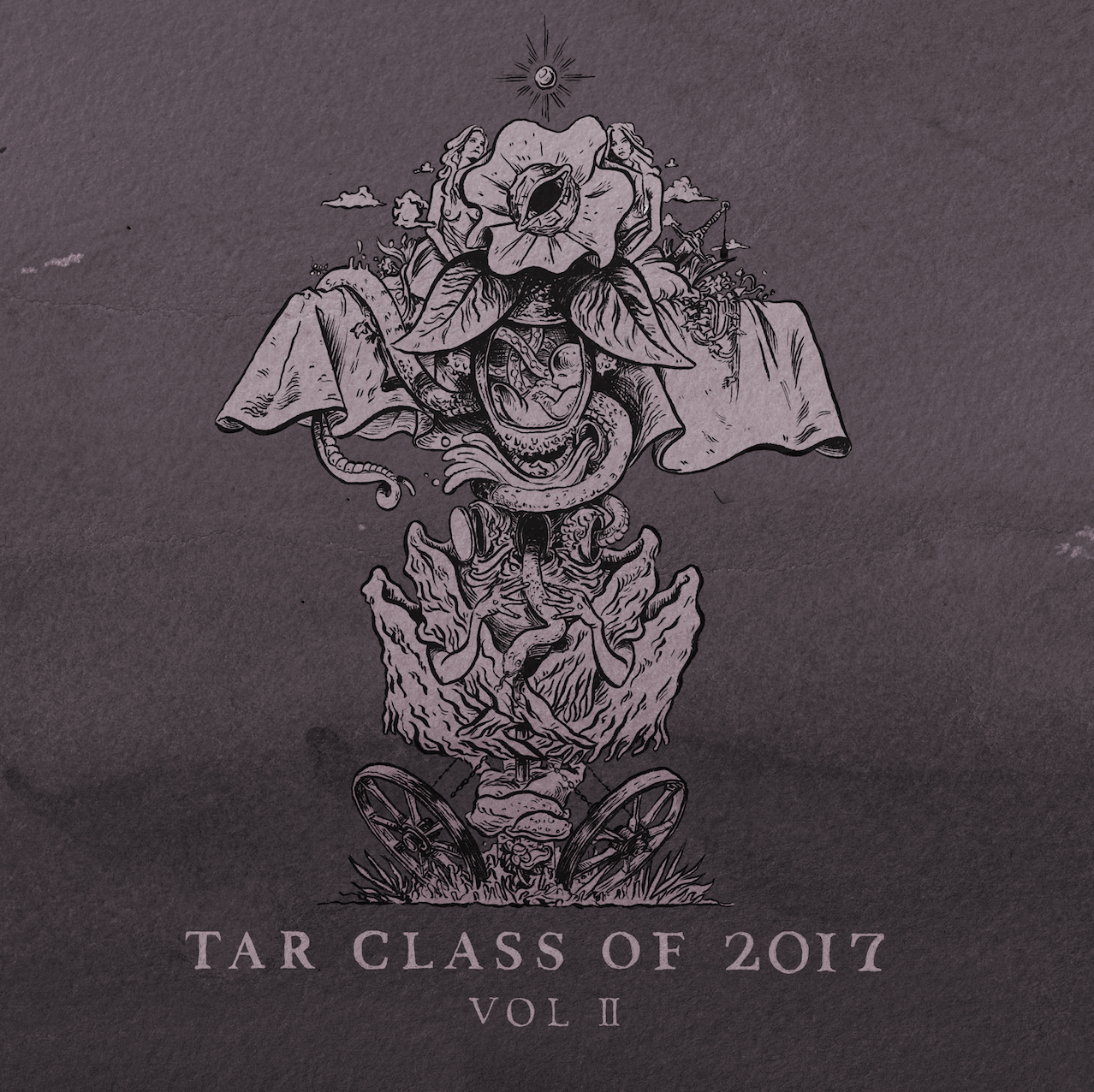
The TAR Class of 2017 Vol. II compilation continues the tradition of bringing past, present, and future members of the label together for a catalog look at what’s to come and what has happened in the past year or so. The compilation is 13 tracks ranging from experimental noise, footwork, bass & future hip-hop.
DJ Tre is a longstanding TEKLIFE member and has put out a release on TAR in 2015 via the TEK x TAR series. “Gettin’ Happy!”, his contribution to this compilation, is available to download below.
Tracklisting
01. 111X “Fading To The Background” 02. DJ Tre “Gettin Happy!” 03. Norfik “Escape” 04. ADAMAS1080p “Jet Riddim” 05. Alfred English “Adidas Seatbelt” 06. Silkersoft “Yama Sonne” 07. DJ Phil “WEOUTHERE” 08. Jade Statues “Pulse Cannon” 09. DJ Lucky Brand “1,2,3, Hit It!” 10. BEAN “Padre” 11. Deantoni Parks “Manchester’s Undertow” 12. GRIG “All Cars Have Nitro” 13. Foodman x NTsKi “Three Man”
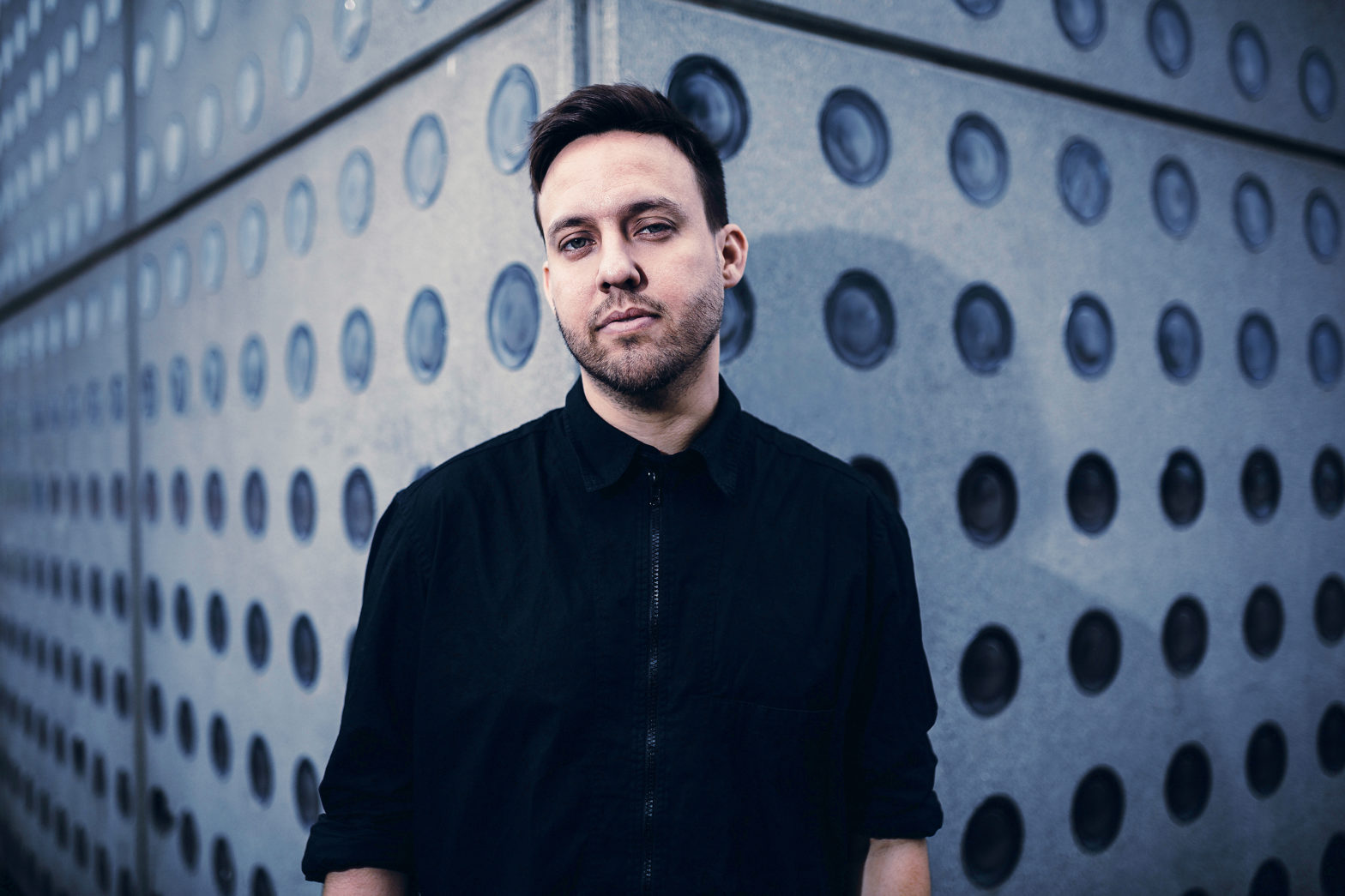
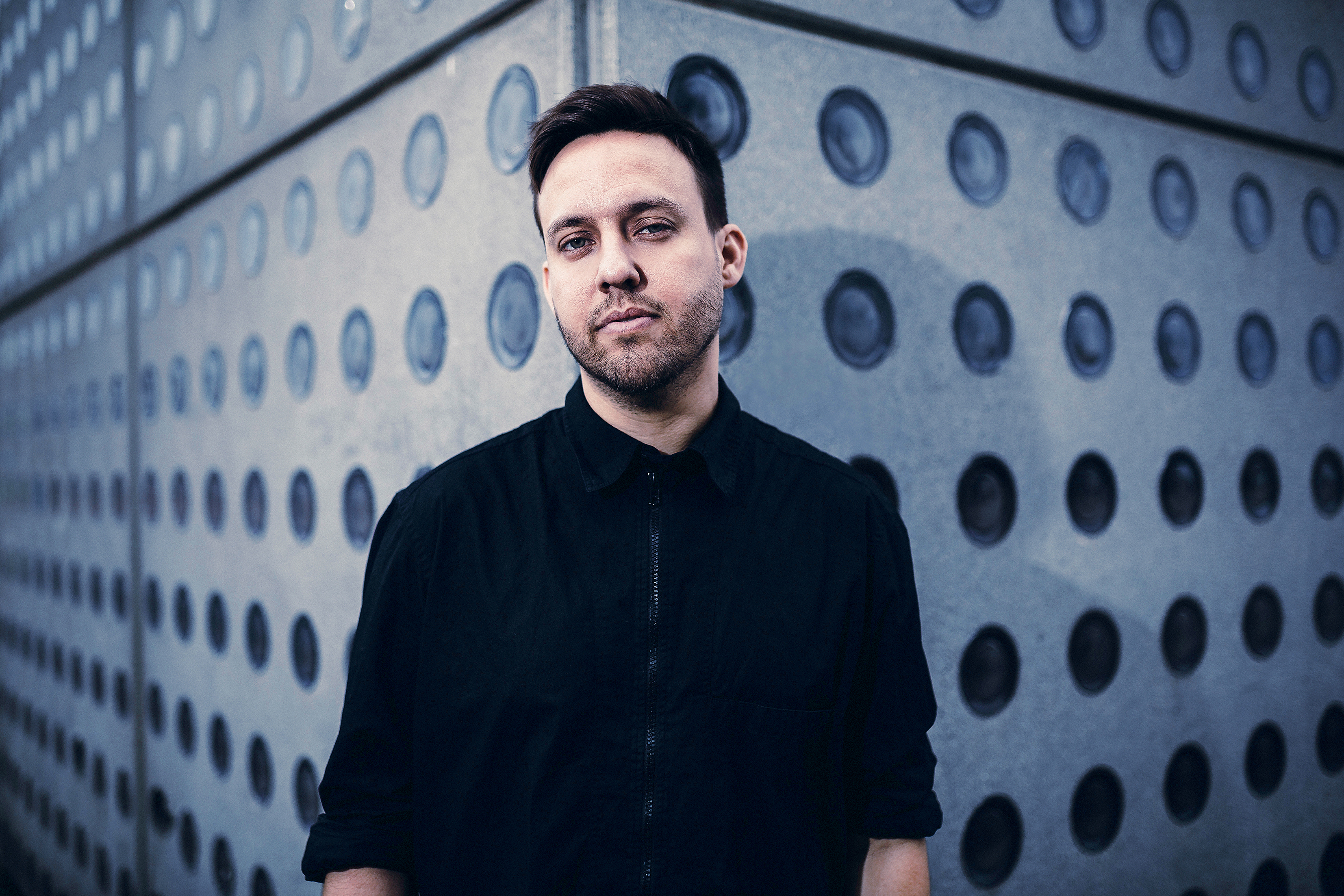
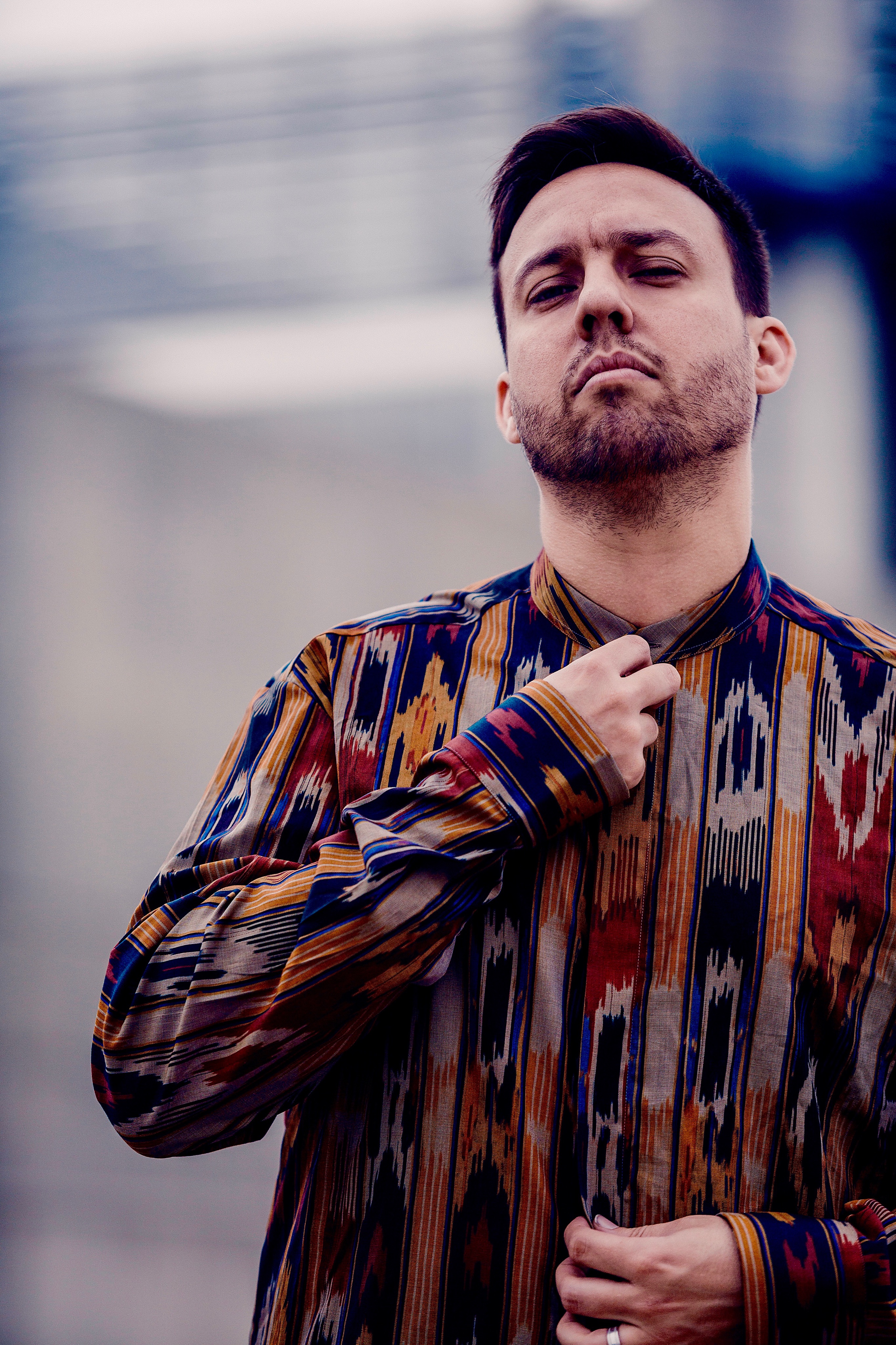
Maceo Plex, real name Eric Estornel, started his journey in 1993. Intrigued “by a pair of circular shaped objects designed for holding discs created from vinyl that produced vibrations resulting in sound and music,” he soon began conjuring up mixes of techno, electro, and, house music that quickly gained him great popularity in the early ’90s rave culture. Then, in 1997, while heavily influenced by the sounds of other modern funk theorists such as Model 500, Kenny Larkin, Idjut Boyz, and Convextion, he began experimenting with hardware modules containing knobs and keys to form his early musical compositions. Seduced by the sounds of techno and electro, no sooner was he releasing music of various different sub-genres under various names, most notably Mariel Ito or Maetrik—while also traveling the world playing in some of the best clubs.
And then things changed.
Having moved from the complex and dark life in America to Valencia, Spain, his music began to change, too—and that’s when he began Maceo Plex. After a much-needed retreat into the funky sounds of Parliament Funkadelic, Moodymann, Atjazz, Isolée, and Luomo, Maceo completed his transformation and suddenly felt himself in the limelight, much in thanks to a debut album and a string of club hits on Crosstown Rebels—including 2010’s “Vibe Your Love,” which includes a hefty funk remix treatment by Zev of the Wolf & Lamb clan.
Nowadays, he is simply one of dance music’s biggest names—a DJ, producer and also the label owner of Ellum. It was through the sub-label of the latter that he recently released his latest LP, titled Solar.
Now he answers your questions
What’s the place in the world where you find the most inspiration?
I find the most inspiration at home watching a sci-fi movie late at night. Since I’m always trying to make my music sound a bit futuristic or sci-fi, that’s the way I draw the most inspiration.
Do your tracks always remind you of the same things or do they change their meaning to you with time?
I associate a feeling with my tracks, or perhaps a color. It’s weird but even when I haven’t heard one of my tracks in years, when I hear it again I get the same visualization as when I wrote it.
Any place in the world you’d love to spend a few months?
Yeah, sometimes I feel it would be nice to spend a few months where nobody can get ahold of me, and a place where there is no dance music scene. I feel like the scene itself can diminish creativity or hold us all back from moving forward.
“By releasing everything, you make yourself look more like an artisan instead of an artist.”
What do you do with sessions/projects that seem to drift from your sonic direction? ( i.e tracks you like but don’t see it fitting as a Maceo Plex release).
I keep those projects for myself to play and probably never release because it’s important not to release everything you do. Not every track should be released. By releasing everything, you make yourself look more like an artisan instead of an artist.
Your productions, track selections, and older material have shaped the way I produce music. You have always been very secretive when it comes to your productions and methods. Do you think this is an advantage?
It’s not necessarily an advantage to be secretive about production, I just feel it’s a personal thing. I feel like talking about production too much takes away from the art of it. It’s about the music created not how you created it, and there is no wrong or right way to make music, so why talk about it so much?
Do you always send your tracks out to get mastered or have you got to a stage where you master your own tracks yourself?
I could master my own tracks now and I have done here and there, but it’s usually better to have it heard by fresh ears that can help you realize what the mix down or master needs. So, yes I usually send out to be mastered.
“I think a new artist should first concentrate on doing something truly original and not emulating someone else, and then see where that music fits instead of looking for the newest hottest label.”
What are your views on label signings and in particular your own two labels in relation to new/unknown artists—and what advice would you give to unknown producers trying to get their music out there?
I usually sign tracks that seem totally different to me than the current norm, and since I’m not trying to have a huge powerful label I mostly concentrate on my circle of friends around me. I’m a producer, not an A&R, so I don’t pretend to know what’s best to sign. I just sign what I think is cool passed to me by my friends.
I think a new artist should first concentrate on doing something truly original and not emulating someone else, and then see where that music fits instead of looking for the newest hottest label. If what you’re looking for is big success then you have to be pushed by a label that spends a lot of money to get it heard and has a good following. Or you could do what half the scene does and hire a ghost producer, and spend a fortune on marketing. But I don’t recommend the latter; it only adds to the current over saturation of forgettable music.
A true Plex follower for many years and producing my own bits and bobs along the way, I want to ask which methods Maceo uses to create the kicks heard in all his tracks. Does he follow a set method, does he use VST’s sometimes, just hardware or does he trawl through a library of pre-treated kick samples until he finds the right one? Maceo’s kicks in every one of his tracks from Mariel Ito to Maceo Plex are always super warm and tight. I would love some pointers from the master himself on getting those powerful kicks just right. What audio effects (if any) are dropped on to the kick track, compression, reverb, chorus, EQ etc. Any tips and advice in this area for me would be greatly appreciated.
My kicks are sometimes designed from scratch and sometimes samples. I use very little compression and EQ and mostly make sure the track around it is mixed correctly. Obviously, the kick drum should fit the track harmonically, but it’s mostly about the overall mix down more than the kick itself.
What do you like more, not thinking of making an income: producing music or being a DJ?
Producing music since everyone is a DJ these days! But not everyone can truly produce music well… and I don’t mean produce only one style of dance music, it’s important to experiment with many styles and learn from all of them.
Do you feel that as you have grown in popularity over the last few years you have felt the need to play a bit more commercial in your DJ sets?
Yes, there’s always a level of pressure to please the crowd with accessible tracks, but I play whatever I like and try not to think about it too much. I love basically all forms of dance music from drum & bass to electro, synth-pop, and disco. I play it all it really depends on where I’m at the moment.
Hi, Eric! I’m a big fan of you, most of it, because your incredible touch in your productions; I’ve always been trying to know how you make some sounds. I have a curious question: are the voices in Maetrik “The Entity” (your most crazy track for me), sampled and processed from any Star Wars creatures?
The voice in the “The Entity” is from one of the Star Wars movies yes, can’t remember which episode but I was watching it one day and sampled the voice and wrote the track in just a few hours using mostly cool programming and reverb automation.
What’s your best way to give movement to the tracks? Editing envelopes, using groove pools or sampling and modifying the warping?
First, I delay the kick a bit off from being perfectly on time with the rest of the track—maybe a millisecond or two off. And I always connect the kick drums. I hate space between kick drums. I feel like it’s lazy production and uninteresting. Fill in the gap between kick drums with either a baseline, bass rumble, or long decay.
How do you mix your low end to get that separation and fatness for everything?
Mixing is everything. Mastering is only five percent, at most. I don’t even think about the master unless necessary. I prefer the mix down to be so good that it doesn’t need to be mastered much.
Memorable chords are such a key aspect to so much of your productions, for example, “Solitary Daze” and “The Tesseract.” Do you take a mathematical musical theory approach when writing chords or do you just go with what sounds good?
I’m terrible with music theory; I find the chord on the keyboard that connects with me emotionally and go with it. I have no idea which chord I am playing.
Any advanced tips on how to manage your low end? Besides monitoring and acoustic treatment.
It’s important to have a good set of headphones and learn them well in order to manage your low end. I’ve done many of my best mix downs with headphones and only a bit of touch up on the loud speakers. It takes some getting used to, but it’s my favorite way to work.
I think every producer wants to know, how do you get such a loud clean sound? Do you mix down everything in the box or do you recommend outboard gear?
I recommend outboard gear as much as possible, but if you don’t have the money to spend on loads of gear, plugins are just fine as long as you learn them well.
For your curated showcase at BPM Festival last year, you selected an amazing group of artists and deejays and it made for a truly singular and standout event, against the backdrop of a largely, and firmly, tech-house festival. The eclecticism was not unnoticed. Is this a direction you’re going to continue to highlight? In what ways do these artists inspire you and inform you?
With Mosaic, I literally just want to book artists that make me a better artist. Artists that inspire me. Sometimes we book bigger names that sell more tickets but I always try to combine them with lesser-known names that are innovative and pushing the envelope.
Do you have a general workflow for doing your tracks or it’s always different?
My workflow is horrible; I’m all over the place but somehow make it work in the end. I don’t even stop to organize my tracks. It’s important to keep moving and worry about mechanics later.
Ernesto Ferreyra is an Argentinian-born producer and DJ who has, in recent years, become well known as the host and curator of the legendary Loosen Up parties during the summer months at Berlin’s Club der Visionaere. Ferreyra’s fresh, minimal sound has been mesmerizing dancefloors for over a decade, and his productions can now be found on a slew of reputable labels from the likes of Canada’s Mutek Records, Crosstown Rebels, Memoria, Cadenza, and more.
Ferreyra’s monthly Loosen Up events have been going strong under CDV’s iconic weeping willow since 2013, championing a deep and whimsical side of minimal house and techno through performances from The Mole, Vincent Lemieux, Bill Patrick, Voigtmann, and Federico Molinari, among others. Over the years, the party transformed into a sort of community for both Ferreyra’s friends and colleagues as well as likeminded music lovers, and earlier this year Ferreyra and co-host Ema Remedi announced the expansion of Loosen Up into a label, calling the move a “natural next step.” The label aims to highlight the refined, innovative house aesthetic always present at Loosen Up events, with the first record of the series featuring four tracks from Ferreyra’s new alias, Fresno. The project focuses on fusing two of his musical passions: modular synths and straightforward, dancefloor-oriented house cuts (listen to snippets here).
In anticipation of the inaugural Loosen Up release, which is set to start shipping on Friday, Ferreyra has shared an exclusive new mix with XLR8R which reflects the new label’s sound as well as the vibe of a Loosen Up party. Ferreyra also answered some of our questions about the mix, the launch of the new label, and what’s on the horizon for the rest of 2017.
Where, when, and how was the mix recorded?
At home last week with two Technics MK2, a Vestax PCM 580 mixer and a CD player. I tried recreating what I like playing in the early afternoons at Loosen Up.
Describe your journey into electronic music–how did you get into DJing and production?
My journey into DJing started at a very early age. By the end of primary school (age 12) I had built a very rudimentary “one knob box” that served as a volume crossover between two walkmans. I used this simple setup, using those two walkmans and a third one to cue the music, at school parties and during leisure time. By the end of my 13th year, I was DJing at the local radio, and from there at birthdays, weddings, sweet sixteens, you name it. This was my way to be independent at an early stage in my life. The discotheque and club gigs followed soon after.
When I moved to México, I had this urge to create music and started fooling around with production software. But I really lost myself in the studio for many years when I moved to Canada, learning from the best: Mike Shannon, Akufen, Deadbeat, Guillaume Coutu Dumonts, The Mole. All these artists had a huge impact on my learning curve, they helped me a lot those first years.
How do you prepare/select your music for a gig?
It depends on several aspects such as timetable, the country, and the size of the event. I believe DJs should be able to adapt to different situations, respecting ourselves on what we want to share with people but also understanding the context in which we’re playing.
We can’t be egocentric, thinking that people have to listen to whatever we feel like playing. I’m not saying you should please dance floors all the time, but let’s not forget that people go out to have a good time.
After some years of experience, you know that there are places that enjoy a housey vibe, others more minimal, somewhere 120 bpm sets are ideal, and others 130 bpm.
So based on that understanding, I prepare my record bag with 60-70 records and a USB key for backup in case the records don’t show up or this ‘’understanding’’ is just bullshit and all of my records suck for the occasion!
Your residency at Club der Visionaere in Berlin has been going strong since 2013. How has the party changed over the years?
When I started my residency, the party acted as a sort of therapy–being able to play exactly what I wanted for as many hours as I felt. Loosen Up was my way to relax and enjoy all those records I couldn’t play somewhere else. Over time it became both a little platform to support artists that were not necessarily known in Berlin who passed by the city over summer, and to support longtime friends like Franco Cinelli, Federico Molinari, Barem, Alexis Cabrera, Mirko Loko, Cesar Merveille, to name just a few.
This year’s a bit different. I invited my dear friend Ema Remedi to host the party with me; she’s a very talented artist with great taste in music. We put up a more diverse lineup together, inviting artists like Funk E, Ben Vedren, Pit Spector, and Ohm Hourani, among others.
You recently announced the launch of a new vinyl-only imprint. What inspired you to start your own label?
It had been on my mind for a long time and felt like the natural next step. With so many good artists passing by the party to play, why not also make records with them? The idea is simple: to release the music I love from past and future guests of Loosen Up.
Do you have a specific musical vision for the label?
I want the records to capture the feeling of the party. Somewhere between house and minimal, the deeper the better.
Your own alias, Fresno, is already locked in for Loosen Up’s first release. How does Fresno’s sound differ from Ernesto’s?
Fresno is an anagram of my own name. As we know, an anagram is formed by rearranging the letters of another word. This new alias is just that: approaching the composition from different angles and rearranging the way I’m used to working. This process leads me to more experimentation and allowed me to record long jams instead of sequencing and arranging tracks in a traditional way. While before I was always trying to come up with melodies and was a bit obsessed with quantization, now I try to break free from that frame, caring less about melodies and focusing more on the trip of jamming.
What’s next for Loosen Up?
On September 13 we will have Loosen Up 001’s release party at CDV. As we speak, the second release is being pressed with three original tracks from Ema Remedi; this is planned for mid-November release. There will also be a third record, which is the result of a collaboration between Tomas Bodeler and myself with a Horror Inc remix scheduled for late February 2018.
What else do you have coming up for the rest of 2017?
An upcoming South American tour playing some DJ gigs together with some Chic Miniature Live acts.
Release-wise I have quite a few outputs for the upcoming month: A new Chic Miniature track on Changing Pieces which just came out. A remix for Guillaume & The Coutu Dumonts on MDRNTY 003. A split vinyl with Alexis Cabrera for Momentz Records. Another remix for Ema Remedi on Piros Records. A track on Savor Music’s forthcoming VA together with tunes by Priku and Luly. B. The upcoming Unlock Collaborative vinyl series also features a track of mine. Last but not least, the Chic Miniature album is ready to go with a bit of delay until the beginning of 2018 on BLKRTZ.
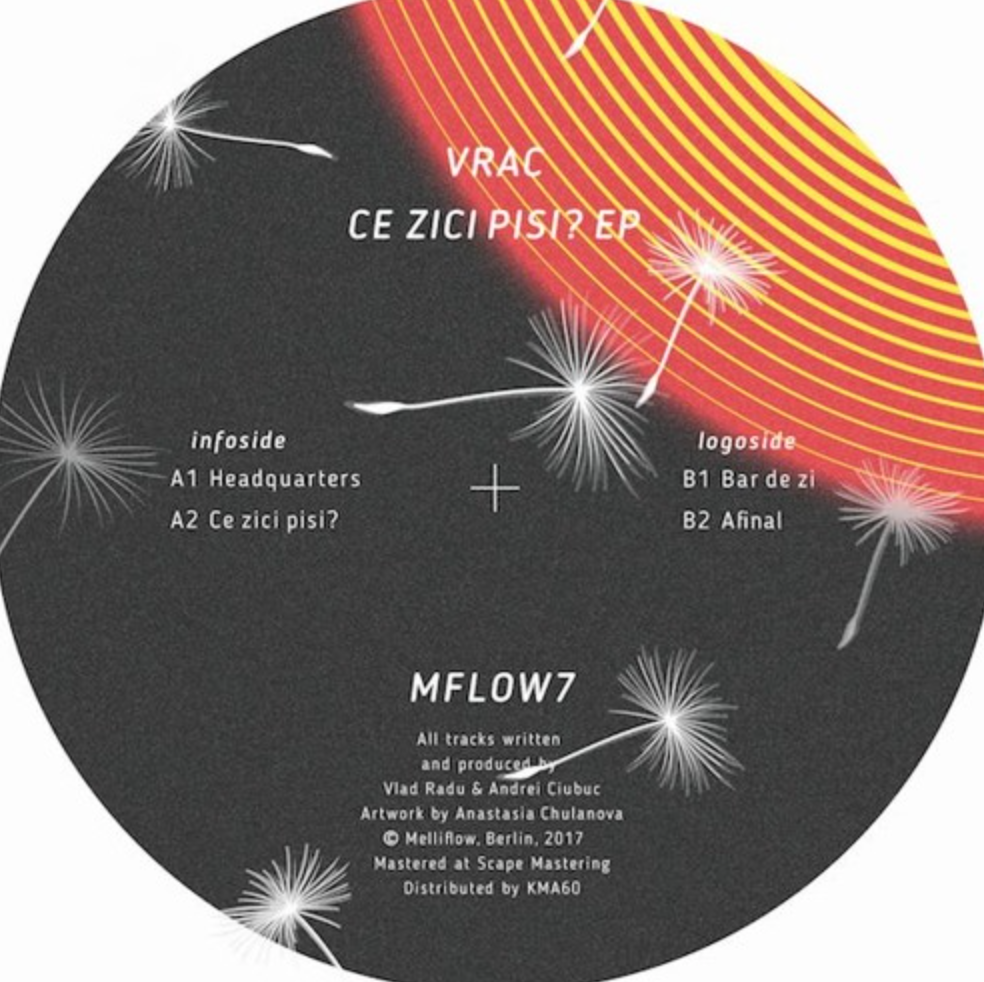
The next release on Vera and Alexandra‘s Melliflow imprint comes in the shape of a four-track EP from VRAC.
VRAC is the collaborative project of Vlad Radu and Andrei Ciubuc, and boasts two releases on Berlin-based Subtil, in 2014 and 2016. This will be their debut on Melliflow and marks the third release of the year for the Berlin-based imprint, following on from EPs from Probabilistic and Barbir & Nicola Kazimir.
Tracklisting
A1. Headquarters A2. Ce zici pisi B1. Bar de zi B2. Afinal
Ce zici pisi? EP is scheduled for early September release with clips streaming below.
LANDR has announced a distribution service that will allow artists to release and sell their music online.
The service aims to empower artists to distribute music the way it has with mastering, with a simple and intuitive platform. Starting at just $1/month, LANDR states it’s the “the most affordable solution for releasing music in the world today,” with users keeping 100% of their royalties and revenue, and there are no hidden fees for extra services—like adding albums to new streaming stores, or registering new songs to Shazam.
The service will also feature a listener data dashboard, which offers insights and crunches data on streams, listeners location, downloads, and revenue, including featuring next-day trends for Apple Music, iTunes, and Spotify.
Unlimited distribution is included at no extra charge for LANDR Mastering subscribers.
The parties take place over five consecutive nights, from Wednesday, October 18 to Sunday, October 22. The schedule is as follows:
Wednesday, October 18—B-SIDE Edit 003 with Gerd Janson
On the first day of ADE, RADION will kick things off with an ode to the B-side. What started out as a community of diggers dedicated to the flip side of a record, now turned into a conceptual club night. Running Back head honcho Gerd Janson will turn his full record collection upside down for the night.
Lineup:
Gerd Janson Thomas Hayat Rick Rouge Jurre Veen
Thursday, October 19—Tresor & BPitch present: We Are Not Alone
Heading over from Berlin is Ellen Allien‘s label BPitch Control, along with what many would describe as the creators of the city’s club scene: Tresor. Add RADION and Amsterdam-based promoter Project Sugar to the mix and you’re presented with four forward-thinking parties teaming up to bring you the second day of ADE. DJ Stingray, FJAAK, Objekt, K-hand, and Inga Mauer are all set to play.
Lineup:
Ellen Allien DJ Stingray FJAAK [live] Inga Mauer Objekt K-hand Thara Bergen Stefan Kuipers Cesan Bucek
Friday 20.10—MOOD x Banlieue present: Diagonal
Mood and Banlieue will join forces on ADE Friday. Amsterdam-based Mood steps out of their comfort zone by presenting a refined techno lineup in our main room. They’ll bring renowned artists with ages of experience in searching, selecting and creating dance music. Banlieue continues to showcase their love for musical (r)evolutions with another off-centered program.
Lineup:
Convextion [live] Jane Fitz Powell Not Waving [live] Deepchord [live] Aubrey Prostitutes [live] Andrea Parker Jaime Frias Joris Zwetsloot Mark Antoni Daan
Resident Advisor will return to Amsterdam for the second time during ADE. They bring a selection of their favorite artists, especially for the occasion. Ben UFO plays the mainroom alongside Japan’s DJ Nobu, German techno artist Dana Ruh, and Discwoman’s Umfang. The Bovenkamer will find itself in disco, house and leftfield sounds. Izabel, who started the Lullabies For Insomniacs label, will open the evening. Jayda G will perform as well, as will the New York duo Mister Saturday Night, who are making their Amsterdam debut.
Lineup:
DJ Nobu Ben Ufo Dana Ruh Umfang Mister Saturday Night Jayda G Izabel
Sunday, October 22—Our Society present: Soul in the Hole [Sadar Bahar B2B Lee Collins all night long]
For the third time in a row, Our Society hosts the grand ADE closing at RADION. This year sees a special B2B session by Soul in the Hole, Sadar Bahar, and Lee Collins. It will be the first ever ADE show of two of Chicago’s best-kept secrets. Moving from Chicago to Detroit, in the main room it’s Kyle Hall and Jay Daniel who will take care of the full motor city experience.
Lineup:
Jay Daniel Kyle Hall Soul in the Hole: Sadar Bahar and Lee Collins [all night] Wendel Sield
Ten years after throwing their first party in the Dutch capital, the Dekmantel team returned to Croatia for the second edition of Selectors, an extended weekend of DJs throwing down rare, sought after music gems, that verged from the tropically obscure, to minimal wave, techno, and more. Looking back at the festival that took place in the now much-regarded Garden resort, XLR8R looks at what made the festival so special.
Throughout the latest edition of Dekmantel’s Adriatic jaunt, a tall, mildly disheveled and sweaty Italian guy was running around with his phone high in the air—with the flashing blue calling signal of Shazam scanning the sound waves, fruitlessly seeking answers. On the rare occasion it would detect a track, our blazon hunter of songs would scream in joy, high-fiving with his smartly dressed rave-companions. It was definitely one of those festivals, where each record would raise an eyebrow—and if it had a beat- then some hips would move. Music fans were kept on the back foot, forever asking what the music was that they were listening to. The DJs kept digging deep.
This is the premise of Selectors. The Dutch label’s little foray into beachside eclecticism. Only the finest—and weirdest—tastemakers were called upon, playing collector’s items and records worth their weight in gold on Discogs. Queue Rabih Beaini, Lena Willikens, and of course Young Marco. The artists worked to create differing narratives per each set, pleasing the crowd not with anthems, but surprises. Everyone was given full creative reign, and perhaps even ordered to go beyond their normal remit.
CLICK ON A PHOTO TO ENTER GALLERY BROWSING
Set at The Garden on the Adriatic coast in Croatia, Selectors shares the same location as many other well-established festivals, including Love International, Suncébeat, Soundwave as well as others. The music is split amongst several stages: a restaurant DJ booth; The Voodoo stage set out in a small olive grove; two beach stages, and Barbarellas, a DC-10-like nightspot a few kilometres down the coast. Days are spent on the pebbled beach, listening to the sun-kissed grooves and calypso vibes from the beach bar. While jaunting between the crystal-clear, turquoise blue waters, and the surrounding patch of hammocks, Selectors often gives the feeling of being a holiday camp for record nerds. As if Rush Hour were to give free holidays to those who spend over EUR 500 on their online record shop.
The crowd are decked out in the Dekmantel uniform. Sporty, branded caps. An open-collared shirt with exotic colors, usually with an African, tribal motif. Short shorts, trainers, with socks around the ankles, and a waste bag hung over the shoulder. Girls and guys alike covered in various nautical tattoos.
The Balearic mix of music—disco, wave, bossa nova, and more—along with the beachside backdrop, and with some finely dressed, great looking people, made me wonder if this is what Ibiza was like in its heyday. With its openness to expression and mild hedonism, could it be that people will refer to this community and scene as Adriatic—as people now refer to the Balearic? Support for this case could easily be made with Dekmantel Soundsystem, who in this case was being represented by label figurehead Casper Tielrooij. Playing on Friday afternoon, alongside Bert Bert, and Palms Trax cruising along the coast on board the festival’s party-boat, Casper and co. treated the Balearic buccaneer dancers to a finely, crafted mix of disco, soul, classic house, and Brazilian treats. It was a finely prepared, five-course meal, with stand out tracks James Pants‘ “We’re Through,” Baiana Tahira‘s edit of Gilberto Gil‘s “Toda Menina”(a Dekmantel classic), and Kerri Chandler’s “You’re in my System” as the set closer.
What Selectors does a lot better than anyone else, is choosing local Dutch talent with certain penchants for new sounds, and creative niches. A lot of new artists were added to my Soundcloud subscription feed after this extended weekend, including DJ Arif, whose selection of Eastern, ambient and jazz provided a perfect soundtrack to the hot afternoon; Sassy J who is always on point as a fine selector of great music; Calypso Steve who pulled no punches as a leader in good time, tropical tunes, and Max Abysmal, one of the Netherland’s up-and-coming talents, who warmed up for Young Marco with a somewhat deep, and trancey set (finished with aplomb thanks to well-timed disco edit of The Clash). Also noted was Mark Knekelhuis, owner of the imprint that specializes in lost Dutch wave records; Rush Hour’s Robert Bergman who played a selection of tracks that are unclassifiable, and frankly almost impossible to describe. Let’s just say they were incredible and weird at the same time. One of the most memorable moments of the festival was Phuong Dan, the diminutive DJ with the big ideas. More than a DJ, Phuong Dan crafted a little, wave- odyssey. His set was filled with little pauses to break up the chapters, and was sometimes interjected with moments that attempted to connect scenes—sounds of Russian broadcast services, and East European wave music played at different tempos. His music fits somewhere in between kraut-wave-psych-beat that leaves you asking, “Where do you even buy records like that?”
Other moments of joyous discovery happened on the beach. Music from Memory’s Jamie Tiller and Red Light Radio‘s Orpheu the Wizard formed the ultimate dream time, delighting everyone with sublime sunshine house and disco, culminating in the classic “African Soul Power.” Jon K punished the revelers with a storming set of highly-charged electro-breaks, featuring De Ambassade’s “Verloren” as a soulful set-closer. Stingray nailed it with a set of tight-electro, closing out with R&B-like trap to add some tenderness to his ardent sounds. But the real festival highlight was watching Objekt, an artist of unparalleled genius, who manages to match the music and selection to the setting without a care. Headlining the Voodoo Stage after Lena Wilikens, Objekt made sure to keep the characteristic, oddball electro-charm in full flow, while ensuring that a progressive kick flowed through the tracks to keep the dancefloor going. With a varied, yet composed selection of tracks, the crowd were treated to the likes of Aphex Twin, DJ Assault, and Robert Hood all within the three-hour set time. An artist with an attention to detail, and an almost encyclopedic knowledge of records. That’s the kind of DJ who makes a fine selector. No anthems, just great records.
Having made his Circus Records debut with Fly Away / Blue Moon earlier in 2017, Prash Mistry (a.k.a. Engine-Earz Experiment) is now set to return, this time with a zen-inducing remix of “Blue Moon” from London legends Kinobe.
Prash’s original played with hypnotic textures and enthralling vocals from Kate Havnevik. Now, trip-hop legends Kinobe offer a reimagining that’s overflowing with soaring sound effects, twinkly arpeggios, lazy drums, and a silky bass line for some perfect end of summer listening.
The two warped and wonky originals were recorded between 2014 and 2016 in Rodion’s analog-heavy studio in Berlin, with further contributions from producer and singer Ali Bey, who is part of the Belgrade DJ collective Beyond House. The remixes fall in line with this ethos, providing a collection of late-night hypnotic grooves with tripped-out synth lines and slicing percussion.
In support of the release—which can be grabbed here—My Favorite Robot have offered up a full stream of Moscoman’s remix; and in true Moscoman fashion, it’s a deep and alluring psychedelic outing for the early hours of the morning.