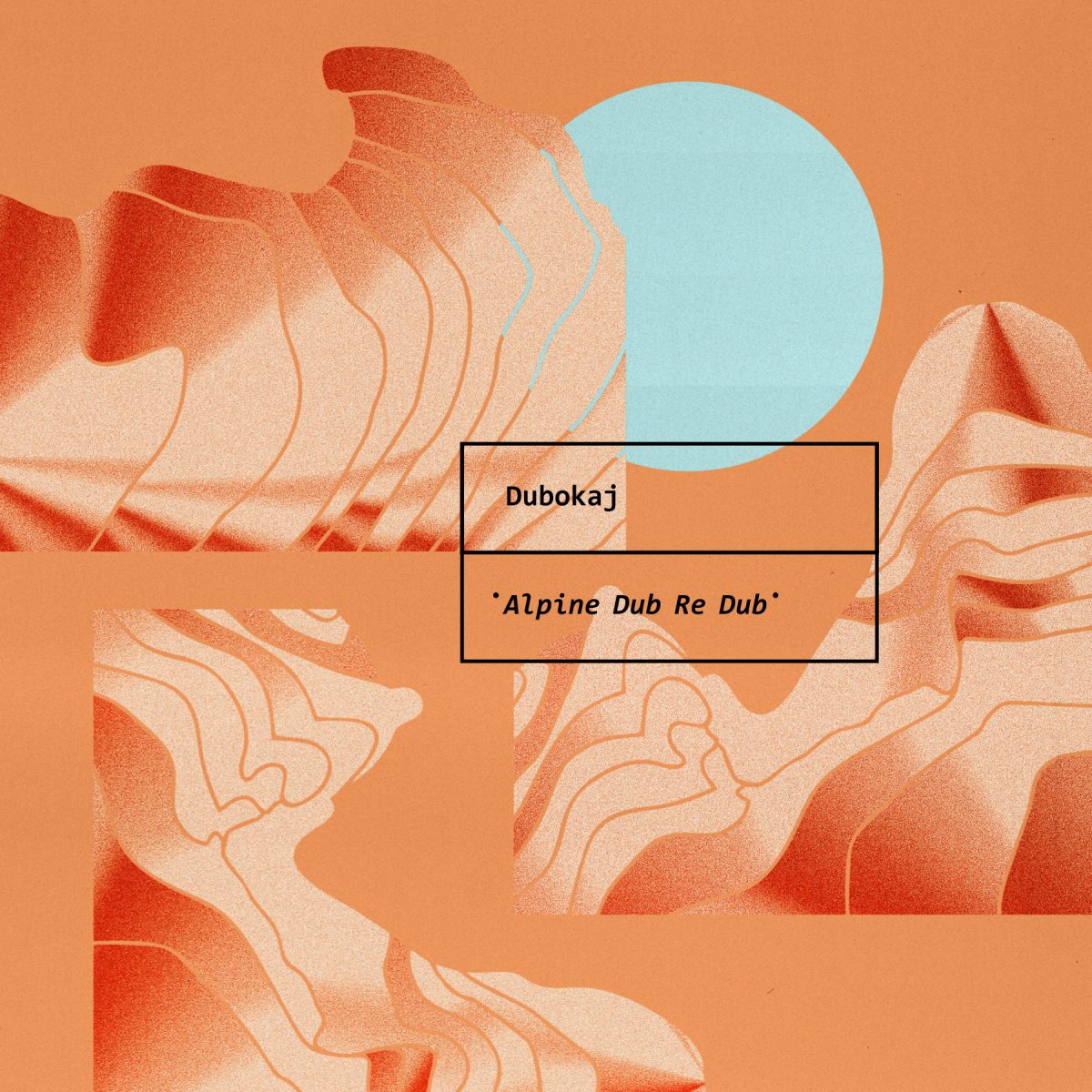
Producer and self-taught multi-instrumentalist Daniel Jakob (a.k.a. Dubokaj) released his debut LP, Alpine Dub, last year. Arriving after years of revisions and obsessive tweaking, Alpine Dub made waves in the bass community and introduced the concept of a Swiss sound to the dub musical sphere. Following the album at the end of last year, Jakob released a mini documentary that detailed his studio and the live, analog dubbing sessions that were responsible for creating the album and his unique sound.
Tomorrow, January 13, Jakob will kick off 2017 with the release of Alpine Dub Re Dub, a record of alternate dub versions and a handful of previously unreleased tracks. It’s a record made for the true bass and dub heads, an immersive, kaleidoscope record of heavy dub grooves. To wet our appetites, Jakob has offered up the deep opening cut, “Moi et Toi Dub,” as today’s XLR8R download.
You can pick up “Moi et Toi Dub” via WeTransfer below, with Alpine Dub Re Dub available via Mouthwatering Records tomorrow.
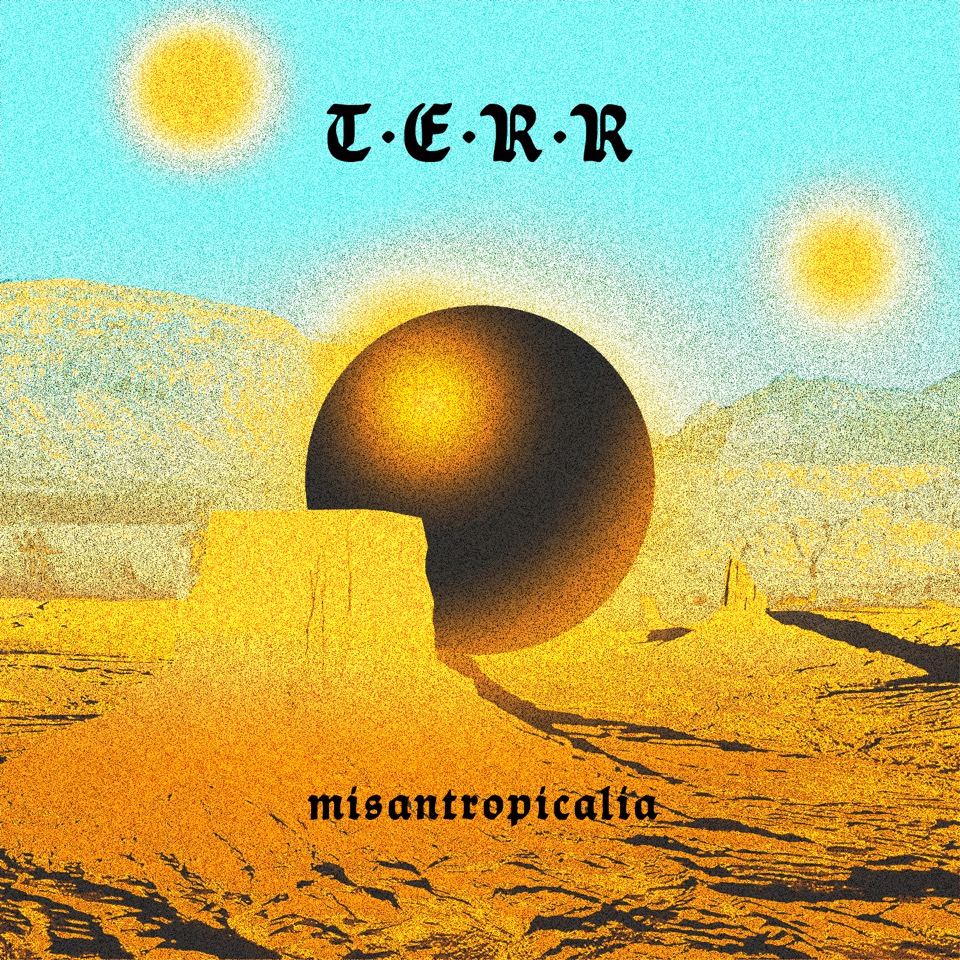
Hotflush will release a new TERR EP later this month.
Daniela Caldellas (a.k.a. TERR) dropped her debut release with Scuba’s Hotflush imprint last year—the Burn The Past EP. The Brazilian-born artist picks up where she left off with that record on the forthcoming Misantropicalia EP, a three-tracker that is described as continuing to “develop whats is becoming her retro-futurist signature.” Listeners can expect hints of electro and italo-disco, plus plenty of ’80s references.
Misantropicalia is due out January 27. Stream the title track in full below.
Tracklisting:
A1. Misantropicalia B1. OutRun B2. Don’t Look Around
Launched in 2017, the Munich-based label has since become a home for artists originating from all over the world and grown a strong reputation for the consistency and quality of its output.
Zenker Brothers:
“When we started Ilian Tape 10 years ago in 2007, we were both basically kids at the ages of 23 (Dario) and 18 (Marco). There was no plan behind it, no concept, no promotion campaign or any budget, but just an early vision of where it could go. We wanted to build something that lasts. After a few years of playing at parties and producing music, it was the next logical step to start a label. You can clearly see us growing up through the label in terms of artwork, compiling the records and handling things. We made some mistakes along the way and there are surely things we could have done better, but looking back after 10 years now it all makes sense as it was a natural and human development with all its ups and downs.
“It was always a very personal project, never about making money, but about creating a platform for music we believe in and building relationships with artists in a transparent and fair way. We really appreciate that we were able to work with so many great artists, who shared the same vision and trusted in us, over all the years. A while ago we moved away from the ordinary release info write-ups, because in general writing about music is tricky and who isn’t tired of the typical, full of praise for every detail of a record, release texts?
“But this might be starting to get boring for you too, so just buy this lovely triple vinyl package including a poster and download code, light one up and turn up the volume!
“One last thing, though: we want to deeply thank our parents for teaching us to live our dreams and find out who we really are, our friends for the vibes and honesty, all the artists releasing on the label, all the supporters and fans for buying vinyl and files, all the DJ’s playing out the stuff, all the diggers selling the stuff overpriced on Discogs, all the dancers working out on the dancefloors & all the clubs doing label nights over all the years.”
Tracklisting:
A1. Skee Mask “Excess Signal” A2. Struction “Seel” B1. Stenny “P-Zone” B2. Zenker Brothers “Haras” C1. Seelow “KKid_V2” C2. Marco Zenker “Sumit” D1. Rupcy “Straits” D2. Andrea “Blew” E1. Regen “Dome” E2. Roger 23 “Of Poor Quality And Method Of Communication” F1. Andrés Zacco “Shapes” F2. Dario Zenker “Tilian”
A Decade Ilian Tape is scheduled for February 28 release.
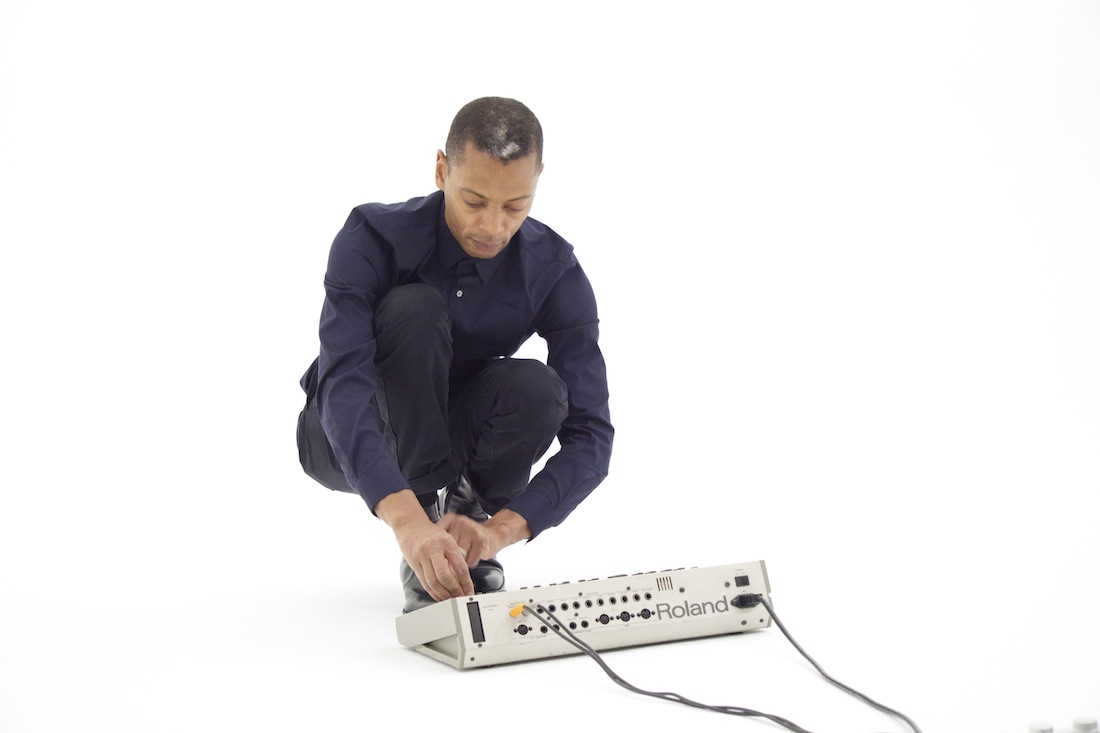
Jeff Mills has announced the release of his next album.
The Detroit techno legend shared news of the forthcoming full-length via a Facebook post. Planets, which is expected to drop in March, is described as an “electronic/classical” album, “about the 9 planets of our Solar System.” It will be released via his own Axis Records, which reaches its 25th anniversary this year.
In celebration of the milestone, Mills will feature in a four-part NTS radio show hosted by Moxie, delving back through the label’s catalog. Listen to the first episode now.
Planets will be released in March this year. Watch a promotional video for the album below.
XLR8R Couldn't find the embed function for type: "vimeo" and source: "<iframe src="https://player.vimeo.com/video/198943453" width="640" height="360" frameborder="0" allowfullscreen="allowfullscreen"></iframe>".
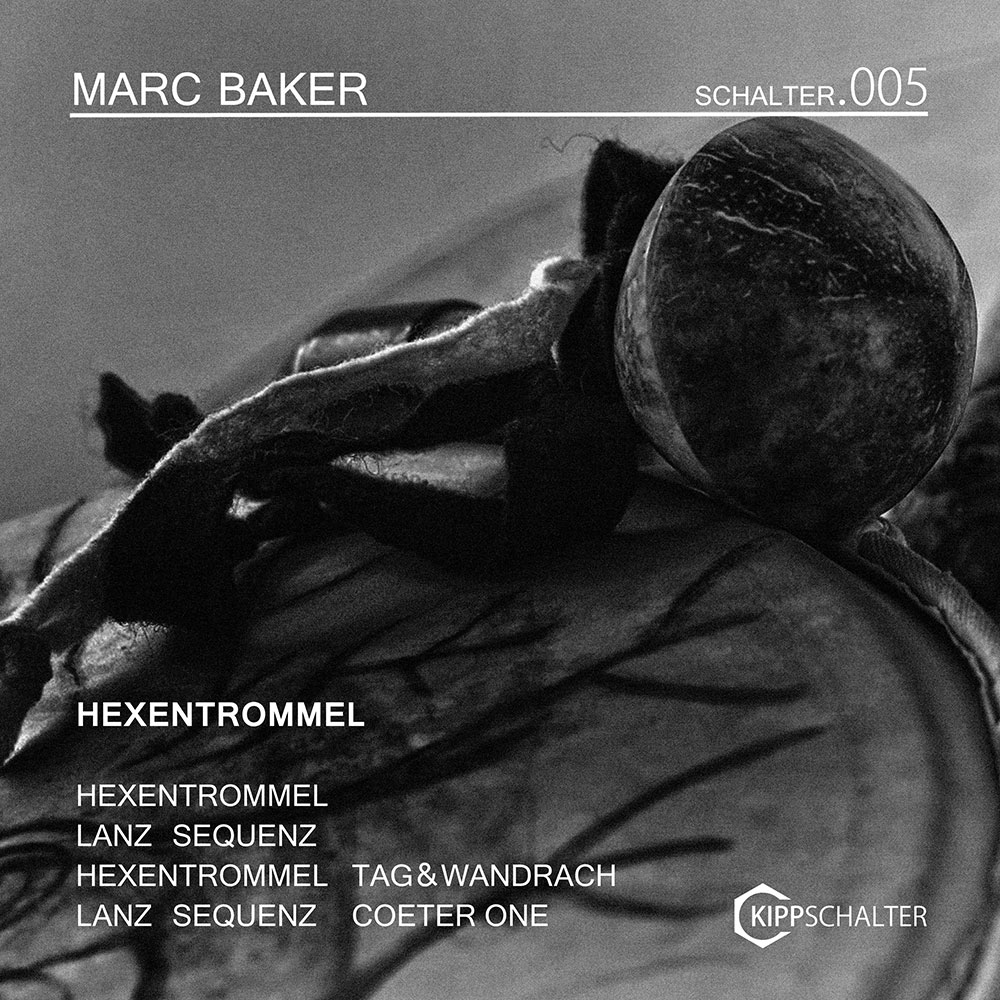
German artist Marc Baker is set to drop his latest EP, Hexentrommel, on January 13.
Hexentrommel will be the fifth release on Baker’s own Kippschalter imprint, following on from outings by DJ T.A.G., Nico Kohler, and Josh. Relatively new to the scene, Baker’s no nonsense, raw techno approach is starting to catch on and make waves, and Hexentrommel looks to seal that notion with two deep and twisted originals and remixes from Coeter One and Tag & Wandrach.
Ahead of the release later this week, you can stream the mind-bending title track in full via the player below.
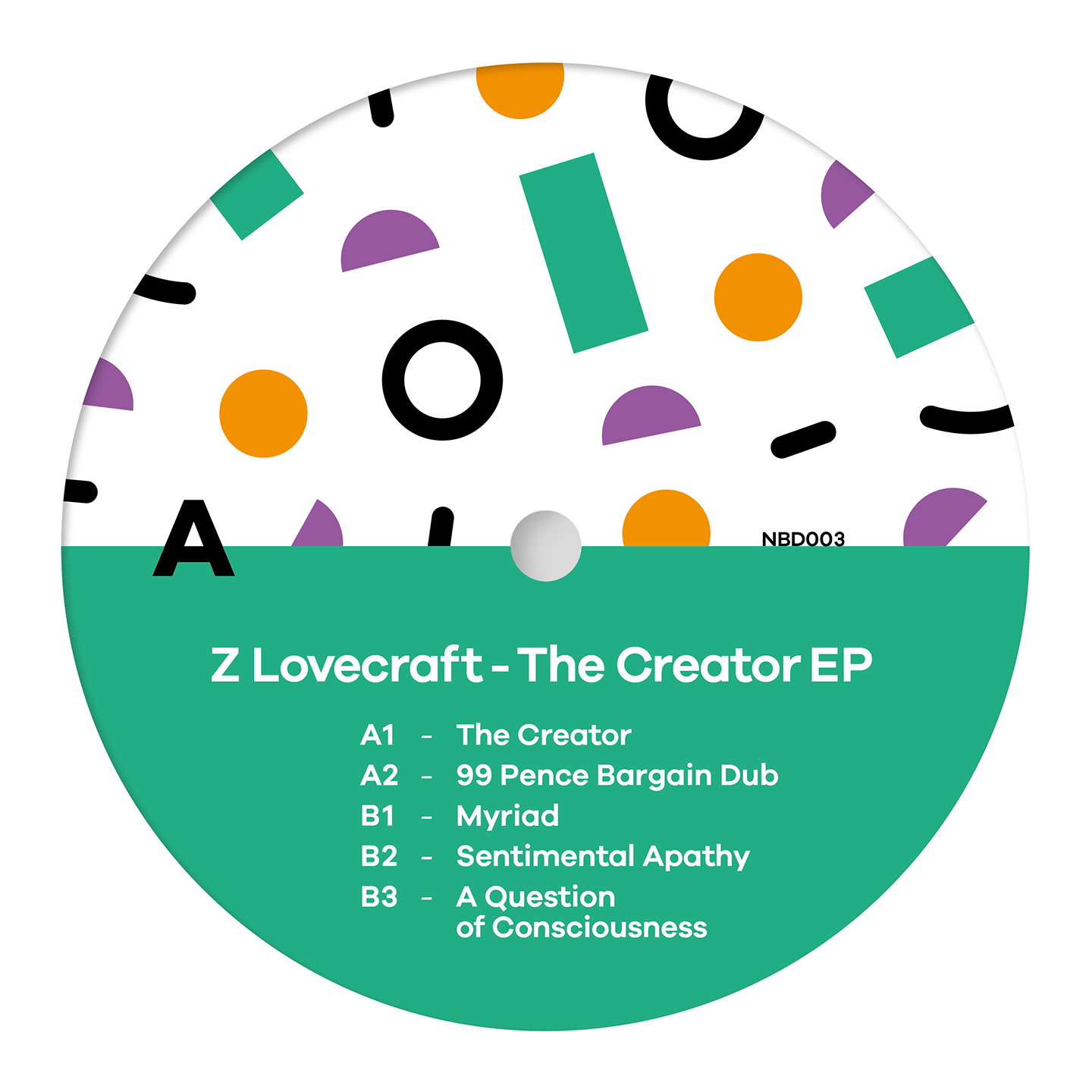
Dj, producer, radio host, and Rhythm Section artist Z Lovecraft will drop his debut EP, The Creator, on No Bad Days, a new London label run by Hollick.
The Creator follows on from EPs by Selvy and Roberto and, like those two records, the EP is a collection of smooth-as-silk house cuts, or as the label states: “dubbed out blissness, riviera percussion, and 80’s curb stomping beats.”
The Creator will be available on 12″ and digitally and can be pre-ordered over at the No Bad Days Bandcamp page, with the title track streaming in full below.
South London’s Shades Recordings will soon release Dive Left, the first full-length offering from James Wilson (a.k.a Boxwork)—as announced here last week.
According to the label, Dive Left is an “intensely personal” record which is “at once dark and vivid, melodic, and hardbitten.”
Dive Left is scheduled for February 24 release, with “Repertoire Unit” downloadable in full via the WeTransfer button below.
Tracklisting:
01. Automatic 02. Portland Push 03. Honest Loose 04. Life Tour 29 05. Fantasy Build and Handheld 06. Repertoire Unit 07. Phant 08. Requestline 09. 77% 10. Requestline II 11. Ritual 12. Making Use 13. Dive Left 14. Ergonomic
Eaves is the alias of Rick Farin, a 21-year-old DJ, producer, and architecture student based in Brooklyn, New York. His story goes as follows: born and raised in Los Angeles—where he learned began making his first beats—he moved east in 2013, aged 18, to realize his long-term ambition of becoming a qualified architect. And it was here that his Eaves project was born—inspired by his fascination by the “special connection” between space and sound. “I think my making music comes out of a natural fascination with construction, and building worlds that one can inhabit,” he explains.
In line with this, the focus of Eaves’ third release, theVerloren LP, was the creation of aural “spaces”—soudscapes or “worlds,” if you like, inside of which one can enter and subsequently lose oneself. Consequently, listening to any of his tracks—each of which is carefully “built” rather than “produced,” he says—can be a deeply cerebral experience, one that is not too far distanced from the dancefloor but is carefully constructed for solitary listening, either at home or via headphones. “I am writing soundtracks to these physical spaces in my mind,” he adds. “These are not really songs in the traditional sense.”
Interesting, too, are the “collage-based” processes behind the productions. Eaves explains that he has “no knowledge” of synthesis; instead, his tracks consist only of samples, almost all of which are drawn directly from YouTube and then twisted, turned, and recontextualised as necessary using Ableton. It’s funny, he explains, that productions made purely from the “digital” world—or the “dark side of Youtube”—will eventually be produced on in a physical format.
Whatever your taste, Eaves’ work is as interesting and fresh as the processes behind it—an experience that must be tried. It may not be particularly easy for the ears to begin with—the obscure bass-heavy sounds can initially feel rather intrusive—but in the right context they can be similarly rewarding and thought-provoking. To learn more about Farin’s story and these aforementioned processes behind the work, William Ralston sat down with Farin just last week.
You’re debut album, Verloren, arrived on December 2 of this year. But when did your musical path begin?
I started on GarageBand with my sister when I was like 11 or 12 years old. We used to make random tracks using the program’s loops but I never had any formal musical training or learned to play an instrument. I played the drums for a little bit and then I went to a Crystal Castles gig—the first time I really heard loud electronic music—and I wanted to learn how to produce myself. I got hold of a cracked version of Ableton when I was 15 and I started making Flying Lotus-type beats. It was then only when I graduated high school and moved to New York that I started to take the Eaves project really seriously.
Where does the Eaves name come from?
Eaves is an architectural term. When I first started studying architecture, I was looking for a name that would show these architectural influences but also embody the modernist style of architecture that I like, such as Le Corbusier or Alvar Aalto. Being underneath a building, having a building floating above you; I always found that fascinating. I guess the name came out of a kind of obsession with cantilevers and what that could signify as a spatial concept.
“I think my making music comes out of a natural fascination with construction, and building worlds that one can inhabit.”
Architecture is clearly something that inspires you. How did you get involved in it?
I moved to New York to study architecture. I am still studying at The Cooper Union now, and I have 18 months left. I always wanted to be an architect when I was a young kid, from about five years of age. Constructing things was always a part of my childhood, both physically and imaginary. I think my making music comes out of a natural fascination with construction, and building worlds that one can inhabit. My favorite thing to do with Legos was to invent my own world, with its own narrative, characters, and locations. I’d like to think my music does the same thing.
“I want there to be an implicit visual attached to every track that I make—and that visual should be a three-dimensional space.”
How is it connected to your music?
Music was something that I discovered via my family, my uncle, and father particularly; but since I committed to studying architecture, I’ve been trying to find a transparent relationship between architecture and sound. There is a special connection between space and sound; and, in particular, I think that there is something about this cinematic music that lots of artists are making nowadays that can actually create a full, inhabitable world in the mind of the listener. I was actually listening to a podcast recently where this guy said he was listening to my Verloren album and that he could imagine a big space opera—that he could see all these places in his mind. That is the exact kind of feeling that I want; I want there to be an implicit visual attached to every track that I make—and that visual should be a three-dimensional space.
So have the buildings—or spaces—that you’ve studied in architecture inspired certain tracks you’ve released?
Yes. The last project we did was about urbanism and we had to design a civic space for New York. I designed a refugee housing center with an open market and an underground sanctuary on the World Trade Centre site. From that visual space in my head, I could pull out a sound—or track. I think another interesting thing about architecture is that it’s not strictly visual, it combines all of the senses into a cohesive, full experience. That experiential moment is often I think ignored by architects, and I’d like to think that my music, while only being one sense, is in its own essence a piece of architecture. A full, breathable, inhabitable world. You can identify with a sonic character and put yourself in the architecture of the track.
In a previous interview, you said the concept for your tracks is clear in your head before you begin working on it. Is this concept always physical—i.e. a space or building?
Most of the time, yes. Normally I’ll start with a kind of melodic sample, and create a small loop. Sometimes tracks do start with a long drone or a drum line—but most of the time the track builds off the initial sample. This sample then serves as what I like to call the “formwork,” like the rebar in a concrete building. From there you can add, getting right to the ornamental details.
This was particularly true with Verloren: the album was all about creating soundtracks for these visual spaces. The first track I wrote for that record was “Dragliner,” right after GORILLA came out, and the concept came from a trip to the Mojave desert. We were driving along and this train came by with a bunch of construction equipment on it—including a dragliner. I started thinking about this space in the desert with lots of dragliners, and in the motel that night I started trying to create that space using sound.
What’s another good example of this approach?
“New Babylon,” the first track on the album, is, to me, like a birth of some kind. It’s based on an architecture project with the same title by Constant Nieuwenhuys, a 20th-century artist who visualized this anti-capitalist, future city named “New Babylon.” The project was designed at the height of the Cold War and has been subject to a great amount of controversy, but the thing I was most interested in was the fact that the project was to be built after a nuclear apocalypse, to unify the human race. Everything about that project is incredibly inspiring to me, and so the track was written to sort of document the space he created. I wanted it to feel as large and expansive as the city is, as charged and dramatic as the context that the design was made in. “New Babylon” in my opinion is one of the most cinematic tracks on the record.
How well defined are these visual images in your head? Can you draw them?
It depends. Often it is not actually a building; on many occasions, it is just an environment because the image is not so structured. On other occasions, I can actually draw the space—which is where the architecture comes in again. I have two monitors in my studio and I will often sketch the space on there or on a pad of paper so that I can then continually reference back to it when I am making the track—and I can then always ask myself whether that track will make sense within this space or not. I am actually also trying to learn to draw 3-D models for each of these tracks too.
But it’s also important to note that the space and track can transform and grow. For example, sometimes I’ll go into a track thinking I am going to make it about a desert environment and the environment will evolve into some kind of rainy forest. In essence, the tracks can continually evolve. Going back to “New Babylon”: it’s a sonic representation of this post fall-out world, but there is both a precursor and successor to the track because it is all built in this one narrative. There was the world before the fallout and the continuum of what “New Babylon” represents. It’s a constant transformative process.
So how do you know when a track is finished?
It’s a tough one. I normally write for five or six hours on the same track and if it doesn’t feel right then I will move on.
You said that Verloren was unique in that each track had a physical space as a reference behind it. How were your earlier productions different?
GORILLA and Hue were built as massive Ableton sets—in a mix-tape format. All the tracks flow together. The idea is that there are certain chapters that are literally Ableton sets that contain a number of tracks built as one unit in the same time span. On GORILLA these chapters were called Movements.Also, GORILLA didn’t really have such a clear or direct spatial influence.
What DAW are you using?
I am using Ableton because the loop function is really conducive to making these types of spatial soundtracks. You have to imagine these atmospheric loops as the background to the space, and then you can begin interjecting certain objects within that.
All your tracks just reworked samples and field recordings—you don’t make your own sounds. How did you get into sampling?
The first bands I ever loved were Nine Inch Nails and Crystal Castles. I saw a YouTube comment when I was 13 that said that they “sampled,” and I wanted to learn what this meant. I soon learned that you could make this collage-based music where you source sounds from elsewhere; I then gave a shot at it, and it took a few years but then decided to take the project seriously, leading me here.
How active are you in searching for samples—and where do you find them?
YouTube, mostly. I’m too poor to buy records, and I only just recently purchased my first sample pack. I tried the vinyl thing for a while but I just didn’t like it because it was too slow. Most of my sounds come from YouTube videos, and that is also where some of the track inspiration comes from: I will be searching for a sound—a cathedral reverb, for example—and I will come across this iPhone video of a guy walking through this gorgeous Gothic cathedral. I’ll take the sound from the video and also leave the video up as a reference point for the track. It’s a constant back and forth between the visual and the aural.
Where do you get the synth sounds from?
I know nothing about synthesis and I have only a few soft synths. The synths come pretty much exclusively from me searching for synth demos or synth sounds. More often than not, there will be a guy who has uploaded a one-minute video of him playing a few notes. I will then try to find a section where there is just one note that is isolated and then turn that into a synth.
There’s definitely quite a nocturnal, dystopian feeling about your music. Has this always been the case?
I think so. I have always had this strange interest in dystopia. My favorite video game as a kid was Halo. It’s sort of a fetish, to be honest. And it ties in with the architecture because when you look at modernist buildings, they’ve got that concrete, tough, almost stale exterior. I love that and find it stunningly beautiful. I actually prefer to see them in their dilapidated states when they’re stained and the concrete is worn.
“I like the idea that the music can be danced to; but I think it is more about listening to it, sitting back and just thinking “Woah!” I like to think that I am writing a soundtrack rather than a song.”
You can hear techno and electronica in your music, but it also bears a resemblance to sound art and composition. To what extent is dance music an influence?
I never got into techno or house. I have never really been to a “rave,” in all honesty. I love dance music but it’s never been a super deep influence on me or my work. My Dad used to DJ in Vienna and so that influence is always there but I don’t feel that is this ever directly referenced in my music. I like to think that my music I make now is more in tune with rock, in some way—like a Nine Inch Nails sort of production. I like the idea that the music can be danced to; but I think it is more about listening to it, sitting back and just thinking “Woah!” I like to think that I am writing a soundtrack rather than a song.
Your first release came in March 2015 with the Hue EP. What was it that inspired the project then?
This was the first time I found the sound and style that I liked. The tracks were just me experimenting with the sort of genre that I make now. It became apparent to me around this time that this was the music I wanted to make. I used similar techniques as on my previous music but tried to make something louder and more contemporary.
And then came GORILLA, which consists of four “movements” each consisting of a number of tracks. What was was the idea being this?
All the tracks were written in one long Ableton file because that helped me to work quickly—as this is what works for me. As a result, none of the tracks are any longer than they are on the album. The label manager asked me for some tracks but I didn’t like any of the ones I had, so I spent a week recording the movements. Looking back, it was just another experiment where I was still trying to find my sound; the idea was that it would operate as a series of small mixes.
There was a clear vision behind GORILLA: it was supposed to “bound between the two digitally-conceived emotional extremes”—the horrific and the pleasant—that are experienced by the internet’s “detached audience.” Can you talk about this theory?
This concept actually only really came out after I had written it. I listened back to the release and realized what the music said; I realized what the movements were saying. I didn’t go into the studio with this concept in mind; rather, it was more a result of what I had made—and a reference to what I had sourced to make the LP. For example, there was a sample taken from a video of the fighting in Ukraine juxtaposed with some happy hardcore synth sample, and this relationship made me sit back and really consider the morbid things I was doing on my computer. It’s dark and twisted, in my opinion—I’d hope GORILLA exposes this in some way.
Verloren, too, is linked to your fascination with the digital world. The press release states that it acts as a lens to the relationship we have with digital environments.” What do you mean by that?
Writing Verloren was all about writing music for these spaces, but when I listened back to it I realized it was also an illustration of the bad side of the internet—the dark side of YouTube, if you like. As with GORILLA, I went from sampling puppy videos to videos about the fighting in Syria, and so the writing process became pretty emotionally charged. I feel like that’s where a lot of the emotional moments on the album come from—a kind of personal impact from watching the things I was watching and converting them into some form of cohesion. I actually want all my releases to operate in this digital, virtual zone; and this zone forms the overarching space for my records, inside of which are all these other spaces and concepts that we’ve discussed earlier. Verloren, in some ways, just took the GORILLA concept to the extreme.
Verloren means “lost” in German. What’s the story behind it?
There are two ideas behind. Firstly, given that the music is collage-based, I wanted it to have that personal connection to me. I was born in Vienna and both my parents speak German, so I wanted it to be in this language. Secondly, within all these spaces that we’ve spoken about, I’d like to think you can get lost—so what was the word I chose.
What’s next on the agenda?
I have a new remix coming soon, and then the rest is a secret for now.
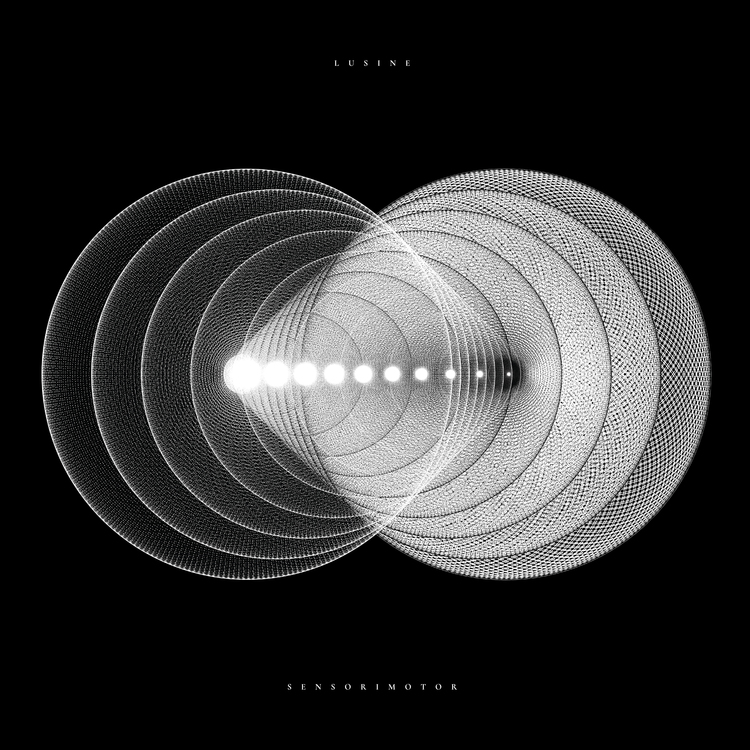
Seattle-based musician Jeff McIlwain (a.k.a. Lusine) has announced that he will release his fourth full-length with Ghostly International later this year. Known for blurring the lines between techno, electro-pop and experimental genres, Lusine’s forthcoming Sensorimotor will be no different. The imprint describes the album as “visceral,” made up of music that merges “the digital world with the real world.” Lusine calls on several collaborators for a handful of tracks: Benoît Pioulard, Vilja Larjosto and his wife, Sarah McIlwain.
On the release, McIlwain stated: “I suppose the concept behind Sensorimotor pulls from a special kind of double meaning of the word. The literal, to me, is the integration of your senses with actions, like with birds and how they move so fluidly in flocks. It’s just fascinating how their brains are able to comprehend such quick actions collectively at once. The symbolic is a bit harder to put into words. I guess it’s just the concept of figuring out how much control you have over your artistic output.”
Sensorimotor will be released March 3. Stream “Just A Cloud (feat. Vilija Larjosto)” in full below.
Tracklisting:
01. Canopy 02. Ticking Hands (feat. Sarah McIlwain) 03. Slow Motion 04. Just A Cloud (feat. Vilja Larjosto) 05. The Level 06. Witness (feat. Benoît Pioulard) 07. Chatter 08. Won’t Forget (feat. Vilja Larjosto) 09. Flyway 10. Tropopause 11. The Lift
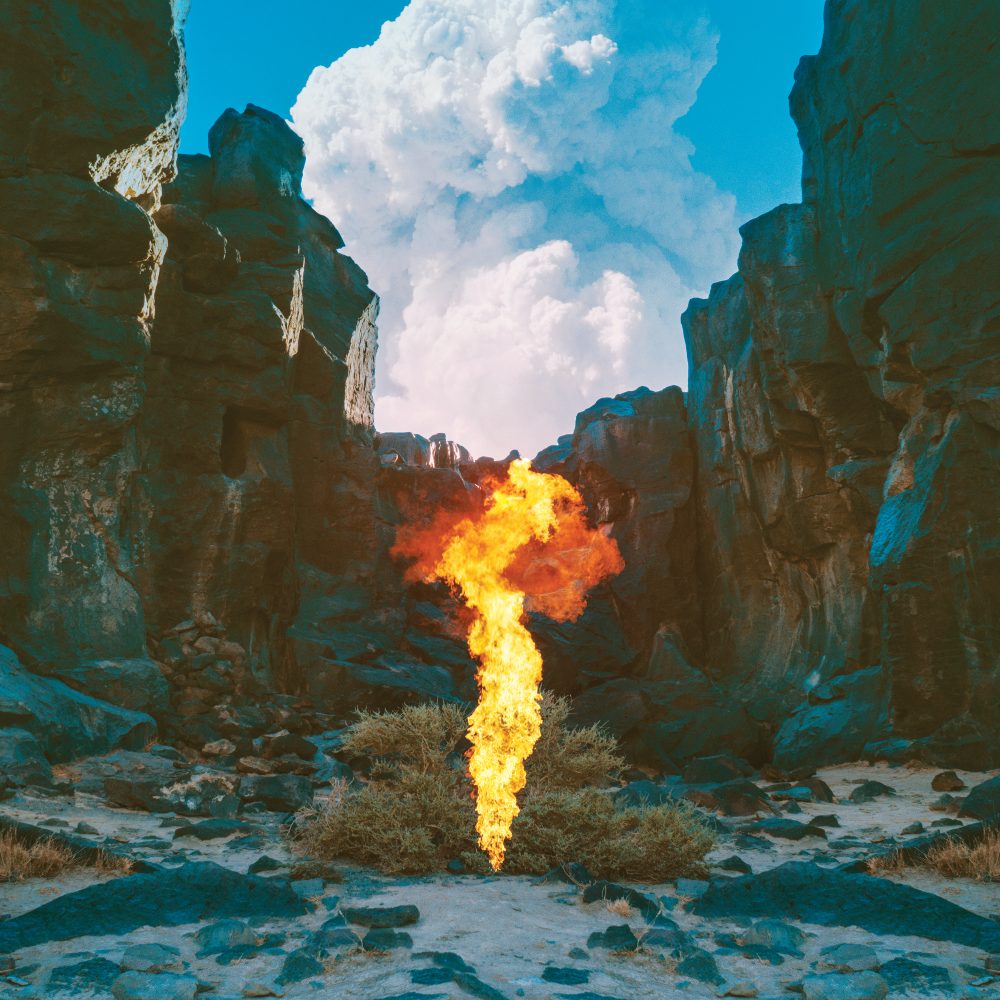
Beginning with Simon Green’s debut under the Bonobo moniker, 2000’s Animal Magic, right through to his latest, the new Migration, his calling has been clear: he’s made it his mission to create hazy, flowing music that’s equal parts subtle and rich, with an organic feel that is the result of layering live instrumentation over his samples and electronics. Ever since, he’s been reaching for an idealized version of that template, towards a thoughtful style that both soothes and resonates. His path towards that rarefied goal, however, hasn’t exactly been a straight line.
The early work of the Brighton, U.K. artist (now based in LA) was an occasionally somber, sporadically lithe and often jazzy take on trip-hop and related downtempo sounds—Animal Magic was released a particularly fertile time for that style of music, in the wake of albums like Cinematic Orchestra’s Motion and Nightmares On Wax’s magnificent Carboot Soul. His mid-period releases, like 2006’s Days to Come or 2010’s Black Sands, both refined the beats and accentuated his music’s lushness. 2013’s The North Borders, while certainly as elegant as any of his output to date, was something of a let-down, with Green edging away from the lost-in-the-fog aura of his best work towards a more conventional sound, with an almost traditional approach to songwriting embedded within its skittering rhythms. But Migration is an intricate, fine-tuned return to form, one that both soothes and thrills.
The theme of the album, Green has stated, is in the title: “It’s interesting how one person will take an influence from one part of the world and move with that influence and affect another part of the world. Over time, the identities of places evolve.” A vague, somehow enriching sense of dislocation permeates the album; the result is a dreamlike quality running throughout, an aura that’s evident from the first few bars of the title track. Leading off the album, “Migration” rounded eighth-note pulses anchor a lilting piano, plucking out a tune filled with yearning; coos and chords gradually fill the empty spaces, with syncopated, complex drum programming leading towards the song’s crescendo.
It’s delirious yet serene, and sets the tone for much of what follows: wistful, lullaby-esque melodies abound, with songs swimming in gentle arpeggios and swirling with diaphanous and gauzy textures, anchored by gently shuffling rhythms and a near-transparent low-end. With its tingling chord progression, sparkling keys and soaring surges—not to mention its wonderfully utilized Brandy sample—“Kerala” conveys a feel of warm uplift; “Break Apart,” featuring an insistent harp, melancholy horns, and ethereal vocals courtesy of Rhye’s Michael Milosh, is pure heartbreak.
Even at its most dynamic and dancefloor-oriented, there’s a chimera vibe to Migration. “No Reason” blankets the contemplative croon of Nick Murphy (the artist formerly known as Chet Faker) over a percolating synth and a steady, near-house cadence, while the dense “Outlier” features a brilliant passage two-thirds of the way through the track, when Green strips away the shimmer to reveal something akin to an acid-house workout. The rhythms, in another producer’s hands, would serve as the songs’ propulsive force—but even on these tougher numbers, they’re akin to latticework, serving a framework on which to hang spiraling ornamentation. Green’s always aimed for music that’s magical, for a sound that’s transcendent—with Migration, he’s come closer than ever.