Real Talk: Dolan Bergin & Ajay Jayaram

Real Talk is a series of artist-penned essays that appear on XLR8R from time to time.

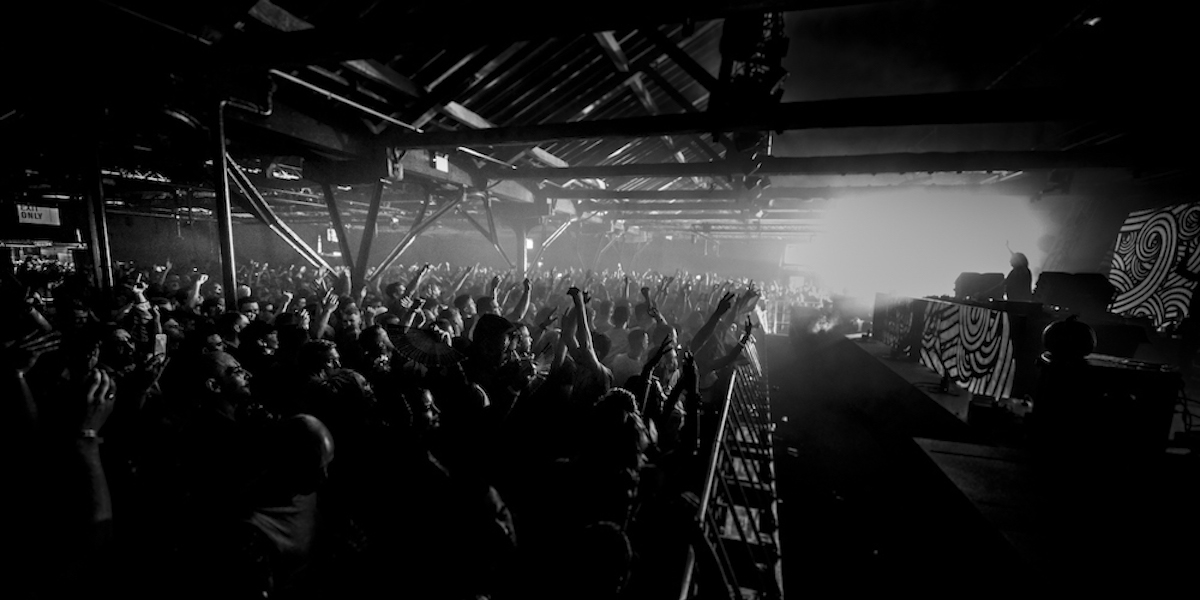
With the recent closure of one of the world’s most important clubs, fabric, the spotlight has been thrown onto London’s clubbing scene. Big questions fly around about the future of the city’s nightlife, while its proponents have been forced to take up arms in its defense. Much ink has been spilled over the matter, though definitive answers and solutions to its apparent problems remain evasive, and tensions remain high. Has it reached the point of disrepair?

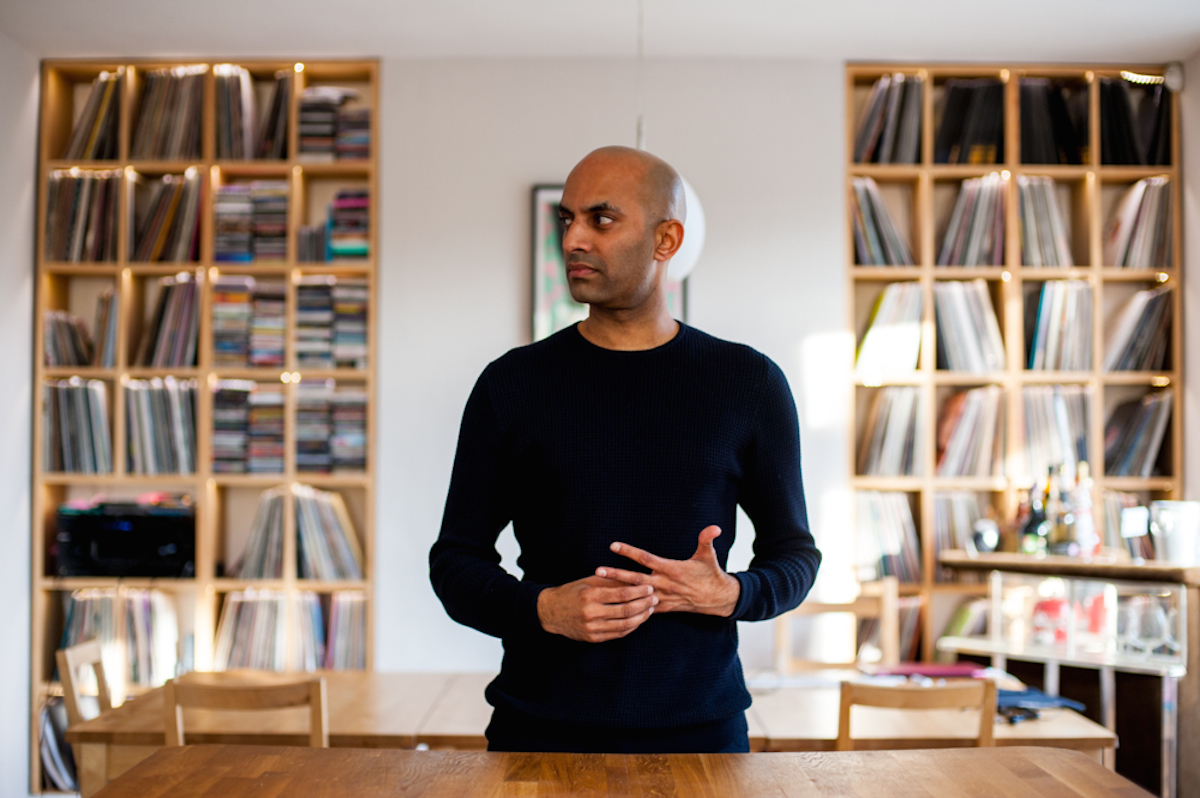
Dolan Bergin and Ajay Jayaram have been there through it all, ever-present at the center of the scene. Together they run The Hydra, one of the city’s most popular event series; prior to that, Bergin was also responsible for electric minds, while Jayaram spent years cutting his teeth at infamous nightspot The End, as well as running Clock Strikes 13. Between the two of them, they have brought an endless array of talent to the capital, all the while paying heed to the shifting sands of the local environment. It was with their knowledge in mind that XLR8R decided to call them up, to set the record straight on London clubbing today.

 Dolan Bergin

“The music business is a cruel and shallow money trench, a long plastic hallway where thieves and pimps run free, and good men die like dogs. There’s also a negative side.” Hunter S. Thompson

When we were recently asked to contribute to a feature on the current state of London’s nightlife, we didn’t want to provide yet another negative statement, or an authorities-bashing quote. We felt we had something positive to say.

London is a tough place to operate at times, prices are high and licensing laws are complex, but while the traditional club model and culture seems to be taking a beating, there are individuals out there who are adapting and fighting to push things forward. It’s this passionate and entrepreneurial spirit that overcomes the industry’s obstacles and makes us feel that there is still much to be celebrated.

We are fortunate to have a thriving music scene in London that’s not just about electronic music. It is such an eclectic city that, musically, you can find pretty much anything you’re into every weekend. Festivals in the capital are more numerous than ever, there is a live music circuit, which is over-run with A&Rs looking for the next Adele, warehouse parties are happening again, and if it’s a small basement party for 100 friends you’re after, they are in abundance. In the past fortnight if electronic music is your thing you could find Four Tet bringing rave culture to ten thousand people across two nights at Brixton Academy, Theo Parrish playing an all-night set into the early hours, LTJ Bukem at The Electric, Moritz von Oswald in Hackney Wick, Bicep at Bloc, Tim Sweeney at Phonox and over to Corsica Studios for Jaded’s weekly Sunday morning party. There is choice and lots of it!
 Ajay Jayaram

We ought to remind ourselves that even on the most miserly weekend of the year, London is host to over 100 parties, featuring the great, the good and the never-to-be-heard of, on a musical flex that somehow straddles a Grand Canyon-sized gulf of diversity and purpose. It’s difficult to truly and definitively know, but surely there cannot be a more prolific musical scene anywhere on the planet?

It’s only right that there should be outrage when we’re faced with the loss of such an institution as fabric, but it becomes somewhat frustrating when the criticism of all of the underlining problems falls short at collective ire towards the authorities. It’s very hard to know what goes on behind the scenes in the corridors of power, but in the same way our NHS comes under pressure, we also feel other public services are affected by the same budget restraints. The conservatives want us to work through austerity and for some of us the only visible result of this policy is that the rich get richer, London’s property prices rocket and the majority find their salaries are worth less and less each year. We imagine it’s just as hard living in London on a police salary as it is for a nurse or any other public service professional.

The police, environmental health and council licensing teams have been supportive of us in recent years (it’s not been without its challenges though) so we do still believe that there are people out there prepared to support London’s music scene. Local authorities are an easy target at times but it’s government who make policies that affect us all, so we need to learn how to influence change at this level.

“While fabric remains shut many promoters and venue owners have rallied around which shows there is a compassionate and professional industry at play. There are some, however, who are ignoring etiquette and racing to pick up the pieces for their own benefit.”

If a police force has its budgets cut they have to look at ways to reduce their workload, so putting pressure on licensed venues to cover all security and emergency service costs means they can apportion funds elsewhere. We think it’s these noticeable changes which are affecting our venues and that cause such distress, but what about the other issues in London we face?

The music industry is formed around artistic contribution, but it’s the business element which often seems to be deemed a dirty word. How much of the recent press attention to the apparent demise of our scene was centered on venue hire fees and general expense of booking some of the world’s most in-demand producers and DJs? If you asked any agent or manager who works regularly with London promoters and festivals, they might have a different opinion on how this city is performing, as they will be inundated with requests from experienced (and not so experienced) promoters.

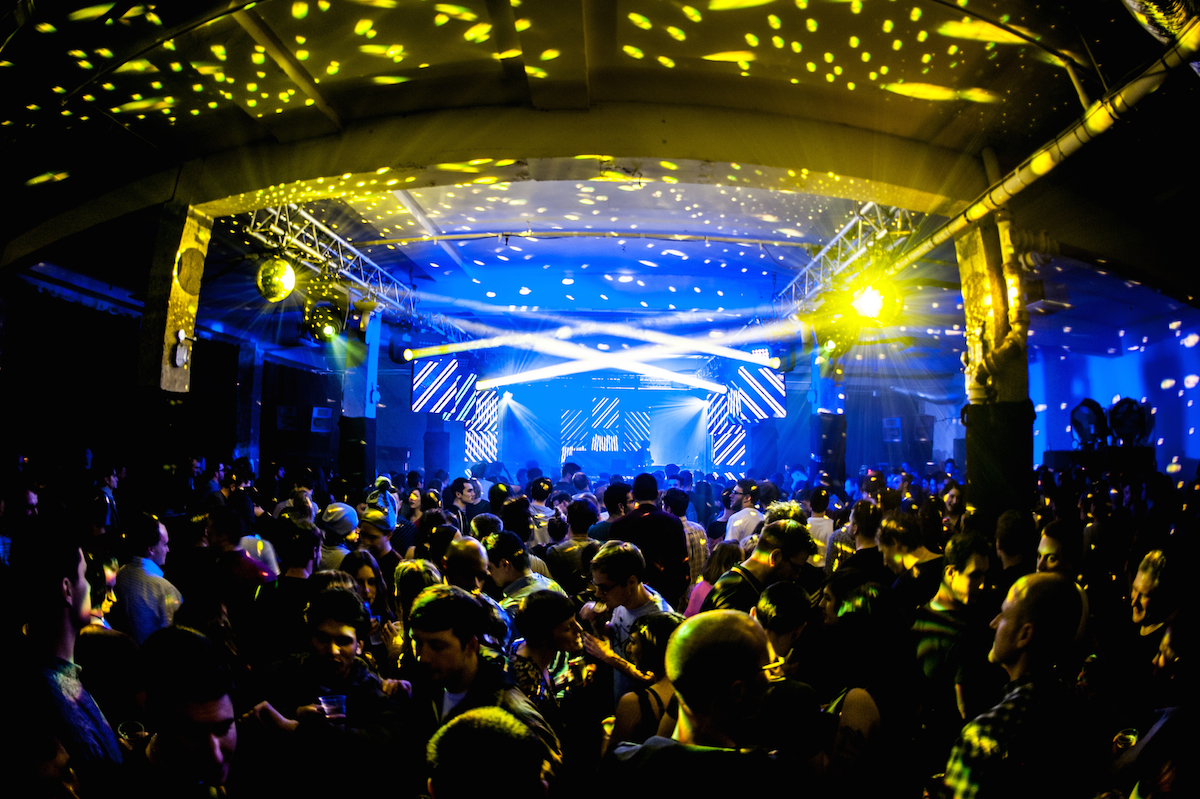
 Theo Parrish at The Hydra, October 2016.
 Bonobo at The Hydra, November 2014.

While fabric remains shut many promoters and venue owners have rallied around which shows there is a compassionate and professional industry at play. There are some, however, who are ignoring etiquette and racing to pick up the pieces for their own benefit. This is the side of the music industry which makes operating with values very hard at times and its rarely talked about in public.

New promoters needing to establish their name are offering grossly inflated fees to lure artists their way. This attitude to things is not about creating a special event, it’s checkbook production and misses the whole ethos of creating those unique moments. This highest-offer-wins approach doesn’t always work, but it most definitely has an impact, which has seen the costs of producing events in London at an all-time high. These costs are as much to blame for recent venue pressures as the authorities approach to licensing.

We have worked hard over the years to approach things with care and attention to detail. We’ve developed good relationships with the artists and agents we work with, so we’re lucky to know that with cooperation, we can usually find a way to book our program each year. Competition in London is insanely fierce and the level of fees being commanded in this city is sometimes pushed to eye-watering levels. This is not a sign of things slowing down or a scene in demise. Luckily it is not all about money, though. When you apply a level of quality, people that care about the fine details often end up finding each other. Labels and artists with integrity recognize these qualities and they are almost always the ones with longevity.

“The music industry can be cruel, but where some see obstacles, others see opportunities.”

What is clear is that consuming music in all its forms, whether it’s a physical, digital format or a concert or club night, everything we know from the last thirty years is changing. London’s club culture doesn’t look the same as it did ten or 20 years ago, but is this the end? When you look at how people consume music today, with holidays dedicated to week-long festivals abroad or online streaming, there is plenty to say it’s as healthy as it’s ever been. Virtual reality has the potential to bring club culture to every global city. It might not be the intense club experience with friends and strangers that we all know and love, but it is progress and even if we don’t like the concept, it’s wise to embrace change.

Some large-scale festivals saw attendance levels fall off a cliff this year, but it’s almost impossible to keep up with the amount of boutique festivals, which happen not just in the UK, but also globally. There are now festivals taking place which cater to an audience who were raving in the ’90s, who have grown up and taken on responsibilities, but who still like to occasionally party when there is downtime to recover. This is a great example of how this industry naturally adapts to keep up with its audiences tastes and needs.

What is more attractive—a UK festival with sky-high prices and the chance of rain over your tent, or an all-in package covering flights, accommodation (with a roof and bed) on the Adriatic coast, for seven days and at exactly the same cost? When we first experienced this option eight years ago, our summers were never the same again. For some, these Croatian festivals were the first taste of music in the outdoors and since then the ideas have been brought back to the UK. We’re sure this has helped contribute to the boutique festival scene, which is flourishing right now.
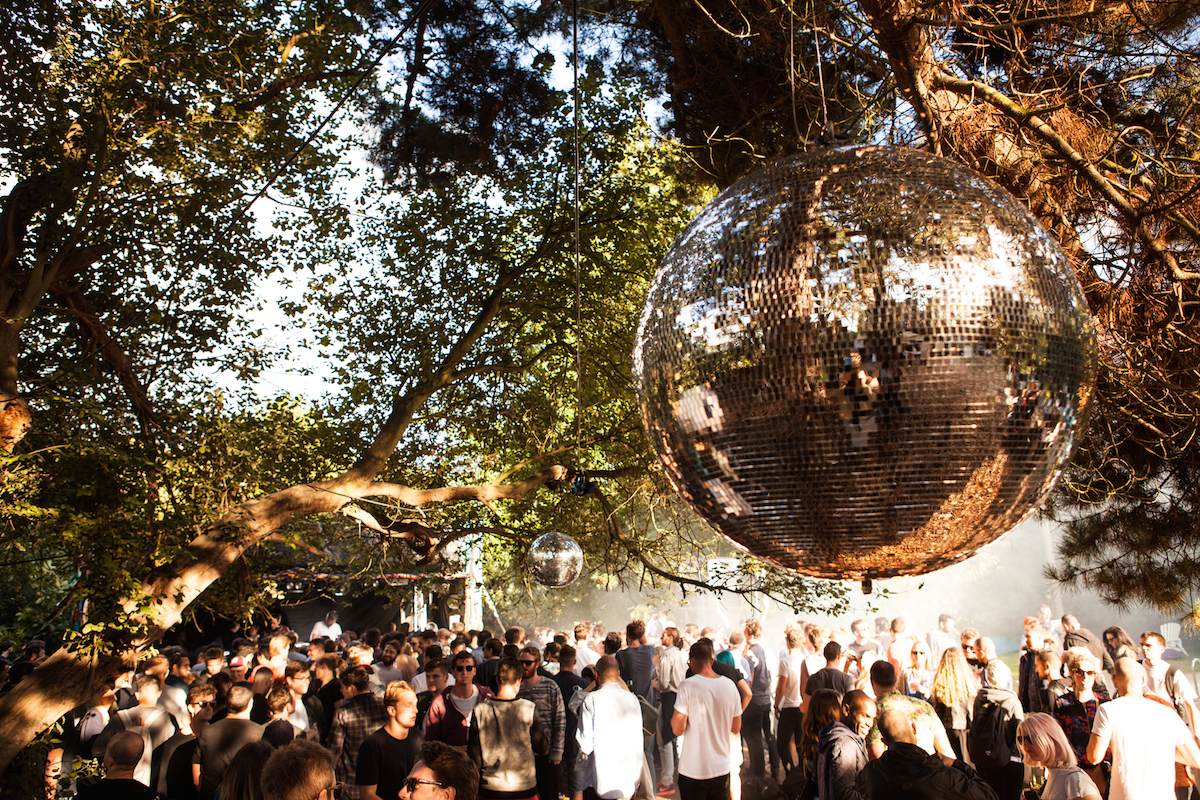
 Lost in a Moment 2015, produced by The Hydra.
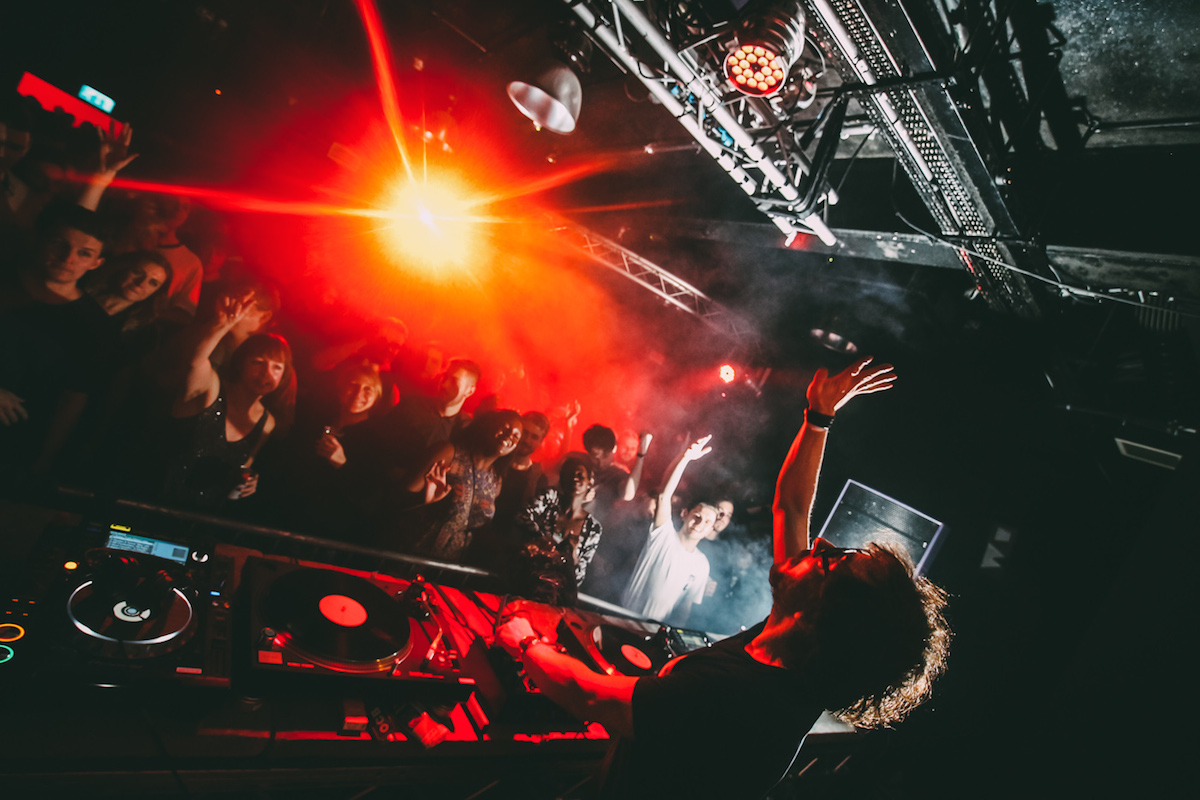
 Move D at The Hydra, 2015.

London’s club culture has been at the forefront of the global music scene for decades and it’s continually mutating into new forms. Its producers and musicians are still making critically acclaimed music, which has a worldwide audience and has provided endless trends and genres. Electronic music is moving up the cultural ranks. There is hope it will be fully recognized soon by the establishment. If not, you would not have the likes of Kraftwerk taking over the Tate’s colossal hall.

London has and always will be full of entrepreneurial spirit and where challenges exist, there will be someone who finds a way to make a party happen. Electronic music is a progressive culture and progressive cultures have nearly always and will nearly always meet resistance from systemic authorities. Like Thompson said, the music industry can be cruel, but where some see obstacles, others see opportunities.

Theo Parrish photo by Sam Benjafield, Bonobo photo by ShotAway, Lost in a Moment photo by Theo Cottle, and Move D photo by Ayden Whitfield.

Real Talk: Dolan Bergin & Ajay Jayaram

Real Talk is a series of artist-penned essays that appear on XLR8R from time to time.

With the recent closure of one of the world’s most important clubs, fabric, the spotlight has been thrown onto London’s clubbing scene. Big questions fly around about the future of the city’s nightlife, while its proponents have been forced to take up arms in its defense. Much ink has been spilled over the matter, though definitive answers and solutions to its apparent problems remain evasive, and tensions remain high. Has it reached the point of disrepair?

Dolan Bergin and Ajay Jayaram have been there through it all, ever-present at the center of the scene. Together they run The Hydra, one of the city’s most popular event series; prior to that, Bergin was also responsible for electric minds, while Jayaram spent years cutting his teeth at infamous nightspot The End, as well as running Clock Strikes 13. Between the two of them, they have brought an endless array of talent to the capital, all the while paying heed to the shifting sands of the local environment. It was with their knowledge in mind that XLR8R decided to call them up, to set the record straight on London clubbing today.

“The music business is a cruel and shallow money trench, a long plastic hallway where thieves and pimps run free, and good men die like dogs. There’s also a negative side.” Hunter S. Thompson

When we were recently asked to contribute to a feature on the current state of London’s nightlife, we didn’t want to provide yet another negative statement, or an authorities-bashing quote. We felt we had something positive to say.

London is a tough place to operate at times, prices are high and licensing laws are complex, but while the traditional club model and culture seems to be taking a beating, there are individuals out there who are adapting and fighting to push things forward. It’s this passionate and entrepreneurial spirit that overcomes the industry’s obstacles and makes us feel that there is still much to be celebrated.

We are fortunate to have a thriving music scene in London that’s not just about electronic music. It is such an eclectic city that, musically, you can find pretty much anything you’re into every weekend. Festivals in the capital are more numerous than ever, there is a live music circuit, which is over-run with A&Rs looking for the next Adele, warehouse parties are happening again, and if it’s a small basement party for 100 friends you’re after, they are in abundance. In the past fortnight if electronic music is your thing you could find Four Tet bringing rave culture to ten thousand people across two nights at Brixton Academy, Theo Parrish playing an all-night set into the early hours, LTJ Bukem at The Electric, Moritz von Oswald in Hackney Wick, Bicep at Bloc, Tim Sweeney at Phonox and over to Corsica Studios for Jaded’s weekly Sunday morning party. There is choice and lots of it!

We ought to remind ourselves that even on the most miserly weekend of the year, London is host to over 100 parties, featuring the great, the good and the never-to-be-heard of, on a musical flex that somehow straddles a Grand Canyon-sized gulf of diversity and purpose. It’s difficult to truly and definitively know, but surely there cannot be a more prolific musical scene anywhere on the planet?

It’s only right that there should be outrage when we’re faced with the loss of such an institution as fabric, but it becomes somewhat frustrating when the criticism of all of the underlining problems falls short at collective ire towards the authorities. It’s very hard to know what goes on behind the scenes in the corridors of power, but in the same way our NHS comes under pressure, we also feel other public services are affected by the same budget restraints. The conservatives want us to work through austerity and for some of us the only visible result of this policy is that the rich get richer, London’s property prices rocket and the majority find their salaries are worth less and less each year. We imagine it’s just as hard living in London on a police salary as it is for a nurse or any other public service professional.

The police, environmental health and council licensing teams have been supportive of us in recent years (it’s not been without its challenges though) so we do still believe that there are people out there prepared to support London’s music scene. Local authorities are an easy target at times but it’s government who make policies that affect us all, so we need to learn how to influence change at this level.

“While fabric remains shut many promoters and venue owners have rallied around which shows there is a compassionate and professional industry at play. There are some, however, who are ignoring etiquette and racing to pick up the pieces for their own benefit.”

If a police force has its budgets cut they have to look at ways to reduce their workload, so putting pressure on licensed venues to cover all security and emergency service costs means they can apportion funds elsewhere. We think it’s these noticeable changes which are affecting our venues and that cause such distress, but what about the other issues in London we face?

The music industry is formed around artistic contribution, but it’s the business element which often seems to be deemed a dirty word. How much of the recent press attention to the apparent demise of our scene was centered on venue hire fees and general expense of booking some of the world’s most in-demand producers and DJs? If you asked any agent or manager who works regularly with London promoters and festivals, they might have a different opinion on how this city is performing, as they will be inundated with requests from experienced (and not so experienced) promoters.

While fabric remains shut many promoters and venue owners have rallied around which shows there is a compassionate and professional industry at play. There are some, however, who are ignoring etiquette and racing to pick up the pieces for their own benefit. This is the side of the music industry which makes operating with values very hard at times and its rarely talked about in public.

New promoters needing to establish their name are offering grossly inflated fees to lure artists their way. This attitude to things is not about creating a special event, it’s checkbook production and misses the whole ethos of creating those unique moments. This highest-offer-wins approach doesn’t always work, but it most definitely has an impact, which has seen the costs of producing events in London at an all-time high. These costs are as much to blame for recent venue pressures as the authorities approach to licensing.

We have worked hard over the years to approach things with care and attention to detail. We’ve developed good relationships with the artists and agents we work with, so we’re lucky to know that with cooperation, we can usually find a way to book our program each year. Competition in London is insanely fierce and the level of fees being commanded in this city is sometimes pushed to eye-watering levels. This is not a sign of things slowing down or a scene in demise. Luckily it is not all about money, though. When you apply a level of quality, people that care about the fine details often end up finding each other. Labels and artists with integrity recognize these qualities and they are almost always the ones with longevity.

“The music industry can be cruel, but where some see obstacles, others see opportunities.”

What is clear is that consuming music in all its forms, whether it’s a physical, digital format or a concert or club night, everything we know from the last thirty years is changing. London’s club culture doesn’t look the same as it did ten or 20 years ago, but is this the end? When you look at how people consume music today, with holidays dedicated to week-long festivals abroad or online streaming, there is plenty to say it’s as healthy as it’s ever been. Virtual reality has the potential to bring club culture to every global city. It might not be the intense club experience with friends and strangers that we all know and love, but it is progress and even if we don’t like the concept, it’s wise to embrace change.

Some large-scale festivals saw attendance levels fall off a cliff this year, but it’s almost impossible to keep up with the amount of boutique festivals, which happen not just in the UK, but also globally. There are now festivals taking place which cater to an audience who were raving in the ’90s, who have grown up and taken on responsibilities, but who still like to occasionally party when there is downtime to recover. This is a great example of how this industry naturally adapts to keep up with its audiences tastes and needs.

What is more attractive—a UK festival with sky-high prices and the chance of rain over your tent, or an all-in package covering flights, accommodation (with a roof and bed) on the Adriatic coast, for seven days and at exactly the same cost? When we first experienced this option eight years ago, our summers were never the same again. For some, these Croatian festivals were the first taste of music in the outdoors and since then the ideas have been brought back to the UK. We’re sure this has helped contribute to the boutique festival scene, which is flourishing right now.

London’s club culture has been at the forefront of the global music scene for decades and it’s continually mutating into new forms. Its producers and musicians are still making critically acclaimed music, which has a worldwide audience and has provided endless trends and genres. Electronic music is moving up the cultural ranks. There is hope it will be fully recognized soon by the establishment. If not, you would not have the likes of Kraftwerk taking over the Tate’s colossal hall.

London has and always will be full of entrepreneurial spirit and where challenges exist, there will be someone who finds a way to make a party happen. Electronic music is a progressive culture and progressive cultures have nearly always and will nearly always meet resistance from systemic authorities. Like Thompson said, the music industry can be cruel, but where some see obstacles, others see opportunities.

Theo Parrish photo by Sam Benjafield, Bonobo photo by ShotAway, Lost in a Moment photo by Theo Cottle, and Move D photo by Ayden Whitfield.

Tresor Announces Mike Parker EP

Mike Parker is set to debut on Tresor.

The New Yorker has been in the techno game for over two decades now, bouncing around labels such as Semantica, Mote-Evolver, Prologue, and his own Geophone. Parker is now set to make his debut on Tresor later this year, with four-tracker Disintegrating Sand. According to the Berlin-based imprint, the EP is a good example of his signature sound, with a selection of cuts that are “both driving and hypnotic.”

It comes at the end of a year in which Tresor has put out material by Porter Ricks, Juan Atkins & Moritz von Oswald, Marcelus, Psyk, and Terrence Dixon amongst others.

Disintegrating Sand will drop on December 2. Preview the title track below.

Tracklisting:

A1. Disintegrating Sand
A2. Angels in Cages
B1. Gyroscopic Precession
B2. Meteor Crater

Oshana ‘Mind Tripping’

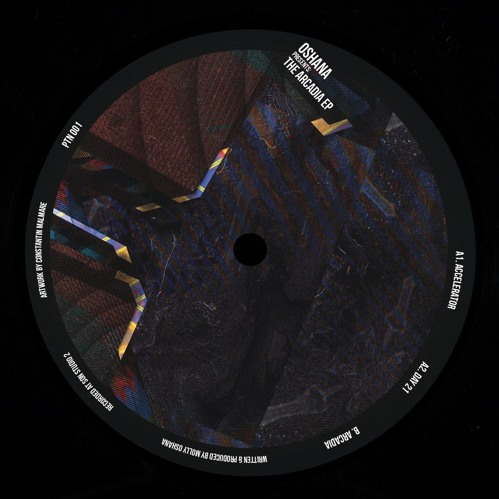
Over the last few years, US-born and now Berlin-based DJ and producer Oshana has firmly planted her name on the house scene. Following acclaimed releases on established labels Brouqade, Body Parts, and Rue De Plaisance—as well as a standout Nightclubber podcast—Oshana’s latest EP, Arcadia, will be the inaugural release for Partisan, a fresh new imprint and a natural fit for her unique style.

Aimed straight at the floor, Arcadia will feature three cuts filled with mind-bending synths, groove-led basslines, and knife-edged percussion—which will come as no surprise for Oshana fans. Her music is full of transcendental qualities and the tracks on Arcadia are no different; as the cuts unfold, Oshana patiently teases elements in a heady concoction of dancefloor bliss.

In support of the release and the launch of the label, Oshana and Partisan have offered up a bonus cut titled “Mind Tripping” as today’s XLR8R download. You can pick up the bonus cut via WeTransfer below, with the EP available to pre-order over at Juno.

Mind Tripping

Premiere: Hear a New Track from Simo Cell

French producer Simo Cell will return to Livity Sound for the label’s final release of 2016.

Gliding will follow up Simo Cell’s debut appearance for the label, “Cellar Door”—which dropped on the 2015 VA, Reverse Vol. 1—with four varied tracks in his idiosyncratic style. From the hazy, skeletal drum patterns of opening cut, “Gliding,” to the paranoid atmospheres of “Obi 1” and the menacing rhythms of “Away From Keyboard,” the razor-sharp productions on Gliding are a perfect example of why Simo Cell is being touted as one to watch in bass and techno circles.

Gliding is out tomorrow on Livity Sound, and in the meantime, you can stream “Away From Keyboard” in full via the player above.

John Tejada Celebrates 20 Years of Palette Recordings

Mark Dadlani

John Tejada‘s Palette Recordings is currently celebrating its 20-year anniversary.

Founded in the fall of 1996, Palette began as an outlet for the music of Tejada and long time collaborator Arian Leviste. In the following years, artists such as Justin Maxwell, Josh Humphrey, Pieter K, DJ Abstract, and Dominick Martin (a.k.a. Calibre) released on the label, as well as remixes by Plaid, Pole, Klute, Dan Curtin, and Daniel Bell.

The 20-year celebrations for Palette began back on October 7 with the reissue of Tejada’s classic “Timebomb” and the “Timebomb VIP mix,” both of which were originally released in 2001 and 2002, respectively, on Daniel Bell’s 7th City Records. Palette 20 Year Compilation (The Early Years), a 20-track collection of cuts from Tejada’s back catalog, will be released tomorrow, with the final drop, Tejada’s Therapy EP, arriving on December 16.

Running in conjunction with the above releases will be the label’s 20-year anniversary showcase at popular LA party Acid Camp on Sunday, November 6. Tejada will be playing an exclusive all-Palette Recordings vinyl-only set alongside Daniel Bell, Arian Leviste, and Elektron’s Daniel Toberg.

You can find more information and tickets for Acid Camp here.

Photo above by Mark Dadlani.

Bonobo Announces New Album; Shares Track and Video

Neil Krug

Simon Green (a.k.a. Bonobo) has announced his sixth album, Migration, to be released via Ninja Tune on January 13.

The album follows up 2013’s North Borders LP and features guest slots from Nick Murphy (a.k.a. Chet Faker), Hundred Waters’ Nicole Miglis, Rhye, and Innov Gnawa. The theme of the album is a “study of people and spaces” as Green explains: “It’s interesting how one person will take an influence from one part of the world and move with that influence and affect another part of the world. Over time, the identities of places evolve.”

Alongside the announcement, Green has shared a video for lead track “Kerala,” a Brandy sampling slice of pop-infused electronics. Directed by Bison, the video features Gemma Arterton (Quantum of Solace/Inside No. 9) as she battles through a mysterious, looped reality.

You can watch the video in full below, along with the album tracklisting.

Tracklisting:

01. Migration
02. Break Apart feat. Rhye
03. Outlier
04. Grains
05. Second Sun
06. Surface feat. Nicole Miglis
07. Bambro Koyo Ganda feat. Innov Gnawa
08. Kerala
09. Ontario
10. No Reason feat. Nick Murphy
11. 7th Sevens
12. Figures

Cure Music Announces Afriqua Double Pack

Cure Music‘s next release comes from Afriqua.

Adam Longman Parker (a.k.a. Afriqua) has released music with the likes of Nilla, Dream Diary and Lokee Musik. Earlier this year, he put out his first record with Felipe Valenzuela and Momo Trosman‘s Cure Music—one-track EP Soul Correction. Afriqua now returns to the imprint with the Prophette EP, a brand new double pack of deep, minimal sounds.

Prophette is expected to drop later this year. Stream snippets below.

Page 730 of 3781
1 728 729 730 731 732 3,781