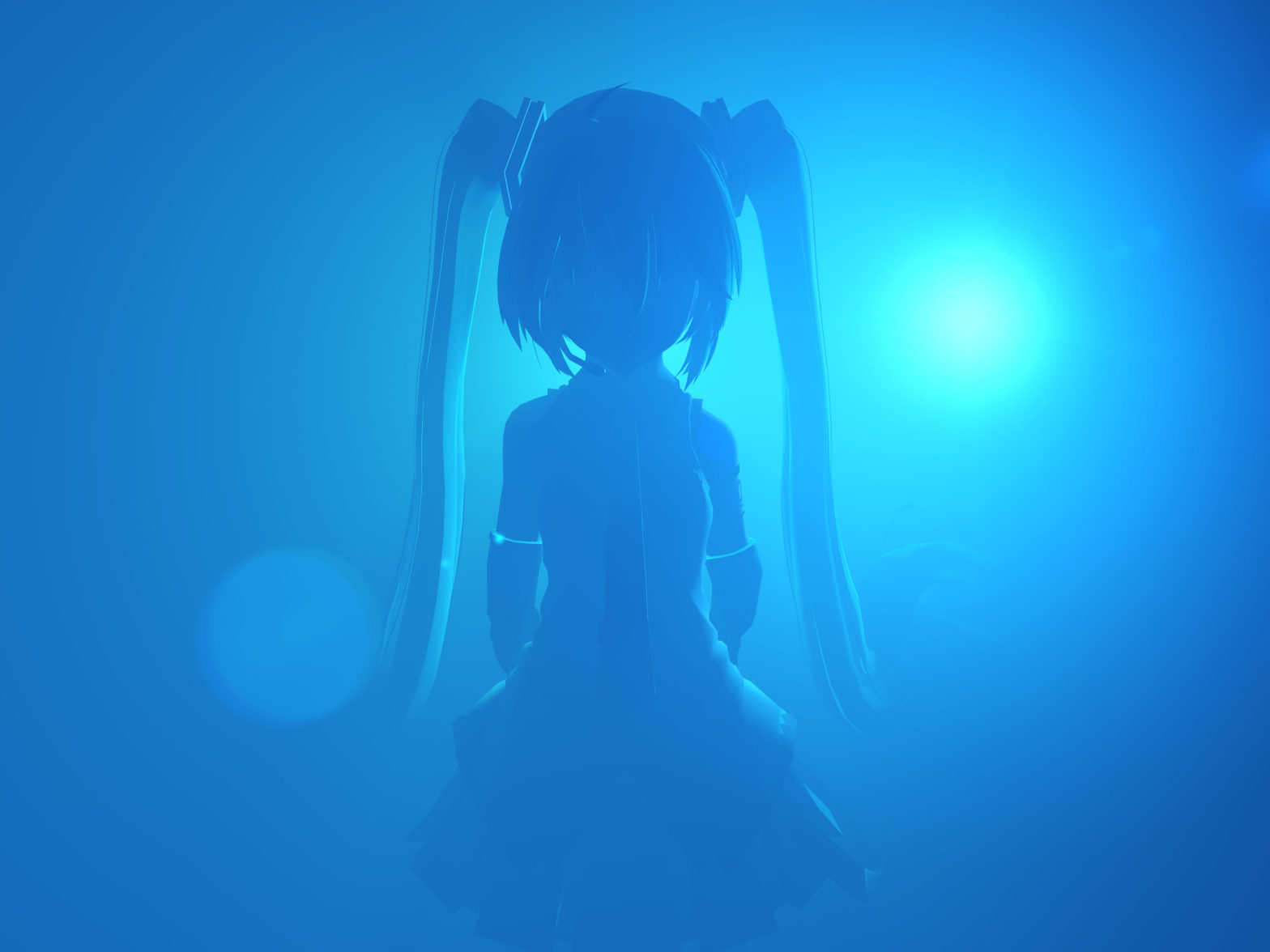
Commissioned by CTM Festival and transmediale for their joint 2016 editions, “Still Be Here” is a unique collaborative performance that draws us into the multiplying realities of a 21st century pop star, and traces the dynamics at play between fans, corporations and social desires.
Since her 2007 launch in Japan, Hatsune Miku (whose name means “first sound of the future”) has become the ultimate pop star, developed from a vocal synthesizer product into a globally adored and collaboratively constructed cyber celebrity with a growing user community, countless stadium performances as a virtual 3D projection and more than 100, 000 songs released worldwide.
The performance explores Hatsune Miku as the crystallisation of collective desires, embodied in the form of a teal-haired virtual idol, forever 16. In watching the deconstruction of this perfect star, the audience comes to the uncanny realisation that Miku is simply an empty vessel onto which we project our own various fantasies. In this void, the topology of desire within a networked community becomes tangible and Miku becomes an allegory of the commodified female body as governed by corporate regulation and normative social etiquette.
“Still Be Here” is presented within CTM 2016–New Geographies, which from January 29–February 7 2016 returns to its previously established constellation of some of Berlin’s most exciting nightlife and cultural venues including HAU Hebbel am Ufer, Berghain, Yaam and Astra, and transmediale 2016, which takes place in parallel at the Haus der Kulturen der Welt. Together, the two festivals constitute the world’s largest platform for reflection on new technologies and digital culture.
The first CTM 2016 artists and programme elements were announced earlier in November. The second CTM 2016 programme announcement will be out in December, and the full CTM 2016 program will be available in January 2016. More information about purchasing tickets can be found here.
Offering a wide array of various musical genres, the second edition of the diverse boutique festival, Further Future, has just announced phase three of its lineup, further adding to its wonderfully profound artist roster. Having just announced its location, FF02 will return to the Moapa River Indian Reservation just beyond Las Vegas, maintaining the events particular festival atmosphere that uses an eccentric, futurist aesthetic while offering a immense spectrum of music that is seldom found in such a setting.
Phase one of its lineup announcement started to grab the attention of music lovers everywhere, boasting acts like Oneohtrix Point Never, Voices From The Lake, The Pharcyde, Lusine, Jam City, Dixon, and Rival Consoles. Phase two continued this trend with the news that they would be bringing in Nicolas Jaar, Four Tet, Easy Star All-Stars, Idjut Boys, DJ Tennis, Fort Romeau and many more.
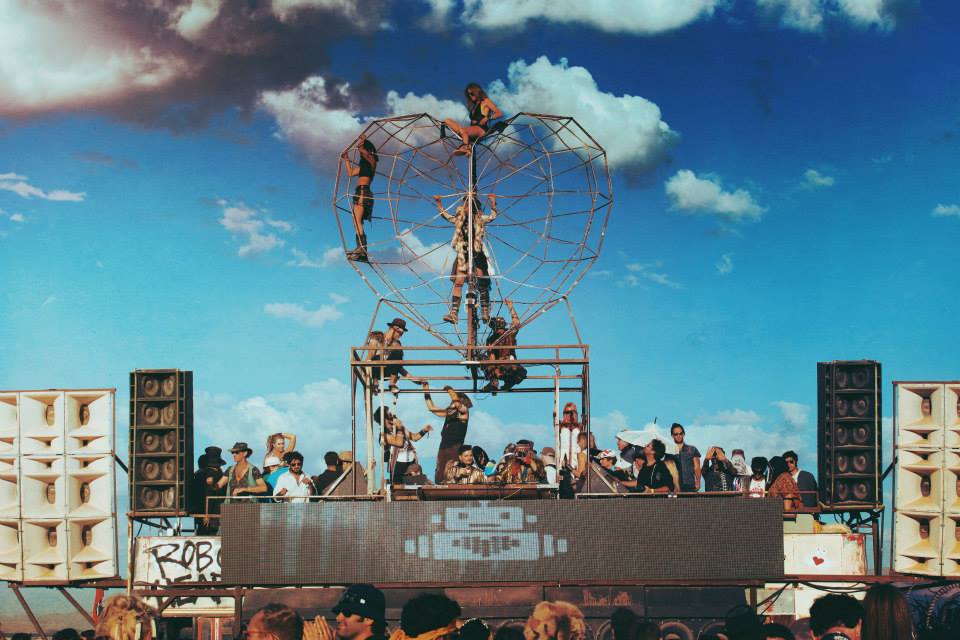
Phase three of the lineup announcement sees the arrival of the noble dance movement developer and significant techno/house DJ Lee Burridge as well as Robot Heart residents Benjamin Alexander, John Dill, and Swamy. To celebrate, Lee Burridge has released his three-hour Saturday Sunrise set from the Robot Heart Bus at Burning Man 2015. You can stream the mix in the player below.
Lee Burridge, Nicolas Jaar, Four Tet, Easy Star AllStars, Kid Koala, DJ Tennis, Dixon, Oneohtrix Point Never, The Pharcyde, &ME, Daedelus, Derrick Carter, Crazy P, WhoMadeWho, Tropic of Cancer, Birds Of Passage, Greg Wilson, Terry Francis, Telefon Tel Aviv, Elderbrook, Fort Romeau, Andy Stott, Low Leaf, HVOB, Papercutz, Still Corners, Idjut Boys, Frank & Tony, YokoO, Derek Hena & Zach Walker, Lambert, Satori, H Foundation, Anchorsong, Spacebyrdz, John Wander, Raeo, Tim Love Lee, Donato Dozzy, Ebar, Hauschka, Inland Knights, Jam City, Jane Fitz, Joakim, Joeski, Kimball Collins, Lusine w/ Trent Moorman, Matt Tolfrey, Neel, Pattern Drama, Pedro Aguiar, Rampue, Rival Consoles, Stev, Talal, Voices From The Lake, Benjamin Alexander, Swamy, John Dill
Today Hunter/Game‘s new imprint Just This announces their sixth release: the Lost EP by Christian Löffler, featuring exclusive remixes by Lake People and Nuno Dos Santos. This will be the young German producer’s debut on the Milanese label, out digitally December 11 with vinyl coming in January.
Just This label owner and one half of duo Hunter/Game, Emmanuele Nicosia, states, “This is one of our label’s most exciting releases—one of our favorite EP’s of 2015”.
Ahead of the EP’s release, “Lost” can be exclusively streamed in full below.
Tracklist:
01/A1 Lost 02/A2 Lost (Lake People Remix) 03/B1 Unknown 04/B2 Unknown (Nuno Dos Santos Remix)
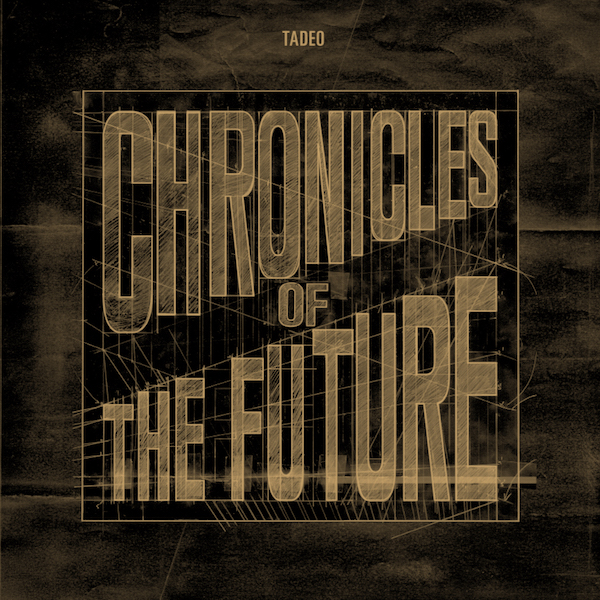
Miguel Sar (a.k.a. Tadeo) will release his second album, Chronicles of the Future, through Psyk’s Non Series imprint early next year.
The Spanish producer, and founder of Cyclical Tracks, NET28 and Another Intelligence, has announced his second album will be through Non Series, a label through which he also released a split EP with Echologist last year. Over the course of the last decade, he has picked up popularity with his Jeff Mills-inspired brand of techno. Now, returning to Non Series (which has had recent output by the likes of Chevel, Aiken and Psyk under his Maan alias), Tadeo offers a full length that delves into sounds with which he aims to tell a story about human evolution in the future.
Ahead of the album’s January 29 2016 release, we spoke with Miguel to learn more.
It’s been a while since you have released a full length album. What happened in between? Many things have happened during that time. In 2009 when my first album was published, and that was a turning point in my career. Basically, many important things ran out, and I needed to start again with a new beginning, looking for a new approach, and changing the way I would interact with the music. I devised a plan for a new label called Another Intelligence, which for the moment is replacing my former label, Cyclical Tracks. Around that time, I also made two albums: The first one became my first work for Token, and the second one remains unreleased, because it is not a techno album–it is more ambient). I have released on different labels such as Non Series, M_Rec, Semantica and, as I said earlier, Token. I also started an enjoyable project as a teacher in my studio, focussing on mixing and production.
Chronicles of the Future sounds like a movie title. What’s the plot? What will happen in the future? I tell a story of how human society might develop in the future, with its strengths, weaknesses and contradictions. Men must meet their social needs, and so they develop a technology that makes Cyborgs become a reality. After that, technology itself creates a machine with its own mental capacity, that in turn creates more machines with their own thoughts. This conflicts with humans, and requires them to develop to deal with their actions—a new evolutionary step, both physically and psychologically.
How were your production processes influenced by this narrative approach? In a totally direct way. In fact, before I did anything else, I wrote the different sections of the story. Each of the sections correspond to a theme on the album. At all times, I had the story printed out on my studio desk, so that I could constantly take in the history, and then look for an instrument or sound that corresponded with the progression of the text. At times it was hard to find—perhaps I had used it in another song on the album and did not want to repeat it, or perhaps it was too abstract. In the end, it was a great process, because I always felt like everything was under control.
It seems like you’ve been inspired by the way in which classical music is composed. Would you say that classical composition is the best technique to discuss future through music? I think you can tell good stories with different techniques, but that using classical music gives you a lot of familiarity, because you know those textures and sounds. That’s always nice. The best way to talk about the future with music is by removing sounds from their comfort zone, and changing their texture a little. That changes the mode of listening, which forces you to not perceive the sounds as you normally would—that new perception is always unexpected, which is true of the future too. Classical composition is harmonious and balanced, which is perfect if you are looking for a particular element or feeling. If you then include the option to use new technologies, you can get very interesting results.
Hailing from Romania, the sounds coming from producer Gypsy Mamba are not what you would usually expect from an individual who comes from a country that is so deeply engrossed in the techno scene. Dynamic and well-rounded, Gypsy Mamba showcases a compelling mixture of noises that result in a wicked, neck-bending frequency that feel right at home with the LA-beat scene. Since moving to Southern California, Gypsy Mamba co-founded the Rootnote collective which continues to assemble a solid following while also holding a residency at the monthly club night in Northern California Resonate, dedicated to “the evolution of dirty beat science.”
A staple of the LA-beat scene, Alpha Pup Records picked up on Gypsy Mamba’s knack for crafting mesmeric, bass-heavy tracks and signed the artist. With the help of Alpha Pup and it’s CEO/distinguished engineer, Daddy Kev, Gypsy Mamba has just recently released his debut album, Da Feenux, and has since played a number of times at the Low End Theory alongside the likes of Mndsgn, The Gaslamp Killer, and D-Styles.
To celebrate his most recent release, Gypsy Mamba has been kind enough to contribute “Slim Pics,” a cut from his debut, as today’s XLR8R download. Intermittent with various ensembles of lofty bass tones, vacillating synth arrangements and trapped-out percussion, the track moves in a determined and agile fashion that keeps the listener thoroughly engaged. Be sure to download the track in the player below and check out more from Gypsy Mamba by visiting his Soundcloud page here.
A few months ago, Ten Walls sparked massive outrage by posting a homophobic rant on his Facebook page. He later apologized, but retribution from the dance music community was swift—he was dropped from his booking agency and withdrawn from all his tour dates. He appears to be attempting a comeback, however. Today, he premiered a new track, “Shining,” via LGBTW rights organization LGL. It features vocals from transgender singer Alex Radford and can be heard below, where we’ve also included statements from both Ten Walls and LGL. (via Resident Advisor)
“Finally. More than happy to share with you the new song, ‘Shining’ (Ten Walls feat. Alex Radford). Behind the walls of silence stood emotional, sleepless and creativity filled days and nights. Together with Alex we made it and it is yours now. I would especially like to thank Lithuanian LGBT Community LGL for their support all this time. Therefore the premiere of ‘Shining’ will take place in their official website. Please visit the page, listen and download the song for free here. Christmas came earlier this year so shine, as you never did before. Peace. TW.”
LBT says: “One of the main principles of our organization is to build bridges rather than barriers. We can become a community free from fears and prejudices only by being open and ready to learn from our mistakes. The National LGBT rights organization LGL applauds the initiative by Ten Walls to premiere his new song ‘Shining’ at the web platform of the national LGBT organization. We firmly believe that this will become a small step towards creating an open and inclusive environment in the Lithuanian society.”
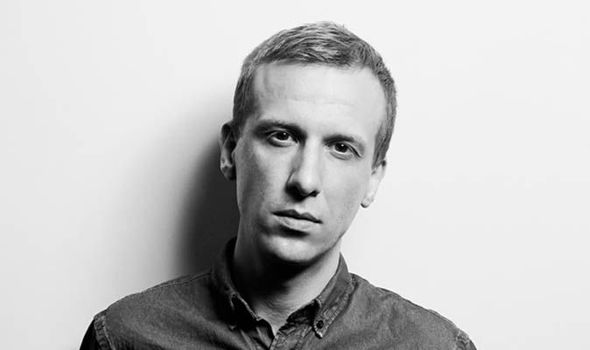
“I think every geographic local has a unique vibration. I like places that have a nice majestic feel…I hunt for darkly beautiful places.” Rod Modell, better known as DeepChord, is going into detail about what inspires his music. The answer: Just about everything. It quickly becomes clear that the Detroit native is a veritable sponge for stimulus, citing everything from darkness, forests, fictional worlds, radio frequencies, and ghosts to sailing, photography, Soviet radar systems, and Amsterdam’s Red Light District as figuring into his ever-expanding catalog of inspirations.
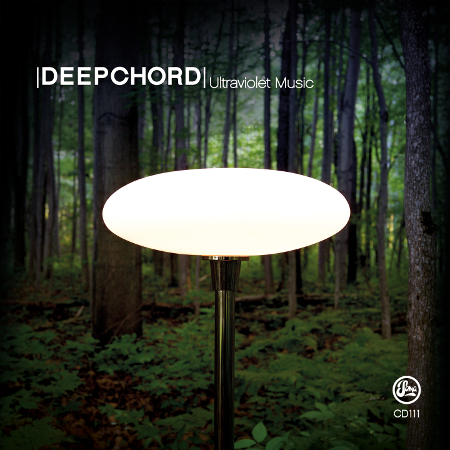
“The sounds I use have to have a special metaphysical element or vibe,” says Modell, who also works with Stephen “Soultek” Hitchel under the Echospace banner. “This is the challenge.” We’re talking about his newest album, Ultraviolet Music, a two-disc collection of otherworldly transmissions just released on the Slam duo’s Soma Records. Despite its title and M.O., the album is more dancefloor-centric than one might think, while still drawing from Deepchord’s self-professed celestial influencs: air, water, night, and spirituality. He inhabits a strange paradox, at once bluntly honest about the frivolity of speaking about music (“I believe a good music reviewer would never resort to giving a piece of music a number rating because they understand that it is all arbitrary”) and yet simultaneously whimsical in his interpretation of it (“I think it’s entirely possible to distill the essence of a place into music”). It’s this kind of enigma that makes Deepchord, both the music and the artist behind it, so interesting.
When you close your eyes, what does your music look like? To me, my music looks like a sea of static with transdimensional, transtemporal visualizations drifting in and out as sounds come and go. It looks like dark, rich, flickering colors being projected on the wall of a dark room. I always see my stuff being deep reds and dark purple or green. I never see bright colors. Always at night time. I rarely see daylight in my music. I like music that smears time and space. You don’t know if ten minutes or an hour passed since you started the recording.
Was that what it was like recording Ultraviolet Music? Yeah, I mean, it’s electronic music with a pulse and nice, lush atmospherics —easy to get lost in. That said, I think this album is definitely more dancefloor-friendly, although that is really the last thing that I care about. It takes different inspiration from my other works as well—less by real places I’ve been to, and more by imagined spaces and terrain. I’m becoming less and less inspired by synthesizer sounds as time goes on, and more by organic sounds, ones that are impossible to create with synthesizers.
All the articles I’ve read about the album hang on this word “hallucinogenic.” (Laughs) I think the possible misconception comes from illegal-drug connotations connected to the word. Back in the early days of techno, some of the best places to hear techno music in Detroit did not serve alcohol—places like the Music Institute or the UN. Allegedly, the music was more than enough of a drug by itself. I always felt this was true, and it was one of the things that drew me to this music in the late 1980s and 1990s. Alcohol and drugs actually dulled the experience. Seems like things are very different today. I believe music could be a drug in itself.
If you need drugs to make the music enjoyable, maybe you’re in it for the wrong reasons. Exactly. I did several brain-hemisphere synchronization projects with a good friend from California, Michael Mantra, who sadly passed away recently. He taught me volumes about the vibrational healing properties of sound and importance of using “soft noise,” rather than utilizing harsh sounds that adversely affect the chakras. Mike had dozens of Tibetan gongs, and if I ever had some sort of ailment, he would send a particular gong to me that would correct the ailment. You would place the gong on the area affected, and the vibration would heal said ailment. It was very effective., more than traditional methods. In recent years, I’ve noticed hospitals and other medical centers finally acknowledging the healing potential of sound by forming sound-therapy departments. Universities are developing curriculums in this area of vibrational healing. Sound is becoming a legitimate method of healing the mind and body.
“I don’t think I would make any music if the ultimate end was just to make entertainment for people.”
For years I’ve been a fan of the healing music of Marcey Hamm. I truly believe music can have a drug-like effect, and some of the soundscapes swirling around beneath the bass and beats of Ultraviolet Music can indeed trigger visual sensations that listeners may not otherwise experience. So to get back to what we were discussing initially—yes, I do think “hallucinogenic” is accurate, but will be experienced differently by different people, largely dependent on their openness to it. In a way, any music that one feels strongly about could be hallucinogenic. I always felt music should be a tool rather than merely a means of entertainment. I don’t think I would make any music if the ultimate end was just to make entertainment for people.
Do you think music should awaken these kinds of visions in its listeners? I believe so, yeah. There is music out there that scares me because the visualizations come rushing in so fast and hard that I want to pass out. But I have friends who listen to the same music, and it does nothing for them. So it’s a really personal thing. What affects one person might do nothing for another and vice versa. A certain artist’s work speaks to certain individuals and not to others—like, there are albums out there that I would categorize as a bona-fide religious experience, and I see one- or two-star reviews of that CD online.
There’s definitely something to be said about the musical religious experience. Definitely. I think all music has an otherworldly connection—even terrible country and rock music! Establishing this connection is what artists do best, and the ability to make this connection is a prerequisite for any art. An artist needs to close his or her eyes, and draw from the ether around them. I think the air around us contains energies….
Energies? Yeah, kind of like shortwave-radio transmissions. These transmissions are intercepted and converted into creative food. The broadcasts that a particular artist tunes into differ from artist to artist. We are all conduits for these broadcasts. Maybe someone with a strict religious background would pick up on more spiritual broadcasts, and those without a rigid belief structure may tune into more paranormal stuff. Creativity may come from within, but ultimately, that seed is from an external source. I don’t think I ever met an artist that didn’t have a true belief in these other realms.
You mentioned the paranormal, which is interesting because the press for this album has a description that I really like: “Middle of the night atmospheres, hypnotic repetitions, shortwave static and slowly evolving textures.” Paired with the album’s title, it gives me kind of specter-detector ghost-hunting vibes. (Laughs) I think that’s accurate, yeah. Not so much the “hunting” element, but rather that there may be alternate realities occurring around us simultaneously, and these elements fade in and out from time to time. Shadow creatures or disembodied voices; sounds slipping in from other dimensionsl; nonvisual things becoming visible for a brief moment. I like to think there are souls of deceased friends and family still with us.
So you believe in the paranormal? Of course. A belief in something bigger is definitely ingrained into my fabric. I’ve experienced way too many occurrences to deny it. These experiences are very subtle, and less perceptive people can miss them easily. Many people who don’t believe in such things basically switch off the mechanism in their brains that pick up on them. But they do exist.
In an interview of yours from ages ago, you said that you liked using hardware to produce because it made the music sound “alive.” Other than the right gear, what does it take for music to come alive? I’m not really sure. Sometimes the wrong gear can make music better! Sometimes I go into my studio and record for two days straight, and a week later I listen to the tracks and don’t even recognize them, or wonder who’s music I’m listening to, like I was temporarily possessed with some creative spirit. Trying to recall what I did to make the music is like trying to recall what happened to me during a blackout period. I think whatever it is that I do—and I’m not really sure what that is ±just comes intuitively. Years ago, I made a conscientious decision to not overanalyze my music too much.
In the same interview, you said that digital music doesn’t have the same “life force” that you hope to create. It seems like maybe you’ve relaxed on those strict boundaries since then. Yeah, I’m much more open-minded today. I think any form of instrument is equally effective; a tin can and stick can be as good as an analog synth for expressing yourself. I definitely think this life force is still important, but I’m much more open-minded about where it comes from, for example, I started putting my studio together in the mid 1980s. Synthesizers were a drug for me back then. I kept wasting money on better and better ones. I kept thinking new gear would make my art better, but in fact…the more I spent, the less creative I became. I’ve actually gotten out of synthesizers over the past ten years. They are extremely boring to me, really.
Where does that life force come from nowadays then? You know, at one point, I wondered what elements exactly make a DeepChord song, and it was really difficult to figure out. Then I realized maybe I shouldn’t be trying to do that. Maybe I need to respect it as some kind of gift from the universe, and accept it graciously without nitpicking or analyzing it. Maybe if I really did figure it out, I wouldn’t be able to do it anymore. Maybe not knowing this is the reason I can keep doing it. Life is better not understanding some things fully.
Very often, when writing about your music, journalists will use a phrase, “unmistakably DeepChord.” Do you ever think about completely changing your sound, or is it part of you? It’s part of me, but there are other parts also. I don’t know if being “unmistakably Deepchord” is a good thing or a bad thing. In one way it seems good because artists of all types spend most of their life attempting to develop a proprietary signature, so when people say this about me, I suppose it’s verification that this has happened.
But on the other hand, do you ever worry that this will pigeonhole you? Definitely. It’s like an actor who played such a strong role that they’ll never be associated with any other role. They can’t break their typecast no matter how much they try. I think it’s imperative for an artist to eventually move on to explore new angles, or else whither and die artistically.
“Ultraviolet Music was inspired by those weird moments when you get a glimpse into another dimension.”
On that note, you’re obviously often associated with Detroit, the city where you grew up. Of that, you once said, “We are all a product of our experiences, whether we want to be or not.” What experiences shaped Ultraviolet Music? This album takes a more holistic approach than previous ones. I like majestic sounds. Sounds that feel like there is something happening under the surface. I think the music is deeper than dance music. Ultraviolet Music was inspired by those weird moments when you get a glimpse into another dimension. This has been a technique that I apply to my music, much more than any particular experience. I think you should be able to listen to music for the tenth time, and hear something that you didn’t catch the first nine plays. The sonic equivalent of a Uta Barth photograph! (laughs) This album is really from somewhere else. I like music that reminds me of places that I’ve been to, and experiences that I’ve encountered there.
You’ve said similar things about your love of photography, which is your creative pursuit aside from music. Right—I do, to an extent, live in my photographs. I don’t think I would be making sounds if I wasn’t photographing. I have a terrible memory, and carry a camera because I know if I don’t photograph something, I won’t remember it later. So I look at my photos daily, and go back to places I’ve been that way. You’re right that this has definitely been the case with past musical projects also. “Hash Bar Loops” is a great example, it chronicles my time in Amsterdam, and every track on there is a snapshot of something that happened to me there. “20 Electrostatic Soundfields” is also extremely like this. That album is a sonic photo album for me.
What kinds of places do you go back to when you listen to Ultraviolet Music? This album contains sonic representations of fictional places, actually, stuff that I’ve researched inspired those songs: numbers stations on my shortwave, listening to AM radio static between stations, spiritual matter, etheric energy. It’s got a more otherworldly feel to it than other projects that were more grounded in a particular geographic location. Ultraviolet Music explores the airspace above the places represented on the other albums…air, water, night, radio waves, spirituality, and the possibility of other dimensions and multiple concurrent realities.
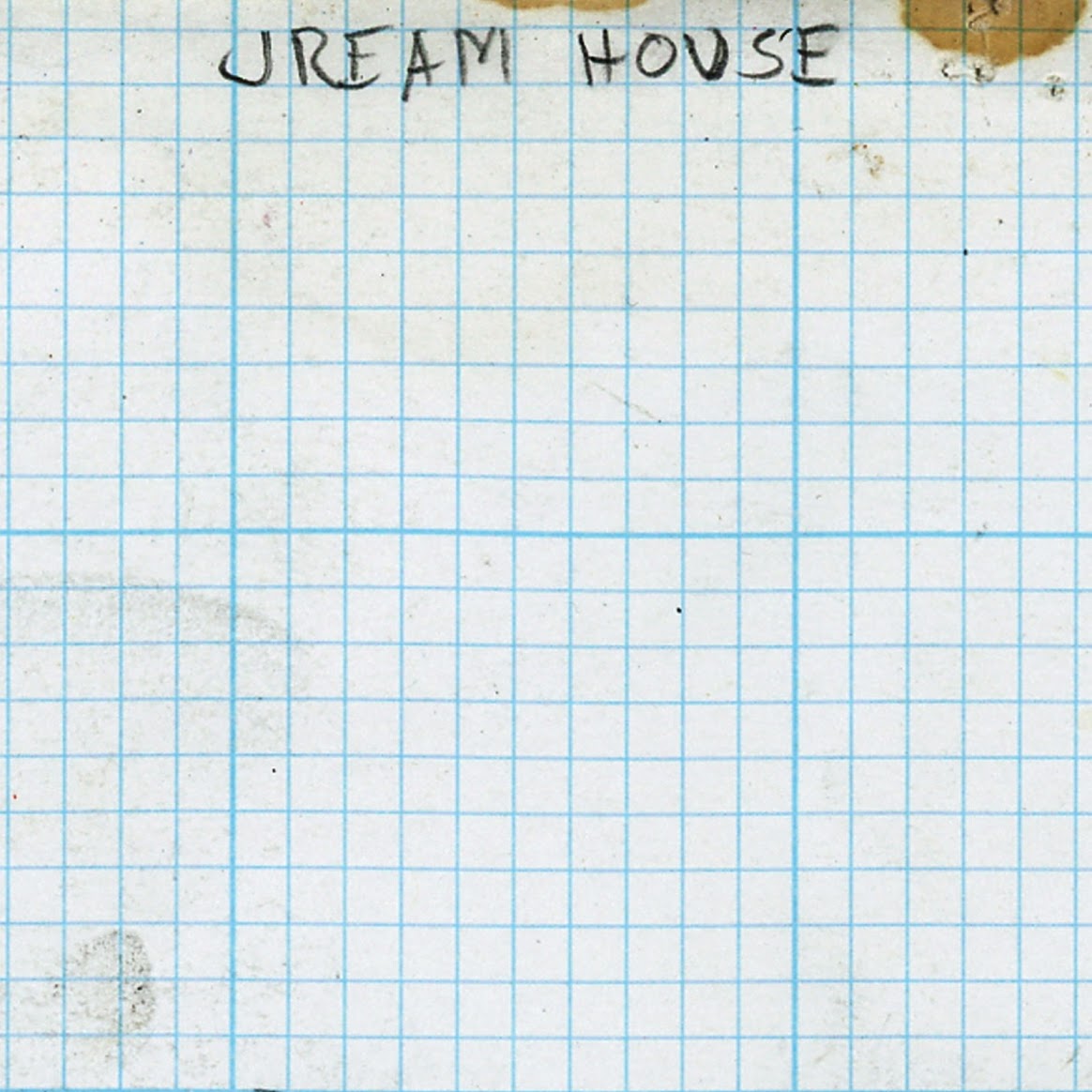
Following his Extended Play EP in March of 2014, Mark Hurst (a.k.a. A Pleasure) is set to release his debut album, Jream House, on Nicolas Jaar‘s Other People imprint on January 22. The loose, hollow sounds of Hurst’s production have a remarkable experimental tinge and a spacious emotional tone that keeps on giving. The roomy sound that A Pleasure showcases in his debut album has resulted in a noble remix album from some intriguing futurist producers, which can be streamed in full. In addition to this remix album, you can stream Jream House cut “Slow Channel” in the player below and be sure to check out more from A Pleasure by visiting his Soundcloud page here.
Their debut album, Twelve, gave dance music an emotional, song structured kick, but it feels like an age since we last heard from the leaders of the Suol label, Chi-Thien Nguyen and John Muder—better known as Chopstick & Johnjon. Now, the duo is back with the Closer EP, which feels like somewhat of an extension of their 2014 crossover LP.
The release kicks off with “Oh Mama,” a club-friendly track that adds intensity and emotion through its looped sample, with Minimoog keys jamming along and driving the track. Snappy, ascending hi-hats, harmonic string melodies and major tones dust the rigid spine of a kick drum with an air of quality and thought. “Catamount” begins with a percussive intro, laced with thudding kicks to weigh the track down before a surprise drum roll brings in a more melancholic feel. Shifting polyrhythmic melodies, à la Inner City, maintain the swing, while the tune’s guest, Ryan “Slow Hands” Cavanagh, provides rhythmic, soaring vocals that add instant chart appeal. Next, “Skin” sees the return of Twelve vocalist Chris James, providing pining vocals for this broken-beat house track, one that’s full of soaring effects, slide bass and shifting tones.
Finishing off this triumphant, pop-laced record in style, “Track Of Time” offers electro-edged pop with a feel of minimalism, with Larissa Kapp offering sultry and heartfelt vocals atop of a sweeping 808 synth. After a hiatus from the spotlight, it is great to see Chopstick & Johnjon return with a big crossover record—proving they’ve been busy writing some well-crafted songs, continuing the fine work that they left off with their album.
Kamera, a relatively new signee to Erol Alkan‘s Phantasy Sound label, caught our attention back in May with his debut EP, Arc, and will now be dropping his sophomore EP, Ventoux, in late January of 2016. The newcomers invigorating electronica sound is amiable and solitary in its nature, bringing a busy indie-dancefloor-techno output that so immediately grabbed our attention in his last release.
Erol Alkan‘s Phantasy Sound has been unearthing some fine talent over the last two years, offering a spring board to the likes of Daniel Avery, Ghost Culture and U and we are confident that Kamera will continue to follow suite. You can stream his title track via Boiler Room Debuts below and be sure to check out more from Kamera by visiting his Soundcloud page here.