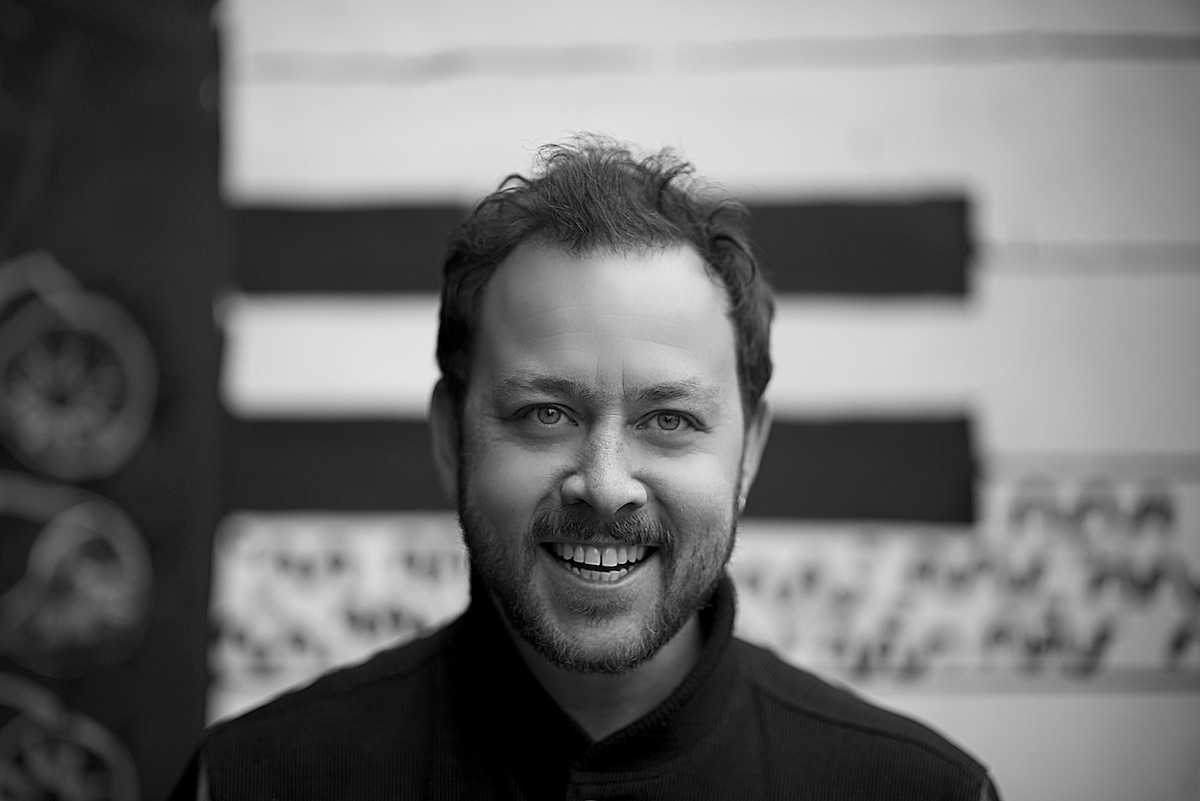
If you have taken part in the Los Angeles techno scene in the past 13 years, chances are that you have experienced a fluid and punishing set by Droid Behavior‘s resident artist Subversive. These performances unfold between the lines of various styles of techno, electro, and tribal, echoing the remnants of Kalamazoo, Birmingham, and Detroit.
Through his longtime participation in Droid Behavior, and subsequent association with founding members Raíz, Subversive has been instrumental in pushing their long-running international party series Interface into its 53rd edition. Eventually, the teaming of Subversive and Raíz on the Interface lineups would lead to the formation of their techno label VRV, which has become a large platform for steadily releasing new material by both artists. Subversive’s previous productions have appeared on labels like Santiago Salazar and Silent Servant‘s Historia y Violencia, and the French techno label Construct Re-Form—where Subversive collaborated with Voiski as Deception Plan.
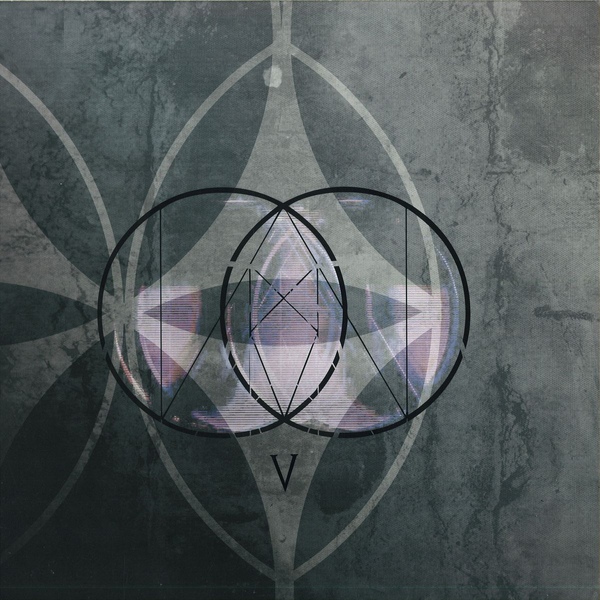
For today’s XLR8R download, Subversive is offering up a track from his recent EP titled Domestique. This latest VRV record was issued on vinyl less than a month ago and was immediately sold out on the Hardwax shelves. Domestique comes with two original tracks from Subversive, plus a remix of the track “Corosync” by Raíz. The track starts out with a distant kick and a drowning synth pattern that calls out to the listener before slowly filtering out of its murky reflecting pool. A voice calls out from the echos and introduces a high-hat that acts like a buoy to bring the whole track into it’s own. The high-hat persists in double-time before recoiling back to the bottom of the mire, and just when you think the track is done, it peaks its head out again just to let you know it is still there, and that this journey is never over.
You can find out more about Subversive’s Domestique EP by visiting the Droid Behavior website, and you can find out more about Raíz by clicking here. You can grab a free copy of Corosync (Raíz Remix) by clicking on the media player below.
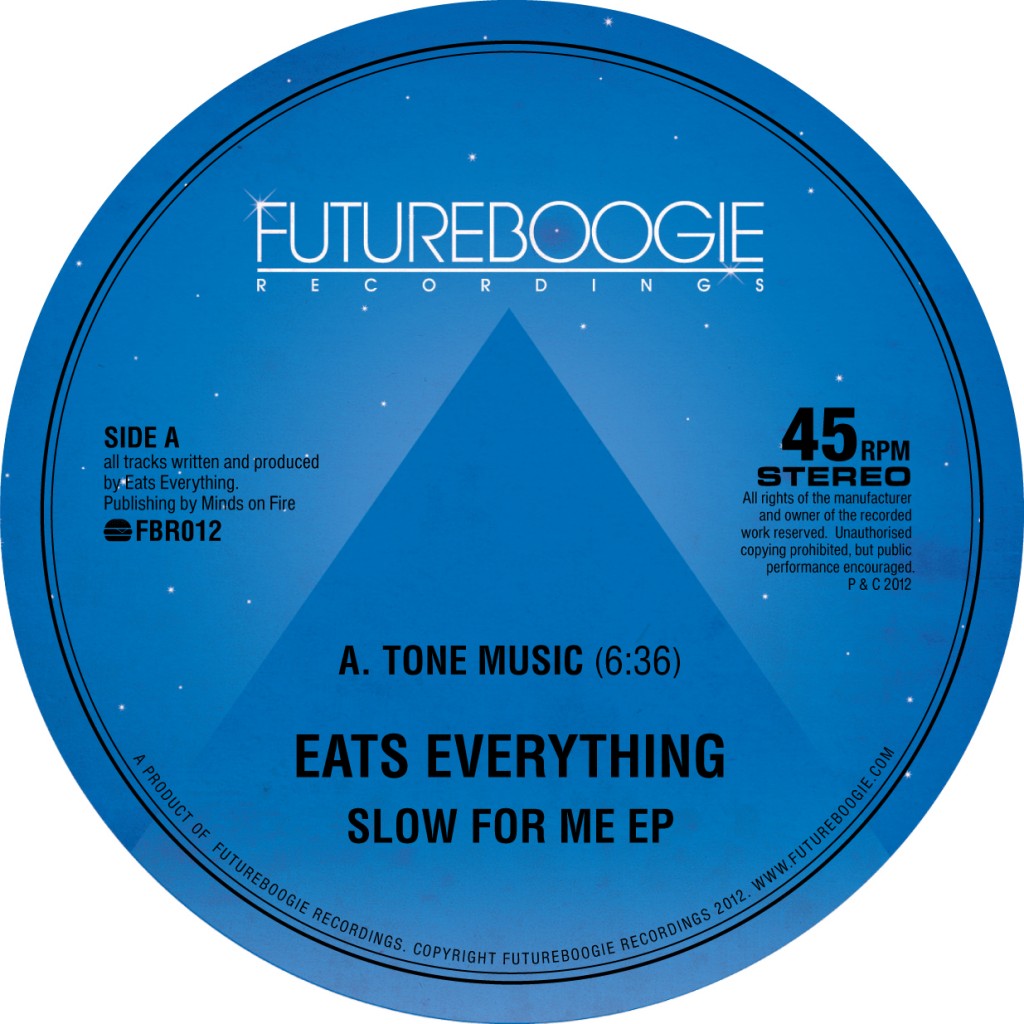
Apparently, we’re not the only ones to love the U.K’s Futureboogie Recordings—when we asked Dave Harvey, who founded the label in 2011 with his longtime partner Steve Nickolls, to name five of his favorite Futureboogie tracks, he doubled down and gave us ten. (You’ll find the lot of them below, including Fernando‘s recently released “Mid Decade” and an about-to-drop stunner from Felix Dickinson and vocalist Robert Owens, “A Day’s Reality.”) And we can hardly blame him for having a hard time in narrowing down his choices, as one of the hallmarks of Futureboogie is the label’s consistency. Its artists—a list that has included, among others, Maxxi Soundsystem, Eats Everything, Mark E, PBR Streetgang, Christophe, Waifs & Strays, Downtown Party Network, and Behling & Simpson, not to mention Julio Bashmore (more on him later)—have routinely bestowed upon the label a particularly vibrant version of electronic house-disco-boogie hybridism. It’s undeniably party music, with a sound that’s a powerful catalyst for dancing and carousing—but at the same time, there’s a certain polished refinement to the Futureboogie vibe that gives the label’s output more depth that the term “party music” might imply.
The label’s roster of producers reap the benefits of belonging to the Futureboogie family. Take the aforementioned Felix Dickinson, left: “Futureboogie have always done a great job of pushing new music,” he says, “and although I don’t really consider myself a new artist, they’ve definitely done a good job of introducing me to a whole new audience who might not have had me on their radar before. They did a great job on my last record, Burning Flame, mostly by commissioning an amazing remix from Machete Savane which I absolutely love. It probably was the track I’ve played the most this last year, and I’m not usually one for playing my own records.”
Futureboogie’s beginnings actually go back much further than 2011—and the Futureboogie umbrella covers more than the label itself, with a booking agency and management division part of the overall deal. Harvey, right, and Nickolls used to run everything together, but lately, Nickolls has concentrated on the agency end, while Harvey heads up the label. With Tom Paine, Harvey also runs a festival production company called Team Love—which, among other claims to fame, is behind Croatia’s new Love International Festival, the replacement for the beloved (and now defunct) Garden Festival. But it’s Futureboogie Recordings that we’re concerned with here, and we caught up with Harvey in his home base of Bristol to fill us in.
Before we get to Futureboogie, I have to ask—didn’t you used to go by the name El Harvo? Yeah, but I didn’t like that name in the first place! It was from the first gig I ever had with my name on the flyer. The person who booked me was an old hardcore guy, and he was like, “You’ve gotta have a name, bruv! You’ve gotta have a name!” He came up with that—and then I was stuck for with it for far too long. One year in Croatia, the Faith guys were going, “What’s up with this fucking name, Dave? Get rid of it!” I realized I had to finally sort it out, and I phased it out quietly.
Futureboogie Recordings dates back to 2011—but the Futureboogie story starts much earlier, right? Yeah, we’re old. (laughs) Basically, me and Steve Nickolls started doing these very small nights together in Leicester in the late ’90s, which were kind of on a broken-beat tip. Then we moved to Bristol, and started doing a night at a very good nightclub that no longer exists.
What convince you and Steve to finally start a label? We had been talking about it for years, but it was just one of those things that never happened. But then, I met Matt Bashmore [a .k.a. Julio Bashmore] at a night he was DJing at, and he put on “Father Father.”
That ended up being your first Futureboogie release, right? Yeah. I was like, “Hey, what’s that?” I was thinking it was some old house thing, and he said, “Oh, it’s just this thing I banged out this week.” I was thinking, bloody hell—it’s really good! I asked him if he was putting it out, and he said, “No, no, I wasn’t really thinking about that.” Anyway, we kind of became friends, at some point we asked him if we could put it out on the label we were starting—and he said, “Well, I want to start a label as well. Maybe I should just join you guys!”
He was very involved with the label in the beginning, right? Definitely for the first year or so; he was partner in it, really. But his trajectory and our trajectory were a bit different; he was getting offered a lot of stuff under the Bashmore name, and we were getting offered a lot of stuff under the Futureboogie name. He’s obviously gone on to do very well for himself. He’s the one who obviously made the right decision! (laughs)
But Futureboogie seems to be doing pretty well, too. Oh yeah, totally! We’re doing okay.
“A better strategist might have varied the sound a little bit more, so that Futureboogie would be harder to pigeonhole—but we’re feeling this music, so why not?”
A lot of Futureboogie’s music are what could be called “party tracks,” though they’re party tracks that possess a bit of refinement and depth. Is that the kind of sound that you’re consciously looking for, or does it just end up that way by chance? First, we do like music that people want to dance to in clubs; that’s the whole point of Futureboogie. But when we started, we did have visions of being a more varied, daring label—we thought we’d maybe put out some weird Balearic thing, and then the next release might be a straight-up club track or something. But it turned out that all of our friends, the ones who were offering us music, were all making music of a very similar vibe. We were conscious that we were putting ourselves in a kind of channel where we’d be known for nothing else—but we really like this music and really wanted to put it out. A better strategist might have varied the sound a little bit more, so that Futureboogie would be harder to pigeonhole—but we’re feeling this music, so why not?
And it’s not a bad pigeonhole to be in, really. But you know what it’s like—there’s quite a bit of snobbery in any kind of music, but particularly in underground dance music. I think a lot of artists are paying for that attitude; they’ll have their little hype moment, and now they’re considered a bit too well known—or a bit too populist or accessible, maybe—to be cool or to be underground. People are always looking to be more underground or more left-field. I spend way to much time worrying about this! (laughs)
So will we be hearing, say, any footwork tracks on Futureboogie, in an effort to be more left-field? Oh no—that stuff is too fast for me to dance too!
That brings up an interesting point—a lot of Futureboogie tracks are of a fairly moderate tempo, with most releases well under 125 beats per minute or so. I would be need to take amphetamines for anything much faster. I’m too old for that. But also, I grew up listening to soul and funk, among other things—a lot of it was in the 120- to 124-bpm area. What can I say? I just like it a bit slower.
The label’s look kind of reflects the music; it’s fun, but also clean clean and cool. Who developed the aesthetic? That’s actually Christophe; the look is really down to him. He’s one of my best friends, and he’s an integral part of Futureboogie—I’m always bouncing ideas off of him.
In the past year or so, it seems like you’ve really upped the game with the artwork, with full-on cover art for most Futureboogie releases. I don’t know how to say this without sounding like a twat…but we’ve always been into good design and interesting art. At first, we wanted to go with that clean, uniform aesthetic—that classic Futureboogie look. But it was a combination of wanting to sell more records—we wanted to make them more eye-catching on the shelf—and the fact that we just wanted to experiment a bit by including some really good artwork.
You’re in Bristol—do you feel that being based there, rather than London, has been an advantage, disadvantage, both, or neither? An advantage, definitely. This point has been belabored a bit, but Bristol is great. It’s a very small community, but it’s a big enough city that you can do interesting and exciting things; there’s the opportunity to be creative and have people react to it. There’s also this great cross-pollination between different people and between different kinds of music. And producers have the space to be producers without having to worry so much about how to pay your rent; it’s a bit cheaper than London. All that goes into the pot to create a very fertile environment for creativity. Also, in London, we’d have to compete against 20 new labels a week! It’s easier to shine here than it is in London, as long as you’re doing something decent.
“Some days, I’m like, ‘Oh, I don’t know if I’m up for this! Where is this going? What are we doing? Are we relevant? Do people care?, And then on other days, I’m like, ‘Right, brilliant!'”
So what are the next steps for Futureboogie Recordings? You know, it depends what day of the week you catch me on. Some days, I’m like, “Oh, I don’t know if I’m up for this! Where is this going? What are we doing? Are we relevant? Do people care?” And then on other days, I’m like, “Right, brilliant!” At the minute, we’ve got five or six strong releases—really great music—coming up that I think will be well received. So we’ll just continue on doing that.
How about albums? I’m keen to do some compilations. A lot of our crew, like Christrophe and Felix Dickerson, have got amazing record collections and a brilliant wealth of musical knowledge. I know for a fact that they could put some really good compilations together—but I’m not sure if compilations are just another way to lose money or not. (laughs) As far as original albums…I’d love to, but it’s really only if someone comes to us with the right music. I’m not interested in doing an album that’s basically a collection of eight twelve-inch singles; I’m not sure if there’s much point to that. But really, I think we’re more of a twelve-inch label.
And DJs are thankful for that. We’re really just about putting out music for dancefloors, I guess. And I don’t really see that changing.
Futurboogie releases are available through Bandcamp; A Day’s Reality, from Felix Dickinson featuring Robert Owens, comes out December 11.
On December 7, Inner Surface Music—the label headed up by AnD and Tom Dicicco—will mark its tenth release with a double-pack compilation titled Replicants.
Spread across eight tracks and featuring cuts from Perc, Sleeparchive, Gaja, Ontal, Sturqen Honzo (D. Carbone), and O/H (Richard Oddie of Orphx and Eschaton + David Foster a.k.a. Huren of Teste), Replicants flawlessly presents the wide-ranging sound of Inner Surface Music—from stark, drum-machine techno, to experimental beats, atmospheric IDM, and beyond.
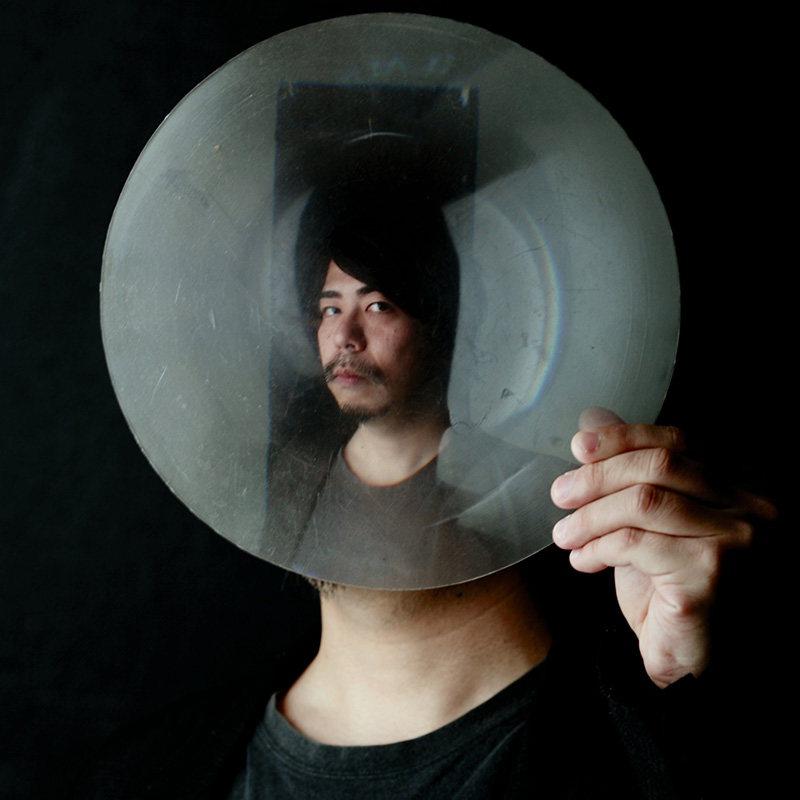
Ahead of the release, and to dig a little deeper, XLR8R spoke with Inner Surface Music and Japanese producer Takaaki Itoh, who’s rolling, acid-drenched cut “Present” is streaming in full below.
How were the tracks and artists on Replicants compiled? Is there a thematic explanation behind the “Blade Runner”-referencing title? And if so, were the tracks conceived with the artists being aware of the title? Inner Surface Music: When we first had the idea of releasing the compilation, we had a clear vision of the artists we wanted to be involved with Replicants. As we started to receive music from the artists, it was starting to sound cohesive even though the styles were very varied within the techno genre. The idea of Replicants came around as we were compiling the music for the compilation, it started to have a feel of a space age adventure with each of the artists becoming their own special agent in the story. We wanted the compilation to tell a story and the concept felt right with the music. Sleeparchive, O/H, Perc, Honzo, Gaja, Ontal, Itoh, and Sturqen really did a great job!
Takaaki, tell us about “Present.” How and when was it produced? Was it always intended for Inner Surface Music? I made it especially for Inner Surface Music last June. I used hardware and software together and it took 2 weeks to finish.
What does “Blade Runner” mean to you all and your respective creative outlets? Takaaki: Old is new. Past is future. Inner Surface Music: “Blade Runner” is a very powerful film not only because of the story but the cinematography and the soundtrack are all inspirational in their own right. The futuristic feel of the film has inspired a lot of musicians and artists, and you could say “Blade Runner” as a movie is techno.
Why vinyl only? Inner Surface Music: It seemed a very natural decision for all of us to only do vinyl. It’s about quality control and respect for the artists we work with. When we started the label we really wanted to show people that we cared and that we do not run a label just to make money. When you are an artist, a piece of vinyl means a million times more to you than the mp3 master. The fact that you have a physical thing that you can touch, listen, and look at. Also, as a label, if you are digital only you do not exist in the real world. It is always nice to walk into a record shop and be able to see the releases on the shelf or in the racks.
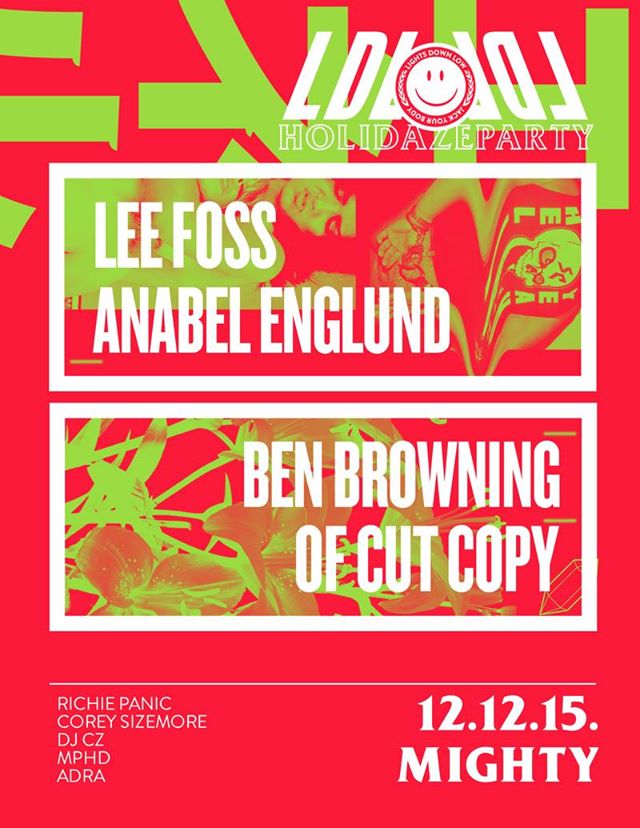
Lights Down Low (LDL) has been a staple of nightlife culture in both Los Angeles and San Francisco for over seven years. Starting in basements and smaller venues as so many do, the two LDL founders and resident DJs Richie Panic and Corey Sleazemore have relentlessly worked their way up to bigger venues where they now regularly sell out large venues while keeping their underground roots (and the vibe that follows) in tact.
As the Lights Down Low community in San Francisco gathers together to celebrate the holidays, they enlist the help of the Chicago-born owner of Hot Creations, Lee Foss, and Cut Copy bandleader Ben Browning to provide the spirited soundtrack for their party. Also on the lineup is UK singer and regular Foss collaborator Anabel Englund.
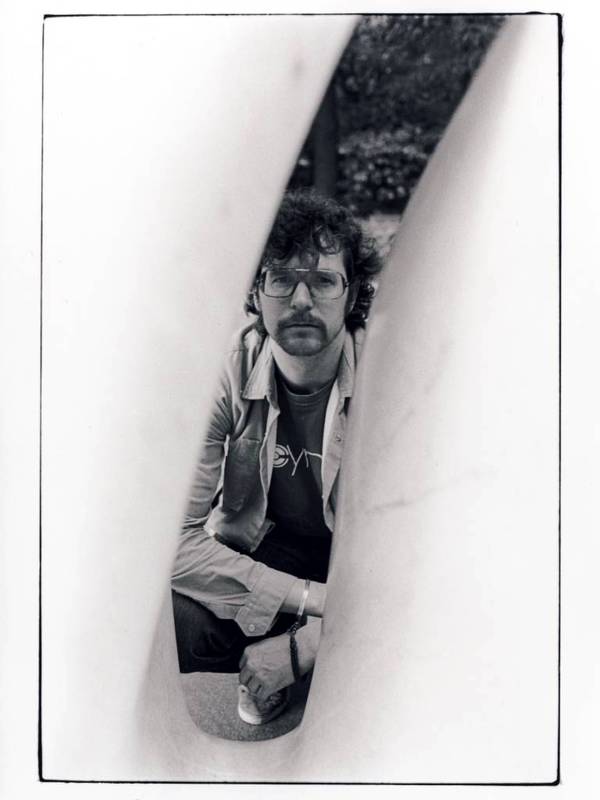
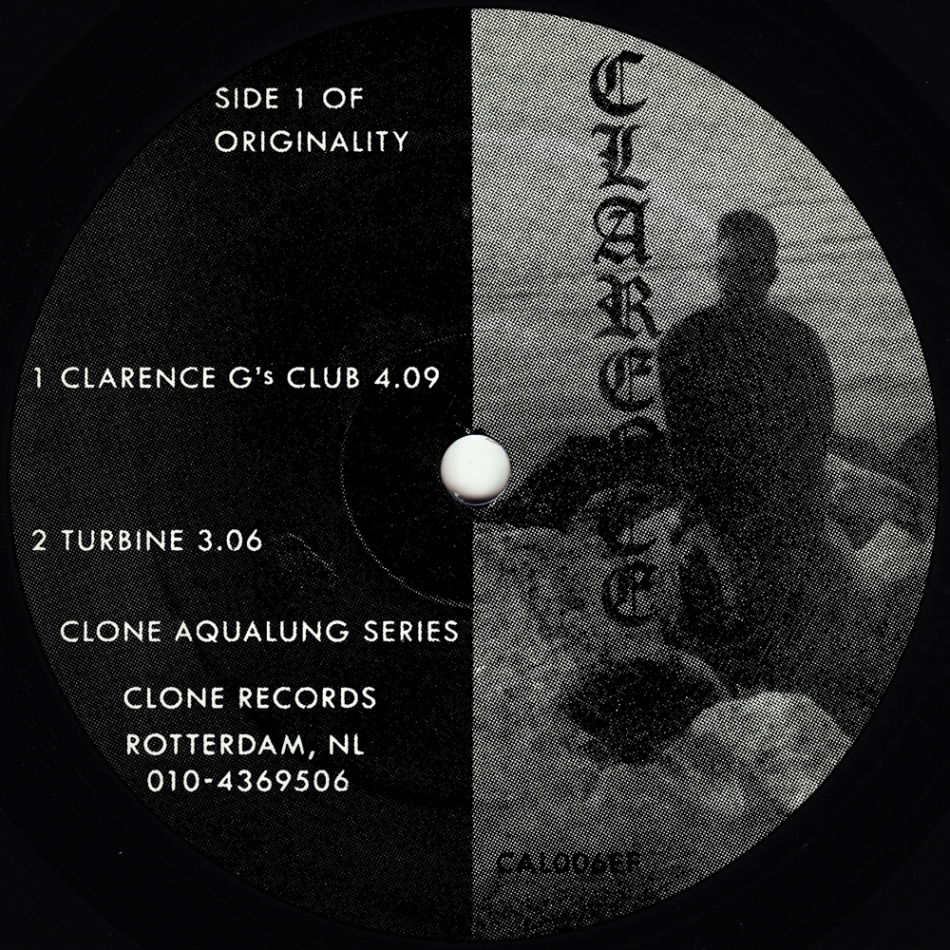
“I take the mic with style and grace/It’s me Clarence G, make no mistake” goes the confident rap from the opening verse of “Clarence G’s Club,” the first track off 1991’s debut release by Drexciyan legend James Stinson. Though he could never have foreseen it when those lyrics were penned, it is safe to say that no other record has garnered quite the same uncertainty and mystique among fans of the late electro pioneer. Unresolved issues like why and when it was made, what the significance of the Clarence alias was, or whose voice we were even listening to, pushed the record into cult-status territory for reasons of historical significance—perhaps even more so than for its its musical clout. Earlier this year, presumably to the dismay of the Discogs collectors who dropped the best part of $1000 on one of those rare first pressings, Dutch imprint Clone Records announced that Hyperspace Sound Lab would be the next to join their Aqualung series of Drexciya-related represses.
The release’s four tracks a are short, sharp blasts of ghetto- and hip-hop–influenced sounds, more akin to the later work of fellow Detroit exports such as DJ Assault or DJ Godfather than to the timeless aquatic electro that Stinson since gained fame for with Drexciya, Elecktroids or the Other People Place (among others). This is especially true of “Cause I Said It Right,” a track built around a pacy rap, propped up by little other than a clap, pulsing bass and the occasional emphatic “Yeah!” “Clarence G’s Club” is better rounded: Vintage synths ride a similarly upbeat rap (which you have to hope was Stinson himself), producing a catchier tune. For the rest of the record, the lyrics are ditched—“Turbine” is a heavy-going three minutes, during which the tough, crashing drums get a bit much. “Data Transfer,” on the other hand, has hints of the full potential Stinson would later achieve, with a powerful electro sound that was ahead of its time. The work of a young gun experimenting with ideas and machines, Hyperspace Sound Lab is a bit unrefined, yet still hasn’t lost its charm all these years later.
Rødhåd is slated to deliver a new EP, Söhne Der Erde, via his Dystopian imprint this December. The Berlin-based producer has swiftly become one of techno’s most in-demand selectors, with his last two records signalling (as Resident Advisor observes) a more expansive direction. For this latest four-tracker, which marks his fifth solo release on the label, he rekindled his collaboration with vocalist Sara Clarke. We caught up with Rødhåd at his studio back in October—revisit that feature here, and preview clips from his coming EP below.
This weekend brought news that Nina Kraviz‘s debut album will be reissued next month, alongside a remix 7″ from ghetto house and juke specialist DJ Slugo. The eponymous LP first came out on Rekids in 2013, with lead single “Ghetto Kraviz” giving a major boost to the Russian DJ and producer’s international standing. The updated release follows from Kraviz’s recent DJ Kicks mix and new label venture, трип. It arrives on double vinyl on December 4, but until then, listen back to “Ghetto Kraviz” below and re-read our 20 Questions feature with Kraviz here. (via Resident Advisor)
01. Walking In The Night feat. Hard Ton 02. Aus feat. King Aus On The Mic 03. Ghetto Kraviz 04. Taxi Talk 05. False Attraction 06. Working 07. Choices 08. Love Or Go 09. Best Friend 10. 4 Ben 11. Turn On The Radio 12. Petr 13. The Needle 14. Fire 15. Ghetto Kraviz (DJ Slugo Juke Remix) 16. Ghetto Kraviz (DJ Slugo Juke Remix 2)
Chilean producer and recent Janus collective inductee Tomás Urquieta‘s latest EP, Manuscript, will land on Montreal-based label Infinite Machine on December 18.
The almost-full-length, nine-track EP will follow on from Ignea, Urquieta’s 2014 EP on Infinite Machine, with six originals and three remixes, which are provided by Infinite Machine regular Korma, Berlin-based producer She’s Drunk, and Cold Recordings signee W3C. As expected—if you follow Infinite Machine that is—it’s a brilliantly formed EP that is as anchored in gritty techno as it is in industrial grime. Heavy emotions run through the release, manifested in stark atmospheres, abrasive percussion, and throbbing bass tones, as well as sentimentally driven track titles such as “Apathetic,” “Neglect,” “Exiled,” and “Mother.”
Fittingly coupled with an artwork featuring a monochromatic photo of a discarded, leather-bound manuscript, the EP will be available on December 18 and can be preordered over at Boomkat; with the title track streaming in full below.
Hailing from the UK, the artist known as Two Legs started his musical career playing in a variety of Indie bands before moving to Bristol and “catching the dance music bug” as so many do. Drawing much of his inspiration from artists such as DJ Koze, Caribou, Benoit & Sergio, and David August, Two Legs has dedicated himself to the creation of shivery and nebulous grooves that fit right at home with the styles of the above mentioned producers. A relatively new artist, Two Legs is set to release his debut EP, Like Birds, on December 4 (tomorrow) and has been kind enough to offer up his track “Want To” as today’s XLR8R download.
Bringing his previous indie influences over to his electronic productions, vocals remain the focus of Two Legs’ music. The lyrics that are found in his music are deeply personal and “Want To” deals with his fear of being alone whilst “still trying to play it cool and not wanting the other party to think that you’re missing them.” According to the producer, “these inner-contradictions and muddled feelings are reflected in the refrain ‘Can’t catch me now if you want to/I’ll lock up my heart if you will do/I hope you do’.”
You can download the track “Want To” from Two Legs‘ forthcoming debut in the player below and be sure to check out what else this burgeoning artist has in store by following him on Soundcloud here.
XLR8R Couldn't find the embed function for type: "spotify" and source: "<iframe src="https://embed.spotify.com/?uri=spotify%3Aalbum%3A07QOYcbwckXrJdBDcT6vYo" width="300" height="380" frameborder="0"></iframe>".
Indie band Splashh, which first formed in Hackney, East London, has been making waves in England and the US alike with its mellow and sunny electronica style. The group started off as a duo in December of 2011 between Toto Vivian and Sasha Carlson—formerly of the bands Pineapple Head, Colours, and Brain Slaves. The group released it debut LP, Comfort, back in 2013 and it was after this release that the group decided to travel across the pond and set up shop in NYC to “find solitude” and record Splashh’s next release, Honey + Salt—which is still in the works.
Splashh’s most recent single, “Pure Blue,” released November 6 via Luv Luv Records, now gets the remix treatment from Australian producer Dreems. Dreems’ remix is a sunny and washed rework of the heavier original, drawing the listener in with gentle beats, pitched, distorted vocals, spacious soundscapes, and swirling synth lines. At the tracks halfway mark, it picks up considerable movement with a rise and fall that transforms the tune into an absolute dancefloor stunner.
You can download the track in the player below and be sure to check out more from Splashh by visiting their website and Dreems by visiting his Soundcloud page here.