With vinyl booming, now is an apposite time for small labels to be putting out wax, but issues such as high minimum pressing amounts (300 to 500 typically), high costs, deadstock risks and the challenge of finding distribution partners are still making it a venture that’s out of reach for many.
Japanese company QRATES has just launched a funding and pressing service that offers a solution to all this. In the company’s own words, artists and labels using the service “can press vinyl from a minimum of 100 copies (additional copies can also be repressed), and by using the funding system they can collect preorders before they actually press their vinyl. The pressing will only begin when the designated amount of preorders is reached, meaning that there are no advance payments needed from artists and labels. Furthermore there are no dead stocks. The price of the vinyl can be set by the artists and labels, and the revenue will go directly into their pockets.”
QRATES also offers a 3D design tool to simulate the vinyl, sleeve and labels prior to pressing, and the chance for users to sell previous releases in their own customized QRATES store. More information on the service can be found over at the QRATES website.
Operating for over 16 years, Detroit label Moods & Grooves has amassed quite the back catalogue, releasing records from a stellar cast of artists including Kyle Hall, Mr. G, Theo Parrish, Rick Wade, Andres, and Kenny Dixon Jr. (a.k.a. Moodymann). In May, the influential imprint will add to that list with the new LP from veteran producer Joe Le Bon, who comes to the label with a soulful album full of intricate rhythms befitting a producer of his stature. Le Bon’s House Music Love Music has managed to perfectly straddle the line between dancefloor prowess and home listening, with the 13 tracks on offer full of depth and emotion, but with a hard hitting backbone. It’s a brilliant album which opens itself more and more with every listen.
House Music Love Music will be released on Moods & Grooves on May 4 and will be available here. Ahead of its release, you can stream album cut “Like Cotton Deep Orchestra” in full below.
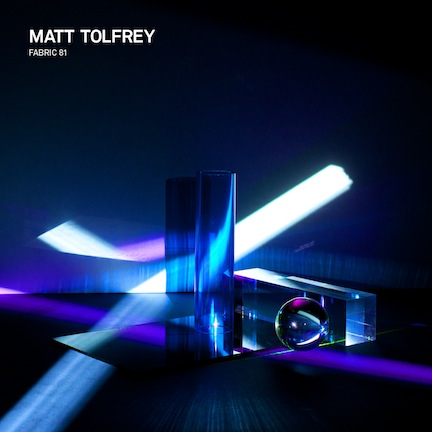
More than a decade ago, Matt Tolfrey played the DJ set that would make the rest of his career. It was one in the presence of Fabric’s musical director, Craig Richards, at Nottingham’s influential and now sadly missed club, the Bomb, where Richards was playing a gig of his own. So impressed was he with Tolfrey’s skills that he called him up the next day and invited him to play a set in the famed Farringdon meat-packing factory. Since then the two have come together on many occasions, and now they finally make their relationship legit with Fabric 81.
Back then, Tolfrey was famed for playing late-night after-party sets that were more than a little wonky and left of center, but in the years since, he has very much become a headliner in his own right. Part of the reason for that is his ever-expanding Leftroom empire—it’s a label and party series that has served the younger, newer end of the dance market, to be sure, and is one that has made stars of the likes of Laura Jones and Sam Russo. Rather than going in heavy on his cronies, though, Fabric 81 largely finds Tolfrey more intent on indulging the depths of his own personal taste rather than reaching for the music of his immediate peers.
That’s both a blessing and a curse, because although there certainly are some brilliant records included along the way (none more so than the opener from Rednail Kidz), 25 tracks is rather too much to cram into 73 minutes for any of them to make a lasting impression. To his credit, the mixes themselves are super slick and quick, but many tracks are dropped in with a stark immediacy before the last one has even begun to resonate. Plenty have been edited down to just two or three minute snippets—the cumulative effect is hurried, almost tiring, because the rooted 4/4 kicks rarely rest or digress for even a moment.
There are knowing nods to his roots along the way, with razor sharp house cuts from Nottingham’s famed DiY crew and chief beat maker Nail included next to “geniuses of our time” such as Derrick Carter. There are also shades of the sort of minimal that informed the early part of Leftroom’s output, as well as some reminders of his after-party days with freaky cuts like Tokyo XXX’s “Soichi Terada,” and a taste of current Tolfrey projects in the form of an edit done along side jozif as Kerb Staller. What this mix most reminds us, then, is that Tolfrey is as well-versed in classic sounds as he is a master of contemporary styles.
Berlin pair Terranova‘s keenly awaited new album—their first since 2012’s Hotel Amour—is due to drop next month on Kompakt. Ahead of that, the duo has shared a full stream of album track “Skin & Bones,” a lush, sweeping cut that features guest vocals from Danish artists Lydmor & Bon Homme (Tomas Hoffding of WhoMadeWho, who previously featured on Terranova’s 2012 summer anthem “Question Mark”). “Skin & Bones” can be streamed on the player below, while the Restless LP gets its full release on Kompakt on May 11.
Mister Saturday Night has been a little quiet on the releases front of late, with its last outing having been more than six months ago now. In early May the redoubtable New York party-starters (and former XLR8R podcast contributors) will return to the fold twice over with same-day releases from longtime label associate Gunnar Haslam, and Nebraska, who is new to the label but has previously released on Rush Hour and Delusions of Grandeur, among others. Haslam’s three-track Margareten EP is heady, night-drive fare, while Nebraska’s Stand Your Ground four-tracker pulls together jazz and disco influences. Preview clips of both EPs can be streamed on the players below ahead of their release on May 5. Haslam’s own contribution to XLR8R‘s podcast series, meanwhile, can be streamed and downloaded here.
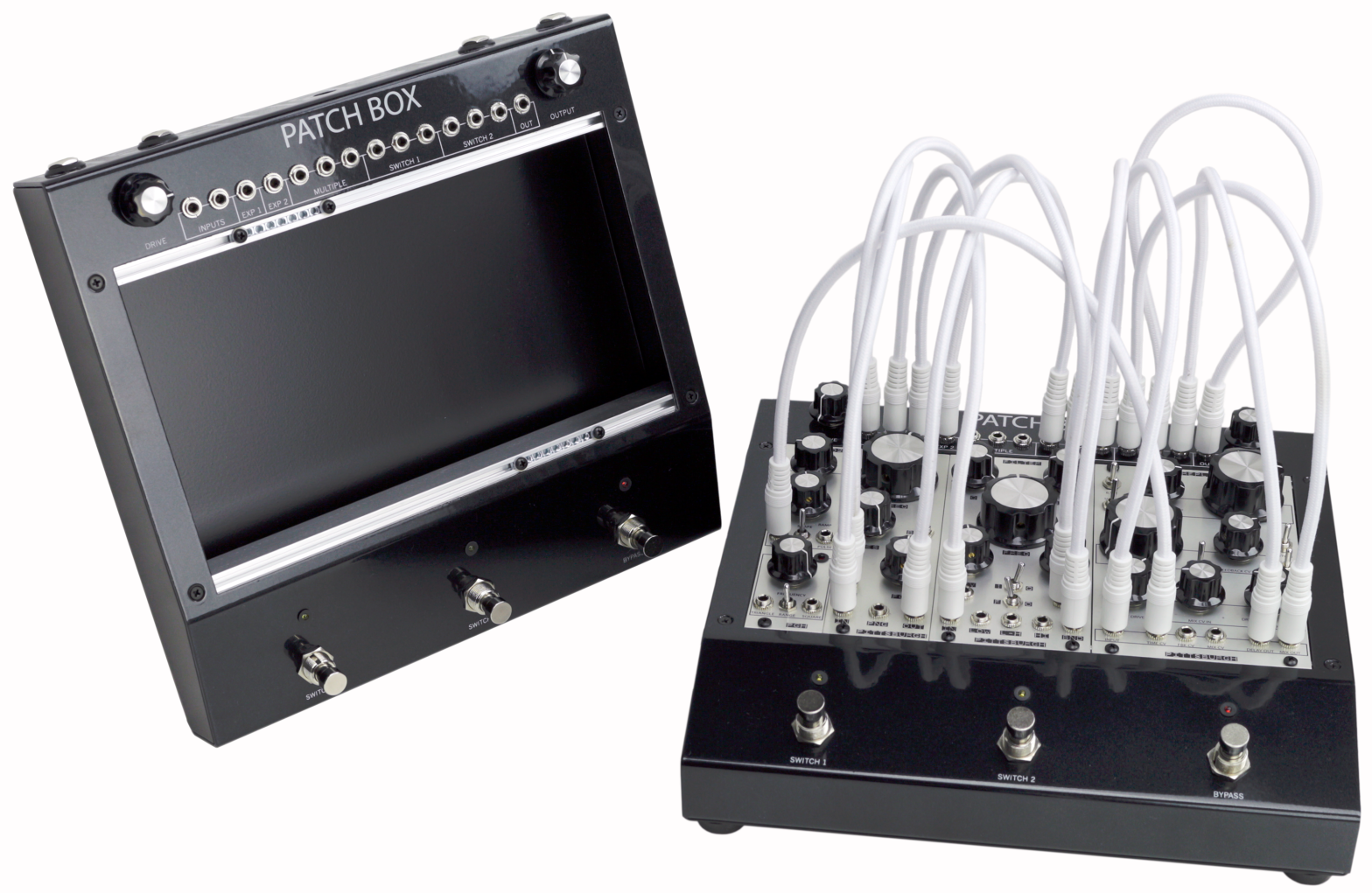
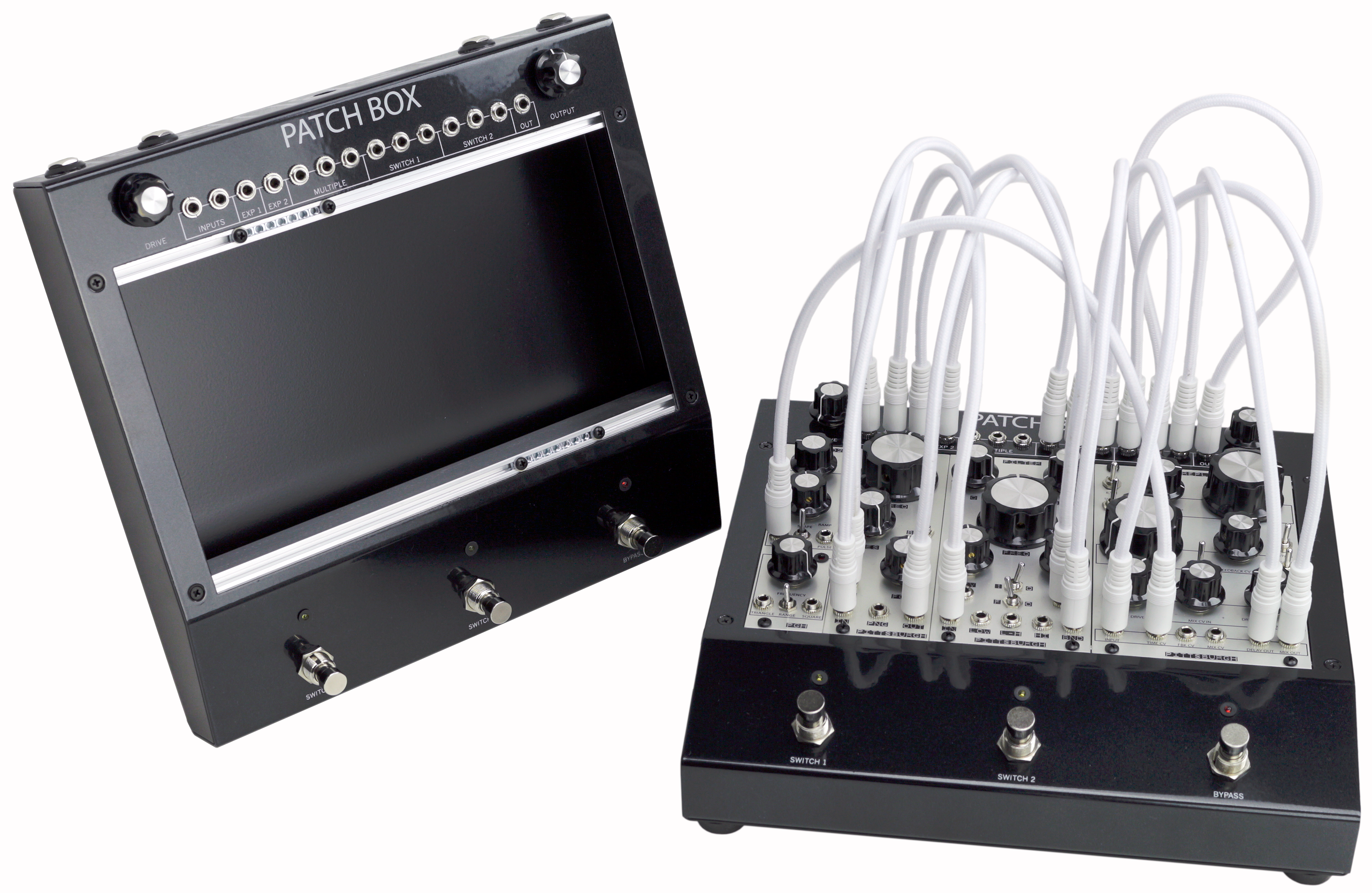
Modular synthesizer and accessories manufacturer Pittsburgh Modular has announced the launch of its Patch Box line of modular effects pedals. The Patch Box looks to redefine modular synthesis and the popular stomp box by creating unique patchable effects units. The Patch Box is available as a fully customizable, empty enclosure or as a pre-configured set of Complete and Core effects systems which include Time Box, Filter Box, Dwarf Box, and Phase Box. You can find more information on the Patch Box Enclosure here, which will begin shipping in May with a suggested retail price of $349. The Patch Box Complete and Patch Box Core systems will begin shipping in June and are outlined below.
Time Box Core – Suggested Retail Price $779 Time Box Complete – Suggested Retail Price $1,199
Lifted is an ongoing collaborative project from Matt Papich (a.k.a. Co La) and Beautiful Swimmers’ Max D, who will be releasing their debut album, 1, on PAN at the end of the month. A couple of the tracks from the album surfaced in Max D’s XLR8R Podcast from last year, which had us hanging to hear more. The eight track LP showcases improvisations and experiments in leftfield techno and ambient, and was recorded in their respective hometowns of Baltimore and Washington DC. The pair also called on Gigi Masin, Motion Graphics, 1432 R co-founder Dawit Eklund, Jeremy Hyman, and Jordan GCZ (of Juju & Jordash) for contributions to the album, which will see release on April 27.
Today, Young Magic released Remixes Vol. 1, a pay-as-you-feel charity album which features contributions from artists such as Teebs, Doldrums, Matthewdavid, Roland Tings, and The Acid. All proceeds from the album will go to the Aboriginal Benefits Foundation, which was established by a group of individuals involved in Indigenous art and culture, with the aim of improving the well being of Aboriginal Australians. The ABF has a particular focus on supporting art, health and cultural projects with a connection to Aboriginal art and/or artists.
LA based trio The Acid rework “Something In The Water” into a peak time, acid tinged cut, which gradually builds into a huge crescendo of slicing synths and sharp percussion. You can stream the remix in full below, with the album available for purchase here.
We profiled Italian label Gang Of Ducks in our Get Familiar feature last October, shedding some light on imprint and artist collective who have been making some waves of late. The label has released records from artists such as Haf Haf, My Panda Shall Fly, and One Circle, and will add to that list in a few days when they drop the debut album from XIII. No [The Relative Effect of Explication] is an obscure journey created from modular synth jams, murky drums, and field recordings, with three of the nine tracks also featuring collaborations from “gang” members Traag, Vaghe Stelle, and Sabla, who help in delivering a picture of what the philosophy behind the label is. In support of the release, we’ve been gifted “Racnid,” a bonus cut from XIII full of creepy modular atmospheres and synth work, which are offset by trudging drums and airy pads. It’s an engaging and disorienting glimpse into the world of XIII and Gang Of Ducks. “Racnid” can be download for free below, with the full album available April 26 here.
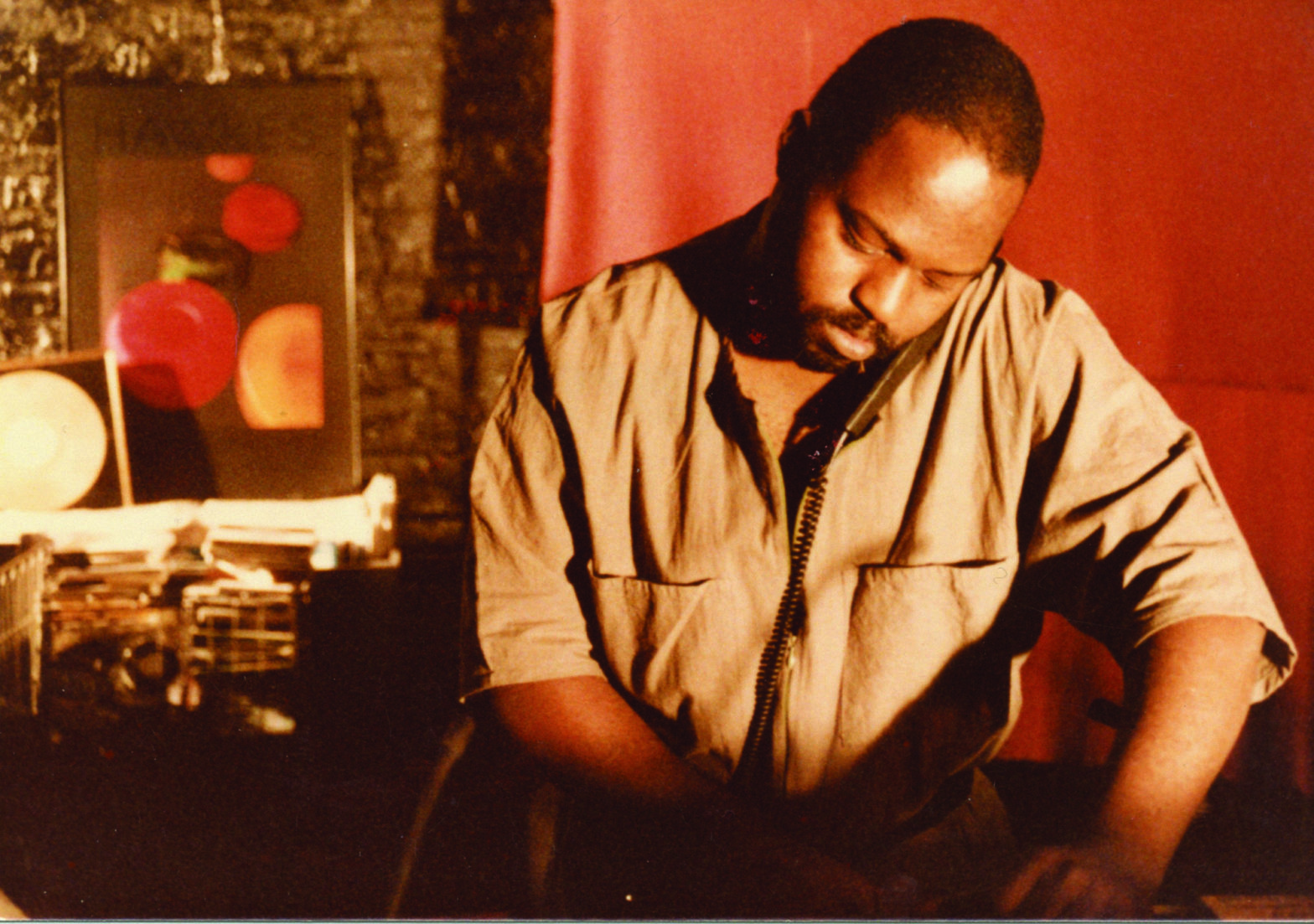
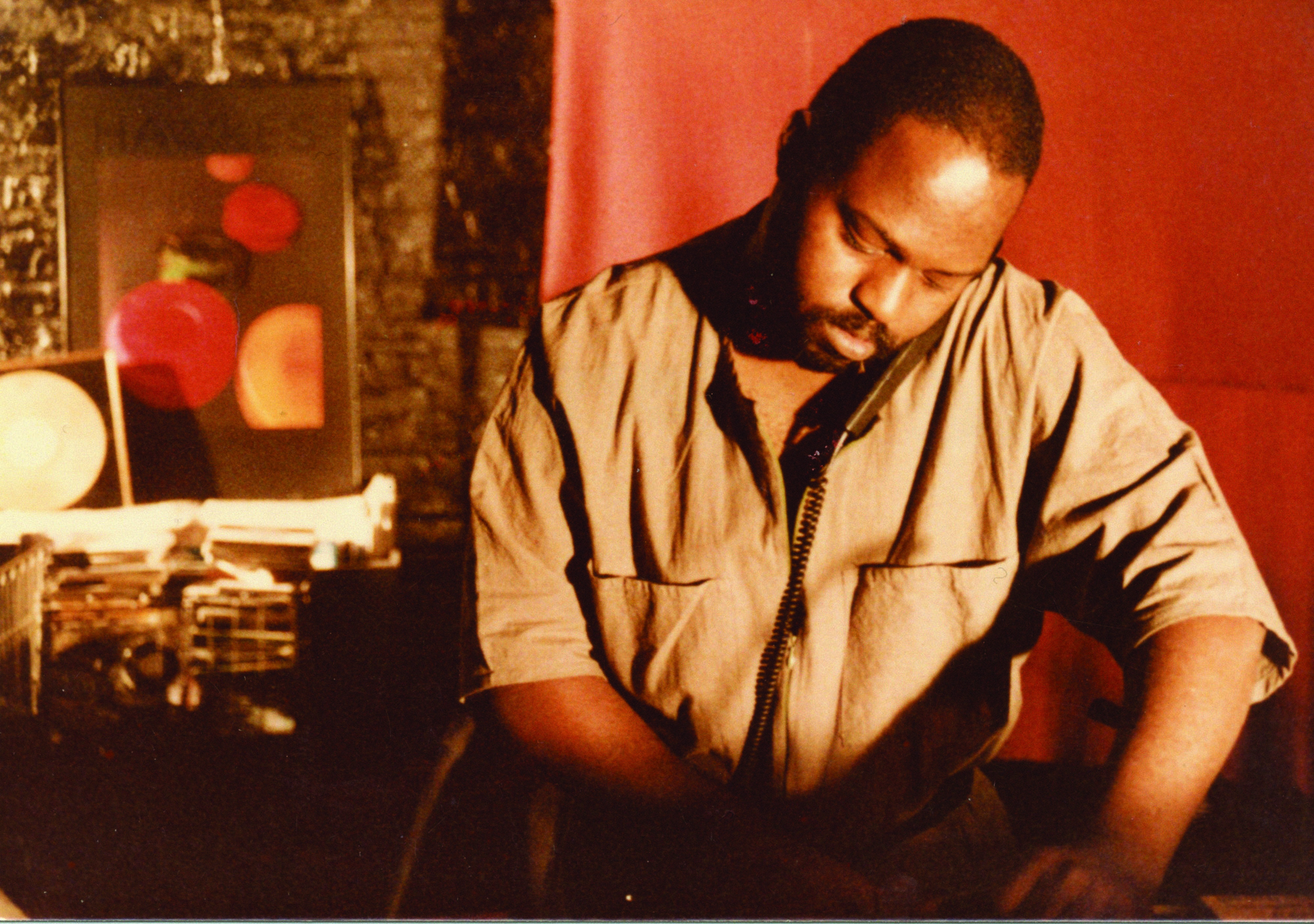
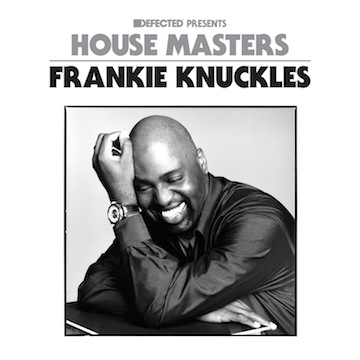
Just over one year on from the Frankie Knuckles‘s untimely death, the Defected label, in collaboration with Def Mix, is about to release a retrospective of the Godfather of House’s greatest tunes, House Masters: Frankie Knuckles on April 26. The compilation actually had its genesis before the beloved DJ-producer passed away; the project began in February 2014, with Frankie selecting the productions and remixes he wanted to be included on this look back on his none-more-influential career. (Check out a conversation between Knuckles and Defected head Simon Dunmorehere.) In a nice touch, the comp is a charity release, with proceeds going to the new Frankie Knuckles Fund, established in partnership with the Elton John Aids Foundation. Also nice: The double-disc release’s track list, which boasts such stone-cold classics as “Your Love,” “Baby Wants To Ride,” and “The Whistle Song,” along with Knuckles remixes of First Choice’s “Let No Man Put Asunder,” Alison Limerick’s “Where Love Lives,” Loose Ends’ “Hangin’ On A String” and more. But one of the best cuts on the release—and in the minds of many, one of the most lushly beautiful house tracks ever produced—is “Tears.”
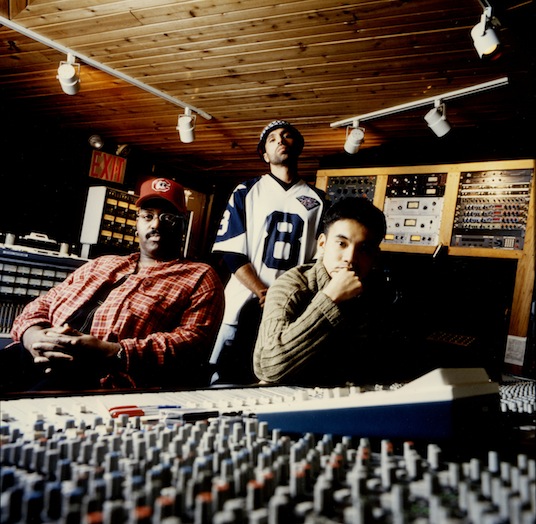
Billed as “Frankie Knuckles Presents Satoshi Tomiie,” the tune wasn’t a Knuckles production, exactly. Tomiie, then 20 years old, laid down the instrumental tracks, while Knuckles directed the vocal session (with Robert Owens, then known mainly for his work with Larry “Mr. Fingers” Heard), supervised the mix, and served as a sort of executive producer; “he had a Quincy Jones type of role,” as Tomiie puts it. Whoever it’s credited to, its Classic Vocal version is one of the most stunningly soulful moments in house history, while a trio of David Moralesrerubs on the flip helped cement that still-young artist as one of house’s go-to remixers. Released on FFRR in 1989, it’s music that reverberates to this day, and XLR8R was lucky enough to catch up with three of the principle players—Tomiie, Owens, and Def Mix den mother Judy Weinstein—to talk a bit about the tune’s creation. (Note: When Robert Owens sings snippets of “Tears” to you over the phone…well, it’s goosebumps time.)
Tomiie: House music was just being introduced into Tokyo back then, and only a few DJs knew about. I was a little familiar with house— not like a professional or anything, but I had been exposed to house before I met Frankie, and I knew who Frankie was. I was helping out with his first Japan tour ever, which I think was in 1987 or ’88. I was making the theme music for his series of parties, something that would play before he started his set or whatever. That’s how I got the opportunity to meet him. And he was forced to listen to my music. [laughs] He said something like, “This is really cool”—but back then, I couldn’t understand it at all. Somebody had to tell me, “Oh, he really likes what you do.” I thought he was just being nice, but then he said something like, “Oh, maybe we can do some records together.” Once I heard back, I was like “Whoa, really?” I mean, I was only 20 years old. They invited me to come to New York, my first trip there. I brought a cassette with me. I was into Chicago house, but I was also into Detroit techno stuff as well. The cassette had one Detroit-style song, and one Chicago-style one. That was “Tears.” I had already done all the instrumental parts to “Tears” in my bedroom. I had named it that because of the way the one piano line reminded me of tears rolling down. Anyway, that was the one Frankie liked.
Weinstein: Frankie had this cassette with the instrumental on it, and he brought it by the office. I loved it right away—it was so beautiful. I wanted to find out who this Satoshi was, this guy who could make a song like this but was so young. After a while, when I had heard it a number of times, I suggested he put some vocals on it; there was a song hidden in those tracks.
Tomiie: I had been a fan of Mr. Fingers stuff, and Robert Owens sang on his tracks, so I said to Frankie, “It would be my dream if we could get Robert Owens could sing on this track. He was like, “No problem—I think I can hook that up.”
Weinstein: I probably would have suggested Teddy Pendergrass. [laughs] What can I say? It was a different era.
Tomiie: I was back to Tokyo, and I recorded all the instrumentation onto two-inch tape, and sent that back to New York—this was before the Internet, so that’s how you had to do it. That what Frankie and Robert used to record the vocal on.
Owens: I was in Chicago, and people were telling me, “Frankie Knuckles is looking for you.” I was like, “Really? What’s this all about?” And they said that he has this song that he wants you to sing on. He was playing in Chicago at Metro, the place above Smart Bar, so I came on down to hear what he had in mind. He said, “Oh I have this track that you might want to sing on.” I was like, “Okay, let me hear it,” and he played it in his set. I thought it was a nice track. Frankie said that they wanted to call it “Tears,” and I went home to write some lyrics. I just had to remember what I had heard; I didn’t get the actual backing track or anything, so I had to write it from memory. I wrote in about 15 minutes. Some lyrics I’ve written have been from personal experience; other lyrics, I’ve kind of gotten from talking to other people about their experiences. For “Tears,” I just wondered how I would feel if I really love someone and it wasn’t reciprocated.
I was staying with my mother and father at the time, and I showed them the lyrics, and they said, “That’s nice!” So I called Frankie and recited the lyrics, and told them they had the approval of my parents. He was like, “Well, that’s cool. Let’s fly you in to record them.” I sang my first take, and they thought it was too aggressive. [laughs] Which, with bigger labels, is often a problem. They want things to be radio-friendly, and not too emotional. I always think, well, why take the gospel out of gospel? But anyway, I gave them something a little bit more structured, and took the emotion out of certain areas. But not “drippin’ and droppin’” part or the “regretting nothing but the pain” part—they stayed in.
Weinstein: There was actually somebody else who song on it, too—the wife of [longtime NYC club kingpin] Steve Lewis. She was doing the “so many tears” part.
Owens: I think that Frankie or the record company wanted there to be two versions of the song, a female version and a male version. Frankie had Jennifer Lewis for the female version, but I think she was too nervous, so she just ended up doing that one little part on it in the beginning. She was a lovely girl.
Tomiie: After they were in the studio, I didn’t hear anything for a long time. I was wondering, okay, what’s happening? But then one day, a cassette arrived in the mail—and I heard it and just was like, oh, wow.
Weinstein: It got signed to Pete Tong’s label, FFFR. It was a big deal back in the day, and they flew us all over to England. Photo shoots, meeting up with record people…it was a real priority record. It was really the beginning of Def Mix; its one of the songs that helped make Def Mix. And it’s still a classic Def Mix song.
Owens: I’m fortunate to still be here. And “Tears” is one of the reasons I am.
Tomiie: I was thinking, this was the best start of a career that could I could ever think of! I mean, this was the one of the first tracks that I had ever made. And it was all because of the magic of Frankie.