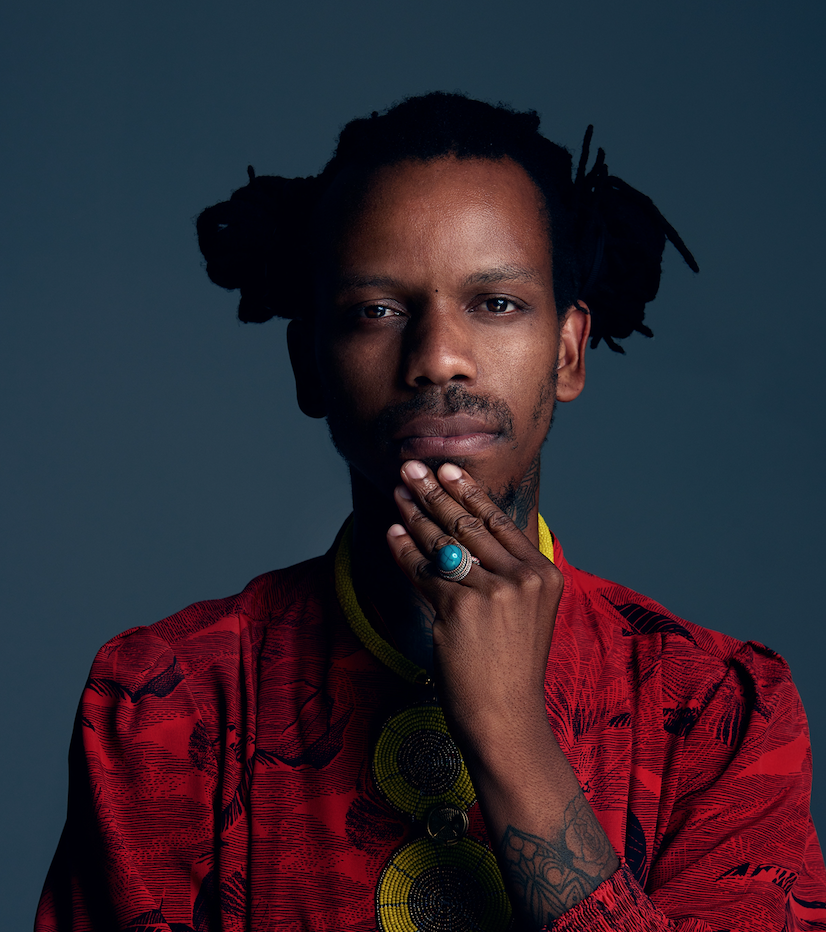
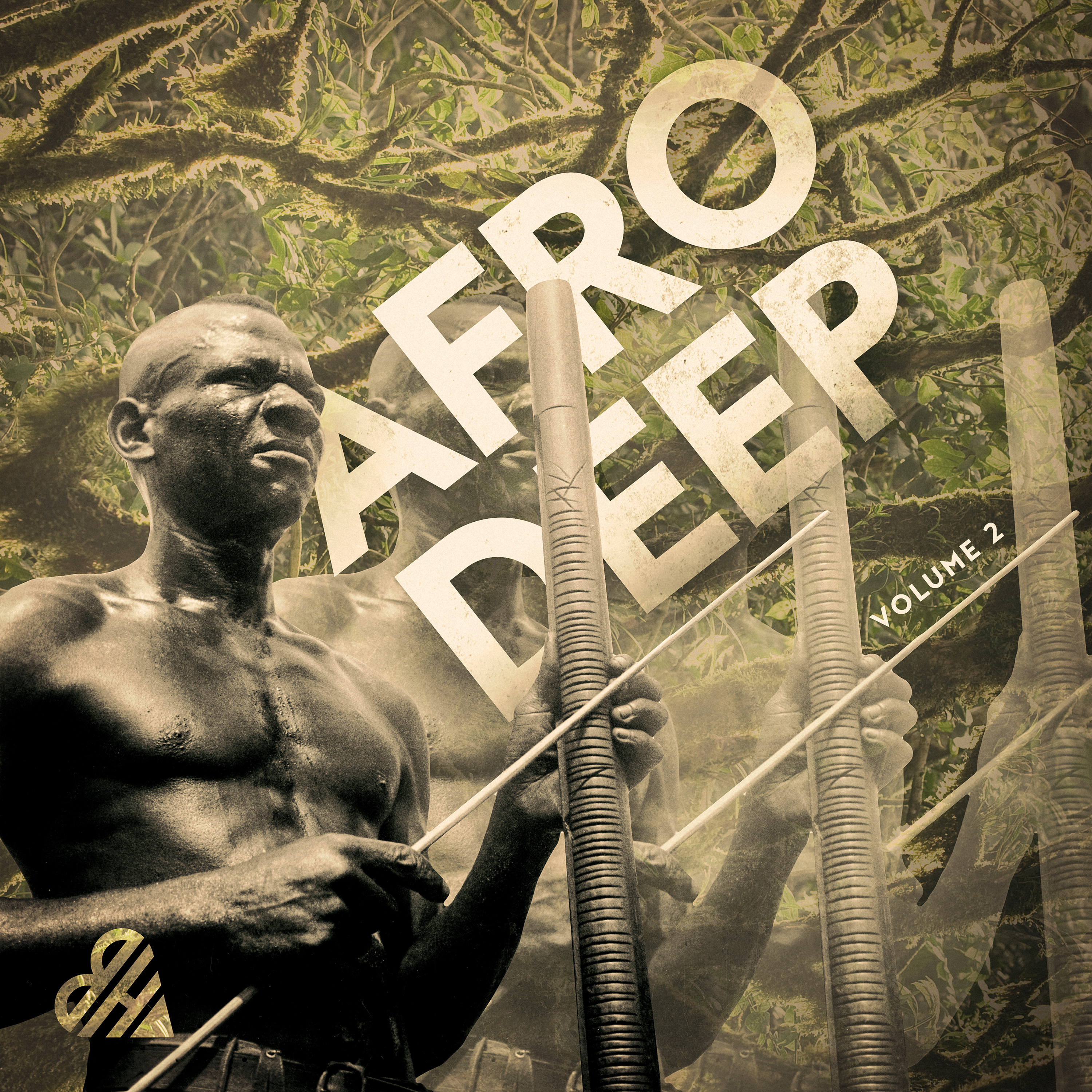
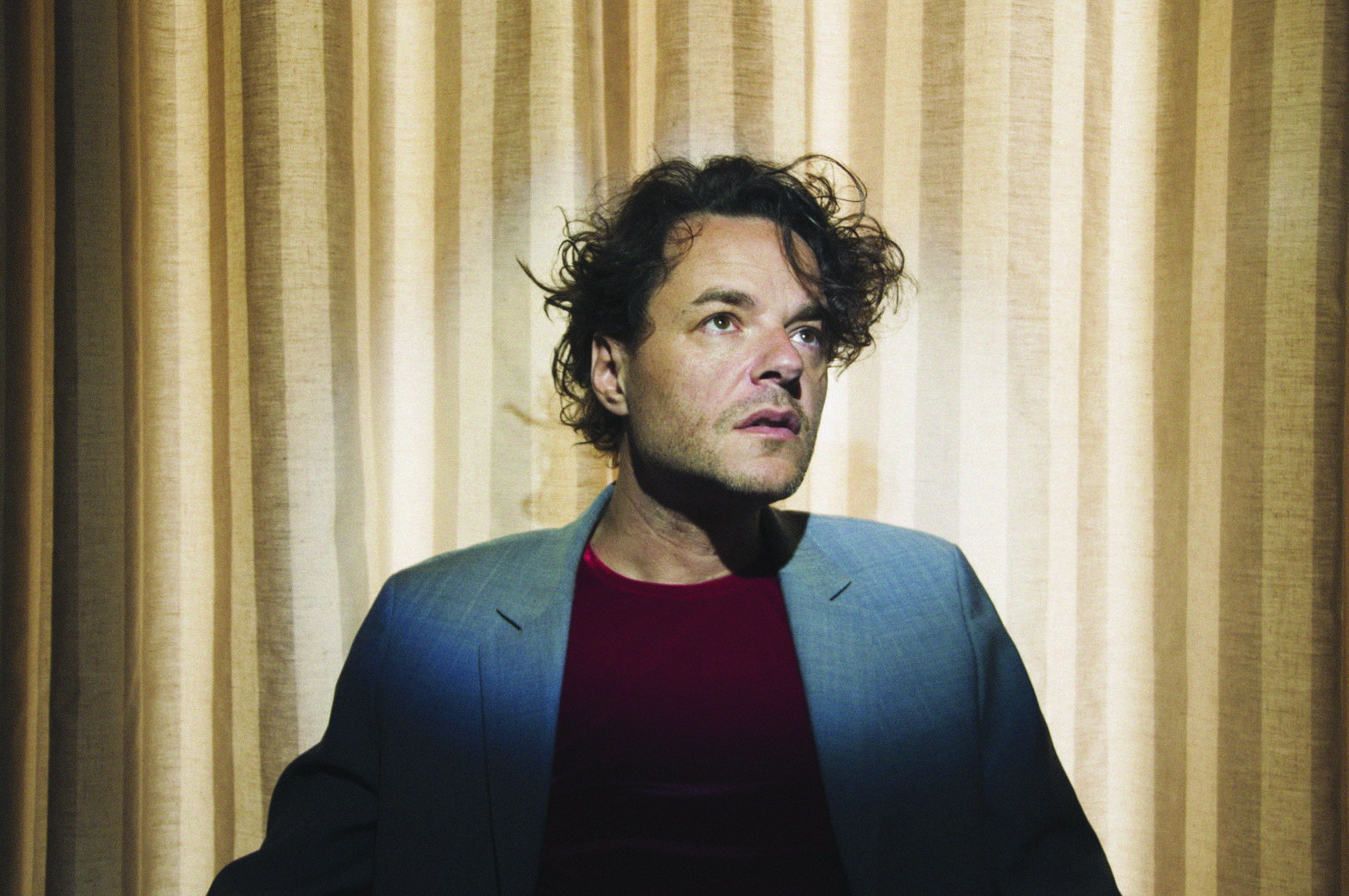
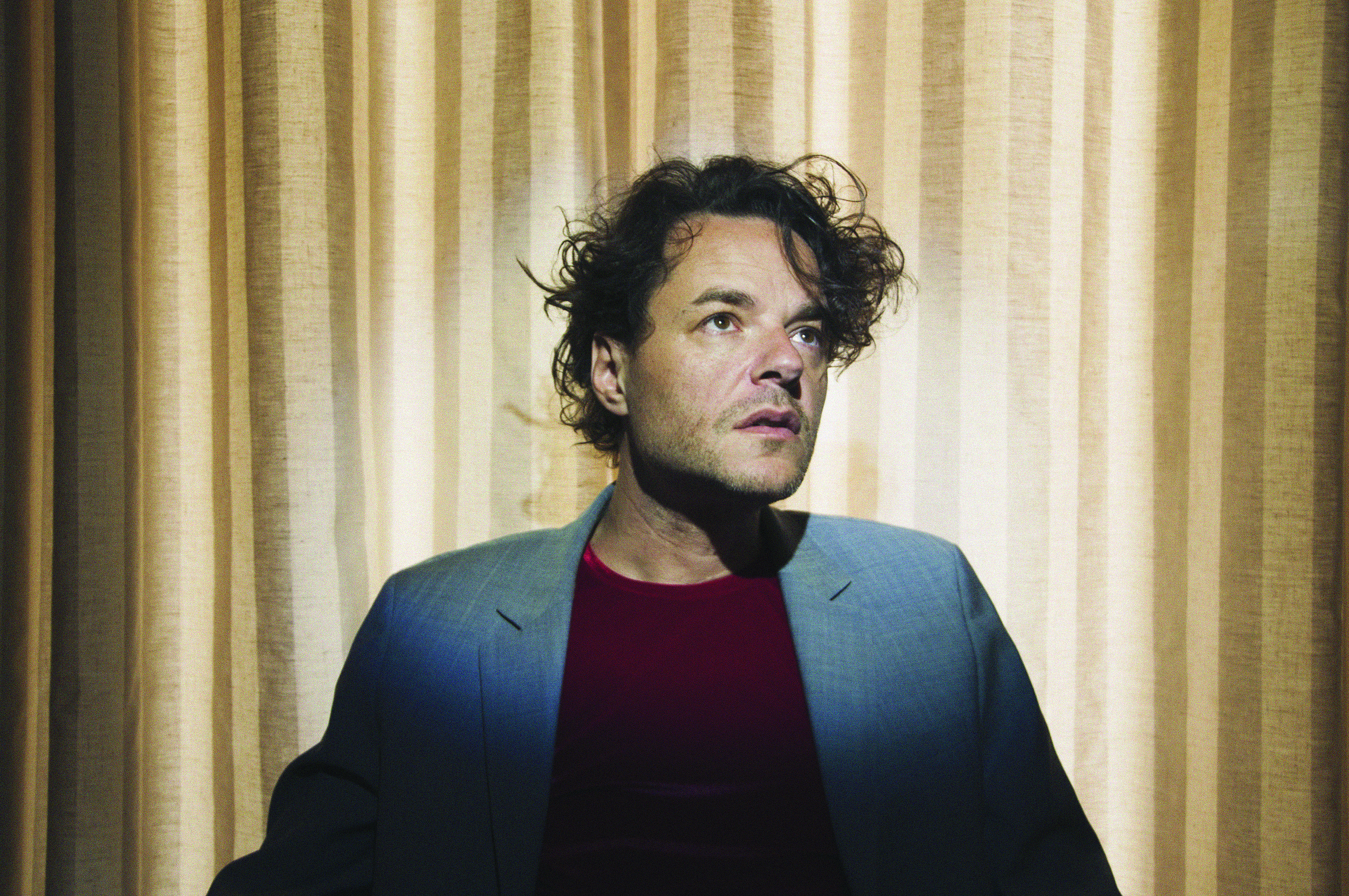
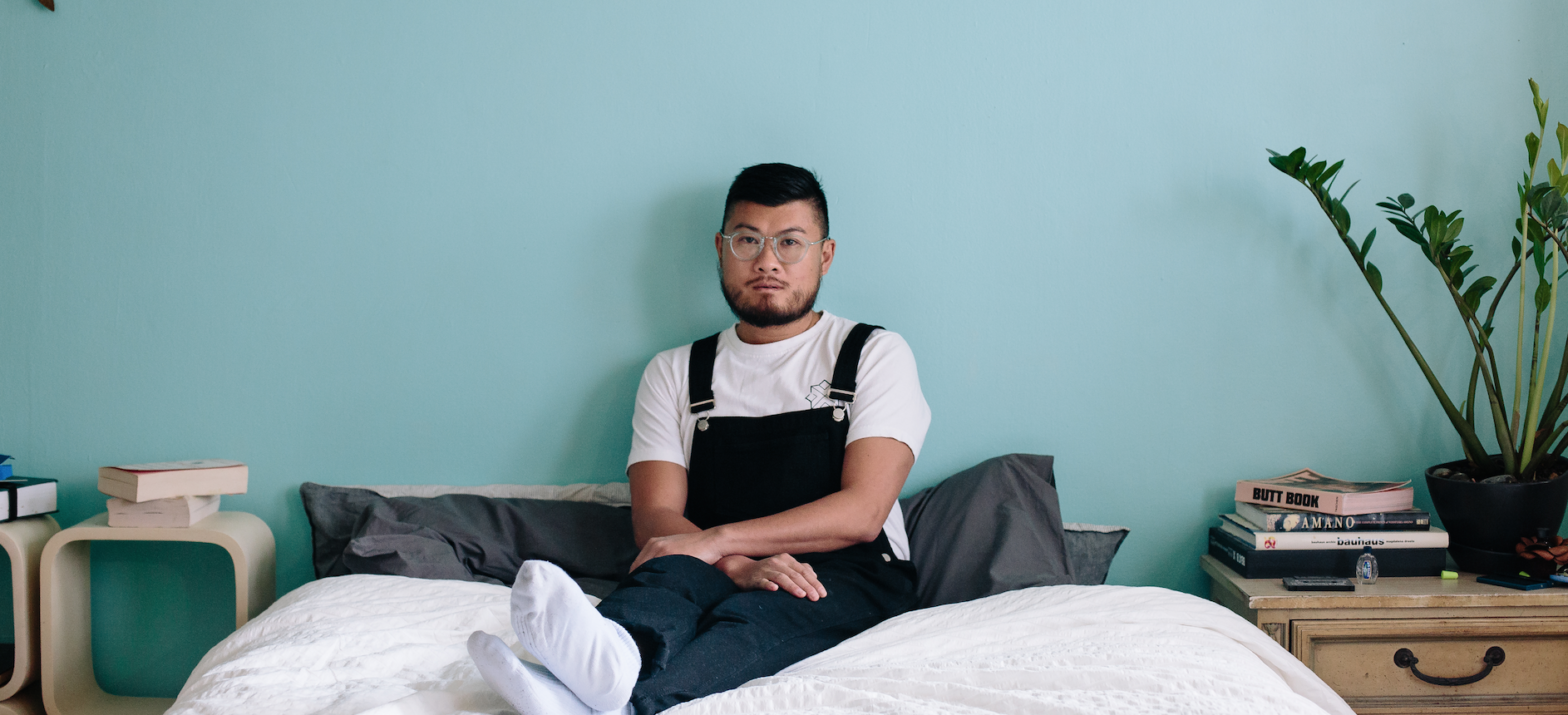
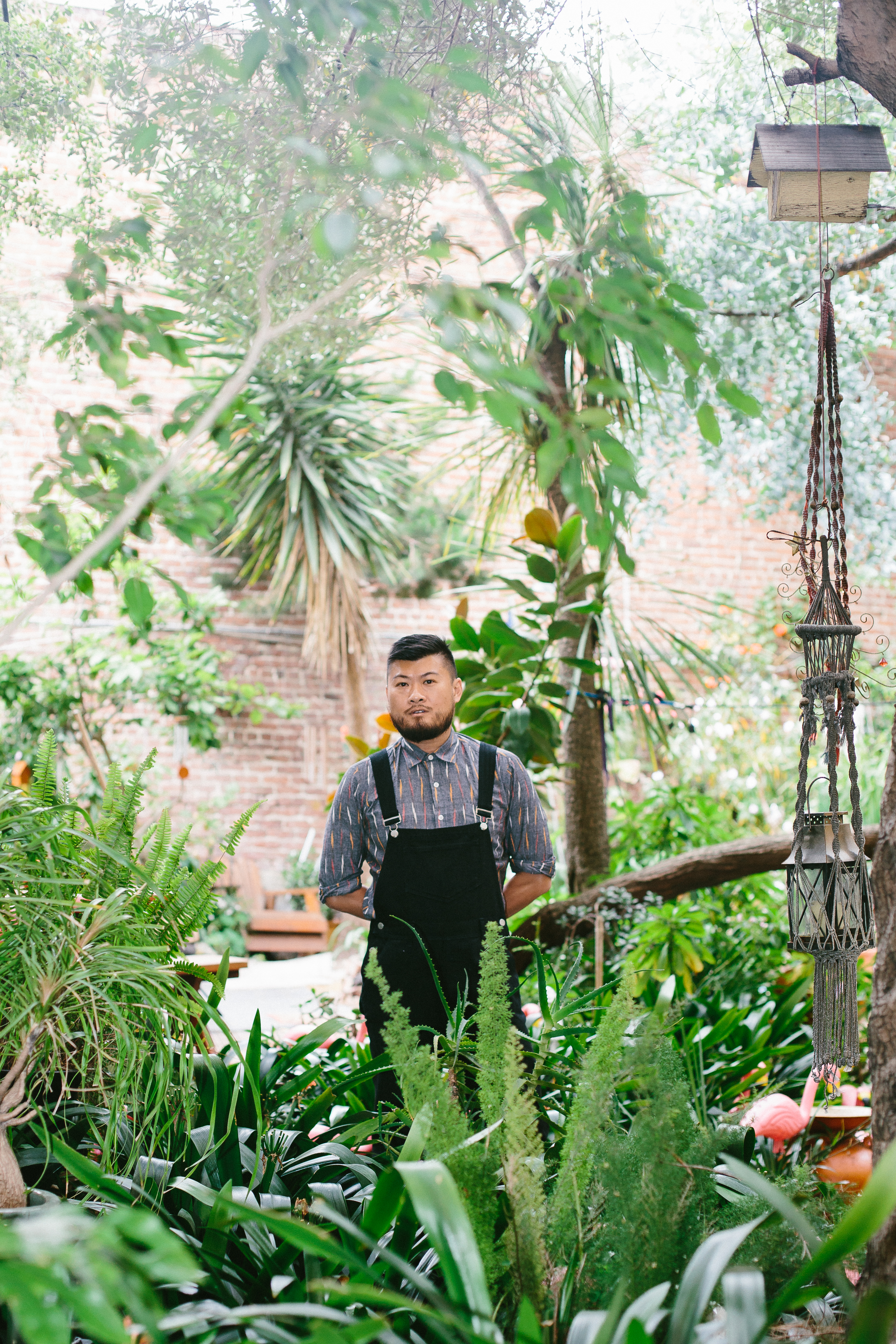
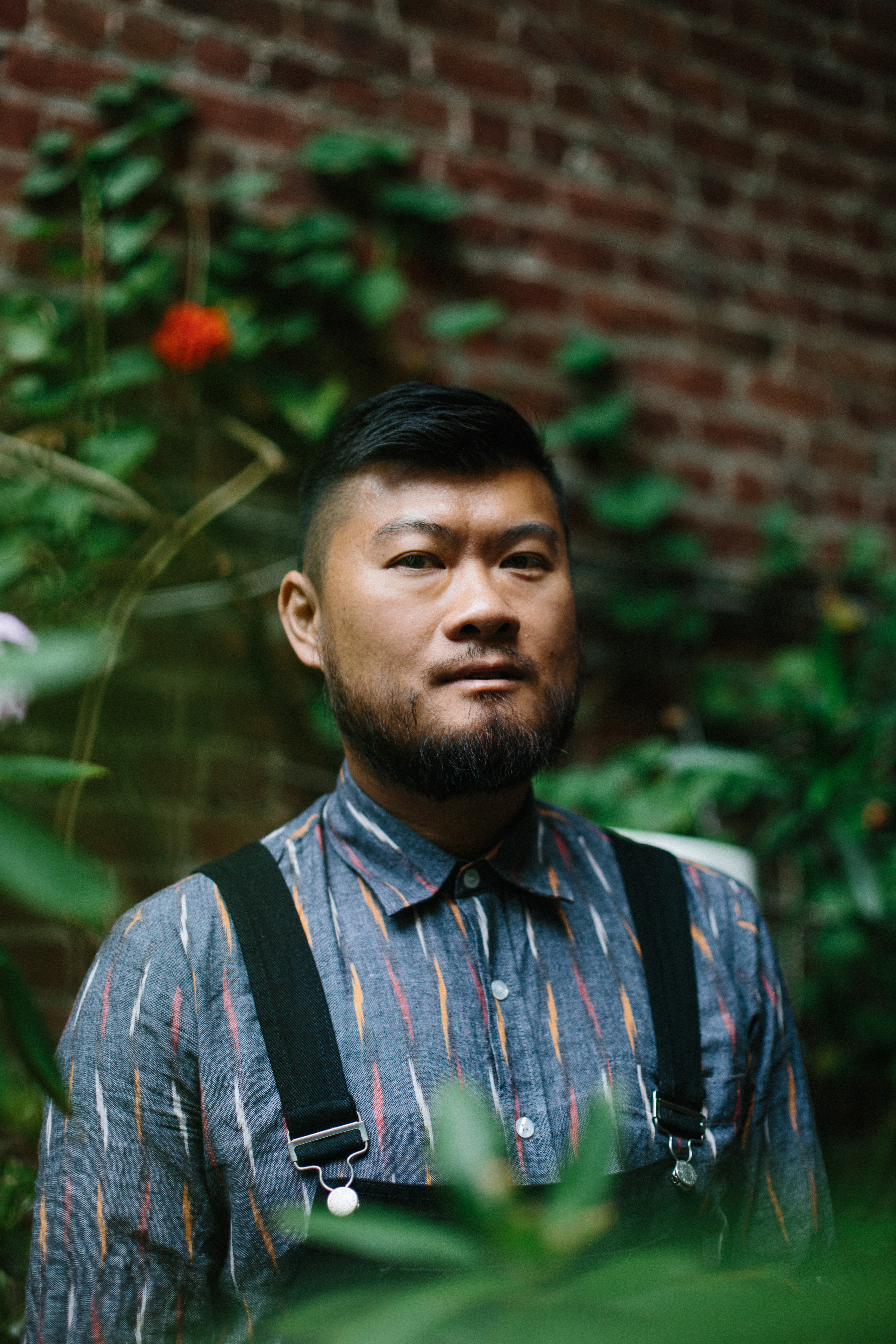
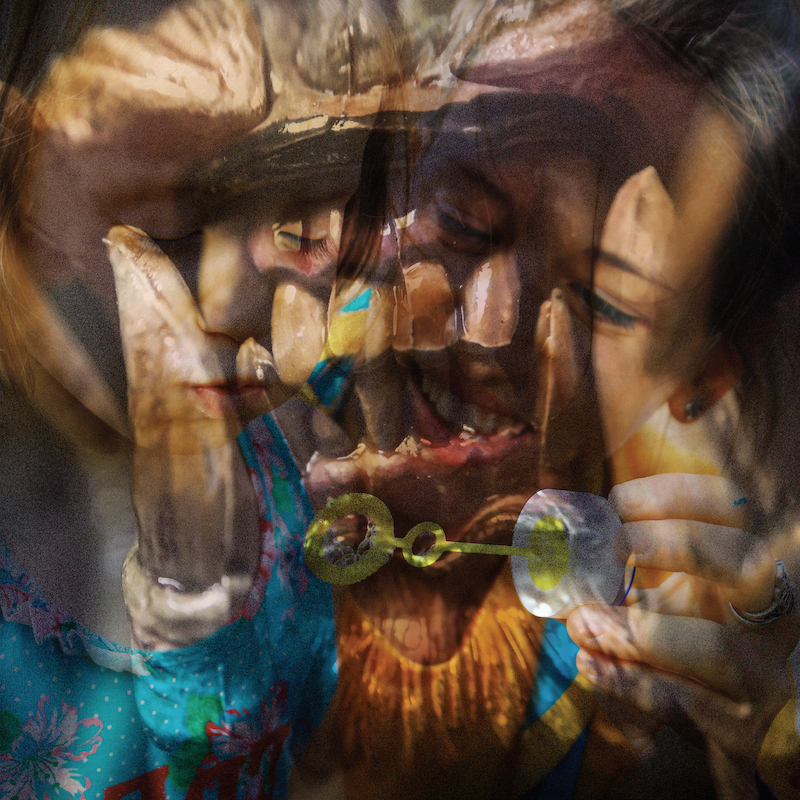
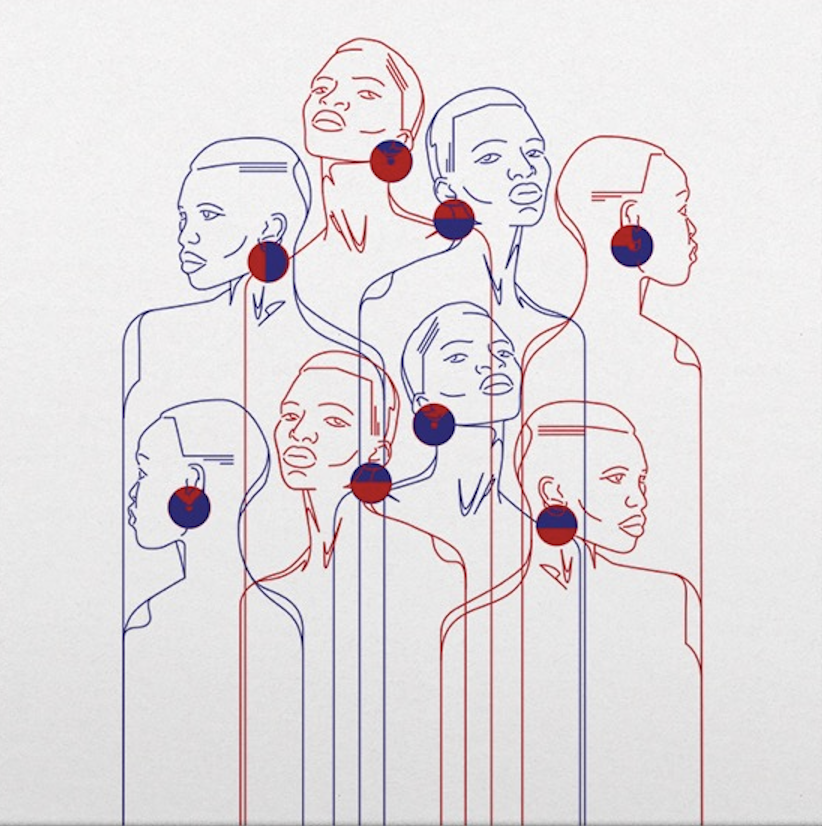
Robert Yang’s latest EP as Bézier, 府城, arrived on Honey Soundsystem earlier this month, featuring five slow-burning slices of slow-burning electronica, with twinkly melodies and wonky beats. The tracks form part of a larger body of work that the Taiwanese-American musician completed while in Tainan, Taiwan, and were recorded in a vacant apartment unit in his grandmother’s property. Without much reliance on his usual home studio setup, he used samples, vocals, and mono synths. Since its production, he’s relocated to Berlin where he spends much of his time when not touring across the United States and Asia. Life in the German capital has brought him much joy, a welcome respite from the financial stresses caused by the hiking living costs of San Francisco, his home for over a decade.
Yang’s route to this point is a long and winding one. He grew up in Diamond Bar and Upland, two suburbs in Southern California, and was born in Woonsocket, Rhode Island, to Taiwanese parents. He began by playing the violin and saxophone, and by the end of high school he was playing the electric guitar, which he continued throughout his time in Irvine, USA with courses in music production, leading him to begin replicating the Warp sounds of the early ‘00s. It was around this time, too, that he really took to DJing, purchasing his first pair of turntables in 2003 having learned the ropes with the help of his roommate back in 1997. It became clear to him that he wished to pursue a career in music, but moved to San Francisco to find himself musically, having just come as as a gay man.
Outside of work, Yang was quick to connect with the city’s underground party scene, including Josh Cheon, the founder of Dark Entries Records, whom he met in 2007. “I’d noticed him a bit on the scene, and we went to a show that Maurice Fulton and Tim Sweeney were playing,” Yang recalls. “And we just kept seeing each other more in the neighbourhood and started having dinners and sharing music, and eventually just playing together at different bars. We had a lot of shared enthusiasm for the kind of music we were into.” Hosting a birthday party one evening, Yang played out some of his unreleased demos and the reception gave him the encouragement he needed to send it around to those in his orbit. Cheon, with whom Yang remains close today, invited him to debut on Dark Entries, and the Bézier alias was born with 2013’s Ensconced EP, a six-tracker spanning new-wave and synth pop.
By this point, Yang had already established himself as a founding resident of San Francisco’s Honey Soundsystem crew, launched in 2006 along Jason Kendig and and Jacob Sperber who saw an opportunity to take their nights in a new direction from what was currently being presented musically in mainstream gay culture. Yang’s contributions—his high-energy, jubilant house selections and handful of submissions to the Honey Soundsystem label—have been integral in the collective’s broader success, while he’s also benefited from close-knit community of like-minded artists who’ve encouraged his ideas, all the while reinvigorating the queer and alternative electronic music scenes across the city.
In support of this release and with more music coming soon, XLR8R caught up with Yang one afternoon to learn more about his work and the story behind it. Yang also offered “Turbulence,” an unreleased cut, for free download via the button below, or here for EU readers.
These are exciting times, given your move to Berlin and a new release. What’s the story behind the move?
My residence status in Berlin is pretty recent, as of October, but most of my shows have been in the USA and Asia. To be able to continue on this path, I’ve had to still take on gigs and make the journey back and forth. I sort of had a moment in the last year where there was a lot of pressure to leave San Francisco due to rising rent and my inability to afford a standard of living here as an artist. Berlin has sort of provided a reset and a slight respite for all the stresses I’ve been under in 2018.
How are you settling in the city?
Yeah, with the help of some friends I was able to get an apartment sorted and an artist visa. I think Berlin right now is going through some changes. I have been coming here since 2002 and I can see a lot of difference. Today there definitely seems to be more excitement with entrepreneurship and start-ups. Oddly enough, the atmosphere here feels very similar when I moved to San Francisco in 2005.
How do you mean exactly, what are the parallels?
In San Francisco, when I arrived, there was a sense of euphoria with what the economy could offer after the dot.com crash. There wasn’t some huge technocratic institution like Uber, Airbnb, or Facebook determining the living standards and codes of the city. This was a lull and an economic correction occurring between 2005-2008. My rent in San Francisco at the time was only $400 a month for a studio in Downtown. The vibe of the city seemed much more hopeful, artists were thriving, and parties were fun. There seemed to be more freedom with what one could accomplish. Right now, as Berlin is fighting off tech behemoths like Google and working on more affordable housing for residents and low-income inhabitants, it seems like the state of the city is hovering between what is manageable for an artist vs. letting the whole city go to ruin by a couple of billionaires making the city their own little playground. In retrospect, I suppose that was the state of the city when I entered. But back then I was so much more enchanted by the newness of being in the city and didn’t really see the details as I do now, coming off that experience.
“San Francisco was the mecca for queer communities; I really moved there to find myself.”
What drove the move to San Francisco in 2005?
I moved to San Francisco because when I was living in Los Angeles, unemployed, I spent all my weekends driving up to San Francisco to go to warehouse parties and concerts. It seemed like there was so much more to experience musically in San Francisco and it made more sense culturally to be there. But also I had come out of the closet as gay a year before I moved. San Francisco was the mecca for queer communities; I really moved there to find myself.
How did you connect with the music scene once you arrived?
I went to see shows and clubs alone because there weren’t a lot of people I knew who listened to the same stuff I did—a common story. But the more I went out, I could see that there were fellow queers in the woodwork, so I knew they existed. My main impetus was to reach out and connect. I went on message boards to make friends but then when social media took off it made everything so much easier despite the fact that Facebook is now a blazing dumpster fire. I’d try to start parties with new friends. Damon Palermo (a.k.a Magic Touch) and Daniel Martin-McCormick (a.k.a Relaxer) were the first music heads I met. We went to shows, club nights, and even played records for eachother on a few nights. But then meeting Josh Cheon, Jacob Sperber, and Jason Kendig at a Maurice Fulton night, I felt what I had imagined musical utopia to be.
How did San Francisco’s queer culture compare to Los Angeles, and also Taipei, which I understand has a very open gay community?
I pretty much left LA as I was coming out. My first experience was going to a lesbian night at West Hollywood with my childhood friend (we both came out the same year.) The experience to me was at first intoxicating but I quickly realized that I didn’t belong there. I think being in San Francisco queer and radical often went hand in hand. But thinking about that, it was also probably much more magnified due to people being in such close proximity in this tiny city. There was definitely more community at the time, and an openness towards different things. I just think in general gay microcosms around the world have different traits and differ from each other. Taipei, for example, has a much more mainstream gay and lesbian culture. People are open to holding hands in public and the spaces for them are pretty well spread out. But say if we wanted a gay techno underground, we’d have to massage the topic a bit more to get folks out of the woodwork. Overall though, in Taipei, the vibe is trending positive.
“Most people who came to San Francisco after the recession have been holed up in their ivory new condo development towers with automated delivery services and laundry as their main interaction with the real world.”
Fast-forward to today. How have the giant tech firms impacted San Francisco’s queer scene?
We’ve definitely had to manage the crowd a little so that we weren’t attracting all the tech-bros to our parties. We’ve taken promotion of the homegrown events off Facebook events as that was creating all the spillover from randoms showing up at our events. In 2018, we spent the whole year keeping all our headliners a secret to keep the crowd super tight and engaged. But as far as overlap between and open society and general tech workers in San Francisco, there doesn’t seem to be much. Most people who came to San Francisco after the recession have been holed up in their ivory new condo development towers with automated delivery services and laundry as their main interaction with the real world.
Let’s talk about your latest EP. Where was 府城 produced?
I travelled to Taiwan around the end of 2017 and lived in my Grandmother’s apartment in Tainan for about six months. This was after my Grandmother passed away and with so I was trying to reconnect with my parents, whom I became estranged with for a good period of time since I moved to San Francisco.
I wanted to explore what life and culture was like in Tainan. Through my parents’ eyes I wanted to examine what living there was all about. I spent a good amount of time alone but once in a while would head up to Taipei to check out some music and connect with peers building the scene. After I had a moment to experience this, I traveled back to San Francisco and found myself overwhelmed by the costs of living in my former home. Soon after throwing a Honey Soundsystem event in May, I found out my dad passed away. I scrambled to understand what I should do and where I should be in my life in the subsequent months. And the only thing I felt some control over was my music. So I dedicated the record to the city of Tainan to preserve my memory of family, the city, and some fleeting memories of it when I visited in elementary school.
That’s a tragic story, and I’m sorry to hear it. Was the production work done in Tainan, or in San Francisco?
All the tracks were produced in the six months I was in Tainan. I had put a lot of my music gear in storage before I went on that trip. So by the time I returned to San Francisco I had no space to work on any music, I had around 30 or so productions. These were the ones that felt I could tell some story about my development.
Are there elements of the Taiwan culture that you connect to, given your family’s heritage?
It’s interesting because when I was born everyone had some kind of idea as to how I should be raised, as a first generation US citizen raised by immigrant parents. One suggestion was to focus solely on having my native language to be American English so no one would ever question my citizenship when I spoke. I had a lot of shame in high school because my mother couldn’t speak English properly. All my friends would make fun of her accent whenever she picked up the phone when they called. So I spent most of my time growing up defaulting to my American identity because it hurt so much to embrace the Taiwanese side of my family.
I didn’t really have access to real Taiwanese culture until much later, in my mid 30s, when I began to seek it out. Obviously, trying to connect to the backstory of my family’s history was a new learning process for me, being in Taiwan and shedding off emotional baggage. With that said, I do see a lot of potential in being in Taiwan. It’s a strategic place for many reasons. There’s a whole class of creatives living there, all hungry to find good work. They have a very open queer society that is rapidly gaining more civil rights than any other country in Asia. They are free to express themselves without much fear of censorship, especially with the younger generation of Taiwanese. And right now, musically Taipei is leading the charge for Asian underground dance music. I see myself visiting more and more frequently as I get older and giving back to society with all the experiences I’ve had.
You’ve spoken previously about chasing a certain sound with your music, specifically in relation to French new wave and Un Subalterne Insubordonné. What sound were you seeking on this EP?
I think when It comes to music making and inspiration, there’s a bit of involuntary memory that comes about. You hear a hook that you made and then you kind of have an idea where the next piece comes in based on your own canon of music that you’ve developed over the years. With this new EP, I focused more on interesting and meaningful percussion patterns and kind of going back to the days when I was learning how to DJ, listening to dancehall, early pre-Burial Hyperdub, the Grime and Grime2 compilations on Rephlex. Even though the whole EP was made in Taiwan, I was actively trying not to imitate any sort of oriental-erotic themes that a lot of white European producers fixate on when they talk about Asian influences in their productions. I didn’t go to Asia to colonize a specific genre of music.
Looking through your wider catalog, there’s an abstract feel. How much do you think of the dancefloor when you’re producing?
Other than the fact that I use a lot of the similar equipment and processes, I don’t really think of the dancefloor as the main motivation. Although there are moments when I think this is a good beat and could have a dramatic moment in the club, there is probably only a handful of songs that I’ve produced that work for the club moment. For me, there’s more to production than trying to package a calling card for the sake of obtaining gigs. The focus to chase headliner DJs to play your tracks is not sustainable and makes art quite horrible to engage with. I think people who scan for music and promos all day solely for the purpose of seeing what they can incorporate into their club sets aren’t human at all, but just robots. A lot of good meaningful music gets passed up in this process.
Rumour has it that you’ve got quite the studio. Can you talk me through it?
I used to be quite obsessed with analog synths, as many in this world are, but I recently pared down to the essentials. An Octatrack for sequencing, Oberheim Matrix 6R for pads and strings, a Vermona Lancet for bass, Korg Monologue for arps and melodies and drumkit via Alesis SR-16. Sometimes when I have access to my storage I may call on a Korg/Monoply or Juno-60 for extra warmth in my sound. There’s a lot of gear I need to get rid of.
What do you look for in the gear that you acquire?
I seek mostly simplicity with gear. Mostly, they tend to be monosynths. I don’t want to spend too much time tweaking knobs when I could be writing the meat of the songs with patterns and hooks all day. For me, sound design comes at the very end of the writing process. However, recently I’ve been working more on the Oberheim Matrix 6R which is a very complex beast and requires a lot of patience and practice to make meaningful sounds.
What else are you working on right now?
I’m primarily in the midst of a tour schedule. In the month of April I’m starting my Asia tour with a lot of first-time moments like playing Contact in Tokyo for their three-year anniversary and the Organik Festival in Hualien, Taiwan. Then a month of a few solo shows in US in May. June is Pride month so the crew will be making a few appearances around the US, and finally a European tour that takes us to some new friendly territories from July to August.