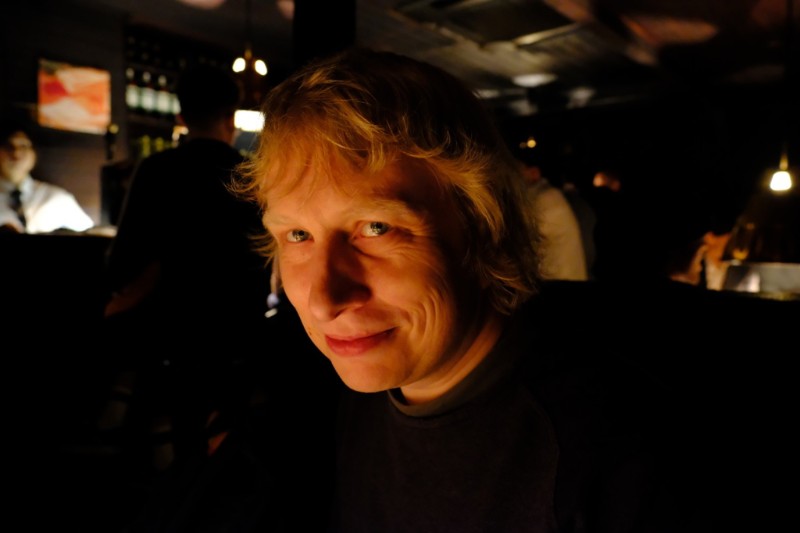
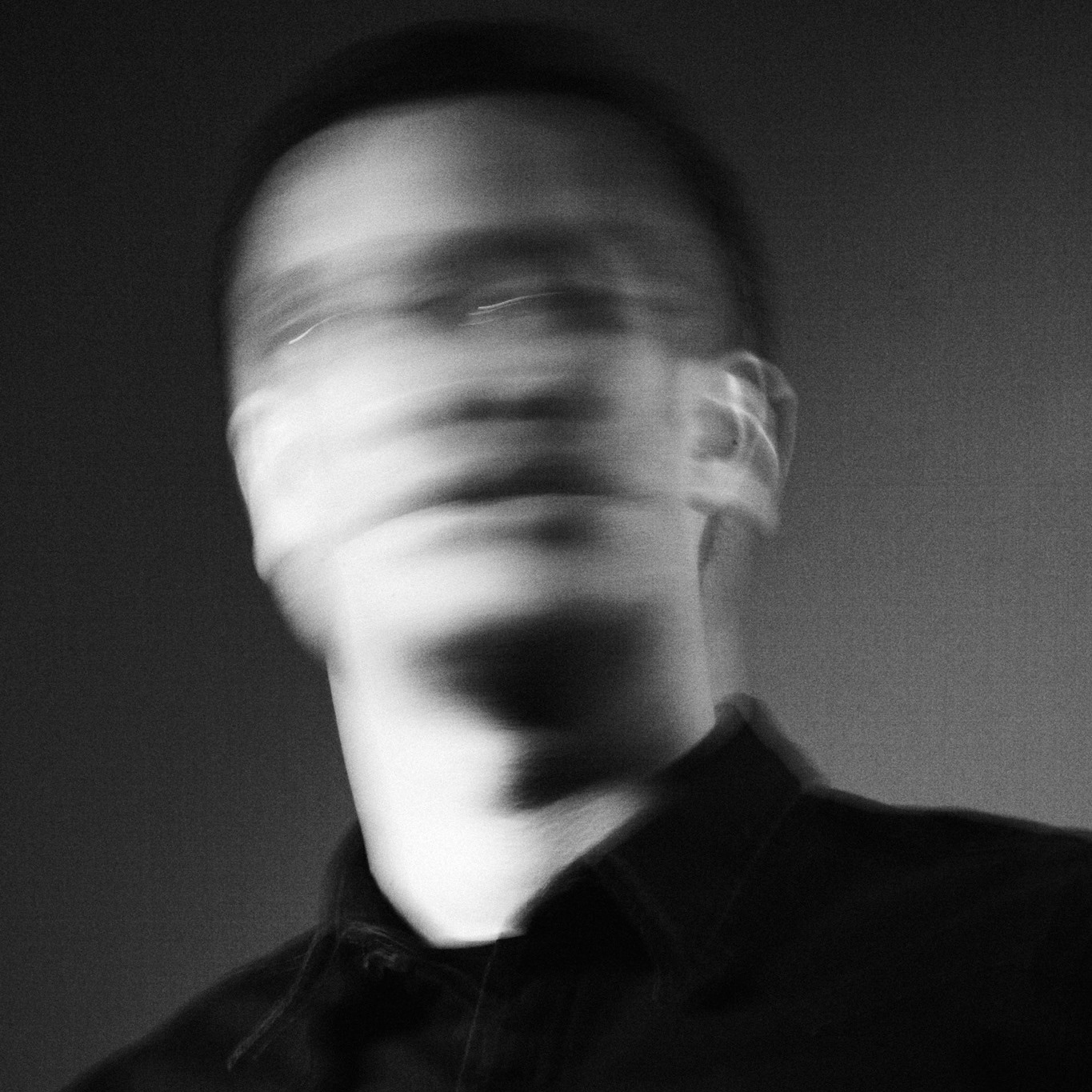
Melbourne-based producer Luboku has offered up his newest single, “Without You,” as today’s XLR8R download.
The new track follows his debut solo single, “The Surface,” which was released at the back end of 2017 and is the first in a line of releases set to land this year, giving listeners a taste of what to expect via six brooding minutes of colorful melodies and dancefloor-ready percussion. It also pays tributes to Luboku’s first electronic loves, as he explains:
“My interest in electronic music was kindled early on by artists like MGMT and Empire Of The Sun—bold and vibrant music. On ‘Without You,’ it felt important to pay tribute to these roots. I wanted to create something different from anything I had done before, I wanted it to be bold, grating, and full of tension—splicing these colorful elements with a contemporary feel.”
You can grab “Without You” via WeTransfer below, with more on Luboku here.
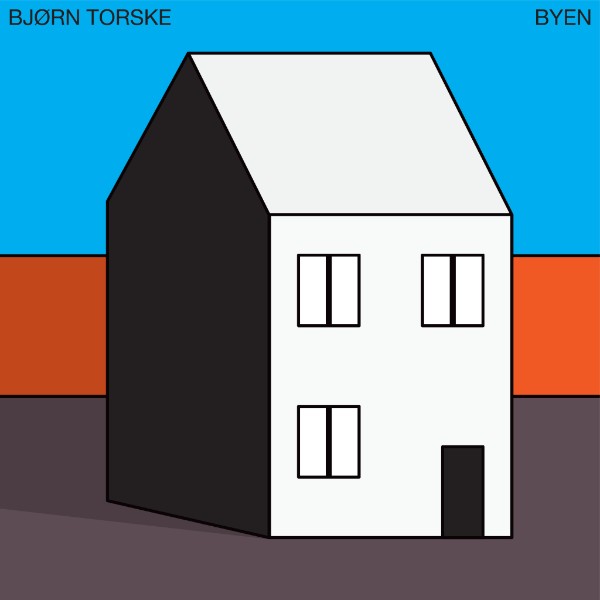
Norwegian producer Bjørn Torske will mark the 20-year anniversary of his solo career with Byen, his fifth solo album and first in eight years, out July 6 via Smalltown Supersound.
The album was recorded over the past year at Torske’s home and studio in Bergen and finds the veteran musician fusing two distinct sides of his catalog: clubby, inviting house music, and side-long pastoral ambiance.
Since the release of his last solo album, 2010’s elegant Kokning, Torske has kept busy with a steady drip of single and EP releases as well as reissues of his first two albums, 1998’s Nedi Myra and 2001’s Trøbbel, and last year’s collaboration with Prins Thomas, Square One.
“Apart from having made this album entirely by myself, this was also more planned,” Torske states regarding the differences between Byen and Square One. “My collaboration with Thomas was pretty ad-hoc and messy in its conception, but this album is cleaner and more straightforward—more primed for the dancefloor.”
Whereas much of Torske’s previous work (including 2007’s Feil Knapp) featured tracks that had been in gestation for years, Byen’s songs were recorded entirely within the confines of 2017.
Tracklisting
01. First Movement
02. Clean Air
03. Fanfatas
04. Chord Control
05. Gata
6. Night Call
07. Natta
Byen LP will land on July 6 via Smalltown Supersound with “Clean Air” streaming in full via the player below.
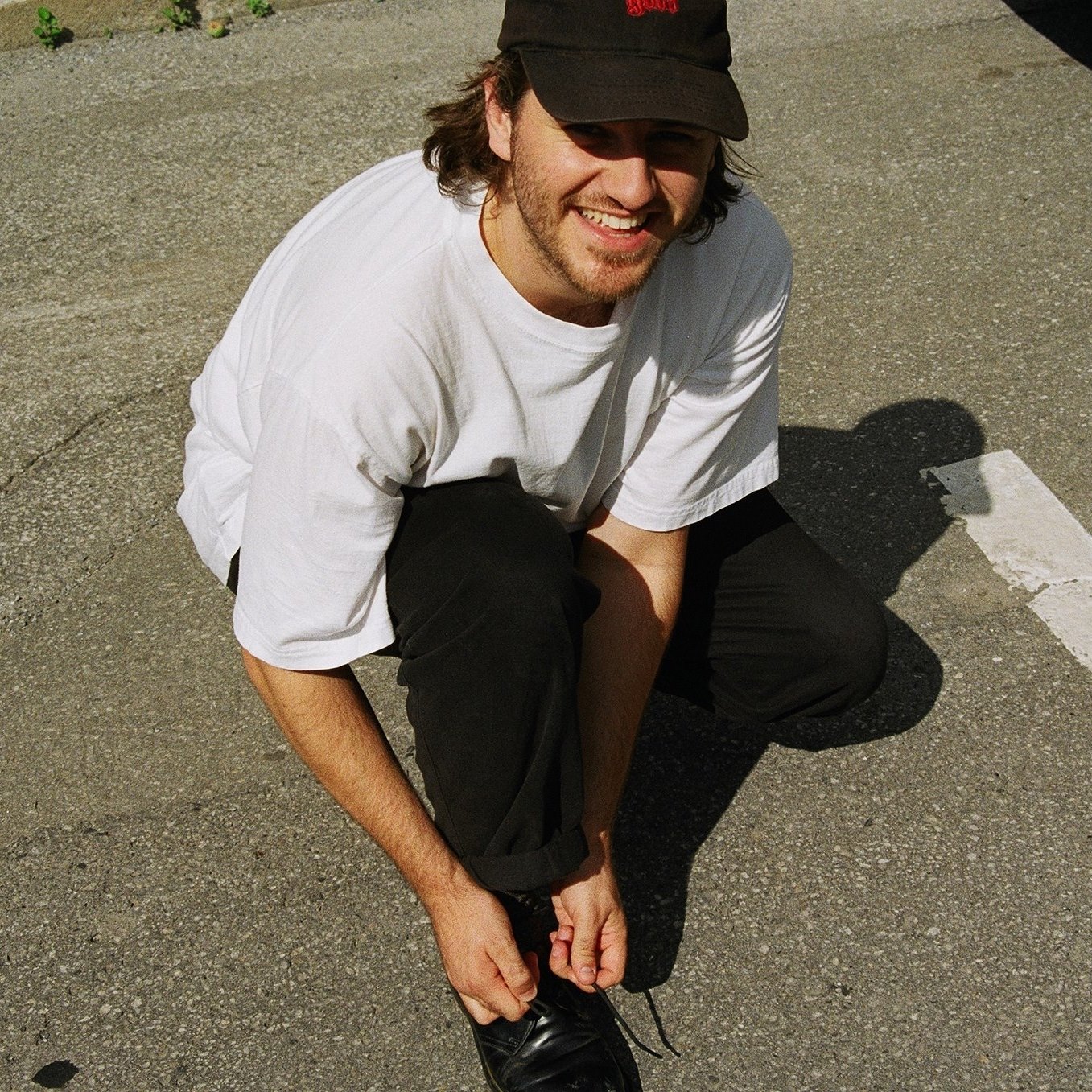
Project Pablo has detailed his new album, Come To Canada You Will Like It, scheduled for June release via his own Verdicchio Music Publishing.
The 10-track album follows his 2015 album debut, I Want To Believe, which came out on cassette via 1080p and later on vinyl as a shortened club EP. We’re told to expect a record “about slowing down while finding a balance between rural and city living. It is “inspired by subjective memories and ideas about things and places: looking back and moving forward.”
The record will inaugurate Project Pablo’s new Verdicchio Music Publishing label.
10 percent of proceeds from Bandcamp sales will benefit Kwi Awt Stelmexw, an arts and education organization for the Squamish people of Western Canada.
Tracklisting
01. Intro
02. No Interest
03. Rent Day
04. Just A Thought
05. Tunstall
06. Half Time
07. Nanana
08. To Sealeigh And Back
09. It’s Okay That It’s Like This
10. Fine Match
Come To Canada You Will Like It will land on June 22, with “Fine Match” streaming in full below.
Bass Sekolah’s CEE has shared a 23-minute stream of archival music recorded between 2008 and 2018 in the Malaysian jungle.
Pulled together from tracks and field recordings made over the last 10 years, the release—which will drop digitally and on tape via Bandcamp on May 24—plays out like a diary of CEE’s time in the jungle at his boutique retreat called The Dusun.
Ahead of the release, you can stream the entire a-side below, along with a handful of questions and images surrounding the release.
How did you end up living in the jungle?
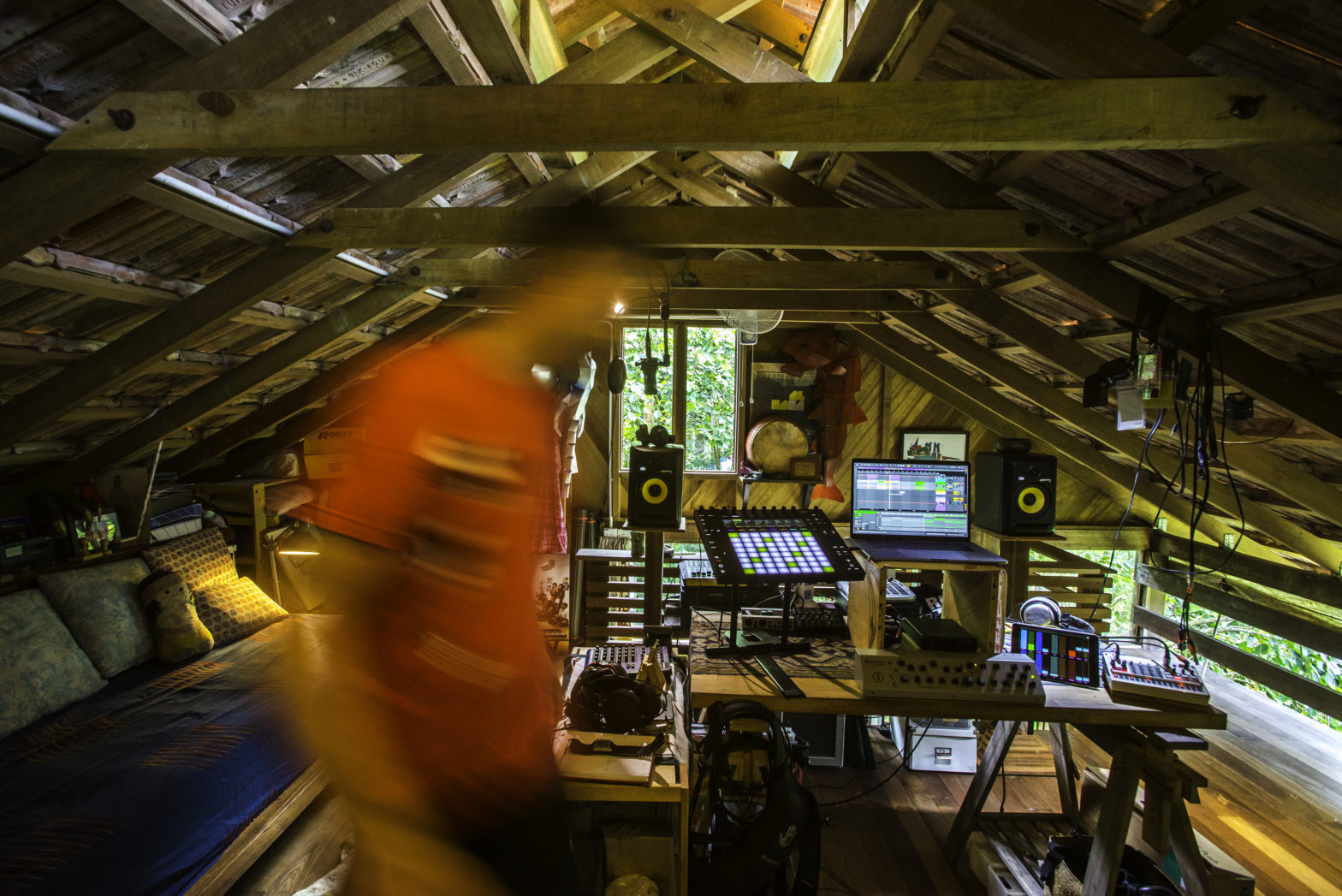
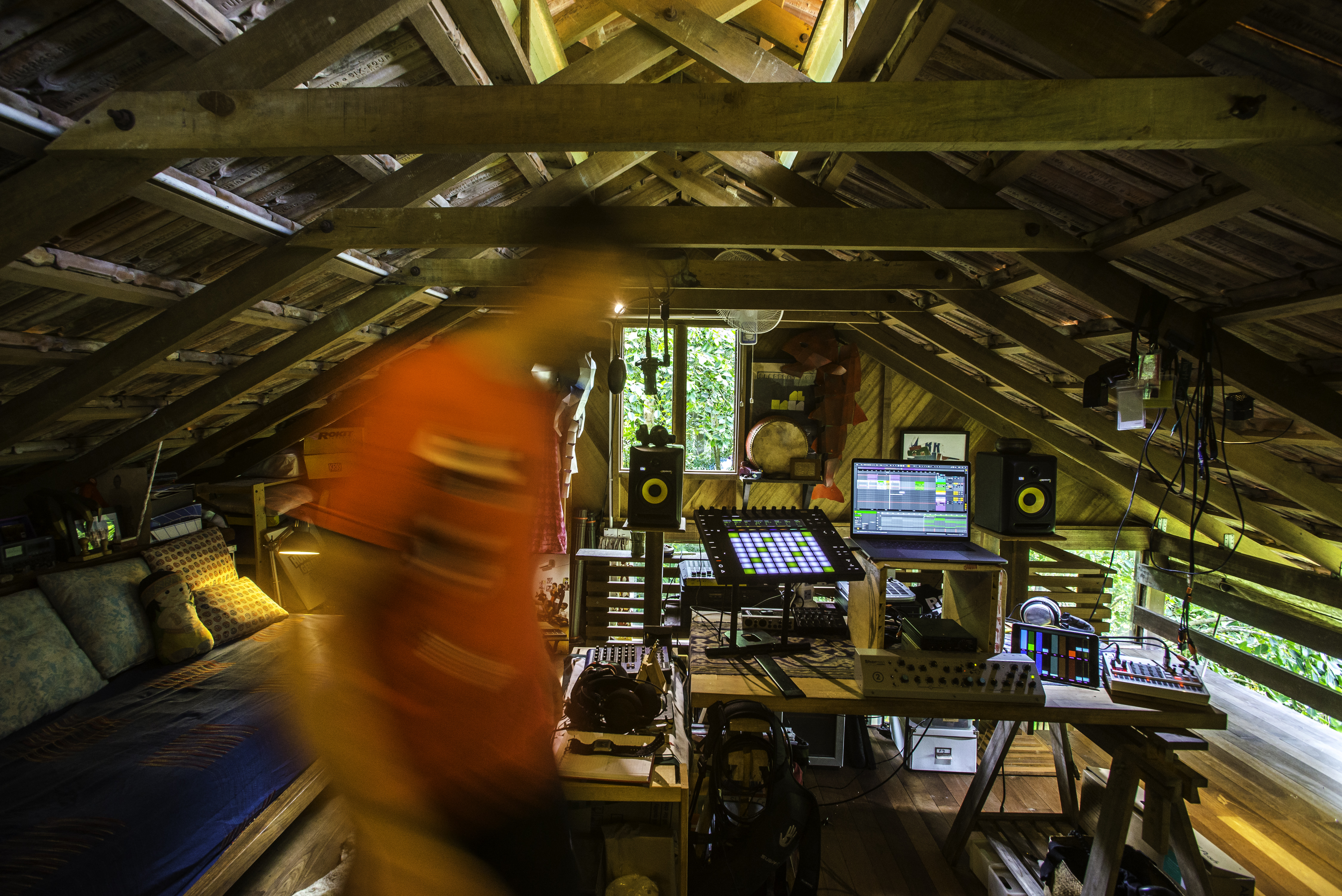
A decade ago I realized that my time in Vienna had reached its peak point and since I was in this new long distance relationship with my now wife who lived on the other side of the globe I decided to buy a one-way ticket. We lived in Kuala Lumpur first. When I arrived in Malaysia my in-laws had turned their weekend getaway Durian plantation into a little boutique resort called the Dusun and once this business started to pick up we joined the team and helped build up the brand. We built our own little houses there to raise a family and we now have two kids, one dog, and two cats, and we live with the elements. When the rain comes in sideways we need to close the blinds of the house because it doesn’t have any walls in the front and it would otherwise get completely flooded.
When you think of club music, the Malaysian jungle is probably the last place that comes to mind, I’m actually curious about how your music had changed with this radical change of environment?
My studio is not sound proof at all. I am one with the critters and frogs and a lot of that outside noise ends up on my recordings. I am adding tonal qualities to what I am hearing around me. I can’t avoid nature from entering my songs. Especially when I record vocals. Sometimes I just add the critter sounds to my music afterward, because that how I hear my music anyways. The jungle never shuts up. The sun doesn’t shine all the time. The power of a big thunderstorm over the jungle has its magic, too. All this is influencing me.
I see that you’ve had quite a lot of high-powered musical guests come to your studio over the years, do you think the environment affects their music as well?
My friend Daedelus once said: “Beyond the sounds, you have a setting unlike any studio in the world. Dank, humid, spicy—makes for creativity that is unbounded by the usual electronic concerns.” Our place out here indeed saw many musicians pacing through. The rainforest has this magic power, it slows you down and pulls you in. The natives believe many ghosts and spirits live inside it.
Can you tell us about this release?
CEE 2008 – 2018 is a digital album premiering works I collected over the last 10 years. It also comes as a physical release in form of an analog tape.
Why did you decide to release this only on a cassette tape and Bandcamp?
I wanted to leave something behind in case all my hard disks break (laughing). The tape factory didn’t let me make just one tape and I thought maybe some other folks want to hold on to something physical in case their hard disks also fail. Bandcamp is an amazing platform empowering the artist more than the industry around it. This release is an experiment. Let’s see what happens when you only have one source for all things digital.
Listening to this material it makes you feel almost voyeuristic, the music feels very intimate. And it’s not only the music but also the field recordings in the background—is this a diary for you?
It is indeed my extremely personal analog and digital diary. When I went through my hard disks I realized I have all these beautiful field recordings and not just songs I collected over the past decade. Some of these songs were just ideas and the tape allowed me to present them in a very meaningful way combining them with my field recordings. A story unfolded, unintentionally. A story with many dark and bright corners.
Looking back on the 10 years of music and exile in nature, what have you learned?
Music became somehow therapeutic over the past decade. I am far away from recording it all. I play music and music plays me. I still want to let listeners in and since my house is open to many, I can’t share it with everyone. I was sitting on way too much music for way too long and this tape is now my present to the world. I also realized I want to always continue swimming against the current. I wanted to throw people out of their comfort zone and I know people have a very short attention span nowadays. I still decided to release 18 odd songs across two 23-minute sides. The listener can’t skip through but needs to make time to explore my diary. As I said, it’s an experiment.
Parisian producer Djebali has recently unveiled “Once a Month” through which he will release 12 free tracks (one each month), aiming to “give fans and digital collectors a chance to have music that is exclusive to the format.” The May edition comes in the shape of a groovy house number, which can be downloaded via the WeTransfer button at the bottom of this page.
Since he launched his own record label back in 2011, Djebali has been focused on releasing his music almost exclusively on vinyl. But now, to restore a little balance, he launches this new project with the intention of delivering a series of tracks that are only available in digital format. To maintain exclusivity, each release will only be available for three weeks, with Djebali planning to make each freebie different and unique in its own way—whether it’s a bumping dance floor cut, a cheeky edit, a remix or maybe something a little more experimental.
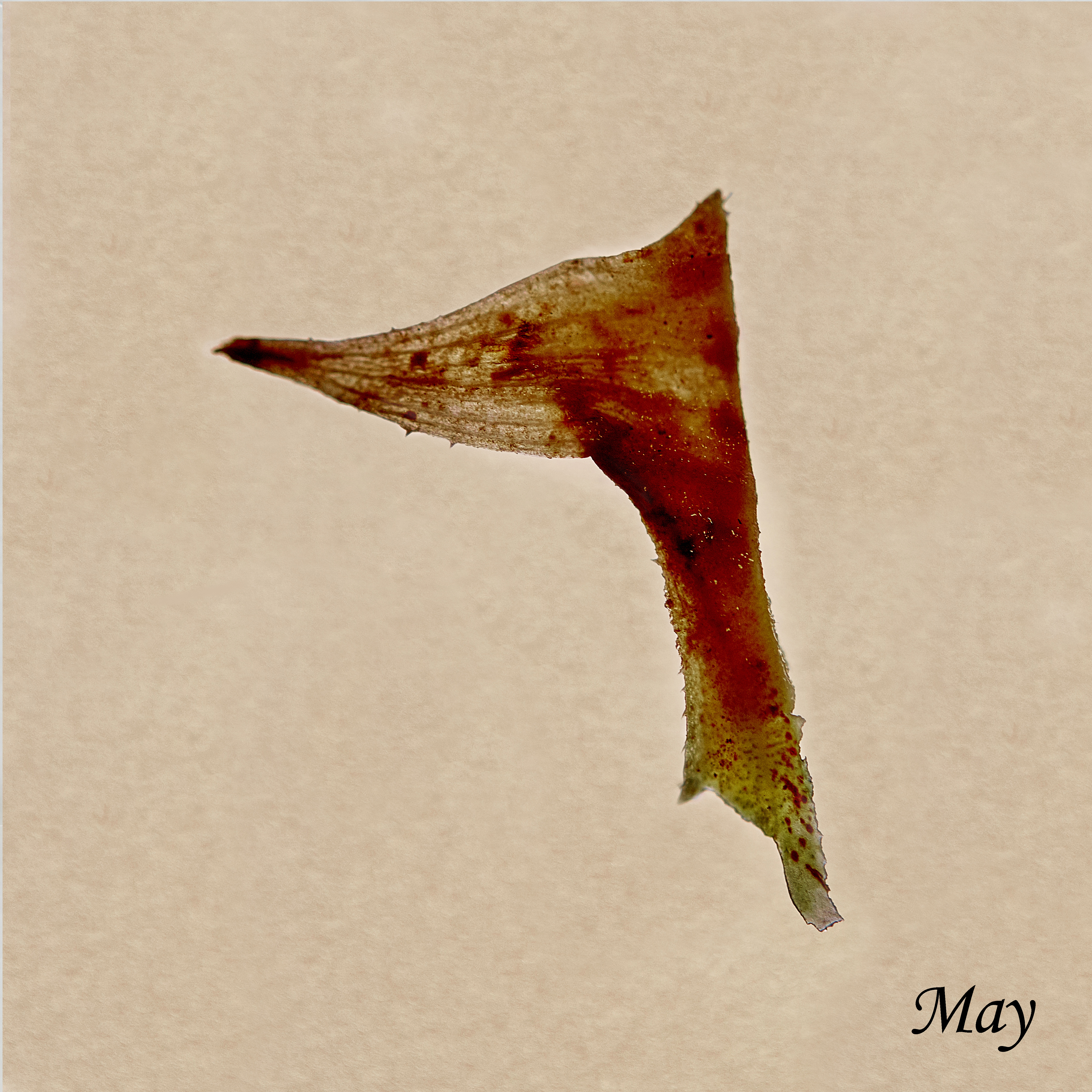
As an additional bonus, Djebali is collaborating with a visual artist for this new venture, giving it even more of a personal touch. Maku Lopez, a Spanish photographer, will contribute 12 of her own works for each of the free releases. Based in New York, Maku began her career in Madrid shooting still photography for films. In 2011, she created Monster Studio in Madrid and collaborated with a range of publications, focusing her energy on fashion photography and editorial portraits. The artwork for each release will use images from her “Food Scrap” project, based on exploring the beauty of the mundane.
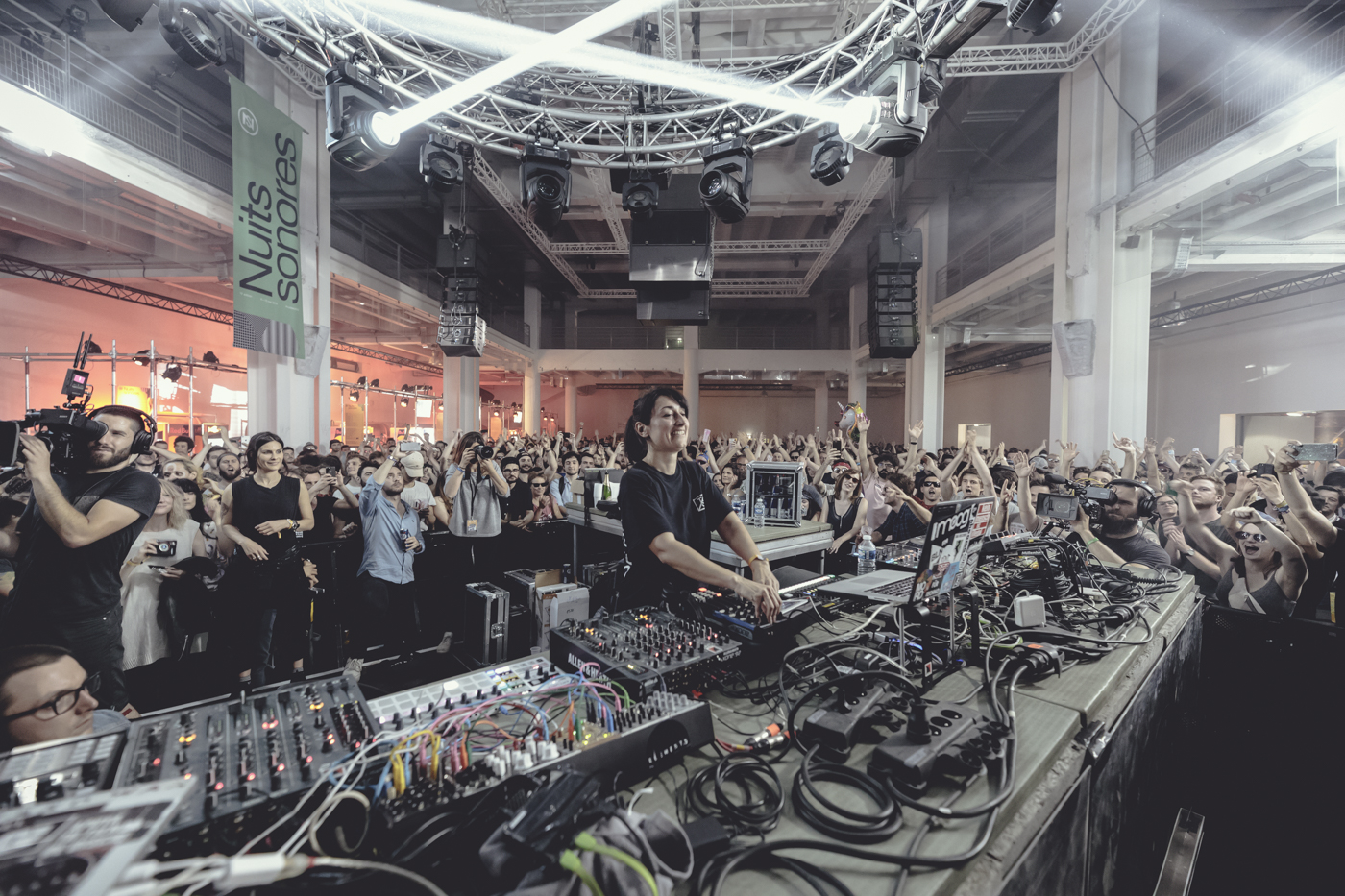
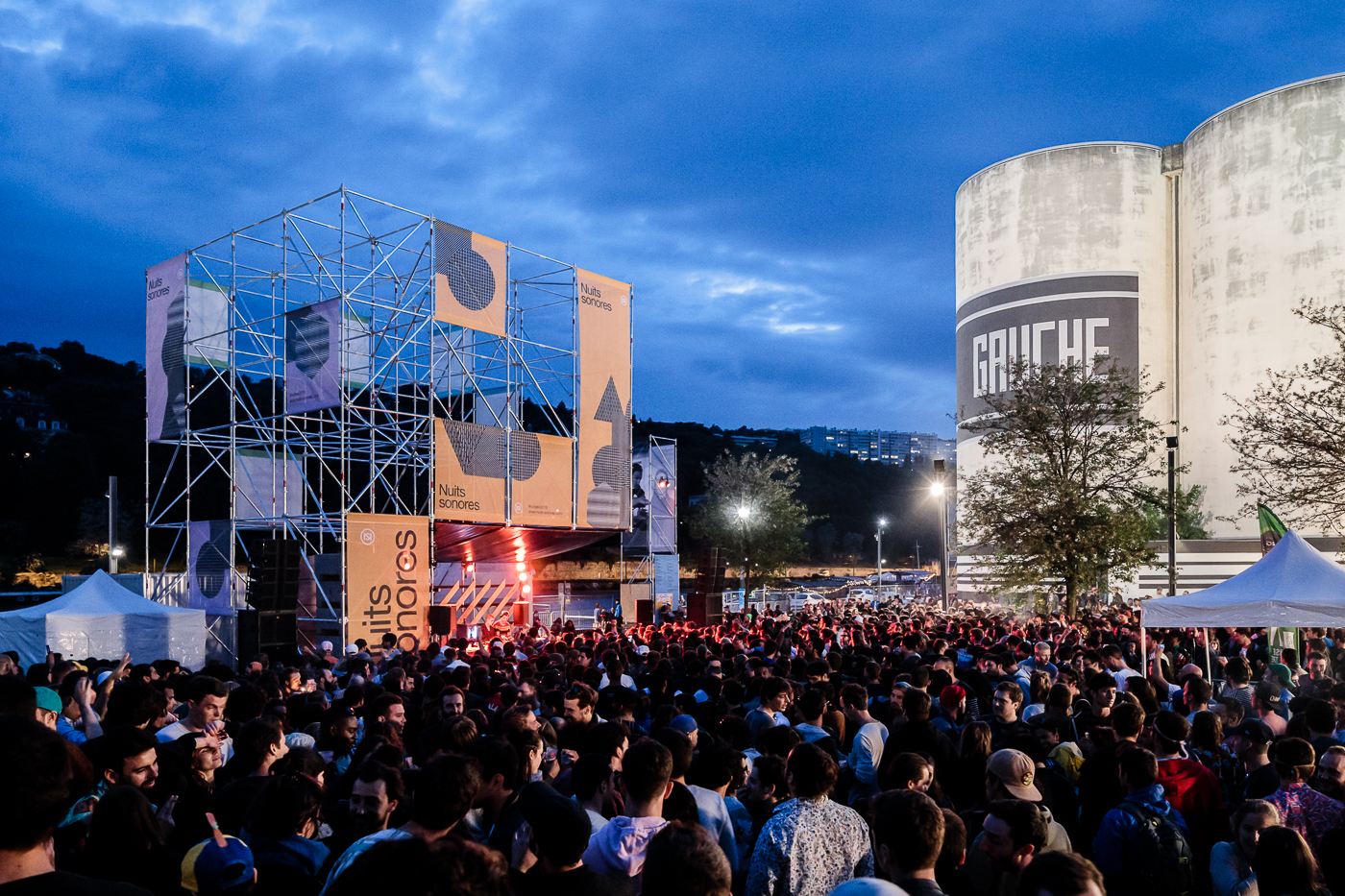
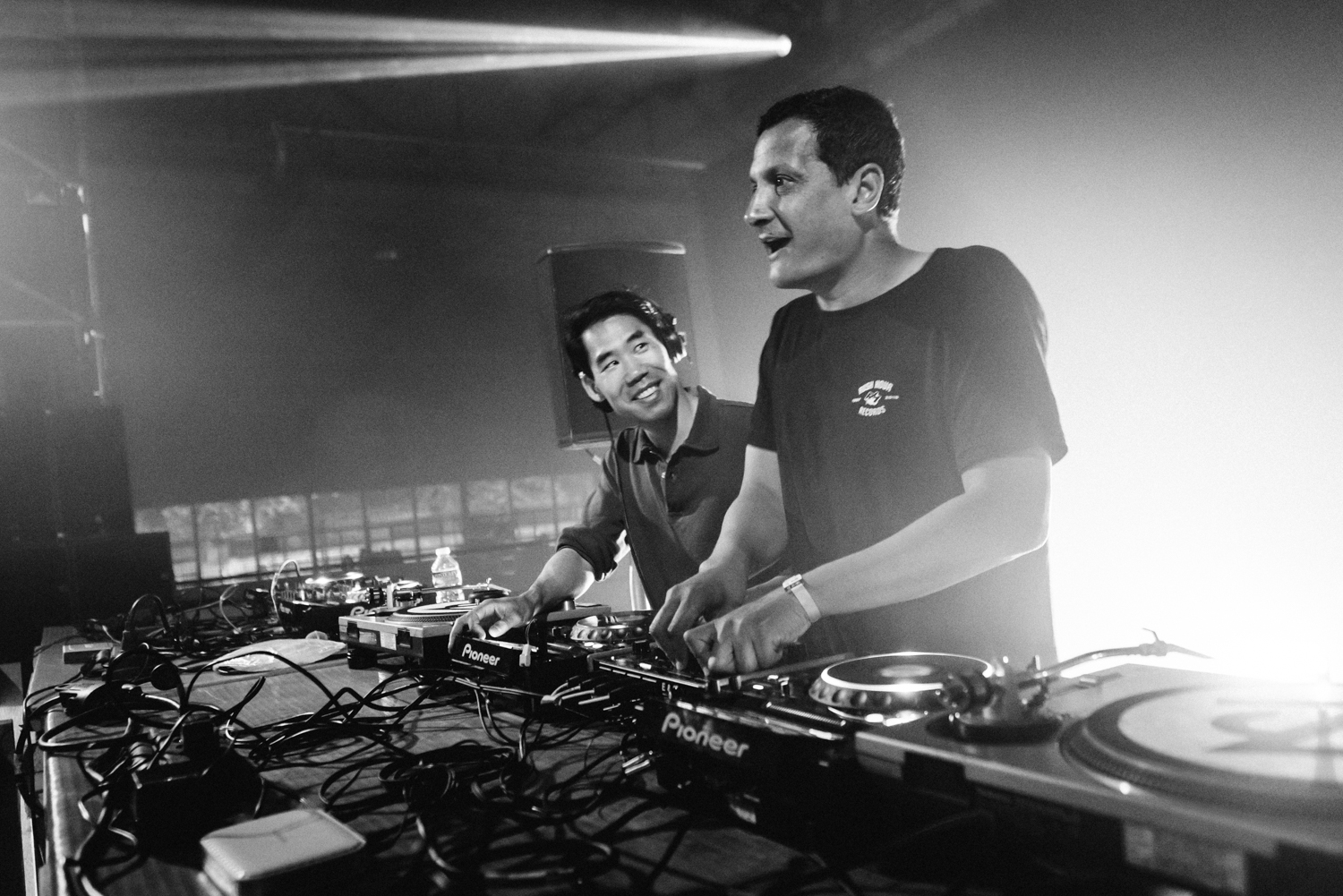
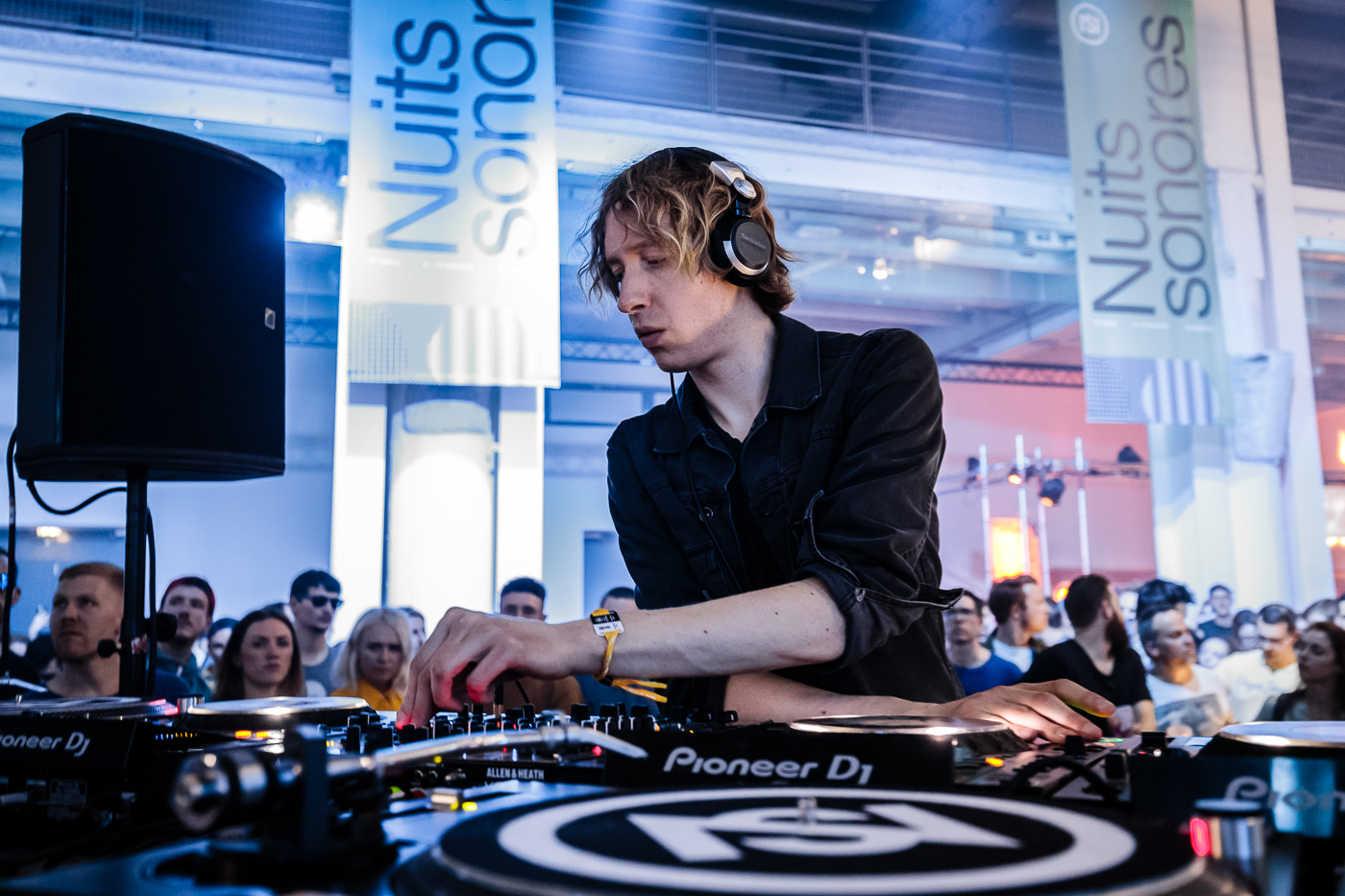
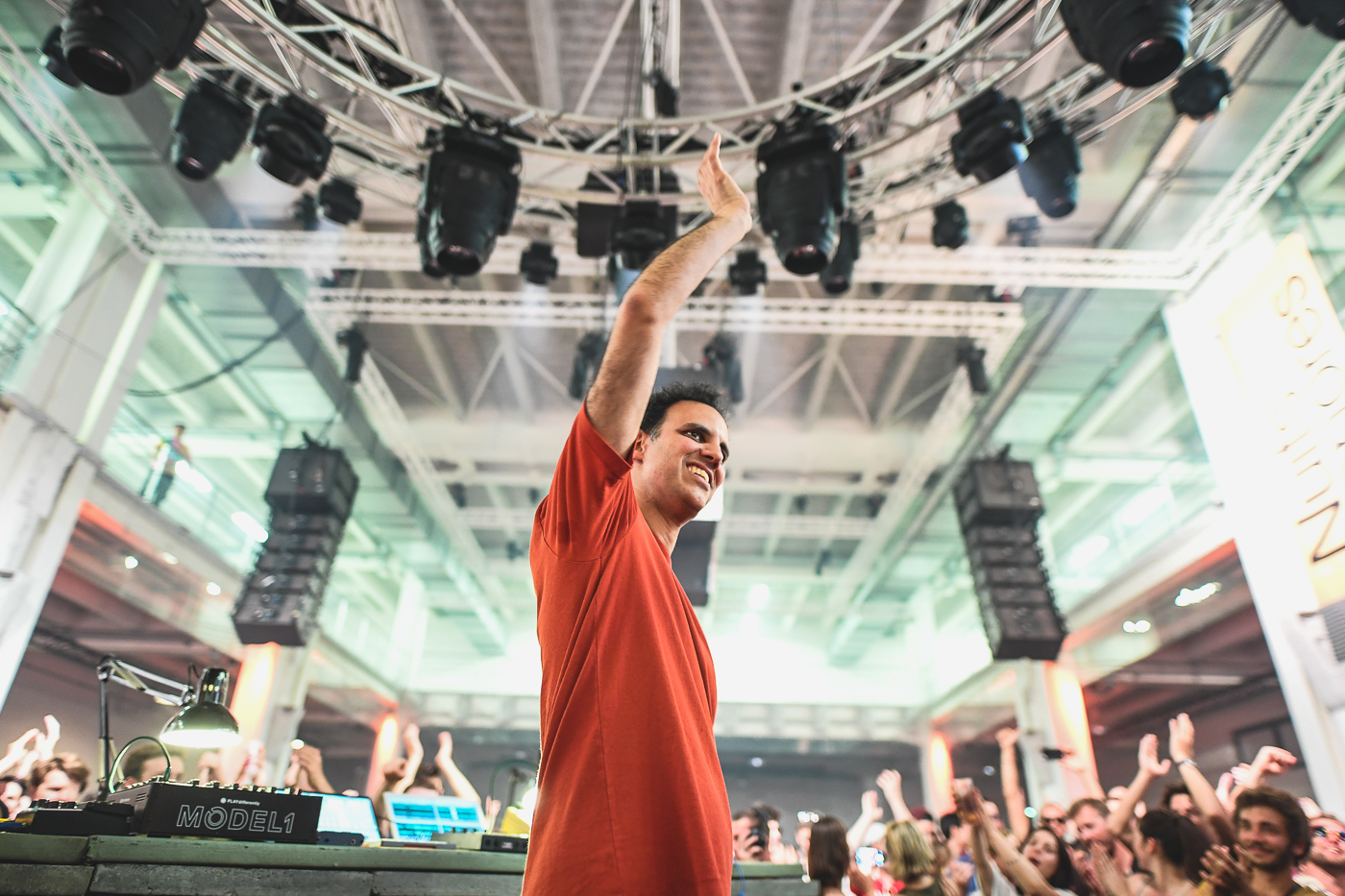
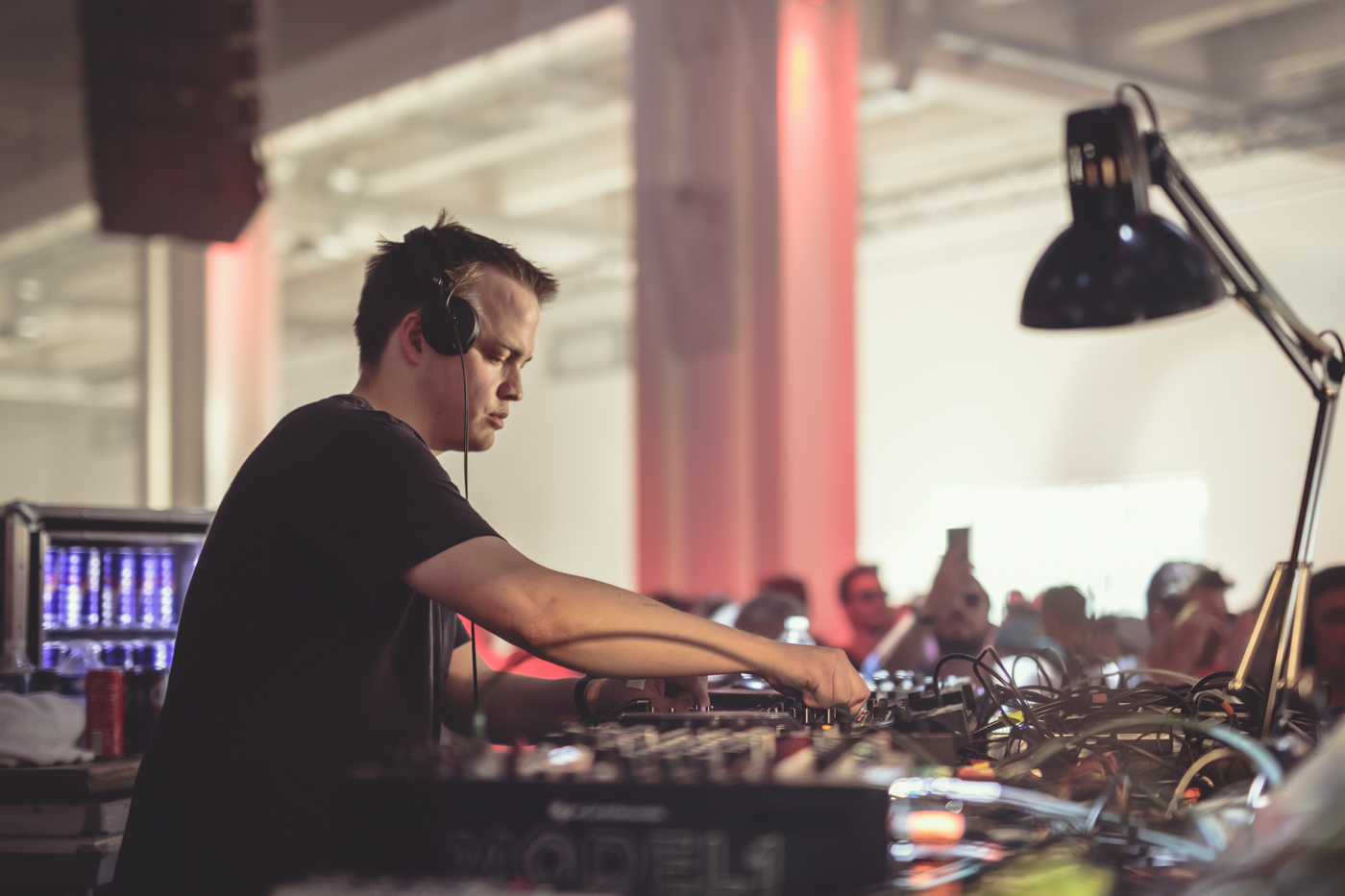
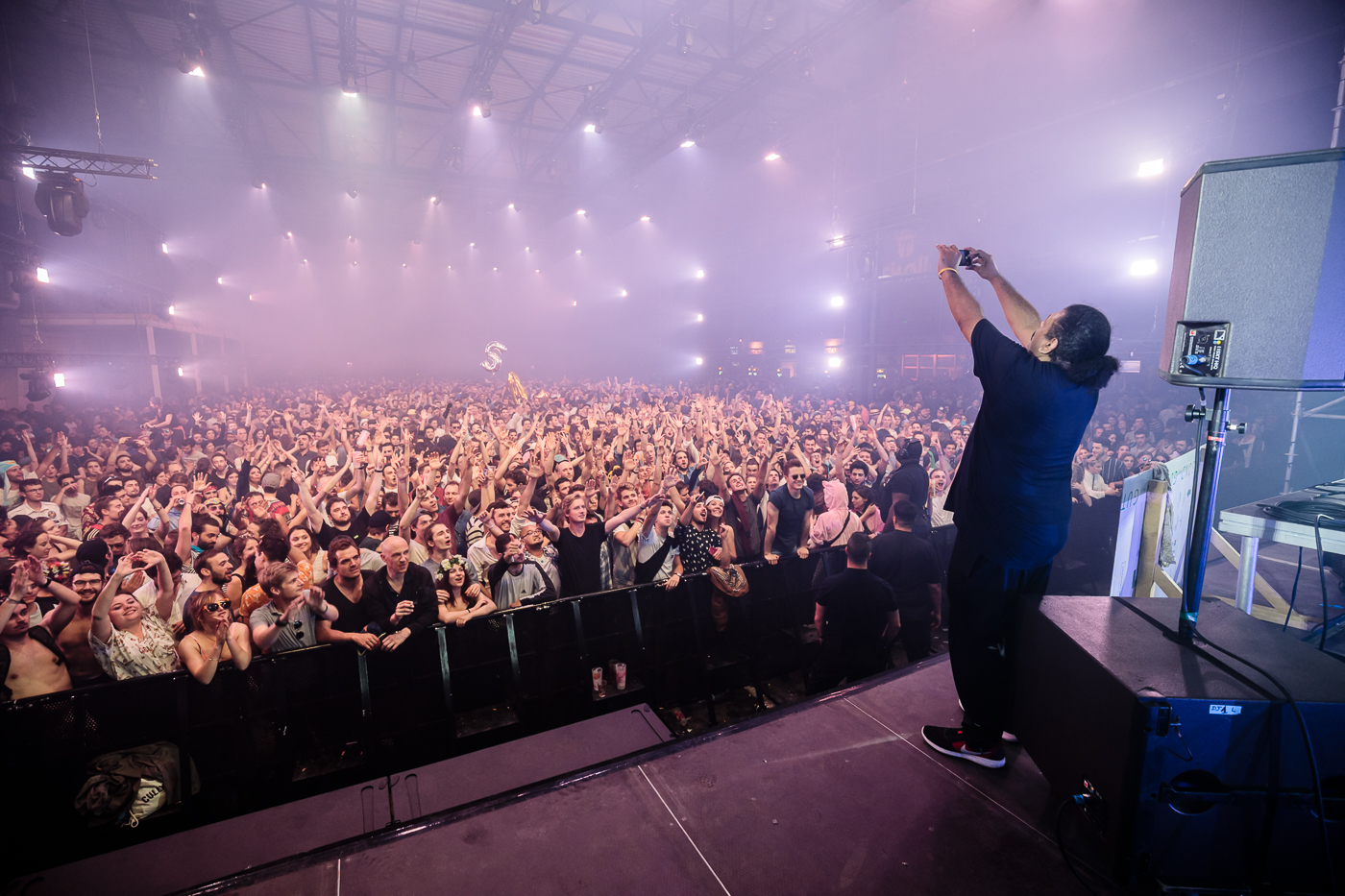
Now in its 16th edition, Lyon’s Nuits Sonores festival expanded its format this year to a schedule of eight days beginning on May 6. Sticking with their traditional A Day With format, the festival left Jennifer Cardini, Daniel Avery, Four Tet, and Paula Temple in charge of their daytime programmes at La Sucrière’s three stages. Each day was then followed by a range of after-dark options at a host of locations, giving punters a tour of the city on their journeys between venues.
The variation in environment was matched only by the diversity of the lineup. Aside from a few household names, organizers once again resisted the temptation to fill the bill with headline acts; while there were plenty on offer, lesser-known bands like the beguiling Otzeki and Lyon’s own Abschaum presented rewarding alternatives to the plentiful house and techno.
En route to the festival, my first impressions were governed by the slick app I’d been told to download, by the stylish logo and designs on posters all over the city, and by the free tote bag I was given on entry (inside was a bottle of geranium leaf body cleanser and a booklet of short stories); so far it was all very sophisticated, very sleek, and very French. This impression accompanied me inside La Sucrière’s Salle 1930, the former sugar factory turned huge white rave room that played host to some of Nuits Sonores’ biggest daytime performers. The free earplugs on offer at the bar were a must, but the sound was clearer than might have been expected of such a large space.
Putting this to the test on Day 1 were Maceo Plex, Dopplereffekt, and host Jennifer Cardini. Confusingly, Day 2 wasn’t until Wednesday, two days later, though Tuesday’s schedule still saw performances from Parrish Smith, Hunee, DJ Okapi and Or:La among others. It struck me that the mammoth lineup—spread over more than a week—was surely too much for most to take in, designed more for people to choose particular days that appealed to them. This arrangement creates tough decisions and inevitably some disappointment, but with four days to play with I opted to begin on Daniel Avery’s Day 2.
As he took the stage early on Thursday evening, it proved to be a good decision. Amid raucous cheers at his arrival, Avery pushed the limits of the sound system with opening track “Diminuendo,” one of the darker cuts from his new album Song for Alpha. The London artist’s choices reflected his fondness for murky 4/4 with a soft centre, while DJ Nobu and Helena Hauff threw down punishing but dewy-eyed sets either side of the main man. Elsewhere on Day 2, fans were treated to sets from Lena Willikens, Alessandro Cortini, Lanark Artefax, and the back-to-back talents of Objekt and Call Super.
Choosing artists to play at the same as you comes with the danger of having a hand in your own upstaging and Avery suffered that fate during his second hour. The crowd-pleasing drop of Daft Punk’s “Rollin’ & Scratchin’” produced the desired response, but soon after I found myself drifting outside in search of more excitement. I found it at the Esplanade, La Sucrière’s idyllic outdoor stage on the bank of the river Saône, where the infectiously joyful Dr. Rubinstein spun a heady mix of techno and acid. It was one of the most powerful sets of the festival.
That night provided the perfect opportunity to explore Nuits Sonores’ many hidden gems, as “Le Circuit” offered up a nauseating array of talent at 17 different venues around the city. Spreading out to such an extent makes it impossible to see everything—or even come close—and only being able to be in one place at a time I had to forgo sets from Margaret Dygas, DJ Boring, and Palms Trax, all of whom played at different locations.
On the recommendation of a festival organizer, I instead plumped for Les Filles de Illighadad. One of the bill’s more left-field choices, the band consists of three women native to the Saharan region of Tuareg, Niger, playing traditional tende music adapted for electric guitar, drums and vocals (frontwoman Fatou Seidi Ghali is one of just two known female guitarists from the Tuareg region). Playing in a classroom-sized space hidden in the depths of an old wholesale market, Les Filles lulled the crowd into a state of hypnosis more commonly associated with the drawn-out psychedelic meanderings of 1960s and 70s rock bands.
This wasn’t what I’d been expecting, but I’d been charmed, so I decided to keep things alternative and headed for the free improvised jams of J.A.K.A.M. & The Ritual Forces later that night. I was told that this was the first time the Japanese electronic wizard and accompanying players (which included sitar, baglama and several percussion instruments) had played together, a detail which dumbfounded in the face of their jigsaw harmony but only added to the gig’s feverish atmosphere. Even on my first night, this felt like a typical Nuits Sonores performance, equal parts electric spontaneity and refined musical craft.
Though searching for a typical performance in such a diverse lineup feels reductive, almost every set was characterized by a vibrant interplay between artist and crowd. On Four Tet’s Day 3, Pearson Sound whipped fans into a frenzy with an onslaught of frenetic selections before Kieren Hebden stepped into the booth for a pulsating live set. The Esplanade’s glorious sun was slightly wasted on Floating Points, a thrilling producer but altogether unremarkable DJ who played a watery mix of funk and disco that could have been chosen by anyone. Le Sucre’s rooftop bar, meanwhile, threw up more headachey dilemmas in the form of Karen Gwyer and James Holden’s curious Animal Spirits project, yet more acts I was forced to miss due to the strength of the competition.
Although it was hard to tear myself away from the musical offerings for long, Nuits Sonores—and the city of Lyon—had plenty in the way of alternative entertainment. Among the highlights were La Mondialette, a table football tournament to the soundtrack of swinging techno, and the slightly too busy food market of La Salade Nomade, both activities organized by the festival itself. Equally pleasant while the sun stayed out was a gentle stroll along either the Saône or the Rhone, the two rivers between which sits most of central Lyon, though even there it was impossible to ignore the city’s heightened carnival mood as local students smoked and drank on their way to La Sucrière.
Lyon already felt like the ideal place for a city-based festival, but I hadn’t fully appreciated that until I ventured to the old factories of Fagor-Brandt on Night 3. These four lumbering warehouses in the city’s 7th arrondissement were once used for the manufacture of washing machines but became a huge industrial playground on Friday and Saturday night. I was drawn by the more experimental Stage 2—Ben Frost, Lee Gamble, and AZF all dazzled—but another 12,000 flocked for the likes of Larry Heard, Bicep, and Kerri Chandler.
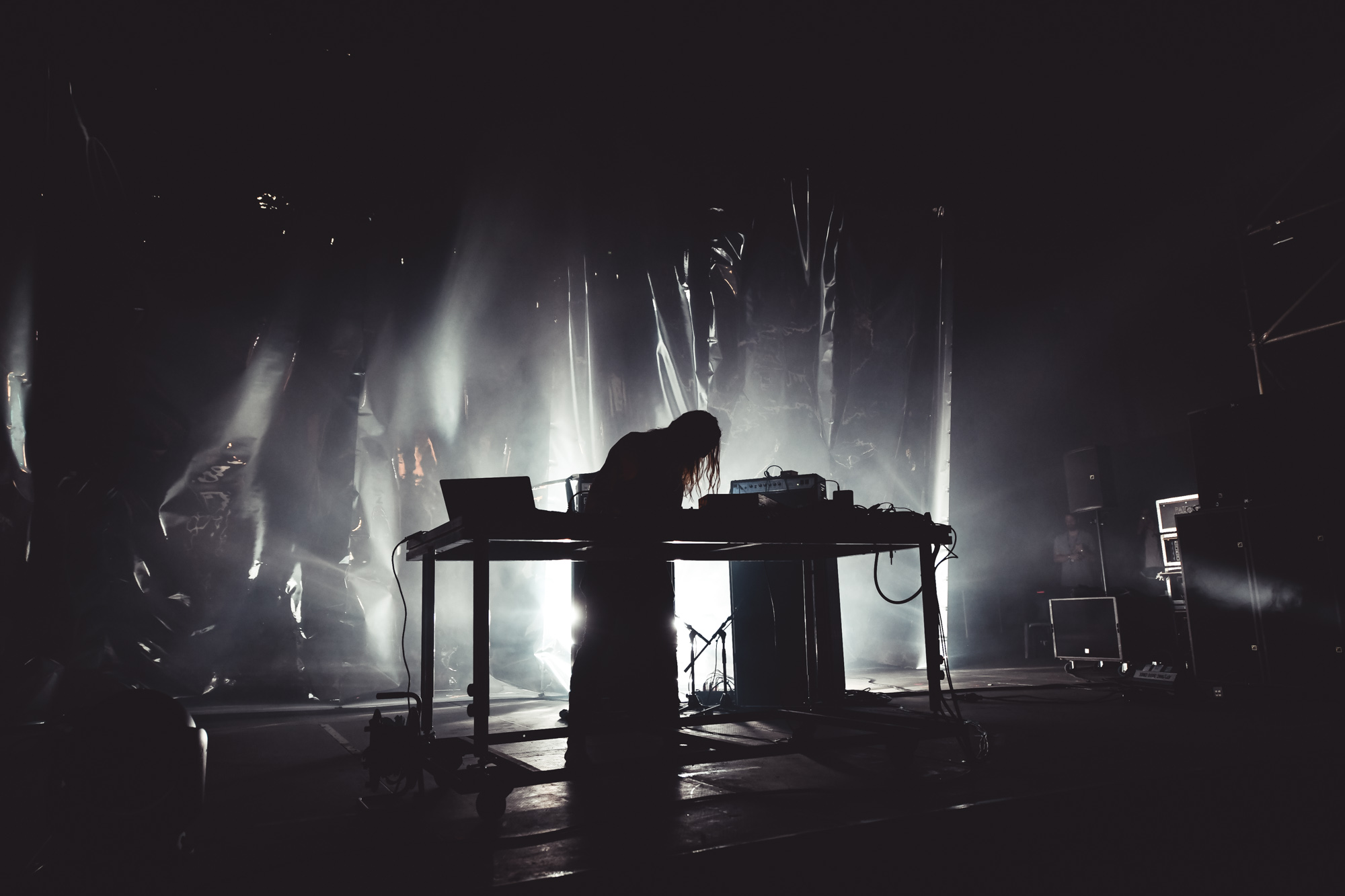
In the sparse crowd which assembled to see Lee Gamble, the sublime setting began to feel somewhat cavernous (perhaps due to a certain big-room Northern-Irish duo playing on another stage). It wasn’t immediately obvious that Gamble was even there either, but sucking on a vape, hunched behind a laptop in a corner of the stage, the NTS resident turned in a performance that will live long in the memory, even if just for the sheer variety of beat signatures featured. He provided perhaps the festival’s only whiff of jungle with closing track “Ghost,” making the stage’s spacious architecture feel oddly fitting as each kick rattled off the corrugated ceiling.
Something must be said for Paula Temple’s curation of Day 4, an all-female listing (save for DJ Stingray, more on him in a minute) that added traction to the increasingly popular shout of women being the hardest hitters on the decks in 2018. Rroxymore’s idiosyncratic brand of jittering electronics was a delight in spite of the grey skies; Rebekah’s thunderous techno put the Salle 1930 speakers through their paces once again; and Bobbie* proved herself as one of the scene’s emerging talents as the sun came out for a final stretch.
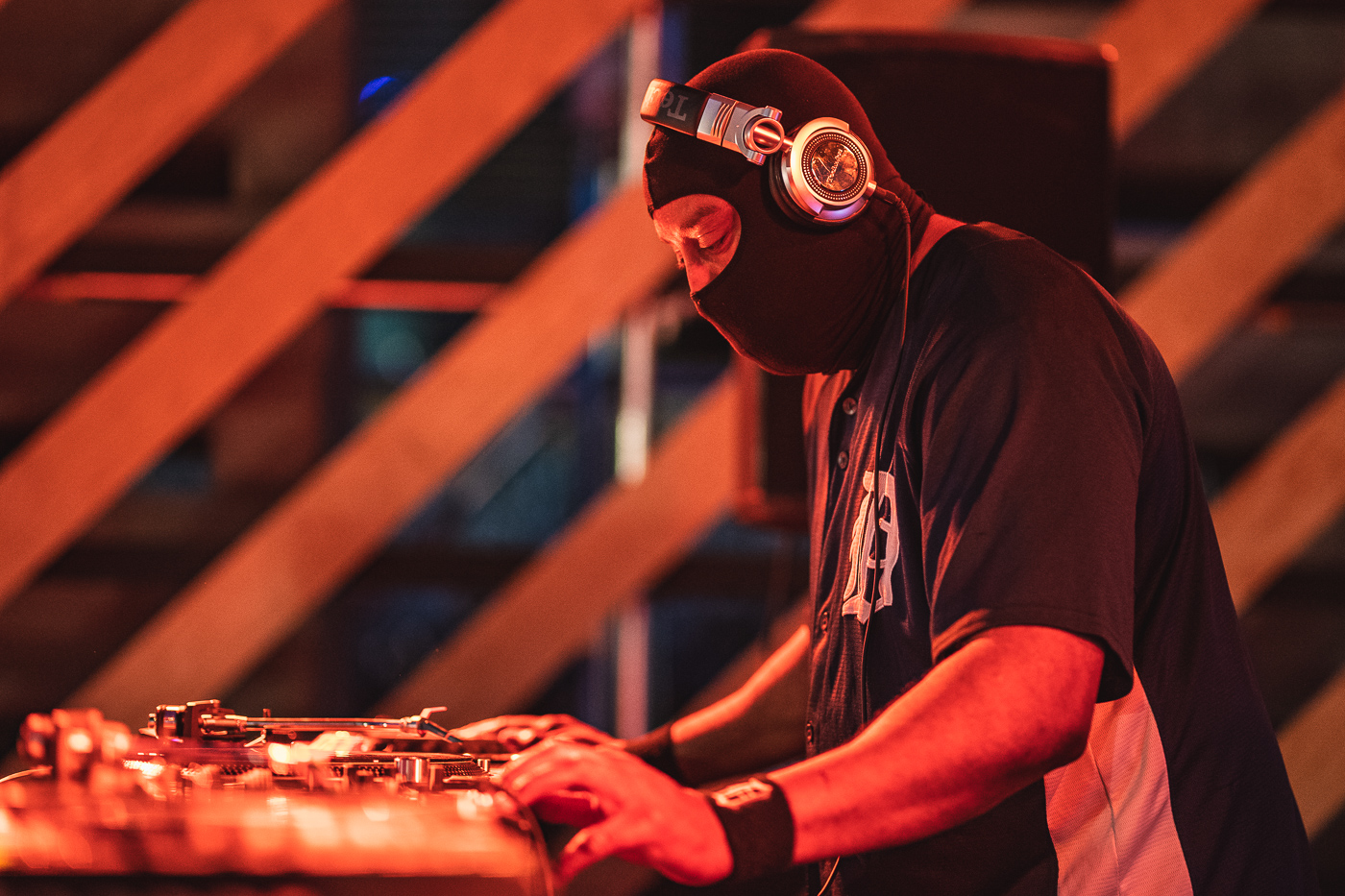
Like a good referee, the weather had performed well until now by minimizing its interference. Stingray’s set marked the point at which that—and the entire weekend—changed. After an hour of hectic, jagged electro, a gust of wind flew across the Esplanade to the sound of AFX’s “Serge Fenix Rendered 2,” bringing with it a temperature drop of about 15℃. Balaclava weather indeed.
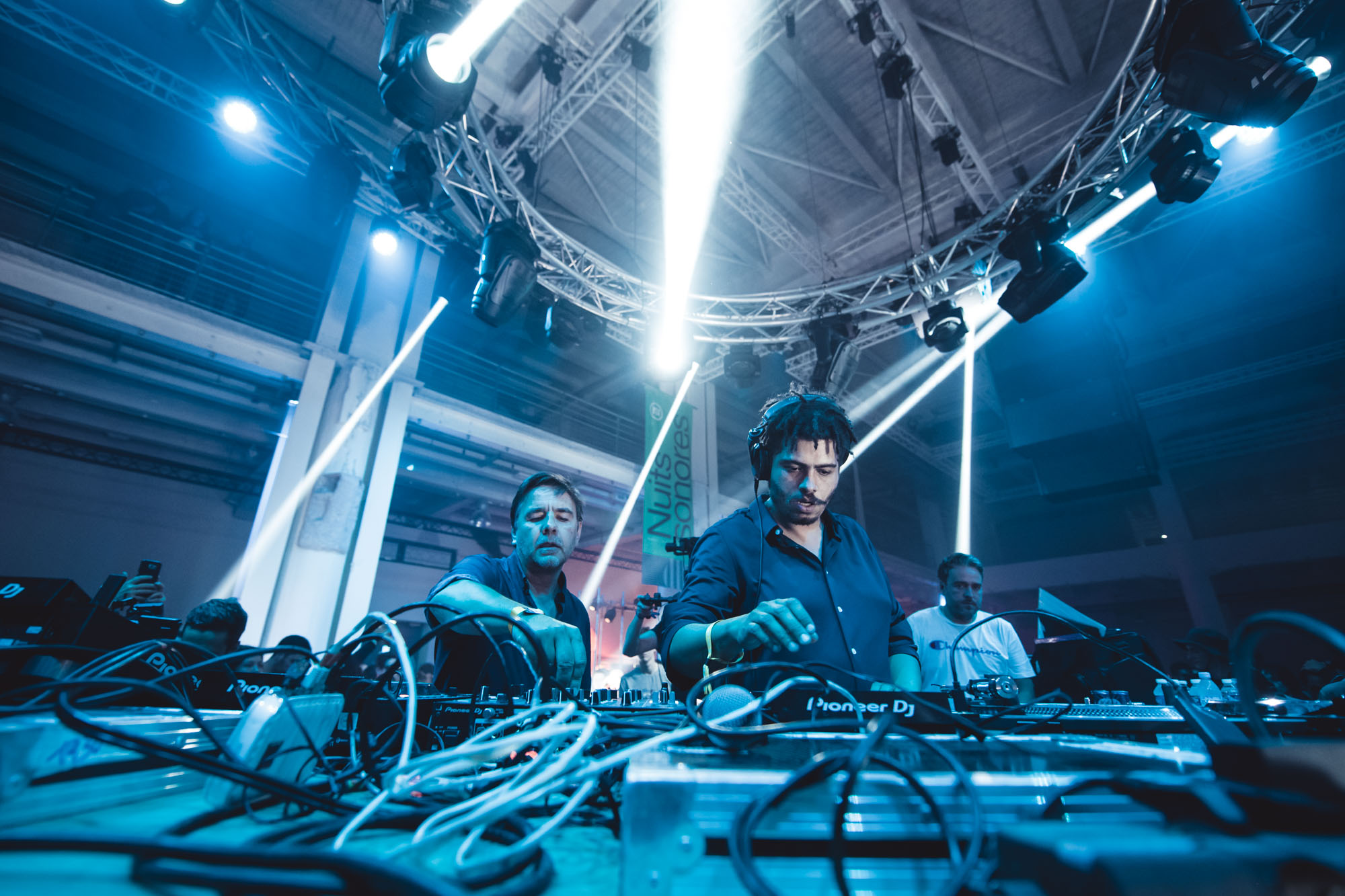
From that point onwards, the festival became a largely indoor affair, which thanks to the infrastructure in situ was anything but problematic. Upstairs, Le Sucre’s plush bar laid on what felt like a weirdly exclusive party with a range of locally sourced acts. The Pilotwings’ space-age electro funk recalled the joyous tunes of compatriots Breakbot and Aeroplane in a celebration that could only really have happened in France. Macadam Mambo DJs closed the night with more feel-good house and techno, Orbital’s “Chime” standing out as a typical selection. The following day the rain came and didn’t go away, directing most ravers’ attentions towards Salle 1930 for the closing party. Parachuted in for the unwell Black Madonna, Seth Troxler’s versatility in the booth was another weekend highlight and warmed up the crowd just in time for the arrival of Laurent Garnier, who cuts a messianic figure among the hordes of French clubbers. The two played back-to-back for a little over an hour and formed a charming combination, but it was the Frenchman’s selections — such as Mauro Picotto’s transcendental “Ayala” — that got the biggest cheers.
That sense of local pride courses through the veins of Nuits Sonores. Everyone I spoke to seemed to be from Lyon. Each one of them outdid the last with their tally of appearances at the festival. “I’ve been every year since the start!” One punter told me. “And I’ll be back next year.”
Something tells me the high percentage of local patrons was to thank for the lack of incessant Snapchatters at every stage, for the absence of 4 pm k-holers being carried off by paramedics, and for the distinctly low number of glitter-clad amateur models posing for photographs. The mood in Lyon was one of celebrating communal identity and love for music. And there isn’t much music they love more than that of Laurent Garnier.
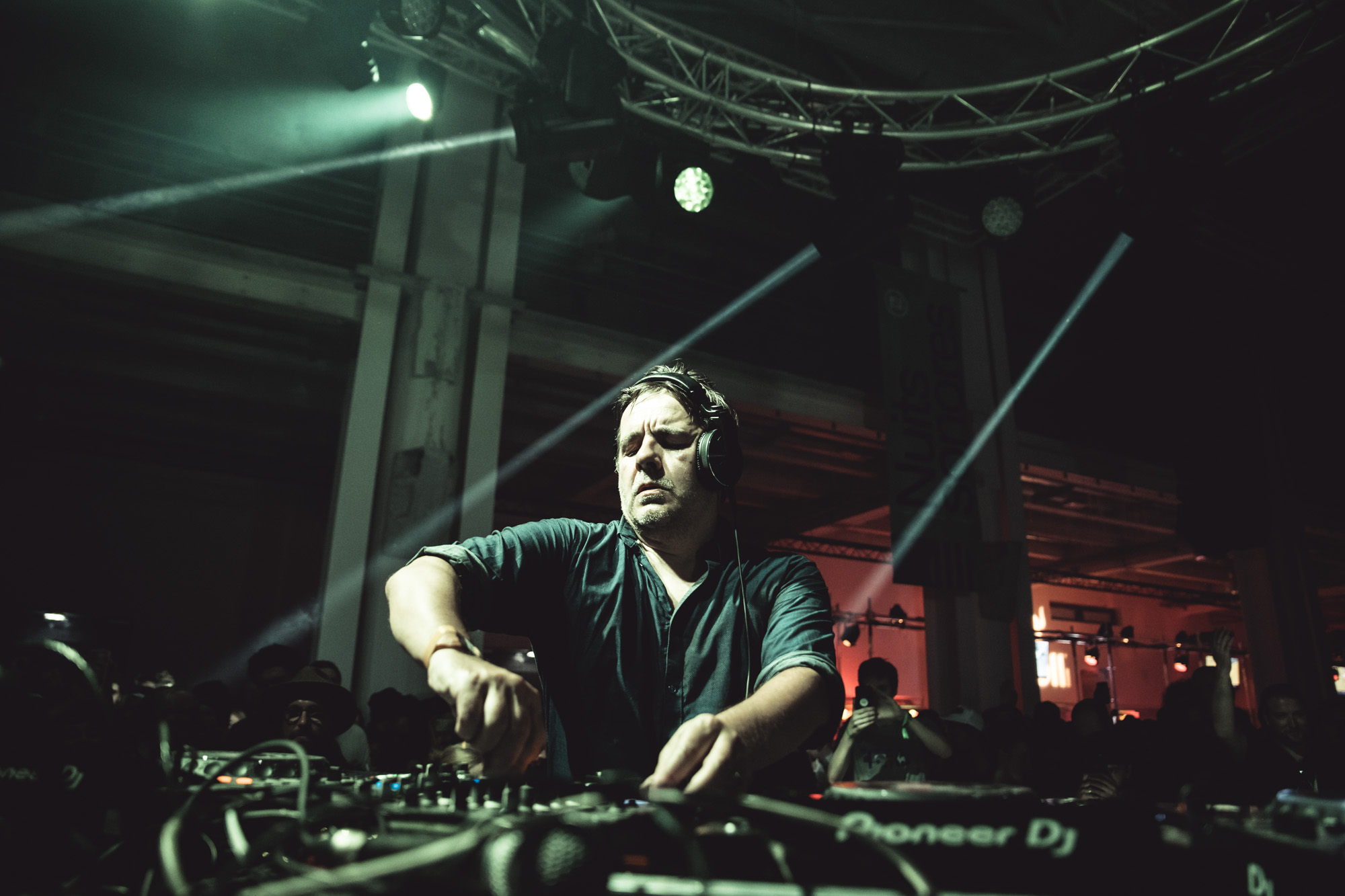
So after a quick peek into the other room at the enjoyable but sadly secondary Motor City Drum Ensemble, I settled in for Garnier’s closing set. With the room busier than at any other point in the week and the spinner playing his 16th year at Nuits Sonores, this was what some might consider open-goal DJing. Nonetheless, he played the hits (Kölsch’s “The Road” and his own “Jacques in the Box”) and the crowd threw back everything it had left.
By the end, I was left thinking that while Nuits Sonores is a techno festival, it’s so much more than the negative preconceptions that are so often associated with that tag. The sound was heavy but clear. Drugs were an underlying presence but never center-stage. There was no concern about disturbing the locals because they all seemed to be there, welcoming you with open arms. It’s a festival to promote a vast range of the some of the finest, most forward-thinking artists around, in an ideal location. Other festivals can take note.
Los Angeles producer Evan Reiner (a.k.a Gossamer) will release his second full-length release in July, titled Imperishable.
The album sees the producer, guitarist, synthesizer scientist, and field recorder use sounds from around the world, sourcing from his years living in Japan as well as his home in Los Angeles to create “a bottomless sea of found sound and ambient soundscapes,” the label explains.
The LP features co-production from Sonny DiPerri, who’s worked with Animal Collective and Portugal The Man.
Tracklisting
1. I – Embrace Of Light
2. II – Path To Understanding
3. III – Encounter
4. IV – Visitation
5. V – Awakening In Sleep
6. VI – Halls Of Reflection
7. VII – Grace
8. VIII – Into The Endless Void
Imperishable LP will land on July 6 via Innovative Leisure, with “Encounter” streaming in full here.
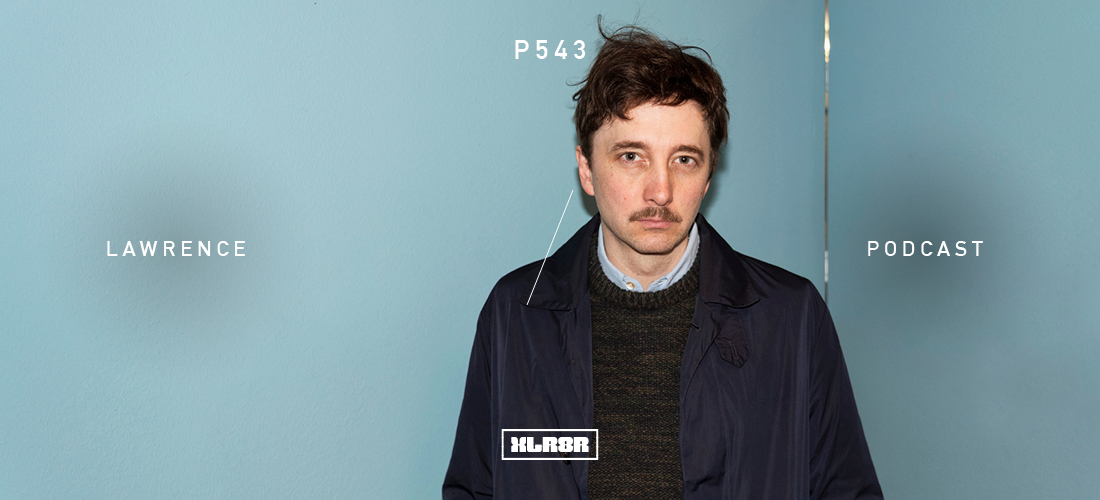
Lawrence is Peter M. Kersten, the much-loved DJ, producer and Dial label head. Growing up in Hamburg, Germany, he heard his first house track in 1987, namely Mr. Fingers’ “Can You Feel It,” and became enchanted with the “strange minimal loop, with no song structure and the melancholic deepness,” he recalls in an earlier RA interview. “I had never heard anything like it before. Scouring through Lawrence’s discography, and it’s apparent that Larry Heard’s 1988 number formed something of a sonic blueprint for Kersten’s sumptuous deep house and techno sound.
Kersten began making music in 1998, shortly after he finished working as a gardener, and shortly before he founded Dial alongside friends Carsten Jost and Paul Kominek (a.k.a Turner). He’d been DJing deep house at local Hamburg parties for some time before that, learning the ropes with a little help from Dixon, who was pre-Innervisions and experimenting with a wider palette of sounds. It was Dixon who played Kersten the first Moodymann single.
Kersten has since established himself as a key player in this deep house movement. His melodic productions are warm and soothing, but groovy enough for dancefloors. He’s released three albums to date, the last of which landed in 2016 via Mule Musiq, while much of his other work has come through Ghostly International, Spectral Sound, liebe*detail, and, of course, Dial. His work in the booth is similarly sublime; his vinyl-only free-flowing sets are captivating, sensual affairs, encompassing deep house, minimal techno, and wistful electronica. His podcast for XLR8R, recorded live in Berlin last year, is a snapshot of Kersten’s work: smooth, energetic, and deeply melodic, it features tracks from S.A.M., Afriqua, Steffi, Burial, Peter Gordon, and more.
What have you been up to recently?
I’ve been working on releasing Portable’s new EP and the second DJ Richard album on Dial Records, which both make me more than happy! Also, I’ve spent quite some time with my experimental outlet Sky Walking; we just published two records by Schluss and Eve Essex. I’ve spent a lot of time in the studio over the last six months, and my contribution to the KANN label compilation is the first result to listen to.
When and where was the mix recorded?
The mix was recorded in February at Griessmühle in Berlin where we’re hosting a series of Dial nights that started on April 30 with Afriqua, Uchi, Fred P, RNDM.
What equipment did you record it on?
Just a regular club set up, nothing fancy, but on a proper sound system within the club environment.
How did you select the tracks that you included?
The mix is inspired by some beautiful nights and festivals including a Mule Musiq night in Tokyo, where I played at Contact Bar, and another set after the amazing Eli Verveine at the Squat in Tel Aviv, a very special sunrise moment at Comunité festival in Tulum followed by sets at my favorite new club in Mexico City, Yu Yu, and an incredible night in NYC with Resolute. These wonderful times built the mix.
Was there a particular idea or mood you were looking to convey?
Obviously, you can’t beat the magic that occurs in a club during a four-hour set, so I decided to choose new and old favorites and tried to transfer some magical matches and moments from the party world and beyond to the mix. Starting with some stretched out sound experiments and ending with a wonderful song by Peter Gordon from 1981 out for the first time on my favorite label Foom.
What’s your process for discovering new music?
I guess I discover most of the music by going out to clubs and concerts and hanging out with friends.
Can we expect some more material from you soon?
Yes, definitely, I’m just about to finish my next album. It will hopefully be released anytime this fall.
What else have you got coming up?
With my friend and label mate Christian Naujoks I’m organizing a series of Sky Walking Events at Acud Berlin including my favorite experimental musicians, such as Konrad Sprenger (PAN) and Nika-Son. Also, I’m very excited about the next Dial event at Griessmühle, where you can hear Portable, Roman Flügel, and myself on the same sound system this mix was recorded. It’s gonna be awesome!
Tracklisting
01. Afriqua “Aleph” (R&S)
02. Lawrence “Nowhere Is A Place” (Smallville)
03. S.A.M. “Brooklyn Nights” (Dis&Dat)
04. Daniel Paul & Audio Werner “Tocker” (Cabinet Records)
05. Marcelus “Utopia” (Deeply Rooted House)
06. Afriqua “Thanksgiving” (R&S)
07. Tracey “Earthrise” (Voyage Direct)
08. Robert Hood “Escapes” (Peacefrog Records)
09. Atom TM “Future Nights” (The Bunker New York)
10 Population One “Out Of Control” (Rush Hour)
11. Steffi “Different Entities” (Ostgut Ton)
12. Burial “Rodent” (Hyperdub)
13. Achim Maerz “Experiment III” (Don’t Be Afraid)
French DJ and producer Okain has offered up an exclusive cut titled “Monday My Day” as today’s XLR8R download.
The track lands in support of his new four-track EP, Mind Flow, on his own Talman Records and follows Okain’s standout Magic Box EP on Infuse. Mind Flow represents Okain’s fifth solo release on the label, which has already picked up the support from key players such as Enzo Siragusa, D’Julz, and tINI, to name a few—the last few EPs sold out, too.
You can pick up the swirling, groove-laced “Monday My Day” via WeTransfer below, with Mind Flow available to pre-order here.
Later this month, Tryst, a UK duo made up of Jordan and Enhua Bruce, will release their debut EP, Issho, on Apparel Tronic. a collection based around field recordings taken in Tokyo/Kyoto, Japan in April 2017.
The EP presents five gorgeous dub originals based around field recordings taken in Japan last year, backed by remixes from Japanese jazz musician Gak Sato and Apparel Tronic founders Kisk and SCHiLLING under their new collaborative guise, 2KS. Issho is a deeply personal release crafted to act as a memory of Jordan and Enhua’s honeymoon in Japan and features fields recordings taken in Kyoto’s Bamboo Forest of Arashiyama and Kiyomizu-dera Buddhist temple, and Tokyo’s Akihabara and Shibuya districts, Ueno Park, and more. With the field recordings as a base, the duo weave in and out of dubbed-out chords, swirling synth lines, snaking grooves, and ethereal textures in a refined, understated style.
In support of the EP, Tryst has offered up a full stream of “Mountain Mist,” a beautiful dub ambient track, available via the player below.