Late this month, Bristol-based imprint Albeit Records will launch with Active-Analog‘s Compound Interface EP.
The EP features four warm analog cuts retrieved from the unheard archives of mysterious outfit Activ-Analog. All productions were recorded live in one take between 1999 and 2000. Musically, the tracks range from swinging, piano-laden house to deep and trippy techno, with a warped ambient piece closing the EP.
Compound Interface will be a vinyl-only release—white label, hand-stamped, hand-numbered, and limited to 300 copies. You can pre-order the release here, with the A2 cut streaming below.
Since debuting as Sieren in 2012 with a set of remixes on Sinnbus Records and Project: Mooncircle, Matthias Frick has kept up a steady release rate that has seen him drop five EPs on Skullcandy Supreme Sound, Shades Recordings, R&S Records sublabel Apollo, and the aforementioned Project: Mooncircle, with his debut album, Transients of Light, landing on Christian Löffler’s Ki Records in 2016. These releases, the majority of which originate from Frick’s affinity for exploring field recordings and experimental soundscapes, all sit loosely in the UK post-rave continuum. Take Ascension, his most recent EP on Apollo, for example, which delivers a gorgeous mix of swinging broken beats, affecting melodies, and atmospheres reminiscent of Untrue-era Burial. It was also Frick’s most accomplished and complete artistic statement yet, fusing a tougher techno framework onto the ghostly sonic signature on which he had built his name.
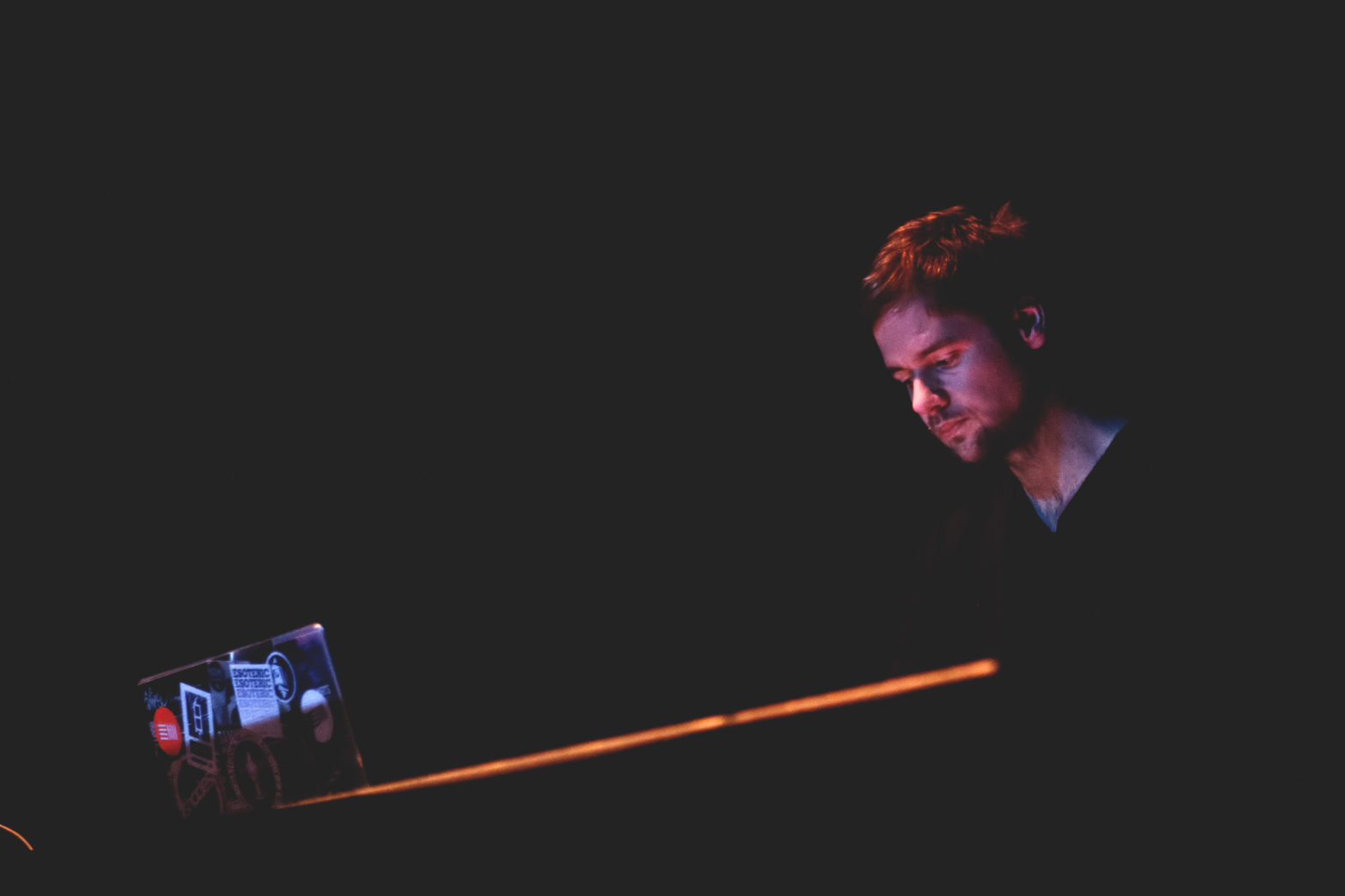
Outside of his work as Sieren, Frick moonlights as Product Manager at Ableton by day, making him a perfect candidate for our Artist Tips feature. As an early adopter of Ableton’s Live 10, which arrived with a slew of new workflow updates, sound libraries, effects, and instruments, Frick is better versed than most to offer wisdom on the newest version of the popular DAW, and below you’ll find his tips on applying Ableton’s new features to your workflow.
Learn Hotkeys
It wasn’t until collaborating with Robot Koch on a few tracks in 2013 that I discovered what a difference knowing all or most hotkeys by heart makes to one’s productions.
Whereas before I’d constantly click around Live’s user interface to get a simple task done, I can now successfully reduce a few steps down to just one with the press of a key. I primarily work in Arrangement View, since it gives me the most flexibility to position various sounds on and off the grid.
The biggest upside is the increased desire/pleasure to experiment. Because it takes barely any time trying out more complex ideas such as micro-edits or rhythm variations, if the result is not that great, you’re more inclined to just straight out delete it, since you barely invested any time in it, whereas before you might think “oh, I’ve worked on this loop for so long already, I can’t let go of it now.”
Below is a list of my most used Hotkeys in Live (beware, Windows users might need to use CTRL instead of CMD), which in a way chronologically reflects my workflow:
CMT+T to create a new audio track.
CMD+SHIFT+T to create a new MIDI track.
CMD+G to group tracks, which has become a lot more important to me since Live 10’s Groups-in-Groups feature.
CMD+D to duplicate a track. This can be used, for example, if you have an audio track with loads of small edits and you want to use a different effect on a small part of it; or, in case of MIDI, add another layer with a different synth.
SHIFT+CMD+M to create a new MIDI Clip, previously selecting the time range which defines its length.
CMD+L to loop a marked section. I usually start out by selecting a range (maybe around four bars) and then start cutting up a loop.
Z to zoom in on a selection to get a better overview of what you’re about to cut up.
CMD+E to split a clip. Luckily my “E” Key hasn’t worn out yet, because I use this one a lot to splice out interesting parts of a loop which I’ll then re-arrange.
CMD+D on a selection of audio, sometimes in rapid succession, to see how, for example, the tail end of a high-hat or some random background noise behaves with the other drum elements of a track.
R has become very useful in Live 10 for me since it allows me to reverse a time-selection with just one key.
CMD+ALT+F creates a fade in or out based on a selection. Personally, I use this mostly when resampling the tail of a reverb (more on that later) onto a new track, before reversing it and creating a quick fade in.
CMD+J consolidates a time selection into a new clip. This is great because once you’re done creating a new rhythm out of tiny pieces of audio, you basically join them together into a new loop which you can then stretch out or further edit.
CMD+SHIFT+D to duplicate a selected time to keep things more interesting and evolving.
Template Your Workflow
There are a couple of steps I always ended up doing before starting a new project, so incorporating those into a template set were an obvious step for me.
For example, I always had the tendency to drive the volume up way too much inside Live, presumably to get more of a sense of what the track might sound like when mastered. By making all tracks default to -8dB and then adding a combination of Utility (+8dB) and a Limiter (-0.5dB) on the Master channel, I get a good sense of the final sound without creating too much havoc on my mix. On the upside, when doing the final mixdown to send off to the mastering agency, all I need to do is switch off the effects on the master, and I got a mixdown with enough headroom for the engineers to work with.
Adding instruments and effects you always use to a template set is also a good idea. I usually have a couple of groups for drums in my tracks which consist of a bunch of drum racks. Personally, I prefer to split drums into a few different drum racks, because it makes the overall mixing of drums a lot easier since you can see everything in the mixer.
Once you have your ideal instruments, effects, and utilities set up as a template, go to File / Folder and “Save Current Set as Default.” That way every time you start a new set, it will load your ready-to-go template project.
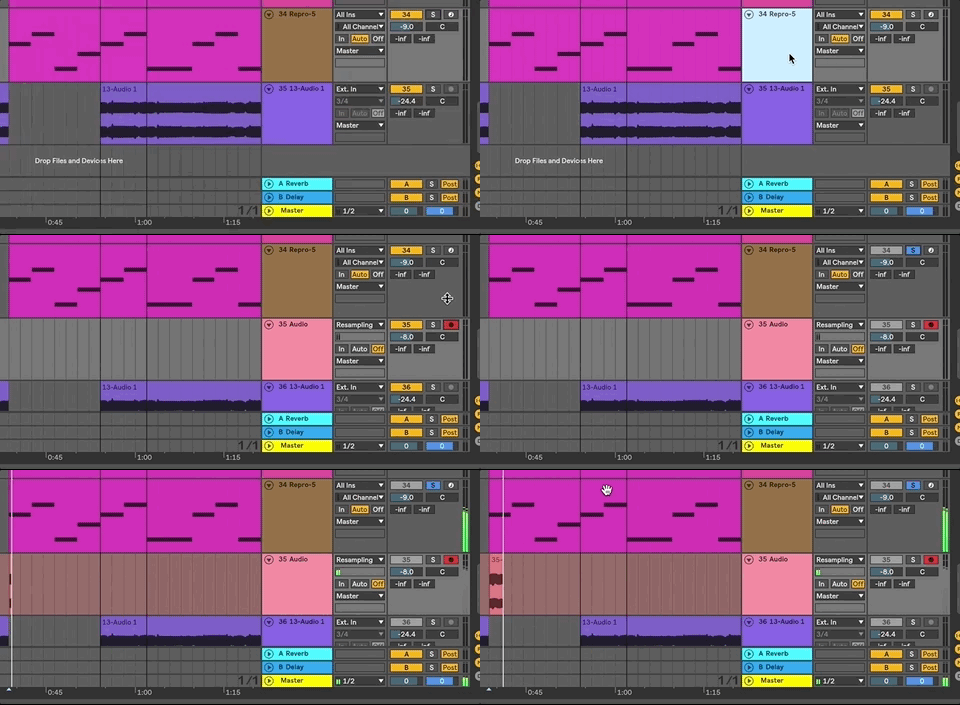
Another great workflow trick is using Resampling. Basically, in Live, Resampling takes the master output and records it into a new audio track. Before I started using this trick, I was painstakingly setting up internal routings in Live to get the output from Massive, for example, onto a new audio track. By just setting the audio track input to Resampling, all you need to do is arm the track, solo the one you want to record, and just hit play and record—you can check this out in the gif below.
Explore Live 10’s New Devices
Live’s new Drum Buss device has been a true game changer for me. The possibility to easily tweak and transform dull sounding kicks into something entirely else is remarkable. I often start with a simple 808 Kick and shape it up to something that suits my production well. The transients dial is also very helpful to sharpen up loops and bring out certain elements, like the snare in the following example.
I also end up using Drum Buss in places unrelated to drums. It can also do a great job at beefing up leads or even pads, giving them a different dynamic.
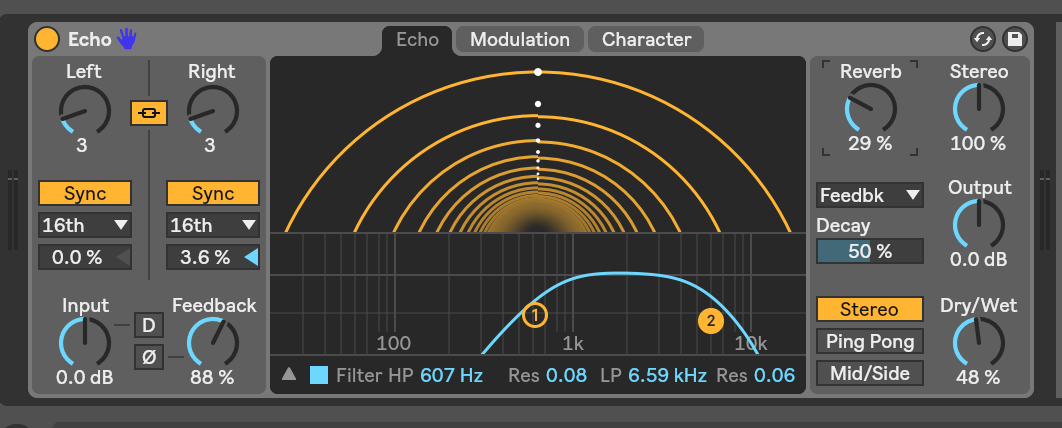
My other favorite device is Echo. Whether I need some ’80s BBD-style delay or a proper space echo emulation, Echo usually has me covered. It gives me the flexibility of signal routing, which I previously had to go to a variety of different plugins for the desired effect. Specifically, the ability to modify the EQ on the feedback as well as add reverb on either the outgoing signal or the feedback line is something I always wanted in a delay plugin. It’s even great for just adding some tape noise to your mixes for a more analog feel.
You can’t really talk about Live 10 without mentioning Capture. It’s been a true game-changer for me when it comes to using plugins. I often noodle around with various melodies only to find myself not being able to reproduce it once I hit record. Capture listens and records everything in the background and you can instantly create a new clip with all the MIDI notes with the click of a button. I barely even hit record for MIDI at all these days since Capture works so perfectly for me.
Find Hidden Rhythms in Loops
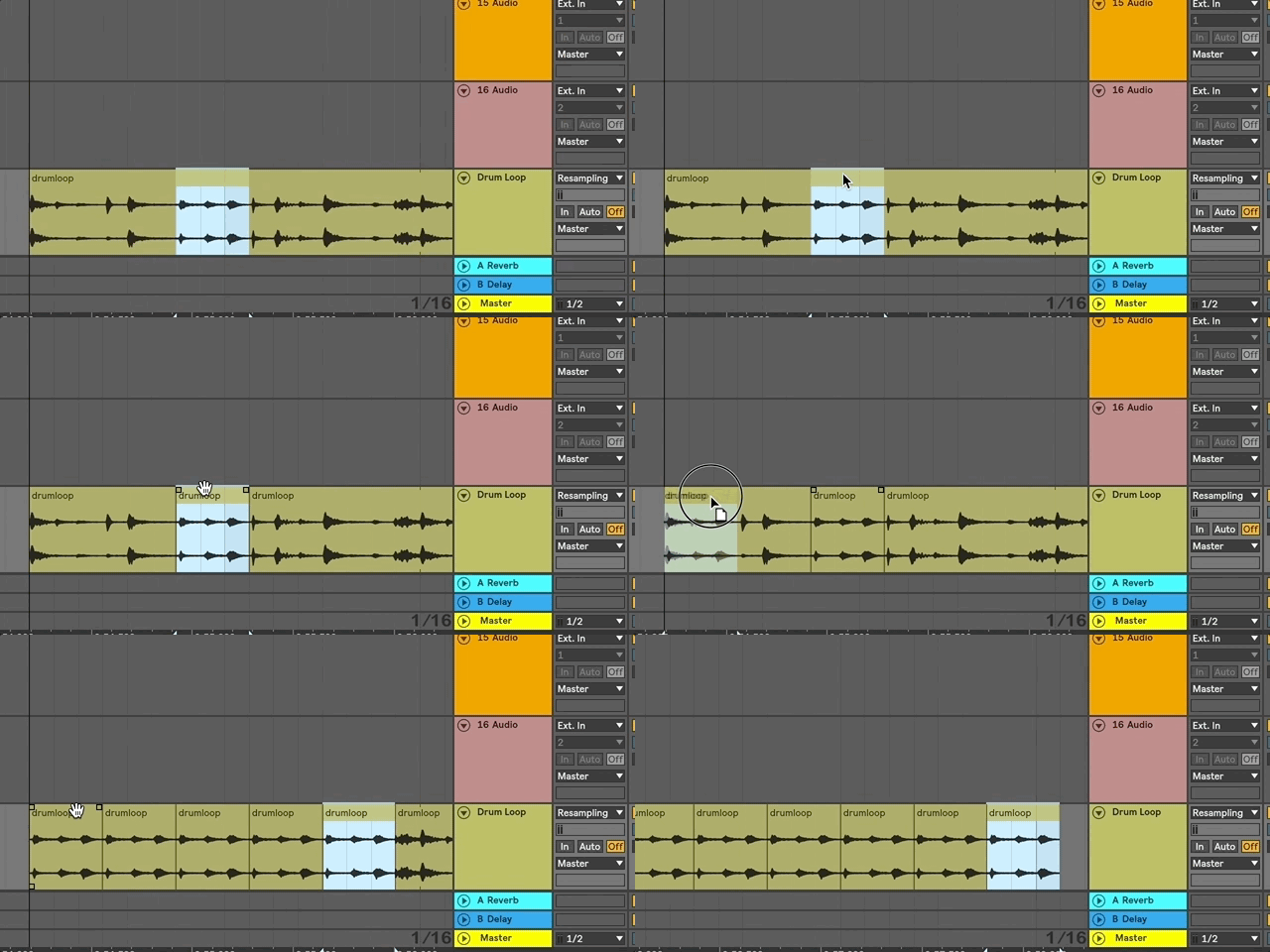
One of my favorite techniques is to reveal less than obvious rhythms in loops. Drum Buss really helps to bring out rhythmic elements that might not be immediately obvious because of the dynamics of a recording. I often randomly cut up a loop, then rapidly press CMD+D to duplicate a tiny fraction of it (often with an uneven length) to lay it out beneath a kick drum and see what happens. This is kind of a trial and error approach since not all rhythms work well. But since using hotkeys, the whole process is rather quick, so you don’t feel bad if something doesn’t work out and you can immediately try the next part.
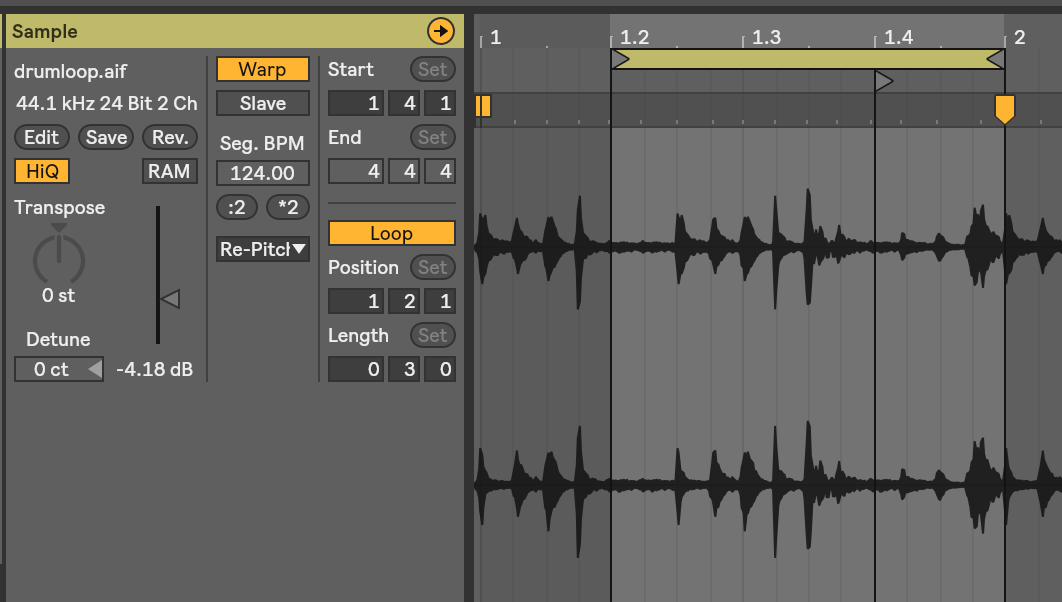
Another great way that I’ve discovered recently thanks to collaborator Troy Gunner was making polyrhythms out of loops. This seems super obvious and it’s one of those production things you maybe kind of know about deep down, but tend to forget until someone shows you. Dragging a loop into the arrangement view and then setting the loop length and start point to arbitrary numbers can create nice polyrhythmic elements—even from a one-bar loop, like below.
Live 10’s arrangement makes finding rhythms even easier, since you can now drag and move an audio clip’s content right in session view (ALT+Shift on lower bottom half of a clip). This has really sped up my workflow quite a bit, too.
Constrain Yourself
I often find myself overwhelmed with the possibilities at times, especially when already suffering a little from writer’s block. It’s easy to get lost in the variety of plugins, hardware, and samples these days. What really helps me to break the cycle is to constrain myself to a set of samples or a field recording and maybe one or two instruments and really dig deep. Personally, especially when it comes to synths, I do rely on presets as a starting point quite often—I pick the sounds that are closest to what I have in mind and then take it from there. While this is great when you have a good idea to begin with, you can get lost in the variety of options when you don’t have a clear vision.
Constraining yourself in the sound design stage by starting with an empty patch and then going deep in trying to come up with new sounds is a great way to break the cycle. Even if you don’t get good results, you still learn a lot more about the synth itself than by starting from a preset. In my opinion, this applies more to plugins than real hardware, because you might not interact as much with a plugin as you’d do with an actual tactile piece of gear.
When working with real hardware I try to make sure that I’m recording everything that comes out of a given device while working on finding a sound. I often end up going back to the recording and then cherry-picking the bits I really liked.
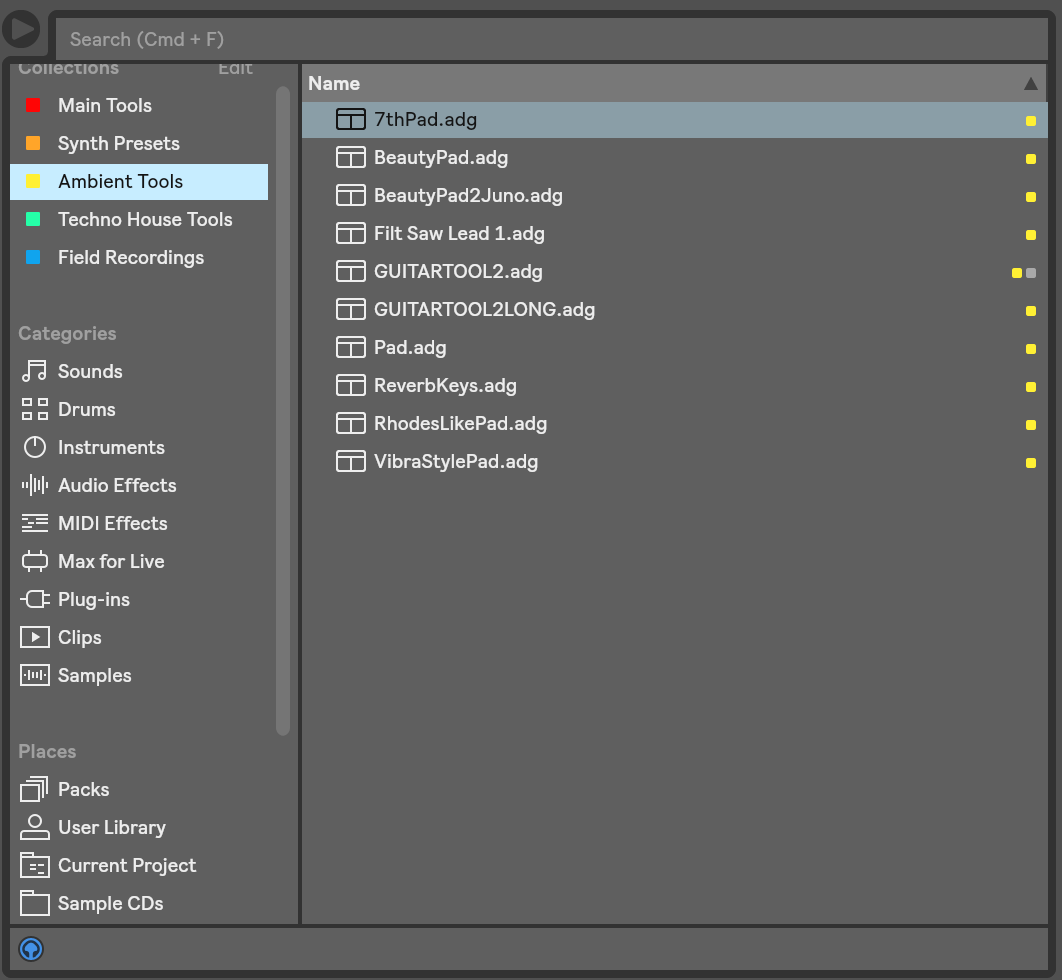
There are, of course, also days where even constraints don’t help much. If I don’t find myself with a great idea, I focus on creating material for future tracks. That can be loops, my own presets, effects chains or doing field-recordings in and outside the house. It’s also easier to sort through your own material thanks to Live 10’s new browser collections.
At the beginning of next month, Midgar Records will launch its new sub-label, Midgar Sands, a series that will focus on heavier, more experimental sounds—think grainy textures, glitches, and mind-bending sound design—with Ground Tactics‘ Immaterial Breath EP.
Ground Tactics is the alias of Colin Tobelem, a French-American artist who crafts deeply woven analog outings that look to bridge gaps between sonic fields, sitting somewhere in the nether regions between IDM, techno, industrial, and ambient. His new EP, Immaterial Breath, follows his meditative Cinnabar Field EP with four confounding cuts that defy categorization—a perfect fit for the new experimental arm of Midgar. Like his previous outings, each element on Immaterial Breath is handcrafted from Tobelem’s machines, showing an innate mastery of sound design.
In support of the release, Midgar has offered up deep and trippy EP cut “Shattering Illusions” as today’s XLR8R download, available via WeTransfer below.
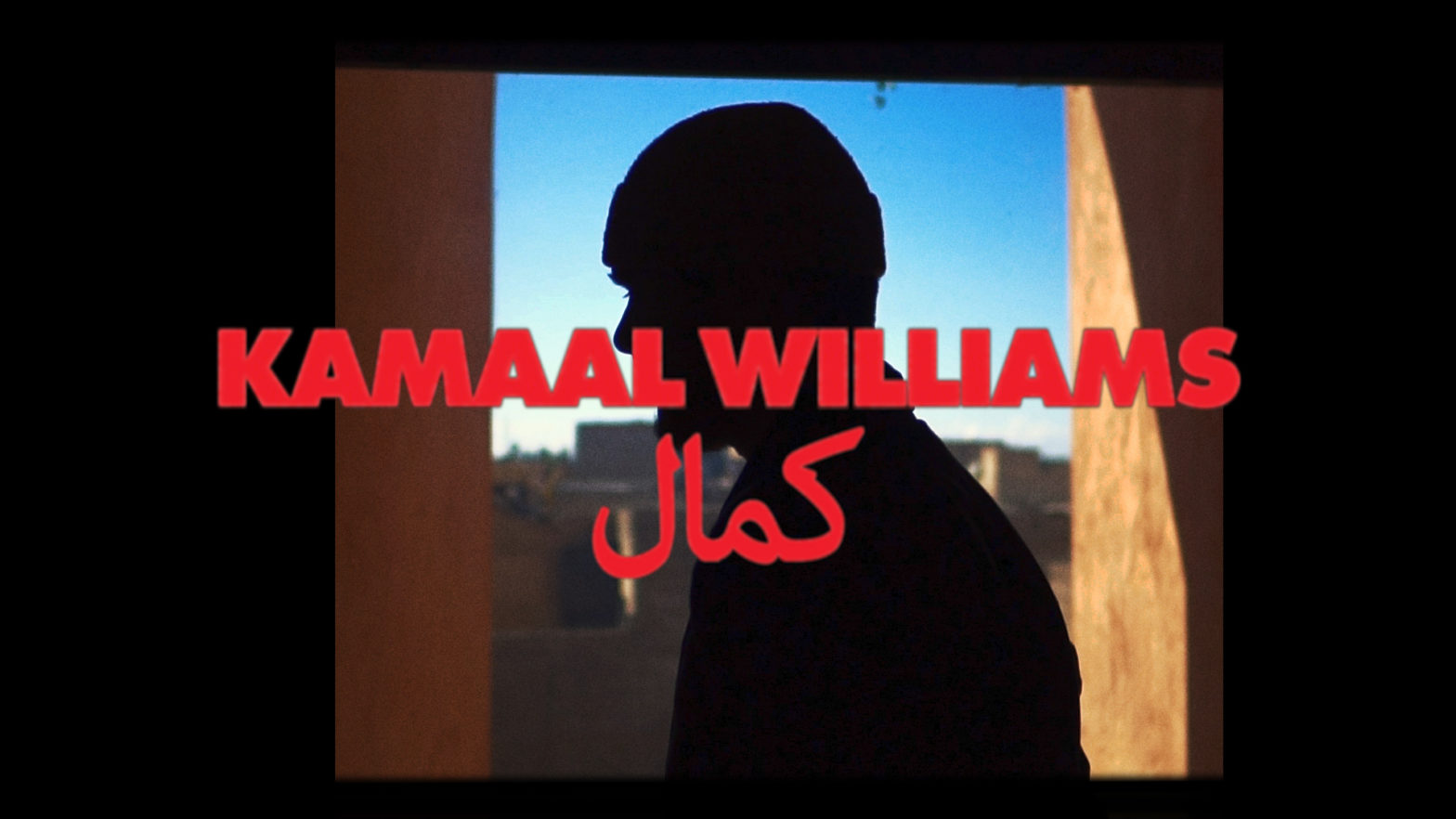
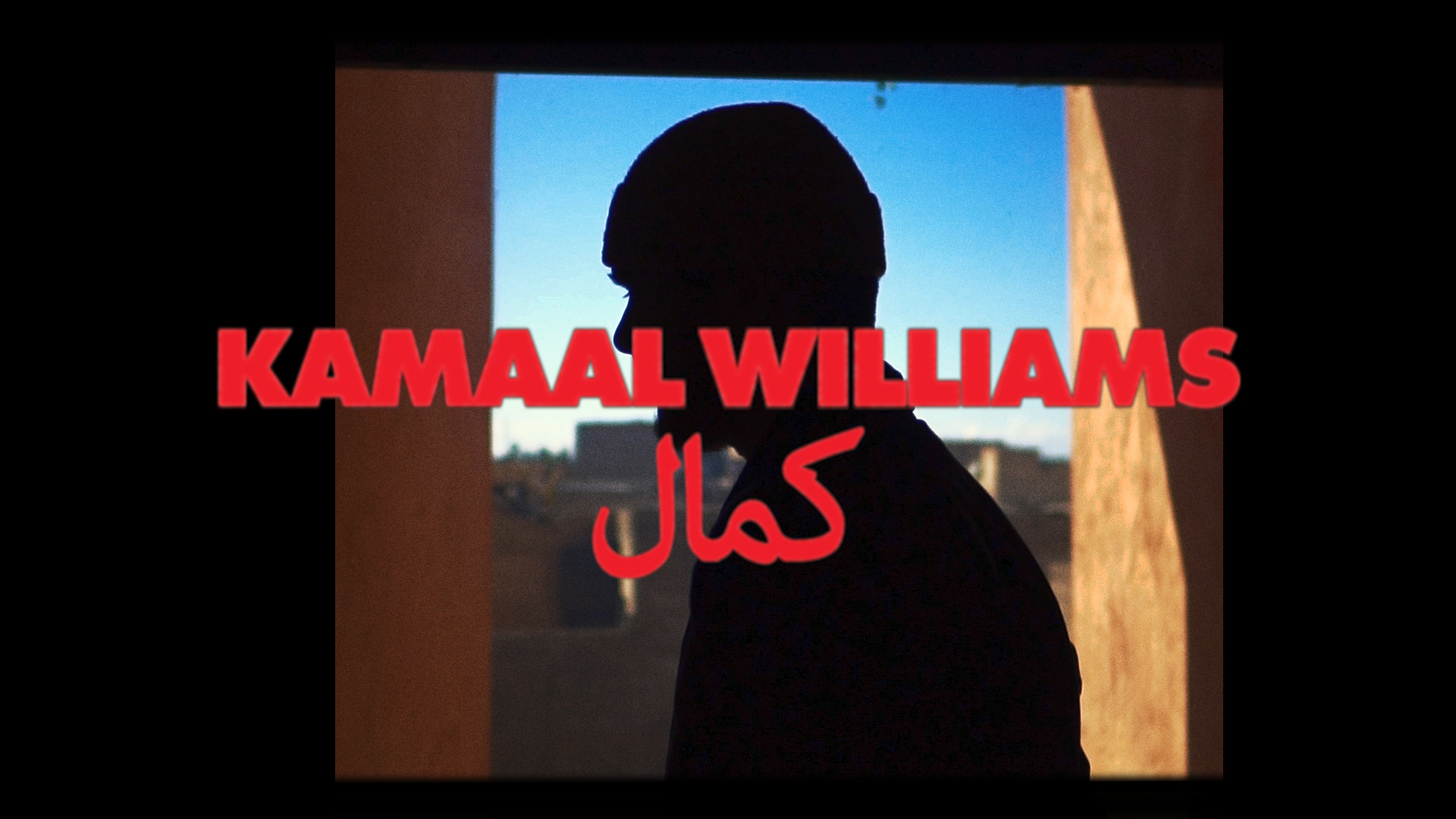
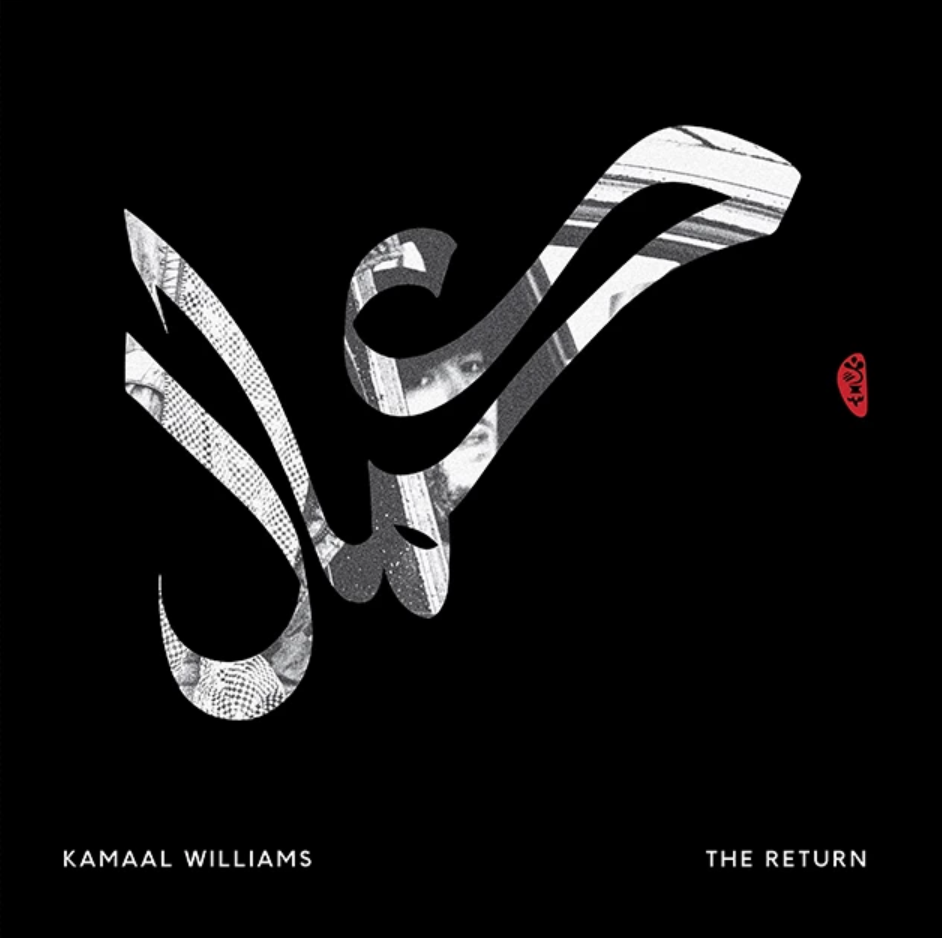
Kamaal Williams has presented a new video for “Salaam,” taken from his upcoming debut album The Return, scheduled for release later this month.
Filmed in Marrakech by Greg Barnes, the same director who has been working closely with Williams on all of the band’s visuals and also made the music video for “Catch The Loop,” which is actually the sequel to this video. In the director’s’ own words:
“After working together on “Catch The Loop,” Kamaal and I knew we wanted it to be a part of a larger whole, and that the tracks on the album would become chapters, or scenes, from a bigger picture—that the upcoming album, The Return, was in essence, the soundtrack to an unmade, and epic film.
“It was almost without conversation that we decided Morocco should set the scene for “Salaam,” a place of real connection and meaning to Kamaal and his music. The rest, with the help of the people of Marrakech, fell into place very naturally.”
Kamaal (a.k.a Henry Wu) also adds:
“Marrakech is a special place for me, both spiritually and creatively. Every time I go, I feel alive again and it’s a huge inspiration for my work. There is no art scene in Morocco without Hassan Hajjaj, so I couldn’t make this film without his blessing. He introduced me to Amine Bendriouich who introduced me to Yazid and we made the film in two days. Working with local people in the medina and sharing our story with the community made this experience real. Greg Barnes captured the essence of my relationship with the city as well as the colors and the energy of everything in it. The series will continue. A special thanks goes out to Yazid, Hassan Hajjaj, Amine Bendriouich, Ahlam Triki, Mouhcine Zoutina, Abdul Razzaq and the umma of Marrakech.“
Williams is perhaps best known for his Yussef Kamaal collaboration with Yussef Dayes, which resulted in 2016’s Black Focus LP on Gilles Peterson’s Brownswood Recordings. Elsewhere, he’s shared a catalog of 12″s for imprints such as MCDE, Eglo, and Rhythm Section as Henry Wu, establishing himself as a key figure in his thriving international scene for the past few years.
The Return sees Williams playing keyboards as part of a group that includes bassist Pete Martin and drummer MckNasty, along with sound engineer Richard Samuels. It’s described “a natural evolution” of the Yussef Kamaal project, “mining the influence of visionary jazz but blended with all kinds of texture, sounds, and signals from the over-saturated London streets.”
Musicians:
Kamaal Williams – Keys
Pete Martin – Bass
MckNasty – Drums
Richard Samuels – Engineer
Tracklisting:
1. Salaam
2. Broken Theme
3. The Return
4. High Roller
5. Situations (Live In Milan)
6. Catch The Loop
7. Rhythm Commission
8. Medina
9. LDN Shuffle
10. Aisha
The Return LP will land on May 25 with “Salaam” streaming in full below.
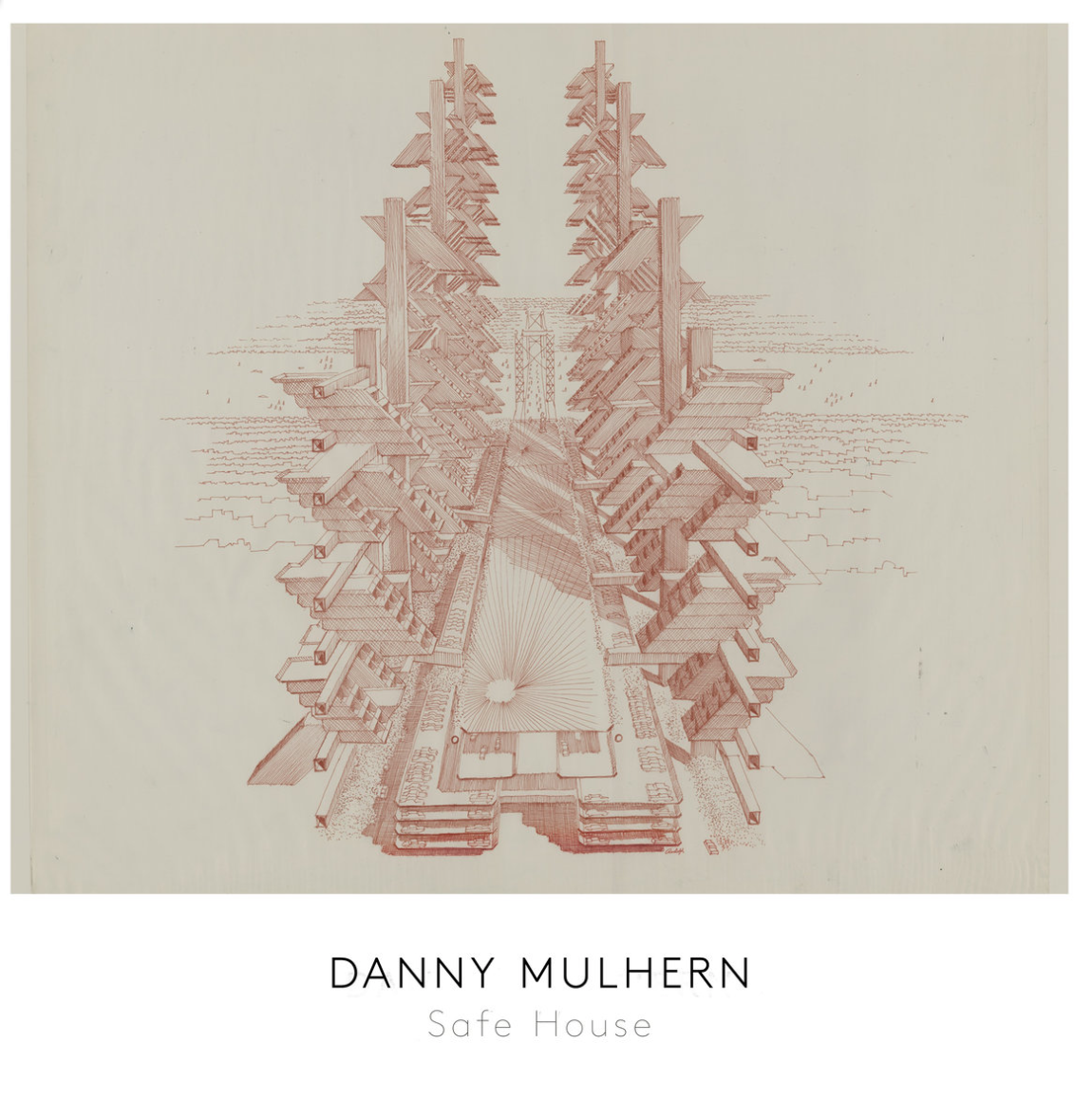
Acclaimed British composer and multi-instrumentalist Danny Mulhern has shared a haunting new video ahead of his new EP on 1631 Recordings.
Safe House follows on from 2017’s Reflections On A Dead Sea LP and acts as an accompaniment to Danny’s previous Metanoia release. It also continues his series of collaborations with players from the London Contemporary Orchestra.
The video for “Weight Of A Nation” was directed by Helga Fannon, whose work is renowned for its depictions of people and the fragility of life and the importance of childhood experiences on us as we grow older.
“My film is a dreamscape that suggests the human potential for metamorphosis, which is most manifest in the transition from child to adolescent. This is contrasted alongside cycles of sameness, of strangeness, and more linear processes of gradual growth. Mulhern’s score is both impish and profound, playful and serious, just like childhood experiences and dreams themselves.”—Helga Fannon
We’re told that Safe House sees Mulhern introduce more electronic and rhythmically driven offerings that dip toes into classic IDM, off-kilter downbeat electronica, and desolate ambiance.
Tracklisting
01. Perpetual Motion
02. Depth Perception
03. December
04. Weight Of A Nation
05. Arrival
06. Safe House
07. Set In Motion
Safe House EP will land on June 15 via 1631 Recordings, with “Weight Of A Nation” streaming above.
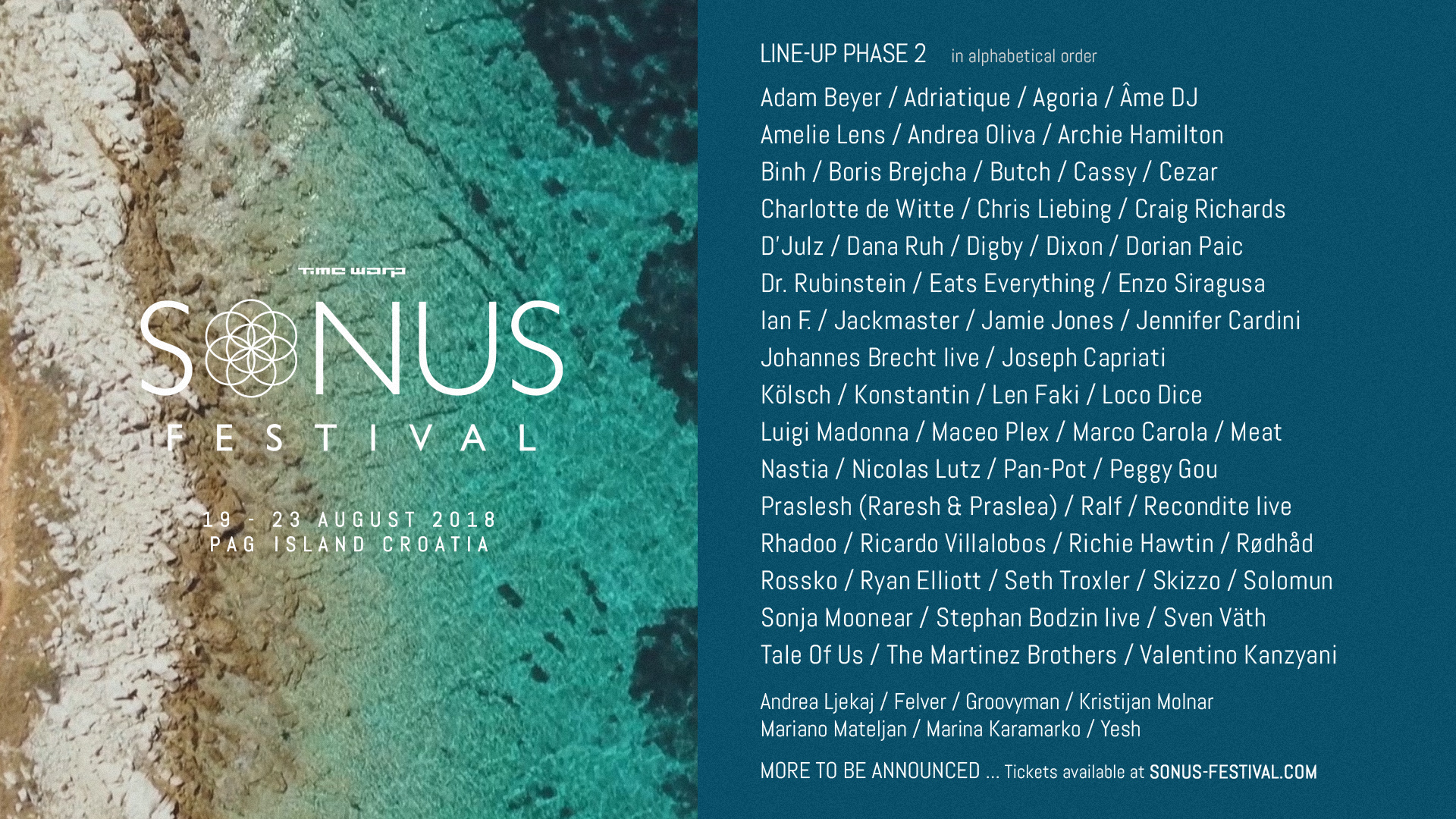
Croatia’s Sonus Festival has added more names to the lineup for this year’s edition, including Craig Richards, Rossko, Digby, and Cezar. They’ll join the likes of Jackmaster, Peggy Gou, Seth Troxler, Charlotte de Witte, Nicolas Lutz, Maceo Plex, and Ricardo Villalobos, who have already been confirmed for the five-day event.
Cosmopop party promoters have established Sonus Festival as a go-to party for any house and techno aficionado, combining strong production, some of the world’s finest house and techno artists, and a beautiful location with golden beaches and on-site clubs.
This year’s edition runs from August 19 to 23 on Zrce Beach, Croatia, with more information available here. Meanwhile, you can view the confirmed acts below, with more set to be added soon.
Lineup
Adam Beyer –Adriatique – Agoria – Âme DJ – Amelie Lens – Andrea Oliva – Archie Hamilton – Binh – Boris Brejcha – Butch – Cassy – Cezar – Charlotte de Witte – Chris Liebing – Craig Richards – D’Julz – Dana Ruh – Digby – Dixon – Dorian Paic – Dr. Rubinstein – Eats Everything – Enzo Siragusa – Ian F. – Jackmaster – Jamie Jones – Jennifer Cardini – Johannes Brecht (live) -Joseph Capriati – Kölsch – Konstantin – Len Faki – Loco Dice – Luigi Madonna – Maceo Plex – Marco Carola – Meat – Nastia – Nicolas Lutz – Pan-Pot – Peggy Gou -Praslesh (Raresh & Praslea) – Ralf – Recondite (live) – Rhadoo – Ricardo Villalobos – Richie Hawtin – Rødhåd – Rossko – Ryan Elliott – Seth Troxler – Skizzo – Solomun – Sonja Moonear – Stephan Bodzin (live) – Sven Väth – Tale Of Us – The Martinez Brothers – Valentino Kanzyani
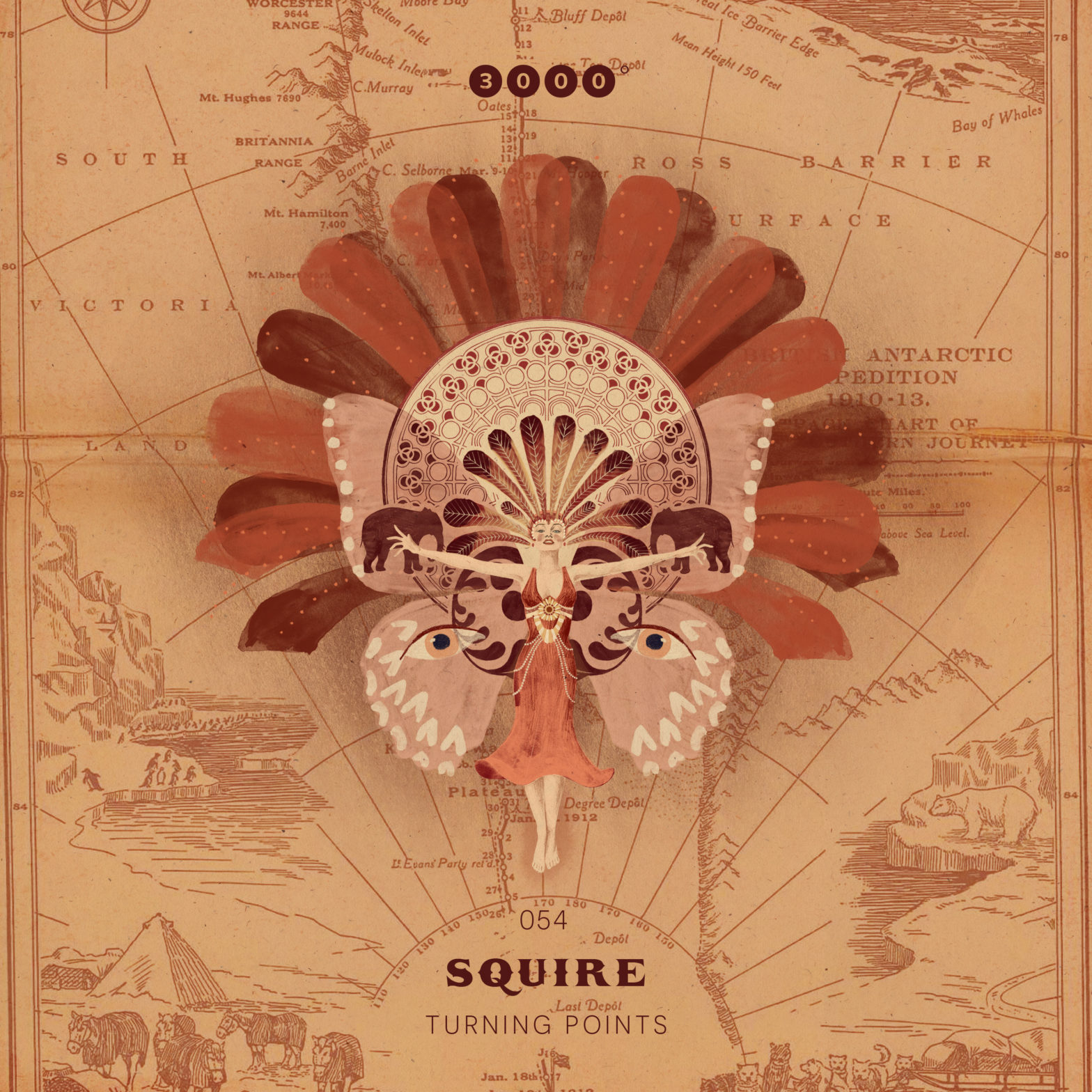
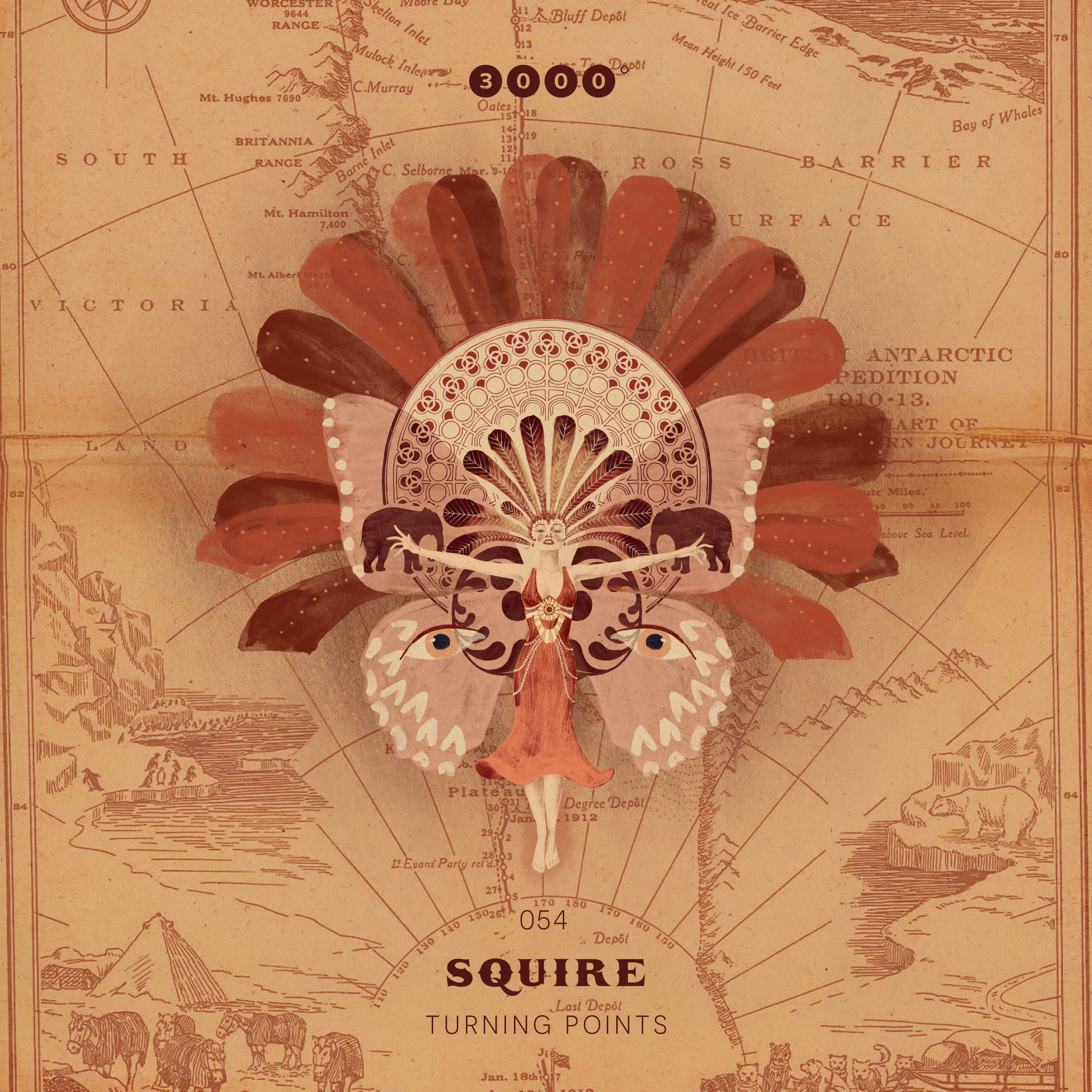
Earlier this month, Barcelona producer Squire released his Turning Points EP on 3000 Grad Records.
Following on from releases on labels such as Get Physical, Rebellion, My Favorite Robot Records, Tenampa, Parquet Recordings, the new six-track EP features three Squire originals and remixes from Timboletti, Stephen Zovsky, and Mollono.Bass and Marc Vogler. Musically, the three originals focus on deep atmospheres and ethereal synth lines that evoke twilight jungles; while the remixes from Timboletti’s eerie rework to the tense melodies of Stephan Zovsky’s outing and Mollono.Bass and Marc Vogler’s dreamy interpretation.
In support of the release, Squire has offered up “Panda Girl” as today’s XLR8R download, available via WeTransfer below.
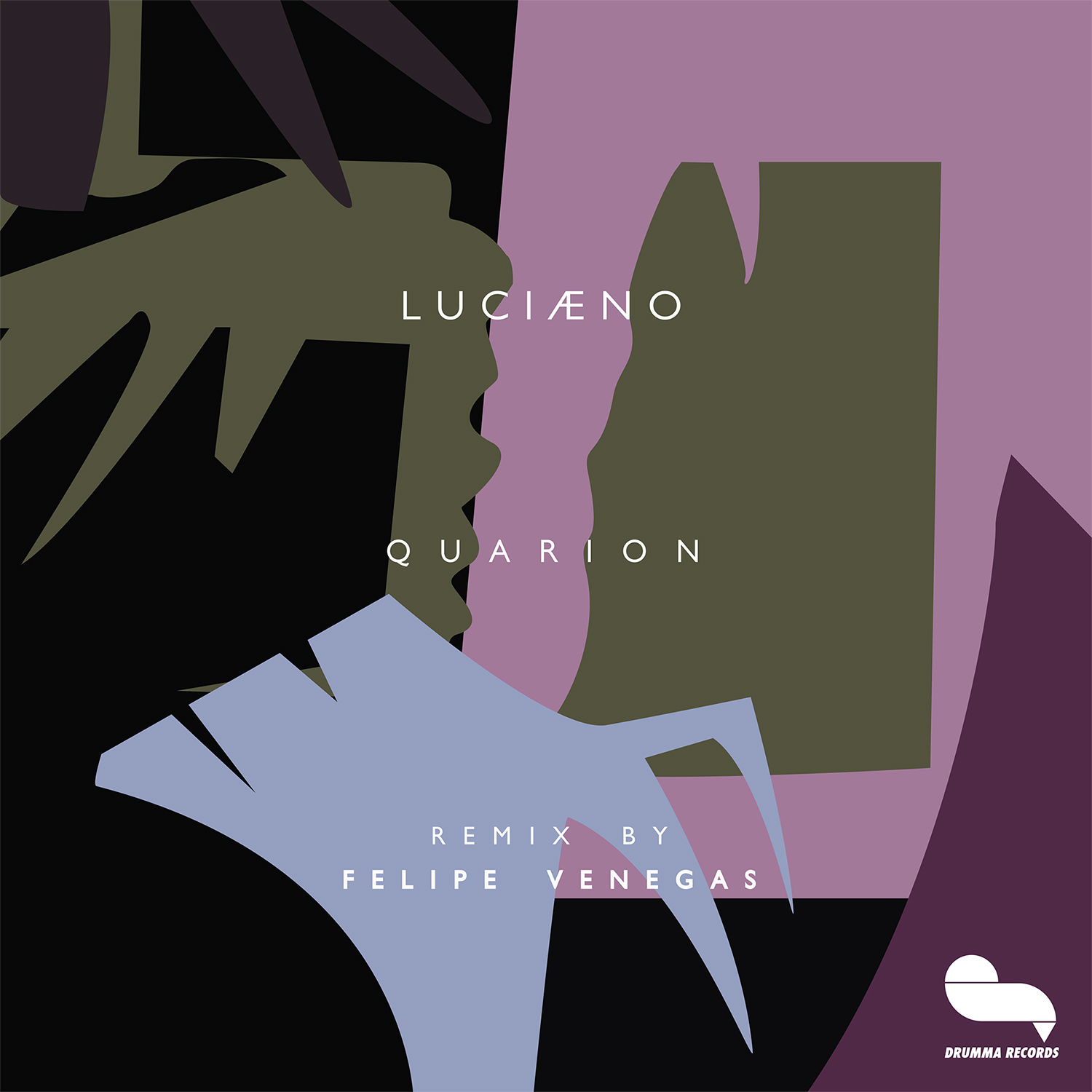
The EP, which also features a remix from Drumma label head Felipe Venegas, follows Luciano’s Saved and Slaved EP on Basæc—released in April last year—and Livio & Roby’s most recent Drumma EP, Pen Thru, with two fresh rolling house cuts. From the groove-laced 15-minute a-side to the Afro-Latin rhythms of “BipBopBap” and Felipe Venegas’ dreamy remix, Quarion is yet another standout in Drumma’s catalog.
You can stream snippets of the EP below, with a pre-order here.
Polish sound designer and cellist Karolina Rec (a.k.a. Resina) will drop her sophomore album, Traces, on 130701 Recordings on July 6.
The new album lands two years on from Karolina’s critically acclaimed, self-titled debut, presenting a visceral, tense, and thrilling LP. Much of the material on Traces, like her debut, was recorded as single live takes, however, this time, the focus has also been placed on sound design and the detail of the compositions rather than purely live recordings. Karolina’s voice also takes center stage, appearing on more than half of the album’s tracks and functioning as haunting, emotive layers that have been looped and processed. Traces also features contributions from drummer/percussionist Mateusz Rychlicki, who features on a number of tracks.
In support of the forthcoming release, 130701 has offered up a full stream of the lead track, “Resin,” available to stream via the player below.
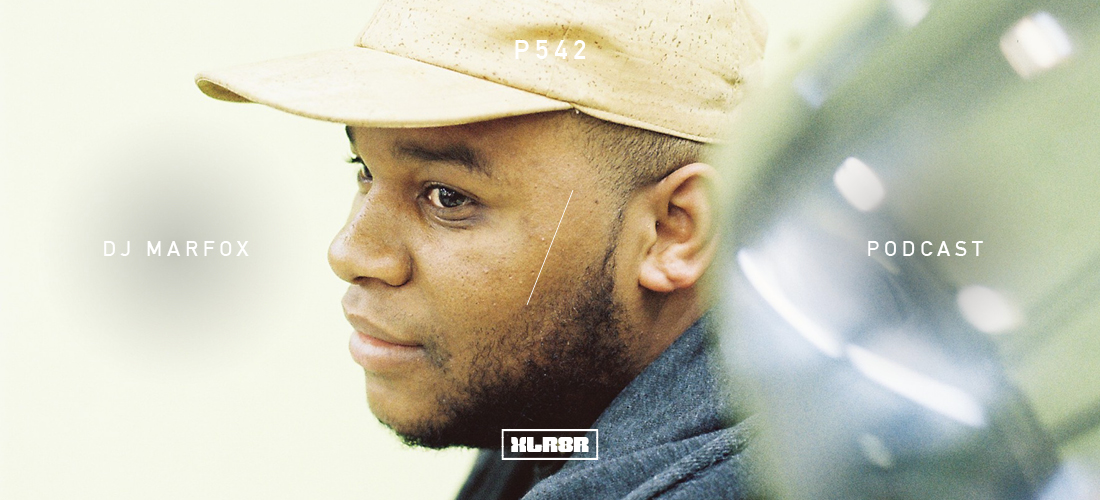
DJ Marfox is the alias of Marlon Silva, the protagonist of Lisbon’s bubbling Afro-Portuguese electronic music scene. He first connected with music in the early 2000s when he heard Kuduro artist DJ Nervoso playing at a party, and left feeling inspired to begin producing his own music. “If I hadn’t witnessed that, perhaps I wouldn’t be here today,” he said in an earlier interview with Thump. He soon learned the basics of FruityLoops and teamed up with high school friends DJ Nervoso, DJ Nk, DJ Fofuxo, DJ Jesse, and DJ Pausas as DJs Do Ghetto, throwing parties around the city before issuing DJs do Ghetto Vol. I, a 37-track digital compilation shining a light on the local artists. This marked the beginnings of Lisbon’s batida movement, the sounds of which incorporate African-influenced dance music such as kuduro, kizomba, funaná, and tarraxinha with traditional house and techno. Those involved invariably came from working-class backgrounds and used cheap, but accessible software.
Silva began working as Marfox around this period, the alias a combination of his first initial and Star Fox 64, his favorite Nintendo 64 sci-fi shoot-em-up game. He uploaded several tracks via YouTube and some music blogs before releasing 2011’s Eu Sei Quem Sou, a debut EP via fledgling Príncipe Discos. Further releases soon came, as did booking requests from all over the world. DJ Marfox and his homegrown sound were on the rise—and this international acclaim has only continued to grow, evidenced by Warp’s 2015 Cargaa series, aimed directly at highlighting the “cream-of-the-crop purveyors of Lisbon’s thrilling electronic dance scene.”
Silva still resides in Lisbon but his name is known far beyond the city’s borders. He’s performed at some key festivals around the world, from Unsound and CTM, MoMA PS1 Warm Up Series, and Red Bull Festival in New York to Novas Frequências in Rio de Janeiro and Nyege Nyege in Uganda. Touring with reasonable frequency, he’s a purveyor of an intense but rhythmic blend of percussive techno that bears great reference to his batida roots, and his podcast for XLR8R provides a snapshot of this sound with 60 minutes of exhilarating grooves.
What have you been up to recently?
Besides traveling for shows, I’ve been going out a bit to listen to other national and international DJs, and also been focusing on listening to the new music coming from Cabo Verde.
When and where was the mix recorded?
This mix was recorded in my home studio, where everything starts but nothing gets finished!
What equipment did you record it on?
I used two Pioneer DJ XDJ-1000MK2 and a Pioneer DJM-750 MK2 Mixer.
How did you select the tracks that you included?
It was a balanced selection of tracks, including a harmonious sequence of my old and new tracks, and of other colleagues in the Príncipe label.
Was there a particular idea or mood you were looking to convey?
It’s always about wanting to make the mix as powerful as possible—something that people can still listen to it in 10 years and find it super fresh.
Can we expect some more material from you soon?
Yes, I’m working on a new EP, but I’m still trying to figure out the right journey to offer to listeners.
What else have you got coming up?
What I can advise but not disclose is that you keep your ears out for the new records to be released on Príncipe because there’s a lot of very good stuff coming out.
Tracklisting TBC
DJ Marfox will be performing at this year’s Nova Batida event in Lisbon. Nova Batida is a brand new city festival for Europe aiming to “blend the freshest music, art, culture, and lifestyle from all corners of the world in one of the most exciting creative hubs.” A slew of quality names are confirmed for the two-day event, including Seun Kuti, who’ll perform with his father’s storied Afrobeat ensemble Egypt 80, and Stones Throw head Peanut Butter Wolf. Little Dragon, Camilla Fuchs, Izem, Octa Push, and Blaya have also joined, lining up alongside acts like Mount Kimbie, Gilles Peterson, and George FitzGerald. You can see the full lineup on the flyer below, with early-bird ticket available via XLR8R here.