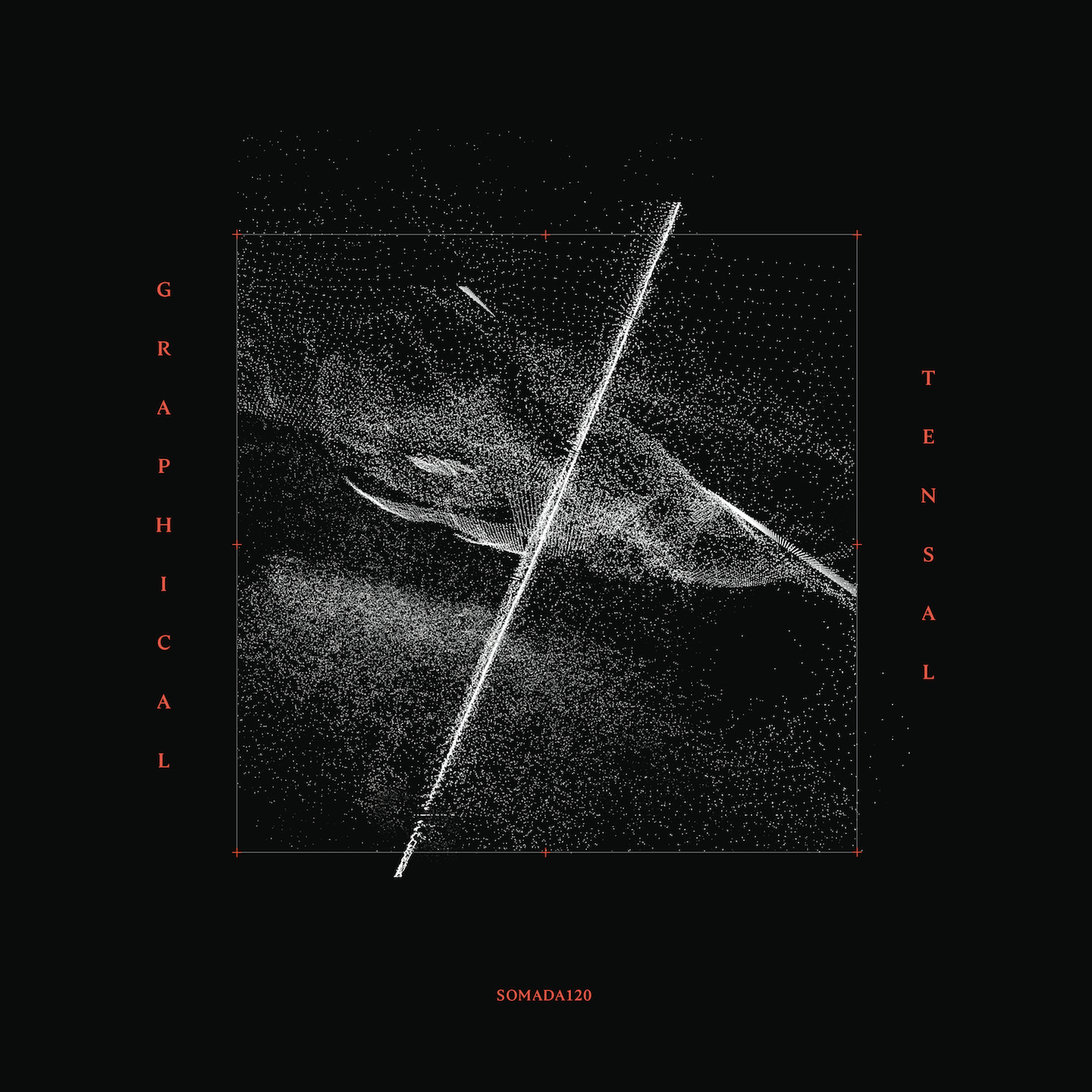
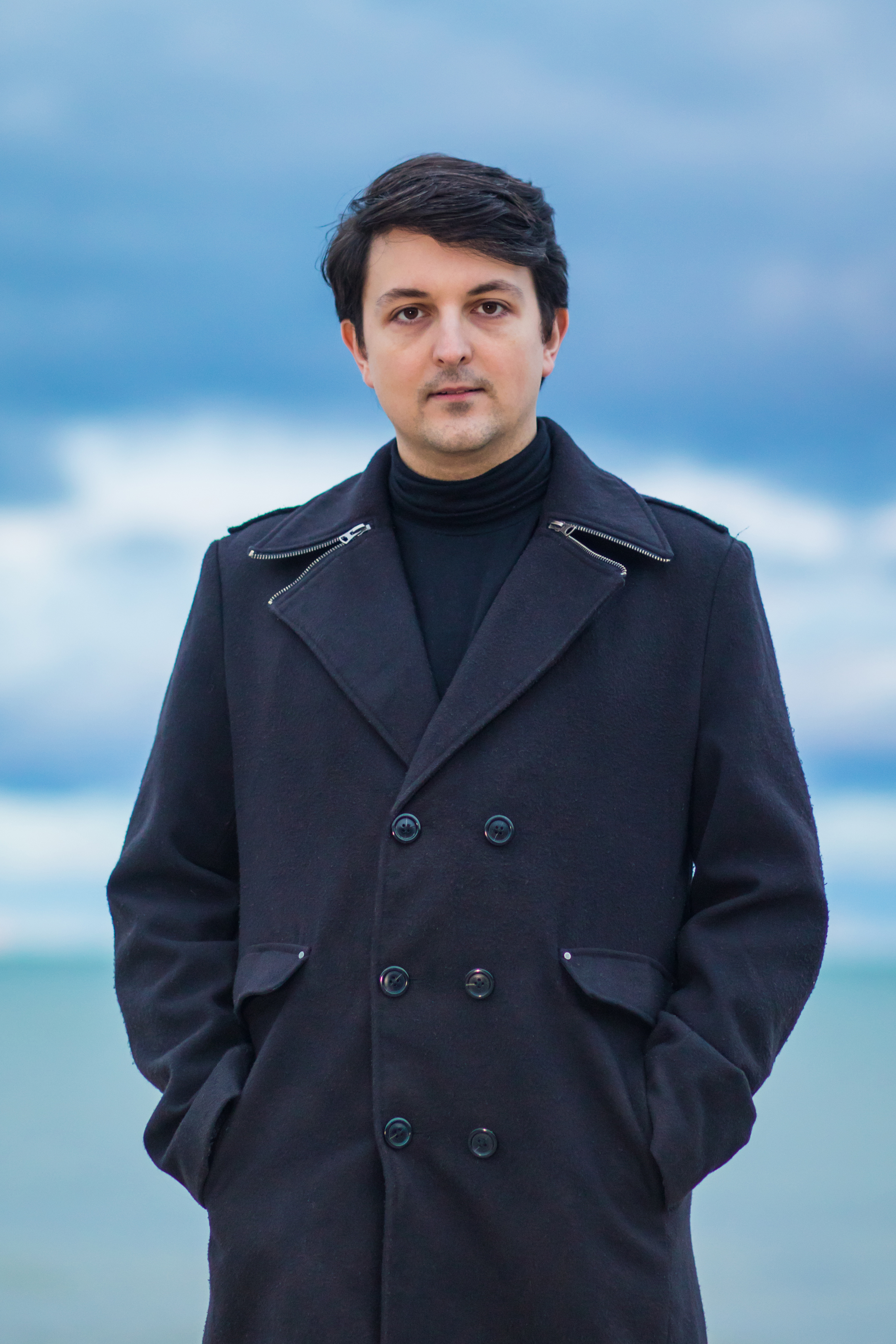
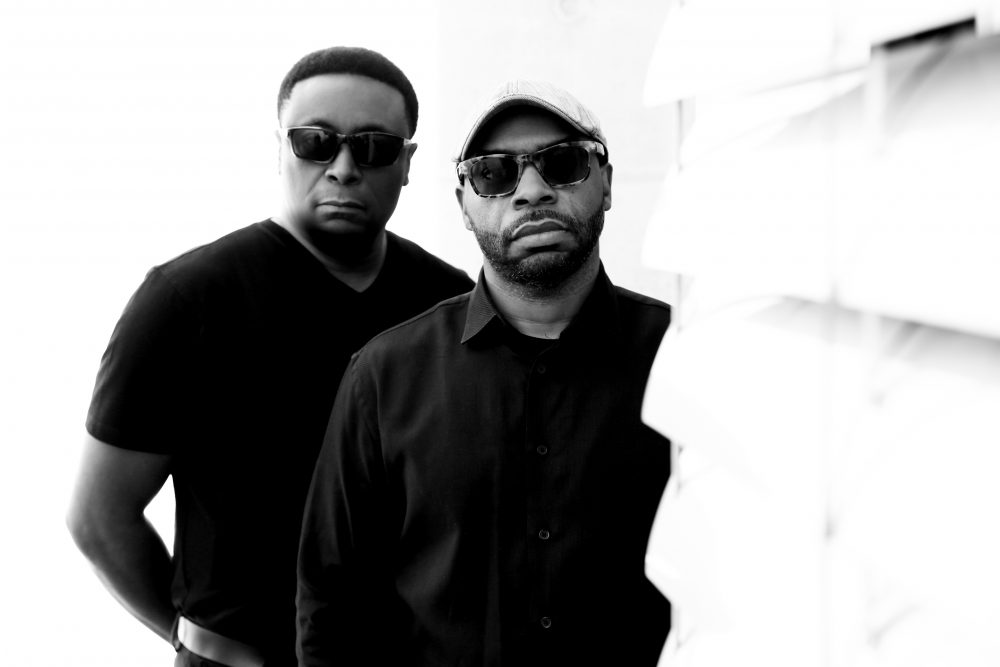
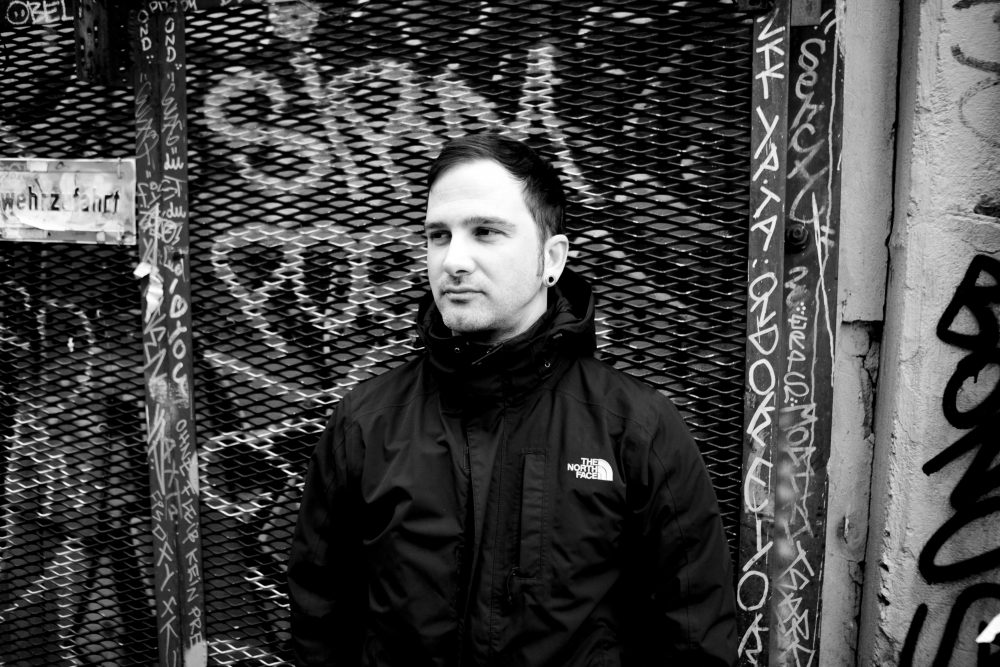
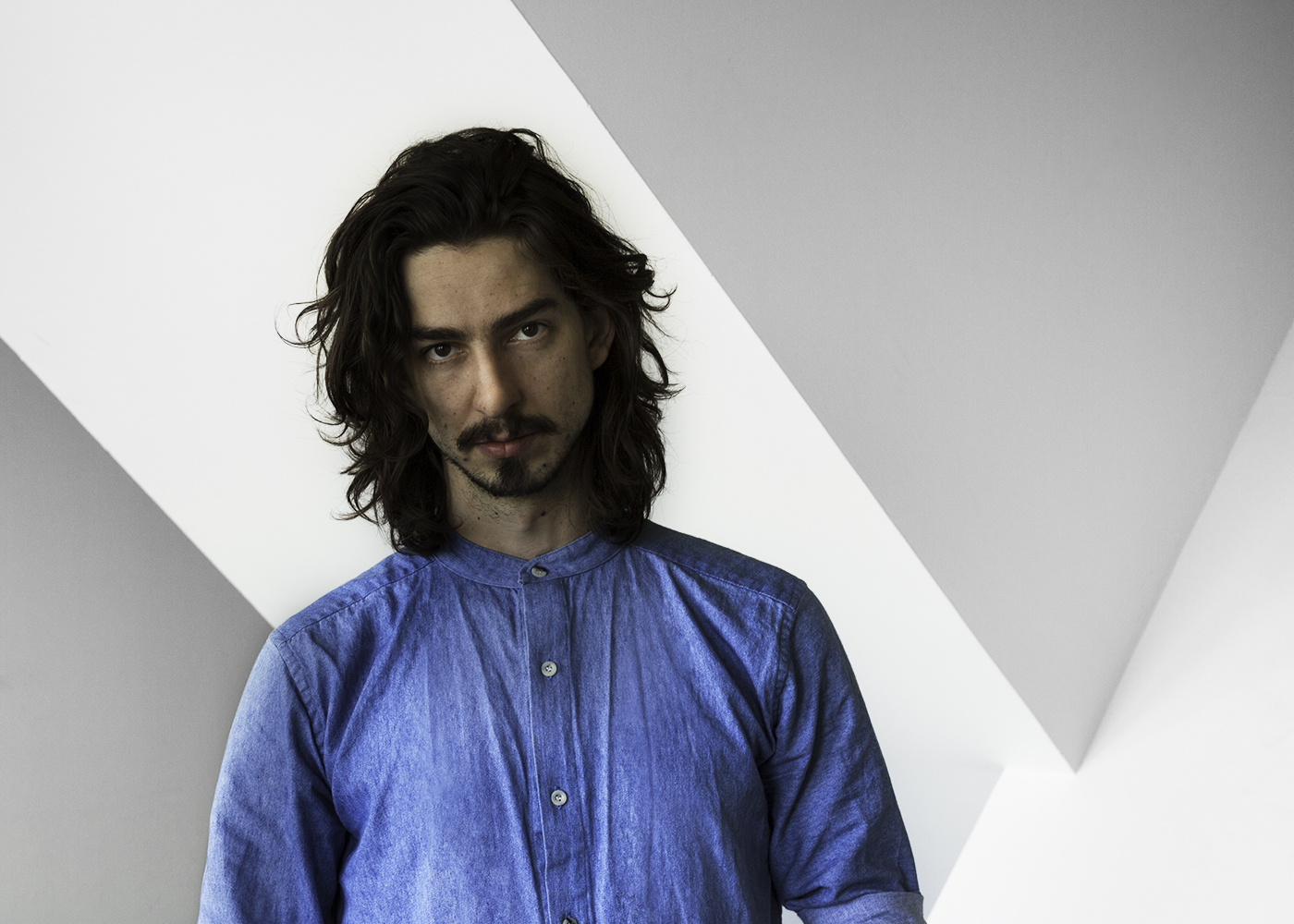
Soma will soon present the debut album from one of Tensal, the alias of Hector Sandoval. As one half of the duo Exium, Sandoval has already carved out a career in techno spanning over 20 years, with numerous releases on their self-run Nheoma, Warm Up Recordings, and Pole Group, to name but a few. In 2014, he started the Tensal project as an outlet for his own productions which allowed him the scope of pursuing the more direct and minimalistic approach with his music. After hooking up with the Soma camp in early 2017 and releasing a collection of singles, Tensal now delivers his debut album, titled Graphical. We’re told that in “searching to go beyond the realm of standard techno, Tensa lends his considerable production experience to this project and creates a sophisticated and immersive album experience that flows gracefully between IDM and techno.”
In support of the release, which lands May 25, Sandoval has offered up “Zomb” for free download. Grab it now via the WeTransfer button below.
Tracklisting
A1 / 1. Belga A2 / 2. Santolaya A3 / 3. Roj0 B1 / 4. Convulsa B2 / 5. Polariex C1 / 6. EgoAio C2 / 7. Zomb D1 / 8. P R U V I 4 D2 / 9. Mimix
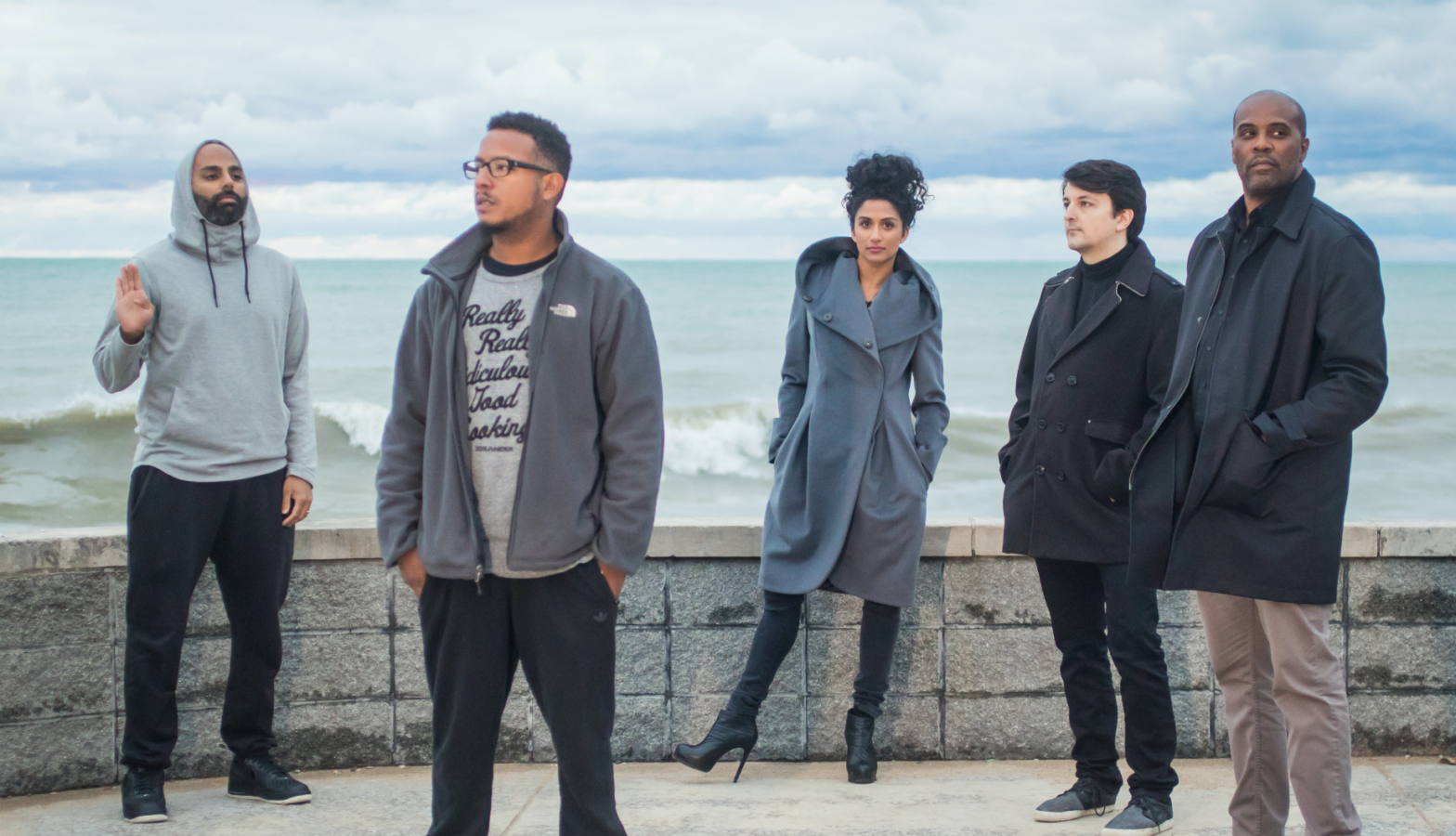
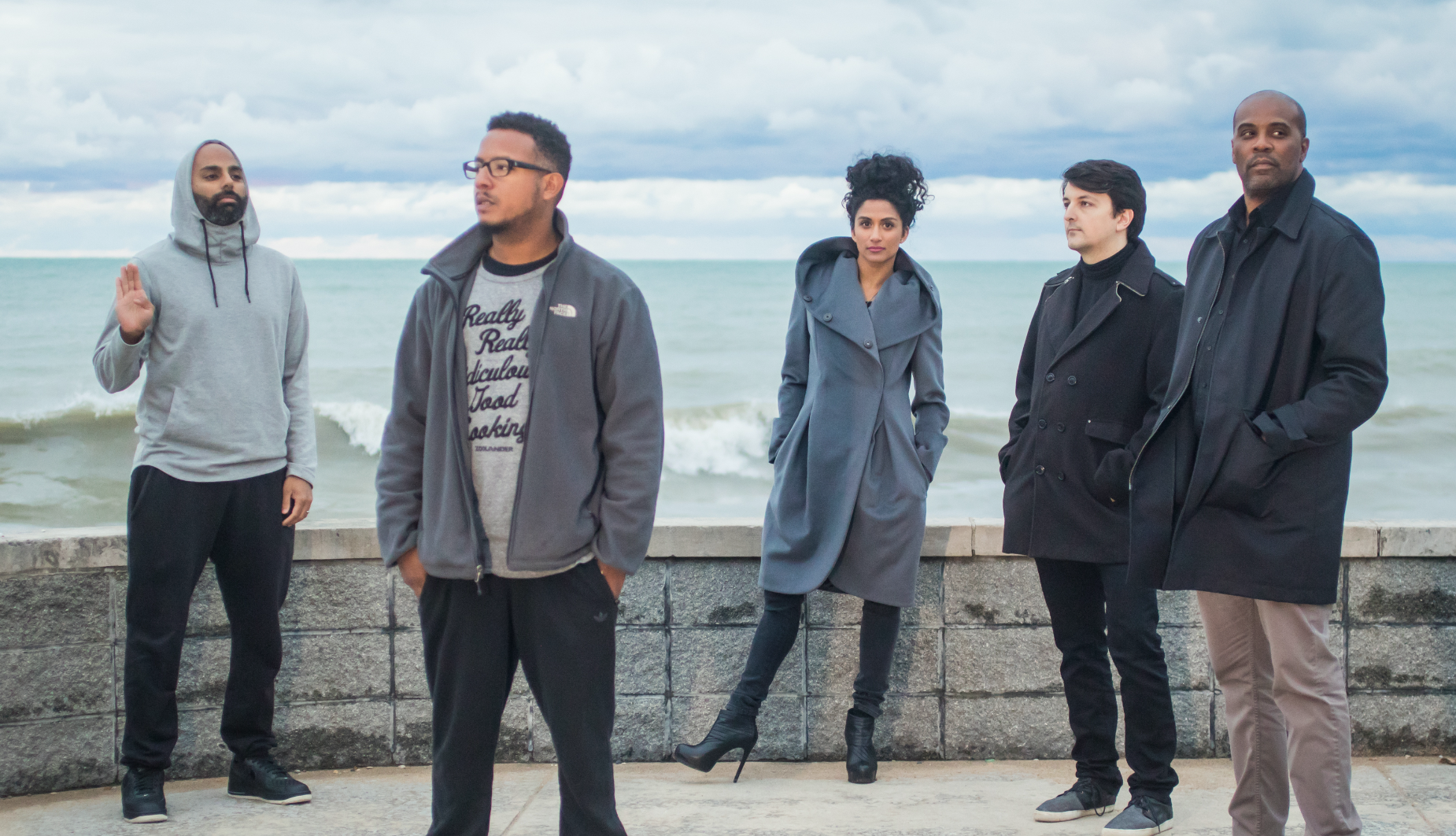
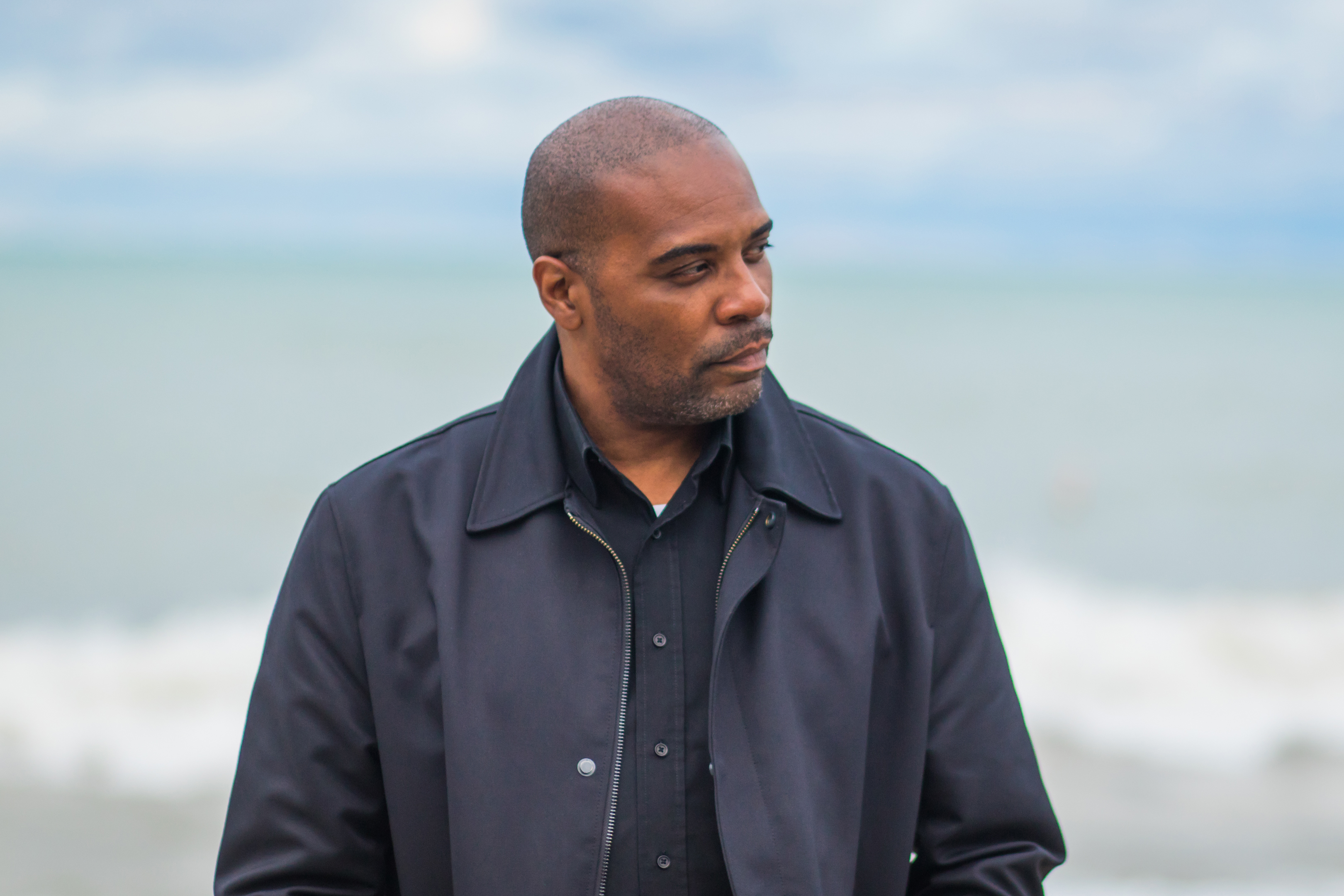
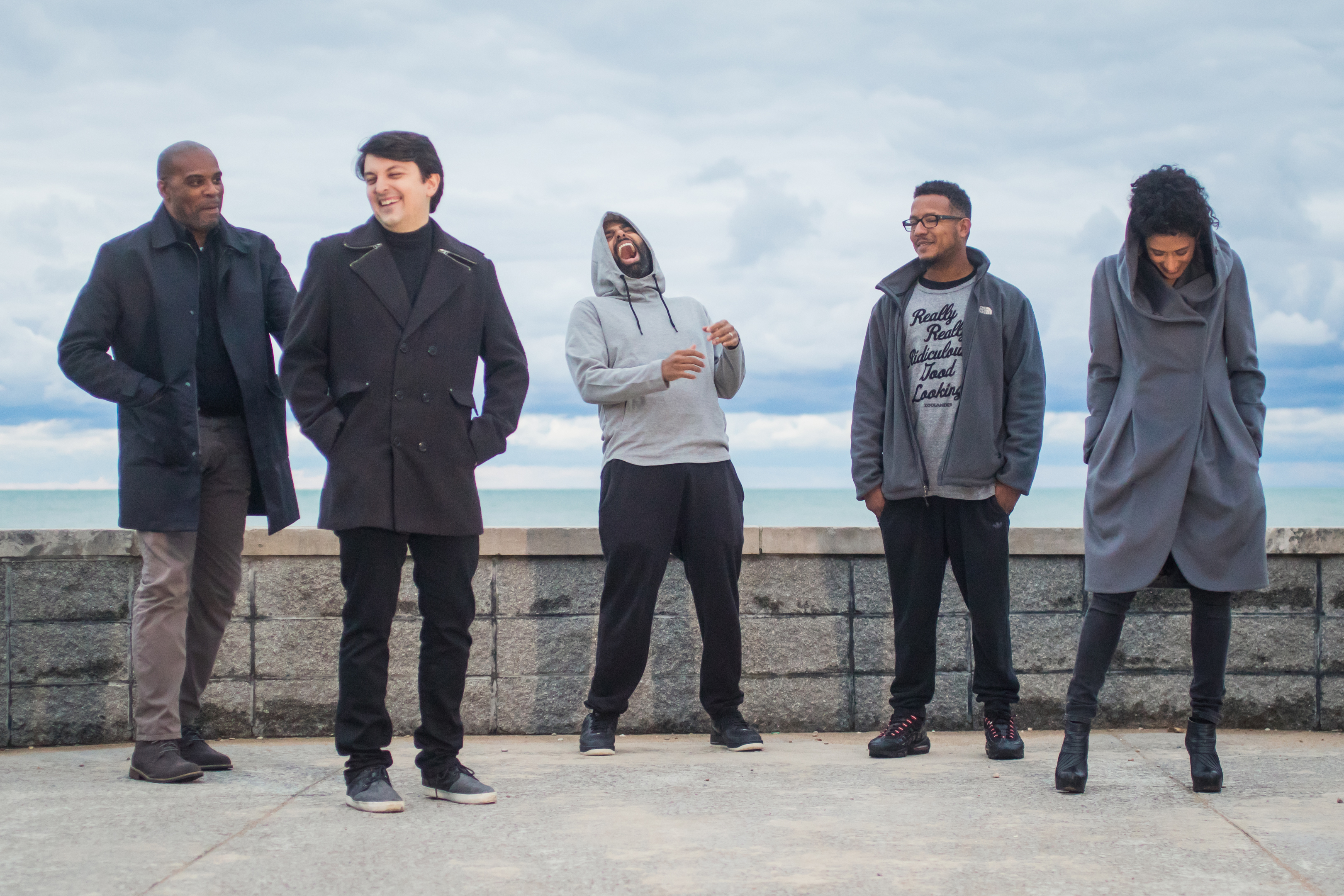
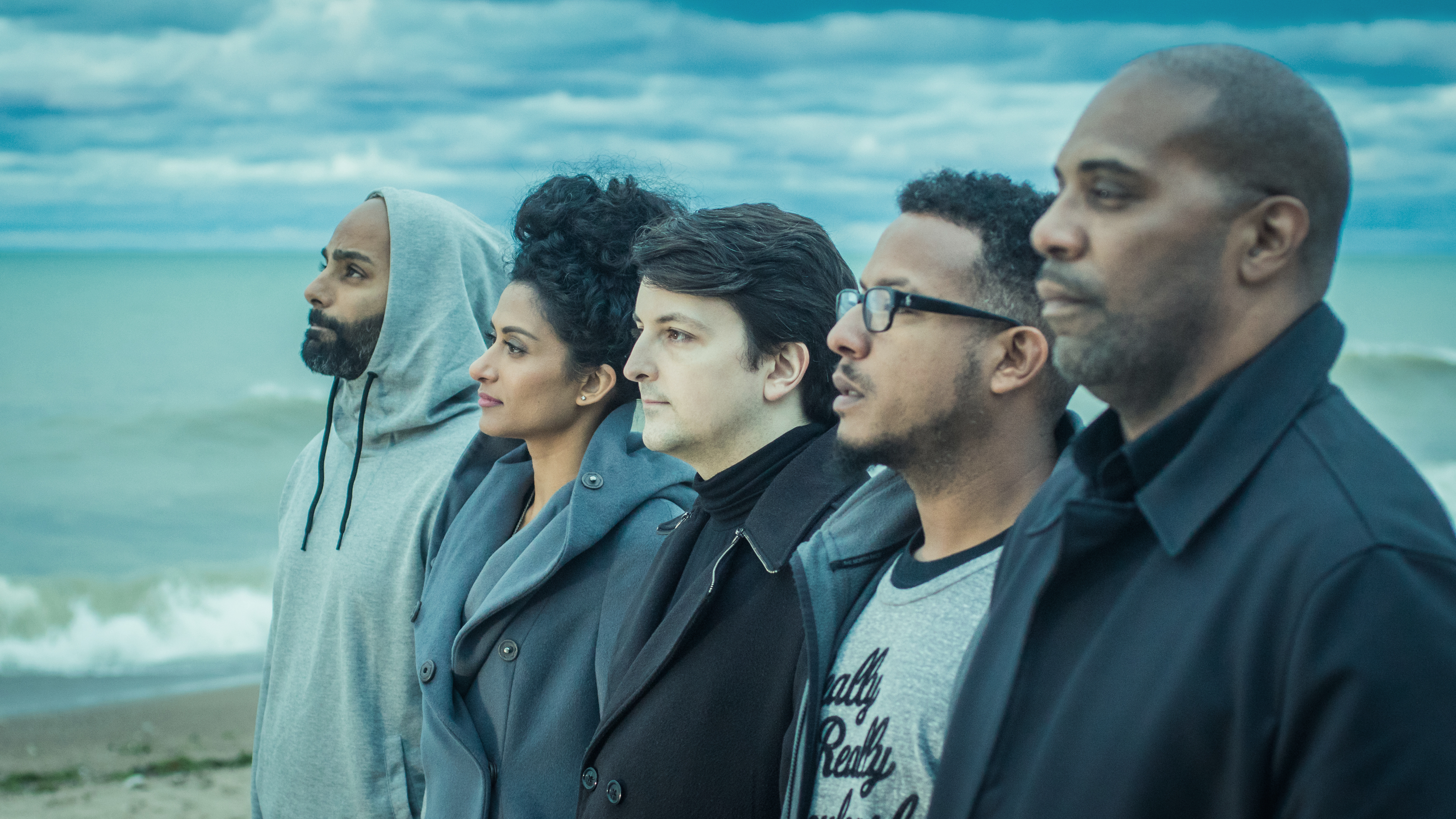
There are five people in mindswimmer: Steve Dobias (35), Antoine Johnson (46), Simeon Viltz (42), Prashant Vallury (35), and Natasha Kohli (33)—the latter two of whom are married and run the stellar nursery label project with Dobias. It is through this imprint that the rising Chicago-based future jazz quintet recently released their new “elevation” single, and it’s here that they’ll soon share their debut album, with exact details to be revealed.
The roots of the mindswimmer project can be traced back to a collaboration between Prashant and Steve, two high school friends who’ve been producing music together for as long as they can remember. In 2013 they began working with MC ADaD who went on to introduce them to AJ—and the four of them began producing music as prettyblackgirl, although never really found themselves on the “same page.” A dissolution ensued, leading Prashant and Steve to begin exploring more ambient works together, much to the enjoyment of Natasha, who joined prettyblackgirl as a spoken word artist.
Inspired, she began creating short film sequences to accompany the music, “giving a totally new and different creative outlet,” she explains. Having collated 16 hours of audio and visual content after just four months, they decided to build an app for relaxation and mindfulness—an endeavour that soon petered out. “It slowly became clear that, while we could put together an app, our joy really came from the creative process,” they explain. “We decided instead to create music, with Natasha switching back to vocal duties, as that’s where we got the most enjoyment and the most reward.” The focus was now back on establishing a band rather than a mediation application—and “that’s when the music really opened up,” they recall.
Soon thereafter, AJ joined the band after the original trio had booked a corporate function and “thought the music would benefit from having a drummer,” they recall. “Until then, the music of mindswimmer was still ambient and vocal-free.” mindswimmer as a musical group formed right before a corporate dinner party performance. The recording from this dinner party was released in 2017 via the band’s bandcamp page with little post editing. They’ve also released two more studio albums: between spaces and higher (take me to the moon), the former of which was recorded after the dinner party but released before. Most recently, they’ve shared a new single titled “elevation”— which also includes Simeon Viltz. All recordings are fully improvised: “We create from shared impulse,” they explain, drawing on multiple styles of music—hip-hop to post-rock, the electric sounds of Düsseldorf, and the Sufi music of India and Pakistan. It’s “authentic musical expression with a definitive feeling,” they add.
With a new album in the works and a swell of interest surrounding the band, XLR8R reached out to learn more about their story and plans for the future. In support of the interview, they’ve also shared an unreleased track, “nephology,” which can be downloaded now via the WeTransfer button at the bottom of the page.
So how many of there are you in mindswimmer, and what are your roles?
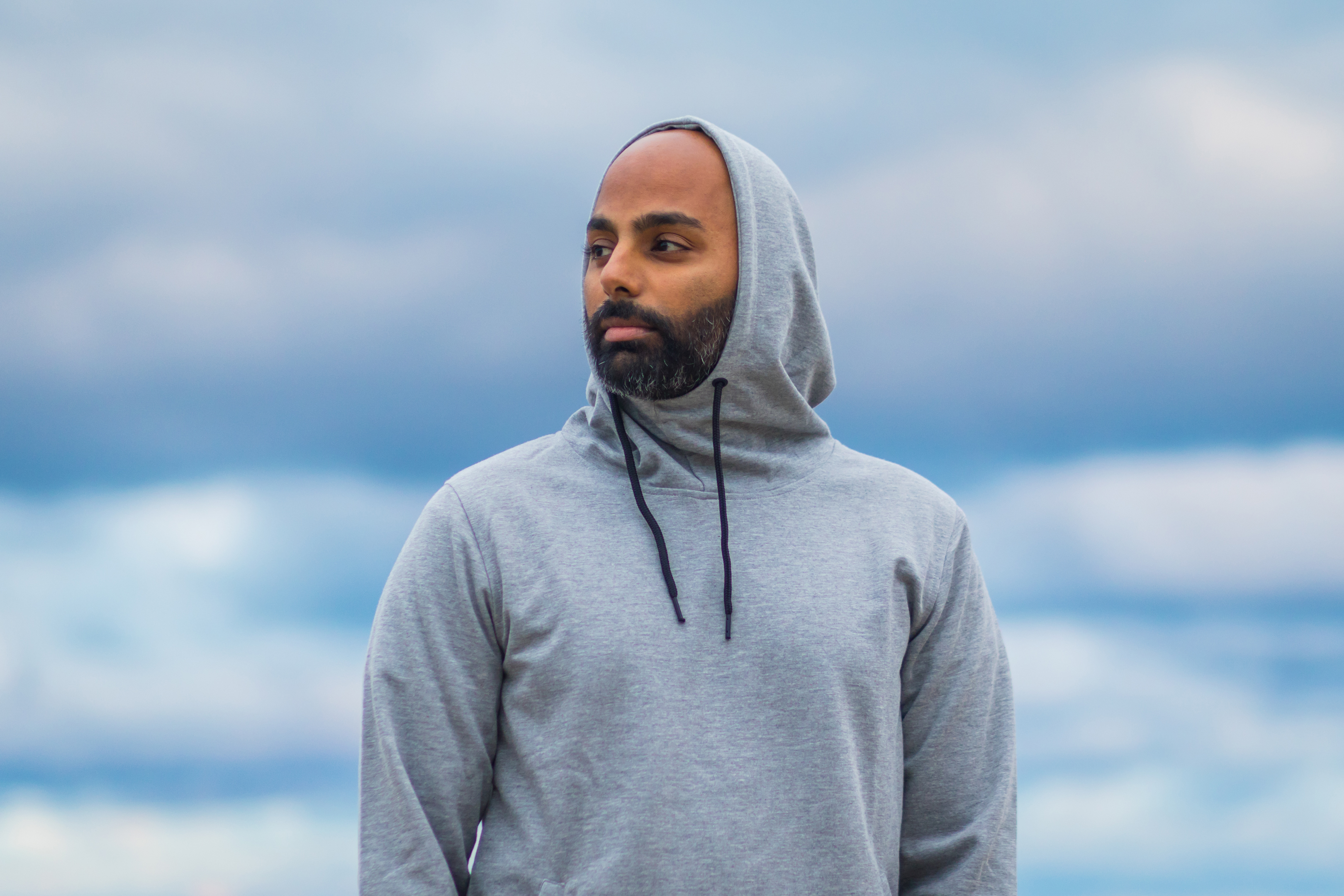
Prashant Vallury: I play the bass and keys during performances. and I am also the producer outside of the performances.
Steve Dobias: I play the guitar and synthesizer, and am the studio engineer outside of performances.
Antoine Johnson (a.k.a AJ): I am the drummer.
Simeon Viltz: I am the MC, but will occasionally play the keys and trumpet.
Natasha Kohli: I do the spoken word in the music. I also mix layers of scents during live performances; for example, I’ll have a humidifier scenting the whole room and then I’ll layer incense and burn essential oils along, all changing with the music. I can also do the visuals.
Between the five of you, you have a range of projects, musical and non-musical. Can you talk me through them?
Prashant and Simeon joined to create the act /=/ (pronounced parallelogram), and they have an album coming out soon. AJ creates beats on his own as NightFly; there’s nothing released but something will come soon. Simeon is a Dean of a school and part of a separate group, not associated with stellar, called The Primeridian. Natasha is a visual artist. Together we’re mindswimmer.
How did mindswimmer come together?
Natasha Kohli: Prashant and Steve have been creating music together since high school. Fast forward many musical projects and many years later, they were working with MC ADaD (not a part of mindswimmer) who introduced them to AJ. The four of them (Steve, Prashant, Adad, and AJ) formed a group called prettyblackgirl. ADaD eventually left, and I recorded a few things with them, but the group eventually got busy with other projects and it stopped jamming and recording together. But to keep working on music, Prashant and Steve started jamming daily and were creating these beautiful ambient tracks. I was moved by them so I started creating music videos to accompany them and that’s when mindswimmer, the app concept, came about. Within four months, we had created 16 hours worth of paired audio-visual content and by the end of it, the creative process had started to feel like a job because we had limited ourselves to creating content only to fit this app idea. When that feeling of being trapped overwhelmed us, we decided we needed to be a band, not a meditation app. And that is when the music really opened up.
At this point, we asked AJ to join us because the three of us booked a corporate function, the Presidential Inauguration for the Chicago Medical Society, hosted in a banquet hall at Maggiano’s in downtown Chicago. And we thought the music would benefit from having a drummer. Until then, the music of mindswimmer was still ambient and vocal-free. So the dinner party is a recording of that corporate function; and it’s our first recording as the four of us. Simeon was the last to join us, and it’s really lovely to see how the addition of each member completely changes the vibe of the whole group. You don’t hear him on between spaces or higher.
Steve Dobias: Yes, the speed and quality with which the films came together inspired us to push forward. But it slowly became clear that, while we could put together an app, our joy really came from the creative process. We decided instead to create music, with Natasha switching to vocal duties, as that’s where we got the most enjoyment and the most reward. As that grew momentum, we reached out to old prettyblackgirl bandmate AJ to try and bring him back around. When we did, it was clear that bond hadn’t been broken at all. In fact, in spite of the time apart, it had strengthened. AJ was playing like a maniac right off the bat. Since then we’ve been building and expanding our vision together.
Natasha Kohli: I feel like mindswimmer started at an intersection. Coming from one direction, there was the music Prashant and Steve had been working on together, another road was my visual art and it took a while for those two to meet, but when they did, we created these audiovisual mind-trips with meditative, ambient music and slow-moving, abstracted nature imagery. We were intending to create an app with this content, and the energy really shifted when we decided we weren’t interested in limiting our creativity to fit into a box that was slowly being built around us in the form of the app. I think the band mindswimmer started with the dinner party, the first jam we recorded as a band and it was the four of us since Simeon wasn’t able to join.
You’ve released a lot of new material in a short time. How often are you guys in the studio?
Prashant Vallury: Steve, Natasha, and I are in the studio every day. As a full band, we try to get together once a week, and we record for three to four hours. We have hundreds of hours of material. I feel like I’m learning how to be an archivist because we jam so much and so relentlessly. We record everything and then we then mine it for the diamonds. And when you’re symbiotically connected the way we all are, there’s a lot of fucking rocks to collect. Shiny beautiful rocks. What it’s forcing us to do is identify the impulse, truly the shared impulse, that forces us all to express. And when we release records, we do it with a minimal amount of editing and mixing so that we stay true to the performance.
So it’s all completely improvised; none of it is preconceived?
Steve Dobias: None of the musical ideas you hear in our jams are preconceived. We enjoy playing together and figuring things out while we do. That said, we are all writers, so individual ideas may make their way into a jam if the vibe happens to call for it. This happens very infrequently, though, and the vast majority of our recorded work is created on the spot.
Talk me through the start of a recording jam? How do you begin a session?
Natasha Kohli: AJ comes over on Thursdays, so Thursdays are sacred for us because the four of us are able to create together (and on less frequent occasions, Simeon joins us). Session days usually go in a similar way: AJ comes over, we have a meal together (cooked by one of the three of us: Prashant, Steve, or myself. Over the meal, we catch up a bit, poke fun at each other, and talk about things that have we learned or inspired us since the last time we were all together. The meal is followed by tea and a little business talk, if necessary, then we go to the live room and get settled into our positions. And once Steve hits record, someone starts, usually Prashant or AJ with a rhythm, and then the rest of us join in.
How long do these jams go on for?
Natasha Kohli: Once going, we communicate via music and sonic art for the next 45 or so minutes. Then we take a short break and start another jam. Sometimes those breaks are a minute, while each of us just takes a deep breath and we check in to see how everyone felt during the jam. Sometimes we do something else and come back for the jam part two. More days than not, we have two jams of about 45 mins each.
And talk to me about post-recording. How do you “mine for gems”? What are you looking for?
Prashant Vallury: We’re looking for the sections of our jams where the whole band is dialed in together. We don’t want to force our listeners through us feeling out the next groove.
Steve Dobias: Yeah, we know instantly when to keep a section because that energy is incredibly potent and moves us profoundly. These sections are removed and then put through our post process, and slated for release once complete.
Do you edit the recordings afterward?
Steve Dobias: We strive to present the most honest and captivating representation possible. To that end, we do simple edits, such as removing sections where we aren’t as locked in. Other than that, the only decisions we make are mix decisions. We take the raw material that our jams provide us with and artistically present our soundscape to highlight the conversations between players and give our audience a space to escape into. No additional post-production or arrangement is done, save the occasional improvised overdub.
Why is it that some tracks are around 20 minutes long? Do you just cut the “good” segments and release them?
Steve Dobias: It really just depends on the energy. Sometimes we have ideas that are more compact and expressed more concisely, and it just flows that way. Other times, we explore a theme for a while and it really just depends on where we’re going, what we’re seeing, and how fully formed it comes out of us at that moment. It’s purely chance.
Prashant Vallury: Yeah, we’re not big on editing ourselves unless the album itself would be way too long if we just put the raw jams out there. So we are a tough listen for the uninitiated. But seekers that are looking for music that want to poke around a groove and feel every last bit of a pocket or of an emotion will appreciate that they’re 20 minutes long because we’re never playing the same thing twice. We just try to be true to our live show. What you hear on a record is what you’ll experience in a live show. We don’t know what the fuck we’re about to play. And when it’s over, we are unlikely to remember it until someone hits play. It might be really weird. There’s no script. Sometimes you go up there and only have a line to say, sometimes you have a soliloquy. It all depends on what the director, the energy, dictates.
How do you go about the post editing process? Do you all listen to the recordings together?
Prashant Vallury: Following a jam, we pull together a quick mix and on our own, we all listen to the raw ideas that were generated. From there, myself and Steve do a second improvisational recording to add overdubs and complete the thoughts we explored. The group then convenes, usually on an extended trip in the car, to discuss how to finish the work.
Steve Dobias: As the engineer, I do a quick leveling and EQ pass to put the instruments in the space. The session is handed off to Prashant, who as producer focuses on enhancing the dynamics of the performance and bringing out the story we were collectively telling. Natasha and Simeon collaborate to craft the vision for the vocal treatment and the session is passed back to Steve to add polish and complete the mix. Natasha pulls together visuals for album artwork, Prashant creates the video, and we release it as quickly as possible.
What’s the secret to improvising so cohesively?
Steve Dobias: I think the fact that we’re so comfortable with each other allows us to tap into a shared mind space. We’ve established that we’re that comfortable just hanging out, being in each other’s presence, and expressing ourselves, even if at times it’s not so easy. When you have that shared level of comfort, you can share parts of you that you wouldn’t otherwise; you’re free to be vulnerable and more expressive. You start to see where the shared connections lie between each of us and the inspirations that we all draw on. When you keep doing that day after day, week after week, month after month, those connections become reinforced and your sound develops organically because of that. When we create, we’re all mindful of what each other is doing. We’re listening, picking up on the subtle cues and nuances. When you’re aware of the story your bandmates are telling, it’s natural to want to jump in and build something beautiful with them at the moment.
Prashant Vallury: George Michael said it: “Listen without prejudice.” There are no mistakes, only possibilities. And if you have that as a core value, which I think we do, even if we word it differently. I think that’s what we’re all talking about. It’s an improvisation game. I was describing it to you guys in the car: it’s like a trust fall. Like repeated trust falls. like AJ is going to solo now: if he loses the beat briefly, are we going to catch him? Hell yeah! It’s physics. There’s a gravity. A gravitational field that we all return to.
Natasha Kohli: Yes, I think the way that we approach and enter our jam sessions without ego allows us to have much deeper conversations because, as Prashant said, there’s no judgment getting in our way.
What’s your setup for the production?
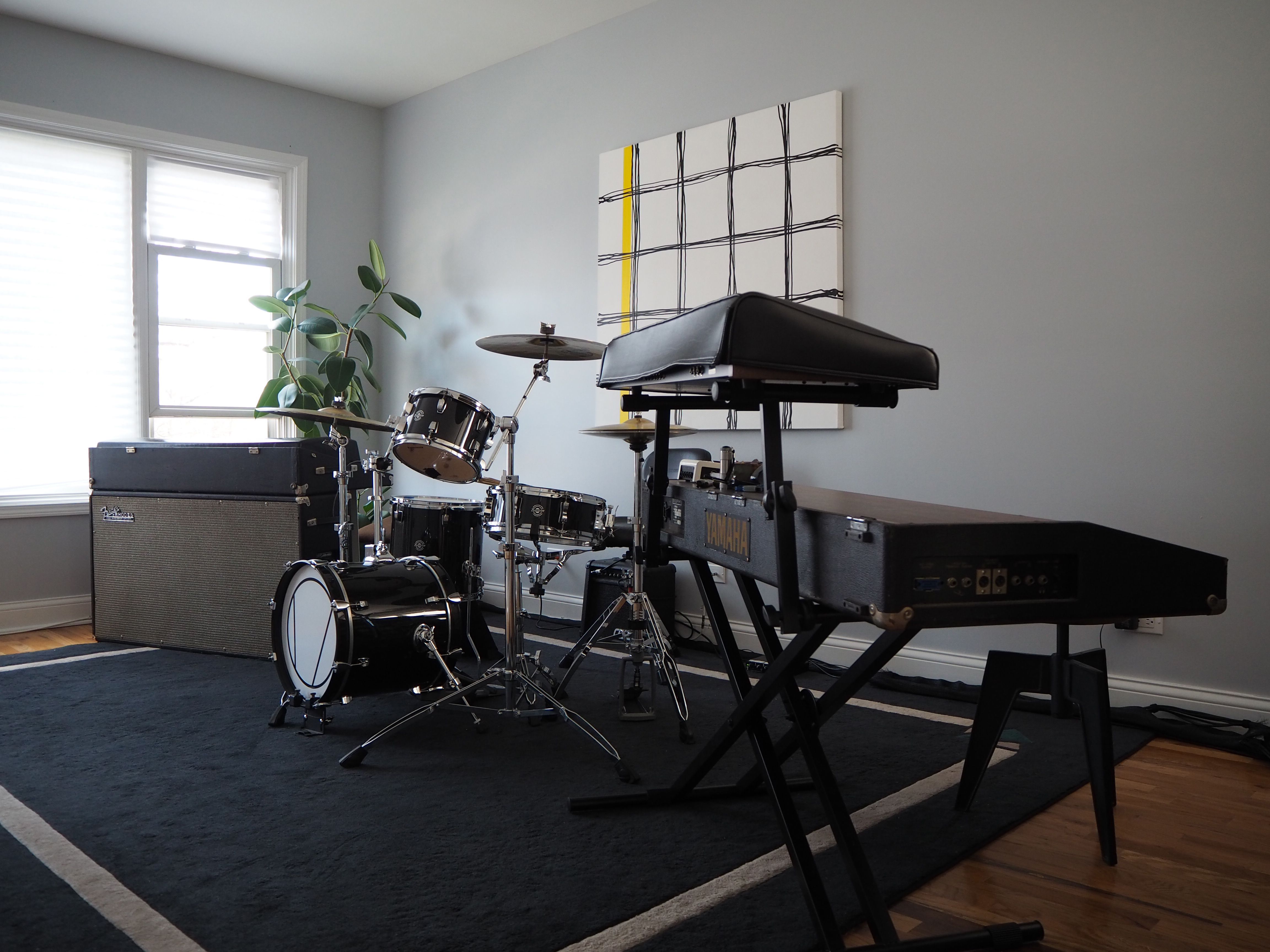
Steve Dobias: We have our basic live setup out at all times. Our drum kit, keyboards, synths, drum machines, guitars, and percussion are all ready to go at a moment’s notice. That way, we can just plug in the microphones, hit record on the computer and go. We try to make it as efficient and streamlined as possible so that there’s almost nothing to get in the way of creativity.
Natasha Kohli: It also helps that we have a tiny commune starting—three of us so far. Prashant and I live on the first floor on a 2-flat (a common type of building in Chicago made of two separate apartments, one on top of the other) and Steve lives in the apartment above us, which is also where our live room and studio are. Steve doubles as the band’s audio engineer, so recording at a moment’s notice isn’t an issue. We’re all very grateful to be able to have this setup.
Prashant Vallury: Yeah, it’s alive all the time. There’s also a set up for the bass and a set up for the guitar so if Simeon is there for a session, he typically likes to hop on the keys or maybe even on the horn. And each station has to be ready, because if you feel that impulse or if AJ wants to switch from playing on the ride to playing the drum machine, he just has to be able to turn and press in the middle of a jam and Steve’s got it set up so that’s already recording. I might get up and run laps around the fucking building, screaming, and there would be mics around to pick up my cries. Because you don’t know what the spirit is going to tell you to do. So we try to keep as many channels open to receive that frequency.
What’s the idea behind the name? Is there a story behind mindswimmer?
Steve Dobias: We were brainstorming on what this meditation app was going to look like, what the format was going to be, how people were going to interact with it. And we had gone through probably an hour of discussion about how the app was going to work, and we decided it was time to name it so we started to brainstorm. We dove into the idea of word association, throwing things we loved into two columns of a spreadsheet and came up with our favorite combinations. mindswimmer was one of the first ones we came up with.
That makes sense. And why do you write everything associated with the band in lowercase?
Prashant Vallury: Because uppercase letters are aggressive. We’re peaceful people, we don’t talk very loudly. The loudest thing in this band is probably my cough. Or maybe my sneeze. We’re just very laid-back, relaxed people. You should feel comfortable approaching us and talking to us about anything. Sharing your wisdom or your gift or your essence or energy with us? Man, we’re like a commune and we want to be inviting.
Your first recording was the dinner party, released October 2017. Can you talk to me about the process and recording behind this?
Prashant Vallury: the dinner party was improvised in front of a live audience when we were invited to be the night’s entertainment by the Chicago Medical Society—unlike our other releases which have been done in our studio. For the performance, we set up a microphone to record the crowd so that you would hear their dinner, which is still in the recording, and what’s what we kind of fed off. So it was different because the crowd was part of the band. Of course, everything we do is improvised; what changes is the setting—which determines our tone. And it was our first time jamming with Natasha and it took some time for her mic to turn on. We were figuring things out. It was recorded like this: “Ok it’s six o’clock, we should probably play a note. Okay, fuck, here we go.” And then two hours of improvised music later, that was the album.
Steve Dobias: Like Prashant was saying, it was just a different setting. It was live in a venue versus live in our studio. There were people there, responding in real time to what we were doing. They were actually interrupting us in real time, like taking Natasha aside for conversations throughout our set. And that energy imbued itself in the recording because we had to restrain ourselves quite a bit. We tend to play out really uninhibitedly in our studio, and when you’re playing for a dinner party for the Chicago Medical Society, they really don’t want loud, potentially abrasive music, so we all played in hushed tones and used quiet dynamics. We all had to compliment each other without overwhelming the vibe of the room.
Natasha Kohli: The process was definitely different for me because it was my first time jamming with you guys. Up until two days before the recording, I had only identified with creating visual art. So it was really empowering to break out of that box and not put a boundary on the expression of my creativity. But I was so nervous; you can definitely hear it and feel it in my voice.
How did the dinner party booking come about, and how long had you been rehearsing together before then?
Natasha Kohli: Prashant’s uncle was being inaugurated as the President of the Chicago Medical Society and hired him to perform with his group. At that time, mindswimmer was still an app idea with Prashant and Steve creating ambient music and my doing the visuals. So we asked AJ to join us, thinking we could use a drummer for this event and I jumped on the mic. Prashant, Steve, and AJ had jammed plenty before, but not in months. And that was the first time we had all performed together as the four of us, and the first time I was in front of the mic with an audience!
Natasha, where does the inspiration for your lyrics come from?
Natasha Kohli: My sources of inspiration are countless. Sometimes it’s a conversation I had earlier that day or week, or something that I read or saw in a film. Other times it’s a spontaneous love letter, and at these times I tap into the style of Sufi and qawwali music; their lyrics drip with romance and can be interpreted as being for one’s beloved or one’s higher power. Then there are times that I feel like I’m just a mouth to an energy source feeding me words. I don’t know where they come from; I just know it’s from something bigger than me.
It helps that I grew up in a spiritually rich home, thanks to my mom. She has a constant spiritual thirst that has yet to be quenched, and that’s where my curiosity stems from. I’ve also started studying Indian Classical music under Sandip Burman, so you’ll start to hear his influence on me in future releases. The ironic part is I don’t talk very much, I have always preferred to listen, but something made me ask for a mic.
Before dinner party, you, Prashant and Steve, recorded between spaces, without Natasha. It was a tribute, right, and then Natasha added the vocals afterwards?
Prashant Vallury: Yes, the day we recorded it, a really dear friend of ours took his life in the morning. And I woke up in the middle of the night to read his suicide note on Facebook. Long story short, this dude was an icon in the Chicago hip-hop community. One of the most beloved figures on the North, South, and West Sides. His name was Mic One, Mike Malinowski. I had the privilege of being his bass player for eight years. One of the most stand-up, honorable, supportive, hungry people that I ever worked with. And we wanted to give him a soundtrack for his ascension. I wanted to make sure he went to a higher plane. And there were moments where I felt like I was with him while he was taking his life, and I was struggling through that and trying to tell him no, hold onto him and try to shake life into him. And at the end, I felt like we pierced the veil of heaven and ushered him inside.
Steve Dobias: I liked Mike from the first time I saw him. There was a connection right off the bat. He gave us samples, gear, etc., with no expectation. He approached everything with total gratitude and appreciation. We had a real connection. I could see how much he cared about everyone in his life, making sure the mood was right whenever he was around. The three of us couldn’t function the day we found out. The only thing we could do was make music, and for those 60 minutes, I was somewhere else completely. I was not here. I was a complete spectator to what was happening.
Natasha Kohli: I think I can count on one hand the number of times I hung out with Mike, but in those few encounters he became one of my favorite people. And in my experience, that’s how the story goes for anyone that knew him. The day of his wake, when we came home I asked to record to what Prashant and Steve created for him and I just sat with the mic and something took over. I recorded both songs back to back, and by the time I was done and stood up, I didn’t remember anything that was said. And it might be my voice, but I feel like I was just a messenger that day. Mike gave us a million reasons to continue doing what we do, and we thank him by continuing.
higher then landed soon thereafter, in December 2017. What’s the story behind this?
Prashant Vallury: higher was a jam that Steve, myself, AJ and ADaD did as prettyblackgirl like two or three years ago. The original jam was the inspiration for the new material. Everyone loved it so much, we had to keep it alive. So everything on higher is a new interpretation of the original jam. One of the first things we ever did. And it was something we never could quite get right, but every performance was beautiful. It was like a jazz performance. We wrote this figurative “chart” together but couldn’t get the right take. And then finally, one day it just happened. And we just said, “Fuck it, let’s release it and see what happens.” And it irritated a lot of people because the sound is really different. It also enraptured a lot of people, because it was like, “Oh my God, I’ve never heard anything like this, I’ve been looking for it.
Antoine Johnson (a.k.a AJ): higher was one of my favorite songs that we had done. It came about just playing something on the keys, and then everybody just chimed in. It was a really beautiful thing at the time. And then we just changed it. And then we sat on it. Then we came back to it. The original song is close to my heart, but the new version shows our growth so I love it even more.
“elevation,” your recent single, landed on its own. Why did you decide to release it on its own?
Prashant Vallury: This was another experiment in production. Just as with higher, sometimes we record some things but aren’t fully compelled by the result. So we take the idea of it and continue to improvise around it until we feel we have found our pocket as a band. And when we arrive at that take, we stop messing around and let it breathe. The reason alone it came out was that it was ready. It came out of the oven, it looked good, and we put it out. We’re a mom and pop bakery so when the ding goes off, we need to put it in the window.
Do you think a lot about where your sound is going, and how it’s evolving?
Simeon Viltz: I think collectively we have a monster head that just sort of gives us a direction that’s not even forced or contrived, it just happens. One moment we’re doing something that could be a soundtrack for Cripton, with evil ice creatures coming out of the woodworks, and the next moment we’re having fun, funked-out on some feel-good retro groove in the land of Ubiquity. It travels, and that’s what I like about it. It’s fluid and organic. And all the members are willing to lose themselves in that flow and just allow the collective to take over. It’s like a team, whoever has the hot-shot, we all revolve around that person. And that’s innate.
Prashant Vallury: We’re always writing music in our heads, but none of that makes it to the floor. As soon as we sit down, Will Smith and Tommy Lee Jones appear and zap our brains. We’re forced to start with a clean slate every time we play.
Natasha Kohli: I don’t think about our sound, I just enjoy it while it’s happening. I feel like we all leave our bodies during the jams and when we converse afterward, that’s when we return to our vessels. What I do think about it is evolving as a person, and I think doing so allows me to evolve as an artist. And I think that’s how all of us function.
Steve Dobias: I don’t think about it all unless we’re listening back to a session. When we’re playing, I feel like I’m just a spectator so when we listen back it’s a completely different experience. Most times someone asks “who’s playing that?” as if they weren’t in the room during the jam.
What can we expect on the new album then? Is it recorded?
Prashant Vallury: Yes, it has been recorded. The album is the product of a full day of improvisation in the studio. We’ve identified the portions where we were all really locked in and put it through our post-production process. You can expect to hear our group moving to a grander expression of our singular voice, unified and powerful. The album is titled the future jazz sounds of mindswimmer, and we’re working to wrap up the post-production process this week.
Some of you also run stellar nursery records. What’s the focus and idea behind this?
Steve Dobias: We’re trying to make a haven for artists to come and express themselves as freely as possible.
Prashant Vallury: Our focus is understanding patterns. Patterns of publicity, production, booking, art direction, music videos, merchandising, licensing, retail, radio, of liner notes. We refuse to get day jobs so instead, we’re creating a series of processes to support our creativity and want to be able to pass the wisdom we gain along the way to other creatives, helping them bring their music to a ready marketplace. We just want to make cool shit with cool people.
Natasha Kohli: Also, between mindswimmer releases and the several acts that come from the different pairings of the five of us, we have too much great music to keep to ourselves. So stellar nursery was created to bring some process after the at times explosive creativity.
In an industry so rife with well-endowed customers prone to buying and selling new equipment more often than most people change their socks (Gearslutz anyone?), any company with the gumption to state its new product as something “You’ll Actually Use” right in the official product name is begging for an epic dressing down on principle; however, French developer Arturia isn’t just any company. From its humble beginning as a soft synth developer many moons ago, Arturia has gone on to develop some of the most affordable, beloved performance tools and synthesizers (both soft and hardware based) in the industry, and won a legion of devoted fans in the process. Furthermore, the company has taken the occasional “dressing down” in stride and quietly incorporated often passionate user complaints into soft and firmware updates across its whole product line. While I’ve said it before in these pages, few subsections of the analog vs digital debate will raise more inflamed discussion than talk of filters and preamps. With its two newest products, “Les Enfants Terribles” from Arturia gleefully kick this exact same hornet’s nest.
Current Eurorack junkies and traditional recording engineers have a lot more in common then they might know. In the same way, the former will tell you an oscillator is only as good as the filter following it, the latter will make the same claim about mics and preamps. Having spent a great deal of time with devotees of both realms, I can confirm these statements to be the truth—though the subtleties of both would be lost on the average punter in a club in most cases. For any players and singers who have the pleasure of actually making music using these sought-after tools, or these newest emulations from Arturia, the difference will be immediately obvious.
3 Preamps emulates the Neve 1073, Trident B, and UA6176, including the respective EQ and tone controls of each. While I only had the UA hardware to compare to for direct review purposes, there is no question Arturia has hit the circuit modeling out of the park with this latest set. Whether strapping the emulations across an input for vocal or instrument recording or placing one on each track during mixdown, the preamps added a warm, buttery gel to everything I threw at them, and at such a laughably low CPU and memory resource level to make them truly everyday workhorses. Those familiar with the real hardware will also be pleasantly surprised at how well these emulations capture the subtleties that each of the pieces have become known for over the years (the subtle rounding of the low-end in the 1073 or the smooth darkening of the highs in the 6176, for example). As icing on the cake, all three preamps offer the option of running in M/S (mid/side) mode, a trick long employed in mastering studios to add emphasis to individual instruments based on their placement in the stereo field (driving the side channel slightly with a preamp can add sparkle to high hats and percussion, for example, while driving the mid or center channel can add presence to lead vocals or weight to kicks and bass).
3 Filters adds extensive modulation options, including wide frequency LFOS, envelopes, and step sequencers, to three of the most sought-after filters money can buy from Moog and Oberheim. While software emulations are more plentiful in this case, Arturia is the first I’m aware of to decouple them from the confines of the complete synths that traditionally house them, and are to be commended for preserving the undefinable mojo of each in all cases. They scream, drip, and plunge into bowel shaking depth and face melting weirdness in all the right ways, and are perfectly worthy of their hardware namesakes. There is a thick almost saturated quality associated with Moog filters that really allows any sound you process with them to cut through a mix. Similarly, Oberheim filters have a warm blanket quality they tend to imbue on any pad or string parts you feed through them. Arturia has really captured these signature sounds beautifully.
For a great many years, Universal Audio and Softube have ruled the roost in terms of near perfect hardware circuit modeling. With the release of these two new sets, Arturia has proven itself a truly worthy competitor and stepped into the big leagues.
Are they (as they have been so boldly named) in fact 3 preamps and 3 filters you would actually use? After a few days living with them, my personal answer is an emphatic yes. Add to this a price point which sits at a fraction of all of their hardware and software competitors, and both packages enter the realm of “buy on sight.”
Canadian artist Deadbeat (real name Scott Monteith) has always been ambitious. Making his name with dub-doused techno, the Berlin-based producer has experimented with field recording, acoustic instruments, and manipulation of musical space over the course of his many albums and singles for respected labels such as Wagon Repair, ˜scape, and Cynosure. Wax Poetic For This Our Great Resolve, though, is something new: a (mostly) electronic record with a political message at its heart.
With their general absence of lyrics, electronic or dance tracks are often considered apolitical or lacking in message, their core role to elicit a physical response. Still, by its nature, underground music is countercultural, existing outside the mainstream and often in opposition to its values. There’s actually a long history of politics in electronic music, from Autechre’s anti-Criminal Justice Act track “Flutter” to DJ Sprinkles (Terre Thaemlitz) railing against the commodification of dance culture and reasserting its black and gay roots. Deadbeat’s new record follows in this tradition and carries a message of hope. It’s a collective refusal to be phased by the frightening forces in control of some of the most powerful countries in the world, and a counter to the gloomy predictions of a bad-news obsessed media.
Recorded at his Berlin Chez Cherie studio, Wax Poetic For This Our Great Resolve invites many of Monteith’s musician friends to contribute vocals, which they do in a variety of ways, from spoken-word segments to rhythmic hits and poetry. Each song is named after the person or people who feature, and the list of respected artists contributing is long, from Thomas Fehlmann and Gudrun Gut to T. Raumschmiere and Mike Shannon. Musically, it’s among Deadbeat’s most diverse records, incorporating live instruments and new influences within a dubby technosphere. “Hebatallah and Bashar” is an instant standout, with its undulating, Afrobeat-style guitar, haunting synth pads, flurry of conga drums, and repeated vocal phrases looping through filter effects. It’s mesmerizing. “Thomas” finds a sinuous dub bassline curling around acidic bleeps and a stately 4/4 kick, while lots of backward warping effects, small melodies and, of course, Thomas Fehlmann’s vocals in German, create an intoxicating tonic.
Monteith’s previous record, Walls and Dimensions, mostly focused on dancefloor dub techno (and house). In comparison, his latest is far more intricate and geared towards closer listening. “Gudrun” builds with swirling moods and sparse drums, before introducing a spine-tingling chord and sub-low acid bassline, and occasional interjections from Gudrun Gut. The opener, “Martin,” is a hypnotic ambient piece that shimmers with phaser effects; “Steve and Fatima” has a doleful organ melody, with the guest vocalist suggesting that: “Either politics throws open the doors, or it won’t be long before they’re kicked in by angry citizens as they smash every last stick of furniture and walk out with the chandelier of power.” These messages are delivered in six different languages, so it’s not always apparent what each vocal guest is saying; but this broad spread of voices adds to the universal nature of the message, as a greater variety of listeners will hear words they can potentially identify with. “Me and Marco” bumps to an almost dancehall rhythm, the most stripped back cut on the album, with half-sung vocals and ghostly drifts of melodica appearing from the shadows. On the closing track, “Mike and Judy,” over another beatless mist of distant electronics, a poem tells us: “Hope smiles from the threshold of the year to come.”
A collective effort, Wax Poetic For This Our Great Resolve is a small but significant example of the power of bringing people together, united by a message of positivity. Thanks to its blend of machine and voice, acoustic sounds, and studio trickery, it’s suffused with an organic warmth too often absent in the dub techno genre. As an album, it ranks among Deadbeat’s finest.
Tracklisting
01. Martin 02. Steve And Fatima 03. Gudrun 04. Argenis And Cristobal 05. Chato And Avril 06. Hebatallah And Bashar 07. Thomas 08. Me And Marco 09. Momo And Yuzo 10. Laetitia 11. Mike And Judy
Wax Poetic For This Our Great Resolve LP will land on April 27 via BLKRTZ, with “Momo And Yuzo” streaming exclusively in full below.
The 12-track release draws its name from the Latin hymn “Dies irae,” otherwise known as “Day of Wrath.” It will be the US producer’s second full-length album, following on from 2015’s Grind, which also landed on Dial. More recently he released Path of Ruin on the German imprint.
We’re told that the album “melds the physical and psychological aspects of DJ Richard’s production ethos in sharper, more widescreen vision than before; the oceanic swells of ambience yet more powerful, and the rigid basslines sharper still.”
With the chaos of the Berlin club scene an increasingly distant memory, the album is enriched with a contemplative, even brittle tone, as informed by film soundtracks and literature.
“On Dies Iræ Xerox, the artist finds the space to write “the records he really wants to play” and each suggests a template for genuine dancefloor transcendence,” the label continues. It was produced during a murky, transitional period during which DJ Richard found himself particularly drawn to Medieval European art and mysticism.
Tracklisting
01. Dies Iræ Xerox 02. Pitfall 03. Vanguard 04. Crimson Curve 05. Tunnel Stalker 06. Dissolving World 07. In Broad Daylight 08. Ancestral Helm 09. Final Mercy 10. Ex Aere 11. Old Winter‘s Way 12. Gate of Roses
Octave One have announced a new full-length and two US shows.
The album, Endustry, will land via the Detroit duo’s 430 West imprint and represents the first release under their Random Noise Generation alias since 2006’s Tresor LP, Off The Grid. Taking a slightly different approach to previous studio albums, Endustry was written on the road while the duo toured over the past year, as member Lawrence Burden explains:
“We were tucked away in so many hotel rooms that we decided to make sure we brought enough extra equipment so that we could set up a true lab to create from country to country and make the grooves that we wanted to experiment with on the dance floor.”
Alongside the album announce, the duo have also scheduled two US dates into their spring tour, with the first on Friday, May 25 at Analog BKNY, before they touch down in their hometown of Detroit for an appearance at a Movement after party on Sunday, May 27 at Magic Stick.
You can find Octave One’s full tour dates below, along with a stream of album cut “Alkalyze.”
April 27 – Rotterdam, Holland @ KINGSDAY ROTTERDAM x KRALINGSEBOSFESTIVAL April 28 – Barcelona, Spain @ Nitsa April 30 – Bergen, Norway @ Ploink Festival May 4 – Bogota, Colombia @ Baum Club May 5 – Medellin, Colombia @ Imagine Land May 9 – Hamburg, Germany @ Pal May 10 – Hertogenbosch, Holland @ Losjes Hemelvaart 2018 Tramkade Terrain May 12 – Tbilisi, Georgia @ KHIDI May 19 – Berlin, Germany @ Berghain May 25 – New York City, USA @ Analog BKNY* May 27 – Detroit, USA @ Magic Stick* June 19 – Bucharest, Romania @ Picnic Fonic 2018 June 14 – Barcelona, Spain @ Detroit Love Off Sonar, Monasterio, Poble Espanyol June 16 – Paris, France @ Dock Pullman June 22 – Leeds, UK @ Sheaf St June 23 – Dublin, Ireland @ Waterford & Tramore Racecourse August 17 – Berlin, Germany @ Tresor Berlin August 18 – Bordeaux, France @ IBOAT August 25 – Derry, UK @ Jika Jika! Festival
HER DAMIT Festival has announced HER DAMIT Tonarchiv, a new imprint that aims to document the sound of the festival.
The label will kick off on April 30 with a split 12″ from Bleak and Oliver Deutschmann, who each provide two tracks to score different times of the festival’s bunker floor. Bleak takes charge of the record’s logo side, presenting techno cuts fit for the bunker floor’s night programming; while on the flip, Deutschmann looks to the foggy early-morning hours, with a set of deep and atmospheric outings.
HER DAMIT Festival takes place from June 8 to 10 in Freudenberg, 50km outside of Berlin, with a lineup that includes Bambounou, Konstantin Sibold, Shifted, Roman Flügel, DJ Yamaho, DJ Boring, and Bleak and Deutschmann, among many others.
The new 12″ follows Stuut’s 2016 Atomnation LP, Run, and an appearance on the label’s 50AN compilation with three stylistically diverse cuts. On the release, Stuut eschews regular club tropes, opting instead for a more free-flowing, improvisational approach that is as suited to the dancefloor as it is home listening.
In support of the forthcoming release, Atomnation has passed on a full stream of EP cut “Canopy Conundrum,” a stylish deep house cut that constantly evolves through a range of hypnotic synth lines and cutting-edge sound design.
You can pre-order the release here, with “Canopy Conundrum” streaming in full below.
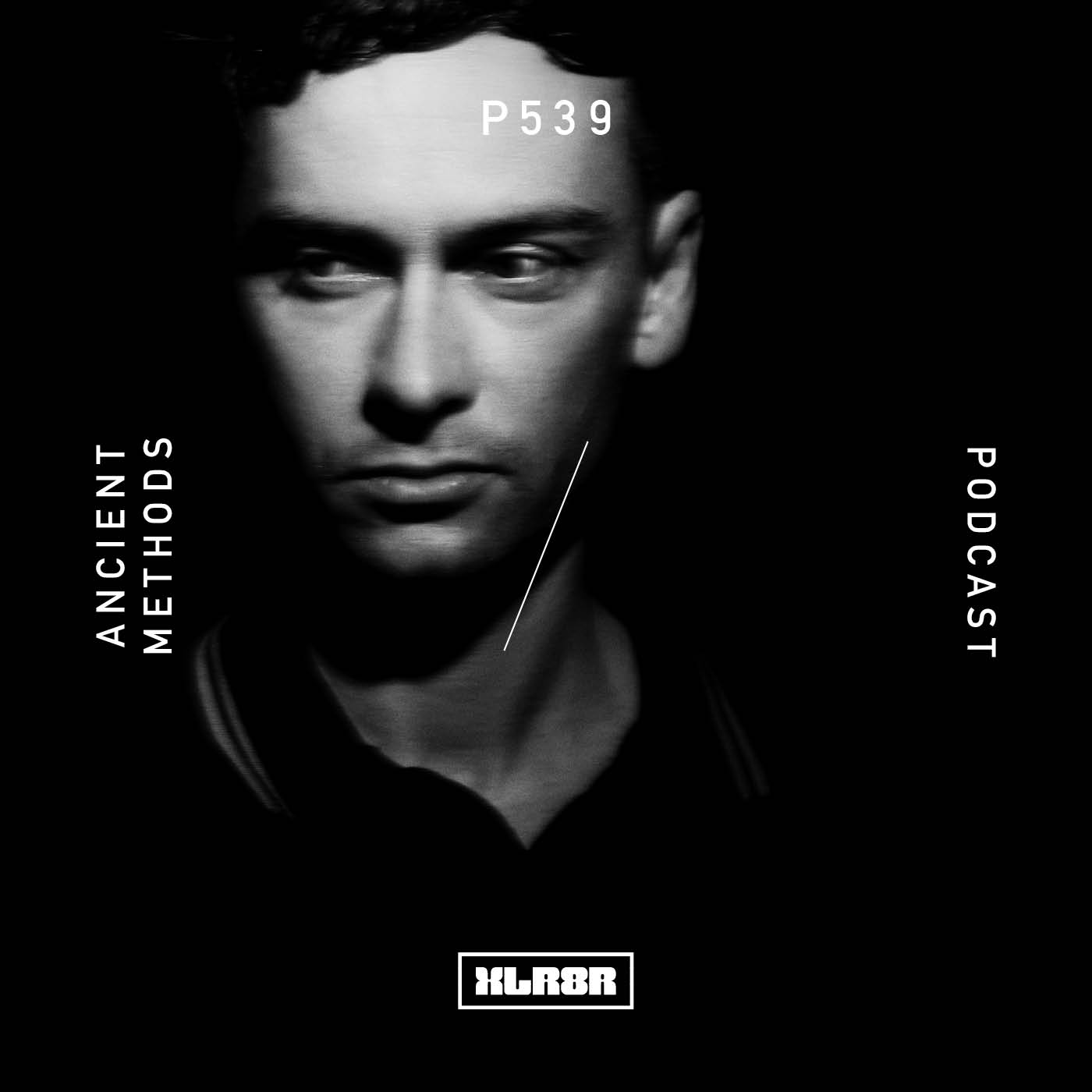
This week’s XLR8R podcast arrives from Ancient Methods, one of the leading names in contemporary techno. The project’s roots can be traced back to 2007 when it was formed by Michael Wollenhaupt and his then-partner Conrad Prutzmann, conceived a rebellion again the minimal sounds that were then so prominent. “The main reason to for this project was that [at this point] there was no techno that struck a chord in me,”Wollenhaupt recalls. “Techno was stagnant, it was dead, and tech house and minimal techno were omnipresent in Berlin at least, and when you were looking for darker, harder, grittier variants of techno—impossible!”
Having first experimented with electronic production in 2005, the duo dropped First Method, a debut EP in 2007—and there was much intrigue around it: all four industrial techno tracks were “Untitled,” and the artist behind them yet to be identified. But so mature-sounding was the material that some believed it to be a new project of two far more established producers. Only later did it emerge to be Prutzmann and Wollenhaupt, both best known for their long-standing DJ residencies at Tresor Club—where they continued until 2009.
Many of you will likely be familiar will all that’s happened since. Now headed up by Wollenhaupt, Ancient Methods has carved itself a name for its dark, industrial, and blackened take on techno—a raw, intense breed that’s uncompromisingly powerful and driving. And despite retaining an inherent functionality, as evidenced in the podcast, Wollenhaupt’s work distances itself somewhat from much of the generic, four-to-the-floor techno that saturates the wider scene today. Hear him perform or indeed, check out one of his many productions (“My Ice Baby” being perhaps the best example), and you’ll notice underlying tones of minimal wave, post-punk, and ’80s EBM—a sound signature that sits at the very core of his artistic identity. “What I aspire to do within the framework of techno is attempt to achieve a maximum impact on the dance floor,” he explains, “as well as incorporate outside influences I draw from any other music into this frame.”
His podcast for XLR8R is an intense and driving listen—gripping you from the start and never really letting you go. It consists of some classics of the genre and some lesser-known gems, all mixed in with some Wollenhaupt club edits. It’s a thoroughly captivating techno podcast and a great glimpse into the work of one of the genre’s most respected names.
When and where was the mix recorded?
The mix was put together a few weeks ago, at home.
What equipment did you record it on?
I used Ableton Live since I don’t own CDJs—which I use at gigs—and besides, many tracks are either not available on vinyl or are my own edits/medleys. And I used the APC controller to record them on the fly to keep the “live feeling” as much as it possible with such a home recording.
How did you include the tracks that you included?
The mix contains my typical blend of both new releases and some classics. And, of course, the usual edits and medleys I prepare to play in clubs. All of them I’ve been playing throughout the last weeks and months, and I kind of patched together some out-takes from highlight moments in clubs that were both ecstatic and intimate.
Was there a particular idea or mood you were looking to convey?
The overall idea was to capture a bit the chronology and musical dynamics of a closing set but in a quick motion. Recently I played a lot of closing sets which I really enjoyed. I like to play versatile sets and a closing set can stretch over five hours or much more, which gives a lot of space to develop different vibes. If you try to play too many different styles and create too many different moods in a two-hour peak time set it easily can become too inconsistent or hectic, chaotic even. In a club situation, the transitions from one mood to another need much more space to breathe and need to adjust to the specific club situation. For a mix that is designed for home listening, however, I think it is different for many reasons, but yet it has to remain a fast motion.
What were some of your highlights in 2017?
Too many of them to mention. Looking at the “dance tracks“ alone, there are already many of the highlights included in this mix. There are equally new producers like Crystal Geometry or Imperial Black Unit and old masters like Terence Fixmer, Hypnoskull, or The Mover—who are all on fire and delivered great material. As I love being surprised, a particular mention deserves to go to the Gatto Nero album on HANDS Productions, which is Ah-Cama-Sotz, a dark ambient / industrial artist I’ve been following for a long time. He just put out an album that is nothing but pure, stripped down techno—mere DJ tools but the production is so outstanding, it’s irresistible.
Tracklisting
01. Salo Salon “Mind Body Problem” 02. Day Before Us “Citadel In The Aether” 03. Blac Kolor “Nano Creator” 04. Hypnoskull “4/4 Takt HK Tarnung” 05. Ancient Methods “Twelve Stones To Divide Jordan’s Sand” 06. Collin Strange “No Remorse” 07. Dave Clarke “Charcoal Eyes” (Terence Fixmer Remix) 08. Vofa “Piovitsia” / Apoptygma Berzerk “Backdraft” (edit) 09. Crystal Geometry “Riot Tool” 10. The Mover “Dark Comedown” 11. JK Flesh “PI04.1” / Planetdamage “Enter 443” 12. Talker “Battle Standard” (Surgeon Remix) / Necro Deathmort “M25” 13. Future9596 “The Abyss” 14. Makaton “Around The Throat” / Scalameriya “A Hostile Womb” 15. UVB “Slash And Burn” 16. Minimum Syndicat “Nosebleed” 17. Delectro “Coldness” (Al Ferox Rmx) 18. Ontal “Defeated Objects” / S.E.T.I. “Knowledge” 19. Inhalt Der Nacht “Lichter” 20. NO/ON “Metalavia” (Opioid Slot Machine remix) / Scannoir “Loss Hellwyl” 21. Gatto Nero “Dirt” / Imperial Black Unit “God, Ceinture & Miséricorde” (Club Edit) 22. Nur Jaber “War Pigs” 23. Clark “New Year Storm” / Ramirez “Hablando” 24. Rebekah “Waiting For You” 25. Kavaro “Thera” (Milton Bradley Remix) / Strom “Sienna” 26. Imperial Black Unit “Now You Can Pray” 27. Giant Swan “IFTLOYL” / Maenad Veyl “Who You Could Not” 28. Celldöd “Kall Fusion” 29. Synths Versus Me “My Tribe” 30. Strictures “Dance Ov The Inanimate Objects” (edit) 31. Steve Bicknell “Depth Of Perception” / Luminance “Viper Smile” 32. Sinoia Caves “Forever Dilating Eye” (edit) 33. Future Funk “Die Schlange” / Porter Ricks “Anguilla Electrica” 34. Fitz Roy “Seven Pitches” 35. Kiew Aspirin N “Dad Gone It” (edit)
Spanish techno label PoleGroup‘s 50th release comes from Selección Natural, the new collaborative project of label boss Oscar Mulero, Exium, and Reeko. The three artists produced different components at random phases, described as “a creation loop that means you’ll never know who is making what.”
The 14 tracks will arrive in three slices, with Pole Group 50 and Pole Group 50.2 dropping on vinyl and digital formats, whilst 50.1 will be released as a complementary digital-only release. These releases are also grouped under the name Seleccion Natural.
“You’ll find no ambient interludes, no anthems, no big breakdowns… every piece in this creation has been designed for the finest dancefloors. Rough textures mixed with solid beats and continuous synth lines, techno in essence made by those who never left the boat during rough times—pioneers making the soundtrack of the future.”— Pole Group