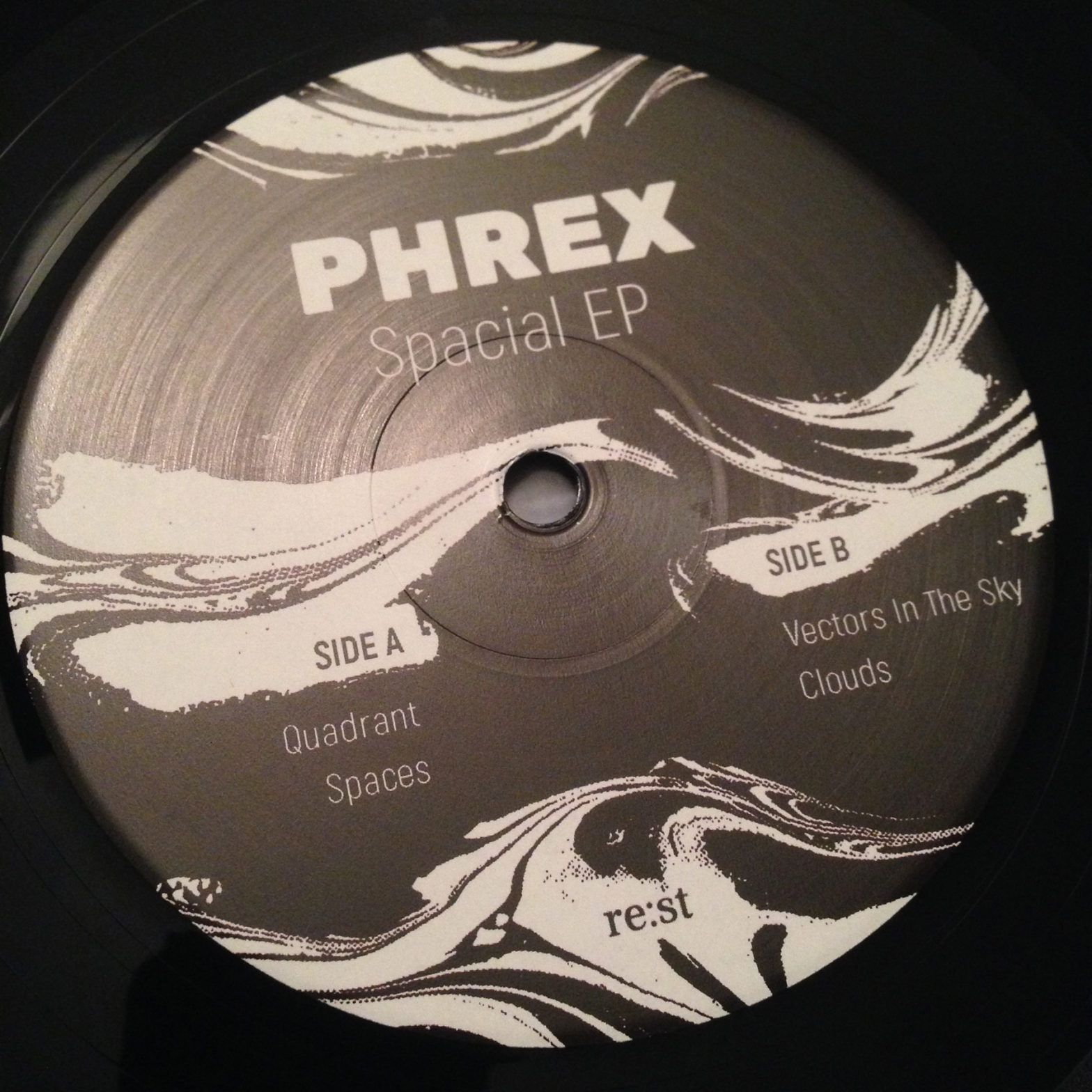
Phrex is a DJ-producer from Switzerland and part of Dubtopia crew. He’s soon set to release a new 12″ on re:st, titled Spacial. It arrives in the shape of a four-tracker with nods to dubstep, house and bass music.
Tracklisting
A1. Quadrant A2. Spaces B1. Vectors In The Sky B2. Clouds
In support of the release, which lands January 15, Phrex has offered up an unreleased rework of DJ XTC’s “Functions On The Low,” which can be downloaded via the WeTransfer button below.
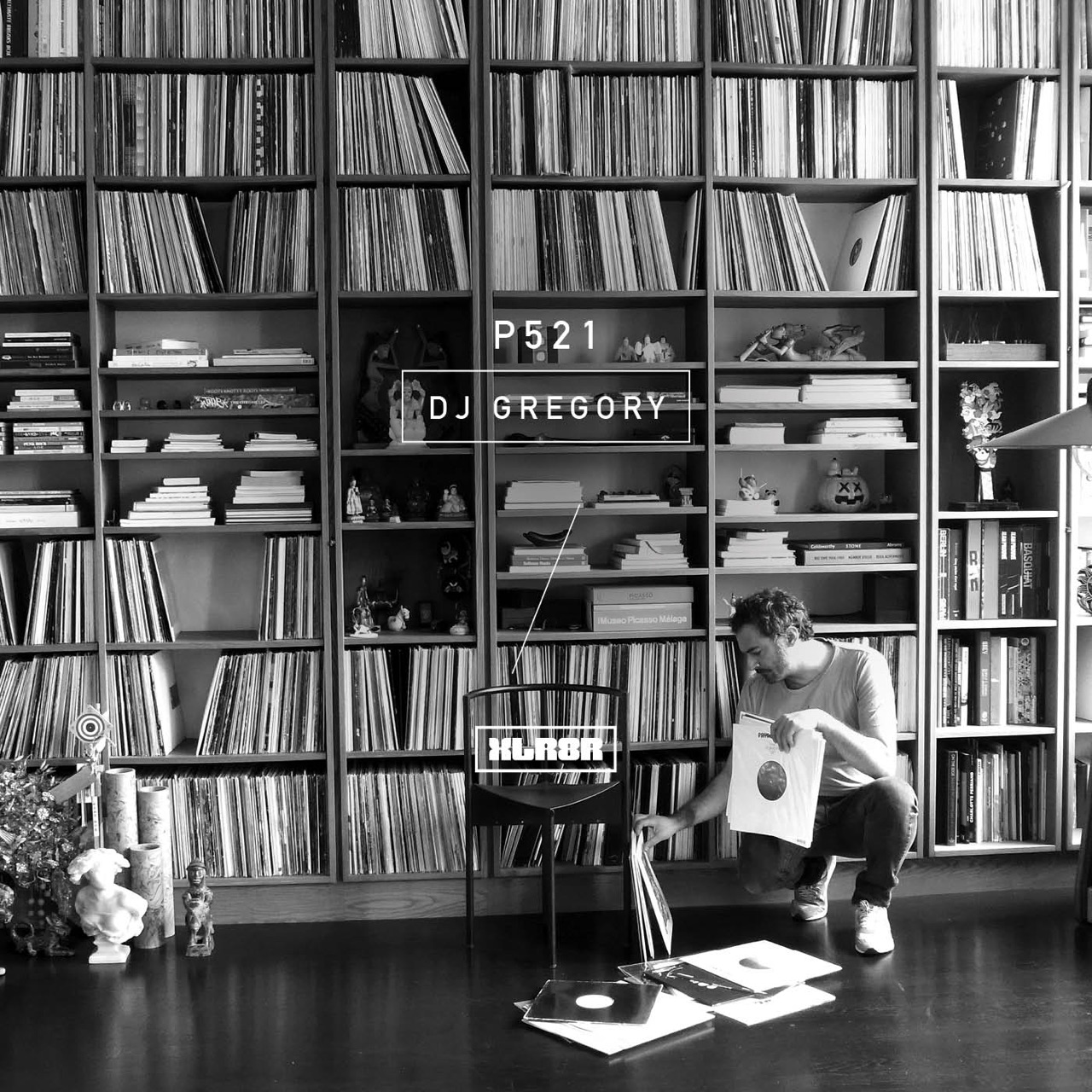
Many readers of XLR8R may not be too familiar with Grégory Darsa’s DJ Gregory moniker. Although Darsa was one of the first proponents of house music in France, with one of the most storied resumes in the game—to give you an idea, he’s collaborated with DJ Deep, Alex From Tokyo, Julien Jabre, and Bob Sinclair, among many others—in recent years, his Point G alias has taken center stage, winning over a legion of fans with the project’s raw and heady take on house. Loopy, tough, and intoxicating, the tracks naturally found their way into the sets of DJs such as Zip, Ryan Elliot, and Apollonia, with the later being responsible for the re-release of Point G’s “Underwater” in 2013—the original record (On The Raw Again) has an almost mythical status in house circles, fetching well north of the original price on Discogs. Following that release, with obvious renewed interest in the early Point G records, Darsa would go on to release 12 EPs and an album in the subsequent years, backed by a devastating live set that has seen him tour the globe.
Now, after a long hiatus, Darsa will return to his DJ Gregory moniker in a desire to move beyond Point G’s stripped-back aesthetic and to open up his sonic possibilities. Following last year’s release of the full digital catalog of his Faya Combo imprint by Defected—the drop also included three exclusive EPs that had previously never been released on any format—Darsa is set to launch a yet-to-be-announced label to release new DJ Gregory tunes, with an album also scheduled for early next year.
This week’s podcast gives us an idea of what to expect in the coming months and encapsulates DJ Gregory’s sound with 90 minutes of classic house; from deep and soulful outings to rolling ethnic rhythms and everything in between.
When and where was the mix recorded?
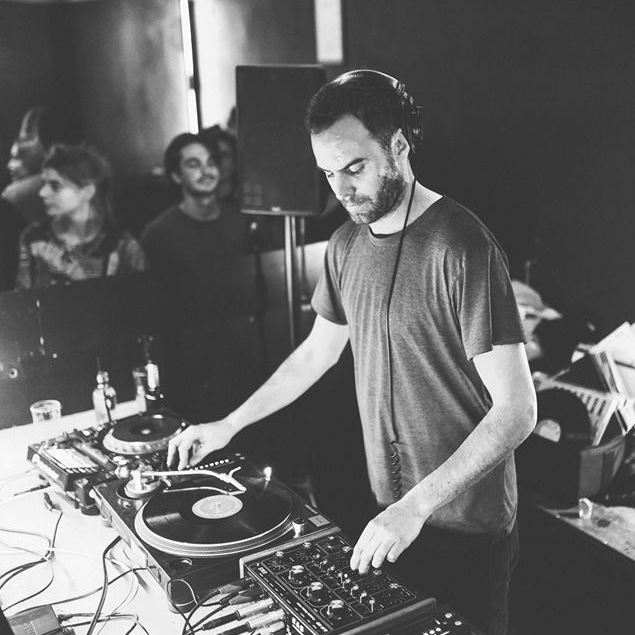
The mix was recorded last week at home
On what equipment did you record the mix?
I recorded it with two SL-1200 turntables and two CDJ players with a Urei mixer.
Was there a particular idea or mod you were looking to convey?
I wanted to stay in the club zone that’s for sure—a good balance of floor fillers and deep epic stuff.
You’ve recently returned to your DJ Gregory moniker after a long hiatus as Point G—what led you back to DJ Gregory and does that mean Point G is now paused?
Point G is not paused. I’m actually working on new tracks for a new Point G live set in 2018, but I liked the idea of doing DJ Gregory sets again because it allows me to play a different type of music, tracks with more vocals or an old school flavor more in line to what I used to play and, of course, some deep balearic-oriented cuts.
Do you have plans for Faya Combo now that you’re focusing more on DJ Gregory?
Defected has recently release a Faya Combo compilation but for the future I’ll be releasing DJ Gregory music on a new label.
What’s next for DJ Gregory?
I’m working on an album that will hopefully be ready for 2018 with a first 12″ for the summer.
Davy is set to make his production debut with The Long Now EP via his own Futurepast label.
Davy (real name Davy Vandegaer) made a name for himself as DJ and founder of Down Under at Fuse in Brussels, the first underground party of its kind in one of Europe’s best-loved clubs. Today he continues to lead the way with his Futurepast project, which he started in 2016 with Pjay of Kontrast. Forming a solid partnership with a shared vision, the two have successfully curated quality parties with international DJs in perfect settings around Europe, and more recently crossing continents to Montevideo, Uruguay when No Way Back celebrated its anniversary with a Futurepast showcase.
The party will now evolve into a label too, with Davy debuting the first vinyl release. We’re told that the EP combines the Belgian’s “forward-thinking approach to techno and a taste for ambient experiments,” and features four tracks of “obscure electronic music.”
In what is described as “a timeless and precise collaboration,” Davy has brought together two historical figures for this release: 1990s R&S Records associate David Morley mixed the tracks, while Simon Davey of The Exchange lent his renowned mastering skills to the project.
Tracklisting
01. No Memories Planned 02. Circular Weeks 03. Causal Loop 04. The Long Now
The Long Now EP will land in January 2018, with a teaser streaming via the player above.
CRSSD Festival has today released the lineup for its Spring 2018 event, taking place on March 3 and 4—its seventh edition to date.
Located in the heart of Downtown San Diego, on the Pacific shoreline in Waterfront Park, CRSSD has established itself as a singular beacon for boundary-pushing live and electronic music acts in the area. Over its six previous editions, the event has shone a light on some of the world’s most exciting artists, with each lineup seeking to explore the intersections of live and electronic music.
Complete CRSSD Spring 2018 Lineup (Alphabetical) :
Alan Fitzpatrick Amelie Lens Anna Lunoe Bonobo (LIVE) Boys Don’t Disco Camelphat Charlotte de Witte Cirez D Cristoph DJDS Eli Brown Empire Of The Sun Gorgon City (LIVE) Gryfinn Henry Saiz & Band Jai Wolf JP Soul Kartell Kyle Watson Lee Burridge Little Dragon Mark Knight Max Chapman Medasin MK Molly Nicole Moudaber NoMBe Nora En Pure Patrice Baumel Rodriguez Jr. (LIVE) Sasha Sébastien V Shiba San SNBRN Tchami The Presets Walker & Royce Wax Motif
The upcoming 2018 edition takes place on March 3 and 4 in San Diego, with more information available here.
Winding down after a glorious 2017, Lauren Lo Sung has remixed Sade‘s timeless R’n’B track, “Couldn’t Love You More.” Like all good edits, it survived rigorous testing at some of her favourite gigs of the year from Hi in Ibiza to the Warehouse Project, Manchester, which led to some positive feedback from producers and fans alike. Ahead of the New Year, you can grab the full edit via the WeTransfer button below.
Mexican producer Murcof and award-winning French pianist Vanessa Wagner released Statea, an ambitious and fascinating ambient-classical crossover album, back in September of last year via Infineé Music. Across nine tracks, the duo looked to re-interpret the work of a range of celebrated modern composers in ways that pay homage to the source material, including music by John Cage, Philip Glass, Morton Feldman, and Aphex Twin, among others.
Now, the closing chapter of the release arrives in the form of EP03, a releases that further reimagines the original works with a set of remixes from Si Begg, Loscil, and two new versions of tracks by Wagner herself. In support of the release, Infiné has offered up an achingly beautiful remix by Canadian ambient mastermind Loscil as today’s XLR8R download. For his remix, Loscil looks to Wagner and Murcof’s interpretation of Aphex Twin’s “Avril 14th,” reworking it into a stunning atmospheric outing.
You can download the remix below, with the full EP available here.
2017 saw a number of innovations in terms of how musicians interact with both standalone hardware and computers. While there’s been far too much cool new gear to compile in one place (especially once you start counting Eurorack modules and mobile apps), we’ve put together a sampling of some of the year’s most significant hardware releases.
Also worth noting: as we roll into the season of rampant, unfettered consumerism, keep in mind that the most valuable resources for creating music are time and energy. Amassing more and more gear can often be a black hole for creativity, so spend your money (and energy) carefully.
Elektron Digitakt
With Elektron’s distinctive design sensibilities and approach to sequencing, the Digitakt somehow feels like far more than its objectively accurate description as a “sampler” might seem to imply. Triggering and sequencing is managed with two rows of plastic buttons that are less drum pad, more vintage computer keyboard, letting users dive deep into sampled audio in a way that feels fresh and exciting. The Digitakt is Elektron’s most affordable groovebox to date, and one of the most exciting new developments in the world of sampling.
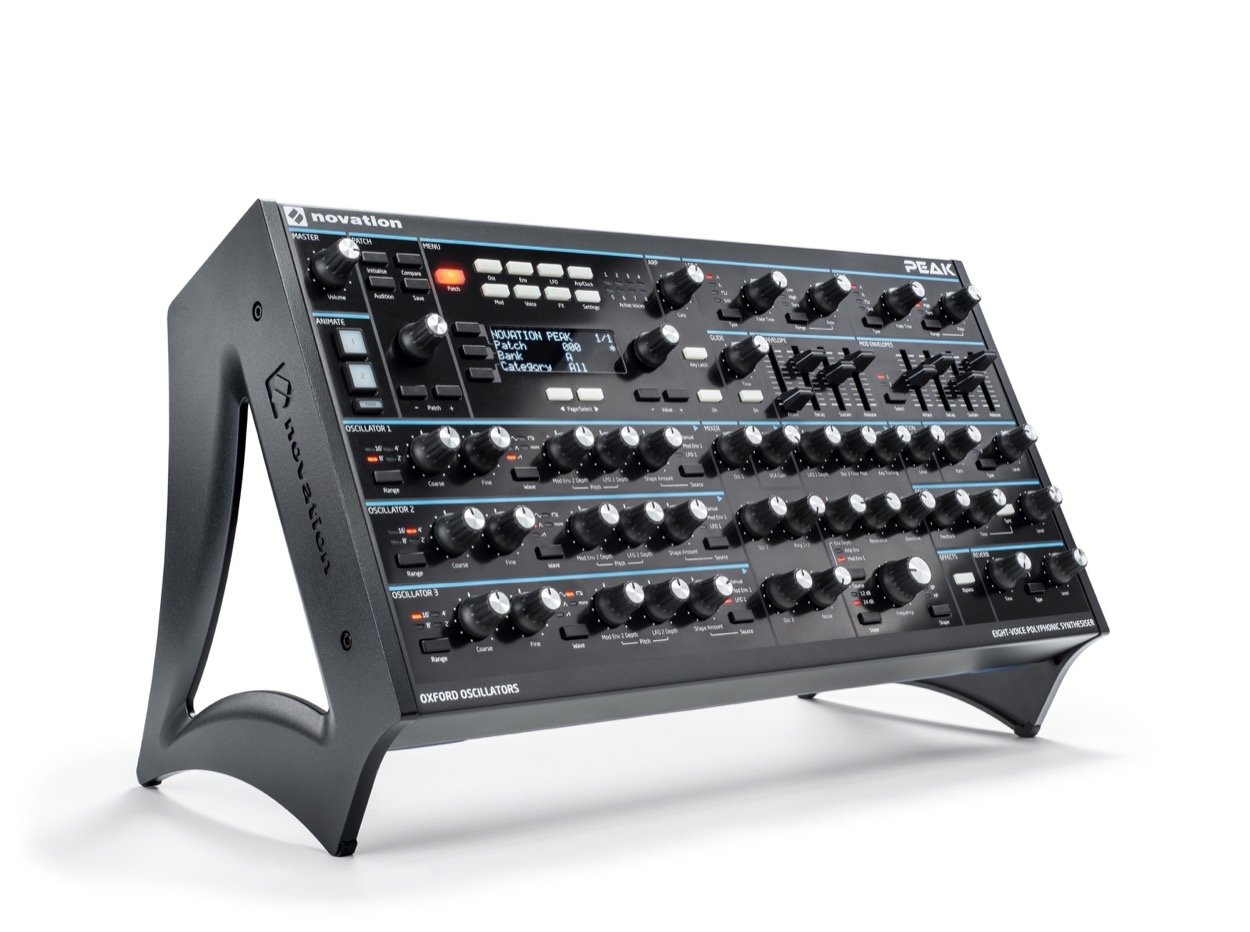
Novation Peak
One of Novation’s most ambitious products to date, the Peak is arguably the most high-end desktop synth the British company has ever developed. A polyphonic, analog-digital hybrid, it sounds lush and feels great to play—42 control knobs are designed for tweaking the shapes of its three oscillators, two LFOs, onboard reverb, delay, arpeggiator, and much more.
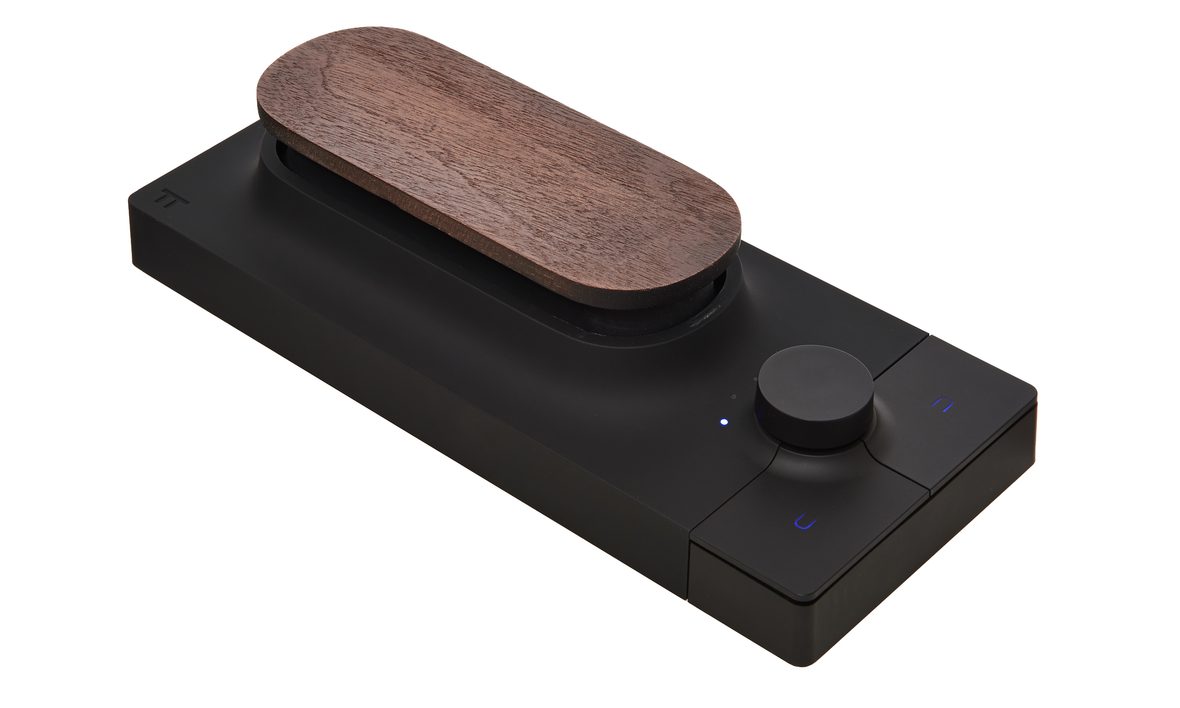
Expressive E Touché
Touché feels like some sort of unholy combination of an effects pedal, a Kaoss Pad, a mod wheel and a finger board, but the result is somehow incredibly elegant and usable. It features a wooden, touch-sensitive surface mounted on a springy, playable platform, letting you manipulate both hardware and software instruments over USB, MIDI, or CV. It’s incredibly unique and fun to play, bringing a new layer of dimension to the realtime manipulation of audio.
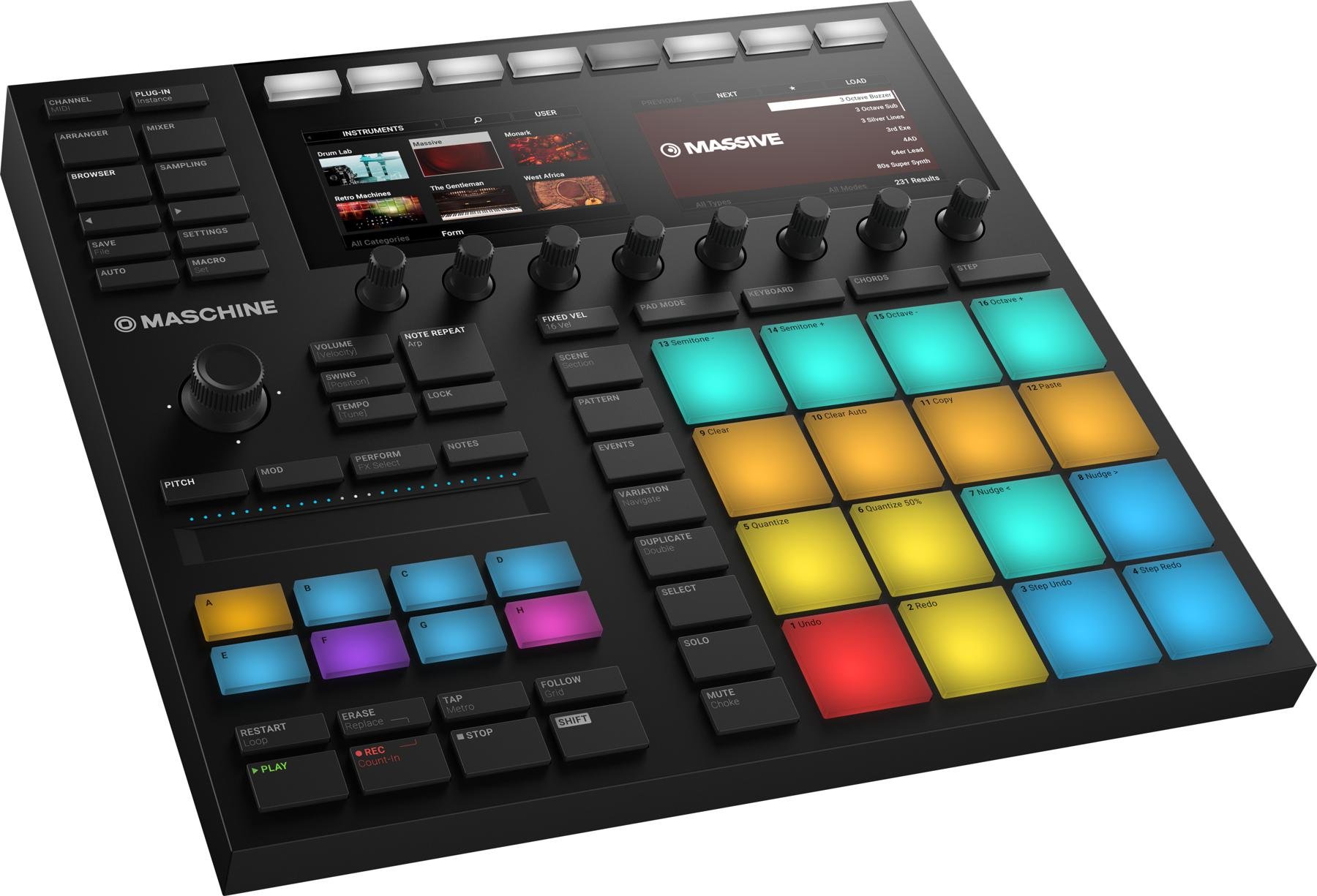
Maschine MK3
Native Instruments has created its finest Maschine controller ever, cramming in many of the features from the larger Maschine Studio and cheaper Maschine Jam into a portable, all-in-one production box that’s even cleaner and more intuitive than ever before. With two color screens, improved pad sensitivity, a built-in audio interface, and workflow improvements galore, it’s the best Maschine product to date.
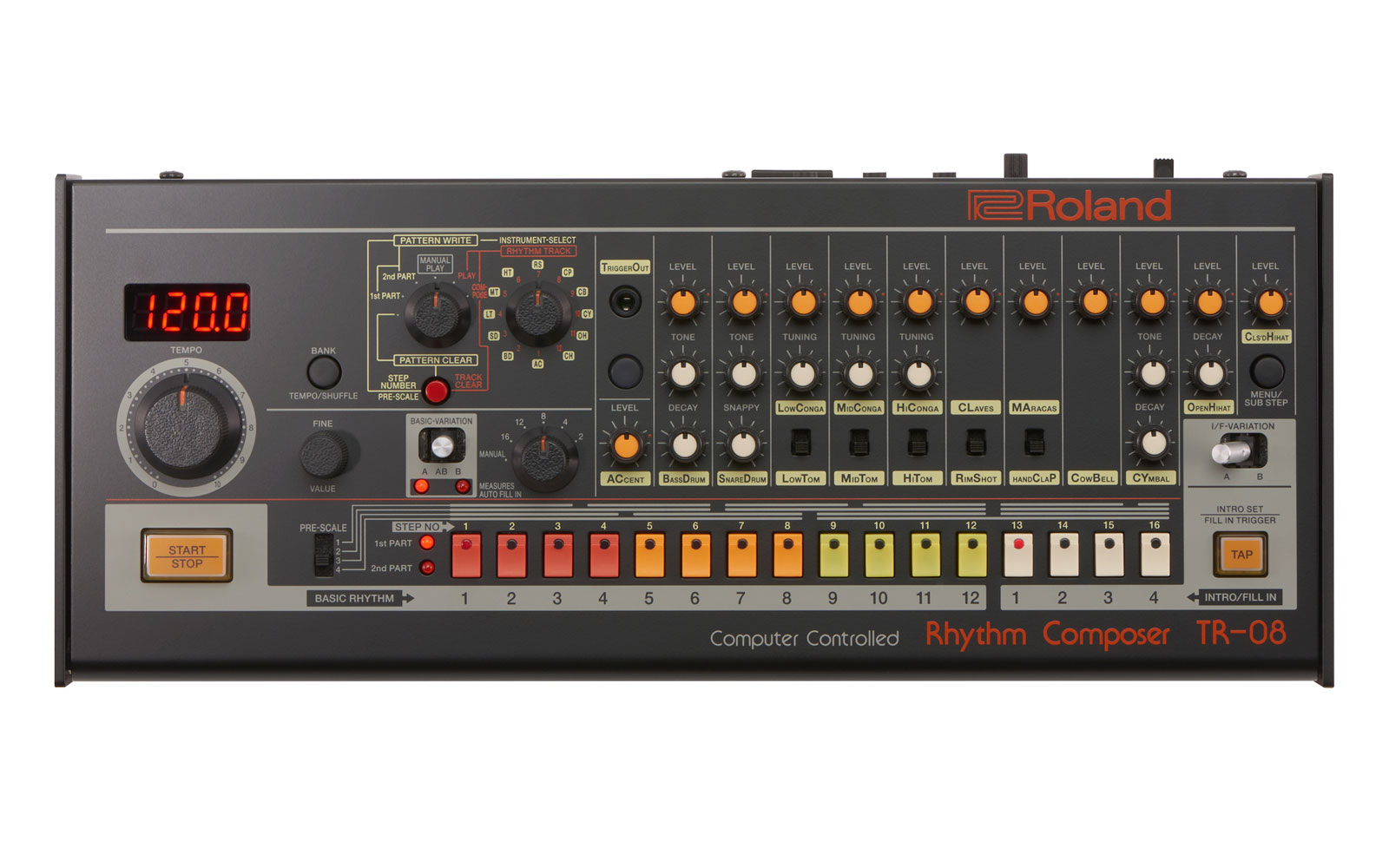
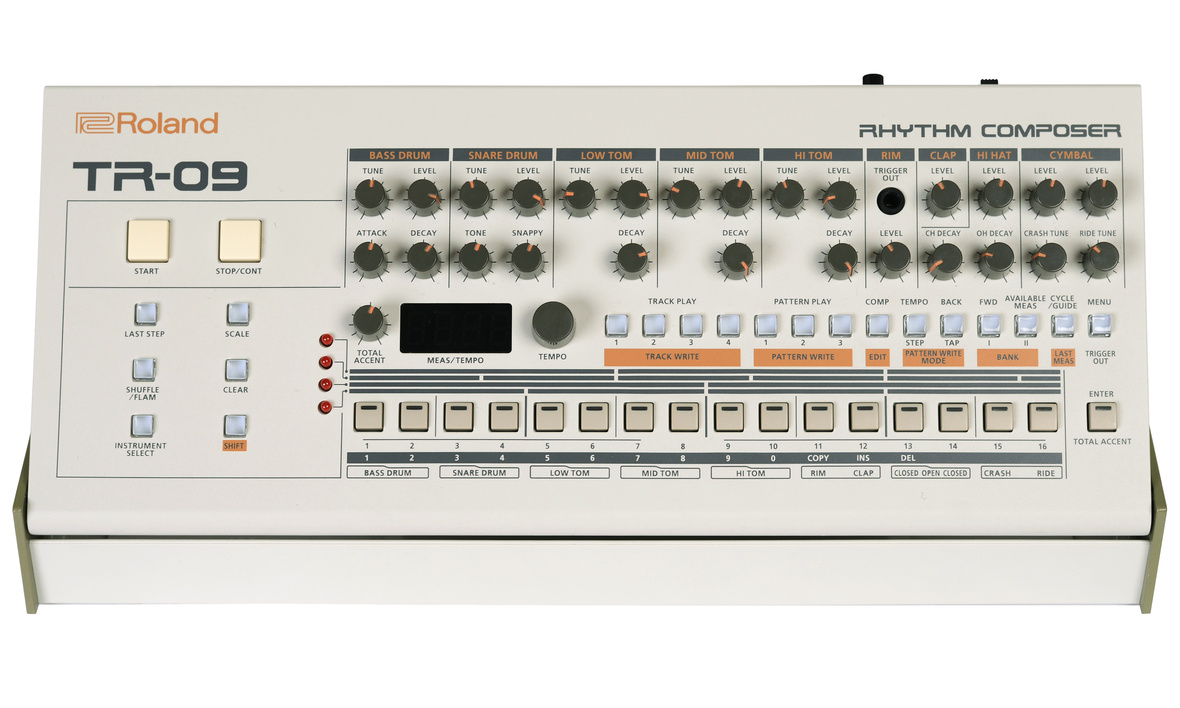
Roland TR-08 and TR-09
Roland continues to dip into its past, and managed to hit those rusty old nails rather squarely on their heads with its new renditions of the classic 808 and 909 drum machines. Both just get things right, preserving the sound, workflow, and aesthetics of the original machines into smaller and more affordable renditions. The additions are few but effective—features such as a compressor on the kicks and snares, and 16 sub-steps for each step of the sequencer for more intricate drum programming.
Honorable Mentions:
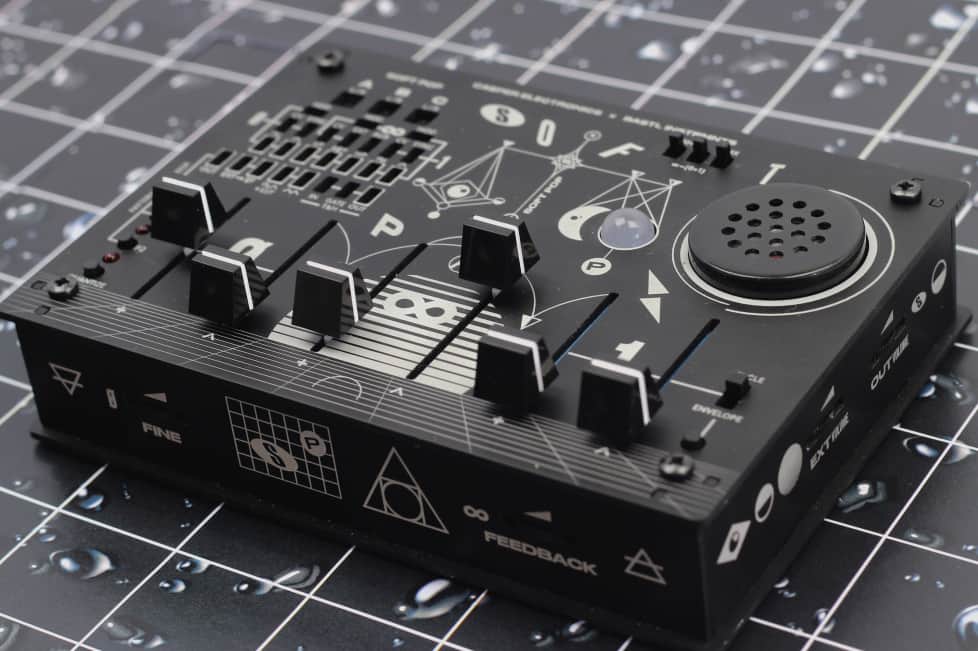
Bastl Instruments softPop, a weirdo, feedback-y slider-based, patchable synthesizer.
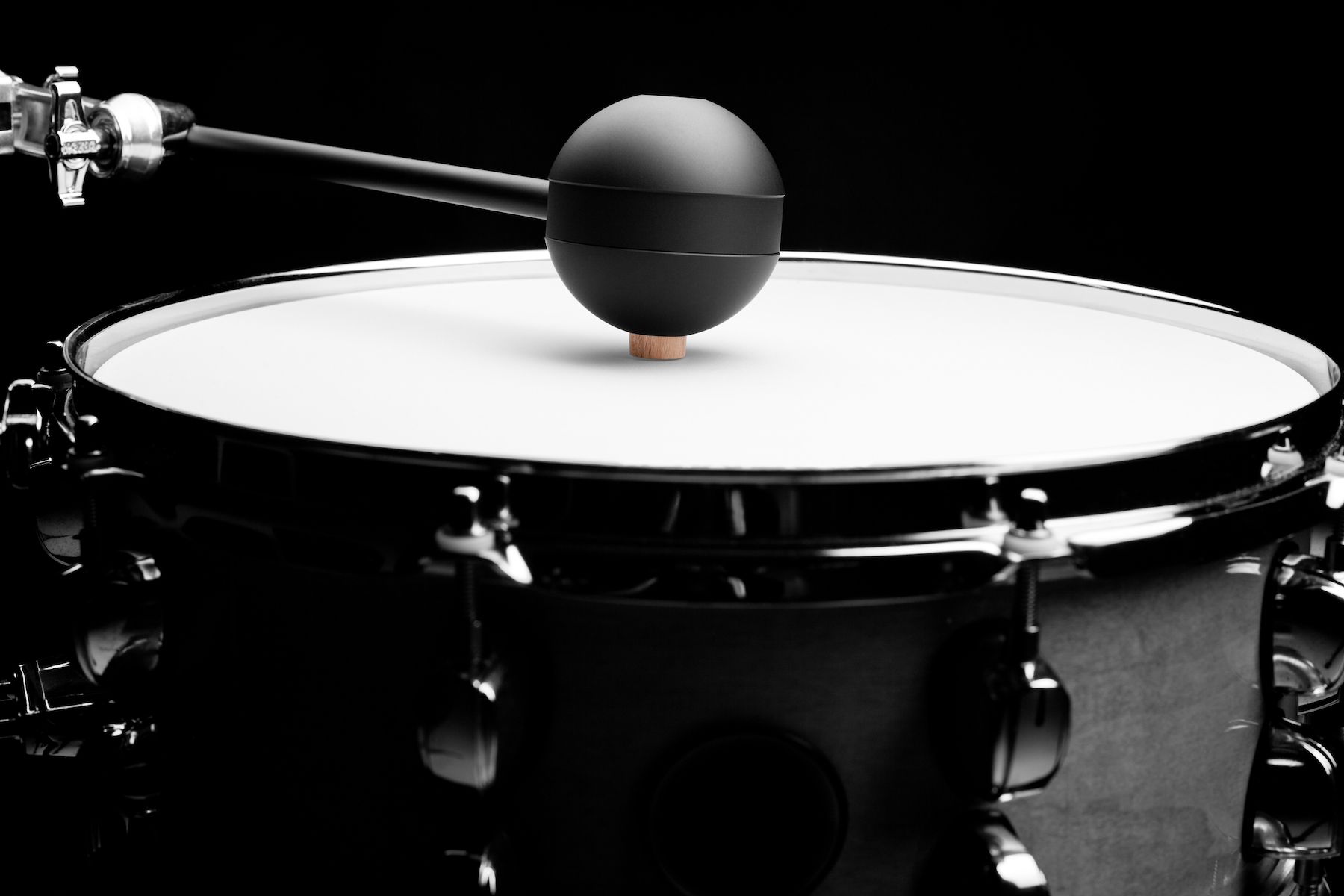
Polyend Perc Pro, a series of electroacoustic drum modules that let you trigger acoustic drums (or any other surface) via programmed MIDI.
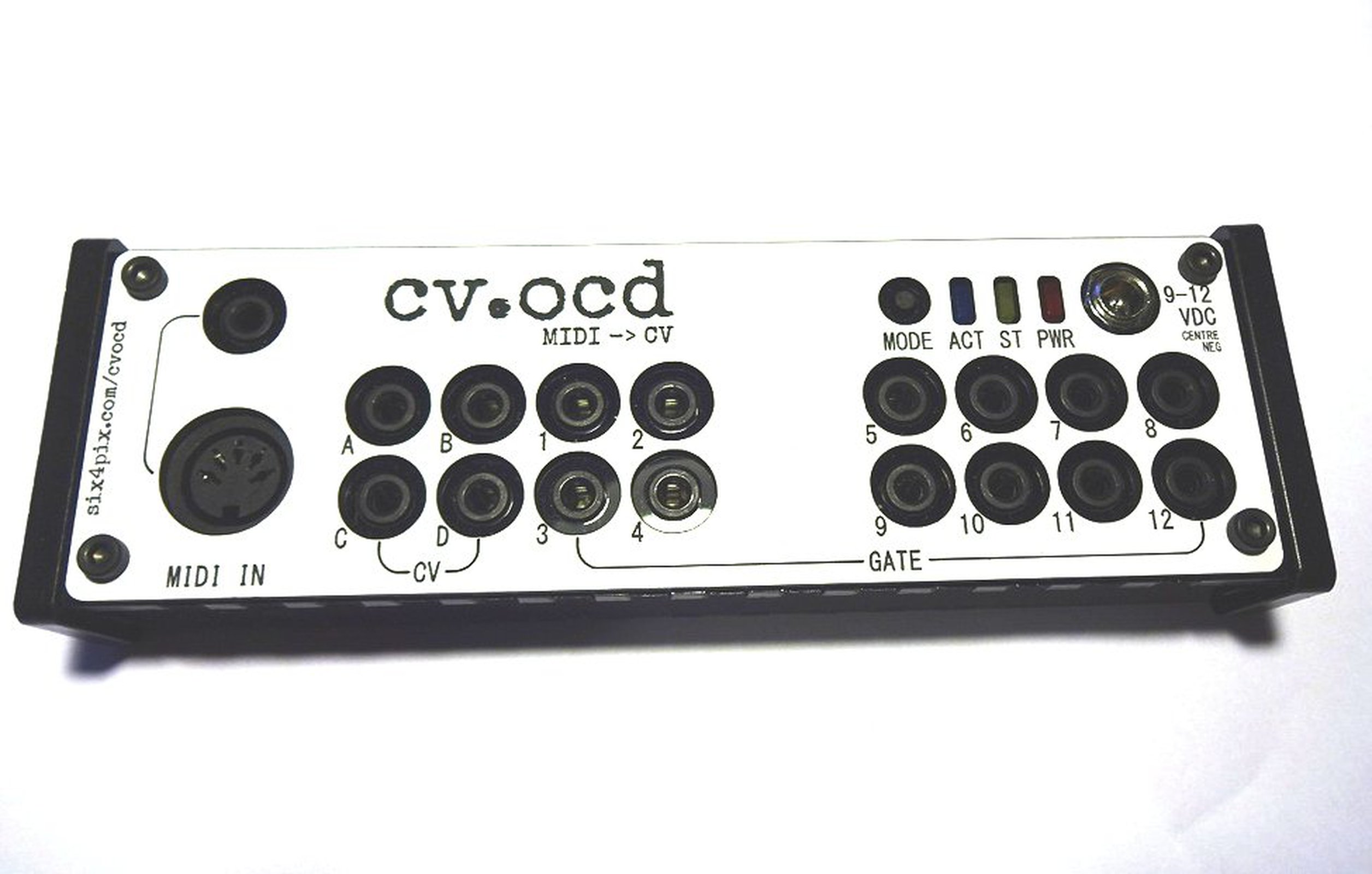
Sixty Four Pixels CV.OCD, a handy utility box which translates MIDI data into CV to get your computer and modular speaking the same language.
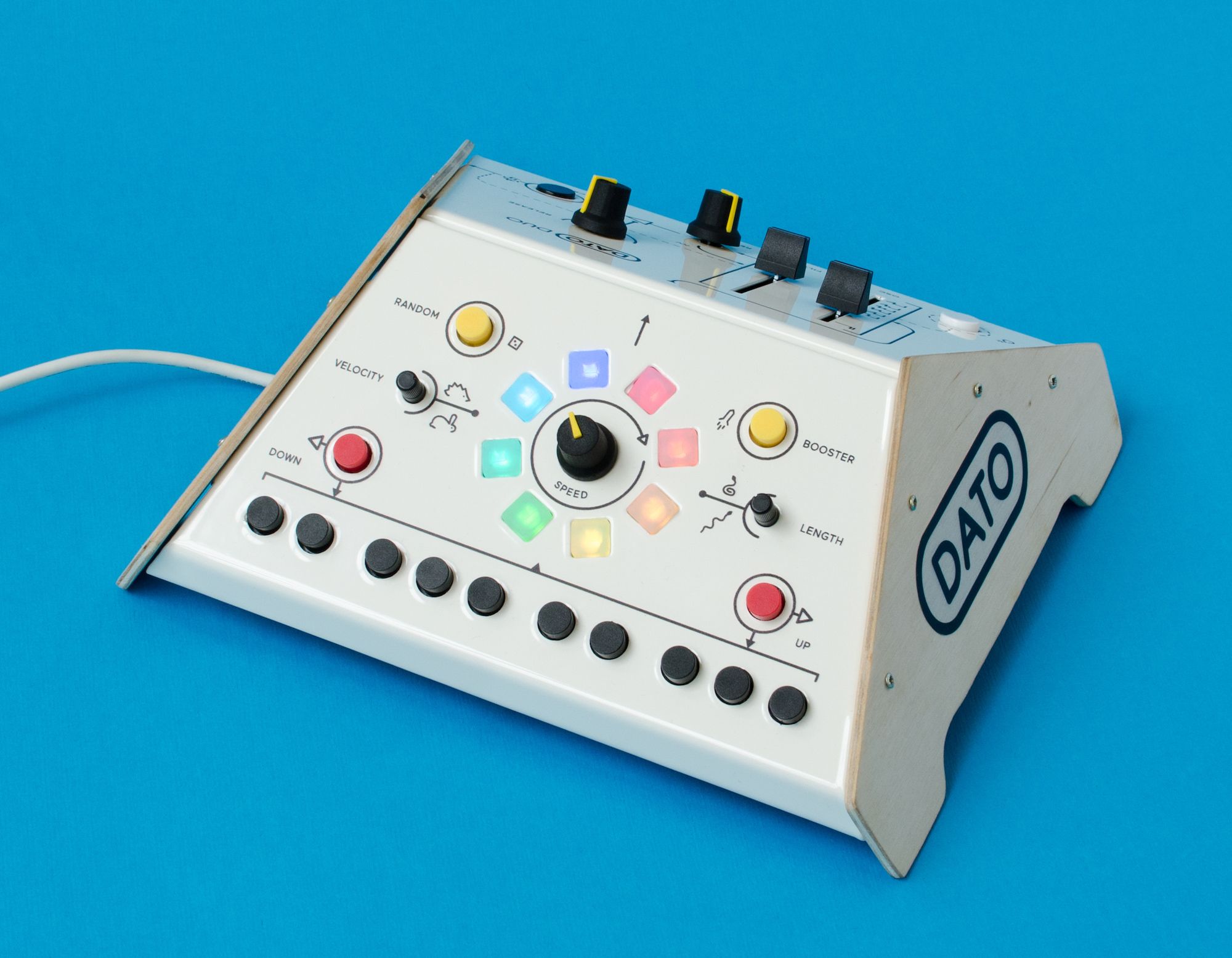
Dato DUO, a synthesizer toy for two, combining two sides for sequencing and modulating its gritty-sounding synthesizer. Exceptionally playful, designed for kids and adults alike.
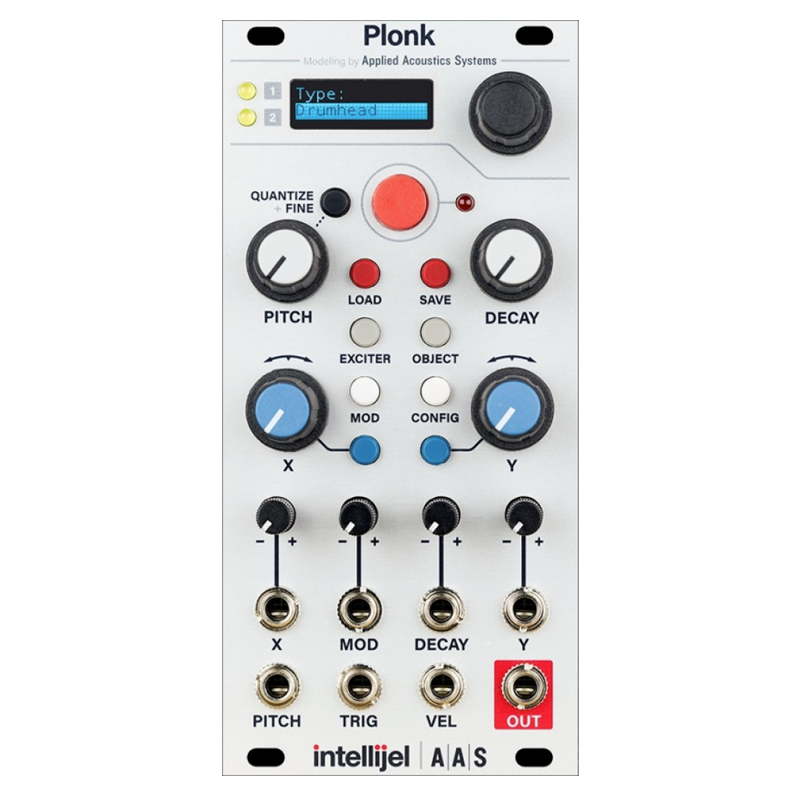
We’d also be remiss if we failed to mention a handful of impressive new Eurorack modules, including Synthesis Technology’s E352 oscillator (a combination of the Cloud Generator and the E350 Morphing Terrarium), Intellijel’s Plonk (a physical modeling synthesizer), Make Noise’s Morphagene (a complex tape and microsound music sampling module), Eventide EuroDDL (beastly delay module), and Expert Sleepers’ ES-8 (a 12-in, 16-out, DC-coupled interface to pipe CV and audio between your computer and modular).
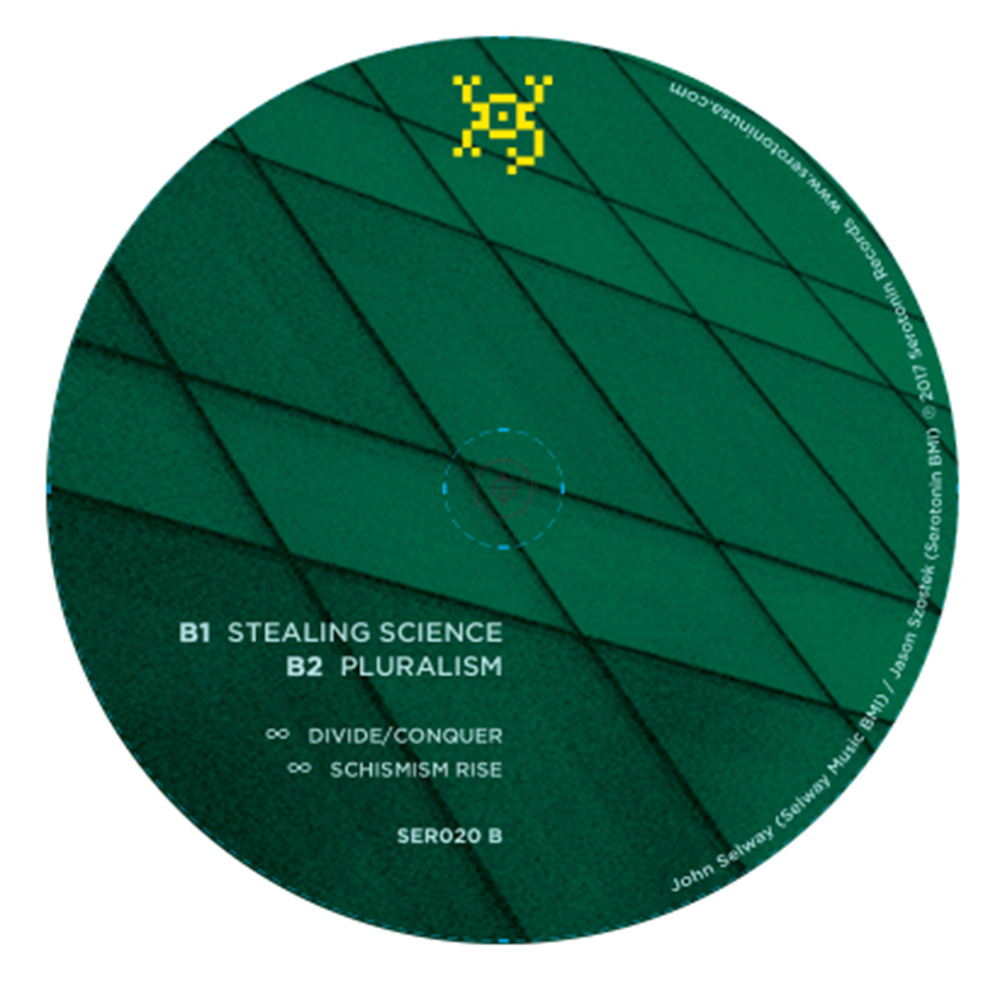
Synapse’s Scientism EP is described as “an overview of the last 20 years of regress in modern culture.” The erosion of democratic values, the abuse of science, the distortion and manipulation of facts and the deliberate seeds of discord sown by the powerful to create a schism in the fabric of society; enabling the few to exercise control over the many.
The EP landed on New York’s Serotonin Records back in November and features four techno electro cuts, all leaning towards the dark side with glimpses of light. “It’s on the lighter side of darkness; it’s on the fun side of funk,” the label explains. In support of the release, you can grab “Stealing Science” via the WeTransfer button below.
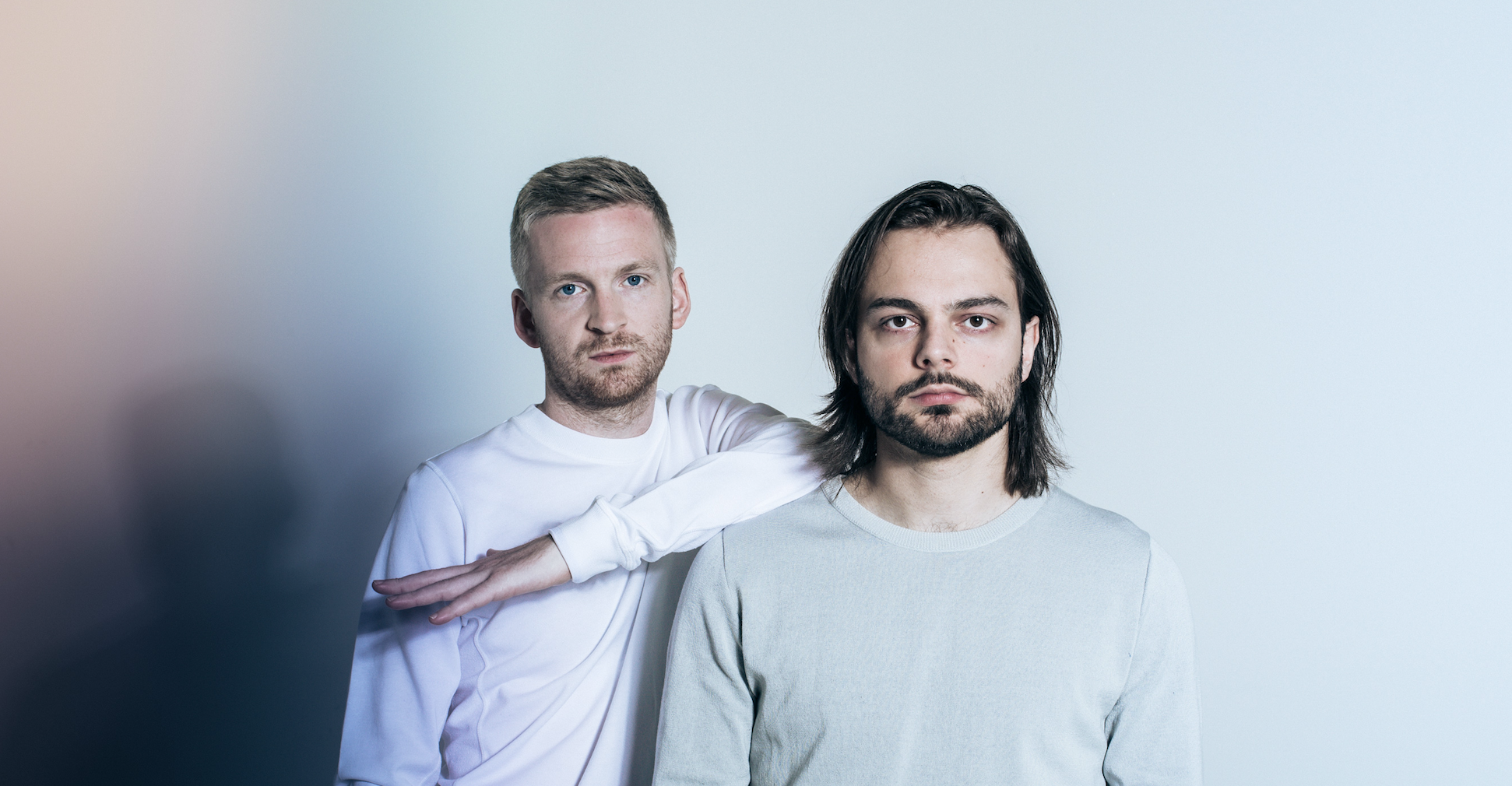
Our latest Ask The Experts feature comes from Kiasmos, a collaborative project recognised for its sensual, gentle, and deeply emotional soundscapes.
Kiasmos is made up of BAFTA-winning Icelandic composer Ólafur Arnalds, known for his unique blend of minimal piano and string compositions with electronic sounds, and Janus Rasmussen from the Faroe Islands, known as the mastermind of the electro-pop outfit Bloodgroup. Based in Reykjavík, Arnalds used to work as a sound engineer, often for Rasmussen’s other projects, where the two musicians discovered their common love for minimal, experimental music. They eventually became best friends, often hanging out in their studio, exploring electronic sounds.
After dropping two tracks on the split-EP 65/Milo alongside UK-producer Rival Consoles in 2009, Ólafur and Janus dedicated the year 2014 to explore the area in-between Arnalds’ more acoustic, piano-based solo work, and Rasmussen’s synth-heavy electro-pop.
All of their releases have landed on Erased Tapes, including their wonderful self-titled debut LP, showing their abilities in developing their unique sound aesthetics to complete an album driven by their mutual love for electronic music. They returned in 2015 with their Looped; EP with re-interpretations by Dauwd and Lubomyr Melnyk, released for Record Store Day 2015, and then with three new tracks and Tale Of Us remix on their Swept EP. Recorded in various locations between Reykjavík and Berlin, the record showcases a more club-oriented beat structure alongside Kiasmos’ signature emotive instrumentation.More recently, they returned with a new six-track endeavour, entitled Blurred, featuring four all-new, original tracks, along with remixes from Bonobo and Stimming.
Having received your questions over the last few months, they’ve now responded to their favorite submissions, and the responses can be read below.
I really love the work that fellow label mate Ben Lukas Boysen did for the “Everything” video game. I know that Ólafur has done work for film and TV, but I was wondering if he had ever considered doing something for games and, if so, how he would approach this medium.
Ólafur: I have considered it, and actually been in discussion twice with different major computer games in development. In both cases, I have found the format very interesting and got very excited about the possibilities of music making in a world free of “time” and where the choices of the player affect the music.
However, I think what always killed it for me in the end—and the reason I didn’t go through with those—is how limited the format is in the sense of the music surviving as a piece of art. The audience is usually rather limited to a group of people who enjoy playing video games and the music rarely breaks out of that box. And because of how fast the technology evolves, computer games don’t have that same chance of becoming “timeless”—and I want the art that I make to be “timeless.”
When you start composing a new track, do you already have in mind whether it will be a chill/or club song, or do you just start writing totally open-mindedly and realize in the end in which direction the song turned out?
Ólafur: We usually let the song itself dictate this but it happens pretty early on. Basically, as soon as we have the leading element—be it a bassline, drum beat or something else—we know where it’s going.
How did you produce the album — did you have to spend a prolonged time together focusing on the album specifically or were all the tracks produced at different times?
Ólafur: We basically locked ourselves inside the studio for a period and made everything within that time. It’s important in order to create an accurate representation of a moment in time, where our minds were at that specific time. We like working quite intensely, that’s when a lot of fresh ideas can be formed.
Where do you record — do you have a Kiasmos studio, or do you work remotely?
Ólafur: We have our own separate studios where we do our respective solo-work. But they are in the same building so it’s quite easy to come together when we want to do Kiasmos. We usually work in my studio as it has more acoustic instruments (grand piano and the like).
How do songs start — talk us through the production processes. Is there a pattern to how songs come together? Is it a jamming process?
Janus: Usually we start with creating some kind of a base together. More often than not a beat. Then we grab an instrument of choice and jam over the base until we find some elements that we want to work with. Rewind and repeat until we’re happy with what we got.
Ólafur: It can vary a lot but it usually revolves around one idea. It can be a sound that we liked, a chord progression, a melody or simply just, “Let’s try to make a song that starts like this and then develops like that.” It’s important to have this first idea, this vision. And totally ok if it gets turned completely around sometime later in the process.
Is the emotion in your music something that appeals to you?
Ólafur: The emotion in creating the music is what matters to me. The joy of creating. More than the emotion in the outcome. The funny thing is that you can be making a melancholic song but still be having the best time creating it.
Having seen and enjoyed you playing live last week, my friend and I were trying to work out what are you actually doing/ playing “live” and how much is actually just playback of things already recorded?
Ólafur: It’s a healthy mix of both. With music like ours—which has constantly developing string arrangements and ambiences—it’s impossible to work with a loop-based setup so we keep those elements on playback and play “live” on top of it using synths, filters, drum-machines, and effects.
How do you compose? I mean, does your creative process come from jam sessions? Or do you record one idea and start to work on it?
Janus: We usually start with a beat or lay down some kind of ambience to get us in the mood. From there, we jam ideas over it until we find something worth taking further. Sometimes we get a song out of it, other times we scrap it and start on something new.
How do you get your inspiration?
Janus: Be really open to all sorts of music; there’s inspiration to be found everywhere. We’re really into modern pop music production, there’s so much technique going on that’s always changing and evolving. It’s truly inspirational to us.
How do you prepare your live set?
Janus: We first take a look at the projects in Pro Tools and go over which parts would be great to extend and play more with in the live setting. After settling on a new arrangement, we make stems of the songs and move them over to Ableton. Then the jamming begins; we try out all sorts of ideas on how to make the songs bigger and fun to play live.
Ólafur—if you could learn to play any instrument in the world—one you don’t already play—which would you choose? Also, you’re a very good guitarist! I’d like to hear you play it more often!
Ólafur: I’m a shit guitarist, but thank you. To arrange music for instruments you don’t play, you just need to know the tuning and “fingering” of the instruments. What sounds good and what doesn’t is something you learn over time by trial and error. I used to get a lot of comments from violinists like, “Sorry, Óli but that’s not possible with your fingers,” but thankfully less and less these days. I’d like to play the viola…
Janus—what do you love most about collaborating?
Janus: to be honest, I’ve always worked the best and fastest when collaborating. I just love the feeling of bouncing ideas back and forth, really working in the moment and always having someone there to push you on when you’re having problems writing a song. I also tend to like the music I produce more if I wrote it with other people.
How do you mix resonant pianos like in “Looped”? Do you have any tips for mixing frequencies/ mic’ing / making them sound good in mono like in your song “Looped”?
Janus: I’d say it’s more a question about arrangements than about mixing. If you want a big sounding piano in your song, then make sure there’s room for it. The piano chords in “Looped” are pretty much the only thing in focus for most of the song. The bass is super low and the percussion is almost thin to make sure that nothing is in the piano’s way.
Using a good surgical EQ on resonating frequencies in every chord will help to make the piano sound smooth. Then, using a very musical EP to boost some top, let’s say something like a Pulteq EQ will do the trick to give it some shine and excitement. Anything similar to a Fairchild compressor will work great, even in a quite heavy setting.
Why are all of your song titles adjectives?
Ólafur: We just started it and couldn’t stop…
Music that evokes a strong emotional response can be very powerful and important to people. What are your most visceral, thought-provoking, and/or emotional experiences, and have they influenced your music at all?
Janus: We had one such experience when we went to Watergate in Berlin for the first time together in 2008. We were just out partying really, but soon found ourselves completely blown away on the dancefloor when the DJ was playing something super minimal, basically just a 909 kick and an open hi-hat. There then came a drop that was simply a lo-cut up to something like 60hz, it went on for around two minutes and people had gotten used to by then. When the filter finally came off everyone completely lost it, us included. I know this sounds like such a basic thing, but we had never experienced that simply playing around with adding and subtracting frequencies could have such a profound effect on people.
How do you mix piano so well with the other instruments in your pieces? With the amount of frequency space it takes up, I’m at a loss as to how to make it sound not too muddy or not too empty, I can’t find the middle ground.
Ólafur: Space is the key. As you say, it takes up a lot of space in the frequency spectrum, so that must mean you have to keep that space free of other things. Actually, it’s more in the songwriting than the mix. If the song has a prominent bass line then I would avoid playing low notes on the piano. If the piano has low chords (such as “Looped”), then the bass line usually needs to be more light or be simple enough that it just compliments the piano.
What is your favourite gear for making drum sounds?
Ólafur: Real drums and percussion, sampling them and messing with it.
Janus: We are actually recording our own loops these days. It’s somehow a bit more intuitive and satisfying. Other than that, we have used the Elektron Analog Rytm and the Jomox Mbase 11 for kicks. These a lot of processing in the DAW after that, pitching samples up or down and timing everything to taste.
Second, do you have a favourite effect for processing drums?
Ólafur: Some analog filter, stuff such as the Sherman Filterbank, but also plugins like UAD Moog Filter and Soundtoys Decapitator. Basically, anything that makes a mess!
Janus: Mutronics Mutator is also a big favourite for me; it makes everything you put through it super wide.
Considering you seem to love working, like me, with a lot of organic sounds, I’d love to ask what your favourite little audio manipulation trick is—could be anything from a weird editing technique to an interesting effect chain setup. I’m just super curious to know how you make your basic sonic material evolve over the course of the production process.
Janus: One trick we use all the time is to record long Juno 60 synth passages through Roland Space Echoes, double them up to make them into a big wall of wobbly stereo goodness. Try lo-cutting it and doing even more processing to it in the box, like adding long reverbs or more delays. Nothing is holy, just go crazy until it sounds good, or doesn’t…
I read that you began working together as an experiment: you wanted to explore the area in-between Arnalds’ more acoustic, piano-based solo work and Rasmussen’s synth-heavy electro-pop. Did you have a clear idea of how you wanted the project to sound? Did the early experiments sound very different to what you’re releasing now?
Ólafur: Our early experiments were actually more pure techno. It took us a little while to find this nice middle ground, to realise we should do what we are good at and what makes us unique, rather than trying to imitate techno artists.
Why exactly did you decide to start the collaboration?
Ólafur: We were bored on a tour bus
Janus: It was on a tour with my old band Bloodgroup in 2007. Óli was working as our sound technician at that time. Iceland is a quite big country, so there was plenty time to get to know each other on the bus while driving between gigs. We bonded over this really minimal techno that was really popular at that time in Europe.
Looking forward, how to do you envisage the project and its sound evolving?
Ólafur: It’s hard to tell where our mind will be at when we do our next album, or when that will even be. But my personal favorite on Blurred EP is the title track, so I could imagine going more in that direction.
Do you have a lot of unreleased Kiasmos material that doesn’t get released — or is the production process a lot slower than solo work?
Ólafur: We don’t have much unreleased stuff. At least not stuff that’s very good; if it was any good it would probably be released already. But for example “Paused” from our newest EP is actually an idea from 2012 that we found when digging through unfinished stuff. Although it must be said, the state of that song when we found it was really ridiculous. We were going into the completely wrong direction (it had a dub-part); I’m glad we managed to turn it around.
Inspired by artists such as J Dilla, Flying Lotus, and Madlib, Handbook has created a hypnotic beat-driven style full of shimmering synth lines and swinging grooves. The latest single perfectly encapsulates his sonic signature, with three-and-a-half minutes of free-flowing beats.