XLR8R’s Best of 2017: Releases

Someone mentioned to us recently that it’s not been a particularly strong year for releases. In truth, it was several people, none of whom were connected or in contact. It’s an interesting point, and a thought-provoking one, especially when it’s made with such frequency. It’s also one upon which the XLR8R team had not spent too much time pondering until after the second or third time the point was made. Then we did: was 2017 really as forgettable as they say?

In terms of 12″s, perhaps; there weren’t too many EPs that jumped out on quick reflection. That’s not to say it was weak, per se. But in terms of albums, 2017 was rich in both quality and diversity. Sure, it took us some time to think, discuss, and debate, but with some careful consideration, it became clear that the past 12 months have seen the release of some tremendous long-players — a format that paints more of a picture of an artist’s skills than anything else. It’s also a format to which you can so often become attached, but one that doesn’t always show its true quality and depth on first listen. So with no further avail, here are the releases and artists that connected with us, the XLR8R staff (in no particular order).

Lee Gamble Mnestic Pressure [Hyperdub] 
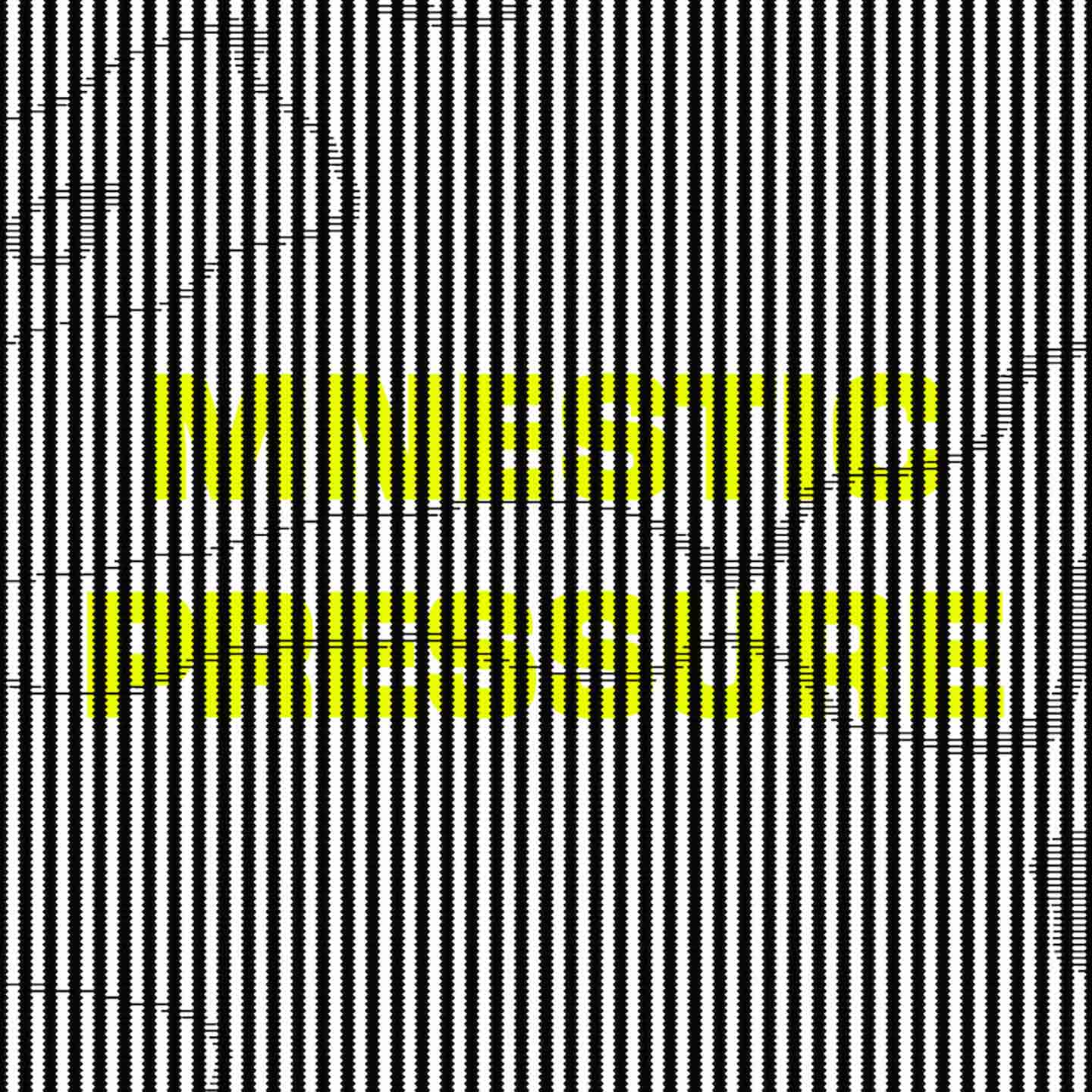
Lee Gamble’s mesmeric Mnestic Pressure is a clear contender for the album of the year.

The 12-track release was the Birmingham-raised, London-based artist’s first major work since 2014’s mind-bending Koch and his first on Hyperdub—following recent material on PAN. The title derives from Gamble’s belief about how our contemporary memory is pressured, individually, but also collectively, and the music was described as a “reset” for the UK producer, with a significant change in both the sound of his music and concepts that feed into it. The release just gets better and better when listened to as a whole, but tracks like “Ghost” are nothing short of exceptional. It’s Gamble’s most defining, forward-thinking work since Diversions 1994-1996.

Homemade Weapons Negative Space [Samurai Music]
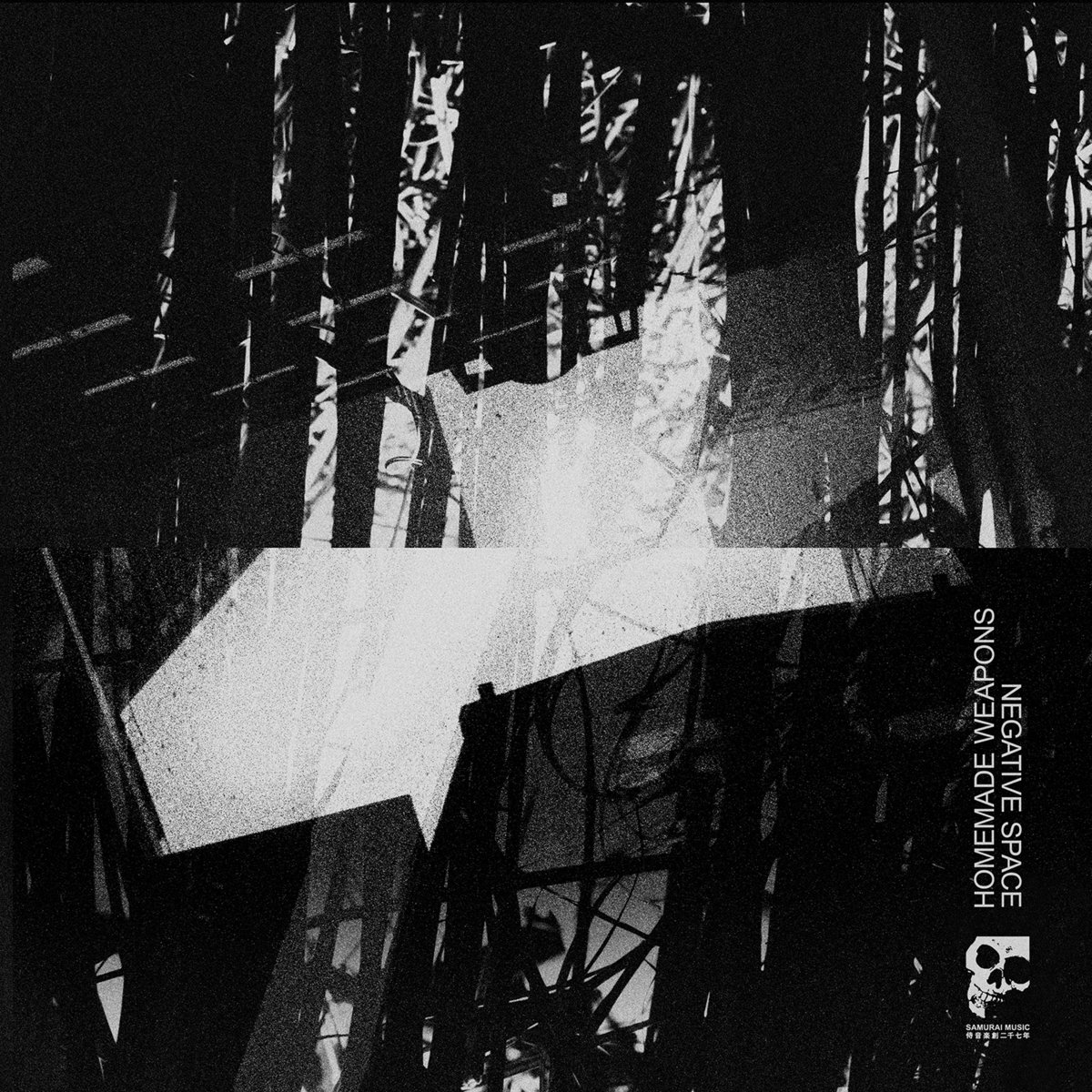
With five years of drum & bass EPs under his belt, Andre Delgado (a.k.a. Homemade Weapons) dropped his debut LP, Negative Space. The Seattle producer made his name around 2012 with a stripped back, slowed-down breed of the genre, and he’s spent the ensuing years developing the sound with little compromise. Negative Space, a November release, is the product of these years of committed refinement: 12 dancefloor bombs with no-filler. Adapting to the long-player former is no easy feat, but Delgado achieved it in style.

Yaeji Yaeji [Godmode]

Yaeji, born Kathy Lee, is the producer, vocalist, and visual artist who splits her time between Seoul and New York City. In March, she dropped her self-titled EP via Godmode, featuring five very lo-fi house cuts. There’s an appealing simplicity to her work; most tracks consist of a deep bassline with some intimate and simple vocals—”like having someone whisper in your ear in the middle of a crowded club,” wrote Alexandra Pollard for The Guardian newspaper. It just works, and this splendid EP is a perfect encapsulation of her sound.

Dopplereffekt Cellular Automata [Leisure System]

What can I say—the first Dopplereffekt album in over 10 years? Amidst mounting anticipation, it delivers in every way. Out on Berlin mainstay Leisure System, it’s a heroic return to the long play. Cellular Automata feels like it’s on the cusp of tomorrow, epically suspended between past and future. The album is as cerebral and inquisitive as it is bold and viscerally emotive. Based on a mathematical concept that goes by the same title, the album possesses both a calculating and austere quality. It has the classically technical aspect that Dopplereffekt is known for, whilst simultaneously allowing its grand, expansive themes to unfold center stage. This is ambient electronica at its very best.

Rainforest Spiritual Enslavement Ambient Black Magic [Hospital Productions]
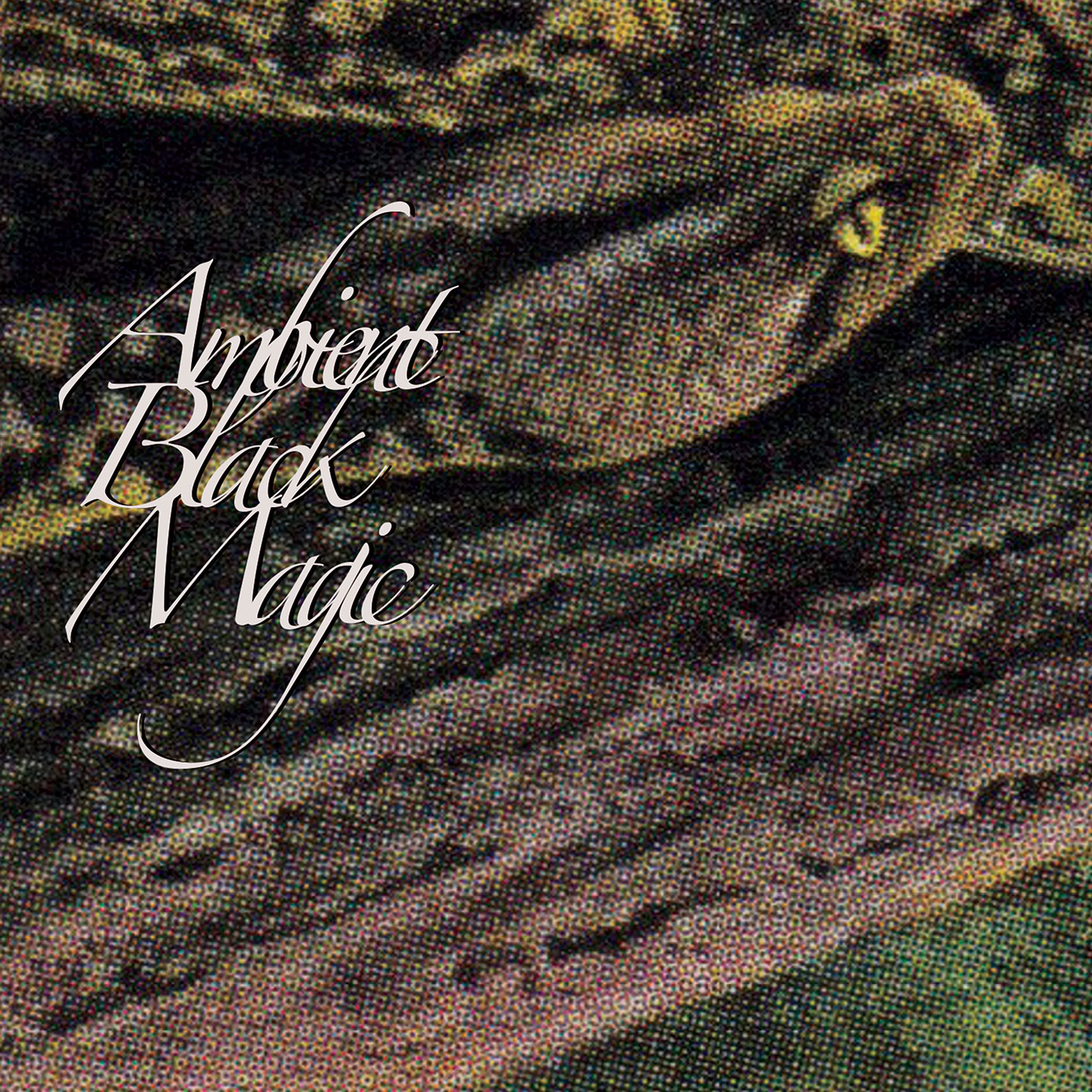
Dominick Fernow is a man of many facets. Predominantly known by his Vatican Shadow and Prurient monikers, the experimental noise artist also runs one of America’s most significant electronic labels: Hospital Productions. Here, Ambient Black Magic presents a rather intriguing side to Fernow; one that is distinctly more meditative and somewhat surprisingly polarised to his other music projects. Despite clocking at a ruminating ~70bpm, the music is still powerful and it’s irresistibly hypnotic — no doubt due in part to Silent Servant on co-production. The opening piece is a stunning 34-minute trip that enraptures the listener with the myth and psychedelia of the jungle. The rest follows suit with killer subs and atmospheric dub work, closing off with a heavy remix by Substance (DJ Pete). In this essential release (split across two 12”s and a 10”), Fernow gives us a real masterclass, stripping back everything to the fundamentals with pure style and elegance.

Pessimist Pessimist [Blackest Ever Black]
Another debut drum & bass LP, but this time from a relatively unknown producer. Pessimist is the alias of Kristian Jabs, a Bristol-based drum & bass producer who first set tongues wagging with a beautifully dark 2016 Balaklava 12” on Blackest Ever Black‘s A14 sub-label. His debut self-titled LP, his first appearance on Blackest Ever Black itself, is a dramatic, dark, and thoroughly captivating listen. It blends noir, smoked-out dub-scape, acidic rave, and downtempo breakbeat with a bombed-out industrial ambiance, resulting in some breathtaking soundscapes that you can imagine in the club as much as you can in sci-fi soundtracks.

RAMZi Phobiza “Noite” Vol. 2 [Mood Hut]
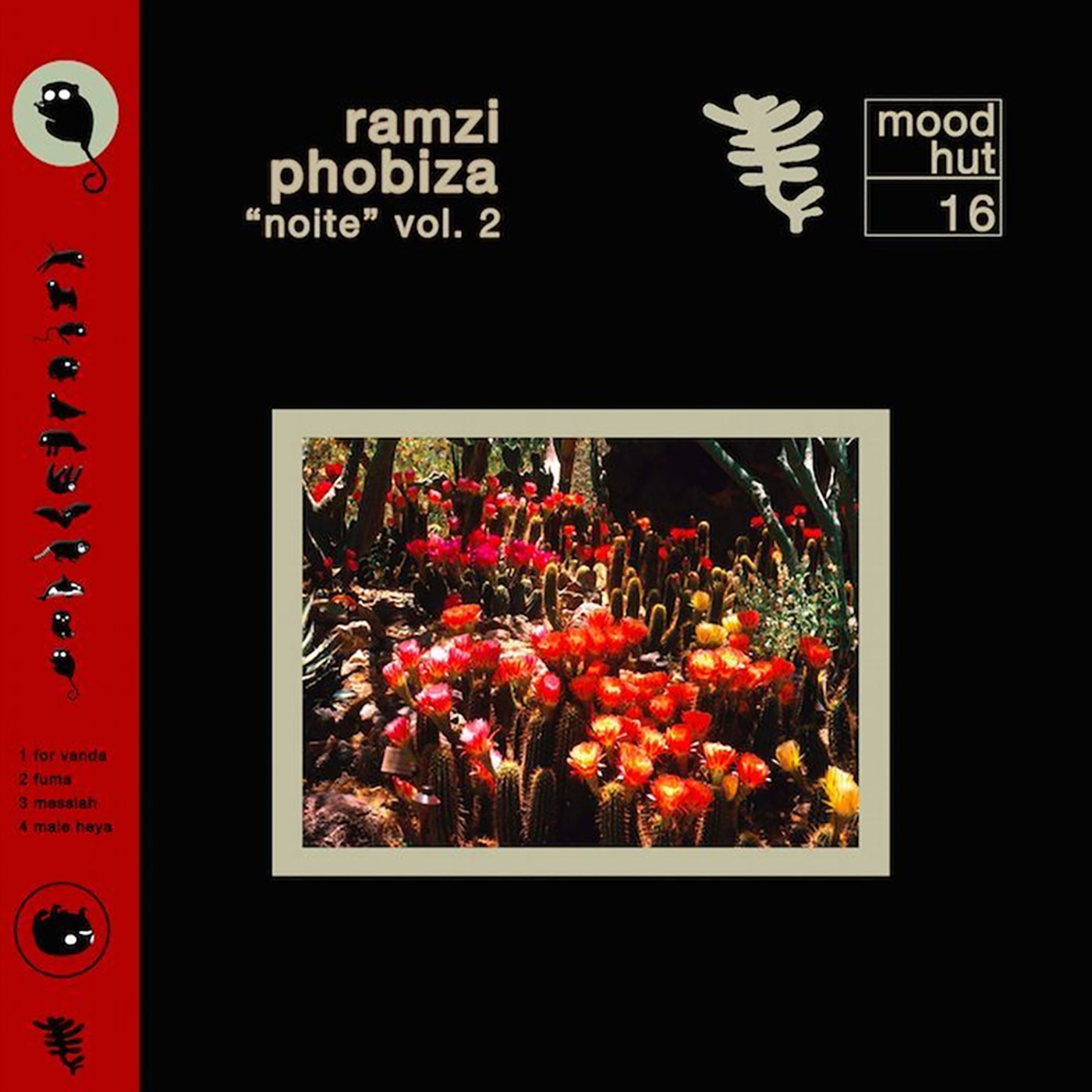
With her follow-up to Phobiza Dia: Vol.1 via Total Stasis, Phoebe Guillemot (a.k.a. RamZi) served up four soothing dubby house cuts, this time on Mood Hut. Laced with organic percussion, melted vocals, and fascinating samples, it’s a highly pleasant listen to which we returned regularly throughout the year.

Ben Frost The Centre Cannot Hold [Mute Records]

Australian experimental producer Ben Frost released his fifth studio album on September 29 through Mute Records. The Centre Cannot Hold, produced and recorded by the legendary Steve Albini in his hometown of Chicago over 10 days, followed Frost’s Threshold of Faith EP—and actually features three of the same tracks. With a lingering sense of dystopia, guitar distortion, and keyboard harmonies, the Ben Frost hallmarks are present, but this release is also engaging, smart, and emotionally rewarding.

Kaitlyn Aurelia Smith The Kid [Western Vinyl]
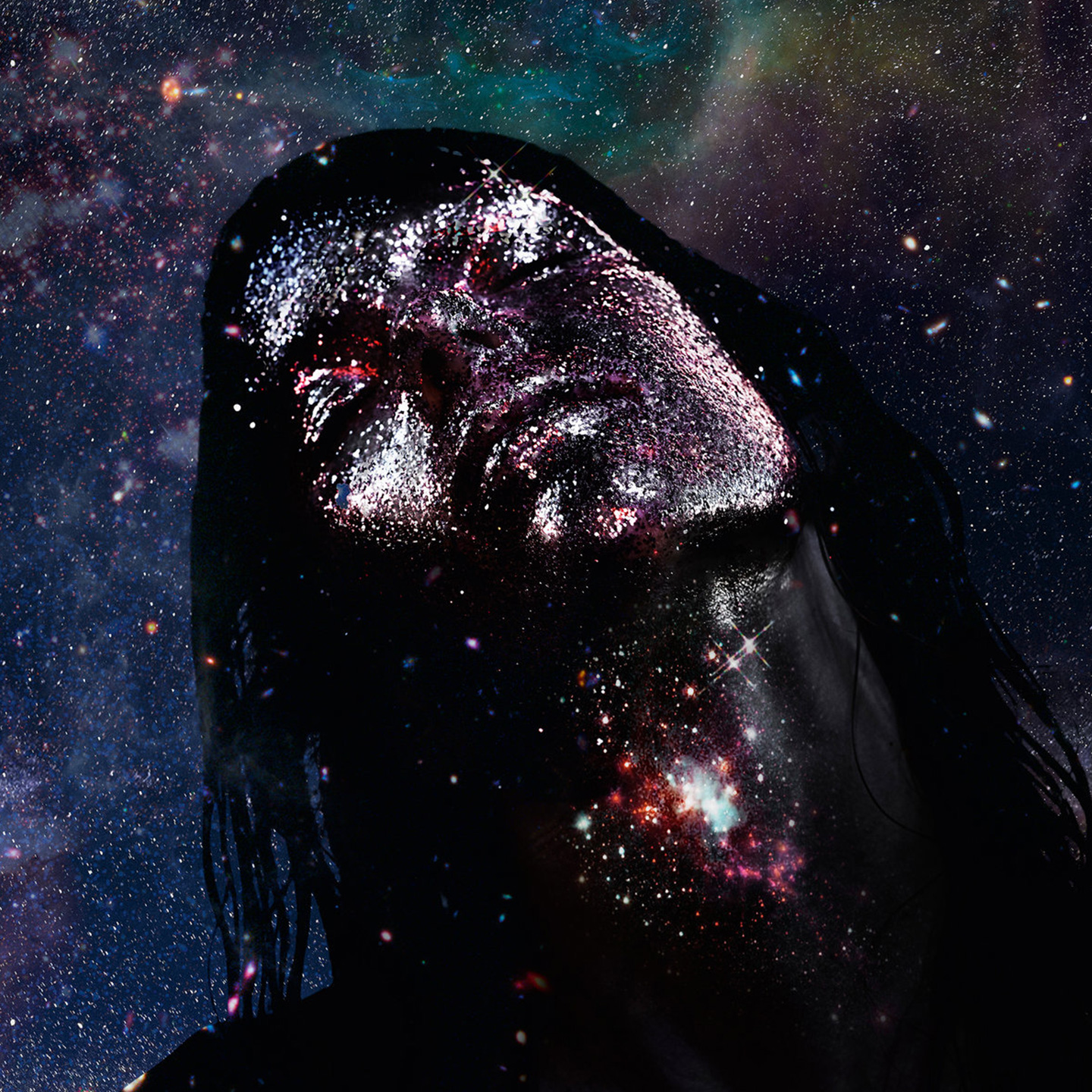
She broke through in 2016 with the double whammy of her solo album Ears and a collaboration with synth mage Suzanne Ciani, Sunergy, but Kaitlyn Aurelia Smith has been releasing albums of psychedelic electronic songs since 2012. The Kid was the sixth record from the Orcas Island, Washington-raised, LA-based singer and experimentalist and was the one that has deservedly elevated her onto the world stage. Using the Buchla 100 synth with which she’s become associated, as well as an EMS Synthi and a variety of other arcane analog equipment, Smith constructed whole worlds with sound—verdant forests of lush reverberation, with a warmth rarely attached to electronics.

From these dense entanglements of synth and robotic bird tweets emerged beautiful songs, Smith’s voice a key element of her extraordinary music. “To Follow and Lead” evoked a waterfall of spilling neon and packed an earworm melody, and “I Am Curious, I Care,” with the orchestration of the Stargaze Quartet, had the emotional rawness of early Björk but was closer to Joanna Newsom in sound. Smith’s mix of experimentation and leftfield songs was mesmerizing.

Call Super Arpo [Houndstooth] 

Berlin-based Joe Seaton went from underground secret to electronic music sensation upon the release of Arpo. He’s been working in the background for years, under the Call Super alias, as well as other pseudonyms such as Elmo Crumb and Ondo Fudd, creating twilight house and dub-dipped ambient tracks. But Arpo, quickly following his excellent fabric 92 mix, felt like something very new. Functioning somewhere between IDM, ambient music, and jazz, with occasional interjections of live woodwind instrumentation from his father, Arpo was haunted by the revenants of many forms of dance but sounded like no one else. “Arpo Sunk” mixed clunking, popping rhythms with smoky oboe and a twisting synth line, while “Korals” glowed with bioluminescent energy and was haunted by eerie bass phantoms. Conjuring a captivating world with strange melodies and weird machine made noises, Seaton stepped into the realm of auteurs such as Aphex Twin and Actress and stands alone as a producer with a unique vision. Arpo was his most definitive statement yet.

Kelly Lee Owens Kelly Lee Owens [Smalltown Supersound]

Welsh electronic artist Kelly Lee Owens’ debut was a psychedelic marvel that took the ideas of her self-released 12” singles and pushed them to the outer limits. Owens first made waves with her three appearances on Daniel Avery’s debut album Drone Logic, her unique vocals making album closer “Knowing We’ll Be Here” (which she wrote with Avery and Mark Ralph) one of the record’s highlights. Her album, by contrast, was full of hypnotic and emotional songs, paired with lysergic analog electronics and diversions onto the dancefloor. “Arthur” rippled with dense layers of found sound, vocal harmonies, and a blissful otherworldliness; while “Evolution” was acid propelled 4/4 with a killer one-note bass line. With Kelly Lee Owens, she proved it’s entirely possible to mix leftfield pop and underground dance, and excel at both.

Equiknoxx Colón Man (DDS 027)
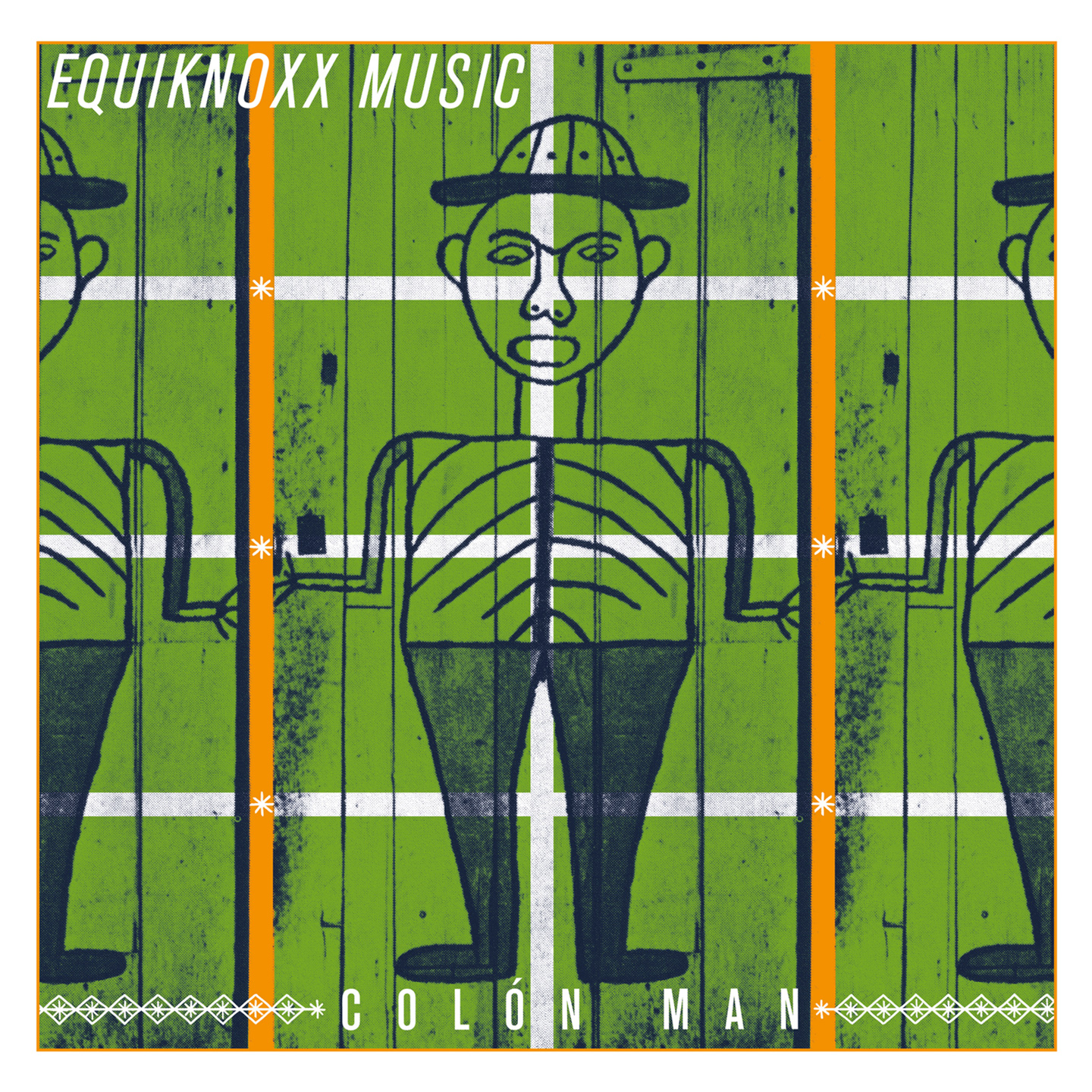
After their hit 2016 album Bird Sound Power, which was made up of tracks going back to 2009, the Jamaican duo Gavsborg and Time Cow in November released their first true LP, again on Demdike Stare’s DDS. The title refers to a folk song about a man who worked on the Panama Canal and has returned with riches like a gold chain going pam pam pam against his belly as he walks. To call this album futurist dancehall situates it in the Carribean, but to my ear, like the Colón man, Equiknoxx have come home to every listener with the wealth of supremely global and fresh dance tracks gained by their touring and imagination and love for roots music.

STILL I [PAN]
STILL is a new moniker of Milan’s Simone Trabucchi, who was previously known as Dracula Lewis and released experimental mutations of ambient and folk music since 2008 on various seminal labels such as Hundebiss, which he runs. His STILL project references the colonial histories that connect his hometown, Ethiopia, and Jamaica; and I, with its stepping and broken rhythms and vocals spanning rudeboy MCing to ethereal ladies and squirly samples, is full-on post-internet bashment with great artwork from the ever esoteric and high-quality PAN imprint.

Various Firma do Txiga [Príncipe]

Since the beginning of the decade, Príncipe Discos have been representing the Lisbon area’s dance music styles—batida, kizomba, kuduro, tarraxo, tarraxinha—with records and parties and its artists touring the world. With Firma do Txiga released in June and DJ Lycox’s and Nídia Minaj’s excellent LPs after, Príncipe remains wonderfully relevant and explosive to the global dance scene. The beautifully presented three 7” disc release with a hand-painted sleeve features the music of K30, NinOo, and Puto Anderson, members of the Come Close crew, and runs from wistful tarraxinha to breakneck joyful hellfire that makes techno sound conservative.

Porter Ricks Anguilla Electrica [Tresor] 

June 9 saw Tresor Records release the new album of Thomas Köner and Andy Mellwig (a.k.a Porter Ricks), Anguilla Electrica. The LP followed last year’s Shadow Boat EP for the Berlin techno label, becoming the dub techno duo’s first LP since 1999’s Symbiotics. The six-tracker saw the duo build on their previous work to create “a continuation of a sonic ideal rather than a tribute to what has already been achieved,” and this progression conceived an album that features crackling textures and brilliant sound design. The production is more linear and polished than much of the duo’s earlier work, and it did take more than one listen to properly appreciate, but it squeezes its way into this list as an album to remember from 2017.

Broken English Club The English Beach [L.I.E.S.]
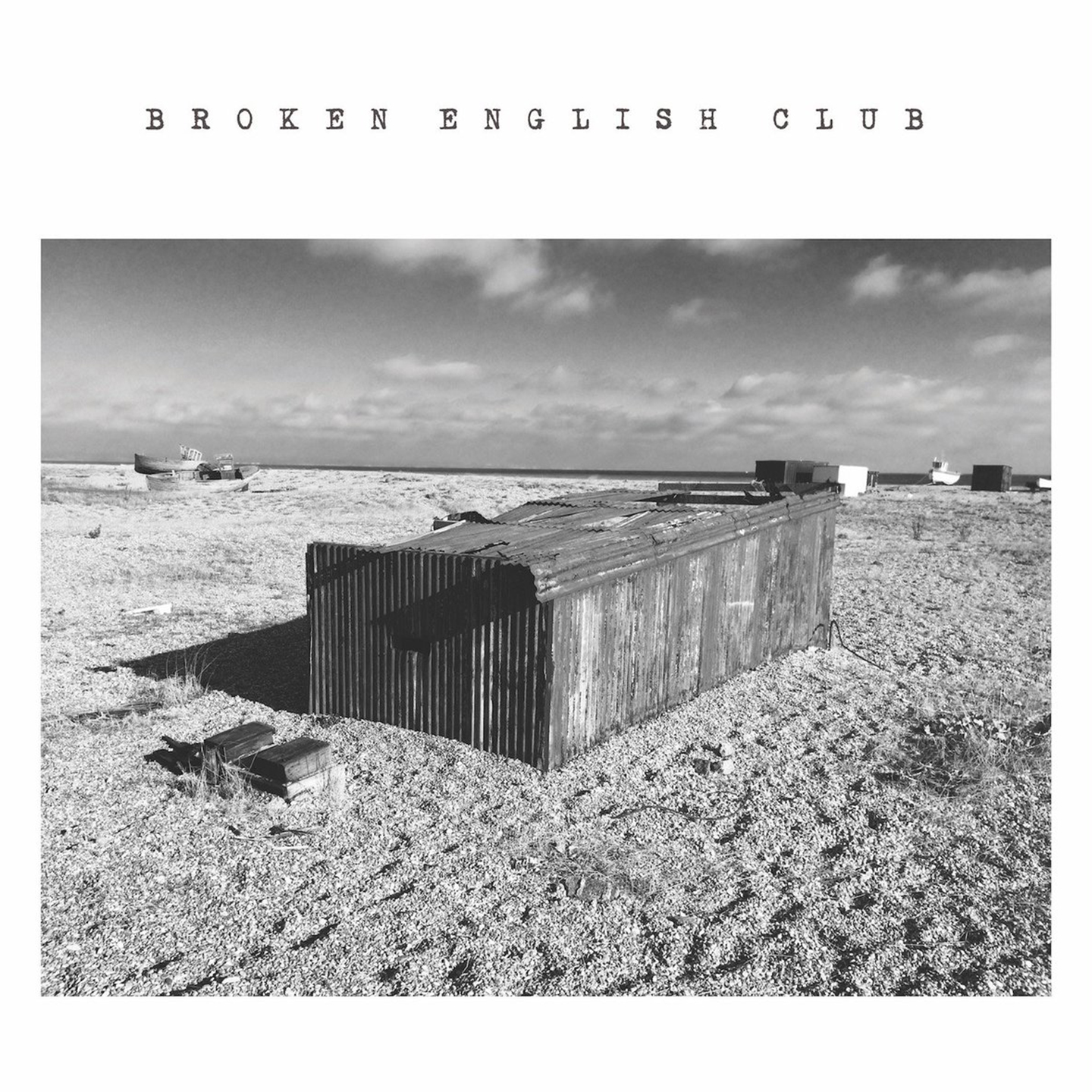
Those familiar with Oliver Ho’s fearsome and often brutal early EPs on Blueprint and his more recent avant-techno/house Raudive material will be aware of his ability to inject a dark narrative into functional electronics. With Broken English Club, he delivers monotone vocals and shards of live instrumentation over stuttering beats and bleak synths. His second LP under this moniker landed earlier this year on L.I.E.S., this time featuring 12 tracks varying from club techno cuts to highly experimental and often theatrical industrial music. “Carrion” and “Pylon” are particularly special.

Tzusing 東方不敗 [L.I.E.S.]

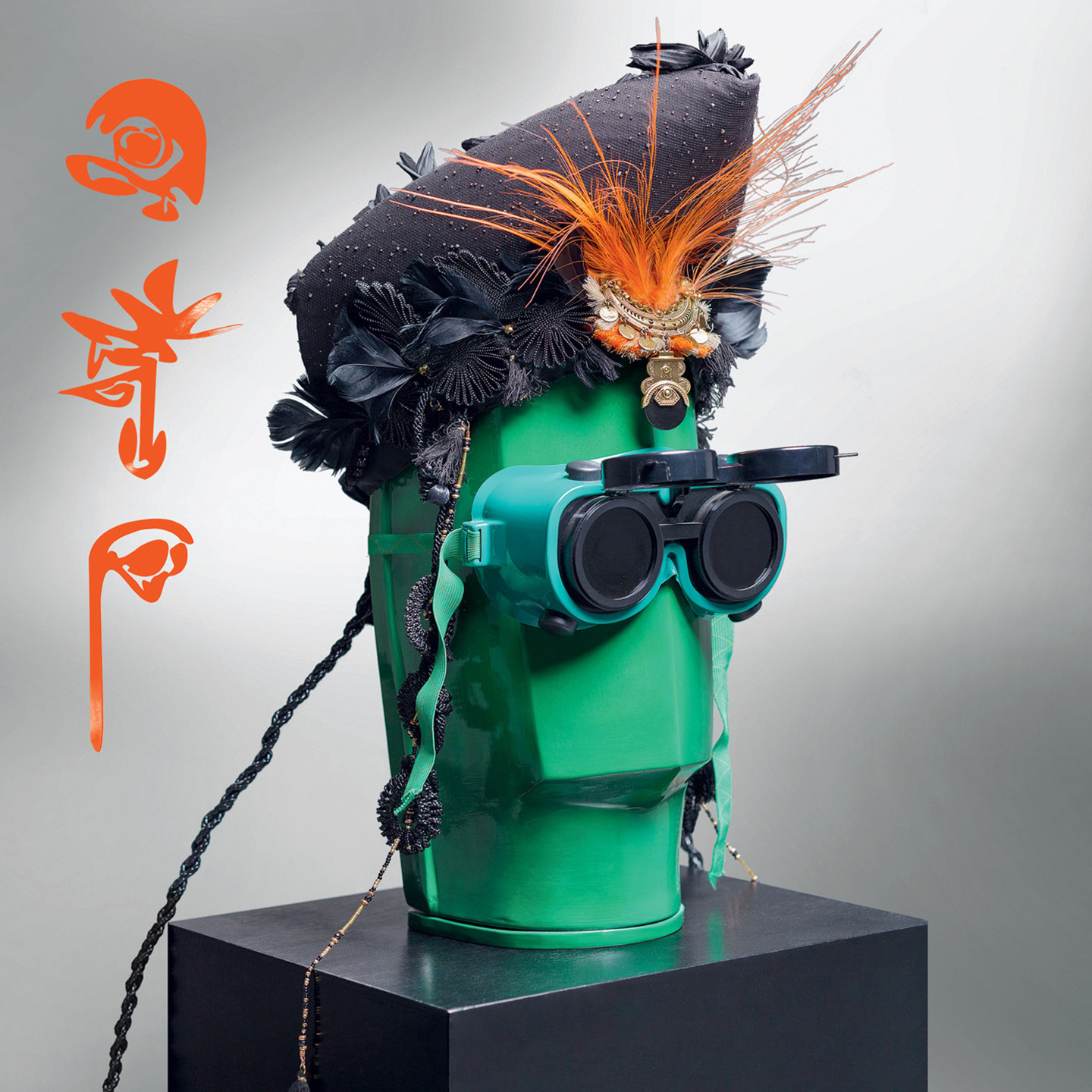
Another L.I.E.S. release, this time from Malaysian-born, Taipei-based Tzusing—whose debut album arrived in February. Tzusing emerged in 2014 and has since released EPs via Public PossessionBorn Free Records, and L.I.E.S., and there was a lot of anticipation and expectation around his first full-length effort. In short, it was another, albeit longer, expression of this man’s blossoming production talents, blending gut-churning industrial grooves with twisted melodies. Confirmation, if you needed it, that Tzusing sits at the forefront of techno’s new wave.

Midori Takada Through The Looking Glass [Palto Flats]
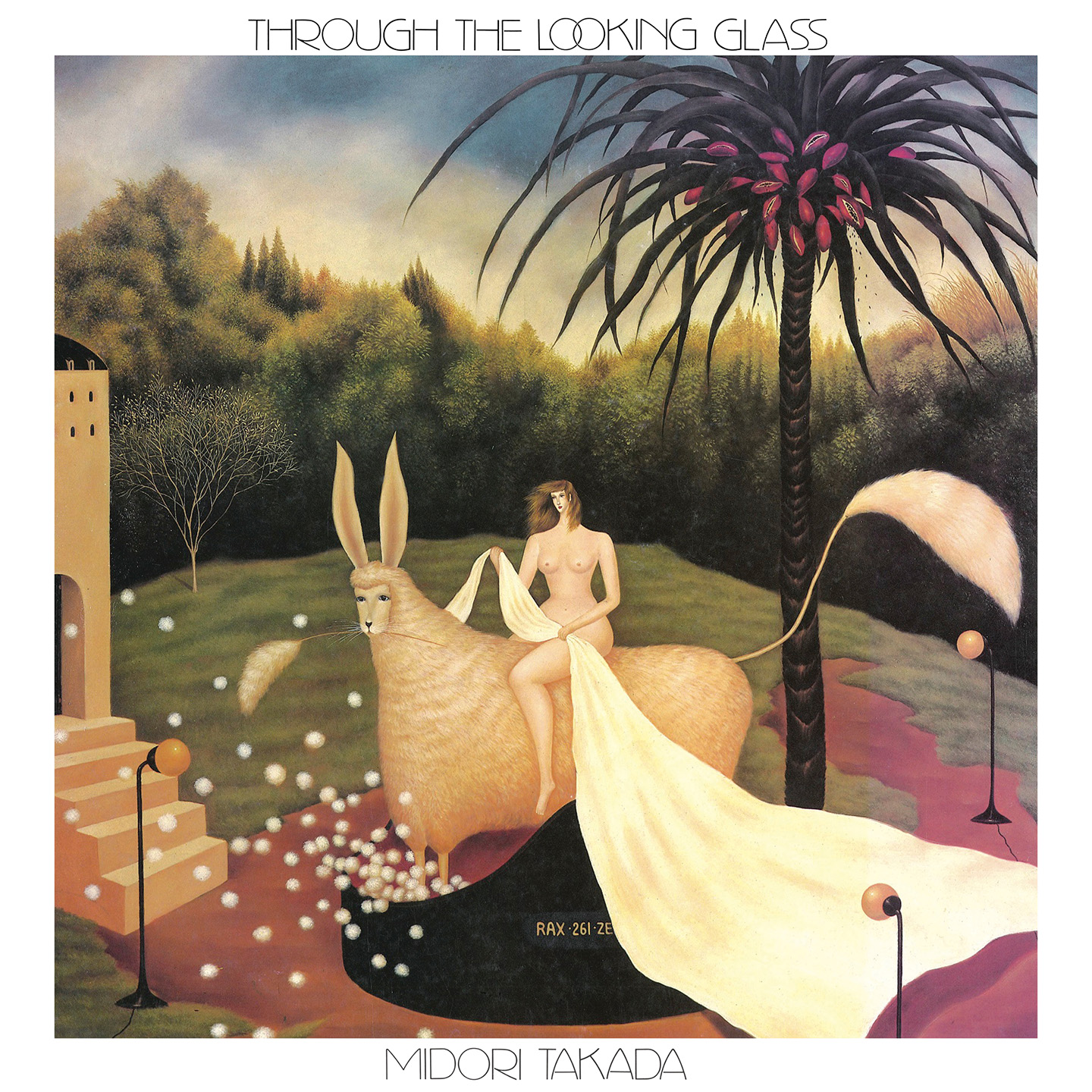
Japanese percussionist/composer Midori Takada’s 1983 album Through The Looking Glass, one of the era’s most sought-after Japanese and ambient records, was reissued for the first time in March. The release was Takada’s first solo LP and one of her landmark creative works, featuring four abstract ambient experiments. It’s a beautiful, peaceful, and deeply calming album.

Function Recompiled I/II [A-Ton]
“Sometimes the only way to look forward is to look backwards”—as the liner notes suggest, Function’s Recompiled I/II is the first of two retrospective comps that take a reflective stance on techno through the eyes of one of its key influencers. Few were at it before NY’s Dave Sumner—as well a linchpin of the Berghain and Ostgut family, he’s also a founding member of the legendary Sandwell District project and co-founder of the Infrastructure label. Charting the genre’s trajectory in the US from the late ’80s, over to Berlin and the subsequent movement(s) that happened thereafter, the album features both previously unreleased material as well as key historical releases from the artist. The compilation is a brave attempt at deconstructing a staggering 25-year legacy and is a serious personal inquiry into Sumner’s own progression and artistic liberation.

Youandewan The Brane 001 [The Brane]
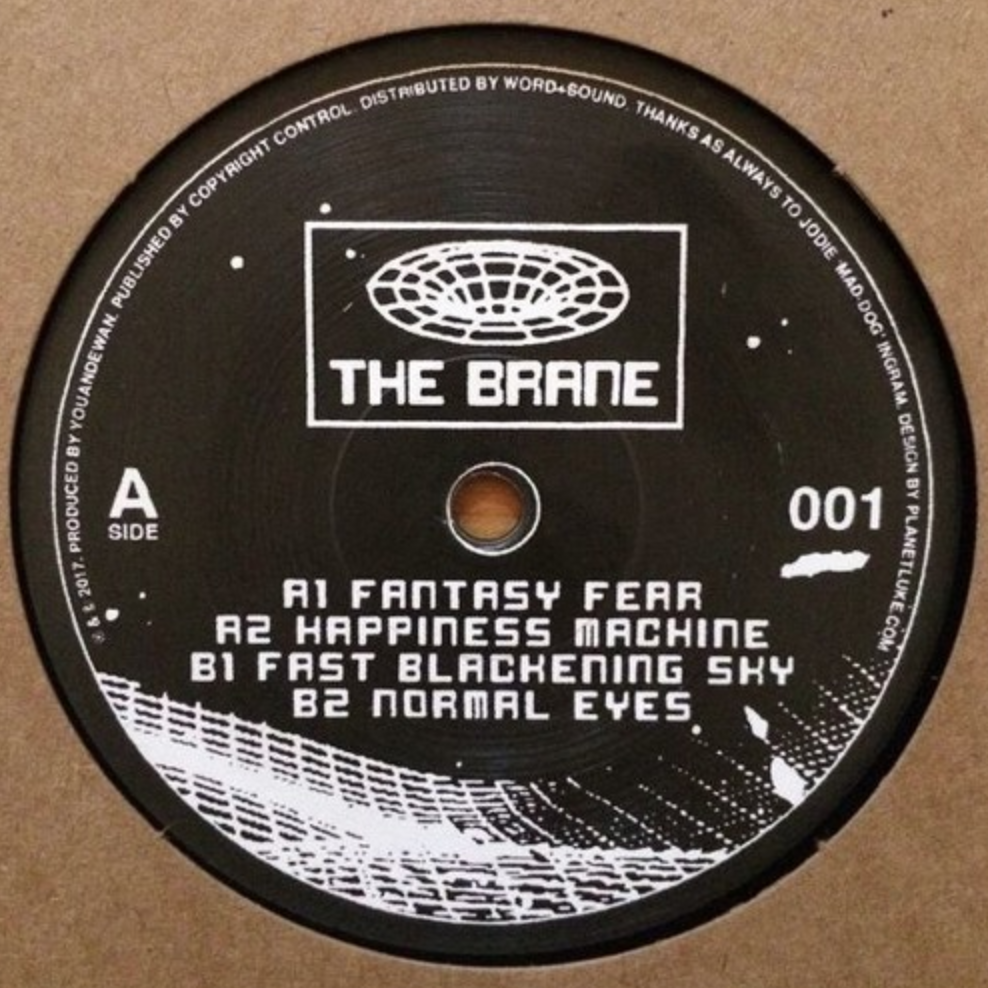
At first glance, Youandewan’s The Brane 001 is just a handful of somewhat unassuming, mechanical club tracks designed with functionality in mind. But if you look more closely, there’s a certain beauty and nostalgia captured here that makes it one of the most inspired dance EPs to come out this year. A fusion of garage, techy heads-down house, and techno, the tracks are perfectly constructed, replete with detail and nuance. The music’s relative simplicity relinquishes technical fireworks for finesse and purity of form and glides between sweaty basement vibes to sun-lit after-hours. As the first release on his own imprint The Brane, it feels like the exciting start of something new for the Berlin-based artist. The Brane 001 is a brief manifesto for invigorating, uplifting club sounds, destined for positive dance floors and sunrise sessions.

Grand River Crescente [Spazio Disponibile]
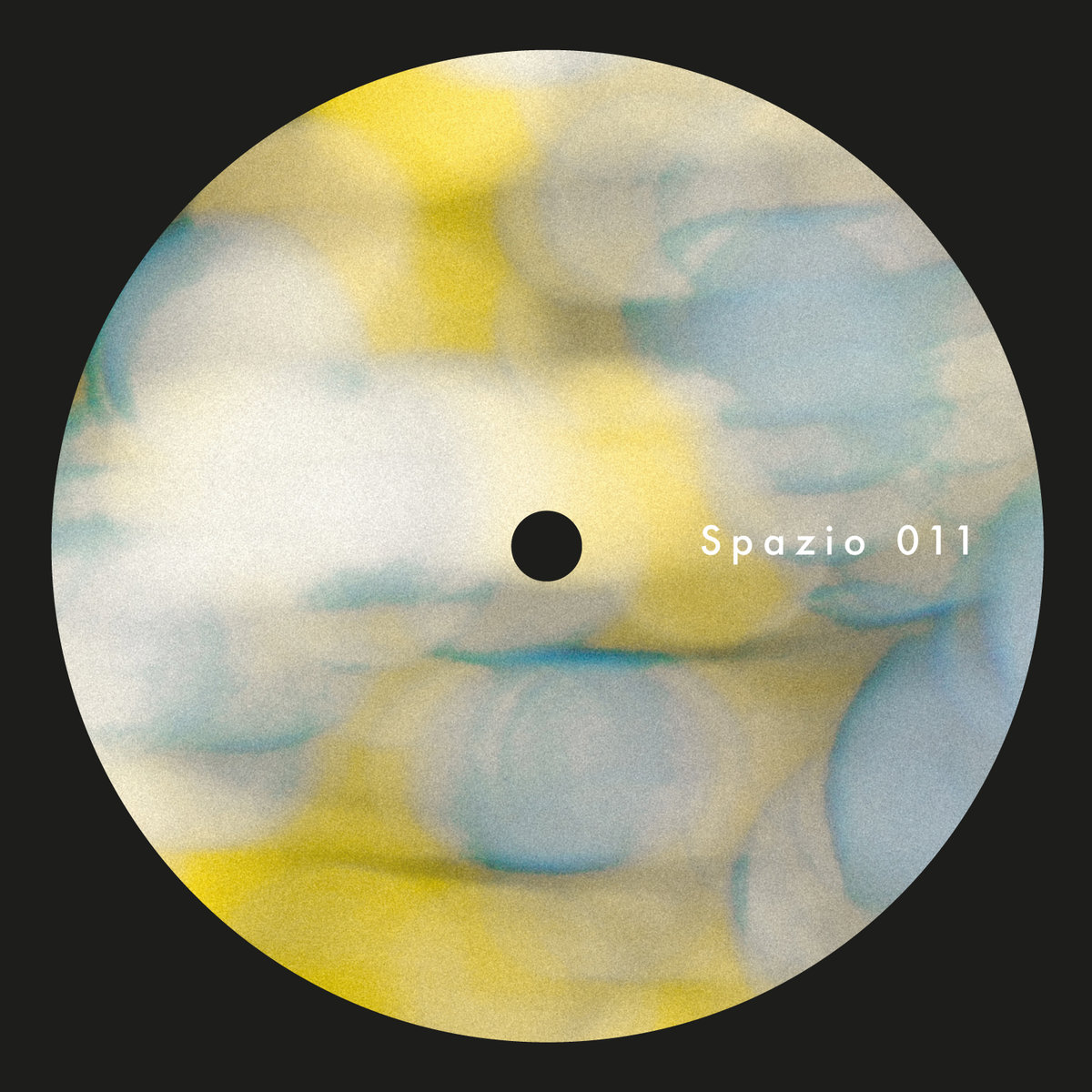
Crescente is the Spazio Disponibile debut from multi-instrumentalist, composer, and producer Aimee Portioli (a.k.a. Grand River). Crescente signals a slight turn for Donato Dozzy and Neel‘s label, which in the past had mostly released more dancefloor-focused outings—although, it’s a noticeable relative to Dozzy and Neel’s hallucinogenic creations. Filled with rippling textures, grainy found sound, frayed rhythms, and poignant melodies, the four tracks on Crescente play out like a score to lost sci-fi epic, one that leaves you utterly enchanted and dumbfounded.

DB1 Zwischenwelt [Hidden Hawaii]
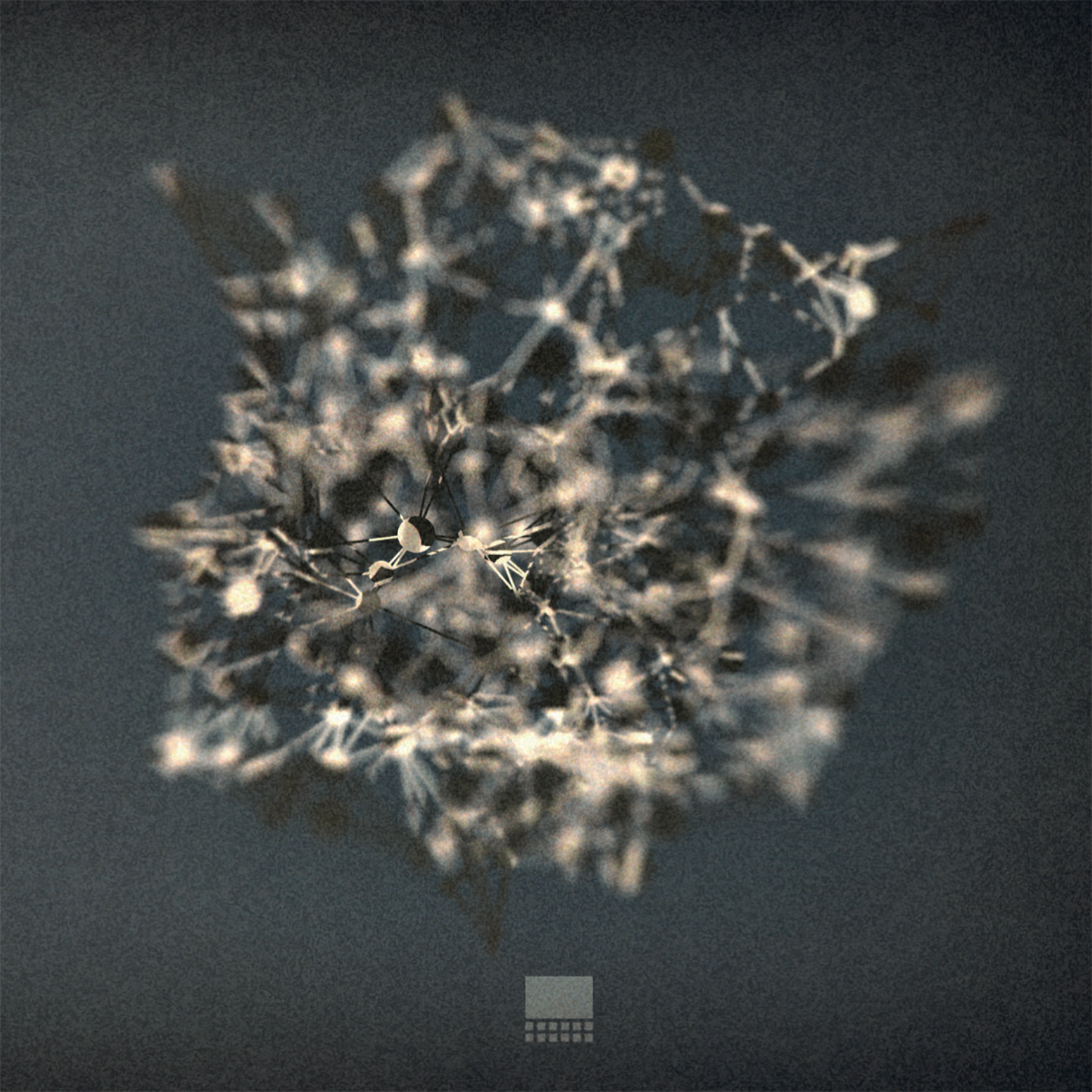
London producer Dylan Brownswood (a.k.a. DB1) dropped just one release in 2017, which, by many standards, is a quiet and stagnant year; however, when your sole release offers a sonic universe as confounding and expansive as Zwischenwelt, there really isn’t much else left to say. Across the 10 tracks on the album, Brownswood manages to craft a singular sound that melds numerous techno and bass sub-genres, whilst also sounding like nothing else out there—fittingly, Zwischenwelt roughlytranslates to “limbo” or “in-between world.” With its ever-evolving modular soundscapes and kaleidoscopic rhythms, Zwischenwelt locks you into a deep hypnosis until the LP’s final bar. Debut albums—well, albums in general—don’t get much better than this.

Brainwaltzera Poly-Ana [Film]

Since first popping up a few years ago, the Brainwaltzera moniker has stirred a myriad of online debate as to who was behind its warped, alien-like sonic excursions. Cryptic track titles and stunning melancholic melodies alluded to Aphex Twin, while the project’s playful grooves and acid lines led the internet hordes to Luke Vibert. Whoever is behind the project delivered one of the year’s most impressive releases in Poly-Ana, a 13-track album of impeccable braindance that sits high up with anything from the genre’s ’90s heyday. Exploring the artist’s love for polyphonic synthesizers and the Pollyanna principle—a theory that suggests individuals recall pleasurable experiences more acutely than displeasing ones—Poly-Ana is an album full of nostalgic beauty, otherworldly ambiance, and some of the most distinctive and emotive synth lines conceived this year.

Thundercat Drunk [Brainfeeder]
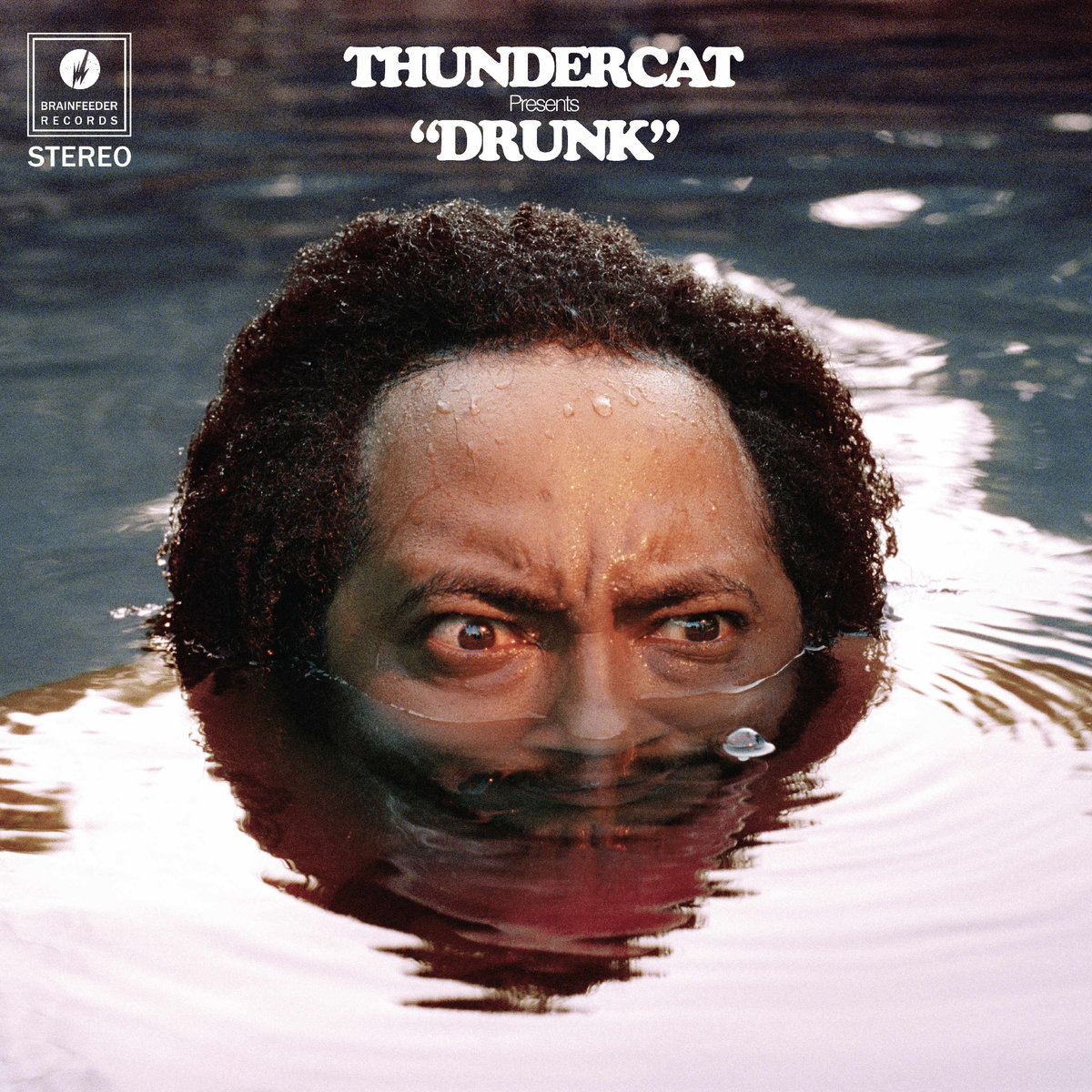
Thundercat‘s third album, Drunk, as the title alludes, is an intoxicating album pulled from the mind of one of modern music’s brightest talents. Across 23 tracks and backed by a raft of collaborators including Kendrick Lamar, Kasamai Washington, and Flying Lotus, the bass virtuoso spins a humorous, honest, and, at times, anxious tale that offers personal reflection and comments on society like a late-night inebriated outpouring. Despite its sprawling nature, woozy concept, and numerous guests, Drunk is a lucid album that gives a sincere look into the world in which Thundercat orbits, all the while not taking itself too seriously in the process.

Powerdance The Lost Art of Getting Down [Powerdance]
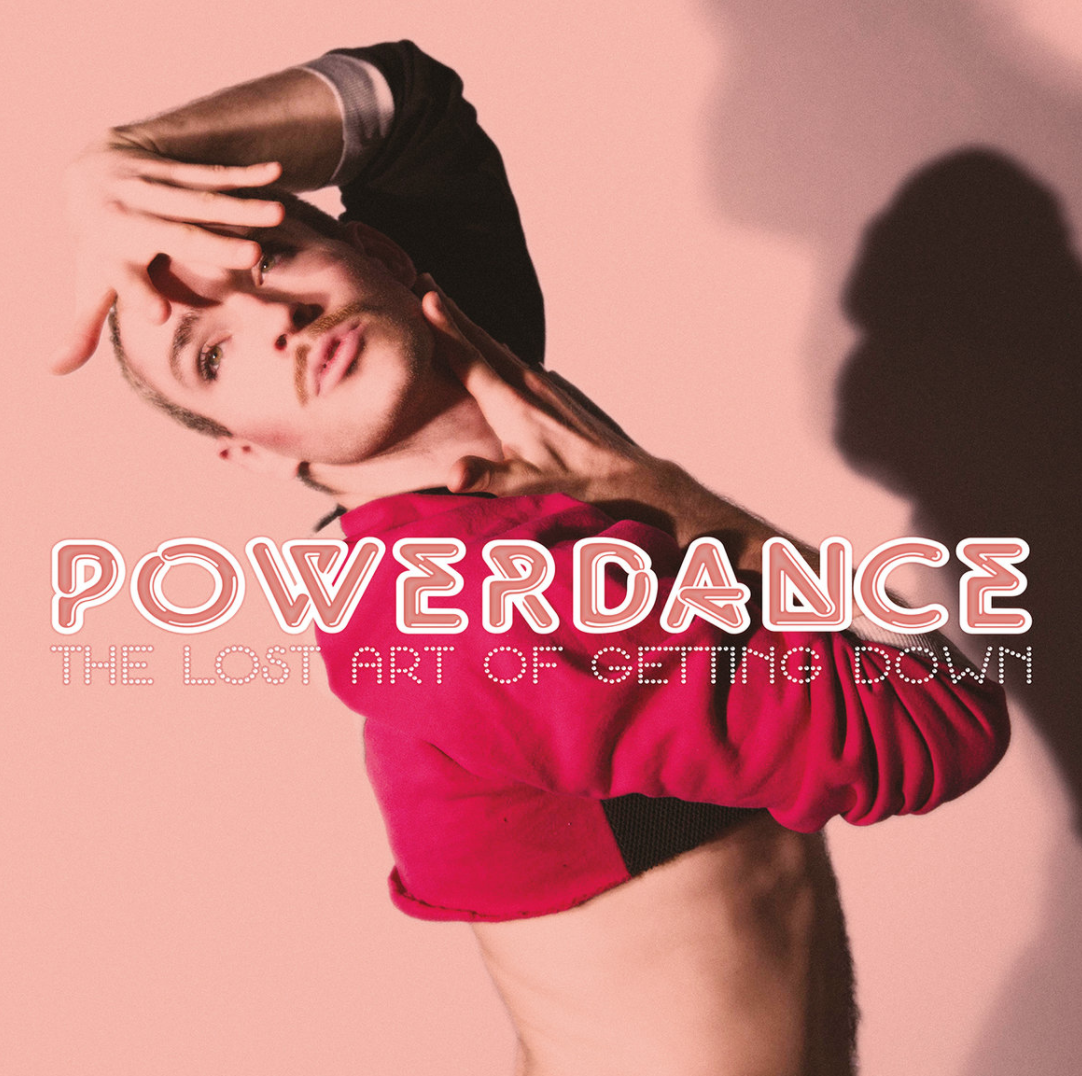
Classic Music Company cofounder Luke Solomon, along with a crew of clubland renegades, is behind one of the best surprises of the year, a house record that reminds you of just how much flamboyant and fun house used to be, and perhaps can be again. A lyric from the album that sums up its ethos: “Let’s love like innocents, let’s sing.” It’s the kind of joyous release that brings back carefree memories of why many of us got into this music, and into this world, in the first place.

Metro Area Metro Area 15th Anniversary Edition [Environ]
Sure, it arguably sounds a teeny bit dated. Then again, you could say the same about Kraftwerk’s The Man-Machine. (But you wouldn’t.) Much like that touchstone, this remastered re-release of Metro Area’s hugely influential run of spectral electronic-disco tracks, stripped down to their essential elements, is pure crystalline perfection, and remains as relevant now as it was in the early days of this millennium.

SW. The Album [Apollo Records]

More often than not, it is the elusive, anonymous artist who ends up producing that which is most prestigious. Originally released last year on a limited white label through the SUED label SW. runs with Berlin cohort Sven Rieger, it was R&S‘ more experimental sub-imprint Apollo who took it upon themselves to release the genre-agnostic debut record by Stefan Wust in July. The album is a portrait consisting of all the great characteristics that make up underground music; breakbeats, sub-bass, house, and techno. The composites are held together in wondrous rhythm to form a whole that is as organic and rich as a mixed bag of rare vinyl amassed across several decades. Not much is known about Wust but his music is a formidable force that depicts an artist with a strong formative background, and an acute understanding of what dance music should truly be about.

Gajek ’17 [Monkeytown Records]
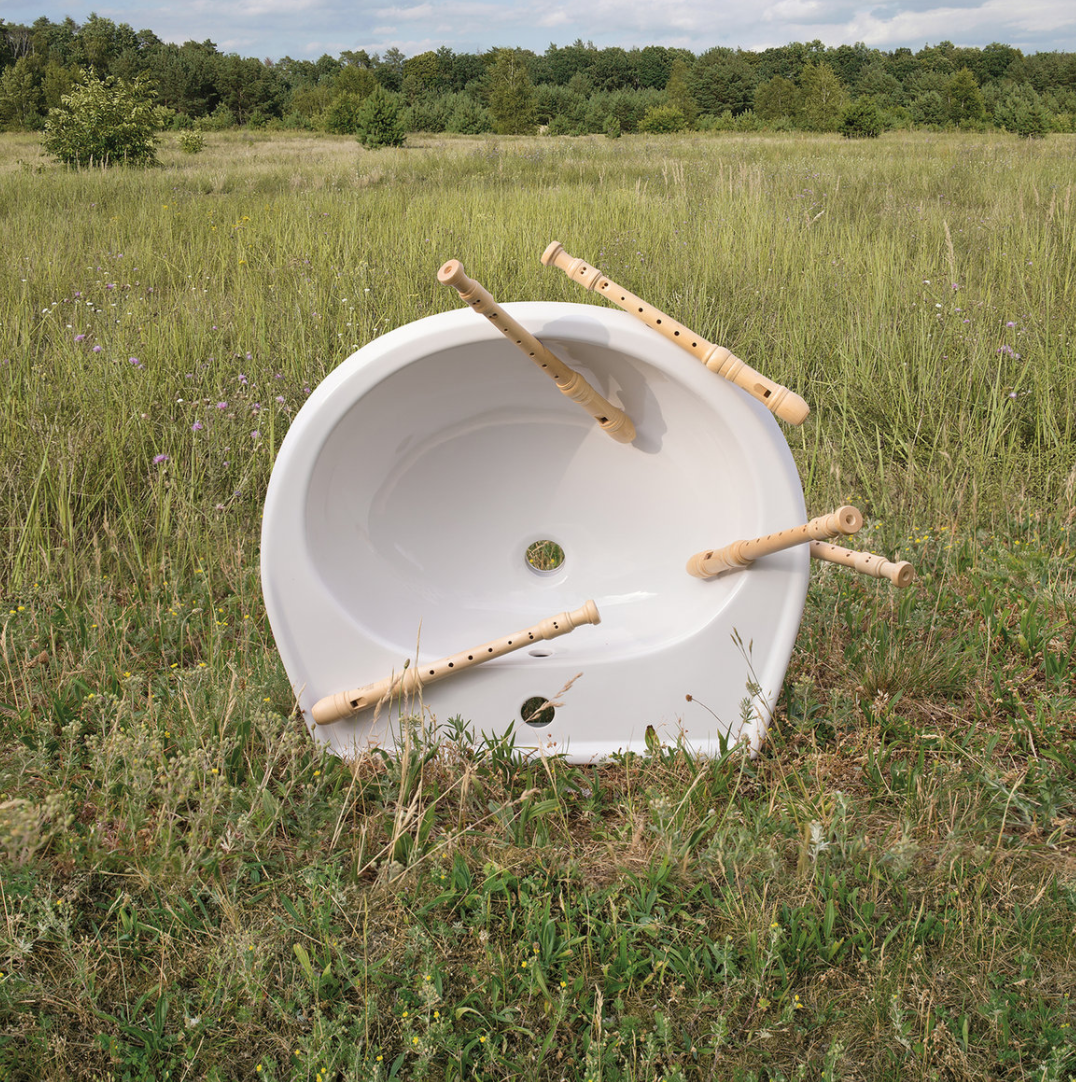
The latest work for German sound-artist Gajek, released in November this year has been overlooked by many. Devoid of any sensical rhythms and structure that one might be able to relate to, ’17 is an extremely abstract record, replete with obscure flutes, sound metaphors, and angular textures. Interspersed among these avant-garde variety noises is a cacophony of sublime textures, built from shimmering rays of audio mastery. Conceptually, the album is supposedly a modern interpretation of ’70s pioneering electronic experimentalism. And even though ’17 is the embodiment of experimentalism, it feels as though Gajek is purposefully painting his way through this ambient rumble of waves and digital wonder. ’17 is an example of contemporary IDM at its very best.

Jlin Black Origami [Planet Mu Records]
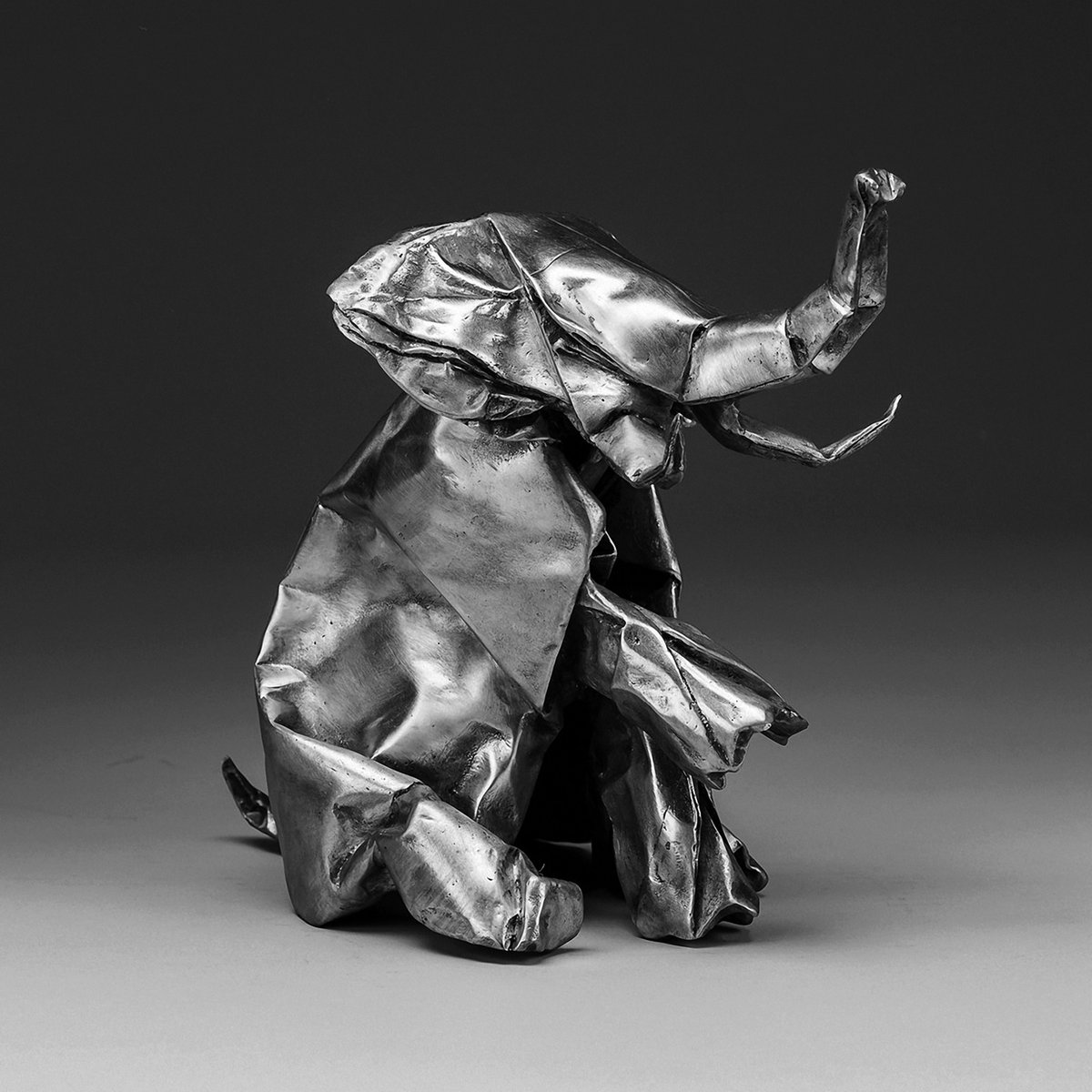
Jlin‘s 2015 debut LP Dark Energy was a pivotal, game-changing record, but the follow-up, Black Origami, released in May this year, took that blueprint yet further, exemplifying the producer’s credibility. Hailing from Gary, Indiana, Jlin’s percussion defies categorization, building on the provisions of what juke stood for, and creating a somewhat new high-octane, experimental hybrid sound. Polyrhythmic, relentless, multi-timbre beats are interspersed with shrills and crashing thuds of bass that are reminiscent of early rave, but yet characteristically belonging to the ever-evolving and character-defining sound emerging from America’s own heartland.

Princess Nokia 1992 Deluxe [Rough Trade]

What comes across so strong on American rapper Princess Nokia‘s debut is the authenticity and feeling connected to the strong day-to-day subject matter covered throughout. An expansion on the 1992 mixtape released last year, 1992 Deluxe sees the self-described “New York Puerto-Rican'” tackling racism and her childhood spent in foster care, while also paying homage to the various assets of her home city. It’s buoyant in a gritty, naive narrative, while showing maturity in its references and delivery. It keeps you coming back for more, showcasing an artist who seems unphased by changing her angle when she sees fit.

Alex & Digby For My Process [Flash As A Rat]
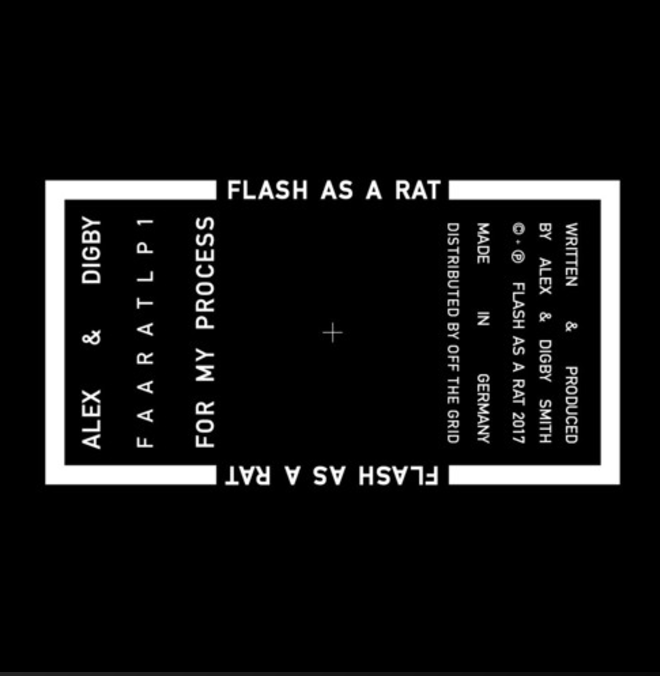
Alex and Digby Smith (a.k.a. Alex & Digby) released For My Process on June 19, the height of the European summer. Released via their own Flash As A Rat label, the album is a diverse collection of 10 extremely well produced and highly detailed tracks that expose the duo as deft practitioners of analog sound. But as brilliant as it was, the LP slipped under the radar; besides the basic information, Soundcloud snippets, and a brief message, nothing else was said about the music or the cryptic title. For this reason, some people are only just discovering it now—and we highly recommend it. The deeply moving story behind it makes the release even more remarkable.

DJ Sports Modern SpeciesFirecracker Recordings
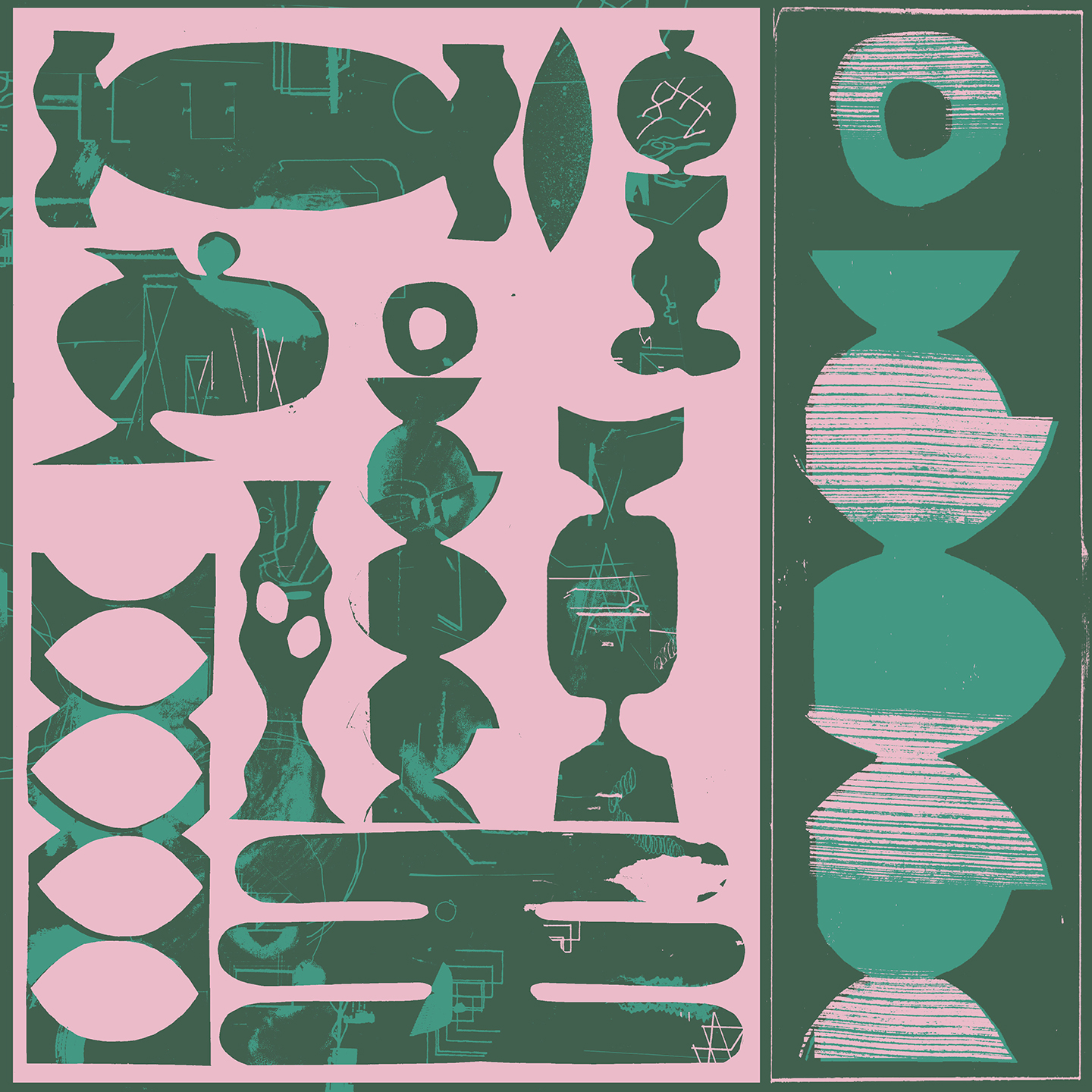
DJ Sports‘ debut solo album landed in June via Edinburgh’s Firecracker Recordings. The eight tracks, which touch on house, breakbeat, garage, jungle, drum & bass, and ambient, are extremely well produced, laced with detailed percussion and soothing melodies. It’s easy to forget music when you work in the music industry; releases come and go, and so naturally, it’s only those with a certain inventiveness or quality that you want to go back to. Modern Species is a great example of this: it was on repeat play for weeks after it landed in the inbox, feeling like new nuances were presenting themselves on each play through.

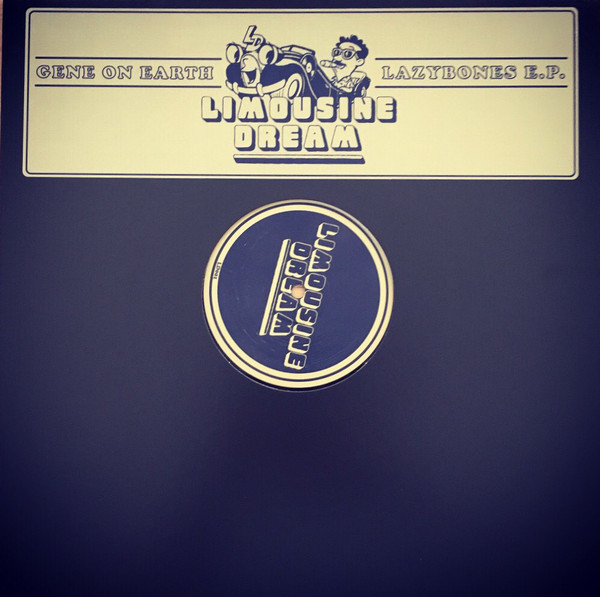
Gene On Earth ‎Lazybones [Limousine Dream]

It’s fair to say that Gene On Earth‘s debut EP was a success. The release, featuring four playful minimal cuts from Berliner Gene Arthur, caused quite a stir: released in the twilight of the European summer, the first press sold out almost instantly, with some soon to be found exchanging hands for considerably more than the original asking fee. Several represses followed, yet demand remained high; it felt like everyone in these circles was on the lookout for a copy. It’s hard to pick a standout track because they’re all high quality. Tip: the last repress is out at the beginning of February.

Ricardo Villalobos Empirical House [a :rpia:r]
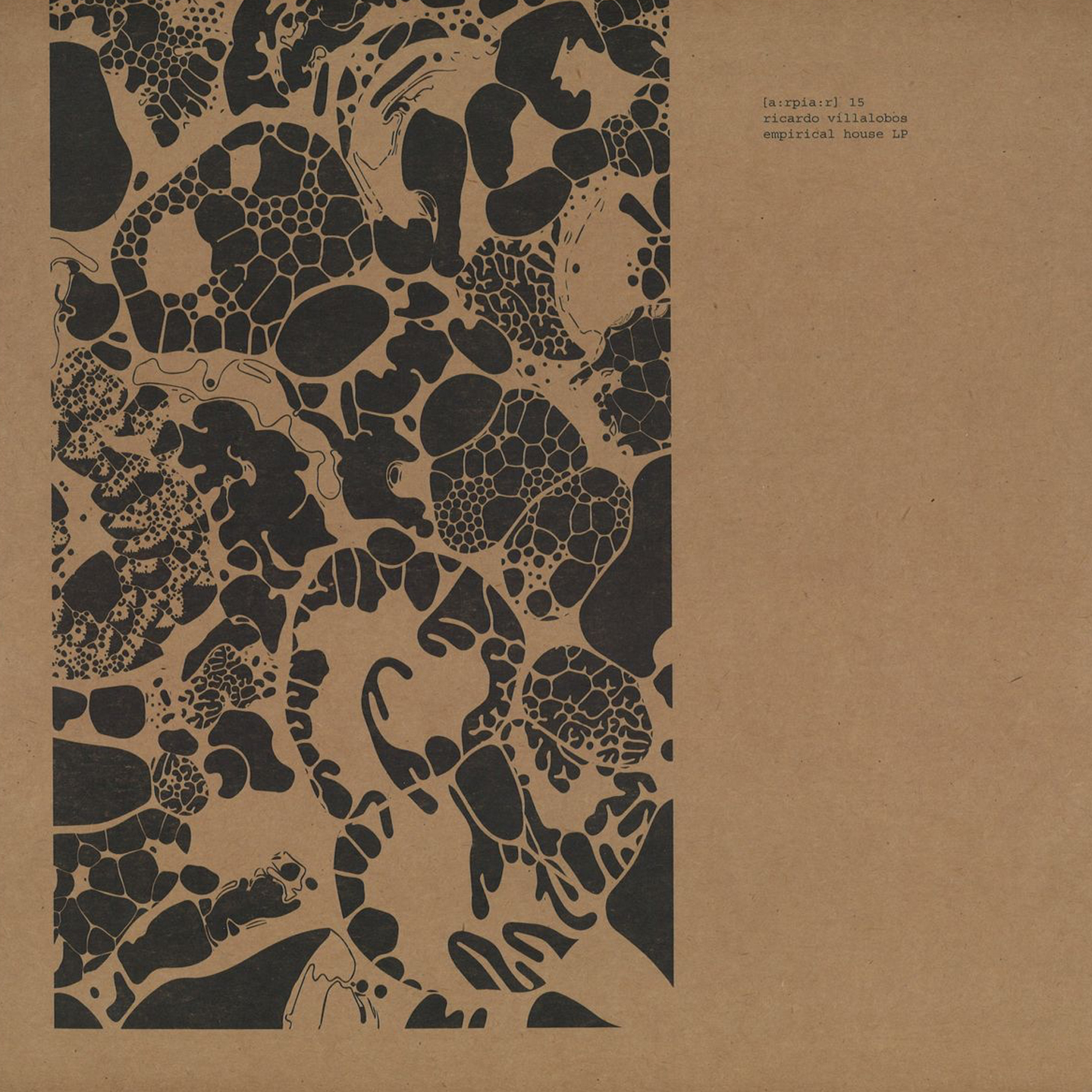
Close followers of Raresh, Rhadoo, Petre Inspirescu, and Ricardo Villalobos will likely have heard much of the Empirical House LP before. Although it only landed in May of this year, it’s been a regular in their sets—and those within their orbit—for some time. With this in mind, you can almost decipher the makeup of the release: loopy and hypnotic of the breed Ricardo’s been mastering for years. It’s another tremendous piece of work from the famed Chilean. But what else would you expect?

Yair Elazar Glotman Compound [Subtext Recordings]
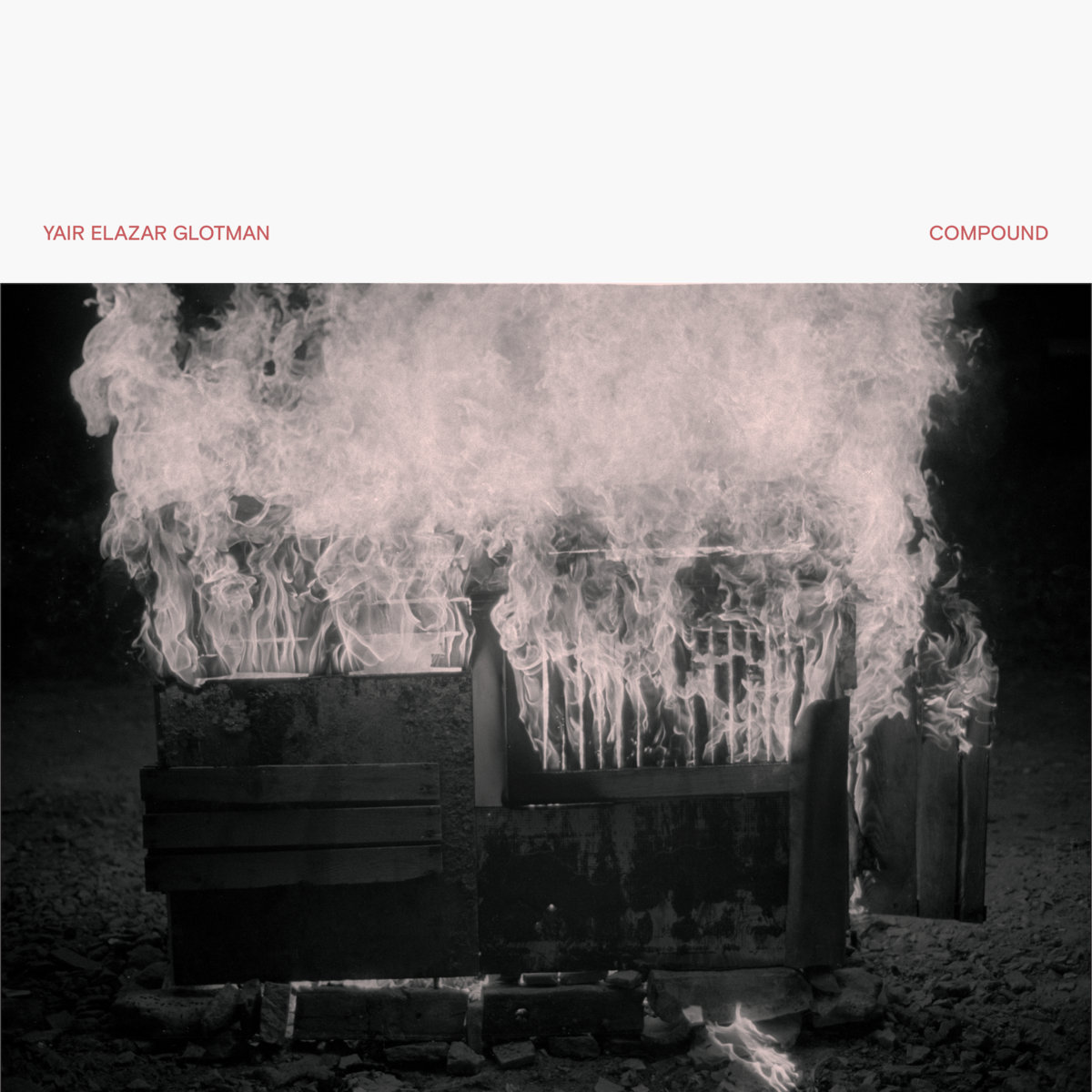
Compound, Yair Elazar Glotman‘s latest piece of work under his given name—he also releases under the monikers Blessed Initiative and KETEV—is a stunning, evocative album made up of two long-form pieces. Glotman worked with pianist Rieko Okuda and percussionist Marcello Silvio Busato to record the sounds heard on the record, before layering and reformulating them into the two majestic 21-minute tracks. Music of this nature defies classification and demands your attention; with every listen, new microscopic details present themselves, confounding the listener with endless mutation and movement. Glotman’s sound design work is impeccable and his creative use of familiar instruments—the scrape of a string or the clunk of a piano key—gives the album an alien-like feel. At once beautiful, haunting, and menacing, Compound has completely floored us with every listen.

Varg Nordic Flora Series: Gore-Tex City [Northern Electronics]

In modern techno, especially over the last few years, few have matched the consistency and quality of output to that of Jonas Rönnberg (a.k.a. Varg). This year, his crowning jewel was Gore-Tex City, the third piece in his Nordic Flora series. Across 13 tracks, Rönnberg presents a gothic tale that blends textured ambient, dub-infused spoken word, and rhythmically dense techno, while throwing in unexpected curveballs like the warped pop collaboration with Swedish rapper Yung Lean. Gore-Tex City is one of the year’s best techno albums; an engrossing, personal record from one of the genre’s most inspired artists.

Burnt Friedman & Mohammad Reza Mortazavi YEK [Nonplace]

On YEK, Burnt Friedman teams up with tombak master Mohammad Reza Mortazavi for an astonishing masterclass in rhythm and sound design. The four cuts on the 12″ present cyclical grooves that constantly evolve, sounding at once familiar and completely foreign. All four pieces were played on a variety of drums which were then mixed with otherworldly electronics, resulting in a release that confronts traditional notions of rhythm while hypnotizing the listener with its beauty. YEK finds two masters at the top of their game stretching the sonic boundaries and providing a transcendental listening experience rarely found.

Ishmael Ensemble Songs For Knotty [Banoffee Pies Records]

Bristol six-piece band Ishmael Ensemble landed on Banoffee Pies Records in February with a stunning four-track EP titled Songs For Knotty. Inspired by friendships and loss, the EP takes the listener through musical landscapes full of sophisticated instrumentation and achingly beautiful vocals that stir introspection and wonderment. To close out the year and make the release all the more special, a deluxe version has just dropped, featuring three live versions of tracks recorded in June by Balamii Radio & Champagne Funk for their ‘Body of Work’ video series. The three tracks—one a pensive epic featuring Holly Wellington and live takes of “Kito’s Theme” and “Song For Knotty”—perfectly encapsulate the band’s bewildering musicianship.

Mount Kimbie Love What Survives [Warp]
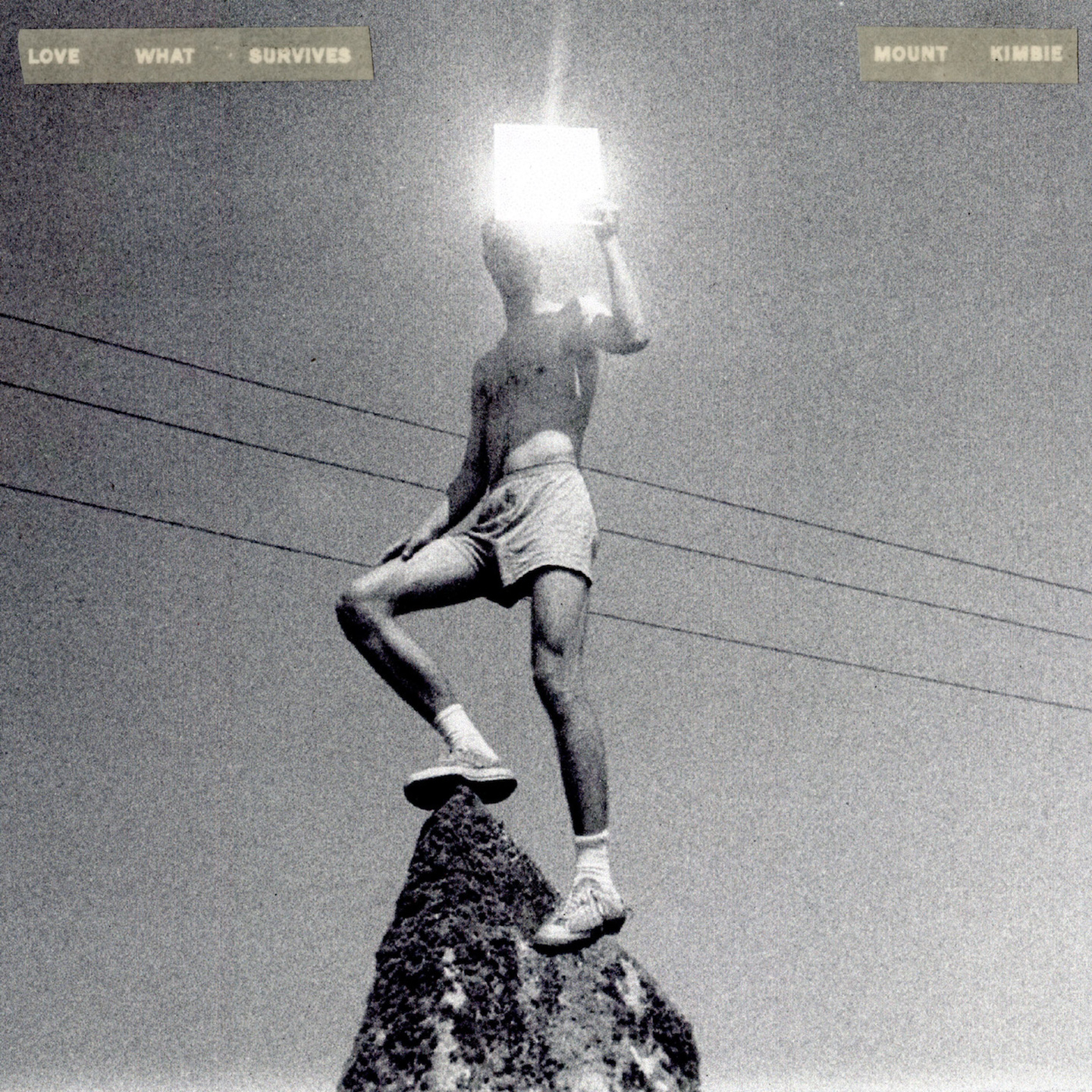
When Mount Kimbie‘s Love What Survives dropped in September it was immediately obvious the duo had reinvented themselves. Given Kai Campos and Dominic Maker had mutated their sound with every release, from the production-heavy post-dubstep beginnings to the live instrumentation of 2013’s Cold Spring Fault Less Youth, but with Love What Survives they delivered a collection of tracks that confidently strode from post-punk-influenced instrumentals to minimal piano ballads and warped new-age pop. As Ben Murphy concluded in his review, with Love What Survives the duo have “made a bewitching kind of music that’s uniquely their own,” and in the process dropped one of their most accomplished pieces of work to date.

Talaboman The Night Land [R&S Records]
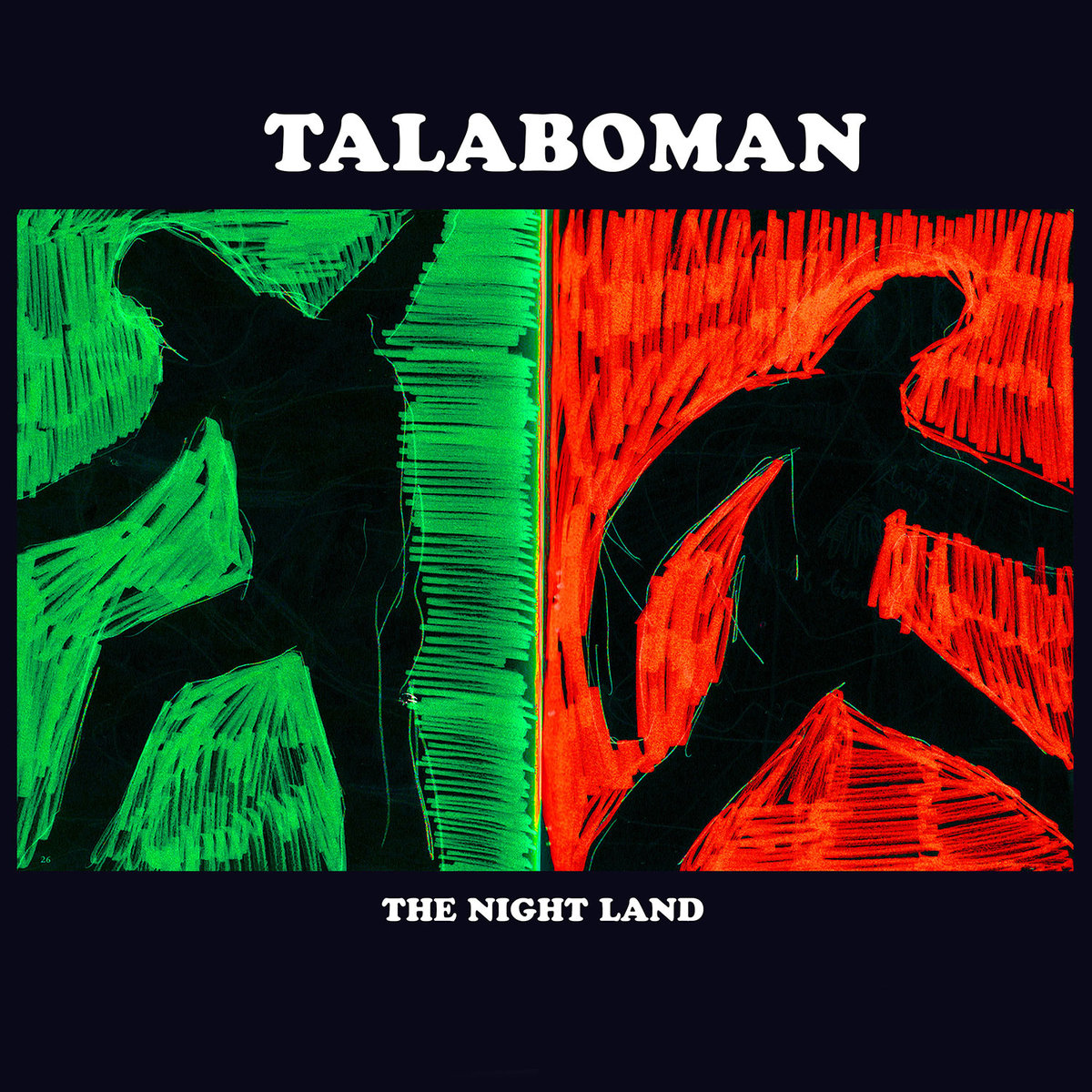
This collaboration between two dance heavyweights—John Talabot and Axel Boman—was a late addition to the list. It’s a quality LP that features atmospheric soundscapes, beautiful percussion, eerie synth lines, and some emotive melodies. Although it perhaps wasn’t as instantly memorable as some of the other releases on the list, there are some spectacular moments that keep enticing you back for more.

Four Tet New Energy [Text Records]
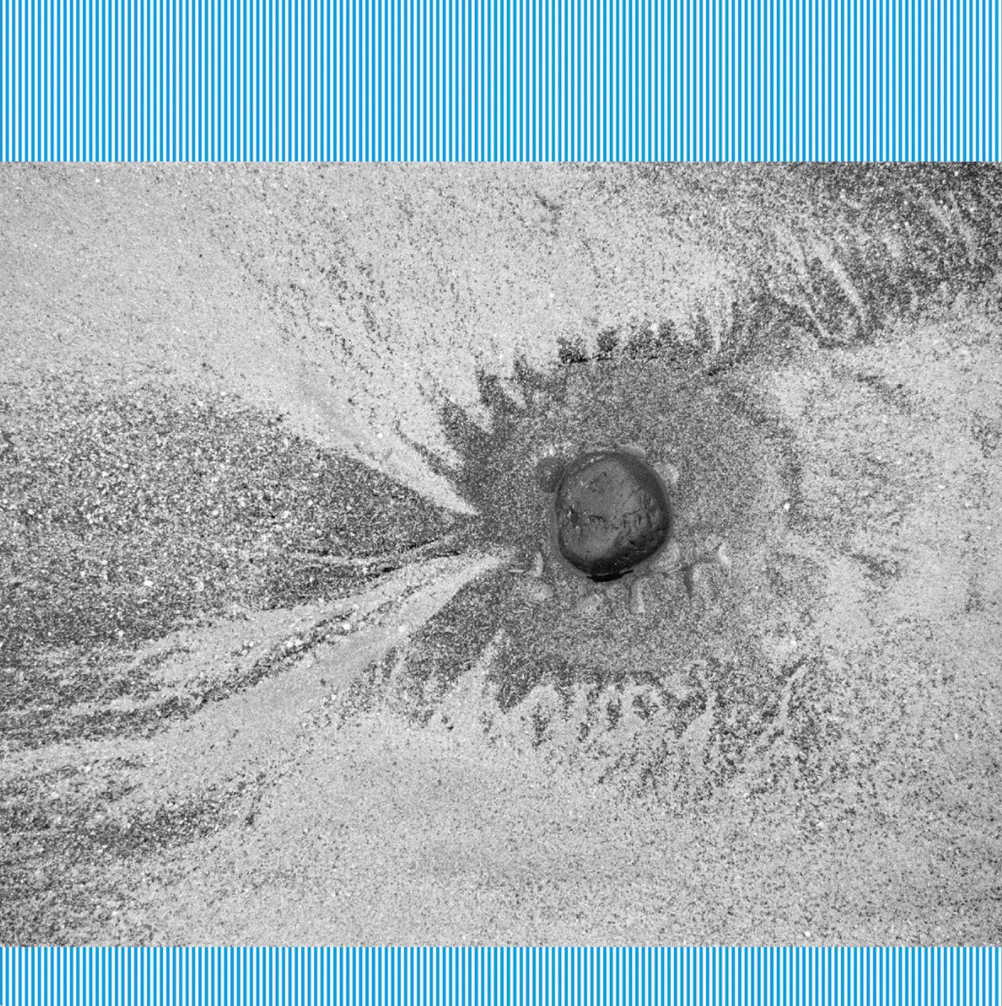
More of the new, same but different energy. Kieran Hebden’s return to the traditional audio format after 2015’s Morning / Evening delivered a new approach to sound, with a more refined craft towards organic instrumentation, alongside his trademark warm percussive structures on an album that is seductive, sophisticated, and very much Four Tet. On this record, the club-oriented, dancefloor tracks that can be found on the likes of Beautiful Rewind and There is Love in You are gone. What’s left is a mature, ambient take that feels more reflective—and honest.

_______

Words from Ben Murphy, Dan Cole, Anton Lang, Bruce Tantum, Vince Morris, and XLR8R Staff.
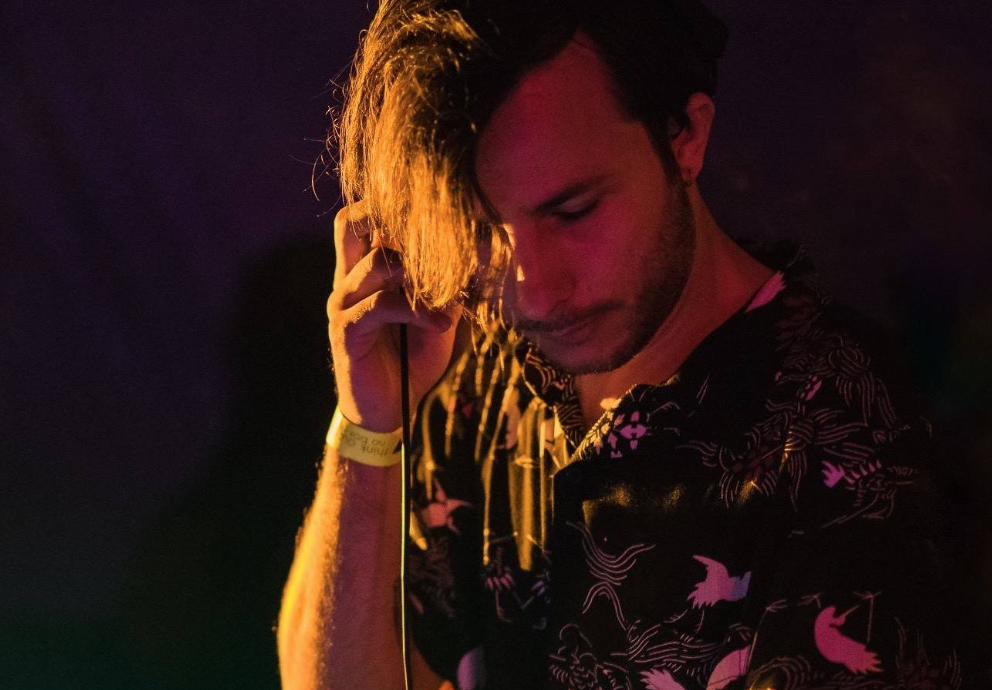
John Dimas to Release Debut Album, ‘One Against Time’

Greek artist John Dimas is to release his debut album, One Against Time, in February 2018.

Dimas has been on the radar of those who know for nearly 10 years now. His fluid grooves, minimal intricacies, and ability to coax unusual rhythms from his deft sound designs have won him fans with heady DJs and connoisseur dancers alike. They come on labels like Taverna Tracks, Raum… Musik, and Metreze, and have been long sought after. He now runs his own label, Elephant Moon, as a place for his own work and to demonstrate his A&R skills. It’s here that he’ll release his debut album.

Time is the most precious commodity we have. Everyone wishes they had more of it and we are all racing against it—even though in reality, as far as we know, time only exists on Earth where we have the consciousness to experience it.

The cover artwork is actually an original collage I created from some of the retro sci-fi books I own. The tracks on the album all reflect my personal journey on this planet. Ups and downs, all different but still with a common theme and each piece represents a moment in my life and demonstrates all the influences I have had musically from hip hop to drum & bass and breaks and then all the way from ambient to techno. My inspiration comes from mix of NYC hip-hop from the ’90s, UK garage, ambient and trip-hop, Chicago and Detroit techno and electro, and also the minimal sounds of Berlin.

Included in some of the vinyl is a print of my original collage artwork as a gift to those who buy the record.

I will release the album digitally two months after the vinyl hits the streets and in this digital release I will include few tracks that are already on the vinyl release, plus a few new ones that will be exclusive to the digital release as bonus tracks” — John Dimas

Tracklisting

01. In To My Mind
02. Digital Moon
03. Riko’s Trip
04. Delusions
05. Legoland
06. One Against Time
07. Stardance
08. Flying Asteroids
09. Lost & Found
10. Space Tastes Lonely
11. Dreamweaver
12. Cosmic Epiphany
13. SiKret Universe
14. Out Of My Mind

One Against Time will land early next year, with “Riko’s Trip” streaming below.

Vito Gatto ‘Just Like Movies’

Italian composer and violinist Vito Gatto graduated from the Conservatorio di Musica, Giuseppe Verdi, Milan in 2010, and has since been pushing the boundaries of classical composition combining electronic elements into his work for a beautiful result. His next EP, a five-tracker titled ‘Wood and Meat, is out on December 15 via Doubledoubelu Records. Ahead of the EP’s release, you can grab “Just Like Movies” via the WeTransfer button below.

Just Like Movies

Craig Richards: In Transition

It’s would appear that Craig Richards is in a period of transition. The UK-based artist, a fabric resident for nearly two decades, has had a busy year — one that has seen him explore beyond the London club’s infamous dancefloors more frequently than in recent memory. As he said in a recent interview with Crack Magazine, the club’s closure made him “go out and play at different venues in London and around the country” — which in turn made him realise it’s important to be able to “transpose” his exceptional skills as a selector to “other venues big or small.” One could argue that the much-loved DJ has become more of a household name than ever before.

The most celebrated example of such an exploration is Houghton, the festival he co-produced with Gottwood. Richards was not intending to be as involved as he was; rather, fabric’s closure — which many believed to be perpetual — inspired him to take on a larger role, convinced it was a “calling.” The festival was a success beyond all measure; you only had to look on social media or online for evidence of this — Facebook posts, reviews, and tweets. Houghton was the festival of the summer season.

Yet this is only an initial step of the transition. Richards announced in October that he will be stepping down from his weekly fabric slot, remaining a resident but just returning less frequently. He’s also recently released a painting book, featuring many of the artists from Houghton—a “manifestation,” he explains, of a desire to “leave a mark.” Yet the reasons behind these decisions remained a little unclear; it was only by visiting his second home — a small and cozy apartment about five minutes walk from fabric’s front door — that we really began to grasp Richard’s motivations for these moves. Why now—at 51 years of age?

The room in which we sit is pleasant and boasting of a large window that overlooks London’s Barbican. Scattered around the two-floor space are hundreds, perhaps even thousands, of records, clearly placed in no particular order. Richards himself confesses that he has no idea where anything is — amusing when you consider that this represents less than 10 percent of his complete collection, the vast majority of which is kept on the South Coast, where he spends much of his time. Indeed, he suggests that the best place for him to go record digging is in the “dark corners” of his collection where there are records that “I just don’t remember,” he adds. He laughs when saying it, acknowledging just how ridiculous this sounds — but it is also probably true.

Over what turns out to be a four-hour conversation, Richards touches on a vast array of interesting topics, few of which can or need to be recited here. Having cracked open several pints of lager, and after showing us the book of illustrations he completed just recently, he switched his focus to elaborate upon the motivations behind these recent transformations.

Craig Richards performed at this year’s Boiler Room x Ballantine’s True Music in Warsaw, Poland. The Boiler Room x Ballantine’s collaboration is a global platform that supports and celebrates uncompromising artists committed to doing it “their way.” You can see a video of his performance here.

Houghton Festival turned out to be a success this year. How did you try to differentiate from other festivals? Did you intend to have an unconfirmed performance schedule?

Yes, kind of. Some of this was deliberate but it was also due to a lack of organization.

One of the things that was really irritating during the preparation for the festival but brilliant for the event is that the reception is really bad there. You’re in the middle of the country so your phone just doesn’t work. This was a real blessing for the event; people were just pottering around and not always calling their friends, telling them to come over here or there. So there were no exoduses from the dancefloor. The aim was to have it so that there wasn’t such a wide spectrum with the styles so you could just bumble about; you weren’t going to be shocked by being in the wrong tent like at other festivals.

We had to keep changing the lineup and schedule for a number of reasons. Different things kept coming up — it’s the nature of the beast. As a result, we missed the printing date and so we had no schedule. In the end, it just didn’t happen. At one point, I planned on painting the lineups and schedules at the front of each tent but that never happened because I had other things on. So there was no way of working out who was playing where and when. Some people complained but some people enjoyed how random it was. It was just not supposed to be quite as extreme as it was. It kind of ended up being a happy accident, but people will probably be better informed next year.

How did you curate the lineup?

They’re all my friends that I appreciate — straight from my record box. I’m not sure of how much I actually curated it, to be honest. I think if you’re into music and you just follow your taste, and when you’re my age, then you should have some idea of what music goes with what.

I just set it up so I could do what I wanted to do. For example, Ricardo [Villalobos] and I playing for eight and a half hours until 11.30am, and then being comfortable to put Andrew Weatherall on to play a dub reggae set — that’s perfectly reasonable. Those were the moments where it felt like it had worked, in the sense that the programming didn’t have to build up and down like it does in a club. I wanted to be able to use the moments of the day to do things, like play ambient or reggae music in the morning. That was important to me.

“I think the success [of Houghton] comes from the level of restraint and simplicity. We spent money in the right areas, on the sound and the music.”

How did you become involved in the festival?

Gottwood has always been at risk because of the house where it’s held, and so they were looking for alternative venues. They found Houghton and they asked me if I wanted to be involved. I ended up being much more involved than I had originally intended; I actually ended up being fully involved because it felt like a “calling” for me — after fabric closed.

They actually asked me before fabric closed, and then the closure came very suddenly. I never really thought that it would open again. As much as we were trying, none of us really believed that the power of social media would be strong enough to actually overturn the police’s decision.

Nonetheless, at this point, I was about to turn 50 years old, and I was taking a big long look at my life. I was thinking about the next chunk, and while running a festival was not on my mind, Houghton felt like a “calling.” The rest was just really me trying to impose 35 years of going to nightclubs onto a festival. I just called on all my experience and applied it to a rural setting.

Why do you think it was a success?

I think the success comes from the level of restraint and simplicity. We spent money in the right areas, on the sound and the music. We didn’t have anything for sale or anything too flash. I tried to keep it simple, but pure. I didn’t want sponsors or to have anything for sale. I wanted it to as simple as possible. I think that’s what a lot of people appear to have liked.

Your residency at fabric allows you to invite people to play alongside you. Do you try to choose people that challenge you as an artist?

All I do is propose people from my record bag, which is all I’ve ever done. That’s what I did with Ricardo when I started hearing his records. It’s what I still do now. I am just trying to present good music. There are some people who go with me more than others but it’s not about me.

After all those years there, and having grown confidence out of the fact that I play there every week, I have had the chance to buy different genres of records. To be frank, my residency excuses my record addiction because I know I’m going to need them. At my point, I should be able to play an amazing set before or after the likes of Jeff Mills, Richie Hawtin, Nicolas Lutz, or Ricardo — or even play with them.

“Some of the records that Nicolas [Lutz] plays have got fucking horrible endings; they’re violent ‘90s techno records, not the latest additions to the Beatport top 20.”

Are you selective about you who play with?

Yes, I definitely don’t play back to back with everyone. It’s really hard work and so it’s only worth doing in the right circumstances. It’s not easy playing with these guys: they’re brilliant DJs and some of the records will not be easy to mix out of. Some of the records that Nicolas [Lutz] plays have got fucking horrible endings; they’re violent ‘90s techno records, not the latest additions to the Beatport top 20. So I only do it when there is absolutely no competition between us and I know that playing is going to add something rather than being some boring ping pong match. For a back to back to be worth doing and to be a success, it’s got to take the music in a different direction, one that you wouldn’t or couldn’t go in if you were playing alone.

It must be strange playing with Lutz, Binh, or these other diggers because there must be lots of records that they play that you don’t know. What are your thoughts on sharing IDs?

Completely. Loads. That’s the beauty of it. There is so much stuff that is only available in limited quantities and a lot of it sounds way better now than it did back then.

I’m really open with track IDs with a few people, although I think people would actually say that I am a bit of a nightmare because I’ll say I’ll send it and then I don’t. But all the people that I respect demand a certain privacy about their collections. There are only so many times you can ask people like Nicolas Lutz, Ricardo, Jeff Mills, and Andrew Weatherall for their track IDs. It’s about respect, at the end of the day. That being said, we’ll all be sharing records with each other. It’s a community. We just keep certain records to ourselves.

“It’s important that DJing is never more than my hobby; it’s important that I hold back enough time to do other things that I enjoy — like getting stoned and listening to music, painting, reading, and stuff like that.”

From the outside, you appear to be selective about the gigs that you play. What determines whether you accept a booking request or not?

I do all the gigs that I want to do, and I don’t do the ones I don’t want to do. It’s important that DJing is never more than my hobby; it’s important that I hold back enough time to do other things that I enjoy — like getting stoned and listening to music, painting, reading, and stuff like that. I want to have time to do other things besides living out of a suitcase and staying up all night. I’ve been on tours where I’ve done a lot of gigs in a short space of time and I’ve struggled — tears in a pillow sort of thing. It’s just not who I am. DJing is always going to be just one of many things that I enjoy doing.

And to be honest, I don’t earn enough money for this to ever to be a problem. The ones it becomes a problem for are artists who are offered lots of money — when they’re offered £20,000 for a set and suddenly their principles are challenged. I have never been in that silly money bit so I’ve never been too challenged. It’s easier for me to say no to gigs.

The temptation must be there — to play bigger crowd sand push more commercial music

Not really, because I don’t like feeling like that. I want to feel alright about what I am doing. The music that I play doesn’t bring in these big-money offers. I’ve also never been driven by money.

Do you see it as a sacrifice, knowing that you could perhaps be even more successful playing more commercial music?

Not at all. I live the life that I want to live. I spend the money that I have on the same things that I’ve spent it on for years: records, old clothes, and going out and getting pissed. However much money I had, I would just buy more of these things. Money just doesn’t motivate me. If money does motivate you, then your career will naturally take a very different course.

“If anything, I think one of my problems is that I’ve shot at too many targets most of my life..”

Have you ever struggled with motivation as a DJ?

No. Not in any way. I feel like time is running out. I’m one of those people that’s too hungry and thirsty for too many things. I am always let down my lack of energy. I am overly motivated. If anything, I think one of my problems is that I’ve shot at too many targets most of my life — like painting, selling second-hand clothes at Portobello, photography, and wanting to be good at all of these things. Or at least as good as I can be. Sometimes I fear that I’ve spread myself a little bit too thin, and if I had spent more time focusing on one of them then maybe I would have been a little bit more successful. Who knows what I could have done if I could have handled a little bit more DJing? But that’s just who I am; I like all of these things.

You said in another interview that you “buy records that I like and play them to friends or the public.” What’s the balance between buying records you like and buying records you think the crowd will like? There must a temptation to try to please the crowd. 

I only buy records that I personally enjoy. Apart from the few friends that I text with and exchange photos of good records, I have little idea of what other people are doing. I’m pretty isolated, in truth; I don’t listen to records with all my mates. It’s just me alone, and so it’s a pretty honest self-expression. Someone once told me to never play a record that I don’t like, and that’s what I do, even if it’s a big track that the crowd will go mad for. My job is to present records that I enjoy to the public, in the hope that they will enjoy them too. It’s the difference between being a waiter and a chef.

It’s a nice idea, but not one that many DJs stick to.

Yes, but I think there a lot that are. I think there are some amazing DJs, but they’re not always the biggest or most well-known ones.

It’s true. The best DJs are often the ones playing the smaller club circuit.

Yes. If you’re a real DJ, then it’s important to play to small, intimate venues. If you see DJing as a craft that you’re trying to be really good at, then it’s important that you’re constantly challenged, and the best way to push yourself is to play in small venues with informed crowds.

You play records that many people haven’t heard — a real collection of oddities. How do you dig for records? Do you have a favorite place to dig at the moment, or do you use a lot of promos?

Now, one of the best places to dig is actually in the dark corners of my own record collection where there are records that I just don’t remember. It sounds stupid, but because I don’t know what’s going on with it, it’s quite good in there. I have forgotten so many of the records that I’ve bought and some of them are really good. I’ve got more records than I know what to do with, and some of them are really rare.

I only learned the value of some of them when British Airways lost my record bag and they couldn’t find it again. I was going from New York to Berlin, where I was playing with Ricardo. It was an amazing bag of records; I packed some of my best ones. I looked into replacing what I could remember and then I saw how much they were. I had to think whether I was willing to pay £150 to replace a record that I bought when it first came out.

“I still feel as if I know fuck all about music. I’ve only ever scratched the surface. I don’t know if I’ll ever shake that feeling.”

So are you still adding to your collection a lot?

Yes. I have always bought as many records as I can afford.

Often I can’t find a record that I know I have in my collection and I’ll go onto Discogs and buy it again just because I can’t fucking remember where I placed it. It’s just easier. It’s got that out of hand.

Are you on Discogs a lot?

I’ll go to all the websites — Hardwax, Juno, Discogs. I’m addicted so I am doing it all the time. If I wasn’t addicted then I wouldn’t still need to. I still feel as if I don’t know anything. I still feel as if I know fuck all about music. I’ve only ever scratched the surface. I don’t know if I’ll ever shake that feeling.

How quickly can you tell whether it’s a dance record you’re going to buy?

Really quickly. And I can remember it straight away. I think that’s just one of those things that come from experience. If I play B2 in the shop then I’ll look at the record and know it’s B2 when I am in the club. And I’ve got a shaky memory!

How many records do you think you own?

I’d think around 30,000. But who really knows? It’s completely unorganized.

Is it all in one room?

It’s in three rooms. Two rooms in Dorset, and some here in London.

When you’re playing your records, are you thinking four or five tracks ahead?

No. I think you can do it on the CDJs well but with vinyl its harder.

So how do you compose this narrative — this sense of flow?

As much as I don’t plan three or four tracks ahead, I do have a mood in my head most of the time. I will know that I’m going to go down for a bit for an hour or so, and then know that I’m going to bang it for an hour — that’s how I prepare a sense of narrative. I will have certain moods that I can envisage as I am DJing. Ben UFO is good at this, changing genres quickly and switching between genres and presenting them in the right way, coaxing the listener to enjoy these types of music when they wouldn’t normally.

Are you very conscious when you’re performing, or is it based on instinct?

It depends. Sometimes there will be nights where it feels like I can grab any record and the crowd will enjoy it, but you’re never going to be completely free. You’ve got people in front of you judging you; you’re not a painter in a closed studio. As a DJ, you have a responsibility because there is a relationship going on; but when you’re comfortable it’s a lovely feeling. That’s the ideal state to be in.

Do you ever have to really focus during a set?

Yes. Sometimes you can feel the chin-strokers looking at you. That’s not a feeling I like because it makes me really nervous. I’m also not about that. I am not there to perform — I am not Cut Master Swift. I am just a guy playing his records.

I suppose the size of the gig affects this too.

Completely. My gig at Sónar festival is an example of this: it’s the biggest gig I’ve ever done, and I was really scared. I had to have a word with myself when I was down by the records, to acknowledge what I was doing.

It’s not easy to play vinyl on such a big stage. It’s crazy because you’re mixing two records and there are two styluses at the foundation of this success, and all these people are listening. If one of the records jumps or if there is some dust it will fuck up the mix — it’s a wonderful feeling of fragility. This is a bloody big stage for this to happen on, and in times like this, I have to really think.

How much time do you spend organizing your digital files before a gig? How do you organize them?

I’ve got so many folders that say “Groovy Techno” or “Late Night.” I’ve completely lost control of it, in all honesty. With the digital files, I need to listen to them in the week. I have a bit more idea with records. I would like to be much more organized. That’s an ambition. Whenever I see a DJ who is organized, I leave feeling really down — thinking that I should be more professional. We’re approaching the point where that might never happen.

You’re also an accomplished visual artist—does painting give you the same release of emotions or feeling as making music or DJing?

No, it’s very different. I need to work much more on that. It’s always been a glorified hobby. I’ve been intending to make much more of it. I actually did a book of drawings of all the DJs that played Houghton, and I am also going to try to have a show. It’s something that you have to work on, and I need to invest more in it. It’s not something you can dip in an out of; you need to get in the groove, for three days. I have a studio in my garden and I want to be there much more. Finishing things has always been hard for me.

Is that one of the reasons why you just reduced your commitment to fabric?

It is. I just don’t want to be trucking around anymore. I’m past that point. People keep on asking me to go play here and there but it’s just not what I want to be doing right now. I DJ as much as I can without getting wonky or tired. It’s a constant struggle of finding that line, for me. With the painting, if I am tired then I cannot do it.

Have you become more impassioned by painting?

Not really. I’ve always been into it. But now I realize that I haven’t got unlimited time. I’m 51 years old now.

“Time is running out and now I have turned 50 I really feel like I need to do significant things.”

How does music production fit in with this?

I love it, but it’s time, again. I’ve got loads of things I haven’t finished. I am not particularly technical but I do have a good ear. I can make stuff, but it comes down to time. I can just about survive in there on my own. I’m going to try to find more time in the winter. That’s how it is. It’s dividing time. If part of the time you’re recuperating, if you get really fucked up on the weekend, then you don’t have a week to spend in the studio. Time just runs out, if you’re not careful. Time is running out and now I have turned 50 I really feel like I need to do significant things. I want to make a mark. The festival and painting are basic manifestations of this desire to leave a mark.

So you’re now looking to pursue a career as a visual artist?

Yes. I spent a lot of time at art school, and the book I did for Houghton has shown me that I could and should have a go at it. I’m extremely self-critical but I think I can do it. Everyone I’ve told this to is like, “Are you the last person to realize this?” It’s almost like I am literally the last person to realize I can do this! I went to two of the best art schools in the world, so it seems a bit silly that I’m only giving it a go now.

And what are the next steps with Houghton?

I want to begin introducing unknown artists. There are people I want to have there in year three or four that people don’t know yet. I’ve got some really mad experimental jazz stuff, things that I hope people will be blown away by. They’re all established musicians but not necessarily in the party/dance music it world. I want to present it in a different format.

I want to get to the stage where people will buy tickets without having seen the lineup. Or to buy a ticket without knowing many of the names. That’s the next stage of trust, for me. In my opinion, this is a better musical experience. Seeing a great new band that you didn’t already know is a bigger buzz than seeing Radiohead that you already knew were great. That’s really where the magic is.

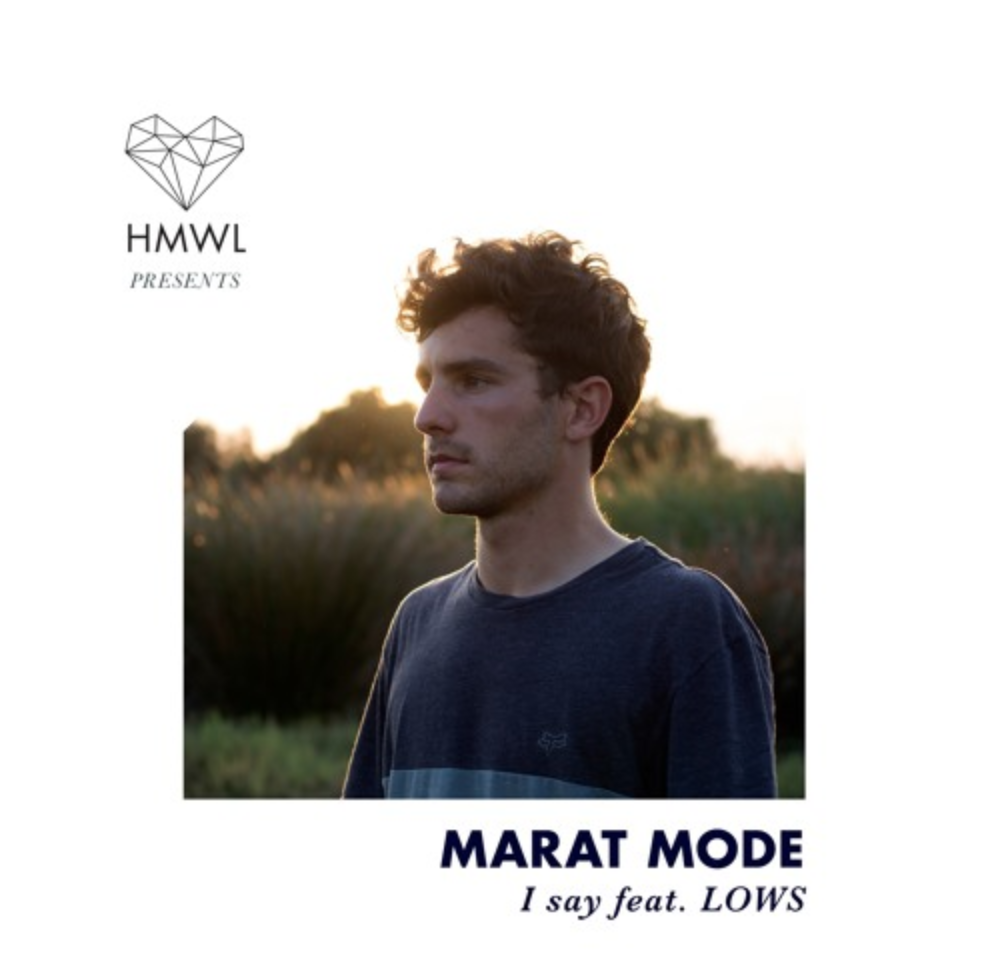
Marat Mode I Say feat. LOWS (Extended)

Spaniard Marat Mode is set for his debut release on HMWL. The Castellon-based producer, real name Guillermo Talayero, has been exploring different fields of the electronic music game for many years. His productions range from experimental acid dub techno to smooth vocal deep house, and he has featured on XLR8R several times before. His latest cut, taken from the EP, features LOWS, a Barcelona-raised Berlin-based singer-songwriter who draws inspiration from various genres such as jazz, soul, and groove. Grab it now via the WeTransfer button below.

I Say feat LOWS (Extended)

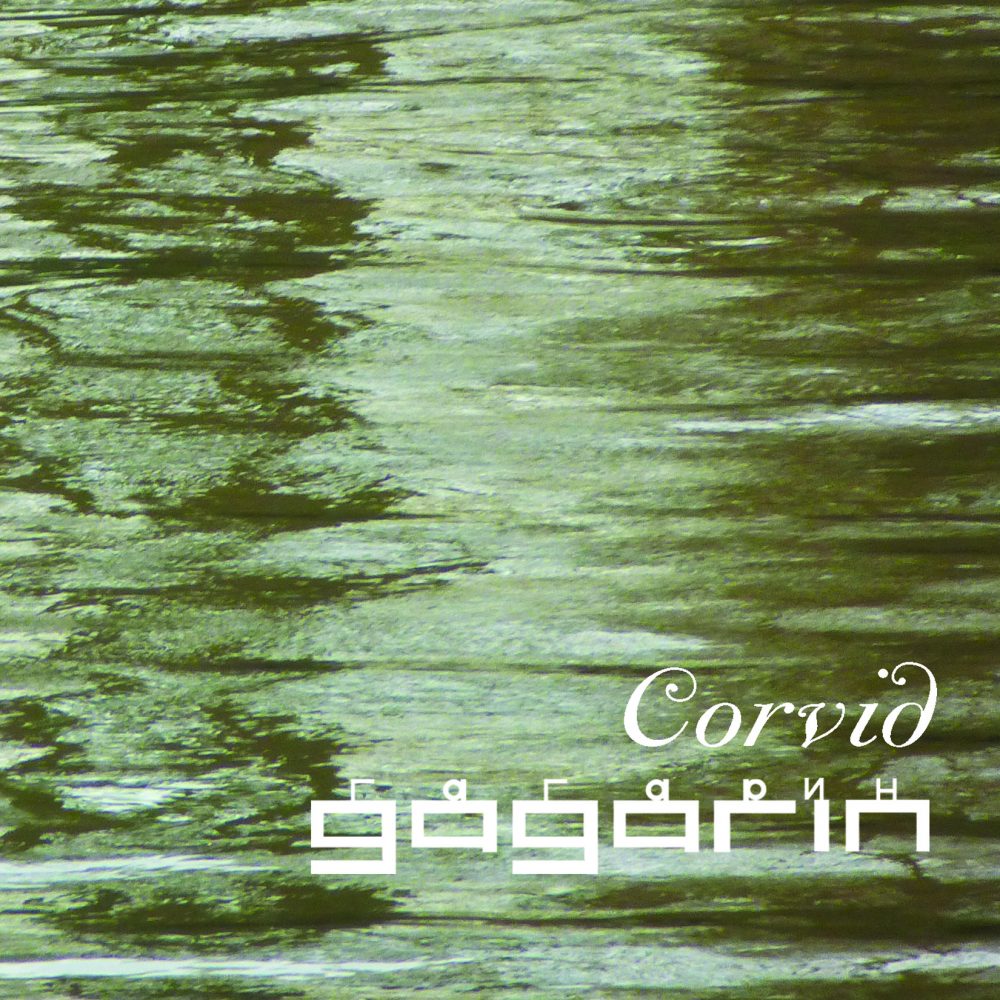
Gagarin ‘Autonomist’

Last month, Geo Records released the latest LP from Gagarin.

Gagarin is the solo moniker of Graham “ Dids” Dowdall, an artist who over the years has collaborated with visionaries such as Nico, John Cale, Low Bias, Suns of Arqa, among many others.

Gagarin’s new album, titled Corvid, continues his recent artistic path, presenting a collection of cuts full of achingly beautiful melodies, processed field recordings and found sounds, intricate rhythms, and haunting atmospheres.

In support of the stunning LP, Gagarin has offered up album cut “Autonomist” as today’s XLR8R download, available via WeTransfer below.

You can pick up Corvidhere.

Autonomist

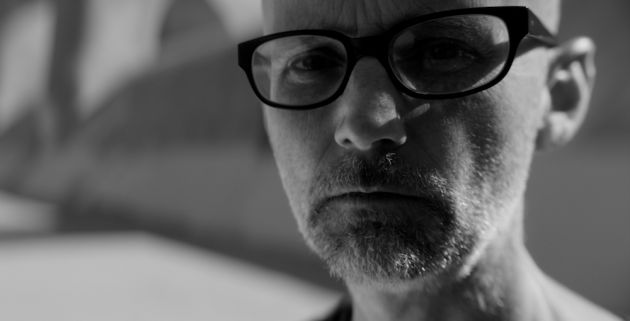
Moby Announces New Album, Shares Single

On March 2, Mute will release the latest album from Moby.

Titled Everything Was Beautiful, And Nothing Hurt, the LP will be the proper follow up to Moby’s last studio album, 2013’s Innocents, and finds him returning to “trip-hop, soul, electronics, and even some gospel.” The album will also reportedly explore “concepts such as individuality, emotion, spirituality and the brokenness of humanity.”

With the announcement, Moby has also shared the video for the album’s first single, “Like a Motherless Child,” which can be streamed via the player above.

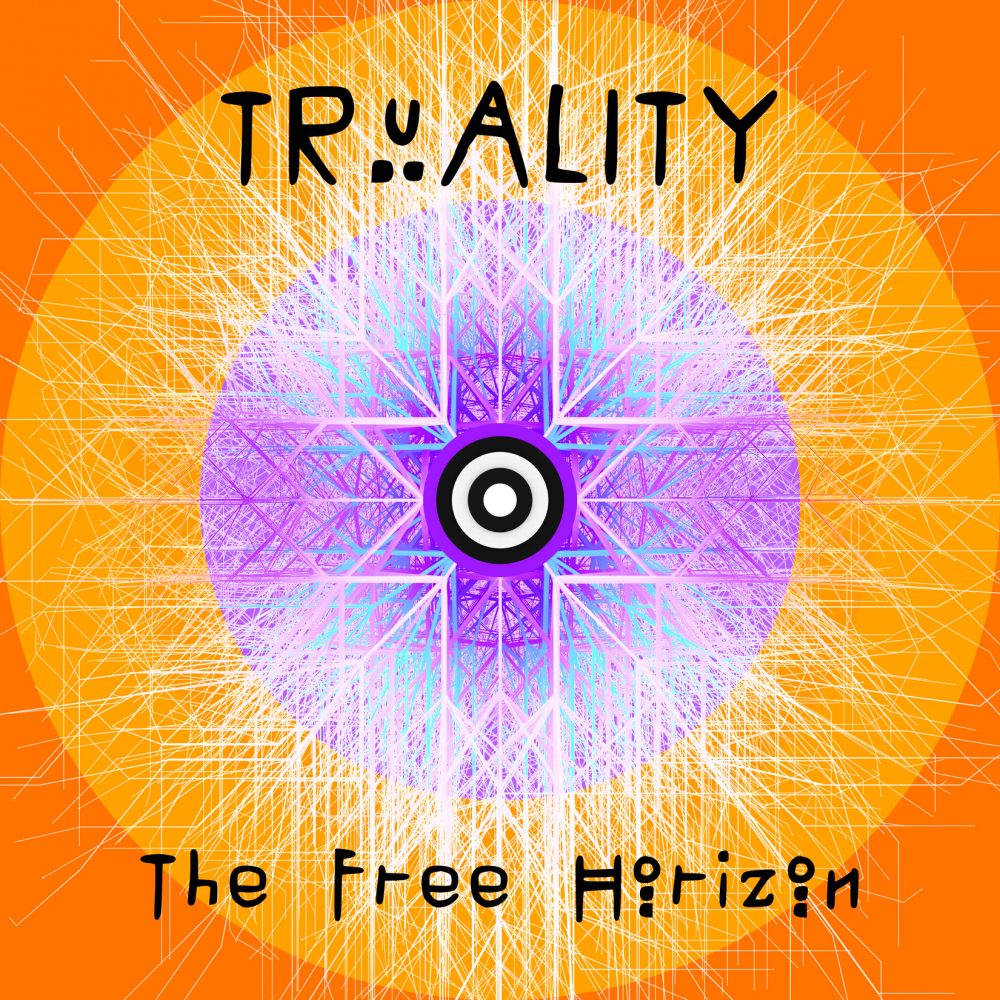
The Free Horizon ‘Truality’ (Feat. 3oni, Lisp, and Set In Sand)

The last we heard from LA-based label Abandon Building was with the release of Pick a Piper’s “Nikko,” a stunning beat-driven cut that landed in XLR8R‘s top 100 downloads of 2017. Now, the label returns with “Truality,” the the debut single from The Free Horizon.

Anchored by regular label artist Set in Sand, The Free Horizon is a collaborative project focused on the glitchy beats and shimmering melodies that have garnered Set in Sand a raft of fans the world over. On the first single, Set in Sand invites 3oni for vocal duties, with former collaborator Lisp also joining for a warped hip-hop track that combines electro-pop with colorful beats in a kaleidoscopic, hard-to-define style.

You can pick up “Truality” below, with more from The Free Horizon dropping early next year.

Truality (Feat. 3oni, Lisp, and Set In Sand)

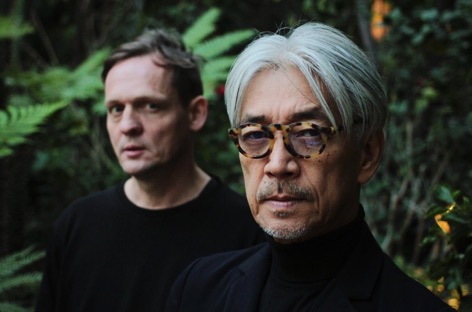
Alva Noto and Ryuichi Sakamoto Collaborate on New Album

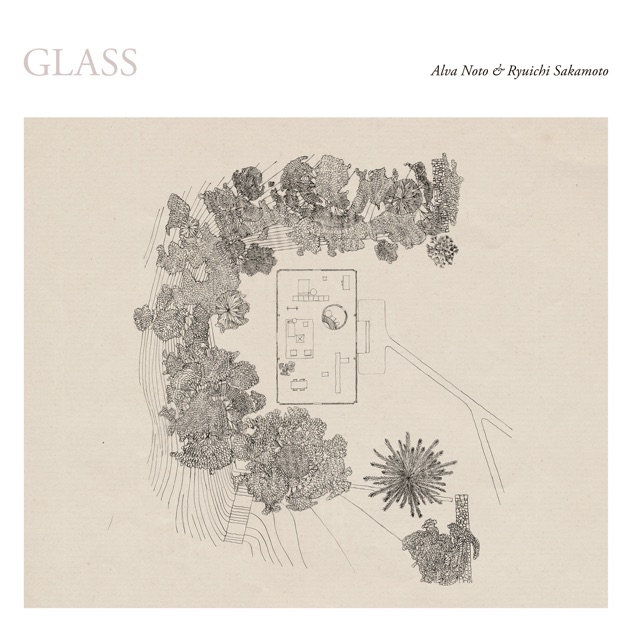
Alva Noto and Ryuichi Sakamoto have collaborated on a live, improvised LP, Glass.

Glass is a is a 45-minute long recording of an inspired improvisation by the duo at the architect Philip Johnson’s hallowed Glass House, in the bucolic setting of New Canaan, Connecticut. It all started when 87-year-old Japanese artist Yayoi Kusama provided an installation at the house to mark the 110th anniversary of Johnson’s birth. Sakamoto and Alva Noto (real name Carsten Nicolai) then performed at a private event in the house to help launch Kusama’s work, and that performance recording became an album.

Rehearsing only one day before, Sakamoto and Nicolai experimented with a keyboard, mixers, singing glass bowls, crotales, and the architecture of the building. Contact microphones were attached to the surface of The Glass House; and using various weighted gong mallets with rubber heads that were gently but firmly dragged along the surface of the glass, they transformed the walls into an instrument, creating wistful sounds of contemplation and longing. Similarly, Nicolai played two sets of high and low octave crotales with a horsehair bow.

When I was offered to perform at The Glass House, the first idea that came to my mind was to use the house itself as a musical instrument”, recalls Sakamoto. “It was completely musical and one hundred percent improvised, as that’s what we usually do”, he adds. “Looking at the beautiful landscape through the glass wall with Kusama’s dots was something, and it affected me, affected us, I should say, a lot. It’s a strange mixture of natural, nature, and artificial things, art.”

This intimate evening brought Ryuichi and Carsten back together for their first live collaboration since Sakamoto’s cancer diagnosis and treatment in 2014. Prior to that, Nicolai and Sakamoto had worked together on and off since 2002, releasing six albums as a duo.

Glass will land on February 16.

Prismic Delight ‘Candy Flip’

Prismic Delight, real name Adrian Buruca, is a Los Angeles-based music producer, whose music sits somewhere in the middle of hip-hop, jazz, experimental, ambient, and electronic. That’s about all there is to say about him.

Marking the release of his latest album, Deep Pockets, he has offered up album cut “Candy Flip” for free download. The track, he says, is an “electronic instrumental about my experience using LSD and ecstasy in a forest this past summer.” Grab it now via the WeTransfer button below.

Candy Flip

Page 466 of 3781
1 464 465 466 467 468 3,781