With our latest Ask The Experts feature in the works—this time with Steffi—we wanted to invite questions for our next one: Kiasmos.
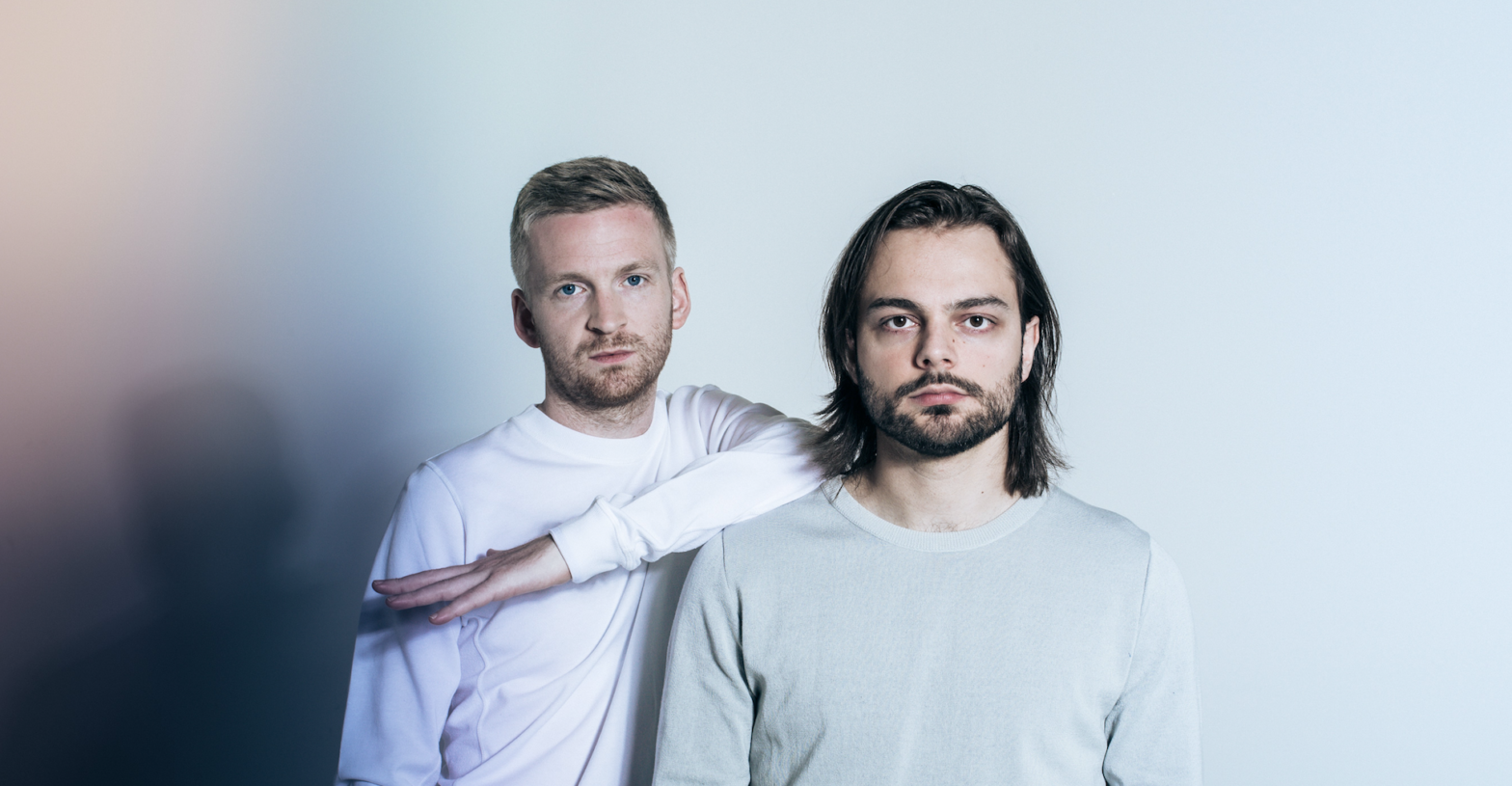
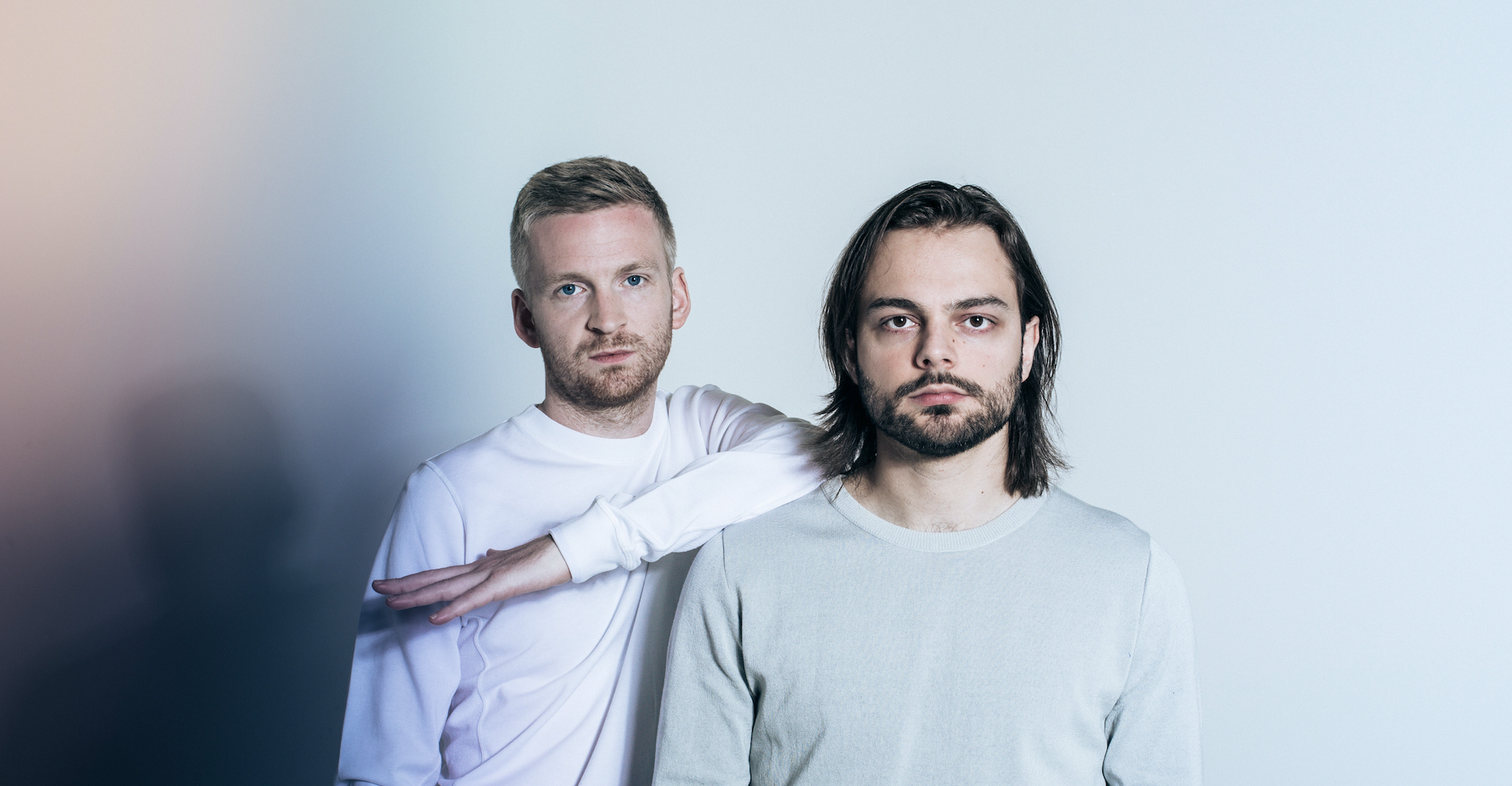
Kiasmos is made up of BAFTA-winning Icelandic composer Ólafur Arnalds, known for his unique blend of minimal piano and string compositions with electronic sounds, and Janus Rasmussen from the Faroe Islands, known as the mastermind of the electro-pop outfit Bloodgroup. Based in Reykjavík, Arnalds used to work as a sound engineer, often for Rasmussen’s other projects, where the two musicians discovered their common love for minimal, experimental music. They eventually became best friends, often hanging out in their studio, exploring electronic sounds.
After dropping two tracks on the split-EP 65/Milo alongside UK-producer Rival Consoles in 2009, Ólafur and Janus dedicated the year 2014 to exploring the area in-between Arnalds’ more acoustic, piano-based solo work, and Rasmussen’s synth-heavy electro-pop. All of their releases have landed on Erased Tapes, including their wonderful self-titled debut LP, showing their abilities in developing their unique sound aesthetics to complete an album driven by their mutual love for electronic music.
They returned in 2015 with their Looped EP with re-interpretations by Dauwd and Lubomyr Melnyk, released for Record Store Day 2015, and then with three new tracks and Tale Of Us remix on their Swept EP. Recorded in various locations between Reykjavík and Berlin, the record showcases a more club-oriented beat structure alongside Kiasmos’ signature emotive instrumentation.
They’re now set to return with a new six-track endeavor, entitled Blurred, featuring four all new, original tracks, along with remixes from Bonobo and Stimming.
Now is your chance to ask Kiamos your questions on music, life, or anything you wish. All questions should be sent to asktheexperts@xlr8r.com with “Kiasmos” as the subject line. We’ll pass them along to the duo who will then select their favorites, and soon we’ll publish the answers.
Lapalux (real name Stuart Howard) has shared a new video for Ruinism track Petty Passion.
The video drops following Ruinism‘s arrival on Brainfeeder in June.
An exploration of intimacy, ”Petty Passion” is a symbolic take on the nature of human relations in an overly dissociated and desensitized climate; exhibiting a curious and at times bizarre exchange. Subtly portraying deep-seeded human emotions and instinctual traits, or lack thereof, the film examines the peculiar relationship that is its subject.
The film begins by exploring ideas of detachment, isolation, and indifference as byproducts of its settings while gradually demonstrating the consequential violence and grief that follows an unrequited affection. For its final act, “Petty Passion” delivers a symbiosis of conflicting and complementing emotions, where all expressions and sentiments are synchronously present.
Ruinism is out now via Brainfeeder, with the video streaming above.
Earlier this year, White Forest Records—a label dedicated to releasing solely Italian electronic music, with over 20 releases under their belt—released Low Profile, the debut album from Roman producer Lazy Ants.
The seven tracks on Low Profile wear Lazy Ants’ musical influences on their sleeves, from big-beat-infused cuts to more hip-hop-based outings, house, techno, and trip-hop. The album “is the result of a journey between the past and the future where the artist rediscovers his old records and tries to synthesize them in his personal vision.”
In support fo the LP, White Forest and Lazy Ants have offered up the album’s opening cut, “Elements” (feat. Santa Emorragia) as today’s XLR8R download, available via WeTransfer below.
Early next month, Rotterdam techno operation Tar Hallow will team up with Planet Rhythm for a new VA.
The release is set to drop on October 6 and will feature four Tar Hallow Artists: Klankman, Charlton, Rhyw, and Tar Hallow label head Thanos Hana. The music, like much of the back catalog of the combined labels, sits at the deep and gritty end of the techno spectrum, from the tense broken beats of Klankman’s “Cannot Use That Command On Overlapping Selections” to the relentless grooves of Thanos Hana’s “The Injury Pattern” and Rhyw’s energetic “MKFBTB.”
Ahead of the October 6 release, you can pre-order the record here, with Thanos Hana’s contribution streaming in full via the player below.
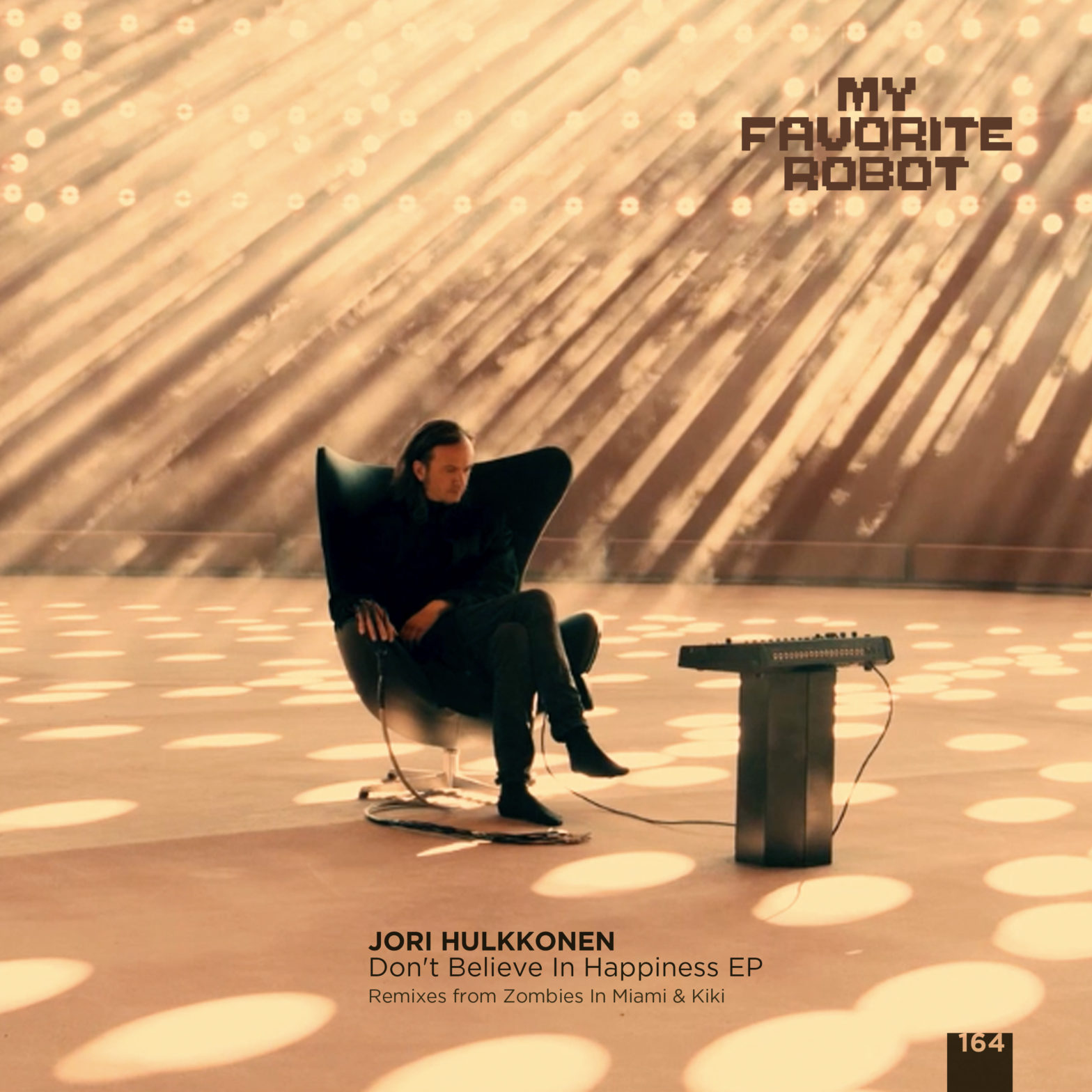
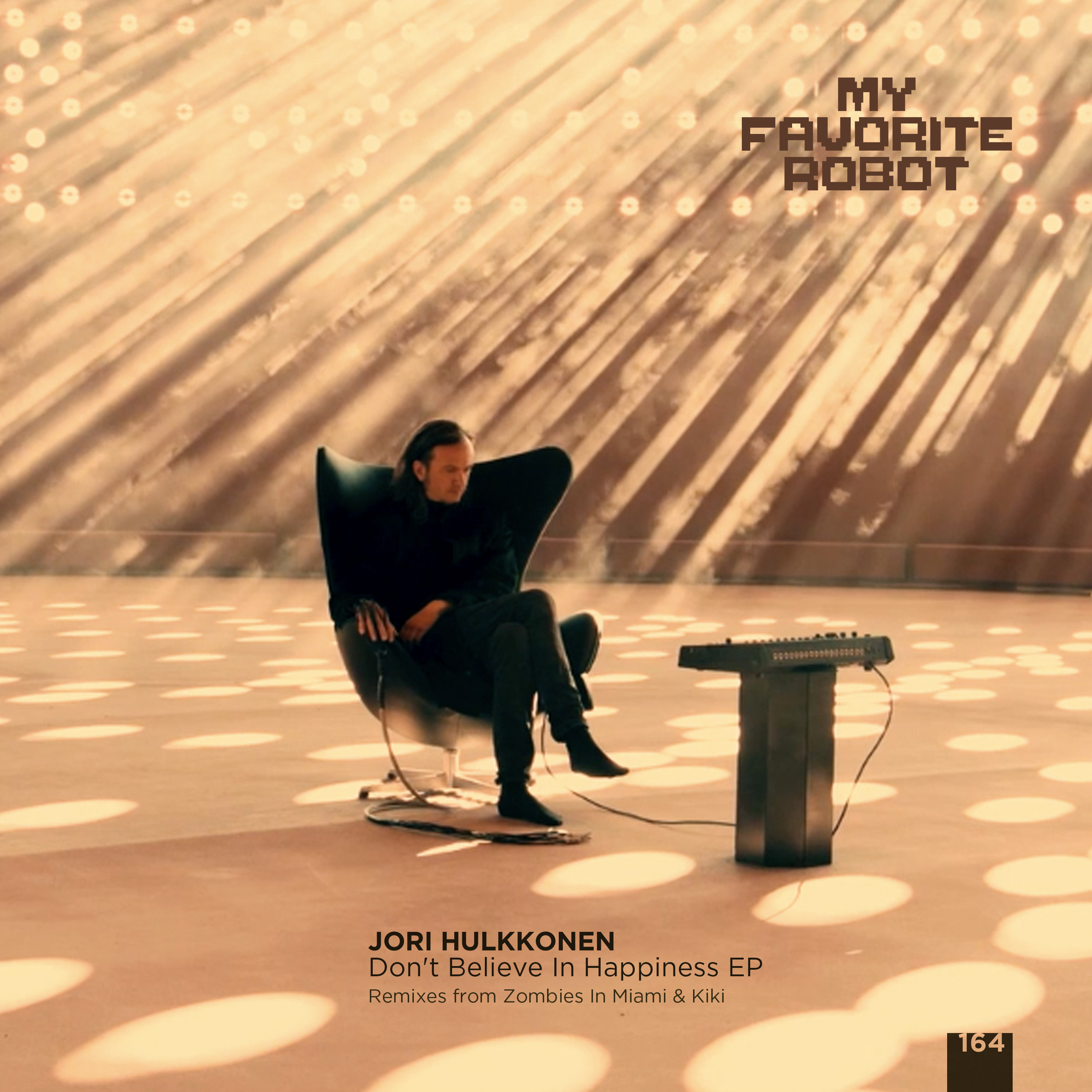
The new single, which dropped with remixes from Zombies in Miami and Kiki, lands ahead of his next full-length album on My Favorite Robot—his third for the label and ninth in total.
“Don’t Believe in Happiness,” which is also the name of the forthcoming album, is a haunting synth-heavy cut in true Hulkkonen style, with thick ambience and deep, buried kicks. On the remix front, Zombies in Miami head down a smooth and seductive route, while BPitch Control artist Kiki reworks it into an eerie and tense groove.
Alongside the single release, Hulkkonen has also dropped a stunning video, which, like the track itself, is full of hazy atmospheres and beautifully placed scenes.
You can watch the video in full via the player above, with the single available here.
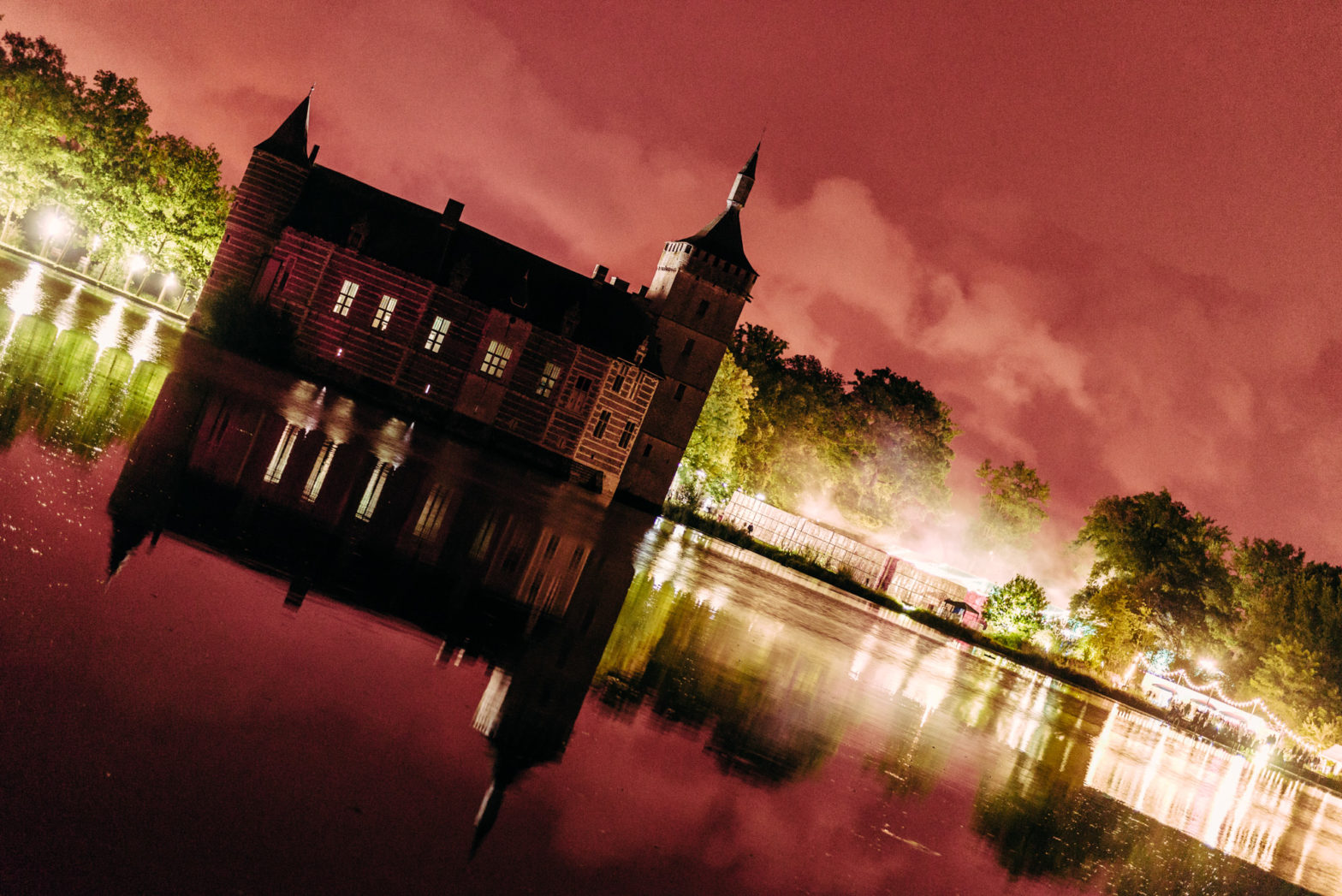
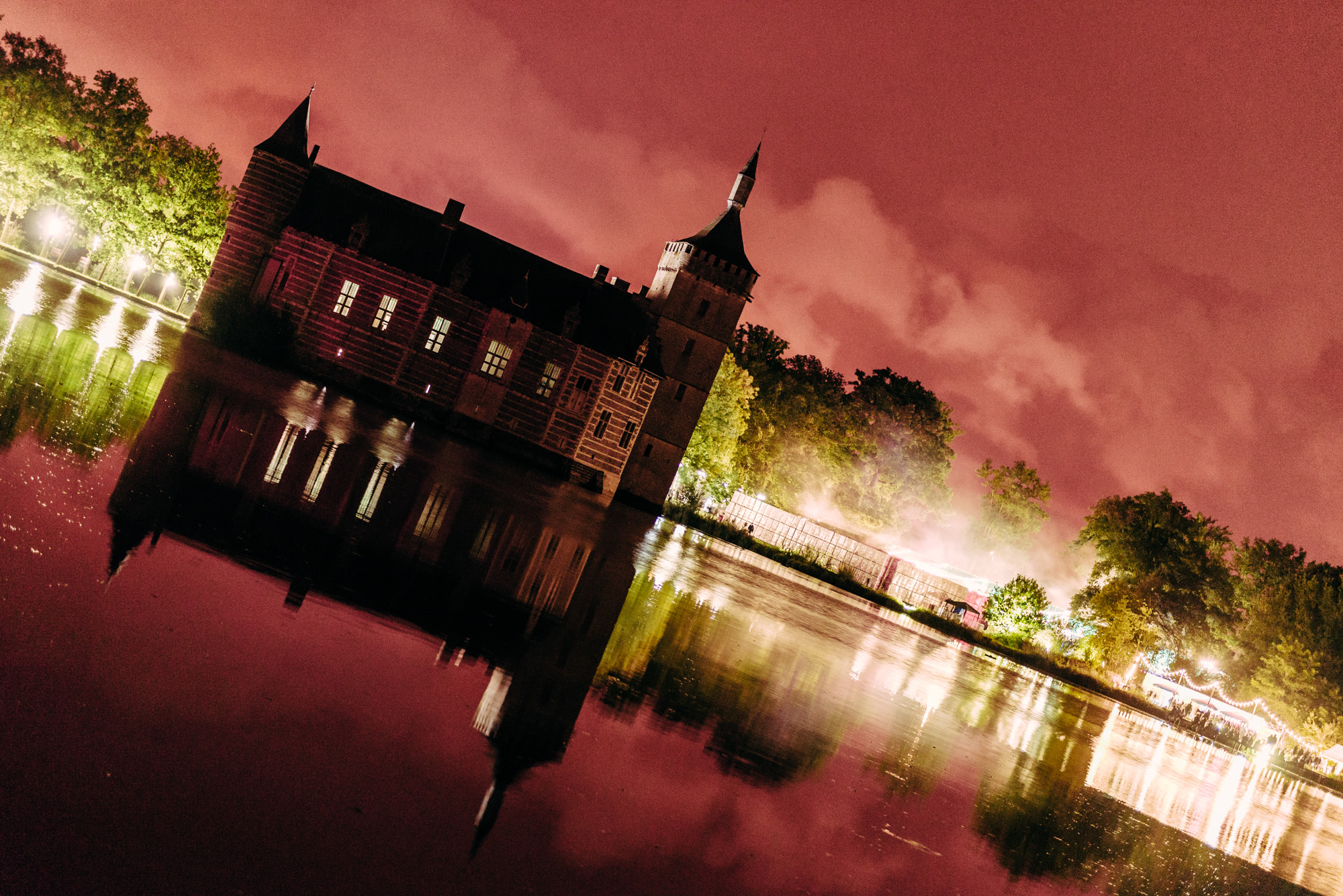
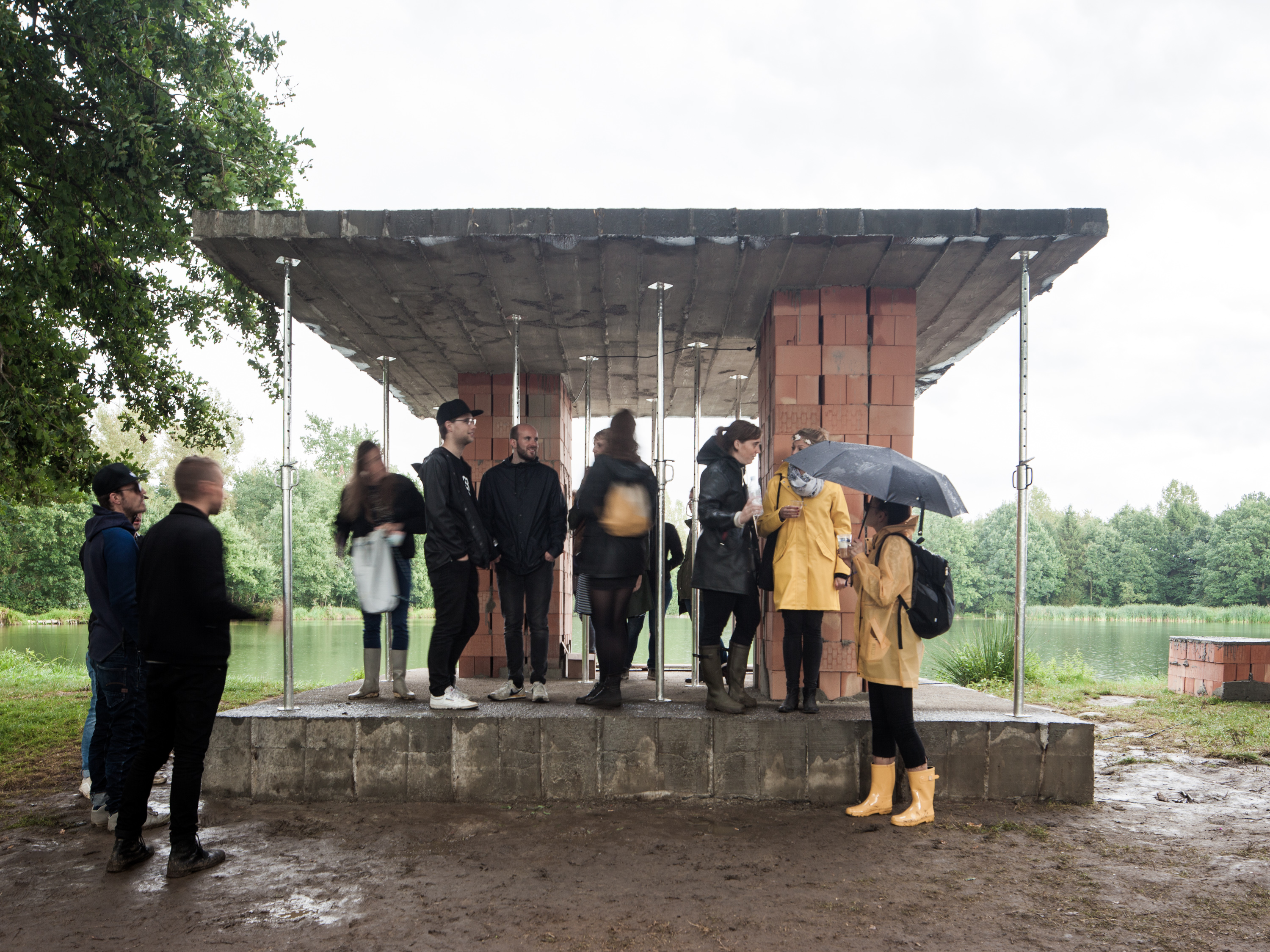
Horst Arts and Music is a festival of visual arts and alternative electronic music set in the grounds of Horst castle, an hour east of Brussels. 2017 was its fourth edition and the first time the castle courtyard was not used as a stage, due to renovation. The arts curators Gijs Van Vaerenbergh had UK Turner-prize-winning architecture collective Assemble design the NewCastle across the pond, a three-storey scaffold with central courtyard dance pit and panoramic overlooking balconies on all four sides. At the near side of the pond, the Podium Pile Pavilion stage by Belgian Architechten de Vylder Vinck Taillieu also evoked the castle’s courtyard with a rectangular enclosure made of stacked pallets of building bricks.
On Friday—the first of two days—it rained. But special walkways had been laid around the site, ponchos were available, and a marquee had been put up to cover the dancefloor and stage of the Podium Pile Pavilion. By early evening this stage was getting busy. Brussels native Le Motel, with a swoosh on his cap and three stripes down his sleeves, played an MPD controller between two powerful black speaker stacks. He drummed the pads and added percussion to his own trap- and footwork-flavoured tracks. The crowd grew hotter and danced differently according to the rhythm he dropped, now techno, now drum & bass, now hip-hop. Many of the people were in their early twenties, students from the nearby university town of Leuven, dressed in sportswear with kitsch accessories and bumbags slung across their chests.
In the fading silver light at the NewCastle stage, Canada’s Jayda G played soulful house records and threw her large caramel curls from side to side as she sang along and worked the rotary knobs of the mixer, pushing and pulling the frequencies pouring out of the hench black speaker stacks either side of the booth. The youthful dancers in the half-full pit rocked around the muddy floor, exhaling smoke, sipping cans of beer and long drinks, whooping and bending when she slowed one turntable to stop and let runa version of Womack & Womack’s “Teardrops.”
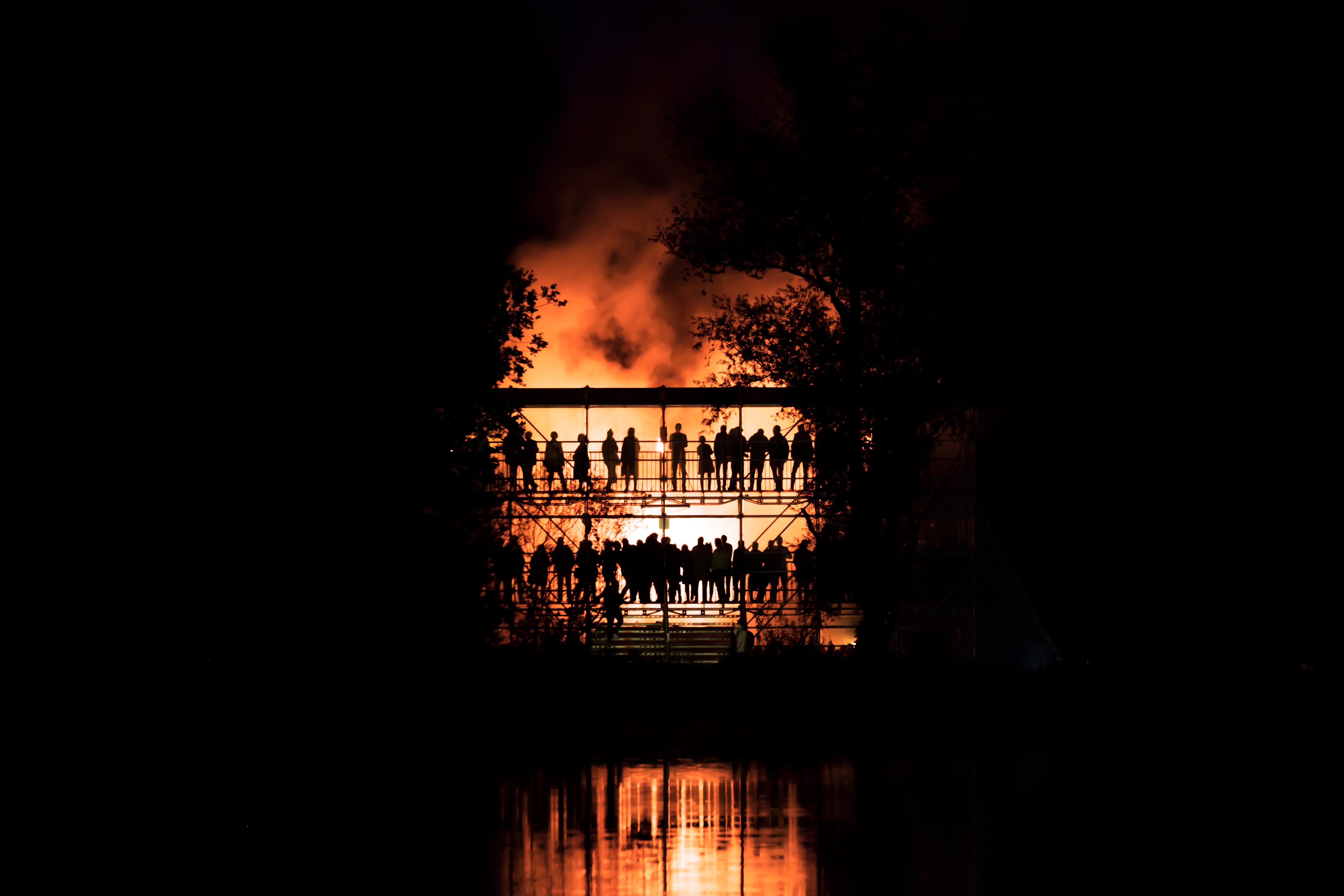
When night fell and the air was dry young people sat at tables under strings of lamps eating freshly made filled buns and fries and pumpkin risotto. People sat pond side at the round wooden jetty with their feet hanging over the water and the warm murmur of talk everywhere and the diffused mix of drums and exotic melodies from the two main stages vibrating the air. On the tree-lined path to the NewCastle stage, Batia Suter’s photograph of a microscopic organism lay illuminated and with water flowing over it from the Wagenhuys lock beside. The complex skeletal structure of NewCastle stood illuminated from the inside, the netting around its outside and the smoke rising from its top catching the pulsing gradients of colours—purple, yellow, blue, pink—and three floors dense with human silhouettes black against the light.
Inside in the smoke and bass the crowd, now muddy and spilling beer, clapped and yelled when San Soda dramatised the extended version of “Young Hearts Run Free” by turning it down as though it was over but bringing it all back in louder. An umbrella with lamps pumped up and down in the jam of hot bodies front and centre. When Hamburg’s Helena Hauff came on, dressed in a floral dark corduroy suit, the mezzanine levels above the main floor were the only places with a little more room to dance. From the first record she placed on the platter to the last, her pale dark-eyed face was cool and the acid attack flooding out from the speakers all the way up the scaffold’s inner corners had the whole metal structure shaking with the force of the dancers and the people watching with their arms over the bars.
Saturday, there were more people on site, in clean sneakers and anoraks, and after some showers, the sky in the late afternoon cleared to blue with chrome clouds. On the other path around the far side of the pond a large fish bounded out of the water a moment, its scales glinted in the soft light, and local DJ Bjeor’s closing tune Round One’s “I’m Your Brother” bounced from the NewCastle stage and its kicks and garage bassline echoed off the castle’s pondside walls where ports released Chaim van Luit’s installation of smoke signals. A little further and left off the path into the woods at Amber Vanluffelen’s small Unroll Your Soil & Give Life stage—where talks with the artists and curators also took place—was a performance by Vogue and Waacking Belgium. People crowded shoulder-to-shoulder and up the three levels of amphitheatre steps on one side. The DJs, a black male and Asian female, banged DJ Rashad’s version of “Walk for Me” as the models, junior to veteran, young to not so young, white to coloured, and thin to curvaceous, strutted down the makeshift runway on heels, struck poses for flashing cameras, provoked each other in battle with snaking arms and extravagant drops to the floor, whilst MC Zelda Fitzgerald in a white boiler suit squatted and rapped on the mic “Eat the runway bitch,” and the audience hollered and clapped.
To a packed Podium Pile Pavilion stage, veteran Gilles Peterson displayed the cover of a rare African LP he played and had the young crowd cheering as he pulled up and ran from the top Mr Oizo’s “Flat Beat.” LA’s old guard Egyptian Lover, in backwards flat cap and with his lady dancing and hyping the crowd beside him, cut and pasted and juggled classic electro records before hugging his TR-808 to his heart and making Prince’s song his own. “I just want your extra time and your pussy lips,” he sang into the mic. “Now dance.” And just out of the hot crowd and shelter a girl twirled in a puddle as the fresh rain came down.
How is it the organisers were so often smiling? Perhaps because Horst is a lovingly curated and carefully planned festival. The inclusion of artworks and architecture alongside the music was done with a light hand, and the talks with the artists and curators were popular. It’s a specialised festival, more focused than the larger ones, so you can experience most of what’s on offer, not just a bit. The crowd is young and friendly and up-for-it, even if it isn’t the wildest festival out there. So if you like an event with popular exciting names from the European electronic music scene, a number of local Belgian acts, and exhibits of contemporary art and architecture, all in a bucolic and historic setting, Horst Arts and Music does what it says in style.
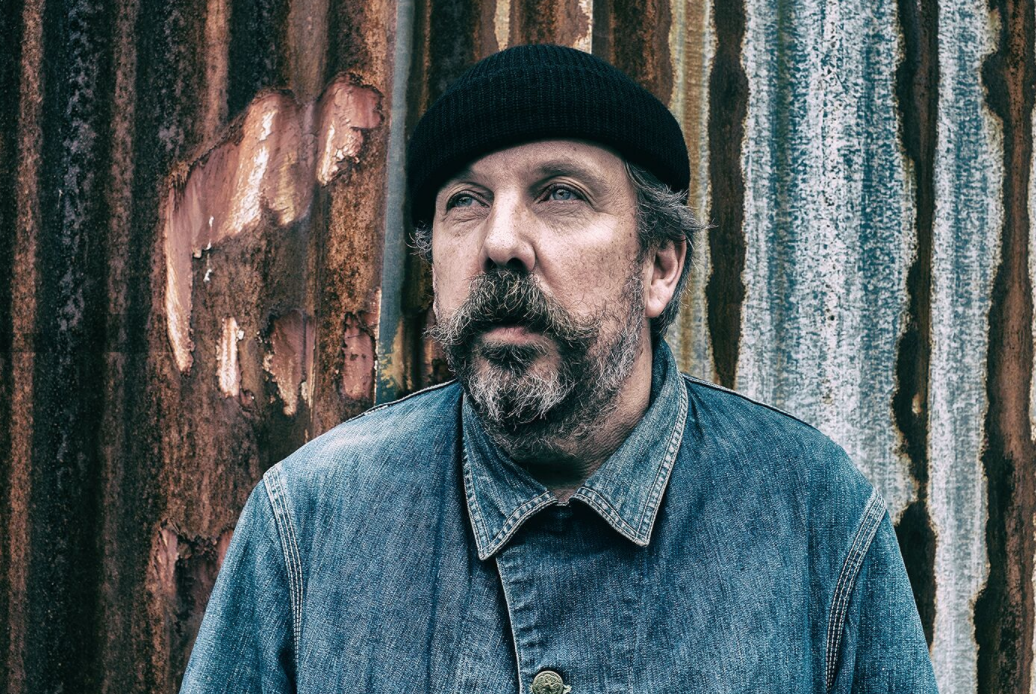
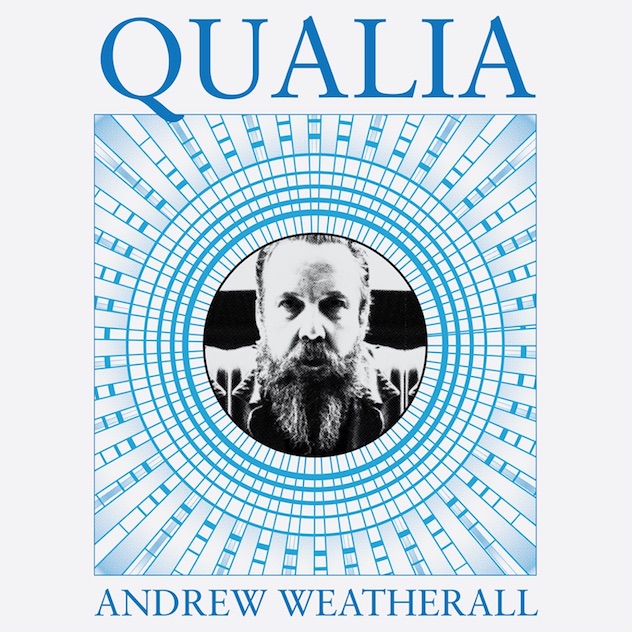
As announced, Andrew Weatherall will release a new LP in September, titled Qualia.
Qualia will be the UK DJ-producer’s second LP in as many years following 2016’s Convenanza. His last one before that landed in 2009.
“Mr Brackstone, my psychic shepherd, when confronted by the facts would probably say it was cosmic synchronicity but then again he would because he’s Jung at heart,” writes Weatherall. “Others may cite mere coincidence. These are the facts. I’ll leave the metaphysical debate for another time.”
He adds: “It’s all about the black notebooks as memorial device and “The Black Notebook” and “This Is Memorial Device.” At the same time as reading Mr Modiano and Mr Keenan I was ensconced in The Woodleigh Research Facility investigating a method of composition sparked by a random event too prosaic for the telling; unless of course we go back to “The Red Book” and see the hand of Jah [the D.M.T molecule that steers human existence] at work. After all, it was him/her/non-binary that sent me the ‘shave your beard off’ message. And the ‘don’t buy any more drugs’ one.
“Whatever your leanings, the music on Qualia is the result of images, feelings and thought processes stirred up by Monsieur Modiano and Mister Keenan channeled through the medium of a sonic notebook—in itself the memoir of somebody else’s life/fiction. My own black notebooks, like Jean’s [Modiano’s protagonist] stir the silt of memory and birth as many mysteries as memories. They also provided the track titles.”
Tracklisting
01. Evidence The Enemy 02. Darktown Figures 03. Spreads A Haze (And A Glory) 04. Saturday International 05. Between Stations 06. Soft Estates 07. Selling The Shadow 08. Vorfreude
Qualia LP is scheduled for September 29 release via Höga Nord Rekords, with “Spreads A Haze” streamable exclusively in full below.
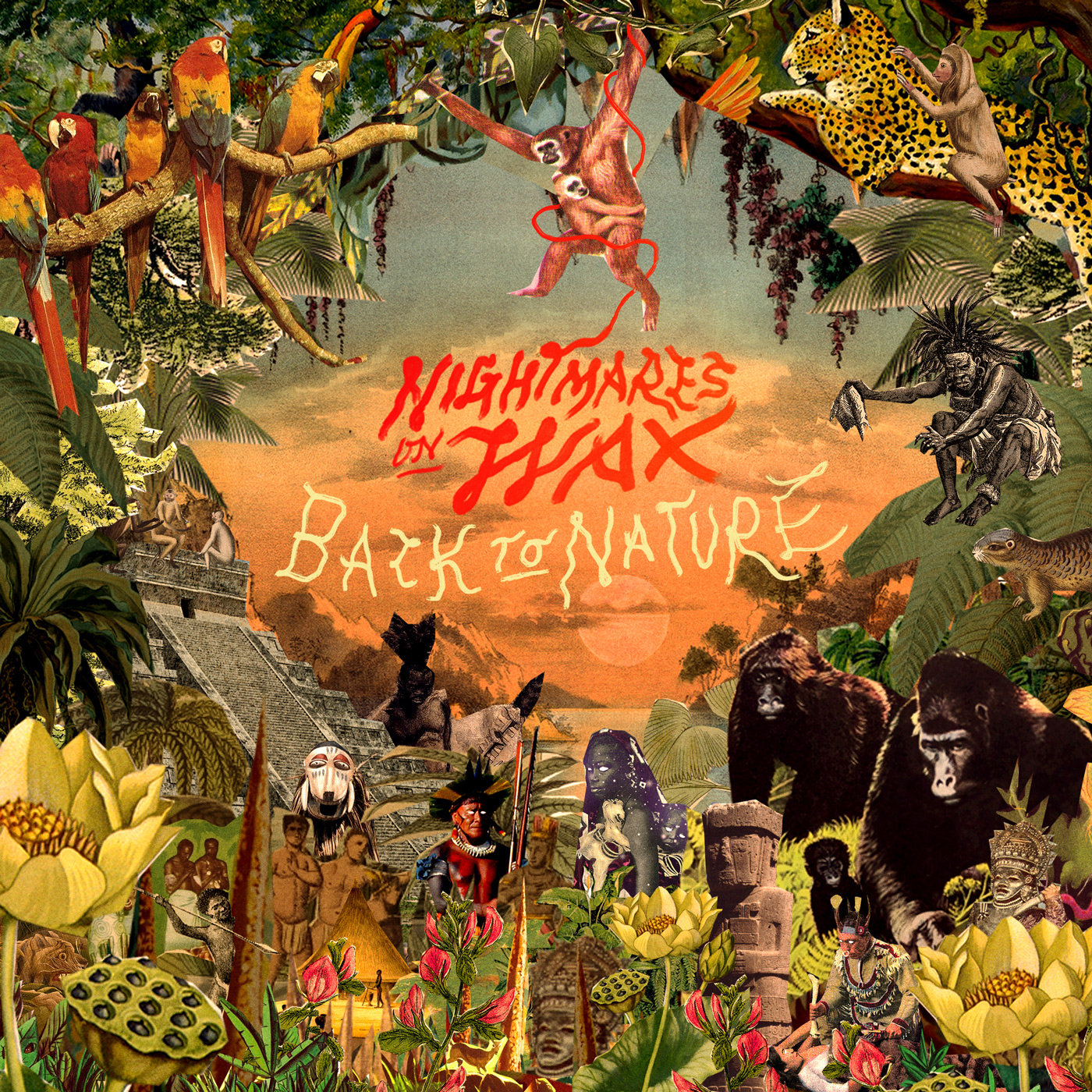
“Back To Nature” is quintessential Nightmares on Wax: a slowed down, exquisitely produced, emotional journey into humankind’s relationship with the natural world. The accompanying video, directed by João Pombeiro, follows this narrative through its cut-up collage of magazines, postcards, and vintage film, with glimpses of a future harmonious utopia.
Nightmares on Wax’ main man, George Evelyn says “Back To Nature” is a reminder of our relationship to nature, something amazing that we are all a part of. In the modern world, it’s become easy to forget that, to have the idea that nature is something that happens in the background to the human race. When in reality, we are an inherent part of it.”
As the title alludes, this is George stripping away the layers to reveal the very essence of what makes him such an influential artist.
“Back To Nature” is out now on Warp, with a video streaming above.
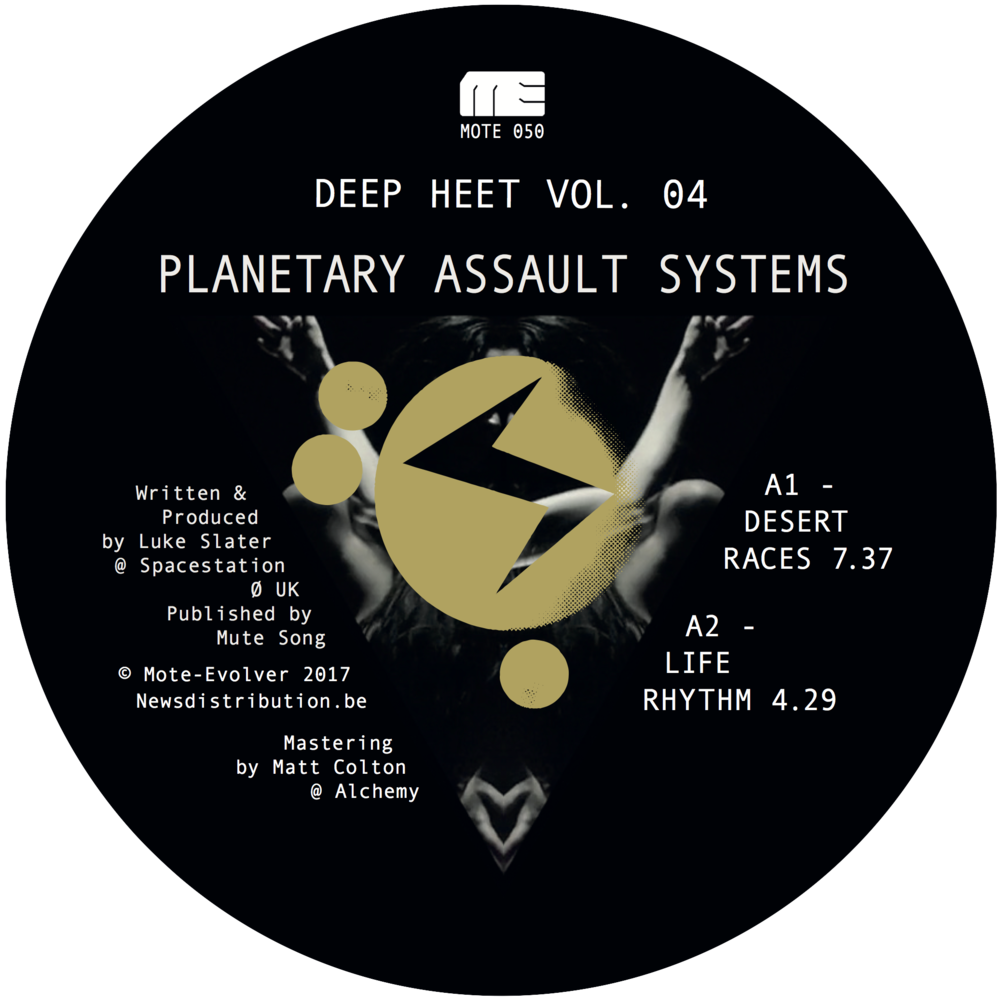
Since 2006, the Deep Heet series of recordings has shown the public an especially distinctive side of the production work of Planetary Assault Systems. With a unique “engine room” ambiance and a focus upon maintaining a continual surge of pure energy, each volume in the collection has lived up to that title.
It’s only appropriate, then, that the 50th overall release on Mote-Evolver should also be the fourth overall volume of Deep Heet.
We’re told that the set of four highly concentrated cuts shows how effective Planetary Assault Systems can be at “fueling the imagination by fusing together rhythmic and incidental elements into a unified, animated meshwork, without even a prominent melody to help out.”
Tracklisting
A1 / 1. Desert Races A2 / 2. Life Rhythm B1 / 3. Random Kingdom B2 / 4. Lazer Organical
Deep Heet Vol. 4 EP is scheduled for October 13 release, with “Random Kingdom” streaming in full below.
Berlin-based producer and visual artist Aparde has announced his debut album Glass and shared the video for the first single “Mouth.”
Exemplifying his strong aesthetic expression, the video acts as a visual translation of the album into moving pictures.The mysterious visual is about barriers and the feeling of being trapped. The process of having to deal with one’s fears and demons is shown by the impression of undefinable intertwined bodies behind a frail barrier of glass.
Out on the October 13 via Christian Löffler’s Ki Records, Glass is an unconscious concept album that acts as a summary of the last two years. Throughout its creation, the self-taught drummer and musician Paul Camillo Rachel (a.k.a Aparde) only used analog instruments and self-recorded material—often different kinds of glass which were acoustically combined with other materials.