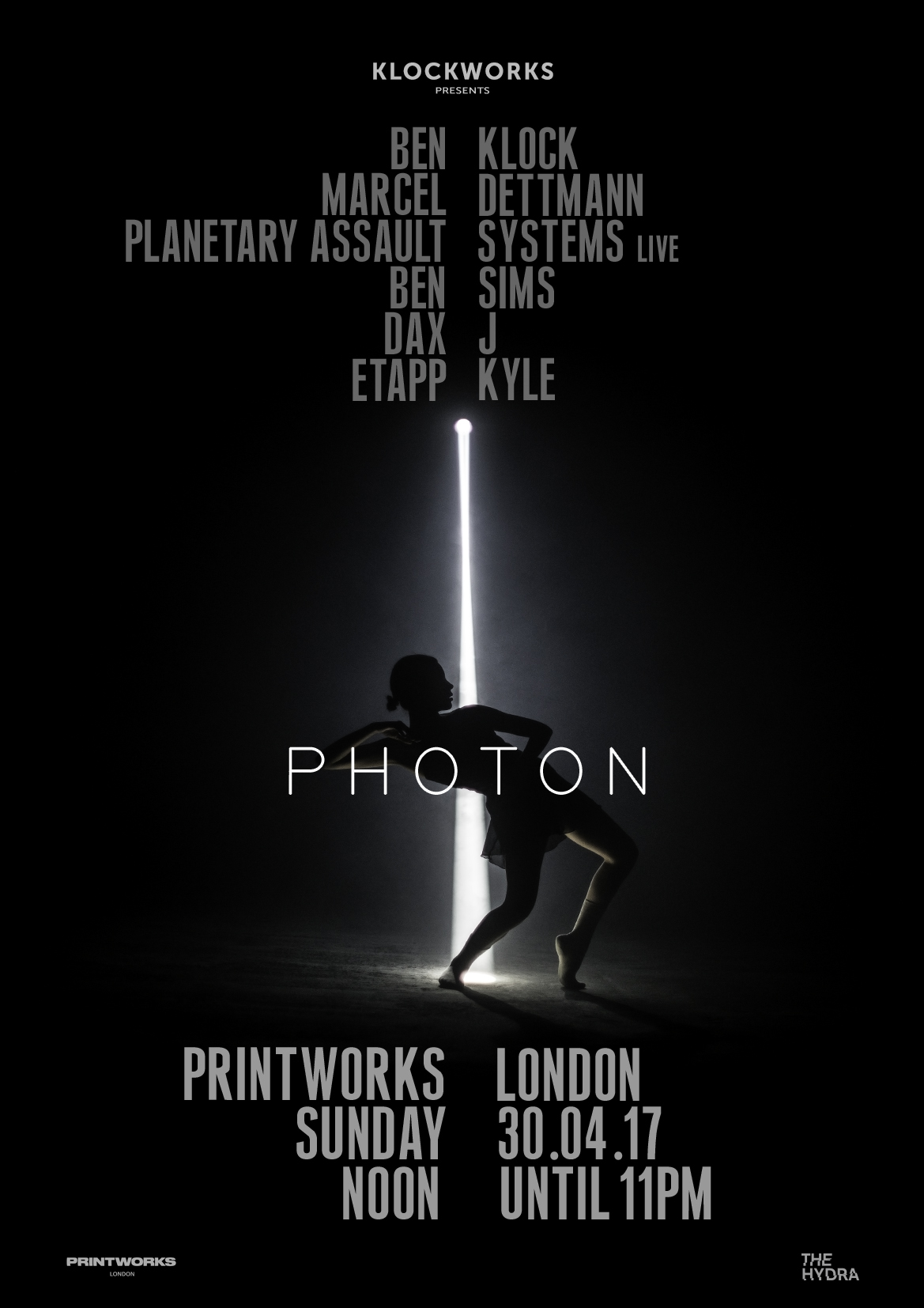
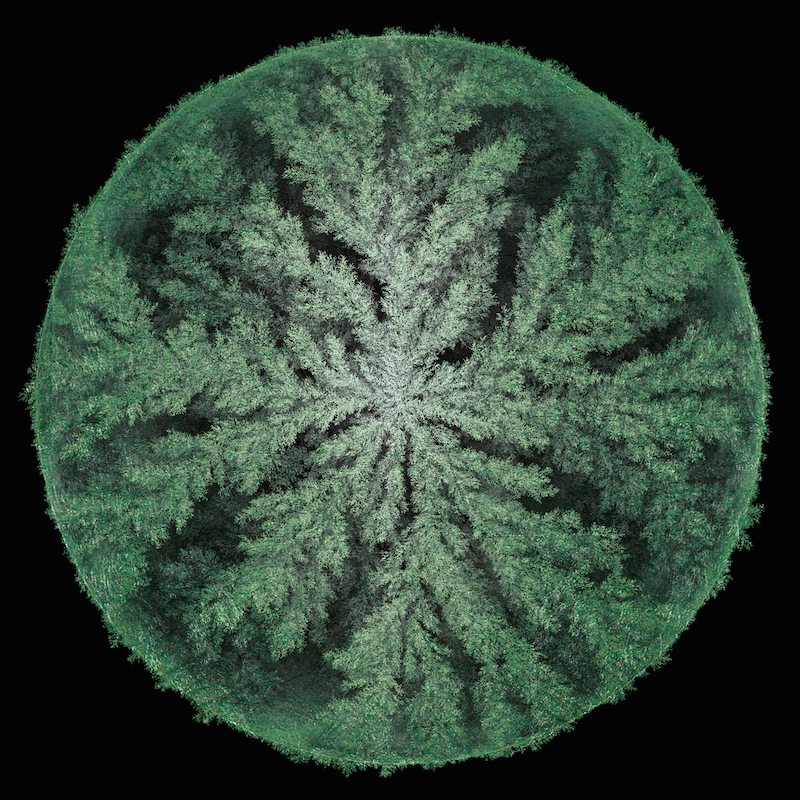
Ben Klock‘s Klockworks label is set to launch a new event series, titled PHOTON.
For the past four years, Klockworks showcases have represented talent from the label’s roster while focusing on the vibrant visual display of Heleen Blanken. The PHOTOn concept now opens up to all friends and colleagues whose productions and DJ sets Klock admires, from upcoming artists to the legends of the industry.
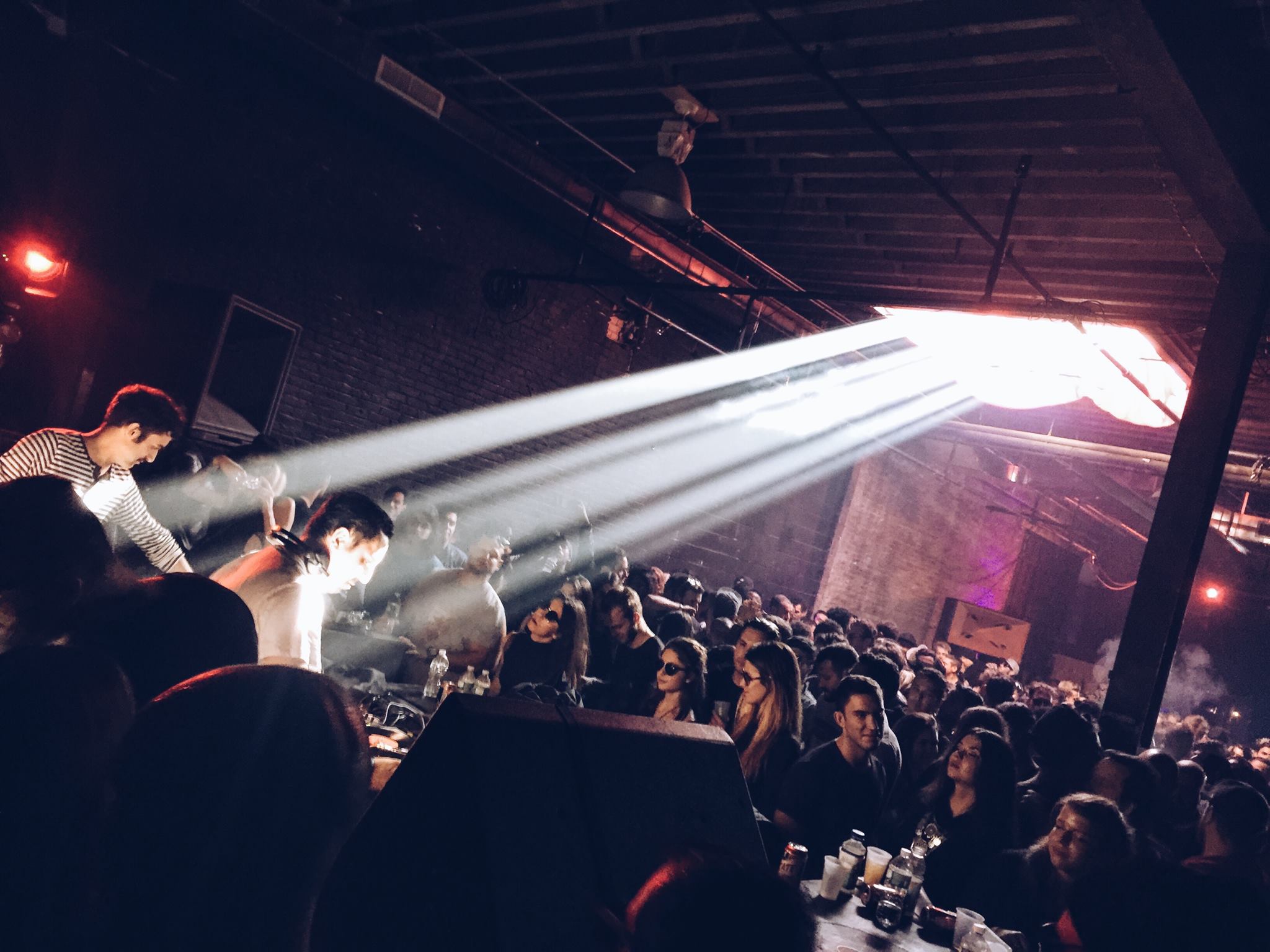
The concept puts emphasis on the notion of a photon, to present a multi-sensory experience by placing attention on the marriage between sound, light, and architecture and how these elements combined influence our experience. The Printworks in London was chosen as the location for the launch as unique, vast, industrial spaces are a focal point for the play of light. As each venue selected for the series will embrace its own distinct features, the light show will differ in each setting.
Ben Klock, Marcel Dettmann, Planetary Assault Systems (Live), Ben Sims, Dax J, and Etapp Kyle will kick off the series on April 30 at Printworks in London. Subsequent dates will be announced soon.
A teaser for the series is streamable below, with tickets here.
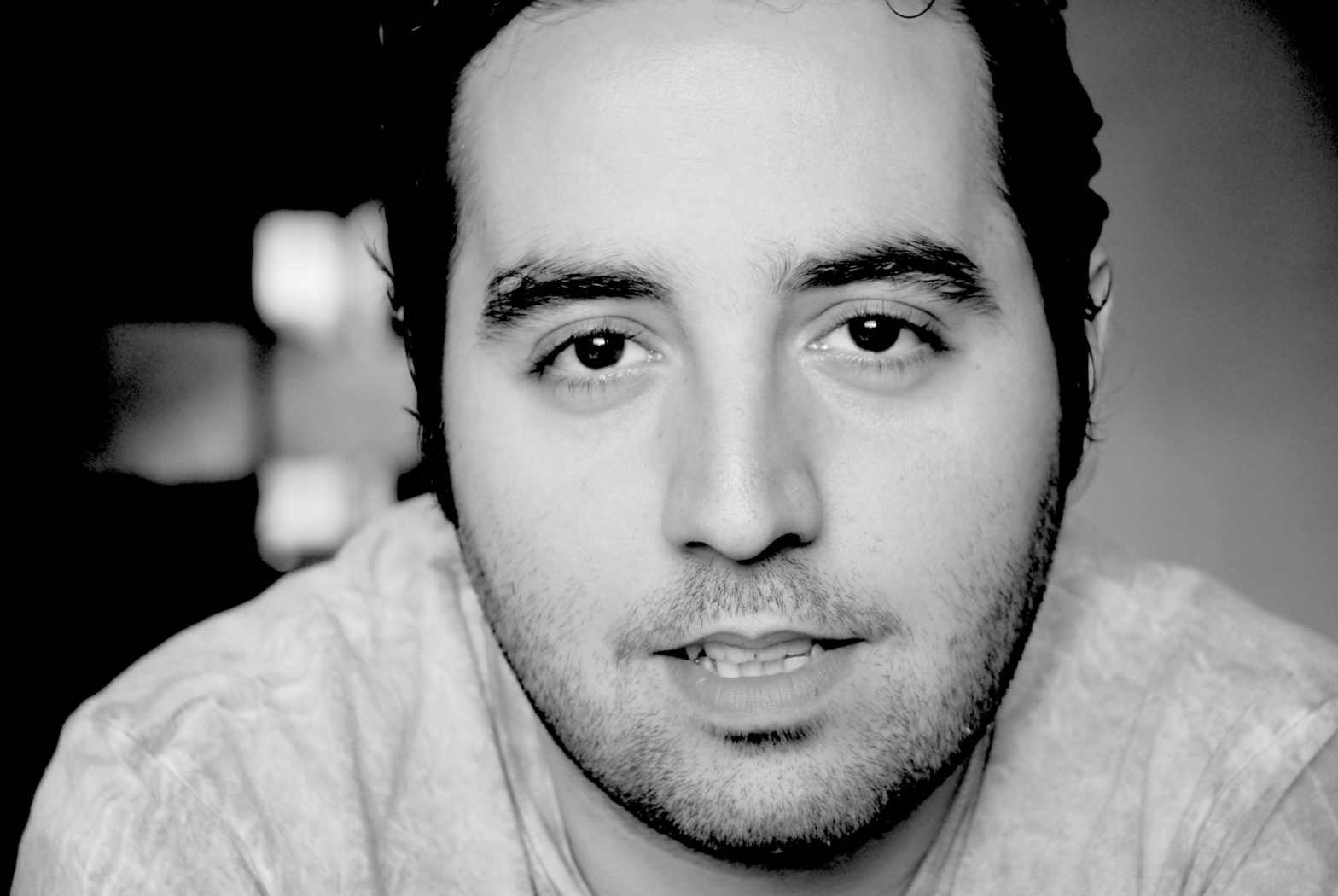
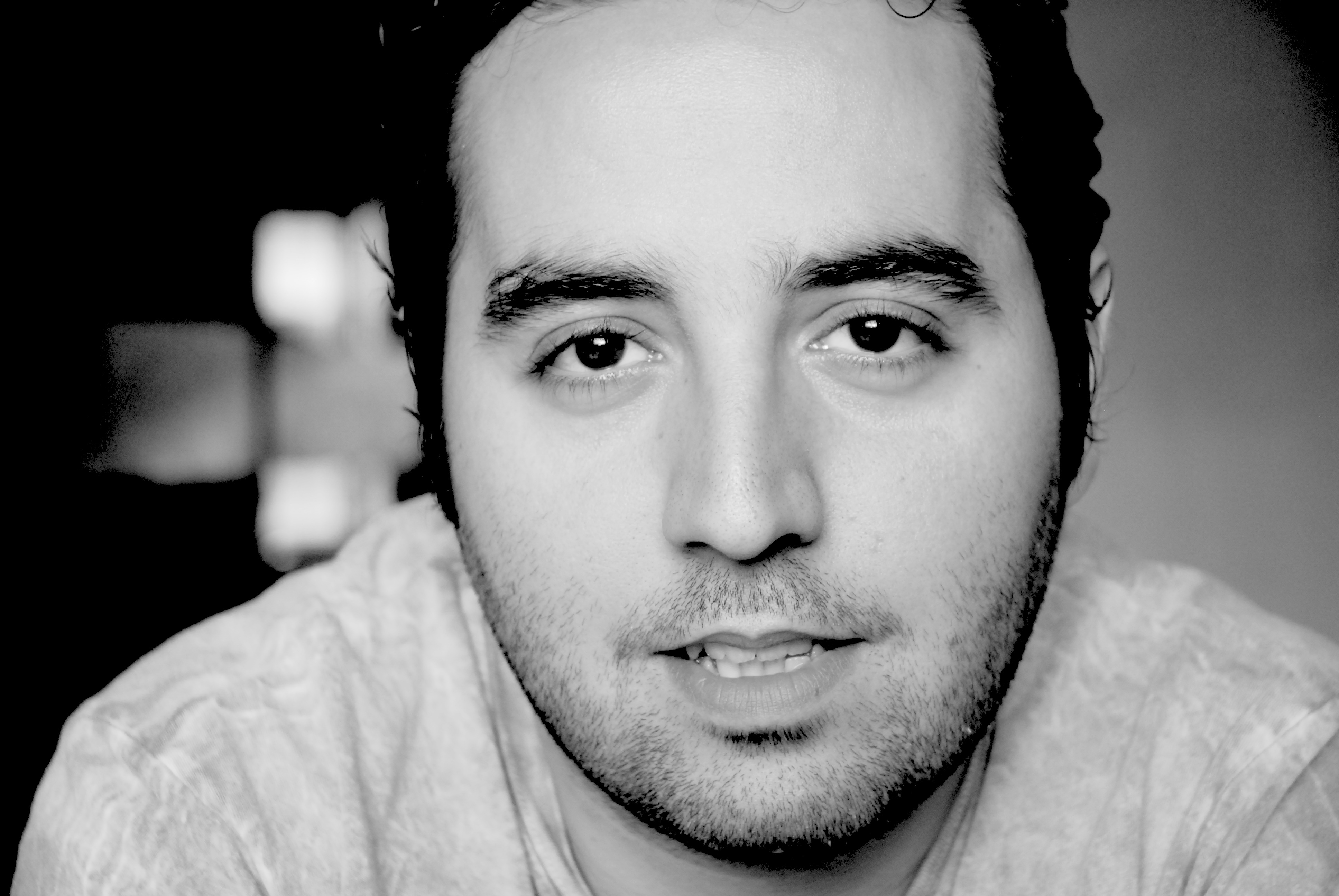
Montreal-based Amir Javasoul is another immensely gifted selector that you may not yet have heard of. Having grown up in Iran, he moved to Montreal at the age of 10 where he learned the ropes of DJing after a Derrick Carter set sparked a long- standing affinity wth the profession. Since then, for the past 20 years, he’s been balancing his work as a computer engineer with an active touring schedule, both in North America and Europe, where he has held residencies at some of the world’s finest clubs. Yet, still, he remains much less of a household name than those with whom he regularly plays alongside, operating in the peripheries rather than in the limelight. Part of this, indeed, may well be down to his limited discography: Javasoul’s profile has not been supported by a release on a well-known label; rather, he has taken the organic route, finding acclaim through his skills in the booth alone.
Things, however, continue to progress. Only last week he announced a series of North America shows alongside Ricardo Villalobos, a friend with whom he has recently shared plenty of studio time—the results of which he promises will be revealed soon. Javasoul also continues to develop his studio skills, both solo and in collaboration with Maher Daniel as Creatures of Habit; and he also has an exciting project with Archipel Musique Canada boss Pheek on the way. In addition to this, further European gigs, both alongside Villalobos and without, are expected to be revealed in due course as Javasoul’s profile continues to grow both at home and abroad.
In advance of his performance at this year’s SXM Music Festival in St.Martin, XLR8R took the time to speak with Javasoul about these upcoming projects and his thoughts on the role of a DJ in the modern age. In advance of this year’s event, Javasoul has also compiled a 60-minute “afterparty mix” which is downloadable in full via the WeTrasnfer button below.
So you were born and raised in Tehran, Iran–how did your relationship with music begin?
I was in Iran until about the age of 10 until I moved to Canada. In Iran, we didn’t have access to much popular music but I was definitely an early fan of Michael Jackson and Prince from an early age. Then, when I moved to Canada, electronic music wasn’t the first genre that I jumped on; instead, I grew up on hip-hop and then the logical progression towards electronic music happened in my teenage years—in the mid-‘90s.
So where does your love for vinyl originate from—did your parents have a large record collection?
No, that is actually something that I started myself. I was always interested in all genres and mediums of music, and then when I first started getting an allowance from my parents at 15 years old, I spent it all on vinyl. If I had 20 dollars then I would work out just how many records that I could buy with that.
Did your love for collecting records start long before you actually started to DJ?
Yes—but not long before; they both happened around the same time. I started buying music before I was a DJ but the majority of vinyl collection—which is around 8,000 pieces—is made up of records that I’d use in my sets.
Can you remember the first record that you bought?
The first vinyl that I bought was Michael Jackson’s Thriller—but I remember that the first electronic record I bought was Café del Mar’s Energy 52. It’s strange because it’s a huge trance anthem and very different to what I play now. It still has my parents’ phone number on it because I ordered it at the store.
So when did your taste start to change to the music that you play today?
I always divide my musical development and evolution into three distinct phases and people.
The first one, and the reason why I DJ now is because of Derrick Carter—he is my number one inspiration, as far as production and DJing goes. For me, Chicago house is the foundation for what I and most of us DJs do. I feel that the music we are making today is just a progression of that Chicago house. After that, I had another breakthrough moment within myself when I discovered DJ Harvey; and, after that, when I moved to France in 2001, I discovered Ricardo Villalobos.
I assume that this music development—this journey—is something that you credit for your success because you continue to play records from the whole spectrum.
Very much so. I am very proud of my journey as a DJ, especially because I have spent the time researching music and bridging the gaps between this genre and that genre. If you ask any proper DJ, they’ll say that this musical research is a never-ending quest; we’re all driven to continue finding new music. And if you hear me today, you’ll hear this; there will always be elements of old Chicago house records with some new Perlon material, for example, along with some of the new stuff that the Romanians are producing. I think this is what makes me different from someone who only plays one style.
Yes. We just released a Real Talk feature with Honey Dijon where she says that many people today are looking for a quick route to becoming a DJ—they want a quick answer or solution instead of accepting that the route to becoming a DJ is a journey that requires a deep musical education.
It’s true. It’s so easy to become a DJ nowadays; with the new computerized formats anyone can learn to beat match, or the computer will even sync it for you. Because of this, I feel that we’ve now lost the art of searching for music and the record digging part—where you hear a track and you spend weeks looking for it. I don’t want to generalise because there are still younger DJs out there doing their homework, who will spend a lot of time researching labels and producers—but for the most part, it’s become so easy that many DJs aren’t educating themselves on artists, labels, and all that stuff.
“I am happy that lots of these producers and labels are making their music a little bit harder to research or access, by releasing on vinyl or not promoting it. If it wasn’t this way then everyone could go on Beatport and just download the top 50 tracks to play out. Because of this, the quest is still alive.”
It’s a slow process.
Exactly. It’s a slow and steady process. I’m very excited by a lot of music coming out of Romania or Berlin, to give examples—and I am happy that lots of these producers and labels are making their music a little bit harder to research or access, by releasing on vinyl or not promoting it. If it wasn’t this way then everyone could go on Beatport and just download the top 50 tracks to play out. Because of this, the quest is still alive.
Talk to me about how active you are in finding records. Do you have a close-knit circle of friends that you share music with?
My whole process changed a few years ago when I decided to start buying vinyl again and to stop spending so much time on the digital front. Having said that, I am part of a community of DJs and artists where we exchange digital music with each other, but I have given up on the purchasing of digital music—I spend that effort and money on vinyl now, so I will go vinyl shopping online and in each city that I am in. Most of the digital records that I play out will be unreleased demos or reworks that have come from this community.
“…when I was playing digital I was getting lost in it. I was receiving so much digital music and it was just piling up on my computer, and I just didn’t have a connection with it for more than a week or two.”
I like it what you said in your fabric interview about you having a relationship with each one of your vinyl records—that you can look at it and recall the artist, label, name, and where you played it—that doesn’t exist with digital files.
It’s true. I don’t want to put down the digital format at all, but when I was playing digital I was getting lost in it. I was receiving so much digital music and it was just piling up on my computer, and I just didn’t have a connection with it for more than a week or two. It bugged me because I didn’t know how to organize it, and I still don’t really know.
Going back to the start, how did you actually learn to DJ in the first place?
To sum it up honestly, I learned through watching Derrick Carter—he was the first person I looked to as a technical reference. I was happy and blessed to watch him play regularly in Canada, and then after a while we became friends and I had direct access to him, and he taught me a lot during the mid-2000s. I learned from the best, and then the rest has been practice.
You’ve supported some fine artists over the course of the past few years– including Rhadoo, Ricardo Villalobos, and Craig Richards. Do you feel that you’ve learned a lot from them too?
Absolutely. The guys that you just mentioned all have this ability to surprise me and they continue to inspire me even though I’ve been playing for over 20 years. They put that spark in me where I get surprised and I’ll be a kid on the dance floor again.
It’s funny that you call it an element of surprise—I think that’s exactly what it is.
It is. Actually, I have a nice anecdote about this: the first time I played Fabric two years ago, I had the opening slot before Craig Richards and then Ricardo. I had just finished my three-hour set and Craig was coming. Usually, after a three-hour set at Fabric, you want to go and have a breather—and I was about to do this, but record after record I just couldn’t leave. He just kept me so intrigued and engaged that I couldn’t pull myself away.
From the outside in, it feels that your time in Paris, from 2001, was a defining period in your DJing development–because you held various residences and also traveled more frequently. Is this the way you see it?
In the late ‘90s I was starting to play in Montreal, but Paris is definitely where it became more of a job, in a sense. I left Montreal to Paris in 2001, and I moved to Paris where I didn’t really know anybody whatsoever. Again, it was Derrick Carter who bridged the gap for me in Europe, because he introduced me to his crew in London at the time—and then I started playing some of these parties. Derrick then came to play in Paris with me, which opened up a lot of doors, and from there it was just a natural progression. I met the Apollonia guys and then it just took off.
You were working full-time when you moved to Paris, right?
I was working as a computer engineer, and I had both jobs for a long time. I had weeks where I was working all week and then playing on the weekends, which was quite a schedule. I still go back and forth between both professions; sometimes I will do both and sometimes I will do just music. I am lucky to have the opportunity to switch between both careers.
When did production start for you? Talk to me about the origins of Creatures of Habit, born in 2013, as far as I can work out.
Creatures of Habit is the partnership Maher Daniel and myself—as back-to-back DJ sets and for production. We started it three or four years ago, and then Maher moved to Barcelona while I am still in Berlin or Montreal. Whenever we’re in the same city we’ll work on music together, but I don’t believe in working remotely with someone for studio work—I am not really there yet, I don’t think. So it’s difficult for us to work on music but we have got some material on the way. We’re trying to put more time into it because we’ll be spending a month together in April.
You recently dropped a white label as “Unknown Artist” that was played out a lot–using as Prince sample, I understand. Is there a lot more on the way?
We’ve worked on music with Ricardo and have some edits that will hopefully surface soon. As far as original material, we have finished a couple of things, but that will be finalized when we are in the studio again together.
How and when did you learn to produce—and how comfortable do you feel with it?
I am a far better DJ than a producer. I am still very much in the learning process when it comes to production; despite having spent many years dabbing it at, I am nowhere near where I want to be. Like most people, I just learned by playing around with Ableton and I also have a few pieces of hardware—and that’s why it’s easier to work with someone like Maher, who knows how to work a studio. I often know exactly what I want in a track or a baseline, and it would take me a few hours to make it, whereas Maher can make it happen in 10 minutes.
“I am finally at a point where I am excited about production; now that I don’t have the pressure to produce an EP to get more gigs, I can now find fun just playing around in the studio.”
It’s interesting that you’ve made a career as a DJ without producing records. Why have you only started to produce now?
Yes. Even though DJing and production are related, they are two different skills— and there is something to be said for artists who stick to what they’re good at. For me, I am making music because I enjoy it, not for the sake of having more gigs. I am finally at a point where I am excited about production; now that I don’t have the pressure to produce an EP to get more gigs, I can now find fun just playing around in the studio.
You’re also working on new Waterclock project with Pheek. What’s this?
Before I left Berlin, Ricardo gave me hours of studio material that we’d done together over the course of the summer. His process is quite unique because he will sit in the studio and record everything on one channel and then go and edit it— which I find brilliant. With Pheek, we just reedit a few of those sessions into playable tracks.
You’re also playing with Ricardo over the next few months.
Yes! It’s always exciting to play alongside Ricardo as you never know what direction he’ll take in his DJ sets! This is exactly what I’m about as well. Also, we’re both big fan of older obscure Chicago or NY house records so there’s always a game going on as to who can surprise who with the odd hidden vinyl gem.
Are you very critical when it comes to your sets?
Yes, I am. But I am also confident when it comes to my DJing. It’s something that now comes naturally to me, as opposed to the production part which requires a lot of effort. It brings me a lot of joy because I can see that I can make a difference in a night. Because of this, I think it’s something that I will always continue to do, in some way or another.
It’s interesting that you have the balance with another job—because the love for DJing must fade of you’re touring each week, all over the world.
At some point, perhaps—and I have had that in the past where I have become slightly tired of the touring part, and I am not even traveling so much compared to a lot of my friends. But it has happened where I’ve had issues, and these are times where I’ve questioned the profession; however, today I am happy with where my DJ career is going.
Earlier this month, Portuguese producer Jepe returned to Biotop with his second EP for the German label.
Space Diving follows releases on Jepe’s regular label home Blossom Kollektiv and Berlin’s Tonkind imprint with three deep and hypnotic cuts ripe for the dancefloor. The EP was produced on a range of synthesizers in his studio in the heart of Berlin’s legendary Kreuzberg area, a personal journey in the “expansive cosmos of undulating, evocative techno.” With evocative, melancholic melodies and thoughtfully programmed beats, it’s an EP built for the mind and body.
Space Diving is out now and can be picked up via Biotop, with deep bonus cut “Nature Future” available for free via WeTransfer below.
With an appearance at San Diego’s CRSSD looming, Horse Meat Disco have shared a storming mix of typically feel-good disco tunes—downloadable via WeTransfer below.
Taking place on March 4 at the beautiful Waterfront Park, San Diego, CRSSD will host a massive lineup that includes, among many others, Cassy, Heidi, Jackmaster, HVOB, Âme, Midland, Josh Wink, Damian Lazarus, Rodhad, 2manydjs, and Recondite.
You can pick up tickets to CRSSD here, with the mix and tracklisting available below.
Andy Gibb ‘Shadow Dancing’ Roy Ayres ‘Love will bring us back together’ Lightning Head – ‘Me and My Princess’ (inst) Space ‘Mixed Up’ Universal Energy ‘Disco Energy’ Ray Parker Jr – Jack and Jill (Back Up The Hill) 1982 version Lisa King – Magic (Hanners Ruff Edit) UDM ‘To Please You’ Eruption ‘Be Yourself (Hanners Ruff Edit) Mothers Finest ‘Disco Dis Way’ (edit) Smokey ‘DTNA’
The LP will be the French techno artist’s first album for Stroboscopic Artefacts and follows 2015’s brilliantly formed Cory Arcane and 2014’s Stolen Arc—both released via regular label home Raster-Noton. Across its 10 tracks, the album focuses on three states of desire: “HYPER is the primal, sensual lust; OPAL is the emotional catharsis, a blissful desire for love; MANTIS, like the insect it refers to, is the destructive, fatal attraction.” Although more techno-focused than his previous releases, HYPER OPAL MANTIS still manages to touch on experimental pastures—think industrial, noise, and atmospheric ambient—with surgical precision.
Like most of Kangding Ray’s work, there’s deep thought behind the work, this time: “navigating a world of engineered pleasures, big data monitoring of movements and consumption habits, and representations of reality that falsely claim objectivity, further blurred by reduced attention spans and several opaque layers of cultural interpretation and political manipulation.”
Alongside the release, Kangding Ray has announced a string of US tour dates, available below with a full stream of the album.
Tour dates:
March 10 – Los Angeles, Vayu Sound one year anniversary March 11 – Portland, Subsensory March 16 – Seattle, Kremwerk March 17 – Toronto, Mecca March 18 – NYC, Output
Honey Dijon will be performing alongside Ricardo Villalobos, RPR Soundsystem, Black Coffee, Âme, Nina Kraviz, and more at SXM Festival, which takes place March 15-19 in St Martin. You can grab tickets to SXM here.
When it comes to the ethos of house and techno, there aren’t many artists alive that better fit the bill than NYC producer and DJ Honey Dijon. Born and bred in Chicago and mentored by Derrick Carter, Honey was truly enamored with electronic music’s culture from an early age; DJing and mixing has always been seen as a true artform to Honey, and the club and party scene—especially following a move to New York City—a sanctuary and safe place for performance and expression.
At once subtle, powerful, and emotionally driven, Honey’s sets are hard-to-define experiences that shrug off genre constraints with a deft touch. With gigs at some of the best venues around the world including, among many others, Panorama Bar, The Block (Tel Aviv), Sub Club, Output, Smart Bar, and Space Ibiza—not to mention the countless warehouse spaces and gallery’s she has played—many have witnessed Honey’s dancefloor mastery; and for those who haven’t, make it high on your priority list.
Outside of the club environment, Honey and her musical curation are ingrained in the fashion world where she has selected and compiled music for Louis Vuitton’s men’s shows—a partnership that has seen her collaborate with legendary producer Giorgio Moroder—and dazzled at innumerable parties for industry power players such as V magazine, Narciso Rodriguez, Hermès, Balenciaga, and Givenchy. Honey is also an in-demand speaker on issues surrounding gender in club culture and just this last weekend she performed and spoke on gender and electronic music at MoMa’s PS1 alongside Genesis P Porridge of Throbbing Gristle and DJ Sprinkles.
Although a DJ first and foremost, over the years, Honey has released a steady stream of classicist house cuts and remixes on Derrick Carter and Luke Solomon’s Classic Records, Stereo Cool!, Rampage, and Nervous Records, and in summer, an album is on the way via Classic.
When looking for an artist to discuss DJing for an edition of Real Talk, it was quite obvious we should look no further than Miss Honey Dijon.
A very well known and respected artist recently asked me what my role is as a DJ. I’ve never been asked that question before, and I really didn’t know how to respond. What drives me to put up with incessant travel and lack of sleep? Where do I find strength to overcome the constant pressure and consistent judgment and criticism, both from others and myself? I flipped the question back on him, “What do you think is the role of a DJ?” He told me that his craft allows him to bring people from all walks of life together. He said that through music we can communicate, celebrate, share, and find joyful experiences outside of the ones we’re familiar with. He dubbed our role as artists as ambassadors of human connection through sound. I thought that was a great answer.
“….you can’t maintain constant evolution and innovation if you are more concerned about what you get out of it instead of what you put into it.”
The question I’m most often asked though isn’t about my role as a DJ, but rather about how I got there. What do I have to do to become a DJ? is a question I’m repeatedly asked. I always feel like people want a quick and simple answer. There isn’t one. When your focus is on the goal of “being a DJ,” it’s easy to lose sight of what it means to actually be one. There’s a lot of fantasy attached to what most people think a DJ is and does. They see fame and spotlight, the rock ‘n roll lifestyle, jet-setting to festivals and clubs around the globe. True, those things might define you as DJ, but that has no bearing on what it means to make a great artist. A great artist to me elevates the human spirit. Perks are great, but you can’t maintain constant evolution and innovation if you are more concerned about what you get out of it instead of what you put into it.
What many great artists I know have in common is their love of sound. Like my friend said earlier, sound is what connects us. And more than that, it’s what excites us. I’m just as excited today as I was when I went to my first club years ago. When I discover a new artist I really love, I get the same goosebumps I’ve always gotten. Rimbaudian on the underground UK house label Meda Fury does that for me. Just really dirty and funky house vibes that feel fresh. When I started collecting music I had no idea I wanted to be a DJ. I just loved music. I grew up in a home where we shared music constantly. It was intergenerational; my parents would play me music that they loved and were excited about, and my sister and I did it in return. They would throw on Curtis Mayfield for us to listen to and I would play the latest Larry Heard tune. There was no judgment. They never said, “This music was better back in my day,” and we never called their taste old-fashioned. We were just open. That taught me a very valuable lesson early on; to be open to all types music no matter the age, origin, or genre. Time is a continuum. Past, present, and future all coexist together. No matter when the music was released, quality always endures and continues to inspire. I love everything from the soulful sound of Motown, the complex compositions of Miles Davis, the innovative use of arpeggiation from Giorgio Moroder, the quirkiness and downtown sensibility of the B’52s, and the polyrhythmic techno of Jeff Mills. It all resonates with me deeply.
“We dug deeper. You did whatever it took to be unique so that when people came to hear you, they knew who was playing before they even stepped onto the dancefloor.”
Traveling around the world exposes you to many different cultures and sounds that you get to experience so much through a love of music. You can discover new genres, new dance moves, new labels, new techniques, new styles. Before the advent of the internet, there were fewer places to get music. There was a lot less music being released and it was a much smaller community. In Chicago where I was schooled, the selection was just as important as your skills. everyone had the same records, so how could you make yours sound different or stand out? Well, you layered tracks from different genres and you found your own unique ways of blending and working the tracks to make them our own. We dug deeper. You did whatever it took to be unique so that when people came to hear you, they knew who was playing before they even stepped onto the dancefloor. No one exemplified this more than Derrick Carter. Derrick’s imagination is limitless and he took house music to the next level for me. His use of accapellas, his mastery of the blend, the blurring of genres, speeding things up or slowing things to fit into a mix, taking familiar music and flipping it in a way that it feels new and different. For example, taking a movie soundtrack and layering it over techno or taking a gospel tune and mixing it with acid house. He pushed me to really think of music as theater, and taught me to be innovative by thinking outside of the box.
These days we’re witness to thousands of new tracks every week. The supply has outweighed the demand—almost. There are still thousands of artists already on the map, and new ones cropping up so frequently that it’s become more crucial than ever to develop a sound, a technique, and a vision that is uniquely yours. That kind of deep knowledge—or at least a thirst and openness for that knowledge—goes a long way in creating the depth as an artist. It’s what also sustains a career. Never compare what you do to others. Master your own voice so that it can never be duplicated. There is already one artist that does what they do well, the world does not need two. There are no shortcuts for hard work and dedication.
Another thing that makes a great DJ is simply experience. Only by playing constantly and consistently for different crowds can you strengthen that muscle. It’s a luxury I don’t take for granted. It’s not an easy task to be able to walk into a room full of strangers in a foreign country and be able to not only entertain and engage them but to connect to them emotionally. That takes skill. One of the things that I feel is missing these days in clubbing is the cross-pollination of people and cultures. As a result, the music and the experience that goes along with it has become homogenized. The gays go to the gay clubs, the techno kids won’t go out to hear house DJ’s, and soulful house fans will rarely seek out progressive music. Everyone finds their lane and stays in it. This is a mistake if you are a DJ. Take inspiration from everything and everywhere, find out what you like (and don’t like) in other genres and from other dance floors and use it to bring back to your audience. I’ve always felt that there is enough sunshine for everyone. Keep learning because it’s the only way to really grow as an artist.
When I started clubbing, I was fortunate enough to be in the right place at the right time during the cultural movement that we now know as house music. It was predominately heard and played in gay black clubs at the time. There was Rialto’s on the South Side and Club LeRay’s on the Northside. The latin gay bar Normandy’s in Boystown and the trans club Cheek’s in Lincoln Park. All types of people went regardless of sexual orientation or gender. What was so special about that experience was that the club was like a temple. Sometimes I still feel that today: that escape from the oppression of being a marginalized person, freedom in a place that celebrates diversity, openness, expression, and sexuality. The DJ was the shaman guiding you through a portal of connection through sound. At that time, there was no superstar DJ. The music was the star. In fact, you rarely even saw the DJ. They were usually hidden in the back of the room or high above the dance floor, an invisible force of nature. DJs earned their stripes through their selections, and their skills, nothing more. No waving of the arms, no fist pumping, no pyrotechnics. The music had to stand on its own, and it did.
Perhaps the best way to get to know a DJ was to frequent an artist’s residency. Regular club-goers got to know your style, what you were about as an artist, and you developed a following organically. I miss that these days. Residencies are a rarity now. Now it’s about what records you put out and on what hot label of the moment. We now know that a great producer does not make a great DJ and vice versa. Very few are blessed with that gift. Danny Tenaglia has that gift. His residency at Twilo changed my life. He would play 12-14 hours straight and you became so familiar with his music that you could tell what type of mood he was in just by his selection. If he was playing really hard you knew he wasn’t in a very good mood; if he was playing lots of new music that you hadn’t heard in the previous weeks you knew he was feeling inspired. You can only get this experience from artist residencies. We have so many festivals and parties these days with endless lineups with set times cut to just a few hours, sometimes less, that I don’t think it’s possible to really get to know an artist or to be taken on a journey with a DJ set. To me, this is where you really learn to pace yourself, command a room, keep people on their toes with anticipation and excitement, and master your sound.
Playing big rooms and intimate venues, opening and closing sets, that is another art form in itself. That takes time, so be patient with yourself. Don’t underestimate the simple fact that playing music you’ve selected to an audience takes courage, conviction, personality, and perseverance. Sure, some people get lucky: they fall in with the right crew, make a record that blows up, there’s a buzz around what they’re doing. Buzz doesn’t mean longevity. I’ve listened to many DJs from the early eras and I think the reason they made it to where they are was not about them or their status, but about the experience they were able to create. Like my friend said, it’s the bringing together of people, the celebration of love, the tribal gatherings, like bees dancing together to make honey.
When it all comes down to it, there are many different paths to take. One of my favorite DJs always says, “I want to show up, bang those beats, turn your party out, and by the end of the night be your favorite DJ.” Again! After 30 years, he still has the hunger and passion for destroying the dancefloor, and that fire remains the most inspiring thing of all. I want to inspire others through music to create their own sound, to build their own community, to connect people, and to introduce and celebrate difference. Being a DJ can be more than just creating a soundtrack to someone’s Saturday night. A night of good music can shape who you are and expand you as a person, and that to me is the best reason to become a DJ.
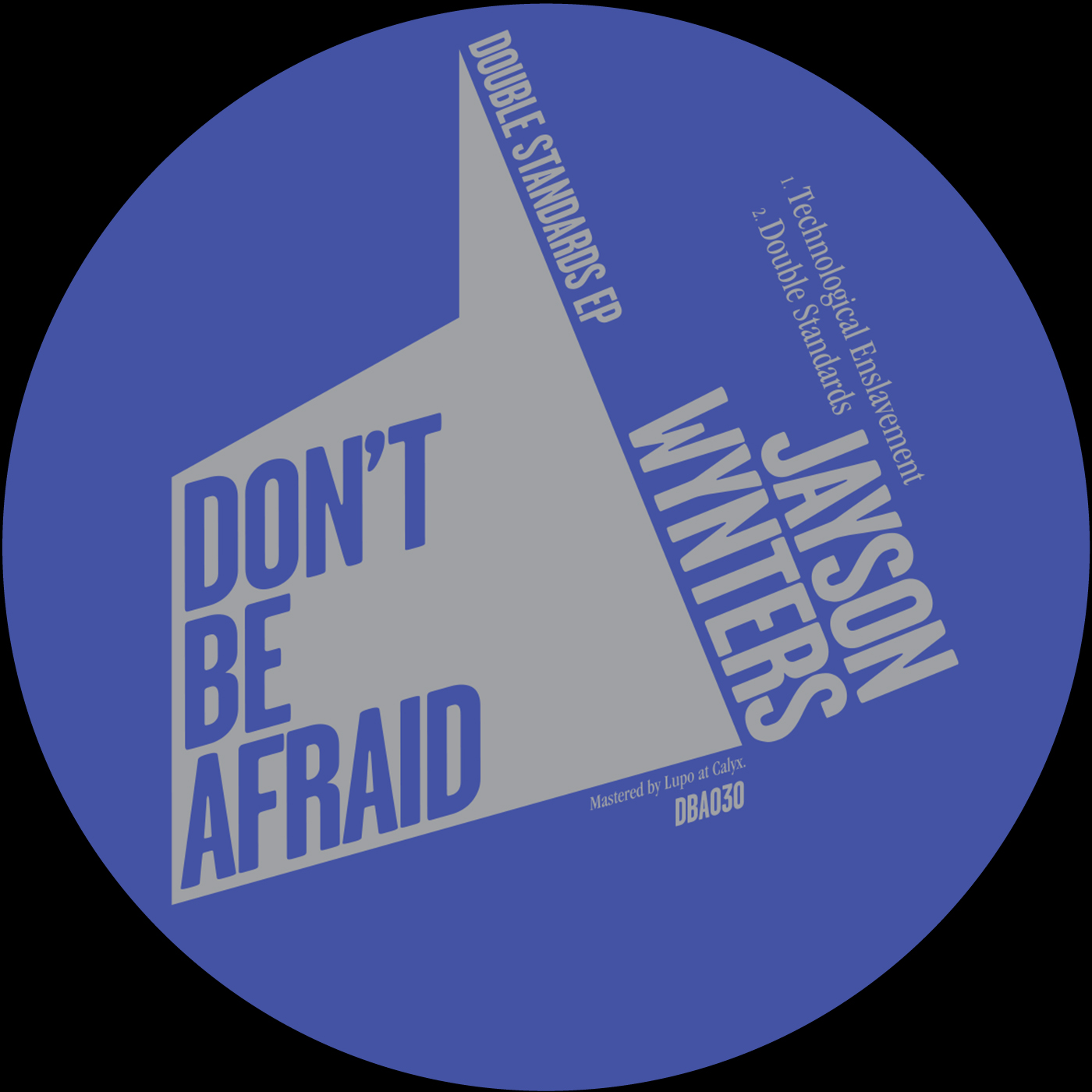
After debuting on Mr. G’s Phoenix G imprint in 2016 with the Unfamiliar Territory EP, Jayson Wynters makes an appearance on DBA for this, his second release, backed by a Kowton remix.
In November last year, Max Cooper released EMERGENCE, an epic, operatic, amalgamation between an audiovisual show, scientific research project, art installation and IDM record. Now in 2017, Cooper will release an album of remixes by friends and other artists he admires.
Emergence Remixed will be released as a DJ-friendly 12” vinyl with six remixes on, and a new digital album with the full suite of 10 remixes. On the 12” will be the remixes from Vessels, Rival Consoles, Tom Hodge, Kimyan Law, Christian Löffler, and Ash Koosha; meanwhile, the full digital LP also has remixes from Patrice Bäumel, Joe Farr, John Tejada, and Hidden Orchestra.
Arca will release his third full-length album, Arca, on XL Recordings.
The record will be the Venezuela-born, London-based artist’s first on XL Recordings, and follows the release of his two previous albums: 2014’s Xen and 2015’s Mutant.
To mark the news, Arca today reveals the first track from the record: album opener “Piel”. It is the first piece of Arca music to feature his singing voice, standing as a defiant, delicate statement of intent.
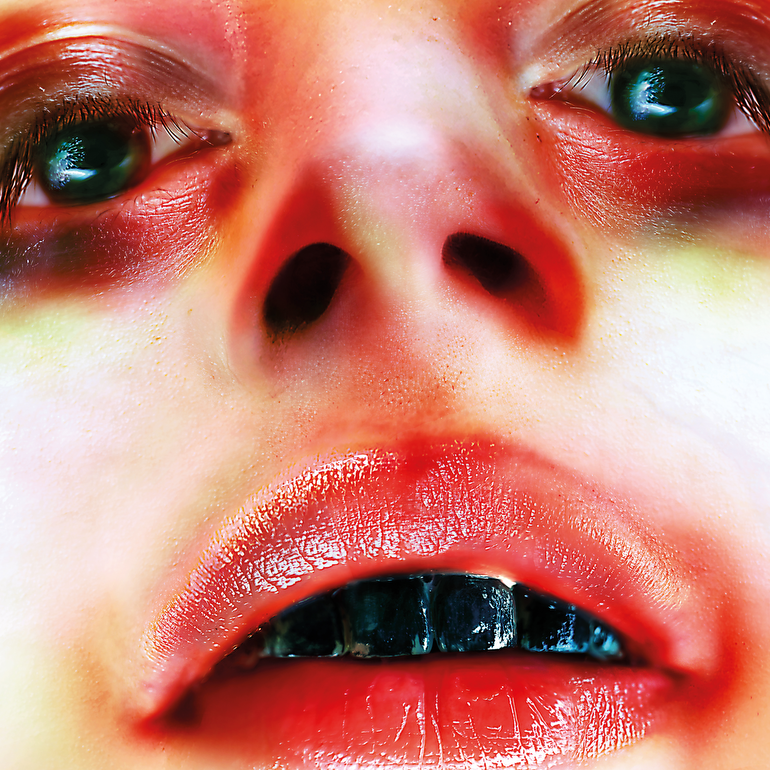
The album features artwork from long-time Arca visual collaborator Jesse Kanda and will be available on CD, gatefold single vinyl LP, and on all digital services.
René Pawlowitz (a.k.a. Shed) will release a new album, titled The Final Experiment, on Monkeytown Records.
Under the Shed moniker, Pawlowitz has released three highly ambitious albums, the last of which, The Killer, arrived almost five years ago—his first away from Ostgut Ton. The label describes the release a “temporary highlight” of Pawlowitz’ musical evolution, and says that it established Shed “as one of the most interesting and substantial electronic music artists of our time.”
Tracklisting
01. Xtra 02. Razor Control 03. Outgoing Society 04. Black Heart 05. Extreme SAT 06. Flaf2 07. Taken Effect 08. ER1761 09. Turn 2 Turn 10. Call 32075! 11. System azac