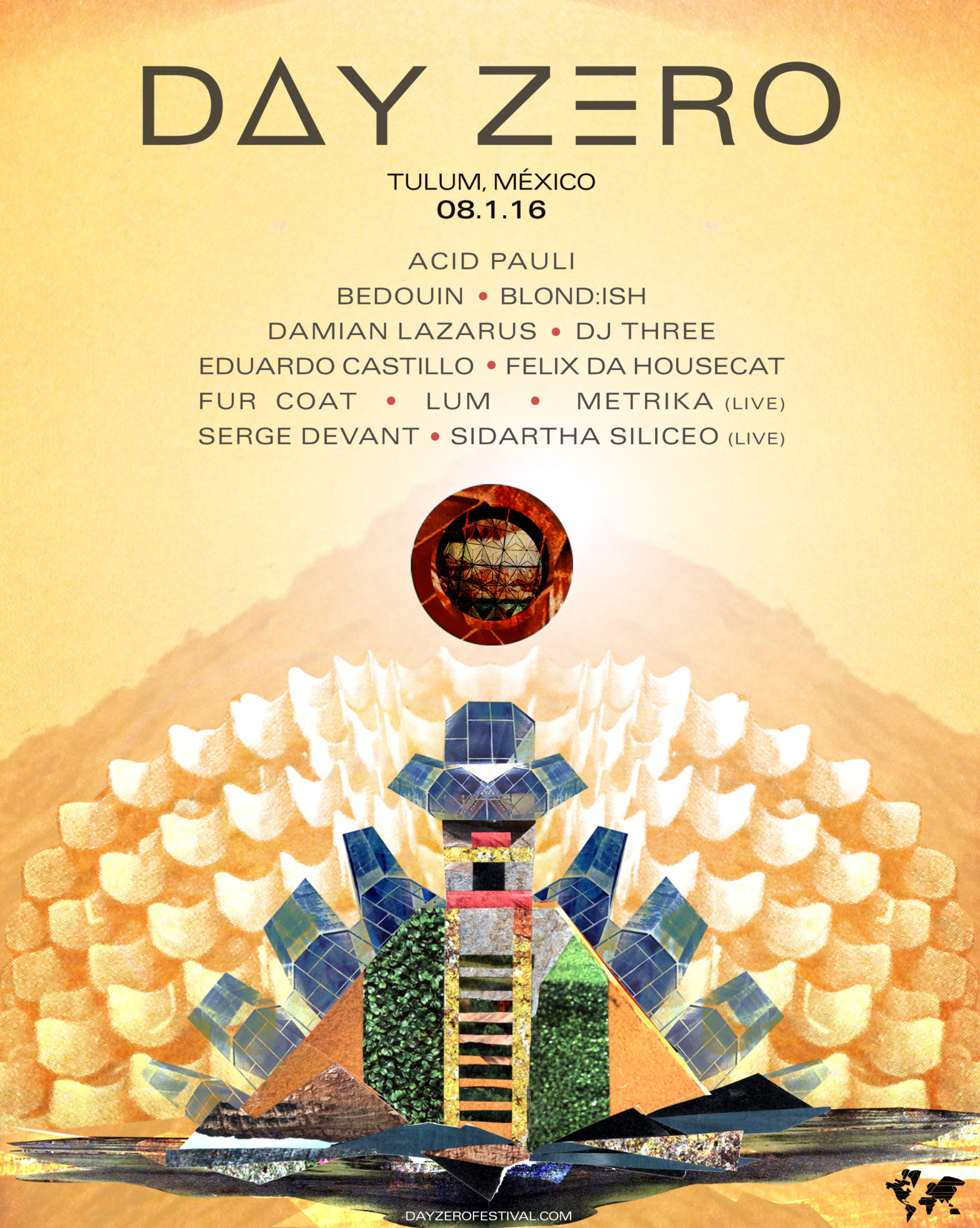
Following our very own one-day music event in the beautiful Mayan territory that is Tulum, Day Zero Festival 2016 is set to kick off its fourth chapter on January 8 at the sacred space known as AK TUN AK (Turtle Cove). Boasting one of their most impressive lineups since the festivals inception, the event will also feature specularly decorated ancient rituals and ceremonies from local Mayan communities with hundreds of individual performers before jumping into a frenzy of electronic bliss in this hallowed jungle environment.
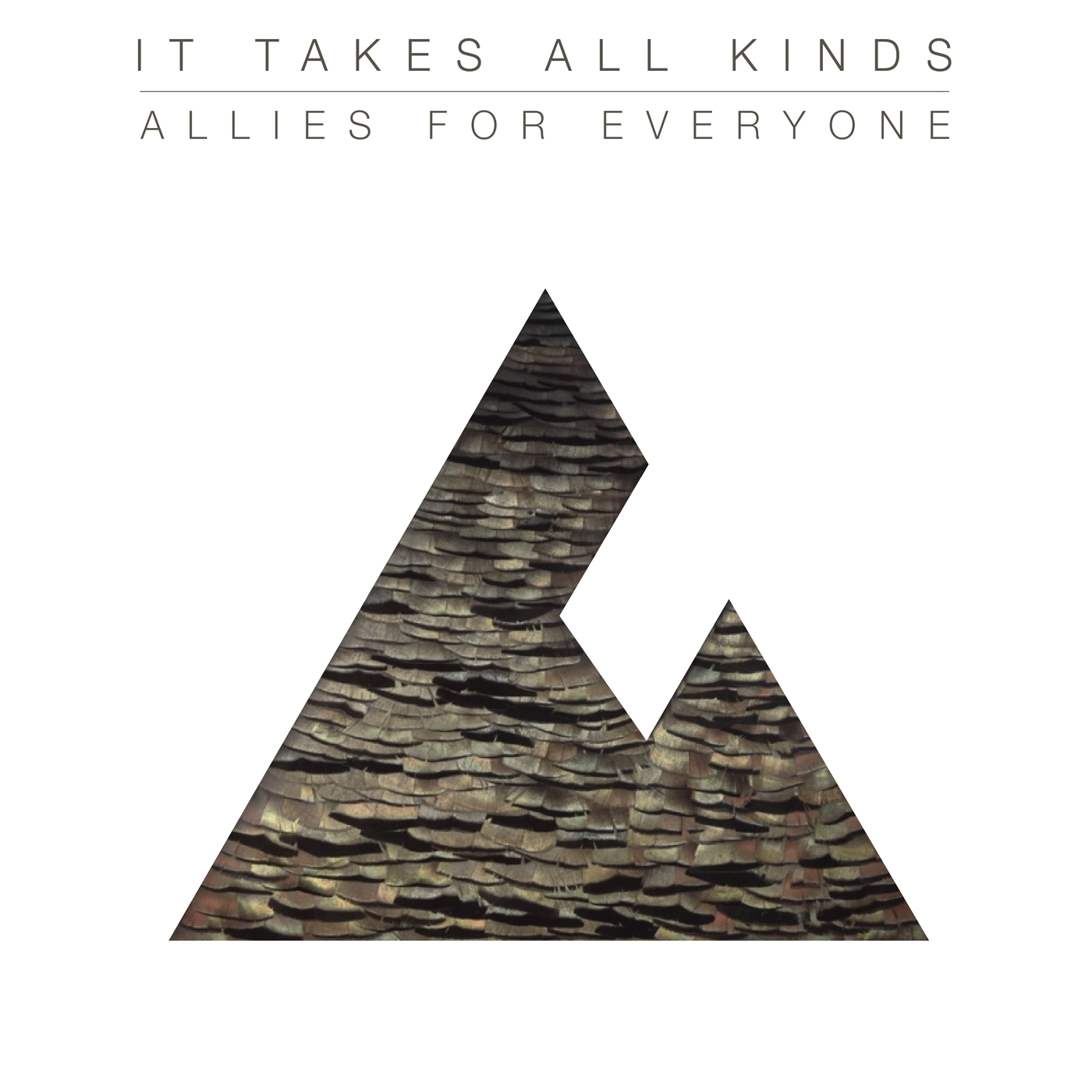
Originally studying to become a priest in the early 2000s, Brian Suarez became sidetracked in his mission to become a man of the cloth after being introduced to electronic music and and decided to “put down the bible and picked up electro.” The result: Gater, an electroclash-era NYC outfit that stood out from its contemporaries for its subdued take on the sound’s often angular version of synthesized dance music. Over a decade later, Suarez continues to pursue his musical endeavors while producing, DJing, and performing live under the guise Allies For Everyone. The track “Takes All Kinds,” which is being offered up today as an exclusive XLR8R download, was created by Suarez as a thank-you to all of his fans for the support he received in 2015 after his latest EP When You’re Gone made it to #27 on the Beatport Electronica chart. Seductive and aerial, Allies For Everyone‘s fluttering, dreamlike style shines through from start to finish, as Suarez’s misty vocals navigate the track through lush soundscapes and spiffy synth progressions.
You can download the track in the player below and be sure to check out more from Allies For Everyone by going to his SoundCloud page here.
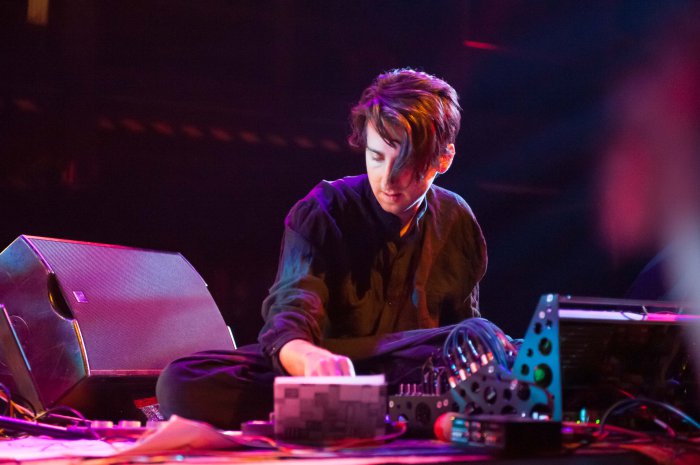
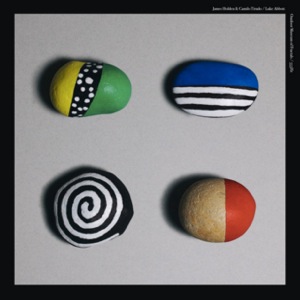
James Holden (pictured above) and Luke Abbott indulge “their respective loves of arpeggio and drone” on a forthcoming split LP for Holden’s own Border Community label. Holden’s contribution is a 45-minute collaboration with tabla player Camilo Tirado, while Abbott’s “extended synth meditation” runs around half an hour. As reported by Resident Advisor, both pieces were inspired by recent tribute events in London and Amsterdam for celebrated American minimalist Terry Riley.
In a press release, Border Community states that Holden and Abbott’s goal “was not to create carbon copy soundalikes of the Riley canon, but rather to immerse themselves in the challenge of writing the same type of hypnotic, slowly unfolding linear music as championed by Riley, in direct contrast to the ubiquitous peaks and drops of the Western classical and popular musical paradigms… stray[ing] ever-so-slightly into New Age territory.”
“Outdoor Museum of Fractals” b/w “555Hz” will see a double-vinyl and digital release on February 26, and its artwork and tracklist is on view below.
01. James Holden & Camilo Tirado – Outdoor Museum of Fractals 02. Luke Abbott – 555Hz
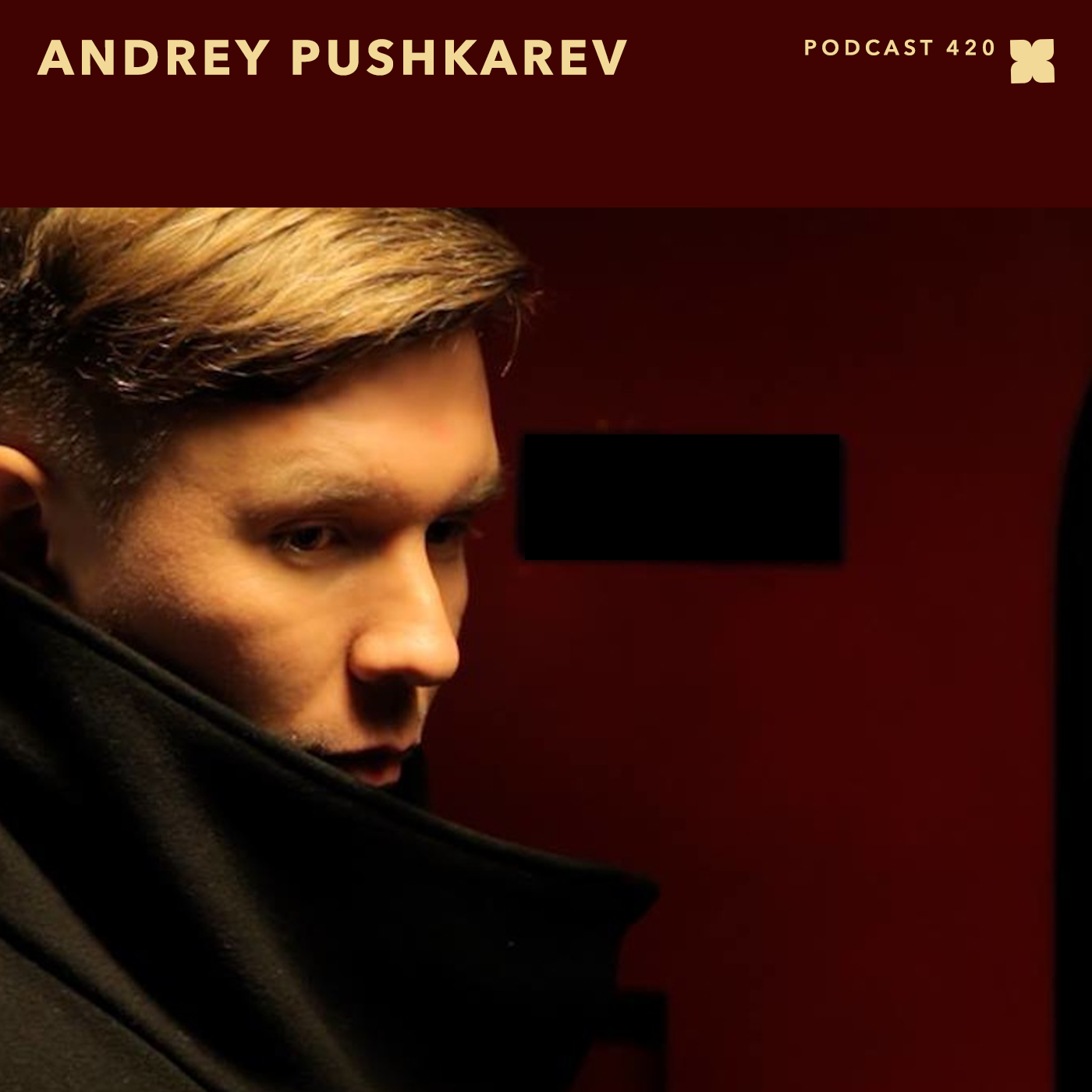
Quick-mix DJ sets, in the right hands, can be dazzling—but there’s certainly plenty to be said for DJs who give their selections room to breathe, giving each track’s subtleties plenty of space to shine. That’s the kind of mix we have here from Russia’s Andrey Pushkarev, who first hit our eardrums via a show on Deep Mix Moscow Radio, but lately has been garnering international props via releases on Endless, Tehnofonika and Circus Company. Pushkarev‘s setting off our podcast series’ new year with this sumptuous hour-long set, made up of a mere ten tunes—but when those songs include such heavenly 4/4 gems as Culture Hub’s “Amni,” Zendid’s “Kiosque,” and “Crux” from iO (Mulen), it’s best to just let the music play. Pushkarev‘s will be setting up shop in DJ booths all over this winter to spread his electronic-house gospel, but the upcoming gig that we’re most excited about (needless to say) is a hoedown that XLR8R is hosting in Los Angeles on January 22nd, when he’ll be playing alongside Clovis and Vera. Until then, we think this dreamy set will keep you cozy in the winter chill.
In a global scene that has tended to herald Berlin and Detroit as its capitals of techno production, London—and the rest of England for that matter—is sometimes overlooked as a torchbearer for the sound. Yet, the proudly British work of Daniel Avery and Casper “Volte-Face” Clark proves that there is techno life in the city yet.
Most will be familiar with Avery by now: Launched into the public eye with his 2013 debut album, Drone Logic, he has been on an upwards trajectory ever since, earning praise for releases like last year’s Sensation/Clear EP on Phantasy Sound and taking his Divided Love events from London’s Fabric to the world. Clark, a fellow Englishman and long-term friend of Avery’s, has been a key participant in many of those events. A relative newcomer to the production game, Clark has spent much of the last decade as a promoter and DJ before transforming his long-running BleeD night into a label to serve as a platform for his two well-received EPs, Charlatan and All Grown Up.
The two are now working together as Rote, a collaborative project that resulted in this past autumn’s EP1; it’s Avery’s first new material since Drone Logic, and was the second release on BleeD. Accompanied by remixes from DJ Nobu and Svreca, the Rote tunes that comprised EP1 were characterized by a healthy measure of techno facelessness; few knew who had made them, and the ambiguity of the track titles and artwork did little to reveal the minds behind those stripped-back sounds. It was a well thought-out recipe, and certainly bolstered interest in the music. We met with the pair on a wintry Brighton day to learn more about the project, as well as what’s happening in their individual spheres.
There was very little press or promotion around Rote. Was this always the intention? Clark: Yes. The launch of the project was supposed to be vague. We didn’t want to overly push it—but we also didn’t deny the fact that it was Dan and I. We were pleased with our work, and didn’t feel the need to obfuscate it. You can generate a bit of hype, but we decided not to play that game. It just felt right to put Rote out the way that we did. We could have taken it further and not told people who we were, limited it to 30 hand-stamped copies, and all that. But this feels more honest to us.
Avery: We liked how no one could say that it was an Avery record, or a Volte-Face record—it’s something completely new.
That ambiguity also offers you a certain creative freedom too—especially for you, Dan, given that EP1 was your first release since 2013’s Drone Logic. Avery: It certainly offered a free creative environment. It’s funny how most reviews attributed specific parts of the record to either of us. No one was even close. It’s interesting that people feel the need to even do that. That’s probably one of the reasons why we didn’t whack our names on the front cover. It’s a collaboration, but it’s not one plus the other—we’re making something new that stands on its own.
Besides the ambiguity aspect, what is the story with the Rote name? Clark: The material came first, and then we had to think of the name. We’d been navel-gazing for a while, until my mum used the word, and then instantly I knew it was right. What I take it to mean is something automatic, operating on instinct. I think there is something about working with another person, where things feel out of your control, like there is a third mind operating with you. It was almost staring us in the face! There are other meanings that are more to do with water symbolism, and we are both from the coast. We did have a funny name as a Plan B, and aren’t averse to humor, but I’m glad we plumped for Rote in the end.
When was the decision made to begin the project? Clark: It came around pretty quickly once we’d decided to collaborate. All things considered, less than a year.
Avery: We’ve been friends for nearly ten years, and our tastes have been crossing that entire time. Making music together was always on the cards.
So why have you decided to start now now? Avery: A catalyst was certainly when Casper started his BleeD label, as it gave us complete control in terms of remixes, artwork etc. I find it very difficult to give the reins to others with decision like this. I love what Casper has achieved with his BleeD nights so I felt more than confident about the label.
Clark: Also, as we have gotten older and spent more time on our own music, we have started to embrace the fact that we are outsiders. I mean, loosely speaking, we operate within the sphere of techno. We are two English guys bringing our English experience into that, and that’s what makes it exciting for us. We aren’t sending our records to Ostgut Ton or anybody else, we are just doing our own thing. Along the way, so-called mistakes happen that are unique to us, and that’s what makes it our own.
Avery: Additionally, from DJing and going out together, we have both felt the energy of something happening in our world of electronic music, this kind of hypnotic techno with a psychedelic edge. It’s music that you have to give time and attention to. It’s not full of quick fixes; it unfolds at its own pace. For us, a big moment in a set isn’t necessarily a “hands-in-the-air” one. If you look out and see everyone with their eyes closed, you know you’re onto something.
There is a certain introspective nature to your work. Do you think that your long term friendship lends itself to a successful collaboration? Clark: Introspective is a very apt word. It happened very naturally in this case. There is another person that I’m collaborating with at the moment, but we haven’t finished an EP yet. I know them less well, but I’ve known them for the same amount of time. It’s a person that has the kind of studio that I can only dream of at this stage. It’s a different thing altogether—it’s better that it should see the light of day only when it’s totally ready. It’s not like I can only work with a very close friend. They both have their own benefits.
Avery: I think the fact we know each other so well is important, as it’s easy to say if something is shit. We don’t have to avoid hurting each other’s feelings. The honesty thing is extremely important in all of this. If you can make something, stand back and be confident that it is entirely your own expression, then people will feel it. It’s as simple as that.
“I think the tracks on the first EP are ones that neither of us would have made on our own. That’s really been the goal with the whole thing.”
How does producing in a collaboration compare with solo production? Clark: It was just useful to have another pair of ears. Especially if one of our attention spans starts to wane, then the other can take over. It just goes back and forth—sometimes I’ll sit on the floor just listening, and at other times Dan will be dancing around at the back of the room. I really like having someone else to bounce off. You can quite often take an idea further than you would.
Avery: It certainly pushes you in different directions. I think the tracks on the first EP are ones that neither of us would have made on our own. That’s really been the goal with the whole thing.
So the main aim of the project is to push yourselves artistically? Clark: Exactly. There’s no point getting into the studio and trying to make a Daniel Avery–plus–Volte-Face record. It’s more about just seeing what happens from this tension and friendship. Also, we both have different setups. I’m not particularly interested in talking specifically about what we use, but they are very different set-ups. I like that. It doesn’t need to be a consistent sound. I like the way “Rote 1” and “Rote 2” work together, but that doesn’t mean the next record should necessarily sound like them.
Avery: I think every artistic project should push you, otherwise there’s little point in starting it. I’m certain that the effects of Rote will be seen on my new solo material. You’ll be able to see the fingerprints of others all over it.
Is the scope of the Rote sound actually quite broad? Avery: Yes, absolutely and that’s my favorite thing about it.
Clark: But once we latch onto an idea, we are both pretty meticulous in pushing and exploring it. We would never go into a session with a predetermined idea of what was going to happen. That wouldn’t be very exciting.
How do you see the project growing relative to your own personal projects? Avery: I can see it running parallel.
Clark: I think that we are both at a stage in our careers when we could both descend into overthinking. I’m just beginning to put myself out there, and Dan’s coming off the back a lauded and cherished album. I think that Rote is just a good way of relaxing, and not overthinking stuff.
Avery: It’s true that when there is no expectation, it makes a big difference to how you think in the studio. The track “Rote 2,” in particular, has a sense of abandon to it, in the most positive way. A sense of freedom. This is really appealing.
Dan—you took quite a break after the album. Was recording for Rote an inspiration for getting back into the studio to work on your solo stuff? Avery: It certainly inspired some new ideas. I’ve been in the studio since Drone Logic came out, but Rote has helped to free up my mind and thoughts a little.
How much material do you have that could be released as Rote? Clark: There’s quite a lot of ideas there. I think that we know what the next EP is, and it’s going to be quite a different sound. We both have got stuff our own to get out first. For better or for worse, we have to be patient. I think that one day down the line, we haven’t really spoken about it, but we might try something on a longer format. Right now we have to just get our own houses in order, though.
Let’s talk about the specific production of EP1. Why did you choose to release “Rote 1” and “Rote 2” specifically? Avery: We knew early on that those two tracks felt the most true to us. The best music always seems to flow out of you. Again, as long as you are true to yourself, then it just happens. The best tracks come about the easiest, every time.
Clark: The whole EP came out in just four sessions.
What’s the story behind the artwork? It’s very ambiguous. Clark: Yeah, I’m glad you noticed that. I think that we have worked with images that aren’t meaningless; there is definitely information there, but we then obscure them. I work one designer for BleeD, a guy called Jack Featherstone. I felt like if I gave him free rein, but with direction, then something exciting could come out of it. You could look back on them and see some kind of narrative.
What were your instructions? Clark: In the case of Rote, it was definitely the idea of automation and repetition. Some people probably don’t like to be given all the answers, but if you look at the record, that was a scene of factory workers. It could be misconstrued as a dancefloor scene though—it’s just a congregation of people. There’s something pretty effective about that particular image though; it’s quite haunting.
Would you say that when you get into the studio together now, the ideas do really flow? Clark: Not everyday, no.
Avery: But that’s alright. What I’ve learned is that if you have nothing on paper at the end of the day, but you have at least experimented—even if you have thrown everything in the bin—then that’s never a day wasted.
Casper, you’ve only just started producing recently. Was it Dan’s success that encouraged you to get in the studio? Clark: It was certainly a motivator. The help and encouragement of a very talented techno producer, Manni Dee, was also immeasurably important. He’s always been on hand to help me technically when I’ve got stuck. The main thing, though, is simply that I finally found the kind of time and dedicated required to do it. I felt too caught up with my promoting day job throughout my 20s. In hindsight, I wouldn’t exchange that experience for anything.
Your first EP came out in May. Had you produced a lot of tracks before that? Clark: Yes, but a lot of material went in the bin before that. When I was finding my feet, I would send stuff to people for feedback. I was probably a bit eager to send stuff to people outside of my immediate circle too. Over time, I stopped that—and with the Charlatan EP, I sort of knew roughly what I wanted to say by that point.
What was the inspiration to turn BleeD into a label? Clark: Quite simply, BleeD has only ever been an outlet for my taste at the time. I had music that I wanted to put out, and I didn’t want to rely on someone else to communicate my message. I’ve got a bit of recognition with the BleeD name, and I think that people who came to the nights trusted in that taste. I didn’t put it out myself because I was in a hurry; I just put it out by myself because I felt that I was in a good position to do so.
Are you actively looking for new artists to release via the imprint? Clark: I’ll listen to every demo, but I’ve never asked anyone to send them. I’d love to find someone in the U.K. Even though you can see other international influences, I do like to think that what I am doing is inherently English. There is definitely a sense of identity, and a slight bit of humor here and there which is a specifically English thing. The thing that would excite me the most is if I could find a new English producer to join the family, although the fourth release will be from an American artist, DJ Spider.
Do you think that you will begin releasing on other imprints as your profile grows? Clark: I’ve got something coming out on another label shortly. If I think that another label could get my message across better than me, then I wouldn’t be against it. Svreca, who runs Semantica, was very encouraging from the start. Before my music was fully developed, he saw what I was trying to achieve, and asked whether I would send a track for his next Nonnative compilation. If you look at the artists who have featured on those compilations, they are people that I admire greatly, and I wasn’t going to say no to that. I gave him something quite weird, actually—a bit more conceptual than the other stuff that I’ve put out so far. It found a better home on Semantica than it would have on BleeD. I’m not sending my demos to anyone with a view to being released, but if the right label wanted to put something out, I wouldn’t necessarily say no.
How did the remix of Dan’s “Platform Zero” track come about? Clark: The first time I heard it, Dan’s record was something that I knew had something going for it. I liked the idea of reworking one of the ambient numbers, and cheekily asked Dan if he fancied letting me have a crack.
Avery: When Casper sent me the first draft, I loved it instantly. I knew that we would have a connection in the studio.
What are the plans for your solo material this year? Clark: I want to keep it to twelves and occasional remixes right now. I’ve done one for the DJ Spider EP, and we spoke about Semantica already. BleeD005 looks likely to be another Volte-Face EP too. It’s hard to say at this stage, but I’d love to put the next Rote EP out after that.
Dan—you’ve spent the last two years on the road. How do your reflect on them? Avery: The past two years have been relentless, but in the best possible way. What I’m most pleased about is how Drone Logic hasn’t really stopped, especially considering the fact I’ve never done a live show. It really seems to have taken on a life of its own. I’m proud that people are just discovering it now. I’d always hoped that it would be a record that would last, rather than just an initial burst burning out quickly.
Did you also feel like you need a break from production following the completion of Drone Logic? Avery: In retrospect, I probably did need a break. The stuff that happened immediately after sounds pretty tired to me now, in more ways than one. I’m glad that I’ve waited so long to release anything. I don’t feel in any rush, but there’s a new album in the works. I’ve probably got three albums worth of stuff already, but only half an LP’s worth that I’m fully satisfied with. Many of the psychedelic elements of Drone Logic will be pushed much harder on the new one. The Sensation record is a good indicator of where my head is at right now.
Is this a natural evolution of your sound? Avery: It does feel natural, yes. I finished Drone Logic nearly three years ago now and, in that time, so many things have affected my head both as a producer and a DJ, particularly traveling. I certainly feel inspired.
Do you now intend to reduce that traveling to allow yourself more studio time? Avery: Well, it’s the oldest cliché in the DJ handbook: You can’t do it all. Time is valuable. The first half of next year I’ll do fewer Divided Loves, and traveling will slow down a little. Up until this point I’ve always thought of myself as a DJ first; it’s something that I’ve been doing for twelve years and it feels natural to me. But now it’s reached a point where I feel like I have something to offer—something to say as a producer. I’m deep in the heart of this new record right now and I’m excited about where it could go. I intend on spending as much time on it as possible.
What has Rote got in store for 2016? Clark: I think that we will release at least one EP, and we kind of know what we want to do with that. There’s no rules, really. If we find a few weeks in the studio, and it flows, then the beauty of running your own label is that I can just put it straight out.
German interaction designer and media artist, Christopher Bauder, along with composer and musician, Robert Henke, have paired up to create, “Deep Web,” a kinnetic audiovisual installation presented at this year’s edition of the CTM festival in Berlin. Running through February 2 -7, “Deep Web” will wrap up with a special live performance on the festival’s closing night.
As stated by the festival: “‘Deep Web’ plunges the audience into a ballet of iridescent light and surround sound […] Moving up and down, and choreographed and synchronized to an original multi-channel musical score by Robert Henke, the spheres are illuminated by blasts of colorful laser beams resulting in three-dimensional sculptural light drawings and arrangements in Kraftwerk Berlin’s cavernous darkness.”
CTM Berlin will run from January 29 – February 7, 2016. For more information about the festival or to purchase tickets, head here.
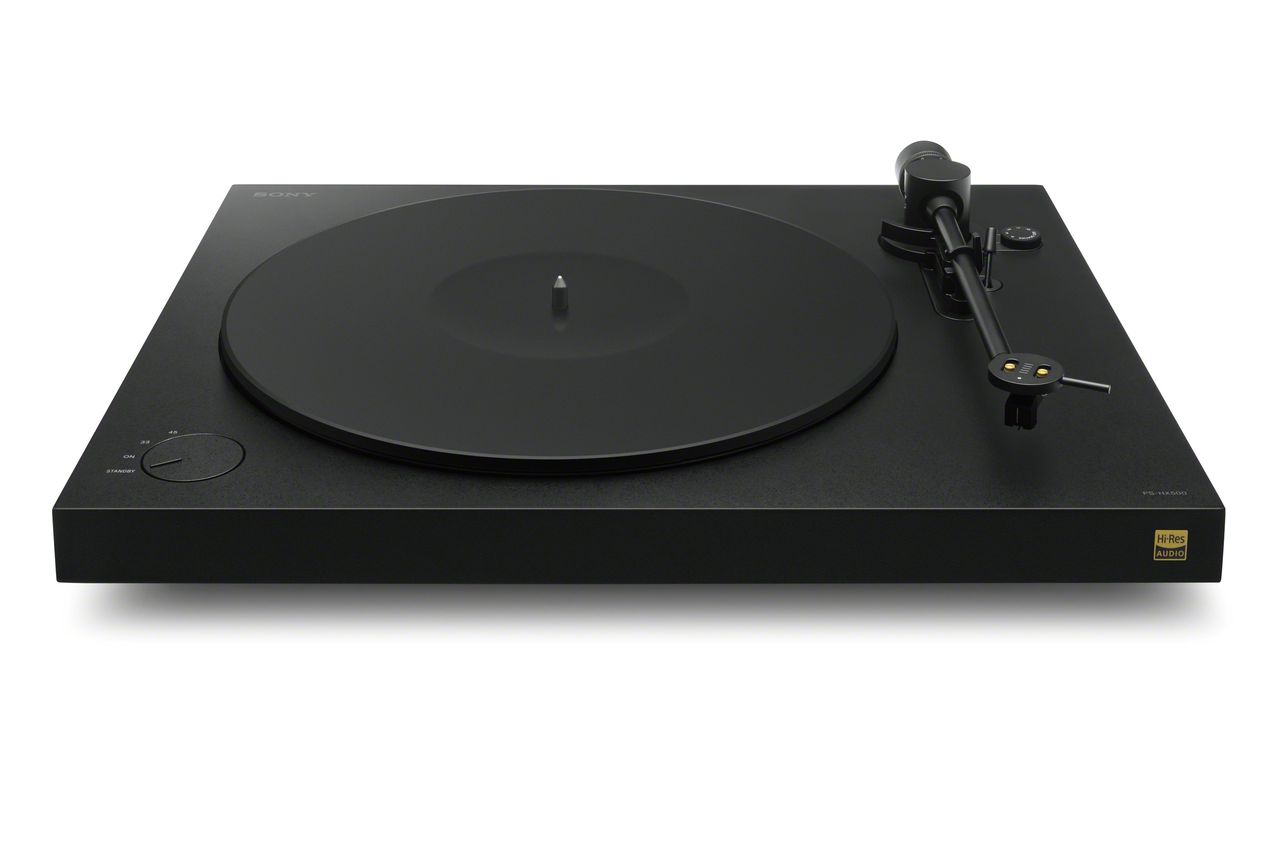
Yesterday, Technics unveiled details of its new SL-1200G turntable, which will hit markets near the close of 2016. But Panasonic isn’t the only company capitalizing on the rapidly expanding turntable market—as Resident Advisor reports, Sony is also rolling out its new PS-HX500 hi-fi turntable, which will allow users to convert analog recordings into WAVs or Sony’s own DSD audio format. The announcement came at the International Consumer Electronics trade show, and while full details (including price) have yet to be revealed, the PS-HX500 is expected to arrive sometime in the spring.
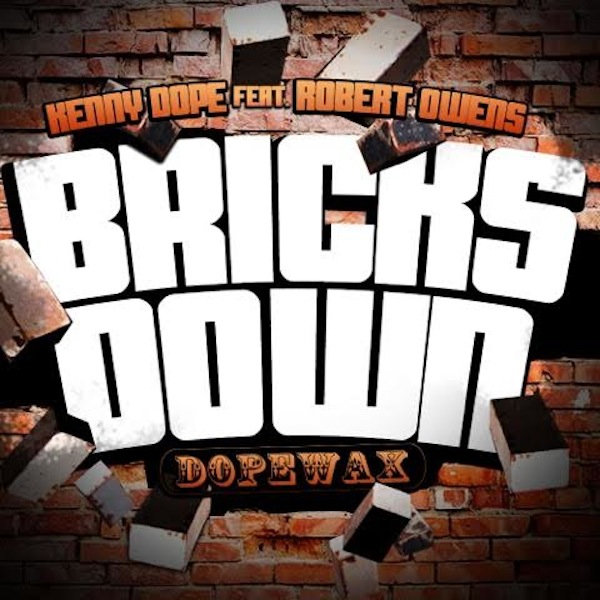
Kenny “Dope” Gonzalez and Robert Owens are a couple of guys who need little in the way of introduction, but just in case, here’s the CliffsNotes version: Among many other claims to fame, the former is one half of the hallowed Masters at Work production team, while the latter has been one of house music’s go-to vocalists since the genre’s inception. Collaborating on the original “Bricks Down,” released this past autumn, the pair crafted a soulful, funk-fueled and driving cut that came off as a jacked-up homage—featuring a similarly toned, though considerably tougher bassline—to Owens’s 1987 Larry Heard–produced classic, “Bring Down the Walls.” (That’s high praise, by the way.) Now a quartet of remixes have hit the shops and, if anything, they outdo the original.
Aficionados of house’s classical traditions will initially be drawn to a pair of Masters at Work versions; somewhat shockingly, this is the first new music coming from the hands of Gonzalez and his longtime partner Louie Vega for over a decade. It would unfair to say that they’ve picked up exactly where they left off—after all, not much could compare to, say, “The Nervous Track” (released in 1993 under the Nuyorican Soul moniker) or 1991’s gorgeous “Our Mute Horn.” But Gonzalez and Vega’s main remix comes pretty damn close, and captures that beloved MAW vibe via its smoothed-out yet jacking feel, deceptively simple (yet deadly effective) synths and drums, and a naggingly familiar “hey” vocal bit that’s reminiscent of the similarly employed “yeah” sample of their version of Debbie Gibson’s “One Step Beyond.” The KenLou Rubber Dub, meanwhile, strips things down a touch, replacing a bit of Owens’s yearning vocals with those synths while keeping the plaintive, late-night mood of the track intact.
Those mixes alone would be enough to satisfy most house-head traditionalists—but they’d be remiss in ignoring contributes from Doc Daneeka and Mr. G. Daneeka layers a subtly acidic bassline, a “let the bricks fall” Owens snippet and various dub effects over a rat-a-tat rhythm, ending up with a propulsive groove that’s both streamlined and considerably rawer than the Masters at Work mixes. But the best of the lot might be Mr. G’s monster re-rub: Like the original, it uses an immensely appealing hollowed-out bass tone (and those sensuous vocals) as the hook, but sits them atop an aggressive proto-disco beat that’s both hypnotic and addictive. Sure, there’s a bit of old-school nostalgia involved in all these remixes—that’s hard to avoid when you have Owens as the star attraction. But house is a feeling, after all, and these tracks have emotion to spare.
The Mr. G and Doc Daneeka remixes of “Bricks Down” are out now via Beatport; the Masters at Work remixes are released January 8 though Traxsource.
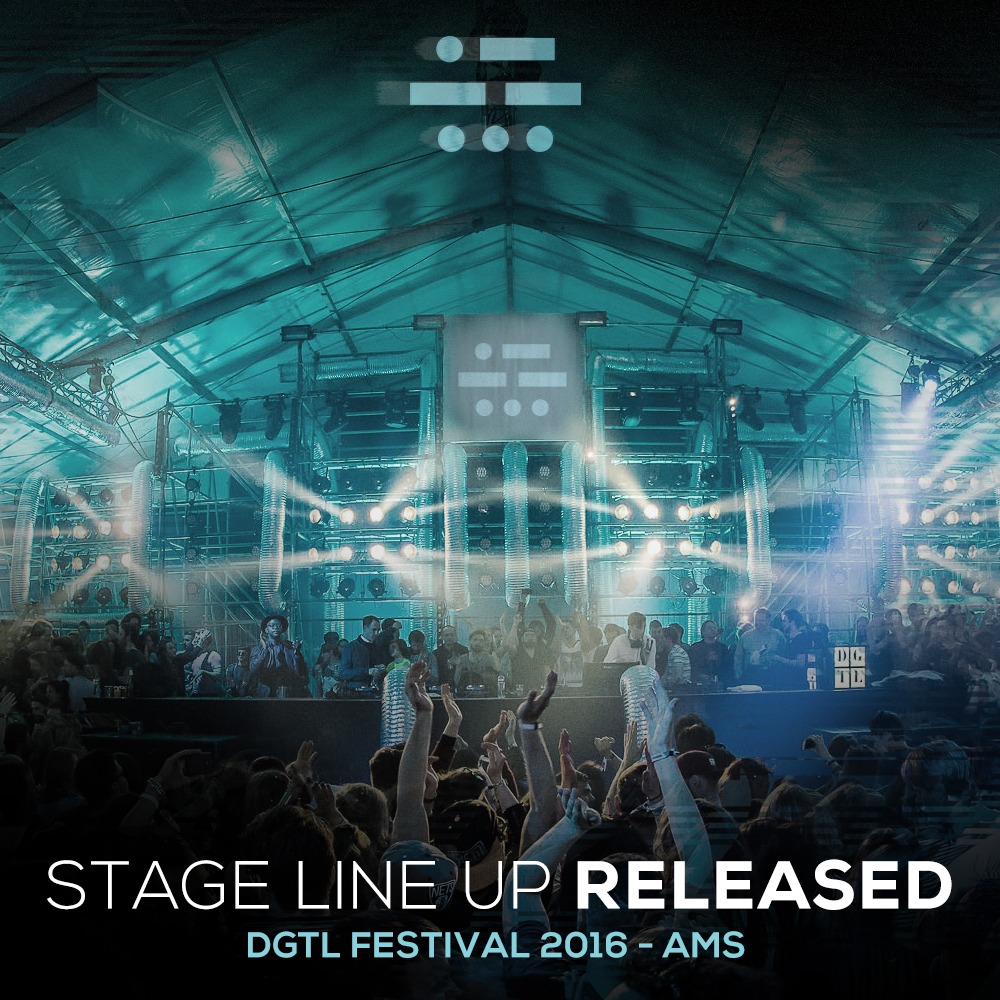
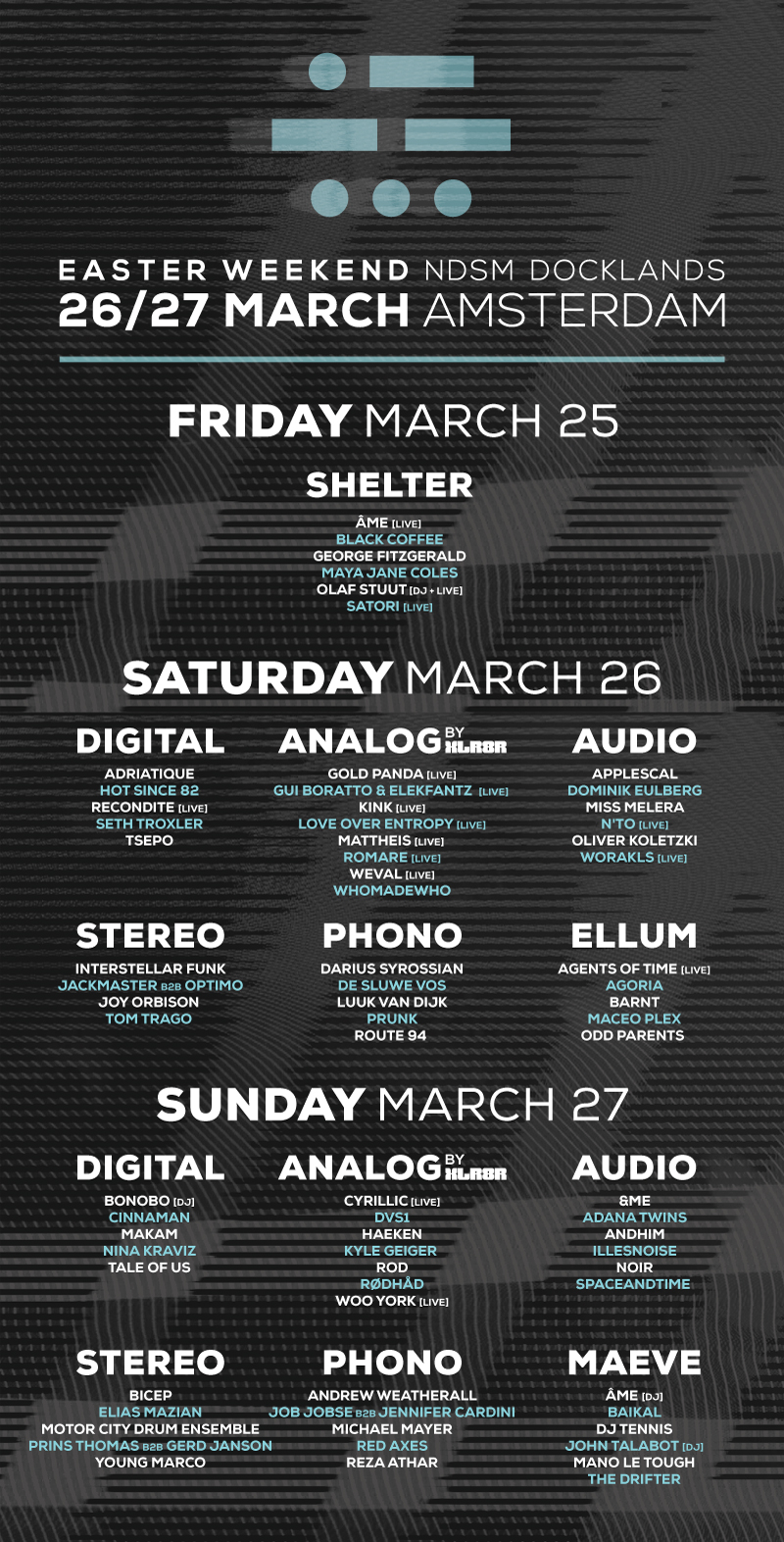
On top of all of that, we are hosting the Analog by XLR8R stage, with a different theme each day. Saturday’s line up focuses more on live performance, with sets by KiNK, Gold Panda and Gui Boratto & Elekfantz. The following day things will get a lot more techno, with DVS1, Rødhåd and Kyle Geiger leading the way.
For the full lineup and more information head to the festival’s website, or you can buy tickets here.
Helena Hauff was no stranger to XLR8R‘s pages in 2015—this past year saw the Hamburg DJ and producer launch her own imprint, release her debut album, and deliver an exclusive all-vinyl mix for us. Now, she’s set to appear on a compilation EP from German label Solar One. Slated for release on February 8, Signs of Decay features “hard and dirty acid tracks” from Hauff, Dutch experimentalist Drvg Cvltvre, Perseus Traxx, Ekman, and label co-founder Robert Witschakowski, operating as The Exaltics. View the record’s tracklist and get a taste of what’s to come below. (via Juno Plus)
1. The Exaltics – Do I Have to Repeat Myself 2. Helena Hauff – Culmination of Frustration 3. Perseus Traxx – MK-Ultra 4. Drvg Cvltvre – The Dead Envy the Living 5. Ekman – Landmarks