Point Blank has just released parts two and three of drum & bass producer Icicle‘s tutorial series.
Following on from part one—which featured the renowned sound designer running through NI’s Maschine and layering drums—the final two video’s in the series focus on creating hybrid drums with FM8 and Kontakt, and monster basslines lines in FM8. Like in part one, Icicle gives insight into his sound design techniques and how he uses FM8 and Kontakt’s Modern Drummer to create punchy drums and thick basslines.
You can watch parts two and three of the tutorial below, and find more information on Point Blank’s various courses by visiting its website and YouTube channel.
Not a lot is known of The Native Language other than that he is “an island resident who lives reclusively in the San Juans of the Pacific Northwest of the United States.” The reclusive producer’s unique and interesting background, and not to mention the wildly creative cuts on his debut, are an ideal fit for Hunt & Gather, snugly fitting with Pezzner’s distinctive musical vision.
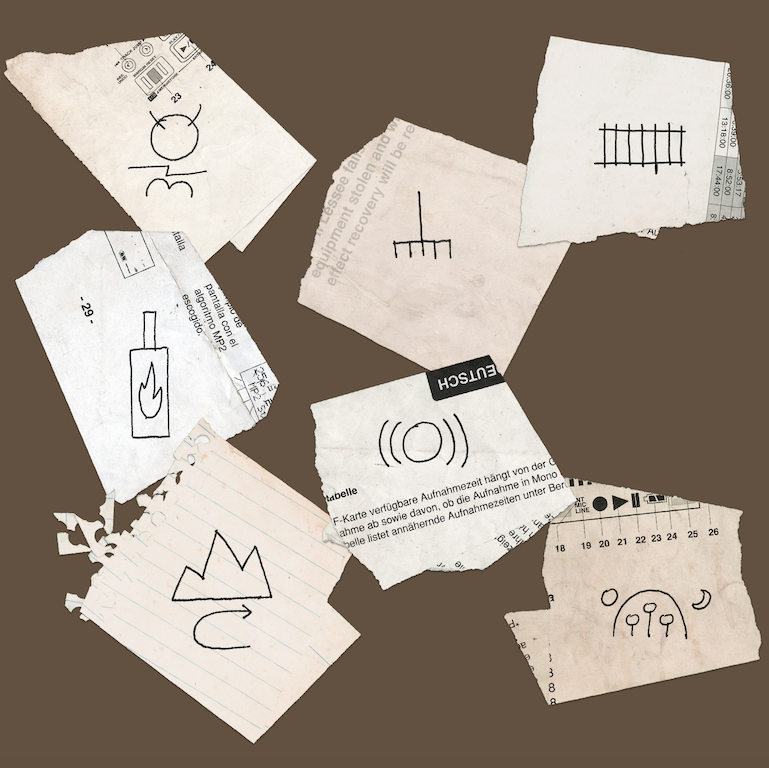
Puerto Toro was reportedly given to Pezzner in an envelope containing a pile of hand-drawn ideograms—as seen on the EP’s artwork—and a single DAT, which featured a non-stop three-hour performance. The three cuts on Puerto Toro are edited excerpts from this performance and are infused with raw, rolling percussion, otherworldly sound design, and tribalistic chants.
Ahead of the November 23 release, you can stream the EP’s title cut in full below.
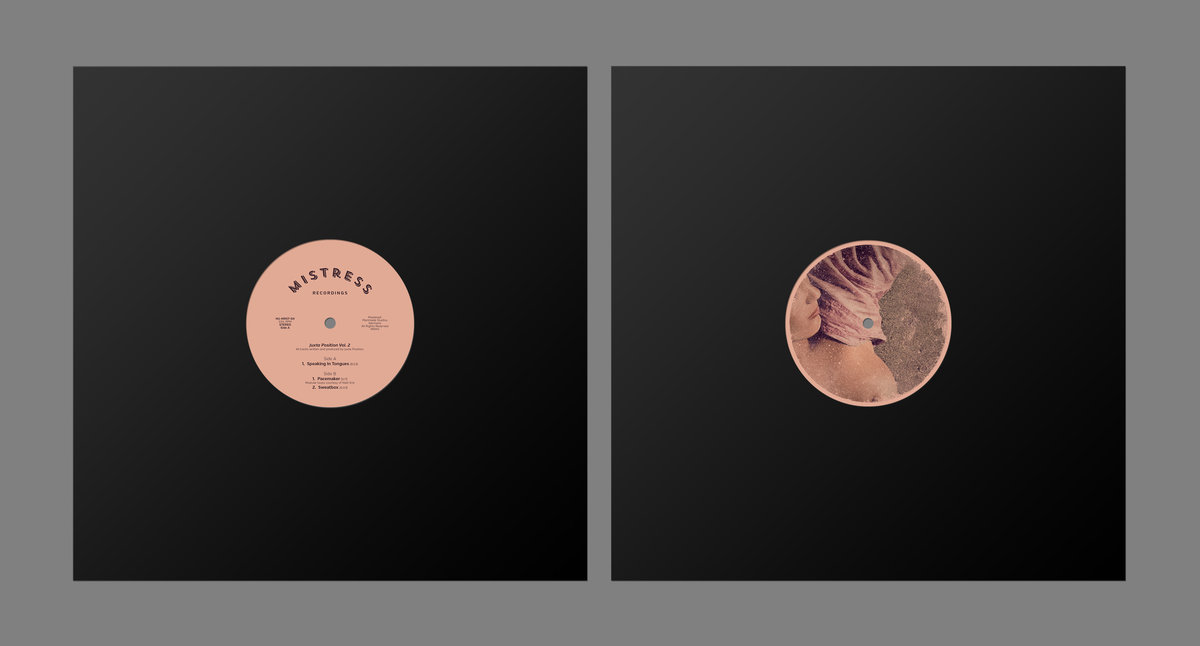
Juxta Position is the moniker used by well established DJ and producer Marquis Hawkes for DVS1‘s Mistress Recordings imprint. Mistress 07 – Vol. 2 will be Hawkes’ second release using his Juxta Position alias and the EP is set for digital release on December 15.
Despite having released a flurry of widely acclaimed EP’s this year on the Fabric affiliated label Houndstooth, and with another one on the way for Aus Music, Hawkes’ Juxta Position moniker allows the producer to explore a darker, more sinister techno sound without compromising the fun, disco-infused production style that people from all over have come to know and love.
Juxta Position on Mistress 07 – Vol. 2:
“I’m not really so keen on a lot of techno I hear these days, so I guess this is kind of my own interpretation of what I think techno music should sound like. It was influenced by many different things – including Richard Bartz & DJ Hell’s early work for Disko B in the mid-nineties, adventures with the Clavia Nord Modular G1 synthesizer and numerous visits to Berghain which i’m fortunate to have as a local venue to visit from time to time.”
Los-Angeles based musician and DJ Alexandre Mouracade (aka SONNS) has served Southern California well over the last two decades. His widely revered Making Shapes party series has brought in a plethora of international artists and Mouracade’s efforts continue to bring a vital amount of much needed attention to LA’s dance music scene.
On November 17, SONNS will be releasing his latest EP, Teacher, throughtotem German imprint Kompakt Records. Featuring three tracks, the EP gives off a versed indie rock vibe that uses elements of disco and employs a dimension of dancefloor oriented production and mentality that makes it seem as though Teacher is a release without era or constraint.You can preview Teacher by going to Kompakt’s website (stream EP preview).
A few days after his release, Mouracade is set to play his and cofounder Jeniluv’s Making Shapes party on November 20, taking place at a location that is TBA. Joining the performance roster for this event will be Jeniluv, and a special extended set from Pachanga Boys / Hippie Dance. This will be Pachanga Boys’ Los Angeles debut and it is certain to be an unforgettable night.
You can grab your tickets via XLR8R!
MAKING SHAPES is back! Friday, November 20th 2015
PACHANGA BOYS – Hippie Dance, Kompakt (extended set) This will be their 1st L.A. performance!
Along with residents, SONNS (Kompakt, Machine Limited) JENILUV (Jack, telepathic Octopus)
There are few musicians who manage to explore the convergence between techno and experimental as successfully as David Letellier. Known as Kangding Ray, Letellier has been producing for almost a decade, releasing music exclusively on Raster-Noton and Stroboscopic Artefacts. The aesthetic domains of these two labels epitomizes Kangding Ray’s complex sound—it’s an aesthetic that tests boundaries, evolving tirelessly in its exploration of texture, rhythm, and sound design. Letellier’s foundations in rock and musique concréte practices give his music a vitality and uniqueness that has won fans the world over, from discerning avant-garde–electronica listeners, all the way to devoted clubbers.
Those who have been following Letellier since his debut album, 2006’s Stabil, will recognize not only his meticulous and constantly developing approach to sound design, but also the conceptual gravity behind his releases; those who might only know him for his last album, 2014’s Solens Arc, will have acknowledged his ability to produce direct and powerful club-leaning tracks and darkly cinematic soundscapes.
In his latest album, Cory Arcane, Letellier pushes the limits of his sound even further. Relinquishing standard rhythmic structures and conventional tonal models, he delivers what is perhaps his most sophisticated release yet—not necessarily because of its technical proficiency, but rather because of his own willingness to let go and allow a more fluid dialogue with the his machines. The sound of Cory Arcane is raw and visceral, cast upon a conceptual backdrop of dystopian urban themes. The press release of the album comes in the form of a fictional story that was written by Letellier to accompany the music: The narrative charts the journey of Letellier’s protagonist, Cory Arcane, as she navigates through issues of identity, technology, and the modern metropolis. Where the physical and virtual worlds continue to blur, the binding of these realities is explored by Cory Arcane in this intense and exhilarating LP.
With the release of the new studio album (his fifth), we sat down with Letellier to get some insight into his creative processes and dive deeper into some of the conceptual themes surrounding the album.
You had a few gigs last weekend—how did they go? It was good. I played in Lyon on Friday, then the SUMS show in Italy on Saturday, and finished with Berghain on Sunday evening for the Stroboscopic Artefacts showcase, which was the cherry on the cake. It was my first Sunday evening actually—I’ve played a couple of times in Berghain already, but never on Sunday. It was really nice.
“In the studio I usually either change place or change the whole setup each time I do an album.”
Has your setup changed much since Solens Arc? In the studio I usually either change place or change the whole setup each time I do an album. I kind of did both this time, because I moved to a new studio, which means the whole album process was different. But this time I separated much more between production and composition. I was spending too much time finishing up tracks and then doing them again, and that’s because I had no division between production, and the actual composition and creation of sounds at the beginning. So I was actually more doing the sounds outside of the studio with a portable recorder. I had two portable systems so I could bring them to different places, even on tour. I recorded a lot, in places like hotels or just at home at my house, but not necessarily going to the studio—just trying to get some ideas. That way, I could also just enjoy playing music and not necessarily be efficient. When I used to play guitar I would just play all the time and not necessarily make a record; it was easier because it was just nice to play, and so I did that a lot. Just playing with things, patching things, turning knobs and so on, not necessarily thinking that it needs to become a track. So yeah, I took out the efficiency, but it and made things a bit more direct, flowing.
And is that why it took you a year to write Cory Arcane? Well, it’s actually been two years, because I finished Solens Arc quite long before it was released. I guess probably at the end it was much faster overall than a lot of other albums.
Is part of that because you did fewer revisions this time? In the past you’ve described your habit for doing dozens of revisions for tracks. Yeah. It was more like I’d done a huge amount of material, but either it would make it on the record,or not. It’s not like I needed to rework them or it was more efficient or much more brilliant from the start, I was just selecting faster, just like going “this is shit, this is shit.…” Usually 90 percent of what I do does not make it on the record because it’s not good enough—actually more like 95 percent!
You’ve said in the past that not being a DJ has had an influence on your music—but since you’ve learned how to DJ and you’ve been doing a few more DJing gigs, do you think that’s changed your approach and your writing? Yeah, well, what I really enjoy about DJing is that I can listen to music again, which is a good thing. When I listen to music in my leisure time, I don’t listen to techno at all—I listen to hip-hop or very different things. So at least DJing has sort of forced me to listen to more techno as well, in a very sort of analytical approach, and probably got me more into studying the affect of what works in a club and what doesn’t work in a club. That’s how maybe I got more and more into this kind of very direct, raw, organic sound, which you can probably hear on Cory Arcane—its a sort of unfiltered, pretty analog sound. It was present already on Solens Arc, but in a more produced way. Also this non-tonal thing, it comes from the way I was working. Solens Arc was a very musical album in a way, because it was made on loads of vintage analog synthesizers—but they had keys, so I was playing notes, and because of that there was more of a tonal theme in it. It was always very compositional. On Cory Arcane, there were not even thoughts of bpm, of keys…of whatever, you know? It was just pure sound coming out of raw machines, because I didn’t even have keys or anything. It was just coming out of random sources and this kind of modular set up, so it was sound in its purest form, without even thinking of tonality, or whether it’s a C major or whatever.
At what point did the idea for Cory Arcane emerge and how did you develop the concept? Well it was while I was wrapping up Solens Arc. I was kind of pushed by the label to release Cory Arcane this year. They heard the demos and they said, “We need that, we want to release it this year,” so I pushed myself to wrap it up pretty fast. While I was in this dynamic, the album came to have a certain character, and I thought it would be interesting to express it through the means of a story, building a sort of fictional character which would represent the state of mind and atmosphere. Cory Arcane is very much me, if I was someone else. So she’s taking the message out, let’s say, she’s bringing the message—a political message, the conceptual message, the aesthetic message—she’s bringing it out for me because me myself as a character is pretty boring!
Did you write the story first and then start writing the music? No it came after. I mean, I could lie and say, “Yeah, I had this big vision and I made the music.” But no, it’s much more making sense of it afterwards. A lot of things I do are like that. I just do things, and then they only make sense when they are almost finished, and brought together.
Would you say that each track fits a specific part of the story? Well, it’s really at the discretion of the listener to build his own story. Because I use the phenomenon of putting out an album—that means like doing an interview with you, and making a press release and doing the artwork—I use this as a way to send a sort of cryptic message, but it’s never clear. It’s not like I’m saying, “It’s this or this,” I’m just hinting at something; and then the story is more between the lines. But each track is a sort of moment and expresses something for sure.
You’re known for having a relatively dark, even dystopian aesthetic. Where does that come from? It’s probably like a lot of people, I guess. It’s like when I was playing guitar, the sad songs were always sounding better—and you know, happy music was just boring, it just felt so much deeper and so much more interesting to do this dark and sad sort of music. I think it’s just a continuation of that.
“The attitude I wanted to express in Cory Arcane is this kind of light irony behind the political discourse on contemporary society.”
Having said that, there always seems to be an element of catharsis, or optimism in your music. Always. Yeah that’s important for me, because I’m really not a pessimist guy. I dress in black mostly because it’s convenient; I kind of love this attitude of this half-restrained irony in it, not taking things too seriously. The attitude I wanted to express in Cory Arcane is this kind of light irony behind the political discourse on contemporary society. It’s militant, but not taking it so seriously up to the point that you can’t have any more distance. You need a bit of distance, the sort of “After all, it’s not that bad.”
After reading the press release, it seems as though what you’re trying to express through the album is this rapidly changing urban environment. As you mentioned with the production process, it also feels very sensory and very intense in that way. In a digital world, the question of the sensory experience has never been as important as now, because these two polarities, of the dematerialization of these things…things become sort of particles, and nothing is really real any more. But at the same time, people look and strive for real sensory experiences, whether it’s through drugs, sex or any other kind of alteration of the reality—because that’s one way, at least, to feel alive again, and not lose yourself constantly in this sort of virtual world. That’s one of the aspects I wanted to express, and having a sort of direct impact of things—just something that goes straight to you, in a physical way.
In your previous work you’ve used voice samples—but here you haven’t used any, despite having a female character. Was that something deliberate? Well, I started to. I had a couple of tracks featuring a female voice, and in the end I thought it was not really fitting, and I actually reserved this for a future project. I’ve done tracks before featuring singers, but this time I thought I would want to keep it pure, not having another layer. Also there’s this almost obligatory thing where you go, okay, there’s a female character so there must be some sort of song in it—so it was just a resistance to the obvious, I guess.
Is that the same thing as with having less techno on this album as well? Solens Arc was a lot more techno-oriented. I suppose, yeah—there are maybe two or three tracks that fit the sort of techno pattern, and only two that can really be played in a proper techno set. But the rest explore a lot of different tempos as well, bpms well below 110 and sometimes even lower, and also very weird rhythm structures, which makes them almost impossible to mix in a normal techno DJ set. So, yeah, I guess it was sort of a reaction or a resistance to functionality, but also it makes it super-interesting to play them live. It basically comes from the process, because the process was kind of open sound research; I didn’t have any sequencing. There was not even a sequencer. It was just sort of evolving loops, and at the end I didn’t even know what bpm I was, I was just like, “This feels good; the groove’s fine.” I would go to the studio later when the track was almost there to edit it and realize it’s 102 bpm, and I’m like, “Alright, it’s definitely not a good DJ tool, but okay.”
Did you fight against that? Did part of you want more control, seeing as you’re used to working more meticulously and doing countless revisions? I kind of enjoyed letting it go sometimes. I never particularly enjoy over-working things—it’s just I felt I had to It was a sort of task. When I was letting go it felt like a loss of control a bit, but at the same time I was winning a certain directness and honesty in the process. It was a good deal in the end.
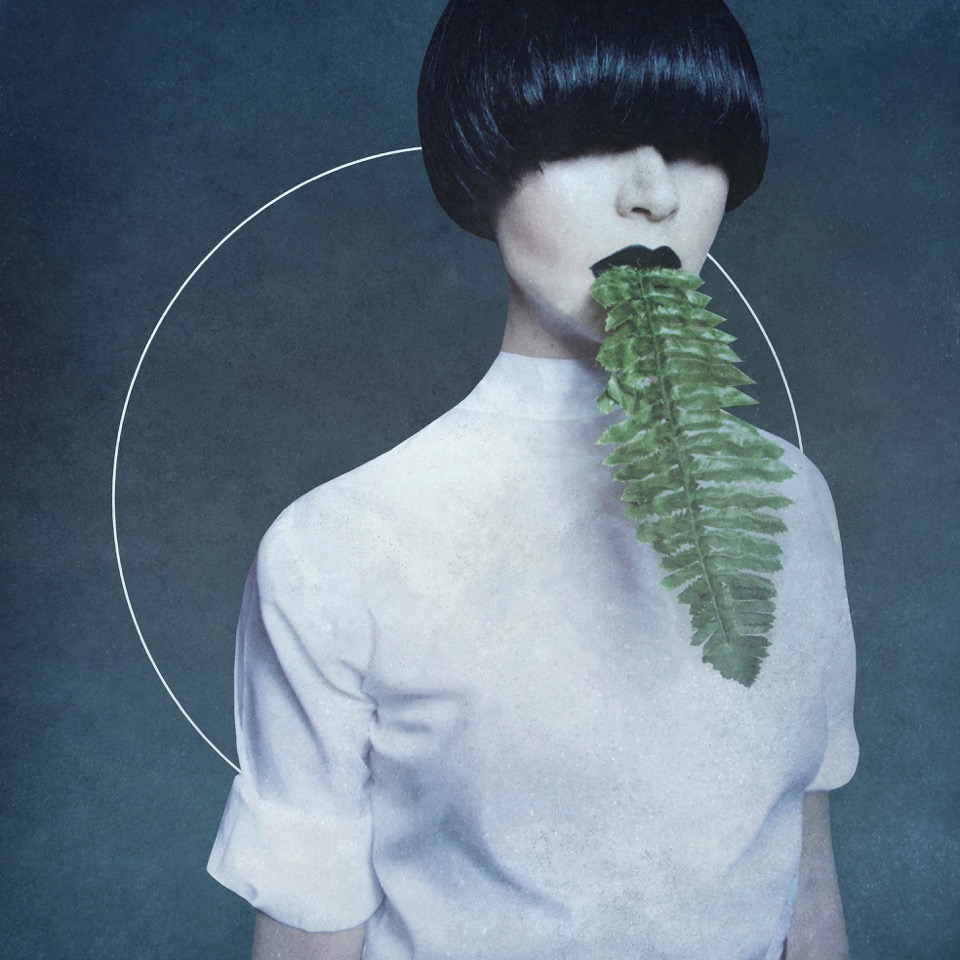
How did the album art come around? I was looking for a strong image for Cory Arcane and I really wanted to have a photo, but in the history of Raster-Noton there has been maybe only two photos out of all of the artworks over 20 years. It just never happens, just because it’s super difficult to convince them on the art. To convince them I had to find a really strong image—otherwise they’d say no. So I researched a lot, through databases, and I found someone by Marina Minibaeva. She did this amazing photo and I thought, this is it, this is it, this is it. And Raster-Noton were like, “okay, alright, this one we can do.” It’s a strong image—strong enough, anyway. It totally made sense with the image fitting so well with the concept.
Is there a particular reason why you’ve chosen to release all five of your albums on Raster-Noton? Yeah, because it’s my label. I just learned the way they work. I respect their attitude a lot, I think they are doing great things. They always try to ensure the quality; whether it’s sound quality, the quality of the artwork, they never compromise on any of the artistic aspects, so I just support and stand for this kind of attitude.
As you’ve refined your sound with each release, it feels as if you further blur the line of the convergence between the experimental side (Raster-Noton), and the more techno side (Stroboscopic Artefacts). What do you think of this convergence? I think that these two labels show that there are zones where it actually is very similar, and it also shows how developed the techno scene and the club-music scene is right now. Stuff which is released right now on Stroboscopic could very well be a Raster-Noton release, I guess, but it also shows that it’s a question of context. Sometimes the same music in a contemporary art gallery becomes something else, and if you change the context and you put it in a club with a sound system and the right crowd, it becomes something else—but it’s actually the same music. It just depends on how you present it.
Now that you’re fairly established and a lot more people know your music, is there any pressure to release more regularly, or do you try to ignore that? Well, there’s a bit of pressure because sometimes people tend to forget you very fast if you’re not in the news in the last few months, but I don’t really care anymore. It’s more I’ll just do my thing. Most of the time I don’t really have time to care about my presence on the Internet—I even got kicked out of Facebook recently, because I didn’t have my real name on the profile. I had a Facebook page, but the profile that was administrating it was a fake profile, and they didn’t like that—so they just erased my fan page!
That strangely ties in with the Cory Arcane topic. True, true. Like being thrown outside; if you don’t want to be in the mold, then you’re out!
Despite being predominantly a solo project, you’ve had a lot of experience with bands in the past, and in groups such as SUMS. Do you think you would ever do a collaboration album as Kangding Ray in the future, or would you prefer to keep it solo? We’ll see. I think that eventually I would like start to collaborating at some point, also because I guess I’ve become more “social!” I was not ready before—I was too much of a control freak. But now I have the feeling I’m more and more open to those kinds of things, to let go, and also maybe accept more people to enter into my artistic process—I guess because I feel more confident with myself.
What’s next for Kangding Ray? I’ll tour, play a lot in U.S., Japan, Taiwan and Canada, then a couple of things in Europe—and then my next thing is returning to the studio for another record, probably Stroboscopic Artefacts, for next year.
___________
Cory Arcane is available on CD and LP format. The CD was released on October 29th, while the LP will be out on November 10th and they are both available on Raster-Noton website.
Original member of D12 now turned solo artist Denaun Porter, who is sometimes better known by the name Mr. Porter, or his former alias Kon Artis, has just released an animated video for the song “Cooking” from his latest album, Stuff In My Backpack, featuring Detroit royalty Royce Da 5’9 and one of underground hip-hop’s most pre-eminent lyricists, Pharoahe Monch.
The video was directed by Stack Moses, with animation by Romio No E. Porter is credited with producing the track, as well as crafting the hook and spitting the first verse, before volleying with Royce Da 5’9 before his verse comes crashing in. Royce encapsulates his entire persona with the line “Bitches is twerkin and poppin it, guns in the video not as a prop cause right after they shoot me I’m poppin it. I’m not irrelevant, nor relevant, I’m more like reverend, even when they rebuke me I’m profitin’.” Pharoah Monch closes out the track with a staggering verse that can only be delivered by the lyrical poet himself. Check out the video and pick up the album or the single on iTunes.
You can find more than 30 releases from their back catalog, all reduced in price—with some full LPs as low as £2.50. Some of the more notable releases in this sale are Kyle Hall’s 2014 Girl U So Strong EP (featured on Kode9 and Burial’s mix for Mary Anne Hobbs‘s BBC Radio1 experimental broadcast), and Ill Blu‘s 2010 EP “Bellion”/”Dragon Pop.” You can browse the releases on the Big Cartel website by clicking here.
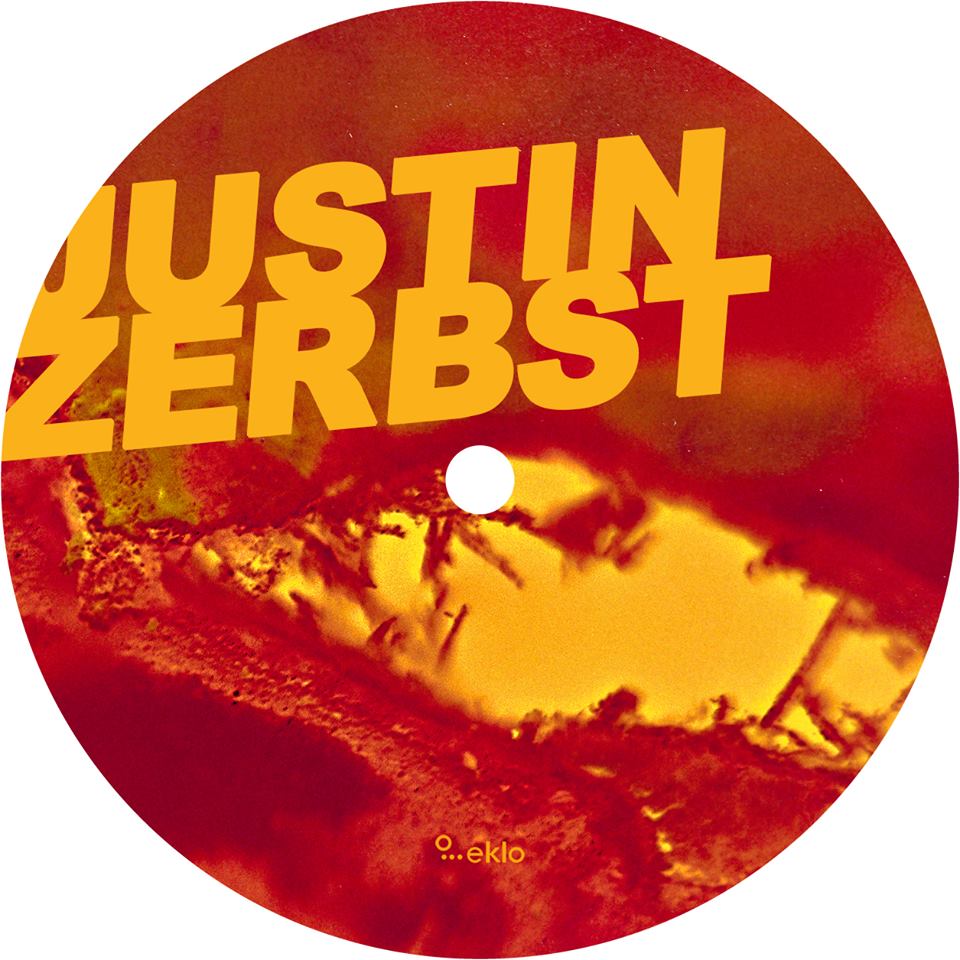
Australia’s house-music legacy may be a bit sparse, but in the case of Red Ember Records, a project based in Perth during the late ’90s, their footprint has been an enduring one. Justin Zerbst, an affiliate of said label, put out a flurry of high quality releases in that era that have since gathered cult status among record diggers today, but had subsequently fallen inactive. Now, Parisian imprint Eklo, known for their refined minimal sound, plunge into the treasure trove of Zerbst’s lost tracks for the In From the Cold EP.
Opening cut “Subtraction,” which had already had an outing on a rare Red Ember pressing, is perhaps the most obvious attraction here. It is ordered chaos, as Justin takes a high-tempo trip through a plethora of crazed noises that somehow all meld together effortlessly atop a sturdy kick. “Syrup” rolls with a similar sound, but with the focus on an acid hook that grows into a climactic drop. Things step a few rungs deeper in “Timor Echo,” which is carried by shimmering synths through to roughly the five-minute mark—then hi-hats finally come in, and the track transforms into galloping techno. It is only in the melancholic “You Can’t See Around Corners,” when gentle pads wash over marching percussion, that there is a moment for reflection. Though it is shame that Zerbst’s tracks were not made available back in the day, perhaps now on this platform they will finally get the audience they deserve.
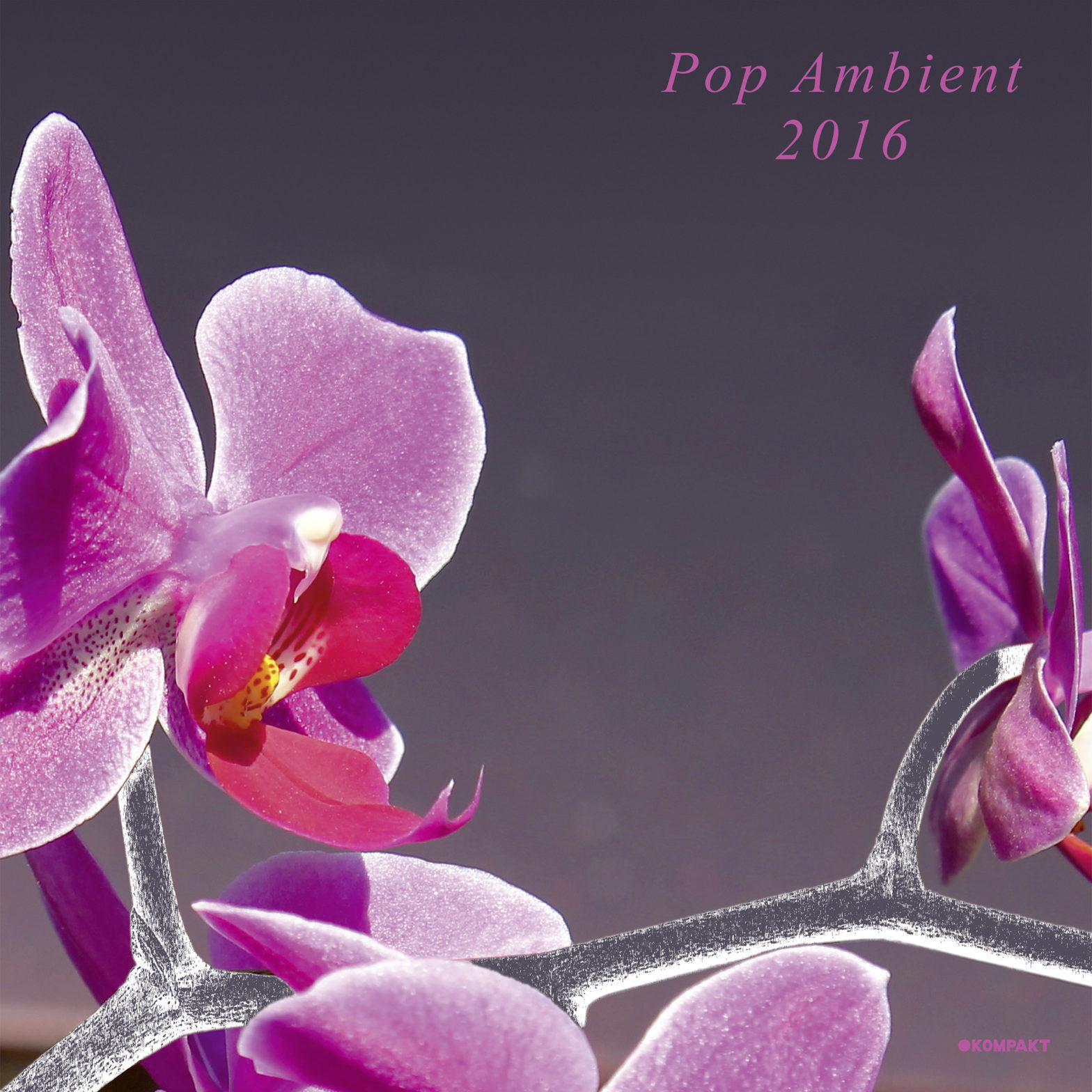
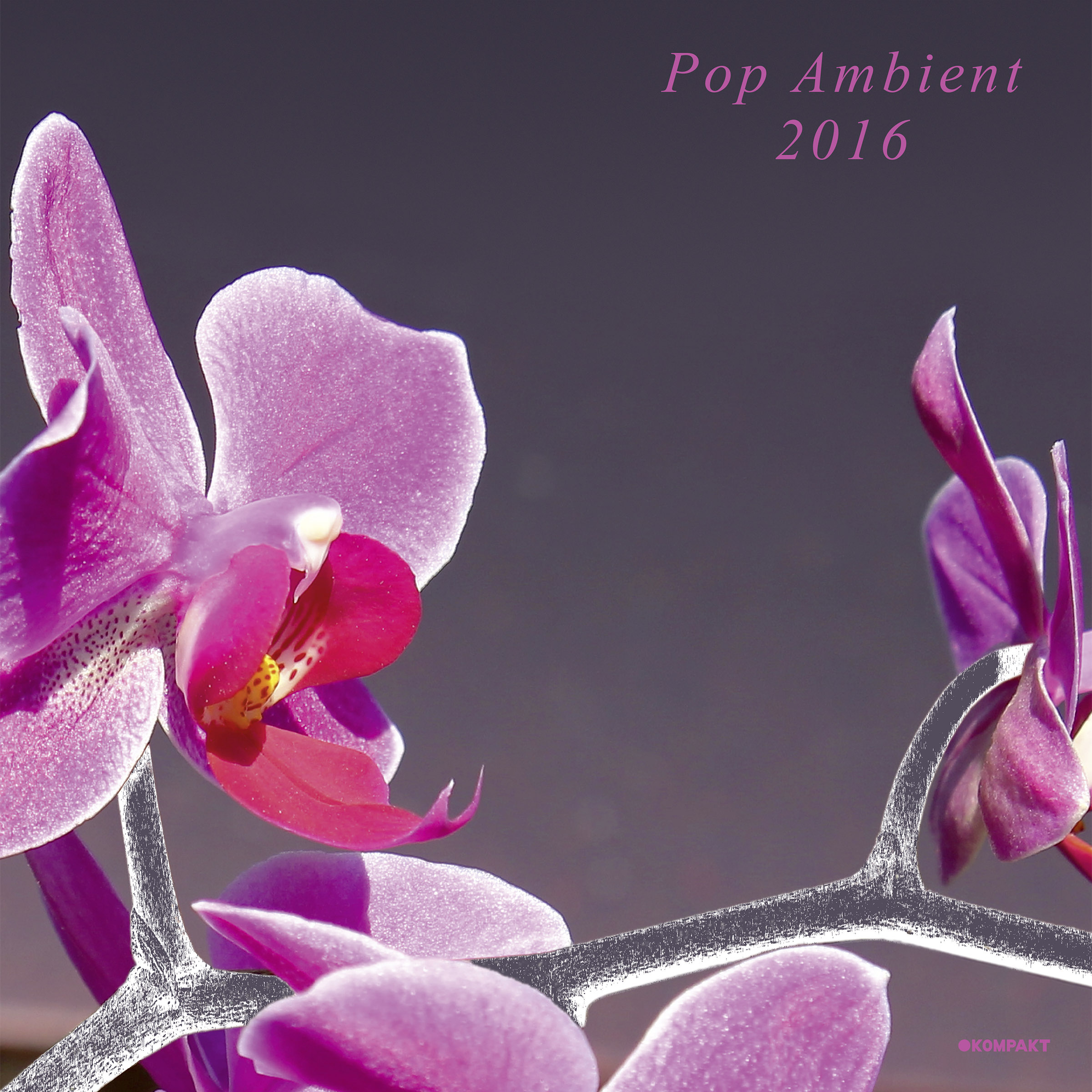
It’s that time of year, the season for glacial vistas, shimmering atmosphere and wistful moods—and, no we’re not talking about the onset of winter. Instead, we’re referring to the release of Kompakt‘s annual compilation of beat-free beauties, Pop Ambient, with this year’s installment once again boasting a lineup of soaring and swooping tunes that are uniformly gorgeous, emotive and, at times, downright spine-tingling, from a murderers’ row of electronic-music artists.
The album leads off with a trio of tracks that hint at the natural world, and the slow changes that unfold within it as our globe spins and wends its way around the sun. “April im Oktober,” from electro-acoustic artist Stephan Mathieu, is constructed from a gradually unfolding series of tones; the song is massive in scope but intimate in feel, much as seasonal transformations are beyond our control, yet felt in deeply personal ways. The ambient-techno pioneers of the Orb, fresh off theri recent Moonbuilding 2703 AD, come back to earth with “Alpine Dawn”—you can practically see the springtime sun peaking through craggy peaks, ice receding as the mountains slowly spring to life. Warm awakenings also define “April” from SCSI-9‘s Anton Kubikov, as a buoyant aura of rebirth floats above the cut’s swirling sounds, deep piano tones and chiming melody.
The German word feinherb doesn’t have a precise English translation, but roughly speaking, it refers to “balance”—and Max Würden and Thore Pfeiffer’s collaborative production of the same name carefully calibrates bursts of organs with what sounds like heavily processed vocals with an skewed, oddly appealing syncopation. Leandro Fresco‘s mix of Dave DK‘s “Veira” (off of this past spring’s fab Val Maira), turns down the heat of the original’s glowing embers by a few degrees, slowing the pace and retaining just a hint of kick drum, while simultaneously building the song’s exhilarative quality via a chorus of harmonizing synths. Pfeiffer’s aptly named “Idyll” is all trumpeted arcs and spiraling ornamentation—its a track that’s both pastoral and triumphant. And so it goes, with numbers coming courtesy of Kompakt cofounder Wolfgang Voigt (who again serves as Pop Ambient’‘s curator), Mikkel Metal and other—richness and elegance run throughout.
There’s very little in the way of sharp edges here; the crackling windswept rustle that marks the first third of Fresco’s “Configuración De Ataque” is about as edgy as this set gets. (And even that song, with its plucked-guitar line and reflective melody, evolves into something that’s seductively lush, almost sunset-Balearic in vibe.) The album will likely be a bit too “new-agey” for some, best avoided by those new simply need a tough kick drum to keep them happy. But as Bob Marley said, “One good thing about music is that when it hits you, you feel no pain”—and while he probably wasn’t talking about the kind of blissful sonics found on Pop Ambient 2016, that statement is as true of this release as it is of any long-player we’ve heard this year.
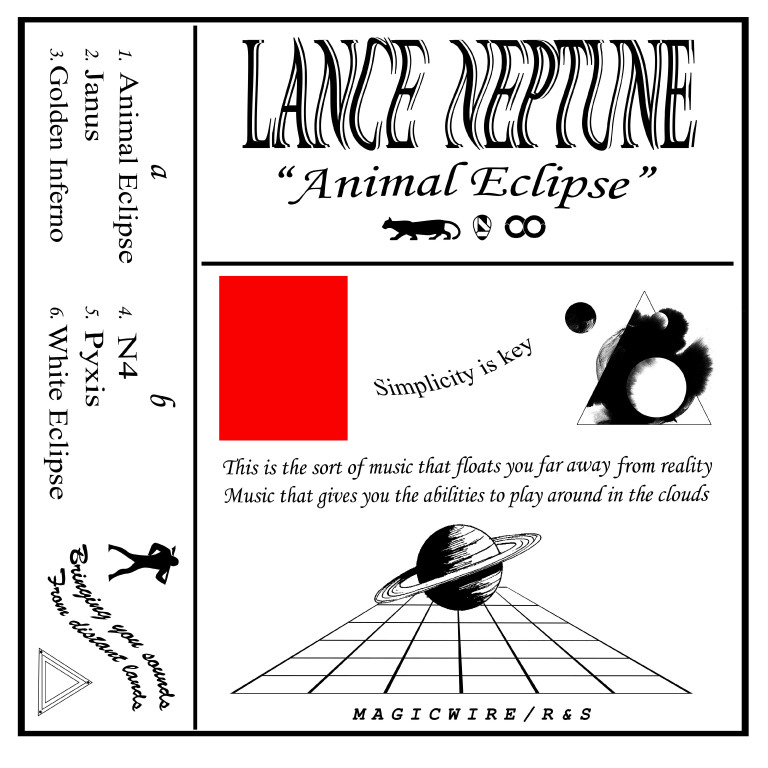
Maryland-based producer Lance Neptune is set to release his EP Animal Eclipse via Lone’s Magicwire imprint. Having approached Lone on one of his tour through the US, Neptune instantly impressed Lone with his demos, and in turn, receiving the opportunity to remix his track “Mirror Suns” (which can be downloaded here via XLR8R).
This release marks the revival of Lone’s label and will be the first EP to have been released on Magicwire in the past three years. “Janus’ is a sun-soaked, spacial, percussion focused track that seemingly sails along with a pleasantly disjointed and coagulated beat. Stream the track in full via Boiler Room.